







Close
Digital Health & Ai Innovation summit 2026
LiGHT26

Medical Device Market Projected To Reach $756.59B By 2031

In the year 2022, the global market for medical devices was estimated to be worth $455.50 billion, and it is expected that by the year 2031, it would have reached $756.59 billion. It is now growing at a compound annual growth rate (CAGR) of 5.8% for the period of forecasting (2024-2031). The fact that medical institutions in the contemporary world are using a data-driven strategy to improve patient care, handle consumer inquiries, enhance treatment, and expedite hospital operations is a witness to the fact that the industry is increasing.

In today’s world, the healthcare sector is transitioning into a new age, one in which software, cloud computing, and medical apps have become indispensable to the process of developing and operating medical equipment. When it comes to medical technology, the future is being written in code. This includes everything from diagnostic tools to therapeutic instruments. The implementation of healthcare solutions has been revolutionized as a result of the convergence of many factors, including technology and medical equipment. Let us further examine the function that the most recent technical developments, advances, and compatible medical software devices and apps play in the medical business. This is relevant to the previous point.

Comprehending the Software in Relation to Medical Hardware

Software for medical devices, often known as medical device software (MDSW), is a program that was developed expressly to carry out medical procedures without relying on physical equipment. It encompasses a wide range of applications, including diagnostics, patient monitoring, and therapy, and it plays an immensely important part in the healthcare industry. Insulin pumps and surgical robots are only two examples of the many medical gadgets that make use of this material. In addition to this, it contributes considerably to the improvement of the quality, safety, and efficiency of healthcare.

Varieties of Software Used in Medical Devices

Software for medical devices may be broken down into two primary categories: software for embedded medical systems and software for software as a medical device, often known as SaMD. Both of them are essential to the field of health care in their respective roles.

Medical Systems That Are Embedded

The software that manages the functionality of a medical device is known as embedded medical system software, or EMSSW for short. This software is often built within the device itself. Insulin pumps, pacemakers, and imaging systems are typical applications for this molecule, which was developed with the goal of ensuring patient safety. For the purpose of controlling the functioning, it is included into the hardware and associated with the devices individually. As an example, EMSSW software is used in MRI machines in order to assist in monitoring their operation at all times. This component is responsible for managing various machine processes, providing assistance with data collecting, and synchronizing with its scanning sequences in order to provide patient pictures.

As a Type of Medical Equipment, Software The SaMD

One key distinction between embedded systems and software as a medical device is that the former may function independently on any hardware medical equipment. It is a piece of software that has a specific medical function and runs independently. Mobile and desktop apps, as well as software that is hosted in the cloud, are all examples of SaMD software types. For instance, mobile apps that are used for the purpose of analyzing blood glucose levels in diabetic patients are examples of this. Patients are able to better monitor their data, see trends, and learn information about how to manage their health in a more effective manner.

The Testing of Software

The testing of software is an essential component of the healthcare business, and it has the potential to determine whether or not a patient lives or dies. In addition to providing users and practitioners with the peace of mind that the equipment and software are in functioning condition and satisfy all of the regulatory standards, it also helps give practitioners peace of mind. In general, the devices are subjected to five different stages of testing, which include planning, design, execution, reporting, and verification.

Storage in the Cloud

Computing in the cloud is yet another game-changing innovation in the healthcare industry. As a result of its implementation in the sector, it has resulted in a substantial transformation and has opened up new channels for the consumption, production, storage, and interchange of data. Applications of cloud computing may be broken down into two categories. This system works in a way that is beneficial to both patients and healthcare institutions. The ability to utilize and store a significant quantity of data from any location and at any time is made possible by this, which contributes to the enhancement of patient care and the streamlining of activities. It manages, stores, and processes healthcare data and applications by using remote servers that are located on the internet. This allows it to function independently.

Integration of User Interface and User Experience Design in Healthcare

Mobile apps in the healthcare sector serve an important role in strengthening healthcare services and facilitating better communication between patients and professionals. This is in addition to the software that is used in medical devices. It is common knowledge that healthcare systems are notoriously complicated, and they consist of elaborate processes that include patients, workers, and even healthcare practitioners. Providing a user experience that is both fluid and intuitive may be accomplished via the use of a reduced user interface and user experience design. Patients, for example, are able to readily obtain information, make use of medical services, and arrange appointments.

Data Protection in Healthcare Information Systems

In the field of healthcare software development, the evolution of software has opened numerous doors to the possibility of data breaches, which has led to the revelation of sensitive patient information. In light of this, it is of the utmost importance for healthcare institutions to safeguard the sensitive information of their patients and to prevent breaches of sensitive information from occurring. It is necessary for medical institutions to implement data security measures such as two-factor authentication, biometrics, personal identification numbers (PINs), and much more. Aside from this, it is the duty of medical institutions to make certain that the apps they use are in accordance with the criteria established by the HIPAA, GDPR, and the Data Protection Act.

In conclusion, the healthcare business is crafting a successful story via the fast development of precision software and breakthroughs in rapidly evolving technologies. In order to improve patient treatment, the medical industry is constantly introducing new innovations, safe patient care practices, and compliance software solutions. These developments range from the incorporation of cutting-edge technology like cloud computing to the use of software as a medical device. When it comes to the future of the medical device business, there is a significant possibility that innovative solutions will be developed that will reimagine the delivery of healthcare and contribute to the overall success of the medical sector.


Advancing Health Equity: FDA Focuses On Device Research

The Center for Devices and Radiological Health (CDRH) of the US Food and Drug Administration (FDA) has released a discussion paper seeking input on the most effective methods for advancing health equality in clinical research using medical devices.

In order for the data gathered from the research to be able to offer an understanding of device performance across populations, medical device clinical trials should suitably reflect the community that is meant to utilize the device given the variety of the US population, according to the report.

The study was created in support of the FDA’s strategic goals for 2022โ€“2025, which include facilitating access to and availability of medical technology for all populations. It also serves as a supplement to a draft guideline on clinical research diversity that was released in April.

According to the FDA, there are three elements that may support health equity in research that accurately represent the target audience for a certain medical device.

Among them are:

  • Assessing the differences in the illness or condition’s burden among the target user group. According to the FDA, this feature can help sponsors comprehend how much specific elements (such access to treatment, comorbidities, socioeconomic status, and demographics) might affect the frequency, severity, and incidence of an illness or condition.
  • Recognizing the differences in physiology, anatomy, and pathophysiology among the US intended use population with relation to the origin, progression, and prognosis of a certain illness or condition under research. According to the agency, it may be important to understand potential differences in device performance and may help identify mechanisms or potential causes for those differences to occur due to variation in these elements across the US intended use population.
  • Assessing how the research population’s exposure to various outcomes may be introduced, made worse, or mitigated by the device technology. The agency says it is very important for FDA to know if the technology might work differently in different groups for the purposes it was made for.

ย Dive Brief:

  • On Monday, the Food and Drug Administration said that it is looking for input on health equality for medical devices in order to guide a possible regulatory strategy on the subject. Comments on the paper are welcome until October 4.
  • The FDA provided its thoughts on how sponsors might choose research populations that accurately represent the intended use of a certain medical device in the discussion paper.
  • The Center for Devices and Radiological Health has identified health equality as one of its strategic goals. The discussion paper is a part of this effort, which also contains recommendations for diversity action plans.

The FDA said that these factors may overlap and that data from a technological review of a device might influence a judgment about the course of a disease. According to the FDA, combining data from these three factors might provide sponsors a thorough grasp of study question elements that could have an impact on device performance or clinical outcomes.

By taking these factors into account, sponsors may be better able to determine whether or not differences in outcomes are expected between patient populations, according to the FDA.

The organization wants to know whether sponsors should take other aspects into account when choosing a target group to investigate a clinical research topic.

A table that analyzes whether a clinical trial accurately represents the target usage group is also included in the paper.

Taking Back Control: A Comprehensive Guide to Intensive Outpatient Programs (IOPs)

As the global addiction epidemic continues taking tragic turns, traditional treatment approaches prove insufficient to address amplified needs alone as families and communities grapple impacting outcomes optimally.

Intensive Outpatient Programs (IOPs) have now gained prominence as interventions bridging critical gaps through customized therapeutic modalities catalyzing sustained healing within communities themselves instead of disruptive alternatives alone.

Key Components of IOPs

IOPs incorporate a multifaceted approach to treatment, combining various therapeutic modalities to address the complex needs of individuals. Let’s explore some key components:

Individual Therapy:

Licensed counselors guide personalized breakthroughs by assessing unique motivations, triggers, and patterns reinforcing usage through setting intentions, cognitive tools, and trauma resolution for sustainable mindset shifts.

Group Therapy:

Facilitated trusted spaces for members fostering non-judgemental vulnerability enabling perspectives exchange, co-strategizing coping skills, and relatable wisdom benefiting communal motivation beyond isolated progress.

Psychoeducation:

Interactive sessions led by specialists build mental health literacy – managing conditions, navigating support systems, optimizing lifestyle factors and medication adherence empower self-advocacy defending against misinformation sources worsening trajectories.

Family Therapy:

Addressing interpersonal dynamics beyond the clients alone creates reconciliation and communication opportunities among loved ones equally impacted by trauma through intimate settings preventing detachments from weakening recovery.

Skills Training:

Practical coaching across stress management, financial literacy, job preparedness, and wellness regimens equips individuals navigating complex responsibilities with tangible proficiencies sustaining growth.

Medication Management:

Ongoing psychiatric guidance initiates appropriate substance adjuncts or mental health medications also continually monitoring progress and optimizing dosages unique to individual medical histories securing stability.

Benefits of IOPs

IOPs offer numerous benefits that contribute to individuals’ successful recovery:

Flexibility:

The limited hours-per-week format balances therapeutic immersions along with preserving work/academic continuity through local access unlike residential inpatient alternatives involving location changes and time off constraints.

Structure and Support:

The concentrated program intensity surpasses sparse outpatient therapy through accountability metrics, trustworthy sounding boards and milestone celebrations prioritizing motivation momentum against statistics predicting early relapse rates.

Skill Development:

Beyond just self-exploration, pragmatic education through financial planning workshops, job interview training and tech literacy classes empower tangible life upgrading and regaining socio-economic equality.

Peer Support:

The shared experiences powering non-judgmental group sessions foster authentic human connections motivating progress through relatable interactions and accessible wisdom surpassing textbook dictums alone.

Cost-Effectiveness:

Eliminating residential housing/monitoring costs coupled with group module synergies maximize care efficiencies particularly benefitting uninsured and lower-income populations through Recovery opportunities otherwise inaccessible financially.

Choosing the Right IOP

Selecting the right IOP is crucial for a successful recovery journey. Consider the following factors when making your decision:

Accreditation and Licensing:

Seeking facilities demonstrating operational excellence through renowned certifying agency vettings like the Joint Commission accreditation ensures service quality aligning latest care standards and ethical codes.

Treatment Approach:

Identify program philosophies prioritizing therapeutic frameworks like Cognitive Behavioral Therapy, personalized care models and holistic protocols addressing unique client needs beyond standardized addiction approaches alone.

Program Components:

Look for multifaceted modalities spanning life skills modules, community transitioning support, and family systems coaching catering to sustained growth needs confronting socioeconomic inequalities threatening aftercare.

Staff Qualifications:

Review clinical teamsโ€™ credentials highlighting specialized addiction nursing competencies, intervention certifications and experienced psychiatry specialists indicating therapeutic depth beyond just counseling alone.

Location and Accessibility:

Proximity maximizing commute convenience, extended scheduling accommodating obligations, and virtual therapy elements valuing accessibility uplift program right fitting, minimizing logistics barriers regardless of transportation abilities or obligations limiting participation.

Cost and Insurance Coverage:

Seek centers fostering affordability whether through public health partnerships, insurance coordination assistance, or flexible payment plans upholding opportunities for underprivileged groups when required treatment seems financially excluded otherwise.

Reviews and Testimonials:

First-hand participant endorsements spotlight personalized care benchmarks, family-inclusive values, and post-programmed guidance differentiating supportive providers truly invested in individual potentials fully transformed.

Success in IOPs

To maximize your chances of success in an IOP in Massachusetts, consider the following tips:

Active Participation:

Embrace the intensive regime through inquiry-based group reflections, skill development immersions, and cognitive tools personalization for enriching collaborative breakthroughs manifesting the progress envisioned.

Openness and Honesty:

Set the foundation for growth by taking the lead being vulnerably forthright sharing lessons from usage lapses, triggering awareness and medication obstacles seeking solutions through non-judgmental peer supports accelerating clarity.

Commitment to Change:

Reconcile the difference between previously failed attempts and true commitment through motivational journaling, progress assessments, and drafting structured lifestyle changes manifesting the intentions voiced.

Support Network:

Invite personal and professional communities alike reinforcing positive influences through sponsor communications, recovery workshop peer bonding, and recreational socials anchoring growth between sessions preventing regressive isolation.

Self-Care:

Prioritize nourishing fitness habits, mindfulness practices, and balanced self-talk dismantling negative core beliefs and worsening recovery commitments setting the stage for actualization.

Relapse Prevention:

Proactively identify potential triggers or barrier patterns through exit planning tools, custom scheduling adjustments, and relapse prevention education for responding wisely avoiding downhill spirals if momentary setbacks occur.

Measuring Progress in IOPs

IOPs utilize various methods to track individuals’ progress, including:

Regular Assessments:

Formal evaluation metrics gauging addiction severity, mental health symptomology, and life functioning through evidence-based tools chart trajectories tangibly while directing care adjustments.

Goal Setting:

Collaborative goal hierarchies aligned to client realities across home, health, work, and finances domains cultivate ownership qualifying markers quantifying achievements grounded in individual priorities.

Self-Reports:

Personal sharing around craving status, withdrawal struggles, and confidence levels during group sessions signals situational grasp aiding providers to customize suitable supports proactively preventing downstream turbulence.

Attendance and Participation:

Consistent program engagement meeting targets earmarked coupled with an enthusiastic capitalization of coaching and classes conveys receptiveness predicting downstream adoption sustaining positive trajectory post-graduation.

Overcoming Challenges in IOPs

While IOPs offer numerous benefits, individuals may encounter challenges along the way. Some common challenges include:

Balancing Treatment and Responsibilities:

Preempt logistics exhaustion through weekly schedules co-created with counselors optimizing reasonable work-treatment synergies beforehand securing feasibility avoiding forced downstream choices disrupting either priority.

Stigma and Shame:

Counter internalized social stigma through ongoing counseling conversations combating misconceptions around addictive conditions while embracing education changing outdated mindsets towards compassion driving access beyond prejudice.

Relapse:

Occasional usage setbacks must fuel resilience drawing motivation from additional family interventions and deeper lifestyle changes instead of resigning to failure narratives which worsen repeated patterns downstream.

Financial Constraints:

Tap into community partnerships, crowd-sourced elder supports, or evaluate suitable public health coverages easing economic constraints and making sustained healing a class-privileged destiny dividing societies suffering universally.

Transportation:

Leveraging virtual therapy elements minimizes in-person commute barriers faced by individuals lacking independent mobility while remote group peer interactions still nurture motivation despite physical absence.

The Future of IOPs

As the understanding of addiction and mental health evolves, IOPs continue to adapt and innovate. Emerging trends in IOPs include:

Telehealth:

Remote group peer sessions through digital mediums retain engagement enhancing convenience for obligated or hesitant members to participate equally. HIPPA-compliant software keeps privacy sacrosanct.

Personalized Treatment Plans:

Incorporate pharmacogenetic testing, neurological risk profiles, and genomic predictors guiding medication /therapy optimizations tailored to individuals minimizing trial-error phases otherwise.

Holistic Approaches:

Nutritional supports, physical activations, mindfulness practices, and naturopathic modalities synergizing with clinical tracks target root cause resolutions upholding whole-person wellness beyond suppressing symptoms alone.

Long-Term Support:

Sustained engagement post-program graduation through aftercare circles, continued therapy, and meaningful community bonding safeguards against regressing in the absence of failsafe ecosystems then

Conclusion

Intensive Outpatient Programs rightfully bridge critical gaps in addiction rehabilitation through concentrated community-based group support empowering busy yet vulnerable populations to balance obligations alongside needed motivational interventions optimizing control. Holistic modalities now uplift lives hitherto sabotaged by socio-economic inequalities perpetuating shame ultimately. Therapeutic collaborations meeting individuals where they stand geographically and emotionally remain impactful in action.

Exploring the Benefits of Bioprocessing

Bioprocessing is a flexible process that harnesses living organisms like bacteria, yeast, and fungi to create a variety of goods. These items may include anything from edibles and drinks to medicines and industrial substances. Bioprocessing has become more popular in recent years because of its numerous advantages.

In this article, we will delve extensively into the advantages of bioprocessing.

Enhanced Quality of Product

Bioprocessing has the potential to enhance the quality of the product as well. This happens because utilizing microorganisms enables the manufacturing of uncontaminated and pure products. Furthermore, bioprocessing can generate items that are more durable and possess an extended shelf life. For instance, pharmaceuticals produced by bioprocessing can yield purer and more efficient products compared to those made using conventional techniques.

Cost Savings

Another important advantage that draws bioprocessing industries to single-use solutions is the lowered expenses. Single-use solutions are more cost-effective and easier to set up than traditional equipment, which ultimately lowers the initial capital investment. They also cut down on the time-consuming maintenance and cleaning tasks needed for traditional equipment, thereby lowering labor, material, and operating expenses. Not only do single-use solutions lower costs, but they can also boost revenue through increased productivity and output, resulting in a significant impact on a company’s profits.

Reduced Production Costs

Bioprocessing also entails reduced production expenses in contrast to conventional manufacturing methods. This is due to the fact that the raw materials utilized in bioprocessing are less expensive compared to those used in traditional techniques. Furthermore, utilizing microorganisms in bioprocessing reduces the amount of energy needed for production. This results in reduced production expenses. For instance, producing bioplastics via bioprocessing is much more cost-effective compared to traditional techniques.

High Output Production

Another advantage of bioprocessing is that it enables the production of large quantities. Utilizing microorganisms in bioprocessing enables the rapid production of large amounts of products. This happens because microorganisms multiply quickly, enabling the generation of substantial amounts of product within a brief timeframe. For instance, bioprocessing can achieve ethanol production at a yield of over 80%, while traditional methods typically achieve only around 50% yield.

Eco-friendly

One of the main advantages of bioprocessing is its positive impact on the environment. Bioprocessing utilizes natural resources instead of conventional manufacturing methods to create products. One instance is the manufacturing of industrial chemicals using conventional techniques, which relies on non-renewable fossil fuels. On the flip side, bioprocessing involves the utilization of sustainable resources like plant material, agricultural waste, and algae. Bioprocessing decreases production’s carbon footprint and pollution by using renewable resources.

Extensive Product Selection

An additional advantage of bioprocessing is its ability to create a variety of products. Bioprocessing is utilized to manufacture a wide range of products, such as food, beverages, pharmaceuticals, and industrial chemicals. The wide range of industries finds bioprocessing appealing due to its versatility.

Bottom Line

Bioprocessing is a flexible and eco-friendly procedure that provides numerous advantages. It is eco-friendly, offers high yield, reduces production expenses, enhances product quality, and is versatile when producing various products.

Moreover, bioprocessing fosters sustainability, decreases energy usage, boosts economic development, lessens reliance on fossil fuels, and spurs more research and development activities. Bioprocessing is an emerging area with the capability to transform product production methods and advance sustainability efforts.

Digital Medical Device Information Platform Unveiled By WHO

In order to help governments, medical device users, and regulators as far as their product selection, utilization decisions, and also product selection are concerned, the World Health Organization has gone ahead and unearthed an online platform.

Medical Devices Information System, or MeDevIS, as it is referred to, happens to be the first global open access clearing house that offers information pertaining to medical devices that are used in testing, diagnosis, and treatment.

It is well to be noted that the MeDevIS platform has 2,301 kinds of medical devices that are used across numerous health challenges, such as maternal, reproductive, newborn, and child health; as well as diseases that are non-communicable, such as cardiovascular diseases, cancer, and diabetes, in addition to infectious diseases like COVID-19.

According to the WHO assistant Director General for Access to Medicine and Health Products, Dr. Yukiko Nakatani, the amount of medical technology that is being used in healthcare is seeing an upsurge, and so is their complexity, all of which can make it challenging for the healthcare practitioners as well as patients to pass through. They are looking forward to offering a one-stop shop pertaining to international information that can prove to be invaluable for the ones who are making decisions in case of lifesaving medical technologies, specifically in settings that are resource-limited and also to enhance access.

Over 10,000 varied medical devices across the world happen to be made use of when it comes to disease prevention, treatment, or diagnostics, along with rehabilitation. All these products are a gamut of complexity that ranges from simple offerings such as pulse oximeters as well as digi-thermometers, single-use syringes, and also medical masks to more intricate devices like electrocardiograms, diagnostic lab tests, endoscopes, radiological techniques, as well as tech used for treatments like hemodialysis units and implantable prostheses, cardiac stents, radiotherapy equipment, etc.

As of now, there happen to be many distinct resources of information that are produced by some of the prominent international organizations, donor agencies, and regulatory bodies, thereby making it quite a task for the users to discern as well as make use of most of the data thatโ€™s dependable, says WHO. Due to MeDevIS, users can go ahead and check devices that they need, such as type and level of healthcare systems, so as to support the devices, the scope of the product, as well as infrastructure needed across other categories.

MeDevIS goes on to replace a paper-based literature search throughout multiple publications with the non-standard device names, which in a way can be too intimidating as well as confusing for the patients along with users. In addition to offering a single platform. MeDevIS also looks to help simplify medical device naming.

There are two international naming systems for medical devices that are referenced by MeDevIS: the European Medical Device Nomenclature- EMDN which happens to be mostly made use of in European nations when it comes to registration in the European database, and the Global Medical Device Nomenclature- GMDN, that is used in regulatory agencies across Canada, the UK, Australia, the US, and also other member states. The naming systems go on to include coding as well as definitions and can be made use of across every nation so as to go ahead and help registration in terms of regulatory approval, procurement as well as supply, inventories when it comes to health facilities, tracking, and also pricing.

According to Dr. Deus Mubangizi, who is the director for Health Products Policy and Standards in the Access to Medicines and Health Products Division at the WHO, the MeDevIS platform can indeed be useful for national policymakers so as to develop or even update their own national list in terms of procurement of health tech as well as devices and can go ahead and contribute towards universal health coverage progress. All this can also aid agencies in health insurance as well as reimbursement policies for patients.

It is worth noting that MeDevIS is the first time WHO has gone on to develop a global repository on medical devices that is based upon its experience with the WHO Priority Medical Devices List- MDL which itself happens to be based on the experience of coming up with the WHO Essential Medicines List- EML. EML, which is completing half a century in 2025, happens to be regarded as the pillar of public health across the world.

The fact is that WHO is going to continually enhance the MeDevIS base by way of engaging numerous stakeholders as well as partners and expanding it with more tech as well as devices that are used across many health areas that include emergency settings, in addition to pandemic.

Masimo Medical Watch Receives FDA Approval for Integration with Masimo’s SafetyNet Remote Monitoring System

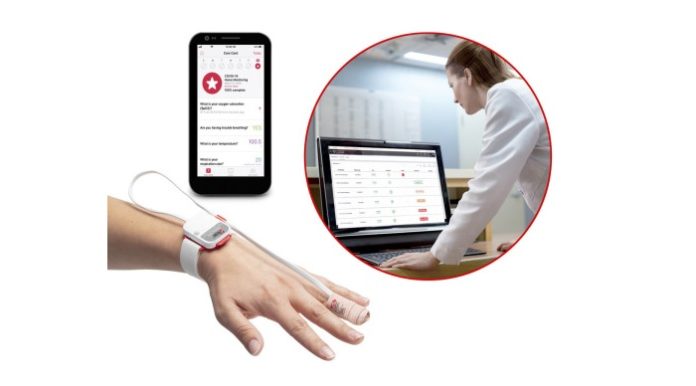
Masimo has announced that the Masimo W1ยฎ medical watch has received FDA 510(k) clearance for connectivity, enabling its integration with the Masimo SafetyNetยฎ telemonitoring solution.

This follows the earlier FDA clearance of the Masimo W1 Medical, the first medical watch to offer continuous monitoring of oxygen saturation (SpO2) and pulse rate (PR) for both home and hospital use.

With this new clearance, the Masimo W1 Medical can now connect to the Masimo SafetyNet system, allowing patient data collected from the wristwatch to be accessed via the Masimo SafetyNet app and reviewed by remote caregivers, including hospital clinicians through the Masimo SafetyNet clinician portal.

This development marks a significant advancement in health monitoring, as caregivers can now receive customized notifications based on data from the wrist-worn pulse oximeter, even in situations where in-person care is challenging.

The combination of Masimo W1 Medical and Masimo SafetyNet offers new possibilities for improving care quality and outcomes.

The Masimo W1 Medical’s clinical effectiveness stems from its Masimo MW-1 sensor, which incorporates decades of expertise in Signal Extraction Technologyยฎ and rainbowยฎ Pulse CO-Oximetry.

The device features an optical sensor and ECG electrode pads to monitor physiological signals, processed through Masimoโ€™s advanced algorithms to provide accurate data on SpO2, PR, perfusion index (Pi), and heart rate (HR).

The real-time data from the Masimo MW-1 module is displayed on the Masimo W1 watch, and with Bluetooth connectivity, patients can use the Masimo SafetyNet app to track their data, input symptoms, participate in virtual consultations with clinicians, and access educational resources.

Clinicians can review this data through the Masimo SafetyNet clinician portal, facilitating better management and care beyond the hospital setting.

This system also integrates with electronic medical records (EMRs) and supports detailed reporting.ย The Masimo SafetyNet cloud infrastructure ensures secure data transmission and storage with robust encryption, allowing access to patient data from any location.

This platform also connects with other Masimo devices, such as the Radius PPGยฎ and Radius Tยบยฎ, enhancing its telemonitoring capabilities.

The Masimo W1 medical watch and Masimo MW-1 module are approved for use in hospitals, clinics, long-term care facilities, and homes for adult patients.

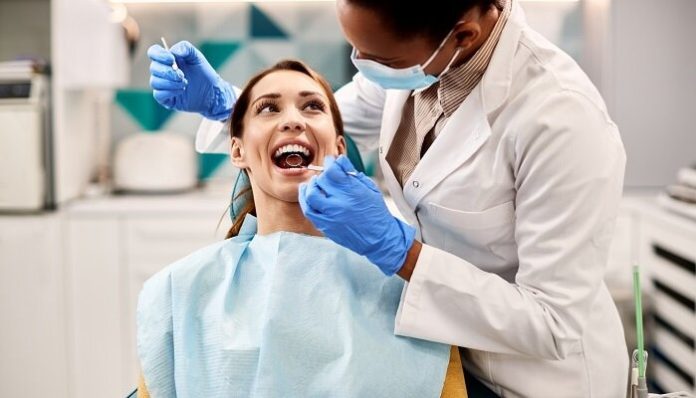
Advanced E-max Veneers Revolutionize Cosmetic Dentistry in Turkey

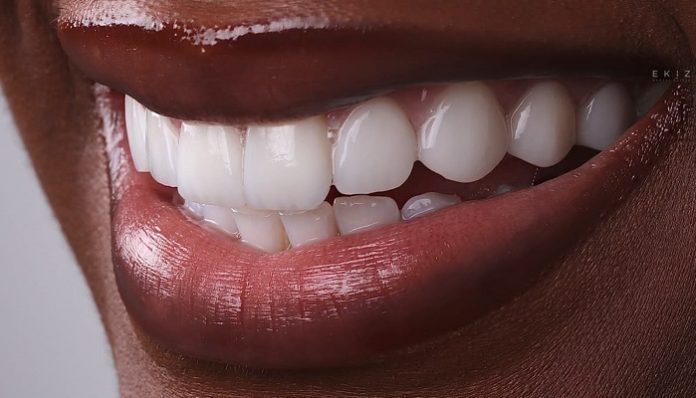
Inย Turkey, the field of cosmetic dentistry is witnessing significant advancements with the rising popularity ofย E-max veneersย andย E-max crowns. Renowned Istanbul-based dentistย Dr. Omer Ekizย emphasizes the minimal impact of these procedures on patients’ natural teeth, coupled with their aesthetic benefits. “Inย E-max veneers in Turkey, there is no cutting or shrinking of teeth. Only up to 1.5 millimeters of thinning is done,” statedย Dr. Ekiz, highlighting the protective nature ofย E-max Laminate Veneers.

Dr. Ekiz‘s clinic in Istanbul leverages the latest CAD-CAM technology to offer top-notch dental veneer services. This technology plays a crucial role in providing the most aesthetic smile designs through E-max veneers in Turkey. According to Dr. Ekiz, the high light transmission feature of these veneers ensures they deliver a very natural appearance, which is particularly important for front teeth modifications involving color and shape changes. “The high light transmission feature allows for a very natural look in veneer treatment,” he explains, underscoring the suitability of E-max veneers for achieving desired aesthetic outcomes without compromising tooth structure.

The Ekiz Dental Clinic not only focuses on aesthetic enhancements but also stresses the durability and functionality of E-max veneers. Despite their thinness, these veneers are noted for their remarkable resistance to wear and tear, making them suitable for both anterior and posterior applications. “Thanks to their sufficient durability, empress veneer treatments can be applied to the posterior teeth and single tooth veneer processes,” added Dr. Ekiz. This versatility makes E-max crowns and veneers a preferred choice for comprehensive dental restorations in Turkey.

Furthermore,ย E-max veneersย offer a distinct advantage due to their metal-free ceramic composition, setting them apart from traditional crowns that contain a metal base. This feature enhances the aesthetic quality of the veneers, providing a finish that closely mimics the natural tooth and remains virtually undetectable when smiling.ย Dr. Ekizย emphasizes, “The strength ofย E-max veneer Turkeyย can resist much higher pressure than the average exerted during chewing, offering an aesthetic appearance very close to a natural tooth.”

Dr. Omer Ekiz and his team at Ekiz Dental Clinic are at the forefront of introducing innovative solutions in the field of cosmetic dentistry. With their expertise in E-max laminate teeth crown in Turkey, they continue to provide patients with long-lasting, natural, and healthy smile solutions. These advanced techniques are setting new standards in dental aesthetics in Turkey, reflecting a commitment to excellence and patient satisfaction in every procedure.

PT Pertamedika Bali Hospital (PBH) and T-Systems Collaborate to Implement InterSystems TrakCare Unified Electronic Medical Record System

PT Pertamedika Bali Hospital (PBH), a subsidiary of PT Pertamina Bina Medika IHC, which has a network of more than 36 hospitals, is committed to realizing the Bali International Hospital value proposition, which includes quality clinical services, timely services with minimal waiting times, and comfort of care for patient accessibility. 

Bali International Hospital is also committed to becoming a smart hospital by enabling innovation, digitalization, and collaboration through cooperation with T-Systems and InterSystems in implementing InterSystems TrakCareยฎ throughout the hospital.

The collaboration will see T-Systems providing support for the deployment and integration of TrakCare, while InterSystems will offer comprehensive training and ongoing technical support. This partnership is expected to streamline operations and elevate patient care standards at Bali International Hospital.

InterSystems TrakCare is a health information system and electronic medical record (EMR) for delivering and managing patient care and supporting departmental business functions, with a single patient record for use across the healthcare organization. TrakCare will enable minimal paper use, faster access to patient clinical data, and high-quality business and clinical processes, including electronic medication administration, to create improved communication and better patient service. 

As a concrete step, PT Pertamedika Bali Hospital and T-Systems have signed a cooperation commitment with SIMRS Bali International Hospital, which was carried out by the Main Director of PT Pertamedika Bali Hospital, Dr. Dewi Fankhuningdyah Fitriana, MPH, the Director of PT T-Systems Indonesia, Bhuvaneswari Narayanan, and InterSystems Regional Managing Director, Asia Pacific, Luciano Brustia, in Denpasar, Bali. 

Luciano Brustia, Regional Managing Director for Asia Pacific at InterSystems, expressed enthusiasm about the partnership: โ€œOur collaboration with PT Pertamedika Bali Hospital and T-Systems is a landmark moment in advancing healthcare technology in Indonesia. TrakCareโ€™s global success and our expertise will drive transformative improvements in patient care and hospital operations.โ€

โ€œWe are excited to collaborate with InterSystems and T-Systems to improve the quality of our services and reduce wait times. TrakCare is a globally proven EMR that supports seamless data flow to deliver the highest standards of care and enable data-driven innovation. This demonstrates our commitment to innovation and digitalization for a high-quality patient experience,โ€ said the Main Director of PT Pertamedika Bali Hospital, Dr. Dewi Fankhuningdyah Fitriana, MPH.

The implementation of the digital information system is scheduled to be completed this year to coincide with the planned grand opening of the hospital, so that it can make a positive contribution to improving health services and medical tourism for the people of Bali and Indonesia. 

Bali International Hospital aims to set new standards in the regional healthcare sector by adopting advanced technology. This initiative positions the hospital at the forefront of digital health transformation, addressing current challenges and paving the way for future innovations.

The Benefits of Professional Teeth Whitening: Why Choose a Dentist Over OTC Products

Achieving a bright, white smile is a common goal for many, and the market is flooded with over-the-counter (OTC) teeth whitening products promising dazzling results. However, while these products might seem like a convenient and cost-effective solution, there are compelling reasons to opt for professional teeth whitening at your Santa Clarita dentist instead.

Safety and Expertise

One of the most significant advantages of professional teeth whitening is the safety and expertise provided by your dentist. Over-the-counter products often contain harsh chemicals that can cause tooth sensitivity, gum irritation, or even damage to the enamel if not used correctly. Dentists, on the other hand, are trained to evaluate your dental health and can tailor the whitening process to your specific needs, minimizing risks.

In-office whitening procedures are conducted under controlled conditions with professional-grade products. Dentists also have access to more effective whitening agents that are not available in OTC products. This ensures a safer experience and reduces the likelihood of complications.

Personalized Treatment

Every individualโ€™s teeth are unique, and what works for one person may not work for another. Professional teeth whitening at a dentistโ€™s office involves a customized approach based on the color of your teeth, the extent of staining, and your overall dental health. Dentists can identify the cause of discoloration, whether itโ€™s due to surface stains or deeper, intrinsic stains, and choose the most appropriate treatment.

OTC products typically come in a one-size-fits-all approach, which may not effectively address your specific needs. For example, people with sensitive teeth or existing dental work (like crowns or veneers) might require special consideration that OTC products cannot provide.

More Effective Results

Professional teeth whitening treatments are generally more effective than OTC products. Dentists use higher concentrations of whitening agents, such as hydrogen peroxide or carbamide peroxide, which can deliver more dramatic and longer-lasting results. Additionally, in-office treatments often include the use of specialized equipment like UV or LED lights to enhance the whitening process.

While some OTC products can provide noticeable results, they often require extended use over several weeks or months, and the outcome might not be as significant or long-lasting. With a professional whitening session, you can usually achieve a brighter smile in just one visit, and the results are more predictable.

Customized Aftercare and Maintenance

After whitening your teeth, maintaining the results requires proper aftercare. Dentists provide personalized advice and products to help you maintain your bright smile. They may offer touch-up kits or recommend specific toothpaste to prevent future staining.

In contrast, OTC products do not come with tailored aftercare guidance, which can lead to faster fading of the whitening effects. Without professional advice, you might also be more prone to habits that could stain your teeth again, reducing the overall longevity of the treatment.

Addressing Underlying Dental Issues

Finally, a significant advantage of visiting a dentist for teeth whitening is the opportunity to address any underlying dental issues. Stains and discoloration can sometimes be a sign of more serious problems like cavities, gum disease, or enamel erosion. During your whitening consultation, a dentist can diagnose and treat these issues, ensuring that your teeth are healthy as well as bright.

OTC products are purely cosmetic and do not address the health of your teeth. Ignoring underlying dental problems can lead to more severe complications down the line.

Conclusion

While over-the-counter teeth whitening products may seem appealing due to their convenience and lower cost, the benefits of professional teeth whitening at a dentistโ€™s office far outweigh these considerations. Always consult your dentist to determine the best approach for your teeth whitening needs.

Revolutionary Gene Therapy For Thalassaemia Approved By NHS

The National Health Service (NHS) patients who are now afflicted with a hereditary blood condition are going to be among the first people in the world to get the “life-changing” gene-editing procedure that offers the possibility of a cure.

The National Institute for Health and Care Excellence (NICE) has given its approval for the use of the one-off gene therapy known as Casgevy on the National Health Service (NHS) in England, beginning on August 8th. This approval is for older children and adults who have a severe type of thalassaemia treatment.

There are around 460 individuals in England who are presently living with transfusion-dependent beta thalassaemia and are at least 12 years old. These patients may be eligible for the therapy, which is based on gene-editing CRISPR technology. The National Health Service (NHS) in England is one of the first healthcare systems in the world to provide this treatment.

During the next several weeks, this treatment will be made available at seven highly specialized NHS centers located all around the nation. Additionally, the therapy will be produced in the United Kingdom.

Thalassaemia is a collection of genetic disorders that affect a protein called hemoglobin, which is found in the blood. Currently, transfusions are necessary for the survival of the majority of patients who are eligible for this therapy, which greatly affects their quality of life.

It is envisaged that the therapy might produce a cure for beta thalassemia that would last a lifetime. In worldwide clinical trials, 93% of individuals with beta thalassaemia did not need a blood transfusion for at least a year after getting the medication.

Casgevy, also known as exagamglogene autotemcel, is a treatment that works by altering a gene in the bone marrow stem cells of a patient. This allows the body to manufacture haemoglobin that is capable of functioning. It is the first medicine that has been authorized that makes use of the CRISPR technology, which won the Nobel Prize.

This is a historic moment for those who are living with beta thalassemia, according to Amanda Pritchard, the chief executive officer of the National Health Service (NHS). This moment offers a possible treatment for those who are dealing with this debilitating condition, and it is now accessible on the NHS. She brought attention to the fact that this treatment allows individuals to live a life free from the frequent transfusions and the adverse effects that are connected with them, so enhancing both their quality of life and their life expectancy.

The National Health Service in England (NHS England) has been successful in securing a number of ground-breaking gene therapies over the course of the previous five years, and this therapy is the most recent of these treatments. As a result of the funds provided by the Innovative Medicines Fund, this one-time treatment will be expedited to patients who have the potential to benefit from the fresh lease on life that it offers.

The technique of therapy entails extracting blood stem cells from the body of a patient, editing them in a laboratory using CRISPR technology, and then returning the cells that have been edited to the patient via an infusion. In addition, patients are need to undergo chemotherapy prior to receiving treatment with Casgevy. After that, you’ll need to spend another four to six weeks in the hospital so the stem cells can settle into your bone marrow and start making new, healthy RBCs.

A blood illness that is hereditary and affects red blood cells, which are responsible for transporting oxygen throughout the body, is known as beta thalassemia. People that come from Mediterranean, South Asian, Southeast Asian, and Middle Eastern origins are the ones who are most likely to have this condition. There are around 2,300 persons in the United Kingdom who are affected with thalassemia, and it is believed that 800 of them are dependent on receiving frequent blood transfusions owing to the severe form of the disorder. Those of Pakistani, Indian, and Bangladeshi origin make up the main groups that have been impacted in the United Kingdom.

This condition need therapy for the rest of one’s life and may have a significant influence on one’s quality of life. Individuals who suffer from this condition may have anemia, chronic pain, and psychological impacts such as anxiety and depression. Beta thalassemia is a disorder that is considered to be life-limiting, and it is not anticipated that many individuals would survive beyond the age of 50.

In the past, the only therapy that may potentially cure patients was a stem cell transplant; however, this treatment is only accessible to a limited number of individuals due to the fact that it can be challenging to locate donors who are a match for the patient’s body, and human bodies have the ability to reject transplants.

A diagnosis of thalassemia was made for Kirthana Balachandran, a medical student from West London who is 21 years old. The diagnosis was made when she was three months old. Gene therapy, she claimed, would be a game-changer since it provides the chance of a cure and independence from frequent transfusions and associated negative effects, such as iron accumulating in the heart and liver. She also stated that gene therapy would be effective in treating cancer. Transfusions would no longer be a source of discomfort for her, and she would no longer have to be concerned about her future health.

During the year 2020, Abdul-Qadeer Akhtar, who is 28 years old and is from Hemel Hempstead, was given the novel gene therapy as part of a clinical experiment. It was brought to his attention that his general health and quality of life have substantially improved, which has enabled him to become more active and independent, and he is no longer in need of receiving frequent blood transfusions.

This is a very exciting step forward in the treatment of thalassaemia, according to Professor Bola Owolabi, who is the Director of the National Healthcare Inequalities Improvement Programme at NHS England. This might significantly improve the lives of individuals who are now coping with this excruciating illness. When it comes to healthcare, the National Health Service (NHS) is dedicated to decreasing disparities by introducing innovative and ground-breaking treatments for illnesses such as thalassemia, which disproportionately affect individuals who come from certain minority ethnic origins.

Through negotiations with the manufacturer Vertex, the National Health Service (NHS) has reached an agreement to include the therapy into its Innovative Medicines Fund (IMF). This will allow NHS patients to have expedited access to the drug while further information on its advantages is obtained over the course of the following five years.

Edinburgh is the location where Casgevy is being made. This agreement comes after the announcement in January of a world-first genetic test called “blood matching,” which aims to improve the compatibility of blood transfusions for patients on the National Health Service who suffer from sickle cell disease and thalassemia.

The importance of the National Institute for Health and Care Excellence’s (NICE) approval of gene therapy for transfusion-dependent thalassaemia under the NHS managed access plan was stressed by Romaine Maharaj, Executive Director of the United Kingdom Thalassaemia Society. Patients who undergo this revolutionary therapy are presented with a life-altering chance, which enables them to mend their own cells and look forward to a future that is free from the difficulties associated with their illness. It was brought to Maharaj’s attention that this development exemplifies the power of innovation in the medical field, as it paves the way for therapeutic choices that have the potential to significantly improve the quality of life for all those who are afflicted.

Translate ยป