





Close
Digital Health & Ai Innovation summit 2026
LiGHT26

Life-Saving Impact of RSUs Is Revealed In New BTS Audit

Hospital mortality rates are considerably lower for patients in hospitals equipped with Respiratory Support Units (RSUs) compared to those without, according to a new audit report from the British Thoracic Society (BTS).

The National Respiratory Support Audit 2023 indicated that hospital mortality in RSU-equipped hospitals stood at 23%, in contrast to 35% in hospitals without RSUs. Despite 60% of hospitals having a designated RSU, the audit revealed that only 42% of patients needing enhanced respiratory care received it in such units due to limited capacity.

Additionally, 44% of hospitals operated with a nurse-to-patient ratio of 1:4-1:8, even though national standards recommend a 1:2 ratio for initiating acute non-invasive ventilation (NIV), which accounts for about half of the RSU caseload. The standards caution that enhanced care cannot be consistently provided with a 1:4-1:8 ratio.

The clinical audit lead at the BTS, Dr. Mike Davies, commented on the findings, stressing that patients in hospitals with RSUs happened to have significantly higher survival rates, especially those treated in these units. He highlighted that treatments like acute NIV are life-saving when administered in the appropriate setting at the right time. However, due to limited capacity, many patients were still treated in regular wards. Dr. Davies stressed the importance of recognizing the potential of RSUs and ensuring they are adequately resourced and staffed to improve patient care.

The BTS report went on to note that building on previous audits, new Respiratory Support Audit was the first national audit of enhanced respiratory care in acute hospitals in the UK. The audit, conducted from February 1 to March 31, 2023, included an organizational questionnaire and a patient questionnaire, gathering records from 119 hospitals.

Key findings indicated that, compared to pre-pandemic studies, there had been no significant increase in the provision of enhanced respiratory care, with only 30% of hospitals reporting 24/7 consultant medical supervision of respiratory enhanced care. Central monitoring of patients’ vital signs was available in 22% of hospitals without an RSU and in 64% of hospitals with an RSU.

The audit also found that acute hypercapnic respiratory failure treated with NIV was the most common reason for admission for enhanced respiratory care (48%), followed by acute pneumonia (16%), non-respiratory hospital capacity issues (6%), and Covid-19 (5%). Apparently, NIV was used across 63% of the cases, and high-flow oxygen therapy (HFT) in 25%. Despite the high acuity of HFT use, patients were more likely to receive HFT in routine, non-enhanced ward settings.

The patient-level audit, which included records from 4,136 individual patients, showed that even in hospitals with an RSU, only 64% of patients requiring enhanced care received it there. Escalation to critical care was low at just 3%, even in cases of early failure of non-invasive support at the ward level.

The audit indicated that hospital mortality was significantly lower in RSU-equipped hospitals. For example, case-mix adjustment using the Non-invasive Ventilation Outcomes (NIVO) score for COPD patients treated with NIV showed lower mortality in enhanced care settings (33%) compared to standard wards (46%). Patients with acute pneumonia had a survival rate of 64% in RSU settings compared to 48% in standard wards.

The BTS stated that early findings suggest RSUs are effective and have the potential to transform respiratory patient care, emphasizing the need for appropriate resourcing in line with national standards.

The audit findings informed three national improvement objectives: ensuring every hospital admitting patients with acute lung disease has an RSU or equivalent, delivering acute respiratory support in RSUs or equivalent areas with appropriate staffing, and discussing early NIV failure cases with critical care for potential treatment escalation. The BTS aims for these objectives to serve as a standard for improving the quality of care for high-acuity respiratory patients within 12 months.

Dr. Paul Walker, chair of the BTS, noted that the report highlights the life-saving potential of well-organized, structured, and adequately staffed RSUs, likening their development to Coronary Care Units, and described the findings as foundational for improving care for critically ill respiratory patients


Liberty Hospital Joins Kansas Health System Amid Controversy

Following a period of delay and discussion, Liberty Hospital has now officially become part of the University of Kansas Health System. The announcement was made by the health system, stating that Liberty Hospital joined their organization on July 1. Located in Liberty, Missouri, a suburb of Kansas City, the health system also runs 15 primary and specialty care clinics.

Despite some concerns raised by elected officials in Missouri about the merger, the health system and Liberty Hospital announced in May that they had finalized their deal. Raghu Adiga, MD, the hospitalโ€™s top executive, now holds the title of CEO of the Liberty Market for the University of Kansas Health System. Adiga noted on LinkedIn that it has been a thoughtful journey to join the University of Kansas Health System.

Bob Page, president and CEO of the University of Kansas Health System, expressed enthusiasm about Liberty Hospital joining their health system, stating that they are excited about their future together. Page emphasized their commitment to honoring Liberty Hospitalโ€™s 50-year legacy and their belief in making the next 50 years even better.

Adiga also mentioned that joining the health system would help secure the future viability of Liberty Hospital and provide greater access to top healthcare in the Northland, Kansas Cityโ€™s suburban region above the Missouri River. He stressed the importance of strong healthcare for a strong community, believing that the relationship not only strengthens Liberty Hospital but also the Liberty community and the entire Northland.

However, the merger faced some turbulence in Missouri. Missouri Attorney General Andrew Bailey had previously stated that Missouri lawmakers needed to approve the merger. Despite this, both the health system and Liberty Hospital disagreed with Bailey’s assessment and decided to move forward. At one point, some Missouri lawmakers were even considering legislation to block the deal, causing concern among hospital officials. Dennis Carter, president of Liberty Hospitalโ€™s board, warned that if the deal fell through, a for-profit system might acquire Liberty Hospital and cut essential services.

Tammy Peterman, president of the University of Kansas Health Systemโ€™s Kansas City division, highlighted the shared commitment to putting patients first as well as providing the best care and service. She looked forward to the new opportunities the acquisition would bring.

About 35% of the University of Kansas Health Systemโ€™s patients come from Missouri. Missouri has seen another major healthcare merger recently, as BJC HealthCare and Saint Lukeโ€™s Health System completed their merger on January 1, forming the BJC Health System, which now operates 24 hospitals and more than 250 clinics.

Spanish Government Approves Emergency Medicine Specialty

Emergency medicine has officially been acknowledged as a medical specialty in Spain, according to the Spanish Society of Emergency Medicine (SEMES).

On 2 July 2024, the Council of Ministers of the Government of Spain approved a Royal Decree that established emergency medicine as a recognized specialty.

This decree will standardize the training for emergency doctors, with the first resident internal physician positions expected in 2025, and aims to support and retain young individuals aspiring to specialize in this field.

SEMES indicated that this move will prevent the significant loss of talent that has been weakening the National Health System for some time.

SEMES president Dr. Tato Vรกzquez Lima expressed that this day was of great importance for the country’s health and brought satisfaction and joy to emergency physicians, who finally saw their efforts, vocation, and dedication recognized.

Dr. Vรกzquez Lima emphasized that the creation of the emergency medicine specialty allows all Spanish patients to be treated by specialists with regulated, consistent, and recognized training, which the citizens deserve, regardless of their location.

He also expressed gratitude towards the government officials, medical associations, societies, and scientists involved in the announcement for their collective effort and generosity in reaching the consensus that enabled the approval of the specialty of emergency medicine in Spain.

This recognition aligns Spain with the majority of European Union countries and follows a similar decision by the Government of the Netherlands in October 2023 after 25 years of lobbying by the Dutch Society for Emergency Medicine.

The European Society for Emergency Medicine congratulated their colleagues in Spain and SEMES for achieving this significant milestone after years of campaigning for the specialty’s recognition.

Seven Essential Procedures For Deaths In Care Facilities

When a death occurs in care facilities, the emotional toll on residents, families, and staff can be profound. Yet, amidst this distress, these living facilities need to follow essential procedures to ensure the dignity of the deceased and compliance with legal requirements.

This article provides seven critical steps to take when handling a lost loved one in your care facility. Read on to learn how to navigate these challenging moments with compassion and professionalism!

Confirm Death and Manage the Scene

The first crucial procedure for nursing home deaths is confirming death and managing the scene. When you find someone unresponsive, act quickly. Check for vital signs first. Only a doctor or nurse can officially declare death, so don’t jump to conclusions. After confirmation, record everything carefully.

In cases where the death appears to have been unattended for some time, secure the area immediately to prevent unauthorized access. Assess for any biohazard risks due to bodily fluids or decomposition.

If such risks are present, initiate biohazard protocols and contactย unattended death cleanup services. If staff must enter the area before professionals arrive, ensure they wear appropriate personal protective equipment.

Keep detailed records throughout this process. Write down every step you take from the moment you suspect something’s wrong. This helps with legal matters and paperwork later.

Remember, handling these situations with care and respect is crucial. Your quick thinking and attention to detail can make challenging times easier for everyone involved.

Notify Key Personnel ย 

After confirming the death, make sure to inform key staff members within your facility. This usually includes:

  • The facility administrator or director
  • The resident’s primary care physician
  • The nursing supervisor
  • The social service department

Why is this crucial? Each of these individuals has specific responsibilities in the aftermath of a resident’s death. The sooner they know, the quicker they can start their necessary procedures. Clear communication ensures everything runs smoothly during this tough time.

Contact the Family

When a loved one passes away, sharing the news with their family is a delicate task. Try to meet in person if possible. If you can’t, a phone call is the next best option. Always avoid texting or emailing such sensitive information.

As you speak with the family, approach the conversation with compassion and empathy. Be clear about what happened, but gentle in your delivery. The family may have many questions, so be patient and prepared to answer as best as you can.

Offer support resources, like grief counseling, to help them through this difficult time. Discuss the next steps, such as viewing their loved one and collecting personal belongings.

Note that your words and manner can greatly impact the family’s grieving process. A thoughtful, caring approach can provide the comfort and reassurance the family needs.

Respect Cultural and Religious Practices ย 

Different cultures and religions have varying practices surrounding death. It’s crucial to be aware of and respect these customs. If you need clarification on a resident’s preferences, check their file for any advance directives or speak with their family.

Some considerations might include the following:

  • Specific positioning of the body
  • Rituals or prayers to perform
  • Restrictions on who can handle the body
  • Time-sensitive practices that need to be carried out quickly after death

By respecting these practices, you show that you care. Such small gestures can mean a lot to grieving families, and your thoughtfulness can bring comfort when it’s needed most.

Manage the Deceased’s Belongings

Handle the deceased’s belongings with care and attention. Start by collecting everything from their room, the facility safe, and their medication. Make a detailed list as you go.

Keep all items secure until the family or legal representative can pick them up. This might include cherished photos, favorite books, or personal mementos. Each item, no matter how small, could hold special meaning.

When the family comes to collect, request them to sign your inventory list. This step protects everyone involved and ensures you don’t overlook anything. Your thoughtfulness in this process can bring comfort when it’s needed most.

Handle Required Paperwork

As you manage a resident’s passing, keep your facility’s legal duties in mind. Proper care and thorough documentation are more than just good practices; they’re crucial for ensuring legal accountability for public health and preventing wrongful death claims.

Follow all care protocols carefully and maintain detailed death data. This includes medical logs, long-term care plans, and incident reports. If you suspect any neglect or malpractice, report it to the proper authority right away.

By upholding high care standards and keeping detailed records, you’re protecting your nursing homes legally and ensuring your team provides high care quality to all nursing home residents. You also preserve dignity and trust in your community.

Provide Support for Other Residents and Staff

Losing a member of your assisted living community impacts everyone. Break the news gently to other long-term care facility residents, as they may have lost a dear friend. Be ready for a range of emotions and offer support.

Your staff members will also need care. They often form close bonds with residents and may be struggling with grief. Consider providing counseling services for both residents and personnel. It’s a thoughtful step that can make a world of difference.

A memorial service can be a healing experience. It gives everyone a chance to share memories and support each other. In the days following, stay attuned to the emotional climate of your facility.

Conclusion

Handling deaths in assisted living facilities requires a delicate balance of compassion and professionalism. By following these seven essential procedures, you can navigate these challenging moments with care and efficiency. Remember that each step plays a crucial role in honoring the deceased and comforting those left behind. Your thoughtful approach can bring comfort to families, reassurance to other residents, and support to your staff. In the end, how you handle these sensitive situations reflects the core values of your care facility and the respect you have for those in your care.

How to Maximize Efficiency with Remote IT Support Services

Businesses are increasingly relying on technology to drive their operations. IT infrastructure is the backbone of most companies.

Ensuring it runs smoothly is crucial for success. Yet, managing IT support can be challenging, especially for small to medium-sized businesses.

That’s where remote IT support services come into play. This blog post will explore how you can maximize efficiency with remote IT support services. It is for business professionals and organizations seeking to improve their IT operations.

Why Remote IT Support Is a Game-Changer

Remote IT support services have revolutionized the way businesses handle their technology needs. Gone are the days when you had to wait for an IT technician to arrive on-site to fix issues.

IT professionals can access your systems from anywhere. They can provide quick solutions. This not only saves time but also reduces costs associated with on-site visits.

We need to address technical issues quickly. This will cut downtime and keep operations running smoothly. Whether it’s a minor software glitch or a major network failure, remote IT support can handle it all.

Benefits of Remote IT Support for Businesses

Remote IT support uses software tools. They allow IT pros to access and control a computer or network from a remote location. Here are some of the benefits:

Cost-Effective Solutions

Hiring an in-house IT team can be expensive, especially for small businesses. Remote IT support services offer a cost-effective alternative. You can access a team of skilled IT professionals without the need for full-time salaries, benefits, and other overhead costs. This allows businesses to allocate their resources more efficiently.

Enhanced Productivity

With remote IT support, your employees can focus on their core tasks without being bogged down by technical issues. IT problems can be resolved quickly, minimizing disruptions and keeping productivity levels high.

Also, remote support can be scheduled during non-working hours. This ensures that your operations are not interrupted.

Access to Expertise

Remote IT support services provide access to a pool of experienced IT professionals. They are well-versed in various technologies and systems.

This expertise can be invaluable. It’s especially useful for complex issues that need specialized knowledge. You can rest assured that your IT infrastructure is in capable hands.

Key Features of Remote IT Support Services

Not all services are created equal and it’s important to distinguish one from another. Here are some of the key features to look for:

Availability

One of the standout features of remote IT support is round-the-clock availability. Technical issues can arise at any time, and having access to support 24/7 ensures that problems are addressed promptly.

Security and Data Protection

Security is a top concern for businesses, and remote IT support services prioritize data protection. We use advanced encryption and secure access protocols. They keep your systems and data safe from unauthorized access.

Proactive Monitoring

Remote IT support services often include proactive monitoring, where IT professionals continuously monitor your systems for any signs of trouble. This proactive approach helps in identifying and resolving issues before they escalate, ensuring smooth operations and minimizing downtime.

How to Implement Remote IT Support in Your Business

Before implementing remote IT support, it’s essential to assess your business’s specific needs. Identify the areas where you need help and the types of support you need. This will help in selecting the right service provider and ensuring that your requirements are met.

Choose the Right Service Provider

Selecting the right remote IT support provider is crucial. Look for a provider with a proven track record, expertise in your industry, and a comprehensive range of services. It’s also essential to consider factors such as response times, availability, and pricing.

Train Your Employees

Introducing remote IT support requires some level of training for your employees. They need to understand how to request support, the tools and software used, and any protocols in place. Providing this training ensures a smooth transition and maximizes the benefits of remote support.

Common Challenges and How to Overcome Them

While remote IT support offers numerous benefits, there are a few challenges that businesses may face. These include:

Trust and Communication

Remote IT support has a key challenge. It is to build trust and keep good communication. Ensure that your service provider has a clear communication plan in place.

Security Concerns

Security is a significant concern when allowing remote access to your systems. It’s essential to work with a reputable service provider that uses advanced security measures. Regular security audits and updates can further enhance the protection of your data and systems.

Integration with Existing Systems

Integrating remote IT support with your existing systems can sometimes be challenging. This will help in minimizing disruptions and ensuring a seamless transition.

Future Trends in Remote IT Support

The future of remote services is promising. Here are some trends to watch out:

AI and Automation

AI and automation will play a big role in the future of remote IT support. AI-powered tools can analyze data. They find patterns and predict problems.

This allows for even more proactive support. Automation can do routine tasks. This frees up IT professionals to focus on complex issues.

Enhanced Security Measures

On-site & remote IT support will continue to enhance their security measures. This includes advanced encryption, multi-factor authentication, and continuous monitoring for potential threats. Businesses can expect even greater protection for their data and systems.

The Role of Remote IT Support in Business Continuity

Remote IT support companies play a crucial role in disaster recovery. If the system fails or data is breached, remote IT pros can quickly fix it.

They will restore systems and data, minimizing downtime. They will ensure that business continues. This is particularly important for businesses that rely heavily on technology.

Business continuity planning involves preparing for potential disruptions. It ensures that your operations can continue smoothly.

They can help make and put in place continuity plans. These plans cover things like data recovery, system restoration, and communication protocols.

Understanding the Importance of Remote IT Support Services

Remote IT support services are a game-changer for businesses, offering cost-effective solutions, enhanced productivity, and access to expertise. By implementing remote IT support, you can ensure that your IT infrastructure runs smoothly, minimizing downtime and maximizing efficiency.

The benefits of remote IT support extend beyond immediate issue resolution. With features like 24/7 availability, proactive monitoring, and enhanced security, businesses can operate with confidence, knowing that their technology needs are in capable hands.

For more helpful tips, check out the rest of our site today.

Bridging The Gap: Variations In Dental Care Quality Across America

Bridging The Gap: Variations In Dental Care Quality Across America

Understanding the differences in dental care quality across America is crucial for ensuring everyone gets the best possible treatment. This post will look into the various factors contributing to these disparities and what can be done to bridge the gap. You’ll learn about the importance of dental care, the reasons for the quality differences, and how you can advocate for better dental services in your community.ย Keep on reading below.

Why Is Dental Care Important

Dental care is more than just maintaining a bright smile. It’s a vital part of your overall health. According to dental care associates in Johnstown and the like, poor dental hygiene can lead to serious health issues like heart disease, diabetes, and respiratory problems. Regular visits to the dentist can help prevent these conditions and ensure you maintain good oral health.

What Are The Different Factors Affecting Dental Care

There are several factors that contribute to the variations in dental care quality across America. These include economic disparities, geographic location, and access to healthcare services. Understanding these factors is the first step toward bridging the gap.

Economic Situation

Economic status plays a significant role in the quality of dental care you receive. Those with higher incomes can afford better dental insurance and services, while low-income families often struggle to cover basic dental expenses. This economic divide means that many people don’t get the preventive care they need, leading to more severe dental problems down the line.

Location

Where you live also impacts the quality of dental care you receive. Urban areas typically have more dentists and dental clinics, offering a higher standard of care. In contrast, rural areas often suffer from a shortage of dental professionals, making it difficult for residents to access quality dental services. This geographic disparity means that people in rural areas are at a higher risk of dental health issues.

Healthcare Access

Access to healthcare services, including dental care, varies widely across America. Factors such as insurance coverage, availability of clinics, and public transportation can all influence your ability to get the care you need. Those without dental insurance or living in areas with few dental clinics often have limited access to necessary dental treatments.

Various Efforts Centered In Improving Dental Care

Despite these challenges, efforts are being made to improve the quality of dental care across America. Various organizations and initiatives are working towards making dental care more accessible and affordable for everyone.

Community-Based Health Programs

Community health programs play a vital role in providing dental care to underserved populations. These programs often offer free or low-cost dental services to those in need, helping to bridge the gap in care quality. By supporting and expanding these programs, we can ensure more people have access to essential dental services.

Public Awareness Drives And Education

Educating the public about the importance of dental health and how to maintain it is crucial. Awareness campaigns can help people understand the link between oral health and overall health, encouraging them to seek regular dental care. Schools and community centers can be excellent venues for these educational programs.

Shifts In Public And Private Policies

Advocating for policy changes at the local, state, and federal levels can also help improve dental care quality. Policies that increase funding for dental programs, expand insurance coverage, and incentivize dentists to work in underserved areas can make a significant difference. By pushing for these changes, you can help ensure everyone has access to quality dental care.

What Is Your Part In Boosting Dental Care

There are several ways you can contribute to bridging the gap in dental care quality across America. Here are some steps you can take:

Provide Business To Dentists In Your Community

Supporting local dental clinics, especially those that offer services to low-income families, can make a big difference. Donations, volunteering, and even spreading the word about these clinics can help them continue providing essential services.

Be An Advocate

Getting involved in advocacy efforts can help bring about the policy changes needed to improve dental care quality. Contact your local representatives, join advocacy groups, and participate in campaigns that push for better dental care policies.

Educate Your Community

Sharing information about the importance of dental health and available resources can help others in your community. Organize informational sessions, distribute educational materials, and encourage your friends and family to prioritize their dental health.

What Lies Ahead

Improving dental care quality across America is a complex challenge, but it’s one that can be addressed through collective effort. By understanding the factors contributing to the disparities and taking action to support initiatives and policies that promote better dental care, we can bridge the gap and ensure everyone has access to the dental services they need.

To Conclude

In conclusion, the variations in dental care quality across America highlight the need for increased efforts to ensure everyone has access to the best possible care. By understanding the factors at play and taking action to support community health programs, advocate for policy changes, and educate others, you can help bridge the gap. Remember, dental health is a critical component of overall well-being, and everyone deserves the opportunity to maintain a healthy smile.

Incorporating Chiropractic Services Into Your Pain Management Plan

Chronic pain disrupts your life. It throws a wrench into your daily routine, limits your activities, and leaves you feeling frustrated. You deserve to feel better. If you’re exploring pain management options, consider incorporating chiropractic care into your plan.

What is Chiropractic Care?

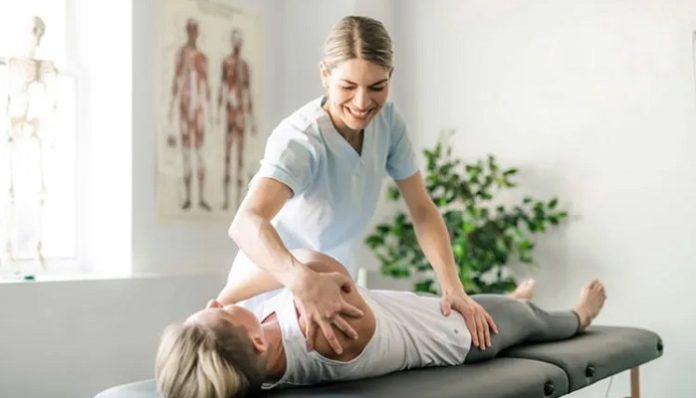
Chiropractic care is a hands-on approach to healthcare that focuses on the musculoskeletal systemโ€“your body’s network of muscles, bones, and joints. Chiropractors believe that misalignments in the spine, called subluxations, can disrupt the nervous system and contribute to a variety of health problems.

  • Manual therapy: Chiropractors use their hands to perform adjustments, targeted manipulations that aim to restore proper alignment and function to the spine and joints.
  • Improved communication: They’ll listen closely to your concerns, ask questions about your lifestyle and pain symptoms, and work with you to develop a personalized treatment plan.
  • Focus on the whole body: Chiropractic care goes beyond just the spine. Chiropractors may also recommend exercises, stretches, and lifestyle changes to support your overall well-being.

Chiropractic care is a drug-free, non-invasive approach that can help you manage pain, improve mobility, and live a healthier life. You may consult Reaves Chiropractic and other qualified chiropractors to discuss how this drug-free approach can empower you to take back control of your well-being.

How Does Chiropractic Therapy Work?

Chiropractors use a variety of techniques, most commonly manual manipulation, to address the musculoskeletal system. This can include chiropractic adjustments, a targeted approach that uses a sudden force to manipulate specific joints in the spine.

The goal? To restore proper alignment and function, potentially reducing pain, improving mobility, and enhancing overall health.

Benefits of Chiropractic Treatment for Pain Management

Tired of living with constant aches and pains? Chiropractic care can be a game-changer in your journey toward a pain-free life. Here’s how chiropractic treatment can empower you to take back control of your well-being:

  • Drug-Free Approach: If you’re looking to minimize reliance on medication, chiropractic care offers a non-invasive, drug-free solution for pain relief.
  • Reduced Pain: Studies show chiropractic care can be effective in managing pain associated with various conditions, including lower back pain, neck pain, headaches, and even some types of arthritis.
  • Improved Mobility: Chiropractic adjustments can help restore proper joint function, potentially increasing your range of motion and making movement feel easier.
  • Enhanced Overall Well-Being: Research suggests chiropractic care may improve sleep quality, boost energy levels, and contribute to a better sense of well-being.

Chiropractic care isn’t a magic bullet, but it can be a powerful tool in your pain management toolbox.

Who Can Benefit from Chiropractic Care?

Chiropractic care can be helpful for a wide range of people experiencing pain. Here are some examples:

  • Individuals with Back Pain: Low back pain is a common reason people seek chiropractic care. Adjustments can target misalignments that contribute to discomfort.
  • Athletes: Chiropractic care can help athletes recover from injuries, improve performance, and prevent future problems.
  • People with Headaches: Chiropractic adjustments may help alleviate headaches, particularly tension headaches.
  • Those Seeking a Preventive Approach: Even if you’re not currently experiencing pain, chiropractic care can be a valuable tool for maintaining spinal health and potentially preventing future musculoskeletal issues.

Is Chiropractic Care Right for You?

While chiropractic care is generally safe for most people, it’s important to discuss it with your medical doctor before starting treatment. They can help you determine if chiropractic care is appropriate for your specific condition and medical history.

Here are some questions to consider:

  • What type of pain are you experiencing (e.g., joint pain, muscle spasms)?
  • Have you been diagnosed with any underlying medical conditions?
  • Are you taking any medications?

An open and honest conversation with your doctor will help you make the best decision for your health.

What to Expect During a Visit to a Chiropractic Office

Your first visit to a chiropractic office will typically involve a consultation and a physical examination. The chiropractor will discuss your medical history, current pain symptoms, and lifestyle habits. They will also perform a physical exam to assess your spine, joints, and overall range of motion.

Based on their findings, the chiropractor will develop a personalized treatment plan. This plan may include chiropractic adjustments, other manual therapies like massage therapy, and exercises to strengthen and stabilize your core and improve flexibility.

Chiropractic care can be a valuable complement to other forms of treatment, such as physical therapy, creating a holistic approach to pain management known as integrative medicine.

How Often Should You See a Chiropractor?

There’s no one-size-fits-all answer to chiropractic visit frequency. It depends on your unique situation, just like your favorite pair of jeans! Here’s a breakdown to help you navigate:

  • Initial Relief: When you’re first tackling pain, you might see your chiropractor more frequently, maybe 2-3 times a week. This jumpstarts the healing process by addressing those initial aches and stiffness.
  • Finding Your Groove: As your body adjusts and pain subsides, visits likely become less frequent. Weekly or bi-weekly appointments can help maintain progress.
  • Long-Term Maintenance: Once you’re feeling great, consider monthly or even quarterly visits for preventative care. This helps keep your musculoskeletal system aligned and functioning optimally, potentially preventing future issues.

Communicate openly with your chiropractor. They’ll tailor a visit schedule that perfectly suits your needs and keeps you on the path to pain-free living!

Maximizing the Benefits of Chiropractic Treatment

Beyond immediate pain relief, chiropractic care offers a path to lasting well-being. Here are some actionable tips to supercharge your chiropractic experience:

  • Move Your Body: Chiropractic adjustments work best when paired with movement. Don’t be afraid to ask your chiropractor for personalized exercises to strengthen your core and improve flexibility. Daily walks or gentle yoga can also make a big difference.
  • Listen to Your Body: Pay attention to how you feel after adjustments. While some minor soreness is normal, communicate any significant discomfort to your chiropractor. They can adjust the treatment plan accordingly.
  • Nourish Yourself: Eating a balanced diet rich in fruits, vegetables, and whole grains fuels your body’s natural healing process. Proper hydration is also crucial for optimal health.
  • Prioritize Sleep: Quality sleep allows your body to repair and rejuvenate. Aim for 7-8 hours of sleep each night to maximize the benefits of your chiropractic adjustments.

Remember, taking an active role in your health journey empowers you to achieve lasting pain relief and move toward a healthier, happier you.

Final Thoughts

Don’t let pain hold you back from the life you deserve. Take charge of your well-being and experience the transformative power of chiropractic care. Call a chiropractor today, schedule a consultation, and start your journey toward a pain-free future!

4 Healthcare eCommerce Trends Shaping 2024

Thanks to technological advancements in 2024, there will be a massive transformation in the healthcare industry. As an online store, moving with the currents regarding tech trends is vital for your improved performance and competitiveness.

Most of these trends revolve around better safety of transactions through blockchain and enhanced analytics at the hands of artificial intelligence. Many healthcare facilities and patients are having an easy time ordering their supplies and tracking their orders. This blog post focuses on top trends taking over medical eCommerce by storm.

1. D2C and B2B Sales

Sales models such as direct-to-consumer (D2C) and business-to-business (B2B) improve e-commerce immensely. D2C, for instance, offers an alternative route for healthcare brands by allowing direct sales to consumers instead of going through retail channels.

While boosting eCommerce in healthcare, it improves customer connection and enhances branding. Conversely, B2B sales are experiencing a boom since more healthcare providers are targeting online stores when sourcing products.

The medical procurement processes can be complex particularly for the large medical centers handling large numbers of patients daily. With the convenience of ordering supplies from dependable online stores, it eases the burdens, ensuring they get timely restocks.

As a medical supplies store, it’s essential to be excellent with analytics and record-keeping. It helps you during the communications and evaluation of the interactions with the different healthcare organizations. Leverage also on digital marketing to increase your online visibility, which will give you a chance to connect with many clients.

2. Artificial Intelligence

Personalization in healthcare is on another level, all thanks to the power of AI. It brings both better customer care and efficiency to the healthcare facility. For instance, virtual assistants and AI-powered chatbots simplify offering quick, accurate customer support. They help customers avoid long queues when seeking guidance in their healthcare journey.

Intelligent systems can go through volumes of data in a fraction of the time and give better recommendations for appropriate health products. They even do predictive analysis, which helps an e-commerce store perfect its marketing efforts through more targeted efforts. This results in better conversion rates, maximizing your marketing returns.

Apart from the customer service, many stores will leverage artificial intelligence to achieve better inventory control while improving the overall supply chain management. AI also helps in perfect, efficient demand forecasting through perfect analytics. This will result in fewer struggles by stores to maintain the correct stock levels.

3. Multichannel Approaches

Consumers’ needs and preferences change frequently, and the only way healthcare eCommerce platforms will keep pace is by embracing a multichannel approach. This is where you think of not only the website and social media but explore the mobile apps as well.

You could even have several physical premises to double as your pickup points. While diversifies the shopping experience for buyers, it’s also a gain on your end through increased sales.

It’s even more liberating to consumers, allowing them to use their preferred channel conveniently. To get the true power of this, a buyer can quickly search through the website, place the order through the mobile apps, and pick it up at the nearby collection points. A medical supplies store can leverage this to scale up without worrying about a backlog of unprocessed orders, especially when they set the proper mechanism.

The multichannel approach gives you a clear picture of the customer’s pinpoints. The broader focus allows you to make decisions focused on the collective experiences, displaying your inclusivity and prioritization of everyone’s interests.

For instance, if you realize that individuals are going online to source wellness products but opt for physical stores for prescriptions, you can quickly determine the best marketing strategies to consider.

4. Blockchain Technology for Secure Medical Sales

Medical sales need to be free from transparency issues and insecurities, something blockchain technology guarantees. The decentralized ledgers will make tracing the different products from when they were manufactured to the consumers’ hands less strenuous.

Through the high transparency, customers will become more confident in transacting at the store. Buyers can also be sure to acquire safe and genuine medical supplies. While keeping you in control of the transactions, the blockchain technology will also simplify the management tasks such as prescription verifications.

Through smart contracts, it makes the e-commerce space more error-free and with better control of fraudulent acts. This is significant in the modern world where scamming schemes are everywhere. These efforts will make the individuals have more confidence as they go online with their purchases.

Conclusion

In 2024, healthcare eCommerce has experienced a boost from technologies like artificial intelligence and multichannel. These advancements are beneficial in many ways, from safer transactions to better patient care. An online medical store embracing these technologies will be sure of sound performance, especially after understanding how to use them.

My Emergency Doctor and InterSystems Quickly Integrate Emergency Telemedicine Services with Hospital Systems in the Cloud

InterSystems HealthShare Health Connect Cloud gives medical scale-up company a fast and scalable cloud interoperability capability without a large up-front investment

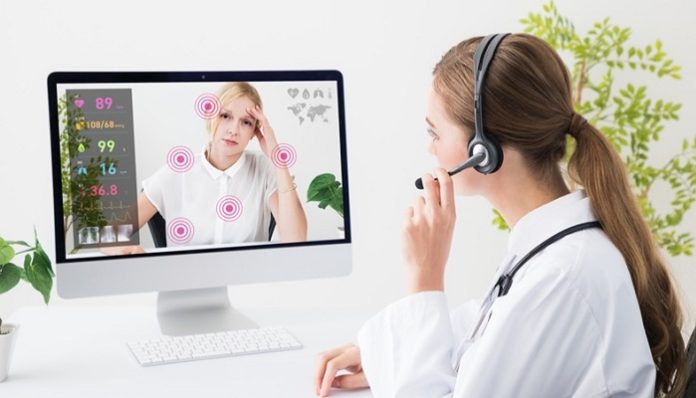
InterSystems, a creative data technology provider dedicated to helping customers solve the most critical scalability, interoperability and speed problems, today announced thatย My Emergency Doctor, Australiaโ€™s first telemedicine service staffed by specialist emergency doctors, has implementedย InterSystems HealthShareยฎ Health Connect Cloudโ„ข to quickly and cost-effectively provide systems interoperability with a major suburban hospital to support a virtual overnight supervision service by facilitating virtual board rounds between emergency department clinicians and emergency specialists (FACEMs) overnight. This initiative aims to improve key performance indicators such as Transfer of Care (ToC) and length of stay.

Purchased as a pay-as-you-grow cloud service, HealthShare Health Connect Cloud will also provide enhanced interoperability for My Emergency Doctorโ€™s other telemedicine services in the future, with InterSystems partnerย Fluffy Spider Technologies providing ongoing support. This will enable My Emergency Doctor (MED) to serve larger and more sophisticated healthcare providers and further improve clinical productivity and patient experience.

Cloud interoperability implemented within two months

MED aims to transform emergency medicine by bringing the best possible care to patients, wherever they are. The companyโ€™s services connect senior specialist emergency doctors โ€“ Fellows of the Australasian College for Emergency Medicine (FACEMs) โ€“ with clinicians and patients 24 hours a day, 365 days a year. The telemedicine services ease the difficulties of emergency presentation surges, staff shortages and after-hours consultations, for example, allowing hospitals to maintain a regular pattern of FACEM-led board rounds in the middle of the night.

MED has used a secure file-sharing service to integrate its electronic medical record (EMR) system with the systems of its clients, typically regional hospitals with 6 to 8-bed emergency departments (EDs). However, supporting a new virtual board round service for a 60-bed ED at a major suburban hospital required a more efficient and streamlined approach. The hospital preferred to interoperate via the commonly usedย HL7ยฎ messaging standard. After signing an agreement with InterSystems, MED implemented an interoperability solution using HealthShare Health Connect Cloud within two months, with future integrations expected to be even faster.

Meeting integration challenges one at a time

โ€œMED is a growing company, and we needed a fast solution to meet our expanding needs,โ€ said Ben Rhodes, Head of Technology at MED. โ€œHealthShare Health Connect Cloud was an ideal choice. It offers a scalable solution with a low barrier to entry, perfectly aligning with our growth trajectory.ย Initially, the most important benefit was meeting the required timeline by leveraging the hospitalโ€™s existing HL7 capability. With HL7 interoperability, we can receive more information more quickly and create a better clinical workflow. If something happens, we get the data immediately, and a nurse doesnโ€™t need to check it. Now that we have completed the first HL7 integration, we can expand it to multiple customers. And we can integrate withย FHIRยฎ or use the InterSystems FHIR Server to create a FHIR repository as well.โ€

โ€œWith our cloud interoperability solution, we are delighted to help healthcare providers, medical start-ups and scale-ups like My Emergency Doctor overcome the systems integration barriers to innovative connected care solutions,โ€ said Darren Jones, Country Manager, Australia and New Zealand for InterSystems. โ€œWithout making a large up-front investment, MED can quickly and cost-effectively meet its integration challenges one at a time, leveraging the latest interoperability technology and healthcare data standards. MED is also leveraging our partner network and will collaborate with Fluffy Spider Technologies, one of the regionโ€™s first InterSystems partners for HealthShare Health Connect Cloud, for ongoing technical support.โ€

About My Emergency Doctor

My Emergency Doctor (MED) is a cohesive and coordinated clinically-led telemedicine service committed to quality care. Established in 2016, MED has consistently focused on providing access to emergency specialists through strategic partnerships with hospitals, ambulance services, primary health networks and aged care facilities. This ensures Australians can access senior emergency physicians round the clock, on-demand. Building on this foundation, MED now provides an expanded range of services, including access to mental health professionals, cardiologists, and soon, geriatricians, ensuring comprehensive and timely care for those in need. For more information, please visitย MyEmergencyDr.com.

How to Structure Your Nursing Case Study for Maximum Impact?

The critical components of a nursing case study are a robust understanding of the topic, clear construction, and relevant application of wellness theories/models. Therefore, preparing a case study seems like an arduous task. Moreover, the complicated brief and huge task requirements make the work even more daunting. As a result, students are forced to take assistance from online websites.

While millions of students are breaking their heads over finding an appropriate case and structuring, others seek help from nursing assignment writing service like MyAssignmentHelp. According to them, it is convenient to use academic writing websites to enhance their project proficiency as these websites provide step-by-step guidance.ย 

A nursing case study can be considered as a comprehensive investigation of a patient’s history by gathering information like past medical records, diagnosis, and treatment procedures.ย 

Here are a few more sections that are generally included in the case study:

  • First Step: Documentation of patient history, including lifestyle, eating habits, and medical conditions.
  • Second Step: After that, you need to diagnose the current status of the patient’s health.
  • Third Step: Then, you have to evaluate the potential health hazards
  • Fourth Step: Based on the identification of potential risks, you will be required to formulate a treatment plan and analyze its outcome.ย 

These comprehensive plans are crucial in nursing case studies as they will not only help you to prepare quality content but also will create scope for future recommendations. Therefore, it is important to understand the layout of a nursing case study. Even if you have intrinsic knowledge about this kind of assignment, you might not have a solid grasp of the format/structure.

In this write-up, you can explore how to maintain a clear and detail-oriented structure to create your case study.ย 

How To Organize A Nursing Case Study? ย 

Introduction and Patient History

First and foremost, try to collect all the necessary details on the patient’s history, including demographic data, medical records, medication, hereditary issues, etc. It will help you to explain the current status of the patient.

Analyze the critical data

You must jot down the health check-up reports and test results to critically analyze the reason for the issues and present conditions. This process will help you to formulate further treatment plans.

Incorporate theory to prove suggestions

Application of theory/models not only helps you to present a compelling case study but also assists you in writing evidence-based research by identifying care gaps. For example, suppose the case study is about a patient suffering from a self-care deficit. In that case, Orem’s Self Care Deficit theory can be applied to formulate an awareness plan for addressing their deficit.

Formulation of healthcare plan

After identifying the care gaps, you will need to prepare a robust patient-centric care plan explaining the required interventions. Remember, therapeutic and non-therapeutic are equally important. To formulate the therapeutic interventions, you can consider SMART (Specific, Measurable, Attainable, Relevant, and Expected Time-Bound) objectives. Additionally, you need to evaluate each action taken to prevent health disorders along with the rationale behind the interventions.ย 

Compare the expected outcomesย 

Comparison of the results and interventions with similar case studies makes the treatment plan even more concrete. Therefore, to generate a logical and realistic healthcare plan, cross-case analysis is the optimal solution.

Therefore, millions of students across the globe contact assignment writing services like MyAssignmentHelp to explore various formats, previous sample papers, and practical examples.

Example of a case-study structure:

Imagine a patient suffering from Pneumonia. In this situation, to prepare a nursing case study, first, you need to gather past details like respiratory issues, smoking habits, and use of inhalers. Next, you need to check the current medical reports and take note of important factors like any infection in the lungs. After that, you need to analyze the data critically and apply theories to formulate a care plan. You must include interventions in the care plan, such as medication, oxygen therapy, and diet plan. After that, a regular progress monitoring plan also needs to be outlined. Remember to maintain the confidentiality of the patient and follow a narrative approach throughout the writing.

Final thoughtย 

By giving due importance to the above-discussed elements, you can ensure the case study is comprehensive, accurate, and informative. Apart from that, this layout will reflect your in-depth understanding and mastery of nursing assignments. Furthermore, it also creates opportunities to comprehend the theoretical practices into real lif scenarios, bridging the gap between nursing theory and practice.

Translate ยป