








Close
Digital Health & Ai Innovation summit 2026
LiGHT26

Revolutionizing Healthcare Efficiency: Meet DocVA Virtual Medical Assistants

Unlike support roles that rely on input, DocVA operates independently, handling various tasks, from scheduling appointments to offering diagnostic assistance. DocVA streamlines administrative and clinical processes by fitting into the healthcare system, enabling healthcare professionals to dedicate more time to patient care rather than getting caught up in clerical duties.

Improving Administrative Efficiency

DocVA significantly impacts tasks that are often a heavy burden on healthcare providers and take away precious time from patient care. Here are some key ways in which DocVA is making a difference:

Appointment Booking and Organization

With its user interface and intelligent algorithms, DocVA simplifies the appointment scheduling process. Patients can easily schedule appointments online through a portal, while DocVA ensures that schedules are managed efficiently to reduce wait times and optimize resource usage. It also handles cancellations and rescheduling, automatically updating records and notifying patients and healthcare providers about changes.

Managing Medical Records

Creating, updating, and maintaining health records (EHRs) is crucial. It can be time-consuming. DocVA aids in streamlining the documentation process. By taking notes during appointments and entering details directly into the electronic health record (EHR) system, DocVA helps ease the burden of documentation for healthcare providers. This enhances records’ accuracy and allows healthcare professionals to dedicate more time to their patients.

Billing and Coding

Mistakes in billing and coding often lead to losses and compliance issues in the healthcare industry. DocVA utilizes algorithms to aid in medical coding and billing, ensuring that claims are processed accurately and reducing the chances of denials. This automated system streamlines the revenue cycle, enabling healthcare facilities to optimize operations.

Clinical Diagnostic Support

In addition to handling duties, DocVA offers clinical support that improves diagnostic precision and assists patient care management.

Real-time Diagnostic Aid

DocVA can help healthcare providers make diagnoses by analyzing patient data and suggesting potential diagnoses based on evidence-based guidelines. This real-time assistance proves beneficial in cases where multiple medical conditions need consideration. By tapping into databases and current research, DocVA delivers updated information that aids clinical decision-making.

Patient Surveillance

DocVA provides vital support through its patient management systems for individuals with illnesses or those requiring monitoring. Tracking signs, ensuring medication adherence, and monitoring essential health markers allow healthcare providers to stay informed about any worrisome changes. This proactive approach supports intervention that potentially prevents health issues.

Tailored Treatment Plans

Through analyzing information and medical histories, DocVA can assist in developing treatment plans. This individualized method guarantees that treatments are customized to meet each patient’s requirements, enhancing effectiveness and promoting health outcomes. By taking into account a patient’s situation, DocVA aids healthcare providers in creating care strategies that cater to the intricacies of each case.

Enhancing Patient Satisfaction

Patient contentment serves as a measure for healthcare professionals since it influences both results and the financial well-being of medical practices. DocVA plays a role in improving the experience through various avenues.

Enhanced Communication

Successful treatment outcomes rely on communication between patients and healthcare providers. DocVA boosts this interaction by giving patients access to their health data, treatment plans, and appointment schedules. It also facilitates messaging between patients and providers, ensuring that inquiries and worries receive attention.

Simplified Procedures

By automating tasks that previously required human involvement, DocVA streamlines healthcare processes, reducing wait times and enhancing the overall efficiency of medical appointments.Patients experience improved access to healthcare interactions with medical professionals and a well-organized system that prioritizes their needs.

Patient Education and Engagement

DocVA empowers individuals with access to health information and educational materials. This engagement motivates patients to manage their well-being, leading to better adherence to treatment and enhanced long-term health outcomes. Whether through health advice or reminders about appointments and medication schedules, DocVA ensures that patients stay informed and engaged in their healthcare journey.

Addressing Challenges Looking Ahead

While the advantages of incorporating DocVA into healthcare settings are plentiful, addressing challenges and planning for the future is crucial. Concerns like data security, patient confidentiality, and the necessity for enhancements require constant attention. Moreover, effectively integrating these technologies mandates training for healthcare providers on how to utilize these tools.

Data Security Measures and Privacy Protection

Utilizing a healthcare virtual assistant involves handling sensitive patient data, emphasizing the importance of data security measures and privacy protection. Implementing encryption techniques, data storage solutions, and strict access controls is vital for safeguarding patient information and complying with regulations like HIPAA.

Training Programs for Proficiency

To maximize the potential of DocVA capabilities, healthcare professionals need training in its utilization.These are all aspects of understanding how to interact with the system, input data accurately, and utilize its insights. Ongoing training and support ensure that healthcare teams can proficiently use DocVA and quickly adapt to updates or new features.

Looking ahead to advancements, the potential for DocVA and similar technologies is fascinating. Continuous progress in natural language processing, machine learning, and user interface design will undoubtedly enrich assistants’ capabilities. Some possible future innovations include predictive analytics, improved integration with wearable health tech, and expanded functionality covering a more comprehensive array of medical specialties.

In Summary

DocVA represents more than an advancement; it signifies a fundamental change in delivering healthcare services. By automating tasks, offering time diagnostic assistance, and boosting patient engagement, DocVA is transforming healthcare efficiency. As healthcare systems evolve, incorporating assistants like DocVA will be essential for meeting the increasing patient care demands, enhancing outcomes, and enabling healthcare providers to focus on their core strengths: healing and caring for patients.
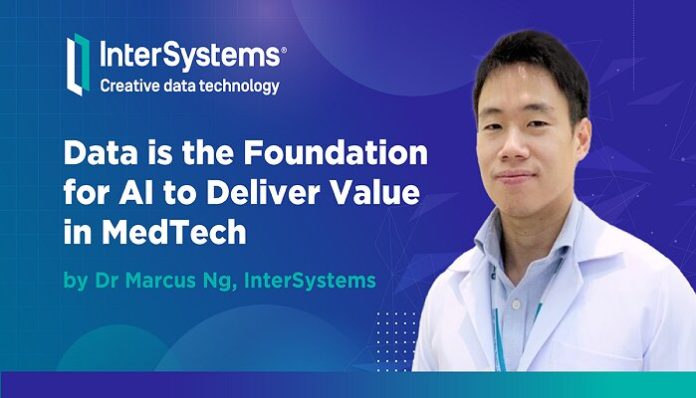
Data is the Foundation for AI to Deliver Value in MedTech

With artificial intelligence in healthcare, data is not just a minor component; itโ€™s the foundational layer that amplifies AIโ€™s potency, particularly in MedTech. When we peel back the layers of AI, we uncover crucial elements that engage with and depend on data in fundamental ways. A new InterSystems whitepaper explores these relationships making data the bedrock of AI and shaping the MedTech innovation landscape.

Amid the recent pandemic that strained healthcare systems, a prime example of AI development surfaced in a solution for early dementia detection. Groundbreaking solutions like this exemplify AIโ€™s potential to improve healthcare with early intervention. While AI is often hailed as revolutionary, itโ€™s essential to note that itโ€™s not a panacea nor a simple plug-and-play solution. Beneath its surface, data is the vital fuel propelling key AI elements forward.

Consider algorithms โ€“ a core element of artificial intelligence. Imagine them not only as complex sets of instructions but also as inquiring minds. Without the nourishment of data, they stay dormant. Data is the catalyst providing the sustenance to activate their learning and adaptive capacities. This is especially relevant in machine learning, which relies on data for extracting patterns and relationships and the training, testing, and fine-tuning of algorithms.

Think about the remarkable capabilities of model architectures, another key component of AI, as they process and learn from extensive datasets. Their true power is only unleashed when data is seamlessly integrated. This is when the models go beyond simple computation and begin to operate more like the complex neural networks of the human brain, comprehending intricate patterns hidden in the data and extending their understanding beyond initial confines.

The comparison to the human brain serves as a metaphorical reference point. Itโ€™s essential to recognize that algorithms and model architectures represent just a glimpse into the broader spectrum of AI elements that interact with and depend on data.

Monica Rogatiโ€™s AI Hierarchy of Needs underlines the importance of data. The basal tiers in the pyramid represent vital stages in data management. At every level, the foundation is laid for the next, paving the way for implementing AI and Deep Learning at the top of the hierarchy.

This perspective underscores the notion that data acts as the foundational bedrock, shaping the very essence of AI. Therefore, resolving data-related challenges early on becomes pivotal for successful and robust AI implementations โ€“ something that would benefit many MedTech developments.

There are parallels between addressing data challenges in AI early on and the early detection of diseases like dementia. A proactive approach at the foundational stages has significant advantages in both realms. The common thread is the recognition that addressing challenges at the outset, whether in the digital or healthcare landscape, is key to fostering success and enhancing the well-being of individuals and systems.

In our whitepaper, Getting the Most from AI in MedTech Takes Data Know-How, we explore examples illustrating the impact of data on AI performance, what data challenges to navigate, and why overcoming them is crucial to unlocking AIโ€™s potential in MedTech.

Access the whitepaper here:
https://www.intersystems.com/resources/ai-medtech-data-know-how-whitepaper/

LANCOโ€™s Shelter Solutions: Supporting Emergency Response in Gaza

In the midst of ongoing conflict, Gaza faces critical challenges, including a severe shortage of hospitals. Responding swiftly to this urgent need, the International Committee of the Red Cross (ICRC), in collaboration with the Norwegian Red Cross and ten other Red Cross associations, has established a 60-bed field hospital in Rafahโ€”the largest city in the Gaza Strip. Operational since May 9th, 2024, this mobile medical facility provides essential care for approximately 200 people daily.

LANCO and ROFIโ€™s Shelter Solutions: A Perfect Fit

ROFI, a leading provider of emergency shelter solutions, has played a pivotal role in this humanitarian effort. ROFI is part of LANCO group of companies and is specialized in creating turnkey camp solutions for people living and working under difficult conditions, optimizing their work efficiency, comfort and safety. Their innovative tentsโ€”specifically the ALPHA aluminum frame tentsย and theย RAPID high-pressure inflatable tentsโ€”have proven indispensable for the Gaza project. Hereโ€™s why we chose these specific shelters for the mission:

  1. RAPID High-Pressure Inflatable Tents
  • Quick Setup: The RAPID tents feature an inflatable design with 8-bar high-pressure arches. Responders can swiftly deploy them, ensuring immediate shelter availability.
  • Stability: Despite temperature fluctuations in Gaza city, the inflatable structure remains stable, providing a reliable refuge for medical operations.
  1. ALPHA Aluminum Frame Tents
  • Field-Tested Comfort: ALPHA tents offer high comfort levels with minimal maintenance requirements. Their aluminum frame design ensures durability and ease of use.
  • Modular Flexibility: ALPHA tents can be effortlessly divided into sections, creating treatment areas, administrative spaces, and functional zones within the field hospital.

Key Benefits for Emergency Response Situations

Both the RAPID and ALPHA systems excel in emergency scenarios. Hereโ€™s why they are the go-to choice for field operations:

  • Rapid Deployment: When time is critical, these shelters can be set up swiftly, allowing medical teams to focus on patient care.
  • Temperature Resilience: Unaffected by temperature variations, these tents remain reliable in any climate.
  • Portability: Lightweight and easy to transport, they can be quickly relocated as needed.
  • Tool-Free Setup: No specialized tools are required, streamlining the deployment process.
  • Integrated Flooring: The PVC flooring protects against surface water and keeps out reptiles and bugs.
  • Natural Ventilation: Cotton-polyester side walls and gables ensure proper airflow, maintaining a comfortable environment.

A Global Impact

LANCOโ€™s commitment to humanitarian projects extends worldwide. Seeing their shelters come to life in crisis zones reaffirms their mission: providing essential protection and dignity to those in need. Our ALPHA and RAPID shelters exemplify the power of innovation and compassion, bridging gaps in healthcare infrastructure during times of crisis.

Our turnkey field hospital solutions have proven their mettle in challenging missions around the world, from Haiti and Turkey in the aftermath of the devastating earthquakes that happened there, to Germany and United Arab Emirates. Are you looking for modular, rapidly deployable field hospitals? Learn more aboutย LANCOย andย ROFIย andย contact usย today! Our engineering team will asisst you throughout the process, ensuring that you receive the most appropiate solution for your needs.

EU Directives Push Italy Towards E-Health Excellence By 2030

The EU has issued recommendations to Italy to enhance digital health data and services in order to achieve complete access to electronic health records by 2030. Italy is currently one of the top 12 ‘fast trackers’ in e-health maturity with a score of 83%. E-health encompasses various digital services.

E-health signifies employing information and communication technologies- ICT within healthcare. This encompasses a broad spectrum of digital services and tools designed to enhance healthcare’s efficiency, accessibility, and quality. Key elements include:

  • Telemedicine: Remote health services via video conferencing, online consultations, and remote monitoring.
  • Electronic Health Records- EHR: Digital systems for recording, storing, and sharing patient health data.
  • Mobile Health Applications- mHealth: Smartphone apps aid in personal health management, such as tracking physical activities, managing medications, and controlling chronic conditions.
  • Clinical Decision Support Tools: Software providing clinicians with data-driven insights and recommendations to enhance diagnosis and treatment.
  • Hospital Management Systems: ICT solutions for managing hospital operations, including resource planning, personnel management, and cost control.
  • Patient Portals: Online platforms enable patients to book appointments, access medical records, as well as communicate with healthcare providers.
  • Health Big Data Analysis: Utilizing big data to identify trends, advance medical research, and personalize treatments.

E-health strives to boost care quality, reduce healthcare costs, and make healthcare services more accessible and convenient for patients.

EU Recommendations to Italy:

1. Ensure the availability of medical image data through online access services in all regions.
2. Guarantee timely availability of all types of data.
3. Provide a mobile application for citizens in all regions to access their electronic medical records.
4. Increase the supply of health data by involving more categories of health service providers.
5. Implement technical functionalities to ensure access opportunities for legal guardians, authorized persons, and disadvantaged groups.

Italy’s Performance:

Italy’s e-health maturity rose to 83% in 2023 from 71% in 2022, positioning the country among the top 12 in Europe for electronic health record access. However, there is a critical need for improvement in the maturity score of 57% for medical records summary data.

Regional Data as well as Access:

In 2023, Italy provided data for all of its 21 health regions. While medical image data is largely unavailable in most regions, other types of data, such as allergies and medication, are available but not in a timely manner. More than half of the regions offer access to these data via online portals or mobile applications, but some regions do not have a mobile application yet.

European Progress along with Maturity:

The overall e-health maturity score of the EU rose from 72% to 79% in 2023, with 22 Member States showing improvement. Belgium, Denmark, Estonia, Lithuania, and Poland rank among the most mature countries.

Areas where to Improve:

  • Ensuring universal access to health data.
  • Involvement of private health service providers in data provision.
  • Availability of specific types of data, such as medical images in only 26% of cases and medical devices/implants in 52%.

Collaborative AI Efforts to Revolutionize Healthcare Sector

Many predict that artificial intelligence will soon be the primary force behind the biggest shift in healthcare since the industry started to become more professionalized following the 1918 flu epidemic. But in order to bring about this change, newly created institutional frameworks for knowledge, engineering, and moral cooperation are required.

To meet this demand, the Microsoft-supported Trustworthy & Responsible AI Network (TRAIN) collaboration was unveiled in Europe this week at the Hlth Europe event in Amsterdam. Erasmus MC and University Medical Center Utrecht in the Netherlands, Sahlgrenska University Hospital and Skรฅne University Hospital in Sweden, HUS Helsinki University Hospital in Finland, Universita Vita-Salute San Raffaele in Italy, and the patient advocacy non-profit Foundation 29 are among the institutions that have joined TRAIN.

This comes after prominent healthcare institutions including Boston Children’s Hospital, Cleveland Clinic, Johns Hopkins Medicine, and Mount Sinai Health System participated in the US launch of TRAIN in March. As the technology partner, Microsoft presents itself as a facilitator rather than a leader, but it still has a big impact.

The technological and moral objectives of TRAIN are frequently emphasized in talks about artificial intelligence. By creating a federated AI outcomes registry, they hope to exchange best practices, set boundaries on the use of AI, and create instruments for reliable and responsible AI. Members will exchange knowledge and skills instead of information or algorithms.

The Coalition for Health AI (CHAI), a different AI collaborative that was established in the US in March with 20 nonprofit medical organizations, is similar to TRAIN. Microsoft, Amazon, Google, and CVS Health are some of CHAI’s partners.

Supporters of AI claim that the technology will automate healthcare bureaucracy, save development costs, and expedite drug discovery. Clinical diagnosis and decision-making will improve in speed and precision. Through the prediction of viral development, AI-driven analytics could eliminate the uncertainty that accompanied the epidemic.

Healthcare already has several important components in place, even though AI has received too much attention in the tech industry. Data is essential to AI, but if patient record security and privacy are jeopardized, there is a risk.

The participation of Microsoft makes one worry about the power of big tech. The open-source Responsible AI Dashboard is one of the responsible AI tools that the firm is offering to TRAIN members. Microsoft’s vice president of healthcare, David Rhew, underlined the need for equitable AI benefits, guaranteeing that companies with limited resources may use AI responsibly. Though they still need assistance scaling these procedures, he pointed out that several university medical institutes now test and approve AI systems.

Rhew emphasized the significance of cooperative collaborations throughout the sector and the intricacies of AI safeguards. This coincides with Europe’s AI Act-related tightening of data privacy laws. The difficulties are exacerbated by the fragmented regulatory environment, which is governed by GDPR, MDR, and HIPAA.

According to Rhew, TRAIN seeks to facilitate cooperation by using privacy-preserving techniques and technologically based safeguards to operationalize responsible AI principles. He underlined that TRAIN in Europe will preserve data privacy while fostering trust and confidence in AI technologies in healthcare.

Stem Cell Transplant Patients Gain New Hope With Belumosudil

The NHS has announced it will expedite a pioneering therapy for treating graft versus host disease. Cancer patients who have received crucial stem cell transplants now have renewed hope in the fight against chronic graft versus host disease. NHS England plans to introduce Belumosudil (Rezurockยฎ), a medication specifically developed to combat this uncommon but severe complication.

This announcement aligns with Rare Disease Day, which brings attention to over 7,000 rare diseases affecting approximately 3.5 million individuals in the UK.

The inclusion of Belumosudil in the NHS Innovative Medicines Fund marks a significant step forward in the treatment of rare diseases.

As the fourth treatment to be accelerated through this program, following a therapy for Wolman disease last year, it emphasizes the importance of speeding up access to transformative treatments for patients with complex health issues.

James Palmer, NHS Englandโ€™s Medical Director for Specialised Services, stated that this rollout represents a significant advancement for patients with graft versus host disease. He noted that it would assist individuals living with this debilitating condition in managing their symptoms more effectively, thereby improving their quality of life and daily functioning. Palmer highlighted the positive impact of the NHSโ€™s ability to fast-track funding for a treatment that would benefit hundreds of patients in the years to come.

Graft versus host disease

Graft versus host disease affects about one-third of patients undergoing stem cell or bone marrow transplants for blood cancers such as leukemia and lymphoma, posing a substantial challenge.

Despite the success of these transplants, around 400 recipients in England each year face this severe complication.

In graft versus host disease, the transplanted white blood cells attack the recipientโ€™s organs, causing inflammation and weakening the immune system, making patients more prone to infections.

Belumosudil: A huge treatment breakthrough

Traditional treatments like chemotherapy drugs and targeted therapies often prove inadequate in managing the disease, especially in severe cases.

Belumosudil stands out as a promising solution, targeting the proteins responsible for the inflammatory response characteristic of the disease.

This innovative medicine, taken once daily as a tablet, not only addresses the underlying pathology but also offers the convenience of home-based treatment, reducing hospital visits for patients.

Approximately 200 patients who have not responded to previous therapies are expected to benefit from this initiative over the next three years.

Dr. Robert Danby, Chief Medical and Scientific Officer at Anthony Nolan, the stem cell transplant charity, mentioned that the devastating effect of chronic graft versus host disease on a personโ€™s physical and mental health is well known from their patients. He welcomed the news for stem cell transplant recipients across England and Wales who struggle with this debilitating, life-threatening condition. He added that they are investing in crucial research to help even more patients survive and thrive after a stem cell transplant.

The introduction of Belumosudil represents a beacon of hope for those navigating the complexities of chronic graft versus host disease, reaffirming the NHSโ€™s commitment to providing innovative and effective care to all who need it.

Uninterrupted Power In Healthcare: The Critical Role Of Backup Generators And Compliance With Relevant Standards

Backup power systems such as generators are crucial in keeping healthcare facilities running following outages caused by extreme weather. But all electrical systems designs and installations must meet a significant number of codes and regulations, says Brady Eifrid, Senior Project Engineer at Kohler Power Systems

Extreme weather events, including hurricanes, heatwaves, earthquakes, floods and powerful storms, can wreak havoc on power networks, leading to significant outages with little to no warning. In an age of climate uncertainty, these disruptive incidents are becoming increasingly frequent and severe.

Research by Climate Central, an independent group of scientists and researchers, shows that 80% of all major U.S. power outages reported from 2000 to 2023 (1,755 incidents) were due to weather. The study also reveals that weather-related power outages are on the rise, with the U.S. experiencing about twice as many weather-related outages during the last ten years (2014-2023) than during the first ten years analyzed (2000-2009).

These incidents were recorded across the U.S., with the highest prevalence in Texas, Michigan, California, North Carolina, and Ohio. Climate Central says the nationโ€™s electrical grid was not built for the present-day demand, with above-ground transformers, transmission wires, and utility poles all susceptible to damage from extreme weather events.

For healthcare facilities in particular, these power outages can be disruptive at best and potentially life-threatening at worst. They can lead to a loss of lighting for surgical procedures, the failure of critical equipment such as respiratory devices, and the loss of heating, ventilation, air conditioning and IT/computer systems. Each outcome can have a dramatic effect on patient comfort, care, and life.

Power system requirements for healthcare facilities

Given the impact of bad weather and grid outages on healthcare facilities, reliable backup from on-site mission-critical generators is a crucial requirement. Generators represent a tried and trusted solution that can be brought online almost immediately in the event of grid failure. The latest design, KOHLER KD Series, is compatible with hydrotreated vegetable oil (HVO), a renewable fuel made from waste products and residues including vegetable oils and animal fats. The use of HVO reduces carbon emissions by as much as 90% across the lifecycle, making generators a sustainable as well as reliable option for backup power.

However, in highly regulated sectors such as the healthcare industry, an extraordinary amount of detail and complexity goes into the design, inspection, and installation of power systems such as generators, automatic transfer switches, controls and paralleling switchgear. Equally challenging is ensuring that these designs and installations meet a significant number of codes and regulations. So, let us look at some of the key considerations healthcare facilities need to make to ensure their generators keep the power on during outages, while assessing some of the challenges generator manufacturers face to meet regulatory standards.

Highlighting relevant standards and codes

Some of the more commonly known requirements fall within the scope of the National Fire Protection Agency (NFPA). In particular, there are three specific NFPA standards โ€“ NFPA 99, NFPA 110, and NFPA 70 โ€“ that must be considered:

โ€ข NFPA 99 – Health Care Facilities Code
โ€ข NFPA 70 – National Electrical Code (NEC)
โ€ข NFPA 110 – Standard for Emergency and Standby Power Systems

It is worth breaking down each of the three NFPA standards most referenced within healthcare installations. These codes reference one another heavily while sticking within their respective area and adoption of the most recent code varies by state. Because there are many similarities between the standards, the goal is to highlight each standard’s specific scope and applications individually and summarize the references between them. Ultimately, the standards are designed to collectively ensure that healthcare facilities have robust, reliable power systems to support critical operations and ensure patient safety during power outages.

NFPA 99 – Health Care Facilities Code

NFPA 99 is a comprehensive code that outlines various safety standards for healthcare facilities, including electrical systems, plumbing, gas, and emergency preparedness. Within this code, Chapter 6 explicitly addresses electrical systems, categorizing them into four risk levels based on the potential impact of system failures on patient care, ranging from significant injuries or death (Category 1) to no effect on patient care (Category 4). The code mandates the use of Essential Electrical Systems (EES), which are critical for life safety, such as those powering surgery and intensive care units. These systems must have independent power sources, typically a combination of utility power and backup generators, to ensure continuous operation during power outages.

NFPA 70 – National Electrical Code

NFPA 70, also known as the National Electrical Code (NEC), sets the benchmark for safe electrical design, installation, and inspection to protect people and property from electrical hazards. In healthcare facilities, this code is crucial for ensuring that all electrical systems, including backup and emergency power systems, are installed correctly and safely. Article 517 of the NEC specifically addresses healthcare facilities, providing detailed requirements for essential electrical systems, including the use of energy storage solutions and microgrids. It ensures that optional loads do not overload generators and mandates that these loads are managed to prevent any power supply issues.

NFPA 110 Standard for Emergency and Standby Power Systems

NFPA 110 focuses on the performance of emergency and standby power systems, which are crucial for maintaining power during outages. This standard categorizes systems based on the maximum time they can take to supply power (Type), the duration they must operate (Class), and the level of life dependency (Level). For example, a Type 10 system must provide power within 10 seconds, and a Class X system must run for a specified number of hours. In healthcare settings, NFPA 110 ensures that backup power systems are reliable and can support life-saving equipment and critical operations. It includes stringent requirements for testing, maintenance, and installing transfer switches to ensure seamless power transitions during emergencies.

That represents an overview of three of the most common NFPA standards impacting healthcare facilities and the provision of safe and reliable power systems. Other codes and standards might be required for overall healthcare building requirements, and relevant governing bodies, including the Facilities Guidelines Institute (FGI) and the Joint Commission (JC), can provide guidance. FGI develops guidelines and best practices for designing, planning, and overall construction of hospitals, outpatient facilities, and more. The JC additionally provides standards and evaluates/inspects these types of buildings and facilities to ensure compliance with applicable standards and ensure adequate care is done safely.

Choosing power systems that meet all requirements

In summary, emergency power supply system plays a critical role in ensuring that healthcare facilities have the redundancies needed for reliable power to keep people safe and equipment stable. NFPA 99 represents a national installation guideline for healthcare facilities that refers to other NFPA installation standards, such as NFPA 70 and 110, which are used for all power system applications. It is recommended that healthcare facility operators read the codes and standards in full to assure proper installation and compliance according to the authority having jurisdiction.

It is also important that healthcare facilities partner with a reputable and knowledgeable power system provider and its authorized distributors. Kohler designs all its power systems to meet the NFPA standards, as well as local requirements including 72/96-hour sub-base tanks for diesel generators, ten seconds or less to start our generators, hurricane rated and corrosion resistant enclosures for coastal regions, and control systems that meet the NFPA 110 annunciation requirements. Kohler offers products (generator sets, paralleling switchgear, automatic transfer switches, and controls) with total system integration in mind so that everything works as expected. These factors provide power system users in the healthcare sector with the confidence to weather any storm.

US Healthcare Groups Push For Inclusive Cybersecurity Rules

Healthcare and hospital groups advocate for a federal cybersecurity reporting proposal to include insurers and third-party vendors, highlighting the impact of a major cyberattack on Change Healthcare. The proposal from the Cybersecurity and Infrastructure Security Agency (CISA) mandates companies in critical infrastructure sectors to report cyber incidents within 72 hours and document ransom payments within 24 hours. CISA chose not to set sector-specific reporting criteria for insurance companies, health IT providers, and labs or diagnostics facilities. The American Hospital Association argues that excluding these sectors doesn’t make sense, as disruptions to a single company can affect the entire industry.

The anticipated rule from CISA aims to enable the federal government to quickly assist critical infrastructure providers and gather information on cyberattacks. The rule could cover over 316,000 entities, based on agency estimates.

CISA explained that sector-specific criteria for insurers or labs were unnecessary because many of these entities would be included under the size-based criteria applicable to all critical infrastructure sectors. They noted that the primary cyber incidents for health IT developers are data breaches, which are not the main focus of this rulemaking and are already subject to healthcare-specific reporting regulations.

However, industry groups such as the American Hospital Association, the American Medical Association, and the College of Healthcare Information Management Executives have highlighted the interconnected nature of the sector. They noted that a cyberattack on a third party could have widespread repercussions.

CHIME expressed uncertainty regarding whether UnitedHealth subsidiary Change, a technology firm and large medical claims processor recently affected by a major cyberattack, would have been required to report under the proposed rule. The group suggested that Change might not meet the size-based criteria and is not included under healthcare sector-specific criteria.

Russell Branzell, president and CEO of CHIME, indicated that many third-party entities in the healthcare ecosystem might not be considered ‘covered entities’ under the proposal, thus not obligated to report significant cyber incidents.

Some groups have raised concerns about the proposed reporting timelines, noting that HIPAA reporting obligations could be triggered by the cyber rule, increasing the burden on providers. They also mentioned that different regulations could result in duplicate reporting requirements.

Americaโ€™s Essential Hospitals, representing safety-net hospitals, requested more flexibility in reporting cyber incidents, arguing that strict 24- and 72-hour deadlines could detract from patient care during a crisis. They also sought financial support, citing limited cybersecurity budgets and insufficient staffing as challenges for under-resourced hospitals.

Bruce Siegel, president and CEO of Americaโ€™s Essential Hospitals, suggested that alleviating these burdens by providing technical assistance and a phased reporting process would help essential hospitals manage critical incidents more effectively without compromising patient care or financial stability.

US Digital Health Startups See Surge In Investments In 2024

Rock Health, a consultancy and venture capital firm, reports signs of improvement in digital health funding after years of slowed investment. US digital health startups raised $5.7 billion across 266 deals in the first half of the year, potentially exceeding full-year funding totals from 2019 and 2023. Public markets show signs of revival with three digital health companies debuting on the New York Stock Exchange or Nasdaq in the second quarter, breaking a 21-month hiatus.

Investment in US digital health startups surged past $29 billion in 2021, outpacing pre-pandemic venture capital funding levels. However, funding began to decline in late 2022 and continued slowing, with American companies raising nearly $11 billion last year, the lowest since 2019. This year, signs of increased funding are emerging, particularly in early-stage deals. Rock Health’s report indicated that seed, series A, and series B rounds comprised 84% of the labeled raises in the first half of 2024.

Unlabeled rounds, which are not assigned a specific letter like A or B, have started to decrease, potentially signaling a positive shift in the funding environment. These rounds typically increase when startups need cash but do not meet the criteria for another labeled round or wish to delay valuation discussions. Last year, 44% of deals were unlabeled, compared to 40% so far in 2024. However, these rounds are still higher than in previous years, with only 22% of deals being unlabeled in 2022 and 19% in 2021.

Public markets are also showing some improvement. In the second quarter, Nuvo, a remote fetal monitoring company, went public through a merger with a special purpose acquisition company. Additionally, precision diagnostics firm Tempus AI and revenue cycle management company Waystar completed initial public offerings. This year’s public exits mark an improvement from previous years, with no public exits last year and only one in 2022, as tracked by Rock Health.

In US digital health mergers and acquisitions, there are still opportunities for startups to be acquired, although deals might face challenges. Larger digital health companies, which are the most likely buyers, are under pressure to be cautious with their purchases. Only 34 startups have been acquired by other digital health firms so far this year, compared to 83 last year. However, private equity buyers might be another option for startups seeking acquisition. PE firms acquired 10 digital health startups in the first half of 2024, compared to nine for the entire year of 2023.

Rock Health’s report mentioned that even digital health companies in challenging financial situations could attract private equity interest if they have clear business models and opportunities for operational improvements that lead to growth.

OpenAI With Thrive Global Launch AI-Driven Health Coach

OpenAI Startup Fund and Thrive Global, a behavioral-change technology platform founded by Arianna Huffington, announced they are launching a new venture called Thrive AI Health. This company aims to provide personalized health coaching using generative AI.

Thrive AI Health will offer an AI-driven personalized health coach focused on five key areas: connection, sleep, fitness, stress management, and nutrition. The companies highlight that this coach will be instrumental in disease prevention and optimizing treatment.

The coach will utilize methodologies from both OpenAI and Thrive Global, incorporating peer-reviewed scientific research, individual user preferences and goals, as well as various health data such as biometric and lab results. It will generate personalized insights and offer nudges and recommendations related to the five key behaviors.

OpenAI Startup Fund and Thrive Global are the primary investors, with the Alice L. Walton Foundation also contributing as a strategic investor. DeCarlos Love, who happened to be initially a product leader with Google, has been appointed CEO. Loveโ€™s background includes leadership in AI and machine learning at Google, and prior roles at Apple and Athos.

Dr. Gbenga Ogedegbe from NYU Langone will serve as the health equity advisor for Thrive AI Health. The startup, apparently, has also formed research partnerships along with institutions like Stanford Medicine, Alice L. Walton School of Medicine as well as the Rockefeller Neuroscience Institute at West Virginia University.

In a statement, Love mentioned that advancements in artificial intelligence provide a unique chance to make behavior change more effective and sustainable. He expressed that the Thrive AI Health Coach addresses the limitations of current AI and LLM-based solutions by offering personalized, proactive, and data-driven coaching, which could enhance health outcomes, lower healthcare costs, and have a substantial impact on chronic diseases globally.

Experts point out that preventative care relies heavily on individual behavior, self-care habits, and awareness of healthy practices. AI can assist in modifying behavioral tendencies, aiding patients in improving their self-care routines.

Thrive Global, based in New York and established in 2016, offers behavior-change software designed to enhance employee productivity and health. After its first year, the company raised $30 million in funding, followed by an $80 million Series C round in 2021. Thrive Global operates offices in various locations, including New York, San Francisco, Melbourne, Dublin, Bucharest, and Athens.

In 2022, Thrive Global collaborated with Genesys, a cloud customer-experience company, to integrate wellbeing tools into organizational workflows. In the broader behavioral health space, companies like NeuroFlow and Talkspace are also making strides. NeuroFlow recently acquired Owl to enhance its behavioral health measurement capabilities, and Talkspace launched a Behavioral Health Consortium to refer members to specialty-care providers for conditions such as alcoholism, substance use, and eating disorders.

Translate ยป