









Close
Digital Health & Ai Innovation summit 2026
LiGHT26

Quest Diagnostics to Acquire PathAI Diagnostics to Accelerate AI and Digital Pathology Adoption in Cancer Diagnosis

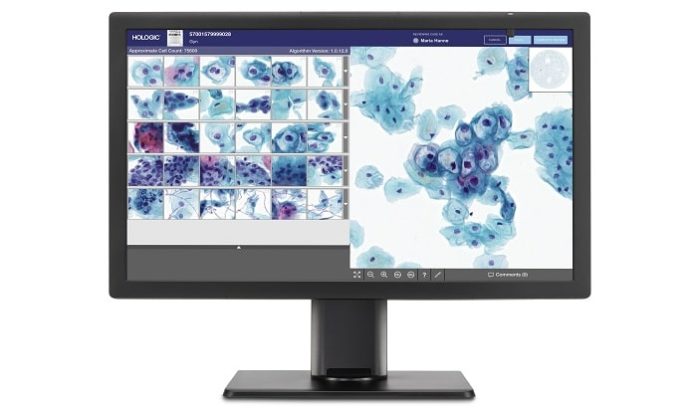
Quest Diagnostics, a leader in diagnostic information services, and PathAI, a global provider of artificial intelligence-powered technology for pathology, a multi-faceted collaboration designed to accelerate the adoption of digital and AI pathology innovations to improve quality, speed and efficiency in diagnosing cancer and other diseases.

Under the terms of a definitive agreement, Quest will acquire select assets of PathAI Diagnostics, the business of PathAI that provides anatomic and digital pathology laboratory services. At closing, PathAI Diagnostics’ state-of-the-art digitized laboratory in Memphis, Tennessee will become Quest’s AI and digital R&D and solutions center, supporting Quest’s specialty pathology businesses, AmeriPath and Dermpath Diagnostics. PathAI will continue to support its biopharmaceutical clients with end-to-end clinical trial services capabilities at its biopharma lab, which is separate and distinct from the diagnostic laboratory business. The transaction is expected to be completed in the second quarter of 2024.

Under separate agreements, Quest will license PathAI’s AISightโ„ข digital pathology image management system to support its pathology laboratories and customer sites in the United States. The two entities may also pursue opportunities for Quest to aid PathAI’s algorithm product development, drawing on Quest’s deep pathology leadership. In addition, Quest will be a preferred provider for PathAI’s biopharmaceutical clinical laboratory services.

“This transaction will enable Quest to dramatically ramp our capabilities in AI and digital pathology, building on our leadership in oncology and subspecialized pathology services,” said Kristie Dolan, Senior Vice President, Oncology, Quest Diagnostics. “AI and digital technologies have tremendous potential to improve cancer care, and Quest has the know-how to scale and deliver innovations that are high quality, efficient and broadly accessible. PathAI has industry-leading expertise in AI pathology innovation, and their state-of-the-art digitized laboratory in Memphis provides a platform for future growth.”

“At Quest Diagnostics, we are committed to maximizing patient impact from every precious sample,” said Mark Gardner, Senior Vice President, Molecular Genomics and Oncology, Quest Diagnostics. “The relationship with PathAI and acquisition of PathAI Diagnostics will enable us to rapidly accelerate the adoption of digitization and artificial intelligence for our market leading pathology offering, and will therefore strengthen our capability to serve patients across the entire continuum of oncology care, from diagnosis, to prognosis, to therapy selection and patient monitoring.”

“This strategic relationship represents a significant milestone for the anatomic pathology industry and marks a major turning point for digital pathology adoption in the U.S. The adoption of these technologies by an organization with the scale and breadth of capabilities of Quest is a clear demonstration of how PathAI’s cutting-edge solutions can help address the market’s need for more efficient and high-quality pathology operations,” said Andy Beck, MD PhD, co-Founder and CEO of PathAI. “The PathAI Diagnostics laboratory in Memphis will allow Quest to accelerate its digital journey with an already digitized laboratory.”

According to the American Cancer Society, 2024 will be the first year that the United States expects more than 2 million new cases of cancer. The global cancer burden is expected to reach 28.4 million cases in 2040, compared to 19.3 million in 2020, according to the International Agency for Research on Cancer.

The next phase in cancer innovation unlocked by digital pathology

Cancer and other diseases are often diagnosed by a pathologist based on a visual review of a biopsied tissue mounted on a glass slide, and reviewed under a microscope for abnormalities. If multiple pathologists need to view the slide, such as for a second opinion, the tissue biopsy must be physically couriered to another pathologist.

Digital pathology enables the creation of digital images of glass slides that can be securely shared electronically with other pathologists to view, reducing transportation needs and speeding testing and results reporting. It also has the advantage of extending access to expert consults to geographic areas where pathologists are in short supply, such as in parts of rural America and internationally. It may also help alleviate workforce pressures due to a shortage of pathologists and histotechnologists, the skilled laboratory professionals who prepare tissue slides.

“Digital pathology will strengthen our ability to offer flexible solutions that fulfill the needs of today’s hospital laboratories. For instance, many hospital labs are facing a shortage of histotechs. With digital pathology, these labs can refer slide preparation to us while continuing to perform professional interpretation in-house,” Ms. Dolan added. “Digital pathology will also allow us to extend the interpretative expertise of our roughly 400 pathologists to hospitals and other labs who lack these skilled professionals on-staff, regardless of location.”

AI builds upon digital pathology by identifying patterns in a digitized image that suggest cancer or other diseases, helping a pathologist concentrate on areas of concern for potentially more accurate diagnosis.

Quest has a long history of strategic AI and automation deployment. The company has implemented AI, digital and automation technologies across several laboratory and business functions, from microbiology and cytogenetics to specimen processing and customer service, improving quality, efficiency and customer and employee experiences.

The transaction also builds on Quest’s deep expertise and scale in cancer, with approximately 400 pathologists serving top health systems in the U.S. In recent years, Quest has piloted digital and AI pathology oncology solutions at Quest and AmeriPath sites in Clifton, NJ, Tampa and Denver.

Over time, Quest expects the transaction with PathAI will enable it to deploy flexible digital slide preparation and diagnostic and second opinion consultation services to health systems and other providers, both in the United States and, through its Global Diagnostic Network, overseas. The acquisition will also extend Quest’s anatomic pathology services into comparatively more profitable areas, including dermatopathology as well as gastrointestinal and urological diseases. Provider customers of PathAI Diagnostics will benefit from access to Quest’s industry-leading clinical test menu, broad health plan relationships and approximately 2,000 patient service centers in the U.S.
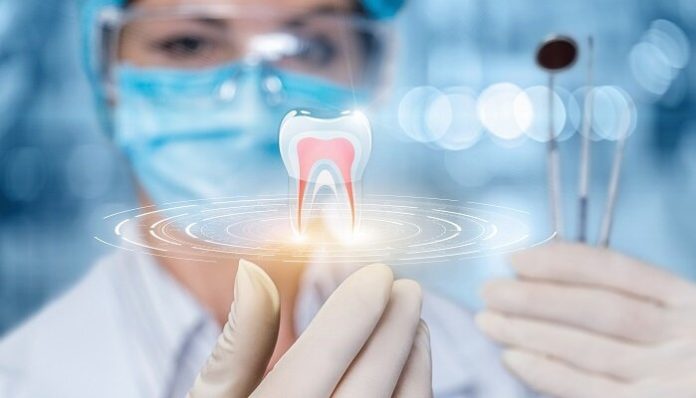
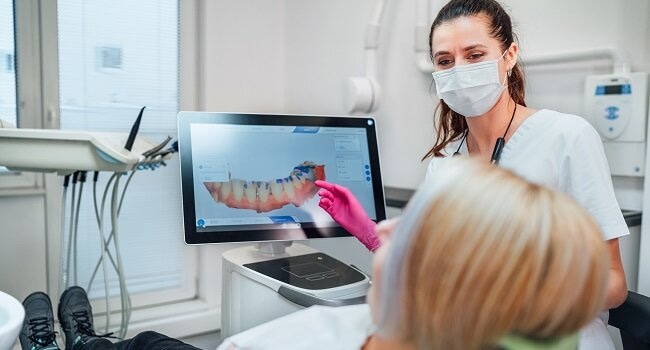
The Digital Dentist: Exploring the Latest Technological Advances in Dental Care

What did the dentist say to the tooth when he had to leave the room? โ€˜Iโ€™ll fill you in when I get back.โ€™ Now that the field of dentistry has made many technological advances, the dentist does have a lot to fill in. Dental care has taken leaps and bounds in innovating treatment and procedures, putting the patientsโ€™ welfare in the middle of it all. This article will give you a run-through of these.ย 

Technological Advances in Different Statesย 

While adopting digital dentistry technologies is a global phenomenon, some states have emerged as frontrunners in embracing these advancements. For instance, Oregon boasts of their prowess in practicing technological innovations. The place is a home for many research institutions, thatโ€™s why our dentist in Portland suggests that dentists and patients collaborate in trying new methods of taking care of oneโ€™s dental health. ย 

The state’s commitment to innovation and patient-centered care has fostered an environment conducive to the rapid adoption of cutting-edge dental technologies.ย 

3D Printing and Custom Dental Appliancesย 

One of the most significant advancements in the digital dentistry landscape is the integration of 3D printing technology. This groundbreaking approach has opened new possibilities for creating highly accurate and personalized dental appliances. From custom-fitted crowns and bridges to intricate surgical guides, 3D printing allows dentists to fabricate these devices with unprecedented precision, ensuring a perfect fit and optimal functionality.ย 

Intraoral Scannersย 

Traditional dental impressions have long been a source of discomfort and anxiety for many patients. However, the advent of intraoral scanners has ushered in a new era of convenience and precision. These state-of-the-art scanners capture highly detailed digital impressions of a patient’s teeth and oral structures, eliminating the need for messy impression materials. ย 

The resulting digital models can be seamlessly integrated into various dental procedures, from designing restorations to planning orthodontic treatments.ย 

CAD/CAM Technology: Streamlining Dental Restorationsย 

The creation of dental restoring has been completely changed by the Computer-Aided Design and Computer-Aided Manufacturing (CAD/CAM) technology. In simpler terms, dentists can now make teeth crowns, veneers or inlays that are durable and accurate within a few hours, all thanks to digital imagining machines, 3D models, and improved methods of milling. This streamlined process not only saves time but also enhances the quality and longevity of the restorations.ย 

Cone Beam Computed Tomography (CBCT)ย 

Accurate diagnosis is crucial in dentistry, and CBCT imaging has become an invaluable tool in this regard. This advanced imaging technique provides dentists with high-resolution, three-dimensional images of a patient’s oral and facial structures. CBCT scans aid in the detection of various dental conditions, including impacted teeth, jawbone abnormalities, and even early signs of oral cancer.ย 

Digital Smile Designย 

Cosmetic dentistry has embraced the digital revolution with the introduction of digital smile design software. This cutting-edge technology allows dentists to visualize and plan the desired aesthetic outcome before any treatment begins. Combining digital imaging, 3D modeling, and virtual simulation helps patients preview their potential new smile, enabling them to make informed decisions and ensure their expectations are met.ย 

Dental Imaging and Artificial Intelligenceย 

The field of dental imaging and diagnostics has seen significant advancements as a result of artificial intelligence (AI). The detection of potential problems such as cavities, bone loss, or other abnormalities could be done more accurately and quickly since dentists were aided by advanced algorithms that processed dental radiographs and images. Consequently, this innovation might worsen diagnosticsโ€™ speed in detecting diseases at their early stages, improving treatment outcomes for patients.ย 

Virtual Reality and Augmented Realityย 

Bringing together virtual reality (VR) and augmented reality (AR) in dentistry has opened new ways of instruction that improve the understanding and engagement of patients. The use of immersive VR simulations allows dental students to learn complex processes without risking making mistakes because theyโ€™re done in synthetic environments, providing ample room for error correction before theyโ€™re done on people. Moreover, augmented reality (AR) aids in overlaying patientโ€™s data over a real-time video feed, making it easier for dentists to make a detailed treatment plan.ย 

Digital Patient Records and Practice Managementย 

Embracing the digital age extends beyond clinical procedures. Dental practices are increasingly adopting digital patient record systems and practice management software to streamline administrative tasks, enhance data security, and improve overall efficiency. These solutions pave the way for getting accurate information, setting appointments easier, and keeping records efficiently. These accumulated practices make for an excellent patient experience.ย 

Conclusionย 

The future is bright when it comes to the latest technological advances in dental care. Dentists can use these modern tools thatโ€™ll enable them to provide patients with a more customized experience during their time under treatment. This will also ensure that patients will have an easier time adjusting and healing. After all, itโ€™s all about their welfare.ย 

Embracing these advancements with open arms while maintaining a patient-centric approach will be the key to unlocking the full potential of digital dentistry and ensuring that patients receive the highest standard of care.ย 

The Future of Patient-Centric Care: Balancing Safety, Innovation, and Accountability

How does the relentless march of medical innovation align with patient safety and legal oversight? As healthcare delivery transforms, this question gains urgency.ย 

With cutting-edge technology comes heightened scrutiny. Ensuring these advancements truly serve those theyโ€™re meant to help is a tightrope walk between progress and protection.ย 

Accountability is the linchpin in this dynamic field where patient interests must steer the ship. Let’s explore how emerging care models strive to maintain this delicate balance.

Innovation Under the Microscope

The healthcare industry is a beacon for technological advancement, where each leap forward promises an enhanced quality of life. Yet, innovation is not a solitary player; it functions within an ecosystem that includes regulators, patients, and legal entities.

Whilst tech giants and startups erupt with breakthrough treatments and devices, they concurrently navigate a complex framework of safety regulations. This becomes especially evident when considering recent headlines about lawsuits concerning Ozempic and other diabetes medications.

These legal challenges serve as a pertinent reminder: while embracing the new frontier of patient care, we must vigilantly safeguard those at its heart against potential risks.

The Accountability Imperative

Patient-centric care hinges on a foundational principle: do no harm. This mantra extends beyond clinical settings, influencing the legal and ethical frameworks surrounding medical technology.

When patients encounter adverse effects, accountability mechanisms activate. Legal recourse not only addresses medical grievances but also propels improvements in safety protocols and product design.

These actions create a feedback loop where patients’ experiences inform the evolution of care, ensuring that progress in patient treatment remains both innovative and, crucially, responsible.

Balancing Act: Safety in Innovation

As we sail forward into the uncharted waters of medical technology, itโ€™s vital to keep a keen eye on the safety and efficacy of future innovations. Novel treatments and medical tech and devices hold immense promise but they come with their own set of risks that demand thorough scrutiny before widespread adoption.ย 

This is where the balance between innovation and patient safety materializes, with regulatory bodies and healthcare providers working in tandem to rigorously evaluate each new offering.ย 

A few key examples include:ย 

  • Personalized medicine through genomics: Tailoring treatments based on individual genetic profiles can revolutionize care but also raises questions about accuracy and privacy implications.
  • Robotics in surgery: They offer unmatched precision yet must be evaluated for long-term outcomes and potential malfunctions.
  • Wearable health monitors: These provide real-time data but depend heavily on the reliability of sensors and algorithms.
  • AI-driven diagnostics: The efficiency gains are undoubtedly substantial. However, their decision-making processes must be transparent to ensure trustworthiness.

The Safety Net of Oversight

With innovation comes the need for robust oversight to protect patient interests. Regulatory agencies serve as this safety net, meticulously analyzing each breakthrough’s risks and benefits.

While manufacturers may see regulation as a hurdle, it’s a safeguard against premature adoption. The recent malfunction of the first-ever chip implanted into a human brain by Elon Musk’s Neuralink underscores the importance of such accountability measures.

This process, while sometimes arduous and slow-moving, is indispensable. It guarantees that the healthcare industry’s trajectory remains aligned with its core mission: delivering safe, effective care that puts patients first.

The Human Element in Tech

At the heart of healthcare’s evolution is the patientโ€”never just a subject, but an active participant. It’s critical to remember the human element in discussions about technology.

Patients and providers alike must engage in a dialogue where concerns can be voiced and heard. This exchange ensures that technology serves its intended purpose without compromising the personal touch so essential to healing and care.

As technology reshapes the landscape of healthcare, patient-centric care must evolve with safety and innovation in harmony. The path forward is complex, but with vigilant oversight and a commitment to accountability, the future holds a promising equilibrium of advanced, patient-focused healthcare.

Removing Gut Bacteria’s Potential Safe House May Lower Risk of Colorectal Cancer Subtype

The appendix, once dismissed as an unnecessary human organ, has more recently been shown to play a role in the immune system. However, we lack a clear understanding of how its removal to treat appendicitis affects long-term human health. A new study from researchers at Brigham and Womenโ€™s Hospital, a founding member of the Mass General Brigham healthcare system, found that an appendectomy โ€“ a surgical procedure to remove the appendix โ€“ was linked with a reduced risk of a certain type of colorectal cancer, characterized by the presence of a likely tumor-promoting bacteria called Fusobacterium nucleatum. Results are published in Annals of Surgery.

โ€œAppendicitis is a painful and often urgent condition that predominantly affects teens and young adults, and appendectomies are the go-to treatment. However, the long-term effects of this procedure on the gut microbiome and, in turn, risk of colorectal cancer, have been unclear,โ€ said senior author Shuji Ogino, MD, PhD, a physician and researcher in the Department of Pathology at BWH. โ€œWe found that individuals who had undergone appendectomies had a significantly lower risk of acquiring this subtype of colorectal cancer.โ€

In future research, Oginoโ€™s lab aims to investigate the impact of appendectomies on colorectal neoplasms containing other potentially pathogenic bacteria. They also hope to explore the appendixโ€™s role in contributing bacteria to the gut microbiome and how its absence influences different facets of human health.

The research team included co-first authors Hidetaka Kawamura, MD, PhD, Tomotaka Ugai, MD, PhD, Yasutoshi Takashima, MD, PhD, Kazuo Okadome, MD, PhD, from the Department of Pathology. Researchers gathered data from two large prospective cohort studies: the Nursesโ€™ Health Study, involving 121,700 women aged 30-55 at enrollment, and the Health Professionals Follow-up Study, including 51,529 men aged 40-75 at enrollment. Participants provided information on lifestyle and health every two years. The team analyzed data from 91,975 women and 47,431 men who reported the presence or absence of an appendectomy history after excluding those with a history of cancer, inflammatory bowel disease, or implausible caloric intake. The team has followed up with 139,406 participants from both cohorts up to date or until they passed away.

Among 2,811 incident colorectal cancer cases, 1,065 had tissue available for analyzing the bacterium Fusobacterium nucleatum. The research teamโ€™s findings revealed that those who had an appendectomy had a 47% lower risk of developing Fusobacterium nucleatum-positive colorectal cancer compared to those who hadn’t undergone the procedure. There was no increase by the procedure in the risk of developing colorectal cancer overall or by cancer subtypes.

Limitations include that participants were predominantly white and non-Hispanic. Researchers had information only on appendectomies that had been performed by the time of the specific questionnaire. They could not incorporate the impact of appendectomies performed after that time; however, appendectomies are most commonly performed between the ages of 15 and 30 years, and participants were of a median age of 58 years for women and 53 years for men at the time of the specific questionnaire. They excluded colorectal cancer cases that had occurred before the specific questionnaire time; however, researchers note that this number was relatively small. Finally, bacterial data were not available for all colorectal cancer cases.

โ€œIn our study, we examined the link between appendectomies and colorectal cancers positive for a specific strain of bacteria. However, many types of bacteria contribute to tumor development, and the full spectrum of bacteria the appendix harbors remains unclear. Thus, we cannot definitively say whether removing an organ considered to be a potential โ€˜safe houseโ€™ for certain bacteria always affects colorectal cancer risk positively or negatively, nor can we recommend removing it preventatively,โ€ said Ogino. โ€œWe understand that the appendix plays a role in immune function, and our research aims to shed more light on the appendix’s role in the body and how its removal impacts our overall health in the long term.”

Authorship: In addition to Ogino and the paperโ€™s co-first authors, BWH authors include Takashi Shimizu, Naohiko Akimoto, Koichiro Haruki, Kota Arima, Melissa Zhao, Juha Vรคyrynen, Xuehong Zhang, Jonathan Nowak, Marios Giannakis and Andrew Chan.

Disclosures: Andrew Chan previously served as a consultant for Bayer Healthcare and Pfizer Inc. Marios Giannakis was on an advisory board for AstraZeneca and receives research funding from Bristol-Myers Squibb. Jeffrey Meyerhardt has served as an advisor/consultant to Merck Pharmaceuticals and COTA Healthcare. Kana Wu is currently a stakeholder and employee of Vertex Pharmaceuticals. This study was not funded by any of these commercial entities.

Study led by researchers at Brigham and Womenโ€™s Hospital found an association between appendix removal and a decreased risk of colorectal cancer positive for tumor-promoting bacteria.

Cordlife Accelerates Lab and Technical Staff Recruitment to Rebuild Foundation and Strengthen Core Processes in Singapore

Cordlife Group Limited announced that it has accelerated recruitment of laboratory and technical staff to ensure laboratory operational excellence as part of its strategic plan for financial year 2024 (โ€œFY2024โ€) to prioritise rebuilding its foundation and strengthening core processes to prevent future disruptions.

Cordlife also provided an update that as of 30 April 2024, a significant number of affected active clients whose cord blood units were stored in Tank A has accepted the offer of a refund of annual fees from the year of the temperature excursion.

The Company will continue to store cord blood units for these clients until the maturity of their service agreements when their children turn 21, without charge. In the event a transplant physician determines that the cord blood unit cannot be successfully used for an approved cord blood transplant solely because it does not meet the viability criteria, Cordlife will make every effort to find a suitable replacement.

Cordlife has also extended the same offer to affected clients with cord blood units stored in Tank 6 and the dry shipper. The Company will be reaching out to these clients with the next steps in due course.

Cordlife has confirmed that its medical and technical teams, along with three of its Singapore-based directors โ€“ Dr Ho Choon Hou, Mr Yeo Hwee Tiong and Mr Cheong Tuck Yan Titus Jim โ€“ and Group Chief Executive Officer, Mr Ivan Yiu, have been engaging with the Ministry of Health (โ€œMOHโ€) regularly to provide updates on its corrective actions to rectify the identified lapses.

Cordlifeโ€™s new sample collection in Singapore has been suspended by MOH since 15 December 2023, following checks that reported suboptimal temperatures in seven of the 22 cryogenic storage tanks based in Singapore. Checks on the remaining 15 tanks confirmed that they were not affected.

The Company emphasised that the tanks managed by its subsidiaries in markets outside Singapore remain unaffected.

As announced on 8 April 2024, cord blood units in Tank A are unlikely to be suitable for stem cell transplant purposes; units in Tank 6 and a dry shipper are deemed to be at high risk of being affected by the temperature excursions, while cord blood units in the remaining five other tanks are deemed to be at low risk (โ€œLow-Risk Tanksโ€).

The Company will undertake additional testing on more cord blood units from the Low-Risk Tanks and will pause any applicable billings for clients whose cord blood units are stored there, pending the test results of each tank.

Singapore Exchange Mainboard-listed Cordlife operates Asiaโ€™s largest network of private cord blood banks with stem cell storage facilities in six markets, including Singapore. Since its inception, Cordlife has processed and stored more than 400,000 cord blood, cord lining, cord tissue and placenta stem cell samples across its stem cell storage facilities in Asia.

Corrective Lenses for BVD: Debunking Myths and Understanding Solutions

In today’s visually demanding world, clear and comfortable vision is crucial. However, for many individuals, visual discomfort goes beyond simple refractive errors like myopia or astigmatism. A specific condition called binocular vision dysfunction (BVD) affects numerous people who struggle with their day-to-day visual needs. Unfortunately, misconceptions about corrective lenses for BVD are widespread. By debunking myths and providing accurate information, we can better understand the role of corrective lenses in managing BVD.

Understanding BVD and Its Impact

To fully appreciate the role of corrective lenses, it’s essential first to understand binocular vision dysfunction. BVD is a condition where the eyes cannot work together as a synchronized unit due to a misalignment. This misalignment can result in various binocular vision dysfunction symptoms such as blurred vision, headaches, eye strain, dizziness, and difficulty concentrating. While many people dismiss these symptoms as routine fatigue, they can severely impair one’s quality of life if left unaddressed.

The misalignment that causes BVD is often so subtle that it can be easily overlooked in a standard eye exam. As a result, individuals with BVD are often misdiagnosed or told they have no significant issues with their eyes. This leaves them searching for answers to their ongoing discomfort and visual difficulties. Corrective lenses, specifically designed for BVD, offer a viable solution by compensating for the misalignment.

Myth 1: “Corrective Lenses for BVD Aren’t Different from Regular Glasses”

One common misconception is that corrective lenses for BVD are essentially the same as traditional prescription glasses. However, this is far from the truth. Regular prescription glasses are designed to address refractive errors that affect how light is focused on the retina, such as nearsightedness or farsightedness. Conversely, corrective lenses for BVD focus on aligning the eyes correctly to reduce the symptoms associated with eye misalignment.

These lenses often contain small amounts of prism, which helps redirect light so that the eyes can better focus on the same point. The unique prism adjustments are determined after a detailed examination, ensuring the eyes work harmoniously together. The result is reduced strain and alleviated symptoms that are common in BVD eyes.

Myth 2: “You Only Need One Pair of Glasses to Fix BVD”

Another myth surrounding BVD correction is that one pair of glasses will permanently resolve the condition. While corrective lenses can provide significant relief from BVD symptoms, they are not always a complete fix. For some individuals, the condition is chronic and may require ongoing treatment and adjustments to the prescription over time.

As with any condition, consistent follow-up with an eye care specialist is necessary to monitor changes in symptoms and eye alignment. Regular eye exams will ensure that the corrective lenses continue to work effectively and that adjustments can be made as needed.

Myth 3: “Corrective Lenses Only Mask Symptoms Without Treating the Cause”

Some critics argue that corrective lenses only mask BVD symptoms without addressing the root cause of the problem. However, this is a misconception. The prism technology incorporated into these lenses helps align the eyes more effectively, directly addressing the misalignment causing the symptoms.

In many cases, patients who have worn these lenses for some time report a noticeable improvement in their binocular vision function even without glasses. This gradual improvement is likely due to the eyes becoming better trained to work together through continued use of corrective lenses. Moreover, some specialists combine prism glasses with vision therapy exercises to enhance and accelerate progress.

Understanding the Solutions Available

Corrective lenses for BVD are just one part of the solution to managing this condition. Depending on the severity of the symptoms and the specific type of misalignment, additional treatments may be recommended. Here are a few other approaches that may complement corrective lenses:

  1. Vision Therapy: Customized exercises designed to improve coordination and teamwork between the eyes.
  2. Surgery: In extreme cases, surgical intervention may be required to correct significant misalignment.
  3. Lifestyle Adjustments: Reducing screen time, ensuring proper posture, and implementing regular eye breaks can reduce the strain on BVD eyes.

Finding the Right Specialist

Finding a specialist knowledgeable in diagnosing and treating BVD is critical to getting the appropriate corrective lenses and other treatments. A comprehensive eye exam that includes assessments for binocular vision dysfunction symptoms is essential for accurate diagnosis. Optometrists specializing in binocular vision disorders can provide tailored treatment plans that address individual needs.

Conclusion

Corrective lenses for BVD play a crucial role in managing the symptoms of this condition. By reducing eye strain, headaches, and dizziness associated with BVD, these lenses can significantly improve quality of life. It’s important to understand that corrective lenses are not a one-size-fits-all solution. However, they offer much-needed relief for individuals struggling with visual discomfort due to BVD.

Debunking myths around corrective lenses and understanding the solutions available will ensure that more people seek the help they need. If you or someone you know is experiencing symptoms that sound like BVD eyes, consulting an eye care professional who specializes in binocular vision dysfunction can be a vital step toward clarity and comfort.

Enhancing Patient Care through Managed IT Services for Healthcare Organizations

In the evolving healthcare sector, patient care remains the paramount goal. But, reaching and keeping high patient care standards requires more than medical skill. It needs strong support from information technology (IT) systems.

This is where managed IT services come in. They offer a way to streamline healthcare operations and improve patient care.

Read on to learn the benefits of managed IT services for healthcare organizations.

Data Security

Managed IT services for healthcare organizations provide a safe, encrypted platform. It stores and manages sensitive patient data.

The count of cyber attacks on healthcare providers is rising. Managed IT services keep healthcare organizations’ patient’s medical and personal information safe. They protect it from potential breaches.

Managed IT services providers implemented the data security measures. They also follow industry regulations. This ensures that patient confidentiality is always maintained.

This protects patients’ privacy. It stops healthcare groups from facing costly penalties for not complying.

Disaster Recovery

If a disaster happens, healthcare organizations need a strong recovery plan. Managed IT services providers offer data backup and disaster recovery solutions. These solutions ensure patient data is not lost or compromised during unforeseen events.

Electronic health records (EHRs) are the backbone of modern healthcare. Any loss or corruption of this data can impact patient care.

Make sure to consult some experts for more info on the benefits of EHR system. They can show you how managed IT services can keep healthcare working in case of a disaster.

Cost Savings

Healthcare organizations can save by outsourcing their IT to a managed services provider. They can save on hardware, software, maintenance, and personnel costs.

This allows them to divide more resources to patient care. It improves healthcare outcomes.

Healthcare providers also benefit. They get the expertise and resources of managed IT providers.

Increased Efficiency

They offer round-the-clock monitoring and support. They ensure to address any IT issues.

This prevents downtime. It lets healthcare providers focus on patient care, not fixing technical problems.

Also, managed IT services can help streamline processes. They do this by automating tasks and integrating systems. This increases healthcare operations’ efficiency, enabling providers to deliver better care.

Enhanced Patient Experience

Managed IT services contribute to the enhancement of the patient experience. By keeping IT systems running, healthcare providers can offer faster access. They can also provide more reliable access.

Managed IT services help patient engagement tools. These include online appointment scheduling. They also have telehealth options and patient portals for accessing health records.

They bring new convenience and satisfaction to patients. This tech-driven approach builds patient trust. It also boosts satisfaction and improves the patient-provider relationship.

Compliance and Regulatory Support

Healthcare organizations operate under strict rules. For example, in the United States, there is HIPAA.

It demands rigorous patient data privacy and security. Managed IT service providers know these rules. They can ensure that IT systems follow them.

This protects patients’ sensitive information. It also shields healthcare providers from legal and financial repercussions.

Utilizing Managed IT Services for Healthcare

Managed IT services for healthcare have become integral to modern healthcare organizations. Healthcare organizations can enjoy outsourcing their IT needs. They can do this to a trusted managed services provider.

This allows them to focus on providing high-quality patient care. To improve your healthcare, consider the benefits of managed IT services. They help operations and patient outcomes.

Visit our website for more like this.

Advancing Your Nursing Education: How to Choose the Right Program

So, you’ve decided to further your nursing education, which is wise given the field’s growth and opportunity. Now it’s time to find the right programs and courses to advance your skill set. But with countless options, determining the best fit for your abilities can prove to be tricky. Luckily, in this article, we’ll explore the different paths to advance nursing knowledge and provide pointers to locate programs that set you up for success in the future.

Deciding Between RN to BSN Program or MSN Program

The pathways available for nurses are varied, with the main two being the RN to BSN or the MSN programs. Choosing between RN to BSN and MSN involves some critical choices depending on your career objectives and timeline. Let’s take a look at your options.

RN to BSN Program

An RN to BSN program builds on your associate degree and allows you to complete the nursing bachelor’s degree successfully. This usually takes 1-2 years and offers a broad general nursing education that unlocks additional career opportunities with many study modes available. This accessibility to study online means you can find the best online RN to BSN courses and access these from anywhere.

MSN Program

On the other hand, the MSN degree leads to more specialized graduate degrees like nursing education, administration, or even becoming a nurse practitioner. These can vary in length but usually take 2-4 years. MSN programs prepare you for leadership roles with more responsibility and higher pay. However, they typically require a BSN to apply, and coursework is more challenging.

Choosing Between Online or In-Person Programs

When furthering your nursing education, you have two choices, either online or in-person, at a local institution or college. Both have good and bad aspects, so it’s essential to consider what you need and how you learn best.ย 

Online is convenient since you can learn whenever from anywhere. This flexibility is perfect if you have a busy work or family life schedule. It might be hard for some who prefer to learn face-to-face with teachers, but most of the time, they are available for contact online. If you’ve got discipline and independent learning works for you, online could be perfect if you find the right program.

In-person lets you interact directly with teachers and other students. You can get instant feedback and work with actual patients. But it requires commuting to campus, possibly limiting your schedule and taking valuable hours out of your day. It can be tricky if you have mobility issues, live far from schools, and need help accessing adequate transportation.

Financial Considerations and Time to Completion

There are also other things to consider, like money and how long it takes to finish. In-person programs sometimes cost more since you must pay for housing or transportation. Online ones are usually cheaper and faster to complete. But in-person might have more financial aid and chances for residencies or internships. These are important considerations and can make a difference in the outcome.

Those currently working might also have to determine if the workload and schedule are viable for a reasonable completion. When looking at online or part-time options, it might take many years to complete that degree. In some cases, it might be better to put that energy into developing your career in other ways. Whatever you pick, it’s good to ensure the program is accredited and will teach you what you need to advance in nursing.

What Factors to Look For in a Nursing School

Now, aside from the factors we mentioned, there are some other vital things that you should look for when deciding on programs. While some are more critical than others, let’s look at some factors that can influence your decisions.

School Status and Accreditation

Find schools with a good reputation accredited by either the Commission on Collegiate Nursing Education (CCNE) or the Accreditation Commission for Education in Nursing (ACEN). These are well-known certifications that help to inform the public sector. Accredited programs meet high standards for quality and will teach you the knowledge and skills to be a nurse.

Available Specializations

If you love nursing but want to branch out into something more specific. Look into schools with special programs like working with kids, old folks, and cancer patients or training other nurses. These branches let you combine specialties, so if you know early on what you want to focus on, you can get some unique qualifications.

Faculty and Resources

Check out the teachers and other resources, too. These institutions with experienced faculty and low student-teacher ratios mean more attention from your professors. Unique opportunities like simulation labs, academic help, internships, and clinical at local hospitals make a big difference in preparing you for a nursing career.ย ย ย ย 

Conclusion

So, there are some of the critical things you should consider when deciding to develop yourself in the nursing field. Don’t feel rushed, and make sure you go through all these essential factors before deciding what path you want to take in your journey. Nursing can be a fantastic career, and when you further develop your skill sets, your colleagues and patients will be even more grateful for your contribution to this vital industry.

Why Is Strong Leadership Critical In Healthcare Settings?

Strong leadership is important for every organisation and critical in the healthcare industryโ€”whether itโ€™s a hospital, doctorโ€™s clinic, dentist, or allied health services. The healthcare industry is an ever-changing field, evolving and adapting. Over the past few years alone, weโ€™ve seen massive changes happen due to the COVID-19 pandemic, changing the industry worldwide. For any healthcare practice to be a success and keep up with the constantly changing field, it needs strong leadership that can create a sustainable environment and serve the local community.

Whether youโ€™re looking for ways to improve your healthcare leadership skills, studying for a Masterโ€™s in Healthcare Leadership, or advice on how to manage your team betterโ€”itโ€™s essential to know why strong leadership is essential in the first place. Did you know that recent national data from 2022 show that one in four Primary Health Care (PHC) nurses plan to leave their jobs? More than four in five primary health care nurses said they felt exhausted and stressed at work, and more than three-quarters felt burnt out. Strong leadership in any healthcare setting is crucial for retaining staff, creating a positive work environment, and finding solutions for problems such as stress and fatigue.

Strong healthcare leadership, whether itโ€™s managing nurses, overseeing doctors, or allied health, is needed for more than just patient care. Itโ€™s important at all levels, for the industry as a whole, the practice, or clinic, your employees, and also patient outcomes. Our following list covers just a few reasons why strong and secure leadership is important in the field.

1. Improving patient quality of care

At the heart of any healthcare setting are the patients or clients, and effective leadership is the key to their quality of care. If a team of healthcare workers or a practice is mismanaged or uncoordinated, one of the first aspects that is impacted is the patient quality of care.

For example, a lack of strong leadership in a medical clinic between nurses and management could result in poor communication. This can result in a lack of trust between staff, people not being open to feedback, and failure to deliver important informationโ€”impacting patients directly. A good example of this would be crucial information not being communicated during clinical handovers or mismanagement with patient bookings.

Whether itโ€™s a hospital, phlebotomist clinic, dentist, or any other healthcare site, the leadership should also be able to create an enthusiastic environment. If the staff are in an environment where they feel empowered, this will lead to providing better care for their patients. Staff wonโ€™t feel as burnt out, it can boost productivity and result in better decision-making and patient outcomes. A good leader should be able to foster a healthy work environment, strive for improvement and inspire the rest of their team.

2. Making difficult decisions

In healthcare, staff have to deal with difficult decisions every day and emergencies can happen at any moment. While medical staff are trained for emergencies, not everyone can make those split-moment decisionsโ€”this is where strong leadership comes in.

Confident and experienced leadership can ensure that there are proper protocols in place to guide staff with decision-making if a problem ever happens. Whether itโ€™s a medical crisis, someone has fainted, or needs urgent care, strong leadership skills are critical for tackling those situations.

Even if the leader canโ€™t be present physically to make a decision, they ensure that the organisation has proper protocols to follow to ensure the safety of patients and staff. They establish a clear chain of command for emergency situations, allowing for quick decision-making and effective responses.

3. Preparing organisation and staff for the future

Healthcare is an ever-changing industry, with new technology and treatments being developed all the time. An effective leader should be able to ensure their organisation and team are able to quickly adapt to any changes, and proactively prepare for any challenges.

For example, this could include staying up-to-date on new medical resources, learning about industry breakthroughs, and seeking feedback from the community. A strong leader is always ready for potential advancements or obstacles, so they can provide the best quality of care to their patients and the local community, so their organisation doesnโ€™t fall behind.

4. Creating a positive work environment

A good working culture and leadership is the key to creating and sustaining a positive company environment. If an employee feels safe and comfortable at work, it boosts their productivity and decreases the chance of burnout. Any leadership role in the healthcare industry should be a role model for fellow employees, as well as set clear values, objectives, and goals for everyone to follow.

In healthcare, leadership should foster a positive and collaborative environment where everyone feels valued and that their work is essential. Honest and open communication between staff members, leaders, as well as patients should be valuedโ€”so the organisation can provide the best quality of care possible.

Australia is currently facing a shortage of healthcare workers, including those in leadership positions, while struggling with increased demand for their services. COVID-19 put pressure across the entire healthcare sector, leading to record numbers of employees leaving the industry due to fatigue, poor work environments, or leadership. A positive work environment starts at the top of the chain and then trickles down the organisation. If your organisation is looking to thrive and be appealing to work at, ensuring that the leadership has the employeesโ€™ best interests and well-being in mind is a great place to start.

Beyond the Diagnosis: Comprehensive Support Systems for Families Newly Affected by Autism

Introduction

Receiving an autism diagnosis for a child can be a profound moment for any family explained . It often comes with a mix of emotionsโ€”relief in finally understanding the challenges faced, coupled with concerns about the future. Beyond the initial diagnosis, The Autism Spectrum Disorder Foundation explains that families need ongoing support and resources to navigate the complex journey ahead. This article explores the essential support systems and resources that can assist families newly affected by autism, ensuring they are not alone in this journey.

Understanding Autism: Education and Awareness

The first step following a diagnosis is understanding autism itself. Autism Spectrum Disorder (ASD) encompasses a wide range of symptoms and behaviors, affecting individuals differently. Educational resources that help families understand the nature of autism, its effects on learning and development, and how to handle behavioral challenges are crucial.

Organizations often hold workshops, webinars, and provide literature on autism. These resources are invaluable for families to understand their childโ€™s needs and how to advocate for them effectively. Moreover, many clients and service providers offer personalized sessions to help tailor the information to the specific challenges and strengths of the child.

Access to Therapies and Interventions

The Autism Spectrum Disorder Foundation says that early intervention is key in managing autism effectively. Access to therapies such as behavioral therapy, speech therapy, occupational therapy, and physical therapy can significantly improve outcomes. These therapies are designed to address the specific developmental needs of children with autism, such as communication barriers, sensory sensitivities, and social skills.

Navigating healthcare and therapy options can be overwhelming, but there are systems in place to help. Many health insurance plans cover some aspects of autism therapy, and public health services may offer additional support. Non-profits and foundations can also provide financial aid and guidance in accessing these critical services.

Support Networks and Community Engagement

Connecting with other families who are experiencing similar challenges can be incredibly supportive. Support groups, both in-person and online, allow families to share experiences, advice, and sometimes just a sympathetic ear. These networks can also be a great way to learn about resources, like local therapists or educational programs, and to receive emotional support from those who truly understand the challenges faced by families dealing with autism.

Local community centers, libraries, and schools often host or have information about support group meetings. Additionally, clients involved in the autism community may offer introductions to these networks, providing a valuable bridge to finding support.

Educational Support and Schooling

Schools play a significant role in the development of a child with autism. Ensuring that the child has access to appropriate educational resources and accommodations is critical. This may include Individualized Education Programs (IEPs), Special Education services, and classroom aides trained in autism support.

Parents should be proactive in communicating with teachers and school administrators to ensure their child receives the necessary support. Advocacy for the childโ€™s needs is crucial, and many organizations provide training for parents on how to navigate the educational system to better advocate for their children.

Technology and Tools for Assistance

Technology can offer practical aids for children with autism, facilitating better communication, learning, and interaction. Apps designed to enhance communication skills, or sensory-friendly devices that help reduce anxiety, are examples of how technology can assist daily living. Families should seek out information on the latest technologies that can support their child’s specific needs.

Clients that specialize in technological solutions for autism can provide consultations and recommendations on the best tools and apps that can aid in managing various aspects of autism effectively.

Planning for the Future

Long-term planning is another critical aspect of supporting a child with autism. This includes financial planning, such as setting up special needs trusts, understanding government benefits like Social Security Disability Insurance (SSDI) and Medicaid, and planning for educational and living arrangements as the child grows into adulthood.

Professionals such as financial advisors, social workers, and lawyers who specialize in special needs planning can offer invaluable assistance in these areas. Ensuring the childโ€™s future security is a significant concern for many parents, and getting professional advice can help ease these worries.

Conclusion

The journey following an autism diagnosis can be challenging, but with the right support systems in place, families can navigate this path more smoothly. From educational resources, therapy access, and community support to long-term planning and technological aids, comprehensive support systems are available to assist families at every step of the way.

Families are not aloneโ€”there are communities, professionals, and clients dedicated to providing the support and resources needed to manage autism effectively. By leveraging these resources, families can ensure they provide the best possible support for their child, helping them to thrive and reach their full potential.

Translate ยป