Close
Digital Health & Ai Innovation summit 2026
LiGHT26

Five Fun Activities for Seniors with Hearing Loss

Hearing loss can pose good sized challenges for seniors, affecting their social interactions and universal excellence of lifestyles. However, this does not imply that enjoying existence’s pleasures is off the desk. There are numerous activities designed to be each engaging and accommodating for those experiencing listening to difficulties. Below, we explore 5 fun and reachable sports that can beautify the day by day lives of seniors with hearing loss, ensuring they stay lively, social, and glad.

Visual Art Classes

Engaging in visible arts is a superb manner for seniors with listening to loss to express themselves without the need for verbal communique. Classes in portraiture, sculpting, or drawing stimulate creativity and may be therapeutic. These sports also offer:

  • A feel of achievement: Completing a chunk of artwork presents a tangible sense of success.
  • Opportunities for socialization: Art instructions regularly convey collectively human beings of similar interests, fostering new friendships in a setting that doesnโ€™t rely heavily on listening to.
  • Cognitive stimulation: Learning new talents and strategies in art can help preserve the thoughts sharp.

Gardening Clubs

Gardening is a soothing interest that may be enjoyed on my own or in a group. Joining a gardening membership permits seniors with hearing loss to have interaction with others via a shared love for nature. The tactile nature of gardening, combined with the visible splendor of the plants, makes it a great hobby for people who would possibly war with communication. Benefits consist of:

  • Stress discount: Being in nature and tending to plant life has been shown to decrease stress.
  • Physical pastime: Gardening involves various bodily tasks which could help hold mobility and versatility.
  • Community involvement: Participating in a local gardening club or community lawn can beautify feelings of network and belonging.

Walking and Hiking Groups

Physical interest is vital at any age, but for seniors, it’s far essential for preserving health and mobility. Walking and trekking companies tailor-made to seniors with hearing loss can offer:

  • Safe environments: These agencies often make sure that paths are secure and handy, making it less difficult for seniors to join without fear.
  • Non-verbal bonding: Activities like trekking permit for bonding over shared studies that do not require verbal communication.
  • Mental fitness blessings: Regular physical interest can help reduce signs of melancholy and anxiety.

Book Clubs Using Technology

Advances in the era have made it viable for seniors with hearing loss to experience studying in group settings. Many e-readers and capsules offer functions like textual content-to-speech or compatibility with hearing aids geared up with Bluetooth. A book club can provide:

  • Intellectual stimulation: Discussing unique books and subject matters can keep the thoughts engaged.
  • Social interaction: Technology allows for actual-time textual content-based totally discussions, breaking down verbal exchange barriers.
  • Flexibility: Members can take part from the consolation of their own houses, making it on hand to those with mobility troubles.

Cooking Classes

Cooking is a sensory-wealthy hobby that relies extra on flavor, contact, and smell as opposed to listening to. Taking a cooking class especially designed for seniors with listening to loss may be both fun and educational. These lessons offer:

  • Opportunity to study new abilities: Seniors can learn new recipes and cooking techniques.
  • A way to socialize: Sharing a meal is a well-known shape of bonding that transcends listening to talents.
  • Enhanced independence: Learning to cook dinner or improving cooking abilities can improve self assurance and independence at home.

Incorporating Long-Term Care into Activities

For seniors living in locations like Arizona, wherein long-term care alternatives are varied and on hand, incorporating a laugh sport into day by day workouts is critical for retaining a high best of existence.ย Arizona long-term care centers often offer packages especially designed to deal with seniors with hearing loss, ensuring that they are able to participate fully and joyfully in their pastimes and interests. Here are a few factors highlighting the blessings:

  • Tailored Programs: Many centers offer sports tailor-made to the sensory skills in their citizens, which includes visible arts or gardening, which do not now rely upon listening to.
  • Supportive Technology: These facilities are frequently geared up with the present day generation to assist with hearing impairments, which include amplified sound structures and closed-caption devices for organization events and displays.
  • Community Engagement: Long-term care centers frequently prepare occasions that inspire interaction with the broader community, allowing citizens to experience connectedness and be active, regardless of their listening capability.

Embracing Life

Incorporating enjoyable and handy activities into the lives of seniors with listening to loss is critical for fostering a sense of community, retaining mental and bodily fitness, and enhancing ordinary nicely-being. Whether through artwork, gardening, taking walks, reading, or cooking, these activities provide precious possibilities for expression and engagement. Facilities focusing on long-time period care, particularly in places like Arizona, play a pivotal position in imparting these adaptive programs. It’s essential for caregivers and family contributors to support the inclusion of these sports, recognizing their profound impact on exceptional lifestyles. Ultimately, the intention is to ensure that listening to loss does no longer save you seniors from leading satisfying and vibrant lives.

Dental Implants: A Comprehensive Guide to Regaining Your Smile

Losing permanent teeth erodes essential oral functions, drastically diminishing quality of life when eating, speaking, and socially interacting with confidence sinks. Beyond anchored dentures only magnifying discomfort and accelerated facial aging โ€“ today’s dental implants furnish revolutionary tooth root replacements seamlessly fusing durable prosthetic pearly whites into jaw bones for entirely stable utilization, regaining complete smile aesthetics through cutting-edge innovations.

Types of Dental Implants

While virtually indistinguishable externally after completion, below the surface, supportive fit mechanisms classify certain dental implant types,ย what are all on 4 dental implants:

  1. Endosteal Implantsย โ€“ Most common today, small post screws or cylindrical pins made of durable medical grade titanium or zirconium dioxide ceramics get directly embedded into the jawbone as substitute root braces eventually tightened against the healed gum areas. Minimal invasive installation combined with quicker healing makes these widely adopted.
  2. Zygomatic Implantsย โ€“ In scenarios of severely deficient maxillary bone tissue precluding dental implant stability, Zygomatic options anchor instead near cheekbone structures to supply adequate biting force durability where other attempts prove unsuccessful. This specialized approach proves essential for highly involved reconstruction candidates lacking bone density.

When healing and fusing infertility into enhanced foundations, today’s highly versatile dental implant portfolio offers lasting tooth viability solutions nearly everyone lacking density qualifies for via minimally invasive leading procedures perfected daily through cutting-edge implant dentistry.

How Do Dental Implants Work?

Strategically facilitating implant tooth root fusion involves sequential precision placement:

  • Consultation and Planning โ€“ Oral health exams combined with advanced CBCT diagnostics detail recovered jaw bone dimensions, dictating positioning feasibility for titanium post insertions alongside designing perfect aesthetic tooth crown replacements matching original smiles digitally previewed through cosmetic imaging.
  • Implant Placementโ€”Following anesthesia for utterly painless experiences, small incisions expose the ideal bone real estate to drive ultra-sharp drill guides, burrowing narrow spaces. This allows screw-shaped or tapered implants measuring several millimeters to thread snugly into anatomically purposeful receptacles, promoting later bone in-growth adherence for fortified stability. Healing caps are temporarily placed to protect sites.
  • Osseointegration โ€“ During subsequent months, as surgical sites heal, living jaw bone naturally fuses into roughed implant surfaces through reparative osteogenic activity, forming direct biological-to-metal bonds making implants permanent integrated extensions of body infrastructure capable of securely anchoring tooth crowns long term durably.
  • Abutment Placement โ€“ Atop successfully osseointegrated implants, custom connectors called abutments get fastened against gum areas to serve as bridging infrastructure ready for customized crowns fixing.
  • Final Restorationโ€”Impressions finalize ideal tooth prosthetic dimensions. Beautifully lifelike ceramic crowns are flawlessly manufactured from offsite dental labs and securely cemented upon abutments, completing the structural and cosmetic tooth recreation process. This restores gorgeous smiles absent any detectable difference from original biological teeth both visually and functionally.

Through such measured surgical and technical dental expertise, strong and lasting tooth root foundations stand rebuilt better than ever through today’s readily available implant options, literally recovering smile potential and dental usefulness even with formerly hopeless prognosis predicaments.

Benefits of Dental Implants

Beyond just cosmetic upgrades, dental implants confer immense restorative advantages:

  • Enhanced Stability and Functionโ€”Unlike ill-fitting dentures lacking foundational integration with jaw movement dynamics, which leads to slippage, embarrassment, and chewing difficulty and forces restricted nutritional options, full fused implants move naturally with jaw functions for matching original teeth’ performance capability regardless of biting forces.
  • Improved Aesthetics โ€“ Whether singular missing front teeth with awkward gaps or fully edentulous visible tooth absence, artful dental crowns crafted upon titanium implants realistically replicate photogenic tooth anatomy, colors, and surrounding gum contours seamlessly blending for dramatically accentuated, naturally stunning smiles.
  • Durability and Longevity โ€“ While decade-long functioning equals crowning implant achievement from initial non-restorative procedures โ€“ structurally robust titanium construction withstands biting pressures and enzymatic corrosion effects, outlasting natural teeth by years to furnish reliable permanency and retaining aesthetic prosthetic smiles.
  • Improved Oral Healthโ€”Eliminating movable dentures prevents residual tissue abrasions and enables better hygiene access to safeguard gum health. Flossing and brushing custom implant crowns prove identically effective as surrounding biological teeth.
  • Increased Confidenceโ€”Smile-eroding tooth loss psychologically scars self-image, detrimentally impacting interpersonal interactions with the world through subtly hiding grins. Restoring ideal, authentic smiles redeems self-assurance, professional presence, and social candor, rediscovering true personality potentials long missed.

Through multifaceted upsides spanning confident esthetics, performance ability, and protective purpose, dental implants profoundly improve life horizons beyond restorative necessity alone.

Considerations for Dental Implants

Despite astronomical treatment success and patient satisfaction rates thanks to progressive procedural refinements โ€“ prospective recipients should consider a few factors beforehand:

  • Overall Healthโ€”Like all surgical procedures, medical clearance, which ensures healthy vitals and ideal healing capacities, remains foundational in safeguarding positive outcomes without complications. Management of acute/chronic disease often gets optimized first.
  • Bone Health โ€“ Jaw bone must contain sufficient density without excessive resorption to allow stable dental implant fusion. Grafting techniques increasingly overcome obstacles. CBCT analysis indicates density viability.
  • Smoking โ€“ Due to oral tissue toxicity severely retarding blood flow plus oxygen compromise impeding osseointegration bonds between living bone and implant surfaces โ€“ smoking cessation alongside supervised multi-week healing until tissues normalize remains mandatory.
  • Costโ€”Although rapidly evolving insurance subsidies now decrease the out-of-pocket burden, uninsured restorative implant treatment still requires several thousand dollars of financial readiness, impervious to gradual financing options applicable on a case-by-case basis. Plan investments wisely.

Finding the Best Dental Implant Clinic

Recognizing top-tier implant dentistry practices ensures ideal care through:

  • Qualifications โ€”pursuing maxillofacial surgeons, periodontists, or general dentists, attaining thousands of specialty training hours, and furnishing surgical expertise beyond standard dentistry competencies guarantees proficient implantation methods customized case-by-case.
  • Technology and Facilitiesโ€”Utilizing 3D CBCT diagnostics, digital smile previewing software, and onsite milling of precision custom abutments/crowns through cutting-edge CAD/CAM infrastructure makes single-site care orchestration impossible through antiquated analog approaches prone to human error. State-of-the-art equipment matters immensely!
  • Patient Reviews and Testimonials โ€“ Reading through authentic patient ratings and commentary regarding improved emotional happiness, reliable functionality, appreciable cosmetic upgrades, and practice hospitality offers credible insights regarding patient experiences beyond marketing materials alone.
  • Treatment Options and Customization โ€“ Reputably versatile clinics offer full tooth extraction-to-implant coordinated continuums, including bone grafting when needed, alongside tooth-like ceramic prosthetic design/shade customization for photorealism, which individually meets unique needs and desires.
  • Cost and Insurance Coverageโ€”Maximizing accessible affordability options through dental insurance claim filing assistance, financing partnerships extending interest-free terms where applicable, and pricing integrity without upselling nonexistent necessities lessens financial burden through compassionate model practices.

Selecting implant dentistry teams furnishing five-star qualifications spanning intimate procedural familiarity down to welcoming office atmospheres ensures this smile-rebuilding investment feels empowering each step through completion into renewed esteem, capabilities, and optimism lasting years beyond initial visits.

Conclusion

Today’s dental implants undeniably revolutionize tooth viability after enduring loss, whether from trauma, disease, or age, through cutting-edge clinical innovations functionally fusing biocompatible metal into the living bone for permanent prosthetic teeth substitutions closely mimicking originals both visually and performance-wise as millions globally can attest to after rediscovering lasting joy revitalized smiles provide. With astronomically high success rates among trained specialists, there have never been brighter outlooks for those struggling with chronic tooth absence and deteriorating self-confidence to embrace minimally invasive modern options, permanently restoring quality of life beautifully.

The Importance Of Dental Examination In Preventing Oral Health Issues

Oral health encompasses far more than having a bright, white smile. It involves the well-being of your teeth, gums, and all the supporting tissues inside your mouth. This intricate system plays a vital role in our daily lives, allowing us to speak clearly, chew comfortably, and maintain proper nutrition.ย 

Unfortunately, various oral diseases can disrupt this delicate balance. Cavities, gum disease, and oral cancer are just a few of the common conditions that can impact our oral health. Globally, these issues affect billions of people, causing pain and discomfort and even impacting overall health. Regular dental examinations are a crucial line of defense in preventing these problems and maintaining optimal oral health.

Role of Dental Examinations

Regular dental examinations are the cornerstone of preventive oral healthcare. During these visits, dental professionals like those at Park Haven Dental and other reputable dental practices conduct a thorough assessment of your mouth to identify any potential issues early on. This proactive approach allows for timely intervention and treatment, preventing minor problems from escalating into more serious conditions.ย 

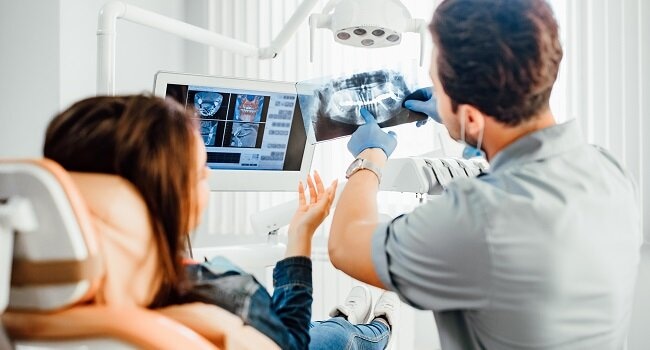
So, what exactly happens during a dental exam? The process typically involves a visual examination of your teeth and gums, checking for signs of decay, gum disease, or oral cancer. Your dentist will also probe your gums to assess their health and stability. X-rays may also be used to examine the underlying structures of your teeth and jaw for hidden cavities or bone loss.

Prevention of Oral Health Issues

Regular dental examinations are not just about identifying existing problems; they play a crucial role in preventing oral diseases altogether. Here’s how:ย 

Professional Cleanings

During your exam, a dental hygienist will perform a professional cleaning, removing plaque and tartar buildup, especially in hard-to-reach areas. Plaque is a sticky film containing bacteria that can lead to cavities and gum inflammation (gingivitis) if left unchecked. Professional cleanings go beyond what you can achieve with brushing and flossing alone, significantly reducing your risk of these conditions.ย 

Fluoride Treatments

Fluoride strengthens tooth enamel, making it more resistant to decay. They may also offer tips on diets that help prevent plaque buildup.ย 

Sealants

Sealants are slender, protective layers that are applied to the biting surfaces of the rear teeth, especially the molars. These areas feature deep fissures and pits that can trap food particles and bacteria. By applying sealants, a protective barrier is formed, which helps prevent decay-inducing elements from contacting the tooth enamel.ย 

Early Detection

Perhaps the most significant benefit of regular dental examinations is the opportunity for early detection of oral diseases. By going to the dentist regularly, you are reducing your chances of catching a major oral disease that could really add a negative value to your life.

Overcoming Barriers to Regular Dental Examinations

Despite the clear benefits, many people neglect regular dental checkups. Here are some common barriers and strategies to overcome them:ย 

Fear of the Dentist

Dental anxiety is a real concern for many individuals. If you experience apprehension, communicate openly with your dentist. Many dental practices cater to patients with dental anxiety by offering relaxation techniques, sedation options, and creating a comfortable environment.ย 

Cost Concerns

Dental care can be expensive, and some people may avoid checkups due to financial limitations. However, neglecting preventive care can lead to costlier problems down the road. Explore your options with your dentist. Many practices offer payment plans, accept dental insurance, and may be able to work with you to create a budget-friendly treatment plan.ย 

Lack of Awareness

Many individuals might not recognize the significance of regular dental checkups or might underestimate the serious repercussions that can result from neglecting them. Increasing public awareness about oral health and the benefits of preventive care can significantly improve dental examination rates.ย 

Here’s where education and outreach play a crucial role. Public health efforts, health education programs, and community organizations working together with health professionals will be directed toward a public better informed and interested in the role of improved oral health care.

The Broader Impact of Oral Health

Oral health goes beyond just a healthy smile. Mounting evidence reveals a significant connection between oral health and overall well-being.ย 

Link to Systemic Health

Research suggests a two-way street between oral health and certain chronic diseases. Poorly controlled oral diseases, particularly gum inflammation (periodontitis), may increase the risk of developing or worsening conditions like heart disease, stroke, and diabetes. Conversely, uncontrolled diabetes can also weaken the immune system, making individuals more susceptible to gum infections.ย 

Social and Psychological Impacts

Dental problems can significantly impact a person’s social life, emotional well-being, and mental health. Pain, discomfort, and visible signs of dental issues can lead to feelings of self-consciousness, social anxiety, and even depression. Children with poor oral health may experience difficulty eating, speaking clearly, and socializing with confidence.ย 

Economic Burden

Oral diseases represent a significant economic burden on healthcare systems worldwide. The costs associated with treating dental emergencies, advanced stages of cavities, and gum disease are substantial. Investing in preventive care through regular dental checkups and education can significantly reduce these costs and improve overall public health outcomes.

Your Smile is Worth Protecting

Oral health is a cornerstone of overall well-being. Regular dental exams do more than just keep your smile bright; they are crucial for preventing various oral diseases, protecting your overall systemic health, and enhancing social confidence. By prioritizing preventive care through consistent checkups and following a good oral hygiene routine, you can invest in a lifetime of smiles and overall health. Don’t wait until a problem arisesโ€”schedule your next dental examination today and take control of your oral health journey.

How Culture Impacts Conversations Around Mental Health

There are thousands of different cultures around the world. They will often be our first social introduction, as our families care for us before sending us to school where the context of our familyโ€™s life is measured against the wider social community. Cultural paradigms demand certain conduct from the people within them, but what happens when the culture has an inherently negative view of a personโ€™s illness?

As the conversation around mental illness opens up, so too are discussions regarding how people in certain cultures are encouraged or discouraged from addressing or caring for their mental well-being. With all the information about mental illness around these days, you wouldnโ€™t think that it would take an online masters in counseling psychology to understand mental health and how important it is. Yet some fundamentally traditionalist cultures practice open stigma against mental illness and those who suffer from it.

Social Perception of Mental Illness

Itโ€™s easy to judge people who arenโ€™t supportive of mental illness. After all, we see people suffering and naturally want to help, after all, weโ€™re social creatures. Itโ€™s easy to forget that every culture has its history, and where that history has enforced standards of orthodoxy, obedience, or acting out of necessity (such as cultures with extensive war trauma), mental health or illness just simply hasnโ€™t been a concern passed down through the generations. After all when your ancestors were constantly fleeing persecution at the hands of others, would they have had time to look after their mental wellness?

Some cultures just donโ€™t consider mental illness to be a factor in life. There is very much a thought process of โ€œWhat do you mean you canโ€™t? I was in war and I did.โ€ However, this mentality is not only damaging but it fails to take context into account. The preoccupation with life and death would be enough to stir anyone to action, regardless of mental or physical illness. People are capable of great things, breaking physical and mental limits, when pushed to self-preservation. Outside of that, however, everyone needs to be able to care for themselves, and this involves addressing and treating mental illness.

Addressing and Understanding Symptoms

Just like any illness, mental illness is present through symptoms that affect the patient physically and mentally. For example, schizophrenia is known to cause auditory and visual hallucinations. These hallucinations often coax interactions out of the person living with the condition, and while a culture that understands mental illness may be able to account for its presence, a culture steeped in superstition and religious ideology may mistake a schizophrenicโ€™s interactions with their hallucinations, as spiritual or demonic. Oftentimes a person subjected to a religious leaderโ€™s intervention in this context may undergo further trauma that worsens the existing condition.

Aside from this, culture can also determine how a person talks about their symptoms in therapy. Recent research shows that people from Asian backgrounds are more likely to talk about their physical symptoms rather than their mental ones. This can often lead to erroneous diagnoses and exacerbated illness.

Sense of Belonging

One of the most well-known treatments for mental illness is social engagement. One of our most basic human needs is to feel like we belong. It is necessary for our survival and enriching our lives. However in certain cultures, the mentally ill are actively ostracized and othered. They are forced apart from their community and made to isolate. This can end up creating concentrated feelings of loneliness and worsening the severity of the mental illness, creating a vicious cycle of symptoms and ostracisation.

Resources

Mental illness can be addressed for many of us, but unfortunately for those living in countries where the culture is not supportive of mental illness, there is a distinct lack of resources to address their mental health. Care is scarce, and support is often expensive, with developed nationsโ€™ mental health services being 50 times more accessible on average.

Mental illness has been largely demystified in the developed world, but other countries and expatriates from those countries face significant stigma when admitting to or seeking assistance for mental illness. The struggle lies predominantly in exposing these cultures to mental illness, the science behind it, and bringing an understanding that will lead to constructive solutions.

Pain Management in the Healthcare Industry

The Centers for Disease Control reports that annually, personal injuries and accidents result in over $670 billion in medical and work loss expenses. However, this figure fails to encompass the psychological toll of injuries, chronic pain, and the broader impact on families nationwide.ย 

The right pain management treatment should offer cutting-edge medical treatments to aid patients in their recovery from personal injuries. The ideal approach to pain management addresses all facets of the injury and patient experience, ensuring the provision of top-tier medical care and genuine compassion for the well-being of each patient. With guidance from the double board-certified co-founder of Midwest Anesthesia and Pain Specialists (MAPS), Thomas Pontinen, MD, LCP-C, weโ€™re sharing some of the primary considerations and practices for pain management within the healthcare industry.ย 

Common Types of Personal Injuries:

  • Car Accidents
  • Slip and Falls
  • Sports Accidents
  • Workplace Accidents
  • Traumatic Accidents
  • Motorcycle Accidents

Pain Management Options

When it comes to personal injuries, a variety of pain management options can be used depending on each case. Some therapies can be used in conjunction with others for optimal results in the healing process. Non-drug approaches are increasingly recognized as important components of pain management. These may include physical therapy, occupational therapy, acupuncture, massage therapy, chiropractic care, cognitive-behavioral therapy (CBT), mindfulness-based stress reduction (MBSR), and relaxation techniques. These therapies can help improve function, reduce pain intensity, and enhance overall well-being.

Interventional Pain Medicineย 

Traditional invasive surgeries are increasingly becoming outdated. In todayโ€™s world of medicine, cutting-edge, minimally-invasive pain treatments are the best option, offering a range of treatments and therapies for various injuries and conditions to best meet the needs of your patients.ย  In certain cases, interventional procedures such as nerve blocks, epidural steroid injections, joint injections, radiofrequency ablation, and spinal cord stimulation may be recommended to alleviate pain, especially when conservative treatments are ineffective.

Injection-Based Therapy

A significant number of patients experience favorable outcomes with injection-based treatments, providing them with rapid pain relief without the need for surgery. Common injection-based therapies used in pain management include:

  • Epidural Steroid Injections (ESIs): These injections deliver corticosteroids directly into the epidural space of the spine to reduce inflammation and alleviate pain caused by conditions such as herniated discs or spinal stenosis.
  • Facet Joint Injections: Facet joints are small joints located between each vertebra in the spine. Injections into these joints can help diagnose and treat pain arising from facet joint syndrome, arthritis, or injury.
  • Trigger Point Injections (TPIs): TPIs involve injecting a local anesthetic and sometimes a corticosteroid into trigger pointsโ€”areas of muscle that are painful and sensitive to touch. This helps relieve muscle pain and spasms.
  • Peripheral Nerve Blocks: These injections target specific nerves outside of the spinal cord to block pain signals. They can be used to treat conditions such as sciatica, peripheral neuropathy, or complex regional pain syndrome (CRPS).
  • Joint Injections: Injections directly into joints affected by arthritis or injury can provide pain relief and reduce inflammation. Commonly injected joints include the knee, hip, shoulder, and sacroiliac joint.
  • Radiofrequency Ablation (RFA): RFA involves using heat generated by radio waves to disrupt nerve function in targeted areas, providing long-lasting pain relief for conditions like facet joint pain or chronic low back pain.
  • Corticosteroid Injections: These injections deliver corticosteroid medications directly into inflamed joints, tendons, or bursae to reduce inflammation and alleviate pain associated with conditions such as arthritis or tendonitis.
  • Sacroiliac Joint Injections: Injections into the sacroiliac joint, located at the bottom of the spine, can help diagnose and treat pain arising from sacroiliac joint dysfunction or inflammation.

Responsible Medication Management

Medications play a crucial role in managing pain. These may include over-the-counter analgesics (such as acetaminophen and ibuprofen) for mild to moderate pain, as well as prescription opioids, NSAIDs, antidepressants, anticonvulsants, and muscle relaxants for more severe or chronic pain. However, prescribing opioids requires careful consideration due to the risk of dependency and overdose.ย 

Healthcare organizations and regulatory bodies should develop clinical practice guidelines and policies to standardize and optimize pain management practices. These guidelines will aim to promote safe and effective pain management while minimizing the risks associated with opioid use and ensuring access to appropriate care for patients living with pain.

Physical Therapy

Certain patients may experience improvement through a personalized treatment regimen, which could encompass stretching, strengthening exercises, core work, or a combination of other therapeutic interventions.

Massage Therapy

Massage therapy, particularly when integrated with complementary treatments, serves as an effective avenue for alleviating muscle pain, tension, and stress stemming from personal or traumatic injuries.

Chiropractic Care

This approach aids in rehabilitating and improving joint mobility through manipulation and exercise. Additionally, you may suggest alternative modalities such as acupuncture, meditation, or therapy to address personal injuries for a comprehensive healing journey.

Other Considerations

In addition to therapeutic care and medicine to aid in the healing process, the path to healing is a long road. Itโ€™s important to be aware of the laws, insurance, and self-management of pain are all part of the process and can weigh heavily on the patient mentally and financially as well. As a healthcare provider, itโ€™s vital to aid patients through their journey when it comes to the paperwork and aftercare. Here are some other considerations that should be included in the pain management process for those being treated with personal injuries in healthcare facilities.

Law Firms and Insurance Support

While prioritizing pain management and treatment of injuries, one thing that is often a bigger pain to deal with is insurance and lawsuits. A comprehensive pain management process will include guiding the patient through the entire process regarding insurance and personal injury laws, giving them one less thing to worry about so they can focus on healing.ย ย 

Patient Education and Self-Management

ย Empowering patients with knowledge about their condition and self-management techniques is essential for long-term pain management. Education about pain mechanisms, treatment options, lifestyle modifications, and coping strategies can help patients take an active role in managing their pain and improving their quality of life.

EHR Migration: Transitioning from Generic to Custom EHR Systems

A study suggests a dismal 83% failure rate for data migration projects in general, including EHRs. This implies exceeding budget and deadlines or not achieving desired outcomes.

Well, what is EHR migration? EHR Migration is the process of transitioning from a generic to a custom EHR system. This process requires meticulous planning and execution to ensure the accuracy and integrity of the data, minimize downtime, and maintain the accessibility of the data.

When choosing an EHR system, factors such as functionality, customizability, interoperability, security, scalability, integration, support and training, certification, and cost-effectiveness are considered.ย 

Moreover, a solid chart migration strategy decreases the risk of lost productivity and helps to avoid patient safety issues that can emerge when key patient data are not available.

In this blog, we will discuss the concept of EHR migration and the benefits of custom EHR software development.

Why Migrate from Generic EHRs?

Healthcare organizations are considering migrating from generic EHRs to more specialized or adaptable systems.

Some of the most common challenges of using generic EHR systems:-ย 

1. Lack of Flexibility:

Generic EHRs often struggle to accommodate the unique workflows and processes of different healthcare specialties, departments, or individual practitioners. This can lead to cumbersome workarounds, inefficiencies, and errors.

Customization options in generic EHRs are often restricted, making it difficult to tailor the system to specific needs and preferences. This can hinder user adoption and workflow optimization.

2. Limited Functionality:

Generic EHRs may lack features crucial for certain specialties, such as oncology treatment planning tools, ophthalmology imaging modules, or mental health assessment scales. This can compromise the quality and efficiency of care.

Generic systems may not cater to the specific needs of patients with chronic conditions, rare diseases, or geriatric care requirements. This can lead to gaps in care and suboptimal outcomes.

3. Interoperability Issues:

Generic EHRs often struggle to seamlessly share data with other healthcare systems, laboratories, or medical devices. This can impede care coordination, hinder information exchange, and duplicate tests.

Data quality problems are prevalent in EHR migration. A study reveals that 58% of healthcare organizations face challenges ensuring data accuracy during migration.

Incompatible data formats further complicate data exchange, leading to delays, errors, and missed opportunities for collaborative care.

4. Vendor Lock-In:

Dependence on a single EHR vendor can restrict options and make switching to another system costly and time-consuming. This can limit bargaining power and lead to vendor price hikes.

Vendors may impose restrictions on customization, preventing healthcare organizations from adapting the system to their specific needs.

5. Compliance Concerns:

Generic EHRs may not be updated promptly to comply with evolving healthcare regulations, potentially putting organizations at risk of non-compliance and penalties.

Generic systems may not offer the same level of data security and privacy as specialized solutions, raising concerns about patient information protection.

Advantages of Custom EHR Systems:

HIMSS Analytics report cites a 62% success rate for organizations undergoing EHR conversions.

Electronic Health Records (EHR) systems play a crucial role in modern healthcare, facilitating the digital storage, retrieval, and sharing of patient information. Custom EHR software development to meet the specific needs of healthcare organizations can offer several advantages:

1. Tailored Workflows:

Custom EHR software development can seamlessly mirror your practice’s unique processes. It lets you design and refine workflows specific to your needs, optimizing efficiency and minimizing unnecessary steps. This translates to:

  • Reduced time spent on documentation and administration.
  • Improved patient flow and faster turnaround times.
  • Enhanced staff satisfaction and reduced frustration.

2. Enhanced Functionality:

Generic EHRs may lack features critical for your specialty or practice. With a custom system, you can incorporate functionalities specific to your needs, such as:

  • Specialized order sets and templates for faster data entry.
  • Customizable dashboards and reporting tools for real-time insights.
  • Integrations with niche medical devices or software.

3. Improved Interoperability:

Data silos are a headache for healthcare providers. Custom EHRs enable seamless data exchange with other systems and institutions, facilitating:

  • Smoother referrals and collaboration with specialists.
  • Easier participation in research studies and public health initiatives.
  • Improved care coordination and continuity for patients.

4. Reduced Vendor Lock-in:

Relying on a single vendor can stifle customization and leave you vulnerable to price hikes. Custom EHRs grant you:

  • Greater control over your system and data.
  • Flexibility to choose or switch vendors without data migration headaches.
  • Reduced dependence on proprietary software and licensing fees.

5. Enhanced Regulatory Compliance:

Evolving regulations can be a hassle. Custom EHRs allow you to:

  • Adapt the system to meet specific compliance requirements.
  • Automate reporting and data collection for regulatory audits.
  • Minimize the risk of non-compliance and potential penalties.

Planning a Successful EHR Migration

The smooth transition to a new EHR system is a significant undertaking, fraught with challenges and complexities. However, with meticulous planning and strategic execution, organizations can navigate this journey with confidence and emerge stronger than ever.ย 

Here’s a concise guide to Planning process for EHR migration:-

Assessment:

  • Identify Limitations: Begin by conducting a thorough assessment of your current EHR system’s limitations. Pinpoint areas where it falls short in meeting your organization’s needs and expectations.
  • Define Objectives: Clearly outline your goals and objectives for the new custom EHR system. Determine what improvements you aim to achieve and how the new system will address existing shortcomings.

Vendor for custom EHR implementation:

  • Research Vendors: Invest time in researching and shortlisting potential custom EHR software development vendors. Look for vendors with extensive experience in healthcare IT, proven expertise in EHR development, and compatibility with your specific requirements.
  • Due Diligence: Conduct thorough due diligence on each vendor, including checking references and requesting product demonstrations. Ensure that the vendor’s track record aligns with your expectations and that their solutions meet your organization’s needs.

Data Migration Strategy:

  • Comprehensive Planning: Develop a comprehensive plan for data migration that ensures the secure and efficient transfer of data from the old system to the new custom EHR. Consider factors such as data volume, complexity, and potential challenges.
  • Data Integrity: Prioritize data integrity throughout the migration process. Implement measures to verify the accuracy and completeness of transferred data, minimizing the risk of errors or discrepancies.
  • Regulatory Compliance: Ensure compliance with healthcare data privacy regulations, such as HIPAA, throughout the data migration process. Implement robust security measures to safeguard sensitive patient information and mitigate the risk of data breaches.

Ensuring a Smooth Transition

Whether it’s upgrading to a new Electronic Health Record (EHR) system or adopting a novel workflow, ensuring a smooth transition is paramount for uninterrupted operations and optimal patient care. Here’s a concise roadmap to steer you through the process:

User Training and Support:

  • Comprehensive Training: Arm your staff with the necessary skills and knowledge to navigate the new EHR system effortlessly. Conduct thorough training sessions covering functionalities and workflows tailored to their roles.
  • Ongoing Support: Transition periods often come with questions and challenges. Establish a robust support system to address queries and concerns promptly. This proactive approach fosters confidence and competence among your team.

Change Management:

  • Effective Communication: Communication is the cornerstone of successful change management. Clearly articulate the benefits of the new system to your staff. Highlight how it streamlines processes, enhances efficiency, and ultimately improves patient outcomes.
  • Addressing Concerns: Acknowledge and address apprehensions head-on. Develop a proactive plan to manage resistance to change. Encourage open dialogue, actively listen to concerns, and provide reassurance where needed.
  • Ensuring User Buy-in: Foster a sense of ownership and involvement among your staff. Involve key stakeholders in the decision-making process and seek their input. By engaging users early on, you cultivate a sense of investment and commitment towards the transition.

Conclusion:

In conclusion, migrating from generic to custom EHR systems offers tailored workflows, enhanced functionality, improved interoperability, reduced vendor lock-in, and enhanced regulatory compliance. Success hinges on meticulous planning, vendor selection, and a robust data migration strategy. Embrace the journey towards optimized healthcare data management and make informed decisions and strategic execution. Explore further with our free guide or consultation.

___________________________________________________________________________

FAQs

  • What are the main advantages of transitioning to custom EHR systems?

The main advantages of transitioning to custom EHR systems are as follows:-

  • Tailored functionality to suit specific workflow needs.
  • Enhanced interoperability with existing systems.
  • Improved data security through customized security measures.
  • Increased efficiency and productivity with streamlined workflows.
  • Greater flexibility for future updates and modifications.
  • How do generic EHR systems compare to custom solutions in terms of scalability?

Generic EHR systems typically offer better scalability due to their standardized infrastructure and ability to accommodate a wide range of healthcare practices. Custom solutions may struggle with scalability as they often require significant adjustments and resources to adapt to growing needs efficiently.

  • What challenges should healthcare providers anticipate during the EHR migration process?

Healthcare providers must anticipate the following challenges during the EHR migration process:-

  • Data migration errors leading to loss or corruption of patient records.
  • Training staff on new EHR system can be time-consuming.
  • Disruption to workflow during transition phase.
  • Integration issues with existing systems.
  • Ensuring data security and compliance throughout the migration process.
  • How can user training and adoption be effectively managed during EHR migration?

During EHR migration, effective management of user training and adoption involves comprehensive communication, tailored training programs, user involvement in the planning process, continuous support, and feedback mechanisms. Clear communication of benefits and resources helps mitigate resistance and ensures a smoother transition.

  • What factors should be considered when choosing a custom EHR solution provider?

Following factors should be considered when choosing a custom EHR solution provider:-

  • Functionality: Ensure the EHR meets your specific needs.
  • Customization: Ability to tailor the system to your workflows.
  • Integration: Compatibility with existing systems.
  • Security: Robust measures to protect patient data.
  • Support: Reliable customer service and technical assistance.
  • Cost: Consider upfront and ongoing expenses.
  • Are there specific regulatory considerations that need to be addressed during EHR migration?

Specific regulatory considerations that need to be addressed during EHR migration process are as follows:-

  • Compliance with data protection laws (e.g., HIPAA).
  • Ensuring data integrity and security during migration.
  • Addressing interoperability standards for seamless data exchange.
  • Training staff on new EHR systems and workflows.
  • Continuity of care and minimizing disruptions to patient services.
  • Proper documentation of the migration process for auditing purposes.
  • What are the best practices for data migration from a generic to a custom EHR system?

Best practices for data migration from a generic to a custom EHR system include thorough data mapping and cleansing, ensuring data integrity, validating migrated data against source data, conducting comprehensive testing, involving end-users for feedback, and implementing a rollback plan for contingencies.

  • How can healthcare providers ensure a seamless transition for both staff and patients during EHR migration?

Healthcare providers can ensure a seamless transition during EHR migration by providing comprehensive staff training, offering ongoing support, conducting thorough testing, communicating effectively with patients about changes, and maintaining data integrity throughout the process to minimize disruption to patient care.

  • How can custom EHR systems improve overall efficiency and patient care in healthcare settings?

Custom EHR systems can streamline workflows, tailor interfaces to specific needs, integrate with existing systems, automate repetitive tasks, provide real-time data access, enhance communication among healthcare professionals, and personalize patient care plans, ultimately improving efficiency and patient outcomes.

5 Breakthrough Procedures in Minimally Invasive Spine Surgery

The landscape of spinal health has undergone a remarkable transformation thanks to the advent of minimally invasive surgery procedures. These cutting-edge techniques are improving outcomes and significantly reducing recovery times, offering a beacon of hope for those living with chronic back pain and mobility issues.ย 

From microdiscectomy to lumbar decompression, each procedure stands as a testament to the strides made in medical technology.ย 

As we delve into these five incredible surgeries, it’s clear that the future of spine care is here, promising less invasive solutions and quicker returns to normal life for patients across the globe.

5 Incredible and Minimally Invasive Spine Surgery Procedures

Exploring the world of spine health, we’ve uncovered five incredible, minimally invasive surgery procedures that are changing lives.ย 

Let’s take a closer look at these revolutionary techniques.

1. Microdiscectomy

Diving deeper into microdiscectomy, we find a cornerstone technique within the realm of minimally invasive spine surgery that’s genuinely changing lives. Specifically designed to address the pain and mobility issues caused by herniated discs, this procedure is effective.ย 

In fact, the success rate of microdiscectomy is 70-90%, which is incredibly high.ย 

By making a small incision and carefully removing the offending portion of the disc, surgeons are able to significantly reduce nerve compression. The real beauty of microdiscectomy lies in its approach – less muscle disruption means patients enjoy immediate relief and a fast recovery.

2. Minimally Invasive Laminectomy

In the sphere of tackling spinal stenosis, a minimally invasive laminectomy stands out for its efficiency and effectiveness.ย 

This procedure involves removing a tiny segment of the vertebrae (the lamina) to relieve pressure on the spinal nerves. What makes it even more impressive is the precision with which it’s executed, requiring only small incisions and causing minimal disruption.ย 

Boasting a high success rate of around 90%, patients often experience significant relief from symptoms such as pain, numbness, or weakness. It’s this combination of less invasive techniques and excellent outcomes that exemplifies modern advances in spine surgery.

3. Transforaminal Lumbar Interbody Fusion (TLIF)

Transforaminal lumbar interbody fusion, or TLIF, is a sophisticated procedure that’s become a cornerstone in the treatment of degenerative disc diseases and spondylolisthesis. By allowing surgeons to fuse vertebrae through the foramen it offers stability and pain relief without the need for repositioning the patient during surgery.ย 

This not only shortens operating times but also reduces recovery periods significantly. And with a high fusion rate of 90%, this surgery is impressive and effective. It utilizes minimally invasive techniques to achieve results that were once thought possible only through more extensive surgical methods, marking a significant leap forward in spinal health care.

4. Endoscopic Posterior Cervical Foraminotomy

Endoscopic posterior cervical foraminotomy represents a pinnacle in the evolution of spine surgeries, especially for those plagued with symptoms of pinched nerves in the neck.ย 

This technique employs an endoscope to precisely target and alleviate nerve compression through a minimally invasive approach. It’s this pinpoint accuracy that not only minimizes tissue damage but also speeds up recovery time dramatically. Depending on the underlying pathology, this technique can have up to a 96% clinical success rate.ย 

Such outcomes underscore its effectiveness in restoring function and improving quality of life with minimal disruption, epitomizing the advancements in modern spinal surgery techniques.

5. Lumbar Decompression

Lumbar decompression surgery is a lifeline for patients suffering from severe leg pain, numbness, or weakness due to conditions like spinal stenosis or herniated discs.ย 

This procedure carefully removes or trims the parts of the spine, pressing on nerves, offering profound relief and improved mobility. What’s remarkable about lumbar decompression is its ability to directly address the root cause of pain with minimal invasion.ย 

For spinal stenosis specifically, lumbar decompression has an 85% to a 90% success rate. This high efficacy underlines its role as a critical surgical option for those looking to regain their lifestyle without enduring the drawbacks of more extensive surgery.

A Pain-Free Life Could Be Possible with These Procedures

As we’ve explored these five groundbreaking, minimally invasive spine surgery procedures, it’s evident that the horizon of spinal health is brighter than ever. If you or someone you know has been grappling with back pain or mobility issues, this could be the turning point.ย 

Reach out to a spine specialist to discuss whether these advanced treatments can be the key to unlocking a more pain-free life. Remember, embracing change can lead to incredible outcomes.

Love in Therapy: Understanding the Benefits and Drawbacks of Couples Counseling for Overall Health

Couples therapy provides a supportive environment to improve your relationship and health. It enhances your communication, reduces stress, boosts mental health, and promotes better sleep. However, it can bring emotional discomfort, require time and financial commitment and success largely depends on therapists’ expertise. Willfulness from both partners is critical. Understanding each other’s perspective and openness are key elements. Commitment and patience aid the healing process. It’s not a quick fix but a journey towards a healthier relationship. By exploring further, the therapeutic process will reveal profound insights into balancing love, therapy, and overall wellness.

The Concept of Couples Counseling

In understanding the concept of couples counseling, it’s essential you recognize it as a therapeutic process intended to help individuals within a relationship gain better insight into their dynamics, and work collaboratively towards a healthier partnership. It’s a supportive environment where you and your partner can openly express thoughts and feelings, facilitated by a licensed professional who can provide guidance and perspective.

Couples counseling isn’t about assigning blame or finding faults; it’s about finding solutions. You’ll learn to identify patterns that may be causing distress, and develop strategies to manage conflicts effectively. It’s an opportunity for growth, both as individuals and as a couple.

Why Opt for Therapy?

Often, couples hesitate to opt for therapy, but it’s a powerful tool that can transform your relationship and overall life quality. It’s not just for couples in crisis, but also for those who want to strengthen their bond or navigate changes in life together. Couples therapy provides a neutral space for you and your partner to openly discuss concerns, fears, and hopes.

Therapy isn’t about assigning blame or deciding who’s right or wrong. It’s about understanding each other’s perspectives and creating healthier communication patterns. It’s also about learning to manage conflicts constructively and fostering emotional connection. Couples therapy helps you understand your partner better and vice versa, thereby increasing empathy and reducing misunderstandings.

It’s okay to feel apprehensive about therapy. It can be challenging to reveal your innermost feelings and vulnerabilities. But remember, your therapist is there to help, not judge. They’re trained professionals who can guide you through your concerns with understanding and compassion.

Health Benefits of Couples Therapy

Diving into the world of couples therapy can’t only mend your relationship, but it can also reveal a multitude of health benefits that you mightn’t have considered. Attending therapy together can lead to improved communication, which in turn reduces stress. Chronic stress is linked to an array of health issues, including heart disease and stroke. By learning to communicate more effectively, you’re not just enhancing your relationshipโ€”you’re potentially enhancing your physical health too.

Moreover, couples therapy often promotes better sleep. That’s because it addresses issues that might be causing anxiety or tension, both of which can interfere with a good night’s sleep. Regular, quality sleep is essential for overall health, decreasing the risk of conditions like obesity and type 2 diabetes.

Lastly, therapy can boost your mental health. It provides tools to cope with life’s challenges and reduces feelings of isolation, depression, and anxiety. By working together in therapy, you’re taking steps to not only promote a healthier relationship, but also promote a healthier you. Embrace the journey of therapy, and you’ll likely discover its benefits extend far beyond your relationship.

Strengthening Emotional Bond

Outside the domain of physical health, couples therapy can greatly enhance your emotional connection, paving the way for a more satisfying and harmonious relationship. By providing a safe, neutral environment, therapy allows you to explore feelings that you may have difficulty expressing or understanding. This exploration can deepen your emotional intimacy, strengthening the bond between you.

A significant aspect of this bond-strengthening process involves vital empathy. In therapy, you’ll learn to better understand each other’s emotions, leading to a sense of shared experience. You’ll also develop strategies to manage emotions, effectively reducing relationship stress.

There’s a therapeutic value in vulnerability, too. Opening up to your partner can foster trust and security, essential elements in a strong emotional bond. In therapy, you’ll be guided through this process, ensuring that vulnerability leads to connection rather than conflict.

However, remember that therapy may uncover hidden emotions or unresolved issues. It’s critical to approach these revelations with patience and compassion, to avoid damaging the relationship. It’s a delicate balance, but with the right guidance, couples therapy can be a powerful tool in strengthening your emotional bond.

Improved Communication Skills

While strengthening your emotional bond can bring you closer, honing your communication skills in couples therapy can further enhance your relationship. You’ll find that better communication often leads to an improved understanding of each other’s feelings and viewpoints.

Couples therapy can provide you with effective tools and techniques to express yourselves more clearly. It isn’t merely about talking more, it’s about talking better. A skilled therapist can guide you in developing positive communication habits, like active listening and expressing thoughts without criticism or judgment.

However, it’s important to remember that therapy isn’t a magic fix. It’s a process that requires effort, patience, and commitment. You might find sessions challenging as you confront issues that you’ve been avoiding. But, don’t be disheartened. It’s part of the growth.

Improving your communication skills through therapy isn’t just about resolving disputes; it’s about fostering empathy, respect, and understanding. With time, you’ll notice that your conversations become more constructive and less destructive, leading to a stronger, healthier relationship. Remember, the goal of therapy isn’t to eliminate all disagreements, but to manage them in a way that strengthens rather than weakens your bond.

Resolving Past Trauma

In the journey toward a healthier relationship, dealing with past trauma is often an important step that couples therapy can assist with. It’s not uncommon for past hurts, traumas, or unresolved issues to seep into your current relationship, causing discord and misunderstanding. This is where therapy comes in.

Couples counseling provides a safe, neutral space where you and your partner can explore these underlying issues. A skilled therapist can guide you through the process of understanding and addressing past traumas in a way that promotes healing, rather than further harm. You’re not left to navigate these potentially volatile emotional terrains alone.

The effectiveness of couples counseling often depends on finding the right therapist who meets the needs and preferences of both you and your partner. This ensures a mutually supportive and safe environment for addressing and overcoming relationship challenges together.

However, it’s essential to remember that therapy isn’t a quick fix. Resolving past trauma takes time, patience, and commitment. It can be an emotionally taxing process, but it’s a crucial part of fostering a healthier, more resilient relationship.

Additionally, although therapy can be a powerful tool, it’s not always enough. Depending on the severity of the trauma, individual therapy or other forms of support might be necessary. It’s always important to consult with a professional to make sure you’re getting the appropriate help you need.

Dangers of Unresolved Conflicts

Just as past traumas can cast a long shadow over your relationship, unresolved conflicts can also breed a toxic environment that threatens the bond between you and your partner. These lingering issues, if left unchecked, can manifest as resentment, disconnection, and recurring arguments, gradually eroding the trust and affection in your relationship.

When you’re constantly at odds with your partner, it’s not just your relationship that suffers. Your overall health can take a hit too. Chronic stress from ongoing conflicts can lead to physical ailments like headaches, sleep problems, and even heart disease. It can also exacerbate mental health issues such as anxiety and depression.

Moreover, unresolved conflicts can create a cycle of negative interaction. You may find yourselves stuck in destructive patterns of communication, where you’re more focused on winning the argument than understanding each other’s perspectives. This can stifle growth and prevent you from building a deeper, more meaningful connection.

Drawbacks of Couples Counseling

Despite its numerous benefits, couples counseling isn’t without its potential drawbacks, which you should be mindful of before embarking on this therapeutic journey. One of the most significant concerns is the emotional discomfort that often arises during sessions. Unpacking personal and shared issues can be a painful process, requiring you to confront uncomfortable truths about yourself and your partner.

Additionally, couples therapy necessitates a significant commitment of time and energy. You’ll have to carve out space in your busy schedules for regular sessions, plus additional time for reflection and implementing new strategies. If you’re not fully dedicated, it can feel like a burden rather than a beneficial process.

There’s also a financial aspect to take into account. Therapy isn’t cheap, and not all insurance plans cover it. This can put added stress on your relationship, particularly if money is already a contentious issue.

Moreover, the success of couples counseling largely depends on the expertise of the therapist. A less experienced or poorly matched therapist may not provide the guidance you need, leading to frustration and potentially exacerbating existing issues.

Pros and cons of couples therapy should be weighed carefully before deciding if it’s the right course of action for your relationship.

Not a Magic Solution

While couples counseling can be a powerful tool for improving relationship dynamics, it’s not a magic solution that will instantly resolve all issues. You must understand that therapy is a journey, not a quick fix. It requires active participation, patience, and commitment from both parties involved.

Counseling provides a safe space for you and your partner to explore each other’s perspectives, communicate effectively, and work through conflicts. It can help you delve deeper into your relationship and investigate underlying issues that may be causing discord. However, it doesn’t automatically erase problems or change behaviors overnight.

It’s also essential to note that the success of therapy largely depends on the willingness of both partners to change and grow. If only one person is committed to the process, the results may be less effective. Remember, a counselor can guide and provide tools for improvement, but the real work happens outside the therapy room.

Lastly, don’t expect your relationship to mirror what’s portrayed in movies or books post-therapy. Every relationship is unique, and so is its healing process. Couples counseling isn’t about creating a ‘perfect’ relationship, but rather fostering a healthier, more understanding one.

When Therapy Might Not Work

However, there are certain circumstances in which couples counseling may not yield the desired results. If one partner is unwilling to engage in therapy or isn’t fully committed to the process, it can be tough to make significant progress. You and your partner must enter therapy with an open mind, ready to make changes and take responsibility for your actions.

Therapy might also not work if the issues at hand have already caused irreparable harm. While therapy can help in many situations, there are instances where the damage is too extensive for repair. For example, if trust has been completely eroded due to infidelity or continuous dishonesty, it might be hard for therapy to rebuild this fundamental element of your relationship.

Furthermore, if abuse, whether physical or emotional, is present in your relationship, therapy mightn’t be the best route. In such cases, you’re encouraged to seek help from authorities or organizations equipped to handle these situations.

Balancing Love and Therapy

Journeying through the complexities of love alongside therapy can be a challenging yet rewarding experience, especially when you’re dedicated to understanding and improving your relationship dynamics. Finding the right balance between love and therapy requires not just vital, but also patience, understanding, and effective communication.

To help you navigate this process, consider these essential aspects:

  • Open communication: Be honest and open with your partner about your feelings and thoughts. It’s important to create a safe space for dialogue.
  • Patience: Changes don’t happen overnight. It’s essential to have patience with yourself and your partner throughout the therapy process.
  • Understanding: Try to comprehend your partner’s perspective. This can help foster empathy and compassion in your relationship.
  • Commitment: Stay committed to the process. It’s about working together to build a healthier, more fulfilling relationship.

Final Thoughts on Couples Counseling

Traveling your way through the therapy process can be a transformative experience, and as you reach the end of this journey, it’s important to reflect on the overall impact of couples counseling on your relationship. You’ve learned new ways to communicate, manage conflict, and express love and empathy. But it’s not always easy – therapy can bring up painful memories or expose deep-seated issues. However, remember that it’s a step towards a healthier relationship.

The benefits of couples counseling can’t be overstated. It provides a safe space to explore your feelings, resolve issues, and strengthen your bond. However, it’s not a magic cure-all; it takes effort, commitment, and time to see meaningful change.

On the flip side, therapy can be costly, emotionally draining, and it may not always work. Not every couple finds success in therapy. Yet, these potential drawbacks shouldn’t discourage you from seeking help. It’s vital to weigh the benefits and drawbacks and make an informed decision that best suits your relationship’s needs.

Conclusion

Sailing the sea of love can be stormy, but couples therapy offers an anchor, grounding your relationship. Its benefits, like improved communication and emotional bonding, can bolster your overall health.

But remember, it’s not a magic wand. It requires dedication, honesty, and patience. Ultimately, the voyage to a healthier relationship is often worth the effort.

Consider it an investment in your shared futureโ€”an investment in love, in health, and in each other.

Strengthening Bonds, Strengthening Health: The Link Between Relationship Counseling and Well-Being

You might not realize the deep connection between your relationships and your health. Strong bonds boost your happiness, self-esteem, and even physical health. However, nurturing these bonds isn’t always easy. That’s where relationship counseling can help. It provides tools for conflict resolution and fosters empathy, transforming your relationships. Remember, it’s not just for you and your partner; all types of relationships can benefit. The result? You can expect a healthier, vibrant life, both emotionally and physically. Stick around, there’s much more to learn in making your bonds stronger and your life healthier.

The Importance of Relationship Counseling

Often, you may find that relationship counseling plays an essential role in nurturing and maintaining healthy relationships, offering insightful strategies and analytical tools to effectively manage conflicts and improve communication. It’s not just about mending broken bonds, but proactively ensuring they stay strong and healthy.

Consider the scenarios you face daily. Little disputes can snowball into major issues if not addressed properly. Here’s where a relationship counselor steps in. They’ll help you understand each other’s perspectives, fostering empathy and mutual respect. They’ll provide a safe, neutral space for open dialogue, allowing you to express thoughts and emotions without fear of judgment or reprisal.

Moreover, relationship counseling isn’t just for romantic partners. It’s beneficial for all types of relationships – be it with family, friends, or colleagues. It’s about understanding the dynamics, breaking down walls, and building bridges.

If you’re looking for relationship counselling in Dubai, there are a number of qualified professionals who can help you navigate the complexities of your relationships.

Still, it’s essential not to view counseling as a last resort. It’s a proactive step towards maintaining and strengthening bonds. It’s about equipping yourself with the right tools to navigate the complexities of human interactions. And, it’s about recognizing that seeking help isn’t a sign of weakness, but of strength and commitment to your relationships.

Mental Health Benefits of Strong Bonds

Amidst the hustle and bustle of life, you mightn’t realize that strong, healthy relationships can serve as a powerful shield against mental health issues. While it’s easy to overlook, the connections you build and maintain with others can play an important role in your mental health and overall well-being.

A sense of belonging, acceptance, and support often stems from these relationships, acting as a buffer against stress and anxiety. You’re not alone in your struggles when you’ve got close ties. They’re there to share the burden, to listen, and to provide comfort, which can greatly lighten your mental load.

Moreover, strong bonds can boost your self-esteem and happiness. You feel valued, appreciated, and loved, which in turn enhances your self-perception and mood. It’s a beautiful cycle, isn’t it?

But remember, it’s not just about quantity, but quality. Toxic or strained relationships can do more harm than good. That’s where relationship counseling steps in, helping you to foster healthier, stronger bonds. So don’t underestimate the power of strong relationships. They’re not just about companionship, they’re a key component of your mental health toolbox.

Physical Health and Relationship Quality

Just as your relationships can shape your mental health, they also wield a significant influence on your physical well-being. Healthy relationships aren’t just good for your heart metaphorically; they’re beneficial to your heart literally! Studies have shown that individuals in positive, supportive relationships tend to have lower blood pressure and are less likely to suffer from cardiovascular disease.

But it’s not just about the heart. Your relationships can impact your immune system too. When you’re in a stressful relationship, your body’s response can lead to inflammation and weaken your immune system, making you more susceptible to infections and diseases.

At the same time, let’s not ignore the impact of emotional stress on physical health. Emotional distress from a strained relationship can manifest physically, leading to sleep disturbances, headaches, or even gastrointestinal problems.

The quality of your relationships plays a critical role in your overall health. So, if your relationships are causing you stress, it might be time to take a closer look and consider relationship counseling. It’s not just about improving your emotional state; it’s about safeguarding your physical health too. After all, a healthier relationship leads to a healthier you.

Approaches Used in Relationship Counseling

In the domain of relationship counseling, a variety of approaches are employed to explore and address the core of relationship issues, helping you and your partner foster stronger, healthier bonds. These methods aren’t one-size-fits-all; instead, they’re customized to your unique circumstances and needs.

One popular approach is Emotionally Focused Therapy (EFT), which helps you understand and manage your emotional responses, aiming to strengthen your emotional bond with your partner. Cognitive-Behavioral Therapy (CBT), on the other hand, addresses negative patterns of thought and behavior, equipping you with strategies to challenge and change these patterns.

The Gottman Method is another effective technique, rooted in research on marital stability. It focuses on nurturing respect, affection, and closeness, managing conflict, and creating shared meaning.

Real-Life Stories: Counseling Successes

While exploring various therapeutic approaches can be insightful, hearing about real-life stories of counseling successes often paints a clearer picture of their potential impact on relationships.

Take, for example, the story of Sarah and John. After years of communication issues and unresolved arguments, they were on the brink of ending their relationship. They decided to try relationship counseling as a last resort.

Through their sessions, they learned to communicate effectively, express their feelings honestly, and understand each other’s perspectives. They didn’t just learn to avoid fights; they learned to resolve them. By the end of the therapy, their relationship was stronger than ever.

Or consider the story of Mike, who struggled with self-esteem issues, impacting his relationships with his family, friends, and colleagues. Through individual counseling, Mike discovered the root of his problems and learned strategies to build his self-esteem. His relationships improved dramatically as he became more confident and assertive.

These stories demonstrate the transformative power of counseling. They’re not just anecdotes; they’re evidence that with the right guidance, you can overcome your relationship obstacles and improve your overall well-being.

Conclusion

In the end, it’s clear that relationship counseling can be a game-changer, not just for your relationship, but for your overall health too. Imagine being mentally freer, physically healthier, living a more fulfilled life.

The question isn’t whether you should seek counseling. It’s what’s stopping you? Remember, the journey to stronger bonds and better health starts with a single step. Are you ready to take it?

Modernizing Diabetes Care: The Convergence of CGMs and AI in Treatment Optimization

Across the healthcare industry, the role of artificial intelligence (AI) in advancing medical care is the subject of ongoing discussions. Given AIโ€™s potential to enhance care, and when considering that the AI healthcare market is expected to soar to $431 billion by 2032, this attention is welcomed1. Whether itโ€™s utilizing AI to fight antibiotic resistance or developing AI-powered ultrasounds to help identify pregnancy risks, modern innovators today, including Microsoft co-founder Bill Gates2, are making big bets on the future of AI in healthcare. While AIโ€™s ability to improve chronic care, specifically diabetes management, stands out as a prime candidate for innovation, many questions remain unanswered.

With an estimated 700 million individuals predicted to be living with diabetes by 2045, the demand for innovative solutions that optimize patient outcomes and streamline healthcare workflows has never been greater. The combination of continuous glucose monitoring (CGM) systems with AI LLM (large language models) predictive modeling will be a progressive force in diabetes patient care, supporting the work of clinicians. AI cannot and will not replace a healthcare professionalโ€™s human โ€œtouchโ€ or decision-making responsibility. โ€œGuard railsโ€ that require care provider approval of AI-generated recommendations will be vital.

AI should be an important tool in the clinicianโ€™s toolkit, analyzing and aiding in understanding CGM data, detecting alarming patterns, and offering personalized insights and recommendations, each of which the clinician shouldย  review and approve. Letโ€™s further explore the synergistic relationship between CGMs and AI, examining how their integration is reshaping diabetes treatment and improving both the efficiency and effectiveness of healthcare delivery.

How AI Can Combat CGM Data Overload

While CGM technology has been central to the evolution of diabetes management in providing a comprehensive view of diabetes patient glucose levels throughout the day and night, the abundance of data now being gathered for the patient threatens to overwhelm already stressed clinical staff; the result is in data overload and the potential for suboptimal clinical outcomes. With glucose readings typically generated every one to five minutes, clinicians can become mentally burned out by having to continuously interpret the data and then make informed decisions about the patientโ€™s medication, diet, and lifestyle choices. Similarly, the patient or home caregivers are equally overwhelmed.

AI platforms that integrate seamlessly with CGM technology possess the computational ability to analyze vast datasets and derive actionable insights that can assist the clinician in their decision-making role. Through machine-learning and pattern recognition techniques, AI algorithms can discern patterns in CGM data, identify subtle trends that might be otherwise difficult to detect, and predict glycemic responses to various stimuli, such as food intake, exercise, stress, and medication. Moreover, AI-powered systems can anticipate and alert individuals and healthcare providers to impending glycemic excursions), enabling proactive interventions to prevent hypo- or hyperglycemic events. AIโ€™s data assessment maximizes the value of CGM-generated glucose readings.

Additionally, the integration of GPT 4 Large Language Models (LLM) within these AI platforms is a significant leap forward in automated remote patient management. A GPT 4 LLM gives clinicians access to personalized chart notes tailored to individual diabetes patient profiles, accelerating the documentation process, and ensuring compliance with billing requirements. With nearly half of endocrinologists spending only 17-24 minutes with their patients on average3, these functions create a โ€œvirtual assistantโ€ for clinicians, freeing up valuable time for clinicians to focus on patient care and clinical decision-making.

Empowering Clinicians To Harness the Power of AI Assistance in Diabetes Care

Just as AI analyzes CGM data and provides evidence-based recommendations aligned with the latest clinical guidelines, it addresses another serious pain point in current diabetes patient management, which is the generation of chart notes.

One of the most compelling advantages of AI integration in diabetes management is creating more precise and efficient chart notes. By leveraging trained GPT models based on the latest American Diabetes Association (ADA) guidelines, clinicians can receive advanced chart notes that are concise and patient-specific. This streamlines the otherwise time-consuming documentation process for healthcare providers and enhances the accuracy and completeness of patient records, facilitating continuity of care and collaboration among multidisciplinary care teams.

In addition to incorporating the latest ADA clinical guidelines, AI-generated chart notes can be tailored specifically to a diabetes clinicianโ€™s practice preferences and patient population, alleviating the burden of documentation while enhancing the quality and timeliness of clinical decision-making. The AI-driven insights can integrate directly with existing electronic health record (EHR) systems, facilitating data-driven care coordination and population health management. The result should be improved healthcare outcomes at scale, achieved with fewer scarce resources.

Forging a Path Towards Personalized and Proactive Diabetes Care

As we navigate the complex landscape of chronic disease management, the convergence between technology and medicine will continue to drive innovation and shape the future of healthcare delivery. By harnessing the power of AI to analyze CGM data, generate actionable insights, and facilitate informed decision-making, we can pave the way towards a brighter and healthier future for the hundreds of millions of individuals living with diabetes.

With the support of decision-makers and funding agencies, we can chart a path towards personalized, proactive, and precision-driven diabetes care that empowers individuals, engages healthcare providers, and transforms lives.

Translate ยป