





Close
Digital Health & Ai Innovation summit 2026
LiGHT26

Regulatory Compliant EHR Systems Enhancing Data Integrity

regulatory compliant EHR systems data integrity

In the highly regulated world of modern medicine, the accuracy and security of patient information are not just operational goals they are legal and ethical imperatives. As healthcare organizations transition into a fully digital ecosystem, the challenge of maintaining the sanctity of clinical information has become increasingly complex. The implementation of regulatory compliant EHR systems data integrity is the cornerstone of this effort, providing a robust framework that ensures information is not only accurate but also verifiable and protected from unauthorized alteration. This move toward sophisticated, compliant systems is driven by a global push for greater transparency, accountability, and patient safety in an era where data is often the most valuable asset in the clinical environment.

Maintaining regulatory compliant EHR systems data integrity involves a multi-layered approach that combines advanced technology with rigorous institutional policies. These systems are designed to meet the strict requirements of international standards, such as the General Data Protection Regulation (GDPR) in Europe, the Health Insurance Portability and Accountability Act (HIPAA) in the United States, and the evolving Medical Device Regulation (MDR) globally. By embedding these standards into the core architecture of the electronic health record, organizations can ensure that data integrity is not a retrospective check but a continuous, automated process that safeguards the patient’s longitudinal health history from the moment of its creation.

The Foundation of Trust in Clinical Documentation

The primary function of any medical record is to serve as a reliable account of a patientโ€™s health status and the care they have received. However, in a digital environment, the risk of data corruption, accidental deletion, or unauthorized modification is ever-present. Regulatory compliant EHR systems data integrity addresses these risks by implementing “write-once-read-many” (WORM) storage protocols and immutable audit trails. These technologies ensure that every change made to a record is documented, timestamped, and attributed to a specific user. This creates a transparent history of the recordโ€™s evolution, which is essential for both clinical decision-making and legal defense in the event of a dispute.

Furthermore, the concept of data integrity extends to the accuracy of the information itself. Compliant systems use intelligent validation rules to prevent the entry of contradictory or illogical data. For example, if a clinician attempts to record a physiological measurement that is outside the bounds of human survival, the system will flag the entry for immediate review. By enforcing these “sanity checks” at the point of entry, regulatory compliant EHR systems data integrity prevents the propagation of errors that could lead to clinical mismanagement or patient harm. This proactive validation is a critical component of maintaining a high-quality clinical database that can be trusted by providers and regulators alike.

Navigating the Complexities of MDR and Global Compliance

The landscape of healthcare regulation is in a state of constant flux, with new standards emerging to address the unique challenges of digital health. The Medical Device Regulation (MDR) is perhaps the most significant shift in recent years, as it classifies many EHR functions as “medical devices” if they are used to diagnose, monitor, or treat medical conditions. Regulatory compliant EHR systems data integrity is specifically engineered to meet these heightened requirements by providing the level of clinical evidence and technical documentation that MDR demands. This includes maintaining detailed records of how algorithms are trained, how data is validated, and how software updates are managed without compromising the existing record set.

Compliance is not just about avoiding fines it is about building a sustainable clinical environment. For hospitals operating on a global scale, having a system that can adapt to different regional regulations is a significant competitive advantage. A unified, compliant framework allows for the seamless sharing of data across borders while ensuring that local privacy and integrity standards are always met. This interoperability is essential for large-scale clinical research and for providing consistent care to patients who may seek treatment in different jurisdictions. In this context, data integrity becomes a bridge that facilitates collaboration and innovation across the global healthcare community.

The Role of Encryption and Advanced Security Protocols

A record system can only be considered compliant if it is fundamentally secure. Regulatory compliant EHR systems data integrity relies on end-to-end encryption to protect data both at rest and in transit. This ensures that even if a data breach were to occur, the information would be unintelligible to unauthorized parties. Beyond encryption, advanced systems utilize multi-factor authentication (MFA) and role-based access controls (RBAC) to ensure that only authorized personnel can view or modify specific parts of the patient record. This “least privilege” approach minimizes the internal risk of data tampering and ensures that the integrity of sensitive information is maintained.

In addition to protecting against external threats, these security protocols are essential for maintaining patient trust. Patients are increasingly aware of the value and sensitivity of their health data, and they are more likely to engage with healthcare providers who can demonstrate a commitment to data security. By prioritizing regulatory compliant EHR systems data integrity, organizations send a clear message that they value the patientโ€™s privacy and are taking every necessary step to protect their health information. This trust is the foundation of the patient-provider relationship and is essential for the effective delivery of care in a digital age.

Ensuring Continuity and Resilience in Data Management

Data integrity is also about ensuring that information is available when it is needed most. A system that is compliant must also be resilient, with robust backup and disaster recovery processes that ensure no data is lost during a system failure or cyberattack. Regulatory compliant EHR systems data integrity includes the implementation of redundant storage systems and real-time data replication across multiple geographic locations. This ensures that even in the face of a catastrophic event, the patientโ€™s medical history remains intact and accessible to the care team.

This resilience is particularly important in the context of life-critical care. In an emergency, clinicians must be able to rely on the accuracy and availability of the EHR. Any delay or loss of data can have immediate and devastating consequences for the patient. By building integrity and resilience into the system’s core, healthcare organizations can ensure that they are always prepared to provide high-quality care, regardless of the challenges they may face in the IT environment. This commitment to continuity is a hallmark of a truly compliant and mature digital health strategy.

Strategic Oversight and the Future of Data Integrity

The responsibility for maintaining data integrity does not rest solely with the IT department it is a strategic priority that must be embraced at the highest levels of the organization. Healthcare boards and executive leadership must foster a culture of compliance that recognizes the value of data as a clinical and strategic asset. This involves investing in continuous training for staff, conducting regular internal audits, and staying abreast of the latest regulatory developments. By making regulatory compliant EHR systems data integrity a core institutional value, organizations can ensure that they are not just meeting the minimum requirements but are striving for excellence in every aspect of data management.

Looking ahead, the role of data integrity will only become more prominent as we move toward the widespread adoption of artificial intelligence and machine learning in healthcare. These technologies rely on high-quality, verified data to function effectively. If the underlying data is flawed or compromised, the insights generated by AI will be equally suspect. Therefore, the future of clinical innovation is inextricably linked to the strength of our data integrity frameworks. By establishing a solid foundation today, we are paving the way for the next generation of intelligent, data-driven healthcare solutions.

Conclusion: Integrity as the Bedrock of Modern Medicine

As we continue to push the boundaries of what is possible in digital health, we must never lose sight of the foundational importance of data integrity. Without accurate, secure, and verifiable information, the entire edifice of modern medicine is at risk. Regulatory compliant EHR systems data integrity provides the necessary framework to ensure that our digital records are as reliable and respected as the paper charts of the past, with the added benefits of modern security and accessibility. By committing to these high standards, we are not just satisfying the demands of regulators we are honoring our commitment to our patients and ensuring that the data we collect today will serve as a reliable foundation for the healing of tomorrow.


AI Enabled EHR Solutions Advancing Healthcare Efficiency

AI enabled EHR solutions healthcare efficiency

The pursuit of operational excellence within the healthcare sector has led to a significant shift in how institutional resources are managed and deployed. As the demands on global health systems continue to grow, the need for scalable, intelligent, and responsive infrastructure has never been more urgent. At the forefront of this evolution are AI enabled EHR solutions healthcare efficiency strategies, which are designed to optimize every facet of the clinical and administrative lifecycle. By integrating artificial intelligence into the core of electronic health records, organizations are able to unlock new levels of productivity, reduce wasteful spending, and ensure that every patient receives the highest possible standard of care in a timely and cost-effective manner.

The impact of AI enabled EHR solutions healthcare efficiency is multifaceted, touching everything from patient scheduling and resource allocation to complex clinical diagnosis and long-term population health management. These solutions are not merely tools for recording data they are sophisticated engines of optimization that can analyze historical patterns and predict future needs. This capability allows hospital administrators and clinical leaders to make data-driven decisions that were previously based on intuition or incomplete information. In a high-stakes environment where efficiency can quite literally be a matter of life and death, the transition to AI-enabled systems represents the most significant advancement in healthcare management in the digital age.

Redefining Operational Productivity through Intelligent Automation

A primary driver of AI enabled EHR solutions healthcare efficiency is the automation of the complex “back-office” functions that sustain a clinical institution. Billing, coding, and insurance verification are traditionally labor-intensive processes prone to human error and significant delays. Intelligent EHRs use machine learning to automatically assign the correct clinical codes to a patient encounter, ensuring that claims are submitted accurately and processed more quickly. This not only improves the hospitalโ€™s cash flow but also reduces the administrative friction that can lead to burnout among non-clinical staff. When the system handles the complexities of reimbursement in the background, the institution can operate with a leaner and more focused administrative team.

Furthermore, AI-enabled solutions are transforming the way patients move through the healthcare system. Predictive scheduling algorithms can analyze patient data to identify those most likely to miss appointments and proactively offer reminders or alternative times. This reduces the costly “no-show” rate and ensures that clinical resources are utilized to their full capacity. Similarly, within the hospital walls, AI can predict discharge dates with high accuracy, allowing the bed management team to coordinate more effectively with the emergency department and surgical suites. This improved “throughput” is essential for maximizing the number of patients a facility can serve without compromising the quality or safety of care.

Enhancing Clinical Accuracy and Reducing Wasteful Interventions

Efficiency in healthcare is not just about moving faster it is about moving smarter. AI enabled EHR solutions healthcare efficiency improves clinical outcomes by reducing the incidence of “defensive medicine” and the ordering of unnecessary tests. By providing clinicians with real-time, evidence-based recommendations at the point of care, these systems help ensure that every diagnostic procedure and treatment is clinically justified. This not only saves the patient from potentially invasive or uncomfortable procedures but also reduces the overall cost of care for the healthcare system.

The integration of AI also allows for more precise diagnostic support. By cross-referencing a patientโ€™s symptoms and history with a global database of medical knowledge, an intelligent EHR can suggest potential diagnoses that a clinician might not have immediately considered. This is particularly valuable in the case of rare or complex diseases, where an early and accurate diagnosis can significantly reduce the long-term cost of treatment and improve the patient’s quality of life. In this way, AI-enabled systems act as a “multiplier” for clinical expertise, allowing healthcare organizations to provide a level of care that was previously only available at the most specialized academic medical centers.

Coordinating Care Teams for Seamless Resource Management

One of the greatest challenges in modern healthcare is the fragmentation of care across different providers and departments. AI enabled EHR solutions healthcare efficiency addresses this by acting as a central coordination hub. The system can monitor the status of all active care plans across the institution, identifying bottlenecks or gaps in communication before they impact the patient. For example, if a patient is waiting for a consultation that has not yet been scheduled, the AI can alert the department head to the delay, ensuring that the patient’s journey remains on track.

This coordination is also essential for managing physical resources such as operating rooms, ventilators, and specialized imaging equipment. AI algorithms can analyze real-time demand and suggest the most efficient way to allocate these limited assets. This prevents situations where expensive equipment sits idle while patients wait for care, or where procedures are delayed due to a lack of available space. By optimizing the use of both human and physical capital, AI-enabled EHRs help hospitals operate at a level of efficiency that is sustainable in the face of rising costs and increasing patient volumes.

The Strategic Value of Population Health Management

True healthcare efficiency extends beyond the walls of the hospital and into the community at large. AI enabled EHR solutions healthcare efficiency enables organizations to manage the health of entire populations more effectively. By analyzing data across thousands of records, these systems can identify high-risk groups and suggest preventative interventions that can keep people out of the hospital entirely. For instance, the AI might identify a cluster of diabetic patients who are at risk of developing complications and flag them for a proactive wellness check or educational program.

This shift toward “value-based care” is at the heart of the modern efficiency movement. By focusing on keeping people healthy rather than just treating them when they are sick, healthcare organizations can achieve a more sustainable and impactful business model. Intelligent EHRs provide the data foundation necessary to measure and improve these population health outcomes, allowing institutions to demonstrate their value to insurers, government bodies, and the communities they serve. In the long run, this proactive approach is the only way to address the growing burden of chronic disease and the escalating costs of global healthcare delivery.

Implementing AI-Enabled Solutions for Long-Term Success

The transition to a fully AI-enabled environment requires careful planning and a commitment to long-term institutional change. It is not enough to simply “turn on” the AI features they must be integrated into the existing workflows and culture of the organization. This involves training staff to work alongside intelligent systems and establishing clear governance frameworks to ensure that the AI is used ethically and effectively. When done correctly, the implementation of AI enabled EHR solutions healthcare efficiency can be the catalyst for a total transformation of the healthcare organization.

Leaders must also prioritize data quality and interoperability. An AI system is only as good as the data it is fed. Therefore, maintaining a clean and standardized clinical database is a prerequisite for success. By investing in robust data management practices, healthcare organizations can ensure that their AI-enabled solutions provide accurate and actionable insights for years to come. This commitment to data excellence is the bedrock upon which the high-efficiency healthcare system of the future will be built.

Conclusion: Efficiency as the Engine of Clinical Excellence

In the final analysis, the adoption of AI enabled EHR solutions healthcare efficiency is not just an IT project it is a fundamental shift in the philosophy of healthcare delivery. We are moving toward a world where technology and human expertise are so closely integrated that the distinction between them becomes secondary to the outcome of the patient. By leveraging the power of artificial intelligence to optimize every aspect of the healthcare environment, we can create a system that is more resilient, more responsive, and more compassionate. This is the promise of the AI-enabled era: a healthcare system that works better for everyone, from the clinician at the bedside to the administrator in the boardroom, and most importantly, for the patient who entrusted us with their care.

AI Driven Healthcare Records Transforming Care Delivery

AI driven healthcare records care delivery

The global healthcare sector is undergoing a profound structural shift as it moves beyond the foundational stage of digitization and into an era of intelligent interoperability. At the center of this movement are AI driven healthcare records care delivery models, which are redefining the relationship between patient data and clinical action. Historically, medical records were static documents first on paper and later in digital folders that served primarily as a historical archive. Today, however, these records are being transformed into dynamic, predictive tools that actively participate in the diagnostic and therapeutic process. This evolution is not merely a technical upgrade but a fundamental rethinking of how information can be harnessed to provide more precise, proactive, and personalized care to patients around the world.

By leveraging advanced machine learning and real-time data processing, AI driven healthcare records care delivery systems enable clinicians to move from a reactive stance to a more anticipatory one. These systems can analyze vast quantities of longitudinal data in seconds, identifying patterns that would be impossible for a human observer to detect amidst the noise of a busy clinical environment. Whether it is predicting the onset of sepsis, identifying patients at high risk for hospital readmission, or suggesting the most effective personalized medication regimen based on genetic markers, the impact of intelligent records is visible in every corner of the modern hospital. This technological integration is the key to unlocking a more efficient and compassionate healthcare system.

The Shift from Data Entry to Actionable Intelligence

For decades, the primary complaint from healthcare providers has been that electronic systems feel like a digital burden rather than a help. The introduction of AI driven healthcare records care delivery aims to change this narrative by automating the more tedious aspects of clinical documentation and data analysis. When a patientโ€™s history is natively integrated with AI, the system does not just store facts it interprets them. For instance, instead of a doctor having to scroll through years of laboratory results to find a trend, the system can automatically highlight significant deviations and provide a summary of the patient’s current status relative to their historical baseline.

This shift to actionable intelligence allows care teams to make better decisions faster. In emergency departments or intensive care units, where every second counts, having a system that can instantly surface critical information is life-saving. These intelligent records are designed to filter out the “noise” and present the clinician with the “signal” the specific data points that matter most for the current clinical context. This not only improves the speed of care but also reduces the cognitive fatigue that often leads to medical errors, ensuring that the human element of care remains focused and effective.

Predictive Insights as a Pillar of Modern Care

One of the most transformative aspects of AI driven healthcare records care delivery is the ability to look into the future of a patient’s health. Predictive analytics, powered by deep learning models trained on millions of clinical encounters, are now being integrated directly into the EHR interface. These models can assess a patientโ€™s risk profile in real-time, providing early warning signs for deteriorating conditions often hours before clinical symptoms become obvious to the bedside staff. This capability shifts the focus of care from treating a crisis to preventing one from occurring in the first place.

For chronic disease management, the implications are equally significant. AI-driven records can monitor a patientโ€™s health indicators over time and alert the care team if a patientโ€™s condition is trending toward a complication. For example, in managing diabetes or heart failure, the system can integrate data from wearable devices and home monitoring tools, providing a continuous stream of information that keeps the care delivery team informed between office visits. This holistic, data-driven approach ensures that interventions are timely and based on a comprehensive understanding of the patient’s unique health journey.

Workflow Automation and the Return of the Patient-Physician Bond

A significant barrier to quality care has been the “screen time” that takes physicians away from their patients. AI driven healthcare records care delivery addresses this by implementing advanced automation in the documentation process. Ambient clinical intelligence using voice recognition and natural language processing can now capture the nuances of a patient-physician conversation and automatically populate the relevant fields in the medical record. This allows the doctor to maintain eye contact and engage fully with the patient, rather than being tethered to a keyboard and monitor.

This automation extends to administrative tasks such as coding, billing, and scheduling follow-up care. By handling these repetitive processes, the intelligent record system frees up valuable time for clinicians to practice at the top of their license. The result is a more humanized healthcare experience, where technology works silently in the background to support the human connection that is so vital to the healing process. When the administrative burden is lifted, the potential for provider burnout is reduced, leading to more stable and engaged healthcare teams and, ultimately, better patient outcomes.

Enhancing Coordination Across the Continuum of Care

Healthcare is rarely a solitary endeavor it involves a complex network of specialists, primary care providers, nurses, and allied health professionals. AI driven healthcare records care delivery acts as the central nervous system for this coordinated effort. By providing a “single source of truth” that is updated and analyzed in real-time, the system ensures that every member of the care team is on the same page. If a specialist makes a change to a patientโ€™s medication, the AI can immediately check for potential interactions with the treatments being prescribed by other providers and alert the entire team to the update.

This level of coordination is especially critical during transitions of care, such as when a patient is discharged from a hospital to a rehabilitation center or their home. The intelligent record can automatically generate discharge summaries, patient education materials, and follow-up tasks that are tailored to the individualโ€™s specific needs and literacy level. By ensuring that no information is lost in transition, these systems significantly reduce the risk of complications and readmissions, fostering a more seamless and supportive care experience for the patient and their family.

The Role of Big Data in Personalized Medicine

The power of AI driven healthcare records care delivery is magnified when individual patient data is viewed through the lens of population health. By analyzing anonymized data across thousands or millions of records, these systems can help researchers and clinicians understand which treatments are most effective for specific demographic groups. This is the foundation of precision medicine moving away from a “one-size-fits-all” approach to a model where treatment is tailored to the individual’s genetic makeup, lifestyle, and environment.

Intelligent records can flag patients who are eligible for clinical trials or who may benefit from emerging therapies based on their specific clinical profile. This proactive matching of patients to the latest medical advancements ensures that more people have access to cutting-edge care. Furthermore, by identifying broader health trends within a community, healthcare organizations can deploy resources more effectively, targeting preventative measures where they are needed most and addressing social determinants of health that impact long-term outcomes.

Conclusion: A New Era of Intelligent Healing

The integration of AI driven healthcare records care delivery represents a landmark achievement in the history of medicine. We are moving toward a future where the medical record is no longer a silent witness to a patient’s journey but an active participant in their recovery. By combining the vast processing power of artificial intelligence with the empathy and judgment of skilled healthcare professionals, we can create a system that is both highly efficient and deeply personal. This synergy is the key to overcoming the challenges of modern healthcare from rising costs and provider burnout to the complexities of chronic disease management. As these technologies continue to mature, they will undoubtedly play an even more central role in helping us live longer, healthier, and more vibrant lives.

AI Native EHR Systems Advancing Clinical Compliance

AI native EHR systems clinical compliance

The modernization of healthcare infrastructure has reached a pivotal juncture where the mere digitization of records is no longer sufficient to meet the rigorous demands of contemporary medicine. As regulatory landscapes evolve and patient data volumes explode, the industry is witnessing a transition from legacy electronic health records to more sophisticated architectures. The emergence of AI native EHR systems clinical compliance is at the heart of this transformation, providing a foundational shift in how medical data is captured, verified, and utilized within the clinical environment. These systems are not merely traditional databases with artificial intelligence features bolted on as an afterthought rather, they are built from the ground up with machine learning and intelligent processing as core components of their DNA.

By integrating intelligence at the architectural level, AI native EHR systems clinical compliance can be maintained with a level of precision that was previously unattainable. This is particularly relevant in the context of the European Unionโ€™s Medical Device Regulation (MDR) and other global standards that increasingly treat software as a medical device. When an EHR system is inherently intelligent, it can proactively identify discrepancies, predict compliance risks, and ensure that every data point entered into the system aligns with the necessary regulatory frameworks. This proactive approach fundamentally changes the role of the healthcare professional from a data entry clerk to an overseer of intelligent processes, thereby enhancing the overall quality of care and ensuring that clinical documentation meets the highest standards of integrity.

The Architectural Superiority of Native Intelligence

The distinction between a standard record system and one that is natively intelligent lies in how data is processed from the moment of inception. Traditional EHRs act as passive repositories, relying entirely on the human user to ensure that information is correct, complete, and compliant. In contrast, AI native EHR systems clinical compliance is woven into the very fabric of the data entry process. Through natural language processing and real-time semantic analysis, these systems can understand the context of clinical notes as they are being written. If a clinician documents a diagnosis that does not align with the recorded symptoms or fails to follow a mandated clinical pathway, the system can provide immediate, non-intrusive guidance. This ensures that the record remains a “living” document that is always in a state of readiness for audits or regulatory reviews.

Furthermore, the structural integrity of AI native platforms allows for more seamless integration with hospital IT ecosystems. Because the AI is native, it can communicate more effectively with imaging systems, laboratory software, and pharmacy databases. This interoperability is a cornerstone of maintaining clinical compliance across the entire patient journey. When data flows between departments without the risk of manual transcription errors, the accuracy of the longitudinal patient record is preserved. This level of synchronization is essential for meeting MDR requirements, which demand a high degree of traceability and transparency in how clinical decisions are made and documented.

Aligning with Medical Device Regulations and Global Standards

The introduction of MDR has sent ripples through the healthcare technology sector, demanding that any software influencing clinical outcomes be held to rigorous safety and performance standards. AI native EHR systems clinical compliance is specifically designed to address these requirements by providing automated audit trails and real-time monitoring of clinical workflows. Under MDR, the burden of proof for clinical safety is significant, and manual compliance tracking is increasingly seen as a liability. Intelligent systems mitigate this risk by automatically tagging data according to its clinical significance and ensuring that all mandatory fields and validations are satisfied before a record is finalized.

This alignment extends beyond mere box-ticking. It involves a deep commitment to data quality and the ethical use of clinical insights. AI-native solutions are equipped to handle the complexities of post-market surveillance and clinical evaluation reporting required by modern regulations. By continuously analyzing anonymized data patterns, these systems can help institutions identify potential safety signals or areas where clinical protocols may need adjustment. This creates a feedback loop that not only satisfies regulators but also drives continuous improvement in patient safety and clinical efficacy.

Precision in Real Time Data Accuracy and Validation

At the clinical level, the most immediate benefit of AI native EHR systems clinical compliance is the drastic reduction in documentation errors. We often see that the pressure of high patient volumes leads to “copy-paste” errors or incomplete entries in legacy systems. An AI-native system uses intelligent validation to ensure that each entry is unique to the patient and the specific encounter. It can cross-reference new entries with historical data to flag inconsistencies, such as a sudden, unexplained change in a patientโ€™s allergy status or medication history. This “second pair of eyes” is invaluable in maintaining the data integrity that regulators and legal bodies demand.

Moreover, real-time validation supports the intelligent workflows that define modern healthcare delivery. Instead of waiting for a retrospective review to find errors, clinicians are supported at the point of care. This immediate feedback loop ensures that the data used for clinical decision-making is as accurate as possible. In an era where data is increasingly being used to train other clinical algorithms, the importance of “clean” data at the source cannot be overstated. By ensuring accuracy from the start, AI-native EHRs provide a reliable foundation for the future of precision medicine and automated healthcare delivery.

Optimizing Intelligent Workflows for Healthcare Teams

The true measure of any clinical system is how it impacts the day-to-day work of those on the front lines. Legacy EHRs are frequently cited as a leading cause of physician burnout due to their clunky interfaces and burdensome data entry requirements. AI native EHR systems clinical compliance addresses this by streamlining workflows through automation. Tasks that once required multiple clicks and manual navigation, such as ordering routine tests or documenting standard assessments, can now be handled through voice-to-text or predictive input. The AI learns the preferences and common patterns of the clinician, presenting them with the most relevant options at the right time.

This optimization does not come at the expense of compliance rather, it enhances it. By reducing the cognitive load on the clinician, the system allows them to focus more on the patient and less on the screen. When the system handles the “administrative” aspects of compliance such as ensuring all regulatory disclosures are signed or that the correct codes are applied the clinician is less likely to make an error out of fatigue or frustration. The result is a more harmonious clinical environment where technology serves as a facilitator rather than a barrier.

Strategic Impact on Hospital IT and Institutional Risk

From a management perspective, the shift toward AI native EHR systems clinical compliance represents a strategic move to de-risk the institution. Healthcare organizations face mounting pressure from both insurers and government bodies to demonstrate high standards of care and administrative accuracy. A failure in compliance can result in significant financial penalties, loss of accreditation, and damage to institutional reputation. By investing in AI-native technology, hospital boards are essentially installing a sophisticated risk-mitigation layer that operates 24/7.

These systems provide administrative leaders with high-level dashboards that offer a real-time view of the hospitalโ€™s compliance status. They can identify which departments are falling behind on documentation or where clinical pathways are not being followed correctly. This data-driven oversight allows for targeted training and intervention, ensuring that the entire organization moves toward a culture of excellence. In the long run, the efficiency gains and risk reduction offered by AI-native solutions provide a clear return on investment, far outweighing the initial costs of implementation and training.

Conclusion: The Path Forward in Digital Health

As we look toward the future of healthcare, it is clear that the integration of artificial intelligence is not just a trend but a necessity. The complexity of modern clinical compliance is simply too great for manual processes to handle effectively. AI native EHR systems clinical compliance represent the next stage of evolution, offering a way to balance the need for rigorous regulatory adherence with the practical realities of a busy clinical environment. By adopting these systems, healthcare organizations are not just upgrading their software they are reimagining the relationship between technology, the clinician, and the patient. This new paradigm promises a world where medical errors are minimized, compliance is a natural byproduct of clinical care, and data is a powerful tool for improving lives on a global scale.

Intelligent EHR Systems Enhancing Clinical Workflow

intelligent EHR systems workflow efficiency

The modern healthcare landscape is defined by an ever-increasing volume of data and a growing complexity in clinical protocols. For the medical professionals working at the front lines, this often translates into a significant administrative burden that can detract from time spent with patients. However, a new generation of technology is emerging to address these challenges. The adoption of intelligent EHR systems workflow efficiency is transforming the daily operations of hospitals and clinics by automating repetitive tasks, providing real-time clinical decision support, and streamlining the way information is shared across care teams. By moving beyond simple data storage to active workflow participation, these systems are enabling a more agile and effective healthcare delivery model that prioritizes both provider well-being and patient safety.

The primary goal of intelligent EHR systems workflow efficiency is to reduce the “cognitive load” on clinicians. In a traditional setting, a doctor must manually search for trends, cross-reference medications, and ensure that all documentation meets hospital standards all while managing a high volume of patients. An intelligent system, however, handles much of this processing in the background. It can automatically surface the most relevant lab results, highlight potential drug-to-drug interactions as a prescription is being written, and pre-populate sections of the clinical note based on data from the current encounter. This level of automation is not about replacing the clinicianโ€™s judgment but about providing them with a more focused and error-free environment in which to exercise that judgment.

Streamlining the Clinical Journey with AI-Driven Automation

The impact of intelligent EHR systems workflow efficiency is most visible in the reduction of “clicks” and manual data entry that have long been the bane of electronic health records. Through the use of natural language processing and voice-activated commands, clinicians can now document patient encounters in a more fluid and natural way. Ambient listening technology can capture the nuances of a consultation and convert them into a structured medical note, ensuring that the clinician can maintain eye contact and build rapport with the patient. This not only improves the patient experience but also ensures that the documentation is more comprehensive and accurate than what might be captured through manual typing at the end of a long shift.

Automation also extends to the order entry process. Intelligent systems can recognize patterns in clinical practice and offer “smart sets” of orders that are tailored to the specific diagnosis or patient profile. For instance, when a patient presents with symptoms of heart failure, the system can automatically suggest the appropriate laboratory tests, imaging studies, and initial medications based on the latest evidence-based guidelines. This reduces the time spent on administrative coordination and ensures that the patient receives standardized, high-quality care from the moment they enter the clinical environment.

Real-Time Decision Support as a Catalyst for Efficiency

A key feature of intelligent EHR systems workflow efficiency is the integration of advanced Clinical Decision Support (CDS) tools. These are not just simple alerts; they are sophisticated algorithms that analyze the patientโ€™s longitudinal record to provide context-sensitive insights. For example, the system can monitor a patientโ€™s vital signs and laboratory results in real-time, alerting the care team to early signs of deterioration such as sepsis or acute kidney injury. By providing these warnings early, the system allows for faster intervention, which can significantly reduce the length of hospital stays and improve the overall efficiency of the facility.

Moreover, CDS tools can help in optimizing resource utilization. By analyzing historical data and current patient flow, an intelligent EHR can help hospital administrators predict peak times and allocate staffing and equipment accordingly. This level of foresight is essential for managing the complex logistics of a modern hospital, where the efficient movement of patients from the emergency department to inpatient beds and eventually to discharge is critical for maintaining high standards of care and financial stability.

Enhancing Team Coordination and Information Flow

Healthcare is a team-oriented discipline, and the speed at which information moves between team members is a major factor in clinical efficiency. Intelligent EHR systems workflow efficiency facilitates this movement by providing a unified and real-time view of the patientโ€™s status to all authorized providers. Whether it is a nurse at the bedside, a surgeon in the operating theater, or a pharmacist in the clinic, everyone has access to the same “single source of truth.” When a change is made to the treatment plan, the system automatically notifies the relevant team members, ensuring that there are no delays or misunderstandings in the execution of care.

This improved coordination is especially valuable during handovers, which are traditionally high-risk periods for medical errors. An intelligent record can automatically generate handover summaries that highlight the most critical information, such as pending laboratory results, recent medication changes, and the primary clinical goals for the next shift. By standardizing this communication, the system ensures that the continuity of care is maintained and that no important details are lost in transition. This seamless flow of information is a cornerstone of a high-functioning clinical workflow.

Reducing Provider Burnout through Intelligent Design

The phenomenon of physician burnout is closely linked to the administrative friction caused by legacy technology. Intelligent EHR systems workflow efficiency addresses this by prioritizing user-centered design and intuitive interfaces. By making the system easier to navigate and more responsive to the clinicianโ€™s needs, organizations can significantly improve provider satisfaction. A system that “understands” the clinicianโ€™s workflow and anticipates their needs reduces the frustration that often leads to burnout and career dissatisfaction among healthcare professionals.

When clinicians feel supported by their technology rather than hindered by it, they are able to practice at the “top of their license.” This means they spend more time on complex clinical reasoning and direct patient care and less time on the rote tasks of data entry and system navigation. The resulting improvement in morale has a ripple effect throughout the organization, leading to better team retention, a more positive workplace culture, and higher quality outcomes for the patients they serve. In this sense, investing in intelligent workflow tools is an investment in the most valuable resource of any healthcare organization: its people.

The Strategic Importance of Workflow Optimization

From an institutional perspective, the adoption of intelligent EHR systems workflow efficiency is a strategic imperative. In an era of shrinking margins and increasing oversight, hospitals must find ways to do more with less. Efficiency gains at the clinical level translate directly into operational savings and improved financial performance. By reducing medical errors, shortening hospital stays, and optimizing the use of diagnostic resources, intelligent systems provide a clear and measurable return on investment.

Furthermore, an efficient clinical workflow is a key driver of patient satisfaction. When patients see that their care is well-coordinated and that their providers are focused on them rather than a computer screen, their trust in the institution grows. This positive reputation is essential for attracting and retaining patients in a competitive healthcare market. By positioning themselves at the forefront of digital transformation, healthcare organizations can ensure their long-term viability and continue to fulfill their mission of providing world-class care to their communities.

Conclusion: The Future of the High-Efficiency Clinic

As we look toward the next decade of healthcare innovation, the role of intelligent EHR systems workflow efficiency will only grow in importance. We are entering an era where the boundary between the clinician and their tools is becoming increasingly blurred, with technology acting as a natural extension of the medical professionalโ€™s mind and hands. By embracing these advancements, we can create a healthcare system that is not only more efficient but also more human. A system where the administrative burden is a thing of the past, and where the focus is firmly where it belongs: on the health and well-being of the patient. The transition to intelligent, workflow-aware EHRs is a critical step on this journey, and it is one that promises to redefine the excellence of clinical care for generations to come.

A People-Centric Approach to Digital Transformation

people centric digital transformation in healthcare
By Nancy Wright, VP, Commercial Services Digital Platforms – GE HealthCare

Change is a complex and unavoidable reality of life it is often bene๏ฌcial but rarely comfortable. For those attempting to execute a system-wide digital transformation in their hospital system, you might be seeing some friction in implementation. While you envision long-term bene๏ฌts or smoother processes for your clinicians, the reality is that the transformation can take time and may encounter barriers. So how do you make the transition as smooth as possible while securing as much buy-in as possible?

Digital transformation efforts in healthcare can sometimes fall short not because of technology limitations, but because of low adoption, work๏ฌ‚ow disruption and misalignment across teams. A people-centric approach is key to realizing the intended ROI and operational improvements.

Unfortunately, some systems get bogged down in the logistics of a transformation. They update the equipment, software, and protocols, but donโ€™t go the extra mile to see if the new system is truly successful.

Letโ€™s look at ways your healthcare leadership teams can lead a people-centric approach to digital transformation that helps adoption and success.

Determine the long-term goal with leadership

When we work with our partners at GE HealthCare, Iโ€™ve found that in many cases, leadership in a healthcare organization is less aligned on the foundational structure and long-term goals than they might think. The truth is misalignment at the leadership level is a common and costly reasons digital transformations stall or fail to scale.

Before any large-scale transformation happens in your organization, you should have a shared understanding of what kind of organization you want to be, what you value and where you want to go in the future. This doesnโ€™t just include company structure but also identifying the true culture of the organization. What are your organization’s strengths and weaknesses? How does your team respond to change or disruption?

If you have a clear view of your team culture and strengths and combine it with a ๏ฌve-year plan for implementation and growth, youโ€™ll have a clear direction that can help you navigate the short-term adoption challenges.

Find your ambassadors

In any kind of change, there are enthusiastic early adopters and those who are more hesitant. To get momentum for a digital transformation, itโ€™s critical for you to build early momentum and buy-in with team members.

Whether it be testing, process development, or implementation planning, these early adopters can be ambassadors for the organization when the changes roll out to the rest of the team. They can answer questions, provide direction and point their teams toward the long-term goals that the digital transformation will achieve.

To make this sustainable, it even helps to formalize the role. Mobilizing โ€œclinical championsโ€ or super users embedded within departments can accelerate adoption, reduce training burden and provide real-time peer support during rollout.

Walk the ๏ฌ‚oor

Itโ€™s hard to quantify the experience of a disjointed digital transformation, but you can certainly feel it if you walk the ๏ฌ‚oors of your hospital system. During the implementation phase, itโ€™s important to get ๏ฌrsthand experiences of the processes in action. Is there a sense of chaos, disorganization or frustration? Are teams waiting on each other or getting in each otherโ€™s way?

And most of all, do these changes actually realize the bene๏ฌts you intended? If patient experience or ef๏ฌciency isnโ€™t improving, itโ€™s important to identify the problem quickly and adjust the rollout or the approach altogether.

In addition to getting ๏ฌrst-hand information on the effectiveness of the launch, you should also seek feedback from team members across the board. Give them a path to give their input on the changes so you can optimize while everyone is still in the transition phase.

Be patient with the โ€œblockersโ€

You have your early adopters who are leading the charge of the transformation, but itโ€™s just as important perhaps even more important to pay attention to the โ€œblockersโ€.

Resistance often signals legitimate work๏ฌ‚ow, safety, or ef๏ฌciency concerns. Organizations that proactively engage skeptics can identify hidden risks early and improve the overall design of the transformation.

If you recognize that blockers exist on your teams, it can be bene๏ฌcial to connect with them directly and have a more intimate conversation about their concerns. In many cases, they have valid concerns and need assurance that their fears wonโ€™t come to fruition. Itโ€™s helpful to ask questions to understand the โ€œwhyโ€ of their objection or hesitance.

Balance the short and long-term goals

One keyway to win over the blockers and the entire team, for that matter is to be clear about the short and long-term goals of the transformation.

As a change leader, thereโ€™s a delicate balance of staying rooted in the long-term vision while also addressing current needs or more urgent issues. When you have leadership support for what the ๏ฌve-year vision is, then you can anchor yourself to it when you make transformation decisions. Youโ€™re essentially saying, โ€œThis is where weโ€™re going, and this transformation is how weโ€™re going to get there.โ€

At the same time, course corrections might be necessary along the way. If the transformation isnโ€™t working perfectly or if a new priority arises, make decisions that align with the vision but still adequately address the issue at hand.

In the end, itโ€™s about ๏ฌnding a way to long-term success, not just for the team but also for your investment. Failed or underutilized digital transformations can represent signi๏ฌcant sunk costs not only in technology investments, but in lost productivity and clinician trust.

Embrace disruption

Perhaps the most challenging part of a transformation is knowing that there are going to be growing pains. However, the good news is that there are ways to make the most of a โ€œpainfulโ€ transitional period.

A couple of examples of instances to capitalize on change are staff turnover, organizational shift, or consolidation. If youโ€™re already planning to onboard a batch of new employees or youโ€™re updating protocols or responsibilities, it may make sense to inject a new digital tool or system update and get everyone on the same page.

Itโ€™s like if you need to tear out your lawn to lay down new sod or seed. While the lawn is removed, maybe put in a sprinkler system while you have the opportunity. Or, before you move into your new house, get the hardwood ๏ฌ‚oors re๏ฌnished.

Youโ€™ll never fully remove the discomfort that comes with change. However, if you focus on the people and make it as smooth and as practical for them in their daily work๏ฌ‚ows, youโ€™ll ๏ฌnd that the tools and the transformation plan can make it a success.

Just focus on supporting the people, and the powerful new digital strategy will do the rest.


Sutter Health and Allina Health Sign Definitive Agreement to Join Forces

Group of nine healthcare professionals standing in a line, some in white coats and others in suits, posing for a team photo in front of a decorative wall.

Sutter Health and Allina Health, both nonprofit health systems, have reached a definitive agreement to join forces, advancing the Sutter-Allina acquisition toward close. The healthcare acquisition would bring together 18,000 physicians and 88,000 other employees serving more than five million patients across California, Wisconsin and Minnesota. As part of the hospital consolidation, Sutter Health says it will invest more than $2 billion in the Allina system throughout Minnesota and western Wisconsin to support patient access and outcomes, recruit physicians, and advance clinical research.

According to Sutter Health, planned investments include new ambulatory care centers, expansion of specialty care centers, and support for clinical trials, with an emphasis on patient access across the region. โ€œWe look forward to continuing to learn from one another and working together to shape a future where health care is more connected and easier to navigate for every patient,โ€ Sutter Health President and CEO Warner Thomas said. โ€œHealth care is becoming more complex and demanding, both for patients trying to access care and for the people delivering it. Together, we will lead the way to accelerate solutions, recruit more physicians and expand locations to improve access and redesign how care is delivered for our patients and communities.โ€

Allina Health employs more than 28,000 people and operates Minneapolisโ€™ Abbott Northwestern Hospital, the largest nonprofit hospital in the Twin Cities area. The Sutter-Allina acquisition, as a healthcare acquisition between nonprofit health systems, is positioned to integrate multispecialty care and support patient access through expanded facilities and services.

The transaction is expected to close by the end of 2026, subject to regulatory approval. Minnesota Attorney General Keith Ellison is seeking community input as part of his officeโ€™s review, which he said โ€œrequires close scrutiny.โ€ โ€œAs we have done with other transactions, we are conducting a thorough review of this potential acquisition to ensure it complies with the law and is in the public interest,โ€ Ellison said in mid-April. The hospital consolidation also drew response from labor groups. Two unions representing thousands of Allina Health workers SEIU Healthcare MN & IA and Doctors Council-SEIU have expressed concerns about potential impacts on employees, contracts and pension plans. โ€œA key issue is ensuring that charitable assets built up by Minnesotans are not diverted out of state or to a small handful of executives for personal enrichment,โ€ the unions said in a joint statement.

With the definitive agreement in place, the nonprofit health systems will proceed through the required processes, including ongoing community input and regulatory approval. The organizations have cited improved patient access, physician recruitment, and support for clinical research as priorities as the hospital consolidation advances toward an anticipated closing by the end of 2026, pending regulatory approval.

The Growing Importance of Early Intervention Services in Pediatric Healthcare

early intervention in pediatric healthcare

Healthcare conversations surrounding childhood development have changed significantly over the past decade. Families, educators, therapists, and medical professionals are increasingly recognizing the importance of identifying developmental challenges early and providing children with timely, individualized support before difficulties become more deeply established over time.

This growing emphasis on early intervention reflects a broader shift happening throughout modern healthcare systems. Instead of focusing only on treating problems after they become severe, many pediatric healthcare providers now prioritize earlier assessment, preventative support, and collaborative developmental care that can help children build stronger long-term foundations during critical developmental years.

As awareness surrounding neurodevelopmental conditions, sensory processing challenges, communication delays, motor skill development, and emotional regulation continues expanding, early intervention services are becoming an increasingly important part of pediatric healthcare infrastructure across many communities.

Early Childhood Development Shapes Long-Term Outcomes

The early years of childhood play a major role in cognitive, physical, emotional, social, and behavioral development. During these stages, children rapidly develop communication abilities, motor coordination, sensory processing skills, problem-solving abilities, and social interaction patterns that influence many later aspects of life.

When developmental challenges begin affecting these areas, earlier support can often make a meaningful difference. Delays or difficulties that may initially appear small sometimes become more noticeable over time as academic expectations, social environments, and daily responsibilities gradually increase.

This is one reason healthcare professionals increasingly encourage families to pay attention to developmental milestones, behavioral patterns, sensory sensitivities, feeding difficulties, emotional regulation concerns, and communication challenges during early childhood.

Rather than viewing developmental differences as something children will automatically outgrow without support, many healthcare providers now emphasize the value of earlier assessment and intervention when concerns begin emerging.

Pediatric Therapy Services Are Becoming More Specialized

One of the biggest changes in pediatric healthcare involves the growing specialization of therapy services designed specifically around childhood developmental needs.

Occupational therapists, speech-language pathologists, behavioral specialists, developmental pediatricians, and sensory integration professionals increasingly work together to create more individualized support plans for children with varying needs and abilities.

Families seeking more personalized developmental care often explore providers such as Thrive Therapy, which focuses on pediatric occupational therapy services designed to support children with developmental, sensory, motor, emotional, and functional challenges through individualized therapy planning and family-centered care approaches. Clinics specializing in pediatric therapy increasingly recognize that children benefit most when treatment strategies are tailored to their specific developmental profiles, learning styles, and everyday environments rather than relying entirely on generalized therapy models.

This individualized approach has become especially important as healthcare conversations increasingly acknowledge the wide diversity of developmental experiences among children.

Sensory and Emotional Regulation Are Receiving More Attention

For many years, developmental support conversations focused heavily on academic readiness or visible physical milestones. Today, healthcare providers also place growing importance on sensory regulation, emotional processing, attention management, and everyday functional participation.

Some children experience sensory sensitivities involving sound, textures, movement, lighting, food, or environmental stimulation that can affect behavior, emotional regulation, and participation in daily activities. Others may struggle with fine motor coordination, transitions between activities, attention control, or self-regulation skills that influence classroom performance and social interactions.

These challenges are not always immediately obvious to families or educators, especially when children develop coping strategies that temporarily mask underlying difficulties. However, ongoing struggles may gradually contribute to frustration, anxiety, behavioral challenges, or reduced confidence over time.

Early therapy support can help children build practical coping skills, improve independence, strengthen emotional regulation abilities, and develop strategies that support everyday participation at home, in school, and within social environments.

Family-Centered Care Is Influencing Modern Pediatric Therapy

Another major shift involves the increasing importance of family involvement within pediatric healthcare and therapy planning.

Modern pediatric therapy models often recognize that developmental support works best when caregivers actively participate in understanding their childโ€™s strengths, challenges, routines, and long-term goals. Instead of isolating therapy entirely within clinical environments, many providers now work collaboratively with families to help reinforce developmental strategies across everyday life.

This family-centered approach may involve:

  • caregiver education
  • home activity recommendations
  • sensory support strategies
  • school collaboration
  • feeding guidance
  • emotional regulation techniques
  • environmental modifications
  • routine-building support

The goal is often to help children build functional skills within the environments where they spend most of their time rather than limiting developmental progress strictly to therapy sessions themselves.

As pediatric healthcare becomes increasingly collaborative, communication between therapists, caregivers, educators, and healthcare providers continues growing in importance.

Early Intervention Can Support School Readiness

One of the most visible benefits of early developmental support involves school readiness and classroom participation.

Children experiencing fine motor difficulties, communication delays, sensory regulation challenges, or attention-related struggles may encounter increasing academic frustration as classroom demands become more structured. Tasks such as handwriting, group participation, transitions, self-care routines, emotional regulation, and sustained focus can become difficult without appropriate support.

Early intervention services can help children strengthen foundational developmental skills before academic pressures intensify further. In many cases, earlier therapy involvement may improve confidence, classroom participation, peer interactions, and long-term educational experiences.

Organizations such as the CDCโ€™s Developmental Milestones and Early Intervention Program continue encouraging families and healthcare providers to recognize developmental concerns early and seek appropriate evaluation when needed. Public awareness campaigns increasingly emphasize that developmental support is most effective when concerns are addressed proactively rather than delayed for extended periods.

Neurodiversity Conversations Are Expanding Across Healthcare

Modern pediatric healthcare is also increasingly influenced by broader conversations surrounding neurodiversity and individualized developmental experiences.

Healthcare providers today are often more careful about recognizing that developmental differences do not necessarily represent deficits alone. Instead, many therapy models now focus on helping children build practical life skills, communication abilities, emotional regulation strategies, and independence while respecting individual developmental profiles and strengths.

This evolving perspective has contributed to more supportive and personalized therapy environments that prioritize both developmental progress and emotional wellbeing.

Rather than expecting every child to follow identical developmental pathways, many pediatric specialists now recognize that children may require different forms of support, pacing, communication methods, and sensory accommodations to thrive successfully.

This shift has helped reduce stigma surrounding therapy services while encouraging more families to seek support earlier without feeling that developmental assistance automatically reflects failure or limitation.

Healthcare Access Remains an Important Challenge

Despite growing awareness surrounding early intervention benefits, access to pediatric therapy services remains inconsistent in many regions.

Long waitlists, specialist shortages, insurance limitations, geographic barriers, and limited developmental resources can delay access to care for many families. In some communities, parents may wait months before receiving evaluations or beginning therapy services.

Healthcare systems continue exploring ways to improve accessibility through integrated pediatric care models, telehealth support, expanded therapy networks, and multidisciplinary clinics that coordinate services more efficiently.

The American Academy of Pediatrics continues emphasizing the importance of developmental screening, early identification, and coordinated pediatric care as critical components of long-term child health and wellbeing.

As awareness continues growing, many healthcare professionals hope earlier intervention services will become more widely accessible and integrated into standard pediatric healthcare systems.

Early Support Often Creates Stronger Long-Term Foundations

No two children develop in exactly the same way, and developmental support is rarely about pursuing perfection. Instead, early intervention often focuses on helping children build practical skills, confidence, independence, emotional resilience, and stronger participation within everyday life.

The growing importance of pediatric early intervention reflects a larger transformation throughout healthcare itself, one that increasingly values proactive care, individualized support, collaboration, and long-term wellbeing rather than waiting for challenges to become more severe before offering assistance.

As healthcare systems continue evolving, early developmental services will likely remain an increasingly important part of supporting children, families, educators, and communities for years to come.

InterSystems Expands Indonesia Presence with Jakarta Office

InterSystems expands Indonesia presence

InterSystems, a creative data technology provider dedicated to solving critical scalability, interoperability, and speed challenges for its customers, today announced the opening of its new office in Jakarta. The opening marks a significant step in deepening the companyโ€™s long-term investment in Indonesia and supporting the countryโ€™s accelerating digital transformation across industries including financial services, supply chain, and healthcare.

The new office reinforces InterSystems commitment to Indonesia as a strategic growth market in Southeast Asia, enabling closer collaboration with customers, partners, and government stakeholders to address the countryโ€™s evolving data platform, interoperability, and digital infrastructure needs.

Indonesiaโ€™s digital economy is expanding rapidly, driven by strong growth in cloud computing, data platforms, and artificial intelligence (AI). Organizations across sectors are increasingly focused on integrating fragmented systems, unlocking real-time insights, and improving operational resilience through data-driven strategies.
This transformation is creating significant market opportunities. Across industries, demand is rising for high-performance data platforms that can support real-time analytics, seamless system integration, and AI-enabled decision-making.

InterSystems technologies, including the InterSystems IRISยฎ Data Platform and InterSystems IntelliCareโ„ข unified healthcare information system, are deployed by organizations across Indonesia. The company works with enterprises, system integrators, and digital partners across financial services, logistics, and healthcare to enable interoperability, streamline operations, and support the adoption of AI.

โ€œIndonesia is at an inflection point where organizations are looking to turn increasing volumes of data into actionable insight. There is a growing need for reliable, interoperable, and real-time data platforms that can support innovation at scale. The opening of our new Jakarta office reflects our long-term commitment to Indonesia and allows us to work more closely with customers and partners to help turn their ambitions into outcomes.โ€ said Luciano Brustia, Regional Managing Director, Asia Pacific, InterSystems.

Priorities for the Expanded Local Presence

Through its expanded local presence, InterSystems is set to deepen engagement with its growing Indonesian customer base by delivering localized expertise and accelerating implementation timelines. The company will further strengthen collaboration with partners across financial services, supply chain, and healthcare sectors, while actively supporting national priorities around data integration, interoperability, and digital resilience.

InterSystems solutions address key challenges across industries, including data silos, fragmented systems, and the increasing need for real-time analytics to support operational and strategic decision-making. By enabling seamless data exchange and high-performance analytics, InterSystems helps organizations build more connected and resilient digital ecosystems.

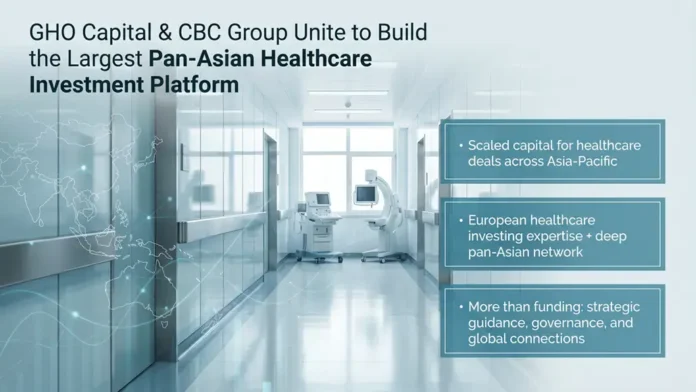
GHO Capital and CBC Group to Build the Largest Pan-Asian Healthcare Investment Platform

Healthcare Investment Platform

Two of the world’s prominent healthcare-focused investment firms London-based GHO Capital Partners and Hong Kong-headquartered CBC Group have announced plans to join forces and establish what is set to become the largest pan-Asian healthcare investment platform. The move represents a significant consolidation of healthcare private equity expertise across Western and Asian markets.

GHO Capital, a specialist European healthcare private equity firm, and CBC Group, one of Asia’s leading healthcare-focused investment managers, are combining their capabilities to form a unified platform designed to deploy capital at scale across the Asian healthcare sector. The partnership will bring together the complementary strengths of both firms GHO Capital’s deep expertise in European healthcare investments and CBC Group’s extensive pan-Asian healthcare investment network and operational knowledge.

The combined entity is intended to serve as a go-to platform for institutional investors seeking meaningful exposure to the rapidly expanding healthcare markets across Asia, including high-growth economies in Southeast Asia, South Asia, and the broader Asia-Pacific region.

The new platform is positioned to be the largest of its kind focused on pan-Asian healthcare investment. Both firms have a strong track record of backing healthcare companies ranging from pharmaceutical businesses and medical technology providers to healthcare services companies and diagnostics platforms. By merging their resources, the two firms intend to accelerate deal flow and enhance portfolio support across their combined geographies.

CBC Group currently manages assets exceeding several billion dollars and has built a formidable presence in Asian healthcare markets through a series of landmark transactions. GHO Capital, on the other hand, brings with it an established reputation in European healthcare private equity with a portfolio spanning multiple sub-sectors of the healthcare industry.

For healthcare industry executives and operators across Asia, the formation of this pan-Asian healthcare investment platform signals growing institutional confidence in the region’s healthcare infrastructure and services sector. The scale of this partnership means larger tickets, longer investment horizons, and a wider operational support network for portfolio companies.

The alliance is structured to provide not just capital but also strategic guidance, governance frameworks, and global networks elements that are increasingly critical for healthcare businesses operating in complex, regulation-intensive Asian markets.

Both GHO Capital and CBC Group have cultivated strong relationships with global limited partners, including sovereign wealth funds, pension funds, and endowments. The combined platform is expected to attract fresh capital commitments from these institutional investors who are actively increasing allocations to healthcare as a defensive and high-growth asset class.

The formation of this healthcare private equity alliance also underlines the growing investor appetite for pan-Asian healthcare investment opportunities at a time when demographic shifts, rising chronic disease burden, and healthcare infrastructure gaps across Asia are creating compelling long-term investment cases.

The two firms have indicated that the new platform will operate with a collaborative leadership structure, drawing on senior talent from both organizations. While specific management appointments are yet to be publicly detailed, both firms have emphasized that the integration will preserve the investment discipline and sector focus that have defined their individual identities.

GHO Capital was founded with a vision of being a dedicated healthcare investor, and CBC Group has similarly built its entire platform around the healthcare sector. This alignment in sectoral focus is expected to make the integration operationally coherent and strategically cohesive.

The establishment of this platform sets a new benchmark for healthcare private equity in Asia. With a combined reach spanning Europe and Asia, the new entity is poised to participate in some of the most consequential healthcare investment transactions in the coming years. For healthcare businesses looking for a well-resourced, sector-specialist investor with global connectivity, this platform is expected to emerge as a preferred institutional partner.

The announcement has drawn attention from across the global healthcare investment community, and further details on the structure, fund size, and strategic priorities of the combined pan-Asian healthcare investment platform are anticipated in the months ahead.

Translate ยป