







Close
Digital Health & Ai Innovation summit 2026
LiGHT26

Voluntary Cybersecurity Goals For Healthcare Released By HHS

The HHS went on to release voluntary cybersecurity objectives for healthcare and public health organizations on January 24, as the sector goes on to grapple with growing large data breaches along with ransomware attacks.

The performance objectives, broken down into essential as well as enhanced safeguards, aim to enable the organizations to safeguard themselves against cyberattacks, enhance their response if an incident takes place, and also lessen the remaining risk after the security measures are applied.

The resources come after the HHS went on to release a concept paper in December 2023 that detailed plans to develop hospital cybersecurity needs by way of Medicare and Medicaid and eventually update the HIPAA rule.

Healthcare data breaches, especially those that come from hacking, have grown over the past decade, thereby exposing hundreds of millions of patientsโ€™ personal data thatโ€™s sensitive or protected health information.

It is well to be noted that breaches can be costly for healthcare organizations to take care of, but cyberattacks that go on to interrupt hospital functioning are also a risk when it comes to patient safety.

Interestingly, ransomware, wherein the criminals demand payment in exchange for restored sensitive information and critical system access, can disrupt normal care for weeks to come.

Notably, Ardent Health Services, which happens to run facilities in many states, was hit by a ransomware attack on the day of Thanksgiving, thereby pushing the hospital operator to take its network offline and also divert ambulances that were incoming. Ardent went on to restore access to its electronic health record in early December last year and completely recover its patient portal this month.

The novel cybersecurity objectives from the HHS look forward to helping healthcare organizations build layered safeguarding against cyberattacks, so if one defense fails, the other can serve as a backup, which the agency said happens to hold the key to creating resilience and also safeguarding patients.

Andrea Palm, the Deputy Secretary of HHS, said that they have a responsibility to help their health care system thwart cyber threats, embrace the evolving threat spectrum, and also build a more resilient vertical. Apparently, the release of these cybersecurity performance objectives happens to be a step forward for the industry as they look forward to proposing fresh cybersecurity standards that are unseen throughout the HHS policies and programs that happen to be informed by these CPGs.

The necessary objectives, which go on to include safeguards such as email security, multifactor authentication, as well as basic cybersecurity training for employees, go on to develop a base so as to help organizations manage vulnerabilities that are common.

The elevated protections, such as establishing processes so as to explore as well as address threats at vendors, demarketing critical assets into discrete network segments, along with cybersecurity testing, look forward to helping health systems go ahead and mature their defenses.

It is worth noting that hospitals cheered the voluntary goals, with Rick Pollack, the American Hospital Association president and CEO, recommending in an email statement that all elements of the healthcare sector execute these practices, such as third-party technology providers as well as business associates.

However, the trade and lobbying group has argued in the past that mandated cybersecurity benchmarks tied to funding that media reports suggest might as well be coming down the pike soon and could eliminate hospital resources that could be made use of to shore up their cyber defenses.

Research Shows That Healthcare Labor Churn Surged In 2021

There has already been a substantial surge in healthcare quits during the course of the COVID-19 pandemic in 2020 as well as 2021 compared to 2018, as per a study published in JAMA Health Forum recently.

It is well to be noted that early in the pandemic, researchers went on to find most departing workers quit without having a new job in hand. But by 2021, workers had growingly left healthcare positions in order to pursue roles across other industries.

Though turnover happened to be high, employment rates remained comparatively stable throughout 2021 because of the industryโ€™s capacity to attract new talent. But researchers said new hires across the pandemic often had a dearth of experience and were hired across non-healthcare professions.

This study, which went on to evaluate job data between 2018 and 2021, goes on to add to the research suggesting the COVID-19 pandemic worsened healthcare staffing as well as care quality concerns.

A number of black and female professionals who were disproportionate went on to leave their existing healthcare roles during the study, whereas fewer black workers entered the field. The researchers went ahead and warned that continued poor recruitment as well as retention of black workers were impeding patient care.

Apart from this, healthcare organizations pushed up the hiring of unemployed individuals and workers that did not have healthcare backgrounds in 2021 by almost 30% and 20%, respectively, as compared to 2018.

Healthcare professionals, especially nurses, went on to remark that the high levels of burnout across COVID pushed seasoned professionals to look out for early retirement or alternate jobs, thereby contributing to a brain drain in the sector.

Across the country, the median time that nurses went on to work for their organizations dipped by 19.5% between March 2021 and March 2022, as per a study from Epic.

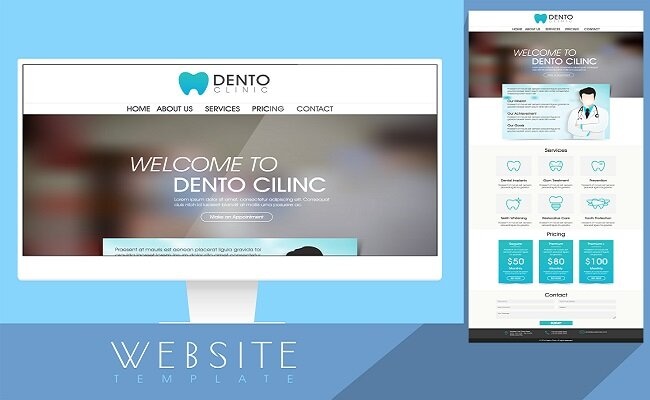
The Ultimate Guide To Dental SEO Optimization

In the rapidly evolving digital landscape, the importance of a robust online presence for dental practices cannot be overstated. With most patients turning to search engines to find healthcare providers, the dental industry’s need for effective search engine optimization (SEO) strategies is more crucial than ever. This comprehensive guide to Dental SEO optimization offers actionable insights and strategies to help dental practices enhance their online visibility, attract more patients, and stay ahead in the competitive digital arena.

Optimizing Your Website For Local Search

Since most patients are looking for dentists in their local area, local SEO is extremely important for dental practices. There are several key elements involved in optimizing your website for local search.

Your website must include your full practice name, address, and phone number. This signals to search engines like Google that your website represents a local dental business.

It’s also essential that your website has a Google My Business listing, which helps your practice surface prominently on Google when patients search for dentists near them. Your GMB profile should be filled out with photos, business information, and services offered.

Your website content and page titles should also incorporate relevant location-based keywords, such as your city name and local area. This helps search engines understand the geographic area you serve.

By focusing on these local SEO fundamentals with the help of a dental SEO marketing agency, your dental website will attract more visitors looking for a dentist in your neighborhood.

Optimizing Website Content

The content on your dental website plays a major role in your dental SEO success. To maximize your search engine rankings, your site content needs to be optimized around keywords potential patients search for.

Some important dental keywords to target include:

  • Dental implants
  • Teeth whitening
  • Cosmetic dentistry
  • Emergency dentist
  • Dentures
  • Invisalign
  • Dental crowns

Your content should aim to provide valuable information and address common questions related to these dental services and procedures. Useful, relevant content helps search engines understand what your pages are about and improves your ability to rank for those topics.

Focus on creating blog posts, FAQs, and other pages that offer clear explanations and help patients learn more about the key dental treatments you provide. Be sure to incorporate your target keywords naturally throughout the content.

Technical SEO Elements

Beyond content, there are key technical elements involved in SEO success. Your dental website needs to have a fast page load speed, a secure HTTPS URL, and a mobile-friendly responsive design.

Ensuring your website is easy to navigate with seamless internal linking between pages is also important. Structured data markup should be implemented to help search engines better understand your content.

A skilled dental SEO company will be well-versed in these technical optimization best practices to further enhance your organic search rankings.

Driving Quality Traffic That Converts

A truly effective dental SEO strategy does more than just improve search rankings. It drives targeted, quality website traffic that converts into new patients.

To accomplish this, your SEO and content efforts must create a top-notch user experience. Your website content should provide the information searchers are looking for so they can immediately recognize that your practice can meet their dental needs.

User-friendly website design, compelling calls-to-action, visible contact information, and seamless appointment booking all encourage visitors to convert into patients.

Implementing conversion rate optimization best practices ensures the traffic from your SEO efforts converts rapidly. This maximizes your dental website ROI while growing your patient base.

The Continuing Importance Of SEO For Dental Practices

In our digital world, SEO remains a crucial component of success for any dental practice looking to expand its reach and acquire new patients. By focusing on dental SEO and content marketing strategies, you can build an organic presence that regularly turns online searches into appointments.

Partnering with a professional dental SEO agency that specializes in local search is the best way to implement proven optimization techniques. Their expertise can get your website rankings and traffic headed in the right direction.

Be sure to track your SEO results and website analytics to refine your approach over time. With persistent effort, your dental SEO success will continue to grow.

An effective SEO strategy requires an ongoing commitment, but the patient rewards make it well worth the investment for your dental practice. In today’s competitive environment, SEO is more vital than ever for dental businesses striving for success.

Conclusion

Implementing ongoing search engine optimization allows dental practices to boost their visibility and find new patients online. A strategic dental SEO plan incorporates technical website optimization, content creation, local SEO elements, and conversion rate best practices. Partnering with a dental SEO company provides access to the expertise needed to maximize search rankings and drive quality website traffic. By appearing prominently in local search results, dental practices can build a strong foundation for acquiring new patients and growing their business in the digital age.

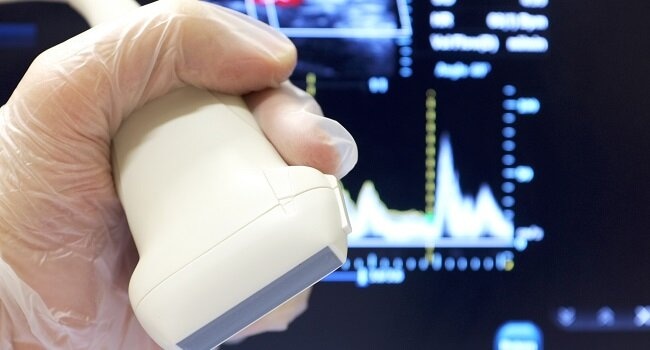
Ultrasound Integration In Clinical Practice: A Safety Guide

Ultrasound technology has become an invaluable tool in modern medicine. Its imaging capabilities are crucial in aiding diagnosis, guiding interventions, and monitoring patient conditions across specialties.ย 

However, while this diagnostic procedure offers numerous benefits, it also carries potential risks if not used correctly. Adherence to established safety protocols is essential for its safe integration into clinical practice.ย 

This guide aims to cover the key aspects of safe and responsible ultrasound use, providing a useful overview for medical professionals.

Operator Training

Proper training is indispensable for safely harnessing ultrasound’s capabilities. Physicians, sonographers, and other users must complete accredited programs, simulations, and directly supervised practice. Programs, such as Zedu ultrasound training, provide comprehensive knowledge and practical skills covering:

  • Physics and technology basics
  • Imaging techniques and protocols
  • Image optimization and interpretation
  • Safe machine operation and transducer handling
  • Recognition of imaging artifacts
  • Record keeping and documentation

Thorough initial training combined with continuing education enables users to scan patients safely and accurately.

Controlled Scanning Exposure

Ultrasound technology utilizes high-frequency sound waves for imaging. While it doesn’t involve ionizing radiation, cautious exposure management is still essential. Following the ‘as low as reasonably achievable’ (ALARA) principle helps in moderating ultrasound wave exposure based on diagnostic needs. Implementing these methods is crucial:

  • Minimizing Power Levels And Duration: Adjust power settings and scanning duration to the lowest sufficient levels for quality imaging to minimize unnecessary exposure.
  • Choosing Intermittent Over Continuous Scanning: Opt for intermittent scanning, rather than continuous mode, to reduce overall exposure time.
  • Selecting Appropriate Transducer And Frequency: Use the smallest transducer area and highest frequency suitable for the body region and depth required to limit exposure.

These practices ensure that scanning is conducted for the shortest possible time and at the lowest power output necessary, thereby reducing potential bioeffects.

Image Optimization

Proper imaging technique is imperative for examinations to capture necessary views and information with clarity. Optimizing images facilitates accurate interpretation while avoiding the need for excessive scanning or high outputs to improve inadequate images. Adjustment methods include:

  • Adjusting Patient Positions: Vary patient positions to achieve the clearest possible view of anatomical structures.
  • Enhancing Sound Wave Transmission: Use an adequate amount of gel or saline coupling to maximize sound wave transmission.
  • Fine-Tuning Imaging Parameters: Adjust depth, gain, and other ultrasound parameters appropriately for optimal image quality.
  • Employing Advanced Imaging Techniques: Utilize spatial compounding, harmonics, and speckle reduction imaging when available to enhance image quality.
  • Minimizing Motion Artifacts: Implement patient breath holds or cardiac gating as necessary to reduce motion artifacts in imaging.

By taking these steps, healthcare professionals can obtain excellent diagnostic images, guiding accurate diagnosis and treatment while minimizing the required exposure.

Transducer Safety

Transducers direct ultrasound waves into the body, making proper handling critical. To prioritize safety, the following steps should be observed:

  • Regular Inspection: Check for cracks, leakage, overheating, or other damage before each scan.
  • Sterility In Invasive Procedures: Utilize sterile sheaths for procedures that are invasive.
  • Rigorous Disinfection: Thoroughly disinfect the transducer between patients, following manufacturer protocols.
  • Avoiding Sensitive Areas: Be cautious to avoid contact with eyes or lenses during scans.
  • Proper Storage: Store transducers hanging upright rather than sitting flat.

Adhering to these safety protocols is critical to protect patients from potential injury and prevent cross-contamination.

Dosimetry Monitoring

Effective tracking of ultrasound exposure is vital for its safe and controlled use. Features like thermal and mechanical indices, on-screen timer displays, and probe surface temperature readouts offer real-time feedback. To further enhance dosimetry monitoring, carry out the following:

  • Recording Cumulative Exposure: Log cumulative exposure times, especially for organs more susceptible to bioeffects, such as eyes, heart, and brain.
  • Employing Simulation Systems: Use ultrasound simulation systems to monitor scanning techniques and image optimization.
  • Analyzing Archived Images: Review archived images to assess exposure habits and the effectiveness of imaging protocols.

Regular monitoring and data analysis help identify opportunities to implement the ALARA principle, allowing adjustments in device settings, techniques, and training to enhance safety.

Safety Testing

Regular safety testing of all ultrasound equipment is necessary to guarantee its proper functioning. This involves comprehensive inspections across the following aspects:

  • Electrical Safety: Conduct checks for electrical current leakage, proper grounding, and equipotential bonding to ensure electrical integrity.
  • Mechanical Safety: Examine the integrity of transducer housing and the functionality of emergency stops to prevent mechanical failures.
  • Acoustic Output Assessment: Verify that power levels are in alignment with manufacturer specifications and intended uses for safe acoustic output.
  • Image Quality And Resolution Evaluation: Confirm that resolution, distance calibration, and dead zone are up to par to maintain high standards of image quality.

Conducting these tests regularly contributes to safeguarding both patient and operator safety.

Policies And Documentation

Establishing written policies is fundamental in setting and maintaining appropriate use and safety standards for ultrasound equipment. These policies serve as a guideline for all operators, promoting consistency in practice. Policies should cover:

  • Training requirements for operators
  • ALARA exposure limits
  • Dosimetry monitoring procedures
  • Transducer handling and disinfection protocols
  • Mandatory safety testing and maintenance
  • Appropriate imaging settings for exam types

Clear documentation, including imaging parameters, exposure times, diagnostic justifications, and patient consent, is vital for demonstrating compliance with safety standards and training protocols. This demonstrates adherence to policies and fosters quality assurance in ultrasound practice.

Final Thoughts

Effective ultrasound use in clinical practice relies on comprehensive training, strict adherence to safety protocols, and consistent equipment testing. This approach ensures that this diagnostic tool remains reliable and effective in promoting patient care.ย 

Staying updated with these practices allows healthcare professionals to maximize the benefits of ultrasound, safeguarding patient well-being while enhancing the overall quality of medical care. This commitment to responsible use and continuous improvement supports its role as an asset in modern healthcare.

Why Is Strong Leadership Critical In Healthcare Settings?

Strong leadership is important for every organisation and critical in the healthcare industryโ€”whether itโ€™s a hospital, doctorโ€™s clinic, dentist, or allied health services. The healthcare industry is an ever-changing field, evolving and adapting. Over the past few years alone, weโ€™ve seen massive changes happen due to the COVID-19 pandemic, changing the industry worldwide. For any healthcare practice to be a success and keep up with the constantly changing field, it needs strong leadership that can create a sustainable environment and serve the local community.

Whether youโ€™re looking for ways to improve your healthcare leadership skills, studying for a Masterโ€™s in Healthcare Leadership, or advice on how to manage your team betterโ€”itโ€™s essential to know why strong leadership is essential in the first place. Did you know that recent national data from 2022 show that one in four Primary Health Care (PHC) nurses plan to leave their jobs? More than four in five primary health care nurses said they felt exhausted and stressed at work, and more than three-quarters felt burnt out. Strong leadership in any healthcare setting is crucial for retaining staff, creating a positive work environment, and finding solutions for problems such as stress and fatigue.

Strong healthcare leadership, whether itโ€™s managing nurses, overseeing doctors, or allied health, is needed for more than just patient care. Itโ€™s important at all levels, for the industry as a whole, the practice, or clinic, your employees, and also patient outcomes. Our following list covers just a few reasons why strong and secure leadership is important in the field.

1. Improving patient quality of care

At the heart of any healthcare setting are the patients or clients, and effective leadership is the key to their quality of care. If a team of healthcare workers or a practice is mismanaged or uncoordinated, one of the first aspects that is impacted is the patient quality of care.

For example, a lack of strong leadership in a medical clinic between nurses and management could result in poor communication. This can result in a lack of trust between staff, people not being open to feedback, and failure to deliver important informationโ€”impacting patients directly. A good example of this would be crucial information not being communicated during clinical handovers or mismanagement with patient bookings.

Whether itโ€™s a hospital, phlebotomist clinic, dentist, or any other healthcare site, the leadership should also be able to create an enthusiastic environment. If the staff are in an environment where they feel empowered, this will lead to providing better care for their patients. Staff wonโ€™t feel as burnt out, it can boost productivity and result in better decision-making and patient outcomes. A good leader should be able to foster a healthy work environment, strive for improvement and inspire the rest of their team.

2. Making difficult decisions

In healthcare, staff have to deal with difficult decisions every day and emergencies can happen at any moment. While medical staff are trained for emergencies, not everyone can make those split-moment decisionsโ€”this is where strong leadership comes in.

Confident and experienced leadership can ensure that there are proper protocols in place to guide staff with decision-making if a problem ever happens. Whether itโ€™s a medical crisis, someone has fainted, or needs urgent care, strong leadership skills are critical for tackling those situations.

Even if the leader canโ€™t be present physically to make a decision, they ensure that the organisation has proper protocols to follow to ensure the safety of patients and staff. They establish a clear chain of command for emergency situations, allowing for quick decision-making and effective responses.

3. Preparing organisation and staff for the future

Healthcare is an ever-changing industry, with new technology and treatments being developed all the time. An effective leader should be able to ensure their organisation and team are able to quickly adapt to any changes, and proactively prepare for any challenges.

For example, this could include staying up-to-date on new medical resources, learning about industry breakthroughs, and seeking feedback from the community. A strong leader is always ready for potential advancements or obstacles, so they can provide the best quality of care to their patients and the local community, so their organisation doesnโ€™t fall behind.

4. Creating a positive work environment

A good working culture and leadership is the key to creating and sustaining a positive company environment. If an employee feels safe and comfortable at work, it boosts their productivity and decreases the chance of burnout. Any leadership role in the healthcare industry should be a role model for fellow employees, as well as set clear values, objectives, and goals for everyone to follow.

In healthcare, leadership should foster a positive and collaborative environment where everyone feels valued and that their work is essential. Honest and open communication between staff members, leaders, as well as patients should be valuedโ€”so the organisation can provide the best quality of care possible.

Australia is currently facing a shortage of healthcare workers, including those in leadership positions, while struggling with increased demand for their services. COVID-19 put pressure across the entire healthcare sector, leading to record numbers of employees leaving the industry due to fatigue, poor work environments, or leadership. A positive work environment starts at the top of the chain and then trickles down the organisation. If your organisation is looking to thrive and be appealing to work at, ensuring that the leadership has the employeesโ€™ best interests and well-being in mind is a great place to start.

Mass General Cancer Center Announces First Recipients of Krantz Awards for Cancer Research

Mass General Cancer Center Announces First Recipients of Krantz Awards for Cancer Research

The Krantz Family Center for Cancer Research at the Mass General Cancer Center announced the selection of 17 scientists who have been awarded a combined $6 million in funding. These competitive awards, which will be granted annually, were established to recognize the trailblazing efforts of Krantz Center scientists and accelerate ideas, projects and initiatives with the potential to fundamentally change how cancer is diagnosed and treated.

Philanthropists Jason and Keely Krantz, who in September of 2023 made the largest research-directed gift in the Mass General Cancer Centerโ€™s 34-year history, included annual funding for innovative and collaborative research projects, advanced technologies to support cancer research, and an endowment to ensure sustainability. The awards announced today reflect the Krantz Centerโ€™s commitment to supporting cutting-edge research.

The awards are distributed to individual investigators and research teams at the Krantz Center in four tiers: Quantum Awards (with up to $2 million in funding to support research with the potential to transform overall understanding and treatment of cancer); Breakthrough Awards (with up to $1 million for projects that accelerate the most promising scientific concepts); Spark Awards (with up to $100,000 to test exciting new thought-provoking ideas); and Technology Support (to provide for the purchase of cutting-edge equipment and technological innovation).

The inaugural recipients were determined through a rigorous selection process that included internal and external scientific review. The final decisions were based on the individual projectโ€™s ability to have outsized impact on the future of cancer care and treatment. The number of awards presented each year will be dependent upon the diversity and merit of the proposals submitted.

โ€œThe Krantz Center for Cancer Research is home to some of the worldโ€™s most innovative and creative cancer investigators,โ€ said Jason Krantz, founder, CEO and executive chairman of Definitive Healthcare. โ€œThese elite researchers come to Mass General because they want to be involved in the game-changing research that they believe can truly transform cancer care here in Massachusetts and around the globe. The Krantz Awards are designed to accelerate this work with the goal of bringing lifesaving therapies and diagnostics to cancer patients everywhere as quickly as possible.โ€

2023 Krantz Award Recipients

The Quantum Award was presented to the team of Liron Bar-Peled, PhD, Michael Lawrence, PhD, and Chris Ott, PhD. The team will receive $2 million over two years to explore new chemical-proteomic technologies to target transcription factors, a type of protein that can act as a genetic driver of cancer. Transcription factors are considered โ€œundruggableโ€ with current therapies. If their collaborative work is successful, Drs. Bar-Peled, Lawrence and Ott โ€” who each oversee their own individual labs in the Krantz Center โ€” could help usher in a new class of cancer therapeutics.

The following teams were selected to receive Breakthrough Awards, which include $1 million per team over two years:

Max Jan MD, PhD, Robert Manguso, PhD, Marcela Maus MD, PhD, and Debattama Sen PhD, are working to optimize CAR T-cell immunotherapy by improving the technologyโ€™s ability to kill cancer cells, reducing treatment failure (so-called CAR T-cell โ€œexhaustionโ€), and developing ways to prevent side effects and toxicity.

Genevieve Boland MD, PhD, Russ Jenkins MD, PhD and Moshe Sade-Feldman, PhD, are using a combination of surgical expertise, in vitro culture technologies and molecular sequencing to identify optimal strategies for using adoptive T-cell therapy, a promising immunotherapy approach utilizing the bodyโ€™s natural tumor-seeking immune cells.

Nabeel Bardeesy, PhD, and Raul Mostoslavsky, MD, PhD, are exploring if targeting the genes that control cancer cell metabolism can be used to suppress the disease.

  • The following scientists were selected to receive Spark Awards, which include $100,000 in funding per recipient:
  • Andrew Elia, MD, PhD, to study the role of DNA damage pathways within immune cells.
  • Gad Getz, PhD, to develop a deep learning molecular language model for cancer drug discovery.
  • Abner Louissaint, MD, PhD to create and test models of patient-derived lymphomas.
  • Mo Motamedi, PhD, to explore chromatin regulation in combination with cancer chemotherapy.
  • Shannon Stott, PhD, to study non-invasive blood testing for immunotherapy complications.

In addition to the research-focused awards, the Krantz family also established a Technology Support Fund. This yearโ€™s awards include funds to support the purchase of advanced microscopy, flow cytometry, real time cell culture technologies and high content imaging data handling.

โ€œMuch remains to be done in understanding the fundamental biology that drives different types of cancer, and the dozen inaugural awards will empower new initiatives from some of our most talented faculty working together on collaborative projects,โ€ said Daniel Haber, MD, PhD, director of the Mass General Cancer Center and the Krantz Family Center for Cancer Research. โ€œResearch projects that are launched at the Krantz Center will ultimately translate into better ways to treat and prevent cancer.โ€

IHF and PAHO/WHO sign agreement to collaborate to strengthen hospital management in the Americas

partnershiop concept with gear and businessmsn

The International Hospital Federation (IHF) and the Pan American Health Organization, Regional Office of the World Health Organization (PAHO/WHO) have entered into a technical cooperation agreement on hospital management transformation.

By entering โ€œtechnical cooperationโ€ with PAHO/WHO, the IHF will contribute to PAHOโ€™s mission to promote equity in health, to combat disease, and to improve the lives of the people in the Americas. Through cooperation, joint activities, and materials, PAHO/WHO is able to extend the reach of its action and impact. The IHF represents the global voice of hospitals and draws on the expertise of its international network of hospital and health system leaders. The agreement with PAHO/WHO comes in addition to the IHFโ€™s long-held
โ€œofficial relationsโ€ status with the WHO.

The joint-working initiatives with PAHO/WHO will focus on three core aims: supporting the development of hospital management competencies in the Americas; shaping the future of hospital management, systems, and processes; and leading the transformation to net zero, climate resilient and sustainable healthcare. Sharing his remarks on the strength of global cooperation, Dr Jarbas Barbosa da Silva Jr, Director of PAHO/WHO, stated:

โ€œPAHO/WHO operates on the basis that strong, trusted, and long-term collaborations are the key to tackling the health challenges in the Americas. Together with the IHF, we look forward to equipping executives in the region to deliver hospital leadership for tomorrow โ€“ services that are innovative, integrated, patient-centred, and anchored in sustainability.โ€

The IHFโ€™s programme and events facilitate knowledge exchange and leadership development to improve health service delivery worldwide. Member States in the region will have the opportunity to engage with sector leaders from across the globe at the annual IHF World Hospital Congress, taking place from 10 to 12 September 2024 in Rio de Janeiro, Brazil.

By building closer ties, healthcare executives in the Americas region will benefit from access to peer-exchange forums, for example, the IHFโ€™s Young Executive Leaders programme and Association Leaders Circle. There will also be opportunities to increase capacity in the management of digital services, such as telehealth and big data. Joint working to strengthen education and training will be underpinned by the IHFโ€™s Global Healthcare Leadership Competency Model. Strategies to ensure sustainability and climate resiliency are integral to the delivery of hospital services in the region will be supported by the programmes, tools, and resources delivered by the IHFโ€™s Geneva Sustainability Centre.

Welcoming the formalization of relations with PAHO/WHO, Dr Muna A. Tahlak, President of the IHF commented:

โ€œHospitals play a key role in our communities, no matter where in the world we operate. And the health sector is undergoing a period of significant change to adapt to future service needs. Collaborating with peers as an international community enables us to address the global challenges and opportunities we face, working together for improved health outcomes for patients, the healthcare workforce, and the environment.

We are so pleased to build on the strong foundations the IHF has with many actors in the Americas, to expand engagement and impact, and to make progress in delivering the complementary missions of the IHF and PAHO/WHO.โ€

How is Online Therapy Effective for Mental Health Treatment?

Online therapy became a necessity to treat mental health issues during the COVID-19 pandemic. People had to talk to their therapists using video conferences or phone calls.

But what about now?

A study published in JAMA Network found that 88.1% of 12,828 mental health service providers were still offering virtual therapy sessions in September 2022.

And thereโ€™s more.

A nationwide poll from the American Psychiatric Association discovered that 6 out of every 10 poll participants expressed the desire to use telehealth services.

As you can see, online therapy is becoming popular quickly. But is it really that effective for mental health treatment?ย 

Letโ€™s find out.

What is Online Therapy?

Online therapy is a process of providing mental health services in a virtual setting.

So, instead of meeting your therapist in a traditional office setting, you will receive mental health treatment from a certified therapist through:

  • Video conference
  • Email or text
  • Phone calls
  • Voice messaging

You can select a method of communication according to your preference as long as it doesnโ€™t hinder the treatment process. All you need is a computer, tablet, or phone to connect to your therapist.

Want to learn more about therapy and psychology before making a decision? Get free resources and guides about psychology here.

Benefits of Online Therapy

With online therapy, you can enjoy the benefits of mental health treatment from the comfort of your home. And the best part โ€“ you donโ€™t have to worry about public prejudices related to mental health care.

But the benefits donโ€™t end here.

Here are some of the amazing benefits of online therapy you must know:

1. Convenient and Flexible

You donโ€™t have to travel or move anywhere to receive treatment with online therapy.ย 

Do you have a physical injury, mobility issue, or other problems that make it difficult to leave your house?

If thatโ€™s the case, you no longer have to worry about missing your therapy sessions.

With online therapy, you can talk to a professional therapist from anywhere, saving you tons of money, time, and other unnecessary hassles.

2. Privacy

Are you worried about suddenly meeting someone you know outside of the mental health clinic and being labeled with depressing stigmas?ย 

Despite all the efforts the government has made to make people aware of mental issues like PTSD or other mental complications, many still donโ€™t see receiving a therapy session in a positive light.

With online therapy, you donโ€™t have to wait at a clinic full of strangers and feel vulnerable. You can talk to your therapist from anywhere, making protecting your privacy and mental health easier.

3. The Comfort of Your Home

Your home is the one place where you feel most secure and comfortable. At your home, you can create a peaceful setting where your mind can relax.

Online therapy allows you to receive mental health counseling from the comfort of your home, making it easier for you to open up.

The result is less anxiety, better conversation with your therapist, and a more effective mental health treatment.

4. Greater Availability

Do you want to attend your therapy sessions during the weekend or evening? Online therapy has a wider range of availability, making it easier to schedule a time frame you are comfortable with.

It means no more worrying about your children or work schedules. You can talk to your therapist whenever you want.

Is Online Therapy Effective for Mental Health Treatment?

Now, itโ€™s time to ask a very important question. Are the online therapy sessions as effective as the offline ones for mental health treatment?

Well, the studies show they are.

A study published by the Journal of Anxiety Disorder claimed that online cognitive behavioral therapy (CBT) is as effective as in-person CBT.

Meanwhile, another study published in the World J Psychiatry found:

  • The online therapy sessions improved the mental health of the participating patients by a great margin.
  • Teletherapy sessions are quite effective in treating PTSD, anxiety, and depression.
  • Patients participating in the study are satisfied with how easy and comfortable online therapy sessions were.
  • Most mental health evaluations run via online therapy sessions are as reliable as the tests conducted during the in-person sessions.

When Is It Better to Seek in-person Therapy Sessions?

Online therapy is pretty successful in treating several mental health issues. Itโ€™s especially true when it comes to treating PTSD, anxiety disorders, and depression.

However, it doesnโ€™t mean the virtual therapy sessions will work for everyone.

To some people, the online setting just doesnโ€™t feel real. For example, an article published in the American Psychological Association claimed that teletherapy is not effective for a select set of people.

It includes individuals with homicidal behavior, suicidal tendencies, and other severe mental health issues. To treat these individuals, psychiatrists need to provide their services face-to-face.

The Bottom Line

As you can see, research shows that online therapy can be as effective as in-person therapy sessions for treating mental health problems.

But even if itโ€™s effective for many people, it doesnโ€™t mean it will be for everyone. Individuals with several mental issues or traumas will still need in-person therapy sessions.

On the other hand, some people might not be comfortable with the virtual settings.

In the end, it all boils down to your personal preferences and needs.

Elevate Staff and Patient Experiences with Digital Communication/Signage

Digital signage is more than just your average noticeboard. Itโ€™s a way of transforming communication for improved staff and patient experiences at your hospital.

Sure, your staff is active in putting up posters and notices โ€“ but itโ€™s a huge challenge to do this manually for every new update and alert. Plus, this doesnโ€™t support real-time communication.

Thatโ€™s why digital communication is the way to go. Easy updates with a few easy clicks!

The results: Improved internal communication, streamlined hospital operations, increased staff productivity, and enhanced patient experiences.

Why digital signage?

Look into your healthcare operations.ย 

Is information reaching your staff and patients on time? Are patients struggling with navigation? Are you looking to integrate more patient-centric solutions?

If the answer to these questions is yes, then thereโ€™s a fracture in your communication system.

The right digital signage solution can help you:

  • Communicate effectively with your staff in real-time
  • Keep patients informed about healthcare updates
  • Deliver experiences that match your patientsโ€™ expectationsย 

Letโ€™s take a closer look at how digital communication improves staff and patient experiences in healthcare.

Real-time relevance

Sharing healthcare updates with your staff is key to delivering quality patient care.ย 

Although you can share updates through text/traditional signage, the drawback is that itโ€™s impossible to do so in real-time. Youโ€™ll have to print posters, set them up, and hope your target audience sees them.

Digital signage solves this problem.ย 

You can share advisory guidelines and emergency messages and update schedules instantly to target screens on your network. In fact, research has also shown a 20% reduction in patient inquiries for hospitals using digital signage.ย 

Inclusive communicationย 

You can design your digital signage for accessibility and inclusivity. This will not only reach a wider audience, but it will also create a positive brand image for your healthcare facility.ย 

Hereโ€™s how you can do this:

  • Color contrast: High color contrast fits into a good universal design. It makes it easier for patients with visual disabilities, deficiencies, impairments, and the elderly to see your on-screen messages more clearly.ย ย 
  • Language settings: Choose a digital signage software that supports many language options. This will help you deliver the same quality of care to all patients, irrespective of language proficiency.ย 
  • Mounting: If youโ€™re installing interactive displays, consider the height of mounting. Consider heights accessible to persons with mobility issues, height variations, etc.ย 

Reduced perceived wait times

Occupied time feels shorter than unoccupied time. This is where digital signage shines.

It can make your long waits feel shorter and (dare we say) interesting! Letโ€™s see how digital signage reduces perceived wait times:

  • Live wait time displays: Using LCD screens, you can share real-time updates of patient wait times. This way, your patients are not left in the dark about when their turn will come. This information helps calm down any waiting room jitters or waiting anxiety.ย 
  • Engaging content: When you share dynamic content, patients are not bored during their wait. They can keep up with news updates, weather reports, on-going hospitals, and so much more! This makes their wait less daunting and eases any restlessness.ย 

Interactive wayfinding solutionsย 

Navigating your way through endless hallways and rooms is like running around in the dark.

Digital signage can shed some light here. Hereโ€™s how digital communication can simplify wayfinding:

  • Interactive kiosks: This is a big game-changer for solving navigational problems around your facility. Placed at high-contact touchpoints like entrances and lobbies, these kiosks help patients find their way with a simple touchscreen tap.
  • Digital displays: Large screen displays are great for displaying your facility layout. Highlight lab areas, operation theaters, and more to help patients find their way more easily.ย 

Aesthetic appealย 

Aesthetics have the power to create more welcoming experiences.

In a hospital, bright colors, dynamic content, and engaging visuals uplift the surrounding ambiance.ย 

When patients enter your facility, these visual elements offer comfort and warmth. For example, patient success stories, waiting room displays, and dynamic content create a more modern and welcoming experience.

Wrapping Up

That’s it from us!

Weโ€™ve discussed the key ways in which digital communication enhances both patient and staff experiences in hospitals. From reducing perceived wait times to inclusive communication, digital signage helps increase patient satisfaction at healthcare facilities.ย 

Digital signage is not just another tool in your tech stack but a strategic investment towards enhanced healthcare experiences. Digital signs transcend communication barriers to help you and your team deliver unmatched patient care.

A guide to the benefits of Maitake extract for body health

In recent years, Maitake extract, derived from the seed entity of the Maitake(Grifola Frondosa), has garnered widespread attention from the scientific community and health enthusiasts due to its beneficial effects on human health. Rich in a variety of bioactive components such as flavonoids, bitter glycosides, and phenolic acids, these compounds work together to bring unexpected benefits to our health. From promoting cardiovascular health to anti-inflammatory and antioxidant properties, the benefits of Maitake extract cover a wide range of health areas, offering new perspectives and research directions in modern health science. Below, I will detail the benefits of Maitake extract for the human body.

Active Components in Maitake Extract

Maitake are nutritionally rich, as analyzed by the Institute of Nutrition and Food Hygiene of the Academy of Preventive Medicine and the Quality Inspection Center of the Ministry of Agriculture. Every 100 grams of dry Maitake contain 25.2 grams of protein, 18.68 grams of 18 essential amino acids (45.5% of which are essential amino acids), 3.2 grams of fat, 33.7 grams of dietary fiber, 21.4 grams of carbohydrates, and 5.1 grams of ash. Maitake are rich in various beneficial minerals, with high levels of potassium, phosphorus, and magnesium, followed by zinc, sodium, iron, and calcium, and also contain copper, selenium, chromium, etc. They are rich in vitamins, containing 109.7 mg of vitamin E, 11.47 mg of vitamin A, 20.72 mg of vitamin B, 17.0 mg of vitamin C, and 4.5 mg of carotene, leading among various edible fungi. The content of vitamin B1 and vitamin E is higher than that of general edible fungi. In addition, they contain various organic acids that promote healthy growth and intellectual development in children; arginine, lysine, and the umami-related amino acids aspartic acid and glutamic acid are also relatively high. Maitake extract is derived from Maitake, with a higher concentration of active components than the Maitake themselves.

What Benefits Do These Active Components Offer to the Human Body?

Polysaccharides are the main chemical and active components of Maitake extract, which can be divided into structural polysaccharides and extracellular polysaccharides. There are differences in polysaccharides from different regions or obtained by different extraction methods. Maitake polysaccharides are mainly heteropolysaccharides, with monosaccharide types including glucose, mannose, galactose, xylose, etc., predominantly D-glucose; the structure of Maitake polysaccharides mainly consists of glucans rich in ฮฒ-1,6 and ฮฒ-1,3 glycosidic bonds. Maitake polysaccharides are numerous and have various pharmacological activities, showing significant therapeutic effects in anti-tumor, anti-diabetes, anti-virus, anti-hyperlipidemia, and immune regulation, with broad development and utilization prospects.

Researchers have isolated over 20 kinds of steroid compounds from Maitake, mainly sterols and their derivatives, including 5ฮฑ,8ฮฒ-peroxy ergosta-6,22-dien-3ฮฒ-ol, ergosterol, 3ฮฒ,5ฮฑ,6ฮฒ-trihydroxy ergosterol, ergosterol peroxide, and ergosta-4,6,8,22-tetraen-3-one, among others.

5ฮฑ,8ฮฒ-Peroxy ergosta-6,22-dien-3ฮฒ-ol: This is a special steroidal compound containing a peroxy group, potentially having anti-inflammatory and antioxidant properties.

Ergosterol: Ergosterol is an important steroidal compound, mainly found in fungi and also in some plants. It is a precursor of vitamin D2, which can be converted into vitamin D2 under sunlight, beneficial for bone health.

3ฮฒ,5ฮฑ,6ฮฒ-Trihydroxy ergosterol: This compound contains three hydroxyl groups, potentially beneficial for cardiovascular health and anti-inflammatory.

Ergosterol peroxide: This is the peroxide form of ergosterol, potentially having antioxidant and anti-inflammatory properties.

Ergosta-4,6,8,22-tetraen-3-one: This compound has multiple unsaturated bonds, with potential anti-inflammatory and antioxidant health benefits.

Currently, the phenolic compounds isolated from Maitake are relatively few, mainly including ferulic acid, 2-hydroxy succinic acid, dihydroxyphenylacetic acid, 4-hydroxybenzoic acid, caffeic acid, coumaric acid, 3-hydroxy resveratrol, resveratrol, epicatechin gallate, p-coumaroyl quinic acid, and p-coumaroyl tartaric acid.

Ferulic acid: A common antioxidant, widely found in plants, especially effective for skin protection.

2-Hydroxy succinic acid: May have certain antioxidant activity.

Dihydroxyphenylacetic acid: This phenolic compound has antioxidant and anti-inflammatory properties.

4-Hydroxybenzoic acid: A widely existing phenolic compound, known for its antioxidant properties.

Caffeic acid: A powerful natural antioxidant, helps to combat free radicals.

Coumaric acid: Widely present in plants, with antioxidant and anti-inflammatory effects.

3-Hydroxy resveratrol: A derivative of resveratrol, with antioxidant and anti-aging properties.

Resveratrol: A well-known antioxidant, beneficial for cardiovascular health and anti-aging.

Epicatechin gallate: This compound is a major component of green tea, with strong antioxidant and anti-inflammatory properties.

p-Coumaroyl quinic acid and p-coumaroyl tartaric acid: These compounds may have antioxidant effects.

Maitake extract, due to its rich bioactive components, has a wide range of positive effects on human health. These components endow Maitake extract with strong antioxidant and anti-inflammatory properties, potentially helping to alleviate inflammation, protect cardiovascular health, and resist cell damage caused by free radicals. Additionally, other active components in Maitake extract may help to promote metabolism and kidney health. Due to its natural source and diverse health benefits, Maitake extract is considered a potential natural health product.

Translate ยป