Close
Digital Health & Ai Innovation summit 2026
LiGHT26

How Effective is Radiation Therapy and What Advantages and Disadvantages Does it Have for Patients?

Now is a good time to rap about radiation therapy – that oft-misunderstood cancer zapper. We’re diving into how it really stacks up in the ring against the big C.

Radiation therapy isn’t just a one-hit wonder; it’s complex with its own pros and cons. Let’s unpack what this means for those in the patient’s chair.

Unveiling The Power Punch: Radiation Therapy Explained

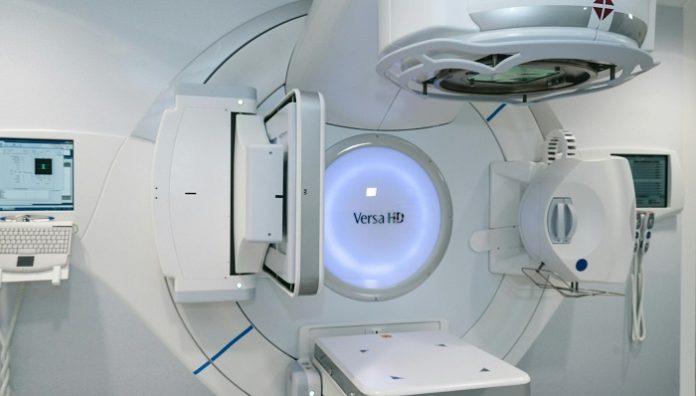
Alright, here goes. Dishing out the deets on radiation therapy is kinda like revealing a superhero’s origin story. This treatment uses high-energy particles or waves – think X-rays, gamma rays, you name it – to obliterate cancer cells. It’s like firing microscopic missiles that selectively target the bad guys (cancer cells) while trying to scoot around the innocents (your normal cells).

Now, don’t get it twisted; this isn’t your comic book beam blast. It’s precision medicine at its finest. Docs plan this stuff meticulously using detailed scans of your insides to map out a battle strategy that hits with immense accuracy.

In short, radiation aims to either show cancer the exit door or downsize tumors for other treatments to take over. Innovation hasn’t left radiation therapy in the dust; instead, advancements keep giving it new superpowers, making sure it stands tall as a go-to ally in cancer care.

Radiation Rundown: Weighing the Glows and Shadows

Now, let’s talk shop about why some peeps are all thumbs-up on radiation therapy while others might be playing it coy. Here’s a breakdown of the perks and pitfalls:

Pros – The Bright Side

  • Strategic Strike: This tech homes in on tumors like a smart missile. Minimal collateral damage? That’s the goal.
  • Outpatient Owning: Most times, you stroll in for treatment and bounce out without needing to crash at the hospital.
  • Combo Flex: Plays nice with chemo or surgery to double-team cancer.
  • Tactical Retreat for Tumors: Can shrink those mean masses pre-surgery, making them less of a tough opponent.

Cons – The Flipsides

  • Body Battery Drainage: Leaves you feeling like your energy just ghosted you.
  • Side Effect Roulette: You’re rolling the dice here – skin irritation, mood swings, appetite theft… your move.
  • Precision Snafu: Misses can happen because, hey, even superpowers have off days – resulting in harm to healthy cells.
  • Budget Hit: Not gonna lie; your wallet feels this one unless you’ve got a proper health coverage plan that packs a punch.

Training to Become a Radiation Therapist

If you’re jazzed about becoming the one behind the controls of this cancer-fighting tech, buckle up for what’s ahead. Dive into a radiation therapy program and you’re signing up for a mash-up of hardcore science, compassionate patient care, and tech wizardry.

Minutes in these programs aren’t just spent hitting books on anatomy or physics – though there’s plenty of that. You’ll snag hands-on experience with cutting-edge machines that would make a sci-fi geek swoon. And let’s talk critical thinking; you’ll need heaps of it because every patient’s predicament is its own unique puzzle.

You also get to sharpen your people skills because half the game is helping folks stay chill when their world’s turned upside down. It’s intense but imagine ending each day knowing you’ve got someone’s back in their hero story against cancer.

We’re talking commitment here—this gig demands precision, smarts, and heart. Frankly, not everyone’s cut out to be a radiation therapist championing health while staring down tumors daily. But if this sparks something in you – could be your calling!

Final Thoughts

So as you can see, radiation therapy is no joke in the cancer-fighting league. It might not be a silver bullet, but with precision and innovation on board, it’s an MVP treatment helping loads of patients score big against cancer. Sure, it’s no walk in the park – but effectiveness? It’s got a game.

Consider These Top 4 Things When Looking For A Dentist

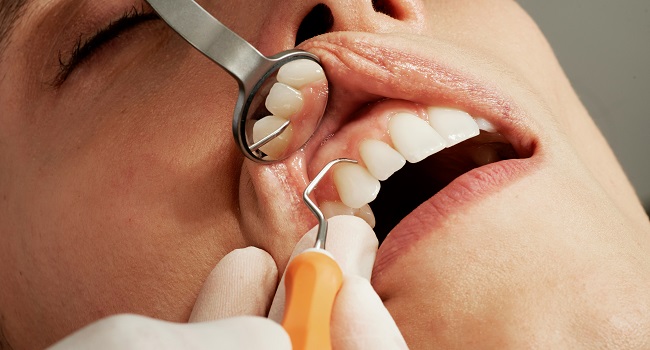
Choosing the right dentist is a crucial decision that can significantly impact your overall dental health. It’s not just about finding someone to clean your teeth, but partnering with a professional who can guide you through your lifelong journey of oral health. Here are the top four things to consider when looking for a dentist to ensure you make an informed choice.

Qualifications and Experience

The dentist you choose should have the necessary qualifications and extensive experience in dental practice. Look for a dentist who has completed a reputable dental school and has relevant certifications. Whether it’s cosmetic dentistry, orthodontics, or general dentistry, the dentist should have a track record of handling similar conditions or procedures.

Experience is also crucial in guaranteeing quality dental care. Established professionals will have mastered the intricate techniques required to handle both common and complex dental issues. They’re also likely to stay abreast of the latest developments in dental technology and procedures. Whether you need dental crowns in Columbus or a routine checkup somewhere else, experienced dentists will provide the best care. They can also make recommendations based on their past patients’ experiences.

Range of Services Offered

Your dental needs may vary over time, so finding a dentist who offers a comprehensive range of services can save you from having to look for specialists elsewhere. A good dentist will provide preventative care, restorative treatments, cosmetic services, and more.

Having a single dentist for all your dental needs makes it easier to manage your dental health. It also ensures continuity of care, as your dentist will be familiar with your oral history and can make more informed decisions about your treatment.

Reviews and Recommendations

Word-of-mouth recommendations and online reviews are invaluable when deciding on a dentist. They offer insights into the quality of care and customer service you can expect. Consider dentists who have consistently positive feedback from their patients.

Remember, a dentist with several positive reviews probably offers excellent patient care and service. However, take note of any negative reviews or recurring issues raised by patients. These might be potential red flags.

Dental Office Atmosphere

The environment in a dental office can significantly influence your comfort and experience. Look for a dental office that is clean, organized, and equipped with the latest dental technology. The staff should be friendly, ready to answer your questions, and make you feel comfortable.

Also, consider the location of the dental office. Ideally, it should be conveniently located near your home or workplace. This will make it easier for you to schedule appointments and arrive on time, especially in case of dental emergencies. Consider the office hours as well, and make sure they align with your schedule.

In conclusion, finding the right dentist is crucial for maintaining good oral health. Consider these top four things when looking for a dentist to ensure you receive quality care and have a positive experience. Remember to also trust your gut feeling and choose a dentist who makes you feel comfortable and confident in their abilities. Your dental health is worth investing time and effort into finding the right dentist for you. So, be sure to do your research and make an informed decision when choosing a dentist. Keep these considerations in mind, and you’ll have a trusted partner in maintaining your beautiful smile for years to come.

Countdown To Excellence: The 15th Edition Of Medical Fair Asia Gears Up To Co-locate With Medical Manufacturing Asia In September 2024

  • New – Medical Aesthetics Pavilion!
  • Save the date! 11 to 13 September 2024

9 January 2024, Singapore The highly anticipated 2024 edition of MEDICAL FAIR ASIA in Singapore is set to return from 11-13 September, marking its 15th instalment, and it will once again co-locate with MEDICAL MANUFACTURING ASIA. This showcase of innovation and industry excellence by the two exhibitions serving the end-to-end needs of the medical and healthcare sectors will present products and solutions such as diagnostics, wearable technology, connected healthcare solutions, rehabilitation, and orthopaedic equipment, to MedTech components, and more.

As the largest exhibitions of their kind in the region, the comprehensive range of companies on show position MEDICAL FAIR ASIA and MEDICAL MANUFACTURING ASIA as the ideal destination for the medical and healthcare community to meet their sourcing and networking objectives.

With on-going cost-effective attempts to improve patient care the world over and the continued healthcare digitisation journey it has become even more significant for all stakeholders in the healthcare sector to stay at the forefront. Coupled with Southeast Asia’s growing importance with its rapid population growth, increased health awareness, and strong economic infrastructure, Gernot Ringling, Managing Director, Messe Düsseldorf Asia, said:  “MEDICAL FAIR ASIA and MEDICAL MANUFACTURING ASIA are well-timed and will once again offer the optimal platforms for fostering business discussions, expanding networking opportunities and to facilitate fruitful business outcomes here in Southeast Asia.”

“The healthcare sector is experiencing rapid growth and transformation, and the diverse and burgeoning markets of the region present unique opportunities and challenges,” Ringling added.

All new Medical Aesthetics Pavilion at MEDICAL FAIR ASIA 2024

MEDICAL FAIR ASIA has a rich history of fostering collaboration, sparking innovation, and presenting the latest medical and healthcare equipment and solutions. In 2024, the exhibition is poised to raise the bar even higher, with the introduction of the Medical Aesthetics Pavilion focused on showcasing the latest advancements in medical technology emphasising aesthetic treatments and patient recovery. From medical equipment and devices to products and services for non-invasive and minimally invasive procedures to advanced post-surgery and medical intervention support – the inaugural Medical Aesthetics Pavilion highlights the growing demand in aesthetic procedures within the healthcare industry. According to industry reports, Asia’s medical aesthetics market is expected to see double-digit growth rates through to 2027.

This innovative space will present an international showcase ranging from scar reduction and reconstructive enhancements to skin rejuvenation, skin tightening, and body contouring technologies.

Reflecting on this new addition at MEDICAL FAIR ASIA, Ringling said: “We are excited to introduce this new pavilion to the exhibition which aligns with the evolving trend toward patient-centric approaches in healthcare recognising that it extends beyond traditional treatments to encompass aesthetic considerations.”

Other highlights at MEDICAL FAIR ASIA 2024 include:

  • Start-up Park: A signature feature at the exhibition since 2016, the Start-Up Park is designed especially for innovative start-up companies with ready-to-market solutions to meet relevant buyers and partners, industry influencers and potential investors. Innovations on show will include Artificial Intelligence (AI) and Big Data solutions, wearable technologies and innovative healthcare software.
  • Community Care Pavilion: In an evolving healthcare landscape, where hospital facilities are increasingly transitioning from fee-for-service models to value-based care, the spotlight on preventive health, convenience, and customer service grows brighter. Within this context, the Community Care Pavilion takes centre stage, featuring a diverse range of innovations tailored for ageing populations, preventive care and the proactive management of chronic diseases.
  • Medicine + Sports Conference: As a CME (Continuing Medical Education) accredited programme, the 4th MEDICAL FAIR ASIA Medicine + Sports Conference is set to bring together prominent international experts in sports medicine and sports science, physiotherapists, healthcare professionals, and technical specialists. This gathering will foster the exchange of valuable insights and interdisciplinary dialogue, focusing on innovative approaches in the realms of prevention, training, regeneration, and rehabilitation.
  • WT | Wearable Technologies Conference: This comprehensive full-day programme is dedicated to exploring emerging technologies and the latest advancements within the wearable tech industry. Featuring case studies and presentations from a distinguished line-up of international industry experts, the conference offers a deep dive into the forefront of wearable technology trends and innovations including remote patient monitoring, chronic disease management, to early health issue detection technology.
  • Paradigm Shifts in Healthcare Conference: The symposium, held over two half-days places a spotlight on the critical realms of community healthcare. It serves as a platform to discover the transformative changes redefining healthcare practices and patient care.

MEDICAL MANUFACTURING ASIA which is jointly organised by Messe Düsseldorf Asia and SPETA (Singapore Precision Engineering and Technology Association) will also see the return of the IVAM Forum: High-Tech for Medical Devices organised by German-based IVAM Microtechnology Network.

MEDICAL FAIR ASIA and MEDICAL MANUFACTURING ASIA 2024 will also run parallel with the 14th edition of OS+H Asia – the Occupational Safety + Health for Exhibition for Asia organised by Messe Düsseldorf Asia.

For more information on the two exhibitions and space booking enquiries, go to: www.medicalfair-asia.com and www.medmanufacturing-asia.com.

Help is Out There: Drug and Alcohol Addiction in the North West

In the UK, drinking is very much interwoven into the very fabric of the culture and society. Whether it is down the pub on Friday night or drinks with mates after work. The consumption of alcohol has become a mainstay among the British and has led to very serious and considerable consequences for some. 

Adding to the consequential damage of this alcohol-driven pandemic is the propensity to involve the use, and often abuse, of narcotics, taking matters even further. This is a combination that has seen many fall into the unknowing victimhood of addiction.

Addiction ruins lives, families, businesses, and individuals. It is an equal opportunity offender that has no compassion, just a need to feed on their drug of choice. Without specialized help, overcoming the physical and psychological effects of stopping the activity or substance that is being abused can be near impossible and may actually be more damaging in the end. 

Fortunately, drug addiction help North West is something that has evolved progressively since its need to be developed, and offers various and successful rehab treatment options tailored to the needs of each individual patient. After all, each condition and addiction is as unique as the person themselves and needs to be treated as such. 

What You Can Expect During Treatment

Helping to understand the process of rehab will help to overcome the daunting task that seems to lie ahead. Understanding what to expect is going to help ease the anxiety and stress created by the fear of the unknown. 

Intake and Assessment

This is the stage of gathering information about the person, their medical history, as well as the history of the addiction and addictive patterns and habits. Mental and physical health are also assessed.

Treatment goals are then discussed with the severity of the addiction having been discovered, including any co-occurring disorders, such as depression, anxiety, Bipolar, schizophrenia, and so on. 

Detoxification

An assessment performed by medical professionals is done on a patient to determine the patient’s overall needs based on the information gathered during the intake and assessment. Patients then go through a supervised withdrawal through the use of medications and under 24-hour medical supervision. 

Therapy and Counseling

Counseling and therapy sessions are used to help patients face and overcome the psychological aspects of addiction, helping them to develop coping strategies to be used after treatment. Through the use of therapy, the root cause(s) of the addiction is/are discovered, and the real healing can then begin. 

Aftercare Planning

Each patient’s individual needs and potential triggers are incorporated and taken into consideration when developing a personalized aftercare plan. This includes therapy, support groups, and medication management. By establishing, developing, and maintaining healthy routines and coping strategies, the chances of preventing relapse are increased exponentially. 

After treatment, it is important for recovering addicts to stay connected to a strong and supportive community. This will create accountability for an individual’s action moving forward and provide the support needed when it is required. 

Bruker Announces First 1.2 GHz NMR Installation in the United States at The Ohio State University

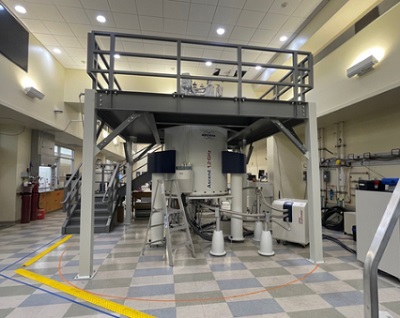
Bruker Corporation, the leading provider of nuclear magnetic resonance (NMR) spectroscopy solutions for life and materials research announced the successful installation of a 1.2 Gigahertz (GHz) NMR system at the National Gateway Ultrahigh Field NMR Center at The Ohio State University.

Ultra-high field NMR is complementary to other structural biology technologies in that NMR can measure functional molecular dynamics and structural rearrangements for functionalstructural biology. Key areas of NMR applications include organic chemistry, macromolecular structure determination, drug-target binding, protein-protein or protein-RNA interactions – all at close to native conditions and in solution, or even in situin cell membranes. NMR also has unique capabilities to elucidate ‘hidden’, short-lived protein transition states from healthy to disease biology, e.g., in active enzymes or in the onset of protein aggregation in neurodegenerative diseases. Finally, many key proteins in cell biology, e.g., transcription factors, or proteins implicated in cancer, infectious disease or neurodegeneration are intrinsically disordered, or partially disordered, and GHz-class NMR enables pivotal research of functional molecular disorder in many areas of pathobiology.

The U.S. National Science Foundation (NSF) has played a crucial role in funding the 1.2 GHz NMR instrument at The Ohio State University. Dr. Robert Fleischmann, who is the NSF program officer of the grant that funded the 1.2 GHz NMR instrument (NSF Award 1935913), considers this instrument an important advancement of the scientific infrastructure in the United States: “Supported by one of the first awards made by NSF’s Directorate for Biological Sciences as part of the agency’s Midscale Research Infrastructure program, the 1.2 GHz NMR will fulfill a national need and enable U.S. researchers to be competitive in a global research environment and advance the U.S. bioeconomy. It’s a prime example of the type of infrastructure the program was designed to support – the critical tools and technology that fall between major research instrumentation and large facilities.”

The 1.2 GHz AVANCE® NMR spectrometer is a state-of-the-art instrument that enables high-resolution liquid and solid-state NMR experiments. It will be used by researchers at Ohio State and across the U.S. to study advanced materials, e.g., for batteries, and the structure and dynamics of biological molecules, with the goal of advancing the understanding of the underlying mechanisms of diseases, such as cancer, cardiovascular disease, viral infections, or Alzheimer’s disease.

Dr. Rafael Brüschweiler, a professor of chemistry and biochemistry at The Ohio State University, and PI of the National Gateway Ultrahigh Field NMR Center, is a leading expert in NMR. His cross-disciplinary research has been instrumental in the development of new techniques to understand the role of protein dynamics and interactions, as well as to analyze complex biological mixtures in metabolomics.

Professor Brüschweiler stated: “The installation of the 1.2 GHz NMR instrument gives us the capability to explore the structure and dynamics of biological molecules at an unprecedented level of detail. This breakthrough will enable significant advances in our understanding of how these molecules function, ultimately leading to the development of new treatments for diseases. We are excited about the possibilities that lie ahead and look forward to the discoveries that this new technology will facilitate.”

Dr. Falko Busse, President of Bruker BioSpin, described the installation of the OSU 1.2 GHz NMR as a milestone: “We are honored to work with The Ohio State University to bring this groundbreaking technology to the United States. GHz-class NMR represents a leap forward in the ability to study the structure and function of biological molecules. We look forward to the scientific impact that GHz-class NMR will have on cutting-edge life science and materials research at OSU and in the US.”

The Ohio State University has the first 1.2 GHz NMR in the United States, a milestone in advancing US life science and materials research infrastructure, with leadership and funding by the National Science Foundation. In Europe, eight 1.2 GHz NMRs are installed, with four more on order, while in Asia-Pacific the Korea Basic Science Institute (KBSI) has taken the lead with a 1.2 GHz on order, while Riken in Japan already has the first single-story 1.0 GHz NMR installed.

NSF has also funded two 1.1 GHz NMRs, with a solid-state research system recently installed at the University of Wisconsin-Madison (www.wisc.edu), and a liquids research system on order for the Complex Carbohydrate Research Center (www.ccrc.uga.edu) at the University of Georgia. Together with the 1.1 GHz at St. Jude’s Children’s Research Hospital (www.stjude.org), these ultra-high field instruments can enable significant advancements in US scientific research.

Finally, with high interest recently also in compact, single-story 4 Kelvin 1.0 GHz NMRs, there are now nine 1.0 GHz systems installed at customer sites, with six in Europe, and one 1.0 GHz system each in Israel, Canada and Japan (including earlier two-story 2 Kelvin magnets).

Prior Authorization Turnaround For Insurers Finalized By CMS

Federally regulated health insurers, such as the one in Medicare Advantage plans, will have to turn around the prior authorization decisions much more quickly as per a rule that has been finalized by the CMS on January 17.

It is well to be noted that starting in 2026, health insurers will have to either approve or deny an immediate prior authorization request within 72 hours. For standard as well as non-urgent requests, payers will have 7 calendar days in order to respond. These deadlines go on to cut the current timeframes for some payers so as to issue decisions in half, regulators said.

Payers will also have to offer a valid reason for denying the prior authorization request, which should go on to help doctors resubmit or even appeal the request if needed, the CMS remarked. The rule, which was first proposed in December 2022, happens to have the support from payers as well as providers and is most likely going to create almost $15 billion in savings in the next decade.

Prior authorization happens to be a process wherein a doctor has to get prior approval from the patient’s health insurer before offering a medical service such as prescribing a drug or performing surgeries.

Payers go on to argue that prior authorization happens to be a necessary evil so as to curb nonessential healthcare expenditures. But doctors as well as patients opine that the process adds to the physician burnout by elevating the paperwork, while leaving the patients in a catch-22 situation as they go on to wait for an unknown bureaucrat to give a final nod to their care plan.

It is well to be noted that recent cases of patients facing serious health outcomes and even death due to prior authorization delays have elevated the pressure on health insurance companies so as to roll back the policies. Due to this, and in anticipation of the rulemaking, many major payers have walked back the needs, such as UnitedHealthcare as well as CVS-owned Aetna, although the physicians argue more reform happens to be required.

The CMS said that the recent final rule does not restrict payers’ usage of prior authorization; however, the shorter timeline so as to turn the decisions around and the need to include the rationale in their decisions can as well streamline the entire process.

In addition to the timeframe changes, the 822-page rule needs the payers to post certain authorization metrics on their websites in advance, such as which services need prior authorizations, the number of denials as well as approvals, and advance authorization denials overturned after the appeal is made.

Notably, the payers will also have to execute a standardized application programming interface- API for advance authorization by January 2027. APIs happen to be sets of rules that let varied computer programs to communicate with one another.

It is well to be noted that setting a standardized API will go on to enable the providers as well as payers to automate the end-to-end advanced authorization process, the CMS opined.

Payers as well as providers came out against the government’s rule to set that standard, called HL7 FHIR, in the last summer, thereby debating whether it would conflict with another data exchange standard named X12. In response to the concerns raised, the HHS said it would not enforce the X12 standard for organizations that happen to comply with the recent prior authorization rule.

But the regulators will go on to continue to evaluate advanced authorization standards for future rulemaking, said the HHS. Along with an API for prior authorization, payers will also be needed to expand their API when it comes to patient access so as to include information pertaining to prior authorizations and also create an API for provider access that can be made use to retrieve patients’ claims, encounters, and clinical data along with the prior authorization data.

Apparently, if in case, a patient moves between payers or happens to be covered by more than one, insurers will have to exchange the data with one another by way of using a payer-to-payer API.

The CMS initially required payers to transfer the patient data to one another at a patient’s request within the information blocking rules that were finalized in 2020, with the idea of creating a longitudinal health record that could go on to follow patients in a healthcare system, in spite of the coverage changes.

But the regulators said in 2021 that they would not put forth the policy after payers happened to raise concerns in terms of operational challenges and risks to the quality of data, given a dearth of specificity within the rule.

The January 17 rule goes on to apply to MA plans, Medicaid and CHIP managed care plans, state Medicaid and Children’s Health Insurance Program agencies, and plans on the Affordable Care Act exchanges. In the case of MA plans, the alterations come in addition to the April final rule, which was meant to stop them from enacting more strict prior authorization processes than what has been allowed in the Medicare’s coverage requirements.

It is well to be noted that the regulators have zeroed in on using management reform in MA especially after a prior authorization rule that was proposed at the time of the Trump administration controversially left out the plans.

Interestingly, an HHS Office of Inspector General report went on to find that some MA plans consistently do not take the prior authorization requests, even the ones that should have been given the nod under Medicare. Apparently, a 2018 audit by the OIG inferred that MA plans, following an appeal, went on to finally approve 75% of the requests that were initially denied.

Navigating the Future of Aesthetic Healthcare

As you traverse the ever-evolving landscape of aesthetic healthcare, you’re likely noticing a number of significant shifts. Advancements in technology are not only changing the procedures available, but they’re also altering the entire patient journey.

You’re seeing a shift towards minimally invasive procedures, a surge in personalized treatments, and a stronger emphasis on mental health implications. But with these advancements come complex legal and ethical considerations, and you’re left grappling with questions of accessibility and equality.

And as you stand at this crossroads, you can’t help but wonder: What does the future hold for aesthetic healthcare?

Understanding Aesthetic Healthcare

To fully grasp the future of aesthetic healthcare, you must first understand its fundamental principles and the role it plays in modern medicine. Aesthetic healthcare, or cosmetic medicine, isn’t just about vanity. It’s a specialized field that focuses on improving physical appearance and satisfaction through medical techniques. It’s about enhancing a person’s quality of life by improving their self-esteem and confidence.

Aesthetic healthcare covers a wide spectrum of treatments, from non-invasive procedures like Botox and fillers, to surgical procedures such as liposuction and breast augmentation. You’ll find that it’s not just the rich and famous who avail of these services. There’s a growing demand among the general public who see aesthetic healthcare as a way to feel better about themselves.

You need to realize that it’s not a superficial field. It’s rooted in deep medical knowledge, technological innovation, and a keen understanding of human psychology. It’s about a holistic approach to health and well-being. In understanding its core, you’ll be able to appreciate the future developments of aesthetic healthcare and the potential it holds for better patient care.

The Role of Technology

Building on this foundation of aesthetic healthcare, let’s consider the indispensable role that technological advancements play in shaping its future. You’ll find that technology isn’t just a factor but a driving force behind the evolution of aesthetic healthcare. It’s been instrumental in expanding the scope of treatments, enhancing their efficacy, and improving patient experiences.

Take the rise of non-invasive procedures for instance. Unthinkable a few decades ago, they’ve become the norm today, thanks to technologies like laser, radiofrequency, and ultrasound. They’ve not only made treatments less risky and more comfortable but also reduced recovery times significantly.

Moreover, the advent of AI and machine learning is revolutionizing patient assessment and treatment planning. They’re enabling personalized treatments based on individual body composition and aesthetic preferences. And let’s not forget telemedicine, which is making aesthetic healthcare more accessible and convenient.

Patient Perspective Shifts

As we delve into the shift in patient perspectives, it’s critical to understand that today’s consumers are far more informed and proactive in their aesthetic health decisions than ever before. They’re not just passive recipients of care but active participants, researching procedures, comparing providers, and advocating for their needs.

This shift is largely driven by the explosion of digital health information. You’re no longer the sole source of knowledge; your patients often come to you well-versed in potential treatments, costs, and risks. They’re also increasingly aware of the importance of holistic, personalized care and they’re demanding it.

Moreover, the rise of patient review platforms has fueled transparency in aesthetic healthcare, empowering patients to share their experiences and outcomes. This hasn’t only heightened competition but also raised expectations for patient-centered care.

In response, you need to adapt your practice to meet these evolving demands. Prioritize patient education, encourage active involvement in decision-making, and focus on delivering personalized, high-quality care.

Innovative Treatment Options

Innovative treatment options are reshaping the landscape of aesthetic healthcare, offering you a broad array of advanced, less invasive procedures to better meet your patients’ unique needs and preferences. The advent of technologies such as Aestheticon advanced Plastic Surgery & Aesthetic Treatments clinic, laser therapy, radiofrequency devices, and biologics are enabling physicians to achieve remarkable results with fewer side effects and downtime.

Laser technology, now more precise and versatile, offers treatments for various skin conditions, including aging, scarring, and pigmentation issues. You’re achieving comparable, sometimes superior, results to traditional surgical methods, but with less pain and recovery time for your patients.

Radiofrequency devices have evolved too. They’ve become a go-to solution for body contouring and skin tightening procedures. This method’s versatility is a game-changer, offering effective treatment for a variety of patient concerns.

Lastly, biologics are revolutionizing aesthetic care. By leveraging the body’s intrinsic healing abilities, treatments like platelet-rich plasma therapy are delivering promising results. They’re showing potential in areas like hair restoration, skin rejuvenation, and more.

Legal and Ethical Considerations

While advancements in aesthetic healthcare are undoubtedly transformative, they also bring a myriad of legal and ethical considerations you’ll need to navigate.

  1. Patient Consent: You must ensure patients fully understand the procedures they’re undertaking. This includes potential risks, benefits, and alternatives. This informed consent isn’t just an ethical obligation but a legal requirement.
  2. Data Privacy: With the increased use of advanced tech in aesthetics, data breaches could have devastating consequences. You’re responsible for protecting patient information, complying with laws such as GDPR.
  3. Professional Boundaries: You must maintain professional, respectful relationships with patients. Crossing these boundaries can lead to legal ramifications and harm your reputation.
  4. Conflict of Interest: Instances where personal interests may compromise patient care should be avoided. Transparency is crucial in these situations to uphold trust and integrity.

These considerations aren’t just boxes to tick, they’re fundamental to your profession. Navigating them is critical in delivering patient-centered care that respects rights and maintains trust. They also protect you and your practice from legal issues.

In the evolving landscape of aesthetic healthcare, it’s essential to stay informed and proactive in addressing these legal and ethical considerations.

Impact on Mental Health

Delving into the realm of mental health, it’s crucial to acknowledge the profound impact aesthetic healthcare can have on a patient’s psychological wellbeing. Procedures aimed at altering one’s physical appearance don’t merely change the exterior; they often transform the way patients perceive themselves, shaping their self-esteem and body image.

Yet, it’s not always a positive transformation. While many report enhanced confidence post-procedure, others may grapple with unmet expectations, leading to increased anxiety and depression. Hence, the psychological impact varies and is often predicated on pre-existing mental health conditions, personal resilience, and the quality of post-operative care.

As a professional in the field, you’re in a position to positively influence these outcomes. By fostering an open conversation about expectations and potential risks, you can mitigate negative psychological effects. Additionally, integrating mental health screenings and follow-ups into your practice can help identify those at risk of adverse reactions.

The future of aesthetic healthcare isn’t solely about physical changes; it’s equally about acknowledging and addressing the mental health concerns that inherently accompany this journey. Your role is pivotal in ensuring that aesthetic healthcare evolves in a way that enhances both physical and psychological wellbeing.

Bridging the Accessibility Gap

Bridging the accessibility gap in aesthetic healthcare is a pressing concern that you, as a professional, can’t overlook. It’s essential to ensure that everyone can access and benefit from the advancements in this field.

To bridge this gap, consider these four critical steps:

  1. Promote Awareness: Many people aren’t aware of the aesthetic healthcare options available to them. You need to educate your audience about the latest treatments, their benefits, and how they can access them.
  2. Affordability: High costs often deter people from seeking aesthetic healthcare. You can address this through flexible payment options, partnerships with insurance companies, or offering tiered pricing.
  3. Inclusivity: Aesthetic healthcare shouldn’t be exclusive to a certain age, gender, or social class. Make your services accessible to everyone, regardless of their background or circumstances.
  4. Digital Accessibility: Telemedicine is transforming healthcare delivery. Leverage digital platforms to reach a broader audience and offer virtual consultations.

Looking Towards the Future

As you gaze into the future of aesthetic healthcare, it’s crucial to anticipate emerging trends and technologies, and understand how they could redefine the landscape of this specialty. Consider the rapid advent of AI and machine learning, which are poised to revolutionize the way aesthetic procedures are planned and executed.

These technologies can potentially offer predictive models for outcomes, allowing practitioners to provide more accurate consultations and expectations. They’re also predicted to improve patient selection, ensuring the right procedure for the right person, significantly enhancing client satisfaction and treatment efficacy.

Moreover, you should keep an eye on the increasing demand for non-invasive procedures. This trend is being driven by a market that’s increasingly valuing safety, convenience, and minimal downtime. Treatments like laser therapy, injectables, and radiofrequency devices are likely to dominate the future of aesthetic healthcare.


The Role Of Advanced Optical Technology In Modern Healthcare

Modern healthcare relies greatly on technological advancements to improve diagnostic and treatment capabilities. One that stands out is optical technology – it has transformed how healthcare is delivered, from revolutionizing imaging techniques to enabling precise interventions.

In this article, we’ll look at how modern optical technology helps shape modern healthcare. Let’s look at its role in diagnostics, treatment, and overall patient care. 

The Advancement Of Microscopes And Optical Technology 

Optical technology has come a long way from the simple lenses and mirrors of the past. Today, it includes all sorts of excellent tools and techniques that use light to gather info and peek into the complicated but fantastic world of biology. 

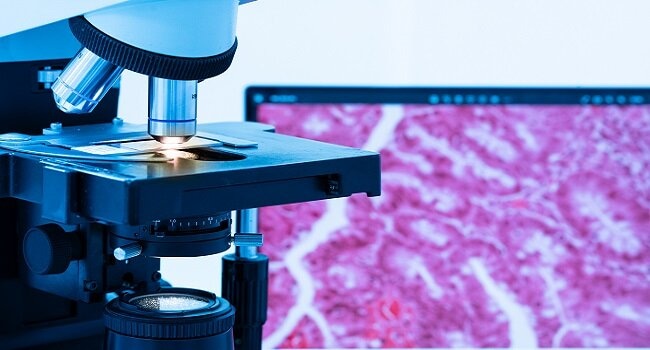
Enter microscopes – the rockstars of healthcare. Modern microscopes are changing the game in diagnostics, research, and medical breakthroughs. Scientists uncover tiny details that help us understand diseases better with these instruments. 

Many medical breakthroughs, like finding new drugs and understanding diseases, all began with microscopic observations. Microscopes also play a key role in teaching future doctors about the human body’s complexities at the tiny cellular and subcellular levels. 

As new technology emerges every day, modern microscopes keep getting more advanced, offering better imaging capabilities that help doctors do their thing – better diagnostics, more innovative treatments, and a deeper understanding of how our bodies work. 

How Optical Technology Drives Modern Healthcare 

In the ongoing tech revolution in healthcare, optical technology is one of those at the forefront of science and medical progress. Here’s how it gives healthcare a boost: 

  • Improved Precision In Diagnosis 

One of the primary contributions of advanced optical technology to healthcare is its role in diagnostic precision. High-resolution imaging techniques, such as confocal microscopy and optical coherence tomography, make this possible. These techniques provide healthcare professionals with detailed views of tissues and cells. These also help detect abnormalities early and assist in diagnosing conditions ranging from cancers to neurological disorders. 

The point source microscope, for example, is a tool that offers high magnification and resolution. With the help of a focused point source of light, this microscope allows for detailed examination at the cellular and even molecular levels. This level of precision is crucial for accurate and timely diagnosis, paving the way for prompt initiation of treatment plans. 

  • Better Surgical Precision 

Optical technology has also revolutionized surgical procedures. Minimally invasive surgeries, such as laparoscopy and endoscopy, rely on advanced optical instruments to visualize and navigate inside the body with precision. Using fiber-optic imaging systems and high-definition cameras enhances the surgeon’s ability to perform intricate procedures through small incisions, reducing recovery times and minimizing patient discomfort. 

Furthermore, advancements in laser technology have led the way for laser-assisted surgeries. Lasers can be precisely controlled to cut or coagulate tissues, making them helpful tools in eye surgeries and dermatological procedures.

Using optical technologies in surgery improves precision and expands the range of procedures that can be performed with reduced invasiveness.  

  • Enhanced Monitoring And Imaging In Real-Time 

Real-time monitoring is a critical aspect of patient care, especially in high-stakes situations such as surgeries or intensive care settings. With advanced optical technology, continuous monitoring and imaging is possible, providing healthcare professionals with immediate feedback on a patient’s condition. 

In daily patient care, portable optical devices allow rapid analysis of biological samples, which helps in quick decision-making at the bedside. These come in handy for resource-limited situations where access to centralized laboratories is challenging. 

In vivo imaging, made possible by advanced optical techniques, provides real-time insights into physiological processes. Fluorescence imaging, for instance, allows researchers and clinicians to track specific molecules or cells within living organisms. This capability is important for studying disease progression, evaluating treatment efficacy, and developing personalized therapeutic strategies. 

Challenges And Future Prospects 

While advanced optical technology has undeniably transformed healthcare, not everything is a walk in the park. The high cost of some cutting-edge optical instruments may limit accessibility, especially for healthcare institutions in developing regions. However, ongoing research aims to help address limitations and studies on how to make things more accessible. 

Looking ahead, mixing artificial intelligence (AI) with optical tech sounds promising. Imagine AI helping doctors analyze images better, catching tricky patterns our eyes might miss. It’s like the future of smart diagnostics and custom treatment plans. 

Final Thoughts 

Advanced optical technology has become a cornerstone of modern healthcare, influencing diagnostics, surgical interventions, and real-time monitoring. The point source microscope, among other optical instruments, exemplifies the precision and depth of insight that can be achieved at the microscopic level.

As technology keeps rolling, the teamwork between optical tech and other cool innovations promises to change the healthcare game – making it more effective and personalized for everyone.

Building A Personal Emergency Preparedness Plan

An emergency is any unexpected event that poses a risk to your safety and well-being. It could be a natural disaster like a hurricane, a power outage, or even a health crisis. These events often come without warning, leaving little time to respond. That’s why understanding what an emergency is becomes crucial.

Being prepared equips you with the knowledge and tools to handle unforeseen situations effectively. In emergencies, every second counts. Preparedness can reduce panic, mitigate risks, and can even be life-saving. It’s about having a plan, knowing what to do, and having the resources ready. This preparation turns fear into confidence and chaos into order. Explore below what it takes to be truly prepared.

1. Assessing Personal And Family Needs

Assessing your personal and family needs is a vital step in emergency preparedness. Start by evaluating the unique needs of each family member. Consider age, medical conditions, and daily medications. This assessment ensures everyone’s specific needs are addressed in your plan.

For families with special needs members, extra attention is key. Tailor your plan to include necessary medical equipment, accessible evacuation routes, and effective communication methods. Don’t forget your pets. They need a plan too. Ensure you have pet food, carriers, and their medical records.

Children require special consideration as well. Teach them about emergencies in a way that’s easy to understand. Include comforting items like toys in your emergency kit. This thoughtful planning ensures everyone, regardless of age or ability, is safe and accounted for during an emergency.

2. Insurance

In your emergency preparedness plan, don’t overlook the role of insurance. It’s a critical component in safeguarding your financial stability during and after emergencies. Key to this is personal accident insurance. This specific insurance covers expenses resulting from accidents that lead to injury or death.

Personal accident insurance offers a safety net. It helps manage costs from unforeseen injuries, ensuring financial burdens don’t add to your stress during crises. Along with this, review your home and health insurance policies. Ensure they cover risks relevant to your area, like natural disasters or health emergencies.

Regularly updating your insurance policies is as important as maintaining your emergency kit. Life changes, and so do your insurance needs. Doing so protects your future against the unpredictable.

3. Creating An Emergency Communication Plan

An effective emergency communication plan is your lifeline during crises. Start by identifying a family contact outside your immediate area. This person can help relay messages if local lines are overloaded. Next, establish a family meeting place in case you can’t return home. Choose one location nearby and another further away.

Ensure everyone knows these locations and the contact person’s details. Teach all family members how to send text messages. Texts can often get through even when calls can’t. Also, agree on a safe word or phrase to convey your status discreetly.

Stay informed during emergencies by having a battery-powered or hand-crank radio. Subscribe to local alert services for real-time updates. This proactive approach keeps you connected and informed, making a significant difference in an emergency.

4. Building An Emergency Kit: Essentials And Beyond

A well-stocked emergency kit is a cornerstone of preparedness. At its core, your kit should include water (one gallon per person per day for at least three days), non-perishable food for three days, a flashlight with extra batteries, a first aid kit, and a whistle to signal for help. Don’t forget personal hygiene items, face masks, and hand sanitizer.

Beyond the essentials, tailor your kit to your specific needs. If you have prescription or over-the-counter medications, include a week’s supply. For those in regions prone to natural disasters, like earthquakes or hurricanes, add appropriate items. This could be a wrench to turn off utilities or a fire extinguisher.

Remember, your emergency kit is not static. Regularly check and update it. This ensures you’re always prepared, no matter what the situation.

5. Home And Personal Safety Strategies

Securing your home against emergencies is a proactive step towards safety. Start by reinforcing your home’s structure. Secure heavy furniture and appliances to walls to prevent tipping during earthquakes. Check smoke and carbon monoxide detectors regularly to ensure they’re functioning. Know how to turn off your home’s utilities, like gas and water, to prevent additional hazards.

For personal safety, educate yourself on basic first aid and CPR. This knowledge can be crucial in a crisis. In fire emergencies, practice escape routes with your family. If you live in areas prone to natural disasters, understand and prepare for the specific risks associated with them.

Remember, your safety plan should be dynamic, adapting to changing circumstances and needs. Regular drills and discussions with your family can keep everyone aware and prepared.

6. Emergency Skills And Training

Acquiring basic first aid and emergency response skills is crucial. These skills empower you to respond effectively in critical situations. Knowing how to perform CPR, treat wounds, or handle a choking incident can save lives.

Numerous resources are available for acquiring these skills. Community centers often offer first aid and CPR classes. The American Red Cross and other similar organizations provide training sessions, both in-person and online. Local fire departments sometimes host emergency response workshops.

Investing time in this training is invaluable. It prepares you for emergencies at home and in public spaces. Equipped with these skills, you become an asset to your community in times of crisis. In emergencies, your knowledge can make all the difference.

Conclusion

Building a personal emergency preparedness plan through these steps helps you prepare for the unforeseen. Review and apply them to your situation. Remember, preparedness is a continuous process. Join community preparedness programs to stay engaged and informed. These programs offer valuable resources and can connect you with others who share your commitment to safety.

Additionally, subscribe to emergency alert services. They provide timely information during crises. This proactive approach ensures your well-being and empowers you to help others in times of need.

Latest Advances In Podiatric Surgery: What To Know

Podiatric surgery is a special procedure that can fix various foot problems—from stubborn bunions and ingrown toenails to severe pain and mobility issues. While the thought of going under the knife may scare most people, newer technologies are making foot and ankle surgeries safer and more effective, making it a viable option for anyone dealing with foot injuries or chronic pain.

What’s New In Podiatric Surgery?

Technology is making giant leaps in the world of podiatric surgery. Each innovation significantly impacts how surgeons understand how your foot works and tailor treatment plans to your needs.

  • Minimally Invasive Surgery: Little Cuts, Big Differences

Traditional foot surgery often involves making larger cuts on the skin. While tried and tested, this usually leads to more postoperative pain, a longer healing process, and a higher risk of infection and other complications. 

Enter minimally invasive surgery or MIS where surgeons make tiny yet precise incisions with specialized tools.  Clinics like foot doctor Perth are adopting these advanced techniques to treat common foot issues like bunions, hammertoes, and heel spurs. 

Minimally invasive foot and ankle surgeries are becoming a go-to for many patients and surgeons alike, as they offer a faster, simpler, and less painful route to recovery. Plus, minor scars mean your feet won’t just feel better; they’ll also look better in less time!

3D Printing And Custom Implants: Tailor Made For You

Surgeons use foot implants to replace or support damaged structures like bones or joints. They’re essential to dealing with various conditions—from arthritis to severe injuries. 

A personalized foot implant is a huge deal because it integrates better with the body when it fits perfectly. There’s a lower chance that your body will resist the implant and a bigger possibility of restoring your foot’s overall structure and function. 

Precision At Its Peak: Laser Surgery

Lasers allow podiatric surgeons to treat soft tissues and bone lesions without harming healthy tissue nearby. 

Lasers also aids in wound healing. It can promote tissue regeneration and increase blood flow to the affected area for accelerated healing. This is crucial in preventing serious complications like infections or even amputations.

Additionally, if you’re concerned about your foot’s appearance after surgery, lasers can also help reduce scars and improve your foot’s appearance.

Harnessing The Body’s Power: Regenerative Medicine In Podiatry 

Regenerative medicine works by harnessing the body’s natural healing processes to repair and regenerate damaged tissues in the foot and ankle. 

With stem cell therapy, stem cells are harvested from the patient’s body and then introduced to damaged areas in the foot or ankle. Stem cells then transform into bone, cartilage, or muscle cells, helping to repair damaged tissues or heal bones after fractures or surgeries.

In Platelet-Rich Plasma (PRP) injections, platelets are used to reduce inflammation and accelerate the healing process for different foot and ankle conditions, including Achilles tendonitis, plantar fasciitis, and other soft tissue injuries. 

These less-invasive techniques can accelerate the body’s healing process. They can reduce pain and inflammation and enhance the overall healing experience. 

A Clearer View: Advanced Imaging Techniques 

Advanced imaging techniques offer a clearer, more detailed view of the foot and ankle’s complex structures, allowing for more accurate diagnoses and tailored surgical interventions.

Weight-bearing CT scans allow foot and ankle imaging while a patient is standing. This is crucial because it shows how the bones and joints align under pressure, often when pain and issues occur. Such insight is invaluable in planning surgeries for conditions like flatfoot or high arches.

MRI has always been a go-to for soft tissue imaging. However, advanced MRI offers even more detailed views of soft tissues like ligaments, tendons, and muscles. 

Ultrasound imaging provides real-time visualization of soft tissue structures. It’s not only used as a diagnostic tool but also as a guide for injections or minimally invasive procedures. 

Stepping Into The Future: Virtual Reality 

Virtual reality offers benefits to both podiatry surgeons and patients. VR provides an immersive environment where surgeons can practice complex surgical procedures without risk to patients. They can even perform the same procedure multiple times in a controlled virtual environment. Such repetition is crucial for developing muscle memory and decision-making skills required in real-life surgeries.

Virtual reality also plays a role in patient education. By showing patients a VR simulation of their upcoming surgery, doctors can explain the process and help reduce pre-surgery anxiety for patients. A virtual walk-through demystifies the process and helps patients feel more comfortable and prepared. 

AI In Podiatry Surgery: A Smart Step

Artificial intelligence (AI) is like having a tech assistant that brings precision and insight. AI analyzes complex medical data and images, helping surgeons accurately diagnose foot and ankle conditions. 

Beyond diagnosis, AI also aids in surgical planning, predicting outcomes based on historical data, and streamlining clinic administrative tasks, making the process more efficient and patient-focused. 

Robotics: Precision And Control 

Robotics in podiatric surgery is like bringing a high-tech, steady hand to the operating room. These robotic systems translate a surgeon’s movements into smaller, more precise actions, which can be crucial in intricate procedures.

This allows for more accurate surgery and minimizes tissue damage, leading to less postoperative pain and quicker recovery times for patients. Plus, using robotics often results in smaller incisions, which means less scarring and a faster return to normal activities.

Biomechanical Analysis: Understanding Movement For Better Outcomes

Biomechanical analysis in podiatric surgery is all about understanding how your feet and ankles move. By analyzing how you walk and your foot structure, surgeons can pinpoint precisely what’s causing your foot problems. 

This information is crucial for planning surgeries that fix current issues and prevent future ones. It’s like a roadmap of your foot’s mechanics, guiding surgeons to make the best surgical decisions for long-term foot health and mobility.

Embracing The Future Of Podiatric Surgery

In summary, the landscape of podiatric surgery is undergoing a remarkable transformation, propelled by groundbreaking advancements in technology and technique. All these advancements not only enhance the surgical experience but also promise better outcomes, quicker recoveries, and a brighter future for those facing foot and ankle challenges. 

Translate »