









Close
Digital Health & Ai Innovation summit 2026
LiGHT26

7 Crucial Steps to Follow for Better Dental Hygiene

A captivating smile not only enhances one’s aesthetic appeal but serves as a mirror reflecting overall health. The significance of maintaining optimal dental hygiene goes beyond mere cosmetic concerns; it intricately intertwines with our holistic well-being. Neglecting dental care can lead to a cascade of issues, ranging from common cavities to more severe conditions impacting our oral and systemic health. In this comprehensive exploration, we will unravel seven indispensable steps to achieve and sustain top-tier dental hygiene. These practical and easily incorporable measures are designed to make a substantial difference in your oral health, ensuring that your radiant grin is not only a testament to good looks but a reflection of a robust and well-maintained well-being.

Mastering the Art of Brushing for Maximum Impact

The cornerstone of any effective dental hygiene routine is, of course, brushing. However, the technique employed during brushing is just as vital as the frequency. Opt for a soft-bristled toothbrush to prevent damage to your enamel and gums. Hold the toothbrush at a 45-degree angle against your gum line and use gentle circular motions. Ensure that you dedicate a full two minutes to this ritual, covering all tooth surfaces and paying attention to your tongue. This not only fights cavities but also contributes to a lasting feeling of freshness and an overall healthier mouth.

Flossing – A Small Act with Big Benefits

Despite the diligence in brushing, many overlook the importance of flossing. Flossing is the unsung hero in the battle against plaque and debris, especially in those hard-to-reach areas between your teeth and along the gum line. Neglecting this simple act can pave the way for gum disease, a silent adversary that can wreak havoc on your oral health. By incorporating flossing into your routine, you not only prevent gum disease but also contribute to a more comprehensive and effective oral care regimen.

Choosing the Right Toothpaste and Mouthwash

The toothpaste and mouthwash you choose can significantly impact your dental hygiene. Opt for toothpaste with fluoride, a mineral that strengthens enamel and helps prevent tooth decay. Consider your specific dental needs, such as sensitivity or gum health, when selecting a toothpaste. Mouthwash, while not a substitute for brushing and flossing, can be a valuable addition to your routine. Choose an antiseptic or fluoride mouthwash to help fight bacteria, freshen breath, and provide an extra layer of protection against cavities.

The Role of a Balanced Diet in Dental Health

What you eat directly influences your oral health. A balanced diet rich in fruits, vegetables, whole grains, and lean proteins provides essential nutrients that support healthy teeth and gums. Calcium and phosphorus, found in dairy products and certain nuts, are particularly crucial for maintaining strong enamel. On the flip side, limit your intake of sugary and acidic foods, as these can contribute to tooth decay and erosion. Hydration is also key; water helps wash away food particles and keeps your mouth moist, preventing dry mouth and reducing the risk of cavities.

Regular Dental Check-ups for Preventive Care

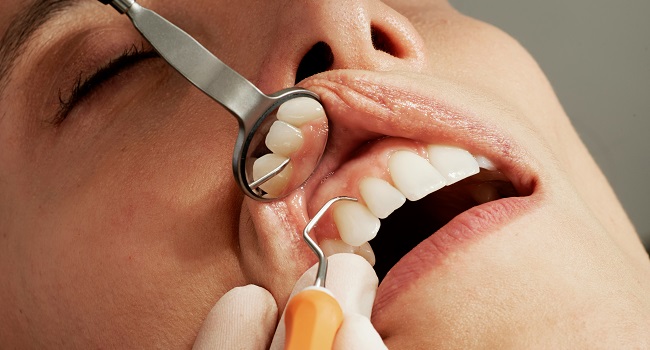
While your daily routine lays the foundation for good dental hygiene, regular check-ups with your dentist are paramount for preventive care. Professional cleaning removes plaque and tartar buildup that even the most meticulous brushing and flossing might miss. Additionally, these visits allow your dentist to identify potential issues early on, as explained by the team from Smileworks dentistry, preventing them from escalating into more significant problems. Aim for biannual dental check-ups to keep your oral health on track.

Kick the Tobacco Habit for Healthier Gums and Teeth

In the pursuit of optimal dental hygiene, one cannot overstate the significance of breaking free from the shackles of tobacco. The consequences of tobacco use extend far beyond the cosmetic realm of stained teeth and bad breath. Smoking or chewing tobacco not only compromises the aesthetics of your smile but also inflicts serious harm on the health of your gums and teeth. Beyond the evident discoloration, tobacco interferes with blood flow to the gums, impeding the body’s natural ability to combat infections and slowing down the healing process. This compromised immune response renders tobacco users more susceptible to gum diseases, which, if unchecked, can lead to irreversible tooth loss. Moreover, the chemical concoction in tobacco products contributes to the accumulation of plaque and tartar, elevating the risk of cavities and other dental maladies. While breaking free from the clutches of tobacco is undoubtedly a formidable challenge, the immense benefits it brings to your gums, teeth, and overall health position it as an essential step in achieving and maintaining optimal dental hygiene.

Embrace Stress Management for Oral Well-Being

The interconnected relationship between stress and oral health is often underestimated. Chronic stress can manifest in various ways, one of which is its impact on oral hygiene. Stress-induced habits like teeth grinding or clenching can lead to significant dental issues, including enamel erosion and jaw pain. Moreover, heightened stress levels may compromise the immune system, making the gums more susceptible to infections and inflammation. Therefore, incorporating stress management techniques, whether through meditation, exercise, or other relaxation methods, becomes an integral part of fostering comprehensive dental well-being. By addressing stress, individuals not only enhance their mental health but also contribute to the longevity and vitality of their smiles.
In conclusion, the path to optimal dental hygiene is paved with practical and achievable steps that go beyond the surface of a radiant smile. Mastering the art of brushing, embracing the often overlooked act of flossing, selecting the right toothpaste and mouthwash, and adopting a balanced diet are fundamental pillars of a robust oral care routine. Regular dental check-ups provide a professional touch to preventive care, ensuring that potential issues are nipped in the bud. However, perhaps the most crucial steps in this journey are the seventh and eighth onesโ€”kicking the tobacco habit and embracing stress management. By doing so, individuals not only enhance the aesthetics of their smiles but also fortify their gums and teeth against the detrimental effects of tobacco-related damage and stress-induced oral health issues. The amalgamation of these steps establishes a comprehensive approach to dental hygiene, where each element plays a crucial role in safeguarding not just your smile but your overall well-being. So, embark on this journey towards optimal dental health, and let your smile radiate not only beauty but the profound glow of a healthy life.
The Future of Dental Care: 5 Upcoming Trends in 2024

In the dynamic landscape of dental care, 2024 brings forth five transformative trends poised to redefine the patient experience and the practice of dentistry. From cutting-edge technology and personalised treatment plans to the rise of tele-dentistry, the impact of biocompatible materials, and the seamless integration of artificial intelligence, the field is undergoing a profound metamorphosis. This article explores these key trends, presenting a narrative of innovation, precision, and accessibility that signals a new era in oral health.

Technological Advancements in Dentistry:

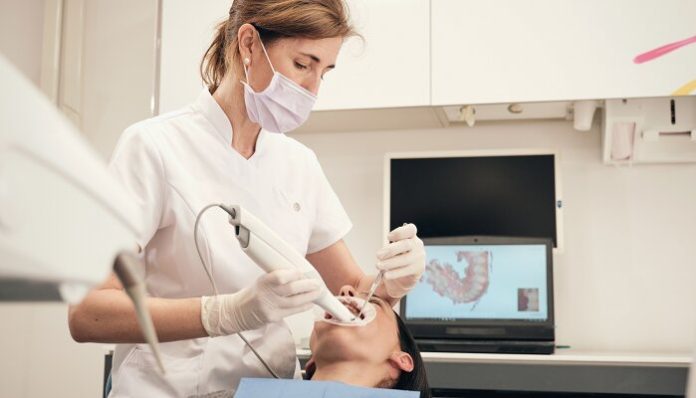
Recent breakthroughs in dental technology, such as digital radiography and 3D printing, are transforming diagnostics and treatment. Digital radiography provides clearer images with reduced radiation, enabling quick identification of issues. 3D printing allows for precise, custom dental prosthetics, enhancing aesthetic outcomes and decreasing turnaround time. To explore these advancements further, visit hillsdentalcentre.com.au, a leading provider of cutting-edge dental solutions.

Personalised Treatment Plans:

Generic, one-size-fits-all dental procedures are giving way to personalised treatment plans. Dentists now tailor their approaches to each patient, factoring in unique oral health needs, goals, and preferences. This shift ensures more effective and efficient treatments, ultimately promoting long-term oral health.

Tele-dentistry: Revolutionising Remote Dental Care:

The rise of tele-dentistry, leveraging video conferences and digital imaging, is reshaping how dental care is delivered. Overcoming geographical barriers, it enables remote consultations and treatments, proving especially valuable in remote areas. Its accessibility has proven crucial during public health crises, reducing the need for in-person visits.

Biocompatible Materials: Transforming Dentistry:

Biocompatible materials are revolutionising dentistry by interacting harmoniously with the oral environment. These materials reduce the risk of adverse reactions, promoting better oral health outcomes. Their durability and resistance to corrosion ensure long-lasting restorations, offering a reliable solution that aligns with modern dental care expectations.

Integration of Artificial Intelligence in Dental Practices:

The integration of artificial intelligence (AI) in dental practices has revolutionised the field and improved patient outcomes. AI algorithms are being utilised to enhance diagnostic accuracy, treatment planning, and patient management. In the realm of diagnostics, AI technology has the ability to analyze radiographs and scans with incredible precision, allowing for the early detection of dental conditions such as cavities, gum disease, and oral cancer. This early detection not only improves patient prognosis but also enables dentists to intervene at an earlier stage, reducing the need for invasive and extensive treatments.

Furthermore, AI-powered treatment planning has significantly enhanced the customisation and personalisation of dental care. By analysing patient data, including their dental history, diagnostic results, and medical profile, AI algorithms can generate personalized treatment plans that are tailored to each individual’s unique needs. This enables dentists to provide more accurate and targeted treatments, leading to better treatment outcomes and improved patient satisfaction.

The landscape of dental care in 2024 is defined by these five pivotal trends โ€“ technological advancements, personalised treatment plans, tele-dentistry, biocompatible materials, and the integration of artificial intelligence. These trends collectively contribute to a more efficient, effective, and patient-centric approach to oral health.

What advancements have been made in dental technology?

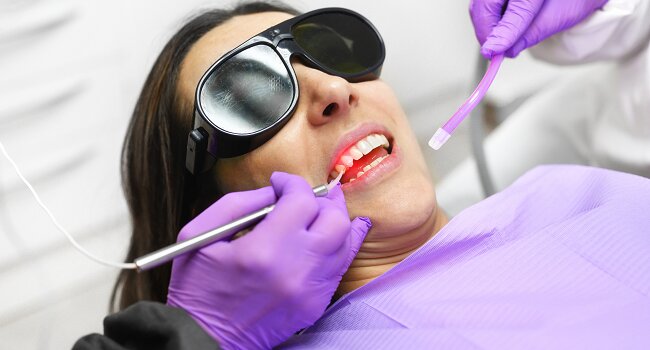
In recent years, there have been significant advancements in dental technology, such as the use of digital imaging, laser dentistry, and CAD/CAM technology for creating precise dental restorations.

How do personalise treatment plans benefit dental patients?

Personalised treatment plans take into account an individual’s unique genetic makeup and oral health needs. This tailored approach helps to ensure more effective and targeted dental care, resulting in improved treatment outcomes.

What is tele-dentistry and how is it changing dental care?

Tele-dentistry involves the use of technology to provide dental care remotely. This allows patients to receive consultations, advice, and even certain dental treatments from the comfort of their own homes, making dental care more convenient and accessible.

How are biocompatible materials changing the field of dentistry?

Biocompatible materials are designed to be compatible with the human body, reducing the risk of adverse reactions or allergies. Their use in dentistry allows for more natural-looking and long-lasting dental restorations, improving both the aesthetics and functionality of the patient’s teeth.

How is artificial intelligence being integrated into dental practices?

Artificial intelligence is being used in various ways in dentistry, such as automating administrative tasks, analysing patient data for personalised treatment plans, and aiding in the diagnosis of dental conditions. This integration enhances efficiency and accuracy in dental practices.

What is the significance of the shift towards minimally invasive procedures in dentistry?

Minimally invasive procedures involve less cutting or removal of healthy tooth structure, preserving more of the natural tooth. This shift reduces patient discomfort, promotes faster healing, and allows for more conservative treatments.

How does preventive dentistry focus on oral health education?

Preventive dentistry emphasises the importance of regular dental check-ups, proper oral hygiene practices, and education on maintaining optimal oral health. By promoting preventive measures, dental professionals aim to prevent dental issues before they arise, saving patients from potentially costly and invasive treatments.

What role does genetics play in dental care?

Genetics can influence an individual’s susceptibility to certain dental conditions, such as tooth decay and gum disease. Understanding a patient’s genetic predispositions can help dentists develop personalized treatment plans and preventive strategies to address their specific oral health needs.

Research from Philips and Vanderbilt shows how decarbonizing healthcare also helps to reduce cost

Research from Philips and Vanderbilt shows how decarbonizing healthcare also helps to reduce cost

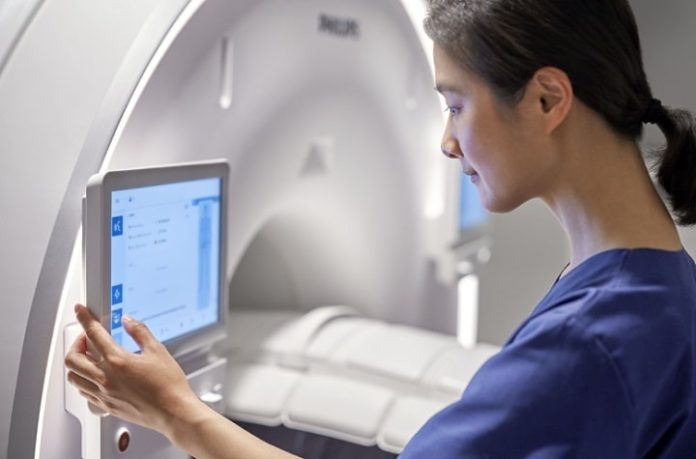
Royal Philips a global leader in health technology, and Vanderbilt University Medical Center (VUMC), home to top-ranked adult and pediatric hospitals in the Southeastern U.S., announced initial results of a research collaboration to decarbonize the health systemโ€™s radiology department. The project, which was initially announced in May 2023, shows that sustainable initiatives can be both environmentally friendly and cost-effective. The assessment indicated that circular business models, such as upgrades, can reduce total cost of ownership of an MR system by up to 23% and carbon emissions by 17%, and for CT, refurbished systems and equipment upgrades can contribute to reducing costs of ownership by up to 10% and 8% respectively, and reducing carbon emissions by 6% and 4% respectively.

Philips and Vanderbilt assessed 13 diagnostic imaging devices including MR, CT, ultrasound and X-ray, which account for an estimated 12,000 patient scans per month and found that, over a period of 10 years, they emit the COโ‚‚ equivalent of approximately 1,000 gas cars driven for one year. In addition, the energy use of scanners accounted for more than half of the total emissions released from diagnostic radiology. Other generators of carbon emissions within the department included the use of medical disposables, PACS (picture archiving and communication system) and linen production and laundry.

The assessment showed that both technology and healthcare practitioners play a significant role in reducing overall greenhouse gas emissions. For example, 44-75% of energy is consumed outside of patient scanning time, therefore the research emphasized the importance of working with staff to improve patient scan efficiency and industry partners to develop techniques to reduce carbon emissions between scans. Improving scanning efficiency with technology including those that are AI-enabled may conserve energy and reduce unnecessary scan repetition.

โ€œHuman health is closely connected to the health of the environment, and we need to take care of both, which is why we feel a great sense of urgency to address our carbon emissions and develop a more sustainable and healthier path forward,โ€ said Diana Carver, PhD, Assistant Professor of Radiology & Radiological Sciences, Vanderbilt University Medical Center. โ€œOur collaboration is leveraging our teamโ€™s collective knowledge and expertise to reveal key learnings that will direct our efforts to cut emissions.โ€

Along with implementing a set of prioritized interventions defined by Philips and VUMC that will support the carbon footprint reduction of the radiology department, the two organizations intend to share their findings in a scientific publication, with the objective of facilitating knowledge sharing and enabling further improvement of environmental strategies throughout the healthcare industry.

โ€œIt is imperative that healthcare acts quickly, collectively, and globally to mitigate climate impact. This study challenges conventional thinking that sustainability increases costs when it, in fact, does just the opposite. Energy-efficient, circular, digital and cloud-based technologies can help address climate change and this research shows that individual behavioral changes can also play an important role in speeding up global efforts towards decarbonization,โ€ said Jeff DiLullo, Chief Region Leader, Philips North America. โ€œOur teams continue to work closely to define an approach and model that VUMC can leverage, anticipating results of this research will inspire others to take action.โ€

During #RSNA23, Dr. Carver presented initial results of this research in the session โ€œExposing Sustainable Imaging Strategies: The Role of Practitioners in Reducing Carbon Footprint.โ€ Today, Dr. Cassandra Thiel, a lead researcher on the project, will outline additional research insights in โ€œSpinning Radiology Resources: Balancing environmental and economic considerations with circular business modelsโ€ and โ€œShedding Light on Sustainability for Radiologists – A Comprehensive Life Cycle Assessment (LCA) of a Diagnostic Radiology Department.โ€

Philips also hosted a virtual Symposium session โ€“ Sustainable Radiology: From Aspiration to Action โ€“ moderated by Jeff DiLullo, featuring leading industry experts including John Scheel, MD, Professor of Radiology & Radiology Sciences and Vice Chair of Global Health and Sustainability at Vanderbilt University Medical Center, who presented best practices to help improve care for patients and the planet.

Healthcare Laundry Leaders Share Insights on Innovation and Trends at TRSA Conference

Healthcare Laundry Leaders Share Insights on Innovation and Trends at TRSA Conference

TRSA, the association for linen, uniform and facility services, recently held its 12th Annual Healthcare Conference and Exchange on Nov. 15โ€“16 in Memphis, TN. The event brought together industry leaders and experts to share insights and best practices on serving the healthcare market sector.

The conference featured a keynote session by Nathan Bays, a healthcare M&A specialist at Citi, who discussed the latest trends and opportunities in the healthcare economy. Bays also shared insights on how healthcare operators can optimize their performance and deliver more value to their customers.

Following the keynote, a panel of technology experts from LinenMaster, Ecotex Healthcare Linen Services and NOVO Health Services shared their experiences and tips on using technology to enhance customer satisfaction and retention. The panel was moderated by Daniel Sanchez, the vice president of sales and marketing at Emerald Textiles.

The conference also included a presentation by Dr. Katie Laird, the head of infectious disease research at De Montfort University. She explained the current and emerging methods of microbiological testing in the commercial laundry industry. Kevin Schwalb, the vice president of government relations at TRSA, provided an update on the organizationโ€™s advocacy efforts and the key regulatory issues affecting the industry.

Chuck Rossmiller, the senior director of national field sales at Medline, presented the findings of the TRSA Healthcare Committeeโ€™s healthcare trends survey, which revealed the latest data and trends in the healthcare linen market. Rossmiller also engaged the audience with interactive live polling to get their feedback on the survey results.

The attendees had the opportunity to choose from two breakout sessions, one focusing on linen-loss prevention in the acute-healthcare sector, and the other on employee- engagement strategies in the nonacute healthcare sector.

The first day of the conference concluded with two more panel discussions. The first featured executives from Crothall, Ecotex
Healthcare Linen Services, HHA-FMA Laundry and HandCraft Services. These company leaders shared their perspectives on the challenges and opportunities of serving the healthcare market, both acute and nonacute. The panel was moderated by Liz Remillong, vice president of strategic alliances at Crothall. Alsco Uniformsโ€™ Healthcare Marketing Manager, Sara Oser, found the panel to be the most-engaging session. โ€œIt was like a crystal ball into the future of laundering. Navigating through this insightful session not only gave us a sneak peek into where the industry is headed but also served as a compass on how to best target our market.โ€ Oser added, โ€œExciting times are ahead for those who dare to follow the trends.โ€

The second panel featured investment bankers from CIBC U.S. Middle Market Investment Banking, Stephens Inc. and Piper Sandler, who spoke on the role and impact of private equity in the healthcare linen industry. The panel was moderated by Andy Kratky, CEO of Emerald Textiles.

Healthcare conference attendees got a benefit by participating in the Exchange, TRSAโ€™s online planner tool which allows attendees to efficiently schedule 15-minute, customized in-person meetings between TRSA Operator Members and Supplier Partners. The Exchange earned positive reviews from attendees such as Dan Flaherty, senior energy consultant, APPI Energy. He described the Exchange as, โ€œa highly valuable and unique tool for members to connect with service providers.โ€

The conference concluded with a tour of Medline Industriesโ€™ facility in Southhaven, MS. There the attendees saw a 1.2-million-square-foot, medical-grade distribution center that serves over 1,000 healthcare facilities in the region. Next yearโ€™s TRSA Healthcare Conference will be held at the Westin Buckhead in Atlanta on Nov. 13-14, 2024.

Boehringer Ingelheim and IBM Collaborate to Advance Generative AI and Foundation Models for Therapeutic Antibody Development

Boehringer Ingelheim and IBM Collaborate to Advance Generative AI and Foundation Models for Therapeutic Antibody Development

Boehringer Ingelheim and IBM announced an agreement that will enable Boehringer to use IBMโ€™s foundation model technologies to discover novel candidate antibodies for the development of efficient therapeutics.

โ€œWe are very excited to collaborate with the research team at IBM, who share our vision of making in silico biologic drug discovery a reality,โ€ said Andrew Nixon, Global Head of Biotherapeutics Discovery at Boehringer Ingelheim. โ€œI am confident that by joining forces with IBM scientists we will develop an unprecedented platform for accelerated antibody discovery which will enable Boehringer to develop and deliver new treatments for patients with high unmet need.โ€

Boehringer will be using an IBM-developed, pre-trained AI model that will be further fine-tuned on additional Boehringer proprietary data. โ€œIBM has been at the forefront of creating generative AI models that extend AIโ€™s impact beyond the domain of language,โ€ said Alessandro Curioni, Vice President Accelerated Discovery, IBM Research. โ€œWe are thrilled to now bring IBMโ€™s multimodal foundation model technologies to Boehringer, a leader in the development and manufacturing of antibody-based therapies, to help accelerate the pace at which Boehringer can create new therapeutics.โ€

Foundation models for antibody discovery

Therapeutic antibodies are central in the treatment of many diseases, including cancer, autoimmune and infectious diseases. Despite major technological advances, the discovery and development of therapeutic antibodies covering diverse epitopes remains a highly complex and time-consuming process.

Together, Boehringer and IBM researchers will aim to accelerate the antibody discovery process through in-silico methods. The sequence, structure and molecular profile information of disease-relevant targets as well as success criteria for therapeutically relevant antibody molecules, like affinity, specificity and developability will form the basis for the in-silico generation of new human antibody sequences. These methods rely on new IBM foundation model technologies, designed to increase the speed and efficiency of antibody discovery and quality of predicted antibody candidates.

IBMโ€™s foundation model technologies, which have demonstrated success in generating biologics and small molecules with relevant target affinities, are used to design antibody candidates for the defined targets which are subsequently screened with AI-enhanced simulation to select and refine the best binders for the target. In a validation step, Boehringer Ingelheim will produce in mini-scales and experimentally assess the antibody candidates. Moving forward, the results from the laboratory experiments will be used to improve the in-silico methods via feedback loops.

By collaborating with leading academic and industry partners, Boehringer is building a leading digital ecosystem to enable the acceleration of drug discovery and development and create new breakthrough opportunities to transform patientsโ€™ lives.

This work also serves as the latest in IBMโ€™s efforts to use generative AI and foundation models to accelerate discovery and creation of new biologics and small molecules. Earlier this year, the companyโ€™s generative AI model efficiently predicted physico-chemical properties of drug-like small molecules.

The IBM biomedical foundation model technologies rely on a wide range of heterogenous, publicly available data sets, including protein-protein interactions and drug-target interactions to develop pre-trained models. The pre-trained models are then fine-tuned on specific proprietary data of IBMโ€™s partner to offer newly designed proteins and small molecules with the desired properties.

GE HealthCare Releases MyBreastAI Suite to Support Clinicians in Accelerating Breast Cancer Detection

GE Healthcare

GE HealthCare announced the release of a new, all-in-one platform of artificial intelligence (AI) apps to support clinicians with breast cancer detection and improved workflow productivity called MyBreastAIย Suite. With this initial release, MyBreastAI Suite integrates three AI applications from iCAD includingย ProFound AI for DBT,ย SecondLook for 2D Mammographyย andย PowerLook Density Assessmentย to help support early detection and improve patient outcomes, as well as help radiology departments improve operational productivity.

As the global cancer burden rises, radiologists face increasing challenges such as burnout, workforce attrition, and patient backlogs, placing strain on and testing the resiliency of health systems today. In ongoing efforts to combat breast cancer, the healthcare community remains committed to early detection by leveraging methods, like screening mammography, that have proven to be effective in identifying early breast cancers and reducing breast cancer-specific mortality.1ย However, with breast cancer now surpassing lung cancer as the most commonly diagnosed cancer worldwide,ย clinicians are seeking tools that can address issues related to access, burnout, variability, equity, and cost in breast imaging to elevate and enhance the detection and diagnosis of breast cancer.

The introduction of MyBreastAI Suite aims to address these challenges by providing an all-in-one platform that can seamlessly deploy AI to breast imaging workflow. With this initial release, MyBreastAI Suite integrates three AI applications from iCADโ€™sย ProFound Breast Health Suite, including:

  • ProFound AI for DBT:ย Trained with one of the largest available 3D image datasets, ProFound AI for DBT provides radiologists with crucial information, such as lesion Certainty of Finding and Case Scores, which assists in prioritizing caseloads, clinical decision-making, and may help reduce burnout.
  • SecondLook for 2D Mammography:ย The SecondLook Computer-Aided Detection (CAD) system for mammography is intended to identify and mark regions of interest on screening and diagnostic mammograms from GE HealthCareโ€™s full-field digital mammography (FFDM) systems to bring them to the attention of the radiologist after an initial reading has been completed.
  • PowerLook Density Assessment:ย This tool helps to standardize breast density assessment and reduce variability across multiple radiologists;5ย simplify and standardize reporting and stratification for clinicians;and enables clinicians to provide women with accurate and reliable breast density assessments based on AI mammogram analysis.

Studies show that the deployment of these digital solutions can assist in prioritizing case load and clinical decision-making. For example, iCAD reader study shows that radiologists reading with ProFound AI for DBT increases reader sensitivity by 8%,ย increases reader specificity by 6.9%8ย and decreases reading time by up to 52% compared to without.

Revolutionizing RCM: The power of a single strategic partner

Revenue cycle management (RCM) is critical to hospital and ambulatory clinic financial stability. But it is frequently complicated and disjointed. These disconnects can create provider and patient frustration and leave revenue uncollected. Collaborating with a strategic partner to implement end-to-end, automated RCM solutions can fix these problems.

Click Here To Download The Whitepaper

The Science of Vibrations: Understanding How Frequency Healing Works

Unveiling the Mysteries of Frequency Healing

The pursuit of holistic well-being has given rise to an intriguing concept: frequency healing. This method seeks to restore equilibrium to the body and promote healing, based on the theory that vibrations have an impact on the body’s energy. To comprehend the intricate workings of frequency healing, we delve into the mechanics of vibrations and their profound effects on the human body.

The Foundation: Vibrations and Their Universal Presence

Fundamentally, the idea that everything in the universeโ€”including our bodiesโ€”is always vibrating is the basis of frequency healing. Disturbances or imbalances in these energy fields can cause mental or bodily discomfort. These vibrations generate energy fields. Understanding and using the power of these frequencies for healing is the foundation of frequency healing.

Resonance and Entrainment: The Key Principles

The efficiency of frequency healing is based on two key concepts: entrainment and resonance. When two vibrating objects at similar frequencies transfer their energy to each other, resonance occurs. This means, in terms of healing, exposing the body to outside vibrations that coincide with its inherent frequencies in order to induce resonance and encourage equilibrium. By synchronizing rhythmic cycles, entrainment, on the other hand, enables the body’s rhythms to harmonize with outside frequencies.

Sound Therapy: Healing Harmonies for Mind and Body

Sound therapy stands as one of the most recognized forms of frequency healing. Utilizing instruments, tuning forks, or the human voice, practitioners introduce specific frequencies that resonate with different parts of the body. Scientific studies support the positive impact of sound therapy on stress reduction, improved sleep, and enhanced mood. Explore the harmonious tones that contribute to the therapeutic experience of sound healing.

Bioresonance Therapy: Electromagnetic Frequencies for Healing

Bioresonance therapy operates on the principle that the body emits electromagnetic waves, and imbalances in these waves can signal health issues. Practitioners use electromagnetic frequencies to correct these imbalances and stimulate the body’s natural healing response. This modality is founded on the idea that electromagnetic interactions at the cellular level can influence overall well-being.

Quantum Healing: Frequencies at the Quantum Level

In the realm of quantum physics, frequency healing takes a fascinating turn. Quantum healing posits that cells and molecules in the body emit electromagnetic signals influenced by external frequencies. Devices have been developed to emit specific frequencies targeting ailments at the quantum level. Delve into the exploration of frequencies at the quantum level and their potential implications for holistic well-being.

Skepticism and Scientific Inquiry: Navigating Controversies

While many attest to the benefits of frequency healing, skepticism exists within the scientific community. Critics argue that evidence supporting these practices often relies on anecdotal experiences. Explore the controversies surrounding frequency healing and the ongoing scientific inquiry aimed at substantiating its claims.

The Human Experience: Personal Stories of Healing

Amidst scientific scrutiny, personal stories abound of individuals who have found solace and healing through various frequency healing modalities. These anecdotes provide a glimpse into the potential of frequency healing to positively impact the human experience.

Conclusion: Harmonizing the Body, Mind, and Beyond

As we conclude our exploration of the science of vibrations and frequency healing, it becomes evident that this field sits at the intersection of physics, biology, and holistic wellness. While scientific research continues, many individuals have experienced profound benefits, sparking a growing interest in the potential of frequency healing to harmonize the body, mind, and beyond.

Bridging Innovation and Excellence at Dubai Derma 2024

Bridging Innovation and Excellence at Dubai Derma 2024

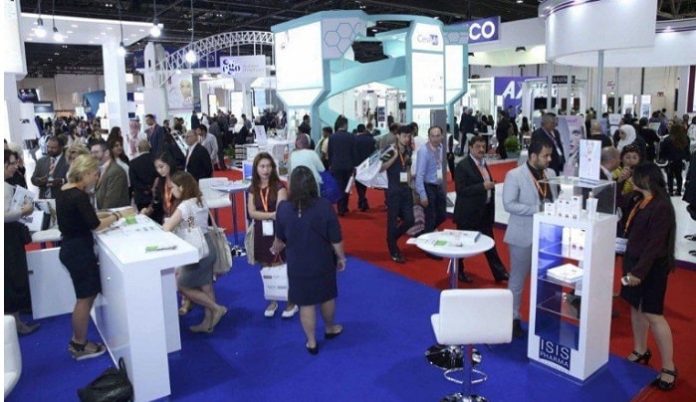
Dubai World Dermatology and Laser Conference and Exhibition (Dubai Derma) is set to continue its evolution in showcasing a seamless continuum of groundbreaking advancements on March 5th to 7th, 2024, at the Dubai World Trade Centre in the United Arab Emirates.

Embarking on a transformative three-day journey, Dubai Derma 2024 is set to welcome a distinguished assembly of luminaries, including visionary speakers, skilled surgeons, renowned skin care professionals, industry trailblazers, and pivotal stakeholders.

Evolution of the Scientific Program

In a resolute commitment to deliver an extraordinary and enriching encounter, the conference will unfold a meticulously crafted scientific program boasting over 340+ speakers, 360+ scientific sessions, 125+ clinical cases, and 30+ scientific poster presentations, and participants can earn up to 42 CME credits.

The enhanced program will expand, delving into Dermatology Sciences/Researches, Cosmetic/Surgical Dermatology, and Therapeutics/New Drugs, all while breaking ground and introducing an innovative feature: Dedicated Sessions by Dermatology Associations/Societies like: Emirates Dermatology Society (EDS), Face Aesthetic Dermatologists Society (FADS), International Society of Dermatology (ISD), Pakistan Association of Dermatologists (PAD), Sudanese Association of Dermatologist and many more, which will enrich the depth of the conference’s academic offerings.

Additionally, an exciting venture will be introduced: Live Clinical Session, where exhibiting companies present live clinical procedures, providing exclusive access for all conference attendees to witness the practical applications of cutting-edge products and technologies, including injections and lasers in a live setting.

A Comprehensive Experience

Dubai Derma’s influence is reflected in its power to attract over 1,440 international brands and 24,000+ participants from 114 countries, where it continues to draw a diverse global audience.

Beyond the figures, Dubai Derma promises a holistic experience by providing a conducive environment for networking, learning, and collaboration. Practical workshops offer hands-on experiences.

Burjeel Holdings Reveals Cutting-edge Day Surgery Center in Abu Dhabis Al Shahama

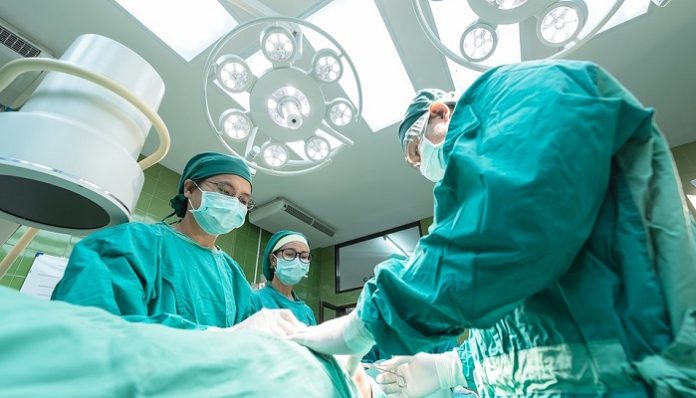
In a strategic move to improve healthcare accessibility and address the evolving needs of the community, Burjeel Holdings has introduced an advanced day surgery center in Abu Dhabi’s Shahama area. This center specializes in providing same-day surgical care, aiming to deliver a swift and comprehensive treatment experience, thereby reducing the necessity for prolonged hospital stays. The primary focus is on enhancing patient comfort and convenience through a streamlined recovery process. Staffed with a team of experts and equipped with cutting-edge medical technologies, the center ensures the delivery of top-notch care to each patient.

From state-of-the-art diagnostic facilities to sophisticated surgical suites, every aspect of the center is meticulously designed for efficiency and patient safety. The establishment of the Burjeel Day Surgery Center at Al Shahama marks a significant milestone in the commitment to offering accessible and specialized medical services to local communities. This substantial investment in advanced healthcare infrastructure underscores Burjeel Holdings’ dedication to promoting healthier communities and elevating healthcare standards in the region.

The center provides a comprehensive range of specialties tailored to meet residents’ unique health needs, including ENT, Orthopaedics, Cardiology, Neurology, Urology, Rheumatology, Dermatology, Vascular Surgery, Obstetrics and Gynaecology, Nephrology, Paediatrics, Ophthalmology, and Physiotherapy. By adopting an innovative approach to day surgery, the center positions itself as a leading choice for patients seeking high-quality, convenient, and all-encompassing medical care.

The opening of this center reflects a steadfast commitment to advanced and patient-centric healthcare, exemplified by its emphasis on same-day surgical care, advanced medical technologies, and a comprehensive range of specialized services.

Translate ยป