Close
Digital Health & Ai Innovation summit 2026
LiGHT26

The Indian Institute of Technology Kanpur Develops Novel Technology for Lung Health Monitoring

The Indian Institute of Technology Kanpur (IITK) has introduced a cutting-edge technology known as the “Continuous Lung Health Monitoring System.” This innovation is a cost-effective, widely accessible, unobtrusive, and compact solution tailored to improve lung care.

This system enables healthcare teams to monitor patients’ lung health status efficiently, providing swift access to data on lung diseases. Furthermore, it empowers patients to monitor their lung conditions from any location, enhancing their involvement in their healthcare.

The system comprises an acoustic mask equipped with highly sensitive sound sensors and an intelligent corded device designed to detect inaudible breathing sounds originating from the user’s mouth and nose. The corded device integrated into the mask features a Wi-Fi module, facilitating the seamless sharing of a patient’s lung health status with their healthcare provider.

The device features a highly durable battery, ensuring uninterrupted and seamless continuous monitoring of a patient’s lung health. Additionally, it includes a local storage unit capable of storing processed audio data, which is invaluable for making long-term inferences about the patient’s condition.

The device is also equipped with a processing unit that incorporates inbuilt memory and a microprocessor. This real-time continuous monitoring system plays a crucial role in assisting doctors by promptly alerting them to any potential changes or deterioration in the patient’s health status.

Remote Diagnostic Testing Reshaping The Future of Healthcare

A decade or more in the past, when people used to engage in conversations about at-home diagnostic testing, it was a common response to hear them ask, “Why would I pay for that when I can simply visit my GP?” However, it is now a significantly different landscape, where remote testing stands at the forefront of advancements in modern healthcare, and new markets for these services are burgeoning.

The demand for the ability to monitor one’s health or access information regarding various symptoms and health concerns without the need to visit a doctor’s office, perhaps without even leaving one’s home, has been steadily increasing. This shift can be attributed to several factors:

  • Accessibility to GPs has become more challenging today compared to a decade or two ago, with overwhelmed healthcare services and limited appointment availability.
  • Many individuals hesitate to “burden the doctor” with what they perceive as routine check-ups related to their lifestyle rather than acute diagnostic needs.
  • People are leading increasingly hectic lives, making it inconvenient to find time for a GP appointment.
  • There’s a growing acknowledgment that individuals should take more responsibility for their own health.
  • People are now better informed about their health, with one in 14 Google searches being health-related. They are more proactive in preventing diseases rather than waiting for symptoms to manifest.

Given these changes, it’s easy to comprehend the rising demand for personalized, on-demand information from a trusted and accurate source.

This shift in healthcare dynamics has influenced government policy as well. The announcement by Health and Social Care Secretary Steve Barclay in June of this year about the rollout of a new digital health check across England from spring 2024 is evidence of this transformation. The aim is to provide an additional one million health checks over four years, with a focus on identifying cases of high blood pressure and preventing strokes and heart attacks through early detection of high cholesterol and diabetes.

While this initiative holds promise, the extensive experience in remote blood testing has revealed challenges that the government must address for success. Providing the necessary technology is just one piece of the puzzle. A robust plan to troubleshoot unexpected issues and ensure seamless service delivery is crucial. The system must also cater to hard-to-reach groups and support multiple languages for accessibility. Simplicity of use is paramount, and contingencies should be in place for issues such as sample collection difficulties or failures.

Importantly, motivating individuals who are reluctant to prioritize their health to take these tests is a challenge. Data indicates that providing tests for free may decrease motivation, whereas even a nominal contribution can inspire participation.

Remote blood testing can be highly effective for testing a large population quickly when motivation is present. For example, in a successful project with the NHS, an 83% sample return rate has been achieved through effective planning and continuous communication. Over three months, more than 250,000 emails were exchanged, with 37,000 test kits sent to volunteers, and 94% rated their remote blood testing experience as good or excellent.

Recent years have witnessed a transformation in remote diagnostic testing, with the advent of finger-prick blood testing in December 2011 being a key milestone. However, it’s essential to understand that remote diagnostic testing involves complexities beyond sending a testing kit and processing samples in a laboratory. Some biomarkers cannot be tested via finger-prick samples, and some degrade in transit, leading to test inaccuracies. Human error also plays a role in test failures.

As the demand for remote testing grows, more health and wellness brands are entering the market. From nutritionists to private doctors and supplement brands, many businesses seek to offer testing as a product or as an enhancement to their services. However, building a remote testing system from scratch presents financial, logistical, and regulatory challenges.

To address these issues, Medichecks established Plasma, a direct-to-business arm that offers a ready-made, trusted remote diagnostic testing service. Plasma’s setup is customizable to support organizations of various sizes and needs.

The expanding health and wellness sector presents significant opportunities for remote testing, not only in business applications but also in niche projects such as clinical trials and research studies. This sector has the potential to witness substantial growth in the coming years as organizations discover the convenience and benefits of remote diagnostics.

It is only the beginning of realizing the potential in this exciting sector, and the capacity to deliver diagnostics in this manner holds promise for innovation and could positively impact the well-being of an entire generation as the world moves closer to preventative healthcare.

Contagion Control in Dermatology Practices: Key Steps & Protocols

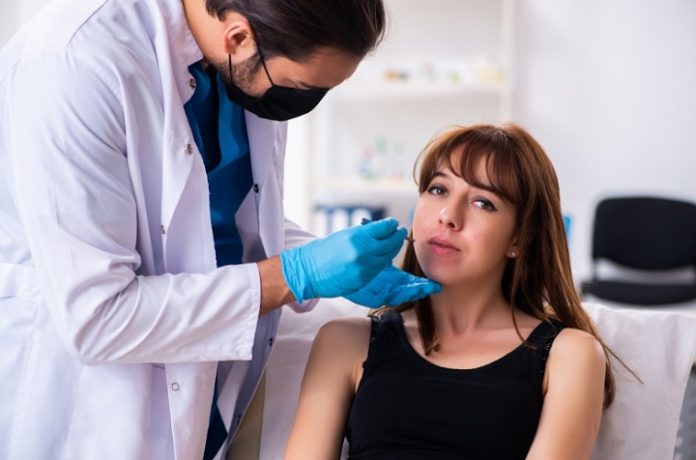
Contagion control is a critical aspect of any medical practice, particularly in the field of dermatology. With the prevalence of skin diseases and infections, dermatologists must take proactive measures to prevent the spread of contagions in their practices. From personal protective equipment (PPE) to proper disinfection protocols, there are several key steps and protocols that dermatology practices should follow to ensure the safety of both patients and staff.

Understanding Contagion in Dermatology

Dermatology practices face unique challenges in controlling the spread of infectious diseases. Patients with skin conditions, such as rashes, eczema, and psoriasis, may have open wounds or lesions that can easily become infected. Additionally, many dermatological treatments involve the use of sharp instruments, such as needles and scalpels, which can transmit bloodborne pathogens.

The Centers for Disease Control and Prevention (CDC) provides guidance on infectious diseases and healthcare infection control practices. Dermatology practices should follow these guidelines to minimize the risk of contagion. The CDC recommends that healthcare facilities have a written infection control plan, which includes measures for preventing the spread of infectious diseases.

The Healthcare Infection Control Practices Advisory Committee (HICPAC) is a federal advisory committee that provides guidance on infection control practices. HICPAC recommends that healthcare facilities implement standard precautions, which include hand hygiene, personal protective equipment, and safe injection practices.

Dermatology practices should also be aware of the specific infectious diseases that are commonly encountered in their patient population. Some common infectious diseases in dermatology include:

  • Methicillin-resistant Staphylococcus aureus (MRSA)
  • Herpes simplex virus (HSV)
  • Human papillomavirus (HPV)
  • Scabies

Practices should have protocols in place for identifying and managing patients with infectious diseases. This may include isolating patients, using dedicated equipment for infected patients, and providing education to staff on infection control measures.

Key Steps in Contagion Control

Contagion control is essential in dermatology practices to prevent the spread of infections. Implementing key steps in contagion control can help reduce the risk of transmission of infections between patients and healthcare workers. The following subsections outline the key steps in contagion control in dermatology practices.

Hand Hygiene

Hand hygiene is the most critical step in preventing the spread of infections. For instance, when treating and removing verrucas or any other skin condition, dermatology healthcare workers should perform hand hygiene before and after patient contact, after removing gloves, and after touching environmental surfaces. The use of alcohol-based hand sanitizers is preferred over soap and water in most situations. However, hand washing with soap and water is necessary when hands are visibly soiled or contaminated with blood or other body fluids.

Use of Personal Protective Equipment

Personal protective equipment (PPE) is essential to protect healthcare workers and patients from infections. Dermatology healthcare workers should wear PPE, including gloves, gowns, masks, and eye protection, when performing procedures that may generate splashes or sprays of blood or body fluids. Standard precautions should be used for all patients, and transmission-based precautions should be used for patients with suspected or confirmed infections.

Environmental Cleaning

Environmental surfaces, including examination tables, chairs, and equipment, should be cleaned and disinfected after each patient encounter. High-touch surfaces, such as doorknobs, light switches, and computer keyboards, should be cleaned and disinfected frequently throughout the day. Dermatology practices should use Environmental Protection Agency (EPA)-approved disinfectants and follow the manufacturer’s instructions for use.

Infection Prevention Program

An infection prevention program is essential to prevent the spread of infections in dermatology practices. The program should include policies and procedures for hand hygiene, PPE use, environmental cleaning, and the management of patients with suspected or confirmed infections. Dermatology practices should also provide education and training to healthcare workers on infection prevention and control.

Dealing with Specific Infections

Dermatology practices must be equipped to handle specific infections that may be encountered. The following subsections outline key steps and protocols for dealing with infections such as MRSA, C. difficile, multidrug-resistant organisms, and sepsis.

MRSA

Methicillin-resistant Staphylococcus aureus (MRSA) is a type of bacteria that is resistant to many antibiotics. It can cause skin infections and other health problems. To prevent the spread of MRSA in dermatology practices, the following steps should be taken:

  • Use standard precautions, including hand hygiene, when caring for patients with MRSA infections.
  • Follow contact precautions, including wearing gloves and gowns, when caring for patients with MRSA infections.
  • Clean and disinfect surfaces and equipment that may be contaminated with MRSA.
  • Educate patients and staff about MRSA and how to prevent its spread.

C. Difficile

Clostridioides difficile (C. difficile) is a bacterium that can cause diarrhea and other intestinal problems. It is spread through contact with contaminated surfaces or objects. To prevent the spread of C. difficile in dermatology practices, the following steps should be taken:

  • Use standard precautions, including hand hygiene, when caring for patients with C. difficile infections.
  • Follow contact precautions, including wearing gloves and gowns, when caring for patients with C. difficile infections.
  • Clean and disinfect surfaces and equipment that may be contaminated with C. difficile.
  • Educate patients and staff about C. difficile and how to prevent its spread.

Multidrug-Resistant Organisms

Multidrug-resistant organisms (MDROs) are bacteria that are resistant to multiple antibiotics. They can cause infections that are difficult to treat. To prevent the spread of MDROs in dermatology practices, the following steps should be taken:

  • Use standard precautions, including hand hygiene, when caring for patients with MDRO infections.
  • Follow contact precautions, including wearing gloves and gowns, when caring for patients with MDRO infections.
  • Clean and disinfect surfaces and equipment that may be contaminated with MDROs.
  • Educate patients and staff about MDROs and how to prevent their spread.

Sepsis

Sepsis is a serious condition that can occur when the body’s response to infection causes damage to its own tissues and organs. It can be caused by a variety of bacteria, viruses, and other pathogens. To prevent the development of sepsis in dermatology practices, the following steps should be taken:

  • Use standard precautions, including hand hygiene, when caring for patients with infections.
  • Follow contact precautions, including wearing gloves and gowns, when caring for patients with infections.
  • Monitor patients for signs of sepsis, such as fever, chills, rapid heartbeat, and rapid breathing.
  • Educate patients and staff about sepsis and how to prevent its development.

In summary, dermatology practices must be equipped to handle specific infections that may be encountered. By following key steps and protocols, such as using standard precautions, following contact precautions, cleaning and disinfecting surfaces and equipment, and educating patients and staff, the spread of infections can be prevented, and patient safety can be ensured.

Role of Technology in Contagion Control

Technology has played a crucial role in the field of dermatology, especially in the context of contagion control. In recent years, the use of technology has become increasingly prevalent in dermatology practices. This section will explore two key areas where technology has been utilized in contagion control in dermatology practices: Teledermatology and Electronic Health Records (EHR).

Teledermatology

Teledermatology is a form of telemedicine that allows dermatologists to diagnose and treat patients remotely using technology such as video conferencing. This technology has become increasingly popular during the recent pandemic as it allows dermatologists to provide care to patients while minimizing the risk of contagion transmission.

Teledermatology has several benefits, including increased access to care for patients who may not have access to a dermatologist in their area. Additionally, teledermatology can be used to triage patients, allowing dermatologists to prioritize patients who require urgent care. This can be especially helpful during a pandemic when resources may be limited.

Electronic Health Records

Electronic Health Records (EHR) are digital versions of a patient’s medical record. EHRs have become increasingly popular in dermatology practices as they allow for easy access to patient information, including medical history, allergies, and medications. This can be especially helpful during a pandemic as it allows dermatologists to quickly access patient information without having to handle physical documents.

EHRs also allow for easy communication between healthcare providers, which can be helpful in the context of contagion control. For example, if a patient is suspected of having a contagious skin condition, their dermatologist can easily communicate with their primary care physician or infectious disease specialist to develop a treatment plan.

Monitoring and Compliance

One of the most critical aspects of contagion control in dermatology practices is monitoring and compliance. Dermatology practices must establish a system of surveillance to detect and monitor healthcare-associated infections (HAIs) and ensure compliance with infection control protocols. This system should also include feedback mechanisms to ensure that healthcare personnel and workers are aware of their responsibilities and are following the established protocols.

Surveillance can be conducted through various methods, including active monitoring of patients and healthcare personnel, environmental monitoring, and review of laboratory results. By monitoring HAIs, dermatology practices can identify potential outbreaks, determine the effectiveness of infection control measures, and make necessary improvements to prevent further spread.

To ensure compliance with infection control protocols, dermatology practices should establish policies and procedures that outline specific infection control measures and provide training to healthcare personnel and workers. Regular audits should be conducted to assess compliance with these policies and procedures, and feedback should be provided to healthcare personnel and workers to ensure that they understand their role in preventing the spread of HAIs.

In addition to monitoring and compliance, healthcare facilities and settings should also establish protocols for managing HAIs. These protocols should include procedures for identifying and isolating infected patients, notifying public health authorities, and implementing additional infection control measures as necessary.

Education and Training

Education and training are essential components of contagion control in dermatology practices. They ensure that physicians, nurses, healthcare personnel, and other staff are aware of the latest guidelines and protocols for preventing the spread of infections.

Dermatologists must provide education and training to their staff on a regular basis. This includes initial training for new employees and ongoing training for existing staff. The training should cover topics such as hand hygiene, personal protective equipment (PPE), and proper cleaning and disinfection procedures.

Residency programs for dermatology should also include training in contagion control. This will ensure that future healthcare professionals are well-versed in the latest guidelines and protocols.

Training should be appropriate in content to the educational level, literacy, and language of the healthcare personnel. For example, training for physicians may be more detailed and technical compared to training for nurses or other staff.

The Centers for Disease Control and Prevention (CDC) recommends that healthcare personnel receive initial, periodic, and as-needed education and training. This training should be evaluated to determine its effectiveness in improving outcomes.

In addition to training, staffing is also an important factor in contagion control. Dermatology practices should ensure that they have enough staff to handle patient volume while also adhering to proper cleaning and disinfection protocols.

Administrative Measures

In addition to clinical protocols, administrative measures are vital to controlling contagious infections in dermatology practices. Administrative measures include policies, protocols, and practice management strategies that are designed to reduce the risk of infection transmission.

Leadership support is essential in implementing and enforcing administrative measures. Practice leaders should ensure that all staff members understand the importance of infection control and are trained to follow the practice’s protocols. This includes providing ongoing education and training on infection control measures and regularly reviewing and updating protocols to ensure they are up-to-date and effective.

One key administrative measure is the implementation of policies that require staff members to stay home when they are sick. This policy helps prevent the spread of contagious infections in the workplace. It is important that staff members are aware of this policy and are encouraged to stay home if they are experiencing symptoms of illness.

Another important administrative measure is the use of personal protective equipment (PPE). Staff members should be trained on the proper use of PPE, including gloves, masks, and gowns. The practice should also provide adequate supplies of PPE to ensure that staff members have access to the equipment they need to protect themselves and their patients.

Practice management strategies can also help reduce the risk of infection transmission. For example, practices can implement scheduling policies that allow for adequate time between patients to clean and disinfect exam rooms and equipment. They can also implement policies that limit the number of patients in waiting rooms to reduce the risk of exposure to contagious infections.

Final Words on Contagion Control in Dermatology Clinics

Contagion control is a critical aspect of dermatology practice that ensures the safety and health of both patients and healthcare providers. Dermatology practices must follow guidelines and protocols established by public health organizations and the US government to minimize the risk of infection transmission.

Personal protective equipment (PPE) is a crucial element in preventing the spread of infection in dermatology practices. Dermatologists must use appropriate PPE, including gloves, gowns, masks, and eye protection, when examining patients. The choice of PPE should be based on the type of procedure and the level of risk involved.

In addition to PPE, hand hygiene is another essential component of infection control. Dermatologists must wash their hands thoroughly or use hand sanitizers before and after each patient encounter. They must also follow proper respiratory hygiene, including covering their mouth and nose when coughing or sneezing.

Dermatology practices must also implement environmental controls to minimize the risk of infection transmission. These include disinfection of surfaces and equipment, proper ventilation, and maintaining a clean and hygienic environment.

In conclusion, dermatology practices must follow established guidelines and protocols to ensure effective contagion control. By implementing these measures, dermatologists can create a safe and healthy environment for patients and healthcare providers. Public health organizations and the US government continue to provide guidance and support to help dermatology practices navigate the challenges of contagion control in the current pandemic and beyond.


Follow These Smart Steps And Get Affordable Health Insurance Plans

Health insurance is a vital component of your financial security and well-being. It offers protection against unexpected medical expenses and ensures that you have access to quality healthcare when you need it most. However, finding affordable health insurance plans can be a daunting task. In this comprehensive guide, we will walk you through smart steps to help you navigate the complex world of health insurance. By the end of this article, you’ll be well-equipped to make informed decisions about your health coverage.

1. Understand Your Needs

The first step in finding affordable health insurance plans is to understand your unique needs. Every individual or family has different healthcare requirements, so it’s essential to evaluate your specific circumstances. Consider factors like your age, overall health, any pre-existing conditions, and your family’s medical history. By identifying your needs, you can tailor your insurance coverage accordingly, ensuring you aren’t paying for services you don’t require.

2. Research Health Insurance Plans

Once you’ve assessed your needs, it’s time to start researching health insurance plans. Look for reputable insurance providers like Custom Health Plans Inc, who offer a variety of options to suit different budgets and needs. Start your search online, where you can compare plans, coverage options, and premiums. Pay close attention to details like deductibles, copayments, and out-of-pocket maximums, as these factors significantly impact the overall cost of your insurance.

3. Understand Plan Types

Health insurance comes in various plan types, each with its own cost structure and coverage options. Common types include Health Maintenance Organizations (HMOs), Preferred Provider Organizations (PPOs), and Exclusive Provider Organizations (EPOs). HMOs typically offer lower premiums but require you to choose a primary care physician and get referrals to see specialists. PPOs offer more flexibility but often come with higher premiums. EPOs strike a balance between the two, offering some flexibility while maintaining cost-efficiency. Understanding these plan types can help you choose the one that aligns with your needs and budget.

4. Consider Government Programs

In addition to private health insurance plans, consider government programs like Medicaid and the Children’s Health Insurance Program (CHIP). These programs are designed to provide affordable health coverage to individuals and families with lower incomes. Eligibility criteria vary by state, so check if you qualify for these programs to reduce your healthcare expenses.

5. Shop on the Health Insurance Marketplace

The Health Insurance Marketplace, established under the Affordable Care Act (ACA), is a valuable resource for finding affordable health insurance plans. Here, you can compare different plans, check if you qualify for subsidies, and enroll in coverage. Subsidies can significantly reduce your monthly premiums, making health insurance more affordable. Be sure to open enrollment periods to take advantage of this opportunity.

6. Compare In-Network Providers

One often overlooked aspect of health insurance is the network of healthcare providers. Insurance companies negotiate rates with specific doctors, hospitals, and clinics. Using in-network providers can save you a substantial amount of money, as out-of-network services typically come with higher costs. Check whether your preferred healthcare providers are in-network with the insurance plan you’re considering.

7. Analyze Costs Beyond Premiums

While monthly premiums are a significant cost consideration, it’s essential to look at the bigger financial picture. Consider other expenses like deductibles, copayments, and coinsurance. A plan with a low premium may have higher out-of-pocket costs when you receive medical care. Conversely, a higher premium plan may offer lower out-of-pocket expenses. Analyze your expected healthcare usage to determine which balance between premium and out-of-pocket costs works best for you.

8. Review Prescription Drug Coverage

If you take prescription medications regularly, pay close attention to the prescription drug coverage offered by different health insurance plans. Some plans may have tiered systems that determine how much you pay for various medications. Ensure that the plan you choose covers the medications you need at a reasonable cost.

9. Consider Short-Term Health Insurance

If you’re in a transitional period, such as between jobs or waiting for employer-sponsored coverage to start, short-term health insurance can be a cost-effective option. These plans provide temporary coverage and are typically more affordable than long-term plans. However, they may have limitations, so carefully assess your needs before opting for short-term coverage.

Affordable health insurance is within reach when you follow these smart steps. Start by understanding your needs, researching health insurance plans, and exploring government programs and the Health Insurance Marketplace. Consider plan types, in-network providers, and the full spectrum of costs. Review prescription drug coverage, explore short-term options when needed, and seek professional guidance if necessary. By taking a systematic approach, you can secure the right health insurance plan that fits your budget and provides the coverage you need for a healthier, financially secure future.

Useful Guide For Finding The Right Help For Your Spine Problems

Your spine is the backbone of your body, both literally and figuratively. When you experience spine problems, it can significantly impact your quality of life. Whether you’re dealing with chronic back pain, a herniated disc, or a more complex spinal condition, finding the right help is crucial.

In this comprehensive guide, we’ll explore the various aspects of managing spine problems and offer insights into making informed decisions about your health. From non-surgical approaches to orthopedic surgeries performed by expert orthopedic surgeons, we’ve got you covered.

Understanding Your Spine

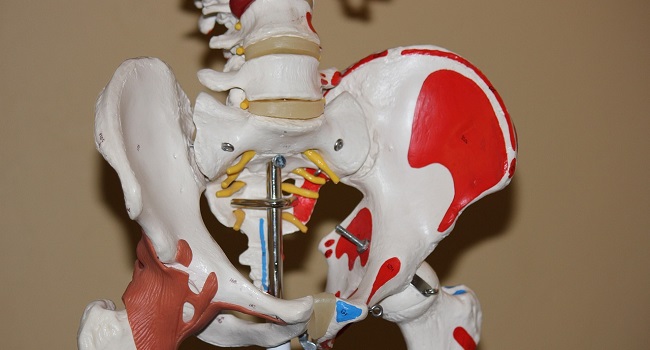
To effectively address spine problems, it’s essential to understand the anatomy of your spine. Your spine consists of 33 vertebrae, which provide structural support and protect the spinal cord. Between these vertebrae are intervertebral discs that act as shock absorbers. Problems can arise when these discs degenerate, herniate, or compress nerves. By comprehending the basic structure of your spine, you can better appreciate the complexities of spine-related issues.

The Importance of Early Diagnosis

Early diagnosis is key to preventing spine problems from worsening. If you’re experiencing persistent back pain, numbness, tingling, or weakness in your limbs, consult a healthcare professional promptly. They can conduct a thorough examination, which may include imaging tests like X-rays, MRI, or CT scans, to pinpoint the root cause of your symptoms. Once diagnosed, you can explore suitable treatment options.

Non-Surgical Approaches

Not all spine problems require surgery. Many issues can be effectively managed through non-surgical treatments. These may include physical therapy, chiropractic care, pain management techniques, and lifestyle modifications. Physical therapy, for instance, can help strengthen the muscles supporting your spine and improve flexibility, reducing pain and enhancing mobility. Consult with a healthcare provider to determine which non-surgical approach suits your specific condition.

When Surgery is Necessary

In some cases, conservative treatments may not provide the relief needed, and surgery becomes a viable option. Also, orthopedic surgeons in Atlanta are renowned for their expertise in spine surgeries. Procedures such as spinal fusion, laminectomy, and discectomy can be performed to address various spine conditions. These surgeons are well-trained to assess the complexity of your condition and recommend the most appropriate surgical intervention if necessary.

Second Opinions Matter

When considering surgery or any major medical decision, seeking a second opinion is a wise choice. Different physicians may have varying approaches to treatment, and it’s essential to be well-informed before proceeding. Don’t hesitate to consult with multiple orthopedic surgeons to understand your options fully. This can provide you with peace of mind and confidence in your chosen treatment path.

Rehabilitation and Post-Surgery Care

Rehabilitation and post-surgery care are pivotal phases in the journey to recovery for individuals dealing with spine problems. After undergoing spine surgery, it’s essential to understand that the real work begins during the rehabilitation period. This phase typically involves working closely with a team of healthcare professionals, including physical therapists and sometimes occupational therapists, to regain strength, flexibility, and overall function. Tailored exercises and activities are prescribed to address specific needs, and it’s crucial for patients to diligently follow their rehabilitation plans. Consistency and patience are key, as progress can be gradual.

Adhering to post-surgery care instructions, which may include restrictions on certain activities, proper wound care, and pain management, is equally vital to minimize complications and maximize the chances of a successful outcome. The rehabilitation and post-surgery care period plays a pivotal role in helping individuals return to their daily lives with improved spine health and overall well-being.

Lifestyle Changes for Spinal Health

Regardless of whether you opt for surgery or non-surgical treatments, making lifestyle changes is fundamental to maintaining spinal health. This includes maintaining a healthy weight, adopting good posture, staying physically active with low-impact exercises, and avoiding habits like smoking that can hinder the healing process. These lifestyle adjustments contribute to the long-term well-being of your spine.

Emotional and Psychological Support

Emotional and psychological support plays a crucial role in the journey of individuals dealing with health challenges, including spine problems. Living with chronic pain, physical limitations, and the uncertainty of medical treatments can take a toll on one’s mental well-being. It’s essential to recognize that addressing the emotional aspect of a health condition is just as important as the physical treatment. Seeking support from therapists, counselors, or support groups can provide a safe space to express fears, frustrations, and anxieties.

Moreover, it can equip individuals with coping strategies, resilience, and a sense of belonging, ultimately contributing to a more holistic and balanced approach to healing. Emotional and psychological support not only complements medical treatments but also empowers individuals to navigate the emotional hurdles on the path to recovery and improved quality of life.

Long-Term Management

Long-term management is the linchpin of effectively dealing with spine problems and

maintaining your overall well-being. It’s a commitment to ongoing care and vigilance, ensuring that your spine remains healthy and functional in the years to come. Whether you’ve undergone surgery or pursued non-surgical treatments, the journey doesn’t end there. Regular follow-up appointments with your healthcare provider are essential to assess your progress, address any emerging issues, and fine-tune your treatment plan as needed. These appointments serve as checkpoints to ensure that you’re on the right track toward recovery.

Moreover, long-term management involves taking an active role in your health. This means adhering to the exercises and lifestyle changes recommended by your healthcare team. Consistent physical activity, maintaining a healthy weight, and practicing good posture become integral parts of your daily routine. Additionally, staying attuned to your body’s signals and promptly addressing any discomfort or pain is crucial. It’s a commitment to self-care that extends beyond the immediate post-treatment phase, emphasizing the importance of sustained efforts to preserve the gains made in your spine health.

Dealing with spine problems can be challenging, but with the right guidance and care, you can effectively manage your condition. Whether you choose non-surgical approaches or require the expertise of orthopedic surgeons, remember that your spine health is an investment in your overall well-being. Take the time to understand your condition, explore all available options, and prioritize self-care to ensure a brighter, pain-free future. Your spine deserves the best care possible, and by following this useful guide, you’re on the right path to finding the right help for your spine problems.

How to Prepare for Recovery from Hip Replacement Surgery: 6 Helpful Tips

Hip replacement surgery is a standard and highly effective procedure that can significantly improve the quality of life for individuals with hip pain and mobility issues. Whether you’re scheduled for hip replacement surgery or assisting a loved one in preparing for the procedure, a successful recovery is the ultimate goal. Proper preparation can make a substantial difference in the outcome of the surgery. This comprehensive guide will explore six helpful tips to prepare for a smooth and successful recovery from hip replacement surgery.

Prepare Your Home for Accessibility

Returning to a home environment that is safe and accessible is essential for a successful recovery. Remove obstacles and clutter from hallways, doorways, and pathways to ensure unobstructed movement with a walker or crutches. Consider installing a Stiltz Trio+ Home Lift if feasible to accommodate a full-sized wheelchair. Also, install grab bars in the bathroom, and consider a raised toilet seat and a shower chair to facilitate bathing. Install handrails on staircases, secure rugs, and make necessary modifications to prevent falls. Arrange your bedroom so it’s easy to access, and includes a nightstand or table within arm’s reach. Additionally, ensure that your kitchen is well-organized and that essential items are easily accessible. Consider preparing and freezing meals in advance for convenience.

Plan for Post-Surgery Needs

In the days following hip replacement surgery, you’ll need specific equipment and accommodations to facilitate recovery. Ensure that you clearly understand your post-surgery medication regimen, including pain management medications, and schedule your first post-surgery physical therapy appointment before the surgery. In advance, you should also acquire any necessary assistive devices, such as crutches, walkers, or a raised toilet seat. Arrange for loose-fitting, comfortable clothing that is easy to put on and take off, plan for easy-to-prepare meals, and consider meal delivery services if needed.

Arrange for Assistance and Support

Recovery from hip replacement surgery often requires assistance with daily tasks, especially during the initial weeks. Reach out to family members or friends who can assist with transportation, household chores, and emotional support during your recovery. Consider hiring a home care aide if you anticipate needing personal care, meal preparation, or medication management assistance. Arrange transportation to and from the hospital for the surgery and follow-up appointments. If you require assistive devices like crutches, walkers, or a wheelchair, ensure they are readily available.

Educate Yourself About the Procedure

Understanding the details of the hip replacement surgery is the first step in preparing for a successful recovery. Consult with your orthopedic surgeon to learn about the procedure’s specifics, including the type of implant used, the surgical approach (anterior, posterior, or lateral), and what to expect during and after surgery. Some key points to discuss with your surgeon include:

  • Implant Choice: Inquire about the type of implant (metal-on-plastic, ceramic-on-plastic, etc.) that will be used and any potential implications.
  • Surgical Approach: Understand the surgical approach your surgeon will take. Each process has its advantages and considerations.
  • Anesthesia: Discuss the options available and any preferences or concerns you may have.
  • Surgery Duration: Get an estimate of how long the surgery will take.
  • Hospital Stay: Ask about the anticipated length of your hospital stay.
  • Rehabilitation Plan: Discuss the rehabilitation plan, including physical therapy and mobility expectations during recovery.

Preoperative Physical Conditioning

Preparing your body for surgery can improve your overall fitness and enhance your ability to recover. Consult your surgeon and physical therapist to develop a preoperative conditioning plan that may include strengthening exercises targeting the muscles around the hip joint, especially the quadriceps, hamstrings, glutes, and stretching exercises to improve joint mobility. The plan may also encompass balance training, enhancing balance to reduce the risk of falls during recovery, or aerobic conditioning to maintain cardiovascular fitness, which can improve your body’s ability to heal.

Adopt a Positive Mindset

Recovery from hip replacement surgery can be physically and emotionally challenging, but maintaining a positive mindset can significantly impact your progress. Understand that healing takes time, and there may be moments of discomfort. Focus on gradual improvement. Stay informed about your recovery process so you know what to expect at each stage, and engage in activities that bring you joy and help pass the time during recovery, such as reading, listening to music, or pursuing a hobby. Don’t hesitate to contact your support network for encouragement and assistance. Finally, acknowledge and celebrate each milestone achieved during your recovery journey, no matter how small.

Preparing for recovery from hip replacement surgery involves a combination of physical preparation, home modifications, emotional readiness, and a strong support network. Following these six helpful tips and working closely with your medical team can increase the likelihood of a successful and smooth recovery process. Remember that every individual’s experience with hip replacement surgery is unique, so it’s essential to tailor your preparations to your specific needs and circumstances. With patience, determination, and the proper practices, you can look forward to a healthier and more mobile future after your hip replacement surgery.

Understanding BPD in Pregnancy: What Does Biparietal Diameter Mean?

Introduction

Understanding theย concept of Biparietal Diameter (BPD) in pregnancy is crucial for expecting mothers and healthcare professionals alike.

BPD refers to measuring the widest part of a fetus’s head, which is vital in assessing fetal growth and development.

By comprehending the significance of BPD, healthcare providers can monitor the well-being of both the mother and baby more effectively.

This article briefly overviews BPD and highlights its importance in prenatal care.

What Is Biparietal Diameter?

In prenatal care, the biparietal diameter (BPD), which refers to the width of a fetus’s head, is measured.

This measurement is significant because it aids medical specialists in evaluating fetal growth and development.

Expectant women and healthcare professionals can better monitor the health of both the mother and the baby by recognizing the relevance of BPD.

How Is It Measured During Pregnancy Ultrasounds?

During pregnancy ultrasounds, the Biparietal Diameter (BPD) is measured using two processes:

1. Outerโ€Toโ€Inner (BPDoi) Method

Theย Outerโ€Toโ€Inner (BPDoi) Method is one of the processes used to measure Biparietal Diameter (BPD) during pregnancy ultrasounds.

This method involves measuring the distance from the tone parietal bone’s outer edge to the other’s inner edge

This measurement provides valuable information about fetal growth and development, allowing healthcare providers to monitor the mother and baby’s well-being.

2. Outerโ€Toโ€Outer (BPDoo) Method

The Outerโ€Toโ€Outer (BPDoo) Method is another method used to measure Biparietal Diameter (BPD) during pregnancy ultrasounds.

Unlike the BPDoi method, this method measures the distance from the outer edge of one parietal bone to the outer edge of the other.

This measurement is also used to assess fetal growth and development and monitor the mother’s and baby’s health.

Why Is BPD Important In Pregnancy?

Biparietal Diameter (BPD) isย an important measurement used during pregnancy ultrasounds to assess fetal growth and development.

It measures the distance between the outer edges of the two parietal bones in the baby’s skull.

This measurement provides valuable information about the health of both the mother and the baby.

Additionally, BPD is also used to estimate gestational age, as there is a link between BPD and the stage of pregnancy.

Monitoring BPD helps healthcare professionals track the progress of the pregnancy and ensure that both mother and baby are healthy.

Interpreting BPD Measurementsย 

Normal range of BPD measurements at different gestational ages; Potential implications of abnormal BPD measurements

Interpreting BPD measurements isย crucial in assessing the health of both the mother and the baby.

The normal range of BPD measurements varies according to gestational age, allowing healthcare professionals to gauge whether the pregnancy is progressing as expected.

Deviations from the normal range can indicate potential complications and further investigation may be necessary to ensure the well-being of both mother and baby.

Being aware of the potential implications of abnormal BPD measurements enables healthcare professionals to take timely action and provide appropriate care.

Clinical Applications Of BPD in Pregnancy Management

Given below are five major clinical applications of BPD in pregnancy management;

1. Monitoring Fetal Growth And Development

Biparietal Diameter (BPD) is crucial in pregnancy management for monitoring fetal growth and development.

It measures the diameter between the two parietal bones of the skull.

Regularly measuring BPD during prenatal check-ups helps healthcare professionals assess the baby’s health and enable appropriate interventions if issues are detected.

2. Estimating Gestational Age

BPD is utilized for estimating gestational age in pregnancy management, determining the distance between two parietal bones.

This information is crucial for tracking fetal development and ensuring healthy baby growth. Estimating gestational age helps guide decisions in prenatal care and delivery planning.

3. Identifying Potential Complications

Assessments of a baby’s health and well-being help identify potential complications during pregnancy, enabling early intervention and appropriate measures.

Estimating gestational age using BPD is crucial for tracking fetal development, ensuring healthy growth, guiding prenatal care, and making delivery planning decisions.

4. Assessing Fetal Well-Being

Assessing a fetus’ well-being is crucial during pregnancy, using methods like ultrasounds and fetal monitoring.

Regular heart rate, movement, and development monitoring help detect potential complications early on, allowing healthcare providers to intervene promptly and provide appropriate care for a healthy pregnancy and delivery.

5. Planning For Delivery

Prenatal care involves creating a birth plan with healthcare providers and addressing expectant mothers’ preferences and wishes for labor and delivery.

Discussing options in advance ensures a smooth, positive experience for both the mother and the healthcare team.

Where To Get This Test Done?

If you suspect that you may have Borderline Personality Disorder (BPD), seeking professional help and getting a proper diagnosis is important.

You can start by scheduling an appointment with a mental health professional such as a psychiatrist, psychologist, or licensed therapist.

They will be able to assess your symptoms, conduct a BPD test, and provide you with a formal diagnosis.

Additionally, many clinics and hospitals offer mental health services and can assist you in getting the necessary testing done.

What Makes Mushrooms a Superfood for Your Well-Being?

Mushrooms, a dietary staple for many cultures across the globe, have an intriguing history rooted in ancient civilization. These unique, edible fungi were highly regarded for their medicinal properties and use in ritualistic practices by diverse societies such as the Egyptians, Romans, and Chinese. Egyptians associated mushrooms with immortality, often reserving their consumption for royalty. The Romans identified mushrooms as the “food of the gods,” while in traditional Chinese medicine, they were used to promote overall health and longevity. Today, their potent nutritional profile, combined with a growing body of scientific research, places mushrooms as a superfood, instrumental in promoting our well-being.

Rich in Vitamins and Minerals

Mushrooms are an excellent source of vitamins, including riboflavin, niacin, and vitamin D, and minerals such as selenium, potassium, and copper. These vitamins and minerals are vital for maintaining a healthy body, aiding in energy production, immune function, and cell growth. Additionally, mushrooms contain antioxidants that can help protect against oxidative stress and inflammation in the body. Now, if you invest in a growing kit and start cultivating these wonders yourself, you can have a steady supply of fresh mushrooms right at your fingertips. More importantly, you can have peace of mind knowing that they are free from any harmful pesticides or chemicals often found in commercially grown mushrooms.

High in Antioxidants

They are packed with antioxidants like selenium and glutathione, which help the body eliminate free radicals and reduce inflammation. Free radicals, produced during normal metabolic processes, can cause damage to cells and lead to various health issues. By consuming mushrooms regularly, you can help combat oxidative stress and prevent chronic diseases such as cancer, heart disease, and Alzheimer’s. Most notably, certain types of mushrooms like reishi and chaga have been used in traditional medicine for centuries for their potent antioxidant properties.

Source of Fiber

Mushrooms contain dietary fiber, including beta-glucans, which can enhance digestion, lower cholesterol, and regulate blood sugar levels. Fiber also plays a crucial role in promoting feelings of fullness and aiding in weight management. Including mushrooms in your diet can help you meet your daily fiber needs and improve overall gut health. For example, oyster mushrooms have been found to possess prebiotic properties, promoting the growth of beneficial gut bacteria and improving digestion. Most importantly, unlike other fiber-rich foods, mushrooms are low in calories and can be easily incorporated into various dishes for a satisfying and nutritious meal.

Low in Calories

They have a low-calorie count which makes them a healthy addition to any diet, contributing to weight management. Many popular varieties of mushrooms, such as shiitake and white button, contain less than 20 calories per serving. This makes them an ideal food choice for those looking to reduce calorie intake while still enjoying nutritious meals. Furthermore, mushrooms are also rich in protein, making them a suitable option for vegetarians and vegans to meet their daily protein requirements. Most notably, certain types of mushrooms like lion’s mane and maitake have been found to contain compounds that can help stimulate the growth of nerve cells and improve brain function. This makes them a valuable addition to any diet aimed at improving cognitive health.

Boost the Immune System

Research suggests that certain types of mushrooms can support the immune system, helping to ward off illnesses. The beta-glucans found in mushrooms have been found to increase the activity of white blood cells, which are responsible for fighting off infections and diseases. Additionally, some varieties of mushrooms contain compounds that can help reduce inflammation in the body, promoting better immune function and overall well-being. In the long run, regularly consuming mushrooms can lead to improved immune health and a reduced risk of chronic diseases. Some of the best mushrooms for boosting immunity include shiitake, maitake, and reishi.

Heart Health

Mushrooms have been linked to improved cardiovascular health due to their content of fiber, potassium, and vitamin C. These components can help regulate blood pressure, lower cholesterol levels, and reduce the risk of heart disease. Furthermore, certain types of mushrooms like shiitake have been found to contain compounds that can help prevent the formation of plaque in arteries, reducing the risk of heart attacks and strokes. Including mushrooms regularly as part of a balanced diet can contribute to a healthy heart and overall well-being. Those with a history of heart disease in their family can particularly benefit from adding mushrooms to their diet.

In summary, mushrooms are a versatile superfood that can significantly contribute to our well-being. From boosting the immune system to promoting heart health and aiding in weight management, there are numerous reasons why mushrooms have earned their superfood status. With their unique nutritional profile and long history of use in traditional medicine, it’s no wonder these edible fungi have stood the test of time and continue to be a staple in many cultures’ diets. So, the next time you’re at the grocery store or farmer’s market, don’t forget to pick up some mushrooms and incorporate them into your meals for a delicious and nutritious boost to your well-being.

Enhancing Healthcare Data Exchange With TI 2.0 Security

The healthcare applications platform is on the verge of adopting a new security framework. The primary goal is to streamline data exchange among all involved parties and enhance access to specialized services. In collaboration with Bundesdruckerei, CompuGroup Medical, D-Trust GmbH, and genua GmbH, Fraunhofer AISEC has laid the groundwork for gematik, including an architecture designed around zero trust principles and a prototype for the next-generation security framework.

Electronic patient records, digital medication plans, and e-prescriptions are fundamental components of the telematics infrastructure (TI). The platform’s objective is to provide straightforward yet secure communication between medical practices, hospitals, and other stakeholders in the healthcare sector. This would ensure the availability of clinical information necessary for patient care, regardless of location. gematik GmbH, the national agency for digital medicine, oversees the TI, with support from the German Federal Ministry of Health (BMG), medical associations, pharmacies, hospitals, and insurance groups.

The existing TI 1.0 has been a self-contained VPN-secured network that identifies users through smart cards. However, the growing number of TI users and increasing digitization bring new demands for scalability, availability, user-friendly security, and mobile compatibility that the current security architecture can no longer fulfill.

The new TI security architecture will be rooted in zero trust principles. Zero trust means that system actors inherently distrust each other, and trust is continuously verified. This entails providing reliable evidence for every communication between parties to justify trust. Access control based on zero trust is data-driven and fine-grained, addressing both external and internal threats, in contrast to traditional security designs that primarily focus on securing company boundaries.

The proposed TI security architecture 2.0 introduces a zero trust approach without relying on proprietary components. Instead, it leverages the security functions of users’ existing healthcare devices to authorize individual service access. Various scenarios, such as access by insured parties, medical practices, or hospitals, have been explored.

Furthermore, the new security architecture allows for the expansion of the user pool. Unlike the existing VPN infrastructure, TI 2.0 provides standard access mechanisms for all user groups, including those using mobile devices.

Another advantage is that access control considers factors beyond user identity, such as time, location, and end device security requirements. The dynamic set of rules for authorizing healthcare data access evolves with technological advancements, quickly integrating developments in information security and healthcare service usage changes.

Access requirements can be tailored to different user groups and applications based on risk. For example, stricter security measures may be necessary for doctors accessing extensive patient data compared to insured parties seeking their own personal data.

In healthcare, secure patient data management and data protection are paramount. Therefore, the new design from Fraunhofer AISEC and its partners aims to prevent single actors from having excessive power by requiring multiple elements for access to healthcare services. Access to TI 2.0 may necessitate not only proof of identity but also verification of a one-time registered device to ensure that stolen or manipulated identity credentials or devices cannot grant access.

Given that the telematics infrastructure primarily processes patients’ personal healthcare data, TI 2.0 adheres to rigorous security standards. The architecture employs established standard components in identity and access management within the context of zero trust to meet these requirements.

AI and Robotics – The Drivers to Revolutionise Healthcare Sector

A recent research study conducted by Mรคlardalen University (MDU) offers insights into the potential future landscape of the healthcare industry. The study delves into significant trends and factors that are poised to shape the evolution of healthcare and medical services over the next five decades. To arrive at their conclusions, the researchers engaged in interviews with healthcare experts and drew upon their extensive experience within the healthcare sector.

The research findings indicate that in the short term, spanning the next 5 to 10 years, we can anticipate a surge in the integration of welfare technology into the industry, including the widespread utilization of artificial intelligence (AI) and robotics. Telemedicine, which involves the provision of medical care remotely, is also expected to gain prominence, along with the adoption of value-based healthcare models where hospital funding hinges on outcomes.

Moving into the medium-term horizon, spanning 10 to 30 years, healthcare is likely to witness a notable increase in data-driven personalization. This approach harnesses patients’ personal data to proactively prevent, diagnose, and treat various medical conditions. Wearable devices, particularly in fields such as cardiology, neurology, and diabetes, are anticipated to play a pivotal role in advancing this form of healthcare.

Ignat Kulkov, a researcher and postdoctoral scholar at MDU, notes that this patient-centric healthcare approach signifies a transition from traditional methods to more innovative and personalized strategies.

Looking further ahead into the long term, a span of 30 to 50 years, researchers foresee a rise in antibiotic resistance, albeit with improvements in available antibiotics. Moreover, technological advancements and the increasingly fast-paced nature of our lives may lead to a higher prevalence of conditions like depression and obsessive-compulsive disorders.

Over both medium and long-term horizons, healthcare could also confront the impact of climate change, which could potentially lead to issues such as food shortages, increased violence, and elevated disease risks. There’s a concern that the most vulnerable and economically disadvantaged members of society may bear the brunt of these climate-induced challenges.

Ignat Kulkov emphasizes that the ability to adapt to and address these unpredictable situations will be pivotal for the future development of the healthcare industry.

The study also underscores the growing significance of sustainability in healthcare. Sustainable medicine, characterized by reduced carbon emissions and increased use of recyclable materials in healthcare settings, is expected to gain importance and confer a competitive advantage. This emphasis on sustainability has the potential to spur innovation, enhance resource management, and positively influence overall development, according to Ignat Kulkov.

He concludes by highlighting the importance of society’s understanding of the trajectory of medical care and its associated trends and prospects. Recognizing and accurately predicting the resources and capabilities necessary for implementing new healthcare approaches is crucial. The study is envisioned to serve as a foundational resource for shaping a more adaptable and sustainable healthcare and medical system for the future. Ignat Kulkov notes that key stakeholders in the industry, including healthcare professionals, patients, policymakers, suppliers, insurance companies, and universities, are likely to demand and benefit from these research findings.

Translate ยป