





Close
Digital Health & Ai Innovation summit 2026
LiGHT26

Healthcare Providers Embrace Tech Strategies For Success

Healthcare Providers Embrace Tech Strategies For Success

The healthcare landscape in the United States is experiencing a significant transformation, with technology taking center stage as a strategic priority for healthcare providers. A recent survey conducted in June 2023 among 201 US healthcare provider executives revealed some fascinating insights into this digital evolution.

In 2023, an impressive 56% of respondents listed software and technology among their top three strategic priorities, a substantial increase from the 34% reported in the previous year. This shift underscores the growing recognition of technology’s pivotal role in healthcare. Furthermore, approximately 75% of respondents anticipate continued growth in software and technology spending over the next 12 months, indicating a sustained commitment to technological advancement within the industry.

Interestingly, the survey also highlighted disparities in spending intentions among different provider types. Academic medical centers (AMCs) and large hospitals and health systems exhibited a stronger inclination to increase their technology investments compared to smaller operators. This divergence can be attributed to their heightened focus on innovation and greater financial flexibility.

What’s driving this surge in technology investment? Respondents pointed to several key factors. First, technological advancements and the emergence of new solutions, particularly those related to patient engagement and cybersecurity, were identified as primary drivers for these investments. The healthcare industry recognizes that staying at the forefront of technology is essential to meet evolving patient needs and safeguard sensitive patient data.

Another significant factor motivating increased spending is the current labor shortage and financial pressures experienced by healthcare providers. These challenges have prompted organizations to seek technological solutions that can enhance operational efficiency and alleviate resource constraints.

Two critical areas of focus emerged from the survey results: revenue cycle management (RCM) and clinical workflow optimization. Providers are prioritizing investments in these areas due to their potential for delivering a near-term return on investment. RCM software is particularly important as it directly impacts revenue through improved collections and cost reduction by streamlining labor-intensive processes. Providers intend to invest in various RCM subsegments, including revenue integrity, charge capture, and complex claims processing.

Clinical workflow solutions, on the other hand, enhance health system efficiency and throughput. For instance, patient flow software identifies and addresses potential discharge barriers, ultimately improving patient satisfaction by streamlining the care experience.

Beyond RCM and workflow optimization, freestanding hospitals and physician groups are focusing on other core systems, notably electronic health records (EHR) and IT infrastructure.

In contrast, AMCs are directing their attention toward enhancing patient engagement capabilities to improve the overall patient experience. Additionally, they are investing in data platforms in preparation for longer-term opportunities, such as value-based care (VBC) and data monetization.

While not prominently mentioned by respondents, cybersecurity remains a critical concern due to the sensitivity of patient data and the prevalence of cyberattacks on healthcare providers. The rapid deployment of new generative AI technology has added complexity to cybersecurity considerations.

Providers are increasingly seeking simplified technology stacks and vendors offering comprehensive suites of solutions. Integration and interoperability challenges, as well as cost considerations, have been identified as significant pain points with existing IT solutions. Consequently, healthcare organizations are streamlining their technology stacks and turning to EHR vendors and suite providers. This trend, which has gained momentum since 2022, has notably benefited Epic, which now commands over 60% of total US hospital net patient revenue (NPR).

Despite growing interest in artificial intelligence (AI), attitudes toward it remain mixed. The emergence of generative AI has brought AI strategies to the forefront, with approximately 70% of health system respondents believing that AI will have a more significant impact in 2023 than in the previous year. While only a small percentage of respondents currently have generative AI strategies in place, this number is expected to grow substantially in the coming year. Academic medical centers are leading the way in AI adoption.

The mixed sentiment toward AI is driven by both enthusiasm and concerns. Providers with advanced AI strategies, particularly AMCs, express more positive sentiments, driven by the potential for efficiency improvements, better patient outcomes, and cost savings. However, concerns related to security, privacy, cost, ethics, accuracy, and reliability persist among providers with less positive attitudes.

Barriers to further AI adoption vary based on provider sophistication. AMCs are more concerned with clinical risk and regulatory considerations, while smaller providers cite unclear benefits, lack of expertise, and resource constraints as their primary challenges.

AI use cases that enhance the quality of care, such as clinical decision support and diagnostics, are considered top priorities and are expected to gain importance. Providers prioritize AI use cases with a strong bottom-line impact, such as predictive analytics and workflow optimization.

The rapid growth in awareness of generative AI has led healthcare organizations to experiment with this technology. Examples include Epic’s use of Microsoft Azure OpenAI Service to assist with patient message responses, Mayo Clinic’s testing of a Google-powered tool for data analysis, NYU Langone’s pilot of a tool for analyzing unstructured EHR notes, and Microsoft subsidiary Nuance’s development of a tool for transcribing physician-patient interactions and completing forms within Epic’s EHR.

The rise of AI presents an opportunity for large technology firms to establish a stronger presence in the provider IT segment, historically challenging for them to penetrate. Many tech firms are forming partnerships with healthcare-focused vendors and provider organizations, enabling them to leverage their large language models and transferable R&D. Over half of surveyed providers anticipate accelerating IT spending with these tech giants, representing a 12 percentage point increase from the previous year.

It’s clear that the future of healthcare in the United States is inextricably linked with the rapid advancement of technology. Healthcare providers are wholeheartedly dedicated to expediting their investments in Information Technology (IT), emphasizing solutions that not only yield tangible returns on investment but also streamline their intricate technology infrastructures. Amid this technological renaissance, Artificial Intelligence (AI), particularly the cutting-edge generative AI, shines as a beacon of promise. Nevertheless, this promise comes with the imperative task of addressing critical concerns regarding security, privacy, and cost-effectiveness while substantiating its potential through demonstrable real-world productivity enhancements. In essence, healthcare providers stand at the vanguard of a thrilling digital transformation, one that is poised to profoundly shape the industry’s trajectory and define its future landscape.
UPS to Acquire MNX in Strategic Move to Expand Global Healthcare and Time-Critical Capabilities

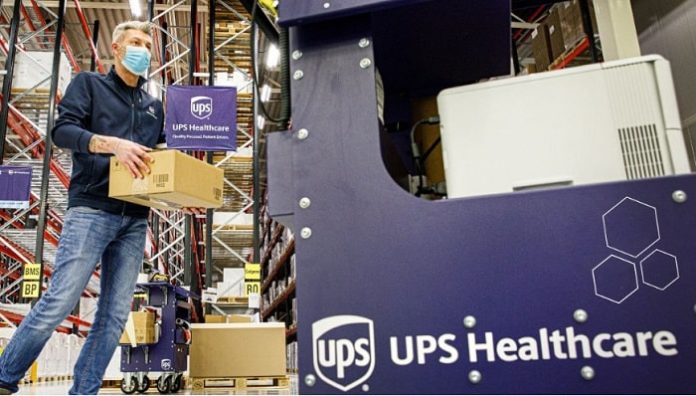
UPS announced that it has entered into an agreement to acquire MNX Global Logistics (MNX), a global time-critical logistics provider. Once completed, the acquisition will bring even more precision and capability to UPS customers in healthcare and related industries who rely upon time-sensitive, often life-impacting logistics solutions. Whether itโ€™s to save a life or to get a grounded airplane back in the air faster, MNX will help UPS deliver what its customers need, when they need it, with even greater confidence.

“UPS already brings extensive capability and industry-leading on-time delivery to our customers, and that breadth and reliability is why they place their trust in us,โ€ said EVP and President of UPS International, Healthcare and Supply Chain Solutions Kate Gutmann. โ€œTogether with MNX, we will further that reliability and speed globally, especially for our UPS Healthcare customers. We continue to invest in services that bring unique value to our customers and create additional growth opportunities for UPS.โ€

MNXโ€™s capabilities in radio-pharmaceuticals and temperature-controlled logistics will help UPS Healthcare and its clinical trial logistics subsidiary Marken meet the growing demand for these services in the healthcare industry. Together with UPS Express Critical, the company will offer industry-leading global service to customers in need of time-critical, temperature-sensitive logistics.

“We are excited to combine our expertise with UPS to offer the best time-critical logistics solutions to customers around the world,” said MNX CEO John Labrie. “By joining UPS, we will be able to use the MNX team’s expertise in global, time-critical logistics within UPS’s extensive network, allowing us to provide our customers with the best possible service. We would like to thank Quad-C Management for their support over the years. MNX is confident that UPS is the best partner to help us accelerate our business into the future.”

The transaction is expected to close by the end of the year, subject to customary regulatory review and approval. The value and terms of the transaction are not being disclosed at this time. J.P. Morgan Securities LLC is serving as the exclusive financial advisor to UPS, and King & Spalding is serving as the legal advisor to UPS.

Clearpath Revolutionizes Medical Image Sharing with AI-powered Patient Solution

Clearpath Technologies announced the launch of its patient solution, PatientConnect, which it developed in partnership with leading healthcare facilities.

Before Clearpath, patients had to wait days or weeks after an appointment to receive their medical imaging via CD. With Clearpath, patients receive their files quickly, automatically, and digitally.

Easy Requests, Storage, Sharing & Access Management
Through Clearpath’s web, iOS, and Android apps, Patients can request records and imaging from any provider, receive and store them securely in the cloud, and share them with trusted providers and family members.

AI-powered Patient Experience
Powered by artificial intelligence (AI) and natural language processing (NLP), built-in patient education translates complex radiology reports into plain English patients can understand.

Interoperability and Digital Workflows
Because Clearpath is integrated with each facility’s EHR, PACS, and other health information systems, providers can validate and release records and images to patients and referring physicians within minutes of a report being completed.

Automation and Clinical Data Exchange Facilitation
Based on a facility’s schedule, Clearpath provides access to records and images automatically, so facilities can replace costly manual fulfillment efforts with an automated digital workflow.

“Clearpath is transformative to both healthcare facilities and patients,” says Kamil Rahme, the company’s Chief Technology Officer. “Many health systems believe they have an image sharing solution in place, but these legacy systems are limited to a single network, don’t integrate records, and carry heavy installs, high operating costs, and manual workflows. Facilities nationwide are installing Clearpath because it integrates with every PACS, top EHRs, other health information systems, works across networks, and is truly automated, which reduces fulfillment times by up to 90%.”

“Our goal is to be a driving force in the digital transformation of medical record and image sharing,” said Lauren Brown, Clearpath’s President. “Despite all the innovation healthcare has seen in the past two decades, medical facilities are largely sharing records the same way they did twenty years ago. As patients ourselves, we are astounded that we still have to receive our MRIs or CTs on a CD that we can’t play โ€“ because we don’t have CD players anymore. By empowering patients to receive, store, understand, and share their medical images digitally, our goal is to give patients a clear path to taking control over their healthcare.”


IIM Lucknow develops model to mitigate cybersecurity risk in healthcare sector

Healthcare IoT Security Solution

A research team at the Indian Institute of Management Lucknow (IIML), led by Prof. Arunabha Mukhopadhyay, has developed a model to protect healthcare systems globally from cyber threats.

Their โ€˜Healthcare Cyber Risk Assessment modelโ€™ evaluates and mitigates risks of cyberattacks, thereby ensuring the security of patient data and the continuity of digital healthcare services for healthcare institutions.

The increasing complexity and sensitivity of data in healthcare organisations have heightened their susceptibility to cyberattacks, especially as the healthcare sector’s reliance on digital data has grown during the COVID-19 pandemic. Digital health records contain sensitive personal information like Government IDs (e.g., Aadhaar), medical histories, finances, and insurance details, which cybercriminals can use for identity theft and fraud.

The IIML team aims to tackle this issue by investigating the weak points in healthcare data security that hackers exploit. They propose that cyber threats become more likely when the healthcare staff lacks training to counter tactics like phishing, and when IT governance and security technology are not effectively implemented.

The model, which can be extended to the Indian healthcare sector, has three main features.

  • First, it assists Chief Information Officers (CIOs) of healthcare institutions in determining the vulnerability of the healthcare institution to cyberattacks
  • Secondly, it employs Collective Risk Modelling to assess the potential severity of cyberattacks, which can help hospitals predict the impact
  • Finally, it offers recommendations on how to mitigate and prevent these cyberattacks


The recommendations are derived from Rational Choice Theory and the standards outlined by the National Institute of Standards and Technology (NIST). The model also offers practical cyberattack safeguards for healthcare firms in high-risk quadrants of the heat matrix.

Health IT Solutions For Smart Hospitals Boost Patient Care

While virtual care implementations have been a significant focus in the healthcare sector over the past three years, healthcare organizations have not overlooked the need to modernize their physical spaces as well.

In the hospital setting, modern patient rooms are undergoing a transformation to provide more consumer-oriented comforts, resembling the amenities one might find in a comfortable living room. A prime example is Penn Medicine’s newly constructed pavilion at the Hospital of the University of Pennsylvania. Here, patient rooms are equipped with a spacious 75-inch smart TV that offers access to essential care information, entertainment options, and control over room features like lighting and temperature.

Dr. Gianrico Farrugia, the President and CEO of Mayo Clinic, emphasized the necessity of updating physical healthcare infrastructure, even before the pandemic, but especially during it. He stressed that this physical transformation has been neglected and requires significant national attention and investment in the coming years.

These modernized physical spaces also benefit clinicians, facilitating the transition from virtual to in-person care. In a context marked by staffing challenges and financial constraints, smart hospital solutions are emerging to automate routine tasks and create touchless opportunities for healthcare providers at the bedside. This shift aims to achieve a more integrated and seamless approach to patient care.

As both patients and clinicians increasingly demand greater connectivity, encompassing everything from streaming capabilities to clinical mobility, hospital rooms are evolving to meet these expectations. Healthcare organizations need not feel overwhelmed by starting from scratch; instead, they can devise strategies with interdisciplinary teams and make use of the tools already at their disposal.

At its core, a smart hospital utilizes real-time data to make informed decisions, supported by automation that reduces manual workloads for staff and extends care beyond the hospital’s physical boundaries. The Patient Room ‘Next’ framework outlines five main objectives: integration, real-time data utilization, automated documentation, touchless technology, and adaptable spaces.

To successfully implement this approach, assembling an interdisciplinary team of stakeholders is essential from the outset. Such a team is more likely to ensure the full adoption and utilization of smart hospital solutions, involving everyone from bedside clinicians to the IT department. This team is also instrumental in prioritizing security and privacy concerns alongside goals related to staffing, budgeting, and workflow efficiencies. As healthcare extends beyond the hospital, data security remains paramount, especially as many smart hospital solutions incorporate video and audio components, necessitating careful consideration of patient privacy and safety.

Healthcare organizations will continue to emphasize data, with ongoing efforts to transition to the cloud in support of modernization. The next phase involves aggregating and using this data effectively to reduce the cognitive load on clinicians and enhance clinical decision support.

Importantly, hospitals do not need to replace their existing solutions entirely. Instead, they can maximize the potential of their current tools. This will involve implementing an optimized framework of solutions to achieve the desired outcomes for the organization.

Patient Room ‘Next’ is not about incorporating the latest flashy technology but rather about constructing a roadmap toward improved patient care outcomes. With a solid foundation in core IT technologies, healthcare organizations can begin implementing these changes without disrupting their current operations.

AI-Powered Solutions For Patient Info Security In Healthcare

Healthcare institutions have been increasing their investments in both preventive and reactive cybersecurity solutions due to the ever-changing threat landscape. It is estimated that the healthcare industry will spend approximately $125 billion on security measures between 2020 and 2025.

Despite these efforts, the U.S. Department of Health and Human Services Office for Civil Rights (OCR) regularly investigates numerous reported breaches of unsecured protected health information, with a significant portion of compromised patient data originating from network file servers.

These breaches come with severe financial, operational, regulatory, and reputational consequences. According to a 2023 IBM report, the average cost of a healthcare data breach has surged to almost $11 million and continues to rise, largely due to hacking incidents, including ransomware attacks, as documented by the OCR.

Healthcare organizations are particularly vulnerable to cyberattacks because of the potential impact on critical life-saving operations. A 2022 report by the Ponemon Institute and Proofpoint, based on surveys of healthcare IT and security professionals, highlights negative patient outcomes as a major consequence of these cyber incidents.

It’s evident that the traditional approach to healthcare cybersecurity is insufficient in mitigating the impact of cyberattacks on this vital industry. One primary reason is that healthcare data, which requires protection, is not easily identifiable or locatable using existing technologies.

Zero Trust Bundle

How Hospitals Can Gain Visibility Into Their Data

Without a clear understanding of the location and characteristics of their data, organizations cannot effectively secure it. Locating patient information within an organization is a complex task that often necessitates programming skills.

Outdated technologies reliant on rules-based pattern matching for identifying protected health information are challenging to configure correctly and are no longer adequate for safeguarding healthcare organizations from their most significant risks.

Fortunately, advancements in artificial intelligence are driving solutions to identify and catalog electronic protected health information (ePHI). Deep learning empowers AI models to emulate the capabilities of trained humans in recognizing ePHI, eliminating the need for arduous programming and constant refinement of search patterns and detection rules. This outdated approach restricts organizations aiming to scale their security efforts.

How Hospitals Can Meet Better Standardization and Compliance

The National Institute of Standards and Technology (NIST) offers guidance and resources for implementing security measures in compliance with the HIPAA Security Rule. This rule aims to enhance patient data protection and reduce the impact of cyberattacks by securing ePHI held or managed by HIPAA-regulated entities.

According to NIST 800-66r2, “The ePHI that a regulated entity creates, receives, maintains, or transmits must be protected against reasonably anticipated threats, hazards, and impermissible uses and/or disclosures.”

The document provides updated and essential implementation guidance for HIPAA-regulated entities to proactively safeguard patient data and manage ePHI-related risks. As the industry standard for best practices, NIST 800-66r2 directs organizations to have an incident response plan for all areas where ePHI is used, stored, or shared.

The initial step toward achieving this is identifying all the locations and repositories of ePHI, including those obscure corners where it might be stored. Healthcare organizations can’t protect what they can’t see, so the first priority is to identify and catalog ePHI to shield it from cyberattacks. This is where a unified cloud-native application protection platform can prove invaluable.

Healthcare organizations looking to modernize their cybersecurity approach should consider adopting an AI-powered data security platform to assist in identifying and cataloging ePHI. Traditionally, this process has been cumbersome due to the unstructured nature of over 80 percent of healthcare data.

By leveraging AI-powered solutions, healthcare organizations can efficiently manage and identify ePHI, thereby reducing risks and cutting costs. Those who have embraced such solutions report decreased vulnerability to cyberattacks, reduced resource requirements for data management, and lower cyber insurance premiums.

Smart Hospitals Enhancing Patient Care With RTLS Technology

The urgency of digitizing healthcare has never been more apparent. Hospitals face mounting pressures due to increased healthcare demand from a global aging population, staff shortages, and the need to deliver higher-quality care. These challenges are driving a long-overdue transformation in healthcare infrastructure. Simultaneously, new software business models are reducing the barriers to adopting technologies that can integrate IT, OT, and medical systems. This integration aims to boost efficiency, flexibility, cost management, productivity, and overall patient experiences. For hospitals, the time to embrace this transformation is now.

However, it’s crucial to acknowledge that many digital transformation initiatives fail, and healthcare, with its complex and fragmented infrastructure, is particularly susceptible to such failures. To establish connected care and enhance operational and clinical outcomes, it is imperative to apply technology with a clear goal in mind, fostering the vision of a smart hospital where data from smart devices like tags and badges is collected, analyzed, and utilized for data-driven decision-making.

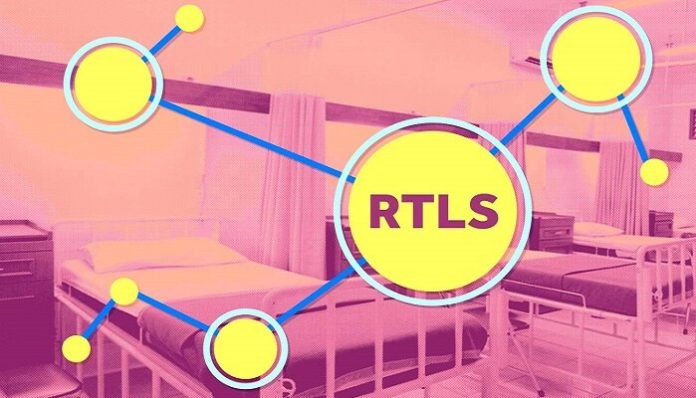
One such example is Location Intelligence and Real-Time Location Services (RTLS). While the concept of RTLS in hospitals is not new, its successful implementation requires careful planning. The benefits are well-established, including improved patient experiences, increased efficiency in asset and staff management, and reduced operational and maintenance costs. To ensure success, RTLS must be a fundamental component of a hospital’s digital transformation strategy, implemented with specific outcomes in mind and seamlessly integrated into the overall digitalization strategy.

For instance, hospital staff often spend significant time searching for medical equipment, diverting their attention from patient care. RTLS, through tagged equipment and a hospital-wide sensor network, can provide real-time location and maintenance data, enhancing staff efficiency and patient experiences. Additionally, it allows for better asset utilization by indicating whether equipment is in use, its condition, and triggering alerts for low inventory levels or asset movement. This approach minimizes investment and maintenance costs.

Furthermore, RTLS can be used to track patients during their hospital journeys, ensuring a smoother experience and optimized patient flow. Patients increasingly expect a digitalized healthcare experience, and integrating RTLS into a patient-facing app can significantly enhance patient satisfaction and flow.

Ideally, the smart hospital experience should begin at home, with patients checking in via an app, specifying preferences, and receiving guidance to assigned parking spaces upon arrival. Inside the hospital, the RTLS system guides them to their destination, and hospital staff are promptly notified. App-based wayfinding simplifies navigation and reduces the burden on hospital staff. Patients and staff can also receive real-time updates on treatment schedules and wait times, improving patient flow and capacity management.

The potential use cases for RTLS are diverse, and the journey toward a fully smart hospital is complex. Successful digitalization initiatives require a holistic strategy. Implementing an IoT lighting-based system provides an integrated infrastructure for lighting, temperature control, and RTLS, enhancing sustainability, operational efficiency, and inventory management.

To succeed in digital transformation and reap the financial, experiential, and operational benefits, technologies like RTLS must be integrated into a comprehensive IoT strategy with data acquisition and analysis at its core. This approach allows for the seamless integration of multiple technologies to address various use cases, including energy conservation, lighting control, space optimization, and RTLS. Careful planning ensures that these tools work harmoniously together.

Microsoft and Mercy collaborate to empower clinicians to transform patient care with generative AI

Microsoft and Mercy collaborate to empower clinicians to transform patient care with generative AI

Microsoft Corp. and Mercy are forging a long-term collaboration using generative AI and other digital technologies to give physicians, advance practice providers and nurses more time to care for patients and improve the patient experience. This work represents whatโ€™s next in healthcare for applying advanced digital technologies to the delivery of care to consumers.

โ€œWith the latest advances in generative AI, this moment marks a true phase change where emerging capabilities can help health care organizations address some of their most pressing challenges, create needed efficiency and transform care,โ€ said Peter Lee, corporate vice president of research and incubations at Microsoft. โ€œMercy has a reputation for ongoing innovation and โ€” through our years working together โ€” has been a leader in the industry in creating an intelligent data platform on which to launch this kind of transformation. This is just the beginning, and itโ€™s inspiring to see Mercyโ€™s leadership adopting these tools to empower physicians, providers, nurses and all clinicians to improve patient care.โ€

Mercy plans to use Microsoft Azure OpenAI Service to improve care in several immediate new ways:

  • Patients will have the information to better understand their lab results and engage in more informed discussions about their health with their provider through the help of generative AI-assisted communication. Patients will be empowered to get answers in simple, conversational language.
  • Mercy will apply generative AI when taking patient calls for actions like scheduling appointments. Beyond the initial call, the AI solution will provide recommendations for additional follow-up actions to make sure all the patientโ€™s needs are met during a single interaction, limiting the need for follow-up calls.
  • A chatbot for Mercy co-workers will help quickly find important information about Mercy policies and procedures, and locate HR-related answers such as information on benefits or leave requirements. By helping nurses and co-workers find the information they need more quickly, they can spend more time on patient care.

โ€œBecause of all the investments we have made together with Microsoft in the past few years, including the use of Microsoftโ€™s secure cloud, we are better positioned to perform real-time clinical decision-making that ultimately improves patient care,โ€ said Joe Kelly, Mercyโ€™s executive vice president of transformation and business development officer. โ€œWith Microsoft, we are exploring more than four dozen uses of AI and will launch multiple new AI use cases by the middle of next year to transform care and experiences for patients and co-workers. This is predictive, proactive and personalized care at its best.โ€

As Mercyโ€™s preferred platform for ongoing innovation, the Microsoft Cloud provides the health system with a trusted and comprehensive platform to improve efficiency, connect and govern data, impact patient and co-worker experience, reach new communities, and build a foundation for ongoing innovation. By securely centralizing and organizing data in an AI-powered intelligent data platform built on Azure, Mercy is uniquely positioned to deliver on evolving clinician and patient expectations more quickly. For example, Mercy can tap into secure data insights to reduce many unnecessary patient days in the hospital by giving care teams smart dashboards and better visibility into the factors that impact how soon patients can return home. Additionally, Microsoftโ€™s modern work solutions will help Mercy co-workers improve productivity and communication so they can spend more time improving patient care and experience.

โ€œMercy and Microsoft are creating a new path for health systems in which we are working shoulder to shoulder to combine our 200-year heritage in health care and Microsoftโ€™s extensive expertise in cloud and AI to enhance care for the patients we serve and improve the working experience for our physicians, advanced providers, nurses and all co-workers,โ€ said Steve Mackin, Mercyโ€™s president and CEO. โ€œBy using technology in new and secure ways, we innovate better health care for all.โ€

The organizations recently brought together Mercyโ€™s engineering teams and senior leaders with Microsoft leaders, engineers and industry experts for a hackathon to co-imagine and begin to co-innovate around the generative AI use cases in development. Additionally, Microsoft and Mercy are working together to showcase Mercyโ€™s solutions in the Microsoft Technology Center (MTC) in Chicago in 2024. The showcase will highlight transformational clinical experiences and demonstrate what the future of health care could look like using Microsoft technology.

Etiometry Joins Forces with SRHO to Enable AI-based Decision Support in High-acuity Hospital Units across the U.S.

Etiometry Joins Forces with SRHO to Enable AI-based Decision Support in High-acuity Hospital Units across the U.S.

Etiometry, a leader in clinical intelligence technology for critical care entered a strategic partnership with SRHO – The National Association. The partnership is set to empower SRHO’s esteemed members with revolutionary tools to drive quality improvement initiatives that improve outcomes of critically ill patients and deliver cost efficiencies for critical care units across the hospital.

Etiometryโ€™s clinical decision support platform maximizes high-acuity care teamsโ€™ situational awareness by visualizing all patient data that are continuously streamed from monitors, devices, and the EHR to show trends over time on one screen โ€“ from anywhere, so clinicians can access from the bedside, a workstation on wheels, remotely via VPN or at a central command center. The platform also helps clinicians anticipate patient deterioration with FDA-cleared risk algorithms, which flag risk of inadequate oxygen delivery or ventilation of carbon dioxide and other conditions, for the care team to determine if early intervention is needed.

Etiometryโ€™s Clinical Pathway Automation streamlines clinical workflows by embedding hospital-specific best practices to standardize the escalation and de-escalation of care in the ICU. Automatically informing clinicians when patients have met criteria for clinical workflows directly impacts outcomes while helping newer nurses manage complex patients. Hospitals can also easily measure quality initiatives and refine workflows with the Etiometry QI App and automated reports.

โ€œHospitals should consider taking advantage of SRHOโ€™s first clinical partnership targeting the ICU if theyโ€™re seeking a turnkey solution to achieve that elusive balance between standardized and individualized care. The published data on Etiometry are compelling โ€“ both clinically and operationally,โ€ said Mark Tribbett, Chief Executive Officer at SRHO, a consortium of Strategic Regional Healthcare Organizations aimed at supporting each memberโ€™s unique challenges. โ€œAt the end of the day, the platformโ€™s capabilities meet the real needs of our representative hospitals, including the ability to decrease length of stay and readmissions, as well as minimize time on vasoactive medications and mechanical ventilation.โ€

โ€œWe are excited to partner with SRHO and get to know its member health systems,โ€ said Shane Cooke, CEO of Etiometry. โ€œEtiometry was created by and for clinicians, so we deeply appreciate the challenges providers face and weโ€™re always excited to help them achieve material quality improvements. Our team developed an easy solution to gauge success of a teamโ€™s quality improvement initiatives and demonstrate true value in terms of outcomes. Ancillary benefits address any strains on hospital budgets with the significant cost savings and potential additional revenue associated with our platform use.โ€

Digital Medical Technology Solution By Huawei Accelerates Intelligent Healthcare

During HUAWEI CONNECT 2023, Huawei held the first intelligent healthcare summit themed “Build a Digital Health Community to Accelerate Intelligent Healthcare”. Huawei released the Digital Medical Technology Solution to help the healthcare industry go smart.

Zhao Yixin, General Manager of the Education and Healthcare Industries of Global Public Sector of Huawei, delivered a speech named “Intelligence Reconstructs Future Healthcare, Innovation Strengthens Digital Health”. Focusing on healthcare intelligence, Huawei is committed to breaking digital boundaries and developing innovative all-scenario healthcare solutions to facilitate high-quality development of the healthcare industry.

Digital Medical Technology Facilitates Accurate and Efficient Healthcare

The Huawei Digital Medical Technology Solution builds a unified architecture based on cloud computing, big data, and AI that benefits medical imaging services in hospitals around the world. It has five major features, namely hospital-wide data convergence, multi-protocol and copy-free, lossless compression, SmartCache 2.0 AI prefetch, and video-network collaboration. Over 1000 images and pathology slices can be viewed in seconds, saving 30% of storage space and 70% of equipment room space. It also helps deliver accurate, efficient, and consistent image reading and diagnosis services.

This solution has been successfully implemented in the regional medical imaging platform project of the Longgang District Health Bureau, Shenzhen. Thanks to this platform, 12 hospitals in Longgang District have access to interconnection and can share medical image data. They have one-click access to imaging reports, and benefit from mutual recognition of examination results across hospitals. Data is fully utilized to serve patients more efficiently, and regional imaging resources are distributed in a more reasonable way.

Huawei continues to step up its innovation and investment in the field of intelligent healthcare. Up to now, Huawei has served upwards of 5000 hospitals and research institutions in over 90 countries and regions, and has more than 3300 ecosystem partners.

Translate ยป