Close
Digital Health & Ai Innovation summit 2026
LiGHT26

Lunit’s AI-Powered Mammography Analysis Solution Achieves Comparable Diagnostic Performance with Human Readers

Lunit's AI-Powered Mammography Analysis Solution Achieves Comparable Diagnostic Performance with Human Readers

Lunit, a leading provider of AI-powered solutions for cancer diagnostics and therapeutics, has unveiled the results of a collaborative study with Dr. Yan Chen, Ph.D., professor of digital screening at the University of Nottingham, United Kingdom. The study, recently published in Radiology, demonstrates that Lunit’s AI-powered mammography analysis solution, Lunit INSIGHT MMG, matches the diagnostic performance of human readers. The study, which involved comparing Lunit’s solution with assessments by 552 human readers, represents a significant milestone in the field of medical imaging and the future of breast cancer detection.

“This first study to apply the Personal Performance in Mammographic Screening (PERFORMS) scheme to AI algorithms marks a remarkable achievement, showcasing our AI’s ability to match or even surpass human performance in detecting breast cancer. It offers hope to patients worldwide and underscores AI’s potential to enhance cancer detection and treatment outcomes,” said Brandon Suh, CEO of Lunit. “This follows our recent study in The Lancet Digital Health, validating Lunit INSIGHT MMG as a game-changing alternative in breast cancer screening. We’re committed to leveraging AI to transform healthcare and save lives.”

Conducted retrospectively, the study evaluated two PERFORMS test sets, each consisting of 60 challenging cases from the NHSBSP (National Health Service Breast Screening Program), over a three-year period. Human readers assessed these cases between May 2018 and March 2021, while Lunit’s AI-powered mammography analysis solution evaluated them in 2022. The AI algorithm assessed each breast individually and assigned a suspicion of malignancy score to the detected features.

In the study, no significant difference was observed in the AUC (area under the ROC curve) between Lunit’s AI-powered mammography analysis solution (0.93) and human readers (0.88), demonstrating the solution’s ability to excel in breast cancer detection. Additionally, when using recall thresholds to match the mean performance of human readers (90% sensitivity, 76% specificity), Lunit’s AI-powered mammography analysis solution exhibited no significant differences or even stronger performance in sensitivity (91%) or specificity (77%) compared to human readers, highlighting its reliability and consistency.

In conclusion, the study demonstrates that Lunit’s AI-powered mammography analysis solution performs at a level equivalent to that of an experienced radiologist when assessing cases from two enriched test sets provided by the PERFORMS scheme.

“There are no other studies to date that have compared such a large number of human reader performance in routine quality assurance test sets to AI, so this study may provide a model for assessing AI performance in a real-world setting,” said Dr. Chen. “The results of this study provide strong supporting evidence that AI for breast cancer screening can perform as well as human readers.”

Make UK And BHTA Unite To Reshape Healthcare Manufacturing

The UK and the British Healthcare Trades Association (BHTA) have recently unveiled a new alliance with the goal of fostering cooperation and growth within UK healthcare manufacturing.

This partnership unites two influential organizations, both deeply committed to advancing their respective sectors and championing innovation, quality, and excellence in the fields of manufacturing and healthcare in the United Kingdom.

The primary objective of this collaboration between Make UK and BHTA is to facilitate connections among healthcare product manufacturers, paving the way for the creation of fresh opportunities and collaborative innovation.

Furthermore, both entities acknowledge the critical importance of sustainability in their sectors. They plan to harness their combined resources and expertise to explore avenues for promoting environmentally friendly practices and products throughout the manufacturing and healthcare supply chains.

Through the exchange of expertise and insights, Make UK and BHTA will jointly support training and development initiatives in the industry. This effort is geared towards shaping a skilled workforce capable of meeting the evolving demands of modern manufacturing and healthcare.

David Stockdale, the CEO of BHTA, expressed the significance of this partnership, noting that it represents a substantial stride forward for the healthcare and assistive technology sector. He emphasized that the collaboration with Make UK will provide invaluable knowledge and resources to bolster the industry, ultimately enhancing healthcare outcomes and contributing to the growth of the UK economy.

Chris Corkan, interim region director at Make UK, also expressed enthusiasm about the partnership, highlighting the importance of ensuring the continued prosperity of UK manufacturing. He emphasized the sector’s role in employing thousands of individuals to produce and supply essential equipment to exacting standards. Together with BHTA, Make UK aims to amplify the sector’s influence at the national level, strengthen supply chains for health and social care, develop the future workforce, and cultivate a robust industrial vision for the country.

AI Detection Programs Combat Drug Diversion In Hospitals

Research conducted by Wolters Kluwer, an information and software company, suggests that artificial intelligence (AI) can potentially reduce drug diversion in hospitals. The study revealed that over half of managers who implemented AI-based diversion detection programs reported increased confidence in their effectiveness.

Drug diversion involves the illegal redirection of prescription medications from their intended clinical use, often involving medical staff either using these drugs for themselves or selling them for personal gain. The International Health Facility Diversion Association estimates that at least 37,000 diversion incidents occur annually in U.S. healthcare facilities.

Karen Kobelski, Vice President and General Manager of Clinical Surveillance Compliance & Data Solutions at Wolters Kluwer Health, highlighted that the issue has been exacerbated by the use of temporary and contract staff during the COVID-19 pandemic. She emphasized the importance of advanced technology in maintaining effective diversion detection programs, considering the risks to patient safety, clinical teams, and the hospital’s reputation and finances.

The survey, titled “The State of Drug Diversion 2023 Report,” revealed that 71 percent of respondents stated their drug diversion teams spend approximately eight hours on each investigation, impacting their ability to address the problem efficiently. The survey, conducted in the U.S. and produced by Eliciting Insights, involved 100 healthcare professionals. Its aim was to assess the confidence of healthcare facilities in their anti-drug diversion systems, both with and without the use of AI tools.

In 2019, only 29 percent of respondents used AI tracking to identify potential drug diversion cases. However, the 2023 results indicate a significant increase, with 56 percent of respondents now utilizing AI tools. Among those employing AI, more than half expressed confidence in the effectiveness of these tools in preventing the loss of prescription drugs.

Kobelski emphasized the value of AI-based diversion detection programs, as they can efficiently analyze large volumes of data to identify suspicious cases. This is especially beneficial for resource-strapped hospitals that may not have dedicated staff for continuous diversion detection programs, allowing them to effectively detect and address diversion incidents.

Beck Automation presents a high-precision IML solution for medical applications at Fakuma 2023

Beck Automation presents a high-precision IML solution for medical applications at Fakuma 2023

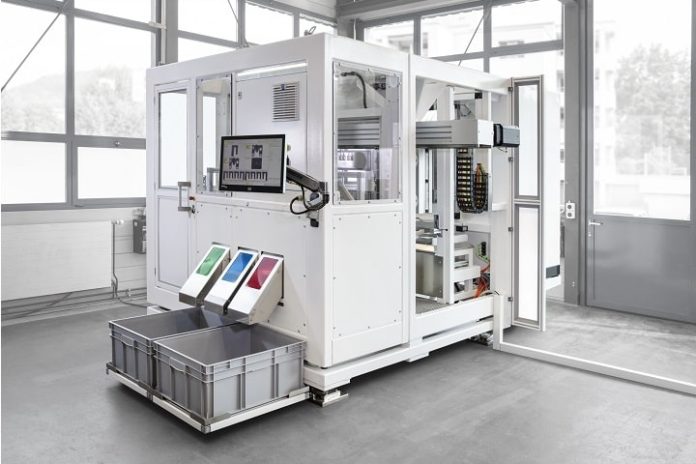
The new Beck Medical IML presented at the trade fair is a high-precision manufacturing system specially designed for the production of medical components. The application is part of a joint project with partners ARBURG, Intravis, KEBO and MCC Verstraete. The partners set themselves the goal of developing a system that enables high-precision IML in large quantities using the latest technologies.

“Our experience of more than 35 years in the IML sector is now also setting new standards in the production of medical components. Instead of complex and failure-prone production steps with large logistical efforts, we now have end-to-end production that can be used precisely, highly efficiently, hygienically and with repeat accuracy in the smallest of spaces,” says Ralf Ziemer, sales manager for the Medical division at Beck Automation, introducing the new product.

A low-torsion, powder-coated steel profile frame forms the basis of the Beck Medical IML. The machine design is based on a modular structure, where each individual production step is assigned to a module. “Each module thus fulfills a specific task. The overall system is practically assembled on a modular principle,” Ziemer continues. In this principle, production units for screwing, welding, printing or packaging can be added. All motion sequences are executed energy-efficiently by servo and stepper motors of the latest generation. “We distinguish the IML manufacturing area from the processing area. Both areas are stably connected and can be separated from each other at the push of a button, allowing optimal access,” says Ziemer.

The IML area includes the label magazines, the label transport, the placement of the labels on the insertion cores and, for products that require the highest accuracy, the label adjustment. Label adjustment, which compensates for the print-to-cut tolerance resulting from production, is performed by Beck’s high-precision label adjustment head. The label adjustment head measures each individual label using laser sensors and compensates for inaccuracies. For this purpose, the label is moved in two axes and one angle. In the medical field, where labels can be very small, the label adjustment heads are arranged in a centering plate and not on the moving main arm. This avoids disturbing vibrations. The readjusted label is placed on the insertion core by means of a transfer gripper and electrostatically charged. The label, which is thus optimally positioned, is vacuum-assisted into the cavity of the injection mold. The adjustable head technology ensures that the cut edges do not determine the position of the decoration or functional elements.

The processing area contains the central transport unit, around which various production modules can be arranged in modular ways. Label insertion and finished part removal can be performed in parallel or sequentially. The robot’s intervention times of 1.0 – 1.4s (signal to signal) thus have no or only minimal influence on the cycle time. A fully integrated vision system ensures 100% quality control. All bad parts are automatically rejected. “Detecting defects in real time offers the possibility of immediate intervention in the process parameters and significantly reduces the reject rate,” emphasizes Ziemer. The good parts are then fed to further processing or the packaging unit.

The new Beck Medical IML will be on display at Arburg’s booth A3-3103. Beck is also exhibiting other IML systems at its booth A1-1519 and at Netstal’s booth B3-3119 at Fakuma 2023 in Friedrichshafen, Germany, from October 17 to 21.

Knee Pain: What You Should Know for a Pain-Free Life

Are you tired of those knee pains that seem to slow you down at every turn? If knee discomfort is a familiar companion in your daily life, you’re in the right place. Knee pain isn’t just a discomfort; it’s a roadblock to the things you love.

Whether it’s a leisurely walk in the park or even just climbing stairs, your knees play a pivotal role in your daily activities. That’s why understanding how to manage and prevent knee pain is crucial.

In this article, we will explore the complexities of knee pain, unraveling its multiple causes and offering practical solutions for relief.

Common Causes of Knee Pain

Among the prevalent contributors to knee pain, osteoarthritis stands out as a common factor. It’s a degenerative joint condition when the protective cartilage in your knees breaks down over time. It can lead to pain, stiffness, and reduced mobility.

Another frequent cause is injury or trauma. Whether a sudden twist or a fall, any significant impact or stress on the knee joint can result in pain and damage. Understanding such causes, therefore, becomes crucial for effective knee pain relief treatment. If not administered soon by a specialist, such traumatic injury might later alleviate the pain, resulting in more issues in the future.

In some cases, the daily tasks you can perform might be hampered by weak quadriceps, states Motive Health. Less mobility causes quadriceps to weaken further, aggravating discomfort that can spiral out of control. Using neuromuscular electrical stimulation to strengthen the quadriceps is necessary to stop this cycle from repeating.

Through such stimulation, muscles are strengthened, knee pressure is reduced, discomfort is diminished, and mobility is enhanced.

Tendinitis, the inflammation of the tendons around the knee, can also lead to discomfort, especially among athletes or individuals with repetitive knee movements.

Signs and Symptoms of Knee Pain

One of the most common symptoms is pain, of course. It may be sharp, dull, or throbbing, depending on the underlying cause. The pain can occur while walking, running, climbing stairs, or resting.

Swelling around the knee joint is another common sign. This swelling can range from mild puffiness to significant enlargement, often accompanied by warmth and redness.

Frequent reports of knee joint stiffness are not uncommon. It can become challenging to achieve full knee flexion or extension, resulting in a restricted range of motion.

Diagnosis and Medical Evaluation

The diagnostic process typically begins with a thorough review of your medical history. Your doctor will ask about your symptoms, their duration, and any specific events or activities that might have triggered the pain.

Gathering this information aids in narrowing down potential causes. The physical examination assumes a pivotal role, with your healthcare provider evaluating your knee’s range of motion, stability, and tenderness. They may also look for signs of swelling or deformity.

Imaging studies, such as X-rays, MRIs, or CT scans, are valuable tools to visualize the internal structures of the knee. These tests can reveal fractures, bone spurs, ligament tears, or cartilage damage.

Prevention Strategies

Maintaining an optimal weight is crucial. Excess weight can place undue stress on your knee joints. Therefore, effective weight management through a well-balanced diet and consistent exercise can notably diminish the likelihood of experiencing knee pain.

Exercise itself is a crucial preventive measure. They can be carried out through exercise-based prevention programs, which have shown progressive results, especially for athletes. According to Physiopedia, exercises should combine several forms of training, such as core, strength, and plyometric conditioning.

These exercises should be performed for a minimum of 20 minutes multiple times per week. Furthermore, emphasizing activities that enhance the muscles surrounding your knees can offer added stability and bolster the joint. These may include such as leg lifts and squats.

Select footwear that offers adequate arch support and cushioning, particularly if you participate in sports or activities that entail extensive running or jumping.

Treatment Options

When knee pain strikes, exploring various treatment options is essential to alleviate discomfort and improve your quality of life. The choice of treatment will depend on the cause and severity of your knee pain and your overall health.

For mild to moderate knee pain, conservative treatments are often sufficient. Rest, ice, compression, and elevation (RICE) can help reduce swelling and discomfort. According to Medical News Today, following an accident, you can start therapy immediately and keep going for 24-48 hours. The methods that this approach is used are as follows. Rest the damaged area first. Keep your weight off of it and try not to move it. When possible, use crutches, canes, splints, or braces.

Second, apply ice to the wound between four and eight times daily for 20 minutes. Within the initial three days, this is very crucial. Never let ice come into contact with your skin. Then add compression after that. It works for up to one week.

Wrap the region in the bandage securely enough to provide support without obstructing blood flow. The fourth step is elevation, which slows blood flow to the area and lessens bruising and swelling. According to specialists, elevating the region for two to three hours daily is ideal.

Surgery may be necessary for more severe cases or when conservative methods are ineffective. Procedures like arthroscopy can repair damaged cartilage or ligaments. Also, knee replacement surgery may be considered for severe osteoarthritis.

Lifestyle Adjustments for Knee Health

Regular exercise is key. According to research published in The Lancet Rheumatology, the most prevalent areas for osteoarthritis are the knees and hips. Thus, osteoarthritis in the knee is predicted to rise by more than 74.9% by 2050, which is far greater than expected.

Additionally, the obesity aspect cannot be disregarded. According to Dr. Liane Ong, chief scientist for research at IHME, management solutions must be developed to stop the advancement.

He concludes that exercise can help those with joint discomfort and can even prevent injuries from occurring earlier in life. Therefore, prioritize low-impact activities such as swimming or walking, which enhance knee-supporting muscles without overburdening the joints. Maintaining a healthy weight through a balanced diet and portion control can further alleviate strain on your knees.

Proper posture, often underestimated, plays a critical role. Pay attention to your body mechanics, particularly when lifting heavy objects or engaging in repetitive tasks. Using supportive footwear with good arch support can improve your knee alignment.

Physical Therapy and Rehabilitation

Physical therapy and rehabilitation are specialized programs to help individuals regain strength, flexibility, and knee mobility. It ultimately fosters a life free from pain and filled with activity.

In cases of knee pain, a physical therapist can evaluate your condition and design a customized treatment regimen to suit your requirements. Typically, they commence with gentle exercises and stretches aimed at enhancing your knee’s mobility and alleviating stiffness.

Addressing Knee Pain Is Essential

Understanding and addressing knee pain is essential for a pain-free life. Whether you’ve been dealing with knee discomfort or want to prevent it, the key is taking action. Remember, maintaining a healthy weight, regular exercise, and proper posture are essential for knee health. 

If knee pain arises, don’t hesitate to consult a healthcare specialist and explore various treatment options. By making lifestyle adjustments and seeking timely care, you can ensure your knees stay strong, flexible, and pain-free.

Exploring 4 Major Applications of Titanium in Healthcare

Titanium, known for its incredible strength, low density, and corrosion resistance, has found a multitude of applications in various industries. As a metal, titanium is a very popular one. Given its diverse use cases across industries, it’s easy to see why the titanium market is growing so rapidly. 

According to Statista, the global titanium market is worth $28.59 billion. In the next few years, this market will easily surpass the $30 billion mark, and it’s mostly thanks to how widely used titanium is. 

From aerospace to construction, titanium is used in almost every type of industry in one way or another. However, its impact on the healthcare sector is something that deserves some bit of attention. 

In this article, we will explore a few remarkable uses of titanium in healthcare that have revolutionized the medical field.

#1 Orthopedic Implants

According to Allied Market Research, the global orthopedic implants market was worth $47,190.57 million as of 2022. One of the most well-known uses of titanium in healthcare is in orthopedic implants. Titanium is the preferred material for hip and knee replacements, spinal fusion cages, and bone plates and screws.

The primary reason for its popularity in orthopedics is its biocompatibility. That means it does not cause an adverse immune response or tissue rejection when placed inside the body. This quality ensures that patients can enjoy long-term relief from pain and improved mobility without the risk of allergic reactions or implant rejection.

Furthermore, titanium’s exceptional strength and durability make it ideal for these applications. The human body places significant stress on orthopedic implants, especially in weight-bearing areas like hips and knees. Titanium’s ability to withstand these pressures ensures that implants remain intact and functional for many years.

Implant manufacturers also consider etching titanium into their products. Doing so helps strengthen the implants and give them metal-like qualities. Besides, the titanium etching process also helps complicated designs to be produced with the highest possible quality.

According to Elcon Precision, titanium etching is commonly done in spinal implants. Such etching is also done to other medical devices and products. These include medical atomizers, diagnostic wearables, and orthodontic devices.

#2 Medical Devices

Precedence Research reports that the global medical devices market was worth $ 577.26 billion in 2022. Titanium’s versatility extends to this market as well. It aids in the development of various medical devices that have had a profound impact on patient care. 

One of the most notable applications is in pacemakers and other implantable cardiac devices. These life-saving devices require materials that are both biocompatible and electrically conductive. Titanium meets these criteria, as it can seamlessly integrate with the human body while allowing for the efficient transmission of electrical signals.

Additionally, titanium is used in the construction of hearing aids and cochlear implants. Its biocompatibility ensures comfort and safety for patients who rely on these devices for improved auditory function. 

#3 Surgical Mesh

Surgical mesh is a crucial component in various medical procedures, especially those involving hernia repair and tissue reconstruction. Titanium mesh has gained recognition for its exceptional properties in this context. When used in hernia repair surgeries, titanium mesh provides support to weakened or damaged tissues, preventing hernias from recurring. Its biocompatibility ensures minimal tissue reaction, reducing the risk of complications.

Furthermore, titanium mesh is malleable, allowing surgeons to shape it to fit the specific needs of each patient. This flexibility ensures that surgical mesh can be tailored to provide optimal support and stability, leading to improved patient outcomes. The use of titanium mesh in tissue reconstruction procedures also enhances the body’s ability to heal and regenerate, promoting faster recovery and reduced scarring.

#4 Prosthetic Limbs and Exoskeletons

Titanium has even made its mark in the field of prosthetics and exoskeletons. Prosthetic limbs that incorporate titanium components are renowned for their strength, lightweight nature, and durability. These properties enable amputees to lead more active and fulfilling lives, with prosthetic limbs that closely mimic the functionality of natural limbs.

In addition to prosthetic limbs, titanium is also used in the construction of exoskeletons, which are wearable devices that assist individuals with mobility impairments. These devices are designed to provide support and enhance mobility, making it easier for people with disabilities to walk and perform daily activities. Titanium’s lightweight yet robust characteristics make it an excellent choice for exoskeletons, as it ensures both comfort and durability for the user.

Conclusion

Titanium’s exceptional properties have allowed it to take center stage in healthcare, benefiting millions of patients worldwide. The above-discussed use cases are some of the major areas in healthcare where titanium is contributing. Over the next few years, this sector will, for sure, realize more uses of titanium.

CHAPPER healthcare exhibits at Expopharm 2023 to help European partners strengthen supply chains

CHAPPER healthcare exhibits at Expopharm 2023 to help European partners strengthen supply chains

CHAPPER healthcare is delighted to be attending Expopharm – Europe’s largest pharmacy trade fair – to showcase how they can support partners across Europe strengthen their supply chains and get medicines to patients quicker and more reliably.

The leading, UK-headquartered wholesaler and distributor, specialise in importing and exporting pharmaceuticals and medical supplies and benefit from an Irish subsidiary with purpose-built warehouses in Ireland and Germany, which helps strengthen their European presence.

They are a founding member of EUROPACCESS, a partnership of five leading European companies that have recently come together to provide streamlined and faster access to European healthcare systems.

Together with the other founding members, Ilapo, Intsel Chimos, Tetrago and Euraxi Pharma, EUROPACCESS’s mission is to support its manufacturer partners in the distribution of their medicines and deliver best-in-class services to patients and healthcare professionals across the main markets in Europe. The services it offers span the drug lifecycle from early access, through dossier filing to post Marketing Authorisation distribution

Jonathan Chapper, CEO of CHAPPER healthcare, commented: “We supply pharmaceuticals across six continents, including urgent and unlicensed medicines, and focus on offering the highest levels of service to all our customers.

“We are excited to have been involved in the creation of EUROPACCESS and are looking forward to speaking about the services we can offer through it to existing and future manufacturer clients.

“Our involvement in EUROPACCESS broadens the range of pharma services we offer and complements the capabilities of our wholesale business. At Expopharm we’re looking forward to connecting with new partners to showcase how we can work together to meet their distribution needs and help get medicines to patients quicker and more efficiently.”

For over 45 years, CHAPPER healthcare has had a worldwide reputation for successfully sourcing and distributing pharmaceutical products globally. The company offer a wide range of high-quality products and pride themselves on delivering a flexible, solution-focused and professional service to a wide range of customers including manufacturers, healthcare establishments and end users.

Exhibiting once again at Expopharm, CHAPPER healthcare is looking forward to sharing how their expanded presence across Europe can help manufacturers and wholesalers to meet patient demand, combat current and future supply chain challenges and build greater resilience.

Expopharm 2023 will be hosted as a face-to-face trade show at Messe Düsseldorf from 27 – 30 September. CHAPPER healthcare will be located in Hall 3.2 Stand B88. The exhibition is Europe’s leading trade fair for the pharmaceutical market, attracting key decision-makers from all sectors of the pharmacy industry.

Your Roadmap To Success: Advancing Your Doctor Career

Navigating the expansive world of medicine is both an exciting journey and a challenging endeavor. As a dedicated physician, you are already familiar with the constant learning and adaptation required in the medical field. Whether you’re aiming for a higher clinical, academic, or administrative position, there’s a roadmap to guide you. Here’s a detailed breakdown of the steps to propel your career forward. 

1. Self-Assessment

Begin with a thorough introspection. What are your professional desires? Where do you envision yourself in a decade? Is your heart set on specializing, leading a department, or immersing yourself in cutting-edge research? The answers will guide your subsequent steps, ensuring they align with your ultimate goals. 

2. Continuous Learning

Medicine is an ever-evolving field. Seek further education tailored to your goals, such as specialized fellowships or complementary advanced degrees like an MPH or MBA. Concurrently, conferences and workshops can offer both the latest knowledge in your field and insights into emerging areas. Finally, pursuing relevant certifications can be pivotal, demonstrating your commitment and expertise in specialized areas of medicine. 

For those dedicated to specializing in surgery, consistently improving one’s knowledge through a rigorous preparation regimen is necessary. A comprehensive MRCS Part A question bank can be a key tool in achieving certification success, offering vast amounts of questions, personalized learning algorithms, and simulating the real exam setting to take your study routine to the next level.

3. Networking

Your network can often be as vital as your skills. Engage actively in professional associations, ensuring you remain updated on industry shifts and opportunities. Conferences, while educational, are invaluable networking arenas. Alumni networks are often underutilized treasures, offering connections that can open doors. Enhancing your online presence, especially on platforms like LinkedIn, ensures you’re visible to global opportunities and collaborations. 

Furthermore, regularly taking the time to search doctor jobs on dedicated medical job platforms can provide insights into emerging roles and desired qualifications in the rapidly evolving medical landscape.

4. Research And Publications

Delve into research areas that pique your interest. Collaborative efforts can be a great starting point, allowing shared expertise. Once your findings are consolidated, present them at respected conferences and in reputable journals. As you advance, consider tapping into research grants which can provide the resources to further your investigative pursuits. 

5. Mentorship

In the medical profession, the value of mentorship cannot be overstated. Identify professionals who inspire you and approach them for guidance. Their experience can provide insights and shortcuts, and prevent potential pitfalls in your journey. Simultaneously, consider offering mentorship to budding doctors. This mutual relationship often brings unexpected insights and personal growth. 

6. Soft Skills

While clinical skills are paramount, soft skills often determine how far you’ll go. Developing leadership qualities can be your gateway into roles of greater responsibility. Your ability to communicate effectively impacts patient care, team dynamics, and inter-departmental collaborations. Time management and efficiency, though often overlooked, can dramatically elevate your professional life

7. Diversify Experience

Broadening your horizons can make you a more rounded physician. Consider rotations in other departments or medical settings to gain a fresh perspective. As telemedicine emerges as a dominant force, embracing it will ensure you’re prepared for the future. If global health intrigues you, short-term assignments in different countries can be both enriching and enlightening. 

8. Leadership And Administration

As you grow in your career, leadership roles may beckon. Participation in hospital committees not only allows you to shape policies but showcases your commitment. Positions like Medical Director roles can be a natural progression, and if the intricate dance of healthcare management beckons, equipping yourself with an MBA or MHM can be a game-changer. 

9. Teaching And Academia

If imparting knowledge is your passion, academia awaits. Starting with adjunct roles, such as guest lecturing, can pave the way. With the right qualifications and a notable body of work, full-time academic positions can become a reality, allowing you to shape the next generation of doctors. 

10. Work-Life Balance

In the demanding world of medicine, it’s essential to recharge. Ensuring a balanced life is not just about personal well-being—it directly impacts your professional prowess. Finding moments of respite and rejuvenation will ensure you approach challenges with clarity and enthusiasm. 

11. Stay Updated With Technology

The tech revolution in medicine is in full swing. Familiarizing yourself with the latest medical technologies, electronic health record systems, and telemedicine platforms will ensure you’re not left behind. 

12. Consider Entrepreneurship

The entrepreneurial spirit can find its place even in medicine. Whether it’s a state-of-the-art clinic or a groundbreaking health tech startup, there are myriad ways to merge medical expertise with business acumen. 

13. Advocacy And Policy

Your voice matters. Engaging in medical advocacy or collaborating with policymakers can shape the future of healthcare, ensuring it aligns with the needs and challenges of the modern physician.

Final Thoughts 

Advancing in the medical profession requires a blend of dedication, continuous learning, and strategic planning. This roadmap is a comprehensive guide, but remember, the journey is personal. Tailor it to your aspirations and strengths, and there’s no pinnacle you can’t reach.

AI-Based Medical Imaging & Diagnostics Drives Medtech Sector

Artificial Intelligence (AI) is swiftly revolutionizing various industries on a global scale. However, recent research released by intellectual property firm Marks & Clerk emphasizes that the medical technology (medtech) sector is emerging as a frontrunner in AI innovation. The study brings attention to a remarkable surge in AI-based patent applications originating from the medtech sector, nearly quadrupling since 2018 to reach 2771 applications in 2022. This robust growth in AI applications within medtech consistently outpaces the overall AI sector’s year-on-year percentage growth between 2014 and 2021.

Delving deeper into AI within the medtech field, when we analyze the findings by subsector, the report unveils specific areas driving the medtech industry’s momentum. AI-based medical imaging and diagnostics emerge as the dominant fields in 2022, amassing a combined total of 3018 applications. However, it’s noteworthy that there has been a decline in AI-based drug discovery patent filings, with just 12 applications in 2022, reflecting a 30% decrease from the previous year. Several factors may explain this decline, including the maturation of the technology, concerns about patentability regarding technical effects, or a strategic shift towards maintaining confidentiality during the drug discovery process.

Tim Hargreaves, a partner and medtech specialist at Marks & Clerk, commends the medtech sector’s dedication to safeguarding its innovations. He stresses that the complexity of medtech’s technical specializations necessitates a meticulous approach to intellectual property protection. Hargreaves also highlights the global impact of AI in the medtech industry, with Europe and the US dominating AI patent filings at the European Patent Office (EPO), while witnessing an increasing number of filings from Asia, particularly China. This trend underscores the global aspirations of these regions to become “AI superpowers.”

Taking a closer look at the technology that underlies AI applications, a further breakdown reveals that computer vision and predictive analytics together account for nearly two-thirds of medtech sector applications. While computer vision plays a vital role across AI in general, predictive analytics holds a more prominent position in medtech filings. This suggests that the medtech sector places a higher priority on prediction, prevention, and intervention over treatment, as evidenced by the limited number of applications related to drug discovery AI.

Mike Williams, a partner at Marks & Clerk and the author of the AI Report, looks ahead to potential AI regulations and their potential impact on patent filing trends. He notes the forthcoming EU AI Act and its potential challenges to AI development in the EU, similar to the hurdles posed by GDPR. This could lead to a slowdown in AI patents originating from the EU, especially if other jurisdictions adopt a more lenient regulatory approach. Additionally, Williams highlights the evolving landscape of generative AI and its potential influence on future patent data, given the 18-month delay between patent filing and publication.

The report underscores that data-intensive industries like medtech are well-positioned to reap substantial benefits from the evolution of AI technologies. These technologies are progressively guiding the world toward a data-driven future. The remarkable growth in AI patent applications within the medtech sector showcases its commitment to innovation and highlights its pivotal role in shaping the future of healthcare through AI.

Innovations Shaping The Future of Global Healthcare Sector

The future of the healthcare industry is rapidly evolving thanks to digital advancements like AI, VR/AR, 3D printing, robotics, and nanotechnology. To stay relevant, healthcare professionals must embrace these emerging technologies.

Fear of robots taking jobs, AI dominance, and excessive virtual reality use all stem from uncertainty about the future. Despite these fears, we can’t halt technological progress. Instead, we must approach technology with an open mind and arm ourselves with knowledge. To harness technology’s potential, we must stay ahead and work in harmony with it. By doing so, we can create sustainable healthcare systems, improve doctor-patient relationships, and find more effective disease solutions, ultimately leading to healthier communities. Starting with digital technology, we can transform our approach to health and medicine.

Here are the top healthcare technologies that are reshaping the future of medicine.

  1. Artificial Intelligence:

Artificial intelligence (AI) stands on the brink of reshaping the landscape of healthcare. AI algorithms possess the remarkable capability to delve into vast medical records, craft treatment plans, and even accelerate drug development processes more rapidly than any human healthcare professional. The recent surge in generative AI technology has made these powerful tools accessible and practical for both the general public and healthcare practitioners.

One notable company, Atomwise, seeks to revolutionize medicine development by harnessing the computational power of supercomputers. Their deep convolutional neural network, AtomNet, scrutinizes an astounding 100 million compounds each day, predicting in advance which potential medicines hold promise and which do not.

Google’s Med-PaLM represents a significant milestone as the first large language model tailored specifically for medical applications. Its second iteration surpasses the first in performance, although it remains primarily within the purview of medical institutions.

These are merely two examples of the myriad of enterprises leveraging AI to advance healthcare in numerous domains, from drug discovery to diagnostics. In a recent article, we’ve compiled a selection of our favorite instances of companies leading the charge in the healthcare AI revolution. One can only imagine the horizons that will open for humanity through the early integration of AI into healthcare, facilitating groundbreaking discoveries.

  1. Extended Reality (XR):

Extended Reality (XR), encompassing Virtual Reality (VR), Augmented Reality (AR), and Mixed Reality (MR), holds the potential to emerge as the next major computing platform. In the context of healthcare, all three components of XR are poised to play pivotal roles.

The immersive nature of VR makes it a fitting alternative for mental health care and pain management without the need for pharmaceutical interventions.

AR, while still in a phase of maturation, has already demonstrated promising applications in healthcare. Pioneering efforts such as AR-assisted spinal fusion surgeries performed at Johns Hopkins University and the Hospital for Special Surgery in New York highlight its potential.

MR adds an extra layer of depth and interactivity to virtual elements, enabling novel interactions that surpass the capabilities of AR. Devices like the Microsoft Hololens and Magic Leap have predominantly found use in industries, allowing physicians to engage in hands-free consultations while reviewing medical data, including X-rays and clinical notes.

  1. Health Trackers, Wearables, and Sensors:

In the age of patient empowerment, health trackers, wearables, and sensors have become indispensable tools. These devices provide individuals with insights into various aspects of their health, allowing them to regain control over their lives

However, this represents just the tip of the iceberg. Over the years, I’ve tested and reviewed over a hundred digital health devices, exploring how these innovations can empower individuals to manage their weight, stress levels, cognitive functions, and overall well-being. The beauty of these technologically-driven devices lies in their ability to place patients at the center of care. With the capability to monitor one’s health at home and remotely share results with healthcare providers, these devices empower people to make informed decisions about their health.

  1. Portable Diagnostics Devices:

The dream of a portable, all-encompassing diagnostic device has long been the aspiration of healthcare professionals. Thanks to remarkable advancements in healthcare technology, this dream is becoming a reality. Devices like the Viatom CheckMe Pro, MedWand, and BioSticker from BioIntelliSense offer palm-sized solutions that can measure a wide range of vital parameters, from ECG and heart rate to temperature and respiratory rate. Some even include cameras for telemedical purposes.

Furthermore, portable ultrasounds like the Philips Lumify and the Clarius Portable Ultrasound, along with AI-backed devices such as Kosmos by EchoNous, are pushing the boundaries of medical imaging. These innovations are not only convenient but also hold the potential to enhance healthcare accessibility and efficiency.

  1. Direct-to-Consumer Genetic Testing:

The Human Genome Project, which once cost the US government an exorbitant $2.7 billion, has witnessed a remarkable transformation. DNA sequencing giant Illumina has unveiled technology that promises to sequence an individual’s entire genome for less than $100. This prediction is swiftly becoming a reality, marking a significant milestone in the field of genetics.

Direct-to-consumer genetic testing has made substantial progress in recent years. Numerous companies now offer valuable insights into genetic predispositions to various health conditions. These tests empower individuals to take proactive measures for prevention and early intervention, enabling them to make informed decisions about their lifestyles and healthcare. This newfound knowledge contributes to improved overall well-being and longevity.

  1. Revolutionizing Drug Development:

The drug development process has historically been lengthy and costly. However, innovative approaches ranging from artificial intelligence to in silico trials are poised to revolutionize the pharmaceutical landscape. Companies like Turbine, Atomwise, and Deep Genomics leverage the power of AI to accelerate drug development, reducing costs and saving lives in the process.

In silico drug trials, while not yet capable of fully simulating clinical trials, are making significant strides. Organ-on-a-chip technology is already in use, and models like HumMod, described as the “most complete mathematical model of human physiology,” hold immense promise. In the near future, it may be possible to test thousands of potential drugs on virtual patient models in mere minutes, ushering in a new era of drug discovery.

  1. Digital Therapeutics (DTx):

Digital Therapeutics (DTx) is a burgeoning field within the digital health ecosystem, delivering evidence-based healthcare solutions through software and digital technologies. DTx complements traditional therapeutics, delivering substantial benefits such as reduced readmission rates and improved management of chronic conditions.

These solutions are typically accessible through smartphone apps, ensuring widespread availability and a degree of privacy in healthcare delivery. DTx represents a paradigm shift in healing, allowing individuals to access treatments through app stores alongside traditional pharmaceuticals, ushering in a new era of personalized healthcare.

  1. Consumer Medical Robotics:

Robotics is one of the most exciting and rapidly evolving segments of healthcare. Developments range from robot companions and surgical robots to pharmabotics, disinfectant robots, and exoskeletons. Europe’s first exoskeleton-aided surgery and achievements like a tetraplegic individual controlling an exoskeleton with their brain underscore the incredible potential of these technologies.

Robot companions like Pepper, Paro, and Buddy find applications in addressing loneliness, treating mental health issues, and assisting children with chronic illnesses. AI-powered prosthetics, though not yet widely available, hold tremendous promise and may one day become commonplace, revolutionizing artificial limb creation.

  1. 3D-Printing & Bioprinting:

While the dream of easily 3D-printing fully functional organs is not yet realized, the field of 3D-printing in healthcare is progressing steadily. Biotissues, regenerative heart valves, artificial limbs, retinal cells, pills, blood vessels, and more are within the scope of current 3D-printing capabilities.

This technology also benefits the pharmaceutical industry, with FDA-approved 3D-printed drugs available since 2015. Researchers are exploring the concept of “polypills” with multiple drug layers to improve medication adherence. Recent advancements include 3D-printed pills with controlled drug release rates, highlighting the versatility of this technology in healthcare.

  1. Patient Empowerment and Patient Design:

Patient design represents a significant departure from the traditional concept of patient-centricity. Instead of passive involvement, patient design invites individuals to become active participants and stakeholders in healthcare decision-making. This “co-design” approach seeks to enhance the customer experience and create greater value in healthcare.

Patient empowerment, a concept that has evolved over decades, has gained momentum in the 21st century due to information accessibility and technological advancements. By involving patients in decision-making processes, healthcare can identify and challenge outdated concepts, ultimately driving innovation and improving patient care.

The healthcare landscape is undergoing a profound transformation driven by digital health technologies. These innovations empower individuals, enhance healthcare accessibility, and offer unprecedented opportunities for improving patient care. As we share knowledge and developments in healthcare, we aim to usher in a new era of the art of medicine, where patient empowerment and cutting-edge technology converge to create a healthier future for all.


Translate »