




Close
Digital Health & Ai Innovation summit 2026

BD Advances Prefilled Flush Syringe with Integrated Scrub-the-Hub Innovation

BD Advances Prefilled Flush Syringe with Integrated Scrub-the-Hub Innovation

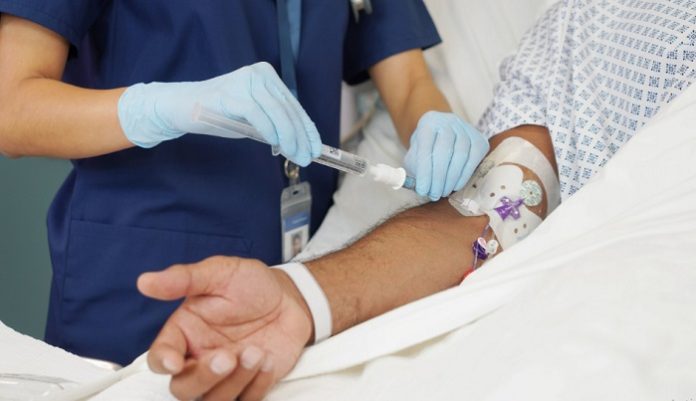
BD (Becton, Dickinson and Company), a leading global medical technology company, announced expanded customer availability of an all-in-one prefilled flush syringe with an integrated disinfection unit designed to reinforce compliance to infection prevention guidelines and simplify nursing workflow.

IV lines are an integral part of the care process for many patients with up to 90 percent of hospitalized patients receiving an IV.1 Yet the improper care and maintenance of these devices is one of the leading sources of catheter-related bloodstream infections (CRBSIs).2 While the clinical practice guidelines are clear on the importance of disinfecting a needle-free connector before every access โ€” a process commonly called “scrub the hub” โ€” compliance has been reported to be as low as 10 percent.2

BD PosiFlushโ„ข SafeScrub is a prefilled saline flush syringe that features an active disinfection unit built right into the tip cap of the syringe that is demonstrated via in vitro testing to significantly reduce microbial growth associated with CRBSIs.3 By integrating the scrubbing device into the syringe unit, the device is designed to more easily enable compliance to “scrub the hub” guidelines and reduce touch contamination. This design simplifies steps and streamlines workflow for nurses, while providing a tool to help protect patients.

“Health care facilities are continuing to feel the burden from the pandemic with high rates of nursing turnover and shortages,” said Dr. Nathan Gilmore, chief of service critical care at Hoag Hospital in California. “At the same time, hospitals worldwide are still seeing increased rates of preventable catheter-related infections, which can be both dangerous to patients and costly for hospitals. It’s not easy to be a frontline caregiver right now. Nurses need efficient and effective solutions to help them advance IV catheter care while improving the safety of their patients.”

As the global leader in vascular access solutions, BD is committed to advancing the standard of care for IV therapy for patients and health care providers. BD PosiFlushโ„ข SafeScrub received clearance and was introduced to select customers in October 2022. The innovation is part of the company’s vascular access management portfolio and further drives the BD “One-Stick Hospital Stay” vision by helping to reduce complications, including infections, and extend catheter dwell times through proper IV care and maintenance, which may result in improved clinical outcomes. Optimal maintenance of the IV line helps to reduce the risk of complications so it does not have to be replaced and lasts throughout a patient’s hospital stay. This is the third pillar of the “one-stick stay” vision that also includes first, reducing unnecessary needlesticks by choosing the right vascular access device and placing it successfully the first time and, second, using one IV line as a single access point for required therapies and blood draws.

“We continue to hear the need from health care professionals for new solutions that help make medication delivery safer and simpler,” said Eric Borin, worldwide president for Medication Delivery Solutions at BD. “Our latest innovation in scrub and flush technology is designed to support nurses by simplifying workflow and advancing evidence-based best practices in catheter care so they can continue to focus their time where it matters most โ€“ on patient care.”

Cassling Partners with Radiaction Medical to Help Protect Interventional Teams from Scatter Radiation

Cassling Partners with Radiaction Medical to Help Protect Interventional Teams from Scatter Radiation

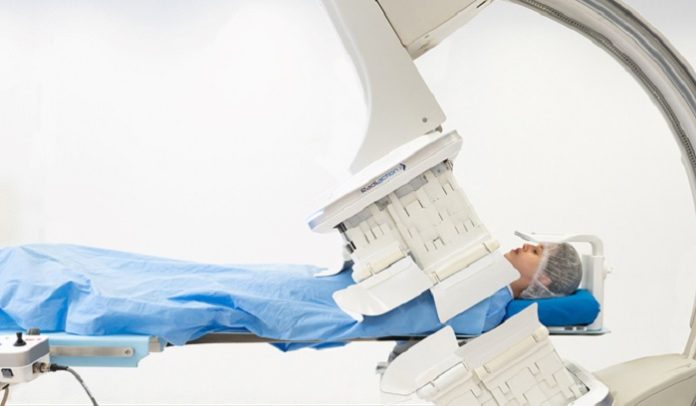
Cassling announced today it is a new strategic sales agent in various geographic territories across the United States for Radiaction Medical, the makers of a novel, FDA-cleared advanced radiation blocking technology.

The Radiaction system is the first and only advanced technology to proactively block radiation at the source, providing comprehensive, head-to-toe radiation protection to the entire interventional team. Radiaction provides an unparalleled level of protection to physicians and staff while allowing unencumbered patient care, access and service.

โ€œRadiaction is a natural fit for a partnership with Cassling,โ€ said Elizabeth Grieger, VP of Growth and Innovation at Cassling. โ€œFor nearly 40 years, our hospital partners, including interventional suites and catheterization labs that enhance patient outcomes, have trusted us to connect them to state-of-the-art systems.โ€

Grieger continued, โ€œWhen we met with Radiaction, we recognized how its technology is truly a revolution in what we can do to protect providers in these settings. Iโ€™m excited that we can provide our customers with an advanced solution that is designed to protect the treating physicians, as well as everyone in the procedure room. Radiaction seamlessly integrates into procedural workflow, giving providers the protection they deserve while still enabling them to do their best work for patients.โ€

Traditionally, procedures completed in interventional suites and catheterization labs have required physicians and other team members in the vicinity of the patient to don heavy lead aprons to protect themselves from radiation scatter. While a good start, lead gowns still provide gaps in radiation protection and leave key areas of the body, such as the head, face, legs and arms exposed.

Radiactionโ€™s device, however, provides full-body protection. As an accessory to existing C-arm imaging equipment, Radiaction blocks more than 90% of scatter radiation to the entire room, with up to 97% radiation scatter protection for the physicianโ€™s head, according to clinical studies. The device fully encapsulates the imaging X-ray beam, and at the touch of a button, the system dynamically deploys or retracts within seconds, accommodating any patient size, imaging angulation or location while enabling the team to maintain immediate access to their patients throughout the procedure.

Jonathan Yifat, Radiaction Medicalโ€™s CEO, is excited about the partnershipโ€™s potential: โ€œWhen we seek industry partners for a collaborative effort, capabilities are important, but shared corporate values are the best indicator of a productive relationship,โ€ he said, adding, โ€œCasslingโ€™s deep commitment to improving the workplace experience and safety of frontline healthcare providers makes them an obvious choice for us. We are especially eager to work with them to introduce the groundbreaking Radiaction technology to Casslingโ€™s customers, to protect and serve the people who care for patients.โ€

Radiaction has received 510(k) clearance from the Food and Drug Administration (FDA) to enable compatibility with certain C-arm machines. As part of an initial agreement, Cassling will offer the system to cardiology lab customers throughout the country.

Mural Health and China-based Clinflash Partner to Expand Global Patient Payment Solutions

 Accurate Payment for Front-Line Healthcare Providers

Mural Health, a clinical trials technology company that improves the patient and caregiver experience in order to improve enrollment rates, participant retention, and increase protocol compliance, has announced a strategic partnership with Clinflash, a leading provider of information technology in field of clinical development. Building on Clinflashโ€™s IT specialism in clinical trials, the partnership will expand the capacity and global market of patient payments for clinical trials. Having reached an exclusive global agreement the partnership consolidates technical, market and commercial forces, enabling sponsors to access patient payment solutions in the Chinese market and beyond. The two organizations are currently preparing for further collaboration projects.

Mural Health, through their participant management platform Mural Linkโ„ข, has introduced a next generation patient payments platform which drives strategic value by facilitating participation in clinical research, thereby improving study operation and the quality of clinical data sets.

Clinflash ePAY (Clinical Trial Electronic Payment Solution) uses leading digital service technology to improve payment efficiency and safeguard the interests of subjects, sponsors, researchers, and other parties. The company already has established close cooperation with dozens of key hospitals in China to provide third-party mobile payment solutions for Chinese trial participants.

This strategic cooperation is an important milestone for both Mural Health and Clinflash, as the two organizations have joined forces to deepen their technical portfolio and broaden their commercialization in the technical patient payments field.

Mural Healthโ€™s Co-Founder and Co-CEO, Sam Whitaker said: โ€œWe are thrilled to be working with Clinflash on this collaboration which comes at an exciting time for both of our organizations. This partnership looks to strengthen the commercialization capabilities of both the Clinflash and Mural Linkโ„ข technologies, as we ease accessibility to the Chinese clinical trials market for sponsors from across the globe.โ€

Commenting on the partnership, Gary Guan, GM at Clinflash said, โ€œThis is an exciting development both for our business and the markets we serve. Clinflash has a strong reputation within China and with our Chinese partners across the health ecosystem. Working alongside Mural Health and sharing our technical and market insights, we look forward to improving payment efficiency and expanding our market both within China and beyond.โ€

InterSystems Launches HealthShare Health Connect Cloud in AWS Marketplace

InterSystems Plants a Flag in New Zealand with Auckland Office

InterSystems, a creative data technology provider dedicated to helping customers solve the most critical scalability, interoperability and speed problems, announced that HealthShareยฎ Health Connect Cloudโ„ข, a high-performance healthcare integration engine, is available in AWS Marketplace. AWS Marketplace is a digital catalog with thousands of software listings from independent software vendors that make it easy to find, test, buy and deploy software that runs on Amazon Web Services (AWS).

HealthShare Health Connect Cloud is a scalable solution, serving the needs of healthcare delivery systems of all sizes โ€“ from small clinics to the worldโ€™s largest and most complex systems. With its availability in AWS Marketplace, customers can benefit from improved data automation and management capabilities, leading to enhanced patient outcomes.

AWS customers can now access HealthShare Health Connect Cloudโ€™s platform-as-a-service (PaaS) offerings directly in AWS Marketplace. The PaaS solution delivers managed healthcare integration cloud services, providing high-volume transaction support, process management and monitoring to support mission-critical applications. With a simplified procurement process that includes flexible contract models, improved governance and control, license management and renewals, and custom pricing and terms, AWS customers can easily deploy HealthShare Health Connect Cloud and begin scaling data-driven applications on the cloud.

โ€œOur operating system for health at home and integration with HealthShare HealthConnect Cloud allows healthcare organisations to deliver health-at-home, value-based care for the U.S. Medicare population,โ€ said Ainar Abdrakhmanov, CEO, Pria. โ€œWith expanded accessibility and access to cloud-based, data-driven applications in AWS Marketplace, we can accelerate data automation and management capabilities to advance our mission of transforming chronic care management.โ€

โ€œWith HealthShare Health Connect Cloud in AWS Marketplace, we can extend our reach to hundreds of thousands of cloud-ready customers, powering accelerated healthcare data integration and true interoperability,โ€ said Todd Sylvester, Director of Cloud Strategy, Execution, and Alliances of InterSystems. โ€œAt InterSystems, we streamline purchasing and onboarding to better support customers in their shift to the cloud and a digital-first healthcare approach.โ€

The Different Types Of Restorative Dentistry Procedures

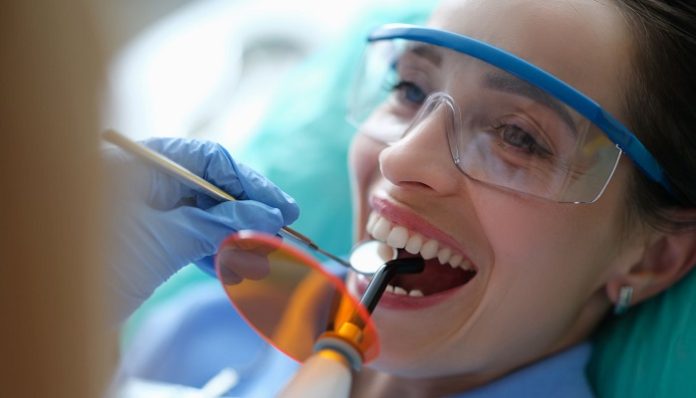
Restorative dentistry is a specialized branch dedicated to diagnosing, preventing, and treating oral diseases and conditions. Its primary goal is to restore the functionality, health, and aesthetics of teeth affected by decay, trauma, or other factors. With its wide range of procedures, restorative dentistry offers numerous advantages to individuals who have experienced tooth damage or deterioration.

One of the notable benefits of restorative dentistry procedures is their ability to improve oral health by preventing further dental complications. By addressing dental issues promptly, these procedures restore the proper functionality of teeth, allowing individuals to eat and speak comfortably and without pain.ย ย 

That said, this article will explore some of these procedures in detail, highlighting their benefits and potential outcomes.ย ย 

1. Dental Bridgesย 

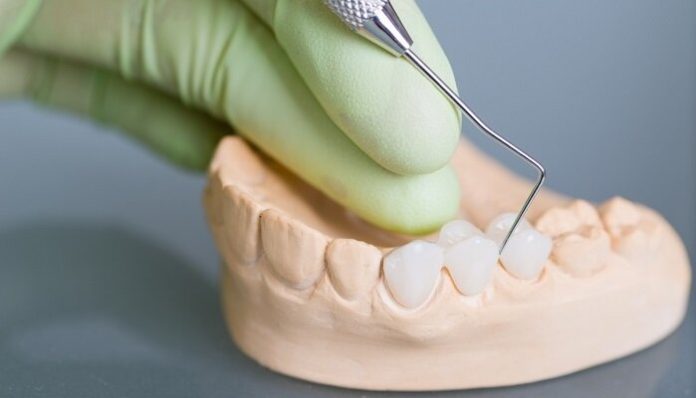
Dental bridges offer a commonly used solution in restorative dentistry for replacing one or more missing teeth. These bridges typically consist of two or more crowns on either side of the gap, with a false tooth or teeth in between. The crowns are placed on the natural teeth or dental implants adjacent to the gap, providing support, while the false tooth or teeth are securely anchored between them.ย ย 

Furthermore, bridges are popular among patients seeking to restore their smiles and improve their ability to chew and speak effectively. Plus, they serve as an excellent option for individuals who are not suitable candidates for dental implants or prefer a more affordable alternative.ย 

So, if you’re missing one or more teeth and are interested in learning more about dental bridges, check out a reliable provider of restorative dental procedures in your location, such as Babin Dentistry, to determine if a dental bridge is the right choice for you.ย 

2. Dental Implantsย 

Dental implants are also a popular and effective way to replace missing teeth. These implants are artificial tooth roots made of titanium surgically placed into the jawbone. Once securely implanted, a crown or bridge can be attached to restore the appearance and functionality of the missing tooth or teeth.ย 

One of the primary benefits of dental implants is their ability to mimic the look and feel of natural teeth closely. They’re also durable and can last for many years with proper care. In addition, dental implants may help prevent bone loss in the jaw, which can occur when teeth are missing.ย ย 

While dental implants are generally considered safe and effective, they may not be suitable for everyone. Factors such as overall health, oral health, and bone density are crucial in determining whether a person is a good candidate for dental implants. It’s vital to thoroughly discuss with a qualified dental professional to assess the risks and benefits of dental implants before undergoing the procedure.

3. Denturesย 

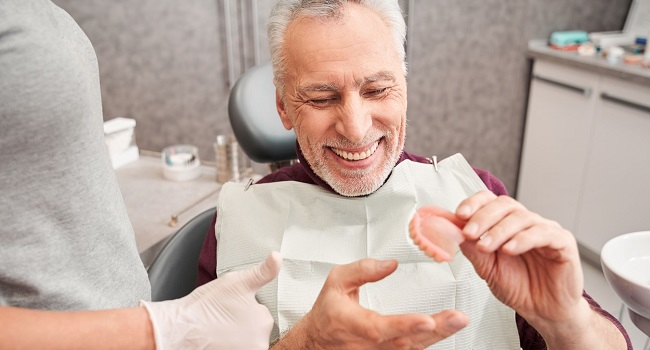
Dentures are removable prosthetic devices that are used to replace missing teeth. They’re made from acrylic resin or porcelain and are custom-made to fit the patient’s mouth. They come in two types such as:ย 

  • Complete dentures: These are used when all of the natural teeth are missing. They provide a full set of artificial teeth to restore functionality and aesthetics.ย ย 
  • Partial dentures: Designed for patients with some remaining natural teeth, partial dentures fit around the existing teeth, preventing them from shifting out of position.ย 

Dentures offer numerous advantages to patients. They enhance the smile’s appearance, restore the ability to chew and speak effectively, and support facial muscles, helping to prevent a sagging or sunken facial appearance.ย ย 

However, dentures also come with some challenges. They can take time to get used to, and patients may have trouble speaking or eating at first. Additionally, dentures require regular maintenance and cleaning to prevent oral health issues like gum disease and bad breath.ย 

4. Dental Crownsย 

Dental crowns are a standard procedure to restore damaged or decayed teeth. They’re a cap placed over the damaged tooth, providing protection and restoring its function.ย 

Generally, crowns can be made from various materials, including porcelain, metal, or a combination. The type of material used will depend on the tooth’s location in the mouth, the extent of the damage, and the patient’s preference.ย 

Overall, dental crowns are a reliable and effective way to restore damaged teeth and improve oral health. Hence, itโ€™s important to maintain regular dental check-ups and practice good oral hygiene to extend the lifespan of a dental crown and ensure overall dental well-being.ย 

5. Dental Fillingsย ย 

Dental fillings are a common dental procedure used to repair teeth damaged by decay or trauma. The method involves removing the damaged or decayed portion of the tooth and filling the resulting cavity with a material that restores the tooth’s function and prevents further decay.ย 

Moreover, dental fillings can be made to closely match the color of natural teeth, rendering them nearly invisible. This allows for a seamless blend with the surrounding teeth, creating aesthetically pleasing results. Getting a dental filling is typically quick and relatively straightforward, providing a convenient solution for restoring the function and appearance of damaged teeth.ย 

Conclusionย 

Restorative dentistry procedures are crucial for maintaining oral health and improving the quality of life for people with damaged or missing teeth. That’s why patients need to consult with their dentist to identify the most suitable restorative dentistry procedure that aligns with their specific needs and preferences. Note that taking proactive steps towards restorative dentistry can significantly contribute to the overall well-being and satisfaction of individuals seeking dental care.

The Imperative For AI Regulations In The Healthcare Industry

In the field of AI regulation, it is commonly recommended that lawmakers consider adopting new sets of safety requirements to test products prior to their release. This approach involves establishing limits on the capabilities and actions of deployed models. The healthcare sector, despite its enthusiasm for AI modelling, should exercise caution and pay attention to these recommendations when developing and implementing AI solutions.

Here are examples of how ChatGPT can be effectively utilized in healthcare:

Automation of Patient Inquiries

Patients can directly communicate with physicians to seek feedback or ask questions about their care. However, this can lead to an overwhelming influx of messages for physicians, making it challenging for them to respond promptly. Deploying ChatGPT as a chatbot can automate physicians’ replies to patient queries, improving response time and overall patient experience. In evaluations, chatbot responses were favoured over those from physicians, receiving higher ratings for quality and empathy. Automating responses can significantly enhance physician satisfaction, addressing concerns related to clinician burnout.

Enhanced Self-Service Data Insights

By integrating OpenAI’s GPT-4 AI language into tools like Epic Systems’ SlicerDicer, healthcare professionals gain access to advanced natural language queries and data analysis. This allows physicians and operational leaders to discover trends in the Electronic Medical Record (EMR) dataset, benefiting patient care and identifying opportunities for revenue cycle improvement. For instance, physicians can extract data insights about specific patient groups based on medications to evaluate their well-being. Financial leaders can examine expected reimbursements and profit margins, enabling the revenue cycle team to investigate potential underpayments from insurance providers.

Healthcare Interpreter

ChatGPT’s real-time translation feature revolutionizes medical interpretation in healthcare. Leveraging sophisticated language processing capabilities, it swiftly and accurately translates complex medical terminology and jargon. This ensures a comprehensive understanding of diagnoses, treatment alternatives, and medical instructions for patients in their native language.

Healthcare AI Regulations

The use of AI in US healthcare lacks comprehensive regulation, necessitating adherence to pertinent laws and regulations when utilizing ChatGPT. The healthcare sector already operates under stringent regulations worldwide, encompassing licensing requirements for doctors, equipment standards, and rigorous clinical trials for new drugs. Adapting standards from the EC’s proposal, an independent notified body can verify that AI products meet general requirements, including defining their purpose, ensuring accuracy, and confirming reliable and representative training data usage.

Action Plan to Solve Biasness in Data

Training ChatGPT on large amounts of data may introduce biases that can adversely impact patient care. It is essential to ensure that the data used for model training is diverse and representative of the population it serves. This helps minimize biased predictions and ensures equitable and unbiased healthcare outcomes.

Data Privacy and Security

Incorporating ChatGPT into healthcare raises concerns about potential data breaches and unauthorized access to sensitive patient information. Current guidelines such as HIPAA do not explicitly cover AI and emerging scenarios. Regulatory agencies need to keep pace with the evolving AI landscape to establish appropriate safeguards and regulations to protect patient data privacy and ensure the secure usage of AI technologies.

IFC And MoH Join Forces To Support Indonesian Healthcare

A new collaboration will go on to support healthcare organisations as well as companies across Indonesia. Well, this comes as the International Finance Corporation, which happens to be a member of the World Bank Group, and the countryโ€™s ministry of health partner to go ahead with the launch of the Indonesian Health Sector Growth Programme.

The idea behind this is to fasten the efforts towards resilience and growth in the healthcare vertical while also making sure to attract a good amount of foreign funding and expertise so as to drive the economy after the pandemic.

As part of the MoU, the Indonesian Ministry of Health as well as the International Finance Corporation will look for new options to make private health sector project development across Indonesia more robust.

So as to offer early-stage support across the organisations within the pharmaceutical, medical technology, and vaccine gamut, IFC is going to aid the Indonesian companies by way of advisory services and also financing. Besides this, it will also collaborate with healthcare organisations of international repute in order to facilitate foreign direct investment.

The MoU went on to be inked by Director General Pharmaceutical and Medical Devices, L. Rizka Andalusia, Ministry of Home of Indonesia, and Regional Director for East Asia and the Pacific, Kim-See Lim, in the company of Buni Gunadi Sadikin, the countryโ€™s health minister, and the Managing Director of IFC, Makhtar Diop.

COVID-19 Impact Causes Decline In Korean Healthcare Exports

It is worth noting that the exports that have been made by the Korean healthcare sector have gone on to dip near 25% in the first quarter as compared to a year ago because of the low demand for COVID-19-related treatments as well as diagnostic devices.

As per the Korea Health Industry Development Institute, healthcare exports within the first quarter saw a decline of 24.2% per year to $5.27 billion. The agency went on to say that this is because of the contracting volumes when it comes to contract development and manufacturing organisations (CDMOs) concerned with the COVID-19 vaccines and also in-vitro diagnostic devices during the endemic measures run by the global community.

When it comes to products, pharma and medical device exports rose to $1.9 billion and $1.48 billion, respectively, in the first quarter, which was down by 15.2% and 48.3% as compared to the same period last year. It is well to be noted that the volume of exports of vaccine products that was in high demand in 2022 saw a rapid dip in 2023.

In the first quarter of 2023, the vaccine product export volume was $100 million, which is down by 77.4% as compared to the last year. The dip in in-vitro diagnostic exports was also steep, with the products touching $330 million this year in the first quarter. This decrease was 80.8% from last year’s figures.

In-vitro diagnostic device exports to prominent countries such as Japan, the US, and Canada witnessed a significant drop, with Korea in every month of the first quarter exporting $190 million, $20 million, and $1 million when it comes to in-vitro diagnostic devices, which was down by 56.7%, 90.2%, and 99.5%, respectively. ย That said, cosmetic and biopharmaceutical exports have seen a surge. When it comes to the export of cosmetics, there was a slim 2.3% surge from $1.85 billion in the first quarter of last year. The value of this year in the same period saw a marginal $4 billion increase, ending up at $1.89.
Apart from this, the biopharmaceutical export volume, which comprised 52.4% of the entire pharma exports in the first quarter of this year, was up by 6.5% and amounted to $1 billion.

Products related to toxins as well as toxoids like botulinum toxin preparations also saw high growth in exports, reaching $70 million, which was up by 128.8% from 2022.

One of the senior directors at the Korea Health Industry Development Institute, Han Dong-woo, said that since the COVID-19 continues to flatten and the countries are indeed easing out quarantine measures, there has been a considerable effect that can be seen on the Korean health sector, and it is indeed time to make some efforts to get away from the pandemicโ€™s influence and come up with novel breakthroughs in the Korean health industry’s exports.

Mastering the Digital Health Revolution: Online Courses for Healthcare Professionals

In today’s rapidly evolving healthcare landscape, staying updated with the latest knowledge and skills is crucial for healthcare professionals. The rise of online healthcare courses has revolutionized medical education, providing accessible and convenient learning opportunities.ย 

According to a recent market study conducted by Quince Market Insights, the global Healthcare Education market achieved a valuation of USD 110.54 Billion in 2022. The study predicts that the market will experience an annualized growth rate of 10.56% from 2023 to 2032. These findings underscore the remarkable growth prospects and potential of the healthcare education industry in the forthcoming years.

In this article, we explore the benefits of online healthcare courses and how they are empowering the next generation of healthcare providers.

Convenience at Your Fingertips

Online healthcare courses offer unparalleled convenience, allowing healthcare professionals to access high-quality education from anywhere and at any time. With the flexibility to learn at their own pace, professionals can balance their studies with their healthcare practice or any ongoing internships and personal commitments.ย 

Online courses eliminate geographical barriers, enabling individuals to learn from renowned institutions and experts worldwide. This accessibility ensures that professionals from remote or underserved areas can acquire the knowledge and skills they need to deliver excellent patient care.

Customized Learning Experience

One of the significant advantages of online courses is the ability to tailor the learning experience to individual needs. Courses often offer a diverse range of modules and specializations, allowing professionals to focus on their areas of interest or fill knowledge gaps.ย 

This personalized learning approach holds particular significance for healthcare courses, such as those offered by a school for pediatric nurse practitioners. By tailoring the learning experience to meet the unique needs of aspiring pediatric nurse practitioners, these online programs empower professionals to acquire the specific skills and knowledge essential for their practice.

Baylor University notes that learners can choose from various formats, including video lectures, interactive quizzes, case studies, and discussion forums. Such adaptability enables professionals to study in a way that best matches their learning style, increasing engagement and information retention.

Continuous Professional Development

Continuous learning is vital for healthcare professionals to adapt to evolving practices and advancements in their respective fields. Online healthcare courses facilitate continuous professional development (CPD) by offering up-to-date content and resources.ย 

Professionals can explore new research and emerging technologies through these courses. The ability to earn certifications and continuing education credits enhance professional credibility and career advancement opportunities.

According to a BioMed Central article, CBD holds special importance in the healthcare sector. Continuous acquisition of updated knowledge and skills is crucial for healthcare professionals, given the occurrence of new diseases, the evolution of treatment methods, and the emphasis on evidence-based practice.

Bridging the Skills Gap

Healthcare is a dynamic industry that demands professionals to possess a diverse set of skills.ย 

According to a recent post on Health Tech Zone, the healthcare sector is constantly evolving, and as a result, so is the demand for various talents. The healthcare sector, however, suffers from a number of talent deficiencies. In addition to increasing costs and threats for healthcare organizations, these skill gaps can have a detrimental effect on the standard of treatment delivered.

Online healthcare courses bridge the skills gap by offering specialized training in areas such as healthcare management, data analytics, telemedicine, and patient-centered care.ย 

By acquiring these skills, professionals become better equipped to address current healthcare challenges and contribute to improved patient outcomes. Online courses also provide a platform for interdisciplinary learning, encouraging collaboration among healthcare professionals from different backgrounds.

Empowering Professional Networks

Online healthcare courses foster a sense of community and collaboration among professionals. Discussion forums, virtual group projects, and peer-to-peer interactions enable learners to connect with colleagues worldwide.ย 

This networking opportunity promotes knowledge sharing, enhances problem-solving skills, and opens doors to potential research collaborations or career opportunities. The online learning environment encourages professionals to expand their horizons and gain insights from diverse perspectives.

Key Takeaways

Online healthcare courses have revolutionized medical education, offering flexibility and convenience to healthcare professionals. They can balance studies with practice and personal commitments while breaking geographical barriers.ย 

Customization of learning experiences helps professionals focus on specific interests and fill knowledge gaps, while continuous professional development keeps them updated with evolving practices.ย 

Specialized training bridges skill gaps and enhances patient outcomes. Online courses foster professional networks and collaboration and open doors to research and career opportunities. The growing healthcare education industry will shape the future of healthcare provision and empower the next generation of providers.

What To Know Before Getting A Dental Bridge

In the broad spectrum of dental care solutions, dental bridges emerge as a versatile and reliable option for filling the gaps left by missing teeth. These vital prosthetics restore smiles and reinvigorate the crucial functional aspects of eating and speaking. They represent a fascinating blend of art and science, combining aesthetic appeal with the principles of dental mechanics.ย 

Despite being a popular choice, a dental bridge calls for understanding before one embarks on the restoration journey. This comprehensive guide highlights the necessary information to help individuals chart the course toward acquiring a dental bridge with confidence and clarity.

What Is A Dental Bridge?

As the name suggests, a dental bridge bridges the gap created by one or more missing teeth. The bridge consists of two or more crowns for the teeth on either side of the gap, known as abutment teeth, and a false tooth or teeth in between. These false teeth, known as pontics, can be made from various materials, including gold, alloys, porcelain, or a combination.

Before venturing into getting a dental bridge, understanding the types available in the dental industry is crucial. There are four primary types, including the following:ย ย 

  • Traditional Bridges: They involve creating a crown for the tooth or implant on either side of the missing tooth, with a pontic in between.ย 
  • Cantilever Bridges: They’re used when adjacent teeth are on only one side of the missing tooth or teeth.ย ย 
  • Maryland Bonded Bridges: They involve metal or porcelain wings on each side of the bridge, bonded to existing teeth.ย ย 
  • Implant-Supported Bridges: They use dental implants as opposed to crowns or frameworks.

By knowing the different types of dental bridges, you’ll know which one will work best for your situation. But if you want to make the right decision, it’s best to consult a professional who specializes in offering dental bridge Melbourne or wherever you may be for more information.ย 

The Benefits And Drawbacks Of A Dental Bridge

Understanding the benefits and potential drawbacks of a dental bridge is essential to knowing if it’s the appropriate dental solution for your needs. Generally, dental bridges can restore a smile and the ability to chew and speak properly. They also help maintain the shape of the face and distribute the forces in the bite correctly by replacing missing teeth. They prevent tooth shifting and align your bite to avoid bite problems and other related issues.

However, a key point to remember is that getting a dental bridge requires a commitment to maintaining oral health. Failure to keep the bridge and surrounding teeth clean can also lead to issues such as gum disease or tooth decay. Unlike implants, dental bridges may not last a long time. Lastly, some people may experience pain or discomfort after the placement, resulting in a significant inconvenience.ย 

The Cost Of Getting A Dental Bridge

Another significant consideration is the cost. Dental bridges are a considerable investment, with prices ranging significantly depending on factors such as the materials used, the complexity of the placement, and the additional treatments required.ย 

Although dental insurance may cover a portion of the cost, it’s important to understand the financial obligation fully. Hence, it’s best to talk to your insurance provider to know the extent of your coverage or whether you need additional insurance to cover the costs of the dental bridge.ย 

The Process Of Getting A Dental Bridgeย ย 

The process of getting a dental bridge also requires time. The procedure usually involves several visits to the dentist. During the first visit, the abutment teeth are prepared. This preparation involves recontouring these teeth by removing a portion of enamel to allow room for a crown to be placed over them.ย 

Next, impressions of the teeth are made, which serve as a model from which the bridge, pontic, and crowns will be made. A temporary bridge will be made to wear to protect the exposed teeth and gums while the bridge is being made.ย ย 

During the second visit, the temporary bridge will be removed, and the new porcelain or metal bridge will be checked and adjusted, as necessary, to achieve a proper fit. Multiple visits may be required to check the fit of the metal framework and bite.ย 

The Side Effects Of A Dental Bridgeย ย 

There are also potential side effects of dental bridge treatment. These may include sensitivity to extreme temperatures after the procedure since preparing the abutment teeth can leave them sensitive to heat and cold. This sensitivity should gradually decrease over time. There can also be a bacteria buildup due to the crowning process, making excellent oral hygiene crucial to prevent tooth decay under the bridge.ย ย 

The Things To Expect After Getting A Dental Bridgeย ย 

Getting a dental bridge can be complex and needs commitment. One should anticipate a few changes in eating habits initially following the placement of a dental bridge. Eating soft foods cut into small pieces is generally recommended until you become accustomed to the bridge.ย ย ย 

Also, consider the impact of a dental bridge on speech. It’s common to experience a slight difference in pronunciation after getting a dental bridge, but this typically improves over time as individuals become used to the new dental addition.ย ย 

Lastly, adjusting to dental bridges involves developing good dental hygiene habits. Keeping the dental bridge and surrounding teeth clean is critical to preventing dental issues. One recommended practice is to use a bridge floss threader that allows the removal of plaque from hard-to-reach areas around the bridge, gums, and adjacent teeth.

Conclusion

Obtaining a dental bridge is a significant decision that should not be taken lightly. It requires a commitment to maintain oral hygiene, potential changes in eating habits, and an adjustment period for speech. Therefore, if you are considering getting a dental bridge, remember the information mentioned above to figure out if it’s the right dental treatment for you.

Translate ยป