Close
Digital Health & Ai Innovation summit 2026

Proving Negligence in Slip and Fall Accidents

Slip and fall accidents affect thousands of people in the US daily, with more than two thousand of those ending up in emergency rooms. Although these incidents are often not anyoneโ€™s fault, it is possible to make a premises liability claim in some situations.

Premises liability law holds the owner of the property where the accident occurred liable in case they did not do their due diligence in securing the premises. In other words, if the property owner knew about or caused the property defect and did not put up warning signs, they can be sued when someone gets injured.

However, proving negligence in slip and fall accidents can be a difficult task that only lawyers experienced in this specific field can accomplish. Still, if you are curious about the process of proving negligence, we will outline its basics here.

Collecting Evidence to Build a Case

An experienced slip and fall attorney will start by investigating the case and collecting evidence to present to court. The evidence in question may include the following:

  • Injuries resulting from the incident
  • Pictures and videos of the dangerous conditions on the premises
  • Proof that the property owner was aware of the potential hazard
  • Eyewitness testimonies if any are available
  • Incident and police reports
  • Surveillance camera footage, if possible
  • Physician reports and medical records

Once the evidence has been collected, the slip and fall attorney will need to discover which negligence standard applies to your case.

How Negligence Standard Is Determined

To determine a negligence standard, an explanation of the victimโ€™s presence on the property where the injury occurred must be provided. Depending on the explanation, your lawyer will advise you on what legal option to pursue. Typically, you can either file for workerโ€™s compensation if you have been injured at your workplace as an employee or submit a personal injury claim.

If we are speaking specifically about personal injury claims, it is essential to determine the claimantโ€™s legal status. Here are the three that are commonly encountered in slip and fall cases:

โ€ข Invitee โ€“ the victim was invited to the property to conduct business and should be guaranteed safety and protection;

โ€ข Licensee โ€“ the victim was invited to the property for a purpose other than conducting business and should also be guaranteed safety and protection;

โ€ข Trespasser โ€“ the victim entered the property without permission and is therefore not owed any protection by the owner. However, even trespassers can win slip and fall lawsuits if they can prove there was a good reason for visiting the property despite not being invited.

Once the negligence standard and the claimantโ€™s legal status are determined, the slip and fall lawyer can decide on an appropriate approach.

Find a Reliable Slip and Fall Lawyer to Build Your Case

Slip and fall cases are pretty nuanced, so it is crucial to find a lawyer who has dealt with similar claims frequently. If youโ€™re unsure where to start looking, simply google โ€œslip and fall lawyer near me.โ€ That should give you a list of law firms that specialize in these cases, and you can choose the right one by reading other clientsโ€™ experiences and reviews.

InterSystems Launches HealthShareยฎ Health Connect Cloudโ„ข in AWS Marketplace

Platform-as-a-service now broadly available to help customers achieve healthcare data integration

SYDNEY, Australia & SINGAPORE, May 23, 2023 โ€“ย InterSystems, a creative data technology provider dedicated to helping customers solve the most critical scalability, interoperability and speed problems, today announced thatย HealthShareยฎ Health Connect Cloudโ„ข, a high-performance healthcare integration engine, is available in AWS Marketplace. AWS Marketplace is a digital catalog with thousands of software listings from independent software vendors that make it easy to find, test, buy and deploy software that runs on Amazon Web Services (AWS).

HealthShare Health Connect Cloud is a scalable solution, serving the needs of healthcare delivery systems of all sizes โ€“ from small clinics to the worldโ€™s largest and most complex systems. With its availability in AWS Marketplace, customers can benefit from improved data automation and management capabilities, leading to enhanced patient outcomes.

AWS customers can now access HealthShare Health Connect Cloudโ€™s platform-as-a-service (PaaS) offerings directly in AWS Marketplace. The PaaS solution delivers managed healthcare integration cloud services, providing high-volume transaction support, process management and monitoring to support mission-critical applications. With a simplified procurement process that includes flexible contract models, improved governance and control, license management and renewals, and custom pricing and terms, AWS customers can easily deploy HealthShare Health Connect Cloud and begin scaling data-driven applications on the cloud.

โ€œOur operating system for health at home and integration with HealthShare HealthConnect Cloud allows healthcare organisations to deliver health-at-home, value-based care for the U.S. Medicare population,โ€ said Ainar Abdrakhmanov, CEO, Pria. โ€œWith expanded accessibility and access to cloud-based, data-driven applications in AWS Marketplace, we can accelerate data automation and management capabilities to advance our mission of transforming chronic care management.โ€

โ€œWith HealthShare Health Connect Cloud in AWS Marketplace, we can extend our reach to hundreds of thousands of cloud-ready customers, powering accelerated healthcare data integration and true interoperability,โ€ said Todd Sylvester, Director of Cloud Strategy, Execution, and Alliances of InterSystems. โ€œAt InterSystems, we streamline purchasing and onboarding to better support customers in their shift to the cloud and a digital-first healthcare approach.โ€

HealthShare Health Connect Cloud is now generally available in AWS Marketplace. For more information on InterSystems and its healthcare integration solutions, please visit:ย https://www.intersystems.com/interoperability-platform/integration-engine/

Can You Reverse Tooth Decay?

Tooth decay is a common dental issue dentists come across with their patients each day.

Tooth decay is a condition that can hit anyone regardless of age. It mainly affects individuals that consume lots of sugar in their diets. Consuming lots of sugary foods and drinks creates a conducive environment for plaque buildup. If left unchecked, excessive plaque buildup causes other dental issues like cavities, gum disease, and dental abscesses โ€“ all of which are severe dental issues that could cost an arm and a leg to treat.

Due to how common tooth decay is, many people are left wondering if it’s reversible. If you’re among those asking this question too yourself, continue reading to learn more about tooth decay, including its symptoms, if tooth decay is reversible, and how to prevent it.

What Is Tooth Decay?

Tooth decay is the first phase of cavity development.ย 

Tooth decay occurs when the acids produced by plaque and bacteria in your mouth interfere with the mineral content in your teeth, causing the teethโ€™ enamel to become weak. Elements in your diet can also weaken the enamel on the teethโ€™ surface.ย 

Can You Reverse Tooth Decay?

Whether or not you can reverse tooth decay depends on when it’s spotted. Timely intervention can help reverse decay when it has only interfered with your tooth’s enamel or outer layer.ย 

If the decay has proceeded to the softer inner segment of your tooth, it can’t be reversed. It’s essential to seek treatment from professionals like Windham Dental group immediately after you spot signs of tooth decay. This way, you get proper, timely treatment to prevent the condition from progressing further. Failure to which, tooth decay may continue eating into your teeth and cause severe dental issues.

What Causes Tooth Decay?

Tooth decay is caused by bacteria that live happily in your mouth 24/7. They feast on sugary foods and beverages you consume, then they produce harmful acids that dissolve in your tooth enamel. If you love sugary diets and other foods that break into sugars, you’re an ideal candidate for decay and cavity.

Suppose you don’t practice good dental hygiene, including brushing at least twice and flossing once a day. The acids produced by bacteria in your mouth build up plaques that develop into tartar with time.ย 

Signs Of Tooth Decay

Though tooth decay might not be characterized by pain, it comes with the following symptoms:

  • Bad taste in the mouth;
  • Halitosis or bad breath;
  • Tooth sensitivity after eating or drinking cold or hot food and drinks;
  • Toothache characterized by sharp pain capable of depriving you of sleep;
  • Black, gray, or brown spots on your teeth; and others.ย 

An individual with tooth decay may experience all or a few symptoms.

What Are The Stages Of Tooth Decay?

Tooth decay happens in stages. As earlier stated, catching it in the first stage is the key to reversing it. The five stages of tooth decay are as follows:

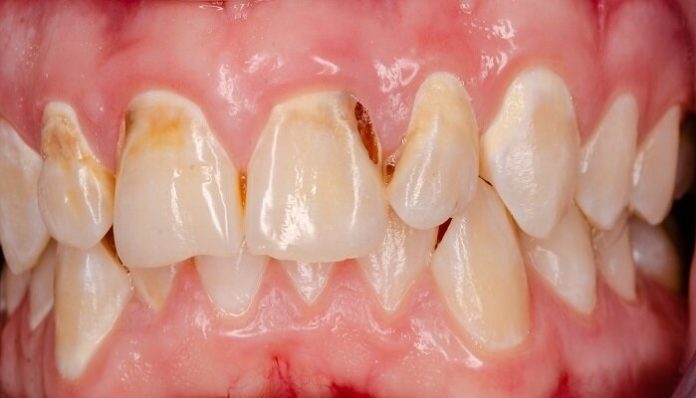
Demineralization: This is the first stage of tooth decay, characterized by tiny white spots on teeth. These spots are formed after the minerals in the enamel have broken down.

Enamel Decay: If you don’t treat the first stage of tooth decay, it proceeds to enamel decay. During this stage, holes might become visible, and the white spots become brown.

Dentin Decay: Dentin is the softer layer below the enamel. After the plaque and bacteria have accessed dentin, cavities form quickly. At this point, your teeth become sensitive, and the brown spots become darker.

Pulp Damage: Your teeth are alive, thanks to the pulp, which contains nerves and blood vessels. These vessels and nerves supply your teeth with nutrients to support their health. Once the cavities have reached the pulp, you begin experiencing pain. You might also develop swelling and readiness on the gums surrounding the affected tooth. The dark brown spots become even darker or change color to black.

Abscessed Tooth: You’re more likely to develop an infection following an abscessed tooth. This dental condition causes pus-filled pockets to form at the tip of the tooth root. Abscessed tooth symptoms include pain that proceeds to the jaw or face. And you might develop swelling on the face and lymph nodes in your neck. In severe cases, abscesses can spread to other body parts, including the brain.

How To Prevent Tooth Decay

Since you can’t reverse tooth decay if it has progressed to later stages, preventing it from occurring is vital. There are easy lifestyle changes that can prevent you from developing this dental condition and also stop it from progressing. These changes include:

  • Improving your oral hygiene;
  • Reducing sugar intake;
  • Changing your toothbrush regularly;
  • Drinking lots of water;
  • Scheduling regular professional dental checkups; and the like.ย 

Sugars are the most common culprits for dental decay. Prevent too much sugar from accumulating in your mouth by brushing your teeth after consuming sweets and other sugary treats.

Conclusion

Tooth decay is among the most common dental issues among people of all ages. This condition affects people who consume sugary food and fail to care for their teeth. Tooth decay is reversible when caught during the early stages but irreversible after progressing to the final stages. The best treatment for tooth decay is preventing it from developing by maintaining proper oral hygiene and saying no to sugary foods and drinks.

How to Build a Strong Motorcycle Accident Claim

According to figures from the Motorcycle Legal Foundation, motorcyclists are 30 times more likely to die in a crash than car drivers. With a mortality rate of 80% compared to 20% for car accidents, motorcyclists can often be left with injuries such as lower extremity injuries, whiplash, traumatic brain injuries (TBI), and internal bleeding.

If you have sustained injuries from a motorcycle accident which was not your fault, you may have the right to receive compensation for the harm and loss you suffered as a result of your accident by bringing a motorcycle accident injury claim. In order to be successful in your claim for compensation, certain legal aspects must be met. This article will outline these in more detail to help you build a strong case.

Establish Negligence

The basis of a motorcycle accident injury claim centers on establishing that the other party was negligent in their actions and that this negligence was the cause of the accident. The burden of proof will be on you to prove this. Negligence can be established by proving the following elements apply to your case:

โ€ข Duty of care: You must show that the other party had a duty of care to act reasonably and avoid causing harm to others. This can be easily established as motorcyclists have a duty to operate their vehicle safely and responsibly and to obey traffic laws.

โ€ข Breach of duty: The other party must be shown to have breached their duty of care. For example, reckless actions such as speeding or weaving in and out of traffic which put other road users at risk can be considered a breach of duty.

โ€ข Causation: To establish causation you must be able to prove that the other partyโ€™s breach of duty was the direct cause of your injuries or damages.

โ€ข Damages: Your claim must relate to quantifiable damages for which you can be compensated. For example property damage, hospital and medical expenses, pain and suffering, and lost income.

You must be able to establish each of these elements in order to succeed in a motorcycle accident injury claim.

Duty to Mitigate

In addition to establishing negligence you must also adhere to the doctrine of mitigation of damages. This requires you to take reasonable steps to minimize your losses following your accident. The doctrine is based on fairness and prohibits claimants from recovering losses which could have been reasonably avoided.

For example, if a motorcyclist is injured in an accident, their failure to seek medical attention or to follow their doctorโ€™s advice could worsen their injuries. Their right to recover compensation for those injuries would then be limited to the amount that would have been reasonable had they sought medical attention and followed their doctor’s advice.

The duty to mitigate is often raised as a defense by the other party. While they may accept they were at fault for your injuries they may try to reduce the compensation they owe, claiming that losses you sustained could have been avoided or minimized through your reasonable efforts to mitigate your damages.

By ensuring your claim meets certain legal requirements you can ensure you have a solid case and receive the compensation you deserve.

When to Seek Professional Lice Removal Services?

Head lice are an issue that many parents and caregivers deal with, no matter the age of their children. Though lice can often be a nuisance to get rid of, quick action is needed to prevent them from spreading further. While there are over-the-counter treatment options available, some people prefer to seek out professional lice removal services for guaranteed results. This blog article will discuss when it’s best to utilize such services and what you should expect during a typical lice removal session.

What are lice and why is it important to seek professional help in their removal

Lice, also known as pediculosis, is a condition that occurs when small parasitic insects make their home in the hair and scalp. The most common symptom of lice infestation is itching; however, the infestation can often go unnoticed until it becomes more severe. Although it is possible to treat lice at home, the process can be tricky and time-consuming. Professional lice removal experts are well-equipped with the knowledge and tools needed to remove all traces of lice from an individual’s head with relative ease. Aside from providing relief from itching and discomfort, seeking professional help for lice removal can help prevent reinfestation and the spread of lice to loved ones.

The 6 different types of lice and what to look for when seeking treatment

With six different types of lice, it’s essential to know what to look for when seeking treatment. For starters, the three main types include head lice, body lice, and pubic lice – all of which must be identified to accurately treat the infestation. Head lice are among the most common types, living in an individual’s hair shafts and feeding on their blood several times a day. While they are harmless in terms of infections or other illnesses, they can still cause irritating symptoms such as redness and itching. Body lice live on clothing and bedding that harbors human skin flakes and lay eggs there to reproduce; further infection can occur if these lice make contact with intact skin. Lastly, pubic lice live in an individual’s genital region and are spread through close physical contact. To ensure the best course of action for treatment, those living in Houston should seek out a reputable provider who specializes in quality lice removal Houston services.

Tips on how to identify lice infestations early

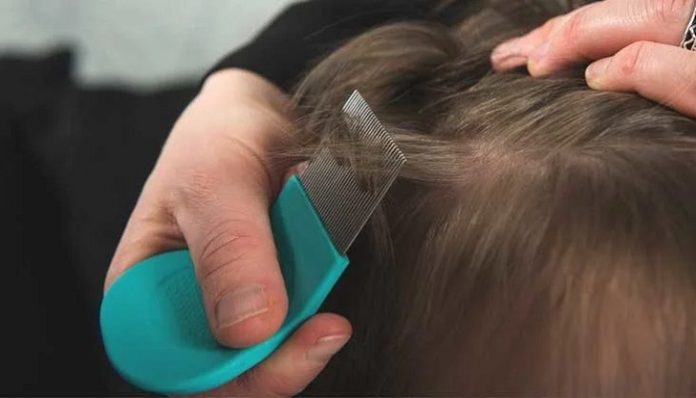
Head lice infestations can be frustrating and difficult to get rid of. Learning to identify head lice early while they are still in their nymph state is key to minimizing their spread. A few signs of a potential lice infestation include itching or tingling sensation around the scalp, or spotting dark specks on the scalp which could be eggs; if you notice these symptoms, you should take action to check for an infestation. Additionally, inspect your child’s hair regularly by combing it through with a fine-tooth nit comb, looking for any crawling lice or white egg specks at the roots or base of the hair strands. If you do find any evidence of lice, make sure to contact your doctor immediately as they would be able to advise on how best to treat it from there.

How to perform a proper head check for lice

Performing a head check for lice is an important step in diagnosing and treating pesky critters. An effective head check starts with examining your own scalp first, paying careful attention to the area behind your ears, at the nape of your neck, and along your hairline. Once you have inspected yourself, seek help from another family member or trusted adult to inspect the scalps of other members of the household too. It’s important to search through all sections of each person’s hair looking for any sign of visible nit eggs or live lice. A nit comb can be used to brush through everyone’s hair regularly, just in case there are any small eggs present that were not spotted during visual inspection. If you do discover any signs of lice, make sure to promptly follow up with a safe and effective treatment plan for all members of your household.

Effective home treatments for lice removal

Lice are a very common problem, and though they’re unpleasant, they can be eliminated once you understand the right steps for effective home treatments. While chemical treatments may seem like an easy fix, there are more natural approaches that can get the job done just as well. First, you should use a fine-toothed comb to remove lice from hair shafts – this process needs to be thorough and repeated daily until all lice have been removed. Applying essential oils such as coconut oil will help suffocate any remaining live lice. Keeping your scalp clean with a vinegar rinse or regular shampooing is also beneficial to prevent regrowth. Finally, it is important to change bedding regularly and vacuum furniture thoroughly; this is key in ensuring the complete removal of lice from your home environment. With a commitment to treatment over several days or weeks, you can find success in eliminating these pesky pests.

When to seek professional assistance from a lice removal center

If you’re looking for professional assistance in removing a lice infestation, consider visiting a lice removal center. Not only do these clinics provide a safe and effective way of getting rid of lice, but they also offer other services such as screenings, treatments, and advice. For example, the lice clinic Fort Worth offers treatments such as mechanical combing and natural oil-based products to get rid of the nits. They make sure that the head received a thorough check before treatment to effectively diagnose any infestation. Furthermore, they often check up on your hair health in the following days to ensure no reinfestations occur. So if you need some help with head lice, it may be worth seeing a professional at your local lice removal center for peace of mind.

Lice can be a scary thing to encounter and many attempts to treat it at home before seeking professional help. However, itโ€™s important to remember that self-treatment will not always provide the most comprehensive solution. Even if persistent lice infestations have become resistant to some treatments, lice removal centers still have qualified technicians and experts who use specialized tools and procedures to give you the best results possible. Itโ€™s critical for your health and safety that you seek out the correct information when it comes to the treatment of lice, so you know exactly what type of lice is present to choose the most suitable treatment option. The key takeaway here is taking preventative measures from the start by performing regular head checks and using specific techniques when trying to detect lice in your environment. By following sound advice from experienced professionals, you’ll soon realize that there’s no need to live with a lice problem any longer.

The Role of Early Intervention in Mitigating Joint Pain: A Comprehensive Guide

Joint pain can significantly impact our quality of life, hindering mobility and limiting our ability to engage in daily activities. Whether it’s caused by arthritis, injury, or other underlying conditions, joint pain affects millions of people worldwide. Thankfully, early intervention can play a crucial role in mitigating joint pain and preventing its progression. In this comprehensive guide, we will explore the importance of early intervention, discuss effective strategies for managing joint pain, and provide valuable tips to help you lead a more comfortable and active life.

Understanding Joint Pain

Before delving into the significance of early intervention, it is essential to grasp the nature of joint pain. Joints are the connections between bones that facilitate movement and provide stability. When joints become inflamed or damaged, it can result in pain, stiffness, swelling, and reduced range of motion. Common causes of joint pain include osteoarthritis, rheumatoid arthritis, gout, injuries, and overuse. By recognizing the early signs of joint pain, individuals can take proactive steps to prevent further damage and seek appropriate treatment.

Valuable Tips for Joint Pain Management:

Apply Heat or Cold Therapy: Heat therapy, such as warm baths or heating pads, can soothe joint pain and relax muscles. Cold therapy, such as ice packs or cold compresses, can help reduce inflammation and numb the area. Luckily, if you are located in Texas, you have access to a wide range of healthcare professionals specializing in joint pain management. From specialized clinics for pain management in Plano, Texas to large medical centers in Houston, Texas, there are numerous options available to cater to your specific needs. When choosing a healthcare professional, consider their expertise, experience, and reputation in the field of joint pain management.

โ€ข Practice Good Joint Protection: Be mindful of how you use and move your joints. Avoid repetitive motions and excessive strain on the affected joints. Use assistive devices such as braces, splints, or walking aids when necessary to provide support and reduce stress on the joints.

โ€ข Maintain a Healthy Lifestyle: A healthy lifestyle goes a long way in managing joint pain. Incorporate regular exercise, such as swimming, cycling, or walking, into your routine to strengthen muscles and improve joint flexibility. Quit smoking, as it can worsen inflammation and hinder the healing process. Get an adequate amount of sleep to promote overall health and facilitate joint repair.

โ€ข Seek Emotional Support: Dealing with chronic joint pain can be emotionally challenging. Reach out to family, friends, or support groups to share your experiences and find encouragement. Consider counseling or therapy to help cope with the emotional impact of joint pain.

โ€ข Explore Complementary Therapies: Several complementary therapies have shown promise in managing joint pain. These include acupuncture, massage therapy, yoga, tai chi, and mindfulness-based practices. While their effectiveness may vary for each individual, they can complement conventional treatment approaches and provide additional relief.

โ€ข Stay Informed and Educated: Keep yourself updated on the latest advancements in joint pain management. Stay informed about new treatment options, research studies, and self-care techniques. Attend educational seminars or workshops to broaden your knowledge and make informed decisions about your joint health.

The Significance of Early Intervention

Preventing Progression

One of the primary reasons for early intervention is to prevent the progression of joint pain. By addressing joint pain symptoms at an early stage, you can potentially slow down the degenerative processes associated with conditions like osteoarthritis. Timely interventions can help preserve joint function and maintain a better quality of life.

Reducing Pain and Inflammation

Early intervention allows for prompt pain management. Implementing treatment strategies such as medication, physical therapy, and lifestyle modifications can alleviate pain, reduce inflammation, and improve joint mobility. By acting swiftly, individuals can minimize discomfort and enhance their overall well-being.

Preserving Joint Function

Joint pain can lead to a vicious cycle of reduced activity, muscle weakness, and joint instability. Early intervention enables individuals to focus on exercises and therapies that can strengthen the surrounding muscles and support the affected joints. By preserving joint function, individuals can regain mobility and reduce the risk of long-term disability.

Effective Strategies for Early Intervention:

Consult a Healthcare Professional

If you experience persistent joint pain or notice any signs of joint inflammation, it is essential to consult a healthcare professional. They can perform a thorough evaluation, provide an accurate diagnosis, and develop a personalized treatment plan tailored to your specific needs.

Medication and Pain Management

Depending on the underlying cause and severity of joint pain, healthcare professionals may recommend various medications, including over-the-counter pain relievers, nonsteroidal anti-inflammatory drugs (NSAIDs), corticosteroids, or disease-modifying antirheumatic drugs (DMARDs). These medications help reduce pain, inflammation, and joint damage.

Physical Therapy and Exercise

Physical therapy plays a vital role in early intervention. A trained therapist can design a program that focuses on strengthening the muscles around the affected joints, improving flexibility, and enhancing overall joint function. Regular exercise, such as low-impact activities, stretching, and range-of-motion exercises, can help alleviate pain and maintain joint health.

Lifestyle Modifications

Simple lifestyle modifications can significantly contribute to joint pain management. Maintaining a healthy weight reduces the burden on weight-bearing joints, while proper posture and body mechanics minimize joint stress. Additionally, incorporating a balanced diet rich in anti-inflammatory foods, such as fruits, vegetables, and omega-3 fatty acids, can aid in managing joint pain.

Early intervention is crucial in mitigating joint pain and preventing its progression. By recognizing the early signs, seeking prompt medical attention, and implementing effective strategies, individuals can reduce pain, inflammation, and joint damage. Remember to consult a healthcare professional, adhere to recommended treatment plans, and make necessary lifestyle modifications. With early intervention and proactive management, you can lead a more comfortable, active, and fulfilling life, free from the constraints of joint pain.


The Most Common Types of Personal Injury Cases

Although we donโ€™t like to think about it, personal injuries are events that can happen to any of us, regardless of how careful we are. So, it is worth knowing what a personal injury is, what kinds of accidents are most common in personal injury cases, and what the physical, financial, and psychological effects of a personal injury can be. Moreover, it is useful to know what to do in the event of a personal injury. You will need to call a lawyer, see a medic, and gather evidence of the incident to ensure you get any compensation you deserve. Read on for more information about personal injury claims.

What is a Personal Injury Case?

A personal injury case is when you have been in an accident and suffered an injury of some kind. If this incident was the fault of a third party, such as the owner of a premises, your employer, or another road user, they can be taken to court and found liable due to recklessness or negligence. In this eventuality, you can be awarded compensation for your damages, which can be physical, financial, or psychological.

If you think you may have been involved in a personal injury case, you should discuss your situation with a lawyer to see if they think you have a case to take to court. Just be aware that personal injuries have a statute of limitations. This ranges from state to state, so look up what the time limit is to act on a personal injury case where you are and call a lawyer as soon as you can. If you are unsure whether you qualify as a potential personal injury claimant, take a look at the most common types of personal injury cases and see if any of them relate to you.

The Most Common Types of Personal Injury Cases

Some of the most common types of personal injury incidents occur on the road, for instance in motor vehicle, motorcycle, bicycle, or truck crashes. Other common personal injury cases involve tripping or falling at work or on public premises, such as a store or an office. Injuries that result from slip and fall accidents can range from mild to severe, even leading to brain damage and catastrophic injuries. You can also file a case for wrongful death on behalf of a loved one whose life has been taken due to the negligence or recklessness of a third party.

The Effects of a Personal Injury

As a result of a personal injury, many people suffer from head and back injuries, as well as broken bones, deep cuts, burns, and in extreme cases, long-term disabilities and even amputations. Some physical damages from personal injuries are temporary, while others are long-term or life-long.

There are also several mental health repercussions of a personal injury case, such as post-traumatic stress disorder (PTSD), anxiety, depression, addiction, and difficulty sleeping. Often, after a serious physical injury, there are some challenges in dealing with the event. This is where therapy can be very helpful, as well as talking with friends and family. Remember that healing takes time and is a process with ups and downs.

You might even suffer from chronic pain or a disability that prevents you from working as you could before the incident. If you suffer physical or psychological damages from a personal injury that prevent you from earning the same income as you used to, you will also face financial damages. Other financial damages can occur due to time off work, ongoing medical bills, and the costs of adaptations to your home to accommodate any new injuries or disabilities.

If you take your personal injury case to court and prove that a third party was either partially or entirely liable for the incident, you can be awarded compensation that will aim to cover your damages. While compensation cannot undo the effects of a personal injury, it can help you provide for your family and live a life that is fulfilling following the accident.

What to Do When You Suffer a Personal Injury

So, if you find yourself suffering a personal injury, the first thing you should do is see a medic. Even if you feel like there is nothing hurting following the incident, some injuries take a little longer to present themselves, like whiplash or concussion. This will also ensure there is a record of your hospital visit.

Then, you need to get in touch with a lawyer. If you can prove that you have suffered physical, financial, or psychological damages and that a third party was entirely or partially liable for the event, you can be awarded compensation.

Make sure to take photos of the scene following the incident, if you are able to do so. Moreover, check if there is any CCTV evidence, dashcam footage, witnesses, or incident reports. Anything that can help you prove the liability of a third party and the extent of your injuries will help you in court.

Finally, do not discuss your personal injury with friends, colleagues, and even family members, beyond the essential details. Certainly do not post about the event online. Keeping the details off your social media will be an asset to you in court. Anything that you say online or in person can be used against you in a court of law to try to discredit your testimony. Talk to your lawyer and let them guide you as you seek justice.

As you can see, personal injuries can occur in a whole host of situations and can vary in severity. You should be aware of what counts as a personal injury so you can take the necessary next steps if you find yourself in a sticky situation. We have discussed the most common types of personal injury claims, including slip and fall incidents and car crashes, and the common effects of these incidents, which can be physical, financial, and psychological. Remember, if you find yourself suffering a personal injury, seek medical and legal advice as soon as you can. Gather evidence of the event and use this to seek compensation for your damages. Good luck!

4 Most Popular Ways to Boost Your Look and Confidence

In today’s image-conscious society, many individuals strive to enhance their appearance and boost their self-confidence. While there are numerous ways to achieve this goal, some methods have gained more popularity than others. In this article, we will explore the four most popular ways to transform your look and boost your confidence. From cosmetic surgery to non-invasive procedures and self-care practices, we will delve into each method, highlighting its benefits and considerations. Whether you’re looking to make a significant change or simply enhance your natural beauty, this article will provide valuable insights to help you make an informed decision.

Cosmetic Surgery: A Transformative Option

Cosmetic surgery has emerged as a highly popular choice for individuals seeking to transform their appearance and boost their self-confidence. With advancements in medical technology and increased societal acceptance, cosmetic surgery offers a range of possibilities for enhancing one’s features. The benefits of cosmetic surgery go beyond mere physical changes, as it can have a profound impact on an individual’s self-esteem and overall well-being. Some of the most common cosmetic surgery procedures include rhinoplasty (nose job), breast augmentation, liposuction, and facelift. Rhinoplasty addresses concerns related to the shape and size of the nose, while breast augmentation can enhance breast size and shape. Liposuction helps remove excess fat deposits, while a facelift can reduce signs of aging and tighten sagging skin. You can find breast augmentation in Shreveport or anywhere else by doing some research. These procedures, performed by skilled surgeons, can significantly improve the appearance of individuals and provide them with a newfound sense of confidence in their own skin.

Non-Invasive Procedures: Enhancing Beauty with Minimal Intervention

In recent years, non-invasive procedures have gained immense popularity as an alternative to more invasive cosmetic surgeries. These procedures offer individuals the opportunity to enhance their beauty and boost their confidence with minimal intervention and reduced downtime. Non-invasive procedures are often less complex, require fewer incisions or injections, and generally have fewer risks associated with them. This has made them a preferred choice for those seeking subtle yet noticeable improvements in their appearance.

One such breakthrough in the realm of non-invasive enhancements is permanent non-surgical rhinoplasty. Instead of undergoing traditional surgery, patients can now achieve desired results with non-surgical approaches that reshape the nose. For more information on this revolutionary method, visit robertkotlermd.com.

Non-invasive procedures offer several benefits when it comes to enhancing appearance and building self-confidence. Firstly, these procedures are generally quicker and require less recovery time compared to surgical interventions. They allow individuals to return to their regular activities promptly, making them a convenient option for those with busy lifestyles. Additionally, non-invasive procedures often yield natural-looking results, enhancing oneโ€™s features while maintaining a harmonious balance with their overall appearance. This aspect can significantly boost self-confidence and provide individuals with a renewed sense of self-esteem.”

Self-Care Practices: Nurturing Your Natural Beauty

Self-care practices play a crucial role in nurturing both physical and mental well-being. Taking care of oneself goes beyond surface-level beauty, as it involves adopting holistic practices that promote overall health and happiness. By prioritizing self-care, individuals can enhance their natural beauty from within, radiating confidence and self-assurance in all aspects of life.

Engaging in self-care practices offers numerous benefits for both appearance and confidence. Regular self-care routines promote healthy skin, hair, and nails, resulting in a vibrant and youthful appearance. Additionally, self-care practices such as exercise and stress management contribute to improved mental health, which in turn positively impacts self-confidence and self-esteem. When individuals prioritize self-care, they invest in their well-being, leading to an enhanced overall appearance and a more positive self-perception.

Personal Development and Self-Affirmation: Cultivating Inner Strength

Boosting confidence extends beyond external appearance and involves cultivating inner strength and self-belief. Personal development plays a crucial role in building confidence by focusing on self-improvement, setting goals, and embracing one’s unique qualities. It involves the continuous pursuit of knowledge, skills, and personal growth, leading to a heightened sense of self-assurance.

Engaging in personal development activities and practicing self-affirmation can have profound effects on confidence levels. It empowers individuals to recognize their strengths, overcome self-doubt, and embrace their capabilities. Personal development fosters a growth mindset, allowing individuals to face challenges with resilience and perseverance. By setting goals and achieving milestones, individuals can experience a sense of accomplishment that bolsters their confidence and belief in their abilities.

In today’s image-conscious society, the desire to enhance appearance and boost self-confidence is prevalent. This article has explored the four most popular ways to transform one’s look and increase confidence. From cosmetic surgery to non-invasive procedures and self-care practices, each method offers unique benefits and considerations. Cosmetic surgery provides transformative results, addressing specific areas of concern such as the nose, breasts, and body contours. Non-invasive procedures offer convenient and natural-looking enhancements with minimal intervention. Self-care practices focus on nurturing overall well-being and radiating confidence from within. Additionally, personal development and self-affirmation empower individuals to cultivate inner strength and belief in themselves.

How to Choose a Qualified Genetic Counselor for Your Prenatal Care

Genetic counseling is an essential part of prenatal care, providing valuable information and guidance to expecting parents. Genetic counselors are experts in identifying and managing the risk of inherited conditions and can help parents make informed decisions about their pregnancy.

They can provide information about various types of prenatal testing, including aneuploidy screening, which can identify chromosomal abnormalities such as Down syndrome.

By working with a qualified genetic counselor, parents can have a better understanding of their family history and the potential risks for their baby, as well as receive support and guidance throughout their pregnancy journey.

1. Understand the Role of a Genetic Counselor and Its Importance in Prenatal Care

A pregnant woman faces countless decisions when it comes to her prenatal care. From choosing a health care provider to deciding on a birth plan, the journey to welcoming a new life can be overwhelming. But one important ally expectant parents may not be aware of is a genetic counselor.

These professionals play a vital role in helping couples navigate the complexities of genetic testing and understanding the potential risks of passing on certain conditions to their children. Not only do genetic counselors provide crucial information to help parents make informed decisions about their pregnancy, but they also offer emotional support and guidance through what can be a difficult and stressful process.

With their expertise, genetic counselors can help give parents hope and a greater sense of control over their baby’s health.

2. Research the Credentials and Qualifications of Potential Genetic Counselors

Choosing a genetic counselor for your prenatal care can be a daunting task, but it’s an important decision to make. One crucial aspect to consider is their credentials and qualifications.

You should look for a genetic counselor who is board-certified by organizations like the American Board of Genetic Counseling and has relevant educational background, certification, and experience.

Seeking out counselors with experience in your specific area of concern or who have dealt with medical conditions or genetic disorders in your family can be beneficial.

It’s important to choose a qualified genetic counselor who can provide personalized support and informed decision-making during your prenatal journey, especially if you’re considering specialized testing like single-gene testing or aneuploidy screening.

3. Schedule an Initial Consultation to Get To Know Your Potential Genetic Counselor

Prenatal care is complicated, so selecting a genetic counselor who understands your needs is essential. One way to determine if a genetic counselor is right for you is to schedule a consultation. This enables you to get to know the counselor and determine if they meet your personal needs.

A qualified genetic counselor should be able to provide you with information on your pregnancy risks, discuss your options, and help you make an informed decision. Additionally, the counselor should be compassionate, empathetic, and patient-centered.

Don’t be afraid to ask questions and voice your concerns during the initial consultationโ€”it’s important to find someone who you feel comfortable with and can trust to guide you through this journey.

4. Ask Questions About Their Experience and Specialties During the Consultation

When selecting a genetic counselor for your prenatal care, it’s important to ask questions to ensure you make an informed decision. You need to be sure that they have the necessary skills and experience to guide you through this complex process.

Ask if they have experience working with patients like you and if they can provide references. Look for someone who can explain medical concepts in an easy-to-understand way and who stays up-to-date on the latest genetic testing technologies, such as the fetal RHD screening test.

By taking the time to ask these questions, you can feel confident in your choice of a qualified genetic counselor who will help you make informed decisions about your pregnancy.

5. Make Sure Your Genetic Counselor Is Certified by the American Board of Genetic Counseling (Abgc)

Prenatal care calls for careful consideration when choosing a genetic counselor. One crucial factor to consider is whether or not the counselor is certified by the American Board of Genetic Counseling (ABGC).

Having ABGC certification means that the counselor has passed rigorous testing and has met certain education and experience requirements, ensuring that they have the knowledge and expertise needed to provide quality care.

While there are certainly other factors to consider in your search for a qualified genetic counselor, seeking out ABGC certification is a good starting point to ensure that you’re getting the best care possible for you and your growing family.

6. Inquire About Payment Options, Insurance Coverage, and Other Financial Arrangements

In order to ensure a healthy and smooth pregnancy, expecting parents should consult a genetic counselor.

It’s crucial to inquire about payment options, insurance coverage, and other financial arrangements while making this decision. Many qualified genetic counselors can provide a sliding scale or a financial assistance program, making their services more affordable.

To avoid unwanted surprises, it’s essential to discuss fees, insurance benefits, and other costs upfront. This can help you make a more informed decision about the right genetic counselor for your prenatal care.

Don’t hesitate to ask about financial arrangements and available options because it’s essential to feel comfortable with your choice to ensure a healthy pregnancy for you and your baby.

Final Words

Choosing the right genetic counselor for prenatal care is a big decision. It is essential to take the steps mentioned above to ensure you make an informed and confident choice about who will be there to provide knowledge and support every step of the way. Talk to multiple counselors, ask questions, and get familiar with their credentials as this will allow you to make a qualified decision.

Ultimately, selecting a knowledgeable genetic counselor who is certified by the American Board of Genetic Counseling (Abgc) will benefit you throughout your pregnancy journey.

Remember that previous patient reviews may also offer a unique insight into the quality of service offered by a particular genetic counseling practice or specialist.

Make sure to take some time exploring your options before making a final decisionโ€”itโ€™s worth it in the end!

Stagnation And Threats Revealed In WHO Statistics Report

WHO is preparing to publish the 2023 edition of its annual World Health Statistics report, offering fresh insights into the effects of the COVID-19 pandemic and the latest statistics on advancements toward health-related Sustainable Development Goals (SDGs).

With data up to 2022, the report underscores a lack of significant improvement in key health indicators in recent years, in contrast to the positive trends witnessed during 2000-2015. It also underscores the increasing threats posed by noncommunicable diseases (NCDs) and climate change, urging a unified and fortified approach to address these challenges.

The report reveals the impact of the pandemic on global health, leading to a regression in the progress towards the SDGs. During the period from 2020 to 2021, COVID-19 caused a staggering loss of 336.8 million years of life worldwide, with an average of 22 years of life lost for each additional death. This unfortunate consequence abruptly truncated the lives of millions of individuals.

Nonetheless, there have been notable advancements in maternal and child health, including a reduction of one-third in maternal deaths and a halving of child deaths since 2000. The occurrence of infectious diseases such as tuberculosis (TB), HIV, and malaria has witnessed a decrease, accompanied by a reduced likelihood of premature mortality caused by NCDs or noncommunicable diseases and injuries. Consequently, there has been an increase in global life expectancy from sixty-seven years in 2000 to seventy-three years in 2019.

However, the pandemic has disrupted various health indicators and contributed to inequalities in accessing high-quality healthcare, routine immunizations, and financial protection. As a result, the favourable progress in addressing malaria and tuberculosis (TB) has been reversed, leading to a decline, and there has been a decrease in the number of individuals receiving treatment for neglected tropical diseases (NTDs).

Noncommunicable diseases represent an increasingly significant health threat for future generations. Although overall health progress has been made, NCDs now account for nearly three-quarters of all annual deaths. If this trend continues, it is projected that NCDs will be responsible for around 86% of the 90 million deaths occurring each year by the middle of the century. Consequently, 77 million of these deaths will be attributed to NCDs, signifying an almost 90% increase in absolute numbers since 2019.

The report highlights a stagnation in progress, necessitating accelerated efforts. Recent trends show a slowdown in the annual rate of reduction for many indicators. For instance, the global maternal mortality ratio must decline by 11.6% per year between 2021 and 2030 to meet the SDG target. Similarly, the reduction in TB incidence from 2015 to 2021 was only one-fifth of the way towards the 2025 milestone of WHO’s End TB Strategy.

Despite reductions in health risks like tobacco use, alcohol consumption, violence, unsafe water and sanitation, and child stunting, progress has been insufficient. Exposure to risks such as air pollution remains high. Obesity prevalence is increasing without any immediate signs of reversal. Moreover, access to essential health services has slowed compared to gains made prior to 2015, and there has been no significant progress in reducing the financial burden of healthcare costs. These challenges severely limit the achievement of Universal Health Coverage by 2030.

The latest report incorporates a distinct segment addressing the intersection of climate change and health, marking its inaugural inclusion and underscoring its increasing significance. The availability of accurate, timely, and disaggregated data is of paramount importance in monitoring advancements and enhancing both national and global health policies across various domains, including this particular concern.

Translate ยป