












Close
Digital Health & Ai Innovation summit 2026

How Undiagnosed ADHD Can Cause Depression and Anxiety

Are you or a loved one struggling with depression, anxiety, and difficulty managing tasks? Have you been told itโ€™s just a phase that will pass with time? If so, it is possible that undiagnosed Attention Deficit Hyperactivity Disorder (ADHD) may be at the root of the issue.

While ADHD is most often associated with children and adolescents due to its particularly high prevalence among this age groupโ€”it can also show up in adulthood. Many individuals donโ€™t recognise their symptoms until they are much older or even go through life, never realising the cause of their distress.

In this article, we will discuss how undiagnosed ADHD can lead to depression and anxiety in adults – common symptoms and implications for diagnosis, ADHD treatment infos, approaches, and lifestyle management options along the way.

Overview of ADHD and how it can lead to depression and anxiety

ADHD, or Attention Deficit Hyperactivity Disorder, is a neurodevelopmental disorder that can affect anyone, regardless of age. This condition causes persistent challenges in paying attention, hyperactivity, and impulsivity. If you or someone you know struggle with these symptoms, understanding ADHD is crucial for receiving proper treatment and support.

ADHD can lead to a range of challenges that can impact the quality of life of the affected individual. However, it is not widely known that ADHD can also lead to depression and anxiety. As a result, those living with ADHD are at a higher risk of experiencing depressive symptoms and suffering from anxiety disorders.

This happens because ADHD can impact an individual’s ability to regulate emotions, plan, and concentrate, increasing the risk of developing mental illnesses. The consequences can be severe if left untreated, so it’s essential to seek medical attention and support if struggling with ADHD and its related conditions.

How to recognise the signs of undiagnosed ADHD

Attention Deficit Hyperactivity Disorder (ADHD) affects millions of people worldwide, yet a significant number of cases often go undiagnosed. Recognising the signs of undiagnosed ADHD can be challenging, as the symptoms can be subtle and often mistaken for common personality traits.

Individuals with undiagnosed ADHD may struggle with various challenges in their daily lives, including difficulty focusing, forgetfulness, impulsivity, and a lack of organisation. If you or someone you know is experiencing these symptoms, it may be time to seek professional help. A proper diagnosis and treatment plan can make a world of difference in managing symptoms and improving the overall quality of life.

Understanding the implications of an incorrect diagnosis

When it comes to healthcare, a misdiagnosis can have serious consequences. Whether it’s a wrong treatment plan or being prescribed medication for a condition you don’t have, the implications can be detrimental. Not only can it delay necessary treatment, but it can also lead to unnecessary procedures and expenses.

In some cases, it can even be life-threatening. Understanding the potential ramifications of a misdiagnosis is crucial for patients and healthcare providers alike. So it’s important to ask questions, seek second opinions, and advocate for yourself to ensure you receive the care and treatment you need.

Strategies for managing symptoms of undiagnosed ADHD

Living with undiagnosed ADHD can be a confusing and frustrating experience. However, there are strategies that can help manage the symptoms and improve the quality of life. One helpful approach is to create a routine and stick to it as much as possible.

This can include setting regular sleep and meal times, as well as scheduling time for breaks and relaxation throughout the day. Another technique is to break down larger tasks into smaller, more manageable steps.

This can prevent overwhelm and increase productivity. Additionally, exercise and physical activity can be highly beneficial for people with ADHD, as it helps release excess energy and improve focus. While these strategies may not completely alleviate all symptoms, they can provide a sense of control and improve daily functioning for individuals with undiagnosed ADHD.

How to find support when dealing with undiagnosed ADHD

Dealing with undiagnosed ADHD can be extremely challenging, but you should know that you’re not alone. Finding the right support system can make all the difference. Start by reaching out to your family and friends, who can provide a listening ear and emotional support.

You can also seek out support groups online or in your community. Talking to a therapist or counsellor can also help manage the symptoms of ADHD and find coping strategies. Remember, seeking help is a sign of strength, and it’s never too late to start caring for your mental health.

The benefits of getting a correct ADHD diagnosis

Getting a correct diagnosis for ADHD can make a huge difference in someone’s life. It’s not just about getting medication or accommodations; it’s about finally understanding why you’ve struggled for so long.

With a correct diagnosis, you can learn coping mechanisms and strategies tailored to your specific needs. You might finally find relief in knowing that you’re not just lazy or unfocused but that there’s an actual reason behind your struggles.

By seeking out a professional diagnosis, you’re taking an important step towards improving your quality of life and achieving your goals, whatever they may be.ย  So, it is imperative to consult a professional if you have ADHD.

Conclusion

While recognising the signs of undiagnosed ADHD and taking action can be difficult, doing so can lead not only to understanding the root causes of depression and anxiety but also to successful management and treatment. A variety of strategies, such as stress-reducing techniques, lifestyle modifications and better organisation, can be beneficial for reducing symptoms.

Similarly, medical interventions may provide much-needed relief as well. Additionally, there are many resources that offer support if you’re struggling with an undiagnosed mental illness like ADHD. Getting an accurate diagnosis is essential in finding peace and managing symptoms that affect your daily life.

By being mindful of ADHD’s potential implications and getting adequate support, you will likely find yourself more prepared than ever before on the path towards self-discovery and healing.
4 Tips For Creating A Smart Healthcare Facility

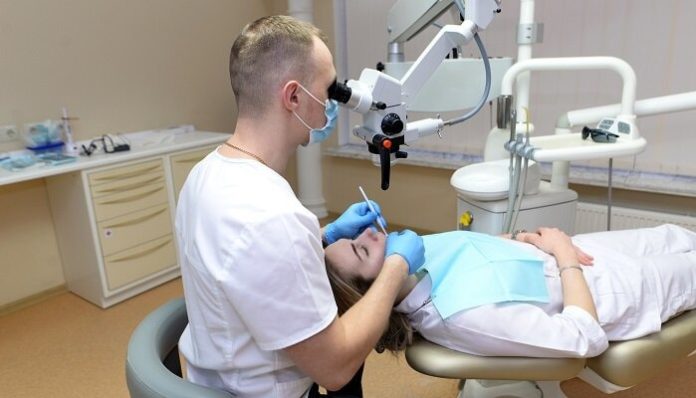
Healthcare facilities are the backbone of any community, providing essential services that keep individuals healthy. However, the way healthcare is delivered is constantly evolving, and it’s essential for facilities to keep up with the latest technologies and practices to provide the best possible care.

A smart healthcare facility leverages technology to improve patient outcomes, reduce costs, and increase efficiency. But it’s important to determine your needs before creating a smart healthcare facility. You need to identify the relevant technologies available so you can tailor them to fit your needs.

If you have no vast knowledge of technologies in the healthcare sector, you can seek guidance from reputable IT companies. Read on for four tips to help you create a smart healthcare facility.

1. Invest In Robust IT Infrastructure

According to Netsurit, an IT company in Capetown, robust IT infrastructure helps healthcare providers give accurate diagnoses, prevent medical errors, and improve the overall quality of care. The types of IT infrastructure needed in a healthcare facility may vary, depending on the size and complexity of the organization. However, some essential infrastructure is necessary for a smart healthcare facility, including:

  • Electronic Health Records (EHRs): EHRs are digital records of patient health information, including medical history, medications, allergies, test results, and more. EHRs provide healthcare providers with easy access to patient information, enabling them to make better-informed decisions and provide more personalized care. 
  • Telehealth: These hardware and software components enable remote patient monitoring, virtual consultations, and diagnostic testing. Telehealth infrastructure can help healthcare providers reach patients in remote or underserved areas, reduce healthcare costs, and provide more convenient care.
  • Network infrastructure: Network infrastructure includes the hardware and software used to connect devices such as computers and medical equipment to each other and the internet. A robust network infrastructure is essential for secure data transfer and communication between healthcare providers, patients, and other stakeholders. 
  • Artificial Intelligence (AI): AI infrastructure includes hardware and software that enables the development and deployment of AI applications in healthcare. AI applications can help healthcare providers to analyze patient data, identify patterns, and make more accurate diagnoses.

The technologies can help improve the overall patient experience. With instant access to medical records, patients can receive timely and accurate diagnoses, leading to better outcomes. In addition, telemedicine and virtual consultations become more accessible, making healthcare more convenient and accessible for patients who might otherwise struggle to access care.ย 

To implement and maintain healthcare technologies, you can hire in-house IT experts to deal with daily IT issues. However, if your facility is still small, you can decide to outsource IT services to reputable IT companies. If youโ€™re in Arizona, you can hire affordable managed IT services in Phoenix.

2. Ensure Data Privacy

The risks of data breaches in healthcare facilities are significant. Cybercriminals and hackers are becoming more sophisticated and are continuously finding new ways to breach data security. Data breaches can occur through malware, phishing, or human error such as lost or stolen devices. These breaches can cause a great deal of damage to both patients and healthcare providers.

To ensure data security and privacy in a healthcare facility, it’s essential to implement a comprehensive security program that includes both technical and non-technical measures. Technical measures include using secure passwords, encryption, and firewalls to protect data. Non-technical measures include implementing strict access controls and conducting regular security audits.

Additionally, healthcare facilities should implement policies and procedures that comply with regulations such as Health Insurance Portability and Accountability Act (HIPAA). HIPAA sets standards for the privacy and security of protected health information (PHI) and ensures that healthcare providers protect patients’ rights to privacy.

3. Train Staff On New Technologies

Technology is only as effective as the staff who use it, and with proper training, healthcare providers may be able to utilize new technologies’ potential fully. Practical training can help the team understand how to use new technologies, increase productivity, and provide better patient care.

The types of technologies that staff should be trained in may vary, depending on the needs and goals of the healthcare facility. However, some essential technologies that staff should be trained in include electronic health records (EHRs), telemedicine, mobile health, and medical devices. These technologies can help to improve patient outcomes, streamline workflows, and reduce costs.

Additionally, healthcare facilities should consider providing ongoing training to keep staff up to date with new technologies and industry trends. Continuous education and professional development opportunities can help the team stay engaged and motivated, ultimately improving patient care and outcomes.

4. Perform Continuous Monitoring And Performance Evaluation

Monitoring enables healthcare providers to track their performance and progress against established goals and benchmarks. A health facility can use monitoring and evaluation methods such as patient satisfaction surveys, quality control checks, and performance dashboards.

Performing continuous monitoring and performance evaluation in a healthcare facility can help identify opportunities for improvement, enhance patient satisfaction, and improve the quality of patient care. Also, it can help healthcare providers to optimize their operations, reduce costs, and increase revenue.

Conclusion

Creating a smart healthcare facility is no longer an option but is necessary in today’s fast-paced digital age. When you implement these tips, healthcare providers can deliver high-quality, efficient, patient-centered care.

Itโ€™s essential to note that creating a smart healthcare facility is an ongoing process that requires a commitment to innovation, flexibility, and continuous improvement. As new technologies emerge and patient needs evolve, healthcare providers must be willing to adapt and incorporate new strategies to ensure they deliver the best possible care to their patients.

Gummies vs. Pills: Which Is the Better Choice for Your Health?

Gummy supplements are becoming increasingly popular as people are looking for a more enjoyable and convenient way to take their vitamins and supplements. Compared to traditional pills, vitamin gummies offer several advantages such as being chewable, easy to swallow, tasty, lightweight, and easier to digest. Gummies are also convenient, help create healthy habits, and vitamins are absorbed better in gummy format. When it comes to the debate of vitamin gummies vs pills, many people find gummies to be a more enjoyable and hassle-free way of taking their daily supplements. With a variety of flavors, gummies are more appealing to both children and adults. So, if you’re someone who struggles with swallowing pills or wants a more enjoyable way to take your vitamins, consider giving gummy supplements a try. Visit Wild & Organic Supplements and explore the wide range of gummy supplements available.

Benefits of Gummy Supplements Over Traditional Pills

Chewable and Easy to Swallow

One of the most significant benefits of gummies over tablets is that they are chewable and easy to swallow. Tablets can be challenging to swallow, especially for people who have a hard time with pills. In fact, there are many people who find themselves forcing down tablets daily, and heaving a lot in the process! Gummies, on the other hand, are chewy and easy to swallow. This makes them a great option for people who have trouble swallowing tablets, particularly children and the elderly.

Taste and Enjoyment

Gummies come in a variety of flavors, making them more appealing to both children and adults. They offer a range of delicious options such as orange, apple, and berry, which makes taking supplements a more enjoyable experience. Unlike tablets, gummies do not have a chalky or bitter taste, making them more palatable. Tablets can often have a funny taste, something that is hard to avoid even if you try to swallow them without tasting them. Gummies come in a range of great flavors, including popular choices such as strawberry, grape, and lemon.

Lightweight

Gummy supplements are convenient to travel with because they are lightweight and take up less space in your luggage compared to traditional pills. This can make a significant difference, especially if you are taking multiple supplements or traveling for an extended period. With gummies, you can easily pack your daily dose without adding unnecessary weight to your bag.

Easier to Digest

Individuals with sensitive stomachs may benefit from choosing gummy vitamins over traditional pills, as they tend to contain fewer nutrients and are generally easier for the body to process and digest. Traditional vitamins and supplements may cause digestive problems for those with sensitive stomachs due to their harsh nature. Gummy vitamins, on the other hand, are gentle on the stomach and can help prevent digestive issues. Additionally, gummies are designed to release their nutrients gradually, ensuring a slow and steady absorption rate, which may reduce any potential adverse effects.

Convenient

Gummies do not require water or other liquids to swallow, making them more convenient to take on the go. This can be especially useful when you don’t have access to water or when you forget your water bottle. When you take pills, you usually need water or another liquid to swallow them. So what happens when you find yourself without your favorite water bottle at your side? A gummy vitamin can help fix that problem.

Help Create Healthy Habits

Developing healthy habits can be challenging, especially when it comes to taking supplements. For many people, the thought of swallowing large pills can be daunting and unappealing. Fortunately, gummy supplements offer a delicious and enjoyable alternative. With a variety of flavors and a chewable texture, gummies can make taking supplements a more exciting and less intimidating experience. By incorporating gummies into your daily routine, you can establish healthy habits and ensure that you never forget to take your vitamins. Whether you’re an adult or a child, gummy supplements are a convenient, fun, and effective way to support your overall health and wellbeing.

Vitamins Are Absorbed Better in Gummy Format

Gummy supplements offer better bioavailability than traditional pills and tablets. This means that when you chew a gummy vitamin, it breaks down into small particles that are more easily absorbed by your body, allowing your body to absorb and utilize the nutrients more efficiently. When you chew a gummy vitamin, it breaks down into small particles that are easily absorbed into your bloodstream. This allows your body to absorb and utilize the nutrients more efficiently than with traditional vitamins. Better bioavailability means that you get more bang for your buck with gummies than with other supplements.

Are Gummies Better Than Pills?

Another common question is whether vitamin gummies are better than pills. While gummies do offer unique advantages, such as being chewable and easier to swallow, it is important to note that they may not be the best option for everyone. Some people may require higher doses of certain nutrients that cannot be found in gummy form, which could make pills a better choice. Therefore, it is crucial to discuss your supplement needs with a healthcare professional before deciding which option is best for you. Ultimately, the decision between gummies and pills should be based on your individual needs and preferences, as well as the guidance of a qualified healthcare provider.

Conclusion

When it comes to effectiveness, many people wonder if gummies are as effective as pills. While gummies offer many benefits over pills, it is important to note that they may not be suitable for everyone. Some people may require higher doses of certain nutrients that cannot be found in gummy form. However, for the majority of people, gummies can be just as effective as pills in delivering the necessary nutrients to the body. As previously mentioned, gummy vitamins have better bioavailability than non-chewable vitamins and supplements, meaning that they are absorbed more easily by the body and are more readily available for use. This can make them a more efficient option for those looking to improve their health through supplementation.

HAB Pharma and JVAC Partner to Empower Autistic Children in India

Microsoft collaborates with Social Alpha to accelerate growth of healthtech startups in India

HAB Pharmaceuticals and Research Ltd. (HAB), a leading pharma company in India, has partnered with Jai Vakeel Autism Centre (JVAC) towards the foundationโ€™s efforts in providing education, skills and healthcare to children diagnosed with Autism Spectrum Disorder (ASD).

A study conducted by the Indian Council of Medical Research (ICMR) in collaboration with the Ministry of Health and Family Welfare, Government of India, which was published in the Indian Journal of Pediatrics in 2018, surveyed over 200,000 children aged between 2 and 9 years from all over India and found that the prevalence of autism was 1 in 68.

According to recent statistics, there are around 18 million people living with autism in India, making it one of the largest autistic populations in the world. Despite this, many families in India still struggle to access appropriate care and resources for their loved ones with autism, highlighting the need for increased awareness and support for individuals with ASD in the country.

Through this collaboration, HAB wishes to strengthen the integration of autistic children and adults into society. The funds are mainly used for therapies that focus on language, social interaction and sensory needs.

โ€œA truly fulfilled society is an inclusive society. This means we strive to create potentially independent adults that can become contributing members of the community,โ€ says Urvee Garg, their Business Operations Manager.

As a 30+ year-old research-focused pharma company, HAB Pharmaceuticals has a proven track record of launching quality generic products in India. Headquartered in Mumbai, its manufacturing units are located in Central and North India. Over the years, it has built a reputation as not only a rapidly-growing player in the India generics market but also an organisation that is engaged with the local community and the needs of the under-served.

In addition to their main project of supporting children with autism, HAB’s CSR is also actively involved in two other charitable initiatives. One of these initiatives involves providing nutritious vegetarian meals to people in areas like Nalasopara and Sion in Mumbai, along with distributing cold buttermilk to daily wage workers during the hot summer months. This is being done in collaboration with Geo Roti Ghar. The second initiative involves setting up a food truck outside Tata Memorial Hospital for families of cancer patients who often have nowhere to eat while they wait for their loved ones. This is being done in collaboration with “With Araya”. These efforts are a testament to HAB’s CSRโ€™s commitment to serving the needs of the community beyond their core mission of supporting children with autism.

5 Ways to Get Your Nursing Career Started

There is nothing more noble than the desire to become a nurse. It is a testament to your hardworking, compassionate, and giving soul.

But no matter how much you want something, going for it can feel daunting when you do not know where to start.

Luckily, we are here to help by laying out this guide to take you through all the steps of launching a nursing career, from your initial education to job hunting – as well as other tips that will aid in your journey.

What seems like a far-away dream now can soon become your career

1. Necessary Educational Roots

There is no such thing as becoming a nurse without a lengthy amount of schooling. This is why we have created this step-by-step list of schooling stages required to start a career as a nurse:

โ€ข A high school diploma or alternative equivalent, such as a GED
โ€ข Bachelor of Science degree in nursing, whether earned through traditional means or an accelerated program
โ€ข Master of Science in nursing

Depending on what field you are going into, this could take anywhere from two to four years or even longer. Be proactive about coursework and know all the classes you must complete beforehand.

You will also have resources to help you with this, such as NCLEX Review and Remediation.

2. Pass Your Exam

All of the coursework you go through will accumulate with a final exam you must pass in order to officially become a licensed nurse. The most common exam given is the National Council Licensure Examination, or NCLEX.

Here are some tips to help you pass this test the first time.

โ€ข Form study groups
โ€ข Take advantage of online resources
โ€ข Learn the material through practice instead of just memorizing
โ€ข Focus especially on diagnosis, triage, and the subtle differences between similar conditions
โ€ข Start studying months in advance with breaks in between – do not cram the night before

3. Get Licensed

The act of completing your program alone is not enough to be licensed. You are going to have to apply for licensure, a process that takes around a month to complete.

This is not a one-time process. You will need to have your license renewed every two years.

You cannot be lax with this because if your license has expired, you cannot legally practice. Repercussions could range from fines to loss of career to even legal consequences.

4. Choose a Specialty

The term “nursing career” can take on many different meanings. Most nurses specialize in a certain type of care. This includes oncology, pediatric care, critical care, cardiology, and much more.

You need to find your specialization to avoid unnecessary coursework and to better plan for your future.

To find your niche, talk to people from each specialization you are interested in. Ask them questions about what a day in their life looks like, and see if that could be a good fit for you.

5. Volunteer

If you want to land your dream job, you are going to have to bolster your resume.

When looking at who to hire, employers want to know you have been tested to some capacity. Volunteering also shows initiative and passion for the field.

Most medical facilities seek volunteer workers year-round, so you will not have to look very hard. Here are some ideas to get you started:

โ€ข Your local hospital
โ€ข Assisted living facilities and nursing homes.
โ€ข Hospices
โ€ข Health events
โ€ข Homeless shelters

On Your Way to Your Dream Career

A nursing career does not happen overnight, and it is no small undertaking. However, you can make it much easier to get there if you have a plan of action from the start.

Start with these five steps, and you will be off to a great start.

Traditional and Alternative Therapies Offered at Rehabilitation Centers in Thailand

When it comes to physical rehabilitation, there is no one-size-fits-all approach. Individuals respond better to various forms of physical therapy and require a tailored program based on their needs. For those seeking the best treatment options in Thailand, this article explores some of the traditional and alternative therapies offered nationwide at rehabilitation centers.

By discussing everything from mainstream physiotherapy treatments to less common regenerative strategies such as stem cell injections, we aim to provide a comprehensive overview of what’s available so that you can make an informed decision when choosing where (and how) you want to be treated.

Exploring the Benefits of Traditional Rehabilitation Treatments

Traditional rehabilitation treatments have been utilized for centuries to aid individuals in recovering from various ailments and injuries. These treatments have proven beneficial, ranging from increased mobility and flexibility to improved mental health and overall well-being.

Traditional rehabilitation treatments span a wide range of disciplines, including physical therapy, occupational therapy, and speech therapy, to name a few. While numerous rehabilitation options are available, many individuals still prefer the tried and true methods of traditional treatments. With their long history of success, it’s no wonder these treatments continue to be famous for those seeking to improve their quality of life.

Finding What Non-Traditional Therapies Are Offered at Centers in Thailand

In addition to classical rehabilitation treatments, many centers also offer a variety of non-traditional therapies. These can range from alternative medicine options, such as acupuncture and massage therapy, to more cutting-edge technologies like stem cell injections and hyperbaric oxygen chambers. Depending on your specific needs, these non-traditional therapies could provide an even more significant relief than traditional methods alone.

For those with an alcohol allergy, specialized treatments are available at some rehabilitation centers in Thailand. These may include dietary modifications or certain medications that will help reduce the severity or frequency of alcohol allergy symptoms. It would help if you spoke with your doctor before beginning any treatment for your allergy so they can best determine which option is right for you.

Deciding if Alternative Treatments Are Right for You

No two individuals are exactly alike, so it’s crucial to find the best approach for you when it comes to rehabilitation treatment. On your needs and preferences, alternative treatments could be an excellent option for those looking to complement their traditional treatments or even replace them entirely.

Ultimately, whether you choose conventional or non-traditional therapies is up to you. Before making any decisions, be sure to do extensive research on the various options available so that you can make an informed choice about which route is right for you. With the right combination of treatments, achieving maximum physical health and well-being in Thailand may be possible.

How to Choose a Rehabilitation Center with Qualified Therapists

When selecting a rehabilitation center in Thailand, it’s essential to ensure that the therapists and medical staff are appropriately qualified. It means verifying their credentials, ensuring they know about various treatment options, and asking for references from prior patients. You should also ensure that the center offers comprehensive aftercare services so you can receive follow-up care if needed.

Considering all these factors when choosing a rehabilitation center, you can ensure your health is in the best hands possible. With the right treatment plan customized to meet your needs and goals, recovery may be near.

Connecting with Others in Group Therapy and Peer Support Sessions

In addition to receiving medical treatment, rehabilitation centers in Thailand also often offer group therapy and peer support sessions. Participating in these activities can provide an invaluable opportunity to connect with others who have experienced similar struggles or circumstances as you. It can be encouraging to know that you are not alone, and by sharing your story, you can help those facing the same challenges.

Group therapy and peer support sessions are just two ways to find strength and motivation during rehabilitation. If available, it is highly recommended that individuals take advantage of these resources to build a robust support system throughout their recovery journey.

Setting Up a Healthy Habits Plan to Maintain Long-Term Results

Although the rehabilitation process can be complicated, a plan to maintain long-term results is crucial. It may involve setting up healthy habits such as regular exercise, proper nutrition, and stress management techniques. You should also ensure access to resources like support groups or counseling services that could provide vital assistance.

By keeping a positive attitude and investing in your well-being on an ongoing basis, you can successfully navigate any obstacles that come your way and maintain lasting physical health after completing treatment in Thailand. A comprehensive rehabilitation plan tailored to meet your needs makes a recovery possible.

In Conclusion

Rehabilitation treatment in Thailand can offer many opportunities for individuals looking to recover from various physical ailments. When selecting a rehabilitation center, it’s essential to ensure the therapists and medical staff are suitably qualified, that comprehensive aftercare services are available, and that group therapy and peer support sessions are offered.

Additionally, setting up healthy habits plan and having access to resources for long-term maintenance are essential steps to achieve lasting results. With the right combination of treatments, recovery may be just around the corner.

The Use Of Telemedicine In Hospitals And Its Benefits For Patients And Healthcare Providers

As healthcare providers modernize their practices, they are increasingly turning to telemedicine as a way of delivering better care more efficiently. Telemedicine is an umbrella term that generally refers to any kind of medical service delivered remotely through digital transmission and communication technologies, such as mobile phones, computers, and video conferencing services. Healthcare organizations worldwide have realized the benefits that telemedicine can bring both for patients and healthcare professionals alike, making it an invaluable tool in improving patient care while also providing significant cost savings. In this blog post, we will look at how hospitals can leverage the power of telemedicine to provide more comprehensive care for their patients while increasing efficiency within the hospital’s department.

Introducing Telemedicine and its Benefits

Telemedicine is the new buzzword in the healthcare industry. This method of delivering healthcare services involves digital communication technologies such as video conferencing, remote patient monitoring, and mobile health apps. It allows patients to visit their healthcare providers virtually, without going to a physical hospital or clinic. This can be particularly helpful for patients who live far away or who are unable to leave their homes. Telemedicine also offers benefits such as improving access to medical care, reducing healthcare costs, enhancing patient engagement, and providing high-quality care. With the increasing demand for healthcare services and the need to prevent the spread of infectious diseases, telemedicine has become an indispensable part of modern healthcare delivery.

The Role of Telemedicine in Hospitals

Telemedicine has become an increasingly important part of healthcare, especially in the hospital setting. As hospitals face an influx of patients and limited resources, telemedicine offers a solution that can assist in improving healthcare delivery. With telemedicine, medical professionals can provide consultations and care to patients remotely, reducing the need for in-person visits and freeing up hospital resources. This means that patients can receive quality care from the comfort of their own homes, while hospitals can efficiently manage their resources. Additionally, telemedicine can improve access to care for patients in rural or remote areas who might not have easy access to a hospital. Overall, the role of telemedicine in hospitals is an important one, providing a valuable tool for medical professionals and improving the quality of care for patients.

How Telemedicine Can Save Time and Money

Telemedicine is a game-changer in the medical world, allowing doctors and patients to connect remotely through technology. Not only does this technology help to save time, but it can also save money. Patients can save on the cost of travel and parking, while doctors can reduce expenses from overhead costs associated with physical offices. This approach also increases access to medical care, especially for patients in rural areas or those with limited mobility. Furthermore, telemedicine appointments can be scheduled more flexibly, reducing wait times for patients. With the rise of telemedicine, healthcare is becoming more accessible and convenient than ever before, making it easier for patients to prioritize their health without breaking the bank.

Streamlining Care with Telemedicine

Telemedicine is a game changer in how patients access healthcare services. This technology involves using digital platforms and tools to provide medical care and consultations remotely. With telemedicine, patients can now access quality medical care from the comfort of their homes or anywhere else they may be. This eliminates the need for travel, long wait times at the doctor’s office, and exposure to sick patients at a hospital or clinic. Telemedicine has made healthcare more accessible, convenient, and cost-effective for patients and healthcare providers alike. It has enabled doctors to manage chronic conditions, monitor patients remotely, and even diagnose and treat certain conditions through virtual consultations. Telemedicine has transformed the traditional healthcare delivery model, making it more efficient and effective for everyone involved.

Enhancing Patient Engagement through Telemedicine

For patients with chronic health issues, seeking professional medical advice can become a regular part of their routine. However, the accessibility of healthcare can sometimes present challenges, especially when it comes to in-person consultations. Fortunately, the rise of telemedicine has made it easier than ever for patients to connect with medical professionals from the comfort of their own homes. This is especially beneficial for patients with kidney problems with questions like โ€œAre High-Protein Diets Safe for Kidneys?โ€. Through telemedicine, patients can receive helpful and informative answers to their questions without the need for travel or wait times. With the convenience and accessibility of telemedicine, enhancing patient engagement has never been easier.

Challenges and limitations of telemedicine in hospitals

Telemedicine has emerged as a feasible option for healthcare delivery, but it does come with its own set of challenges and limitations that need to be addressed. One of the major hurdles that hospitals face is the lack of proper infrastructure and technological support. Telemedicine services require high-speed internet connectivity, video conferencing capabilities, and remote patient monitoring devices, which can be too costly for many hospitals to invest in. Moreover, the lack of trained and skilled medical personnel who can operate the equipment and manage the patients remotely is also a significant concern. Additionally, telemedicine services cannot replace the need for physical examination and in-person medical intervention in certain situations, which limits its effectiveness. Nevertheless, with proper planning and training, hospitals can eventually overcome these difficulties and leverage the benefits that telemedicine offers to enhance patient care delivery.

Future directions of telemedicine in hospitals

As technology advances, the future of telemedicine in hospitals is looking bright. Telemedicine refers to remote diagnosis and treatment of patients using telecommunications technology. With telemedicine, doctors can communicate with patients in real time, monitor their vital signs, and make medical decisions remotely. In the future, hospitals are likely to invest more in telemedicine to enhance their services and make healthcare more efficient. Telemedicine can be used to deliver care to patients in rural areas where there is a shortage of medical professionals. It can also be used to monitor patients with chronic conditions, reducing hospital readmissions and costs. With the potential to revolutionize healthcare, the future of telemedicine in hospitals is worth paying attention to.

In conclusion, telemedicine is poised to revolutionize the way hospitals care for and interact with patients. Its potentials are numerous and include enhanced patient engagement, greater accessibility to healthcare, improved care coordination, cost savings, and much more. Despite some challenges and limitations posed by telemedicine in hospitals, these can be addressed with sound policy decisions and proper financial investments. With advances in technology and real-world implementation that follow best practices, telemedicine can surely reach its potential. What’s exciting is that advancements in this field are accelerating rapidly. Fifteen years ago telemedicine was only a vision; now it’s an important part of modern healthcare systems around the world. We can look forward to a future of higher quality healthcare enabled by convenient access to pinpoint accurate diagnoses anytime, anywhere.

US Healthcare Construction Injury Support- A Ready Reckoner

Summary- Hospital construction injuries in US have been there for long and it is time we understand how to get compensated for them by filing a personal injury lawsuit.

Highly experienced construction personnel help to maintain construction equipment when it comes to building healthcare centres and hospital facilities, which we all tend to use for a variety of reasons, right from consulting a specialist to going for a regular test or visiting for a complex surgery. The construction of these hospitals happens to be very risky and dangerous due to the numerous complexities involved.

It is well to be noted that every profession is prone to mishaps, no matter how well the sector adheres to the safety guidelines. With the number of precautions that are being taken these days and with the high-end technologies that are used, hospital construction accidents are lower; however, there are still a significant number of injuries that take place annually. As per the 2021 figures, almost one in every five workplace fatalities took place in the construction sector. More than one-third of the construction deaths happened due to slips, falls, and trips. Notably, the construction landscape accounted for 46.2% of falls, slips, and trips in 2021 that proved fatal.

Within the construction of buildings, the number of slips, trips, and fatal falls saw a dip from 89 in 2018 to 83 in 2020. However, there was an increase in 2021 to 91.

Hospital construction accidents can occur for a plethora of reasons, ranging from human error to equipment failure. Let us discuss some of the reasons for hospital construction accidents and explain what victims of these mishaps can do in order to receive justice for what they have gone through.

Hospital construction accidents can happen for many reasons; however, some of the most common reasons may range from falls, collisions, exposure to chemicals and hazardous materials, fires, equipment failures, etc.

Fires can occur when the flammable materials are mishandled, which is typically the case and has been witnessed across hospital construction sites. They can also occur when there is a short circuit at the site and may cause severe burns to workers or even disfigure them.

The complex equipment, which is mostly common at hospital construction facilities, may fail at times because of system error, poor maintenance, or manual or user error. In the event of an equipment failure, there is a possibility that the construction workers may get injured or even killed. Besides this, the hazardous chemicals, which are often a common sight at hospital construction sites, may very well have a leak, causing long-term health issues for the construction workers.

With taller buildings and the cranes being used, there is always a risk of material falling from a height. All this may be caused by poor training, human error, or mechanical issues. As there is always a dearth of time in this sector and hospital construction is often seen as working on strict deadlines, workers are needed to work at night when the visibility happens to be pretty low, and with the site becoming slippery due to the moisture settling in, there are high risks involved pertaining to falling. Although there are technologies that are used to prevent collisions and avoid such accidents, they are not always foolproof, thereby leading to workers at the site getting seriously injured.

Although hospital construction workers happen to be mostly covered by workersโ€™ compensation, it may not go on to cover the entire medical bill, the pain and suffering, or even the wages that are lost during that period. Instead of making use of workers compensation, you may want to go ahead with filing a personal injury lawsuit with the aid of an attorney specialising in that field.

A personal injury lawsuit goes on to hold the responsible parties accountable for their negligence through financial compensation. In the case of a hospital construction accident, this may go on to include the contractor, the supervisor, and the hospital management for the faulty equipment or careless conditions.

So as to win a personal injury lawsuit, there will have to be proof that you and your attorney can provide that the other party was indeed negligent and that this caused your injuries. There are a lot of factors that could get involved in it, ranging from gathering evidence pertaining to the incident to arranging witness testimony, getting accident reports, and acquiring medical records.

If there is a case wherein you are looking to consider a personal injury lawsuit after a hospital construction accident, it is imperative that you work with an experienced personal injury lawyer. The attorney there can help you understand your rights, guide you along the legal process, and even negotiate with third parties.

When opting for a personal injury attorney, it is indeed important to look into someone who has loads of experience handling hospital construction accidents, such as a personal injury law firm. It is well to be noted that these accidents can be very complex in nature because of the many parties that are involved, including the contractor, the hospital management, the equipment owner, the operator, the supervisor, etc. A personal injury attorney with expertise in hospital construction accidents will be well-versed in handling such complexities and will go on to fight for your rights.

It is indeed possible that you may receive the compensation without even going to court, which, by the way, is much quicker and less of a burden on the pocket. Although it is your attorney who can advise you whether it is a good idea to pursue it and explain what would be a fair settlement. The attorney can also handle negotiations on your behalf so that your focus is entirely on your health recovery.

Irrespective of how justice is pursued, one must know that a personal injury attorney happens to be an essential ally in the entire process, and by working with a well-equipped lawyer, one can get the compensation required to get back to work.

The Aftermath of a Car Accident: 6 Medical Facts You Need to Understand

After experiencing a car accident, itโ€™s important to understand the medical facts and protocols associated with this traumatic event. From identifying what injuries may need long-term care, to understanding how medical bills are payable and by whom โ€“ understanding the definitive information surrounding this type of incident can help prevent serious future repercussions.

Here is an educational look into the aftermath of a car accident when it comes to legal responsibilities, recommended procedures, and potential outcomes while ensuring your health is prioritized above all else.

Head Injuries and Traumatic Brain Injury

When it comes to head injuries and traumatic brain injury, understanding the risks is crucial. These types of injuries often have devastating consequences, both in the short term and long term. From memory loss and confusion to permanent disability, the effects of a traumatic brain injury can be life-changing.

Unfortunately, these injuries are all too common in situations such as car accidents so if you or a loved one has suffered from a traumatic brain injury due to someone else’s negligence, you may be entitled to compensation. Consulting with a legal professional who specializes in brain injury cases can help you navigate the complexities of these types of lawsuits and advise on accident reconstruction, medical evidence, and whether or not there is any fault on behalf of the other party. If the accident was caused by a negligent driver, they may be liable for damages.

Neck, Back, and Spinal Cord Trauma

Neck, back, and spinal cord injuries can have serious legal implications. These injuries can result in long-term damage, chronic pain, and the inability to work or participate in daily activities. If these injuries were caused by the negligence or intentional actions of another person or entity, legal action may be necessary to seek compensation for medical expenses, lost wages, and other damages.

Internal Organ Damage

Symptoms can include abdominal pain, bruising, fatigue, and difficulty breathing. If you experience any of these symptoms, it is important to seek medical attention immediately. In the unfortunate event that you do suffer from internal organ damage, seeking legal advice may help you recover compensation for your medical expenses and other damages, especially if the accident was caused by someone elseโ€™s negligence.

Psychological Effects of a Car Accident

A car accident can have profound psychological effects on the individuals involved, which can sometimes be just as damaging as the physical injuries sustained. An accident can have long-lasting consequences for those affected, such as anxiety, depression, and even post-traumatic stress disorder. Victims must receive adequate support and care to help them through the aftermath of such an event, which can be a difficult and overwhelming experience.

As such, legal professionals must consider the full impact of a car accident on their client’s mental health, as well as their physical well-being when working to secure compensation for their injuries.

Symptoms That Could Indicate a More Serious Condition

Symptoms such as dizziness, nausea, and headaches can sometimes point to a more serious underlying condition. If you experience any of these symptoms following an accident, you must seek medical attention immediately to understand the cause of your symptoms and rule out any potential injury or illness.

Additionally, if you or a loved one has experienced any physical or psychological trauma from a car accident, it is important to document the incident and consult with a legal professional who specializes in personal injury cases. They also work with a team of medical specialists, who can provide medical evidence to support your case.

How Medical Care Can Help After an Accident

Medical care is essential to help accident victims recover from injuries and get back to their daily activities. Seeking medical attention after an accident not only helps to treat physical injuries but also provides crucial documentation that may be necessary for legal proceedings or insurance claims. It is crucial for accident victims to get the right medical care and to have an experienced attorney on their side to help them navigate the legal process and fight for the compensation they deserve.

The physical and psychological aftermath of being involved in a car accident requires careful consideration. With the right medical, legal, and financial support, victims can look forward to getting back on their feet again. They should be aware of the potential risk for head injuries, neck and back trauma, internal organ damage, and anxiety-related conditions that result from motor vehicle collisions.

Depending on the severity of an individualโ€™s injury or condition, it may be beneficial to seek professional medical advice shortly after an accident to decrease the chances of long-term complications or exacerbation.

Ways to Reduce Eye Strain for Computer Users

Do you spend long hours in front of a computer screen? Are your eyes feeling strained and tired after using the computer? Eye strain is a common problem among people who use computers regularly. It can cause headaches, fatigue, dry eyes, blurry vision, and even neck pain. Fortunately, there are simple ways to reduce eye strain while working on the computer. Here are some tips that you can follow to reduce eye strain.

Bluelight Glasses

Blue light emitted from computer screens is one of the main causes of eye strain. Investing in a pair of blue-light-blocking glasses can help reduce the amount of blue light hitting your eyes, which will reduce the effects on your eyesight. According to the expert team from blockbluelight.com.au, blue light glasses can help reduce digital eye strain, fatigue, and headaches caused by excessive screen use. It’s a good idea to look for glasses with lenses that are designed specifically for blocking blue light. While the cost varies, you can find some affordable options that offer great protection.

Adjust the brightness of the monitor to match the room lighting

The brightness of your computer screen should match the light in the room for comfortable viewing. Too much brightness or too little can cause eye strain, so adjust it accordingly. If you are having trouble seeing, try increasing the font size and contrast level of text on your computer display to make it easier to read. Additionally, if you are using a laptop, reduce the amount of glare on the screen by adjusting the angle and positioning of your laptop. It’s also important to take regular breaks from the computer and focus on distant objects; this helps reduce eye strain.

Hydrate your eyes regularly

Dehydration of the eyes can cause eyestrain and irritation in the long run. To prevent it, keep your eyes hydrated by drinking plenty of water throughout the day. You can also apply lubricating eye drops to help reduce dryness and itchiness. Additionally, try taking occasional breaks from computer use to give your eyes a rest and splash them with cool water for a few minutes during these short breaks. This will help re-energize them and reduce any kind of strain or discomfort caused due to staring at the screen for too long.

Get your eyes checked

If you are a frequent computer user, it is important to get your eyes checked regularly. This is especially true if you have any chronic eye problems that may be made worse by the extended use of digital devices. In addition to regularly scheduled visits with your optometrist or ophthalmologist, tell them about how much time you spend in front of the screen and ask for suggestions on ways to reduce your risk of developing digital eye strain. The optometrist or ophthalmologist may suggest certain corrective measures depending on the type and severity of your condition.

Invest in an ergonomic chair and desk setup

When it comes to reducing eye strain, ergonomics plays an important role. Investing in a good desk and chair setup can help reduce or even prevent the development of eye fatigue. After all, it is not only your eyes that are affected by incorrect posture or bad furniture design; it affects the entire body. Itโ€™s recommended to get a chair that has adjustable lumbar support and is comfortable enough to allow you to adopt the correct posture while working, as this will help reduce neck pain and other musculoskeletal issues associated with sitting for long hours at a computer.

Take regular breaks to rest your eyes

Taking regular breaks is one of the best ways to reduce digital eye strain. This doesnโ€™t mean you need to be away from your computer for an extended period, but just taking a few minutes out every hour can make a huge difference in helping your eyes rest and relax. During these short breaks, try focusing on distant objects or even close your eyes for a few moments. You can also do some simple exercises like stretching your arms and neck muscles to help relieve tension caused by long hours of sitting in front of a computer screen.

Reducing digital eye strain is something that all computer users should take seriously. Using the tips mentioned above, you can protect your eyes and reduce discomfort caused by long hours of staring at a screen. Moreover, if you are experiencing any kind of chronic eye problems or pain, itโ€™s important to get your eyes checked regularly by an optometrist or ophthalmologist. Doing so is essential to prevent further damage and protect your vision.ย  Of course, donโ€™t forget to take regular breaks from the computer and focus on distant objects as this will also help reduce eye strain.

Translate ยป