Close
Digital Health & Ai Innovation summit 2026

How Weight Loss Can Boost Energy Levels and Increase Productivity

Are you feeling drained, exhausted, and unable to focus on the task at hand? If so, then it might be time to consider how weight loss can help to boost your energy levels and increase productivity. After all, when we donโ€™t get enough rest or are constantly under stress our bodies react by releasing hormones telling us that something needs to change. We know that carrying around extra weight adds unnecessary strain and pressure onto our bodies โ€“ causing fatigue, lack of concentration, and even poor decision-making. Making a few simple changes can have huge returns in terms of improved energy levels as well as emotional wellness, and could be just what you need for achieving successful outcomes in the workplace.

Understand Your Energy and Weight Loss Goals

Losing weight can often feel like a daunting challenge, but it doesn’t have to be! By taking the time to really understand your energy and weight loss goals, you’ll be setting yourself on the path to success. Remember, every journey starts with a single step, so take it one day at a time and keep a positive attitude. Furthermore, the experts at Nu Image Medical say that with the right weight loss treatment you should be able to see the results, even when working out from the comfort of your own home. Therefore,ย  if youโ€™re struggling with the idea of going to a gym, then this could be the perfect option for you. Try it out and see how it works for you!

Develop a Sustainable Eating Plan and Exercise Routine

Developing a sustainable eating plan and exercise routine may seem daunting at first, but the benefits are worth it. Not only will you feel better physically, but you’ll have peace of mind knowing that you’re doing your part to take care of both yourself and the planet. It’s important to approach this weight loss journey with an optimistic mindset, knowing that small changes will add up over time. Start by setting achievable goals and gradually building up to bigger challenges. Whether it’s swapping out unhealthy snacks for fresh fruits and veggies or taking a 10-minute walk each day, every step counts towards your ultimate goal. With dedication and perseverance, you can create a sustainable lifestyle that not only benefits you, but also future generations to come.

Track Your Progress and Assess Results

Tracking your progress is key to achieving your goals. By keeping track of your progress, you are able to see exactly where you stand and what needs to be done to reach your desired outcome. Although it might seem tedious at first, tracking your progress can be an incredibly empowering experience. You’ll be able to assess your results objectively, which will allow you to identify areas where youโ€™ve made significant improvements, and areas where you might need to focus more. Whether youโ€™re striving for personal or professional success, tracking your progress will keep you motivated and help you stay on track toward your ultimate goal. So, take the first step today and start monitoring your progress โ€“ you might be surprised at how far youโ€™ve already come!ย 

Cut Out Unhealthy Habits to Improve Productivity

Improving productivity is a goal that we all strive for, but sometimes it’s the unhealthy habits we’ve developed that get in the way of achieving it. However, by cutting out those bad habits, we can take a step towards a more productive and fulfilling life. Whether it’s snacking on junk food, scrolling through social media for hours, or hitting the snooze button one too many times, making a conscious effort to break these habits can pay off big time. Not only will you have more time and energy to focus on your goals, but you’ll also feel better both mentally and physically. So, let’s embrace a healthier and more productive lifestyle by cutting out those unhealthy habits!

Get the Right Amount of Sleep and Rest

Getting the right amount of sleep and rest is crucial for a healthy and happy life. With the hectic pace of modern living, it’s easy to forget the importance of getting enough rest. However, ensuring that you have the right amount of sleep can make a huge difference in both your physical and mental well-being. Getting adequate sleep helps you feel refreshed and alert, improves your concentration and productivity, and even boosts your immune system. With a few simple changes to your routine and a commitment to making sleep a priority, you can enjoy all the benefits of a good night’s rest. So, don’t overlook the importance of quality sleep – it’s one of the best things you can do for yourself!

Make Healthy Food Choices to Keep You Energized Throughout the Day

Eating healthy is not only good for your physical health but also your mental well-being. Making the right food choices can keep you energized throughout the day, allowing you to stay focused and feel great. When planning your meals, opt for whole foods like fruits, vegetables, lean protein, and whole grains. These foods are packed with nutrients and will provide you with sustained energy that will keep you going all day long. Don’t forget to hydrate too! Drinking plenty of water throughout the day will help you feel less fatigued and more alert. Making healthy food choices doesn’t have to be a chore, it can be enjoyable and rewarding once you see how energized and productive you feel!

All in all, it’s indisputable that health and energy levels go hand in hand. When we want to make lifestyle changes to become more productive, incorporating healthy eating and exercise into our lives can be life-changing. A sensible diet, moderate physical activity, and enough sleep can help us accomplish our goals and improve overall well-being. By understanding our energy needs and weight goals while keeping these lifestyle tips in mind, we can enjoy the positive energy of improved productivity on a daily basis. With a little effort and dedication, itโ€™s possible to get in shape, increase vitality levels, and realize genuine success!

Health And Disease In Teens: A Complete Guide

Adolescence is a period of life when massive physical, psychological, and social changes occur. During this time, teenagers face various health-related issues that can have short-term or long-term effects on their overall well-being.  

Studies have shown the teenage years see an increased risk for various medical conditions due to age-specific vulnerabilities. Aside from this rise in vulnerability, teenagers must also deal with multiple stresses related to growing up, like changing family dynamics, peer pressure, and academic demands. 

Therefore, teens and their parents need to be aware of common health issues that may affect them, taking proactive measures to prevent or manage these conditions.  

This guide provides an overview of the significant issues related to adolescent health, particularly disease prevention and management.

Common Health Issues Faced By Teens

Teens face various health issues that significantly affect their physical and mental well-being. Understanding the different types of health risks teens are exposed to and what preventative measures they can take is essential for promoting healthy habits during this critical developmental stage. Below is a list of these issues and how one can manage them:

1. Depression 

Depression is an illness that affects millions of teens around the world. It can manifest in many ways among different people. Still, the typical signs include changes in behavior and mood, decreased energy levels, sleep disturbances, difficulty concentrating, and feelings of worthlessness or helplessness. If left untreated, depression can lead to a lower quality of life and a higher risk of suicide ideation. 

When it comes to what causes depression among teenagers, various factors are at play. These include biological factors such as genetics and hormones, environmental factors like family problems or peer pressure, psychological factors such as low self-esteem, and social/cultural pressures related to body image and identity. 

Moreover, certain medical conditions may predispose adolescents to develop depression.  

To properly diagnose a teen with depression, contact or visit a reliable hospital or clinic like Rexburg Pediatrics. These providers can conduct mental health examinations and review your young one’s symptoms before recommending treatment. 

Treatment for adolescent depression often includes psychotherapy (e.g., cognitive behavioral therapy) and medication if necessary. During this process, parents must be involved in their child’s care by supporting and monitoring their progress. 

All teens must recognize the signs of depression to seek help when needed. Early intervention has been shown to drastically reduce the severity of depressive episodes and improve overall well-being in the long term. Watching out for things such as persistent sadness or fatigue could make all the difference in preventing more severe issues.

2. Nutrional Deficiencies 

As stated earlier, depression can impact their social and emotional well-being and future prospects. While there are many potential causes for depression in adolescents, nutritional imbalances can also play a role.

A lack of nutrients such as iron, zinc, magnesium, and omega-3 fatty acids has been linked to depressive behaviors in teenagers. It increases the risk of developing symptoms of depression or intensifies existing ones.  

For example, low levels of iron can lead to anemia which can cause fatigue, irritability, and difficulty concentratingโ€”all symptoms that overlap with those of depression. Similarly, inadequate amounts of vitamins B6 and B12 have been associated with increased rates of depression among young people. 

Of course, nutritional deficiencies lead to other complex health problems that get in the way of healthy living.  

Teenagers who eat highly processed foods or skip meals often are more prone to deficiencies due to inadequate intake from food sources alone. A diet high in refined carbohydrates, like white loaves of bread and pasta, may increase feelings of lethargy and anxiety while providing very little nutrition (eating disorder)

To combat this issue, teens must maintain adequate nutrient intake through healthy eating habits, including regular consumption of fruits and vegetables and lean proteins such as fish and chicken. Eating breakfast daily is also crucial since skipping meals is strongly correlated with higher rates of mental and physical problems among teenagers. 

It’s clear that proper nutrition plays a vital role in adolescents’ overall health; maintaining balanced diets rich in essential nutrients helps overall physical health and psychological health.

3. Peer Pressure And Bullying

The prevalence of peer pressure and bullying among teenagers is an issue that cannot be overlooked. This problem affects not only adolescents’ academic performance but also their physical and mental health. 

Peer pressure can lead to a teenager engaging in unhealthy behavior such as smoking cigarettes or consuming alcohol.  

Bullying involves physical aggression like hitting or pushing, verbal abuse such as name-calling, spreading rumors on social media platforms, excluding people from activities, or any other type of harassment that causes harm to another individual.  

In addition to this, cyberbullying through technology devices has become increasingly common among teens today.  

Bullying victims often experience low self-esteem, sadness, and stress, which can have long-term consequences for their overall well-being.  

Additionally, it has been found that those involved in bullying behaviors are at risk for developing anxiety and depression later in life.  

Therefore, it is vital to recognize these problems early on to address them appropriately before they worsen. 

Parents should pay attention to signs of distress exhibited by their children, including changes in sleeping patterns, difficulty concentrating at school, or becoming withdrawn socially. These could indicate an underlying problem with bullying or peer pressure.  

Educators must also ensure that all schools have anti-bullying policies in place. They must also train staff members to identify bullying incidents when they occur. By taking steps towards prevention, we can create safe environments where young people feel supported and respected while growing up.

4. AIDS And HIV

The human immunodeficiency virus (HIV) and acquired immune deficiency syndrome (AIDS) are two of the most significant sexual health issues facing teens today. 

HIV is a virus that attacks and weakens the body’s immune system, making it difficult for an infected person to fight off infection and diseases. 

AIDS is the end stage of HIV when the immune system has been so weakened that other infections can cause severe illness or death. 

Risky behaviors, such as unprotected sex and sharing needles, increase a teen’s chance of contracting HIV/AIDS.

To reduce their overall risk, teens must be educated on how to practice safe sex and how to protect themselves from being exposed to blood-borne pathogens like hepatitis B, hepatitis C, and HIV/AIDS.

Health professionals recommend regular testing for everyone who engages in risky behavior, regardless of age or gender. Early diagnosis allows those affected by HIV/AIDS to access appropriate treatment before their condition worsens, increasing their chances of leading long, healthy lives.

5. Stress

Stress is a significant health issue for many teens, having both short-term and long-term effects on physical and mental well-being. Teenagers get a lot due to various life changes, such as transitioning into high school, getting more pressure to maintain good grades, or navigating relationships with family and peers.  

Stress can also be caused by environmental factors such as poverty, bullying, discrimination, or living in an unstable home environment. When exposed to such situations, the body’s natural reaction is to enter a prolonged state of ‘fight or flight.’ While it may protect them for a while, it eventually wears down the body’s systems. 

This may result in feelings of anxiety, depression, insomnia, and fatigue. Long-term exposure to such symptoms could lead to more severe issues like substance abuse or chronic illnesses like asthma or irritable bowel syndrome (IBS).  

Teenagers must find healthy ways to manage stress and avoid its negative consequences. 

Exercise can be beneficial since it helps release endorphins which improve mood and reduce feelings of tension. Meanwhile, joining clubs or groups where teens can socialize with others who share similar interests can help foster connections and provide support networks during challenging times.  

Some more specific meditation techniques may prove useful. For example, practicing mindfulness can lower cortisol levelsโ€”making teens feel less overwhelmed when facing complex tasks or decisions.  

Teens should never hesitate to seek professional assistance, as early intervention could prevent further health complications. Consulting a physician will allow them access to necessary resources, including therapy sessions or medications that address underlying psychological issues related to stress management.

Tips On How To Cope With Teen Health Issues

It’s normal for teenagers to face various health challenges during adolescence. Fortunately, resources are available that assist them with specific needs, whether it involves managing stress levels more effectively or seeking professional guidance related to emotional well-being struggles. 

In some cases, medication may be necessary. Parents should be willing to keep their options open about providing their teens with the support they sorely need to stay healthy and happy.

Below are two great ways to help teens with their health issues.

1. Proper Education

The prevalence of health issues among teens is a growing concern for many parents and caregivers. Health-related topics can be challenging to discuss with adolescents. But there are ways to help them cope and manage their condition.  

Education is a way teens can learn more about the various situations they may face and how best to deal with them.  

Through education, teens can learn to make informed decisions regarding their health and well-being. By providing materials such as pamphlets or books on relevant topics, healthcare professionals can equip teens with the information necessary to better understand what they’re experiencing. 

This also allows teens to ask questions about their illness or treatment plan without feeling judged or ashamed.  

Furthermore, by familiarizing themselves with the treatments available, teens can work with healthcare providers to find an appropriate solution for managing their symptoms. 

Educational resources should not only focus on physical illnesses; mental health concerns should also be included to provide comprehensive coverage.  

Mental disorders such as depression and anxiety are common among adolescents. They need to receive adequate support when dealing with these challenges.  

Educators can also foster supportive environments where students feel safe discussing their feelings openly by teaching teenagers coping strategies through therapy sessions or workshops. Teens need access to accurate physical and mental health information to develop healthy habits from an early age.  

It’s essential for adults who care for young people’s well-beingโ€”such as teachers, mentors, and counselorsโ€”to ensure that the youth have reliable sources of knowledge while navigating life’s daily struggles related to health matters. They will be empowered to take control of their journey toward a healthier future with proper guidance.

2. Having A Great Support System

Support systems are essential to coping with any health issue, especially for teens.  

Having a solid network of people around you who understand what you’re going through can be highly beneficial in managing the stress and anxiety that often accompanies illness or injury.  

A sound support system may include family members, friends, teachers, counselors, healthcare providers, and other professionals. Through this network of dependable people, teens can find understanding and comfort when dealing with various health issues.  

The presence of family members is particularly critical in providing emotional support during tough times. Family members should strive to create a safe environment where teens feel comfortable expressing their emotions without fear of judgment or criticism.  

Additionally, they should allow space for independence and exploration as teens grow into adulthood. When done correctly, it can help reduce feelings of resentment and isolation and promote healthy communication between all parties involved. 

Friends also play an essential role in helping teenagers cope with physical or mental health difficulties. They can serve as helpful sounding boards by listening to them vent their frustrations and anxieties related to health concerns.  

They also have the unique ability to connect on a more personal level because they often face similar experiencesโ€”whether growing up with asthma or struggling with depression. Good friendships nurture trust, allowing both individuals to openly share life’s challenges without feeling ashamed or judged for how they choose to cope. 

Access to qualified medical professionals is just as vital as having social networks. Healthcare providers offer expertise on specific illnesses and treatments. At the same time, counseling services allow students to discuss their problems in depth with someone who understands adolescents’ developmental needs first-hand. 

Many schools also provide student assistance programs (SAP). These are staffed by trained specialists working with adolescents on physical and mental health matters such as substance abuse prevention education, bullying awareness campaigns, and suicide prevention initiatives.  

By tapping into these resources early on, teens will gain invaluable insight into successfully navigating difficult times.

Deserving All The Support They Can Get

Teenagers today are faced with a variety of health problems. Understanding the common ones they may face and showing them ways to deal with them is essential.

Education, a great support system, and reaching out to a medical professional can help teens better manage any health issue they encounter.  

By addressing their physical, mental, and emotional needs, teens can live healthier lives now and into adulthood. Start investing in your young one’s overall health.


Unhealthy habits you should avoid when you’re working on your physical health

Maintaining physical health is essential for overall well-being, yet many people struggle to avoid unhealthy habits that can negatively impact their health. In this article, we will discuss the most common unhealthy habits that individuals should avoid when working on their physical health. These habits can include poor diet choices, lack of physical activity, inadequate sleep, and harmful substance use. Understanding the negative impact of these habits on our physical health is important to promote healthier behaviors and improve overall quality of life.

The Dangers of Sedentary Habits

Sedentary habits can pose a significant risk to physical health. Sitting for long periods of time is associated with an increased risk of obesity, heart disease, and other chronic health conditions. Even regular exercise cannot fully counteract the negative effects of a sedentary lifestyle. It is important to be mindful of the amount of time spent sitting and to make efforts to break up sedentary periods throughout the day.

There are several strategies that can be effective in combating sedentary habits. Taking standing breaks throughout the day can help to break up prolonged periods of sitting and increase activity levels. Incorporating regular exercise into the daily routine, such as walking or cycling to work, can also be an effective way to combat sedentary habits. Additionally, using a standing desk or taking frequent walks during the workday can help to increase activity levels and reduce the negative impact of sedentary habits on physical health.

An active lifestyle has numerous benefits for physical health. Regular physical activity can help to maintain a healthy weight, improve cardiovascular health, and reduce the risk of chronic health conditions such as diabetes and certain types of cancer. Engaging in physical activity can also help to improve mental health, reduce stress levels, and increase overall wellbeing. By prioritizing an active lifestyle and making efforts to combat sedentary habits, individuals can improve their physical health and reduce the risk of chronic health conditions.

Unhealthy Eating Habits and Their Impact on Physical Health

Crash diets and restrictive eating habits can be dangerous and harmful to physical health. These habits may lead to malnutrition, weakness, and other health issues. In addition, they may be difficult to maintain, leading to a cycle of yo-yo dieting that can further damage physical health. It’s important to avoid fad diets and instead focus on developing a sustainable and balanced approach to nutrition.

Binge eating and emotional eating can also have negative effects on physical health. These habits can lead to weight gain, increased risk of heart disease and diabetes, and other health issues. Additionally, they can be detrimental to mental health and may contribute to feelings of guilt and shame. It’s important to seek support and guidance to overcome these habits and develop a healthy relationship with food.

Maintaining a balanced and nutritious diet is crucial for physical health. A diet rich in fruits, vegetables, lean proteins, and whole grains can provide the necessary nutrients to support optimal physical function. In addition, it can help manage weight, reduce the risk of chronic diseases, and boost energy levels. It’s important to prioritize whole, nutrient-dense foods and limit processed and unhealthy foods.

While maintaining a balanced diet is crucial for weight management and overall physical health, some people may also choose to incorporate weight loss medications into their routine. There are some of the best belly fat burners for women which can help them achieve their weight loss goals. These medications, when used in conjunction with a healthy diet and exercise plan, can help individuals lose weight and improve their overall health.

Skipping meals and not fueling your body properly can be detrimental to physical health. It can lead to decreased energy levels, poor concentration, and even fainting or dizziness. In addition, it may contribute to unhealthy eating habits, such as overeating later in the day. It’s important to prioritize regular, balanced meals and snacks throughout the day to support optimal physical and mental function.

Harmful Substance Use

Tobacco use is one of the leading causes of preventable death worldwide, with a negative impact on physical health. Smoking is linked to various diseases, including lung cancer, heart disease, and stroke. Even occasional smoking or exposure to secondhand smoke can be harmful. Quitting smoking is one of the best things you can do for your physical health.

Excessive alcohol consumption can also have a negative impact on physical health, increasing the risk of liver disease, high blood pressure, and certain cancers. It can also contribute to weight gain and poor sleep. Reducing alcohol consumption or abstaining altogether can help improve physical health.

There are various strategies for quitting tobacco and reducing alcohol consumption, including seeking support from healthcare professionals, using nicotine replacement therapy, and joining support groups. Making lifestyle changes and finding healthier ways to cope with stress can also be helpful. It’s important to remember that seeking help is a sign of strength and can lead to significant improvements in physical health.

To Sum the Information Up

The negative impact of unhealthy habits on physical health cannot be overstated. Sedentary habits, unhealthy eating habits, and harmful substance use are all major contributors to poor physical health. It is essential for individuals to prioritize healthy habits and self-care, including regular exercise, balanced nutrition, and avoidance of harmful substances. By taking care of our physical health, we can experience numerous benefits, including increased energy, improved mood, and reduced risk of chronic diseases. It’s never too late to start prioritizing physical health and making positive changes in our habits and lifestyle.

How Bunions Affect Your Overall Health

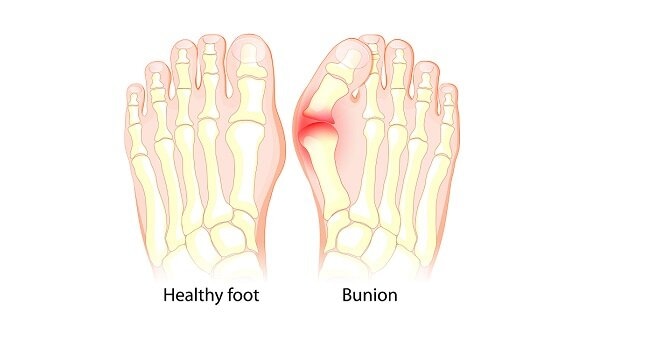
A bunion (hallux valgus) is a bump at your big toeโ€™s base.ย ย 

Typically, the big toe should stay in a straight position. However, various factors can cause a deformity in the foot bones, making the big toe lean more toward the second toe. The top moves inwards, and the joint at the toeโ€™s base protrudes outward.ย ย 

If the unusual angle isnโ€™t corrected early, your big toe becomes significantly misaligned, and a bony bump appears.ย 

Itโ€™s just as painful as you picture it. Bunions often get in the way of convenient movement, which can significantly lower your quality of life over time. Hereโ€™s what you need to know about them and what you must do to treat them.

Causes And Symptoms Of Bunions

Itโ€™s common to find more women with bunions than men. Also, older adults are more likely to develop the condition. However, this deformity can affect anyone, regardless of age or gender.

Several factors lead to bunions. These include the following:

  • Faulty Foot Shape And Pressureย 

A bunion can result from a faulty foot shape and pressure from how you walk. Youโ€™re at a higher risk of developing bunions if you have abnormal bone structure, flat feet, or excessively flexible ligaments.ย 

  • Family History

Bunions are also thought to be hereditary. Youโ€™ll likely develop bunions if your family has a history of foot structure issues like flat feet.ย 

  • Poor Lifestyle Choices

Your lifestyle may also increase the likelihood of getting bunions. For instance, standing for long hours exerts excess pressure on your feetโ€™s tissues. Wearing shoes that are too small or tight, such as pointed or high-heeled footwear, has the same effect.

  • Foot Injuries

Some foot injuries can weaken your midfoot ligaments, causing the big toe to become misaligned. Furthermore, other injuries can negatively impact how you walk, increasing the risk of bunions forming.

Recognizing the early signs of bunions should help you get earlier intervention, which is vital for preventing deformities. Some notable symptoms include a strange protrusion along your toe line, pain, inflammation, stiffness, irritation, numbness, and redness on your big toe.

Types Of Bunions

Most bunions come in the following forms:

  • Congenital bunions: Bunions can affect babies. These are called congenital bunions and are mostly hereditary.
  • Adolescent or juvenile bunions: Adolescent or juvenile bunions affect children between 10-15 years old and are also hereditary. Theyโ€™re less painful and donโ€™t significantly affect movement compared to adult bunions.
  • Large bunions: Large bunions cause the joint at your toeโ€™s baseยญโ€”the metatarsophalangeal (MTP) jointโ€”to protrude significantly. The resulting bump can get noticeably big. Patients with large bunions experience pain and have difficulty moving the affected toes and wearing shoes.
  • Tailorโ€™s bunions: Though bunions are common on the big toe, some can form on the little toe. These are called tailorโ€™s bunions or bunionettes. The little toe leans more toward the fourth toe, and a bump appears on the base outside.

Regardless of the kind or cause of the bunions on your feet, medical intervention is crucial for treating them. A good orthopedic or podiatrist can treat the condition or help you manage the symptoms effectively through surgical or non-surgical means.ย 

How Do Bunions Impact Your Well-Being?

Though bunion treatment and management strategies exist, seeking medical attention as early as possible is essential. This is because the condition doesnโ€™t go away on its own. Instead, it progresses and can permanently change your footโ€™s structure.ย 

Besides affecting your feet, bunions can also negatively impact your social, mental, and physical well-being.ย 

That said, itโ€™s best to work with experts. You can consider local healthcare providers or online professionals from sites likeย https://www.tetonfootandankle.com/. Work with those that are reputable, reliable, certified, well-trained, and experienced.

Below are ways bunions can negatively impact your overall health if not addressed in time:

1. Severe Foot Complicationsย 

Delayed medical treatment can cause other severe foot problems to develop. Some of these include:

  • Osteoarthritis

Some foot specialists believe that bunions can increase the risk of developing osteoarthritis. This is because the deformity can stiffen your toe, reducing your range of motion. That can exacerbate other issues affecting the tissues deep inside, eventually leading to overall inflammation.

  • Metatarsalgiaย 

Bunions make you shift weight off the big toe due to pain. This puts more pressure on the balls of your feet. This results in a complication called metatarsalgia, which manifests as swelling and pain on the front part of your feet.ย ย 

  • Calluses

Calluses are thick skin layers that mostly occur where thereโ€™s repeated friction. Bunions cause your toes to rub against each other, increasing the risk of developing calluses in the spaces between.ย 

  • Hammer Toe

A hammer toe is a foot complication where your toe gets an unusual bend in the middle joint. Typically, bunions cause your big toe to move out of the normal position. As a result, the next toe experiences more pressure, making it bend downwards.

  • Bursitis

Bursitis is an uncomfortable and painful foot complication that develops when the fluid-filled pads cushioning bones near your joints become inflamed.ย 

As you can see, these complications directly impact your feet. Unfortunately, they donโ€™t stop there.

2. Limited Foot Function

As bunions grow bigger, they can negatively affect your foot function in several ways.ย 

Usually, the big toe provides more balance and increases leverage as you push your foot off the ground. The MTP joint helps prevent significant pressure by bearing and distributing weight created by this motion.ย 

Bunions damage your MTP joint and toe, cause pain while moving, and impair your balance and gait. As a result, you may lose some foot function.ย This condition also increases the risk of developing ingrown toenails on the affected foot, which can be painful.

3. Discomfort In Other Body Parts

Impaired balance, gait dysfunction, and walking pain can affect other body parts. These include your hips, knees, feet, and lower back.ย 

These areas will experience more stress and pressure as you try to move differently to avoid or minimize pain caused by bunions. As a result, youโ€™ll feel the secondary effects of bunions, like pain or fatigue in said parts.

4. Shopping Stress

Finding the perfect pair can be challenging for anyone with bunions. Your choices are limited, whether youโ€™re shopping online or in a physical store.ย 

The best shoes for bunions fit well and donโ€™t put more pressure on the affected toes or foot, keeping pain and discomfort at a minimum.

It may be necessary to consult a foot specialist to learn which shoe styles suit you. They may advise buying footwear with good arch support, wider toe boxes, two inches heel or less, and flexible uppers. These arenโ€™t fashionable, but they help prevent further strain.

5. Difficulty Exercising

Many healthcare experts emphasize the need for regular exercise. This is mainly because physical activity can improve a personโ€™s health and overall well-being in several ways.ย 

For instance, exercising can help you maintain a healthy weight, improve brain function, and strengthen muscles and bones. Moreover, physical activity can lower anxiety and stress, increase energy, and reduce the risk of illnesses like diabetes.ย 

Bunions can limit your ability to exercise due to swelling, pain, and other discomforts that make it challenging even to walk small distances. If you need to increase your physical activity to stay healthy, all the more so that you need to have this deformity treated.

6. Social Anxiety

Bunions can also cause social anxiety because you may not want anyone to see your feet. Youโ€™ll find yourself feeling nervous about wearing sandals or going barefoot. Also, you might not visit peopleโ€™s homes where you know they may require you to remove your footwear. That includes shoe-free events like beach or pool parties.ย 

Never Look Past Them

Bunions can negatively affect various aspects of your life regardless of their causes or types. As youโ€™ve learned in this article, if unaddressed early, they can lead to severe foot complications that get in the way of your lifestyle.

A foot specialist may recommend non-invasive treatments like medication, bunion pads, special shoes, or custom orthotics. These help prevent bunion progression and manage pain, inflammation, and other symptoms. However, surgery may be your best recourse if the above treatments are ineffective or youโ€™re dealing with severe cases.

Consult the experts for the best solutions.

Ultrasound Systems Market Being Driven By AI In Australia

Konica Minolta Debuts Next-generation Ultrasound System, the SONIMAGE HS2

With technology at the forefront, it is indeed no wonder that the AI-powered software can quicken the turnaround time and also help give out consistent results. Significantly, ultrasound imaging backed by artificial intelligence is expected to push the growth of the ultrasound market in Australia with the ability to automate the procedures and also go on to yield accurate evaluation, as per data analytics firm GlobalData.

One of the innovations that has been recently done on the market is an AI-powered software that automatically evaluates and also reports thyroid as well as breast ultrasound scans across Australia and New Zealand, developed by one of the firms based out of Australia.

One of the medical device analysts at the research firm, Satyajeet Salunkhe, said that the AI integration with ultrasound technologies will not only go on to aid the radiologists but will also reduce the turnaround time. Besides, AI-based analysis is also expected to improve diagnostic accuracy when it comes to the detection of the abnormalities found in thyroid and breast tissues.

He added that this new system can go on to automate the complex medical imaging analysis in a routine clinical practise when it comes to having a more seamless and effective workflow.

The software also enhances the dependency of reporting and aids in making sure that human errors are avoided in the interpretation of images and brings forth more consistent image analysis with the help of advanced computational modelling techniques as well as deep learning.

GlobalData added that when it comes to breast and thyroid tissues, the system does provide classification of clinical image lesions as per the TI-RADS and BI-RADS rating systems, which helps in the assessment of risks. It is further said that the software can also go on to automate identification when it comes to other vascular pathologies like reflux, stenosis, and occlusion.

It is well to note that the ultrasound system market of Australia accounted for 14.8% of the country’s diagnostic imaging market last year, the research firm stated.

Philips and MIT IMES develop enhanced critical care data set to advance clinical understanding and AI in healthcare

Philips and MIT IMES develop enhanced critical care data set to advance clinical understanding and AI in healthcare

Royal Philips, a health technology provider, announced an expansion of its initiative with the Institute for Medical Engineering and Science (IMES) at the Massachusetts Institute of Technology (MIT) to allow health care researchers access to a new critical care data set to help advance machine learning and artificial intelligence (AI) in healthcare. The updated eICU Collaborative Research Database (eICU-CRD) includes de-identified data of 200,000 critical care patients, including patients who were impacted by COVID-19. The broader and clinically dependable data set will support the development of solutions that improve patient care and clinical outcomes.

During the COVID-19 pandemic, eICU and critical care saw a dramatic increase of patients and unique challenges in the way that care was provided, prompting Philips and IMES to expand the original data set, first released in 2016. The new secure database includes de-identified and detailed clinical information such as vital signs, pharmacy and medication orders, laboratory results, diagnoses, and novel severity of illness scores. The dataset gives comprehensive insights on patient treatments, co-morbidities, readmissions, and clinical outcomes.

Researchers at Philips and the Laboratory of Computational Physiology within IMES will grant researchers around the world access to the data to help develop advanced algorithms and provide new insights on critical care. The Laboratory of Computational Physiology will continue to serve as the academic research hub for the initiative and will provide and maintain access, as well as help educate researchers on the database and offer a platform for collaboration. The database is available for medical research, to those who are credentialed, who take human subjects training, and who agree to a data use agreement.

โ€œThe database, which includes patient information from 2020 and 2021, now contains significant overlap with the Covid-19 pandemic, yielding valuable patient data for research,โ€ said Leo Anthony Celi, principal research scientist and clinical research director at the Laboratory of Computational Physiology at IMES. โ€œThis updated database is a vital resource for education, including in many courses at institutions like Harvard, MIT and Stanford; and training, as well as low-resource institutions,โ€ said Jesse D. Raffa, research scientist in the Lab for Computational Physiology at IMES.

The eICU-CRD is the only dataset containing detailed critical care data from over 200 hospitals across the U.S., representing many โ€˜real-worldโ€™ challenges for successful deployment of algorithms and models, which are often not readily apparent in single-center datasets. Unlike other organizations that do not share data or only share single source data sets, Philips shares its data with credentialled researchers to help advance AI for improving outcomes in human health. More than 3,000 users have used the original database with citations in over 660 published academic research papers, including in Nature, The New England Journal of Medicine and the Journal of the American Medical Association.

โ€œThis initiative demonstrates our commitment to advancing machine learning and AI efforts, by making eICU data available for global research initiatives,โ€ said Shiv Gopalkrishnan, General Manager of EMR & Care Management at Philips. โ€œThis is how we can enhance patient care and improve clinical outcomes: liberating and connecting data across systems and applications with integrated devices, systems and informatics, which can inform research with patient insights that can help clinicians make the right decision at the right time for their patients.โ€

Juntendo University, Sysmex, and ThinkCyte Collaborate to Advance the Early Detection and Treatment of Blood Cancer

Juntendo University, Sysmex Corporation, and ThinkCyte K.K. have announced a collaborative research partnership to advance the early detection and treatment of chronic myelogenous leukemia (CML). The joint research program aims to develop a sensitive diagnostic approach for blood cancers and deliver critical new cellular insights to advance the treatment of CML using Ghost Cytometry, ThinkCyte’s artificial intelligence (AI)-driven cell characterization and sorting technology.

Under the partnership, the research teams will apply a novel approach that captures high-resolution information about the structure, shape, and size of cells (morphology) at high speed. By generating ‘morphometric signatures’ directly from CML patient samples, the research teams seek to identify, isolate, and characterize disease-driving cells. Detecting small numbers of disease-driving tumor cells in CML can aid in the early diagnosis and intervention of disease; a crucial factor affecting long-term outcomes. By isolating these cells, researchers will also be able to advance the development of CML treatments by gaining a better understanding of how patients develop resistance to existing drugs and identifying new approaches to treating the disease.

“Although the development of tyrosine kinase inhibitors (TKIs) has greatly improved the prognosis of patients with CML, the rate of disease relapse after stopping TKI therapy is still very high,” said Dr. Tomoiku Takaku MD, Ph.D., Associate Professor of Hematology at Juntendo University. “The development of new rapid and minimally invasive tools to diagnose the disease early and guide our understanding of how therapeutic agents targeting leukemia stem cells is key to advancing patient care. We believe this research will lead to findings that help reduce the burden of high drug costs and unwanted daily side effects that many CML patients face.”

The three organizations have been jointly developing approaches to capture unique, disease-specific morphological differences between blood cancer cells and normal white blood cells using Ghost Cytometry.

“Ghost Cytometry has the potential to be a powerful new cell analysis technology for many hematological conditions. Starting with CML, we believe that the diagnosis and treatment of blood cancer be greatly advanced by this joint research program,” said Tomokazu Yoshida, Member of the Managing Board and Senior Executive Officer Managing Director, CTO at Sysmex Corporation. “Sysmex has a rich history of expertise in cellular measurement technology cultivated in the diagnostic field and we are proud to contribute our research and development expertise to Juntendo University and ThinkCyte to provide direct impact to CML patients.”

The research is supported in part by Japan’s Small and Medium Enterprise Agency’s “Go-Tech Project,” which seeks to advance technologies with a demonstrated ability to modernize basic research in future high-growth industries.

“We are very excited about the research partnership with Juntendo University and Sysmex, who were quick to focus on our technology’s potential to advance research in areas of unmet medical need,” said Waichiro Katsuda at ThinkCyte. “We believe that Ghost Cytometry can be an innovative approach to developing new diagnostic and therapeutic methods for many indications and look forward to the results of this joint research effort.”

CVS Health, Catholic Health collaborate to increase health care access and value-based care for Long Island Medicare patients

HHS Taps CVS Health for Pilot to Administer COVID-19 Therapy to Patients At Home & Long-Term Care Facilities

CVS Accountable Care Organization, Inc., a division of the CVS Healthยฎ family of businesses, announced it has entered into a collaboration with Catholic Health and Catholic Health Physician Partner’s ACO (Catholic Health) to expand value-based care and health care access for Medicare beneficiaries across the Catholic Health Physician Network in the New Yorkย area. The partnership builds on Catholic Health’s ACOs program, improving care for over 40,000 Medicare beneficiaries inย Nassauย andย Suffolkย counties and saving millions of dollars by meeting quality and total cost of care goals.

Catholic Health and CVS Accountable Care (CVS ACO) will jointly assume accountability for the health care of nearly 40,000 Medicare fee-for-service beneficiaries under the ACO Realizing Equity, Access, and Community Health (REACH) program1. The new collaboration, the first of its kind on Long Island, will help to strengthen care coordination for patients by providing customized support, such as home-based care, transportation support for annual wellness visits and linkages to services for addressing social determinants of health. Additionally, it will help improve support for Catholic Health providers, especially primary care providers; enhance the health system’s care delivery service offerings, including adding same-day access, multidisciplinary chronic condition care management programs and analytics to allow physicians to provide top-of-license care; and utilize innovative value-based payments to incentivize providers.

The agreement is based on the Centers for Medicare & Medicaid Innovation’s (CMMI) redesigned direct contracting model, ACO REACH. ACO REACH prioritizes health equity, the coordination of care among health care providers to improve outcomes, and the reduction of unnecessary medical costs by moving patients toward value-based care.

“Catholic Health looks forward to working with CVS ACO and bringing these important care enhancements to our Medicare population,” said Catholic Health President & CEO Patrick O’Shaughnessy, DO, MBA, noting the health system is the only Long Island-area participant in the CVS Accountable Care ACO REACH program. “As CVS’s exclusive health system partner in the Long Island market, we will be able to reach more patients as a unified resource and will provide new equity-focused clinical programs and services at a time when access to high-quality health care is more important than ever.”

“We know value-based care, particularly for Medicare beneficiaries, can help dramatically improve outcomes for patients who need it most and achieve lower costs,” said Mohamed Diab, MD, CEO, CVS Accountable Care Organization. “That’s why value-based care as a framework is central to our broader care delivery strategy. CVS ACO is bringing to the table powerful tools to help provide coordinated, high-quality care to Medicare patients.”

Diab noted the ACO REACH program enables CVS ACO to employ community-based assets such as MinuteClinicยฎ retail health clinics, as well as the company’s robust data analytics and connected electronic medical record technology to support providers as they care for their most complex patients. The program also assumes administrative tasks such as appointment and lab scheduling assistance and provides actionable insights at the point-of-care to help providers offer more personalized patient care. Overall, the partnership allows for more integration, data sharing and care coordination resulting in less fragmentation and ultimately the goal of better outcomes.

The collaboration builds on Catholic Health’s Physician Partner’s ACOs successes in the Medicare Shared Savings Program to ensure patients have access to equitable, accessible and high-quality care.

Both CVS Health and Catholic Health have longstanding commitments to reducing health disparities that contribute to unequal health outcomes. “CVS Health is focused on advancing health equity for our customers, colleagues, clients and communities by improving health care access and quality of health for every patient we serve,” said Diab.

“At Catholic Health, we are grounded in our humanity and dedicated to the transformation of health care,” said O’Shaughnessy. “We remain dedicated to making a critical difference in the health trajectory of the underserved and to enhancing the care in the communities most in need. That is what health equity is all about.”

Catholic Health will join a growing national network of leading and diverse providers working within the CVS ACO framework to care for Medicare beneficiaries. This network includes other clinically integrated networks, primary care groups and Federally Qualified Health Centers.


Microsoft and Epic expand strategic collaboration with integration of Azure OpenAI Service

State of Artificial Intelligence in the Healthcare Industry revealed through a new IDC White Paper

Microsoft Corp. and Epic announced they are expanding their long-standing strategic collaboration to develop and integrate generative AI into healthcare by combining the scale and power of Azure OpenAI Service with Epicโ€™s industry-leading electronic health record (EHR) software. The collaboration expands the long-standing partnership, which includes enabling organizations to run Epic environments on the Microsoft Azure cloud platform.

This co-innovation is focused on delivering a comprehensive array of generative AI-powered solutions integrated with Epicโ€™s EHR to increase productivity, enhance patient care and improve financial integrity of health systems globally. One of the initial solutions is already underway, with UC San Diego Health, UW Health in Madison, Wisconsin, and Stanford Health Care among the first organizations starting to deploy enhancements to automatically draft message responses.

โ€œA good use of technology simplifies things related to workforce and workflow,โ€ said Chero Goswami, chief information officer at UW Health. โ€œIntegrating generative AI into some of our daily workflows will increase productivity for many of our providers, allowing them to focus on the clinical duties that truly require their attention.โ€

Another solution will bring natural language queries and interactive data analysis to SlicerDicer, Epicโ€™s self-service reporting tool, helping clinical leaders explore data in a conversational and intuitive way.

โ€œOur exploration of OpenAIโ€™s GPT-4 has shown the potential to increase the power and accessibility of self-service reporting through SlicerDicer, making it easier for healthcare organizations to identify operational improvements, including ways to reduce costs and to find answers to questions locally and in a broader context,โ€ said Seth Hain, senior vice president of research and development at Epic.

Leading industry experts have highlighted the urgent need for health systems and hospitals to address intense pressures on costs and margins. Approximately half of U.S. hospitals finished 2022 with negative margins as widespread workforce shortages and increased labor expenses, as well as supply disruptions and inflationary effects, caused expenses to meaningfully outpace revenue increases.2 Industry participants recognize that achieving long-term financial sustainability through increased productivity and technological efficiency is a mission-critical strategic priority.3

โ€œThe urgent and critical challenges facing healthcare systems and their providers demand a comprehensive approach combining Azure OpenAI Service with Epicโ€™s industry-leading technology,โ€ said Eric Boyd, corporate vice president, AI Platform, Microsoft. โ€œOur expanded partnership builds on a long history of collaboration between Microsoft, Nuance and Epic, including our work to help healthcare organizations migrate their Epic environments to Azure. Together we can help providers deliver significant clinical and business outcomes leveraging the power of the Microsoft Cloud and Epic.โ€

When creating technologies that can change the world, Microsoft believes organizations need to ensure that the technology is used responsibly. Microsoft is committed to creating responsible AI by design that is guided by a core set of principles: fairness, reliability and safety, privacy and security, inclusiveness, transparency, and accountability. Microsoft is putting those principles into practice across the company to develop and deploy AI that will have a positive impact on society, taking a cross-company approach through cutting-edge research, best-of-breed engineering systems, and excellence in policy and governance.

Visit the Microsoft, Nuance and Epic booths at the 2023 HIMSS Global Health Conference in Chicago to learn more about new and enhanced AI-powered solutions and areas of shared innovation.


MedHQ Unveils New Brand Identity to Showcase Expanded Service and Technology Capabilities for Outpatient Healthcare Facilities

What to Expect When You Need to Have Outpatient Surgery

MedHQ completed a rebranding with an updated logo and website to reflect the company’s values, comprehensive service offering, and future growth plans.

Founded in 2003, MedHQ has grown to become the leading provider of technology-enabled expert services, including human resources, staffing, and financial management to outpatient healthcare providers across the country.

As part of its growth, the company announced last year the acquisition of Becker Health, a leading provider of specialty nursing and allied talent acquisition solutions for the health care industry. This preceded the December 2022 acquisition of outpatient advisory firm Avanza Healthcare Strategies, a consulting firm recognized for its expert, custom approach to support hospital-physician joint-venture ambulatory surgery centers (ASCs).

MedHQ’s new brand is a visualization of its investment in the technology and service expertise required to support the rapidly growing outpatient healthcare market. For outpatient facilities, this expanded suite of offerings helps to build stronger teams, lower risk, and streamline administrative and regulatory processes.

“I don’t believe there is another company in the country that’s in a better position to understand the needs of the people, partnerships, and processes that make outpatient healthcare work,” says MedHQ CEO Tom Jacobs. “Ambulatory surgery centers, physician practices, and a growing number of outpatient facilities are more vital than they’ve ever been in the patient care continuum, and we are making huge investments in our ability to make them operate as successfully as possible.”

As part of this growth, MedHQ redesigned its website โ€” www.medhq.com โ€” to provide ready-access to the tools, technology, and healthcare consultants who support business operations and enhance patient care.

“We have a consultative approach to our business and digital strategy. From our website to our customer service technology, the goal isn’t to push clients into tech for their solutions but to leverage technology so we’re solving problems and seizing opportunities as quickly and easily as possible,” explains Jacobs. “Making our clients lives easier, and helping their businesses run better with data and technology is the driving force in all we do.”


Translate ยป