Close
Digital Health & Ai Innovation summit 2026

The Healing Heart: The Future of Nursing as a Career

The Healing Heart: The Future of Nursing as a Career

The U.S. Bureau of Labor Statistics (BLS) has shared that there will be a 9% job rise for registered nurses. There will also be an increase in jobs for nurse midwives, nurse practitioners, as well as nurse anesthetics from 2020 to 2030.

Hence, the future of nursing will depend to a huge extent on the expert nurses assuming a leadership role. They need to train the incoming generations and develop a community-centric approach to providing care. It is also necessary to concentrate on the demographic shifts in a market that is witnessing a lack of specialty care and primary care doctors.

Nurses Will Avail of Online Programs

A while ago, becoming a nurse was all about having a two-year degree. It assured an RN job with wonderful benefits and fair pay. Things are slightly challenging today. Almost a decade ago started a new era of nursing when the Institute of Medicine declared that 80% of nurses need to have a Bachelor of Science in Nursing (BSN) by 2020.

Even though America hasnโ€™t attained this target, it is possible to accomplish this target by 2025. Furthermore, in certain states, such as New York, earning a BSN within about 10 years of working as a licensed nurse will become mandatory.

Candidates looking forward to this career path can opt for an accelerated Bachelor of Science in Nursing (ABSN) program from institutions like Saint Josephโ€™s College of Maine. Here, people with a bachelorโ€™s degree in any other field can get a second bachelorโ€™s degree within less time compared to any conventional program.ย 

It is because the candidates have mostly completed all the general requirements of the education in their initial bachelorโ€™s. Hence, they have the scope to focus on the coursework on clinical skills and nursing science.

It indicates that registered nurses who donโ€™t have a BSN can think about getting back to school. Chances are they will prefer an online program. Hence, the online ABSN) program is a great way for working professionals to get their degrees, even when they are working. The course also explains the requirements of becoming a nurse, keeping in mind today’s requirements.

Todayโ€™s modern-day nurses are witnessing changes in their field. It is urging them to better their conventional skills of offering excellent patient care, conducting multiple medical tasks, and helping doctors.ย 

And while all these capacities are essential, the present technological development and the maximized access to patient care for underserved populations provide them the scope for adapting and offering personalized, immediate care. An online program will prove to be useful.ย 

Nursing as a Career Will Have High Demand

The United States has been facing a nursing shortage for a while. Itโ€™s misleading to say that this shortage will be sorted out within a few years. Statistics suggest that close to 1 million nurses will retire by 2030 and will draw significant expertise and knowledge with them. The Journal of Nursing Regulation suggests that with this huge departure of the RNs, a vacuum will be created, and it needs to be fulfilled.

The other factor that will add to this shortage is the aging population. The baby boomer generation is getting old and that will create the need for more care. Hence, the demand for RNs will go up.

It shows that right now is the ideal time to pursue nursing as a career. The Bureau of Labor Statistics further declares that nursing jobs will go up by 12% during 2028. It means there will be close to 200,000 new RN positions that will get filled each year all through 2026.

There a Growing Need for Family Nurse Practitioners

A future in the nursing career doesn’t just comprise RNs. They form a major aspect of Americaโ€™s healthcare system. Today, there are close to 300,000 nurse practitioners who have their licenses in the United States, offering essential care where there is a lack of physicians. The situation highlights that there is a need for more family nurse practitioners to have the authority for autonomous practice to cater to the demand for primary care physicians.

On the other hand, the United States might witness a shortage of 122,000 physicians by 2032. It will get felt beyond America. Here, the nurse practitioners and the physician’s assistants will have a crucial role to play in reducing the issue at hand. The NP job growth is estimated to go up by 2028 and can increase by 26 percent.ย ย 

Conclusion

Nurse practitioners get to earn $113,000 as their median salary. Also, the profession gets ranked as the 5th best job across America. Therefore, in the coming days, it is going to be a lucrative career for the ones who wish to delve into it, provide effective patient care, and make a good living.ย ย 

Top 6 Pieces Of Advice Only A Chiropractor Can Give You

Top 6 Pieces Of Advice Only A Chiropractor Can Give You

Are you looking for ways to improve your overall health and well-being? If so, then it may be time to consider visiting a chiropractor. While many people are familiar with the basics of chiropractic care, there is much more to it than simply cracking your back or neck. Chiropractors can provide valuable advice on how best to maintain good spinal health and live an active lifestyle. From posture tips to nutrition advice, here are the top six pieces of advice only a chiropractor can give you.

1. Eat A Balanced Diet:

Eating a balanced diet that is rich in essential vitamins and minerals can help keep your spine healthy. Chiropractors will advise you to eat plenty of fresh fruits, vegetables, lean proteins, and whole grains while avoiding processed foods and sugary snacks. In addition, drinking plenty of water is essential for overall health and can help keep your back in tip-top shape. This advice is especially important for those who suffer from chronic back pain. Also, eating a balanced diet can help reduce inflammation which is linked to many back issues. For instance, diets high in omega-3 fatty acids are known to help reduce inflammation and provide relief from chronic pain.

2. Exercise Regularly:

Regular exercise is essential for overall health and can benefit your spine as well. Chiropractors will often recommend low-impact exercises like walking or swimming that donโ€™t put too much stress on the back. These activities can help improve posture, increase flexibility, and strengthen the muscles in your back. Additionally, stretching before and after any physical activity can help keep your spine limber and reduce potential injury risks. This is especially important for those who suffer from chronic back pain. According to the pros behind YMR Chiropractic, health is not purely the absence of disease. It is a complete state of physical, social, and mental well-being. That’s why keeping your spine healthy means taking an active approach to promoting overall health.

3. Improve Your Posture:

Having good posture can help improve spinal alignment and reduce the risk of injury. Chiropractors will often recommend exercises and stretches that help strengthen the muscles in your back and core, making it easier to maintain proper posture throughout the day. Additionally, they may also suggest using ergonomic chairs or standing desks while at work to minimize strain on the spine and back muscles during long-term sitting periods. Finally, chiropractors can advise you on how best to sleep in order to keep your spine aligned properly while you rest.

4. Strengthen Your Core Muscles:

Having strong core muscles can help improve spinal alignment and reduce back pain. Chiropractors will often recommend exercises that target the abdominal, back, and hip muscles which are essential for maintaining good posture and reducing stress on the spine. These exercises may include planks, crunches, bridges, squats, and other bodyweight movements. Additionally, strengthening your core muscles can also help reduce the risk of injury during physical activity.

5. Get Regular Adjustments:

Getting regular adjustments from a chiropractor is one of the best ways to ensure that your spine remains in proper alignment and functions optimally. By getting adjustments regularly you can help reduce tension in your neck and back as well as improve your posture. Additionally, regular adjustments can help reduce chronic pain, increase flexibility, and improve range of motion. This can all help you to live a more active lifestyle.

6. Take Time to Relax:

Finally, chiropractors will often advise their patients to take time to relax and relieve stress on a regular basis. Stress can have a negative effect on the body and can lead to physical ailments like headaches and muscle tension. Regularly taking time out of your day for relaxation activities like yoga or meditation can help reduce stress levels, improve moods, and promote overall well-being. Taking breaks throughout the day for self-care is essential for keeping your spine healthy. Also, donโ€™t forget to make time for fun! Doing activities or hobbies you enjoy can help reduce stress levels and promote a healthy spine.

Maintaining a healthy spine is essential for overall health and well-being. Taking an active approach to self-care can help reduce chronic pain, improve posture, increase flexibility, and strengthen the muscles in your back. Eating a balanced diet high in omega-3 fatty acids can also help reduce inflammation linked to many back issues. Additionally, regular exercise, adjustments from chiropractors, relaxation techniques like yoga or meditation, as well as taking time out of each day for fun activities are all important components of keeping your spine healthy. By following these tips you should be able to keep your spine functioning optimally so that you can live life with fewer aches and pains!

Overcoming Challenges in Omnichannel Marketing for Healthcare: Strategies for Success

In today’s digital age, omnichannel marketing has become an essential aspect of any successful healthcare marketing strategy. However, implementing an effective omnichannel approach can be challenging, especially when it comes to navigating the complex healthcare landscape. 

In this article, we’ll explore some of the common challenges healthcare organizations face in their omnichannel marketing efforts and share strategies for overcoming them. Weโ€™ll also take a look at some unique examples of how the biggest names in healthcare are leveraging an omnichannel approach to marketing and what theyโ€™re doing differently from the rest.

Whether you’re a marketer, healthcare professional, or simply interested in healthcare marketing, this article is for you. Letโ€™s dive in! 

Why Omnichannel Marketing is Important for Healthcare

Omnichannel marketing has emerged as a powerful tool for the healthcare industry in recent decades. By providing a seamless and consistent patient experience across multiple channels, healthcare organizations can increase accessibility and engagement while improving efficiency and reducing costs. Below, letโ€™s take a look at why omnichannel marketing is important for healthcare and how it can help organizations do everything from improving patient outcomes to boosting ROI. 

Improved engagement through accessible marketing

Patients have different preferences for communication channels, and an omnichannel approach ensures that patients can access healthcare information and services in the most convenient way possible, whether that’s through email, social media, text messaging, or in-person visits. Additionally, the ability to personalize the marketing experience for patients that omnichannel marketing offers mean that healthcare organizations can ensure the right messages are received by the right people, increasing patient trust and engagement.

Increased efficiency

By implementing an omnichannel approach, healthcare organizations can streamline data management by centralizing patient data from multiple channels in a single database. This enables healthcare providers to access patient information more easily and provide more efficient care. 

In addition, healthcare organizations can leverage technology to automate certain processes, such as appointment scheduling, reminders, and follow-up messages, saving time and resources while ensuring that patients receive timely and relevant information.

Improved patient outcomes

By collecting patient data from multiple channels, healthcare organizations can create personalized healthcare plans that meet the unique needs of each patient. This personalized approach can lead to better patient engagement, increased patient satisfaction, and improved adherence to treatment plans, ultimately leading to better patient outcomes.

Better ROI

Omnichannel marketing can help healthcare organizations boost ROI by improving patient engagement and loyalty, leading to increased revenue and retention rates. An omnichannel approach can increase brand awareness by providing consistent messaging and branding across all channels, leading to increased recognition and trust among patients. 

Additionally, omnichannel marketing for healthcare can attract new patients by making healthcare more accessible and convenient, ultimately leading to increased revenue and business growth. 

By leveraging technology and streamlining data management, healthcare organizations can also reduce administrative costs and allocate resources more efficiently, further boosting ROI.

Sounds great, right? It is! But it isnโ€™t without its challenges. Letโ€™s explore some of the speedbumps healthcare marketing teams might face as they begin implementing an omnichannel marketing strategy.

The Challenges of Omnichannel Marketing for Healthcare

Implementing a successful healthcare omnichannel marketing strategy takes planning, coordination, and a solid process for ensuring cross-departmental buy-in. Today weโ€™ll cover some of the common challenges faced by healthcare marketing teams and how to manage them. 

1. Ensuring consistency across channels

Consistency is crucial for an effective omnichannel marketing strategy in healthcare. To ensure a cohesive experience across all channels, healthcare omnichannel marketing teams can implement several strategies. 

Develop a plan

First, developing a comprehensive marketing plan that includes clear guidelines for language, tone, and design that aligns with the organization’s values and brand identity. 

Choose your CMS wisely

Second, utilizing a centralized content management system (CMS) can help healthcare organizations manage content across all channels and ensure messaging and branding are consistent. 

Establish guidelines and train staff

Third, training staff on brand guidelines and messaging is critical, including healthcare providers, customer service staff, and other personnel who interact with patients. 

Leverage technology and automation

Leveraging technology to automate processes, such as using chatbots or virtual assistants, can help ensure consistent messaging and branding. 

Monitor and improve

Finally, healthcare organizations should regularly monitor messaging and branding across all channels to identify areas for improvement and adjust messaging as needed.

2. Managing customer data effectively (and ethically)

Healthcare marketers have a responsibility to manage customer data effectively and ethically to ensure patient privacy and comply with regulations. Here are some special considerations that healthcare marketers need to take when managing customer data:

HIPAA compliance

Healthcare marketers must comply with the Health Insurance Portability and Accountability Act (HIPAA), which sets strict guidelines for the privacy and security of patient health information. This includes ensuring that patient data is encrypted, that only authorized personnel have access to patient data, and that patients have the right to access and control their own data.

Informed consent

Healthcare marketers must obtain informed consent from patients before collecting, using, or sharing their data. This means that patients must be fully informed of the purpose of data collection, how their data will be used, and with whom it will be shared.

Data security

Healthcare marketers must take steps to secure patient data from unauthorized access, theft, or loss. This includes using encryption, access controls, and data backup and recovery systems.

Data governance

Healthcare marketers must establish clear data governance policies and procedures for managing customer data. This includes data classification, retention, and deletion policies to ensure that patient data is used appropriately and ethically.

Transparency

Healthcare marketers must be transparent about how patient data is collected, used, and shared. This includes providing patients with clear and concise privacy policies, data access and control mechanisms, and regular updates on how their data is being used.

3. Regulatory Compliance

Omnichannel marketing teams in healthcare organizations must comply with several regulatory requirements when implementing an omnichannel marketing strategy, in addition to the HIPPA compliance issues mentioned above, here are a few others to be aware of. 

CAN-SPAM

The Controlling the Assault of Non-Solicited Pornography and Marketing (CAN-SPAM) Act establishes requirements for commercial emails, including healthcare-related emails. Omnichannel marketing teams must ensure that all emails are compliant with CAN-SPAM requirements, such as including a clear opt-out mechanism and accurate header information.

TCPA

The Telephone Consumer Protection Act (TCPA) regulates telemarketing calls, text messages, and faxes. Omnichannel marketing teams must ensure that all outbound communication via these channels is compliant with TCPA regulations, including obtaining prior express consent from patients and including opt-out mechanisms in all messages.

GDPR

The General Data Protection Regulation (GDPR) applies to any organization that collects and processes personal data of individuals in the European Union. Omnichannel marketing teams that target EU patients must comply with GDPR requirements, including obtaining informed consent for data processing, providing patients with access to their data, and complying with data breach notification requirements. Even though GDRP applies to businesses targeting the EU, many US-based organizations are also embracing GDPR compliance as a necessary and smart move in their marketing efforts. 

Implementing an omnichannel marketing strategy in healthcare requires careful planning and coordination to overcome the common challenges faced by healthcare marketing teams. 

To ensure consistency across all channels, healthcare organizations must develop a comprehensive marketing plan, utilize a centralized content management system (CMS), train staff on brand guidelines, leverage technology and automation, and regularly monitor and improve messaging and branding. 

Additionally, healthcare marketers need to manage customer data effectively and ethically, including complying with regulatory requirements such as HIPAA, CAN-SPAM, TCPA, and GDPR.

By following these best practices and regulatory compliance guidelines, healthcare organizations can build patient trust, improve patient outcomes, and achieve their business goals through a successful omnichannel marketing strategy.

3 Examples of Successful Omnichannel Marketing in Healthcare Organizations

Some of the biggest names in healthcare have long been leveraging omnichannel marketing for both B2C and B2B marketing. Here are a few brands to watch and whatโ€™s unique about their approach to omnichannel marketing. 

Mayo Clinic

In addition to its prolific website that has become a resource for patients and healthcare professionals alike, Mayo Clinic has implemented a data-driven approach to provide personalized healthcare recommendations to patients. For example, they use patient data to provide customized recommendations on diet, exercise, and lifestyle changes.

Cleveland Clinic

Long recognized as one of the top names in medicine, the Cleveland Clinic has leveled up its omnichannel efforts by adding an AI-powered chatbot which can answer patients’ questions and provide personalized recommendations based on their symptoms and medical history.

Banner Health

Banner Health has implemented an omnichannel approach that focuses on creating a seamless patient experience across all touchpoints. In addition to their mobile app that allows patients to book appointments, refill prescriptions, and view lab results, they have also implemented a virtual care program that allows patients to receive care remotely via video visits, chat, or phone calls.

Final Thoughts

The benefits of implementing an omnichannel marketing strategy in healthcare are clear, but it’s not without its challenges. 

Healthcare organizations need to ensure consistency across channels, manage customer data effectively and ethically, and comply with regulatory requirements. 

By developing a comprehensive marketing plan, utilizing a centralized content management system, training staff on brand guidelines, leveraging technology and automation, and regularly monitoring and improving messaging and branding, healthcare organizations can overcome these challenges and build patient trust, improve patient outcomes, and achieve their business goals. 

Many successful healthcare organizations such as Mayo Clinic, Cleveland Clinic, and Banner Health have leveraged omnichannel marketing to provide personalized healthcare recommendations and innovations from AI-powered chatbots to creating a seamless patient experience across all touchpoints.

By following these best practices and learning from successful examples, healthcare organizations can leverage omnichannel marketing to move the needle on critical objectives that span financial, regulatory, and patient-centered initiatives. 

Exploring the Different Types of Nursing Programs

Exploring the Different Types of Nursing Programs

Nursing is a rewarding career choice that can lead to many different career paths. That’s the reason why more and more medical enthusiasts are becoming nurses. According to recent data, at least 4.2 million registered nurses are there in the US. Your chosen path will be up to you, but several options are available after earning your degree or certifications.

From working in the hospital setting to starting your own business as a nurse practitioner, there are many opportunities for nursing graduates to explore after they receive their initial education and training.

Why Take Nursing Programs?

Why take nursing programs? There are several reasons why students choose to enroll in a nursing program. The job market is good, and there are plenty of opportunities for nurses with experience or advanced degrees. Nurses can also earn high salaries, making this career path attractive to many people. Data from the U.S. Bureau of Labor Statistics show that the median pay for registered nurses in 2021 was $77,600 annually.

Nursing programs are affordable and flexible. You don’t have to quit your job or put off other plans for long periods to complete them. In fact, many online schools offer accelerated programs that allow you to complete your bachelor’s degree in just 18 months or less.

These online programs are flexible, as you can access study materials 24/7. This means you can enroll in a program even if you have a job. Many online colleges offer nursing programs, from Bachelor of Science in Nursing (BSN) to Master of Science in Nursing (MSN).

When selecting online college nursing programs, go with a college accredited by many awards and recognitions. It can ensure that the programs will be good and you will get a quality education. You can find these accreditations listed on the online college’s website. For example, Holy Family University lists three awards related to nursing programs. These include the following:

  • Best Regional Schools โ€“ North by U.S. News & World Report
  • Best BSN Programs by U.S. News & World Report
  • The Middle States Commission on Higher Education

Let us now take a closer look at the different types of nursing programs you can pursue:

Accelerated BSN

An accelerated BSN program is designed to provide students with a bachelor’s degree in nursing in less time than it would take to obtain a traditional BSN. These programs are ideal for undergraduate students who want to become nurses. The cost for such courses varies, depending on the college, but you can expect to shell out something around $30,000 to more than $70,000.

In most cases, you’ll need at least two years of college education before applying to an accelerated program. However, some schools may accept applicants who have earned their GED or high school diploma instead of completing college coursework.

In some instances where applicants do not meet these criteria but still feel confident about their ability as future nurses, they may be able to enroll as part-time students while continuing their full-time jobs until they can complete enough prerequisites through online classes or community college transfer credits, another option worth exploring.

Online BSN

Online BSN programs are ideal for busy individuals who want to earn their Bachelor of Science in Nursing (BSN) degree but do not have the time or flexibility to attend traditional classes. Online BSN programs allow you to complete your coursework at your own pace, meaning you can fit it into your schedule around other commitments like work or family life.

Most online nursing programs also offer accelerated options that allow students who already hold an associate’s degree in another field of study to complete the program within two years instead of three.

Online nursing schools provide students access to expert faculty members via email, phone calls, and video chats throughout their studies and beyond graduation day. This means you’ll never feel alone on this journey toward becoming a nurse. Instead, you’ll be supported by people who truly care about helping you succeed.

Diploma Nursing Programs

Diploma nursing programs are generally offered at community colleges, and they’re designed for people who already have a bachelor’s degree in another field. You can complete this type of program in about two years.

Diploma nursing programs are typically less expensive than other training options because they do not require the same amount of time spent in the classroom or clinical settings as other types of training do. This means that you will likely pay less money overall when you attend a diploma nursing school than if you were enrolled at a university or college where most students spend four years earning their degrees.

Master’s in Nursing (MSN)

MSN programs are an excellent option for nurses who want to advance their careers. The MSN is a master’s degree that prepares nurses for leadership roles in clinical practice, education, and research. A bachelor’s degree in nursing (BSN) is required before applying to an MSN program.

To earn an MSN degree, you must complete one extra year of study beyond the BSN curriculum requirements and pass a national exam called the National Council Licensure Examination (NCLEX-RN). The overall pass rate for the exam was 86.6% in 2020 to get a license. Most universities offer online master’s programs in nursing, but students may also choose an on-campus setting if they prefer face-to-face interaction with professors or classmates.

Doctor of Nursing Practice (DNP)

A Doctor of Nursing Practice (DNP) is a terminal degree, meaning it’s the highest level of education you can earn in nursing. The DNP program requires students to complete coursework in research methodology and statistics, as well as other sciences related to healthcare delivery.

Students pursuing this degree must have extensive clinical experience before entering their studies to apply their knowledge to real-world situations while working toward their degree. The goal is for nurses with this certification to become leaders in healthcare delivery by providing evidence-based care through collaboration with other professionals such as physicians and pharmacists.

DNP programs are often offered at universities that offer master’s programs in nursing (MSNs). Because these types of schools tend to teach and conduct research into various areas explicitly related to improving patient outcomes, they’re excellent places for aspiring doctors looking for high-quality education opportunities.

Associate Degree Nursing Programs

An associate degree nursing program is designed to prepare students for entry into the nursing profession. These programs typically take two years, but some may be completed in as little as one year if you have earned an associate degree or your credits transfer quickly.

Most states require nurses who wish to practice at all levels of care and in all settings to have a baccalaureate degree. However, some do not require a bachelor’s degree until later in their careers.

Conclusion

We hope this article has helped you understand the many different types of nursing programs that are out there. As mentioned earlier, knowing what degree you want to get is essential before deciding on a program. If you’re unsure yet or need more information about an accelerated BSN or online BSN program, plenty of information online can help.

How to Find Motivation to Exercise as a Busy Student?

The desire to be fit and healthy motivates us to go to the gym or work out at home. But how long can we stay excited about physical activity? Psychologists have found out what helps motivate oneself to go in for sports and what stops us from it. This article is for those who need the motivation to exercise and canโ€™t overcome laziness. Weโ€™ve rounded up 9 simple yet effective steps, so be sure to try them!

1.ย  Tune In To Good Memories

If a new acquaintance evokes pleasant associations, you are likely to be glad to see them again. The same is true about exercising. Those who recall past classes with pleasure tend to attend the gym more often. If a happy picture doesn’t pop into your head, try creating one yourself.

Take your headphones, turn on your favorite music, put on your favorite sneakers – and go ahead, create a memory! And before that, be sure to outsource your school papers to a essaypro help me write my essay service – this is certainly the best way to have more time for what you really need right now. With professional authors by your side, you will finally manage everything, be it academic performance, stress level as well as your physical and mental health.

2.ย  Don’t Aim To Exercise. Seek Joy!

We often think of sports as a way to get in shape. But it can also be a source of positivity and joy. Those who associate sports with engaging games often use the words “pleasure”, “challenge” and “excitement”. No doubt, they certainly succeed in finding time for exercise, even though their schedule is super hectic. But those who focus on appearance tend to associate sports with weight and stress.

Find an inner drive that will keep you energized. Are you into fighting? Sign up for boxing classes. Do you prefer noisy companies? Play volleyball with your friends more often. Or just ride a bike for a couple of hours every weekend.

3.ย  Don’t Workout Next To a Bodybuilder

Fitness club ads attract us with pictures of athletes with perfect muscles. But meeting them in private might not be as pleasant as it seems. On the contrary, you may start comparing yourself with them and get even more discouraged.

Some years ago, psychologists conducted a study to see how bodybuilders affect our motivation in the gym. The first participant worked out on a treadmill next to an athlete in tight clothes. The second exercised next to the same woman, but in a shapeless suit. As a result, the first participant spent less time in the gym and said that she didnโ€™t feel well about herself. The second trained longer and didnโ€™t feel angry with herself.

4.ย  Donโ€™t Evaluate Your Body

The frequency of exercise is often related to three things:

  • Satisfaction with your body;
  • Realizing your needs;
  • The joy of knowing what you are capable of.

But none of these points will bring you the desired effect if you think of your body with negativity. Donโ€™t imagine yourself as a sculptor carving a masterpiece out of shapeless stone. Rather think of yourself as a gardener taking care of their charming trees.

5.ย  Tailor Your Training Routine

So you found a program online that promises a dream body in three months. But the first minutes of exercise squeezed you out like a lemon. The thought of repeating this nightmare terrifies you. โ€œMaybe this is not for me,โ€ you decide. And you are not wrong.

Those who stick to a strict program without considering their predispositions achieve less effect than those who select exercises based on their abilities. Donโ€™t set records. Listen to your body and review the intensity of exercises from time to time.

6.ย  Donโ€™t Be Too Hard On Yourself

โ€œIโ€™m a lazy person, I have no willpowerโ€ – how often do you think of yourself that way? Did you oversleep? This is not so bad – sleep is also necessary. Surely, you are a busy person and need to unwind too. Don’t let your weaknesses define who you are.

7.ย  Give Yourself a Tangible Reward

A bird in the hand costs more than two to fly.ย  Visionary goals like “good health”, “longevity”, “stunning body” or “following the trends” may not be specific enough. Better come up with a reward that is true to your heart. For example, you can treat yourself to something sweet after going to the pool.

Over time, your motivation begins to come from within, as the brain will associate sweat and pain with the upcoming release of endorphins – the very happy hormones that please us so much.

8.ย  Make A Public Statement

When you keep your activities a secret, you arenโ€™t so ashamed of yourself for skipping a run, for example. One has to express their intentions publicly, as then, one will feel much more serious about their plans. Try posting a picture of your new sneakers on Instagram and make a vow to try them out on a 5k run. Believe us, many people will respond to your post and may want to join you and follow your progress. Some might just support you, boosting your motivation.

9.ย  Find What You Are Passionate About

Most often, thoughts about keeping fit are associated with a gym or a swimming pool. And if such activities make you bored, this doesnโ€™t mean everything is lost. There is no point in forcing yourself to do something you don’t want to.

Some cannot live without a morning run, some love to swim, and others are passionate about aerobics or boxing. There are a lot of sports activities and everyone can find among them what will be to their liking. Suddenly, the sport will open up to you from a new side.

If the chosen activity makes you exhausted at some point, donโ€™t worry and turn on the search mode again. When you can exercise at home, you donโ€™t have to force yourself to do what you donโ€™t like at all. Hate doing crunches? Try a plank or bike. Don’t like squats? There are lots of other leg exercises.

To Wrap It Up

Are you one of those who want to play games, go jogging in the park and attend a swimming pool, but are too lazy to do that? Is your subscription to the gym full of dust on the far shelf? Well, you are not alone.

Forcing yourself to reconsider your lifestyle is really not easy. No one can be forced to exercise under pressure. But at the same time, one must be aware of the risks and consequences of a lazy lifestyle. If you still want to keep fit for the sake of health, then devote some time to exercising and you certainly wonโ€™t regret it.

A Comprehensive Guide to Ophthalmology Equipment: Benefits of Leasing vs. Buying

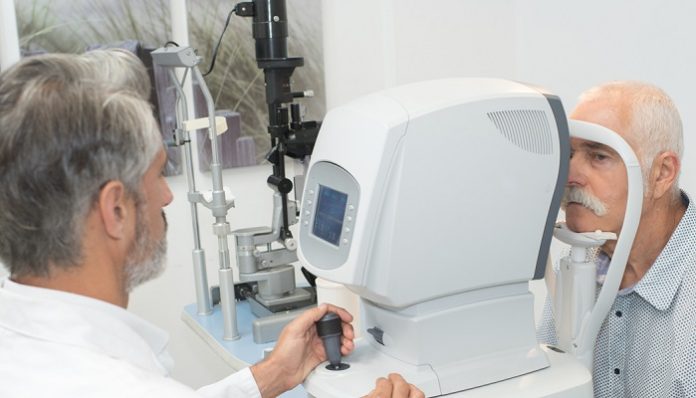
Ophthalmology is a specialized field of medicine that requires precision and accuracy when diagnosing and treating eye conditions. The right equipment is essential for providing accurate diagnosis and effective treatment. In this article, we will explore the world of ophthalmology equipment, including the different types of equipment and the benefits of leasing vs. buying.

Types of Ophthalmology Equipment

There are many different types of ophthalmology equipment available, each with its unique features and benefits. Letโ€™s learn more about some of the most common types of ophthalmology equipment:

1. Slit Lamps

A slit lamp is a microscope that allows doctors to examine the structures of the eye in detail. It uses a high-intensity light source and a binocular microscope to provide magnified views of the eye’s anterior segment, including the cornea, iris, and lens.

2. Fundus Cameras

A fundus camera is a specialized camera that captures images of the back of the eye, including the retina and optic nerve. These images can be used to diagnose and monitor conditions such as glaucoma, macular degeneration, and diabetic retinopathy.

3. Optical Coherence Tomography (OCT) Machines

OCT machines use light waves to capture detailed cross-sectional images of the retina, allowing doctors to diagnose and monitor conditions such as macular degeneration, glaucoma, and diabetic retinopathy.

4. Refractometers

A refractometer is a device that measures a person’s refractive error, or the degree of nearsightedness, farsightedness, or astigmatism. This information is used to prescribe corrective lenses or to determine if a patient is a good candidate for refractive surgery.

5. Phoropters

A phoropter is an instrument used to measure a person’s refractive error and determine the appropriate lens prescription for glasses or contact lenses. It is often used during an eye exam to determine the best corrective lens prescription for a patient.

Benefits of Leasing Ophthalmology Equipment

Leasing ophthalmology equipment can provide many benefits for medical practices, including:

1. Cost Savings

Leasing equipment can provide significant cost savings over purchasing equipment outright. Leasing allows practices to avoid large upfront costs and instead pay for equipment over time, spreading the cost out over several years.

2. Upgraded Technology

Leasing allows practices to upgrade their equipment more frequently, ensuring that they have access to the latest technology. Leasing companies often offer the option to upgrade equipment at the end of the lease term, allowing practices to keep up with advancements in technology without having to purchase new equipment outright.

3. Tax Benefits

Leasing ophthalmology equipment can provide tax benefits for practices. Leasing payments are typically tax-deductible, providing a valuable deduction for the practice’s tax return.

4. Flexibility

Leasing provides flexibility for practices, allowing them to adjust their equipment as their needs change. Leasing terms can be customized to suit the practice’s specific needs, including the length of the lease term and the option to purchase the equipment at the end of the lease term.

5. Maintenance and Repair Services

Leasing companies often offer maintenance and repair services as part of the lease agreement, providing peace of mind for practices. These services can help ensure that equipment is properly maintained and functioning correctly, reducing the risk of downtime and lost revenue.

Buying vs. Leasing Ophthalmology Equipment

When deciding between buying and leasing ophthalmology equipment, practices should consider their specific needs and circumstances. Here are some factors to consider when deciding whether to buy or lease ophthalmology equipment:

1. Upfront Costs

Buying ophthalmology equipment requires a significant upfront investment, while leasing allows practicesto spread the cost out over time, making it a more affordable option.

2. Technology

Technology is advancing rapidly in the ophthalmology field, and new equipment is constantly being developed. Leasing allows practices to stay up to date with the latest technology, while buying may result in equipment becoming outdated before the practice can recoup its investment.

3. Maintenance and Repairs

Buying ophthalmology equipment requires practices to take on the responsibility of maintaining and repairing the equipment. Leasing equipment often includes maintenance and repair services, which can save practices time and money.

4. Tax Benefits

Leasing ophthalmology equipment provides tax benefits that are not available when buying equipment outright. Lease payments are tax-deductible, providing a valuable deduction for the practice’s tax return.

5. Cash Flow

Leasing ophthalmology equipment can help practices manage their cash flow by spreading the cost of equipment out over time. Buying equipment requires a significant upfront investment, which can strain a practice’s cash flow.

When choosing to lease ophthalmology equipment, it is important to consider the terms of the lease agreement carefully. Practices should ensure that the lease agreement includes all necessary equipment, maintenance and repair services, and a clear understanding of the lease term and payment schedule. Additionally, practices should consider the reputation and experience of the leasing company, ensuring that they have a proven track record of providing quality equipment and service. By carefully reviewing the lease agreement and choosing a reputable leasing company, practices can enjoy the benefits of leasing ophthalmology equipment with confidence.

Yes, ophthalmology equipment plays a critical role in the diagnosis and treatment of eye conditions. There are many different types of ophthalmology equipment available, each with its unique features and benefits. When deciding whether to buy or lease ophthalmology equipment, practices should consider their specific needs and circumstances. Leasing ophthalmology equipment can provide many benefits, including cost savings, access to the latest technology, tax benefits, flexibility, and maintenance and repair services. By carefully considering the pros and cons of buying vs. leasing, practices can make an informed decision and ensure that they have the equipment they need to provide the best possible care to their patients.

5 Tips for Cutting Back on Alcohol if You Feel You’re Drinking Too Much

Alcohol can be enjoyed in moderation, but the problem is that some people have trouble controlling their intake of this pervasive, entirely legal drug.

If you fall into this category and you want to do something to curb your current drinking habits, the following tips will help you cut back and even embrace complete sobriety.

Start Small – Cut Back on Frequency and Quantity

If you feel like your drinking has become excessive, don’t be discouraged. It’s never too late to take the first step toward a healthier lifestyle.

Start small by reducing how often and much alcohol you consume during a given week or month. Try cutting back one day per week at first, then two days once that becomes manageable. Soon enough, it will become second nature.

If not having an alcoholic beverage every night feels impossible for now, you can try setting a personal goal such as only allowing yourself to have three drinks in any given evening instead of four or five (or more). Setting mini-goals can help make this process easier and less overwhelming, and before long these goals could turn into positive new habits.

Find Alternatives to Drinking – Try Mocktails or Alcohol-Free Beer

Social situations often involve alcohol consumption, so if you find yourself constantly reaching for the bottle when out and about, it’s time to try something different.

Consider switching your usual alcoholic beverages for mocktails (non-alcoholic cocktails) or even any of the excellent array of alcohol-free beers that are on the market today.

Not only do these drinks have much fewer calories than their boozy counterparts, but they can also be more refreshing and flavourful, with no hangover required!

More Drastic Options โ€“ Rehabilitation Services or Professional Help

If youโ€™ve tried the above suggestions and still find yourself struggling to cut back on alcohol, it may be time to look into more drastic options, such as alcohol rehab in New Orleans or other professional intervention options where you live.

Don’t feel ashamed, because reaching out for assistance is a sign of strength. There are many resources available that can provide support in different ways.

Talking with a therapist or joining an addiction-recovery program can often prove invaluable during this process. With the right tools and guidance, you can make meaningful progress, and start feeling better about your relationship with alcohol again.

Take Time Away from Social Situations with Alcohol Involved

As mentioned, alcohol is often the center of attention during social gatherings. If this is true for you, and youโ€™re in recovery, try taking some time away from these situations and focus on other activities, such as setting fitness goals and going to the gym, or seeing a movie instead.

You don’t have to completely abstain from human contact, but can just limit your exposure and set boundaries where necessary. Moreover, it gives you an excuse to catch up on all those things that slipped by when drinking was your main priority.

Get Connected – Reach Out for Support from Friends, Family, and Colleagues

Navigating the process of cutting back on alcohol can be difficult, especially if you feel like you’re facing it alone. As such, itโ€™s important to involve your network of loved ones and contemporaries in this process.

Having a support system in place is an invaluable asset during this time, as not only will they be there to provide much-needed encouragement when things get tough, but they can also help keep you accountable.

Even something as simple as checking in with each other every once in a while, or having regular conversations about the progress youโ€™re making, goes a long way toward ensuring you reach your goals.

Final Thoughts

When cutting back on alcohol, itโ€™s important to be kind to yourself, and be open about what youโ€™re doing. The more honest you are, and the more time you give yourself, the better the outcome will be.

Korea Makes High-Sensitive BP Sensing Wearables A Reality

Korea Makes High-Sensitive BP Sensing Wearables A Reality

The Korea Advanced Institute of Science and Technologyโ€™s research team has gone on to develop a highly sensitive piezoelectric blood pressure sensor that is wearable. It has been seen lately that there is a growing interest in healthcare devices as far as continuous blood pressure monitoring is concerned.

Although smart watches that make use of LED-based photoplethysmography technology have been available in the market, they happen to be limited by the accuracy constraints of optical sensors, thereby making it hard to meet the international benchmarks as far as automatic sphygmomanometers are concerned.

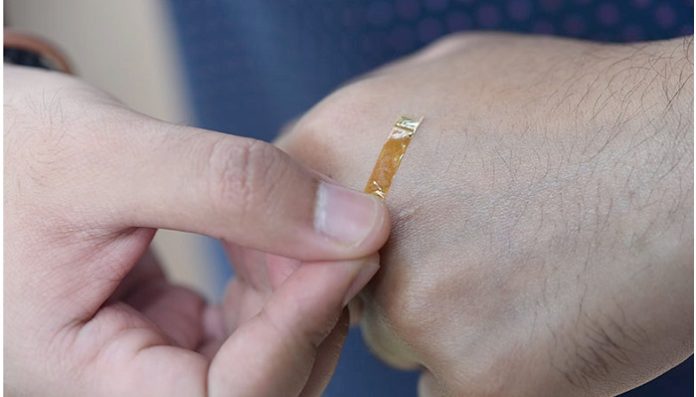
The KAIST research team has created the wearable piezoelectric blood pressure sensor by way of transferring highly sensitive and inorganic piezoelectric membranes from bulk sapphire substrates to flexible substrates. It is well to note that the ultrathin piezoelectric sensors have a thickness of many micrometres and showcase a conformal contact with the skin so as to successfully collect the exact blood pressure from the thin pulsation of the blood vessels.

Apparently, the clinical trials of the technology at the Catholic Universityโ€™s St. Maryโ€™s Hospital gave a thumbs up to the blood pressure sensorโ€™s accuracy, which was on par with the global standards with errors that hovered within +/- 5 mmHg with a standard deviation that was under 8 mmHg in both systolic and diastolic blood pressure. Besides, the research team has gone on to successfully embed the sensor on a watch-type product so as to enable consistent monitoring of the blood pressure.

Furthermore, the team also intends to develop a comfortable patch-type sensor so as to monitor the blood pressure during sleep as well. Apparently, they are also planning to have a startup company commercialise these wearables as well as patch-type products in no time.

Flexible Gold Sensor – Australian Medical Implants Future

Flexible Gold Sensor - Australian Medical Implants Future

A flexible as well as thin gold sensor that has been engineered at the University of Queensland in Australia has the potential to unlock the next generation of implantable medical devices.

By way of using a novel engineering method, the scientists of the Australian Institute for Bioengineering and Nanotechnology under the aegis of the University of Queensland were able to come up with a small, film-like sensor that happens to be flexible as well as sensitive enough to help with a more streamlined future as far as electronic medical implants as well as real-time sensing applications are concerned.

The complex approach that is used by Dr. Mostafa Kamal Masud and Aditya Ashok, the PhD candidate, brings us to a breakthrough in the flexible nanoarchitecture field and goes on to suggest a fresh way to miniaturise and enhance medical devices when it comes to biological sensing, diagnostics, and also neurological exploration.

The film-like sensor happens to represent an innovative approach in the field of mesoporous materials, which happen to be highly porous elements with traits that can go on to benefit catalysis, drug delivery, and the diagnostics phase.

The flexibility teamed with the sensitivity of the gold film makes it an apt wearable system in terms of real-time monitoring of body glucose, and as per Dr. Masud, there is indeed a strong potential when it comes to implanted nerve recording applications. The demand for a simple but robust application process that comes with such flexible electronics is quite enormous, he adds.

Useful Information You Should Know About Breast Augmentation Procedure

Are you interested in breast augmentation? Have you considered the risks associated with this type of surgery, and are wondering whether itโ€™s a safe choice for you? With advances in plastic surgery technology, cosmetic procedures like breast augmentation have become commonplace โ€“ but that doesnโ€™t mean they come without potential risks. Here are some important pieces of information to consider before making a decision about breast augmentation.

1. Understanding the Procedure

Breast augmentation involves using implants to increase the size of your breasts or to restore lost volume. The implant can be made from a variety of materials, including saline, silicone gel, and structured saline. Your surgeon will help you decide which type is best for you. You can find an orange county breast augmentation surgeon if you live in the area. Additionally, you and your surgeon will also decide on the size, shape, and placement of the implant. It’s important to discuss all of these factors before beginning surgery. While breast augmentation can give you the look you want, there are risks associated with any surgical procedure. ย 

2. Potential Risks

Breast augmentation is generally a safe procedure, but like any surgery, it comes with certain risks. These include infection, bleeding, changes in nipple or breast sensation, and the potential for asymmetry of the breasts or implant rupture. Also, there is a slight chance that you may experience an allergic reaction to the anesthesia used during surgery. Your surgeon should discuss these risks with you prior to your procedure so that you can make an informed decision. It’s important to weigh the potential risks against the benefits of having a more proportionate body shape.

3. Follow Up Care

After your breast augmentation procedure, it’s important to take good care of yourself and follow your surgeon’s instructions. Make sure to keep any incisions clean and dry for a few days after the surgery. You should also wear a supportive bra over your bandages or surgical dressings for at least six weeks. Your surgeon may ask you to avoid certain activities such as lifting heavy objects or exercising vigorously. It is important to follow their advice in order to ensure proper healing.

Additionally, you may need to attend follow-up appointments with your doctor in order to monitor the results of the surgery and check for any post-operative complications or issues.

4. Results of Breast Augmentation

The results of breast augmentation will depend on the approach chosen and the patientโ€™s desired outcome. Generally, patients can expect to increase their cup size by one or two sizes after surgery, with some people seeing a larger change in volume. After the procedure, many patients report improved self-confidence and enhanced body image as well as improved satisfaction when wearing clothing or showing off swimwear.

Breast augmentation has also been shown to provide relief from physical issues such as back pain caused by large breasts. Also, if you decide to get breast augmentation in the future, any implants used can be changed or removed at a later date. ย 

5. Choosing a Surgeon

When it comes to plastic surgery, the most important decision you can make is to choose the right surgeon. Before making a final decision, do your research and ask questions. Start by researching board-certified doctors in your area who specialize in breast augmentation procedures. Ask for recommendations from friends and family members who have had positive experiences with a particular physician or clinic.

Make sure to read through reviews online and check out before-and-after photos of past patients’ results. Finally, when interviewing potential surgeons, be sure to ask about their credentials, experience performing breast augmentations, safety records, and any other questions that are relevant to you.

6. Cost of Breast Augmentation

The cost of breast augmentation surgery can vary greatly depending on the type of implant used, the complexity of the procedure, and where it takes place. Generally speaking, you should expect to pay anywhere between $3,000 and $10,000 for this procedure. In some cases, insurance may cover the cost if it is deemed medically necessary. Be sure to check your policy before making any decisions.

Additionally, financing options may be available at some practices that allow you to spread out your payments over a period of time. This can make the procedure more affordable and accessible.

Breast augmentation can be a great way to achieve the body shape you desire and improve your overall self-confidence. Before embarking on this journey, however, it is essential that you take the time to research potential surgeons, understand the risks involved, and make sure you are financially prepared for any associated costs. With careful preparation and consideration, you can be sure to achieve the best possible outcome.

Translate ยป