










Close
Digital Health & Ai Innovation summit 2026
Medical Taiwan 2026

Bright Uro Launches with $6 Million in Seed Financing and Grant from National Institutes of Health

Bright Uro Launches with $6 Million in Seed Financing and Grant from National Institutes of Health

Bright Uro, a medical device company with a mission to transform care for lower urinary tract symptoms (LUTS) through innovations in urodynamics, announced today the launch of the company with $4 million in seed financing from Academy Investor Network, Fred Moll, and several other prominent angel investors. Bright Uro was also awarded a $2 million Phase II SBIR grant from the National Institutes of Health (NIH).

The company has obtained an exclusive licensing agreement from Cleveland Clinic for technology Cleveland Clinic developed in collaboration with the Department of Veterans Affairs, Case Western Reserve University, and Parker Hannifin Corporation, which Bright Uro will use in its investigational Glean Urodynamics System.

Urodynamic tests are completed for patients with urine leaks, bladder emptying complications, urine flow issues, and other lower urinary tract symptoms (LUTS) to measure how well the bladder, sphincters, and urethra hold and release urine. Millions of Americans experience LUTS associated with overactive bladder (OAB), benign prostatic hyperplasia (BPH), and more.1,2ย However, urodynamics are often underused due to cost, inaccuracy, and patient discomfort.

โ€œWith 80% of urologists understanding the flaws in current urodynamics practices, it has become clear that the current standard of care leaves much to be desired.3ย Bright Uro aims to improve the quality, accuracy, and efficiency of the care urology patients receive, and we have the unique opportunity to become a leader in this field,โ€ said Derek Herrera, a former Marine Raider (Special Operations Officer) and the founder and CEO of Bright Uro. โ€œThe market is large and underserved, with tens of millions of Americans suffering from lower urinary tract conditions, so we are excited about the potential of the Glean Urodynamics System to have a meaningful impact on patient care and the healthcare system.โ€

โ€œBright Uro fulfills the promise of digital health, with more accurate and flexible diagnosis, at a decreased cost. The technology enables more comprehensive and real-time data that will lead to more accurate diagnosis, and Bright Uro will eventually move the urodynamics exam out of the urologists’ office and into the patientsโ€™ home, which will save the health system money,โ€ said Sherman Williams, managing partner at Academy Investor Network.

Bright Uroโ€™s Glean Urodynamics System is designed to improve the patient and clinician experience with increased accuracy and comfort. The comprehensive system enables wireless, catheter-free urodynamics designed with the goal of fundamentally changing the standard of care and treatment selection process associated with lower urinary tract symptoms and diseases. The Glean system consists of an insertion tool, a Bluetoothยฎ-enabled pressure sensor in a flexible silicone tube, a software app for use by clinicians and patients, and a uroflowmeter to sense volume and flow. Bright Uro aims to improve the patient and clinician experience with increased accuracy and comfort.

Bright Uro has obtained exclusivity to the catheter-free method used with the Glean system through a licensing agreement with Cleveland Clinic. This catheter-free design of Glean may enable physicians to gather more ambulatory data with greater physiologic accuracy than the standard of care for urodynamics.


Oracle Completes Its Largest To Date Acquisition of Cerner

Approved Oracle Acquisition of Cerner Could

Oracle has finalised its $28.3 billion takeover of Texas-based healthcare specialist Cerner after receiving all the necessary antitrust permits. This is Oracle’s largest acquisition to date, propelling the business into a key position in the healthcare industry.

On the 6th of June, the deal was approved by the European Commission under the EU Merger Regulation. This was one of the final roadblocks to the merger, but the Commission concluded there were no similarities in the companies’ operations and that the merged entity would not be able to engage in foreclosure procedures.

Larry Ellison, Oracle’s Chairman and Chief Technology Officer, stated the company now has the potential to redefine healthcare delivery by providing medical practitioners with a young crop of healthcare information systems as a result of the acquisition’s conclusion.

Cerner will become a separate industry business unit inside Oracle, with non-GAAP profits anticipated to be significantly advantageous to Oracle in fiscal year 2023. Cerner generated $5.8 billion in global revenue in 2021. Although the United Kingdom accounts for only 2% of Cerner’s global income, it is a big NHS supplier. All of the West Hertfordshire Hospitals NHS Trust, London North West University Healthcare NHS Trust, and The Hillingdon Hospitals NHS Foundation Trust, as well as the St George’s, Epsom, and St Helier Hospitals Group, all inked partnerships in 2021 with Cerner.

Cerner’s technologies are already Oracle Database-based, but the company plans to use Oracle’s Independent Database, APEX low-code development tools, as well as voice-enabled user interfaces in the future. Cerner’s customers should benefit from a better user interface and increased productivity as a result of this deal.ย 

AHA-Backed Bipartisan Bill To Safeguard Healthcare Employees

How Can Further Education Improve Medical Worker's Output

The Safety from Violence for Healthcare Employees Act, which has beenย introduced by Reps. Madeleine Dean, D-Pa., and Larry Bucshon, R-Ind., is an AHA-supported regulation which would give healthcare employees the very same safeguards against attacks and harassment as flight crews and airport workers under federal law. The current wave of attacks on healthcare workers must stop, and everyoneย must do everything theyย can to safeguard them. Throughout the pandemic, the workforce has been dealing with unprecedented amounts of anxiety and violence while continuing to offer compassionate, high-quality care. Hospitals and health organisations are dedicated to providing a safe workplace for their employees.

It was earlier this year that AHA brought the issue of workplace violence against healthcare employees to Attorney General Merrick Garland’s attention,ย urging the Department of Justice to enact laws that would provide federal protections for the healthcare workforce.

The healthcare industry has seen an upsurge in workplace violence since the onset of the COVID-19 pandemic. The outbreak has put a strain on the overall healthcare system, and in some cases, patients, visitors, and relatives have attacked healthcare workers, jeopardising their capacity to give care. Hospitals, health systems, and their staff have indicated a strong desire for a federal law that protects health care workers against violence and intimidation, similar to how airline and airport workers are protected under present federal law.

For a long time, hospitals and health systems have had robust policies in place for detecting and deterring violence against their employees. However, since the outbreak of the pandemic, violence against hospital personnel has skyrocketed and shows no signs of abating.

The press reports on patients or family members attacking hospital employees physically or verbally on a daily basis. A patient, for example, recently seized a nurse’s wrist and kicked her in the ribs in Georgia. A nurse was slammed against a wall and bit by a patient in South Dakota. In New York, a Thai medical student was dubbed “China Virus,” kicked and dragged on the ground, leavingย her hands bloodied and her legs bruised.ย 

These news pieces are backed up by data. During the COVID-19 epidemic, for example, 44%ย of nurses reported encountering physical aggression and 68%ย reported verbal abuse, according to recent studies. Workplace violence has far-reaching implications for the healthcare system as a whole. Not only can workplace violence and intimidation harm healthcare employees physically and mentally, but it also makes it difficult for nurses, doctors, and other clinical staff to provide high-quality patient care. Nurses and doctors can’t give attentive care if they’re worried about their safety, distracted by obnoxious patients and families, or traumatised by previous violent encounters. Furthermore, violent encounters in healthcare facilities eat up important resources and can cause other patients to wait longer for attention. Workplace violence has been shown in studies to lower patient experience and employee productivity, as well as increase the risk of unfavourable medical outcomes.

Despite the prevalence of violence in the workplace and its negative consequences for the healthcare system, no federal statute protects healthcare workers from attack or intimidation on the job. In contrast, there are federal laws prohibiting assault and intimidation of airline staff. Enforcing these federal regulations effectively provides a safe travelling environment, deters aggressive behaviour, and guarantees that violators are properly punished. Healthcare employees in the country, who have worked diligently to care for and treat the sick and dying despite heightened violence, particularly through the latter two years of the pandemic, deserve the same legal rights as airline workers.

GE Health And NCC, Singapore Work On AI-Driven Cancer Study

GE Health And NCC, Singapore Work On AI-Driven Cancer Study

GE Healthcare has announced a new collaboration with the National Cancer Centre Singapor+300e (NCCS) that will focus on how AI-driven studies can be utilised to enhance cancer care. The partnership is truly revolutionary for GE Healthcare in the Asia-Pacific (APAC) region, and it intends to stimulate the development of more customised possible treatments for particular cancer types, as well as the ability to analyse clinically significant data all through the patient journey for efficient decision-making by providers using AI and text processing.

There were almostย 19 million new cancer cases worldwide in 2020, with 9.7 million, or 50%, originating in Asia-Pacific. The two organisations will work collaboratively on new AI-powered benefits of data analytics and clinical process flows that support cancer patient care in this part of the world, combining GE Healthcare’s imaging and monitoring expertise with NCCS’s strong knowledge in research and development, testing, and consultation.

NCCS is a leading centre for cancer research and treatment in the region, and GE Healthcare is dedicated to assisting them in reforming and advancing cancer care routes in Singapore and beyond.

This partnership is a significant step forward towards theirย commitment to facilitating highly precise health via digital technology that streamlines healthcare providers’ judgement, expedites care delivery, and has the ability to change lives, said Elie Chaillot, President and CEO of GE Healthcare Intercontinental.

This new partnership with NCCS is GE Healthcare’s first in the Asia-Pacific zone to use AI-powered studies to advance precision cancer care methods. Dr. Ben Newton, General Manager of Oncology at GE Healthcare, stated that simplifying the way data is handled will assist health professionals with better clinical outcomes with improved decision-making and more precise treatment alternatives.

To improve cancer care for our patients, the National Cancer Centre Singapore uses the latest digital advances on a regular basis. The clinical viewpoint and significant knowledge in oncology treatment, statistics, and translational research are combined with GE Healthcare’s worldwide reach, new technology, and services in this collaboration. By working together, theyย hope to improve the integration of cross-disciplinary information, augment clinical decision making, and improve patient outcomes.

The partnership is the latest in a string of agreements that GE Healthcare has formed to help local healthcare systems have better access to sophisticated AI technology and advances. Collaborations with SOPHiA GENETICS in the United States, as well as the University of Cambridge and Optellum in the United Kingdom, are among them.

Ransomware Attacks Doubled In Healthcare In Last 2 Years

According to a new poll, nearly two-thirds, i.e., 66% of healthcare businesses faced a ransomware attack in 2021, nearly double the 34% of attacks in 2020.

WHY DOES IT MATTER?

That’s a 94% increase in a year, according to the latest analysis, sponsored by Sophos, which indicates that the adversaries have become more competent and innovative in their efforts, as well as expanding their numbers.

More than 5,000 IT professionals were interviewed earlier this year for its study, The State of Ransomware in Healthcare 2022. Their responses reveal that they are dealing with a cyber threat that is rapidly rising in range and severity, as well as a rising level of resistance in the face of what has become a pervasive risk.

The methods used by cybercriminals are becoming increasingly inventive. The research cites, for instance, the quick growth of the ransomware-as-a-service model, which greatly extends the reach of ransomware by decreasing the skill level required to design and conduct an assault.

However, there are flashes of promise, such as the fact that healthcare did better than the world average of 65%ย with a 61%ย encryption rate. In addition, a growing number of healthcare businesses are purchasing cyber insurance plans, requiring them to invest in increasingly powerful cybersecurity defences.

However, the healthcare industry faces significant challenges in the long run. Sophos researchers said that the rise in effective ransomware attacks is part of a more problematic broader threat environment that has disproportionately harmed healthcare. In comparison to the cross-sector average of 57% and 59%, healthcare had the biggest growth in both the volume and complexity of cyber attacks, at 69% and 67%, respectively. Healthcare was the 2nd most affected sector atย 59%ย in terms of the effect of these cyber attacks, compared to a global average of 53%.ย 

THE EXPANDING TREND

Institutions like the HHS’ Health Sector Cybersecurity Coordination Center warned earlier in June that ransomware groups are becoming exceptionally active.

At the very least, this has jolted many hospital and other health system boards out of their lethargy, and many are now investing more resources in their cybersecurity and ransomware response skills. However, the hazards to hospital data, finances, and, most importantly, patient safety continue to rise. There are still debates about the amount and design of cyber insurance plans, as well as whether or not to settle ransoms.

IN THE BOOKS

In the midst of this near-normalization, healthcare companies have gotten much better at dealing with the fallout of an attack: nearly everyone now receives some encrypted information back, and three-quarters are able to restore data utilising backups,ย Sophos researchers wrote in a recent analysis.

Many healthcare businesses are opting for cyber insurance to mitigate the economic risk involved with such breaches, they noted. It gives consumers peace of mind to know that in almost all circumstances, insurance will cover some of the costs. However, obtaining coverage is becoming more difficult for businesses. This has prompted practically every healthcare firm to upgrade their cyber defences in order to improve their cyber insurance status.

Important Things To Know Before Undergoing Liposuction Procedure

Important Things To Know Before Undergoing Liposuction Procedure

Liposuction is a well-known cosmetic operation. It is a special procedure for removing excess body fat. Liposuction is also referred to as lipoplasty, body contouring, or lipo. People go for liposuction to enhance their body contours. In this line, there are a couple of places on their bodies where they want to remove their fat. Places such as hips, thighs, arms, abdomen, neck, buttocks, and back are the hotspots for excess fat. Hence, liposuction surgeries normally put their focus on these spots. However, you must know that liposuction is appropriate for some people, while it is not a good choice for others. Thus, non-smokers in shape with realistic expectations make the most suitable candidates. Regardless of your high hopes, you need to consult the doctor beforehand. Also, there are a couple of things you must know before you decide to undergo this procedure. Here is a short list of things you must know about liposuction.

1. Liposuction Is Ideal Procedure for People with Firm and Elastic Skin

This procedure is usually intended for people who are within 30% of their ideal body weight. Normally, this procedure is ideal for people who have firm and elastic skin as well as a decent muscle tone that will guarantee them the best possible results. Also, there is one demand: you must not be a smoker. Additionally, it is of great importance to have a realistic body image after the procedure. All of these factors will lead you to high levels of satisfaction with the final outcome.

2. Two Types of Technologies

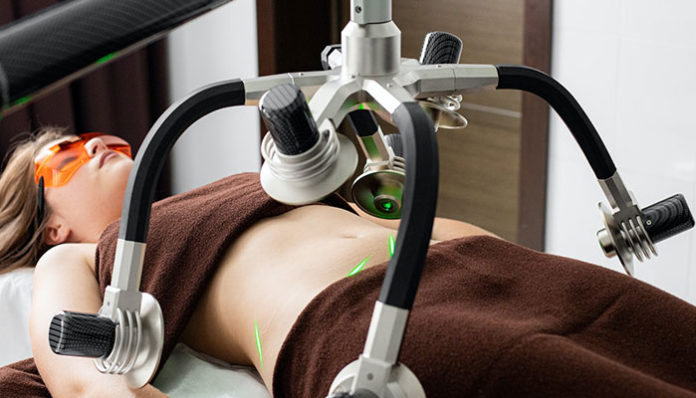
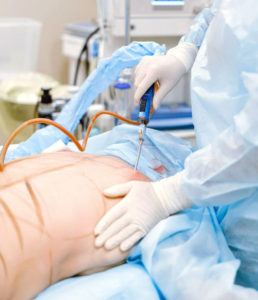
Liposuction procedures fall into two categories based on the technologies they useโ€” ultrasound and laser. Besides these two technologies, there is also traditional liposuction, which uses a hollow tube to suck out the excess fat. Traditional liposuction is done by the majority of specialists, including the folks at The Health Store Turkey, use slim cannulas which are inserted through tiny incisions on the skin. Fat deposits are being sucked through the cannula as the doctor moves it. The surgical vacuum must be used for the procedure to be successful. Ultrasound and laser liposuction uses a surgical vacuum as well. However, these two techniques use additional technologies such as ultrasound or heat for better fat breakdown.

3. There Are Risks

Just as with any other type of surgery, liposuction has some risks. Typically, liposuction is a safe method that is performed by a skilled doctor, but there are some responses of your body that cannot be predicted. Consequences such as skin discoloration, scarring, and dimpling are quite common. Thus, if you are considering getting liposuction, it is imperative to ask your doctor about the possible consequences and risks it may have. This will help you evaluate them by yourself and see if you are still willing to get this procedure done.

4. Ironic: Liposuction Is Not a Weight-Loss Technique

This may sound completely absurd, yet liposuction is not a wise option if you opt to lose weight quickly. For those who are really close to or slightly above their ideal body weight, liposuction is a suitable option. The main aim of liposuction is to target the obstinate deposits of fat that cannot be eliminated by diet and exercise. A liposuction is a perfect option for people who have firm skin, and they will definitely see all the benefits of this procedure. However, you must bear in mind that living a healthy lifestyle is a critical thing to do after the procedure.

5. Realistic Expectations Will Not Break Your Heart

Before undergoing liposuction, it is crucial for you to talk with the surgeon and educate yourself on the procedure. Based on the current state of fat deposits, they will be able to give you a precise prediction of your future body picture. This will help you decide if liposuction is necessary and will help you ensure that you will be pleased with the final outcome. Also, you should not expect some miraculous transformation post-surgery. Instead, you should expect some sculpting of certain body regions where the surgery will be performed.

6. Pain and Bruises

During this surgical procedure, you will be anesthetized with general or regional anesthesia. Depending on the region, it is generally accepted for regional anesthesia to be injected. Post-treatment, you will definitely feel the pain that will slowly wear off. It is normal to feel some pain, and the use of painkillers will solve the problem. You should also expect bruises at the places where the surgery was performed.

Liposuction is cosmetic surgery to remove excess fat from certain body regions. Usually, these fat deposits can not be removed with exercise and a healthy diet. Thus, people use liposuction to get these regions treated. However, living a healthy life post-liposuction is a must if you do not want these fat deposits back.

Resume For Doctor

To land a job as a doctor, you must have an excellent CV highlighting your skills and experience in the medical field. You will also need to demonstrate your ability to communicate effectively, work well under pressure, and provide top-notch patient care.

Doctors must build a resume to demonstrate their skills and experience to potential employers. A well-written resume can help a doctor secure a position in a desired medical facility or practice. Additionally, a resume can help network purposes and help a doctor connect with other professionals in the field.

While there are many ways to build a resume, it is crucial to focus on creating a document that is clear, concise, and free of errors. Additionally, doctors should tailor their resumes to the specific position they are applying for. This means including relevant information about their education, training, and experience.

When constructing a resume, doctors should keep the following tips in mind:

1. What format should be used?

When formatting a doctor’s resume, it is vital to use a clean and professional layout. The document should be easy to read and free of any errors. Additionally, doctors may want to consider using a reverse chronological format, the most common and most straightforward way to organize a resume.

2. How should a title be?

The title of a resume should be clear and concise, and it should accurately reflect the document’s contents. For example, a doctor’s resume should typically include their full name, degree, and area of specialization.

3. What objective should be included?

Doctors should focus on highlighting their skills, experience, and goals when writing the objective statement. In addition, the objective statement should be specific and tailored to the position the doctor is applying for.

4. What sections should be included?

Most resumes will, at a minimum, include sections on education, employment history, and skills. However, doctors may also want to consider including sections on research experience, publications, awards, honors, or professional memberships.

4.1 What should be included in the education section?

The education section of a doctor’s resume should list all relevant degrees and training. This includes medical school and any residency or fellowship programs. It is also essential to list the dates of each degree or program and the institution where it was completed.

4.2 What should be included in the employment history section?

The employment history section of a doctor’s resume should list all relevant jobs, internships, and fellowships. For each position, it is essential to include the dates worked, the job title, and a brief description of the duties and responsibilities.

4.3 What should be included in the skills section?

The skills section of a doctor’s resume should highlight the abilities that make them well-suited for the medical field. This might include excellent communication skills, working well under pressure, or experience with a particular type of medical equipment.

When writing a resume, keeping the tips discussed above in mind is essential. By taking the time to create a well-written and accurate CV, doctors can increase their chances of securing the job they want.

The ABCs of Baby Cereal – All About Iron

A great number of minerals and vitamins are needed in the diet of humans small and large for proper development and function. Adults are capable of providing themselves with the right ingredients, but sometimes problems can arise with their babies.

โ€‹โ€‹Vitamins such as A, B, C, D, E, and K as well as minerals in the form of calcium, phosphorus, magnesium, iron, and zinc are absolutely essential for babiesโ€™ proper development and overall health.

We can’t dive deeply into each one in this post, so we’ll examine one of the most important elements, iron, using the example of one of the most popular foods in a baby’s diet – baby cereal.

Iron is one of the important minerals for babies. It helps with growth and development, and it plays a role in the production of red blood cells. That’s why infant cereal is often fortified with iron. But how much iron does your baby need? And is it safe to give them iron fortified baby cereal? In this blog post, we’ll answer all your questions about this subject!

The ABCs of Baby Cereal - All About Iron

Iron helps to support babiesโ€™ developing metabolism and nervous system. It’s naturally found in soil and in many foods. It’s an essential part of our diet. Babies need iron in their diet to stay healthy and grow properly. The body needs iron to make hemoglobin, which carries oxygen in the blood. Iron also helps the body use energy, store vitamins, and produce new cells.

There are two main forms of dietary iron: heme and non-heme. Heme iron, which makes up 40 percent of the iron in meat, poultry, and fish, is well absorbed. Non-heme iron, 60 percent of the iron in animal tissue, and all the iron in plants (fruits, vegetables, grains, nuts) is less well absorbed.

How much iron does my baby need? This is an important question for all parents to consider.

Did you know that the Recommended Dietary Allowance (RDA) for infants is at least 0.27 mg/day of iron? This number increases to 11 mg/day for children aged 7-12 months old. It is important to mention that these numbers are different for vegetarians and vegans.

Vegetarians require 1.8 times the Recommended Dietary Allowance (RDA) of nutrients than people who consume meat. This is due to the fact that meat contains heme iron that is not found in other food groups, such as vegetables.

Inadequate iron intake in babies may lead to a number of potential symptoms, including fatigue, paleness, and shortness of breath. Left untreated, iron deficiency can cause serious health problems.

Introducing solid foods to your baby can be exciting, but oftentimes they will only eat a few bites. Iron-fortified cereal is one of the best options to give them enough iron when youโ€™re NOT feeding them dairy products and meats that are high in protein, which helps increase their need for this nutrient! For every four tablespoons of iron-fortified baby cereal, you can find at least 45% to 60% of your babyโ€™s daily iron requirements.

Iron-fortified baby cereal is not recommended for babies who are being given infant formula because the two sources combined can potentially contribute too much iron to your child’s diet. And in the same way as a deficiency, excessive amounts have been shown to be problematic with developing babies – especially since they’re still growing!

The kind of iron found in baby cereal is non-heme, which is comparable with the iron found in plant-based foods. Iron is added to baby cereal for the purpose of helping you meet your little oneโ€™s daily needs. It has no effect on flavor or texture, so it’s perfect!

Iron-fortified baby cereal is unlikely to cause constipation in most babies. The type of iron used for this purpose burns easily, meaning that it can be quickly absorbed by the digestive tract and bypass any potential problems with digestion or absorption rates before they start.

As a parent, you could also consider boosting iron absorption. To help your baby absorb more iron from their food, give them foods that are rich in vitamin C, such as citrus fruits, tomatoes, or broccoli. You can also cook with cast-iron pans, which can add small amounts of iron to their food. Avoid giving your baby tea, which can inhibit iron absorption.

What are the substitutes for cereal for babies? What foods contain a lot of iron?

There are quite a few, although they require preparation that is more advanced than cereal preparation. Mashed beans and lentils will resemble the texture of cereal, so they can be an easy substitute for cereal for babies! In addition to being rich in nutrients like iron, they also provide zinc and folate which are essential when it comes time for babies’ most important developmental stage: toddlerhood.

Another product that we can use as a substitute is peeled and boiled/crushed potatoes and sweet potatoes. Potatoes are an excellent choice for a baby. They are easily digestible, delicate in taste, easy to prepare in many forms, and additionally, they are not allergenic. They can be the first vegetable for when you start to expand their diet at 6 months of age.

The third suggestion is a group of foods that can also be served as dessert. Of course, these are fruits. It is worth focusing on these three fruits: currants, strawberries, and raspberries. These colorful products not only taste good but also have an appealing color that can encourage your baby to eat them. 1 cup of raspberries contains 0.85mg of iron and 1 cup of strawberry has 0.62mg of iron.

โ€‹โ€‹There is a lot of information in this post, but please remember that too much of anything can be harmful. Be sure to talk to your doctor before starting your baby on any supplements! After all, what we want most is for our babies to be happy and healthy, which is why we spend so much time supporting their development!

Philips Identifies 5 Priorities In A Future Health System

Philips receives FDA clearance for latest breakthrough high-performance MR 7700 system

The COVID-19 pandemic showed major flaws and disparities in all healthcare systems. While the crisis is far from over, its lessons are clear: one must construct more robust health systems that are prepared for future crises, such as those due to climate change, conflict, or a pandemic, while also balancing the requirements of a growing ageing population. Future health system sustainability will be aided with a more dispersed healthcare approach. However, a number of critical elements must be in place in order for this vision to be realized. Philips outlines its contribution and thoughts as a member of the World Economic Forum’s Alliance for Health System Sustainability and Resilience in a new document. The report identifies five key areas upon which to focus in order to adapt to the changing environment.

Technology and service delivery

Utilize digital and technical breakthroughs to reinvent service delivery, decentralising care services from the hospital and spreading them across communities and even into patients’ homes.

Governance

To empower teams to respond quickly in the aftermath of a crisis, work to make data infrastructures accessible, public, and compatible.

Healthcare Force

To relieve the burden on the healthcare staff to continually react to diseases, expedite the transition towards value-based and patient-centric treatment. This transformation may also result in more flexibility in a work environment where employees are always learning.

Data Innovation

Open standards should be developed to manage health data in a way that is accessible, fair, and secure.

Finance

To build a more stable and efficient financial system, eliminate wasteful financial practises and maintain the shift toward preventative medicine and treatment.

New Zealand Commits USD 400 Mn To Health Data, Digital Infra

Draft For Clinical Studies of Digital Health Technologies

On May 20, the New Zealand Budget pledged a USD 400 million investment in data and digital to help the country health sector transform. In addition, the Ministry will invest up to 116 million USD over the next four years to overhaul its health sector contracts and payments processes.

The USDย 400 million includes money for Hira, the rebranded National Health Information Platform. Budget 2021 allocates USDย 230 million over five years for operating financing and USDย 170 million over ten years for capital financing for Data and Digital Facilities and Capabilities.

According to the budget papers, the funds would be used to implement health-care reforms and improve the system performance. The operating budget for the fiscal year 2021-22 is USD 45 million, with USD 60 million in 2022-23, USD 75 million in 2023-24, and USD 50 million in 2024-25.

A total of USDย 170 million in capital investment is available over the next ten years. Given the impact of COVID-19, the nHIP programme was delayed for a year longer than planned. Last November, a request for information was issued, outlining seven needs for the project’s first phase, including a data plan, consent service, customer service, and provider service. According to the RFI, nHIP is a broad initiative that involves creating digital goods and services to provide access to an individual’s health data throughout the healthcare system.

Hira will provide access to the virtual electronic medical record as needed, according to the Ministry website, by gathering together a person’s current health data from reliable sources to build that data. Shayne Hunter, the Ministry of Health’s deputy director-general for data and digital, said in March that if the budget is approved, the programme will begin in earnest in the middle of this year. The platform’s initial phase is anticipated to last until January 2024.

Trent Lash, chief executive of NZHIT, says the industry organisation is pleased with the amount of money being invested in healthcare transformation. He argues that a connected health care system via electronic methods will be important towards both consumers and healthcare professionals establishing a health environment theyย all share across the country as theyย attempt to recover from COVID-19.

The Ministry of Health’s goal for this nationwide, standards-based, interoperable digital health platform is fully supported by NZHIT and its members. The Ministry’s Health Sector Agreements as well as Payments systems handle between USD 100 and USD 390 million per week, and the last major update attempt was in 2006. The goal of the programme, according to a Data and Digital Update from the Ministry of Health, is to initiate much-needed changes to existing sector contracts and payments prototypes, making sure systems and processes to handle provider payments are simpler, more convenient, and able to be paid in a more timely and efficient manner.

Translate ยป