Close
Digital Health & Ai Innovation summit 2026
LiGHT26

Konica Minolta and deepc AI Partnership Expands Exa Platform

Konica Minolta deepc AI Partnership

Konica Minolta Healthcare Americas and deepc have formed a partnership to integrate AI directly into radiology workflows. The collaboration is intended to help hospitals and imaging centers implement artificial intelligence (AI) to improve clinical consistency without complicating systems or radiology workflows.

deepcโ€™s operating system, deepcOSยฎ, will be available to work with the Konica Minolta Exaยฎ Platform (Encompassing Exaยฎ PACS|RIS, Exaยฎ Enterprise, and Exaยฎ Teleradiology). This will provide radiology teams with access to a curated library of regulatory-cleared AI applications from within their existing reading environment, with no need for separate systems or custom software builds.

The partnershipโ€™s approach will offer support for radiologists by making AI available inside familiar image viewers, helping to streamline case review and support clinical decisions. The cloud-native deployment will be optimized to reduce maintenance for IT teams, while also supporting data security and compliance needs for multi-site deployments. Hospitals will benefit from a lower technical overhead while gaining a scalable foundation for clinical AI use.

deepcOSยฎ centralizes vendor-neutral AI apps into a single validated system. Konica Minoltaโ€™s experience in imaging software and enterprise healthcare IT will be leveraged in the partnership. The companies see the Konica Minolta deepc AI partnership as positioning healthcare providers to improve clinical workflow and diagnostic consistency while keeping the clinicians in control.

โ€œAt deepc, we focus on what happens after AI reaches the clinic,โ€ said Alex King, Chief Revenue Officer at deepc. โ€œBy joining forces with Konica Minolta, we can bring validated, ready-to-use AI directly to Konica Minolta customers. Together, we are giving radiology teams the confidence to work smarter and the freedom to focus on what matters most: the patient in front of them.โ€

โ€œAt Konica Minolta, our Healthcare IT AI strategy is to provide our customers with a single source and single platform to utilize the power of AI-enabled insights. The Exa Platform integrates with deepcOS, providing radiologists a unified, seamless experience. Weโ€™re thrilled to partner with deepc to bring the value of an integrated AI platform to our shared customers,โ€ stated Kevin Chlopecki, COO, Konica Minolta HCIT.

Medtronic Wins FDA Clearance for MiniMed Go Smart MDI System

MiniMed Go Smart MDI system

Medtronic has received U.S. Food and Drug Administration (FDA) 510(k) clearance for its MiniMed Goโ„ข app, enabling the launch of the MiniMed Go Smart MDI system in the United States. The system connects the InPenโ„ข smart insulin pen with the Instinct continuous glucose monitoring sensor made by Abbott, with all data and guidance delivered through the MiniMed Go app.

The MiniMed Go Smart MDI system is designed for people with insulin-requiring type 1 and type 2 diabetes aged seven years and older, as well as children aged two to six under adult supervision. Medtronic said compatibility with its Simpleraโ„ข sensor is still under FDA review.

MiniMed Go provides real-time glucose insights, missed dose alerts, insulin dose calculations, and action-based guidance when doses are missed or miscalculated. The system also integrates with Medtronicโ€™s CareLinkโ„ข software, allowing clinicians to review data and collaborate more easily with patients.

Medtronic said the system addresses a large unmet need among people managing diabetes with multiple daily injections, a group that represents more than 15 million individuals globally. Managing injections requires frequent carbohydrate estimation and dose calculation, a daily process that can lead to fatigue, stress, and missed doses over time.

Clinical and real-world data from Medtronicโ€™s earlier Smart MDI systems show that timely responses to alerts can significantly improve glucose control. According to the company, Time in Range increased from 55.7% to 67.2% when users responded to more than 75% of missed dose alerts within one hour. Time in Range reached 71.5% when users corrected high glucose alerts with a bolus dose within an hour.

โ€œFor too long, people using injections have carried the weight of diabetes management without access to the algorithms that make automated insulin delivery systems so powerful,โ€ said Que Dallara, EVP and president of Medtronic Diabetes and CEO-designate of MiniMed. โ€œMiniMed Goโ„ข is designed to change that โ€” bringing the smarts of an AID system to individuals who prefer an insulin pen. The system helps take the guesswork out of MDI therapy, delivering simplicity and confidence in every dose.โ€

Medtronic said it plans to begin the commercial rollout of MiniMed Go in the U.S. this spring.

Novartis Plans its Fourth US Radioligand Therapy Facility

Fourth US Radioligand Therapy

Novartis, which is a world-leading innovative medicines company, has gone ahead and announced its plans on January 09, 2026, to build its fourth US radioligand therapy – RLT manufacturing facility at Floridaโ€™s Winter Park. This built-for-purpose and state-of-the-art facility is another milestone in the $23bn US investment that the company announced in April 2025, thereby further expanding its manufacturing capabilities so as to meet the growing demand for cutting-edge cancer treatments. It is quite apparent to note here that Novartis is indeed scaling its US manufacturing so as to bring innovative medicines much closer to patients just to make sure that the treatments that get offered are researched and made and also rolled out fast with immense reliability and provide access to the communities where people live.

The fourth US radioligand therapy facility at Winter Park, Florida, with a spread of around 35,000 square feet, is expected to come online by 2029 and is sure to strengthen the specialized supply chain in addition to the manufacturing capabilities of Novartis throughout its network of RLT production facilities. This new facility is sure going to optimize the RLT medicine delivery to patients located in the southeast US and also enable the company to maintain its steady rate of over 99% of doses that are administered on the planned day as the potential when it comes to this promising treatment modality consistently expands.

CEO of Novartis, Vas Narasimhan, said that โ€œBuilding this new facility in Florida marks an important step in fulfilling the promise of RLT for patients.โ€ He further added that โ€œRadioligand therapy has fundamentally changed how we approach certain cancers, and our growing US manufacturing network ensures we can continue to deliver these critical medicines with speed and reliability to patients who need them.โ€

RLT is a precision treatment type that pairs a tumor-targeting molecule or ligand with a therapeutic radioisotope, thereby enabling radiation to get delivered directly to the tumor while at the same time minimizing harm to the surrounding healthy tissue. Every RLT dose gets individually prepared, and the delivery is undoubtedly highly time sensitive. Proximity in terms of treatment facilities along with transportation hubs also plays a significant role just to ensure that patients receive their therapy fast and that too at the right location. RLT, with all its might, has the potential to transform oncology treatment and also get new alternatives to people who are living with cancer.

Novartis, being the only company having two FDA-approved RLT treatments along with an extensive RLT pipeline throughout many tumors and targets, has the global expertise when it comes to this cutting-edge technology platform thatโ€™s transforming cancer care. Notably, this knowledge has indeed fueled advancements within the manufacturing techniques in order to build capacity and continuously deliver with confidence for both patients as well as healthcare providers.

RLT manufacturing needs to have a specialized talent, which is indeed a key factor in determining the location for each new facility. Apparently, if we look at Florida, it has consistently invested in higher education, especially in life sciences and technology, thereby helping to build the next generation of leaders. This aspect is indeed critical to driving forward the advanced manufacturing for platforms such as RLT. Due to a growing skilled workforce along with a regulatory and policy environment that greatly values pharmaceutical innovation, Florida as a state is pretty well positioned in order to become a leader when it comes to pharmaceutical manufacturing.

Florida Secretary of Commerce J. Alex Kelly said that โ€œThanks to deliberate, focused, intensified investments and world-class health innovation partnerships, we have led Florida to become a national and world-recognized leader for breakthroughs in cancer treatment, neurological innovations, and more.โ€ โ€œNovartisโ€™ investment in manufacturing cancer medicines here in Florida where weโ€™re already #2 nationally in both manufacturing for medicine and medical device technology is an incredible opportunity to welcome world-class innovators to our incredibly collaborative and impactful life sciences community.โ€

In the next 5 years, Novartis is going to further solidify its very strong US RLT manufacturing network. Interestingly, the new Florida facility is the fourth of the five existing or planned facilities. The company at present is investing in expansions of RLT facilities across Indiana and New Jersey. In November 2025, Novartis went on to confirm the completion of a new RLT facility based in California, and it also has plans to build a fifth location in the US.

Novartis and radioligand therapy – RLT

There is no shred of doubt that with the facility expansion in place, Novartis is reimagining cancer care with RLT for patients having advanced cancers. Through making use of the power of targeted radiation along with its application to advanced cancers, RLT is designed to deliver treatment directly to the target cells anywhere across the body.

It is worth noting that Novartis is also actively investigating the application of RLTs throughout cancer types as well as settings, having one of the deepest and most advanced pipelines within the industry, with trials in the gamut of prostate, breast, colon, lung, brain, and pancreatic cancers, along with certain other cancers. The drug manufacturer has established global expertise, with specialized supply chain and manufacturing capacities throughout its network of RLT production sites across the world.

How Modern Technology is Elevating Care in Rehab Facilities

modern technology elevating care in rehab facilities

Technology is transforming rehab care from the norm of one-size-fits-all practice in favor of rapid assessments, therapy treatment modality-patient fit, and support. The clinicians, empowered with tools, can respond swiftly to setbacks, individualize recovery pathways, and sustain the care continuity well beyond the facility walls.

The advances complement the delivery of compassionate human input for better coordination and outcomes rather than replacing it. Thoughtfully applied technology would help foster trust, improve results, and prevent relapse. Here are five ways modern technology is lifting the care services it offers in rehab facilities.

Data-Driven Personalization of Treatment Plans

The accessibility of advanced data analytics in rehab centers allows real-time clinical observations or behavioral and engagement data of patients to personalize treatment plans. For instance, session attendance data patterns with mood tracking therapy response patterns could allow clinicians to change intensity, modalities, or pacing before minor issues escalate into major obstacles.

Personalization is what makes it worth it to be even more. Patients engage more when they see that their care involves their changes and not by rigorous schedules. This recovery plan supports long -term recovery by considering each patient’s unique triggers and strengths.

Secure Family Engagement and Education Platforms

Better treatment outcomes are generally associated with families that are well-informed and participative in constructive ways. Facilities now use their business website to share education materials and resources with family while providing updates on their loved one’s status and communication channels, while observing the patient’s confidentiality.

Those platforms can teach families how to help loved ones struggling with addiction constructively. This education serves not to hinder but make family members’ patterns in the recovery process. They can learn how to establish healthy boundaries, recognize some red flags in terms of relapse, and learn ways to express support.

Wearable Technology and Remote Monitoring

Wearables and biosensors enable the facility to continuously monitor vital signs, sleep quality, activity level, and signs of stress. Good thing they are nonintrusive. These devices may indicate increased clinician scrutiny around signs such as increased stress or sleeplessness that are often precursors to relapse or withdrawal.

With these facilities, it also bridges the gap between the in-house and the out-of -house care, which ensures they are still engaged with their care team to give accountability without relinquishing independence. This also reduces setbacks that most patients experience after discharge from hospital care.

Teletherapy and Hybrid Care Models

The linkages for teletherapy offer access to more specialized counselors, a greater number in group therapy, and more aftercare support. This is especially useful for patients in remote areas or those combining recovery with work and family issues.

Hybrid care combines in-house therapy while embracing virtual check-ins so that the flexibility equally applies with clinical rigor. Staying in touch is essential since it could carry healing momentum over these otherwise high-risk times, patients may miss sessions.

AI-Supported Clinical Decision Making

AI has been fast establishing itself less as a replacement for clinical decision-making and more as a support. Using Machine Learning in Predictive Models, the patient could be flagged as being at risk for relapse from either historical or real-time data. The team can intervene at a far more proactive level.

AI can facilitate even more face time between the clinician and the patient on the administrative side by minimizing some of its burden. Their insights, surfaced by reducing the documentation load, will convert to more time focused on empathy-building, relationship-building, and therapeutic work.

Endnote

Modern technology has increased human involvement in the rehab experience to develop personalized and contingent activities. When accompanied by expert-level clinicians or even evidence-based practices, these tools enrich engagement and improve outcomes that define lasting recovery. Technology thus becomes a complementary base to the human-centered approach rehab facilities employ to meet patients where they are and move them forward confidently.

Nishi Patel: When Heart Transplantation Becomes the Only Option

Heart Transplantation Eligibility and Evaluation

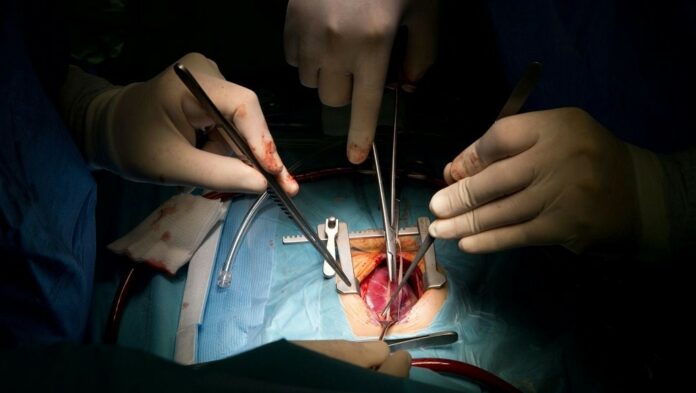
Heart transplantation is a life-saving procedure reserved for individuals with end-stage heart failure who no longer respond to conventional therapies. Receiving a new heart involves a thorough and multifaceted evaluation that carefully examines not only the physical condition of the patient but also their emotional stability, lifestyle, and support system. The process is guided by strict national guidelines, and each stepโ€”from diagnosis to listingโ€”serves to ensure that only those most likely to benefit from transplantation are selected.

End-Stage Heart Failure

End-stage heart failure refers to the final phase of chronic heart failure when the heartโ€™s ability to pump blood is severely impaired and no longer responds to standard treatments. This often results from long-term damage caused by underlying issues such as ischemic heart disease, cardiomyopathy, or congenital heart abnormalities.

In this phase, Nishi Patel says that patients may experience persistent fatigue, shortness of breath even at rest, or swelling in the legs due to fluid buildup. Despite medications and devices like pacemakers or defibrillators, the symptoms remain uncontrolled, and hospital admissions become more frequent, signaling that other treatment options may be exhausted.

When Transplantation Becomes the Only Option

When medication, lifestyle changes, and surgical interventions no longer control symptoms, heart transplantation may emerge as the only viable path. Patients often reach this stage after repeated hospitalizations for fluid overload, low blood pressure, or arrhythmias that no longer respond to treatment. At this point, the medical team starts considering transplant evaluation to improve survival and quality of life.

Some individuals may require mechanical circulatory support, such as a left ventricular assist device (LVAD), to maintain heart function temporarily. While these devices can extend life and improve quality of living in certain cases, they are not suitable for long-term use for everyone. If the heart continues to deteriorate despite these advanced therapies, transplant evaluation becomes essential.

Medical Criteria for Eligibility

Transplant eligibility confirms that the patient has severe heart failure despite being on the best available medical therapy. Cardiologists look at specific data, including peak oxygen consumption during exercise (VO2 max), to assess the heartโ€™s capacity to meet the bodyโ€™s demands.

Patients with irreversible damage to other organs, such as the liver or kidneys, may be excluded if those conditions reduce the chance of a successful outcome. In addition, individuals must be physically strong enough to withstand major surgery and the rigorous recovery process that follows. Carefully selected candidates tend to have the best chance of long-term survival and better quality of life after transplantation. Other considerations include the presence of diabetes, pulmonary hypertension, or previous surgeries.

Psychosocial and Behavioral Considerations

Beyond medical criteria, emotional readiness and behavioral stability are critical components of transplant candidacy. Patients must demonstrate the ability to follow complex treatment regimens and attend frequent follow-up visits, which are essential for long-term success after surgery.

A history of untreated mental health conditions, substance use, or lack of reliable social support can raise serious concerns. A stable home environment, a dedicated caregiver, and a willingness to actively participate in their care are key factors that influence a centerโ€™s decision to list someone for transplant. Clinics may also evaluate a patient’s past adherence to medications or missed appointments as part of this review.

Evaluation by the Heart Transplant Team

The transplant evaluation process is comprehensive and highly individualized, involving professionals from multiple disciplines. Cardiologists, surgeons, psychologists, dietitians, and social workers each play a role in determining whether a patient is a suitable candidate. This team-based review ensures that medical and non-medical risks are identified early.

Diagnostic testing during this phase may include blood work, imaging studies, and stress tests. These are used to evaluate heart function, rule out infections or cancer, and assess how well the body might respond to the stress of transplant surgery. In some cases, patients are asked to complete cardiac rehabilitation or other preparatory steps before becoming eligible for listing.

Listing Process and National Guidelines

Once a patient is deemed eligible, they are placed on the transplant waiting list according to national guidelines established by UNOS. These rules prioritize patients based on how urgently they need a new heart, rather than how long they have been waiting. The use of mechanical supports, ICU status, and inotropic medications helps determine status levels.

Each candidate is assigned a status level that reflects the severity of their condition and the type of support they require. While awaiting a donor heart, patients must remain under close observation, often with frequent clinic visits or hospitalization if their condition worsens. Ongoing monitoring ensures that their listing status remains appropriate and that any sudden decline can be addressed quickly.


Tempus-NYU Langone Collaboration Advances Precision Oncology

TempusNYU Langone Collaboration

Tempus and NYU Langone Health have signed a multi-year strategic collaboration to drive precision oncology using molecular profiling and data-driven research. The Tempus-NYU Langone collaboration will enable the work of the Center for Molecular Oncology at NYU Langone Health’s Laura and Isaac Perlmutter Cancer Center, a comprehensive effort to study the biology of cancer as it evolves over time.

The collaboration is expected to drive efforts in genomic diagnostics, with the eventual goal of improving patient outcomes and helping to guide future care. The organizations have also announced the launch of a prospective observational study called โ€œSerial Molecular Profiling and Monitoring of Human Cancer.โ€ Patients participating in the study will undergo sequencing at various time points during treatment to generate the longitudinal datasets that will be critical to the effort.

In addition to the initial research study, other work included in the collaboration involves assay validation, biomarker identification, biological modeling, real-world data analysis, and the development of artificial intelligence-powered predictive algorithms. The work is in addition to Tempusโ€™ current role as a provider of next-generation sequencing testing services to NYU Langone Health.

โ€œThrough the integration of advanced genomic technologies and data science, we are deepening our understanding of cancerโ€™s complexity and pioneering transformative approaches for patient monitoring and treatment,โ€ said Ezra Cohen, MD, Chief Medical Officer, Oncology at Tempus. โ€œOur research is focused on generating actionable insights through better understanding of cancer response, resistance, and trajectory that will not only refine and enhance current assays, but also drive the creation of innovative diagnostic tools and algorithms that can empower clinicians to deliver truly individualized care to their patients.โ€

The Tempus-NYU Langone collaboration will be carried out within routine clinical care at the Perlmutter Cancer Center, allowing researchers to study serial molecular profiling in real-world settings.

โ€œThis strategic collaboration will further our ability to analyze cutting-edge serial molecular profiling technology in the routine care of patients at the Perlmutter Cancer Center at NYU Langone Health,โ€ said Shridar Ganesan, MD, PhD, Director of the Center for Molecular Oncology at Perlmutter Cancer Center. โ€œThis approach will enable us to better understand the biology of individual cancers, inform our ability to implement and develop targeted therapies, and assess response and emerging resistance.โ€

Boston Scientific Valencia Acquisition Expands Portfolio

Boston Scientific Valencia Acquisition

Boston Scientific has entered into an agreement to acquire Valencia Technologies for an undisclosed amount, further expanding its urology business. The Boston Scientific Valencia acquisition brings an implantable therapy for bladder dysfunction into the companyโ€™s product portfolio.

Valencia Technologies provides treatment for bladder disorders, including with its eCoin implantable tibial nerve stimulation (iTNS) device for the treatment of urge urinary incontinence (UUI), which is a common manifestation of overactive bladder. The agreement comes after Boston Scientificโ€™s acquisition of Axonics back in 2024, and is another recent addition to the companyโ€™s Urology segment.

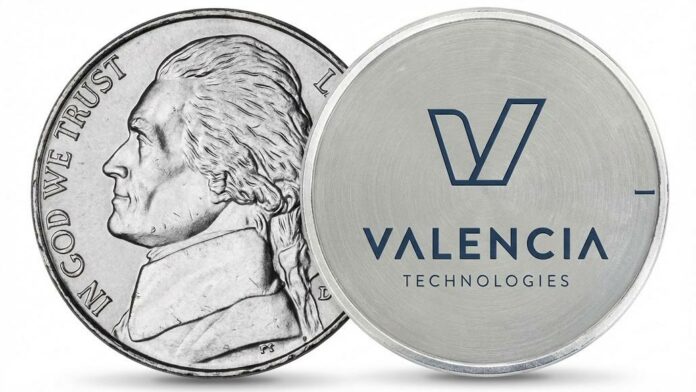
The eCoin device was approved by the U.S. Food and Drug Administration in 2022. The coin-shaped implant is inserted under the skin near the ankle in a minimally-invasive procedure. The product is intended for individuals who have demonstrated a positive response to percutaneous tibial nerve stimulation or are intolerant to or have not had an adequate response to more conservative therapies for UUI.

The implanted device provides intermittent, automatic stimulation to the tibial nerve to regulate signaling between the brain and the bladder. In clinical trials, 68% of patients treated with the device experienced at least a 50% reduction in UUI episodes. Valencia had previously raised $35 million in early 2025 for continued development and commercialization efforts for eCoin.

Boston Scientific expects to complete the transaction in the first half of 2026. The company said the Boston Scientific Valencia acquisition is expected to have an immaterial impact on adjusted earnings per share in 2026, with a more dilutive effect on a GAAP basis.

โ€œThe addition of the eCoin system to the Boston Scientific portfolio will enable us to expand into implantable tibial nerve stimulation (ITNS), a high-growth adjacency for our Urology business,โ€ said Meghan Scanlon, SVP and president, Urology, Boston Scientific. โ€œITNS technology complements our existing pelvic health product line, and we look forward to offering a more comprehensive set of treatment options to patients across the care continuum.โ€

Haemonetics Vivasure Acquisition Reaches Valuation of โ‚ฌ185M

Haemonetics Vivasure Acquisition

Haemonetics has agreed to acquire Vivasure Medical for up to โ‚ฌ185 million ($216 million), expanding its presence in arterial closure devices. The Haemonetics Vivasure acquisition involves the purchase of the Galway, Ireland-based company, which develops devices used in large-bore vascular procedures.

Haemonetics said it will fund the transaction using cash on hand. Under the terms of the agreement, the company will make an upfront payment of โ‚ฌ100 million ($117 million). This amount reflects about โ‚ฌ52 million ($61 million) net of the value of prior investments, loans previously provided to Vivasure, and standard closing adjustments.

An additional โ‚ฌ85 million ($99 million) may be paid if Vivasure meets specified performance milestones and sales targets.

โ€œAcquiring Vivasure expands Haemonetics’ complete range of closure devices with new and clinically differentiated technology to bolster our presence in the large-bore closure market and our impact in fast-growing structural heart and endovascular procedures,โ€ Ken Crowley, a Haemonetics vice president, said in a statement. โ€œWith strong clinical performance and safety data, PerQseal Elite positions us for increased leadership in advanced closure.โ€

Vivasureโ€™s PerQseal Elite platform uses a bioabsorbable patch to seal large-bore arterial and venous access sites from inside the vessel. The system is designed to provide a sutureless and fully absorbable option for structural heart and endovascular procedures.

Last year, Vivasure submitted a premarket approval application to the U.S. Food and Drug Administration for the PerQseal Elite platform. The device has also received CE mark approval in Europe for both arterial and venous indications.

The Haemonetics Vivasure acquisition builds on an existing relationship between the two companies. In 2023, Haemonetics invested โ‚ฌ30 million in Vivasureโ€™s Series D financing round. That investment included an option allowing Haemonetics to acquire the company at a later date.

OpenAI Torch Acquisition Adds Healthcare Startup to Fold

OpenAI Torch Acquisition

OpenAI has acquired health-care technology startup Torch for about $60 million, according to a source familiar with the transaction.The financial details of the OpenAI Torch acquisition were not disclosed publicly.

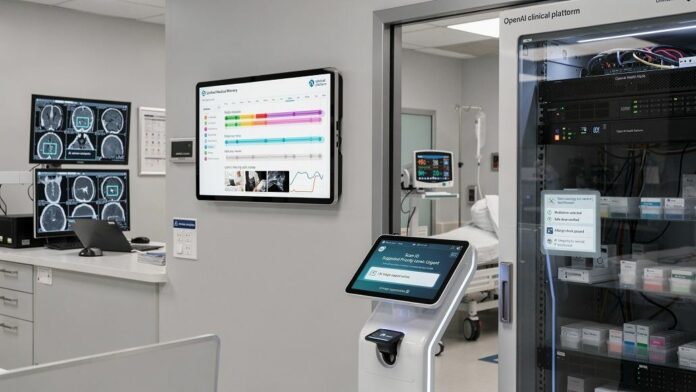
Torch was developing what it described as a โ€œunified medical memoryโ€ for artificial intelligence. The platform was designed to bring together patient health data that is often fragmented across multiple vendors, systems, and formats. As part of the deal, Torch employees will join OpenAI.

โ€œI canโ€™t imagine a better next chapter than to now get to put our technology and ideas in the hands of the hundreds of millions of people who already use ChatGPT for health questions every week,โ€ Torch CEO Ilya Abyzov wrote in a post on X.

Abyzov previously co-founded Forward, a direct-to-consumer primary care company that used technology-enabled โ€œCarePodsโ€ for patient visits. Forward shut down operations in 2024.

The OpenAI Torch acquisition follows the companyโ€™s recent launch of ChatGPT Health, which allows users to connect medical records and wellness apps directly to the chatbot. OpenAI has also introduced new enterprise-focused products for health-care organizations, with early partners including large health systems such as HCA Healthcare.

In December, OpenAI hired Albert Lee from Google to lead corporate development, signaling a stronger focus on mergers and acquisitions as competition increases with companies such as Google and Anthropic.

OpenAI has completed several acquisitions in 2025, including the agreement to acquire Jony Iveโ€™s AI devices startup io for more than $6 billion.

Natera-NVIDIA AI Collaboration Expands Precision Medicine

NateraNVIDIA AI Collaboration

Natera has announced a collaboration with NVIDIA to drive the adoption of AI foundation models across the spectrum of precision medicine. The Natera-NVIDIA AI collaboration will accelerate the development of large-scale, multimodal AI systems capable of analyzing complex medical data.

Under the agreement, Natera will combine its longitudinal and multi-time point in vivo datasets with proprietary machine learning models, while NVIDIA will provide high-performance computing platforms, accelerated software libraries, and AI frameworks. The companies aim to build the infrastructure needed to train and deploy large AI models that support more precise diagnostics, deeper biological analysis, and tools for personalized treatment decisions.

Nateraโ€™s AI platform is built on one of the worldโ€™s largest multimodal, longitudinal oncology datasets. Recent results show strong performance in immunotherapy response prediction and neoantigen discovery. NeoSelectโ„ข, Nateraโ€™s neoantigen prioritization algorithm, outperformed 25 established prediction tools. NeoPredict, which estimates immunotherapy response, showed more than a two-fold improvement in hazard ratios compared with tumor mutational burden, the current clinical benchmark.

The AI models are being applied to drug target discovery, therapy response prediction, and identification of new prognostic biomarkers. Since unveiling the platform, Natera has reported increased engagement from pharmaceutical partners, including new data collaborations and growth in its data services business.

โ€œOur vision is to build a computational foundation for biological intelligence,โ€ said Matthew Rabinowitz, co-founder and executive chairman of Natera. โ€œBy combining Nateraโ€™s extensive AI-ready longitudinal data and machine learning with NVIDIAโ€™s computer and software stacks, we can train at unprecedented scale. This collaboration enables AI systems that interpret biology and begin to reason across different data types, marking a meaningful step forward in personalized diagnostics and therapeutic insights.โ€

Under the Natera-NVIDIA AI collaboration, the company will leverage several NVIDIA platforms and software, such as Parabricks for accelerating genomic workflows, BioNeMo for training at massive scale, and the NeMo Agent Toolkit for creating multi-agent AI systems to be used in research and clinical settings. Initial engineering results have demonstrated average run-time and cost reductions of 75.7% and 59.2%, respectively, using Parabricks and 45.5% faster training by integrating with NVIDIA Transformer Engine.

โ€œAI is advancing every aspect of precision medicine, enhancing the speed and accuracy of biological discovery for better outcomes,โ€ said Rory Kelleher, senior director and global head of business development for life sciences at NVIDIA. โ€œPaired with NVIDIAโ€™s accelerated computing and advanced AI frameworks, Nateraโ€™s unique data and platform is helping to unlock better diagnostics, deeper biological insights, and personalized treatments.โ€

Nateraโ€™s global testing and research operations generate large volumes of data each year, supporting the training of increasingly complex AI models. By combining these datasets with NVIDIAโ€™s computing platforms, the companies aim to deliver more accurate, data-driven insights across precision oncology, organ health, and related fields.

Translate ยป