








Close
Digital Health & Ai Innovation summit 2026
LiGHT26

A Practical Guide to Mounjaro KwikPen Pre-Filled Pen: Everyday Use and Expectations

Mounjaro KwikPen guide for diabetes management

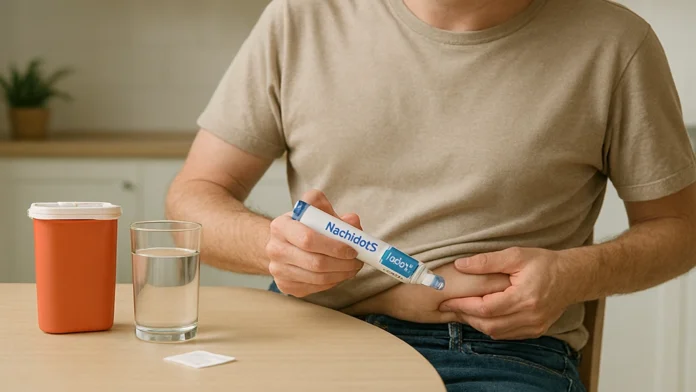
People managing type 2 diabetes often juggle glucose checks, nutrition, and activity. Injectable therapies can feel daunting at first, especially when starting a new device. The Mounjaro KwikPen Pre-Filled Pen is one option some patients discuss with clinicians to support blood sugar goals.

If you want background on this deviceโ€™s format and purpose, see the Mounjaro KwikPen Pre-Filled Pen page for general product context before reading further. The information below explains common experiences, safety habits, and practical routines that can make weekly injections more manageable.

Understanding the Pen and Your Treatment Goals

Most pre-filled pens are designed for subcutaneous injection, meaning under the skin. The goal is steady hormone support to help regulate blood sugar after meals and between them. Weekly dosing schedules can simplify routines, but consistency still matters.

Expect a learning curve during the first month. People often practice with a demo trainer or review instructions with a pharmacist. Ask your care team to confirm dose timing, injection sites, and what to do if a dose is missed.

How the class works in plain language

These medicines influence hormones that affect insulin release and appetite signals. The aim is smoother post-meal glucose and gradual improvements in average blood sugar. Some individuals also notice reduced hunger over time.

Response varies by person. Your starting A1C (a three-month average of blood sugar), eating patterns, and activity level all matter. Expect your clinician to adjust other diabetes medications as your body responds.

Common Body Responses and Side Effects

Gastrointestinal symptoms are the most reported early effects. Nausea, stomach upset, and altered bowel habits can appear in the first weeks. Many people find these symptoms lessen as the body adapts.

Other experiences can include reduced appetite, early fullness, or mild fatigue. Injection-site redness or tenderness sometimes occurs, especially when rotating to unfamiliar spots. Severe or persistent symptoms deserve a prompt conversation with a healthcare professional.

Practical strategies to reduce discomfort

  • Eat smaller, slower meals; pause when feeling early fullness.
  • Favor bland, low-fat foods if nausea appears; sip water steadily.
  • Avoid overeating at night, which can worsen morning queasiness.
  • Rotate injection sites in a consistent pattern to reduce irritation.

If you have a history of digestive conditions or pancreatitis symptoms, discuss risks carefully. Report sudden severe abdominal pain, repeated vomiting, or signs of dehydration quickly. Keep emergency contact information accessible.

Safe, Consistent Use of a Pre-Filled Pen

Good technique supports comfort and consistent results. Read the manufacturerโ€™s instructions and ask your pharmacist to demonstrate the steps. Practice the motions until they feel routine and unhurried.

Storage and handling basics

  • Refrigerate unopened pens as directed; avoid freezing or heat exposure.
  • After the first use, follow labeled guidance for storage duration and temperature.
  • Inspect the liquid before use; do not use if the solution looks abnormal.
  • Use a new, compatible needle each time to maintain sterility and sharpness.

Injection sites and rotation

Common injection sites include the abdomen, thigh, or upper arm. Rotate within a region to avoid scar tissue or lipodystrophy (changes in fat under the skin). Keep a simple rotation chart or set reminders to avoid repeating the same spot.

Timing and weekly rhythm

Choose a consistent day and time each week. Align the schedule with a routine event, like a Sunday evening check-in. If plans change, speak with your clinician about safe timing adjustments.

Medication Class Context and Supportive Habits

This pen belongs to a class that targets gut and insulin-related hormone pathways. These therapies are often grouped with other incretin-based options. To understand the broader category, you can review GLP-1 Agonists and discuss similarities and differences with your clinician.

Nutrition that works with your treatment

  • Prioritize fiber from vegetables, legumes, and whole grains for steady glucose.
  • Include lean protein at meals to reduce post-meal spikes and hunger.
  • Limit ultra-processed foods that digest quickly and raise blood sugar fast.
  • Drink water throughout the day to help digestion and appetite control.

Activity, sleep, and stress

Regular movement improves insulin sensitivity and energy. Aim for frequent, manageable sessions rather than rare, intense workouts. Sleep consistency also supports hormone balance and appetite signals.

Stress can elevate blood sugar through cortisol effects. Light resistance training, walking breaks, and short breathing exercises can blunt stress-related swings. Choose tools you can sustain in daily life.

Monitoring, Expectations, and When to Check In

Track fasting and post-meal readings to spot trends. Some people see early changes in appetite first, with glucose improvements following during dose titration. Keep a simple log of symptoms, weight changes, and energy levels.

Ask your clinician how often to check A1C and whether to adjust other medicines. If you experience frequent lows, especially with insulin or sulfonylurea use, alert your care team promptly. Low blood sugar signs include shakiness, sweating, confusion, or dizziness.

When to contact your healthcare professional

  • Severe or persistent gastrointestinal symptoms that limit daily activities.
  • Signs of dehydration, such as dry mouth, low urine, or dizziness.
  • Unexplained abdominal pain, especially if intense or radiating to the back.
  • Allergic reactions like swelling, hives, or trouble breathing.

Many side effects can be managed with gradual dietary changes and dosing discussions. Bring a list of questions to appointments. Clear communication helps tailor the plan to your needs.

Planning, Access, and Practical Considerations

Coverage, supply availability, and clinic follow-up can shape your experience. Early planning helps avoid gaps in therapy. Keep track of pen counts, needles, sharps containers, and alcohol swabs to support safe use.

Some people discuss cross-border options for cost or access, including Canadian pharmacies that ship to the United States. Policies, availability, and prescriber requirements vary by location and program. Review details carefully and consult your healthcare provider about continuity of care.

If you want general site information about diabetes topics and related therapies, you can explore resources from CanadianInsulin while comparing options with your care team. Always verify that any source aligns with your personal treatment plan and local regulations.

Medical disclaimer: This content is for informational purposes only and is not a substitute for professional medical advice.

In summary, using a weekly pen can be manageable with preparation and routine. Expect early digestive changes, prioritize slow eating, and rotate injection sites. Track your readings, note patterns, and partner with your clinician to adjust as needed.

CE, UKCA Marks Received for Versius Surgical System

Versius Surgical System

CMR Surgical, which is the global surgical robotics business, has announced that it has got CE and UKCA marks when it comes to its Versius Surgical System – Versius in pediatric surgery, hence marking the first regulatory clearance for the company when it comes to treating children. The approval has been availed for abdominal surgery within children as well as infants under 18 years of age.

The unique compact and modular design of Versius allows the system to be set up in a way that helps with optimal access for surgeons and also surgical teams. Due to a compact instrument diameter along with maximal dexterity, the system is designed optimally for pediatric anatomy. The portability of the system enables it to seamlessly integrate within virtually any kind of operating room and get easily moved inย between departments.

The Chief Medical Officer with CMR Surgical, Mark Slack, remarked that securing theย CE Mark approval for Versius within pediatric surgery is indeed quite a significant landmark for CMR Surgical and, of course, for the future of robotic-assisted minimally invasive surgery. This approval, according to him,ย opens a new and also a high-value segment of the market, while at the same time validating the strength and also the agility of their technology, and they indeed look forward to extending the advantages of their minimally invasive tech to this important patient population.

The consultant pediatric urologist at Southampton Childrenโ€™s Hospital and also the chief investigator for the Versius Pediatric Trial, Ewan Brownlee, went on to say that asย a pediatric surgeon, he is delighted that Versius can now go on to benefit more children in the UK as well as internationally. In theirย study, its modular arms along with small instruments have gone on to prove well suited when it comes to pediatric anatomy, and they have already completed around 150 procedures throughout three centres in patients from only aย few months old upwards. Having theย approval for use in under-18s, they are going to be able to extend the benefits of minimally invasive surgery to a much wider patient population.

It is worth noting that Versius Surgical System is indeed quite unique and versatile as well as an adaptable surgical robot that is crafted to seamlessly and also easily integrate into any operating room as well as hospital workflow. The system has gone on to perform 40,000 surgical cases to date and is also being used throughout a broad range of specialties, which includes urology, gynecology, general surgery, and also thoracic surgery across leading hospitals all over the world. Versius can get easily moved in between departments, therefore making it ideal for any care setting, right from low-acuity or high-volume cases to even the most intricate oncological surgical procedures.

RadNet Expands its Reach to Serve Southwest Florida

Serve Southwest Florida

RadNet, Inc., which is a leader in offering high-quality and cost-effective outpatient diagnostic imaging services as well as a global developer of digital health solutions, went on to announce that it has gone on to acquire Radiology Regional, which is a division of LucidHealth that goes on to serve Southwest Florida.

The expansion goes on to bringย proven operational efficiencies along with the leading imaging technologies ofย RadNetย to 13 locations throughout Cape Coral,ย Naples,ย Fort Myers, and Port Charlotte, as well as Sarasota.ย  In the last half-century, Radiology Regional has gone on to offer a comprehensive multi-modality offering that includes the likes of MRI, CT, PET/CT, mammography, X-ray, and ultrasound, as well asย other related procedures.

The 13 locations ofย Radiology Regionalย add to five of the present RadNet Florida imaging centers and go on to contribute aroundย 400 additional employees as well as 44 contracted radiologists.

RadNet is indeed proud to enter a dynamic region of Florida and also build upon the well-trusted history ofย Radiology Regional, opinesย Steve Forthuber, who is the president and the CEO of Eastern Operations for RadNet. He adds that the population of Florida grows and ages, and also the demand for advanced imaging services is also speeding up. Via their clinical excellence, operations expertise, and AI-powered digital health solutions, RadNet looks forward toย bringing accessible as well as affordable leading-edge patient care, a focus on early detection of disease to the communities, and alsoย population health screening programsย to Southwest Florida. Among the other things, they are excited to bring to the fore and roll out within acquired centers the complete portfolio of their DeepHealth AI-powered innovations, which are crafted to grow clinical precision, make the imaging processes more seamless, and alsoย improve experiences of patients.

LucidHealthโ€™s CEO,ย Steve Corbeil,ย said that after their careful consideration of the long-term success of LucidHealth along withย Radiology Regional, they are pretty confident that the acquisition of RadNet goes on to create meaningful growth opportunities when it comes to both organizations. Together, they remain steadfast in their commitment to physician-led clinical operations and, at the same time, deliver exceptional patient care. He added that at LucidHealth, theirย strength happens to lie in supporting a wide network of radiologists along with healthcare partners. This shift helps them to sharpen their strategic focus while at the same time positioning Radiology Regional for consistentย success when it comes to outpatient imaging services.

The Practice President with Radiology Regional, Dr. Darius Biskup,ย said that joining RadNet enables them to speed up theirย mission to serve southwest Florida the highest quality diagnostic imaging services through gaining access to AI technologies that areย clinically validated along withย operational resources, which are going to directly be advantageous to their patients, radiologists, and of course, the entire care team.

J&J Submits Ottava Surgical Robotic System to the FDA

Ottava Surgical Robotic System

Johnson & Johnson announced that it has gone ahead and submitted its Ottava surgical robotic system to the FDA for a de novo approval.

The company confirmed that it made use of data from the FDA investigational device exemption – IDE study in order to support the submission. It went on to initiate this studyย of the surgical robot in late 2024. MedTechโ€™s submission byย Johnson & Johnson goes on toย cover numerous procedures in general surgery when it comes to the upper abdomen.

It is well to be noted that the submission to the FDA goes on to mark the latest step forward when it comes to J&J MedTech as well as Ottava, after the unveiling of the systemย in the fall of 2021. The company went on to debut Ottava surgical robotic system as being a potentially minimally invasive surgical robotic alternative toย Intuitive Surgical,ย the longtime rival and soft tissue robotics leader.

It is one of a handful of the long-awaited entries to the surgical robotic market that includes Hugo from Medtronic, which in December 2025 went on to earn its first-ever FDA approval in terms of urologic procedures.

According to the company group chair for Surgery, Johnson & Johnson MedTech, Hani Abouhalka, they have taken learnings from Johnson & Johnsonโ€™s 140 years in surgery and their decades of leadership when it comes to minimally invasive surgery, along with the experiences robotic surgeons as well as hospitals have had in the past 20 years, to go ahead and design a soft tissue robotic system that is built for the future of surgery. He added that he is proud of the design decisions and also the major scientific push that has gone into the system in order to support the surgeons and also successfully complete their first clinical trial, and that he looks forward to reaching the upcoming milestone in their path to commercialization.

Johnson & Johnson first went ahead and shared details on the Ottava surgical robotic platform on November 20.

The company back then had hoped to enter the soft-tissue robotics spectrum thatโ€™s long been dominated by Intuitive Surgical. But, after that initial unveiling, the company went quiet on the topic for the most part. In October 2021, it went ahead and pushed back the development timeline of the platform by around 2 years because of many factors.

In October 2024, the company went on to announce that it had submitted Ottava for IDE, and lessย than a month later, FDA went on to approve that IDE, thereby helping J&J to start this study on surgical robots.

It is well to be noted that the initial unveiling of Ottava underscored a six-armed approach for the robot. In late 2023, the company shed some more light on Ottava and also some alterations in its look with the time that had passed. The company remarked that Ottava had gone ahead and incorporated four robotic arms in a standard-size surgical table. Its unified architecture enables invisible design, shares J&J.

The robotic arms are available when required and stowed beneath the surgical table when they areย not needed.

The company says that the unique architecture of Ottava, Ethicon instrumentation, and also future integration along with the Polyphonic digital ecosystem could address unmet needs of the surgeons as well as their teams.

Johnson & Johnson MedTechโ€™s Dr. Erik Wilson went on to complete the first cases in the OTTAVA IDE study in earlyย 2025. The procedures went on to takeย place at the Memorial Hermann-Texas Medical Center.

J&J MedTech said that the data from the completed trial of the studyย aimed to demonstrate safety as well asย effectiveness in an arrayย of procedures. The de novo request goes on to cover numerous procedures in general surgery in the upper abdomen. Those go on to include gastric bypass, small bowel resection, gastric sleeve as well asย hiatal hernia repair.

Dr.ย Peter Schulam, the chief scientific officer from Johnson & Johnson MedTech, says that theย IDE study goes on to build on a significant body of certain preclinical evidence they have generated showcasingย the impact of the OTTAVA system and offers critical clinical evidence on its performance. He adds that the Surgeon investigators throughout several hospitals led this significant study to more clinical evidence in support of the minimally invasive and robotic-assisted surgery for benefit of clinical teams, hospitals as well as patients.

The medtech giant also happens to have a second clinical trial that is set to assess hernia repair, with the FDA going ahead and approving an IDE for that study in late 2025.

Utah Begins Piloting AI Platform for Prescription Renewals

AI Platform for Prescription Renewals

Utah has started piloting autonomous service for the prescription renewals, as per an announcement that has been made from the Department of Commerce Office of Artificial Intelligence Policy of the state.

It is well to be notedย that the Beehive State is going ahead and working along with health platform developer Doctronic on a project, which is billed as the first of its kind, that goes on to authorize an AI platform for prescription renewals order to participate within the medical decision-making so as to give Utah patients fast access toย chronic conditions when it comes to medication renewals.

Patients can make use of the AI platform for prescription renewals at any time, and the pharmacists can go ahead and process renewals, thereby easing the administrative burdens coming onto the clinicians.

The state is going to test how autonomous AI can go ahead and help close the care gaps and at the same time decrease any delays in medication for patients, hence managing the chronic conditions.

By way of the pilot, OAIP is going to assessย the platform when it comes to clinical safety protocols, patient experience, and also efficacy through tracking the medication refill timeliness as well as adherence, patient access along with satisfaction, safety outcomes along with workflow efficiency, as well as costs.

Prescription renewals, apparently, comprise almostย 80% of all the medication activity, and the treatment noncompliance happens to be one of the largest drivers when it comes to preventable health outcomes as well as avoidable medical spending.

According toย Doctronic cofounder Adam Oskowitz,ย medication noncompliance is indeed one of the largest drivers when it comes to poor health outcomes as well as preventable healthcare costs, which is responsible for more than $100 billion in avoidable medical expenses per year.

State Sen. Kirk Cullimore Jr. opines thatย healthcare has gone on to become too intricate and expensive when it comes to Utah families, who alsoย added that the state is indeed leading the efforts so as to simplify the costs and also lower the prescription drug prices by way of their regulatory sandbox,ย which makes way for innovation and also enables the patients to get the medications they require while at the same time decreasing costs and also building trust during the process.

Development when it comes to the state’s AI sandbox, which is aย potential model for AI regulation, goes on to offerย certainty for Doctronic and also, with it, certain other AI companies, says Margaret Woolley Busse, the Utah Department of Commerce executive director.

According to her, Utah’s approach to regulatory mitigation goes on to strike quite a vital balance between fostering innovation and ensuring consumer safety, adding further that the findings from the pilot are going to be shared publicly in order to help inform the future state as well as federal AI policies.

States like Arizona, along with Texas, have also gone on to create AI sandboxes, which offer temporary regulatory relief and at the same timeย safeguard theย consumers, and there is Wyoming, which is preparing one as well, as per the announcement made by Utah.

The federal AI Action Plan that was released in 2025ย called for establishing the regulatory sandboxes, or AI Centers of Excellence, throughoutย the country where the researchers as well as others can go ahead and drill out as well as test AI tools and even commit to sharing the data along with results.

Lora Sparkman, the partner and also vice president of patient safety and quality with Relias, theย tech firm, encourages participation in AI sandboxes and also callsย them pretty essential to building buy-in along withย trust from the medical community.

According toย Doctronic’s co-CEO,ย Matt Pavelle, thisย is a major landmark that showcasesย how AI can enhance access when it comes to care and health outcomes. He went on to note thatย it helps the patients and pharmacists as well as physicians to work together in a more efficient wayย with measurable outcomesย that go on to benefit the overall healthcare system. They hope that other states also follow the lead of Utah.

Sen. Cullimore added that this collaborationย with Doctronic goes on to reinforce the principle of doctor, not device, making sure that automation supports and does notย replace theย human judgment as one leads the nation in a much more responsible healthcare policy.

US FDA To Limit the Regulation of Wearable Devices

Regulation of Wearable Devices

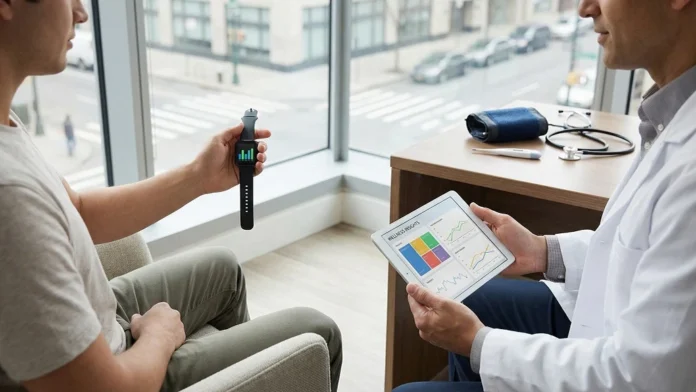
The U.S. Food and Drug Administration confirmed that it is going to limit the regulation of wearable devices along with software designed to offer support for healthy lifestyles, thereby issuing new guidance in order to clarify its regulatory approach.

The guidance, in addition to the comments from Marty Makary, theย FDA Commissioner,
goes on to add to the present policy that classifies low-risk wellness tools like fitness apps and also activity trackers, which encourage exercise, as non-medical devices exempt from the stringent regulation, provided that they do not make claims that are related to disease diagnosis or even treatment.

Makary remarked in an interview given toย Fox Business about artificial intelligence software such as ChatGPTย that they have to promote these products and simultaneously just guard against the major safety concerns, furtherย adding that if people are looking for a symptom on an AI-based tool, it is ideal to have that conversation when they come in to see their respective doctor or do a virtual visit.

Makary added that they want to let companies know, with crystal clear guidance, that if their device or even, for that matter, software is simply offering information, they can do that without the regulation from the FDA.

The only stipulation is if they go on to make claims of something being of medical grade, such as a blood pressure measurement. Makary said that they don’t want people altering their medicines based upon something that is just a screening tool or probably an estimate of a physiologic parameter.

Apparently in 2025, the FDA had issued a warning letter to WHOOP – the fitness band maker stating that its blood-pressure insights go on to feature a blurred line between wellness and medical devices through estimating systolic and diastolic values that are used to diagnose hypertension.

Notably, they along with the regulation of wearable devices went ahead and sent out a broader warning to consumers pertaining to the risks that unauthorized devices pose.

Amsino, ampiezza Join Hands for Pre-Filled Flush Syringes

PreFilled Flush Syringes

Amsino International, Inc., which is a global manufacturer when it comes to single-use medical devices, has gone ahead and announced the implementation of an agreement with ampiezza. ampiezza which has been founded by Ochsner Health and supported by Vizient, goes on to serve as a single sourcing entity that supports more than 90 health systems. The agreement offers ampiezza members the contracted pricing access to the portfolio of Amsino when it comes to pre-filled flush syringes.

As per this agreement, Amsino becomes a contracted alternativeย for ampiezza members who are seeking high-quality, dependable flush syringe solutions. This agreement widens the member choice through adding a competitive and value-driven supplier thatโ€™s committed to supply continuity along with clinical performance.

According toย President, North America, Jeff Reid, theyย are indeed pleased to partner along with ampiezza and also support their membership with dependable access to their pre-filled flush syringe portfolio.ย  This agreement goes on to reflect the commitment by Amsino to deliver quality and consistency along with supply assurance to the health systems across the country.

The pre-filled flush syringe portfolio of Amsino has in it many majorย configurations that are designed to support safety, clinician workflow, along with dependable supply access –

  • 3705-3US1ย โ€“ The North Americanโ€“Made Pre-Filled Flush Syringe which is manufacturedย in North America, providing an upgradedย supply resilience along with decreased lead times.
  • 3705CUS – The North Americanโ€“Made, Sterile-Fieldโ€“Ready Flush Syringe which is packaged for sterile field applications and manufactured in North America in order toย support nearshoring as well asย continuity of supply.

The pre-filled flush syringes byย Amsino areย engineered to support safe as well as efficient vascular access maintenance throughout the diverse care settings. With robust manufacturing capacities and also with it a strong focus on supply resilience, Amsino goes on to expand its role of being a trusted partner to healthcare providers across the U.S.

Notably, the agreement is now active, and ampiezza members may as well access pricing and product details by way of their standard Vizient or ampiezza contracting channels.

W.L. Gore Sets Foot in Left Atrial Appendage Occlusion Tech

Left Atrial Appendage Occlusion Tech

W.L. Gore & Associates, the global materials science company, has gone on to reach an agreement to go ahead and acquire Conformal Medical, which is a medtech company that specializes in next-gen left atrial appendage occlusion tech.

Conformal at present is working on the development of the investigational CLAASยฎ AcuFORMโ„ข System that goes on to feature a nitinol endoskeleton havingย a proprietary foam matrix implant that is designed so as to conform to a much wider range of left atrial appendage anatomies, having fewer sizes.

The device is crafted in two sizes and looks forward to turning LAAO into a same-day procedure, as opposed to one that needs general anesthesia as well as overnight hospitalization.

At present, the CLAAS AcuFORM System is in the clinical testing phase; however, it is not available commercially. One-time LAAO procedures are for those patients having AFib and can decrease the risk of stroke-causing blood clots forming within the LAA. AFib is forecasted to reach over 12 million cases in the U.S. by the end of this decade.

Apparently, Gore, which has been a medtech leader for the past 50 years, at present engineers devices that treat a range of cardiovascular along with other health conditions. To date, the company has gone on to implant 50 million medical devices.

One of the Gore spokespersons told MS+DI that Gore went on to celebrate its 50-year anniversary in the medical industry recently, which has been built on innovation. As they look to the next 50 years, this kind of acquisition is going to further elevate their endovascular portfolio strategy.

Via this acquisition, Gore is going to cement itself within the spectrum of endovascular treatments that is adjacent to its present work in cardiology.

The deal goes on to represent the kind of transformative and also science-driven innovation that actually reflects their long-term commitment so as to improve patient care. The spokesperson added that theย left atrial appendage closure market goes on to present a high-value and high-growth adjacency to the current cardiac occluder products from Gore. The investigational device provides quite distinct capabilities in order to enhance the patient outcomes and also syncs to their fitness for use expectations. It is a perfect fit with theย endovascular portfolio strategy of Gore and also a strong complement when it comes to their present range of cardiac products.

It is well to be noted that this deal is anticipated to close in 2026, if all the regulatory approvals are met. After the integration of Conformal into the line of products from Gore, Conformal, with its expertise in next-gen left atrial appendage occlusion tech is going to continue to push forward with its presentย clinical studies, thereby aiming for an eventual product commercialization.

Gore told MS+DI that Conformal Medical is going to continue the ongoing work as a wholly owned subsidiary for now, and theirย near-term aim is to support Conformal Medical in terms of staying focused in terms of advancing their technology and also conducting their clinical studies as per the plan.ย 

As the studies move towards commercialization, they look forward to making utmost use of theย experience in technology development, manufacturing, and distribution, as well as sales of Gore, so as to bring the system to patients in a broader way.

The Growing Popularity of Medical Billing Outsourcing in Healthcare

Why Medical Billing Outsourcing Is Rising in Healthcare

In recent years, the growing number of healthcare organizations have used or consideredย medical billing outsourcingย services as a key part of managing their financial operations. This trend reflects changes inย the revenue cycle management, rising administrative complexity, and stronger pressure on providers to control costs whileย maintainingย high quality care.ย ย 

Billing outsourcingย isย quicklyย becoming a practical way to improve financial performance and operational focusย for practices, clinics, and health systems of all sizes.ย 

Letโ€™sย discover the key benefits outsourcing brings to providers.ย 

What Medical Billing Outsourcing Involvesย 

Providers outsourceย billing activities to partnersย who haveย specialized knowledge inย healthcareย revenue cycle management.ย The main tasks typically include medical coding, eligibilityย verification, claim submission, denial management,ย andย payment posting.ย 

Suchย partner already has trained staff,ย establishedย workflows, and dedicated billing technology. The providerย doesnโ€™tย have toย maintainย an in-house billing teamย focusingย onย clinical care, while the outsourcing partner focusesย will ensureย proper reimbursement for the services.ย 

Market Growth and Industry Adoptionย 

The popularity of medical billing outsourcing is reflected in the steady growth of the market.ย Various studiesย related to the industry have shown that the global market for these services is growing at a rapid pace and is poised for continued growth over the course of the next decade, with projected annual growth rates commonly falling in the range of 10 to 12 percent.ย 

This growth is expected to be replicated globally across North America, Europe, and other regions as these economies are implementing outsourced billing models. The consistent upward trend suggests that working with an external partner is becoming a standard operational approach rather than a temporary solution.ย 

Why Providers Are Turning to Outsourcingย 

Perhaps theย major reason outsourcing continues to gain traction with providers is the increasing complexity of the revenue cycle. Coding rules changeย frequently, along with payer policies and regulatory requirements. Keeping compliant requires continuing training and close attention to detail, which many providers findย very difficultย to keep internal teams fullyย up-to-dateย in a time when staff turnover often is high.ย 

The other significant element is cost management. Employee costs, or salaries, benefits, training expenses, and software, can add up. These costsย remainย fixed and are not dependent on the volume of patients. Outsourcing is beneficial if practices want to align billing costs with their workloads, particularly if they experience variability in their customer base.ย 

The reliability of the cash flow is the final consideration. This arises because denied claims affect the flow of money, thus causing uncertainty financially. Effective bulling companies areย establishedย with the capacity toย monitorย the flow of the claim constantly, thereby following up on the payers.ย 

This allows health organizations to finally focus on core operations. Administrative workload is usually huge, and removing billing from the list frees the staff to focus on the operational improvement of the services.ย 

Who Uses External Medical Billingย 

Outsourcing occurs in various healthcare environments. Smaller to medium-scale physician practices choose to work in partnership with another party due to the lack of size to support in-house personnel. Another benefit is that outsourcing allows the healthcare providers to take advantage ofย expertiseย that in-house personnel cannot support.ย 

There is outsourcing that is used by hospitals and large health systems for certain billing services to handle volume spikes or address staffing gaps.ย 

Often, the diagnostic lab, imagingย centers, or specialty providerย electsย to outsource billing because of the complexity of C NOIโ€™s or payer-specific requirements.ย 

Providers of post-acute and long-term care haveย benefitedย from the outsourced model, since their operations include Medicare, Medicaid, and extended payment cycles that demand continuous follow-up.ย 

Measurable Operational Resultsย 

Providers often report clear operational improvements. One of the most common outcomes is a reduction in A/R days. Claims areย submittedย faster, tracked with more consistency, and payment delay issues are quickly escalated.ย 

Another result is improved claim accuracy. Experienced coding and billing teams reduce errors that lead to denials or rework. Over time, this contributes to higher first-pass claim acceptance rates and lower administrative overhead.ย 

Providers alsoย benefitย from improved visibility into billing performance. Many outsourcing partners provide regular reports on claim status, collections, denial trends, and payer performance, which helpย make informed decisions about contracts, staffing, and operational priorities.ย 

Key Considerations When Outsourcing Billingย 

Providers would normally judge their partners based upon the degree of experience with other firms and their capacity toย comply withย any requirements.ย 

Data security, as well as regulatory requirements, are of prime significance here. Healthcare statementsย compriseย protected health data, thereby requiring outsourcing vendors to meet strict security requirements, as well as healthcare regulatory requirements, such as HIPAA compliance. Transparency in communication, as well as reporting, is also mandatory, as healthcare providers are very keen toย observeย financial performance.ย 

Defining responsibilities precisely, along with a clear understanding of their scope of services, also goes a long way in having a successful relationship with a third party. Vendors will also be able to ensure a positive outcome if theirย objectivesย are clear from day one.ย 

InterSystems Appoints Don Woodlock as President

InterSystems leadership transition

Boston, MA โ€“ January 6, 2026ย โ€“ InterSystems, a creative data technology company, today announced that, effective immediately, Don Woodlock has been appointed President, responsible for leading the companyโ€™s daily operations. After leading the company for over 47 years, Founder, Owner, and CEO Phillip โ€œTerryโ€ Ragon will step back from day-to-day management responsibilities to focus on guiding the companyโ€™s business and technology strategy. Ragon will continue to serve as CEO and work closely with the leadership team to ensure a seamless transition that maintains the companyโ€™s commitment to excellence and customer success.

โ€œDuring my address at Global Summit 2023, I spoke about how strong, stable cultures are resilient and how culture is the strongest indicator of future success,โ€ said Ragon. โ€œI believe the culture we have built at InterSystems is truly self-sustaining, and it is time for the next generation to be the stewards of what we have all worked so hard to achieve.โ€

Woodlock has been with InterSystems for 8 years as Vice President for Healthcare. He brings deep industry expertise, technical acumen, and a shared commitment to InterSystems customer-first culture.

โ€œTerry has been a role model and mentor to me since I joined InterSystems in 2017,โ€ said Woodlock. โ€œMy experience with the company began decades earlier when I used its products, first in technical roles and later as the leader of a business unit delivering healthcare solutions. This real-world customer experience, combined with InterSystems technology, financial and organizational strengths, fuel my passion for helping to lead the company into its next era of success.โ€

Translate ยป