











Close
Digital Health & Ai Innovation summit 2026
Medical Taiwan 2026

HIPAA: 4 Things You Should Know About It

HIPAA: 4 Things You Should Know About It

The Health Insurance Portability and Accountability Act (HIPAA) of 1996 is a law that was put into place to protect the rights of the insured by making sure they keep their insurance even when changing or leaving their jobs. It also sets guidelines for how healthcare information should be kept private.

The HIPAA Privacy Rule gives Americans stronger control over their health information. The rule requires the Department of Health and Human Services (HHS) to issue national standards for electronic health care transactions and code sets. The goal is to make it easier for all individuals across the country to access their health information and communicate with their providers. Here are 4 things you need to know about HIPAA:

HIPAA covers your health insurance

The main purpose of the law is to create rules for health insurance coverage so that people don’t have to worry about losing their insurance because they switch jobs or retire. HIPAA also makes it easier for people to get insurance when they are between jobs.

When people leave their jobs, they often have a hard time finding new health insurance because of pre-existing conditions. It might not be easy for them to get accepted into new health care plans with the price being so high due to their pre-existing conditions. HIPAA does away with this problem for adults under the age of 65. There is a clause that allows insurers to refuse new applicants if they can prove that they had been denied health insurance within the last year; otherwise, they cannot deny coverage because of pre-existing conditions.

The best thing about HIPAA is that it applies to things that were not previously covered. For example, if you are between the ages of 19 and 25, are on your parents’ health insurance plan, or are enrolled in a school-sponsored health care plan, then HIPAA does not apply to you. This means that people of these demographics can be denied coverage because of pre-existing conditions.
There are penalties for HIPAA Violations

Penalties for non-compliance can be stiff under HIPAA. A practice could face fines up to $50,000 each time they are found to violate a provision of the law. It is essential that all practices make sure that they have the right security tools in place and that they train all staff members to avoid HIPAA violations. This law is enforced by the Office of Civil Rights, although It is not always easy for them to know when a violation has occurred but they are actively looking for evidence that it has happened. You can read more about the enforcement at https://www.easyllama.com/blog/who-enforces-hipaa but, note that when this office finds what they consider to be clear evidence of HIPAA non-compliance, an investigation will begin immediately. Thatโ€™s how it works.

However, one of the most effective ways for practices to avoid HIPAA violations is to use a medical practice management software solution. Such tools automatically track and report all types of activity in the EMR, such as who logs into it, what they do, which browsers are used to log in, how much time is spent on each document or record entry, which modules are accessed during each visit by staff members, etc. These tools also alert you to any possible security incidents, such as a staff member opening a patient’s record without a reason for doing so.

Protect sensitive healthcare information

The federal HIPAA law is a regulation that was put into effect to protect sensitive healthcare information. The first thing that people need to know about is that if a healthcare practice, hospital or clinic does business electronically, they are required by law to have a very specific standard of security in place for electronically protected health information (ePHI) โ€“ which is what the government likes to call “protected health information”. This limits the risk of a breach or theft that could harm patients’ privacy or financial security.

The law requires every healthcare practice, hospital, and clinic in America to have an extensive compliance plan in place, detailing how they are going to protect their ePHI. If they are not compliant with the plan, then they are out of compliance with HIPAA.

It’s safe to train your employees in compliance with HIPAA.

It’s safe to train your employee on HIPAA compliance because it is simply a review of already existing policies for the company. This ensures that the majority of employees are not being tasked with learning new information. If you have an in-house training department, then conducting required refresher courses should be part of their job description.

Employees who are required to maintain HIPAA compliance must receive appropriate training. Training for employees is often timed so that any new hires will get the necessary information before they need to work on anything that requires HIPAA compliance. This way, your company can ensure that no one starts working without knowing what their responsibilities are in terms of HIPAA compliance.

HIPAA was put into place by the government to protect sensitive healthcare information, like Social Security numbers, credit card details, addresses, etc.. If you are under 19 or 25 years of age then HIPAA does not apply to you; however, anyone over those ages must at all times be compliant with HIPAA. There are penalties for non-compliance with the law. That is why it is essential to have a plan of action if you are under the law, to make sure there are no violations.

Canadian hospitals strain as Omicron hits health workers

Master Lock announces product donation to help protect frontline workers and small business amid pandemic

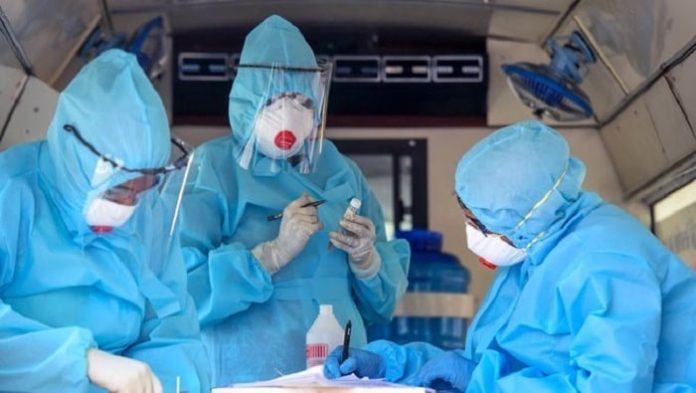
After a year as an emergency department nurse at a busy Toronto hospital in the middle of the coronavirus pandemic, Aimee Earhart called it quits last week. She is moving to Florida for a short contract before getting work as a travel nurse for what she hopes will be double the salary.

The COVID-19 pandemic and its highly contagious Omicron variant have made a challenging staffing situation in Canada’s hospitals worse.

Interviews with a dozen health care workers, including eight current and former nurses, reveal a health system strained by a pandemic wave that hit at the worst possible time – sickness sidelining staff as more COVID-19 patients than ever need hospitalization, forcing health workers exhausted by two unrelenting years to take on more work.

Hospitals have been asking staff to forego holidays or take on overtime shifts.

Canadians take pride in their public health system. But by failing to adequately invest in it, critics say, governments left it vulnerable to the ravages of a years-long public health emergency. If health workers leave and are not replaced – thanks to training and certification backlogs, capped wages or the perception of a punishing profession – that could hurt health system capacity.

The problem is global: A report from the International Council of Nurses published Monday said sickness, burnout and staff departures are taking a toll on the world’s nursing workforce unseen so far during the pandemic.

Job vacancies in Canada’s health and social assistance sector increased by 78.8% between the third quarter of 2019 and the third quarter of 2021, according to Statistics Canada.

Ontario’s government, which has come under fire for capping the salaries of some public employees, including nurses, before the pandemic, said in a statement it added 6,700 health care workers and staff since the pandemic began and planned to add another 6,000 by March. It did not clarify whether this was a net increase.

Reliq Health Technologies partners with Data Soft Logic to add over 50,000 new patients per year to Reliq’s iUGO care platform

Venturing "Into the Impossible" with Virtual and Integrated Care

Reliq Health Technologies Inc. a rapidly growing global healthcare technology company that develops innovative Virtual Care solutions for the multi-billion dollar Healthcare market,ย  announced an agreement with Data Soft Logic (DSL) to provide iUGO Care to their existing and new clients. The Data Soft Logic platform is a cloud-based home health and hospice care solution that provides a suite of applications including point of care, billing, scheduling, accounting and human resources. The platform is used currently used by over 600 home health and hospice care agencies across the United States. Data Soft Logicโ€™s home health and hospice clients work with over 1,000 primary care physicians who provide care to over 500,000 Medicare and Medicaid patients.

โ€œWe are thrilled to be working with Data Soft Logic on this highly synergistic partnership,โ€ said Dr. Lisa Crossley, CEO of Reliq Health Technologies, Inc. โ€œReliq will be providing our iUGO Care remote patient monitoring (RPM), remote therapeutic monitoring (RTM), chronic care management (CCM), behavioral health integration (BHI) and transitional care management (TCM) software and services to Data Soft Logicโ€™s home health agency and hospice provider clients throughout the United States. Reliqโ€™s own home health and hospice clients will benefit from having the option of fully integrated access to Data Soft Logicโ€™s exceptional, comprehensive practice management platform. Through this partnership, Reliq expects to begin onboarding patients in Q2 2022 and to ramp up to adding over 50,000 new patients per year to our platform in 2023, at an estimated revenue of $60 per patient per month.โ€

Philips supports the American Heart Association’s efforts to raise awareness of CIED infections, promote guideline adherence, and improve patient survival rates

Philips supports the American Heart Association's efforts to raise awareness of CIED infections, promote guideline adherence, and improve patient survival rates

Royal Philips, a global leader in health technology, is supporting the American Heart Associationโ€™s multi-year effort to generate awareness among cross-disciplinary specialties and improve survival rates from cardiovascular implantable electronic device (CIED) infections.

With the support of Philips, the American Heart Associationโ€™s national CIED infection initiative will work with medical professionals across a variety of specialities to prevent and properly treat infections resulting from cardiovascular implantable electronic devices such as pacemakers, implantable cardioverter-defibrillators and cardiac resynchronization devices.

Each year one million CIEDs are implanted worldwide and one in 20 of these patients will develop a CIED infection [5] within three years. Support of efforts by the American Heart Association follows similar efforts by Philips, like its โ€˜No Infection Left Behindโ€™ initiative, which aims to advance education for healthcare providers to help accurately diagnose CIED infections and deliver timely care.

Patients diagnosed with CIED infections are often treated with antibiotics, which is not an effective treatment option โ€“ 50-100% of patients treated with antibiotics alone will experience an infection relapse. Clinical practice guidelines recommend extraction for all patients with a definite CIED infection, including complete device and lead removal. Too often, healthcare professionals lack awareness and experience in CIED infection management, increasing the chance of a missed infection diagnosis and prolonging inappropriate treatment. It is estimated that in the USA more than 7,000 CIED patient lives are at risk each year due to improper treatment. Yet complete CIED extraction is proven safe and effective, especially at an earlier stage of infection, which can reduce mortality rates [8,9] and long-term costs.

โ€œCIED infection is a major public health problem with substantial morbidity and mortality,โ€ said Jonathan Piccini, M.D., M.H.S., Director of Cardiac Electrophysiology section at the Duke Heart Center and the current chair of the American Heart Association Get With The Guidelinesยฎ-AFib quality improvement registry. โ€œDespite the tremendous impact of these infections on patients and their loved ones, potential life-saving guideline recommended care is infrequently applied.โ€

โ€œBy supporting the American Heart Association, we have a significant opportunity to improve care for a large group of cardiovascular patients,โ€ said Chris Landon, Senior Vice President and General Manager Image Guided Therapy Devices at Philips. โ€œAt Philips, we want to support medical professionals and their efforts to follow guideline-directed care and decrease the complications and negative outcomes that too often follow CIED infections.โ€

โ€œWe are pleased to receive the support of Philips on this important effort to raise awareness for CIED infection care, reduce mortality rates among patients and improve guideline driven care of people living with CIED devices,โ€ said Michele Bolles, Senior Vice President Quality, Outcomes Research & Analytics at the American Heart Association. โ€œWe know that patient outcomes improve when guideline-directed care is consistently provided. These efforts amplify the mission of the American Heart Association to help every person have the opportunity for a longer, healthier life.โ€

Huma acquires iPLATO Healthcare to enhance remote patient monitoring

DarioHealth Enters UK Remote Patient Monitoring Market Through Agreement with Williams Medical

The iPLATO patient engagement software covers a network of 26.6 million patients across nearly 3,000 NHS primary care organisations and their myGP app is one of the most downloaded medical apps in the UK.

The technology Huma provide has almost doubled clinical capacity through virtual wards and has assisted clinicians in spotting and reprioritising nearly 10% of their cardiac surgery patients on waiting lists whose conditions were worsening.

However, remote patient monitoring is still not widely used in primary care. Huma, formerly known as Medopad before rebranding themselves and buying wearable technology businesses BioBeats and TLT in April 2020, acquired iPLATO Healthcare to confirm their intent to change the role remote patient monitoring can play.

Dan Vahdat, CEO and founder of Huma, said: โ€œWe are part of the movement using remote patient monitoring and digital biomarkers to transform healthcare.

โ€œWe want to introduce digital screening and our peer-reviewed cardiovascular and depression risk scores to give patients even more insight into their own health.

โ€œAdding these capabilities to iPLATOโ€™s patient engagement expertise gives us a fantastic opportunity to make a significant difference in primary care and help more patients to live longer, fuller lives.โ€

iPLATO boasts over 10 years of experience in primary care management and has a strong user base. Nearly 2.4 million people in England use the myGP app to set medication reminders, track vital signs and order prescriptions which as a result has reduced unnecessary appointments, administrative tasks and pressure on primary care.

iPLATO has also been instrumental in increasing uptake of NHS services, including IAPT services, cancer screenings and health checks, resulting in up to 65% higher uptake of services communicated through the myGP platform.

Tobias Alpsten, CEO of iPLATO Healthcare, added: โ€œWe are excited to offer leading remote patient monitoring capability from Huma to our primary care partners.

โ€œWe recently launched patient questionnaires on the myGP platform to enable patient data to be coded directly into the patientsโ€™ medical records.

โ€œWe see a time when data collection highlights people at high risk, so those individuals can be offered personalised screening, treatment, advice, support and continual follow-up remotely โ€“ even alerting clinicians when patients need to be seen in-person.

โ€œBringing our patient questionnaires together with Humaโ€™s remote patient monitoring capability means that this future is not too far away.โ€

The Patient Questionnaires were first rolled out by myGP in October last year to over 2,400 GP practices to help them capture patient information more efficiently. They delivered pre-set questions via a weblink enabled SMS or through the myGP app.

Record Student Nurses Sign As COVID 19 Sees A Surge Again

Interestingly, Universities Admissions Service UCAS which is based in Cheltenham, England has confirmed that because of the COVID-19 pandemic, the work which the NHS nurses has done has proven to be inspirational for many students to enrol to join the profession. The UCAS has gone on to confirm that the number of 18-year-olds opting to study nursing has surged by 38% since 2019.ย 

It is well to be noted that more than two-thirds of the nursing applicants have quoted the pandemic as the reason behind their inspiration to take up the course and become a nurse. As per Clare Marchant, who is the chief executive at UCAS, it is indeed heartening to see so many students coming up to join nursing.ย There has also been a surge, which is witnessed in the total number of nursing applicants across all the age groups last year in 2021. If we roll out a number, it comes to somewhere around 28,815 aspirants wanting to choose nursing, which is a record by itself. Marchant adds that the staff shortages could be addressed if the applicants show their intent and willingness to move across the country and take up a role. At the same time, she opines that it would be great to see more men apply.

According to her, in the first lockdown, massive participation was seen from individuals wanting to apply for a nursing career, and the same was repeated the following year, i.e., in 2021 as well. She is expecting the same to take place this year too.

What has really motivated the aspirants is the journey that takes place along with the patients, the well-being of the entire country, and their contribution to society in its purest form.ย The rising numbers can be seen at the University ofย Gloucestershire, which has seen a consistent growth in the number of nursing applicants. The figure has in fact doubled from 61 to 120 in the last 4 years. The Chief Nurse at Health Education England, Prof. Mark Radford, says that the scenario could have had a detrimental effect on people, but it is the other way around as people have reasoned the pandemic as their push for choosing a profession in nursing.

Also in Somerset county, a new link up between a college and a hospital at Taunton is proving to be inspirational for people getting into nursing. There have been instances where students who are as young as 16 years of age are given hands-on experience while they study their subjects. One of the students, Angelina, says that she is enjoying putting whatever she has learned into practice. She goes on to add that just being able to do something for people is extremely rewarding.

Ethna Bashford, NHSโ€™ Somerset Foundation Trust Director for Patient Care, says that we are in the midst of a pandemic and it is all about getting that timing right so that pupils have the right supervision and are also taught the way they should be.ย According to her, they will never put students in a precarious situation where they arenโ€™t either capable or able to work out something.

Reference – This story is published based on a news report issued by BBC on 23rd-Jan-2022.
www.bbc.com/news/uk-england-gloucestershire-60083446

CareMetx Acquires Human Care Systems to deliver best-in-class patient services offering

What To Do When the Doctor Says It's All in Your Head

CareMetx, LLC, a leading technology-enabled hub services company focused on improving patient access to specialty medications, announced today the acquisition of Human Care Systems, Inc. (HCS), a company focused on helping patients adhere to and benefit from pharmaceutical and biotechnology products. Its flagship offering is Resilixยฎ, a proprietary technology platform that delivers a personalized treatment experience for patients. This acquisition will enable CareMetx to support the entire patient journey- from initiation to adherence- by adding services that address treatment barriers for specialty therapies.

โ€œThis acquisition marks the beginning of a very exciting time for CareMetx and HCS,โ€ said Mark Hansan, CareMetx President and Chief Executive Officer. โ€œOur combined organization and team members share a passion for supporting a patientโ€™s journey to access and adhere to specialty therapies.โ€

โ€œWe are thrilled to be joining CareMetx,โ€ says Matt Hall, Chief Executive Officer and co-founder of Human Care Systems. โ€œWe are already working together to support a shared client, so we know the complementary nature of our organizationsโ€™ technology and services. Both companies will continue to offer their capabilities on a stand alone basis, but we are excited to come together to offer manufacturers a full end-to-end patient services and technology solution.โ€

Hansan added, โ€œWe know HCS not only brings best-in-class patient adherence technology, but they also have the most dedicated team members working with customers and patients. By putting these two companies together, we are in a position to overcome barriers to access and adherence, support our customers, and ultimately help millions of patients benefit from the treatments their providers prescribe for them.โ€

Hall added, โ€œI want to thank the entire HCS team for their efforts over the past 14 years. We are so proud of what we have accomplished โ€“ including building our Resilix platform, helping dozens of manufacturers, and most importantly educating and supporting millions of patients. All of this couldnโ€™t have been accomplished without the dedication and hard work of the entire team, and we know CareMetx is the right partner for our team and our continued growth.โ€

Hansan adds, โ€œWe are excited Matt Hall will continue as the President of HCS, and the senior leadership team will continue to serve the combined companies.โ€

OSF HealthCare announces new partnership for Hospital at Home Service

Research Reveals Agencies Optimistic about Post-Pandemic Focus on Homecare S

OSF HealthCare is partnering with Medically Home Group, Inc. to establish an Acute Care at Home Program, which will enable Peoria-based OSF HealthCare to provide hospital-level, high-acuity care to patients in the comfort and convenience of their own homes. OSF has selected for a partner, a company that’s quickly becoming the leader in hospital at home services, having announced earlier this month that it has attracted $110 million from strategic investors including Baxter International Inc., Global Medical Response (GMR) and Cardinal Health. Cardinal Health, Mayo Clinic and Kaiser Permanente are providing additional capital on top of their previous investments, demonstrating confidence in the growing expansion of the model nationwide.

In January 2021, OSF HealthCare opened its OSF OnCall Digital Health building โ€“ essentially a hospital without the bricks and mortar. This new program will serve as an extension to OSF’s current digital health capabilities, offering hospital-level services at home to even more patients who would otherwise require hospitalization for serious illnesses including chronic diseases (such as heart failure and COPD), infections (such as pneumonia and cellulitis), and post-surgical hospitalizations, as well as for COVID-19.

Under the program, OSF HealthCare physicians and nurses in a medical command center will monitor and care for patients in their homes 24/7. Patients will have access to hospital-level medical services (ranging from IV therapies, oxygen treatments, and lab tests โ€“ even X-rays and ultrasounds) without having to leave their homes, and without the disruption, stress, and potential isolation that can be experienced by those hospitalized.

Clinical studies have shown that home hospitalization delivers improved patient outcomes, including: lower mortality rates and a reduced risk for readmissions along with higher patient and clinician satisfaction, and increased cost savings. Patients of OSF HealthCare Saint Francis Medical Center in Peoria will be the first to have the OSF OnCall Hospital at Home option starting in the summer, with plans to extend the program.

Medically Home is decentralizing the delivery of patient care with a platform that provides a command center and technology that manages the logistics and coordination of all care in the home to enable safe, high-acuity care for patients with serious or complex illness. The platform also offers decision support to clinicians caring for those patients, and the collection and proper handling of patient vitals and other data, integrating them into the patient’s electronic medical record.

“Medically Home’s model is designed to enable health systems to safely shift lower and higher-acuity medical care from hospitals to patients’ homes where they prefer to receive it and when they need it,” said Brandi Clark, vice president of Digital Care, OSF OnCall. “We are excited to be able to offer this new and enhanced service later this year as we continue to work to do what is best for patients in the communities we have been called to serve.”

OSF HealthCare is an integrated health system owned and operated by The Sisters of the Third Order of St. Francis, headquartered in Peoria, Illinois. OSF HealthCare employs nearly 24,000 Mission Partners in 150 locations, including 15 hospitals โ€“ ten acute care, five critical access โ€“ with 2,089 licensed beds, and two colleges of nursing throughout Illinois and Michigan. The OSF HealthCare physician network employs more than 1,500 primary care, specialist and advanced practice providers.

OSF HealthCare offers unique healthcare delivery options across its Ministry via a full scale digital health and convenient care program under the umbrella of OSF OnCall. OSF OnCall represents a wide array of services that include OSF OnCall Urgent Care and OSF OnCall Connect. Learn more at osfoncall.org or osfhealthcare.org.

Medically Home enables health systems to safely care for their patients at home, across the care continuum, including hospital-level care. Medically Home provides these health systems with all the elements required to safely care for patients, including the clinical protocols, reimbursement model, platform technology, and fulfillment of all the clinical services required in the home through partners. Clinicians and patients broadly prefer this model over traditional care. Clinical and financial outcomes are improved.

CareMetx and United Rheumatology Partner to Better Support Patients Who Suffer From Numerous Chronic Inflammatory Diseases

Osteoarthritis & Rheumatoid Arthritis: Get To Know Them Better

CareMetx, a leading technology-enabled hub services company focused on improving patient access to specialty medications, and United Rheumatology, an organization representing over 660 community-based rheumatologists in 39 states, have announced today a partnership that will seek to better support patients who suffer from numerous chronic inflammatory diseases- including Rheumatoid Arthritis (RA), Psoriatic Arthritis (PSA), Ankylosing Spondylitis (AS), Lupus, and Osteoporosis.

Through this partnership, CareMetx will activate their intelligent prescription management solutions for both pharmacy and medical benefit products within United Rheumatologyโ€™s network of Providers. In addition to increased care awareness among rheumatology patients, the solution will help more effectively communicate with rheumatology patients who may need ongoing support services. A combination of these service implementations is expected to not only reduce the time it takes for rheumatology patients to begin their therapy plans, but to improve patientsโ€™ longer term ability to adhere to said care.

United Rheumatology is the preeminent rheumatology care management organization, empowering rheumatologists nationwide to advance the standard of care while leading in the development of value-based precision medicine.

The CareMetx cadre of products and services are designed to assist in this mission of elevating care standards by providing both patient and provider-centric technology and support solutions. Built with a focus on driving ongoing innovation, these technology-enabled solutions seek to lead the charge in reducing any friction that patients and providers typically face within the specialty therapy space. This vision for straightforward patient access is centered on reducing manual processes for providers, in order to allow said providers to focus specifically on patient care โ€“ not on the administrative burden that currently comes along with prescribing specialty therapies.

Abbott Receives U.S. FDA Clearance for New Cardiac Mapping System to Improve How Doctors Treat Abnormal Heart Rhythms

pressreleases - Cardiac-Stem-Cell-Therapies.jpg

Abbott announced it has received clearance from the U.S. FDA for the EnSiteโ„ข X EP System with EnSite Omnipolar Technology (OT), a new cardiac mapping platform available in the U.S. and across Europe that is designed to help physicians better treat abnormal heart rhythms, also known as cardiac arrhythmias. Designed with input from electrophysiologists from around the world, the system creates highly detailed three-dimensional maps of the heart to help physicians identify and then treat areas of the heart where abnormal rhythms originate.

“More patients than ever before are benefitting from ablation to treat abnormal heart rhythms, and Abbott’s new EnSite X System with EnSite OT, utilizing Advisor HD Grid catheter, embodies the latest innovation available to support the treatment of complex and challenging cardiac arrhythmias,” said Amin Al-Ahmad, M.D., a clinical cardiac electrophysiologist with Texas Cardiac Arrhythmia at St. David’s Medical Center in Austin, Texas. “To continue improving outcomes for our patients, we need a system with speed, stability and accuracy. Abbott has provided us with a system that not only supports safe and effective treatment, but enhances the accuracy of maps, allowing for a clearer understanding of what is going on in the heart and what areas need to be targeted with ablation to treat arrythmias.

This system includes Abbott’s proprietary EnSite OT, which leverages the Advisorโ„ข HD Grid Catheter to provide true electrograms (EGMs) regardless of how the catheter is oriented within the heart. With the ability to sample EGMs in 360 degrees, the EnSite X EP System with EnSite OT can map 1 million points in the heart and provide more precise location of treatment areas. Offering the best of both unipolar and bipolar measurement principles, the system provides mapping without compromise.

Millions of Americans are affected by abnormal heart rhythms caused by breakdowns in the electrical pathways of the heart. Left untreated, these breakdowns can lead to erratic heartbeats or cause the heart to beat too fast or too slow, which can dramatically impact a patient’s health. Atrial fibrillation (AFib), the most common arrhythmia the EnSite X EP System with EnSite OT can help treat, is a condition in which the heart’s chambers are out of sync, causing them to beat in a rapid and chaotic fashion. In some cases, untreated arrythmias like AFib may eventually lead to heart failure or stroke.

Increasingly, physicians are turning to cardiac ablation to treat cardiac arrhythmias because โ€“unlike medication โ€“ the therapy treats the condition at the source by disrupting the area of the heart generating abnormal heart beats. Cardiac mapping is critical to successful ablation therapy because highly precise, accurate and detailed images of the heart allow physicians to determine the best location to deploy therapy safely and effectively.

“As ablation therapy is increasingly used for patients battling cardiac arrhythmias, new, innovative and advanced cardiac mapping and imaging tools are essential to help physicians provide the best outcomes for their patients,” said Mike Pederson, senior vice president, electrophysiology Abbott. “We developed the EnSite X System with EnSite OT to enhance the utility of our unique Advisor HD Grid catheter and allow doctors to quickly and accurately create real-time, stable, three-dimensional models of the heart. These models provide a way to precisely identify areas that are causing problems, so physicians can better treat those abnormal heart rhythms, and preserve healthy tissue.”

Reimagining the Potential of Cardiac Mapping
In designing the EnSite X System with EnSite OT, Abbott created the platform to be upgradable via new software, ensuring physicians consistently have access to the latest technology without the need for entirely new systems. In addition, EnSite X EP System with EnSite OT is the first mapping system that allows physicians to choose between two methods of cardiac visualization.

Traditional mapping systems use either unipolar or bipolar measurement principles. While unipolar measurements have multiple advantages, including direction and speed, bipolar measurements provide local signal measuring to pinpoint areas of concern. The EnSite X System with EnSite OT brings the best of both measurement principles together to maximize data collection.

About Cardiac Ablation
When physicians use catheter ablation to treat cardiac arrhythmias, long flexible tools โ€” called catheters โ€” are inserted into the heart to study the arrhythmia and to deliver radio frequency energy. Heat generated from the radio frequency energy disrupts the cells that are creating the abnormal heart rhythm. As a result, this tissue is no longer capable of conducting or sustaining the arrhythmia.

About Abbott
Abbott is a global healthcare leader that helps people live more fully at all stages of life. Our portfolio of life-changing technologies spans the spectrum of healthcare, with leading businesses and products in diagnostics, medical devices, nutritionals and branded generic medicines. Our 109,000 colleagues serve people in more than 160 countries.

Translate ยป