










Close
Digital Health & Ai Innovation summit 2026
Medical Taiwan 2026

Dietary Changes for Urinary Incontinence

Dietary Changes for Urinary Incontinence

Changing the way you eat and drink could strongly impact the number of times you go to the bathroom. If you want to manage your incontinence and get a better hold of your life, start by following these tips:

  1. Ask your doctor how much water is advisable. The trouble with people suffering from urinary incontinence is that they could not simply follow the golden rule of drinking at least eight glasses of water in a day. If they drink too much, their leaks may get worse. If they drink too little, they could get dehydrated and have overly-concentrated urine that irritates the bladder. Your fluid intake may be based on your health requirements and body, which a medical professional could help you identify.
  2. Load up on fibre-rich food. One of the best natural incontinence solutions is loading up on fibre-rich foods, including whole-grain bread and cereals, oatmeal, barley, and beans. In addition, fibre helps you manage constipation. As a significant factor in putting pressure on the bladder and making incontinence worse, overcoming constipation is a great first step towards cutting your trips to the toilet.
  3. Add bladder-friendly fruits and vegetables into your diet. Raw fruits and veggies are loaded with fibre. That makes them a must in your diet. But when you choose which varieties to incorporate in your intake, make sure they are also bladder-friendly. Blueberries, avocados, and pears are your best fruit choices. Stay away from citrus fruits like pineapple and oranges because they are known to be common irritants. Meanwhile, your best vegetable choices include peas, broccoli, cabbage, carrots, sweet potatoes, and corn.
  4. Go easy on coffee, alcohol, and carbonated drinks. Caffeine and alcohol are associated with various bladder and bowel problems that may worsen your troubles. That is why you should eliminate them from your diet altogether or at least, in the case of coffee, cut down on your intake. It is also advisable that you remember not to consume any of it before hitting the bed to avoid wetting issues.
  5. Cut back on offensive spices. Chilli and curry are known bladder irritants. So you must remove them from your daily intake altogether, including the super spicy foods. If you love spice in your food, turn to bladder-neutral varieties like garlic, rosemary, thyme, and dill, among others.
  6. Watch your dairy intake. Like spicy food, dairy products such as milk, cheese, and sour cream can irritate the bladder significantly. They may also cause loose stools, bowel incontinence, and colon issues.
  7. Processed foods are a no-no. If you want to handle your incontinence effectively, you should start forgetting about processed foods, including meats and snacks. Additives and artificial flavours found in processed foods are known bladder irritants.

Living with incontinence is difficult, but you can find solace in managing through with medications. Additionally, you can make dietary adjustments to help lessen your symptoms and make it easier for you to live as normal a life as possible, regardless of your condition.

Five Causes of Bone Spurs

Five Causes of Bone Spurs

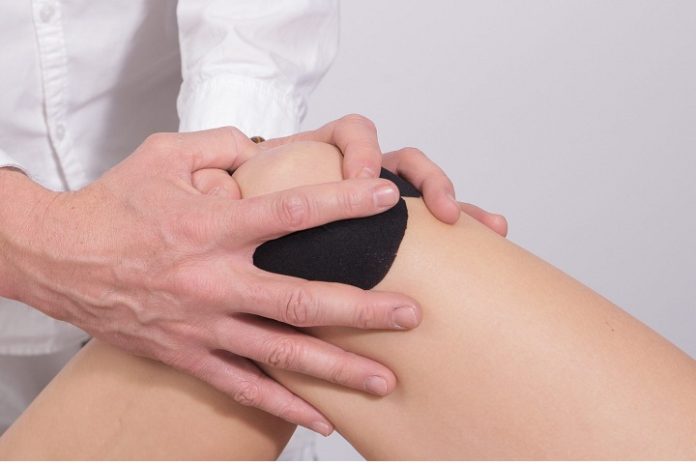
Bone spurs are hard and smooth bumps of additional bone that form on the ends of bones. They most typically occur in joints, where two bones meet. Bone spurs can occur on parts of the body like your hands, heels, knees, neck, shoulders, hips, and spine.ย 

While most bone spurs do not cause pain and create health problems, if you have bone spurs that rub against other bones or press against nerves, you could experience stiffness and pain.

Diagnosing Bone Spurs

Before we look at the symptoms and causes of bone spurs, let us first look at how bone spur diagnosis takes place.ย ย 

People with symptoms will first get evaluated by their regular doctor. Then, they will usually be referred to a specialist like a rheumatologist or orthopedic doctor. The former specializes in joint problems while the latter focuses on the musculoskeletal system.ย 

In addition to feeling the joint to check for a bump, a medical professional would order an x-ray to confirm the bone spur and see it better.ย ย 

Other tests to diagnose bone spurs include CT scans, which use x-rays to take detailed pictures of the bodyโ€™s interior, MRI scans, which use radio waves and powerful magnets to take pictures, and electroconductive tests, which measure how quickly your nerves send electrical signals. Electroconductive tests can also show the damage that the bone spurs have caused to the nerves in the spinal canal.ย 

Symptoms of Bone Spurs

Many people have bone spurs without them causing problems. But when they press on your nerves, tendons, or other structures inside your body, you can feel pain and stiffness in the affected area, especially when you bend or move the affected joint.ย 

Other symptoms you could experience from bone spurs include:

  • Muscle spasms.
  • Cramps.
  • Numbness, weakness, or tingling in your legs or arms.ย 
  • Bumps underneath your skin, which mainly occur in hands and fingers.
  • Trouble controlling your bladder or your bowels; although this symptom is rare. It only happens when the bone spur presses on specific nerves in your spine.ย 


Furthermore, sometimes bone spurs can break off and get stuck in a jointโ€™s lining, which locks up the joint and can make it difficult to move.ย 

Five Causes of Bone Spurs

What causes bone spurs? Here are five of the main causes.

1. Osteoarthritis

Joint damage from osteoarthritis, which is also known as degenerative joint disease, is the most common cause of bone spurs.ย 

Osteoarthritis happens when the cartilage that cushions the ends of bones wears down with age. The disease can damage any joint, but it most commonly affects the joints in the hands, knees, hips, and spine.

2. Rheumatoid Arthritis

Rheumatoid arthritis is an inflammatory and autoimmune disease. That means a personโ€™s immune system attacks healthy cells by mistake. The result is inflammation, usually around several joints at once.ย 

3. Lupus

Lupus can also damage your joints and cause bone spurs. The condition of lupus affects the immune system and can cause problems with a personโ€™s joints, skin, kidneys, and other organs.

4. Gout

Gout is a complex form of arthritis. It is common and can affect anyone. Gout involves sudden and severe attacks of swelling, pain, and tenderness in one or more joints. Usually, gout occurs in the big toe.ย 

5. Joint and Tendon Injuries

Bone spurs can also occur after injuries to joints or tendons. It is your bodyโ€™s way of trying to fix the damage; by adding extra bone to the injured area.ย 

Other Causes

In addition to the above five causes of bone spurs, there are others. Bone spurs can occur when people have a narrowing of the spine.

They can also occur from bone problems that people are born with. Diet, obesity, genes, and overusing joints can also sometimes contribute to bone spurs.

For Community Hospitals, Enhanced Communication and Monitoring Improve Patient and Staff Safety

For Community Hospitals, Enhanced Communication and Monitoring Improve Patient and Staff Safety

Finding silver linings to the COVID pandemic can be difficult. But one positive outcome is an uptick in reporting risk factors at hospitals. Better communication, enhanced monitoring, and highly useful software dashboards are also helping institutions gather detailed data that in turn help identify and execute ways to improve both patient and staff safety.

Borne in part because of the evolving landscape of COVID outbreaks, testing, transmission, tracking and quarantines, hospitals have stepped up reporting and sharing data to create best-practice approaches to handling COVID infections among patients and staff.

For example, at the beginning of the pandemic, risk management personnel were faced with an equal need to ensure employee and patient safety. There were no established procedures for COVID exposure reporting, regulations were evolving and there was a huge learning curve in the areas of workersโ€™ compensation and insurance coverage.

The need for enhanced information heightened the awareness of reporting requirements and expectations, as well as increased communication on every level, from healthcare providers to housekeepers. The pandemic exposed the important role each team member has in communicating concerns or issues and improving processes of care because the healthcare landscape changed dramatically in a very short time.

As hospitals and communities have worked to establish best COVID practices, enhanced communication has greatly assisted the process. Instead of viewing reported issues as failures, the crisis helped hospitals move away from punitive views and use the information to identify opportunities for increased communication and improved processes to reduce risk in the future.

Technology also helps make it easier to monitor reported issues and identify trends. CHCโ€™s Quarterly Risk Management Dashboard is an example of a tool that allows easy, daily documentation of risk management data. CHC client hospitals increased their use during the pandemic to provide complete, accurate and timely recording of close calls, accidents and other issues.

This type of dashboard provides staff a way to document incidents such as patient or visitor falls, hospital-acquired and pre-admission pressure ulcers, medication errors, sentinel events, and patient relation issues and communication with loved ones, especially those with restricted access.

A dashboard also encourages hospitals to document everything about a caseโ€™s care provisions, such as in the case of pressure ulcers. โ€œIf you donโ€™t document it, it didnโ€™t happen,โ€ is an adage especially applicable in the hospital setting. Information about the care provided is needed for regulatory requirements and is helpful in the event of possible litigation.

Enhanced communication, active reporting and daily monitoring using a risk management dashboard give hospitals a framework to reduce their risk. At the core, a culture of transparency shows how goals for patient safety are being met. Are effective programs in place? Where are the areas for improvement? Because there are always places for improvement.

The Complete Guide to ELN for Healthcare and How it is Revolutionizing the Industry

An ELN (Electronic Lab Notebook) is one of the new inventions that have changed the way things work in the field of research. The main reason behind its success is the fact that it has significantly simplified the way research documentation has worked for years, due to the flexibility and ease that it brings to the field.ย 

However, thereโ€™s more to it than that, because of late, ELNs have been used for more than just research documentation and reproducibility. Many corporations in the healthcare industry, for instance, have started using ELNs to simplify many of their records and documents as well.ย 

If youโ€™re in the industry and are thinking about purchasing an ELN for your team or company, then keep reading to find out the many different ways in which an ELN has been used in the healthcare industry over the last few months, and how itโ€™s expected to change things in the coming years. Letโ€™s get started.

A Centralized Data Management System

Letโ€™s start with the most important partโ€”managing data. Different companies have struggled to solve this issue in different ways over the years. While some may be fool-proof, most of them do have their ups and downs along the way, because data management (especially when it comes to critical data) is no joke and can be a hassleโ€”without the right tools to help.ย 

Hereโ€™s where an ELN comes inโ€”not only is it extremely easy to add in, find, and retrieve data, but itโ€™s also useful when it comes to sharing that data with multiple individuals.

ELN is usually powered by the cloud, so this gives companies the flexibility of cross-collaboration across multiple teams. What this means is that at any given moment, anyone on the team or in the company can immediately access all the data using an ELN.ย 

You may be wondering why this is such a big deal in the healthcare industry, so letโ€™s take a moment to walk you through all the documents that can be saved in an ELN. Right from your visits to the doctor and digital versions of doctorโ€™s notes, to Electronic Health Records (EHR) and Electronic Medical Records (EMR)โ€”there are a number of documents that have to be saved (for numerous patients) and all of these come under Health Information Management (HIM).ย 

Naturally, it takes up a lot of time, space, and energy to manage this data in a way thatโ€™s safe, secure, and accessible for all. And thatโ€™s why the industry has started adopting ELNs as a way to simplify the process of data management.ย 

A Comprehensive Analysis of Each Patient

When thereโ€™s a way to manage data efficiently, it automatically influences the way other aspects of the industry work as well. For instance, by using a centralized data management system via an ELN, the industry has been able to create a detailed and comprehensive view of each patient, including their specific needs and medical conditions.

This has enabled medical professionals to make better predictions by looking at a well-documented profile of each patient.ย 

A Guide to Care for Every Patient

Previously, it may have seemed impossible to keep track of all the special needs that are needed for every patient. However, with the use of an ELN, the industry has been able to keep track of records better, which in turn have helped them contact and notify patients about their important reminders and suggestions for care and medication, based on what their records contain of the individualโ€™s health and status.ย 

By doing so, the industry has also been able to receive an increased engagement with the patient, due to the extra effort of sending timely reminders and guidance.ย 

An Improved Way of Handling Health Concerns

Hereโ€™s one of the best ways in which ELNs have helped in revolutionizing the healthcare industryโ€”by having copious documentation of patients, illnesses, and health records of people living in different zones and populations, medics have been able to analyze the data they possess and make interesting predictions about the health trends among specific populations and regions.

What this means is that theyโ€™re able to identify health concerns that are yet to be fully recognized, and come up with proactive ways of preventing the problems from affecting the said population.ย 

For example, if a certain region has been seen to suffer from a type of seasonal flu, medical professionals will be able to use this data from the past, understand the cause and symptoms, and come up with ways in which it can be prevented in this and neighboring regions before too many individuals are affected.ย 

Effective Collaboration Across the Industry

No matter how many times there are changes in the data (names, regions, medical professionals, problems, etc), this wonโ€™t be an issue because any changes made to the existing data will be immediately reflected across all the platforms when using a centralized ELN.

World Conditions Ideal For More COVID-19 Variants To Emerge

UK launches plans for global pandemic radar to detect Covid-19 variants

KEY POINTS

  • According to the WHO’s top official, present conditions are suitable for COVID-19 to mutate more variants, and it is a high presumption for anyone to believe that the pandemic is reaching its end.
  • In the third week of January, Tedros Adhanom Ghebreyesus confirmed that 100 cases have been reported every three seconds, with people losing their lives to COVID-19 every 12 seconds.
  • That said, Tedros believes that by following the right course of action, a turning point isnโ€™t far away this year.

Looking at the present conditions, the situation looks ripe for COVID-19 to mutate into many more variants, and the assumption that the pandemic is approaching its final stage is nothing but a thought conceived by theories that no one can prove. The statement comes from WHO Director-General, Tedros Adhanom Ghebreyesus, who warned once again on January 24th not to take things lightly. As per him, the omicron variant was identified nine weeks back and since then more than 80 million cases have been reported to them. This is a staggering figure considering it is more than what was reported in the whole of 2020 when the pandemic started penetrating.

The third week of January saw 100 cases on average being reported to the WHO every three seconds. Moreover, the virus also proves fatal for someone every twelve seconds. According to Tedros, cases undoubtedly have been multiplying, but they cannot be matched with the jump in deaths. That said, fatalities have been on the rise in regions like Africa where there is still a dearth of vaccines. The top boss from WHO has gone on to warn, stating that it is dangerous if someone assumes that omicron would be the last variant, as, on the contrary, the conditions are now more suitable for infections through new mutations to increase. It is significant that in order to change the course of the pandemic, the conditions that are driving it must be edited. He opined in the statement that one cannot put a stake on a virus whose existence and evolution cannot be predicted.

One more top WHO official said that even though the spread of omicron was melting down in some countries, its infection rates may well lead the virus to mutate.

End On The Cards For COVID This Year!!

However, Tedros is optimistic about the fact that COVID-19, with the right set of actions against it, could reach a point this year where it might end. He says that one could see many governments now trying to balance infection control with what looks to be acceptable to their respective populations and that there are no easy answers as to how things could be as people now are tired of the pandemic. The fact is that if countries use all the strategies rolled out by the WHO in an absolute way, the acute level of the pandemic as a global health emergency can end this year.

These strategies include the World Health Organizationโ€™s focus of vaccinating a minimum of 70% of the world’s population, enhancing testing capacity and capabilities, as well as ensuring access to oxygen for all with anti-viral COVID treatments as well. Dr. Michael Ryan, Executive Director of WHO Health Emergency Programs, confirmed at the World Economic Forum on January 3rd week that there was a high chance of the pandemic being halted because longstanding inequities such as healthcare and access to vaccines for all were addressed.

A Significant Moment

The address by Tedros to the WHO Executive Board came after a news conference which was held during his meeting with Germany’s minister for economic cooperation and development. At the conference, Tedros also praised Germany, which happens to be the biggest donor to WHO, for catering to global public health with multilateralism as well as solidarity. According to him, these traits are more important than ever as the world now enters the third year of the pandemic and is indeed at a critical juncture. Tedros is of the opinion that the tools are now available to put an end to the pandemicโ€™s acute phase and we ought to use them wisely and in a balanced way. Tedros gave due cognisance to Germanyโ€™s efforts and commitment to global cooperation and also tacking the pandemic by way of its newly adopted presidency under G-7.

As per the data compiled over the past month by John Hopkins University, over 71 million cases of COVID-19 were recorded, with the US and France inserting the highest numbers of 18.3 million and 7.6 million, respectively. In a worrying figure given by the JHU, in Yemen, where less than 2% of the population is vaccinated, one in every five people who have contracted the virus has died. In Vanuatu, for instance, only a third of the countyโ€™s population has been vaccinated, increasing the fatality rate to 14%.

That said, Tedros explains that it is not only the vaccinations that need to be looked into by the world’s leaders for ways to guide lower income countries to safeguard their population but also diagnostics and therapeutics, which are life-saving, and a robust support system to roll out vaccinations.

How Emerging Technologies Can Influence Patient-Centric Care

How Emerging Technologies Can Influence Patient-Centric Care

With the consistent lack of healthcare personnel in hospitals and uneven distribution, distant places have no access to high-quality medical services. If the US experiences such issues, why do we even think the rest of the world doesn’t? While healthcare insurance covers many procedures, it seems that there aren’t many who can execute routine tasks which was a worrying trend.

With emerging technologies, however, things are different. We finally witnessed a change that is worth mentioning.

Why does Patient-Centric Care matter?

Why is patient-centered care important in modern healthcare? Patient-centered care encourages multiple parties to work together by giving patients access to their health records and the power to make informed decisions on their own treatment options. Not only does this improve outcomes, but it also improves the overall patient experience. By taking steps towards a more patient-centered approach, healthcare providers can also optimize internal processes to reduce costs and better allocate resources.

Artificial Intelligence

Artificial intelligence (AI) is currently making waves in the healthcare industry, and companies are opting to invest in products that incorporate AI. So far, these technologies have been used for three main applications: robot-assisted surgery, virtual nursing assistants, and administrative workflow assistants. AI uses advanced algorithms to create a new generation of different tools for problems like tumors.

Robots can adjust their treatment regimens based on individual patient data thanks to machine learning. By using an adaptive health care model, rather than a general one-size-fits-all approach, they can potentially yield more successful outcomes.

Telemedicine

Telemedicine is used in health care to improve the reach and convenience of doctors in underserved areas. Patients have begun to prefer a more convenient approach to their healthcare. This has set the stage for telemedicine, which uses telecommunications technology to provide clinical assistance through videoconferencing or phone calls. These two methods increase convenience for patients in rural areas and can be used as a substitute doctor for primary care clinics.

How does Blockchain help patients?

The blockchain is safe by design and is an example of a distributed ledger with an outstanding fault tolerance. Decentralized consensus can be obtained using cryptographic primitives upon which the blockchain relies on to validate transactions. Although a peer-to-peer network operates the blockchain, individual user interactions with the ledger (transactions) are secured using strong cryptography.

Patient security

To ensure data security, the platform runs on smart contracts. Thus only individuals who are well versed in blockchain technology can access the stored data in the Ethereum network. The only condition is to buy Ethereum to complete the smart contracts.

Doctor certifications

While blockchain is most often associated with its role in patient data management, it can also be applied to a variety of other industries. It can be used to ensure that diplomas and certificates are legitimate; once they are listed on the blockchain, no one will be able to edit or tamper with them. In developing countries where there is widespread corruption, this technology could prove crucial in ensuring that diplomas and certificates cannot be simply bought or sold like items.

Medicine authorization

In addition to providing consumers with information on the product they want, companies can also use blockchain technology to serve consumers who are concerned about their health. Some producers may find it helpful to provide a QR code on the packaging of a medication or supplement. This code could be scanned by a user and instantly provide information about the origin of that particular product and confirm its authenticity.

Access to doctors around the world

People living in areas where healthcare lacks availability and consistency can now have access to a more effective way to manage and maintain healthy lifestyles by using blockchain technology. Through secure and real-time data storage, you can maintain your health records on this decentralized database. Healthcare providers, such as doctors and pharmacies, can also be given permission to access specific data from the decentralized database, allowing you to focus on maintaining wellness instead of worrying about your medical information.

Summary

Blockchain and artificial intelligence can greatly influence patients and their healthcare for the better. With such technologies on the rise, patients will find themselves put at ease knowing they have access to their information. They can provide doctors with information, who can improve health care by giving clear guidance to all who seek it.

5 Helpful Caregiving Tips for Those Living with Dementia

5 Helpful Caregiving Tips for Those Living with Dementia

Caring for a loved one who has dementia can be demanding and stressful. It requires appropriate care techniques and behavior management to make them function. The mental changes that a dementia patient goes through can be a distressing experience for someone taking regular care of the person.

Here, Your Dementia Therapist can guide you on managing the day-to-day issues that occur while taking care of the patient. Understanding the process can help you give your loved one the proper care and support.

Here are five helpful caregiving tips that can help you manage tasks for the one who has dementia.

  1. Do not frustrate

You might get irritated when simple tasks become difficult for the dementia patient. So, establish a daily routine making it easier for the individual to understand. Activities like bathing are easy if the patient is refreshed and alert.

Allow some flexibility for spontaneous activities. Schedule more time for the tasks that may take a long time and allow breaks during tasks.

Involve the person with dementia by allowing them to do as much as possible with little help. For example, dressing independently if you lay out the clothes.

Provide orderly and straightforward instructions to make the person understand one-step communication. Minimize distractions by turning off the TV or others during mealtime and conversations to focus on the person with dementia.ย 

A dementia patient often loses the ability to connect information into responses and ideas. So, try to ask them questions to respond simply with a yes or no.

  1. Create a safe environment

Dementia impairs problem-solving and judgment skills, increasing the risk of injury to the person. As a caretaker, you have to ensure the patient’s safety. Avoid extension cords, scatter rugs and clutter that can result in falls. Try to install bars, handrails, or locks on dangerous cabinets like medicines and alcohol.

Lower the thermostat on the hot-water heater for checking water temperature that prevents burns to the patient. Keep lighters and matches out of reach. Supervise smoking if the person with dementia smokes. Ensure having an accessible fire extinguisher and fresh batteries in smoke and carbon monoxide batteries.

  1. Use appropriate colors and lighting

Prepare an environment of proper lighting. Provide easy access to daylight at the place of living during the day. Use table lamps with warm light during the evening some hours before bedtime. Patients with dementia need darkness during the night, so using only a yellow amber night light will be helpful.

People with dementia suffer from vision changes, benefiting from strong color contrast. For example, such people prefer a table setting with different colored tablecloths and plates. Dark lines or patches on the flooring or busy patterns may confuse the patient and result in falls. Try to observe the kind of colors and patterns your patient prefers. Tailor the environment according to their preferences.

  1. Be happy

Someone who has dementia suffers from memory and communication challenges that cause agitation. So, you need to relieve their emotional and mental pressure. Give them time to respond and make them understand things.

You have to act positively and happily in front of the patient. Telling jokes to your loved one will function similarly to medication for relieving stress. Laughter can help you get out of the pressure of being a caretaker and the patient’s stress. Find meaningful ways to connect with the patient through body language and facial expression to make them lively and happy.

  1. Try physical exercise

Regular exercise stimulates blood circulation in the brain. Encourage your patient to participate in daily physical activity for at least 20 minutes. Take their help in small tasks like gardening or setting the table if they are willing to do. It will increase their focus and bring clarity to the mind.

Being active slows down brain aging, while a sedentary lifestyle increases the chances that dementia sets in early. You can make them do meditation or yoga that offers peace of mind and improves concentration. You can also make patients listen to their favorite music for some time in a day to relax their brains.

Conclusion

Caring for a dementia patient is overwhelming. Keeping the patient engaged and calm helps improve the quality of life. The above five helpful caregiving tips for those living with dementia will help you take their care better.ย 

Semtech’s LoRa Devices and Ontex Enhance Smart Hospitals and Elder Care

Semtech's LoRa Devices and Ontex Enhance Smart Hospitals and Elder Care

Semtech Corporation, a leading global supplier of high performance analog and mixed-signal semiconductors and advanced algorithms, announced a collaboration with Ontex, a leading international personal hygiene group, for an Internet of Things (IoT)-enabled diaper tag. Ontex developed and owns the smart diaper concept, and worked with Belgian medical device agency Zenso Electronics to seamlessly integrate Semtechโ€™s LoRaยฎ devices and the LoRaWANยฎ standard to alert caregivers via an app when the pad needs to be changed. The solution features a printed sensor, transmitter (clipped onto the diaper) and a mobile or web application, which can accurately determine the saturation level of the diaper. LoRaWAN connectivity offers a small form factor design and ultra-low energy consumption, ideal for this type of solution in a smart hospital or elder care facility.

โ€œImproving the quality of life of patients was a key goal in developing the Orizon smart diaper tag and the reason why we choose to utilize LoRaWAN for the solution,โ€ said Annick De Poorter, executive vice president, innovation and sustainability at Ontex. โ€œCaregivers and patients need the flexibility to move around distances in which LoRaWAN was able to securely provide coverage. As a result, the patient experience is immediately improved.โ€

According to Statista, the global smart hospital market in 2026 is expected to reach a value of $84 billion U.S. dollars with outpatient vigilance playing a key role in this growth. As hospitals and elder care facilities face tremendous time and budget pressure to take care of residents, the value of low power wide area networks (LPWAN), such as a LoRaWAN network, is extremely useful to immediately identify any incidents that require follow-up action. The Orizon diaper tag smartly employs LoRaWAN to provide instant saturation data in real time for the caregiver to change the diaper as needed.

โ€œThe Orizon smart diaper tag is a strong example of how LoRaWAN is making the world a better and smarter place to live through the improved patient experience. Health and safety should never be overlooked and this joint solution highlights how the IoT is valuable for improving the future of smart hospitals,โ€ said Marc Pรฉgulu, vice president of IoT product marketing and strategy for Semtechโ€™s Wireless and Sensing Products Group.

Apollo Hospitals collaborates with Cleveland Clinic to offer international second opinion services to patients

Digital India Health Summit & Innovation Awards

Apollo Hospitals Group has announced a collaboration with โ€˜The Clinic by Cleveland Clinicโ€™, to bring international second opinion services to their patients.

โ€œAt Apollo, we strive to break all barriers that come in the way of patients getting nothing but the best care. Empowering our doctors with global peer support in ratifying the diagnosis and exploring innovative management plans is one step in that direction,โ€ said Dr Sangita Reddy, joint managing director, Apollo Hospitals Group.

Through this programme, doctors at Apollo will be able to collaborate with leading medical experts at Cleveland Clinic to review complex cases and devise the most appropriate treatment plan. According to Dr Anupam Sibal, group medical director at Apollo Hospitals, โ€œThis association aims to bring together world-class medical and surgical opinions, so that patients at Apollo may get the best possible treatment, promptly.โ€

โ€œWeโ€™re excited to collaborate with Apollo Hospitals on this initiative, which acutely supports The Clinicโ€™s vision of expanding access to the worldโ€™s best clinical expertise,โ€ said Frank McGillin, CEO of The Clinic by Cleveland Clinic. โ€œThis new collaboration will help empower Indian patients to work closely with their physician at Apollo Hospitals who can tap into the expertise of Cleveland Clinicโ€™s physicians in a way that can enhance patient outcomes and care coordination.โ€

Anyone looking to seek an international second opinion can consult an Apollo consultant, and express interest in the service. The patientโ€™s medical records will then be shared with The Clinic by Cleveland Clinic under appropriate consent and a conference call will be scheduled between the international medical expert and Apollo consultants, in presence of the patient. Based on the patientโ€™s health history and case discussion with the Apollo consultant, the international doctor will share insights in the form of a written opinion with the Apollo consultant, who will further discuss and decide the best course of treatment for the patient.


Predictmedix To Launch Infectious Diseases Clinical Trial in North American Hospital for FDA Medical Device Classification of Safe Entry Stations

Predictmedix To Launch Infectious Diseases Clinical Trial in North American Hospital for FDA Medical Device Classification of Safe Entry Stations

Predictmedix Inc., an emerging provider of rapid health screening solutions powered by a proprietary artificial intelligence (AI), announced a clinical study set to begin in February 2022 with researchers and doctors at a North American hospital to use the Companyโ€™s patent-pending, proprietary AI technology to detect symptoms of infectious diseases.

Predictmedix is providing one (1) Safe Entry Station to be used to screen staff to provide protection, and two (2) units to screen incoming patients along with collecting symptom data from COVID-19 positive patients, whom will be validated by PCR tests. The hospital study will provide a third-party independent validation of the Companyโ€™s Infectious Diseases Detection Solution ahead of a commercial launch, fulfilling a prerequisite for certification with the U.S. Food and Drug Administration (FDA).

The results of the study will be published in a peer-reviewed medical journal. Predictmedix has engaged an accredited consulting firm to assist the Company in seeking classification of the technology as a Class II Medical Device in the United States. Class II devices are FDA approved for the market through the Premarket Notification, or 510(k) process. The 510(k) process entails a complex application to the FDA, which demonstrates that a device is safe and effective by demonstrating that the device is equivalent to another device which is on the market. While individual aspects and features of the Safe Entry Station are comparable to FDA class II devices, it is important to note that the Safe Entry Station differs from other medical devices as it is assimilating multiple features and combining it with the artificial intelligence driven decision making, which has wide ranging applications in healthcare.

โ€œUsage of our technology in a hospital setting to protect staff and patients while gathering important data is key step as we seek to expand our business into the North American healthcare sector,โ€ said Dr. Rahul Kushwah, Interim Chief Executive Officer of Predictmedix. โ€œThe data and results from the study will be crucial for our application as a Class II Medical Device and can additionally be used to fine-tune our AI algorithms, further improving efficacy.โ€

โ€œWith the already strong results from our previous work, we are confident this study will further validate the abilities of our technology in detecting symptoms of infectious diseases โ€“ moving us closer to commercialization of this highly promising application as a medical device. We look forward to providing additional updates as we work to expand upon our existing markets across North America, India and beyond,โ€ concluded Kushwah.

About Predictmedix Inc.

Predictmedix is an emerging provider of rapid health screening and remote patient care solutions globally. The Companyโ€™s Safe Entry Stations โ€“ powered by a proprietary artificial intelligence (AI) โ€“ use multispectral cameras to analyze physiological data patterns and predict a variety of health issues including infectious diseases such as COVID-19, impairment by drugs or alcohol, or various mental illnesses. Predictmedixโ€™s proprietary remote patient care platform empowers medical professionals with a suite of AI-powered tools to improve patient health outcomes.

Translate ยป