











Close
Digital Health & Ai Innovation summit 2026
Medical Taiwan 2026

Takeda Canada Launches Digital Health Innovation Challenge to Canada’s Inspiring Tech Community

Takeda Canada Inc. is pleased to announce the launch of the Takeda Canada Innovation Challenge, an initiative that aims to discover new and breakthrough digital technologies and artificial intelligence (AI) solutions that support enhanced patient care.

Takeda Canada is looking for innovative solutions within the fields of early diagnosis or integrated and personalized care, applicable to the therapeutic areas of inflammatory bowel disease (ulcerative colitis or crohn’s disease) or rare genetic diseases (such as lysosomal storage disorders or hereditary angioedema).

The Takeda Canada Innovation Challenge opens on January 10, 2022 and will accept applications until February 6, 2022. Following a judging period, finalists will be announced on February 18, 2022 and offered a chance to present their innovative digital health solutions through a virtual presentation on March 4, 2022. The selected winner(s) of the challenge will be eligible to receive a direct response about collaboration at the end of the Challenge, the opportunity to benefit from Takeda’s internal expertise and international network of partners and suppliers, and funding from Takeda to build a proof-of-concept project with a relevant Takeda team (subject to a maximum funding amount available, successfully completing Takeda’s third party risk management due diligence process and entering into a funding agreement with Takeda Canada).

Takeda Canada invites all passionate, bold-thinking organizations that are eager to grow to view the full challenge details at: https://ichallenge.takeda.com/ct/ct_scheduled_campaign.php?c=74B4C4B2-3183-11EC-BE85-0AC2504B5CBD

“We are incredibly excited about the launch of this initiative that directly supports two of our commitments at Takeda Canada, improving patient care and investing in homegrown innovation and talent,” said Rute Fernandes, General Manager, Takeda Canada. “Canada is an innovation hub of excellence and has exceptional talent and expertise, recognized globally. We know we can accomplish more by partnering with experts. Our objective with this campaign is to open doors for new innovation with entrepreneurial minds who may not have the resources to move their ideation into practice.”

Takeda has a strong heritage in the discovery of new medicines such as ENTYVIO® and REVESTIVE® which are tributes to the Canadian medical research community. ENTYVIO® received the prestigious Prix Galien award for Canadian product innovation. Canadian clinical research – supported by Takeda – has enhanced our understanding of gastrointestinal organ functions leading to new classes of treatment such as REVESTIVE®. Takeda focuses its efforts on patient needs, creating an innovation network that combines internal strengths with those of the external research community through collaborations and partnerships.

“Healthcare innovation is a critical component to enhancing and improving patient outcomes across our incredible health system,” said Dr. Jefferson Tea, Vice President, Medical and Scientific Affairs, Takeda Canada. “This initiative allows us to literally look outside the box and identify new ideas and make the next big innovation in patient care a near-future reality.”

About Takeda Canada Inc.

Takeda Canada Inc. is the Canadian marketing and sales organization of Takeda Pharmaceutical Company Limited, headquartered in Japan. Takeda Pharmaceutical Company Limited (TSE:4502/NYSE:TAK) is a global, values-based, R&D-driven biopharmaceutical leader committed to bringing Better Health and a Brighter Future to patients by translating science into highly-innovative medicines. Takeda focuses its R&D efforts on four therapeutic areas: Oncology, Gastroenterology (GI), Rare Diseases and Neuroscience. We also make targeted R&D investments in Plasma-Derived Therapies and Vaccines. We are focusing on developing highly innovative medicines that contribute to making a difference in people’s lives by advancing the frontier of new treatment options and leveraging our enhanced collaborative R&D engine and capabilities to create a robust, modality-diverse pipeline. Our employees are committed to improving quality of life for patients and to working with our partners in health care in approximately 80 countries and regions.
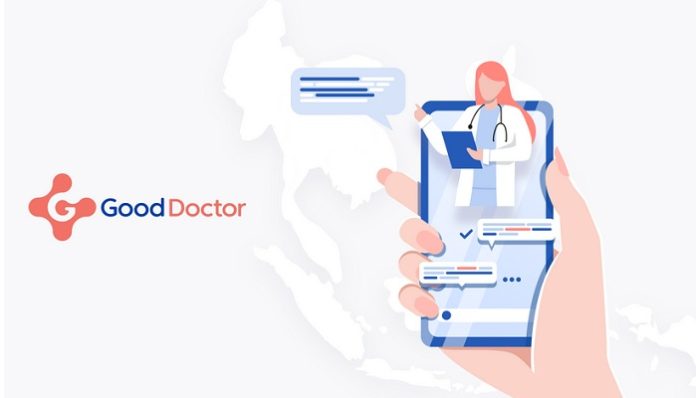

 

Good Doctor Technology strengthens ecosystem partnerships to drive more innovation and growth for telehealth in Thailand

Good Doctor Technology strengthens ecosystem partnerships to drive more innovation and growth for telehealth in Thailand

Good Doctor Technology Thailand (GDTT) has announced their commitment to strengthen their partnerships across the Kingdom’s entire healthcare ecosystem. These business priorities align with their response to the trend of growing industry demands for an accessible yet affordable long-term health management solutions, accelerated by the rapid adoption of digital healthcare during the COVID-19 pandemic. By further deepening relationships with like-mind healthcare industry players and supporting knowledge building initiatives about telemedicine usage beyond a public health crisis, GDTT aims to re-imagine the future of healthcare in Thailand by championing digital-first approaches to address underlying accessibility gaps in primary healthcare services which still exist in the country. As a subsidiary of the regional health-tech leader, Good Doctor Technology (GDT) based in Singapore, GDTT will benefit from the outcomes of various regionally-led digital health research initiatives which will underpin their in-app product enhancement initiatives. In addition, they will also benefit from best industry practices as well as tried-and-tested approaches cultivated from their parent companies that has been implemented across Southeast Asia (SEA), including Thailand.

In 2022, GDTT intends to strengthen their strategic partnerships with healthcare stakeholders within the ecosystem, including key decision makers within various government bodies. By deepening relationships with local health authorities, GDTT seeks to explore other avenues of telemedicine use in the long-term, beyond COVID-19 patient management. As an existing virtual healthcare provider under the National Health Security Office (NHSO) Home Isolation (HI) Programme since August 2021, GDTT has gained first-hand experiences in delivering critical healthcare services at speed and continues to stand in readiness for the next wave of COVID-19 omicron variant cases. With the daily infection rates on the rise, GDTT expects to receive more than double the number of COVID-19 patients compared to the previous wave – a trend which also points towards the steadily growing acceptance and familiarity of digital health services including telemedicine among people in Thailand. Beyond government relationships, GDTT also plans to ramp up on their corporate partnerships support more companies with their overall organizational health management as hybrid work arrangements continues in the new normal. They plan to achieve this by offering organizations with access to unlimited medical consultation with their highly trained full-time doctors through their standalone Good Doctor mobile application, at a fraction of the price of traditional insurance healthcare plans. After consulting with the doctors, employees of GDTT’s corporate partners can receive wellness and prescription medicine delivered to their doorsteps and access other on-demand in-app healthcare services. In addition, GDTT will also be rolling out several newly enhanced product features for their corporate clients, including thematic employee wellness programs designed to promote wellness and healthy lifestyles among employees which can drive up their productivity and keep absenteeism rates low. These offerings will also be enabled by securing business partnerships with global pharmaceutical brands and insurance companies, as well as a further expansion of the hospital network in order to provide users with a complete end-to-end medical care solution, including offline lab tests and specialist consultations referrals as required.

Melvin Vu, Regional CEO of Good Doctor Technology, said, “As we continue to invest and grow our business, we recognise the value of pioneering the development of innovative yet thoughtfully designed in-app features, built to make a meaningful difference in the all lives of the people we serve. By taking a data-driven approach to our insights gathering processes, we look forward to developing more user-backed health solutions that cater to their specific needs. Underpinning our growth plans, our regional headquarters (RHQ) will continue to be a strategic innovation and knowledge hub where new digital health features and test-bed initiatives will be spearheaded and deployed in the countries we serve.”

“I hope to see an increased willingness of all public and private stakeholders to embrace digital health technologies and benefit from its advantages in long term health management. Thailand needs a more rapid and nationwide adoption of telemedicine solutions for general health and wellness management instead of only treating telemedicine services as a pandemic novelty. By working with various industry players across the healthcare ecosystem from government policy makers to healthcare payers, I expect that over the next year we will see both healthcare providers and patients increase their digital engagement, as well as their level of comfort and confidence in virtual consultations”, said Dr. Sudihichai Chokekijchai, Head of Medical of Good Doctor Technology Thailand.

GDTT has already been able to contribute to making healthcare more accessible by rapidly developing its service capacity — within the first year of launching operations in Thailand, the company successfully built their first physical clinic in SEA, located at the heart of Bangkok city with an in-house medical team to conduct provide consistent, high-quality care for patients online and offline. Over the year, the size of the operations has grown by 400%, and the network of pharmacies across the country has reached more than 350 merchants across 40 provinces, with aims to further expand the network by doubling the number of new merchants in the new year. This rapid operational scale-up enabled the clinic to guarantee that patients can connect with doctors for a teleconsultation within 60 seconds without any prior appointment booking requirements and receive a diagnosis and recommended treatment plan within 15 minutes. At the same time, a large and continuously expanding network of pharmacies across the country allows GDTT to deliver medication within one hour. With these capabilities in place, GDTT has already grown its corporate member base by 270 times, while their team of in-house medical staff served the largest number of COVID-19 patients in the Pathum Wan district as part of the NHSO Home Isolation (HI) Programme, of which approximately every 1 in 5 served were from patient referrals.

J&J’s investment arm joins $150M investment in digital health firm Verana

Verizon Business launches BlueJeans Telehealth for better connected health

Verana Health, a digital health company that delivers quality drug lifecycle and medical practice insights from an exclusive real-world data network, announced a $150 million Series E funding round led by Johnson & Johnson Innovation – JJDC, Inc. (JJDC) and Novo Growth, the growth-stage investment arm of Novo Holdings.

Existing Verana Health investors GV (formerly Google Ventures), Casdin Capital, and Brook Byers also joined the round, as well as notable new investors, including the Merck Global Health Innovation Fund, THVC, and Breyer Capital.

Verana Health plans to use the proceeds of the investment to advance its life sciences product and service strategy across the drug lifecycle, further enhance its value proposition to healthcare providers participating in its real-world data network, and expand its data footprint through medical society and strategic partnerships.

“We’d like to thank both our existing and new investors for partnering with us, demonstrating confidence in the foundation we’ve built through our exclusive real-world data network and our advanced population health data engine, VeraQ,” said Sujay Jadhav, CEO of Verana Health who joined the Company in August 2021 with more than 20 years of experience, including as the CEO of goBalto where he led the acquisition of the company by Oracle. “We’re especially pleased to have a strong mix of investors—including growth firms, life sciences innovation funds, and academia—who recognize the momentum we’ve built in powering real-world evidence by cultivating exclusive partnerships with three specialty medical societies and collaborating with four of the top five pharmaceutical companies.”

With this infusion of capital, Verana Health is poised to accelerate its position as a market leader in powering quality real-world data to drive quality insights across the drug lifecycle. The three-year-old Company will build upon its strong technology and data ecosystem—the VeraQ™ platform and its curated Qdata™ in ophthalmology, neurology, and urology—to advance clinical trials enablement, software-as-a-service, and real-world evidence. The Company will also expand upon its established artificial intelligence (AI) capabilities with a particular focus on its pioneering use of natural language processing (NLP) to extract insights from unstructured text data in electronic health record (EHR) notes.

“The healthcare industry needs new ways of creating high-quality data sets from disorganized information dispersed throughout a myriad of electronic health record systems that often lack interoperability and standardization,” said David W. Parke II, MD, Verana Health’s Executive Chairman and CEO of its first medical society partner, the American Academy of Ophthalmology. “Verana Health is solving this critical need by delivering and analyzing proprietary, curated data sets, Qdata, from both structured and unstructured data that maintain truth to original clinical context. The company is well-positioned to help healthcare providers advance quality care standards and life sciences companies accelerate clinical research and bring products to market that benefit both patients and physicians.”

“Verana Health has shown incredible growth in its collaboration with leading pharmaceutical companies and medical societies. The Company has assembled a seasoned management team with deep experience in healthcare, science, and business that will continue to expand real-world evidence into multiple therapeutic areas with its unique and powerful health data platform, VeraQ.” said Jeffrey Low, MD, Principal at Novo Growth. “We are pleased to join Verana Health’s investors and look forward to working with the team to generate insights that ultimately help to improve quality of life for patients.”

Dr. Low and a representative from JJDC have also joined Verana Health’s Board of Directors.

Verana Health is the exclusive data partner of the American Academy of Ophthalmology, American Urological Association, and American Academy of Neurology and collaborates with multinational pharmaceutical companies as well as emerging biotechnology and biopharmaceutical companies.

In October 2021, Verana Health launched its VeraQ™ population health data engine, which is clinician directed and enhanced by AI to securely power a data integrity feedback loop of nearly a half-billion, de-identified healthcare encounters. The outcome is curated Qdata™—disease-specific, fit-for-purpose data modules designed to help life sciences companies confidently drive business insights and rigorously inform research outcomes.

How Can I Run My Healthcare Business More Efficiently?

Running a healthcare business can come with a lot of time restraints. If you visit clients within their homes, you may need to undertake work promptly, to allow you to remain punctual for the next client, and so on. Likewise, working in a healthcare facility can come with a number of challenges, and it may not always be possible for you to gauge how busy a day is likely to be. When working within this industry, you may want to equip your team with the means of working more efficiently, to potentially allow for breaks to be taken, as well as to cut down on wasted hours.

Having fully stocked medical utility carts can be important when working within a facility. These can allow staff members to traverse between wards and patients’ rooms without needing to continuously stop and replenish their stock. Of course, there may be times throughout the day where this is still required, however, by cutting down on these journeys, you may be doing your business a great service. 

Firstly, this will mean that your healthcare workers have the necessary tools to conduct examinations, such as taking blood or even changing wound dressings, in a timelier manner. Having a wheeled cart may also make maneuvering these items simpler. Secondly, by reducing the need to visit stock rooms, you can cut down on the amount of legwork that your team needs to undertake, which might help with employee fatigue.

Another way of making your business run more efficiently can be through the use of staff training. Having experienced employees can be good, as they may have built up competence and confidence in their skills. However, the working practices that they learned upon entering the industry may have greatly changed throughout the years. Likewise, newer employees may be able to better ground their learning through ongoing training. These courses may help everyone involved in your business operations to better understand how to have a good bedside manner, the methods, and procedures that should be followed, and even allow for any weaknesses to be addressed.

The notes your team writes about their patients can also be used as a means of improving efficiency. Teaching staff how to write clearly and concisely can be quite important. While handwriting may not need to be perfect, it does need to be clear enough that the next person liaising with that patient is able to fully understand what has been done or found. While these should be kept short, so that each worker doesn’t need to sift through pages of text, they do also need to contain any and all relevant information. Keeping any digital notes updated, including contact and next of kin information, can also be vital for reducing the likelihood of queries or miscommunication.

Running your healthcare business more effectively can be useful in a number of ways. It can aid in the distribution of required information among staff, allow them to conduct themselves properly, and even help to keep workplace stress to a minimum.

Draft For Clinical Studies of Digital Health Technologies

Draft For Clinical Studies of Digital Health Technologies

Draft guidance for all the investigators, sponsors has been issued by the FDA- Food and Drug Administration when it comes to using digital health technologies as a tool to gather data remotely from all the participants across various clinical investigations. DHT comprises computing platforms, sensors, and connectivity, for all the healthcare and interconnected uses.

Cardiovascular Patients’ Tryst With Technology

The simplest and easy-to-understand form would be a smartwatch with sensors that collects vital information on heart rate. The DHT’s accentuate data transmission across the length and breadth, which thereby increases patient participation in trials and therefore, collects their data consistently and frequently. The draft details some key points to consider for people, especially the sponsors using DHT’s during clinical investigations.

Healthcare, being in the eye of the storm, keeps transforming. In order to better understand human health, the research needs to be consistent as far as funding is concerned and at the same time find alternatives to not only treat illness, injuries, etc., but also prevent it. The fact is that with every singular development in technology, healthcare tech development takes place too. Since healthcare had to evolve with time, especially during the pandemic, innovations had to be at their peak in the case of at-home heart healthcare. The cardiovascular disease jump has left us with no choice but to adopt the digital health platforms which assist in managing at-home care with precision and absoluteness. An as simple as a decent heart monitor which is as handy as it can get, as well as a workout schedule can help patients track what their body is up to. All thanks to innovation, heart monitors have moved from being big, rusty, and cold devices to more stylish, power-packed, and small gadgets which do more than what they are expected to be doing.

Clinical Research And Wearables

Digital Health Technologies has more to it than meets the eye. Like the wearables and sensors are an integral part of DHTs, they have also started to play a crucial role in clinical research, which is due to decentralized clinical trials as well as remote patient monitoring.

Choosing The Best DHT

Fit for purpose should be the approach to look for when opting for a DHT, particularly in clinical investigation. The level of validation must be enough to ensure support of a DHT’s use and its interpretability. The FDA recommends the following points to be taken into account by the sponsors for that perfect DHT.

  • The attribute of the disease or the condition be measured.
  • Clinical investigation design
  • DHT attributes that may influence the trial participant

Verification And Validation Holds The Key

The studies about validation and verification should showcase that the attribute which needs to be assessed is consistent and measured accurately in the given universe. For instance, DHT that might capture the steps of a healthy participant may not be used in the case of people suffering from Parkinson’s disease.

The sponsors thereby must look into DHTs specification on performance, its reliability when it comes to functions and also make sure that all the brands from the DHT gamut put in similar data. Usability studies must analyze the use of DHT in the population they intend to be used in and also assess the factors that affect the to-the-point accuracy of the instrument.

Potential Risks To Fight Out

The draft also suggests that the potential risk of disclosure of information should be considered either through a DHT breach or the licensing agreement of the end-user.

Apart from all the above-mentioned points, the guidance also looks into considerations and edits of instances of how different DHTs can be used for the investigations. Before going ahead with the study, the sponsors using the DHT technology must look into contacting the FDA center, which is responsible for the medical product.

How To Prepare For An MRI Scan: 4 Things to Do

How To Prepare For An MRI Scan: 4 Things to Do

Attending a medical appointment can be nerve-racking, especially if it involves treatment or service that we’re unfamiliar with, like an MRI scan. Getting an MRI scan for the first time can seem intimidating, regardless of whether you’re due to undertake a whole-body MRI or if the scan is just for a specific body part, and your head might be flooding with worries about how to prepare yourself for the process.

From dwelling on what to wear to fretting about how the procedure is carried out, it’s completely normal to have anxieties surrounding a foreign medical practice and is proven to affect just 3% of the population. Now that you’ve gotten the most complicated part out of the way and booked your MRI scan or been referred by your local GP, we’ve created this list of things to do to help you prepare for your MRI scan to stop your imagination running wild and quell your fear of the unknown.

Know If You’re Suitable For An MRI

First and foremost, it’s crucial that you ensure that you’re suitable for getting an MRI scan, as this is imperative before going any further. The process of magnetic resonance imaging is very straightforward. Many people can have the procedure without any complications; however, for some individuals, an MRI scanner can be extremely dangerous and could even be life-threatening in worst-case scenarios. Before booking or being referred for an MRI scan, you should consult with a medical professional if you are pregnant or breastfeeding or have any metal in your body.

If you have metal fragments within your body, such as metal plates, wires, rods, screws, or a metal implant like a pacemaker or a cochlear implant, it doesn’t automatically mean that you are exempt from having an MRI scan. Even tattoos can pose a risk during the MRI procedure, as in some cases, tattoo ink can contain traces of metal.

Some metals are acceptable, whereas others are not, which is why it’s vital to converse with your chosen health professional if any of the above applies to you so that all risks associated with them are minimized and so that they can determine your suitability for the procedure. If you’re still confused, you can use this internet guide for further information on how to stay safe while getting an MRI, which will outline all exceptions.

Understand How An MRI Works

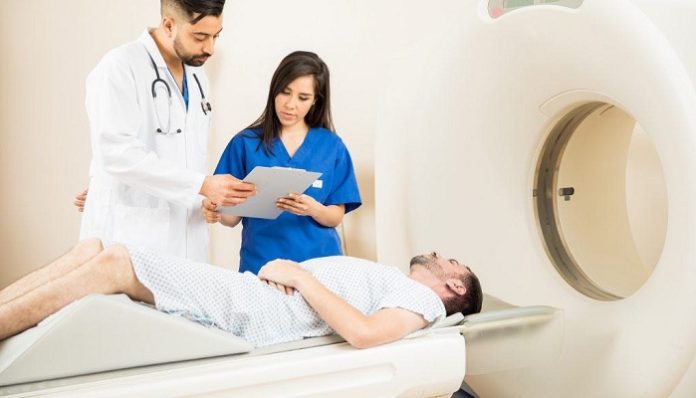
It’s crucial that you understand how an MRI scan works before preparing yourself for the procedure to know what to expect and any worries are soothed. Magnetic resonance imaging, more commonly known as MRI, is an imaging technique used by medical professionals to produce detailed 2D and 3D images of the inside of the body using strong magnetic fields and radio waves. Typically, the procedure is carried out while the individual receiving the treatment is lying down, but it can also be performed standing or sitting.

As a result, MRI scans are used as a preventative measure to identify life-threatening diseases during their most treatable stage. Suppose that you’d like to know more; in this case, you could consider looking at the helpful guides and blog posts over on https://ezra.com/ to gain a better understanding. As well as having lots of resources, Ezra also carries out whole-body MRI services, amongst others, for first timers and individuals looking to take control of their health – peruse their website to see how they could help you today.

Make Sure To Eat And Take Any Medications Beforehand

MRI scans have no food, drink, or medicine restrictions, unlike other medical procedures. Unless otherwise stated by your doctor, ensure that you eat, drink and take any medications as you would on an average day. Make sure that you check with your doctor beforehand, though, as in some cases, you may be asked not to eat for four hours before the scan or to drink a large amount of water beforehand.

Dress In Comfortable Clothing With No Metal Decorations

Another way to prepare yourself for an MRI scan is by deciding what to wear. As we touched upon in one of our previous points, metal isn’t allowed within proximity of the scanner, and you’ll have to be mindful of this when choosing your clothing. We suggest opting for casual, comfortable clothing.

Depending on what kind of scan you’ll be having, you could be in the chamber for up to ninety minutes, and the experience needs to be as enjoyable as possible. Consider opting for leggings, yoga pants, or tracksuit bottoms since jeans and skirts with zippers or decorative metal elements will not be permitted. You will also need to remember to remove any jewelry and body piercings so that these do not interfere with the procedure; any guests attending the appointment with you will also have to adhere to these rules.

Ground breaking regional anaesthesia device SAFIRA demonstrated live at Arab Health 2022

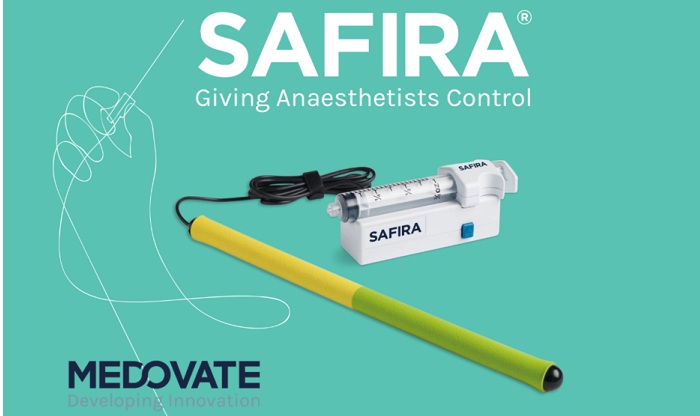
A game changing UK technology that transforms Regional Anaesthesia into a single operator procedure and improves patient safety, will be demonstrated live by a renowned clinician in the field of anaesthesia at Arab Health 2022.

The procedure is being carried out in a state-of-the-art operating theatre located in the UK Pavilion by Dr Emad Fawzy, a Consultant Anaesthetist at the flagship Sheikh Khalifa Medical City in Abu Dhabi.

SAFIRA®, which is set to revolutionise Regional Anaesthesia globally, has been developed by medical device company Medovate in collaboration with clinicians from the UK’s National Health Service (NHS).

The award winning device gives anaesthetists full control of injection, as well as enhancing confidence through a built-in safety mechanism to automatically limit injection pressure to less than 20psi, thus helping to reduce the risk of nerve injury in patients.

The live demonstration will take part in the UK’s operating theatre as part of a series of back-to-back surgical simulations taking place on the ABHI UK Pavilion.

Dr Fawzy, who was previously based at the Queen Elizabeth Hospital King’s Lynn NHS Foundation Trust in the UK as part of the team of clinical specialists behind the pioneering device, will demonstrate the device and share his experiences of introducing the pioneering new technology into clinical practice.

Dr Fawzy said: “I am delighted to be able to demonstrate such a pioneering UK-developed device at Arab Health 2022. The device is already in use by clinicians across the world and feedback has been overwhelmingly positive, including reports of how the technology facilitates hydro-dissection and a reduction in the amount of local anaesthetic required for a successful block. It is a great privilege to be able to showcase such an innovative device in the Middle East.”

Recent studies have sparked new enthusiasm for regional anaesthesia across the world with evidence indicating improved clinical outcomes. During the covid-19 pandemic, the European and American Societies of Regional Anesthesia both produced joint COVID-19 recommendations boldly stating that regional anaesthesia should be preferred over general anaesthesia as the need to minimise aerosol-generating procedures (AGPs) took precedence.

As demand for such procedures increase globally, SAFIRA® has the potential to make a significant impact in areas such as the MENA region. The device recently won the HSJ Patient Safety Innovation of the Year 2021.

Chris Rogers, Sales and Marketing Director at Medovate Ltd, commented: “We are thrilled to be demonstrating our innovative device for regional anaesthesia, SAFIRA®, at this year’s Arab Health. The unique technology has been developed in collaboration with clinical innovators within the NHS and it is a fantastic demonstration of how the UK’s NHS can be a true driver for innovation. We are excited to be joining the ABHI UK Pavilion to offer the world-class audiences at Arab Health a chance to see our revolutionary device up close and in action.”

As well as finding out about SAFIRA®, visitors to the Medovate stand will also be able to discover more about the company and its unique portfolio of innovative medical devices, all developed with clinicians from the UK National Health Service (NHS). Medovate is dedicated to working closely with both the NHS and clinicians in the UK to identify, develop and commercialise innovative medical devices with a focus on improving patient safety on a global scale.

Arab Health takes place 24 January – 27 January 2020 at the Dubai World Trade Centre, Dubai, UAE. Throughout the show, Medovate will be located in Hall 2 – H2.H52A. Medovate’s Sales & Marketing Manager Chris Rogers, and Harry Hellmers, Junior Product Manager, will both be at hand to answer any queries.

The demonstration of SAFIRA®, led by Dr Emad Fawzy, will take place on Tuesday 25th January 11-30 – 12-30.

Children’s Hospital Colorado Brightens Patients Stay With Oelo Permanent Structural Lighting

Children's Hospital Colorado Brightens Patients Stay With Oelo Permanent Structural Lighting

To help brighten patients’ stay, Children’s Hospital Colorado broke out the lights — and a whole lot of them! The private, nonprofit pediatric healthcare network enlisted Oelo Lighting Solutions, a Fort Collins-based company, to install 6,200 linear feet of permanent, color-changing lighting to accent its 40-acre Anschutz Medical Campus before the holidays — and long after. The system features more than 8,265 lights that illuminates three buildings consisting of 14 separate rooflines. Plus, the system doubles as year-round holiday lighting to help patients celebrate other occasions long after the winter months.

Featuring more than 16 million hues and 10 movement settings, the hospital can glow green for St. Patrick’s Day, patriotic colors during the Fourth of July and traditional Christmas colors throughout December. The Children’s Hospital Colorado can even root on the Denver Broncos, its community partner, with game-day blue and orange (that’s of course when the hospital isn’t glowing its own iconic red, yellow, orange and blue hues).

Recognized by the U.S. News & World Report as one of the nation’s best children’s hospitals, the organization realizes that “kids are incredibly different and need incredibly different care.” Bringing cheer is part of that healing process, and the hospital specializes in “the big things, little things and everything in between” — even adding a little extra glow to restless nights.

“We’re extremely proud of this project,” Oelo COO Clay Horst said. “The Children’s Hospital holds a special place in our hearts because we’ve had several employees whose children have been treated there, and we know firsthand how scary it can be for families going through those uncertain trails. We hope that Oelo can boost the spirits of patients, their families and the Children’s Hospital healthcare team!”

The Aurora location sits at the juncture of I-225 and Colfax at the eastern edge of the Denver metro area, making the hospital a beacon of light in the community, and the campus prides itself on its “blend of art, design and state-of-the-art technology. Every detail — from layout to patient flow, design to décor, landscaping to color schemes — was built to help kids heal faster based off data from evidence-based design.”

The Oelo lighting system is the perfect fit, featuring a cloud-based system that gives the hospital the ability to control each building separately (or together) from anywhere in the world. Additionally, event lighting can be scheduled up to 12 months in advance with the system activating automatically per the schedule. From a management standpoint, Oelo is a no-brainer, helping the grounds crew eliminate the ongoing time and money it takes to hang and coordinate holiday lights on an annual basis.

Featuring a five-year warranty, each system is rated for 100,000 hours of use — the equivalent of 22 years of nightly 12-hour glow. In comparison, LED string lights and neon tube lights are only rated for 10,000-40,000 hours. Meanwhile, Oelo’s patented color-changing lighting system touts permanent weather-resistant channels that blend in with the buildings’ exterior, available in acrylic or aluminum, making it practically invisible by day — and yet hard to miss at night thanks to color-changing LEDs.

“From California to Florida and up into Canada, we are getting hundreds of requests across the country to quote our permanent lighting system, and that’s in the off-season,” General Manager Devin Rodarmel said. “Today, home and business owners are all about automation, and we can’t think of any bigger hassle than hanging holiday lights every year. But with permanent holiday lighting, all of that has changed. We install once, and after that, our customers enjoy their lights year-round.”

Last year, Tarleton State University in Stephenville, Texas invested in an Oelo system, accenting nine buildings across the 122-year-old campus with more than 7,500 lights, and in November, the city of Fort Collins’ facility management team enlisted Oelo to illuminate the City Hall entrance with plans to expand to other key community buildings.

Considered one of the “premium” manufacturers of permanent holiday lights, Oelo has also been showcased on the Lifetime TV’s home makeover show Designing Spaces and DIY’s I Want That series and was touted in the USA Franchising magazine as “a great product that can help commercial businesses attract attention and enhance curb appeal.” The article highlighted Human Bean, a coffee franchisee, and its use of permanent structural lighting, along with a list of commercial customers, which includes storefronts, restaurants, boutique hotels, fire stations, vehicle service shops and more. Oelo’s ability to connect multiple controllers makes it a favorite for large-scale shopping centers that need to synchronize lighting for additional structures.

Oelo is backed by a 60-year-old parent company with a 30-year specialty in the mission critical lighting industry. Incorporated in 1954, the company supports two other divisions that offer specialty lighting products in the emergency vehicle industry, which means Oelo knows the ins and outs of government projects.

“It’s neat that Oelo was born from the emergency industry and that it has all come full circle with a hospital project of this scale,” Horst said. “We’re proud to know that we’ve created structural lighting that keeps on giving.”

What Are Catastrophic Injuries And How Are They Treated

What Are Catastrophic Injuries And How Are They Treated

Suffering from any injury may be very traumatic, but having a catastrophic injury may make the recovery process more challenging.

Injuries of any kind may need extensive surgery, medical procedures, medication, or therapy for recovery, and these could all be costly. Contacting a lawyer for legal advice could assist in these situations as they may help you with a claim towards these expenses.

If another party is involved, the communication between the parties in terms of what happened and the liability of each party concerning what happened could be established by a legal representative.

To know what options would be available, we would need to understand what a catastrophic injury is and how it could be treated:

What Is A Catastrophic Injury?

These injuries are usually classified as life-changing events in a person’s life because of an injury sustained from an accident or any other means.

Catastrophic injuries could be very serious and may lead to permanent disability. These could include amputations, brain injuries, spinal injuries, burns, or other injuries that the person would have to endure months or years of treatments to recover from it.

In many cases, these injuries also cause loss of income or ability to perform tasks that the person could do before the injury. The person may also require assistance or life-long care. You can visit https://www.joestephenslaw.com/ for more legal advice from a reputable law firm like  could assist in gaining greater clarity on this definition.

Treatment Options Available

There are wide series of treatment options for catastrophic injury victims after an accident to recover from one completely:

  1. Surgery

Undergoing surgery may be required to attach broken bones, graft skin, or any other invasive procedure needed to assist with the injuries. Surgery would be the first option to consider by medical professionals where recovery would occur.

Surgery doesn’t come without risks, as complications like blood clots may occur. In the efforts of the surgical team to save the patient’s life, there may be other secondary damages or losses, especially to nerves. Surgeons will do their utmost best, and although secondary complications could be rare, they are something to keep in mind.

Surgeries could be expensive due to the state-of-the-art equipment used as well as the many worker-hours that surgeons spend performing the surgeries.

  1. Medication

Your doctor may provide pain relief, mood regulation, or seizure prevention to prevent infection. And there are many different factors to be considered to prescribe the correct combination of medications for each individual’s needs. Medication could be used acutely or in the moment while treatment is ongoing or as a chronic treatment for certain conditions.

Chronic medication options may have an impact on other body systems and should continuously be monitored, making this long-term use fairly expensive in terms of follow-up procedures.

  1. Physical Therapy

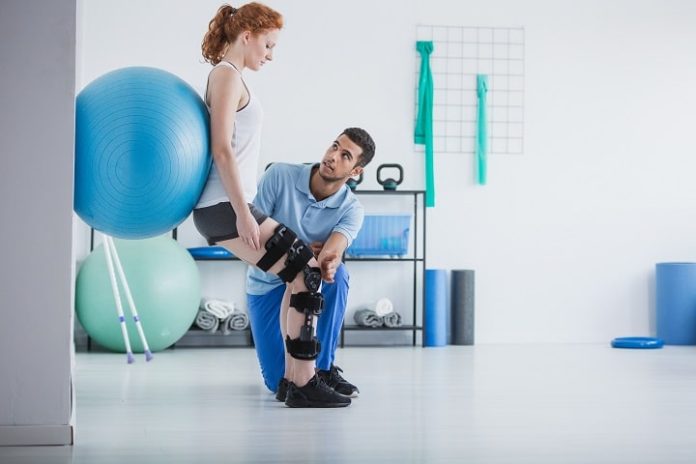
After a catastrophic injury, patients may have to attend physical therapy to assist mobility and range of motion. This type of therapy will focus on getting the patient up and moving around again. Strength training and building muscles could be one of the primary tasks for the physical therapist.

They could also assist with breathing exercises to help strengthen the lungs and diaphragm. Removing phlegm from the airways to assist with breathing could include suctioning, which the physical therapist would also assist.

Successful treatment requires multiple sessions until improvement is seen. Patients would be required to practice some of these skills at home as well.

  1. Occupational Therapy

While physical therapy helps the patient strengthen muscles and gain function after the injury, occupational therapy may assist the patient in performing daily tasks and activities.

After regaining function, patients may have to be retrained for certain activities due to loss of a limb, range of motion because of burns, or nerve damage causing loss of feeling.

The new skills learned would have to be done at home, as repetition would be key to getting the functions back to normal.

  1. Mental Health Check-Ups

Sustaining such a serious injury may require regular visits to a mental health professional. The emotional impact of having a catastrophic injury may weigh heavily on the injured person. Regular sessions may minimize the mental health complications arising from these situations.

The most common reaction initially is depression, and it would have to be attended to so it does not escalate into a more serious situation. Grieving is another reaction that may be observed with the injured person and their families. Having a mental health professional’s support throughout the process may make it easier for everyone involved.

Again, regular sessions would have to be attended to get the maximum benefits from the process.

In Conclusion

Devastating accidents with catastrophic injuries could turn someone’s whole world upside down. Long-term medical treatment needed for the injury may take a toll on the mental health of the whole family, especially if special care is needed after the patient is discharged, but finding the best care may result in a speedy recovery.

3 Ways Healthcare Institutions Can Reduce Malpractice Claims

3 Ways Healthcare Institutions Can Reduce Malpractice Claims

As a healthcare institution, statistics have shown that it’s only a matter of time before you are faced with a malpractice claim. Whilst you can’t stop it from happening, you can decrease the chances of it happening.

Malpractice can be defined as any behavior by the healthcare institution that’s deemed to be unprofessional, improper, or illegal that results in the injury or harm of a patient.

Healthcare institutions follow a code of ethics and standard operating procedures approved by respected medical organizations. When a patient then claims that they’ve been harmed due to negligence or unprofessional behavior, prompt investigation is then conducted to verify the veracity of the claim.

This unprofessional behavior may take various forms, from failure to communicate effectively to incorrect capturing of data which leads to misdiagnosis and could then result in injuries to the patient. For more facts about malpractice, get details from other trusted sources.

This article will strive to highlight a few points that a healthcare institution can implement to reduce the instances of malpractice claims being thrown at them.

  1. Improve Communication

Effective communication between doctors and patients is very important and can reduce malpractice issues in various ways. Developing a good rapport with your patients will help them disclose all their relevant medical information and this in turn, reduces the chances of a diagnostic error.

When a doctor is communicating with a patient, they should:

  • Listen carefully to the patient’s concerns
  • Answer all questions and concerns clearly
  • Give the patient realistic goals and expectations.

However, it’s not only the doctors that can lead to a lawsuit. The attitude of the medical staff is also important in decreasing the risk of a lawsuit. Staff need training on how to handle difficult individuals and diffuse potentially damaging situations amicably.

They should also explain any delays that might occur during treatment, diagnosis, or any other service provided in the institution. The clear communication of this will diffuse any anger accumulated due to the waiting.

Clinical staff needs to be trained to handle cross-cultural communication and how to navigate language barriers. It’s a common occurrence for misinterpretation to occur across cultural barriers and this can lead to misdiagnosis and mistreatment of patients.

  1. Create Strong Policies

A strong policy and solid procedure are key to avoiding malpractice risks. Naturally, when procedures are followed well, negligence is minimal. Your institution’s policies should cover the following critical areas.

  • Policies Related to Electronic Documentation: Staff should be trained in the proper logging in of data. This will decrease the risk of data capturing errors that would lead to misdiagnosis.
  • Scope of Practice: Policy details the tasks each staff member can perform, which type of patients they are allowed to see and whether they can do so with or without supervision.
  • Care Protocol Policy: These protocols refer to policies regarding appointments(cancellations), for patient inquiries and complaints, and for doing patient follow-ups for tests and test results.
  • Telephone Triage Policies: These are policies that determine who can answer what type of questions concerning the patient. Doctor and patient confidentiality are included under this policy.

It’d be prudent to hire a medical malpractice attorney for your medical institution who will help set up strong policies that will protect your business.

  1. Documentation

Great documentation will help reduce the risk of a malpractice lawsuit. It’s the backbone of a successful defense if a patient wants to sue you. Records are the easiest way to prove whether the series of events unfolded in the way described by the disgruntled patient.

Important documentation to keep includes:

  • Consent Forms: It’s best to know and understand the laws surrounding consent in your region and to adhere to them. There are plenty of medical procedures that require written, informed consent. Even for procedures that don’t require consent, it’s best to explain as clearly as possible the risks involved and always keep documentation proving that these risks were explained.
  • Patient’s Medical History: It’s important not only to know about your patients’ medical history but to have it documented. This information played a role in the present diagnosis and treatment of the patient.
  • Documentation of Patient Instructions: In a patient’s files, have copies of all instructions related to treatment. Any medications prescribed all instructions given concerning treatment and administration of prescribed medication should be well documented. As well as all alternative treatments and medicines discussed with the patient need to be recorded.

Conclusion

To conclude, if you have noticed, most of these points boil down to one thing, transparency. The aim is to be as transparent as possible when dealing with patients, to avoid mishaps and misinterpretation of information. Transparency mitigates the fears doctors face when dealing with these lawsuits.

While it’s not a surefire way to eliminate the risk of malpractice lawsuits, improving communication, creating strong policies, documentation, and transparency goes a long way in mitigating the risk.

Translate »