











Close
Digital Health & Ai Innovation summit 2026
Medical Taiwan 2026

Understanding the Health Hazards of a Poorly Maintained HVAC

Understanding the Health Hazards of a Poorly Maintained HVAC

During the warmer summer months, most people cannot afford to live without an air conditioning unit. Even so, cool has become a modern luxury that can sometimes scare people. If research findings are anything to go by, you are right to be worried about a poorly maintained or poorly designed AC system, whether you have it installed in your office, home, or vehicle. It can pose significant hazards if contaminated.

A study conducted to learn more about the health hazards that come with air conditioning systems indicates that poorly maintained AC units can result in more severe allergies and asthma problems.

If you do not treat HVAC maintenance and inspection with the seriousness it deserves, you could be exposing yourself and your family to significant dangers that come with poor indoor air quality. Poorly maintained AC units serve as a breeding ground for different viruses and bacteria, which can result in different kinds of respiratory problems.

In this article, we look at some of the different health hazards that may come with a poorly maintained AC unit and some of the best solutions.

1.ย  Mold Growth

Mold is one of the last things you want to have in your home. Apart from the respiratory issues that can potentially cause, it can potentially make your home less stable. If you fail to hire a reputable HVAC company to inspect your AC unit three or more times every year, your home will likely develop mold growth. Once you notice any mold starting to grow in or around the AC unit in your home, contact an HVAC technician so they can conduct an inspection.

2.ย  Poor Indoor Air Quality

Failing to conduct regular inspections on your HVAC system can significantly affect the indoor air quality in your home. Once your AC unit starts accumulating dust, dirt, mold, and other debris, it can severely pollute the air flowing through your house. Airborne particles building up can infect your home, causing respiratory diseases and allergies. You can solve this by timing your filter changes. Ignoring or failing to conduct HVAC maintenance practices puts your entire family at risk of carbon monoxide poisoning.

3.ย  Rodent and Insect Infestations

Rodents and different kinds of insects like cockroaches are among the primary causes of diseases across the world. A poorly maintained AC unit often accumulates dirt in the air duct, which creates a conducive environment for such creatures to breed and live. In no time, you will have to deal with a pest problem. Regular AC unit maintenance can help you avoid such problems. However, you may have to call pest control if you already have the problem on your hands. For effective pest management in Nashville, TN, consider enlisting the expertise ofย Waynes Pest Control. With their comprehensive pest control services, they can address and eliminate pest infestations, ensuring a safe and hygienic environment for you and your family.

Common Diseases Associated With Poorly Maintained AC Units

Poorly maintained AC units are linked with various diseases. Legionnaires disease is one of the most common ailments. It is a variant of pneumonia contracted by breathing in a mist of contaminated water from air conditioning units, showers, and hot tubs.

Contaminated AC units can also cause asthma. Failing to clean HVAC systems over-extended durations can cause a buildup of mold and bacteria, which contaminates the air. Breathing in this contaminated air can trigger asthma.

Sick building syndrome is another disease commonly caused by poorly maintained HVAC systems. While it can be difficult to locate the specific cause of the disease, most experts link it to poor indoor air quality. Some of the most common symptoms of sick building syndrome include a dry cough, nasal congestion, dizziness, nausea, and throat irritation, to name just a few. Indoor air quality can result from poor air conditioning and dirty vents.

How to Control Health Hazards Associated With Poorly Maintained HVAC Systems

Regardless of how much you clean your home or HVAC system, contaminants will build up over time. That is why you need to invest in frequent maintenance and cleaning if you want to maintain the continuous circulation of clean and fresh air throughout your home. This way, you can also reduce the probability of contracting serious respiratory problems that may result from contaminated air from a poorly maintained HVAC unit.

Ideally, you should have an expert inspect your HVAC system at least three times every year. If you use it heavily, you should have it checked more often. Also, change the air filters regularly and check for any leaks. If you don’t have enough time to handle the basic maintenance practices, find an HVAC maintenance professional to do it on your behalf.

Poorly-maintained HVAC units present a lot of health hazards for you and your family. It can result in mold growth and poor indoor air quality. It also creates a breeding ground for rodents and insects, which can transmit diseases. Some of the most common ailments associated with a poorly maintained HVAC system include sick building syndrome, asthma, and legionnaires disease. You can manage some of the health hazards by frequently cleaning your home and HVAC system. Also, have an expert conduct an inspection at least three times a year.

Optellum collaboration with the Lung Cancer Initiative at J&J, Applying AI to Transform Early Lung Cancer Treatment

Optellum collaboration with the Lung Cancer Initiative at J&J, Applying AI to Transform Early Lung Cancer Treatment

Optellum, a lung-health AI company has entered a strategic collaboration with the Lung Cancer Initiative at Johnson & Johnson. Through the collaboration, Optellum will apply its AI-powered clinical decision support platform with the goal of increasing lung cancer survival rates through early intervention and prevention.

Lung cancer is the most common type of cancer and the leading cause of cancer deaths in the world. Approximately 1.8 million people worldwide die from lung cancer each year. The current five-year survival rate is only 20%, primarily due to most patients being diagnosed after the disease has progressed to an advanced stage (Stage III or IV). However, the survival rate for small tumors treated at Stage IA is as high as 90%.

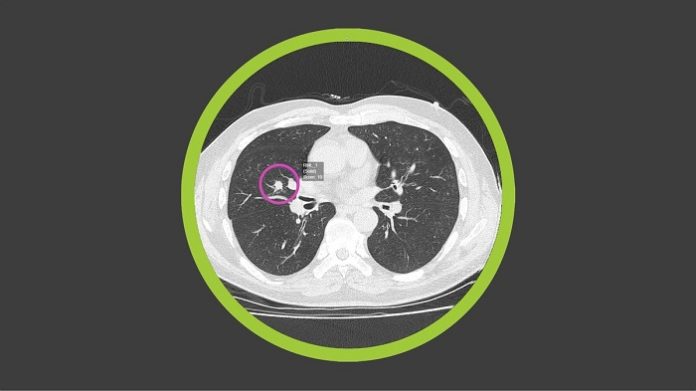
At the core of the collaboration is Optellumโ€™s commercial software, Virtual Nodule Clinic, including an AI-powered digital biomarker based on neural networks and imaging analytics. It identifies and tracks at-risk patients and assigns a Lung Cancer Prediction score to lung nodules: small lesions, frequently detected in chest Computed Tomography (CT) scans that may or may not be cancerous. The Optellum AI will be used to drive accurate early diagnosis and optimal treatment decisions with the aim of treating patients earlier, potentially at a pre-cancerous stage, increasing survival rates.

The Optellum software achieved US Food and Drug Administration (FDA) clearance in March 2021 and is being implemented in clinical care by leading hospitals initially across the United States, with rollouts in select Asia-Pacific and European markets to follow. The software was extensively validated in multi-center studies led by co-authors of clinical guidelines. In the clinical study underpinning the FDA clearance, all pulmonologists and radiologists in the study showed a statistically significant improvement in their diagnostic accuracy and consistency, and made more optimal clinical management decisions.

Optellumโ€™s vision is to redefine the early intervention of lung cancer by enabling every patient to be diagnosed and treated at the earliest possible stage when the chances of cure are highest. In addition to its lung cancer product portfolio, the company is exploring solutions applying the same technology platform to other deadly diseases of the lungs such as interstitial lung disease and COPD.

โ€œThis collaboration is a significant milestone for Optellum,โ€ commented Vรกclav Pot?ลกil, PhD, founder and CEO of Optellum. โ€œIt brings us one step closer to Optellumโ€™s vision of redefining early lung cancer treatment by helping every clinician, in every hospital to make the right decisions and provide their patients the best chance to fight back.โ€

Professor Sam Janes, MD, Head of the Respiratory Research Department at UCL Hospitals, Vice-Chair of the UK National Clinical Reference Group for Lung Cancer and member of the Optellum Medical Advisory Board, commented:

โ€œI believe the next step in lung cancer diagnosis and treatment is seeing the emerging new technologies coming together. AI is key to enabling integration of imaging, clinical, and molecular dataโ€”such as liquid biopsiesโ€”in order to diagnose disease even earlier. This convergence of technologies has tremendous potential to help physicians prevent, intercept, and ultimately cure patients with early-stage lung cancer.โ€

About Optellum

Optellum is a commercial-stage lung health company providing artificial intelligence decision support software that assists physicians in early diagnosis and optimal treatment for their patients. The company was founded so that every lung disease patient is diagnosed and treated at the earliest possible stage when chances of cure are highest. Optellumโ€™s roadmap extends beyond lung cancer diagnosis and treatment to other deadly diseases of the lungs, including interstitial lung disease (ILD) and chronic obstructive pulmonary disease (COPD). Optellum is headquartered at the Oxford Centre for Innovation in Oxford, UK and at the Texas Medical Center in Houston, USA.

RapidAI Achieves Record Momentum Amid Demand for Improved Clinical Decision Making and Patient Workflow

RAPID

RapidAI, the global leader in neurovascular and vascular imaging driving the next evolution of clinical decision making and patient workflow, announced record corporate momentum with more than 2.8M scans to date on its platform โ€” the most clinically advanced in the industry.

The COVID-19 pandemic has increased providers’ need for technology that brings together previously disconnected care teams. Now in use at more than 1,800 hospitals across 60 countries โ€” including 18 of the top 20 in U.S. News’ 2020-21 Best Hospitals report โ€” hospitals deploying RapidAI are automating workflows and improving communications to enable quicker triage and treatment.

“We continue to be laser-focused on bringing advanced solutions to improve patient care,” said Don Listwin, CEO of RapidAI. “As we build significant relationships with our customers and leading organizations, and gain certifications that further validate our platform, we are excited not just about the momentum we have achieved, but also the opportunity to redefine the patient care journey with AI.”

As the global leader using AI to combat life-threatening conditions, RapidAI has achieved the following since the start of 2021:

  • Extended NTAP reimbursement – The New Technology Add-on Payment (NTAP) for Rapid LVO was recently renewed based on its demonstrated ability to increase access to care, save time, and improve outcomes. NTAP is an additional Medicare reimbursement that financially assists healthcare organizations when they adopt new technology.
  • Record number of scans โ€“ RapidAI has seen substantial growth in the number of scans processed on its platform, reaching more than 2.8M to date.
    • In the first half of 2021 alone, the platform saw nearly 1 million scans from over 500,000 patients around the world, approximately two scans every minute since the start of the year.
  • Product innovation โ€“ Building on its platform for stroke and aneurysm, which combined, have more FDA clearances than any other company in this space, RapidAI has expanded its portfolio to address prehospital stroke care and pulmonary embolism.
    • Introduced in June, Rapid Workflow for PE, is a product designed to align hospital teams on the treatment of patients suspected of having a pulmonary embolism.
    • The Rapid for Prehospital mobile app, launched in May, helps EMS and hospitals follow a standardized stroke protocol that streamlines data collection and improves collaboration while en route to an appropriate hospital.
  • Impactful global partnerships โ€“ The recently launched Rapid Workflow for PE is a product of the partnership with Penumbra, Inc., a global healthcare company focused on innovative therapies to treat ischemic stroke and vascular blood clots. Additionally, RapidAI recently partnered with Stryker in the US to deliver flexible financing solutions, offering RapidAI stroke and aneurysm imaging software with Stryker neurovascular devices.
    • The company also expanded global partnerships in Latin America, as the exclusive neuroimaging partner for the new Stroke Center Certification Program through a partnership with the World Stroke Organization (WSO), as well as in Australia, having secured TGA clearance for the Rapid stroke imaging platform and now serving more than 50 hospitals and teleradiology services across the country.
  • Bolstered board membership โ€“ RapidAI has also recently added two new board members, Dr. Hadi Saleh, CEO of the CeramTec Group and John Drew, General Partner, TCV.

“It’s critical that healthcare providers have reliable real-time clinical data from the very earliest stages of patient care to make informed decisions and communicate efficiently,” said Alejandro Spiotta, M.D., Medical University of South Carolina Division of Neuroendovascular Surgery Director. “With time being so critical, an advanced platform like RapidAI’s is essential to streamline patient workflow and improve communications across the entire care team.”

With many new products on the horizon, RapidAI is poised to continue its growth and lead the way in helping hospitals transform patient care for life-threatening conditions.

About RapidAI

RapidAI is the global leader in using AI to combat life-threatening vascular and neurovascular conditions. From home to hospital and ER to OR, RapidAI is leading the next evolution of clinical decision-making and patient workflow, bringing the end-to-end patient journey into focus. Based on intelligence gained from over 2.8 million scans in more than 1,800 hospitals in over 60 countries, the Rapidยฎ platform transforms care coordination, offering care teams a level of patient visibility never before possible, saving lives, time and money.

Qardio announces QardioDirect; the end-to-end Remote Patient Monitoring and telehealth service

Qardio announces QardioDirect; the end-to-end Remote Patient Monitoring and telehealth service

Qardio, Inc. announced the launch of QardioDirect; a premier end-to-end Remote Patient Monitoring (RPM) and telehealth service.

QardioDirect is an all-inclusive service for RPM that works seamlessly with both patient and doctor. Qardio delivers device kits directly to the patient after prescription, and our team also provides one-to-one onboarding support for patients enrolled onto the platform to assist in adoption and compliance. Using Qardioโ€™s range of devices, the patient can measure and record a full range of physiological parameters. As part of the service, doctors have access to the clinical portal, enabling clinicians to focus on the efficient triage and management of large patient populations.

With QardioDirect, healthcare providers can deliver full 360 care for patients in a wide range of chronic conditions including: hypertension, congestive heart failure, obesity, kidney disease, diabetes, post-surgical care and more.ย The platform also automates the billing process and is easily integrated with EHRs and other digital health platforms.

Qardioโ€™s Executive Chairman Marcus Barkham added โ€œQardioDirect removes all of the pain from delivering RPM. We enable clinicians to keep their focus where it is needed most, the treatment and management of their patients. The simplicity of our solutions ensure adherence to the program and long-term patient compliance. We are proud to deliver a service that offers such significant clinical and financial benefits to healthcare providers around the globe.โ€

QardioDirect user Dr. Tro Kalayjian, from Dr. Troโ€™s Medical Weight Loss and Direct Primary Care says โ€œThe quality of data is important. If thereโ€™s a worry, weโ€™re able to address it immediately. With the help of Qardio, we are a highly connected office, as we are reaching people that want more involvement.โ€

About Qardio

Qardio is a medical technology company that operates at the intersection of cardiology and remote monitoring. Qardioโ€™s suite of solutions provide improved outcomes for care providers and their patients across a range of care modalities via improved workflows and diagnostic yields, reduced cost, and ease of use. Founded in 2012, Qardioโ€™s primary mission is to improve outcomes for adults living with a chronic heart condition, through simplified monitoring and diagnosis. QardioDirect, the remote patient monitoring service is equally suited to primary care and to discrete applications in hypertension, cardiovascular disease, obesity, chronic kidney disease, diabetes, post-surgical care and other chronic care conditions. Our award-winning solutions are available via medical channels and select consumer channels, to deliver the greatest impact.

Croydon Health Services NHS Trust launches CHS Maps for stress-free hospital visit

Croydon Health Services NHS Trust launches CHS Maps for stress-free hospital visit

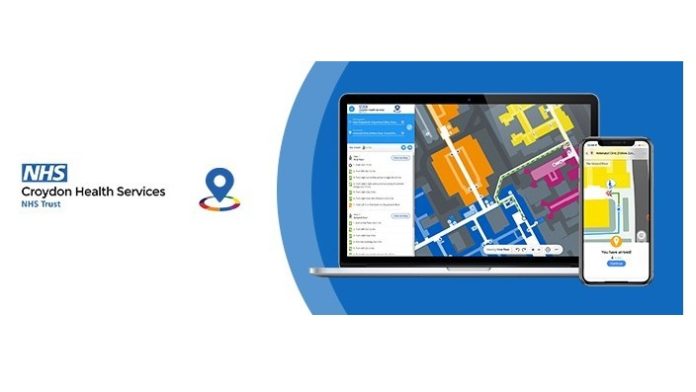
Croydon Health Services NHS Trust has revolutionised its hospital signage by launching the countryโ€™s first interactive mapping service.

Designed to provide visitors and patients with step-by-step directions from the comfort of their own home, CHS Maps will make it even easier for patients to find their route to care.

The easy-to-follow directions and real-time information can be accessed at home, for patients planning their visit in advance, or at dedicated information kiosks within the hospital. Visitors can also follow their route while on the go, thanks to the CHS Maps mobile app, which will be available to download on Apple and Google Play App Stores.

With 15 kiosks and digital screens now installed across Croydon University Hospital, CHS Maps can pin-point visitors to a location within the site and will help them find the quickest route to their care, whether theyโ€™re visiting an outpatient clinic, antenatal appointment or finding their way to the on-site vaccine hub.

Up to 500,000 patients attend Croydon University Hospital every year, yet some had reported feeling confused over directions and were keen for clear, accessible signage. Now, thanks to new state of the art technology, patients will have the support they need to find their way more easily, improving their experience and reducing any unnecessary stress while in hospital.

Dan Rennie-Hale, Director of Quality and lead for patient experience at Croydon Health Services NHS Trust said:

Serving residents in one of the Capitalโ€™s most diverse boroughs, the Trust has also invested in translated maps, ensuring directions are available in Tamil, Polish, and Urdu, as well as English, with further languages to be added over the coming months.

The comprehensive mapping system includes useful functions that will enable users to:

ยท See turn-by-turn directions: Blue dot guidance showing your exact location within five feet on an interactive map on your mobile device.

ยท Use search functionality for department/service, rooms, elevators, restrooms, food and dining, and more inpatient care areas.

ยท Estimated walking time and distance.

Gavin Wheeldon, CEO at Purple commented:

โ€œWeโ€™re proud to be partnering with Croydon Health Services NHS Trust to bring the first interactive digital wayfinding solution to a UK hospital. Weโ€™ve had many successful implementations in the US, but as a UK based company this partnership is particularly special to us as weโ€™ll be helping to improve the experience of NHS patients here in the UK.

โ€œOur intuitive solution will feel familiar to the patients, visitors and employees of Croydon University Hospital if they have ever used any other type of GPS or web mapping application and weโ€™re sure that itโ€™s going to quickly become an essential and much loved fixture for those visiting or working within the hospital.โ€

HALO Diagnostics Expands Radiation-Free, Minimally Invasive Prostate Cancer Treatment to Imaging Centers Nationwide

HALO Diagnostics Expands Radiation-Free, Minimally Invasive Prostate Cancer Treatment to Imaging Centers Nationwide

A radiation-free, minimally invasive, image-guided procedure that targets and kills prostate cancer cells is now available at more imaging centers operated by HALO Diagnostics, an industry leader in advanced diagnostics for early cancer detection.

Known as TULSA-PROยฎ, this procedure from Profound Medical Corp (Profound) is performed in the magnetic resonance imaging (MRI) suite. It combines real-time MRI and robotically driven transurethral ultrasound technology to pinpoint and destroy prostate cancer cells with ablation โ€“ a process that delivers a focused, high-temperature beam. Physicians can see the prostate at all times. This view protects the urethra and rectum from being accidentally impacted, protecting the patient’s natural functions and reducing the risk of incontinence and erectile dysfunction.

By incorporating TULSA-PROยฎ, HALO Dx increases the number of individualized services it can offer to patients with prostate cancer. HALO Dx has a 14-year history as a pioneer with another minimally invasive prostate cancer treatment, Focal Laser Treatment, that also significantly reduces side effects. The addition of TULSA-PROยฎ makes HALO Dx the first center nationwide to offer both procedures.

“Every patient is unique, and treatment should fit with each man’s diagnosis and lifestyle,” said Ara Karamanaian, M.D., head of the HALO Men’s Prostate Program. “Men have come from all over the world to HALO Diagnostics for Focal Laser Therapy, and now we provide two options โ€“ not just one.”

The addition of TULSA-PROยฎ comes through a multi-site agreement with Profound, a commercial-stage medical device company that develops and markets customizable, minimally invasive therapies for diseased tissue ablation.

“With these early-detection tools and game-changing therapeutics, HALO Dx is bringing the same proactive healthcare to men’s health that mammograms have provided to women for decades,” said John Feller, M.D., HALO Dx’s chief medical officer.

“We are changing the treatment paradigm for treating prostate cancer. As a pioneer in prostate cancer therapeutics, HALO Dx offers MR imaging under two energy options that allow men a choice,” he said. “Each option gives men the confidence they will maintain their current lifestyle. We are focused on providing personalized and precision-focused healthcare for our patients.”

This move also represents an expansion for Profound. HALO Dx currently offers TULSA-PROยฎ at its Prostate Laser Center in Houston with an extension of service planned for additional imaging centers.

“We are excited to expand the reach of TULSA-PRO in the Houston market with HALO Diagnostics,” said Abbey Goodman, Profound’s vice president of sales. “We believe it will be a strong partnership as Halo’s mission to deliver life-changing patient experience, insight, and outcomes align with our own.”

TULSA-PROยฎ has received U.S Food & Drug Administration 510(k) clearance. It has also received the CE mark in Europe, as well as Health Canada approval.

Siemens Healthineers Now Launching Sysmex CN-3000 and CN-6000 Hemostasis Systems

Siemens Healthineers Now Launching Sysmex CN-3000 and CN-6000 Hemostasis Systems

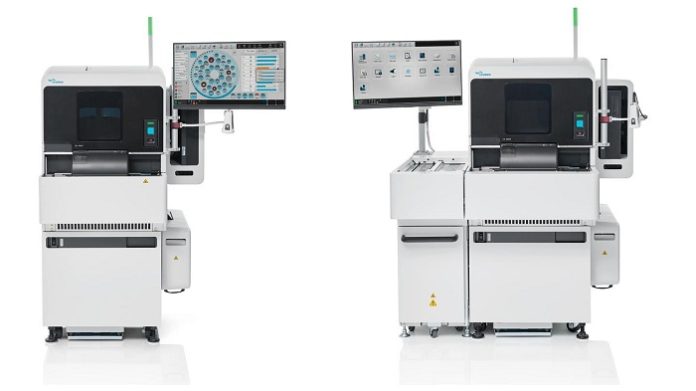
Siemens Healthineers announced it is now launching to laboratories Sysmex’s CN-3000 and CN-6000 Hemostasis Systems for mid- and high-volume coagulation testing. A broad menu of both routine and specialty coagulation assays from Siemens Healthineers that help identify blood coagulation disorders such as abnormal blood clotting or bleeding can be performed on the Sysmex CN-3000 and CN-6000 Systems, offering laboratories a compact and comprehensive hemostasis testing solution. This includes the new Siemens Healthineers’ INNOVANCE Anti-Xa assay1,2 for heparin and direct oral anticoagulant testing (DOAC).

Siemens Healthineers and Sysmex’s 25-year partnership in hemostasis enables us to deliver both quality and comprehensive hemostasis testing solutions to laboratories of all sizes across the world,” said Deepak Nath, PhD, President of Laboratory Diagnostics for Siemens Healthineers.

Siemens Healthineers and Sysmex provide hemostasis offerings to laboratories that are used to test for blood clotting disorders and preoperative bleeding risk management, and to monitor patients on anticoagulant therapy medications. New to the Siemens Healthineers’ test menu, and now available on the Sysmex CN-3000 and CN-6000 Systems and other fully automated Sysmex and Siemens Healthineers platforms, is the INNOVANCE Anti-Xa assay. The ready-to-use, liquid-reagent heparin and DOAC assay delivers precise results without reagent reconstitution or waiting before use. The assay streamlines handling, reduces ordering complexity by enabling labs to test for heparin, as well as direct oral anticoagulants rivaroxaban and apixaban with one combined assay, and offers labs an economical testing solution for heparin and DOAC testing.

The Sysmex CN-3000 and CN-6000 Systems are designed to integrate with the Siemens Healthineers Atellica Data Manager and Aptio Automation to further streamline a hands-free workflow in the laboratory and to automate sample processingโ€”including sample preparation as well as storage, refrigeration, and retrieval. With the ability to connect to Atellica Process Manager, labs can manage testing processes from a centralized location, while also gaining access to analytics to baseline and track key performance indicators such as turnaround time or problem samples. When connected to Atellica Data Manager, advanced algorithms can automatically determine next steps in sample processing and routing helping labs to standardize testing protocols across multiple systems and locations.


CVS Health launches first nationwide virtual primary care solution

CVS Health launches first nationwide virtual primary care solution

Aetna, a CVS Health company, announced an innovative health care solution, Aetna Virtual Primary Care, that reimagines the primary care experience and makes it easier for people to get the health services they need, anytime, anywhere.

“The future of digital health solutions is rapidly unfolding,” said Dan Finke, Executive Vice President, CVS Health, and President, Aetna. “Aetna Virtual Primary Care is a first-of-its-kind health care solution that provides a simple, affordable, convenient way for eligible members to receive quality primary care from a physician-led care team that knows them and is accessible from virtually anywhere.”

With the Aetna Virtual Primary Care benefit, members have access to:

A diverse panel of board-certified physicians and coordinated care from a consistent team of specialists based on their health needs

A continuous relationship with a virtual care physician beginning from the first 30-45 minute comprehensive primary care visit and extending to every visit thereafter

Timely primary care appointments

$0 co-pay for virtual primary care visits and select in-person services at MinuteClinic and CVS HealthHUB locations1

In-depth preventive care with biometric screenings and support for managing chronic health issues all built on a personalized care plan

A virtual nurse care team through unlimited in-app text or phone for pre, during, and post-visit support, including navigation to in-person, local providers as well as labs and testing

In-person visits with in-network health care providers with no referral requirements

Existing Aetna virtual care offerings such as mental health counseling, dermatology services, and 24/7 urgent care

This new care experience is powered by Teladoc Health’s longitudinal, physician-led care team model, and complemented by the strength of Aetna’s provider network, and CVS Health services.

“Aetna Virtual Primary Care gives our members the power of choice and convenience, making it easier for people to get and stay healthy, even when balancing the demands of work and life,” said Finke. This, coupled with access to in-person visits with providers in our network, including MinuteClinic and HealthHUB locations, provides the flexibility needed for better health outcomes.
About CVS Health

CVS Health is the leading health solutions company, delivering care in ways no one else can. We reach more people and improve the health of communities across America through our local presence, digital channels and our nearly 300,000 dedicated colleagues including more than 40,000 physicians, pharmacists, nurses, and nurse practitioners. Wherever and whenever people need us, we help them with their health whether that’s managing chronic diseases, staying compliant with their medications, or accessing affordable health and wellness services in the most convenient ways. We help people navigate the health care system and their personal health care by improving access, lowering costs and being a trusted partner for every meaningful moment of health. And we do it all with heart, each and every day.

Abbott’s Amplatzer Amulet Device Approved by FDA to Treat People With Atrial Fibrillation at Risk of Stroke

Abbott announced that the U.S. FDA approved the company’s Amplatzerโ„ข Amuletโ„ข Left Atrial Appendage Occluder to treat people with atrial fibrillation (AFib) who are at risk of ischemic stroke. The device offers immediate closure of the left atrial appendage (LAA) โ€“ an area where blood clots can form in people suffering from AFib โ€“ reducing their risk of stroke and immediately eliminating the need for blood-thinning medication.

The LAA is a small pouch connected to the upper left chamber of the heart. For people with AFib โ€“ the most common of the persistent arrhythmias, or irregular heartbeats โ€“ the heart’s ability to effectively pump blood can be disrupted, allowing blood to pool and collect in the LAA causing an increased risk for clotting. If clots reach the blood stream, they can travel to the brain and cause a stroke. For patients with AFib who are unable to take blood-thinning medication long term, physicians may opt for occlusion (or closure) of the LAA through a minimally invasive procedure using devices like Abbott’s Amulet to seal off the LAA entirely and reduce the risk of stroke.

As the world’s population continues to age, we’re seeing a surge in atrial fibrillation cases, and with that comes increased risk of stroke,” said Dhanunjaya Lakkireddy, M.D., Kansas City Heart Rhythm Institute at HCA Midwest Health, who served as principal investigator for the study that led to FDA approval. “The approval of Abbott’s Amulet device provides physicians with a treatment option that reduces the risk of stroke and eliminates the need for blood-thinning medication immediately after the procedure, which is incredibly valuable given the bleeding risks associated with these medicines.”

Before this approval, the only minimally invasive option for LAA occlusion for U.S. physicians and their patients was a solution with a single component to seal the LAA that requires blood-thinning drugs to heal and additional patient monitoring to ensure closure. In contrast, Abbott’s Amulet uses dual-seal technology to completely and immediately seal the LAA. Amulet recipients do not need to use blood-thinning medication following the procedure. Additionally, the device can treat a broad range of anatomies and has the widest range of occluder sizes on the market; it is also recapturable and repositionable to ensure optimal placement.

“Amulet’s unique dual-seal approach has made it the number one LAA closure product in Europe, so today’s device approval by the FDA is an important milestone in allowing us to bring this treatment option to American physicians and patients,” said Michael Dale, senior vice president of Abbott’s structural heart business. Consistent with our mission purpose, our minimally invasive Amulet procedure for reducing stroke risk in patients with atrial fibrillation will help people live better lives through better health.

About Amplatzer Amulet
The Amplatzer Amulet LAA Occluder has been approved for use in more than 80 countries, including in Europe, Canada and Australia, since its initial CE Mark approval in 2013. The FDA approval is supported by findings from the Amulet IDE trial, a large-scale randomized head-to-head study comparing Amulet with an alternative minimally invasive LAA occlusion device, which will be virtually presented at the European Society of Cardiology (ESC) 2021 Congress on August 30, 2021.

About Abbott:

Abbott is a global healthcare leader that helps people live more fully at all stages of life. Our portfolio of life-changing technologies spans the spectrum of healthcare, with leading businesses and products in diagnostics, medical devices, nutritionals and branded generic medicines. Our 109,000 colleagues serve people in more than 160 countries.

Philips Informatics: Bringing the vision of precision care in an evolving healthcare landscape

Philips Informatics: Bringing the vision of precision care in an evolving healthcare landscape

Digital transformation remains one of the greatest challenges facing healthcare in todayโ€™s era. While the sector is leaving no stone unturned in embracing digitalization and virtual care delivery, the evolution has been somewhat piecemeal, as innovations have entered the marketplace.

That said, the global pandemic has, however, accelerated the transformation. It has clarified the need for interoperability among IT systems facing a deluge of patient data โ€“ data often fragmented among various specialties, departments, and sites. According to a McKinsey Global Report inefficiencies like these have cost hospitals over $300 billion each year.

Undoubtedly, the challenge has led to opportunities. In the healthcare sector, a new breed of CIO is galvanized by the challenge to reinvent systems and processes. Clinicians also recognize that with improved data management, health networks will be able to streamline patient views and make care more effective than ever. Such advancement will enhance healthcare systemsโ€™ efforts to achieve the quadruple aim of improving the patient experience, achieving better outcomes, reducing the cost of care and improving staff experience.

Health systems are looking for enterprise-wide strategies that will achieve end-to-end data integration, driving precision care across the continuum. Such a vision does not come too soon for CIOs like Henning Schneider of the Asklepios Hospital Chain, which is one of Germanyโ€™s largest.

Says Schneider, โ€œAs of now, I would say that the IT department, and especially the head is the lonesome rider who has to persuade a lot of people to use and to focus more and more on digitalization and to believe in it.โ€

He has had to serve as โ€œsome kind of evangelist โ€ฆ to bring digitalization into the healthcare system.โ€

It is an exciting time to take the lead. Forward-thinking leaders like Leo Bodden, Chief Technology Officer at New York-Presbyterian, understand that and embrace the challenge.

โ€œI think this is the best time for someone to be in healthcare IT,โ€ he says, โ€œbecause of the level of disruption that we are in the middle of, I find this to be the most exciting time to be in my
current business.โ€

Drivers That Transform

The rise of healthcare consumerization was a force for change before the pandemic too. And this continues today.

Another key driver is the pandemic itself. Frost & Sullivan Jan 2021 report suggests that the pandemic has resulted in a marked increase in virtual visits, remote monitoring, and the use of patient engagement tools:

  • Nearly 35% of patient interactions will be digital in 2021, a 20% increase from last year
  • 20%-25% is the expected growth rate this year in patient engagement management solutions

Group Chief Digital Strategy Officer for Singapore Health Services Private Limited, Benedict Tan, agrees that the pandemic has accelerated digital transformation, and calls COVID-19 โ€œthe transformation officer.โ€ The outbreak has fostered a need for greater interconnectedness, indeed.

Frost & Sullivan foresees as much as $2 billion being invested into enterprise imaging workflow efficiency, interoperability, and analytics.

On the national government front, the United Statesโ€™ 21st Century Cures Act, which loosens regulations on data exchange and interoperability, goes into effect on April 5.

Franceโ€™s new healthcare act, which was passed in 2019, also focuses on streamlined governance.
Additionally, French President Macron has promised โ€œa massive investment plan and an upgrade of the career paths for our hospital system,โ€ according to Reuters.

Germanyโ€™s Future Hospital Act earmarks โ‚ฌ3 billion for digitalization as it seeks to modernize its hospital system.

Collectively, there are many positive forces to help leaders overcome IT networks that are fragmented, especially in the interfaces between diagnostic imaging examination systems, PACS, patient management systems as well as analytics.

Roadblocks To Transformation

Under the COVID-19 pandemic, the stagnation of the healthcare ecosystem was exposed. While IT innovations were available, the shortcomings of care models and regulations were hardly addressed. Transformation was seldom prioritized, due to the immediate need for cost containment.

And more data generation will only lead to more data governance and this can be addressed by melding big dataโ€™s power with self-service through data lakes, or by broadening access to enterprise data. However, further investment and vision will be necessary.

Another key barrier is the traditional preference for best-of-breed solutions, as opposed to an integrated suite. A best-of-breed approach may create advantages but also result in far greater challenges with data sharing, IT infrastructure, clinical and operational workflow.

Ultimately, the lack of a fully integrated, interoperable, and secure set of harmonized systems keeps data, clinicians, and workflows soiled and inefficient. This challenge is exacerbated by the shift from point-of-care transactions to care delivery.

Devising a strategy to manage a mix of virtual and in-person engagement, and management tools remains a significant barrier to digital maturity.

Let The Transformation Happen Together

โ€œHealthcare transformation does take a village,โ€ Bodden says. โ€œIf Iโ€™m asked whether Iโ€™m the mayor or an unsung hero, I would say neither. I would consider myself more of a poll reviewer of healthcare transformation. Now the question is gonna be, do we transform ourselves or does someone else transform us?โ€

In the healthcare space, this transformation is built upon aggregating data from various devices and systems to the point of care. Once data is captured and contextualized from all sources, effective care pathways can be achieved. Only when the silos are shattered and every shred of information is accessible, can clinicians do their best work, delivering care to patients.

โ€œThe IT systems now hardly talk to one another,โ€ Tan says. โ€œSo what we all need to do is to modernize the architecture for the IT systems and make sure that it can talk to one another and support a more efficient workflow and processes for the patient.โ€

Forward-thinking leader Tan says โ€œIโ€™ve always emphasized that healthcare, has to be a high touch, and high-tech industry, and we can do a lot of digitalization, to then use digitalization to improve the efficiency of our doctors, our nurses.โ€

While many CIOs share this bold vision, tomorrowโ€™s leaders are the ones acting on it and leading the way to greater quality care.

โ€œWhat I find most pivotal with COVID-19 is the fact that we were able to do so many things, so fast,โ€ says Leo Bodden. โ€œWe eliminated all barriers, regulatory barriers, physical barriers, and logical barriers.โ€

Bringing Healthcare IT Leadersโ€™ Vision To Act

With interoperable solutions and deep clinical expertise, Philips helps healthcare IT leaders bring to life their vision of precision care.

As an HIMSS-certified partner, Philips co-creates a customized roadmap that will ensure clinician success in an ever-evolving digital world. Philips works as a trusted partner, helping healthcare IT leaders adapt and advance digital health transformation at defining moments in a patientโ€™s journey, which paves the way for precision care.

Philips offers flexible business models and managed services through Software as a Service (SaaS), which can be extended to everything from Technology as a Service, Infrastructure as a Service, and beyond, through a subscription model or fees per study.

According to Jacob Visser, CMIO at Rotterdamโ€™s Erasmus Medical Center, โ€œIf you have a low caseload, letโ€™s pay per case. If you have a very unpredictable caseload, then you may think about a license model.โ€ Philips is making this tailored approach possible.

Thatโ€™s why they are partnering with each customer to guide innovation, co-create business models, and adapt to the local need of a community. With one primary goal in mind: Improve 2.5 billion lives by 2030. Together, we can make this a reality. For more information Click here

Translate ยป