








Close
Digital Health & Ai Innovation summit 2026
Medical Taiwan 2026

Envisioning the future of maintenance

Envisioning the future of maintenance

“The new dawn of maintenance services is already here. The servicing of the future isn’t about reducing downtime, it’s about enabling healthcare systems to make full – and evolving – use of their sophisticated equipment and technology investments, when they want and how they want. With predictive maintenance, we are able to prevent issues from happening before they happen to continuously fine tune and optimize workflows and usage, enabling more patients to be treated. And our flexible maintenance agreements, have the evolving strategic priorities of our customers and their patient’s care at heart. This is the age of Operational Intelligence, where we combine people, process and technology to reinvent operational efficiencies within healthcare facilities.”

Or so John Ngoh, Customer Service Delivery Leader Singapore.

Every piece of medical equipment in a hospital is vitally important. Each solution allows healthcare providers to offer reliable and effective care, efficiently diagnosing and treating their patients as fast as possible; supporting the work of their clinicians and staff, while keeping their standards of care high and costs low. Keeping them working efficiently and effectively is a delicate balancing act. Large fleets of MRs and X-rays all require attention through careful monitoring and maintenance to ensure they are fit for purpose.

Critical medical equipment such as MRIs and CTs are incredibly complex, serve very specific health needs and are expensive to operate, with the cost of maintenance borne by both parties. Healthcare providers already face immense, and growing, financial pressures; wide spread digital transformation has been slow and equipment that risks their ability to deliver care and can significantly impact their operations. This translates into a need to get more from medical equipment and a culture of zero downtime, to avoid patient treatment delays and additional costs.

With less time to calibrate and fix important equipment, diagnosis of equipment failure needs to be proactive and predictive; no longer reactive. Which is why maintenance is now of increasing strategic importance: hospitals need fast, confident and proactive responses to equipment downtime to enable it to be always available and first time right fixes of any issues.

John Ngoh, Customer Service Delivery Leader Singapore provides his predictions of the innovations and changes rapidly transforming maintenance beyond break fix . His highlights to note encompass proactive and predictive maintenance, to AI, knowledge management, flexible service agreements and beyond: 

Future trends transforming the landscape of healthcare equipment maintenance

The shift to proactive maintenance

Through the advent of AI and data-driven technologies, the shift has begun from reactive to proactive maintenance, and, in time, to predictive maintenance.  Through remote monitoring, engineers can proactively assess equipment and respond before it degrades. Increasingly, more predictive capabilities will enable engineers to know when a system is going to degrade and automatically order the necessary parts for repair. Making the future of maintenance more predictable and proactive and keeping unplanned downtime to zero.

How the COVID-19 pandemic boosted remote monitoring

Of course though, the shift towards more remote monitoring of medical equipment was also fast-tracked early in 2020, when hospitals were forced to minimize access to personnel during the Covid-19 outbreak. One of the pandemic’s side effects was the instant boost it gave to connectivity. With critical equipment needed to diagnose patients with Covid-19, hospitals that had delayed digital transformation were suddenly forced to adapt.
Why predictive, proactive maintenance is already a game-changer

The great leaps forward in maintenance and supply chain management were led by the aviation industry where manufacturers monitor an engine’s performance in real-time but the health care industry had until now, lagged behind.

Since 2015, Philips maintenance has been able to intervene before systems degrade. Rather than waiting for upkeep, medical equipment with increasing numbers of sensors will self-diagnose an issue faster and act to prevent future performance issues.

Predictive maintenance is such an exciting prospect because a piece of medical equipment which understands its own lifecycle, can self-assess its own health and degradation, and communicate with other devices — or fleets of medical equipment — will give hospitals the option of a proactive, automated maintenance model.

For field service engineers, the future will be more and more visual. Rather than searching for answers and waiting for documents to load, they will increasingly have access to an ever-growing repository of information from thousands of other maintenance cases at their fingertips.  Field service engineers will become experts in everything, because whenever they don’t know something specifically, they can connect with someone anywhere in the world who does have the knowledge and quickly close the gaps.

Knowledge Management and AR applications in healthcare will also help patients and doctors in ways we couldn’t imagine a few years ago, making complex tasks easier to achieve, visualizing medical information for surgical procedures or enhancing medical training. AR will also guide engineers as they diagnose and repair equipment and devices, giving them access to a wide range of information and knowledge in real-time.

From “spare part”, to invisible fix. How service parts are undergoing a significant period of innovation.

The process of diagnosing a problem, ordering a service part and having that service part arrive in a timely manner has historically been subject to various barriers. Getting products from a factory or warehouse to distributors or hospital sites around the world as quickly and economically as possible is critical for hospitals, yet fraught with challenges. However, the landscape for service parts has been rapidly transforming, with automated logistics optimization and digital technology making the process far more immediate and less manpower intensive.

Looking into the future. What will AI-enabled maintenance look like?

As data volumes in hospitals continue to grow, with information from more digital platforms, medical devices, wireless sensors, and billions of mobile phones; understanding how to connect fleets of equipment and ensure their performance is strategically advantageous. By leveraging more algorithms in hospital equipment fleets, opportunities will arise to design and develop new operating models such as pay-by-use or subscription-based services, where service activities can be dependent on the number of patients a hospital is treating. The advent of more AI-enabled maintenance will alter future product designs and operating models and, as AI capability grows, it will in time influence the way products look and respond; self-diagnosing will be the norm.

Contracted to win. Unlocking “lock ins” through the evolution of maintenance contracts

The evolution of maintenance, of course, is also about the evolution of the service agreement, also known as the maintenance contract. Gone are the days of signing on the dotted line and being tied into to a service agreement that might not grow with your needs, as part of its partnership model, Philips Maintenance Services is innovating service agreements to encompass shared risk and increasing flexibility.

Interested to know more?

Let’s talk. Even better, let’s collaborate

Philips Maintenance Services helps you drive performance, usability and interoperability by keeping your technology reliable, up to date and cost effective.


For more information, Maintenance 4.0 | Philips Healthcare

How to Avoid Being In A Bad Financial Situation Following A Car Accident

How to Avoid Being In A Bad Financial Situation Following A Car Accident

It can be tough to bounce back from an auto accident. You might need a new car, medical bills may pile up, and your work productivity will suffer because of your injuries. The financial agony is often debilitating to most auto accident victims. The good news is that you are not alone! Many people have gone through what you’re experiencing right now.

Remember: It’s never too late to reach out for help. Whether you’re concerned about recovering your car’s cost, or the medical bills that are piling up, there are ways to put your life back on track. Nonetheless, prevention is better than cure, right?

In this post, we will discuss a few tips on how to avoid being in a bad financial situation following a car accident.

1. Know What Your Car Insurance Will Cover

It can be easy to lose track of the expenses related to your car accident. However, you need to make sure you know what your insurance will cover before settling with another driver for less than their costs. Your own policy should come first. This is because it will cover any medical issues you may have sustained in the crash and replace or repair your vehicle. To find out how much your own policy will cover, take some time to read the coverage document in full.

The other driver’s insurance should be the next thing on your list. For example, if you were hit by someone uninsured, you may have to pay for repairs yourself (or go after them without help from insurance). Similarly, if their car is worth more than yours, then they might choose to get it repaired elsewhere and pay you back for the costs of replacing your own vehicle.

It is also important that you know whether the other driver’s insurance will cover potential legal fees. If it won’t, you may want to think carefully about what sort of settlement to agree on.

2. Contact a Local Lawyer

If you are involved in a car accident, it is important to get legal advice right away. Most lawyers offer free consultations and help you find out how your legal rights have been infringed. They will guide you on how you can seek compensation for vehicular damages or physical injury. They will also advise you accordingly if there is anything else you might be able to claim (such as pain and suffering).

In addition to helping you take legal action against the other driver if necessary, they can also help you deal with your insurance company and any potential civil court proceedings.

All the same, you don’t want to approach just any lawyer, especially in a state like Florida, which appears in the top five across the nation. Decorated Tampa car accident attorneys recommend working with an experienced attorney with skills and resources to face large insurance companies. If you got injured in the accident, it is best to contact a lawyer specializing in personal injury claims.

3. Estimate the Cost of Damages

For a legal claim to be successful, you should have proof that the damage caused by the accident cost more than what you are claiming. This is called “proof of loss”, documenting accident damage is crucial when seeking compensation. You can use your car insurance policy or receipts from previous repair work as proof.

If not, then there are other ways to gather this information so it can be included in your claim. While at it, make sure not to delay filing your accident compensation claim as this could cause the denial of your claim. Receiving fair settlement or compensation is key in avoiding financial constraints after an accident.

4. Get Quotes from Multiple Repair Shops

Car repair costs are a common financial pitfall after an accident. Don’t just pick one repair shop and tell them to get the job done. Instead, shop around for prices first and decide which place will do a good enough job for the cheapest price. This is also where it can be useful to have proof of loss if you don’t already have it. It can be easier to get quotes from multiple repair shops if you are prepared with documentation about the damage, which is why having proof of loss beforehand will help.

5. Keep Receipts

After settling for a specific repair shop, make sure to keep all the paperwork at an arm’s length. You might need it for tax or insurance purposes later down the line. Also, if you made any claims with your health insurance after an accident, you can get reimbursement under your own health insurance policy. Receipts can serve as proof of injury, treatment, damages, and related expenses.

Finally, it is incredibly crucial to take care of yourself as you recover from the effects of the collision. Be sure to concentrate more on your recovery by following up on treatment and staying healthy. Spend more time with your loved ones when you can. These and the few tips above can help ease your physical, emotional, and financial recovery, so you can avoid money problems in the future.

Aurabeat, USFDA Approved Anti-Covid Class 2 Medical Device for SARS-COV-2 Disinfection Launched in India

Aurabeat, USFDA Approved Anti-Covid Class 2 Medical Device for SARS-COV-2 Disinfection Launched in India

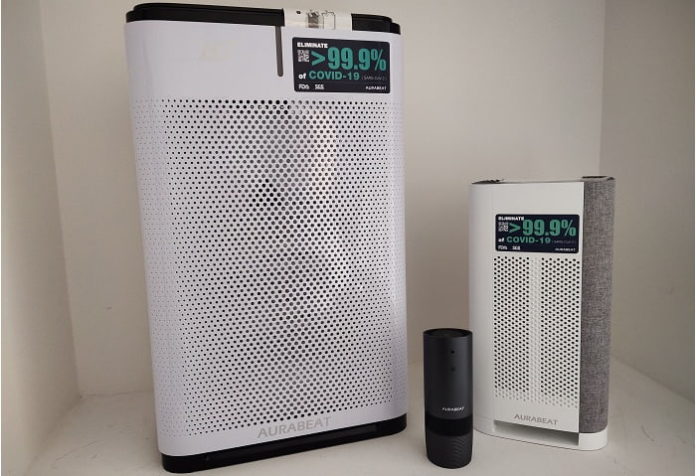
Aurabeat, USFDA approved anti-Covid Class 2 medical device for SARS-COV-2 disinfection was launched in India. Hong Kong-based Aurabeat has developed the patented AG+ five-stage sterilization purifying technology after extensive research in the field of air filtration for over a decade, Aurabeat’s AG+ Pro Silver Ion Antiviral Air Purifier cleans the air up to 3.4 times in one hour while actively eliminating bacteria and viruses from air and surfaces. Apart from USFDA, the product is it is certified by MRI Global, ATCC (American Type Culture Collection), SGS (General Society of Surveillance-Geneva), FC, CE, ISO, UL, RoHS, UKRI Medical Research Council, CEN European Committee for Standardization, . Aurabeat is used in over 200 hospitals, 200+ schools protecting the air from COVID-19 in more than 40 countries.

Phil Yuen, CEO, Aurabeat, Hong Kong, said during the India launch, “We launched Aurabeat Anti-Covid disinfection technology in response to the global pandemic. We realized the urgent need for enclosed environments to be disinfected of the Covid-19 virus if mankind is to be kept safe. We have had demand surge for our anti-Covid disinfection products, and we are ramping up production to meet global demand.”

Venkat Duddukuri, CEO, Aurabeat India, added, “We are witnessing a resurgence of Covid cases across the globe, as also in India, and if any semblance of normalcy is to return, people’s freedom to return to their normal activities must be restored. Offices, schools, colleges, restaurants, theatres, can be cleansed of the Covid-19 virus with Aurabeat’s globally proven and approved technology.” According to the actual experimental test results using COVID-19 viruses in a US virology laboratory, MRI Global, Aurabeat AG+ Silver ion Antiviral air purifier proved to effectively eliminate 99.9% COVID19 in 15 minutes. Other experimental tests have also proven that Aurabeat AG+ silver ion air sterilization purifying technology can kill 99.9% influenza viruses, fungi staphylococcus aureus and E.coli.

The company is a global leader in air filtration technology and boasts of a strong presence in more than 40 countries across the globe. Aurabeat patented silver ion technology relies on a premium five-stage filtration mechanism which has previously been used in medical equipment making the Aurabeat products extremely reliable and trustworthy. Apart from this, pollutants like nitrogen dioxide, carbon monoxide, sulphur dioxide, formaldehyde, etc., can also be eliminated from the air using the Aurabeat air purifiers. This technology is highly efficient for indoor pollution in hospitals, homes, schools, movie theatres, restaurants, offices, among others.

The Impact Sleep Quality Has On Your Overall Health

The Impact Sleep Quality Has On Your Overall Healtha

You’ve probably heard a lot of medical experts say you need a certain amount of sleep because of its benefits. And, yes, they’re actually true. Because sleep will not only affect your energy. It can also impact both your mental and physical health.

What Happens If You Don’t Get Enough Sleep?

Everyone has experienced stress and fatigue that usually result in a poor night’s sleep. As a short-term result, you may experience drowsiness, which could affect your ability to focus.

This also impacts your memory and ability to make sound decisions. Because your mind isn’t able to concentrate, it’s harder for your brain to make decisions – which could affect your driving skills, your thinking skills, and even your motor skills.

Apart from that, your stress hormones, such as adrenaline and cortisol, increase. Hence, sometimes, you’d wake up with a pimple.

Some effects often get better, though, – if you’re able to sleep better the next day. You’ll find that you’re more focused the next day after a full night’s sleep, you’re able to make better sound decisions, etc.

However, continuous poor quality of sleep can result in worse effects than that. That’s why sleep experts highly recommend improving your bed, such as investing in a good memory foam mattress, and proper sleep hygiene. Or else, you might experience a decline in your mental and physical health if the quality of your sleep doesn’t improve.

The worst part is you’re increasing your risks of the following health problems:

Weakened Immune System

Your body repairs itself as you sleep. During bedtime, your immune system is able to release proteins that are called cytokines. This type of protein is needed to help you fight infection and inflammation. It also helps you when you’re under stress.

And when you frequently don’t get proper sleep, your body won’t be able to release the right amount of such proteins to ward off inflammations and infections. Therefore, you’re more prone to catching cold viruses and other viral infections. Needless to say, your body won’t be able to recover from it as fast as healthy individuals do.

Weight Gain

Your appetite is controlled by neurotransmitters, the chemical messengers that let your nerve cells communicate with each other. Ghrelin and leptin are known to be the neurotransmitters that are central to your appetite. And these are the ones responsible for promoting hunger (ghrelin) and contributing to feeling full (leptin).

When you get poor sleep quality, these neurotransmitters are affected. The less sleep you get, the more ghrelin is produced and the less leptin is made. Therefore, you’ll feel more hungry and less full. As a result, you’ll eat more. Therefore, you easily gain weight.

Mental Health Decline

It is well-known how sleep can affect brain function. It can impact how you concentrate, make decisions, etc. But, not many people know that the quality of your sleep can also influence your mood and emotions.

Sleep has different stages that complete the sleep cycle. And each of them plays a role in your brain’s health. If you’re not able to get a full night’s sleep, you won’t be able to complete the stages of the sleep cycle. Therefore, the parts of your brain that are responsible for your emotions are affected.

Hence, when you wake up, you sometimes find yourself in a bad mood. And if you’re suffering from mental health issues such as depression or anxiety disorder, you’ll likely find that they’re creeping in after waking up as lack of sleep also triggers the brain mechanisms that make you sensitive to anxiety.

Increased Risks of Diabetes

Lack of quality sleep can also affect your blood sugar levels. When you don’t get enough sleep, your body produces more cortisol. When this happens, your body’s glucose level increases too. Because of that, your risk of diabetes increases.

But when you get adequate sleep, you’re decreasing the likelihood of catching diseases as sleep helps you repair your body and keep health issues at bay. Because of that, medical experts say that good-quality sleep is a must. This way, you can function properly, both physically and mentally. Doing so will also keep diseases at bay.

How Much Sleep You Need

Apparently, there are different recommended amount of sleep per day depending on a person’s age. For babies up to 3 months, it’s advisable for them to get 14-17 hours of sleep a day.  For babies 4 to 12 months, they need 12-16 hours of sleep a day, including naps. For 1 to 2 years olds, 11-14; 3 to 5, 10-13; 6 to 12, 9-12; and for 13 to 18 years old, 8-18 hours.

The hours of sleep you’ll need as you grow older becomes lesser. For adults 18 to 60 years old, 7 hours of sleep would suffice. For 61 to 64, you need to have 7-9 hours of sleep. And for 65 and older, you will need 7-8 hours of sleep per day.

Improving the Quality of Your Sleep

The quality of your sleep matters. This way, you’re able to complete every stage of the sleep cycle. If you feel like you need to improve the quality of your sleep, here are some things that might help you:

  • Maintain a consistent sleep schedule, even during weekends
  • Remove electronic devices like, TVs, computers, and smartphones, from your bedroom
  • Keep your bedroom dark
  • Maintain a comfortable temperature in your bedroom
  • Invest in a good mattress
  • Keep your bed clean and frequently change your bedsheets for added comfort
  • Avoid stimulants like nicotine and caffeine before bedtime
  • Try relaxation exercises
  • Meditate
  • Have a warm bath
  • Read a book instead of spending your time using your smartphone before bedtime
  • Exercise regularly
  • Avoid vigorous physical activity right before your bedtime
  • Don’t eat close to bedtime
  • Limit your naps to less than 20 minutes

Sleep is very important. It’s not only for your physical health but for your mental health too. With a full night’s sleep, you’re able to improve your health and the quality of your life. So stop frequently pulling all-nighters and develop good sleep hygiene instead.

6 Things You Shouldnt Say To Someone Who Has An Eating Disorder

Eating Disorder

Watching a loved one battling an eating disorder can be difficult, and you may not know precisely how to react or respond to what they are going through. But knowing what and what not to say to these people can be critical to their healing process.

Eating disorders are severe mental and physical illnesses that involve complex and damaging relationships with food, eating, exercise, and body image. Now that your friend or family member who has an eating disorder already knows they have a problem, you don’t have to make it more evident and difficult with snide comments about their eating disorder.

Below are six things you should avoid saying to someone who has an eating disorder.

Avoid Making Comments on Weight

You should know that most people with eating disorders are constantly obsessed with checking their weight now and then. Some people with this disorder wake up early to see if their size has increased or decreased. So when you are with such a person, please resist the temptation to pass a comment regarding their weight. Discussing weight with a person who has an eating disorder, no matter how well-intentioned, will make them feel sad.

Additionally, you should also avoid commenting on your loved one’s weight but extend the same courtesy to yourself as well. Passing comments like “I look so fit and trim for my age” wouldn’t help them. Instead of talking about weight, you can focus more on other things they are passionate about, like movies or art.

Avoid Saying, “You Don’t Look Like Someone With an Eating Disorder.”

When you say something like this to a person with an eating disorder, it feels like trying to negate their feelings and their struggles. You are not going through that phase, so you can never understand what it feels like to be struggling with an eating disorder. Eating disorders are not selective, and they do not apply to only emaciated-looking people.

Don’t Ask, “Have You Seen Your Therapist Lately?”

No, you shouldn’t ask a person with an eating disorder that question. You make them feel like the love and support from their family is not enough, and only professional help can save them. It is a known fact that the prevention of eating issues, most especially an eating disorder, may not be so easy. They are most likely seeing a therapist already, but a reminder might make them feel like their condition is irredeemable. A better thing to say can go like, “I know you are having a tough time right now. Would you like to talk to me?

Don’t Ever Ask, “Should You Be Eating That?”

If you know someone with an eating disorder and you see them eating something, understand it took a lot of courage and zeal for them to take anything at all. It can even be harder to eat food in front of others, so don’t ask them why they are eating a particular food. They are most likely to have the lists of food that are safe and what they eat regularly, but it wouldn’t hurt if they challenge themselves to eat something different and out of their usual menu. Comments such as this may not be helpful and push them further away, making them return to their old ways.

Don’t Go Like, “You Either Stop Eating Or….”

Your loved one is going through it already, and giving them a request may come from a good place, but sometimes it can do more harm than good. You can feel it is a great negotiation tactic and self-discipline but, a person with an eating disorder is already facing a lot of pressure, especially from themselves.

If you genuinely love them, don’t make it harder by adding more stress to their life. Stress or the words you say to them can easily trigger people with eating disorders, so it is advisable to avoid passing comments that will make them isolate themselves and further worsen their condition.

Don’t Say, “Why is it Hard For You To Eat Something?”

They are not doing it deliberately, and you won’t be doing them any favor by asking why it is hard for them to eat something. If only it were that simple, they would probably order food day and night from restaurants. They want to eat something, but the food is alien when an individual struggles with a restrictive eating disorder.

The journey to the healing process for an eating disorder is not always smooth. The best you can do as their loved ones are to give them all the support and love you can. It is a long and arduous journey.

Interoperate or stagnate – how healthtech can accelerate customer success

15418 - digital_healthcare.jpg

Everybody loves a startup. Young professionals in particular love the excitement, the pace , the ability to try new things and being part of a team trying to change the world. This gives new companies an edge in developing innovative technology solutions. Given that healthcare has tended to lag behind most other sectors in adopting digital strategies, startup companies are vitally important to the transformation of the industry.

Healthcare startups also have their challenges. It’s estimated that 90% of healthtech companies fail in their first five years. And one of the biggest hurdles they face is the need for interoperability. Interoperability – exchanging information between different healthcare systems in a meaningful way – has been central to healthcare data management ever since specialist healthcare applications first appeared.

Exchanging data in a completely unambiguous way is important across the healthcare continuum, especially when it comes to caring for patients and for analysing the evidence for new medical treatments. This means that if healthcare startups want to develop new solutions and successfully bring them to market, they need to build on a foundation of interoperability and work with a range of data standards.

Interoperability standards – take your pick

When it comes to the development and promulgation of interoperability standards, the healthcare industry has a veritable alphabet soup of active bodies, including Health Level Seven (HL7®), ASTM International, DICOM (Digital Imaging and Communications in Medicine) and IHE (Integrating the Healthcare Enterprise).

Many of the standards these bodies control – and their underlying data models and messaging protocols – date back a decade or more. It would be a mistake, however, to dismiss them as “legacy” standards, and to assume they are inefficient or about to be superseded by more modern standards like HL7 FHIR® (Fast Healthcare Interoperability Resources), a concept first put forward and led in Australia by Graham Grieve.

This is because a large number of healthcare applications rely on these standards to acquire the data they need from other applications and systems. This data could reside in administrative and departmental systems, or medical devices, in addition to their own data repositories. And these applications typically have long lifecycles and are not due for immediate replacement.

Integration with existing healthcare systems

For innovative new solutions to succeed, they have to exchange data with existing healthcare systems. That means being able to communicate using their preferred mechanisms or standards. It also means that healthcare startups need to have a strategy for how their solutions fit into and interact with the data infrastructures of the healthcare providers they want to work with.

FHIR, HL7’s newest clinical data standard, uses RESTful Application Programming Interfaces (APIs), which are also the basis of the ecommerce and social media applications we use on a daily basis. That allows FHIR to be used in a range of different contexts, from system-to-system messaging to consuming innovative new services. It’s likely that most interoperability will be done via FHIR at some point in the future. For example, if healthcare providers want to integrate with new Apple Health products, they will have use FHIR.

However, right now, supporting earlier data standards and APIs, and even interfaces to systems that don’t use standards, makes it easier for a new application or solution to fit into the existing healthcare data ecosystem. In fact, demonstrating this sort of flexibility could be a key competitive advantage for startup companies, and help them acquire more customers.

Innovation and AI rely on data management

Data management capabilities are also important. Clinicians and other carers are increasingly looking to leverage healthcare data to understand what is the best treatment for an individual patient, for example. That could be through access to a complete set of patient data, or through applying artificial intelligence (AI) algorithms trained using large volumes of comparable data. These processes are greatly simplified if data is consistent and flows easily between systems rather than being scattered throughout disparate data silos.

Isolating data within a single system limits the clinical and financial value that can be derived from it. The solutions that healthcare startups develop need to be able to acquire data from multiple sources and share it with other systems, and that requires interoperability. By making data fluid, they will maximise both the benefits to patients and the value that healthcare providers can achieve.

The use of AI and machine learning is growing. The ability to take an almost countless number of data points into account when making decisions is already proving valuable to clinicians. Yet the success of AI and machine learning initiatives is highly dependent on the quality of the datasets they use. This in turn relies on the ability to acquire and easily exchange healthcare data, making it a key limiting factor in what can currently be achieved. By developing innovative solutions with strong data management and interoperability capabilities, healthcare startups will help to overcome barriers to AI and machine learning and unlock even more value from healthcare data. 

Interoperability should be considered up front

At the end of the day, healthcare providers will prioritise interoperability with existing systems when choosing new solutions. Regardless of how innovative they are, if new solutions require customers to do the heavy lifting of data integration, their adoption will probably be limited. If they are to succeed – and hopefully survive and thrive well beyond the five-year mark – interoperability cannot afford to be an afterthought that startups only consider at the end of the development process.

3 Benefits Of Seeing A Clinical Psychologist

3 Benefits Of Seeing A Clinical Psychologist

Your sessions with a clinical psychologist are also what’s referred to as psychological treatment. This is the process of talking about your thoughts and problems with a professional. They’re not meant to give you any pieces of advice or to gear you toward what you should be doing. Rather, a clinical psychologist will help you process your thoughts and your emotions, so you can move forward one session after another, dispelling all the mental and emotional weight you may have been carrying.

You don’t have to fear seeing a clinical psychologist as whatever personal information you give out would be labeled as confidential. You can trust in them never to tell others about what you’ve just talked about or what it is you’re going through and what your diagnosis is. Overall, once you’ve completed your sessions from mvsgroup.com.au and other trusted clinics, you’ll find changes in your behavior and enjoy a better-quality life.

This article discusses some of the benefits of seeing a clinical psychologist:

  1. Help You Deal With, Treat, And Move On From A Mental Illness

With all the stress and other circumstances an individual goes through, it’s not surprising that many may start to exhibit some of the early signs of a mental illness. This isn’t something for you to be ashamed about as you don’t have to give in to whatever stigma you may have on your mind about it. You’re not crazy and you certainly aren’t acting up, but you need help. This is where the expertise of a clinical psychologist comes in.

Some of the most common mental illnesses a clinical psychologist may be able to help you out with are:

  • Heightened Anxiety

Normal feelings of anxiety can happen from time to time. But this only starts to become problematic when the anxiety is frequent and seems to be getting out of control. Some of the signs of heightened anxiety include:

  • Difficulty relaxing;
  • Feeling on the edge quite frequently;
  • Feeling tense, nervous, and irritable.
  • Depression

This refers to the mental illness where you might feel sad and unable to do anything not just for extended periods, lasting for weeks. In its milder forms, depressed individuals may have an inability to sleep, feel irritable, and have no energy to do their daily tasks. In its severe stages, however, the depressed individual may start to be suicidal.

  • Inability To Control Aggressive Behavior And Anger

The onset of uncontrollable aggressive behavior and anger may exhibit legal consequences not just for yourself, but also those around you like your family, spouse, children, and even friends and colleagues.

  1. Help You Deal With Grief And Loss

Dealing with the loss of a loved one and going through the grieving process isn’t the same for everybody. There are those who may be alright by themselves, but others can feel that person’s absence more to the point that the grief they go through starts to get the best of them.

You don’t have to go through those dark moments alone. When all else fails, you can always turn to professional help, so you can move forward from the grieving stage stronger and better than you may have been able to do so on your own.

  1. Give You A More Stable Home Life

An individual suffering from mental health problems can go through a lot of problems with their home life. Their relationships can be hampered when the individual feels all the troubles eating up the best of them, and they cease to function as they should be doing. After a few counseling or therapy sessions, you’ll notice a difference in your relationship bonds and also enjoy a better closeness with those around you.

After all, when you’re happy, you can also be the happiest and the best version of yourself to your loved ones. Your relationships won’t have to suffer through your mood swings, anger, and even your inability to function when you let depression and anxiety get the best of you.

Conclusion

If you know you need help with whatever psychological, emotional, or mental turmoil you may be facing, don’t deprive yourself of the opportunity to see a clinical psychologist. Doing so isn’t a sign of weakness. Rather, it’s a sign of strength signifying your willingness to move forward and improve for yourself and your family.

When your circumstances seem to be overbearing that it’s now challenging for you to move on, seeing a clinical psychologist for therapy sessions is going to be one of the best decisions you’ll ever make for yourself and those rooting for you.

7 Benefits Of Telehealth Services For People With Disability

7 Benefits Of Telehealth Services For People With Disability

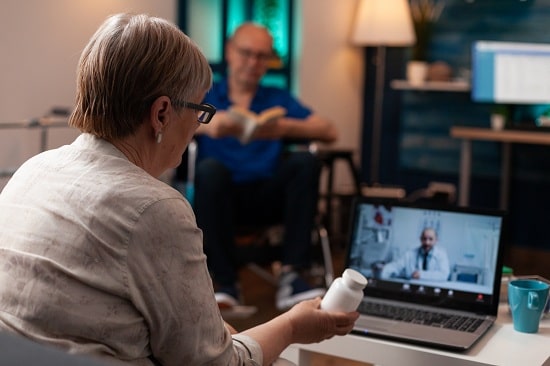
Technology has changed the face of healthcare in tremendous ways over the past years. If you are caring for a loved one who lives with a disability, or if you’re living with a disability yourself, you might be wondering if there are ways that technology has evolved to make your life more comfortable.

The good news is there have been admirable improvements in the telehealth industry that could change your life in different ways—depending on your or your loved one’s disability. For one, telehealth services are changing how disability support is administered. It helps people with disabilities, whether congenital or acquired, get through various medical challenges and maintain a good quality of life even when they are miles away from healthcare professionals.

This article will explain how telehealth enables doctors and caregivers to rapidly prescribe medication and provide correct care to their patients while keeping them out of costly emergency rooms or long hospital stays.

  1. Saves Time

Every second counts when a patient or doctor needs to know the results of lab work, X-rays, CT scans, or other medical imaging. But waiting days for bulky paper copies could cause further damage to a patient’s health.

Fortunately, telehealth allows for rapid transmission of this critical information between specialists and healthcare professionals, even when they are situated in different cities and states. This allows the patient, or their caregiver, get accurate information and treatment in real-time without waiting hours in the hospital or laboratory. Patients with disabilities can simply send out their samples and wait for the results at their own homes.

  1. Faster And Better Access

Telehealth also helps faster access to medical specialists and caregivers who may not be available in the cities and towns where patients live.  For example, there may only be a few neurologists in a state, and the available ones may be hundreds of miles away.

In order to get an appointment with these specialists, patients might have to wait weeks for an available appointment—and even then, the specialist is usually booked solid for months in advance. Telehealth allows them to consult with specialists at their own convenience through live video chat or by sending medical records over secure email accounts.

  1. Helps With Personal Improvement

Telehealth services have helped people with disabilities receive vocational training, as well as provide them with therapy and socialization tools that can help them feel more comfortable in their own homes. This significantly improves their quality of life.

  1. Saves Money

Telehealth saves money in the long run by preventing emergency room (ER) visits and hospitalizations. It is also cost-effective in helping people with chronic illnesses get a doctor’s prescription that can keep their symptoms under control. Subsequent checkups are also a breeze since the patient does not have to go out and spend money on fare, gas, or any kind of transportation.

  1. Reduces Strain From Caregivers and Patients

People who benefit from telehealth services can often access them through “home health care” or even just getting medical equipment delivered right at their doorsteps instead of having to drive an hour back and forth to a clinic. This reduces the stress on patients and allows people who live with disabilities more privacy than they might have had if they were forced to seek treatment at a crowded public hospital or urgent care center.

  1. Connects Patients With Special Needs

Telehealth is also used by folks who are on the autism spectrum. With proper assistance from family members or a caregiver, healthcare professionals can connect and train them how to live independently. Non-verbal patients can even communicate more effectively by typing out their health problems and concerns—allowing them to express what they truly need.

  1. Allows For Continued Emotional And Physical Support From Loved Ones

With telehealth services, people with disabilities don’t have to be isolated from friends or family members because they live far away. This goes both ways since the patient’s loved ones would most likely want to stay close during the treatment process. Telehealth keeps them from having to rely on emergency room visits or inconvenient doctor’s appointments that are hard to schedule in advance. 

Take Away

Telehealth allows disabled patients the opportunity to manage their conditions without being forced into uncomfortable situations outside of their homes where other people might judge them unfairly for their disability. Services previously difficult for them to access can be brought right to their doorsteps through telehealth technologies. Aside from convenience, these services are also cost-effective and are less stressful for disabled patients who live far away from medical centers.

Everbridge Launches Industry-Leading CareConverge and HipaaBridge Healthcare Solutions to Improve Secure Clinical Collaboration

Everbridge Launches Industry-Leading CareConverge and HipaaBridge Healthcare Solutions to Improve Secure Clinical Collaboration

hVIVO, the pioneer of human disease models, and Everbridge, a global provider of SaaS-based unified critical communications solutions, are joining forces to offer a next generation, virtual clinical trial platform that has the potential to transform the trial volunteer experience. The offering leverages secure clinical collaboration and telemedicine solutions from Everbridge to transition the trial volunteer experience from a sporadic notification process to an interactive, self-service community-based environment. The partnership provides access to personalized communications, secure dialog and remote data sharing between volunteers and their clinicians, which can help to streamline clinical trials and improve operational efficiencies.

Drug development remains a long and costly process, with clinical trials often taking 10-20 years. Trial recruitment activities play a pivotal role in defining time to market. According to the Tufts Center for the Study of Drug Development, study timelines are typically extended to twice their intended duration in order to meet enrollment levels. Despite this, 48 percent of trials still do not meet their recruitment targets. This novel, web-based clinical trial and volunteer communication platform will aid in maximising the engagement, retention and growth of volunteers enrolled for clinical trials through continuous 360 degree information collection and exchange via secure mobile and video communications. The platform promotes an ongoing dialog with volunteers, stimulating volunteer recruitment and avoiding trial delays.

Virtual recruitment and engagement for clinical trial patients aligns with the growing adoption of mobile health tools by both healthcare professionals and consumers. According to Forrester Research’s, November 2015 report: “Predictions 2016: The Empowered Patient,” “…mobile and wearables drive new patient interactions and new data. Smartphone adoption is at an all-time high for more than just Millennials. More than half of consumers have used their smartphones to get health information.” Clinical trial volunteers should likewise benefit from an easy-to-use, secure messaging and video solution that can transform their interactions over the course of the trial.

Enabling a better human experience is at the core of both Everbridge’s and hVIVO’s operations. The hVIVO platform tracks human disease in motion at the clinical, cellular and molecular detail, in addition to collecting patient reported information. This enables hVIVO to build the widest and deepest human samples-based data pool and support rational drug target and biomarker selection, creating more sustained value from this “client data.” The hVIVO human disease models platform can also bridge human biology and digital health, enabling unique insights into disease biology.

Everbridge is committed to driving innovation in healthcare by improving the clinical communication and collaboration experience for both clinicians and patients. The company’s unified critical communications platform and HipaaBridge, its secure messaging application designed for HIPAA compliance, can enable organizations to quickly and securely deliver the right message, to the right professional or patient, on the right device, at the right time.

The partnership between hVIVO and Everbridge will promote:

Effective communication with the 100,000-person volunteer community
Secure communication and collaboration between clinicians and volunteers
Remote virtual health and telemedicine visits and data capture for volunteers and hVIVO’s clinical studies customers
Better volunteer recruitment and clinical workflow efficiencies

“It’s incredibly gratifying to partner with an innovator like hVIVO to drive engagement and collaboration in the clinical trial process,” said Imad Mouline, CTO of Everbridge. “We look forward to providing a secure platform that can promote not only virtual health between clinicians and volunteers, but also can help drive broader efficiencies in clinical trial development and advancement.”

“Timely enrollment of the right subject is paramount for delivering today’s game-changing drugs on schedule,” said Kym Denny, hVIVO CEO. “hVIVO and Everbridge’s virtual clinical trial platform is designed to provide flexible study options for sponsors and an interactive volunteer experience, which can help improve efficiencies and bring innovative therapies to market more quickly, creating a win-win scenario for sponsors, volunteers and ultimately the patients.”

hVIVO and Everbridge plan to roll out this virtual clinical trial platform in phases, starting with the initial Volunteer Communication Platform in early 2016, followed by the full technology suite later in the year.

hVIVO plc  is a life sciences company pioneering a technology platform of human disease models to accelerate drug development and discovery in respiratory and infectious diseases. Based in the UK, hVIVO has conducted over 40 clinical studies, involving more than 2,000 volunteers for a range of leading industry, governmental and academic clients.

About Everbridge

Everbridge is a global provider of SaaS-based unified critical communications solutions. During mission-critical business events or man-made or natural disasters, the Everbridge platform enables customers to quickly and reliably deliver the right message and reach the right people, on the right device, in the right location, at the right time. Utilizing sophisticated communications technologies, Everbridge has the ability to deliver and verify messages in near real-time to more than 100 different communication devices, in over 200 countries and territories, in multiple languages – all simultaneously. Everbridge is based in Boston and Los Angeles, with additional offices in San Francisco, Beijing and London.

Translate »