






Close
Digital Health & Ai Innovation summit 2026
Medical Taiwan 2026

The Main Reasons Why Your Business Needs Group Health Insurance

The Main Reasons Why Your Business Needs Group Health Insurance

While bonuses and discount coupons are some additional benefits every employee seeks, health insurance is an essential perk that determines whether or not an experienced professional will apply to a particular company. Health insurance is no longer a luxury but a necessity for both companies and employees. However, since relevant policies can be a bit expensive for individuals, companies are investing in group insurance. While paying monthly premiums can undeniably increase your business expenses, the hidden benefits and perks will encourage you to instantly get a group policy. Here are some top reasons why your business should also get one for your staff.

1.ย  Keep Your Employees Healthy

As an employer, it is your duty to overlook your employeesโ€™ physical and mental health. Getting group insurance can ensure that they are medically covered and protected against illnesses and underlying issues. When it comes to health, prevention is better than cure. Since health insurance provides access to medical care round the clock, any lingering issue can be easily diagnosed and treated before it gets serious.

Today, the companies failing to provide free policies to their staff are frowned upon. Since working professionals are free to sue their employers or gain compensation for physical or mental health damage on your company premises, you can combat such situations too. Furthermore, inducing workplace wellness can create a happy and positive environment, which your staff will love and appreciate. A healthier and happier team will function better and the members will get along well. This also means that your team will take fewer holidays, thereby keeping your performance high.

2.ย  Boost Confidence and Productivity in Your Employees

With insurance, your team members can work in peace and stay assured about having access to medical care. Working professionals obliged to pay their own medical bills can also save money and avoid their debt from piling on. This, in turn, keeps them happy and satisfied. In a way, your employees may portray their gratitude by working harder and reaching goals with vigor. According to the Desjardins insurance agents, you can incorporate additional policy benefits in your group insurance to design a complete wellness program. For example, dental care and prescription drug coverage can provide additional medical benefits.

Every company needs its employees to be confident and productive to meet its daily and yearly goals. With enhanced productivity, your tasks will be completed on time, which, in turn, will keep your clients satisfied. Basically, this minor incentive can keep your team members content.
3.ย  Manage Finances and Taxes with Ease

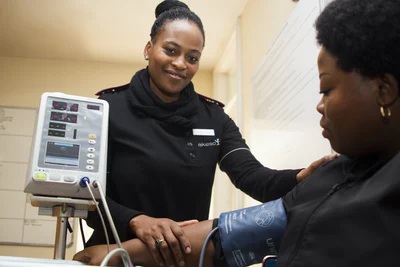
If you get group insurance for your company, you will likely benefit from a reduction in taxes. Some government bodies exempt companies from paying taxes or deduct a part of their final tax amount on group incentives. The pre-tax budget allocated to employees is used to pay for the health policies, which increases their income at the end of each year. The tax-deductible benefits are, therefore, useful for both the employer and staff members. You may have to invest a little time and effort in filling the relevant paperwork. Pay attention to other tax credits applicable in your region to gain reap maximum benefit.

Some employers are subjected to pay long medical bills for employees who get hurt on their office premises. With a health policy in place, you can save money and use it for your business instead. By getting group insurance, you are also saving money by paying lower premiums. In turn, you can streamline your budget and operation costs. Redirect the saved money to buy new inventory or towards developing a new service that can help your company grow.

4.ย  Attract Talented Candidates

As mentioned, certain talented and experienced candidates consider health insurance a priority and refrain from applying to jobs that fail to provide one. They are aware of the additional benefits and perks of this incentive and look for companies that provide individual or group insurance. While saving money is one of the top benefits, experienced candidates also look forward to working in a healthy and happy environment. While your chance of recruiting experienced candidates increases by a wide margin, you also have a stronger grip on retaining existing talent.

By getting insurance, you are not only giving value to your employeesโ€™ health but also helping them save money. With your finances in order and deduction in taxes, you are collectively saving a lot of money as a group. Moreover, since group insurance is cheaper than individual policies, your team can unanimously stay healthy, happy, and financially stable. If you havenโ€™t signed up for a group policy for your company yet, it is high time you do.

How To Enhance Your Focus And Improve Your Memory

How To Enhance Your Focus And Improve Your Memory

If you are like most people, you have probably felt frustrated when your memory fails to live up to your expectations. However, it is possible to improve memory and focus with some simple techniques that anyone can do. This article will share some of the proven ways you can enhance your focus and boost your memory.

1.ย  Take Nootropics-natural Cognitive Enhancers

Nootropics or natural cognitive enhancers are substances that enhance cognition through chemical means. They work by affecting neurotransmitter levels in the brain, increasing attention span and memory retention, among other things.

Research has shown nootropics to be effective with students who have ADHD (attention deficit hyperactivity disorder) because it focuses them on tasks they need to complete, like studying for exams.

There are many different types of nootropic drugs. Therefore, by picking the most popular smart drugs in the market, you can get an idea of what they can do. Some of the most common ones include; Adrafinil, Modafinil, and Phenylpiracetam.

2.ย  Get Enough Sleep

Sleep deprivation and a lack of focus are connected because when you’re running on low energy, it’s much more difficult for us to direct your attention in different directions.

This is just one thing that can help get you focused at work or school: getting enough sleep!

The exact number of hours varies from person to person, but the general rule is that, for most adults, seven or eight hours is a good amount. This will also help you with your memory! When we’re sleep-deprived, it’s more challenging to remember things that have just happened.

3.ย  Meditation

Meditation is a simple, powerful technique that can be done anywhere, anytime. Start by sitting comfortably with your back straight and eyes closed for about ten minutes each day to get into the habit of meditating. Then you can increase the length of time as it becomes more natural for you and do so just before an important meeting or when studying.

The goal is not to empty your mind but instead focus on only one thing: breathing in through your nose, then out through your mouth slowly, or thinking about specific words and letting everything else go.

What’s most important is being able to control how much attention you give different things. You’ll be more focused when you’re able to say, “This is important and needs my full attention,” while at the same time realizing that other things don’t need this kind of focus.

And meditation has also been shown to improve memory. Research suggests it can better remember information because it promotes a system in our brains called neuroplasticity, which allows neurons in one part of the brain to take over for those lost or damaged from Alzheimerโ€™s disease.

4.ย  Eat healthy foods

Eating healthily is one of the best preventative measures you can take to avoid memory loss. Fresh vegetables, legumes, and fish are all excellent sources of Omega-rich foods that have been shown in studies to help improve blood flow and cognition.

Studies have also shown that people who eat a diet high in antioxidants are at a lower risk of developing age-related brain diseases like Alzheimer’s.

Legumes such as lentils or beans are good sources of iron linked with higher cognitive function in the elderly. Beans contain protease inhibitors that fight against amyloid plaques from forming on the nerve cells, preventing them from destroying neurons. They also inhibit inflammation in the brain.

Leafy vegetables such as spinach or kale, rich in antioxidants and folate (vitamin B), can help protect against cognitive decline associated with aging. Other leafy greens like chard and collards have been shown to reduce the risk of dementia due to high amounts of lutein that are good for eye health.

5.ย  Take a Break

Taking a break is very important because it gives your brain a chance to rest and reduce stress. Find something fun or engaging that you enjoy doing during the break, like watching a funny video or sitting in the sun.

The brain loves novelty, so try to do something different each break time. If you usually take a walk, go for a run instead! Changing your routine will help make it easier and more fun.

If youโ€™re looking to boost your memory and improve focus, these tips are a great place to start. Donโ€™t forget about the importance of exercise in this equation as well! Remember that no one-trick will give you instant results – it takes time for changes in our brain chemistry and can take up to 20 minutes before we notice any difference. So keep at it every day until those good habits become second nature.

Health Professional Shortage Areas Alleviated by Telehealth?

More than 82 million people currently live in Health Professional Shortage Areas (HPSA), according to the Health Resources & Services Administrationโ€™s first quarter 2021 summary.

This means that roughly 25% of the U.S. population resides in regions without a sufficient number of primary, dental and/or mental health care providers. As a first-world country that spends the most per capita in healthcare, how does the U.S. find itself with a quarter of the population experiencing a lack of critical care services? According to the University of Southern Californiaโ€™s Keck School of Medicine, four critical factors contribute to whether an area might experience a healthcare worker shortage.

An aging population

The Health and Aging Policy Fellows reports that by 2030, the youngest baby boomers will have reached age 65; this group will include 1 in 5 Americans whose health care needs will be escalating.

An aging and retiring healthcare workforce and COVID-19

The American Association of Medical College (AAMC) projects that by 2027, over one-third of practicing physicians will be 65 or older. Thus, as healthcare needs rise in the Boomer population, the number of available physicians will decrease. In 2016, 42% of physicians were aged 55 and older and thus in the at-risk demographic for COVID-19. The pandemic led some doctors to leave their professions or retire early rather than place their physical health at risk.

The rising incidence of chronic diseases

According to the CDC, six in ten U.S. adults suffer from a chronic disease; four in ten are diagnosed with two or more chronic diseases, the most common of which are heart disease, chronic lung disease, cancer and diabetes. AAMC CEO and President Darrell G. Kirch, MD, finds โ€œthe projected shortage [of healthcare workers] especially troubling, since as patients get older, they need two to three times as many services, mostly in specialty care, which is where the shortages are particularly severe.โ€

A finite number of educational programs

A report by the American Association of Colleges of Nursing (AACN) published in 2019 reported that nursing schools in the United States were forced to deny admission to 80,407 skilled applicants from nursing programs due to a lack of clinical and classroom space, restrictive budgets and, most commonly, faculty shortages. In addition, a report by The Atlantic stated that one-third of nurses will retire in roughly the next decade, a figure that may increase due to COVID-19 and related burnout.

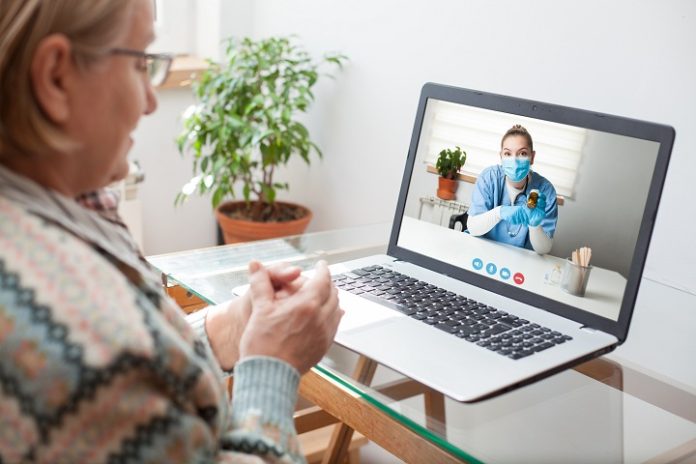
Technologies such as telehealth have already begun to help bridge the gap for those residing in HPSAs. The recent COVID-19 pandemic thrust patients and providers into the already burgeoning prospect of remote solutions for limited healthcare access (patients struggling with distance and transportation issues as well as socio-economic variances that make them unable to access other health care options).

In 2020, state legislatures worked to loosen the stringent regulations that limit reimbursement for telehealth visits. Because it can be delivered quickly and easily, telehealth has become popular with people of all ages, notably for the convenience in obtaining appointments, the efficiency of the zero-commute and the comfort of meeting from home. A study from the Journal of General Internal Medicine found that in a poll of 2,052 adults aged 20 and older, only 15% were using telehealth for behavioral health when the pandemic began, but this percentage rose to 53.6% by May 2020. And it has been working well. In a National Poll on Healthy Aging that included 2,074 participants 50 to 80 years old, 72% showed interest in follow-up telehealth appointments with previous providers.

Virtual medical visits are not feasible for all physical tests (like lab draws and cardiac stress tests), but for behavioral health, the security, affordability and convenience of โ€œzooming inโ€ might be just what the doctor ordered. And it certainly eases the strain in areas with health professional shortages, making timely and quality intervention a possibility in remote areas with aging populations.

Health Professional Shortage Areas present a complex logistic issue requiring a multifaceted solution; therefore, healthcare professionals continue to piece together permanent answers to the increasing demand for equitable healthcare services.

Amadeus Integrates IBM Digital Health Pass Into Its Digital Health Verification Technology

Amadeus Integrates IBM Digital Health Pass Into Its Digital Health Verification Technology

IBM and Amadeus announced that they are working together to help meet one of the major challenges facing travel companies today: checking and validating the COVID-19 health documentation of travelers at checkpoints where required.

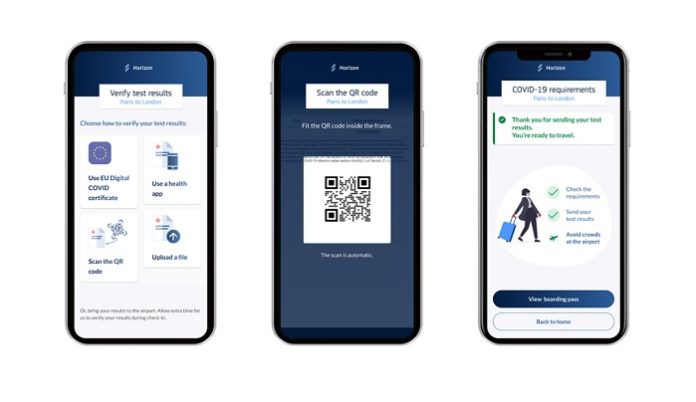
As part of that effort, IBM Digital Health Pass is now integrated into Traveler ID for Safe Travel, Amadeus’ digital health verification solution. This enables airlines to integrate the use of COVID-19 digital health credentials into their existing reservation and booking system, allowing airline passengers the option to scan or upload documentation to show their health credentials.

As passengers move through the online check-in process, Traveler ID for Safe Travel checks the requirements for that particular trip against destination country regulations. This then prompts passengers with the option to generate a secure COVID-19 digital credential by scanning paper documents or uploading a digital version from their mobile or desktop.

These COVID-19 digital health credentials are then verified using IBM Digital Health Pass, which uses a combination of encryption and blockchain technologies to authenticate COVID-19 health credentials against a global ecosystem of labs, vaccination centers and healthcare providers. Airlines receive a simple status confirming a passenger is ready to fly. This secure approach provides passenger privacy since only the compliance with border entry requirements is confirmed; no personal health information is stored by the airline, IBM, or Amadeus.

“While countries across the globe are beginning to slowly reopen borders to welcome back visitors, specific border entry requirements may vary greatly country to country. The need to check COVID-19 health documentation is causing significant delays during the journey for airlines and other travel providers, as well as the traveler,” said Greg Land, Travel and Transportation Industry Lead, IBM. “The integration of IBM Digital Health Pass into Amadeus’ Traveler ID for Safe Travel is designed to provide airlines with open technologies they can build into existing digital solutions. This can help airlines safely meet border entry requirements while delivering a smoother customer experience.”

“The integration with IBM is a step-change for Traveler ID for Safe Travel. The combination of the IBM Digital Health Pass with our Traveler ID for Safe Travel technology means that COVID-19 health documents can be digitized and read, verified, and authenticated. This avoids cumbersome and time-consuming checks while traveling, and adds further reassurance to airlines and their passengers,” said Christian Warneck, VP Safe Travel Ecosystem, Amadeus. “This is another milestone in the collaboration we are driving through our Safe Travel Ecosystem. By working hand in hand with customers and partners such as IBM, we can deliver the capabilities needed by travel providers and travelers to help provide a smooth passenger journey once more.”

Traveler ID for Safe Travel is currently live with multiple airlines, with additional airline customers to be announced soon. Traveler ID’s digital identity and health verification capabilities are also relevant for other customer groups, including hotels and airports.

About IBM
IBM’s statements regarding its plans, directions, and intent are subject to change or withdrawal without notice at IBM’s sole discretion. Information regarding potential future products is intended to outline our general product direction and it should not be relied on in making a purchasing decision. The information mentioned regarding potential future products is not a commitment, promise, or legal obligation to deliver any material, code or functionality. Information about potential future products may not be incorporated into any contract. The development, release, and timing of any future features or functionality described for our products remains at our sole discretion.

About Amadeus
Travel powers progress. Amadeus powers travel. Amadeus’ solutions connect travelers to the journeys they want through travel agents, search engines, tour operators, airlines, airports, hotels, cars and railways. We have developed our technology in partnership with the travel industry for over 30 years. We combine a deep understanding of how people travel with the ability to design and deliver the most complex, trusted, critical systems our customers need. We help connect over 1.6 billion people a year to local travel providers in over 190 countries. We are one company, with a global mindset and a local presence wherever our customers need us. Our purpose is to shape the future of travel. We are passionate in our pursuit of better technology that makes better journeys.

Amadeus is an IBEX 35 company, listed on the Spanish Stock Exchange under AMS.MC. The company is also part of the EuroStoxx50 and has been recognized by the Dow Jones Sustainability Index for the last eight years.

Komodo Health Acquires Breakaway Partners to Improve Patient Access to Effective Therapies

Komodo Health Acquires Breakaway Partners to Improve Patient Access to Effective Therapies

Komodo Health announced the acquisition of Breakaway Partners, a leading market access software company for the life sciences industry. The acquisition brings together Komodoโ€™s Healthcare Mapโ„ข and software with Breakaway Partnersโ€™ industry-leading formulary data, policy criteria, and analytics platform to create the industryโ€™s first enterprise market access solution suite based on a comprehensive, real-time view of real-world outcomes and costs.

As healthcare payers and providers continue to shift to value-based payment models, which incentivize the use of the most effective therapies, the market access analytics field has become critical to determine restrictions, reimbursement levels, and coverage decisions. In a domain ripe for innovation, Breakaway Partners has emerged as the leader. ??Its software solutions track formulary changes, medical and pharmacy policy criteria, and payer coverage โ€“ in real time and across geographies โ€“ to inform market landscape strategies for new and existing therapies.

Together, Komodo and Breakaway are pairing the largest map of real-world evidence with real-time market access insights,” said Arif Nathoo, MD, CEO and co-founder of Komodo Health. โ€œBreakaway is a pioneer in using technology to provide market access teams real-time insights on policy decisions. We couldnโ€™t be more thrilled to add their solutions and expertise to further our mission of reducing the burden of disease.โ€

โ€œGaps in access lead to gaps in care delivery,โ€ added Web Sun, President and co-founder of Komodo Health. โ€œIn a value-driven world, payers, providers and life sciences companies need faster, more complete insights to bridge the gap between new breakthroughs, the potential impact on patient outcomes, and formulary decisions. With this acquisition, we will be delivering solutions that encompass a real-time, comprehensive view of the entire market access landscape.โ€

Historically, market access decisions have been based on expensive, manual, and time-intensive analyses of aggregated formulary and policy criteria. The resulting insights were often out-of-date and incomplete, and they lacked visibility into patient outcomes. Now, through a single software interface, it will be possible to quickly understand a

nd prioritize patient access with insights rooted in the current landscape of existing restrictions, as well as the real-world experience of individual patients.

โ€œLegacy formulary aggregators not only lack the depth and breadth of data to see patient outcomes, but also the intuitive software to unlock the insights,โ€ said Christian Pinsonault, Managing Partner at Breakaway Partners. โ€œTogether, we are making it possible to track the impact of policy and formulary decisions on patient outcomes and โ€“ more importantly โ€“ to inform value-driven strategies that improve those outcomes. It will now be possible to quickly understand and prioritize patient access based not only on the current landscape of existing policy restrictions, but also on the real-world experience of individual patients.โ€

Together, Komodo Health and Breakaway Partners will expand their software capabilities, powered by insights from Komodo’s Healthcare Map, the industryโ€™s largest and most complete database of de-identified, real-world patient data, which tracks more than 325 million de-identified patient journeys. The acquisition further extends Komodo Heathโ€™s expansion across the healthcare ecosystem, delivering a range of real-world data, analytics, and software solutions designed to close gaps in care, improve access, and reduce the burden of disease.

About Komodo Health
Komodo Health believes that smarter, more innovative use of data and analytics is essential for reducing disease burden. We apply artificial intelligence and other advanced data science techniques to our first-of-its-kind Healthcare Mapโ„ข, which tracks the unique patient journeys of over 325 million patients. We empower a multitude of healthcare stakeholders โ€“ life sciences companies, healthcare payers and providers, patient advocacy groups, and others โ€“ to create a more cost-effective, value-driven healthcare system.

About Breakaway Partners
Breakaway Partners delivers market access insights to the life sciences industry with impactful business solutions unifying pharmaceutical sales, operations, and marketing data into a seamless platform. Breakaway Partners offers the most up-to-date data intelligence, providing effective targeting, messaging, and timely pull-through initiatives driving sales performance. The companyโ€™s unrivaled customer service, data accuracy, and accountability ensure that we bring confidence to your business decisions.

Remote Medical International Launches RMI Access Telemedicine and Case Management For Industrial Environment

Remote Medical International Launches RMI Access Telemedicine and Case Management For Industrial Environment

Remote Medical International (RMI), announced the launch of two new services RMI Accessโ„ข Telemedicine and Case Management, to address health and safety challenges found in demanding industrial environments. These services provide direct anytime, anywhere access to licensed medical providers trained in industrial injury management in all 50 states.

With RMI Access Telemedicine, employees have 24/7/365 access to licensed medical providers and care at work or away from the job site. For companies with multiple locations, this service assures safety teams that all employees receive a consistent quality of care. Uniquely, RMI Access providers are trained in industrial injury management who understand the special medical and care challenges facing remote workers. The Telemedicine service features a web application that gives patients access via chat or video.

In addition to comprehensive worker care, RMI Access Case Management helps employers improve outcomes with effective planning, fast response, ongoing injury management, and detailed reporting. RMI Access medical providers are trained in evidence-based conservative treatment, ensuring optimal outcomes for patients and employers. This service gives patients the option to connect to the service via telephone, which is especially important in remote areas where internet service may be unavailable.

The Case Management service saves valuable time by pre-identifying clinical resources, so employees receive the proper care and advice at every worksite. Equally important, the program tracks and manages clinical visits, appointments, and ongoing treatment for injured employees from the time of the trauma or illness until they return to work or their case transitions to the workersโ€™ compensation team. Complementing this service, RMI InSights provides real-time reports, alerts, and analytics like patient interactions, the types of injuries, and the sites where they occur – within HIPPA guidelines – from a customizable customer accessible, web-based dashboard. The dashboard keeps safety teams informed with the data needed to improve their health and safety programs continuously.

Community Healthcare System and Eon partner to help detect cancer in its earliest stages

   Community Healthcare System and Eon partner to help detect cancer in its earliest stages

Denver-based health tech leader Eon announced that it is partnering with Community Healthcare System to power their lung and breast cancer care programs. The hospitals of Community Healthcare System: Community Hospital, Munster, St. Catherine Hospital, East Chicago, St. Mary Medical Center, Hobart, and Community Stroke & Rehabilitation Center, Crown Point, are using Eon Essential Patient Management (EPM) computer solutions for patient management and the identification, capture and tracking of incidental findings. An incidental finding occurs when a suspicious abnormality is found on an imaging exam being done for an unrelated reason.

Each year, 200โ€“300 million radiology scans are performed in the U.S. and 25 percent of them have incidental findings. These findings are often the first sign of an underlying condition. In order for proper care and resolution, each one of these findings needs accurate identification and follow-up. Unfortunately, that is not happening often enough. Screening programs, while being effective, donโ€™t capture all of the findings. For example, 95 percent of lung nodules are found incidentally and 50 percent of all incidental breast findings fall outside of screening eligibility.

With Eon EPM, Community Healthcare System is ensuring these missed opportunities are captured and followed up on. Eon EPM is the only market-available software with the necessary technology to identify patients with incidental breast findings from radiology exams-with 95 percent accuracy-and track their follow-up.

Eon EPM also is able to capture lung nodules with 98 percent accuracy. The end result is saving lives. With Eon EPM, more data is gathered, organized and shared per evidence-based guidelines than before with the healthcare team for patients at risk for potentially life-threatening diseases.

โ€œThe incidental identification and patient management capabilities of EPM Breast set it apart as healthcareโ€™s only software option for a comprehensive breast program. It offers one solution for both screening and incidental patient populations,โ€ explains Dr. Scott Skibo, Chief Medical Officer at Eon. โ€œTogether, the EPM Lung Cancer Screening and the EPM Lung modules deliver the ideal solution for a comprehensive lung program, ensuring all patients get the care they need and no-one falls through the cracks.โ€

Eon EPM uses Computational Linguistics, a branch of Artificial Intelligence (AI), to extract abnormal findings and clinically relevant information from radiology reports. It is the only computer-based solution to identify incidental findings on Magnetic Resonance Imaging (MRI), X-ray exams and Computed Tomography (CT) scans.

Through its partnership with Eon, Community Healthcare System will be able to make great strides toward fighting lung and breast cancer by detecting these diseases when treatment is most effective.

โ€œFinding breast and lung cancers at the earliest stages is the goal of every cancer program in the country,โ€ said Dr. Jonathon Lee, Medical Director of Cancer Services, Community Healthcare System. โ€œCancer is very beatable when it is treated in the early stages before it spreads and has a chance to take over. With Eon EPM, we now have an amazing tool to help us in this battle.โ€

Community Healthcare System hopes to achieve a stage shift in how incidental lung and breast findings are identified and managed, a critical step in the fight against two of the most common forms of cancer in the U.S.

โ€œWith this system, we can identify the cancers long before the patient even has symptoms and use the software to track the patient from diagnosis to treatment,โ€ Dr. Lee said. โ€œIt will help us make sure that someone with an incidental finding is detected and followed up with a specialist in our hospital system. The physicians and nurses in the Community Healthcare System are dedicated to beating this disease and now we have one of the best available weapons to help us win the war against cancer.โ€

Cloud-based EPM uses the same dashboard for all its disease modules making integration at Community Healthcare System seamless. EPM allows staff to manage both patient populations on a single interface. This saves valuable time that they can now spend on achieving new heights in patient care.


Adventist Health Taps GetWellNetwork as Innovation Partner To Reimagine the Consumer Experience in Digital Healthcare

Verizon Business launches BlueJeans Telehealth for better connected health

Adventist Health, a faith-based, nonprofit integrated health system serving more than 80 communities on the West Coast and Hawaii, and GetWellNetwork, a global leader in patient engagement, today announced a strategic enterprise partnership to create a next-generation consumer engagement experience to power digital care, digital health, and community wellness.

Adventist Health has embarked on a bold plan to transform health and well-being for everyone it serves. Its 2030 vision, aimed to address new and evolving healthcare needs of consumers, focuses on shifting to personalized, relationship-based, life-long care and well-being with an emphasis on creating access through digital-first philosophy. Through this approach, Adventist Health will develop a deep understanding of consumer expectations, improving its ability to provide expanded access to convenient, highly reliable and affordable care services and health solutions. The key pillars for this vision are care delivery optimization, health transformation, and individual and community well-being with a deliberate transition from a fee-for-service model to value-based care.

Adventist Health will leverage GetWellNetworkโ€™s comprehensive suite of consumer-centric digital engagement tools to support consumers, seamlessly guiding them across all health system services including primary care, virtual, outpatient and inpatient settings. GetWellNetwork will help coordinate a smooth consumer experience across multiple channels including artificial intelligence-enabled texting, live customer navigation, comprehensive digital care plans, and a fully integrated and mobile inpatient experience. The strategic aim of the multi-year partnership is to ensure customers feel known and valued whenever they engage with the Adventist Health brand, driving patient outcomes, retention, and brand loyalty.

โ€œWeโ€™re deeply committed to the 2030 plan โ€” Iโ€™m confident it will reshape the future of healthcare,โ€ said Jason Wells, chief strategy, consumer and innovation officer at Adventist Health. โ€œWe are excited to partner with GetWellNetwork to lead our consumer digital efforts. Its innovative offerings will allow us to be daily partners with consumers in their health and engage with them throughout their lives. GetWellNetworkโ€™s focus on people, process, and technology, not technology alone, sets it apart and made it clear that GetWellNetwork was the right partner for us.โ€

Adventist Health will take advantage of GetWellNetworkโ€™s full suite of products, including Docent Health, GetWell Loop, and GetWell Inpatient deployed across rural and urban locations to ensure consistent experiences across all the communities Adventist Health serves. Adventist Health and GetWellNetwork will also jointly develop GetWell Anywhere mobile application to improve digital coordination of the customer experience. This scalable, personalized, and consumer-centric technology will also ensure expanded access to services, ultimately improving health equity across vulnerable and Medicaid populations.

The transformational goals set forth in Adventist Healthโ€™s 2030 plan include:

  • Reaching more than 10 million individuals annually with care and health initiatives within the communities it serves
  • Reducing healthcare costs by 30% and accelerating the closure of all care gaps in the populations that Adventist Health serves
  • Elevating digital interactions to at least 50% of all consumer engagements, supported by exceptional human touch

โ€œThe Adventist Health team has the vision, passion, and ingenuity to achieve the big, bold goals set forth in its 2030 plan,โ€ said Michael Oโ€™Neil, founder and CEO of GetWellNetwork. โ€œWe are proud that GetWellNetwork will play a part in bringing its vision to life. This work will impact millions of individuals and families across the country and establish a new standard for consumer-centered care. Strategic projects and partnerships like this are the cornerstone of our strategy in our next phase of growth and impact.โ€

About Adventist Health

Adventist Health is a faith-based, nonprofit integrated health system serving more than 80 communities on the West Coast and Hawaii as well as others across the U.S. through its Blue Zones company, a pioneer in taking a systemic and environmental approach to improving the health of entire cities and communities. Through this work, Adventist Health is leading a 21st century well-being transformation movement. Founded on Seventh-day Adventist heritage and values, Adventist Health provides care in hospitals, clinics, its innovative Adventist Health Hospital@Home program that provides virtual in-patient care at home, home care agencies, hospice agencies and joint-venture retirement centers in both rural and urban communities. Our compassionate and talented team of 37,000 includes associates, medical staff physicians, allied health professionals and volunteers driven in pursuit of one mission: living God’s love by inspiring health, wholeness and hope. Together, we are transforming the American healthcare experience with an innovative, yet timeless, whole-person focus on physical, mental, spiritual and social healing to support community well-being.

About GetWellNetwork

GetWellNetwork is a global digital health company that has been helping to unite providers and patients as partners in the healthcare journey for 20 years. Its interactive solutions engage patients and families, empower clinicians, and deliver outcomes that matter. From inpatient to outpatient, GetWellNetworkโ€™s comprehensive cross-continuum platform bridges care settings to create a seamless experience for patients and their families. GetWellNetworkโ€™s virtual care navigation tool, Docent Health, combines digital and human interactions to guide customers on healthcare journeys that are tailored to their specific needs and preferences. GetWellNetwork empowers health systems and payers to provide personalized, empathetic experiences at scale.

Kindred Healthcare and Anderson Healthcare Announce Opening of Anderson Rehabilitation Institute

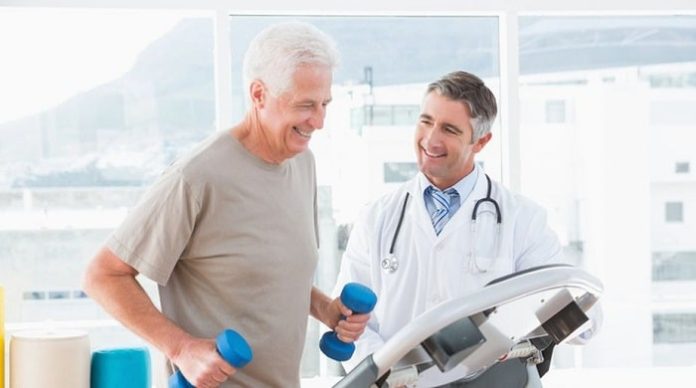
Improving mobility for the older generation

Kindred Healthcare, LLC and Anderson Healthcare announced the opening of Anderson Rehabilitation Institute, located on Anderson Healthcareโ€™s Goshen Campus in Edwardsville, Illinois. The institute is the first freestanding rehabilitation institute in the Central and Southern regions of Illinois.

Anderson Rehabilitation Institute is a joint venture between Kindred and Anderson Healthcare and expects to admit its first patient this week. The facility will provide care to patients recovering from stroke, traumatic brain injury, spinal cord injury, amputation, and other complex conditions. Staff will provide physical, occupational, and speech therapy. Other special services provided will include physiatry, internal medicine, medical/surgical consultations, rehabilitation nursing and nutritional services. The institute will have a dedicated pharmacy.

The 49,920-square-foot facility has 34 beds and features all private rooms; a secured acquired brain injury unit with private dining and therapy gym; large interdisciplinary gym for all therapy services; transitional living apartment designed to simulate a residential apartment, to prepare patients for their daily living tasks before they are discharged home; and a therapeutic courtyard with exterior amenities.

It also has specially designed rooms to treat dialysis patients; and specialty programs dedicated to neuro, stroke, brain injury, and amputation. For more information about Anderson Rehabilitation Institute, visit www.andersonrehabinstitute.com.

Kindred manages the day-to-day operations of Anderson Rehabilitation Institute and Anderson Hospital provides any medical support services. The new institute replaces a 20-bed hospital-based acute rehabilitation unit at Anderson Hospital that Kindred has managed since 2004.

โ€œWe are pleased to open our doors to this state-of-the-art institute and expand our existing relationship with Anderson Healthcare as we address the growing need for inpatient rehabilitation services in the state,โ€ said Russ Bailey, President, Kindred Rehabilitation. โ€œWe are excited to partner with Anderson Healthcare to offer the community increased access to quality care with a team of therapists, nurses and other healthcare professionals dedicated to providing high-quality inpatient rehabilitation services and passionate advocacy for patients.โ€

Anderson Rehabilitation Institute expects to serve more than 800 patients each year. The average length of stay for patients is approximately two weeks. The facility design has been implemented at several Kindred rehabilitation hospitals throughout the country with significant success in enhancing patient outcomes and improving their quality of life.

โ€œThroughout its history, Anderson Healthcare has responded to the needs of Madison County and Southern Illinois residents. Each new service and every expansion has been in direct response to community needs,โ€ said Keith A. Page, President and CEO of Anderson Healthcare. โ€œOur quality services are evident not only by our accreditations, certifications and designations but by our continued growth. Together with Kindred, we are proud to offer this level of care to patients requiring high-level rehabilitation.โ€

About Kindred Healthcare

Kindred Healthcare, LLC is the nationโ€™s leading specialty hospital company delivering acute health services in its long-term acute care hospitals, inpatient rehabilitation hospitals, acute rehabilitation units, and behavioral health line of business, all specializing in treating the most medically complex patients. Based in Louisville, Kentucky, and ranked as one of Fortune magazineโ€™s Most Admired Healthcare Companies for nine years, Kindredโ€™s mission is to help our patients reach their highest potential for health and healing with intensive medical and rehabilitative care through a compassionate patient experience.

About Anderson Healthcare

Anderson Healthcare is a regional healthcare network in southwestern Illinois, composed of entities including Anderson Hospital, Community Hospital of Staunton, Anderson Mercy Cancer Care, Anderson Surgery Center, Maryville Imaging, and Anderson Medical Group. Anderson Healthcareโ€™s Goshen Campus is the latest effort to bring exceptional healthcare services to the residents of southwestern Illinois. Our quality services are evident by our accreditations, certifications and designations which endorse our expertise. The mission of our 1400+ employees is to exceed expectations in providing personal, convenient, quality healthcare.


Medtronic Launches Newest-Generation Drug Coated Balloon Catheter in Europe for Treatment of Coronary Artery Disease

Procedure-Related Techniques and Care Pathways from the OPTIMIZE PRO Clinical Study Show Promising Early Outcomes for Patients Implanted with the Medtronic Evolut TAVR System

Medtronic plc, the global leader in medical technology, announced the launch of the Prevailโ„ข drug coated balloon (DCB) Catheter in Europe following CE (Conformitรฉ Europรฉene) mark. The newest coronary DCB on the market, the Prevail DCB is used during percutaneous coronary intervention (PCI) procedures to treat narrowed or blocked coronary arteries in patients with coronary artery disease (CAD).

During the catheter-based procedure, the balloon inflates within the artery, while the drug is delivered to the arterial tissue where it is absorbed. The Prevail DCB utilizes a rapid absorption drug โ€“ paclitaxel โ€“ to enable treatment of de novo lesions, small vessel disease, and in-stent restenosis (ISR). DCB angioplasty does not require a permanent implant and is often used in cases where the implantation of a drug-eluting stent (DES) is not desirable or is technically challenging.

“As physicians treat more patients with complex lesions, it is critical to have a drug coated balloon that is highly deliverable across a variety of vasculatures, and also utilizes a drug that absorbs quickly into the vessel,” said Azeem Latib, M.D., lead principal investigator of the PREVAIL Study and section head of interventional cardiology and medical director of structural heart interventions at Montefiore Medical Center in New York City. “The excellent deliverability coupled with a strong safety profile that is backed by clinical evidence makes the Prevail DCB an ideal option for interventional cardiologists using DCB technology to treat their patients.”

The Prevail DCB builds on the excellent safety and efficacy demonstrated in the previous generation IN.PACTโ„ข Falcon DCB clinical program and was reaffirmed by the PREVAIL Study presented at the 2020 PCR e-Course conference. In the PREVAIL Study, the Prevail DCB showed exceptional performance in patients with complex lesions, including those with small vessels and those treated for in-stent restenosis, which occurs when a portion of a stented artery is blocked. The Prevail DCB showed favorable late loss (0.05 ยฑ 0.44 mm) at 6 months and a strong safety profile that included no stent thrombosis, target vessel myocardial infarction (TVMI), or cardiac death and low clinically driven target lesion revascularization (6%) out to one year for all patients.1

“The launch of the Prevail DCB not only underscores our global leadership and commitment to interventional cardiologists around the world, but also highlights our strong focus on complex PCI,” said Jason Weidman, senior vice president and president of the Coronary and Renal Denervation business, which is part of the Cardiovascular Portfolio at Medtronic. “We intentionally designed the Prevail DCB to address the challenges posed by smaller, more complex vessels by leveraging our coronary technologies to provide physicians the ability to navigate through tight lesions with greater confidence.”

The Prevail DCB uses PowerTracโ„ข, the same enhanced technology used in the delivery system for the Medtronic Resolute Onyxโ„ข DES, to provide superior deliverability and two times more pushability than the previous IN.PACT Falcon technology enabling greater control for tortuous anatomies.2 In addition, Prevail DCB has a low crossing profile for exceptional crossability.

The Prevail DCB is the latest addition to the Medtronic coronary portfolio, which also includes the market-leading Resolute Onyx DES in sizes ranging from 2.0-5.0 mm, the Euphoraโ„ข semicompliant balloon dilatation catheter, the DxTerityโ„ข Diagnostic Angiography Catheter line, and the Telescopeโ„ข Guide Extension Catheter.

The Prevail DCB is available for use in Europe and is not approved in the U.S.

In collaboration with leading clinicians, researchers and scientists worldwide, Medtronic offers the broadest range of innovative medical technology for the interventional and surgical treatment of cardiovascular disease and cardiac arrhythmias. The company strives to offer products and services that deliver clinical and economic value to healthcare consumers and providers around the world.

Translate ยป