Close
Digital Health & Ai Innovation summit 2026
Medical Taiwan 2026

Abbott Receives CE Mark for Navitor, the Latest-Generation Transcatheter Aortic Valve Implantation System to Treat Aortic Stenosis

Abbott announced it has received CE Mark for its latest-generation transcatheter aortic valve implantation (TAVI) system, Navitor™, making the minimally invasive device available for people in Europe with severe aortic stenosis who are at high or extreme surgical risk. With the Navitor valve, the company is advancing TAVI (also referred to as TAVR, or transcatheter aortic valve replacement) therapies with innovations including a unique design to prevent blood leaking around the valve. Using Abbott’s industry-leading FlexNav™ delivery system, the Navitor TAVI system is the latest addition to the company’s comprehensive structural heart transcatheter portfolio that offers physicians and patients less invasive options to treat heart diseases.

Aortic stenosis restricts blood flow through the aortic heart valve to the rest of the body, which can lead to heart failure and, in certain cases, sudden cardiac death.1 For some people diagnosed with severe aortic stenosis, open-heart surgery is considered a high-risk procedure due to the potential complications stemming from age, frailty or having multiple other diseases or conditions.2 TAVI serves as a less invasive alternative to surgical aortic valve replacement and can reduce symptoms and improve the lives of patients with this debilitating condition.

“With an aging world population and with aortic stenosis cases projected to double in Europe and the U.S. in the next few decades, the need for innovative, minimally invasive solutions is critical,” said Lars Søndergaard, M.D., professor of Cardiology, Rigshospitalet, Copenhagen University Hospital in Denmark, who served as co-principal investigator for the global Navitor TAVI system clinical study. “While transcatheter valve replacement has for some time been a standard of care for patients with a narrowing of the aortic valve, Navitor helps to address challenges we sometimes find in current TAVI systems when we encounter complex patient anatomies that can lead to potential complications.”

Navitor features a unique fabric cuff (NaviSeal™) that works with the cardiac cycle to reduce or eliminate a backflow of blood around the valve frame known as paravalvular leak (PVL), a common complication following TAVI procedures. The new device is the only self-expanding TAVI system with intra-annular (within the native valve) leaflets and large frame cells – features designed to help improve access to critical coronary arteries to facilitate future interventions to treat coronary artery disease (CAD). The new design additionally provides improved hemodynamics, or better blood flow.

The Navitor device is implanted with Abbott’s FlexNav delivery system, which received CE Mark in 2020 and offers a slim design with the lowest TAVI delivery system profile, allowing treatment of people with vessels as small as 5.0 mm. The slim catheter can accommodate different aortic anatomies for stable, predictable and accurate valve delivery and placement.

“The innovative design of the Navitor valve paired with the FlexNav delivery system streamlines and simplifies TAVI procedures for physicians, enabling better valve placement and performance for patients so they can get back to living fuller, healthier lives,” said Michael Dale, senior vice president of Abbott’s structural heart business. “This approval strengthens our structural heart portfolio of minimally invasive offerings by providing new options and improvements to treat a life-threatening heart condition.”

About Abbott:
Abbott is a global healthcare leader that helps people live more fully at all stages of life. Our portfolio of life-changing technologies spans the spectrum of healthcare, with leading businesses and products in diagnostics, medical devices, nutritionals and branded generic medicines. Our 109,000 colleagues serve people in more than 160 countries.


BOGE presents its new series of adsorption dryers – Maximum efficiency, high volumetric flow rates

 BOGE presents its new series of adsorption dryers - Maximum efficiency, high volumetric flow rates

The electronic and automotive industries with their huge manufacturing plants and pharmaceutical manufacturers with their strict requirements share one common feature: the need for the total exclusion of contamination and water from their industrial processes. And the same goes for the entire production chain and, therefore, also the generation of compressed air. Compressed air specialist BOGE is on hand to help with its external heated regeneration adsorption dryers. The new DAV-2 series has been producing dry compressed air since April 2021.  Thanks to their thermal insulation, these dryers are more energy-efficient, safer and more readily accessible for servicing and maintenance than previous models. In addition, they also boast high-quality PLC control, a range of different interfaces and even IoT connectivity.

Compressed air system users in sensitive manufacturing areas such as in the pharmaceutical, electronic and automotive industries are constantly aware that the growth of any microorganisms needs to be stopped at all costs.

“To ensure the required compressed air remains free from any contamination or humidity even at high volumetric flow rates, the new DAV-2 series external heated regeneration adsorption dryers are the ideal solution. They can generate dry compressed air with a reliable pressure dew point of – 40°C (optional: 70°C) and reliably achieve purity classes of 2.2.2 (solid particulates, water and oil) or 2.1.2 in accordance with ISO 8573-1: 2010,” says Nalin Amunugama, General Manager, BOGE Kompressoren Asia Pacific.

Large range of options now integrated a standard

  • The dryers in the DAV-2 range with high-performance pre-filters and after-filters can achieve flow rates of 450 – 7,302 m3/h at a maximum operating pressure of 11 bar. They come as standard fitted with a thermally insulating cover and protection against accidental contact.
  • The thermal insulation reduces heat losses resulting in improved operating safety, and achieving energy savings of around 4%.
  • Specific features include a new high-end PLC control with 7” touchscreen display for permanent monitoring, analysis and evaluation of all relevant parameters. The dew point control system permits switching between the receivers where necessary, meaning the drying phase can be lengthened and energy consumption reduced.
  • The dryer can be controlled via a range of different interfaces (Modbus, Profibus etc.) and the USB interface on the switch cabinet allows software to be updated or report logs to be downloaded for subsequent analysis.

To simplify transport and installation, the height of the receivers has been reduced and their diameter increased. This has made it possible to reduce the differential pressure, and the low height means the dryer can be installed in a standard container. The generous dimensions of the service ports and considerably improved accessibility, service and maintenance tasks, as well as refilling the desiccant or exchanging the filter element – are simpler than ever. The desiccant bed comes as a ready-to-fit system component directly from BOGE. 

Dry compressed air at low energy consumption

Adsorption dryers are sometimes referred to as vacuum regeneration dryers, as ambient air is drawn over the desiccant bed via an external heating element with the help of a vacuum pump during the regeneration process. Unlike heatless adsorption dryers which use ready dried process air to regenerate the desiccant, the “zero purge” technology of the DAV-2 series requires nothing more than ambient air.  This prevents purge air, resulting in up to a 25% saving in energy consumption compared with existing systems. The result is dry compressed air with a pressure dew point of up to –70°C at extremely low energy consumption and high volumetric flow rates.

A new direction in healthcare architecture at Hospital Nova, Jyvaskyla, Finland

A new direction in healthcare architecture at Hospital Nova, Jyvaskyla, Finland

The Finnish hospital sector had been stuck for a long time, suffering from ageing hospital facilities and a lack of new healthcare models. The old Jyväskylä hospital in central Finland was a prime example. Hospitals needed to be rethought and research was an effective way to begin the process of thinking outside the box.

From 2010, in his role as a professor at the Aalto University, Helsinki, Teemu Kurkela led a research project developing theoretical models for future hospitals with Hospital Nova as a case study. In 2012, Hospital Nova became a real project and patients were admitted this year.

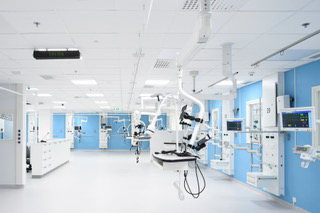
The first new build general hospital to open in Finland since the 1970s, Hospital Nova balances the clinical requirements of an innovative next generation hospital with an intuitive design sensibility inspired by surrounding Finnish nature.

The underlying aim has been to address the hospital client’s vision that also informed Kurkela’s own research: a future hospital with a totally new innovative concept and operation system.  What is unique about Hospital Nova is that, in terms of both functional concept and building type, is that it has been designed entirely from first principles.

JKMM approached the rethinking of the hospital building typology very much from within. As a result, Hospital Nova is not a single, large-scale and maze-like building. Instead, it is divided into four separate building typologies. These are ‘Hot Hospital’ (surgery and treatment), ‘Hotel’ (wards), ‘Health Care Shopping Mall’ (outpatients) and ‘Factory’ (supporting functions).

This model has several benefits, from providing better patient care to more efficient logistics. A large hospital is like a small city. It needs logical organisation. To achieve this, a new operation system was developed for Hospital Nova.

1) A unique Finnish ‘Hot Hospital’ concept was developed for Hospital Nova. ‘Hot Hospital’ means that all 24/7 ‘hot’ functions are gathered into one optimised functional unit. This occupies just 25% of the total area of the hospital. The key functions of the modern hospital are thus arranged in much more compact and effective way compared to old hospitals. A Critical Patient Pathway ensures rapid movement of emergency cases to operating theatres, also designed by JKMM.

2) A new model was also developed for Outpatients departments. These are designed as a ‘Health Care Shopping Mall’ in which all 360 consultation rooms are arranged along the main interior atrium. The consultation rooms are standardised and shared by different medical specialities.  Patients stay in the same consultation room rather than moving from one part of the hospital to another, with doctors and nurses coming to see them there.

3) Communications among medical staff are greatly improved by doctors and nurses meeting and working together in the ‘Knowledge Centre’, a large shared workspace behind the consultation room zone. (There are no private staff rooms.) This is an effective system enabling medical specialists from different fields to compare and contrast notes thus ensuring a more wholistic assessment of any individual patient.

3 Important Insights From Cancer Research In The Past Decade

Cancer is considered to be one of the main diseases in the world. In addition to being known to affect a lot of people around the world, cancer is also ranked as the second most common cause of death. While it’s been a seemingly incurable disease for a long time, various medical researches paved way for more innovative methods to treat cancer.

There have been several groundbreaking discoveries about cancer following numerous medical studies conducted in the past decades, which include systematic cancer detection, prevention, and treatment. Such discoveries proved to be beneficial for countless healthcare service providers around the world, especially those in developing countries. With the help of medical researchers, and private sectors, who donate to cancer research projects and are working tirelessly to discover efficient cancer treatments through the decades, cancer isn’t as terrifying as it seems.

Besides that, below are the top three most important insights from cancer research in the past decade.

   1.  Advances In Cancer Immunotherapy

One of the most noteworthy advances in cancer therapy include immunotherapy. Apart from being known to be one of the earliest attempts in bolstering non-surgical cancer treatments, this particular discovery took not just decades to be effective, but over a hundred years in the trial. Known to be a remarkable medical approach for fighting cancer, immunotherapy’s main objective is to prime the body’s immune system to effectively fight off cancer cells. Not only that, but this particular form of therapy also boosts the immune system’s capacity to combat cancer cells as much as it does to other harmful invaders, like bacteria.

If that alternative doesn’t work, then all immunotherapy could do is delay the rapid spread of cancer cells and decelerate it from proliferating to other body cells. Moreover, one of the most notable characteristics of immunotherapy includes its high efficacy rates in treating advanced melanoma. Aside from various available drugs in the market to treat melanoma, immunotherapy proved to be successful in treating it.

With the continuous support in developing and enhancing immunotherapy treatments, there’ll be a time this can successfully treat other chronic diseases, including bladder, kidney, heart, lung, lymphoma, and other types of cancer.

   2.  Breakthrough In Molecular Diagnostics

While identifying causes of mutation in cancer cells has been one of the most challenging parts of cancer detection aside from treating it, various medical researchers were able to formulate efficient methods and tests to effectively pinpoint them. Particularly, another exceptional insight in cancer research involves breakthroughs in molecular diagnostics. This particular discovery allows doctors and medical experts to closely monitor the number of cells in the body.

In addition, molecular diagnostics may also include structural rearrangements, chromosomal losses and gains, adjustments in gene copy numbers, and broader mutational signatures. Several medical facilities developed certain molecular diagnostic tests, which can be utilized to analyze tumors from thousands of cancer patients and allows doctors to assess them using blood tests from a liquid biopsy.

Additionally, several diagnostic tests that use normal tissue cells are now gaining attention in the medical field due to their ability to unravel details about clonal hematopoiesis (CH). This particular age-related health condition results in an excessive increase in the number of white blood cells that lead to cancer-inducing mutations.

   3.  Innovations In Radiation Therapy

Another notable insight in cancer research includes innovations in radiation therapy. One of the most popular principles in administering this form of therapy is about advancing efficacy and potency in every cancer treatment. Medical discoveries that include image-guided radiation therapy and intensity-modulated radiation therapy are known to be some of the most popular products of technology and medical expertise. While this type of radiation therapy is relatively new to the medical field, they’re gradually rising in popularity through the decades.

Aside from that, such type of radiation therapy utilizes advanced imaging and computer programs to effectively produce high doses of radiation without affecting other healthy tissues. When it comes to acquiring more favorable outcomes, many researchers suggest patients to undergo fewer series of radiation therapy produces similar outcomes. Additionally, there are also successful researches which effectively determine not only the type of tumors that can be treated with lesser radiation but also methods that can lessen risks of side effects.

Moreover, there are specific clinics, which conduct clinical trials to provide a coherent difference between proton therapy and radiation therapy. Such clinics also aim to provide an efficacious type of radiation therapy that can treat chronic diseases and illnesses, including cancer. There are also medical facilities that utilize radioimmunotherapy treatments, which are a combination of radiation therapy and immunotherapy.

Bottom Line

Treating cancer has never been an easy task for both medical experts and healthcare professionals. Aside from being a prominent risk to human health, this particular illness has also been considered as one of the world’s leading illnesses that affect millions of people. Fortunately, with the ceaseless efforts coming from medical researchers and healthcare experts, there are now a wide variety of methods and treatments that can be utilized to detect, prevent and treat cancer cases.

Aside from that, various remarkable insights in cancer research proved to effectively treat cancer, such as immunotherapy, radiation therapy, and advanced molecular diagnostics. Through these noteworthy medical discoveries, cancer can now be treated accordingly and efficiently.

What to Expect When You Need to Have Outpatient Surgery

What to Expect When You Need to Have Outpatient Surgery

If a doctor tells you that you have a condition or an injury that requires surgery, that might frighten you. Nobody wants to go under the knife, even for a minor procedure.

However, most people survive surgery just fine. You might only have an outpatient procedure, meaning that you can go home after you’ve recovered sufficiently, and you don’t have to stay in the hospital overnight.

Let’s talk about what you might expect if outpatient surgery is in your future.

The Difference Between Inpatient and Outpatient Surgeries

We’ll start by briefly going over the inpatient and outpatient surgery differences. In the most literal way, with outpatient surgery, you can go home right afterward with no hospital stay. That’s not the only difference, though.

Generally, a doctor feels they can perform an outpatient surgery on you if they feel like what they’re doing is relatively minor. They might open you up and repair a damaged muscle, or perhaps they’re removing a troublesome growth, such as a benign tumor. Hundreds or even thousands of different outpatient procedures exist.

If you have to get inpatient surgery, that’s probably a little more serious. The doctor wants you to stick around for at least a day afterward so they can keep an eye on you. The hospital will monitor you during this time, and if anything comes up, they can treat you immediately since you’re already in a fully-equipped medical facility.

You’re almost always going to want an outpatient procedure over an inpatient one. If you have to remain in the hospital, you have to worry about things like pressure ulcers. Pressure ulcers impact about 8.4% of hospital patients if they have to stay in long-term care.

The Check-In Stage

Once you arrive at the hospital for your outpatient procedure, they’ll often make you pay right there on the spot before they admit you. They’ll want whatever copay they require, and the surgery might make you hit your deductible. How much it will cost will likely depend on how good your health insurance is and what the doctor is doing.

After you pay, you’ll need to fill out quite a bit of paperwork. You’ll need to answer questions like whether you have any allergies to medications.

Then, they will admit you. They’ll allow you to change into the hospital gown with an open back, but you can tie it for modesty’s sake. They may let you keep your socks on to keep your feet warm.

The Sedation Process

They’ll have you lie down on a gurney while they ask you some more questions. Expect them to ask you your name, birth date, and why you are there several times.

This is to make sure they have the right patient, and they’re operating on you for the proper reason. It might surprise you how many hospitals and doctors make errors. This is how malpractice suits occur, but to the hospital’s credit, they will usually do all they can to prevent any mistakes, like operating on the wrong body part.

Once they have you lying down on the gurney, they often put you on an IV. They’ll need to stick you with a needle to get it going. If you have smaller veins, they might occasionally struggle to do this. They could jab you multiple times before they get the IV situated, which is no fun.

You often can’t eat or drink anything the night before the surgery, so you will be a little dehydrated. This is part of the reason why they sometimes struggle to insert the IV.

Once the IV is in, they will give you medication to render you unconscious. The anesthesiologist usually does this. Often, you simply slip into unconsciousness without needing to count backward from ten or anything like that.

The Recovery Process

After the surgery, you’ll wake up, and you’ll probably be pretty groggy. Someone will help you dress if you can’t manage it on your own.

The hospital staff won’t let you drive. You’ll need to have a friend or family member there to pick you up. Most medical facilities will not let you take an Uber or a taxi home. It has to be someone you know.

At home, you’ll start the recovery process. The hospital will usually call you the following day to check up on you and make sure you’re doing okay. More times than not, these minor surgeries go fine, so there’s no need to feel afraid.

Patient Experience – Transforming the Healthcare Industry to Deliver Retail like Experience

Post-Pandemic, the expectations in the healthcare industry have taken a complete shift. Expectations from the patients, caregivers, authorities, regulators, etc. too have transformed in the current age. We have witnessed major changes when it comes to in-person care or virtual care. Delivering retail-like experience for patients, home care, gathering insights via connected health data from different touch points like wearables, apps, EMR for better analysis/diagnosis are of paramount importance.

With the growing expectations, Healthcare providers do need better tools to manage the discrete and isolated systems. When we discuss delivering a seamless experience, it is not just focused on the patients but also about how the front-liners till the last liners are enabled with a well-connected platform. The real satisfaction is seen in emergency situations where the patients need not repeat their medical history to the caregivers. We, at Intertec, have been working very closely with authorities, hospitals, laboratories in the Middle East to migrate them to the digital services platforms which include the connected Patient experience solution.

I would like to bring out a unique case study where we have helped one of our health care customers in Saudi achieve excellence in Patient Services. It is a very large high-class facility ranked as one of the top hospitals. They aim to automate the patient experience with output-driven transformation.

In the whole process of patient experience transformation, we have integrated various data touchpoints like EMR, call center, portals, mobile apps, social media into one single view. Our experience platform focuses more on the Patient relationship data while the EMR / EHR focuses more on the patient medical data. Merging them together helps to manage the relationship, give personalized experience, and ensure effective interactions between patients and caregivers.

Our patient experience solution helped the hospital manage their patient profiling, registrations, appointments, reminder call-outs, medication reminders, ambulatory services, ministry services, etc. very efficiently and effectively. The transformation journey cannot be completed without automating the entire back-office operations including the revenue integration with finance, supply chain including the demand planning & forecasting, managing the vaccine schedules and availability, human resources including manpower planning, caregivers scheduling, payroll, self-service, etc.

Post-implementation, the CXO team at the hospital could very clearly see the transformation of the organization and the productivity increase in the team. Now the front office and backend teams work towards service excellence rather than wasting time searching for the data. Some interesting facts which we could bring out from the implementation are:

  • Centralized data availability to the front office teams have increased the response time by 10X and the wait time on-call was reduced from 3 mins before implementation to less than a min post-implementation
  • Missed appointments have come down by 40% compared to last year which supported their growth
  • Satisfaction surveys have brought out factual data which helped them to focus on the recovery plan
  • Reporting to the Ministry of Health on the Ambulatory services, satisfaction levels, etc. has been fully automated. This has saved almost 3 – 4 employee’s efforts in a month from the team.

The above are a few measurable benefits apart from increasing the bottom line and patient retention.

The journey is not over yet; we are in the process of building family relationship data within the platform which would help the caregivers get more insights while diagnosing the patient and prevent genetic diseases. This would help in gaining patient confidence & retention.

On the other hand, the regulators/authorities are also moving towards digital services compared to the pre-pandemic era. Our experience with few authorities/regulators in the Middle East shows that digitization is the need of the hour. We have a few use cases where we have moved authorities from a semi-automated platform to fully automated platforms to help them manage the license issuance, drug registrations, automating internal and external digital services for caregivers as well as citizens.

So, data would play a major role in the future in the health care industry. Countries have started to look at how to bring the patient data into a single platform and made it available to the hospitals, clinics, insurance providers, regulators, and authorities. End of the day, patients own their data.

To conclude, the seamless patient experience, Artificial Intelligence helping caregivers in diagnosing, Machine Learning in understanding the pattern, and virtual care would change the way the healthcare providers operate today.

About the Author:

Sekhar Ramarao heads Microsoft practice at Intertec Systems. He is a Microsoft Business Applications Enthusiast and evangelist with over 20+ years of experience in building solutions. A key-note speaker, blogger, articulator, and storyteller.

Sekhar has helped a lot of healthcare and other large organizations digitally transform themselves with some of the leading industry solutions and cutting-edge technologies.

Huma raises $130 million financing to scale its digital health platform for better care and research

Digital Health

Huma Therapeutics Limited announces the completion of its latest funding round with financing of approximately $130 million. The investment will scale Huma’s modular platform which can power digital ‘hospitals at home’ nationally, and support the pharmaceutical and research industries to run the largest ever decentralized clinical trials. Huma’s platform combines predictive algorithms, digital biomarkers and real-world data to advance proactive care and research.

Leaps by Bayer and Hitachi Ventures led the Series C funding round, which also saw new strategic and financial investors become shareholders. Samsung Next, Sony Innovation Fund by IGV*, Unilever Ventures and HAT Technology & Innovation Fund by HAT, as well as individuals Nikesh Arora (former president of SoftBank) and Michael Diekmann (Chairman of Allianz) are also new shareholders.

A further commitment of $70 million that can be exercised at a later date has also been agreed as part of the Series C funding round and takes the total financing raised to more than $200 million. Goldman Sachs International acted as lead placement agent to Huma. HSBC Bank plc± and Nomura acted as joint placement agents, with the latter also becoming a shareholder.

The new investment will be used to expand Huma’s digital platform in the US, Asia and the Middle East, with Huma having recently been named Europe’s fastest growing healthcare company by the Financial Times¹. Huma has established a reputation as a trusted health technology and innovation partner to four national governments (England’s NHS, Wales, Germany and UAE). Its digital ‘hospital at home’ was co-created with clinicians and has been independently shown2,3 to almost double clinical capacity, reduce hospital readmissions by over a third and has patient adherence levels of over 90%. The service is supporting governments’ pandemic responses on a not-for-profit basis and is now used for a range of patients including those going through knee- and hip-replacement surgery e.g. with Smith+Nephew4.

Huma advanced its work in the US in 2021 with an experienced leadership team that has fostered new partnerships with clinical research organisations, health care providers, payers, research organisations, and technology companies.

Huma works with leading life science companies including AstraZeneca, Bayer and Janssen and academic institutions such as Stanford Medicine, the Johns Hopkins Bloomberg School of Public Health and the University of Cambridge5,6. Huma’s research at the intersection of predictive care and machine learning has been peer-reviewed and published across a range of scientific and medical journals7,8,9,10,11.

Huma is bringing in new talent to every aspect of the organisation from bench to boardroom to scale plans for global expansion. Dr Claudia Suessmuth Dyckerhoff joined Huma’s Board of Directors in April, bringing a wealth of global experience in life sciences and healthcare. In the past year, the Huma leadership team has matured with the recruitment of specialists across technology and AI, legal, healthcare, life sciences and corporate affairs12.

Dan Vahdat, Founder and CEO of Huma, said, “This is a pivotal moment in Huma’s development. We have exceptional partners and strategic investors who will support us in our mission to help people worldwide live longer and fuller lives. We’re already demonstrating how ‘hospital at home’ can transform healthcare, and how decentralized clinical trials can advance research in ways that weren’t imaginable even one year ago. Now we want to accelerate the pace of change and continue to innovate for better care and research worldwide.’’

Alan Milburn, former UK Health Secretary and Chairman of Huma’s Board, said, “This is a significant moment in Huma’s history and I will work to build enduring, trusted relationships with our new partners. We are living through unprecedented times and the importance of health and well-being is underlined as never before. Together with our partners we can use our expertise, technology, and innovation to change the face of healthcare and research and impact people’s health everywhere.”

Dr Claudia Suessmuth Dyckerhoff, Huma Board Director, said: “The pandemic has exposed weaknesses across health systems around the world but through collaboration, innovation, and compassionate leadership Huma can support faster and safer care for patients through digital technologies and rapid access to treatments by accelerating clinical research.”

Huma’s ambition to improve people’s health across the world will be accelerated with its new global partnerships. Juergen Eckhardt, Head of Leaps by Bayer, comments, “Aligned with the vision of Leaps by Bayer, Huma’s expertise and technology will help drive a global paradigm shift towards prevention and care and may boost research efforts using data and digital technology. We invest into the most disruptive technologies of our time that have the potential to change the world for the better. As an early investor into Huma we know how perfectly the company fits into that frame as one of the leading digital innovators in healthcare and lifesciences.”

Keiji Kojima, Executive Vice President of Hitachi’s Smart Life division, added, “Huma has built a comprehensive remote patient monitoring platform and established a strong track-record and we are excited to be working with Huma to bring its world-leading health technology to new markets in Asia. We believe that together we can advance new digital health products to power better care and research for all.”

Jonathan Machado, Senior Investment Director of Samsung Next, said, “Huma is advancing the necessary transition of medicine from reactive to proactive, and we are thrilled to be a part of their journey. The company’s evidence-based approach, validated by leading scientific publications, together with their impressive record of rapid, large-scale delivery is unparalleled. We are excited to explore how the Huma platform and its digital biomarkers portfolio could work with the Samsung ecosystem for lasting impact in proactive care across hospitals, life sciences and population health initiatives.”

Gen Tsuchikawa, CEO and Chief Investment Manager for Sony Innovation Fund (SIF) and Chief Investment Officer for Innovation Growth Ventures (IGV), said, “We believe Huma’s digital ‘hospital at home’ platform and data driven approach is redefining healthcare across the globe. We’re excited to support Huma as they continue to accelerate their work in the
US, Europe, Middle East and Asia.”

Ignazio Castiglioni, CEO of HAT, said, “Huma’s pioneering technology can be a complete game-changer for the health industry. HAT, with its fourth PE fund, is thrilled to partner with Huma and their world-class people by supporting the company in the next phase of this exciting journey.”

About Huma

Huma is a global health technology company that helps people live longer, fuller lives. Our modular platform supports digital ‘hospitals at home’ across different disease areas. In life sciences we power some of the world’s largest decentralized clinical trials and studies. Our platform combines predictive algorithms, digital biomarkers and real-world data to advance proactive, predictive care and research.

Our ‘hospitals at home’ help care for patients across the England NHS, Wales, Germany, and the UAE — evidence shows they can double clinical capacity, reduce readmission rates by a third, and reduce costs whilst providing safe, high-quality care. We offer Covid-19 digital services, not-for-profit, to national governments to help fight against the pandemic and have shipped over a million devices that complement our ‘hospitals at home’ to help power them.


Olympus Announces New Endobronchial Ultrasound (EBUS) Bronchoscope

Olympus Announces New Endobronchial Ultrasound (EBUS) Bronchoscope

Olympus announced the market launch of the FDA 510(k)-cleared BF-UC190F endobronchial ultrasound (EBUS) bronchoscope, the newest addition to its robust EBUS portfolio of devices for minimally invasive lung cancer diagnosis and staging via needle biopsy. Today, more than 1,600 clinical cases using the Olympus EBUS solution prove that EBUS-TBNA (transbronchial needle aspiration) is an effective biopsy solution, providing higher diagnostic yield with greater sensitivity and specificity in lymph nodes ≥5 mm. According to the American College of Chest Physicians (ACCP), correctly staging lung cancer is critical, because the treatment options and prognosis differ significantly by stage, and the ACCP recommends EBUS-TBNA as the optimal first test rather than surgery for mediastinal staging.

In conjunction with the versatile Olympus ViziShot EBUS-TBNA needle portfolio, the BF-UC190F allows physicians to access and sample difficult-to-reach targets such as lymph nodes in the mediastinum (4L) and hilum (10R). Key design features of the BF-UC190F that enable improved access and sampling include:

  • Powerful Scope Angulation: With an increase in angulation from 120 degrees to 160 degrees, this new EBUS-TBNA bronchoscope has the flexibility to ensure the correct positioning of the scope tip relative to the target.
  • Compact Distal Tip: With a distal diameter of 6.6mm, the BF-UC190F is smoother to insert and easier to maneuver within the lung.
  • Steeper Puncture Angle: A more perpendicular needle orientation allows for smoother penetration between cartilage rings and other critical anatomy.
  • Enhanced Endoscopic View: With a decreased forward oblique angle of 20 degrees and higher resolution images, the BF-UC190F increases the field of view and improves visualization of the anatomy for more precise airway navigation and abnormality detection.

“When reaching a lymph node to obtain a tissue sample, it is critical to be able to achieve the correct positioning within the lung. In my study of this new EBUS-TBNA bronchoscope, I found that the sharper puncture angle greatly improves the ability of physicians to puncture the lymph node precisely without needing to use more force or to alter technique,” said Kazuhiro Yasufuku, MD, PhD, FRCSC, Professor and Chair of Thoracic Surgery at the University of Toronto and the William Coco Chair in Surgical Innovation for Lung Cancer at the University Health Network. “The BF-UC190F bronchoscope is a valuable advancement in the use of EBUS-TBNA for the diagnosis and staging of lung cancer.”

“We are very excited to launch this next-generation EBUS bronchoscope, which will further the ability of physicians to biopsy mediastinal and hilar lymph nodes through a minimally invasive procedure,” said Lynn Ray, Vice President and General Manager of the Global Respiratory Business Unit for Olympus Corporation. “Our goal as a company is to develop leading-edge technology that helps physicians diagnose disease earlier and more accurately, which can save lives.”

According to the American Cancer Society, lung cancer is the second most common cancer and the leading cause of cancer death in the US — in 2021, an estimated 235,760 people were diagnosed with lung cancer, and 131,880 people died of the disease.ii  While lung cancer has an overall five-year survival rate of only 20 percent, lung cancer detected and treated at an early stage increases the chance of survival beyond five years.iii In March 2021, the U.S. Preventive Services Task Force (USPSTF) announced new recommendations for annual lung cancer screening using low-dose computed tomography (LDCT) for people at high risk for lung cancer, lowering the screening age to 50 and lowering the smoking threshold to 20 pack years, or those who currently smoke or have quit within the past 15 years.iv

About Olympus
As a leading medical technology company, Olympus uses innovative capabilities in medical technology, therapeutic intervention, and precision manufacturing to help healthcare professionals deliver diagnostic, therapeutic, and minimally invasive procedures to improve clinical outcomes, reduce overall costs, and enhance the quality of life for patients. Olympus’ Medical portfolio includes endoscopes, laparoscopes, and video imaging systems, as well as surgical energy devices, system integration solutions, medical services, and a wide range of endotherapy instruments.

Capital Health Partners With Swipesense To Further Its Commitment To Patient Safety And Infection Prevention

Cristal Standards Announces POSI-Check, an Easy to Implement Audit Solution for the Prevention of the Spread of Infection in the Hospitality Sector

Capital Health, a regional leader in providing progressive, quality patient care, has selected SwipeSense as its safety technology platform to prevent hospital-acquired infections (HAIs), and avoid preventable harm, such as patient falls, by ensuring consistent and safe care delivery. To tackle these issues, Capital Health will implement SwipeSense’s Hand Hygiene and Nursing Insights applications system-wide in its two New Jersey hospitals.

Hand hygiene compliance is one of the most critical patient safety measures. According to the Centers for Disease Control (CDC), poor hand hygiene contributes to 1.7 million HAIs annually – and 100,000 of those HAIs result in deaths. A recent SwipeSense survey also found that 81% of patients said they would feel safer in a hospital with electronic hand hygiene monitoring in place. Electronic hand hygiene monitoring also positions hospitals, like Capital Health, to meet The Leapfrog Group’s updated hand hygiene standards. SwipeSense’s cloud-based sensor network provides complete transparency into hand hygiene data for each department, unit, room, and individual to drive behavior change and accountability without workflow disruption.

“Our team is passionate about delivering the best care to our patients and their families which means safeguarding their health and well-being both inside and outside of our hospital walls,” said Louis D’Amelio, MD, Vice President of Clinical Performance at Capital Health. “We are thrilled to partner with SwipeSense not only to bring their mission-critical technology to our patients and our staff but also to build upon our already strong relationship with those we serve and maintain patients’ high level of trust in the healthcare system.”

Capital Health will also leverage SwipeSense’s Nursing Insights application to mitigate preventable harm like patient falls. The application enables nursing teams to sustain Purposeful Hourly Rounding and Bedside Shift Reporting – both proven best practices for keeping patients safe. According to The Agency for Healthcare Research and Quality (AHRQ), there are nearly 1 million patient falls annually in U.S. hospitals — and it’s estimated that the average cost of a patient fall is $14,000. The SwipeSense Nursing Insights application empowers Capital Health’s nursing leaders to address these gaps in care by capturing actionable, real-time data about time-based activities.

“Capital Health is paving the path forward for prioritizing patient safety and acknowledging safety technology as an essential component of any hospital’s innovation ecosystem,” said Mert Iseri, CEO of SwipeSense. “Their expert team understands that investing in safety infrastructure is critical to both keeping patients safe and driving overall growth. We’re very pleased to partner with Capital Health to protect their patients while also protecting their bottom line from costly HAIs and falls.”

About Capital Health
Capital Health is the region’s leader in providing progressive, quality patient care with significant investments in our exceptional physicians, nurses and staff, as well as advanced technology. Comprising two hospitals (Regional Medical Center in Trenton and Capital Health Medical Center – Hopewell), the Hamilton outpatient facility, and various primary and specialty care practices across the region, Capital Health is a dynamic health care resource accredited by DNV GL – Healthcare. A four-time Magnet®-recognized health system for nursing excellence, Capital Health serves as a Level II regional trauma center, comprehensive stroke center, regional perinatal center (including a Level III NICU), and emergency mental health screening center. Capital Health also offers the region’s first and most experienced Pediatric Emergency Department and most recently, New Jersey’s first Autism-Friendly Pediatric Emergency Department.

About SwipeSense
SwipeSense is a Chicago-based healthcare technology company on a mission to eliminate harm and waste in healthcare delivery networks through an advanced safety platform. The platform’s sensor network collects millions of data points and delivers robust insights to hospital leadership, clinicians, and staff, which not only support a culture of safety, but also reduce the cost of care and improve operational efficiency. Hospitals and ambulatory surgery centers (ASCs) leverage the company’s safety platform to prevent infections, optimize use of their equipment, reduce falls, protect their staff, and drive positive, lasting behavior change.


BostonGene Announces Cancer Research Collaboration with the Abramson Cancer Center of the University of Pennsylvania

 Improve Access to Cancer Care

BostonGene Corporation, a biomedical software company committed to defining optimal precision medicine-based therapies for cancer patients, announced a Master Clinical Research Collaboration Agreement with the Abramson Cancer Center (ACC) of the University of Pennsylvania to support multiple research projects at the cancer center.

The first research project to arise from this collaboration aims to support clinical research focusing on personalized cancer vaccines, a new approach of active immunotherapy which utilizes the patient’s own immune system to identify tumor specific neoantigens. BostonGene’s advanced computational algorithms will identify cancer specific neoantigens and profile the immune activation status of the tumor by performing advanced multi-omics analysis, including the interpretation and visualization of cancer patient’s genomic, transcriptomic and imaging datasets. The analysis includes the identification of targetable molecular alterations, evaluation of gene expression and gene signatures, characterization of cellular components in the tumor microenvironment, estimation of tumor heterogeneity, prediction of neoantigens and tumor clonality.

“BostonGene’s strategy is to revolutionize medicine in the quest to identify better, personalized treatment options with successful outcomes,” said Andrew Feinberg, President and CEO at BostonGene. “We are pleased to support the Abramson Cancer Center by providing sophisticated analytics and integration of scientific and clinical knowledge in an effort to improve the standard of care and redefine the treatment selection approach for cancer patients.”

The ACC, a global leader in basic, translational, clinical, and biomedical research for the advancement of cancer care, is a matrix cancer center embedded within the University of Pennsylvania and the University of Pennsylvania Health System. The ACC, a National Cancer Institute-Designated Comprehensive Cancer Center, is comprised of cancer specialists committed to offering cancer patients the newest and most innovative therapeutic advances.

“We look forward to using BostonGene’s technology to help in our work to better understand the mechanisms of cancer neoantigen recognition and to the discovery of new immunotherapy treatment options,” said Gerald Linette, MD, PhD, a professor of Medicine in the Perelman School of Medicine at the University of Pennsylvania and Clinical Director of the Parker Institute for Cancer Immunotherapy at Penn. “We are excited about this collaboration, and with our combined expertise have an opportunity to make a profound impact on how cancer patients are treated in the future.“

Translate »