












Close
Digital Health & Ai Innovation summit 2026
Medical Taiwan 2026

Hospitals in Madrid and Barcelona implement Polytex’s automated hygienic workwear management solution

Hospitals in Madrid and Barcelona implement Polytex's automated hygienic workwear management solution

Israeli workwear management company Polytex Technologies announced that the penetration of its automated workwear solution into the Spanish market has accelerated, specifically at hospitals and other healthcare providers throughout the country including in Madrid and Barcelona. Spanish customers implemented Polytex’s solution in order to fight contamination, protect workers’ health, cut costs, and maximize efficiency. Spain is currently Polytex’s fourth largest market, after Israel, the U.S., and Germany.

In 2020, Polytex sales in Spain nearly doubled as hospitals installed or expanded their use of the Polytex solution which provides improved protection for health workers, that has become even more critical during the Covid-19 pandemic. The momentum appears to be intensifying this year, when part of the 2021 contracts is with first time customers, including: La Fundación Puigvert in Barcelona, the Garbí and Delta buildings, two new centers dedicated to the care of patients with COVID-19 that belong to the Vall d’Hebrón and Bellvitge Hospitals respectively, as well as an extension at the Hospital Fundación Universitario de Alcorcón and a new project in a refering hospital in Madrid.

As part of the momentum, Polytex’s automated hygienic workwear management solution has been recently installed at the Tarragona based subsidiary of H&T Presspart, a world leader and specialist in manufacturing drug-delivery systems and pharmaceutical components. In March, Polytex reported that Servicio Navarro de Salud, a government agency serving several hospitals in the Navarra region of northern Spain, is also adopting the Polytex solution. The system is also scheduled to be installed next month at a center near Barcelona of Laboratorios Echvarne, a leading diagnostic testing center with facilities throughout Spain.

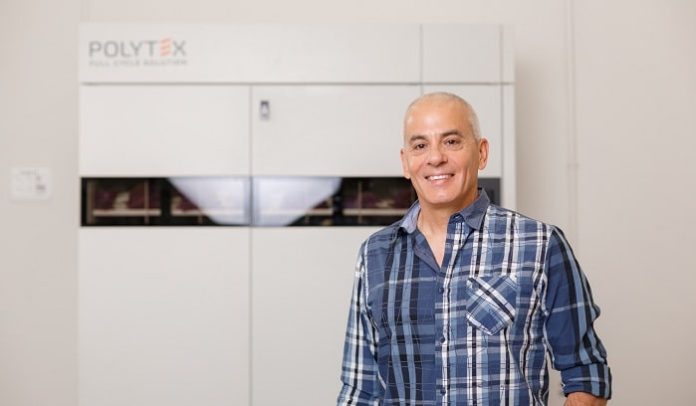
The Polytex solution is fully automated and enables hands-free dispensing and collecting of individual uniforms. The system itself is sealed, keeping garments in a clean environment that is opened only by laundry professionals during collection and restocking. The system is available on a 24/7 basis and often installed at multiple locations enabling staff to receive and return garments in seconds, thereby avoiding unnecessary crowding.

Refilling the machines with fresh clothing is very quick and takes only a couple of minutes.The units can also be moved to special temporary wards dedicated to infectious diseases like COVID-19. The Polytex automated system is backed by a centralized cloud-based management and monitoring applications for end-to-end tracking.

The Polytex system helps to simplify the distribution of workwear and customers report up to 40% reduction in expenses on clothing inventory and laundry. The actual volume of workwear needed was substantially reduced as was the amount of storage space required.

“Hospitals were the first to adapt our solution and they continue to do so at a rapid pace as a result of the pandemic, but we are also witnessing growing interest from other segments of the health care sector in Spain,” said Yariv Matzliach, CEO of Polytex. He added that the growing interest will enable the company to continue to register rapid growth in the Spanish market, currently the company’s fourth largest market.

There are currently over 3,000 Polytex units operating in 20 countries such as the U.S., Spain, France, Germany, and Israel, alongside countries in eastern Europe and Asia.

About Polytex Technologies
Polytex Technologies is a leading provider of workwear management solutions. Polytex supports the entire workwear laundry lifecycle with a wide range of automated machines backed by centralized cloud management and monitoring applications. Polytex’s solutions are used by hospitals and healthcare institutes, manufacturing sites, hospitality, and fitness centers. Polytex has over two decades of field-proven industry experience in the delivery of large-scale commercial laundry services. Polytex was established in Israel by the Poliner family. The co-founder Tomer Poliner served as the company’s CEO until Polytex received a major investment from the private equity fund Fortissimo Capital in 2019. He now leads the company’s technological and business development activities.

How To Take Care Of Your Teeth

How Has Technology Revolutionised The Way We Brush?

Tooth problems can bring your life to a standstill. It’s hard to eat, talk and sleep with a toothache. Moreover, it may be embarrassing to smile with poor dentition and tooth discolouration. It’s amazing the impact a bone less than 13 mm has. Nonetheless, if proper care is given to teeth you can enjoy a full and productive life. Your functionality and aesthetic is preserved when your teeth are healthy. This begs the question, how do you take care of your teeth?

Brush Regularly

One of the most effective ways to take care of your teeth is brushing. It ensures your enamel is clear of debris and plaque. The abrasive force of the toothbrush bristles coupled with the chemical compounds in toothpastes removes debris off the enamel and also clears out sticky plaque. Fluoridated toothpastes are the recommended toothpaste for anyone above 3 years old. Children below 3 can run the risk of swallowing the toothpaste and this can cause systemic problems. When it comes to how frequently one should brush their teeth, most experts agree on the twice a day regimen. Each brushing session should take at least two minutes.  Over-brushing can cause injury to the gums and prove to be counterproductive. Moreover it’s crucial to wait for a few minutes before rinsing your mouth for the concentrated fluoride to take effect. For the best results remember to replace your toothbrush every three months or as soon as the bristles fray.

Floss

Unfortunately, your toothbrush cannot reach all the surfaces. Some debris often gets lodged in between teeth and on the lingual surface of teeth. Dental floss is effective in cleaning debris and plaque located on hard-to-reach areas. It also prevents gum disease and bad breath. Dental floss is fairly inexpensive and easy to use. Dentists recommend using it at least once a day as an adjunct to tooth brushing. If you brush before you floss, food debris and plaque remain in your mouth. Therefore, you should floss before brushing your teeth for the best results.

Mouthwash

A mouthwash that contains fluoride is effective in preventing tooth decay and bad breath. Most mouthwashes can be bought over the counter but there are prescription mouthwashes given to treat specific dental conditions. Whether you are using a fluoride or non-fluoride mouthwash, don’t use it straight after brushing your teeth. It will dilute the fluoride from your toothpaste and reduce its effectiveness. Furthermore, don’t drink or eat within 30 minutes of using a fluoride mouthwash 

Professional Cleaning

The ultimate tooth cleaning method is done at the clinic by a dental hygienist or a dentist. Professional cleaning is a thorough process that uses specialized equipment to clean teeth. The cleaning restores teeth to their natural look. Tooth whitening is often done in the same sitting to restore the original appearance. Recommendations from dental associations suggest having professional cleaning done at least twice a year. Nonetheless, more sessions can be scheduled in special cases

Eat Healthy

Away from cleaning, what you eat also matters when it comes to oral health. Some foods are notorious for destroying teeth and causing gum inflammation. Top of the list are sugary foods. They provide the perfect substrate for oral bacteria. The subsequent release of harmful acids from the bacterial digestion of sugar erodes the enamel. Tooth decay quickly follows and a cascade of unfortunate pathologies ensues. Avoiding sugary foods ensures your cleaning efforts don’t go to waste. You should include healthy foods to your diet. Fruits and vegetables provide vitamins that improve immunity and prevent gum inflammation.

Visit Your Dentist

Whether or not you have your oral health in check, it’s important to see your dentist. Not all dental visits are meant to be eventful. Checkups are important to monitor oral health and prevent the onset of dental conditions. You don’t need a problem to book an appointment. Dentists recommend visiting the clinic at least twice in 12 months. It’s not a recommendation designed to sell the practice but rather prevent future problems and save patients’ time and money .Therefore, visit the dentists in Maroubra and ensure you make it a habit.

If you want to take care of your teeth, you must abide by the recommendations. They guarantee the best results

Community Hospital Corporation Posts Major Milestone with 100+ Hospitals Partnering with CHC Supply Trust

CHC

Community Hospital Corporation (CHC) announced that it recently surpassed a major milestone. CHC Supply Trust now serves 101 hospitals by providing group purchasing organization (GPO) access, supply chain management support, and strategic insight necessary to meet current and future needs. CHC Supply Trust, the supply chain services arm of CHC Consulting, foresees the significant growth in member hospitals to continue.

Phil Trent, Vice President of Business Development for CHC Supply Trust, commented on the company’s achievement: “We are thrilled that CHC Supply Trust has reached this important milestone, which reflects strong demand for our services, as well as a key indicator that our strategic growth initiatives are on track. We look forward to continuing this momentum in delivering our services to hospitals seeking a reliable and efficient source for their supply needs.”

CHC Supply Trust offers healthcare supply chain management support to community hospitals, including GPO access through the HealthTrust Purchasing Group (HPG) to achieve the best in industry pricing for hospitals regardless of size or volume.

“By aggregating the purchasing power of community hospitals across the country, CHC Supply Trust member hospitals achieve significant savings, whether their annual supply chain spend is, for example, $13 million, $60 million or larger,” Trent added.

CHC, which owns, manages and supports community hospitals, celebrates its 25th anniversary this year helping them to improve and strengthen their operating and financial performance. CHC Supply Trust began offering GPO access to community hospitals through a relationship with the HealthTrust Purchasing Group in 2010. This partnership continues to mature, bringing greater benefits to hospitals. Supply chain spend on contract with various suppliers, purchased services categories, and capital equipment purchases from the 100+ CHC Supply Trust client hospitals has increased significantly over time.

Karen Barber, Chief Executive Officer of Yoakum Community Hospital in Yoakum, Texas, one of the first hospitals to partner with CHC Supply Trust, commented on its long and beneficial relationship with the company: “CHC Supply Trust is our advocate when it comes to new contracts, renewal of an existing agreement and physician-preferred items. They use spend analytics to scrutinize the contract and project the impact of both individual facilities and the group as a whole.”

In the past year, the COVID-19 pandemic has spurred significant growth for CHC Supply Trust, providing PPE and other medical supplies to hospitals facing critical shortages due to the outbreak. The CHC Supply Trust and HealthTrust partnership also enabled hospitals to access and save on supplies during the pandemic.

Jon Pruitt, Senior Vice President for CHC Supply Trust, commented on COVID-19’s impact on hospitals and CHC Supply Trust’s ongoing role due to the outbreak: “The pandemic demonstrated that hospitals must optimize their supply chain to better prepare for disruptions, reduce supply chain waste and help offset COVID-related costs. We continue to fulfill PPE demands based on the pandemic, and we recently augmented our services to help hospitals save on purchased services by aggregating volume across multiple hospitals.”

CHC President and CEO Jim Kendrick added: “We help independent hospitals attain the same top-tier pricing as their larger counterparts. We have seen that large and small hospitals benefit from our unique approach. With CHC Supply Trust, hospitals of all sizes can achieve better pricing and bigger savings, regardless of their current situation, even if they belong to a group, or are part of an affiliation.”

About Community Hospital Corporation

Community Hospital Corporation owns, manages and consults with hospitals through CHC Hospitals, CHC Consulting and CHC ContinueCARE, with the common purpose to guide, support and enhance the mission of community hospitals and healthcare providers. Based in Plano, Texas, CHC provides the resources and experience community hospitals need to improve quality outcomes, patient satisfaction and financial performance.

Syneos Health Launches Lab to Life Enterprise Partnership with Komodo Health

Syneos Health Launches Lab to Life Enterprise Partnership with Komodo Health

Syneos Health, the only fully integrated biopharmaceutical solutions organization, announced it has expanded its relationship with Komodo Health, a data-driven healthcare software company with access to the broadest array of real-world data across patients and practitioners. The partnership will allow Syneos Health to better analyze clinical, real-world, and commercial data, offering customers a seamless integration to their operational trial designs and commercialization deployment strategies to transform biopharmaceutical product development.

Powered by Komodo’s Healthcare Map™, the new solution integrates Komodo Health’s Prism and Sentinel applications to better enable Syneos Health to perform sophisticated studies, analyzing comprehensive and de-identified, aggregated patient data. The resulting insights inform clinical trial design and delivery and generate real-world evidence on product effectiveness, safety and utilization in the healthcare system. These differentiated insights across a wide range of use cases in real-world evidence and late phase studies will accelerate clinical development and commercialization.

The expanded partnership builds on two-years of previous collaboration between Syneos Health and Komodo Health, which began with data-driven strategies to enhance customer engagement for the Syneos Health Kinetic™ team.

“Biopharma companies are transforming to meet the challenges of a more complex operating, regulatory, and reimbursement environment,” said Larry Pickett, Chief Information and Digital Officer, for Syneos Health. “Komodo is an important foundational platform to our Dynamic Assembly® network, our flexible data and technology strategy that optimizes opportunities for customers and helps increase the likelihood of regulatory approval and commercial success. Our expanded relationship with Komodo Health allows Syneos Health to better integrate our clinical, real-world and late phase data and commercial capabilities to deliver on the entire spectrum of Lab to Life product development.”

Komodo Health’s Platform and suite of applications will be an important part of the Syneos Health Dynamic Assembly network, an open ecosystem of preferred, best-of-breed data and technology collaborators committed to delivering fit-for-purpose solutions designed to strategically address the nuances of each customer engagement.

Syneos Health will leverage Komodo Health’s Prism software to support feasibility, market sizing, site selection and patient cohort analytics. Additionally, Komodo’s Sentinel solution will provide a comprehensive view into real-world patient journeys and enable the integration of proprietary datasets, tools and algorithms to derive best-in-class insight. These data-native solutions, built on Komodo’s Healthcare Map of 325 million de-identified patient journeys in the U.S., will play an important role for Syneos Health in matching site activation and patient enrollment for clinical trials, highly tailored to patient proximity hotspots to optimize clinical trial operational strategies.

“From cardiovascular health to ultra-rare diseases, Syneos Health is now poised to capitalize on a new generation of data-driven intelligence, built on a foundation of patient-level data that is unparalleled in the industry,” said Web Sun, Co-founder and President, for Komodo Health. “Through our Prism and Sentinel solutions, Komodo is proud to deploy our unique software capabilities to fuel Syneos Health’s real-world evidence capabilities and growth as they continue to provide differentiated insights for their clients.”

About Syneos Health

Syneos Health is the only fully integrated biopharmaceutical solutions organization. The Company, including a Contract Research Organization (CRO) and Contract Commercial Organization (CCO), is purpose-built to accelerate customer performance to address modern market realities. We bring together approximately 25,000 clinical and commercial minds with the ability to support customers in more than 110 countries. Together we share insights, use the latest technologies and apply advanced business practices to speed our customers’ delivery of important therapies to patients.

About Komodo

Komodo Health believes that smarter, more innovative use of data and analytics is essential for reducing disease burden. We apply artificial intelligence and other advanced data science techniques to our first-of-its-kind Healthcare Map™, which tracks the unique patient journeys of over 325 million patients. We empower a multitude of healthcare stakeholders – life science companies, healthcare payers and providers, patient advocacy groups, and others – to create a more cost-effective, value-driven healthcare system.

Northwest Specialty Hospital achieves new landmarks in spinal robotics program

Northwest Specialty Hospital achieves new landmarks in spinal robotics program

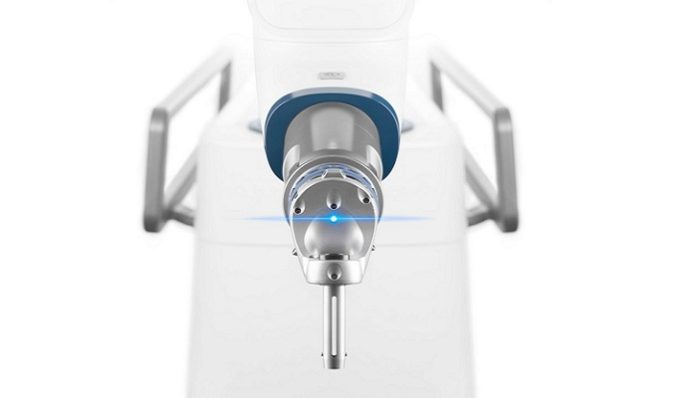
Northwest Specialty is one of only three hospitals in the nation to feature two robots utilizing a state-of-the-art surgical robotic navigation system called the Excelsius GPS®. Designed to function like a self-driving car for spine surgery, the Excelsius GPS® system achieves unprecedented levels of precision and safety for patients undergoing complex spine surgery.

Northwest is now the first and only privately owned hospital and only hospital in the western half of the US to feature not one but two robots. As a nationally recognized surgical observation center for spine procedures, Northwest has provided education and training to surgeons from across the US and the world that are learning to use these advanced techniques, from surgeons like Dr. Roland Kent at Axis Spine.

The spinal robotics program now also includes an interbody system designed to work in coordination with the robot. The very first of its kind, it features hardware specifically designed for use with a surgical spinal robotic navigation platform. These specialty-designed hardware systems are more durable, produce better results for patients and improve the efficiency of the surgeon.

“We are honored to be nationally recognized as experts and leaders in the field of surgical robotic navigation platforms for the spine. These systems allow surgeons to achieve a higher level of surgical precision and better outcomes in less time, which is important for improving patient care and is at the center of everything we do at Axis Spine,” according to Dr. Roland Kent, co-founder of Axis Spine.

Rick Rasmussen, CEO of Northwest Specialty Hospital added that “We have one of the best spine programs in the US. Our dedication to developing the spine program at Northwest through the use of an advanced spinal robotic navigation system and experienced surgeons exemplifies our commitment to superior patient care.”

About Northwest Specialty Hospital
Northwest Specialty Hospital is owned and operated by physicians. Independently ranked amongst the best hospitals in the nation for both patient satisfaction and safety we are a five-star CMS rated hospital featuring award-winning patient satisfaction, gourmet cuisine, and state-of-the-art technologies.

About Axis Spine Center
At Axis Spine Center, we are committed to providing the most effective treatments and interventions to address each patient’s concerns and conditions. Our interdisciplinary team of professionals provides comprehensive care to ensure the best possible outcome.

Smart Injector Technology Delivers Effective and Efficient Patient Care

Smart Injector Technology Delivers Effective and Efficient Patient Care

Technology advancements are changing consumers’ expectations, driving industries to adapt and evolve, and the healthcare industry is no exception. Healthcare providers are aggressively leveraging new technologies and exploring unique ways to deliver more effective care.

Enhancing patient care is a key priority for HonorHealth Deer Valley Medical Center, a 204-bed, full-service hospital offering extensive inpatient and outpatient general surgery and cardiac surgery and care to communities in the greater Phoenix area.

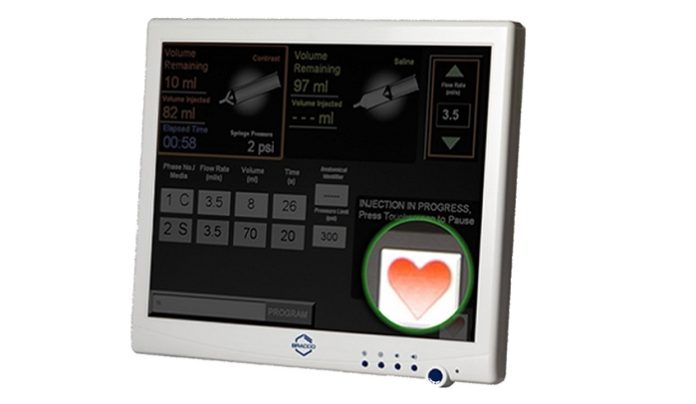
For more than five years, Deer Valley has used the Empower CTA+ Injector System from Bracco Diagnostics. The smart injector technology is designed for the vascular administration of contrast and flushing media in conjunction with computed tomography (CT) scanning of the body. Deer Valley relies on the efficiency of the Empower CTA+ system to enhance patient care while optimizing imaging capabilities, streamlining workflows and improving efficiencies.

“The Empower CTA+ system is a sturdy piece of equipment. I think it is one of the most reliable injectors I have ever used. I call it Old Faithful,” said Chip Garrett, RTRDT, senior staff technologist at HonorHealth Deer Valley Medical Center.

According to Garrett, the system is very easy to use with a clearly numbered screen layout. “It is very intuitive and gives me full injection control. It is labeled clearly and is very versatile and easy to set up. You press protocol and protocol comes up.”

The system automatically fills syringes to volumes based on the selected protocol and allows for easy customizing, naming and storing specific protocols (up to 100 total).

“With this system, you can optimize protocols for specific exams. I like the fact that you can customize it, and it is easy to customize,” Garrett said. “You can build the protocols into the injector and title them whatever you want. So, if you are doing a pulmonary angiogram, you can build a protocol and title it, Pulmonary Angiogram.”

The system’s various features and extensive safety enhancements include a digital touchscreen at the patient side; integrated and intuitive voice prompts that provide valuable information; protocol selection and management system; auto purge, which purges air out of the syringes to enhance safety; proto fill that automatically fills the syringes with the programmed volume of contrast and saline; a built-in tilt sensor and lock to help reduce the risk of air embolisms to the patient; as well as an on-demand saline advance feature that helps to determine patency and vein integrity.

One unique feature is a saline jump which gives the system the ability to shut down the contrast injection and push saline, minimizing the contrast dose. This also eliminates the need to manually flush the patient IV to clear out the contrast.

According to Garrett, the Empower CTA+ Injector System saline jump is very useful in pulmonary angiograms where the technologist has to scan fast while using as little contrast as possible.

“When I am scanning and I see that the pulmonary artery is already highlighted, I can stop the contrast and jump right over to saline. This saves the patient contrast, which can be a little hard on the kidneys. You have such a narrow window of opportunity, which is variable from patient to patient, so the ability to just jump over to saline after you see the pulmonary artery highlight is a great feature,” he explained.

Another benefit of the saline jump is that it gives the technologist flexibility and improves efficiency. “Let’s say that the injector was preloaded for a larger patient, but a smaller patient was ready first, you can proceed to give that patient a smaller amount of contrast and then jump to saline without having to reload the injector.”

Finally, when it comes to delivering effective and efficient healthcare, reliability is one of the most critical features for any device used in a busy hospital imaging department. System downtime can diminish responsiveness to patients, cause significant operational delays across the organization and interruptions in the delivery of patient care.


Government of Canada Invests $3.1 Million to Expand Virtual Health Care Services in the Northwest Territories

Coronavirus Pandemic Transforming the Future of Rural Healthcare

Canada’s universal, publicly funded health care system is a source of pride for Canadians. The Government of Canada is working closely with provincial and territorial governments to strengthen health care and adapt the system to the challenges of delivering health care during the COVID-19 pandemic, and as we move into recovery.

Today, the Honourable Patty Hajdu, Minister of Health, announced the signature of a bilateral agreement with the Honourable Julie Green, Minister of Health and Social Services for the Northwest Territories to expand virtual health care services for its residents. Under the agreement, the territory will invest federal funding based on agreed-upon pan-Canadian priorities for accelerating virtual health care services during the pandemic.

Through this bilateral agreement, the Northwest Territories is receiving $3.1 million to expand its efforts on virtual health services. Over the coming weeks, the territory will be developing an action plan that outlines how it is investing the funding under the bilateral agreement to expand virtual health services.

Quotes

“Now more than ever, Canadians need access to virtual health care services to support their health. We are working with provinces and territories to support the deployment of such services for Canadians, to ensure they can access the care they need, whenever they need it. Today’s investment will support the Northwest Territories as they meet the health needs of its residents through expanded virtual health services.”

The Honourable Patty Hajdu
Canada’s Minister of Health

“The Government of the Northwest Territories’ main priority remains the health and safety of NWT residents and continues to do what we can to find ways to support those needs for residents across all 33 communities. COVID-19 has created a need for virtual services in a way that no one could have anticipated. Continued funding such as this will support the NWT’s health and social services system improvements in key areas, including virtual care and access.”

The Honourable Julie Green
Northwest Territories’ Minister of Health and Social Services

Quick facts

  • On May 3, 2020, the Prime Minister announced an investment of $240.5 million to increase access to virtual services and digital tools to support Canadians’ health and wellbeing.
  • $150 million of that funding will be provided to provinces and territories through targeted bilateral agreements aimed at expanding virtual health services in five priority areas for immediate action to support further embedding these services within Canadian health systems, namely:
    • secure messaging and file transfer,
    • secure video conferencing,
    • remote patient monitoring technologies,
    • patient access to their COVID-19 and other lab results, and
    • back-end supports for integration and/or alignment of these new platforms or existing tools.
  • This funding is also in addition to the $50 million in incremental federal funding allocated to Canada Health Infoway to further support provincial and territorial efforts to rapidly implement new initiatives in keeping with the five priority areas.
  • Bilateral agreements on virtual care are a time-limited initiative aimed at ensuring that Canadians can continue to access the health care services they need during this time of uncertainty.
  • Health Canada is building on this investment by working with provinces and territories on related policy issues. This will enable the longer-term adoption of high-quality and safe virtual health care services as a complement to in-person care.
  • To date, funding agreements totalling close to $102 million have been announced for eight province and territories, including: Alberta, British Columbia, the Northwest Territories, Nova Scotia, Ontario, Prince Edward Island, Saskatchewan, and the Yukon.


DJO invests in Insight Medical Systems and its augmented reality for ortho surgery

DJO Introduces Two New EMPOWR Systems Designed To Accelerate Surgical Efficiency

DJO, a subsidiary of Colfax Corporation, is a leading global provider of medical technologies to get and keep people moving, announced a strategic investment in Insight Medical Systems, a technology company dedicated to wearable surgical navigation in orthopaedics. Insight’s flagship product, ARVIS® (Augmented Reality Visualization and Information System), will combine tracking cameras with both a 3D display and handsfree interface in an integrated eyepiece for total joint arthroplasty. Unlike other augmented reality (AR) platforms, ARVIS is the first system with proprietary hardware designed to assist arthroplasty surgeons in enhancing component positioning precision to improve joint arthroplasty outcomes.

The Computer Assisted Surgery (CAS) Technology market is growing at a compound annual growth rate (CAGR) of 32%1. Similarly, the shift in the site of care from hospitals to Ambulatory Surgery Centers (ASCs) is expanding rapidly. If half of routine total joint cases were done in the ASC, UnitedHealth Group quantified this shift as having the potential to help 500,000 patients avoid overnight hospital stays and save $3B annually2. As surgeons look to incorporate technology into their surgical workflows whether at the hospital or ASC, the discussion often focuses on balancing the clinical benefit of a technology with the added time and cost associated with it. The high acquisition cost of current CAS systems can include a capital-intensive investment as well as per-case disposables and service contracts. These costs, along with the large footprint of technologies like robotics, are particularly restricting for ASCs.

“DJO® has been partnering with the orthopaedic surgeon community to understand their technology needs across all anatomies and in all settings in which they operate,” said Louis Vogt, President and General Manager of DJO Surgical®. “The Insight team has developed an impressive 3D AR technology that tracks the surgeon’s viewpoint and delivers navigation and patient-specific information right at the surgical site in a highly efficient and seamless workflow. ARVIS complements DJO’s ASC 360™ solutions and adds to our full range of implant technologies, surgical tools and digital care solutions that uniquely span the continuum of care.”

“We’re thrilled to partner with a leading MedTech company that has an impressive growth trajectory,” said Nick van der Walt, CEO of Insight. “DJO and Insight have a shared vision of improving clinical outcomes with technology in a streamlined, cost-effective way. We will build on the current capabilities of ARVIS in knee and hip arthroplasty and expand to other indications in orthopaedics.”

For ease of use, the ARVIS system will be compatible with existing surgical helmets, and a single tray of trackable instruments eliminates the need for disposables. Insight will leverage DJO’s sales channel to launch ARVIS in the second half of this year. The EMPOWR™ Partial, Primary and Complex Primary Knee and Hip implant systems will be compatible. The EMPOWR portfolio is the culmination of research, clinical legacy and material technologies that have resulted in hip and knee products that help restore healthy kinematics and provide surgical efficiencies optimized for today’s health care environment. Driven by premium, intelligently designed single-tray instrumentation, these implant systems have up to a 50% reduction in storage and sterilization costs compared to similar products on the market3.

About DJO®

DJO, a subsidiary of Colfax Corporation, is a leading developer and distributor of high-quality medical devices that provide proven solutions for musculoskeletal health, joint reconstruction, vascular health, and pain management. The Company’s extensive range of products and integrated technologies address the orthopedic continuum of care from performance and mobility to surgical intervention and post-operative rehabilitation; enabling people around the world to regain or maintain their natural motion.

About Insight Medical Systems

Insight Medical Systems is a medical device company with a focus on orthopedic surgical procedures. It is leveraging augmented reality technology to provide a highly cost effective and easy-to-use alternative to surgical navigation systems and robots. Insight is currently expanding their R&D and Marketing teams to accelerate product development and prepare for commercialization. P

GE Healthcare acquires Zionexa and its FDA-approved PET imaging agent

GE Healthcare acquires Zionexa and its FDA-approved PET imaging agent

GE Healthcare announced the acquisition of Zionexa, a leading innovator of in-vivo oncology and neurology biomarkers that help enable more personalized healthcare. The company aims to develop and bring to market Zionexa’s pipeline biomarkers, as well as the recently FDA-approved PET imaging agent, Cerianna™ (fluoroestradiol F-18), which is used as an adjunct to biopsy for the detection of estrogen receptor (ER) positive lesions to help inform treatment selection for patients with recurrent or metastatic breast cancer.

It is estimated that 168,000 people have metastatic breast cancer (“Stage 4”) in the U.S.[1], with a five-year survival rate of 28 percent[2]. Cerianna has been commercially available in the U.S. since December 2020 and today is accessible to approximately 25 percent of the relevant patient population. By leveraging its Molecular Imaging Supply Chain, R&D, Medical Affairs, Market Access, Regulatory, Quality and Commercial expertise, GE Healthcare’s Pharmaceutical Diagnostics business – the global leader in pharmaceutical imaging agents – aims to scale Cerianna to be accessible to a minimum of 75 percent of patients by 2023.

Kevin O’Neill, President and CEO of GE Healthcare Pharmaceutical Diagnostics, said: “Like GE Healthcare, Zionexa’s products are aimed at enabling more precise diagnosis, improved treatment decision-making and ultimately better clinical outcomes for patients. This acquisition further demonstrates our commitment to enabling precision health and providing innovations that support oncologists, nuclear medicine specialists and other physicians throughout a cancer patient’s journey, from initial screening and diagnosis to informing therapy selection and monitoring the effectiveness of treatment.”

Zionexa, a privately owned company, formed in 2018 and headquartered in Aubière, France, employs 24 people in France and the U.S., all of whom will transfer to GE Healthcare. Additionally, GE Healthcare will hire approximately 70 new dedicated employees within the company’s U.S. Pharmaceutical Diagnostics team, headquartered in Marlborough, Massachusetts.

Olivier Carli, President of Denos, the majority owner of Zionexa, said: “We expect GE Healthcare Pharmaceutical Diagnostics’ acquisition to allow Zionexa to accelerate the development of its promising R&D pipeline as well as its commercial footprint, while providing Zionexa’s team with access to global and complementary expertise.”

Currently, when treating metastatic breast cancer patients, oncologists base clinical decisions on biopsy results which only represent the sampled area of the tumor. However, estrogen receptor (ER) expression – one of the most common breast cancer biomarkers – can vary both within the primary tumor and across different lesions[3]. Cerianna, an adjunct to biopsy, widens the diagnostic lens for oncologists with a whole-body view of ER positive lesions, helping to provide the patient with a more informed diagnosis, potentially enabling more targeted and individualized treatment plans and avoiding the selection of inappropriate or less effective therapies.

Dr. Hannah M Linden, Breast Medical Oncologist, UW Medicine, University of Washington Fred Hutchison Cancer Research Center and Seattle Cancer Care Alliance in Seattle, who has conducted research and authored multiple papers on fluoroestradiol F-18, explained: “Making Cerianna more widely available is an important moment for cancer patients and a significant step forward for molecular imaging. We test ER expression in a metastatic biopsy once at the beginning of the patient’s journey and we make decisions all along – when to give chemotherapy, when to use endocrine therapy, whether or not to use targeted agents – based on that one measurement. Since we know that ER expression can change with time and treatment, imaging with 18F-fluoroestradiol at critical decision points could help clinicians predict response to endocrine therapy and select optimal treatment timing and sequencing.”

About GE Healthcare:

GE Healthcare is the $18 billion healthcare business of GE (NYSE: GE). As a leading global medical technology, pharmaceutical diagnostics and digital solutions innovator, GE Healthcare enables clinicians to make faster, more informed decisions through intelligent devices, data analytics, applications and services, supported by its Edison intelligence platform. With over 100 years of healthcare industry experience and around 47,000 employees globally, the company operates at the center of an ecosystem working toward precision health, digitizing healthcare, helping drive productivity and improve outcomes for patients, providers, health systems and researchers around the world. Follow us on Facebook, LinkedIn, Twitter, and Insights for the latest news, or visit our website www.gehealthcare.com for more information.

About Zionexa:

Zionexa is an international and innovative company developing and commercializing in-vivo biomarkers for guiding targeted therapies in oncology, to improve patients’ pathway and provide them a better quality of life.

About Cerianna:

Cerianna (fluoroestradiol F-18) is a new molecular imaging agent approved by the Food and Drug Administration (FDA) indicated for use in positron emission tomography (PET) imaging for the detection of estrogen receptor-positive lesions as an adjunct to biopsy in patients with recurrent or metastatic breast cancer. Cerianna (fluoroestradiol F-18) is the first FDA-approved F-18 PET imaging agent specifically indicated for use in patients with recurrent or metastatic breast cancer.

Abbott Seeks Better Treatment Options for Patients with Both Atrial Fibrillation and Heart Failure with New Trial

Abbott announced a new trial focused on improving the treatment for people simultaneously battling both atrial fibrillation (AFib) and heart failure. The first-of-its-kind trial aims to provide new insights into more effective treatment for patients with AFib and heart failure, a complex combination that has historically presented significant challenges to physicians.

For many patients, cardiovascular disease can be exacerbated by comorbidities – additional problems requiring simultaneous management that make treatment of either condition more challenging. Clinical trials assessing therapies that can be deployed in tandem to better manage cardiovascular comorbidities are also rare. Few companies offer therapies across a clinical care spectrum that allows for the unique trial designs that can best provide physicians the insight they need to change the course of future care decisions.

The new TAP-CHF trial (Evaluating the Treatment of Atrial Fibrillation in Preserved Cardiac Function Heart Failure) aims to discover better management options for patients with AFib and heart failure with preserved ejection fraction (HFpEF) – a type of heart failure in which the heart cannot relax and fill with blood effectively prior to pumping. Combined, these conditions can be very difficult for doctors to control as they put increased pressure on the pulmonary arteries, which provide blood flow from the heart to the lungs. For patients, the two conditions increase the risk of stroke, hospitalization or even death. Abbott is a leader in developing medical devices for treating both heart failure and arrhythmias like AFib and is investigating better treatment options for these patients with the goal of yielding better outcomes and improved quality of life.

“Cardiovascular patients often have more than one heart condition. We believe that we can best help those patients live longer and better lives by providing their doctors improved therapy approaches that address the entirety of their heart disease,” said Philip Adamson, M.D., chief medical officer for Abbott’s heart failure business. “Trials that look at complex heart conditions together promise to offer new insights and will make a tremendous difference in the outcomes of our patients now and into the future.”

EVALUATING PATIENTS IN NEW WAYS
The TAP-CHF trial will manage patients in two phases to better help physicians understand the impact of monitoring fluctuations in pulmonary pressure.

In the first phase, physicians will deploy either cardiac ablation or medication to control erratic heart rhythms in AFib patients with a history of heart failure.
Following treatment for AFib, all patients will receive the Abbott Confirm Rx™ insertable cardiac monitor to help physicians monitor for recurrent abnormal heart rhythms.
In the second phase, physicians will randomize patients to receive typical clinical management for heart failure based on symptom changes or to heart failure management guided by data from Abbott’s CardioMEMS™ HF System, a pulmonary pressure sensor that can provide doctors with an early warning of worsening heart failure.

Abbott expects the TAP-CHF trial to enroll up to 100 patients at 10 trial sites in the U.S. At the end of the trial, outcomes of patients who had their heart failure management guided by data from the CardioMEMS HF System will be compared to those who received standard of care (medicine) for their heart failure to determine which patient group had better outcomes based on recurrence of AFib, hospitalization or death. The trial will also provide insights into the effect of catheter ablation in patients with HFpEF.

“Heart failure in patients with preserved ejection fraction is a major unsolved public health challenge worldwide, with few effective avenues of treatment. This is compounded by the fact that AFib affects nearly half of these patients, increasing the risk of mortality and increased hospitalization,” said Sanjeev Saksena, M.D., principal investigator of the TAP-CHF trial, clinical professor of medicine at the Rutgers’ Robert Wood Johnson Medical School and medical director at the Electrophysiology Research Foundation. “In partnership with innovation leaders such as Abbott, we’ve made significant progress in how we treat patients battling AFib, and we’ve also made progress in how we manage heart failure. But to continue to treat people more effectively who are facing both conditions, w

e need innovative treatment strategies, fresh insights and confirmation of new therapeutic approaches.”

The TAP-CHF trial is an investigator-initiated phase 4, sequential, randomized, open label and multicenter prospective comparative study to address the major health challenge presented by HFpEF and AFib. The trial is administered by the Electrophysiology Research Foundation and involves worldwide leaders in deploying innovative therapies for both conditions.

For U.S. important safety information for the CardioMEMS HF System, visit: https://www.cardiovascular.abbott/us/en/hcp/products/heart-failure/pulmonary-pressure-monitors/cardiomems/indications-safety-warnings.html

For U.S. important safety information for the Confirm Rx, visit: https://www.cardiovascular.abbott/us/en/hcp/products/cardiac-rhythm-management/insertable-cardiac-monitors/confirm-rx/indications-safety-warnings.html

About Abbott
Abbott is a global healthcare leader that helps people live more fully at all stages of life. Our portfolio of life-changing technologies spans the spectrum of healthcare, with leading businesses and products in diagnostics, medical devices, nutritionals and branded generic medicines. Our 109,000 colleagues serve people in more than 160 countries

Translate »