







Close
Digital Health & Ai Innovation summit 2026
Medical Taiwan 2026

Researchers at The Chinese University of Hong Kong (CUHK) develop AI system for detecting COVID-19 in CT images

 Researchers at The Chinese University of Hong Kong (CUHK) develop AI system for detecting COVID-19 in CT images

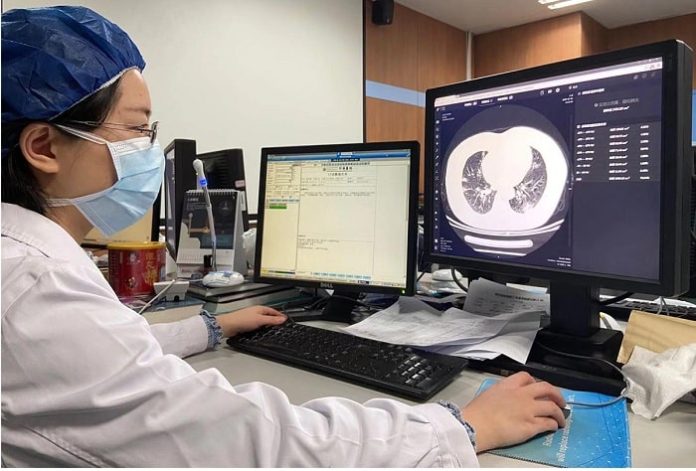
Researchers at The Chinese University of Hong Kong (CUHK) have developed an artificial intelligence (AI)-based system for the automated, rapid and accurate detection of COVID-19 infections in chest computed tomography (CT) images.

The system can provide immediate results, without the need for clinicians to interpret images. It could be potentially used in radiology imaging departments in hospitals.

The CUHK team already have put the system to the test. Experimental outcomes have revealed that the AI model managed to yield a competitive performance in lesion detection in comparison with radiologist interpretation of chest CT scans across local, regional and global patients.

Its wide validation and applicability on cohorts with various imaging scanners and different demographics show that the established AI model holds great potential in complex real-world situations.

โ€œThe established AI system is validated on multiple, unseen, independent external cohorts from mainland China and Europe, showing the potential and feasibility to build large-scale medical datasets with privacy protection, so as to rapidly develop reliable AI models amidst a global disease outbreak such as the COVID-19 pandemic,โ€ said Dou Qi, an assistant professor at CUHKโ€™s Department of Computer Science and Engineering, who co-led the multidisciplinary research team.

โ€œWe aggregate data from multiple hospitals in Hong Kong, so that the model is robust to various data distributions, and applicable to other unseen hospitals in different regions and countries,โ€ Qi told BioWorld.

Heng Pheng Ann from CUHKโ€™s department of computer science and engineering, believes this can lift the burden from clinicians in interpreting images across multiple data pools.

โ€œMaking use of the cutting-edge federated learning techniques, the AI system can effectively coordinate the patient data across multiple clinical centers in Hong Kong, including Prince of Wales Hospital, for model development,โ€ said Ann, who also led the team.

โ€œGiven the unavoidable challenge of data heterogeneity in medical images, a multicenter collaborative effort is essential to capture diverse data distributions, which enhances model reliability for unleashing the potential of AI-powered medical image diagnosis in complex clinical practice.โ€

The AI system is trained on multicenter data in Hong Kong using what the researchers call โ€œnew federated learning techniquesโ€ without the need to centralize data in one place, thus protecting patient privacy.

Given how fast pandemics like COVID-19 progress, there is often not enough time to set up complicated data sharing agreements across institutions or even countries. Thus, privacy is an important factor in such data driven diagnostics.

โ€œPrivacy preserving machine learning acts as an important enabler under such situations to gather efforts on digital medicine technology for providing reliable clinical assistance for timely patient care,โ€ Simon Yu, a professor and chairman of CUHKโ€™s department of imaging and interventional radiology at the faculty of medicine.

He believes the study for the AI system demonstrates the feasibility and efficacy of federated learning for COVID-19 image analysis, where collaborative effort is especially valuable at a time of global crisis.

โ€œMore importantly, beyond assisting COVID-19 management, we believe that AI, which protects patient privacy and achieves reliable generalizability in practice, has enormous potential to revolutionize smart hospitals and health care systems in Hong Kong and worldwide,โ€ said Yu, a co-leader in its development.

At the moment, radiological imaging plays a complementary role with clinical diagnostic testing in COVID-19 diagnosis in most countries. It can, and is, used to effectively assess the severity and progression of an infection.

With the large amount of data analysis and medical image interpretations needed, automated diagnostic methods with AI would be especially useful in facilitating effective management of the pandemic.

โ€œBesides a high diagnostic accuracy, the AI system can also present a remarkable speed advantage to clinician interpretation,โ€ said Tiffany So, assistant professor from CUHKโ€™s department of imaging and interventional radiology at the faculty of medicine.

โ€œIn traditional clinical diagnosis, review and interpretation of a single chest CT takes at least 5 to 10 minutes for clinicians. In contrast, the AI system can accurately evaluate the same CT data in around 40 minutes, showing immense potential to support real-time clinical practice,โ€ added So, a team leader on this discovery.

For now, wider validation on the model is planned and there is no specific timeline for bringing this to market.

The research team believes the AI system can also be expanded to general lung disease lesion detection, such as lung cancer and other lung infections like pneumonia.

MDES joins hands with Huawei in supporting field hospital with leading communication innovations

MDES joins hands with Huawei in supporting field hospital with leading communication innovations

MDES joins hands with Huawei in supporting field hospital with leading communication innovations, helping medical personnel better tackle COVID-19

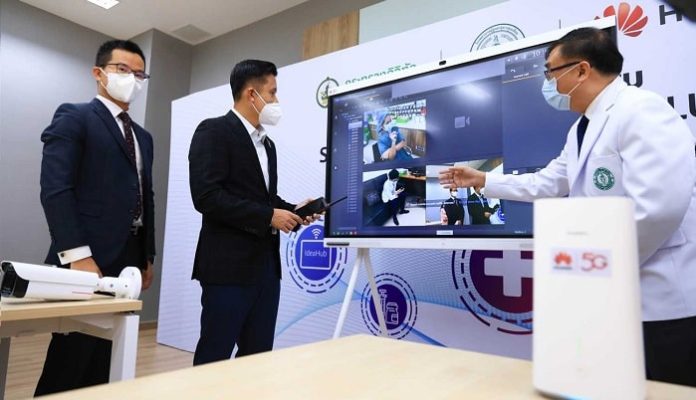
The Ministry of Digital Economy and Society (MDES) joins hands with Huawei Technologies (Thailand) Co., Ltd in strengthening Thailandโ€™s public health sector, especially for the field hospitals, required to accommodate the increasing number of COVID-19 patients. The cooperation covers the provision of technologies for medical use, aiming to boost safety for the medical staff and patients and reducing the risk of infection transmission within the Bang Khun Thien field hospital in Bangkok. In alignment with Huaweiโ€™s commitment to providing continuous support to the Thai society, the AI-assisted diagnose solution, 5G telemedicine, InPatient area Intelligent Management, and eLTE broadband trunking, all managed from the IdeaHub control centre, and worth more than 6 million THB, will enhance the handling of the pandemic and support the hi-speed and convenient communication network for the staff working onsite.

With the increasing number of COVID-19 patients in Thailand, and many hospitals almost exceeding capacity, the medical personnel are working tirelessly to offer their patients the best medical care. In this direction, the government and public health sector have been cooperatively setting up several field hospitals, including the 1,000-bed Bang Khun Thien Hospital in Bangkok, to cope with the spread of COVID-19 nationwide with urgency. Additionally, in order to help doctors and nurses better cope with the influx of cases, an important mission for the Ministry of Digital Economy and Society has been to integrate/adapt digital technology within the Thai public health sector. The aim has been to help tackle the medical equipment, medical personnel, and hospitals deficiency challenges, by bringing technologies from a world-class company like Huawei to handle and prevent the ongoing spread of COVID-19.

Mr. Chaiwut Thanakhamanusorn, Digital Economy and Society Minister (2nd left); and Abel Deng, CEO of Huawei Technologies (Thailand) Co., Ltd, with the communication system managed from the IdeaHub control centre

Mr. Chaiwut Thanakhamanusorn, Digital Economy and Society Minister, spoke about the cooperation with Huawei Technologies Thailand: โ€œThe government encourages the integration of technology into the countryโ€™s administration which includes COVID-19 management, in line with the urgent policy as approved by the Cabinet. The Ministry has put significant focus on the safety of its citizens and the management of the ongoing spread of COVID-19.

Apart from the communication system provided to Bang Khun Thien field hospital by the Ministry and

the National Telecom Public Company Limited, the Ministry has also recognized the capabilities and benefits of Huaweiโ€™s world-leading technologies for providing efficient world-class medical solutions as well as experts, to enhance and support Thai doctors and medical personnelโ€™s efficiency and convenience. These technologies will help reduce the workload of the on-site staff, manage the patients with immediacy and provide remote health services to COVID-19 patients by medical experts and reduce the risk of infection for medical personnel. We would like to extend our gratitude towards Huawei Thailand for their full cooperation and a very quick installation of all the technologies within only two days.โ€

Dr. Suparach Suwattanaphim, the director of Bang Khun Thien field hospital, has also made some remarks regarding the technology implementation at the field hospital, โ€œWe would like to thank the Ministry of Digital Economy and Society and Huawei Technologies Thailand who have brought 5G, AI, and communication network to help prevent the spread of COVID-19. The 1,000-bed Bang Khun Thien field hospital is the largest in Bangkok and the patient management system is much-needed. Obtaining technology from Huawei to manage these issues will greatly help the medical personnelโ€™s workload as well as reduce the risk of infection. I am positive that the cooperation from every sector and the implementation of medical technology will quickly help improve the situation.โ€

Mr. Abel Deng, CEO of Huawei Technologies (Thailand) Co., Ltd, stated that โ€œAmidst the ongoing spread of COVID-19, digital technology has become essential assistance for the public health sector in tackling the deficiency of medical equipment, medical personnel, and hospitals. With 5G technology, Cloud and AI can respond to multiple types of challenges that the public health sector is encountering at the moment. With the AI-assisted diagnosis solution, the medical personnel can analyze CT quantification results of cases of infection with high accuracy. The 5G Telemedicine allows medical experts across Thailand to coordinate with doctors and on-site personnel in providing online consultation to patients, monitoring patientโ€™s conditions via smart devices from anywhere, which helps reduce the infection risk to medical personnel. The InPatient area intelligent Management is based upon AI technology installed in the screening camera at the entrance, and helps monitor the density of the high-risk area, measure the body temperature as well as support the eLTE broadband trunking (eLTE). The eLTE can be quickly deployed with a mobile broadband standalone system or private network, can provide group communication between medical staff, and can be used for multimedia services for remote disease control and treatment without using a public network. Furthermore, it also accommodates organizing internal staff meetings, hotline communication between medical personnel and security officers including the transfer of video or media for remote treatment. The aforementioned solution can also be effectively utilized on 5G network.

โ€œAs a leading technology company, Huawei Technologies (Thailand) Co., Ltd is also a trusted ICT partner in Thailand and a proactive digital transformation enabler who continuously strives to contribute with social value. Huawei is pleased to provide support to the government, hospitals, and medical personnel in handling the COVID-19 pandemic. To improve the current situation, we have gathered our experts to complete the installation of all the technologies and solutions for Bang Khun Thien field hospital within only two days. We strongly believe that these technologies will help lessen the workload of the personnel, deliver convenience to doctors and reduce exposure to infection for everyone working at the field hospital.โ€ Mr. Abel Deng added.

This latest cooperation between Huawei and the Thai government to tackle the spread of COVID-19 follows previous collaborations in 2020, with Huawei providing leading innovations to reinforce its commitment – to deliver continuous support to the Thai society. In 2020, Huawei delivered 7 sets of Huawei Telemedicine Video Conferencing Solution, worth 10 million Thai baht to the Department of Disease Control and hospitals in Thailand to minimize the infection risk for medical staff. Additionally, Huawei also provided an AI-assisted solution to Ramathibodi Hospital and Siriraj Hospital, attempting to reduce the workload of Thai medical personnel at that time. The solution operates based on Huawei CLOUD and 5G, helping doctors analyze.

ACC, HealthReveal collaborate to improve guideline-directed treatment of HFrEF using AI

The American College of Cardiology and HealthReveal, an artificial intelligence company, announced a collaboration to employ HealthRevealโ€™s personalized clinical AI solution to the ACCโ€™s TRANSFORM studies.

According to a press release, the ACC and HealthReveal will collaborate on studies for three TRANSFORM programs. The first, TRANSFORM HFrEF, will provide guideline-directed medical therapies for patients with HF with reduced ejection fraction.

HealthRevealโ€™s AI solution will continually curate the latest guidelines and automatically apply them to individual patient data to generate personalized care recommendations, called Reveals, which will be embedded into electronic health record workflows at trial sites, according to the release.

โ€œThe complexities of care are growing exponentially each year, and itโ€™s no longer feasible for any one physician to keep up with the latest medical guidelines and clinical best practices,โ€ James Januzzi Jr., MD, FACC, FESC, principal investigator of the TRANSFORM HFrEF study, ACC Board of Trustees member and director of the Dennis and Marilyn Barry Fellowship in Cardiology Research at Massachusetts General Hospital, said in the release. โ€œHealthReveal represents a new paradigm for the dissemination and adoption of new medical research, which could potentially accelerate the adoption of guideline-directed medical therapy in clinical practice and the use of real-world evidence in clinical trials more broadly. Through this TRANSFORM program, weโ€™re rigorously testing these hypotheses.โ€

According to the release, a 2018 study found that less than 25% of patients with HFrEF received guideline-directed medical therapies, and less than 1% received the correct prescription at medically appropriate doses.

โ€œGuidelines clearly outline the most appropriate treatments for HFrEF patients, but we know that these patients are often undertreated and adherence to guidelines is suboptimal,โ€ Cardiology Today Editorial Board Member Dipti Itchhaporia, MD, FACC, FESC, president of the ACC, the Eric & Sheila Samson Endowed Chair in Cardiovascular Health and director of disease management for Jeffrey M. Carlton Heart and Vascular Institute, Hoag Memorial Hospital, Newport Beach, California, and assistant clinical professor of medicine at University of California, Irvine, said in the release. โ€œThrough this study and collaborations that optimize technology-enabled approaches, weโ€™re addressing this problem and transforming the care these vulnerable patients receive.โ€

Intermountain uses AI, synthetic data to improve chronic kidney disease care

Late-stage chronic kidney disease and end-stage renal disease patients make up one of the most costly, complex and fragmented patient populations โ€“ and pose a significant challenge to the healthcare industry.

Unfortunately, only a small percentage of patients that met the criteria for nephrologist referral are actually referred to a nephrologist early enough. That leads to many patients first learning of their condition when they crash in the emergency department. The problem is most pronounced in late-stage CKD patients.

The vast majority of CKD and ESRD patients also have two or more comorbidities,” explained Ray Morales, assistant vice president at Intermountain Healthcare System Kidney Services. “The most common include diabetes and hypertension, which significantly contribute to the complexities and costs associated with this population.

“These conditions require customized care interventions,” he continued. “We initially embarked on our synthetic data project with MDClone to identify those patients before their conditions become critical.”

Intermountain Healthcare is well-positioned as a fully integrated healthcare delivery system to actively manage this complex and costly patient population, Morales said.

“With continual access to these patients across the continuum of care, Intermountain can actively manage CKD and ESRD through robust, disease-specific clinical care programs and services to provide appropriate and timely care to minimize cost and improve outcomes,” he explained.

“Specifically, [there was] a shift to a data-driven, proactive care team approach to managing the population of patients with kidney disease at Intermountain,” Morales said.

“The care team consists of nephrologists, advanced practice providers and kidney care navigators, all working together to care for a population. The system would rely on an underlying database to identify patients, capture them into the system and manage them utilizing the Intermountain kidney care pathway.”

As an example, a smooth transition to home dialysis requires active planning with preemptive placement of peritoneal dialysis catheters or early surgery for fistula placement to enable home hemodialysis, Morales explained.

Without careful planning, these patients will typically “crash” into dialysis via hospital admission, which has poorer outcomes than a smooth transition and is very expensive, he said.

“By leveraging predictive analytics, we can identify and engage patients much earlier in their disease to ensure they receive the proper education and resources around treatment modality selection,” he said.

“As a result, of the 81 identified patients in our program needing dialysis, 53% say they will select a home dialysis modality. Of those who have started dialysis, more than 30% have started on home dialysis.

“This is exceptional when you consider, nationally, 90% of patients undergoing maintenance dialysis use conventional in-center hemodialysis,” he continued. “Home dialysis patients typically have fewer ER visits, hospital admissions and inpatient hospital days.”

Staff discovered they needed a more accurate way to identify these patients and the status of their condition and stage. They set out to define algorithms that would combine clinical and administrative information to certify patients by CKD stage, and establish a more granular identification of kidney disease beyond standard clinical documentation.

“The Intermountain Healthcare Kidney Services program begins by working upstream on patients with early stage CKD,” said Morales.

“The first step involves identifying these patients in our system using MDClone by identifying cases of comorbidity clusters, lab trajectories, CPT Codes, ICD-10 codes, claims data and other operational constructs, as well as pathology reports that use both structured and unstructured data elements.

“We stratify these patients by risk, defined by gaps in care, time from last encounter and comorbid conditions, and to set an operational construct to hardwire the care process into a programmatic construct,” he continued.

“From this, we were able to start defining what the next best action for these patients would be in the form of education, referrals for transplant or at-home dialysis โ€“ and how to establish a safety net to avoid progression.”

A nurse kidney-care coordinator is assigned to a patient and works to begin closing gaps in care. The primary intervention is a light-touch connection with the patient and their primary care provider, to make sure patients are receiving care for diabetes and hypertension if needed. There’s also a review of their medications to make sure they are not taking any nephrotoxic drugs.

“Importantly, the invention also includes education about kidney disease, options for treatment if the disease gets worse and advice around diet,” said Morales.

“This intervention produces value in multiple ways. First and foremost, it delays the progression to ESRD. The intervention closes gaps in care for diabetes and hypertension by making sure the patient is actively receiving care and monitoring their process.”

Additionally, Intermountain Healthcare Kidney Services seeks to ensure there is appropriate documentation for risk stratification of the patient in the medical record.

“Importantly, the program also seeks to complete testing required for CKD with appropriate test for proteinuria,” Morales said. “This is a requirement for the HEDIS measures. Slowing of the progression of disease produces significant cost savings in decreased incidence of ESRD, but these changes require several years to accurately measure.”

Importantly, the process also establishes a relationship with the patient for kidney care.

“This ensures that timely referral to nephrologists will be made if the patient progresses in their kidney disease,” he said. “In the short term, the program produces value in terms of closing gaps in care for diabetes and hypertension, appropriate coding and ensuring testing for proteinuria.”

The first analysis the team completed was an evaluation of the average number of encounters and the impact that had on stage progression.

“We learned that patients with five or more visits had a far lower probability of progressing in stage than those with less than five,” Morales reported. “Additionally, we quickly realized how variable these patients were in complication and cost by stage โ€“ and that this variability in cost could be attributed to comorbidities and complications.

“Our patients in the first year had an average of eight encounters, whether it was a lab, clinic visit or phone call with a care navigator,” he said. “The result is, patients who we’ve seen for the first time in stage CKD 3a 3b, none have progressed to dialysis. We have also seen about 600 patients in our value-based care program, and only 81 or 14% had an unplanned admission.”

Because of early engagement and education, kidney services has been very successful in sending new dialysis patients to home dialysis with nearly 40% of the patients selecting a home therapy.

These activities, along with maintaining some patients on conservative care, preemptive transplant and palliative care when appropriate, are high-value activities in terms of patient experience, outcomes and savings, Morales said.

“This is an amazing accomplishment, and I can’t say enough about our team and the work they’ve put in to managing the patients’ needs,” he said. “This is an important message, as this speaks volumes to the clinical and financial outcome, both to our value-based care program with SelectHealth and to our patients.”

“With a focus of managing a population in a value-based model of care, a large part of our success has been dependent on investing in widely adopted technology and care models driven by predictive models and risk-stratification analytics, clear clinical care pathways, and investing in specialized care managers and medication management,” said Morales.

250,000 Vaccines: Major Milestone in Protecting Communities through AdventHealth’s Ongoing Vaccine Efforts

250,000 Vaccines: Major Milestone in Protecting Communities through AdventHealth's Ongoing Vaccine Efforts

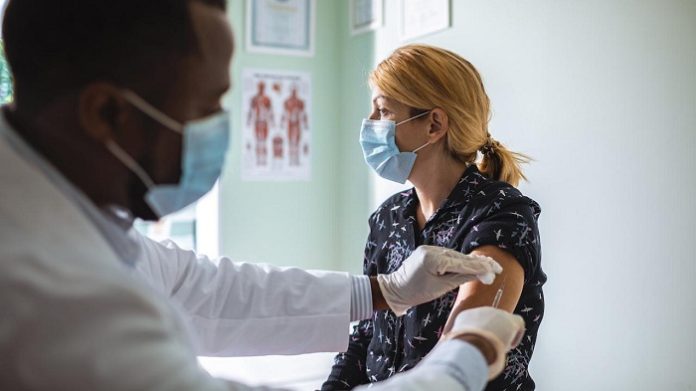
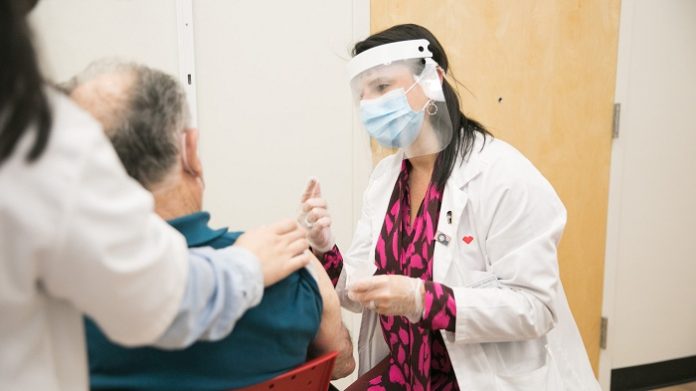
AdventHealth has reached a significant milestone in its vaccine distribution efforts in communities across nine states. As of April 2021, AdventHealth has administered more than 250,000 COVID-19 vaccines.

The journey to this milestone began in December 2020, following the EUA approval of the Pfizer COVID-19 vaccine. In the months leading up to the first coronavirus vaccineโ€™s availability, AdventHealth CEO Terry Shaw assembled a task force of the organizationโ€™s experts to plan a systemwide strategy for an efficient, safe and equitable vaccine rollout.

This number represents a huge step forward in protecting people and helping them get back to the things that make them feel whole,โ€ said AdventHealthโ€™s chief medical officer Brent Box, MD. โ€œThe strides being made in the rollout of this vaccine across the country contribute to what will be one of the greatest comebacks of our time.โ€

The impact of this vaccine was recently illustrated by a study shared by the CDC, which confirms the Pfizer and Moderna vaccines can reduce COVID-19 hospitalization risk by 94% among older adults, drastically reducing the danger of a coronavirus infection.
250,000 Vaccines: Major Milestone in Protecting Communities through AdventHealthโ€™s Ongoing Vaccine Efforts

โ€œThis milestone is a testament to the tenacity and dedication of our teams across the country,โ€ said Dr. Box. โ€œWe are very encouraged by our progress but know there is still much work needed to provide COVID-19 vaccines to our team members and communities as a safe and highly effective form of protection. In addition to the protection offered by vaccines, we must continue taking the evidence-based precautions that keep people safe.โ€

As the health systemโ€™s vaccine rollout continues, AdventHealthโ€™s coronavirus experts recommend using trusted resources such as the Coronavirus Resources Hub and the CDC for information about COVID-19 and the vaccines available.

Olympus Launches New Line of Five Single-Use Bronchoscopes

Olympus Launches New Line of Five Single-Use Bronchoscopes

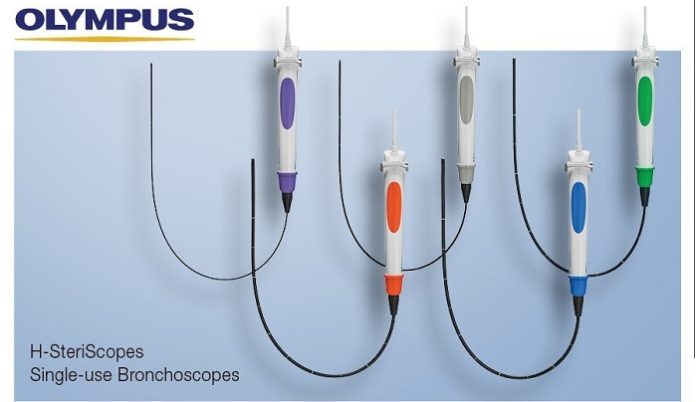
Olympus announced today the addition to its U.S. bronchoscopy portfolio of the 510(k)-cleared H-SteriScopeโ„ข Single-Use Bronchoscopes, a line of five premium endoscopes for use in advanced diagnostic and therapeutic procedures. The introduction of the H-SteriScope portfolio has been a collaboration between Veran Medical Technologies, Inc., a wholly owned Olympus subsidiary, and Hunan Vathin Medical Instrument Co., Ltd.

In its corporate strategy unveiled in November 2019, Olympus vowed to complement its product portfolio with single-use endoscopes to address: (i) procedure-specific requirements, (ii) the need for urgent procedure preparation, and (iii) improved workflow. With the acquisition of Veran Medical Technologies, Inc. in December 2020 and the H-SteriScope portfolio expansion, Olympus now offers a selection of premium single-use bronchoscopes.

“We are very excited to launch our first line of single-use bronchoscopes,” said Lynn Ray, Vice President and General Manager of the Global Respiratory Business Unit for Olympus Corporation. “These premium disposable bronchoscopes give physicians flexibility and choice when convenience and portability are critical factors in care. Adding them to our already robust bronchoscopy portfolio aids physicians in achieving faster transitions to diagnosis and treatment for patients.”

H-SteriScope single-use bronchoscopes, specifically designed for tissue biopsy, foreign body retrieval, and other advanced procedures, help clinicians target, diagnose, and treat patients while enhancing workflow and productivity. H-SteriScope models range from the Zero to Extra with an outer diameter range of 2.2 to 6.2 mm and a working channel range of 1.2 to 3.2 mm. Other features comparable to traditional bronchoscopes include:

Rotary Function: Insertion tube rotation up to 90 degrees left and right may provide additional operator control and supports easy insertion and positioning of endoscopic devices.
Tip Angulation: An angulation range of 210 degrees up and down can be achieved, even when an endoscopic device is inserted, making it easy to access targets within the tracheal-bronchial tree.

According to a hands-on evaluation and survey conducted during the Second Conference of the American Association of Bronchology and Interventional Pulmonology (AABIP), held in August 2019, the H-SteriScope bronchoscopes were rated higher than current single-use flexible bronchoscopes in scope quality, imaging quality, maneuverability, handling, tool interaction, and overall assessment.i

Olympus recently established a new cross-functional dedicated organization, the Single-Use Endoscopy Unit, to accelerate efforts for developing the commercialization strategy and to inform a focused product portfolio roadmap. “With the launch of the H-SteriScopes, Olympus is entering the single-use endoscopy market and ushering in a new era in endoscopy where single-use and traditional scopes are seen together as part of a complete and complementary endoscopy portfolio,” said Ken Daignault, Vice President of Strategy and Development of the Single-Use Endoscopy Unit at Olympus.

About Olympus
As a leading medical technology company, Olympus uses innovative capabilities in medical technology, therapeutic intervention, and precision manufacturing to help healthcare professionals deliver diagnostic, therapeutic, and minimally invasive procedures to improve clinical outcomes, reduce overall costs, and enhance the quality of life for patients. Olympus’ Medical portfolio includes endoscopes, laparoscopes, and video imaging systems, as well as surgical energy devices, system integration solutions, medical services, and a wide range of EndoTherapy devices.

Uber and Walgreens Launch New Nationwide Vaccine Appointment and Ride Scheduling Feature Through the Uber app in USA

Uber and Walgreens Launch New Nationwide Vaccine Appointment and Ride Scheduling Feature Through the Uber app in USA

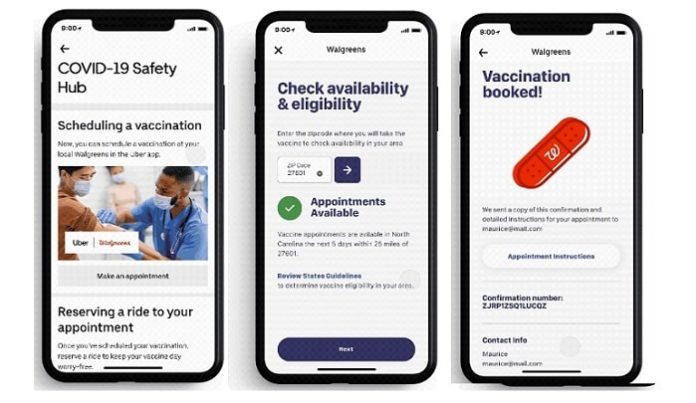
Uber Technologies, Inc. and Walgreens unveiled a new feature that allows consumers to book vaccination appointments at a Walgreens location and also schedule their Uber ride to the vaccination appointment all with a few taps through the Uber app.

With all adults in the United States eligible to receive the COVID-19 vaccine, Uber and Walgreens remain focused on helping ensure that transportation is never a barrier to receiving a vaccination. The new Uber app feature is the result of months of collaboration between the two companies. This new feature and many other new additions to Uber and UberEats were unveiled today in a global announcement from Uber.

Beginning today, Uber users will see a new โ€œVaccineโ€ option in their Uber app and can choose to schedule an appointment at Walgreens. After adding a zip code and selecting from the available appointment times, users will have the option to reserve a ride to the appointment by scheduling a pickup time and location. Before the appointment, a push notification will remind users of their upcoming ride to their vaccination appointment.

โ€œWeโ€™re committed to helping ensure that transportation is not a barrier to getting vaccinated. We know that by making it easier to get to an appointment, more people will get vaccinated,โ€ said Uber CEO Dara Khosrowshahi. โ€œBy partnering with Walgreens, our goal is to make getting that shot as easy as booking a ride with Uber.โ€

โ€œAs COVID-19 vaccine inventories expand, so has our shared commitment with Uber to providing innovations that help accelerate access to the vaccine for communities across America,โ€ said John Standley, president, Walgreens.

This new Uber app feature is available to all Uber users in the United States. Appointments are subject to availability. Additionally, Walgreens and Uber maintain their focus on driving equitable access to COVID-19 vaccines for underserved areas. The two companies recently held vaccination clinics in Atlanta, El Paso, Chicago, Houston and Milwaukee and are planning more clinics targeting other communities hardest hit by the pandemic. Uber facilitated free transportation to those clinics and has committed 10 million free or discounted rides to COVID-19 vaccination appointments for underserved populations around the world.

Working with PayPal, Uber and Walgreens also recently created the Vaccine Access Fund. The three companies have initially contributed $11 million dollars and have encouraged customers to donate too. People can support the Vaccine Access Fund by donating to PayPal Giving Fund, which is a registered 501(c)(3) charity, including through the Uber app. The fund will be granted to and managed by the Local Initiatives Support Corporation (LISC), a national nonprofit community development organization, to help ensure transportation is never a barrier to getting a COVID-19 vaccine.

About Walgreens
Walgreensย  is included in the Retail Pharmacy USA Division of Walgreens Boots Alliance, Inc. (Nasdaq: WBA), a global leader in retail and wholesale pharmacy. As Americaโ€™s most loved pharmacy, health and beauty company, Walgreens purpose is to champion the health and wellbeing of every community in America. Operating more than 9,000 retail locations across America, Puerto Rico and the U.S. Virgin Islands, Walgreens is proud to be a neighborhood health destination serving approximately 8 million customers each day. Walgreens pharmacists play a critical role in the U.S. healthcare system by providing a wide range of pharmacy and healthcare services. To best meet the needs of customers and patients, Walgreens offers a true omnichannel experience, with platforms bringing together physical and digital, supported by the latest technology to deliver high-quality products and services in local communities nationwide.

About Uber
Uberโ€™s mission is to create opportunity through movement. We started in 2010 to solve a simple problem: how do you get access to a ride at the touch of a button? More than 15 billion trips later, we’re building products to get people closer to where they want to be. By changing how people, food, and things move through cities, Uber is a platform that opens up the world to new possibilities.

Change Healthcare Launches InterQual 2021 Solution Providing Guidance on Telehealth, Social Determinants of Health

Change Healthcare Launches InterQual 2021 Solution Providing Guidance on Telehealth, Social Determinants of Health

Change Healthcare unveiled InterQual 2021, the latest edition of the companyโ€™s flagship clinical decision support solution. The new release features four new Medicare criteria modules in addition to a significant number of evidence-based content updates and enhancements, including new guidance on caring for COVID-19 patients, addressing social determinants of health, and the appropriate use of telehealth.

โ€œAs an Associate CMO overseeing utilization review at a large health system, I have been using InterQual criteria since 2014. Through the years, the criteria have undergone frequent updates that are in line with evolving clinical evidence and literature,โ€ said Kalyana Kanaparthy, MD, Rochester Regional Health. โ€œThese updates are critical as medicine evolves. I continue to see InterQualยฎ criteria provide a superior evidence-based screening tool for hospital admissions.โ€

This release marks the first development cycle led by Monique Yohanan, MD, MPH, who assumed the role of InterQualยฎ Chief Medical Officer. With a clinical background that spans the care continuum, including inpatient hospital, primary care, extended care, and house calls, Dr. Yohanan is board certified in Internal Medicine and Geriatric Medicine and has extensive expertise in the development of medical necessity criteria.

โ€œWhen I first joined Change Healthcare in September 2019, I was impressed with the rigor of the teamโ€™s approach to developing unbiased, evidence-based content,โ€ said Dr. Yohanan. โ€œMy goal was to maintain that integrity while building on the objective criteria we offer to support patient-centered care.โ€

Change Healthcare also relied on the broad and diverse clinical perspective brought by its three new medical directors:

Sarah Johnson, MD, MS, practicing clinician in substance use facilities, board certified in Psychiatry, Neurology, and Addiction Psychiatry
Katy Kehl, MD, practicing intensivist at Mount Auburn Hospital, board certified in Internal Medicine, Pulmonary Disease, and Critical Care Medicine Judith A. Melin, MD, MA, FACP, physician at Beth Israel Lahey Health, board certified in Internal Medicine

For example, Dr. Kehlโ€™s experience working in the ICU at the frontlines of the pandemic helped inform InterQualยฎ condition-specific criteria to address the diagnostic testing, imaging, and inpatient management of COVID-19 patients. More than 500,000 reviews have been completed nationwide using the InterQualยฎ Covid-19 criteria, which will continue to be updated as the related evidence evolves.

The 2021 release incorporates guidance on the use of telehealth throughout the InterQualยฎ Outpatient Rehabilitation and Chiropractic, Behavioral Health, and Ambulatory Care Planning criteria, and includes additional guidance to help case managers address their patientsโ€™ social determinants of health as care progresses. By supporting proactive, ongoing needs assessment regarding factors such as housing, transportation, and food insecurity, the guidance helps organizations intervene in a timely manner to improve health outcomes.

The robust suite of InterQualยฎ criteria has been updated to reflect the latest clinical evidence, providing frontline clinicians with valuable, relevant decision support. Based on new research and evolving standards of care, more than half of the existing InterQualยฎ criteria were impacted by these changes. As always, these changes went through a rigorous critical appraisal and peer review process to defend against bias.

This marks the launch of four new modules to the Medicare criteria Powered by InterQualยฎ, which converts Medicare policies into the solutionโ€™s trademark question-and-answer format: Medicare Molecular Diagnostics and Lab, Medicare Imaging, Medicare Pharmacy, and Medicare Behavioral Health. Clinicians can easily access the information they need within their workflow, instead of struggling to find and apply local and national coverage guidelines from disparate sources.

About Change Healthcare

Change Healthcare is a leading healthcare technology company focused on insights, innovation, and accelerating the transformation of the U.S. healthcare system through the power of the Change Healthcare Platform. We provide data and analytics-driven solutions to improve clinical, financial, administrative, and patient engagement outcomes in the U.S. healthcare system.

For more information on Change Healthcare, please visit our website, hear from our experts at Insights; Follow us on Twitter; Like us on Facebook; Connect with us on LinkedIn; and Subscribe to us on Apple Podcasts, Google Podcasts, and YouTube.


CVS Health teams up with U.S. employers to simplify access to COVID-19 vaccines and help bring people back to work

CVS Health teams up with U.S. employers to simplify access to COVID-19 vaccines and help bring people back to work

CVS Health announced it recently began administering COVID-19 vaccines at employer-based vaccination clinics through Return Ready, helping to increase access to vaccinations for employees following expanded eligibility to all adults in the United States and an increasing vaccine supply. With vaccine hesitancy on the rise, federal and state governments are looking to partners, like employers and CVS Health, to help by making vaccines more convenient to access and enhancing public education efforts. CVS Health is managing employer vaccination clinics for 18 employers across 51 locations, which began with Delta Air Lines in February 2021. The New York Shipping Association worked with Return Ready to operate vaccination clinics that included the International Longshoremen’s Association and its members, and the City of Philadelphia is also working with Return Ready on vaccination clinics for all city employees.

“The widespread rollout of COVID-19 vaccines is a welcome and hopeful new chapter in the fight against the global pandemic. Return Ready can help employers increase their capacity to vaccinate and help bring Americans back to worksites safely,” said Sree Chaguturu, MD, Chief Medical Officer of CVS Caremark. “Anchored on clinical consultation, Return Ready has successfully delivered COVID-19 testing solutions to more than 100 employers. We built upon our extensive experience and infrastructure for employer testing to now offer employer vaccination clinics.”

Return Ready, first introduced as a customizable COVID-19 testing solution in June 2020, now includes COVID-19 vaccination options in addition to clinical protocols, digital scheduling tools and detailed reporting to meet the unique worksite needs of employers. As part of the vaccination offering, CVS Health is responsible for administering vaccinations at onsite clinics with trained health care staff who can also answer patient questions about the vaccine and direct them to appropriate resources. Until recently, CVS Health administered vaccines for employers that directly secured allocation from their state government. With eligibility expanded and vaccine supply increasing, CVS Health is now able to help employers obtain a vaccine supply where available.

“CVS Health has been a trusted partner in helping Delta protect our employees and give travelers peace of mind with the launch of our employee COVID-19 testing program last year,” said Dr. Henry Ting, Chief Health Officer at Delta Air Lines. “With the help of Return Ready, we are proud to be a leader in rolling out a successful employer-based vaccination program to help our people and customers reclaim their lives.”

Delta selected CVS Health as its partner to begin administering vaccines to eligible employees at Hartsfield-Jackson Atlanta International Airport. To date, CVS Health has administered more than 29,123 vaccines to Delta employees across five sites and conducted 181,442 tests.

“It’s important to note that COVID-19 vaccinations, along with preventative measures, regular testing and timely treatment will all remain critical until we reach the end of the pandemic,” said Dr. Chaguturu.

About CVS Health

We are a diversified health services company with more than 300,000 employees united around a common purpose of helping people on their path to better health. In an increasingly connected and digital world, we are meeting people wherever they are and changing health care to meet their needs. Built on a foundation of unmatched community presence, our diversified model makes us an integral part of people’s everyday health. From our innovative new services at HealthHUBTM locations, to transformative programs that help manage chronic conditions, we are making health care more accessible, more affordable and simply better.

Ericsson, Sony, and Telenor Partner To Develop IoT Healthcare Devices

Ericsson, Sony, and Telenor Partner To Develop IoT Healthcare Devices

While it is being marketed for the healthcare industry, the solution can be deployed in other industries, including cargo tracking or search and rescue missions.

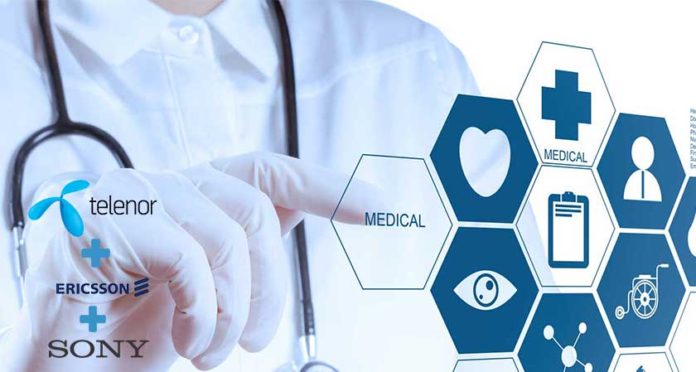
Sony has entered into a collaborative partnership with Ericsson and Norwegian telecommunications firm Telenor, to build Internet of Things (IoT) devices for the healthcare market.

Sony will provide the sensors, using its Visilion advanced tracking solution. Ericsson will provide its IoT Accelerator platform, which enables businesses to connect and manage billions of devices. Telenor will supply the SIM cards and networking tools, which work internationally.

SEE ALSO: Ericsson and Brighter Team Up for IoT-Based Diabetes Treatment

While it is being marketed for the healthcare industry, Sony said the tracking solution can be deployed in other industries, including cargo tracking or search and rescue missions.

For healthcare, the platform could be used as a location tool for valuable equipment, like ECG machines and beds, while also providing real-time indoor geolocations of staff and patients.

The sensors are able to move dynamically between different cellular standards, including 2G, 3G, 4G, NB-IoT, and Cat-M1, enabling businesses in all parts of the world.

โ€œAs the use of cellular technology matures, this can have a positive impact on the future of mobile health services and the safety and welfare of end-users,โ€ said Anders Strรถmberg, head of wearables at Sony Network Communications Europe.


Translate ยป