








Close
Digital Health & Ai Innovation summit 2026
Medical Taiwan 2026

Misr Capital and Elevate Healthcare launch Africas largest PE healthcare platform

Misr Capital and Elevate Healthcare launch Africa's largest PE healthcare platform

Misr Capital, the investment arm of Banque Misr, and Elevate Private Equity have launched a $380m healthcare investment platform, Nile Misr Scan & Labs.

The platform managers are looking to raise $150m before the first closing in Q1 2022, after seeding initial investments Banque Misr’s cash commitment and Elevate Private Equity’s in-kind contribution to the platform.

Elevate Private Equity has built a strong track record of achieving 38% CAGR over the past four years as the strategic manager of Nile Scan & Labs Co, effectively making it the fastest growing healthcare entity in Egypt and the region.

The platform, Nile Misr Healthcare, is structured on the strong investment and medical expertise of the two partners, who will actively manage the fund strategy and acquire highly selective targets with strong potential across healthcare verticals spanning hospitals, diagnostic facilities, pharmaceuticals, medical education, and digital medical services among others in Egypt and Sub-Saharan Africa.

Akef El Maghraby, Chairman of Misr Capital and Vice Chairman at Banque Misr, said: “Responsible investments come at the top of Misr Capital’s priorities, especially in sectors like healthcare that contribute to the society in which we operate.”

“Investing in healthcare not only adds positive, real value to the society, but also comes in line with SDG 3 of the UN’s sustainable development goals and the United Nation’s Principles of Responsible Investments.”

Tarek Moharram, a healthcare veteran with over 14 years of experience in managing, developing, and growing medical entities in Egypt, will take the helm as chief executive officer of the platform.

“This partnership leverages the technical and strategic expertise of Elevate Private Equity with Misr Capital’s renowned financial and investment track-record; effectually forming a platform that will actively pursue M&A transactions in the highly-fragmented healthcare spaces across our targeted

jurisdictions. Our long-term strategy is to establish larger, consolidated entities that provide comprehensive, world-class healthcare to larger populations across Egypt and Sub-Saharan Africa, in addition to creating a positive impact on the wider economies while delivering superior returns to investors,” he said.

“Most importantly, the platform is built on a comprehensive skill-set that brings to the table veteran healthcare experts, seasoned finance professionals, and a strong line-up of experienced investors backed by Banque Misr, one of the oldest and most renowned banks in Africa,” he added.

The platform is expected to enter its first sale and purchase agreement (SPA) within weeks upon the completion of all necessary approvals.

Ernst & Young Egypt acted as the financial and tax advisor and Alliance Law Firm and Al Kamel Law Firm as the legal advisors to Misr Capital.



T-Mobile and Zyter Partner to Deliver Virtual Healthcare Access to More Americans

T-Mobile and Zyter Partner to Deliver Virtual Healthcare Access to More Americans

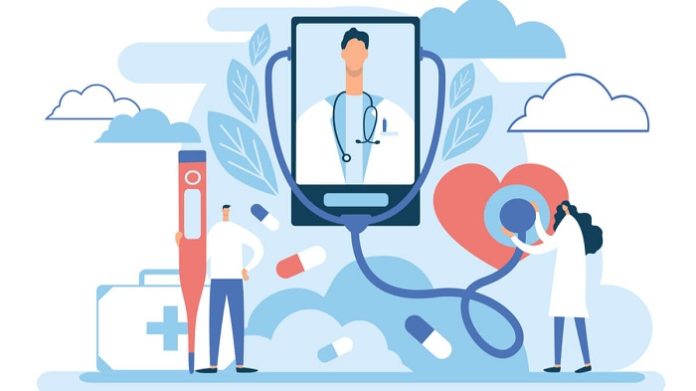
T-Mobile and Zyter, Inc. announced a preferred partnership to deliver virtual healthcare solutions — i­­ncluding telehealth and remote patient monitoring and care team collaboration — to more healthcare organizations and their patients across the U.S. Together, the companies are making virtual care more accessible to more people, which serves to improve patient outcomes, reduce readmission rates and increase overall patient wellbeing.

Since COVID-19, there has been more demand than ever for virtual healthcare. According to IDC1, 51% of U.S. consumers are concerned or very concerned about going to a healthcare facility. Additionally, the Federal Communications Commission has reported that more than 18 million Americans do not have access to high-speed broadband networks. By partnering with T-Mobile, Zyter’s award-winning Digital Health platform — Zyter Digital Health Platform and products including, Zyter Telehealth, Zyter Remote Patient Monitoring and ZyterHome™ — will reach more people over the nation’s largest, fastest, and most reliable 5G network.

“We believe that every American has the right to quality healthcare that is safe and secure,” said Mike Katz, EVP, T-Mobile. “By partnering with Zyter, we can outfit healthcare organizations of all sizes with solutions that reach more people and enable faster and more reliable virtual care through familiar devices like smartphones and tablets.”

Under the terms of this agreement, Zyter and T-Mobile will collaborate to deliver integrated healthcare solutions to existing and potential T-Mobile customers nationwide. Together, the companies will enable healthcare organizations to provide patients with remote and secure collaboration with care teams who can monitor, diagnose, and remotely treat patients anytime, virtually anywhere, using the T-Mobile 4G LTE/5G network.

“This is a significant agreement for Zyter as it enables us to leverage the vast resources and footprint of T-Mobile to make our digital health solutions more accessible to more patients,” said Sanjay Govil, founder and CEO of Zyter, Inc. “By working together, we can help organizations improve patient satisfaction while maintaining care quality and lowering costs.”

These solutions are already available for integrated delivery networks, life science companies, hospitals, health systems and payer organizations around the country, and with T-Mobile, more healthcare providers will be able to quickly scale and deploy these virtual health solutions to ensure that more Americans have access to quality care, in the safety and convenience of their own home.

5G coverage not available in some areas; fastest based on analysis by Ookla® of Speedtest Intelligence® data 5G median download speeds for Q1 2021. Ookla trademarks used under license and reprinted with permission. Capable device req’d; some uses may require certain plan or feature; see T-Mobile.com. Most reliable according to an audit report conducted by independent third party umlaut containing crowdsourced data for user experience collected from September 2020 until February 2021.

About Zyter
Zyter delivers a wide range of cloud-based, software as a service (SaaS) digital health products for providers, payers and patients that span telehealth, home health and remote patient monitoring, as well as care, utilization and population health management. In 2021, Zyter acquired Casenet®, LLC and together the two company’s products are used to manage healthcare for 11% of the U.S. population. Zyter’s products improve clinical operations and patient outcomes while reducing healthcare costs by enhancing interoperability, communication and collaboration. The company’s 5G-ready platform also supports IoT/smart technology and thermal imaging solutions. In 2020, the company won more than 50 awards for its products including Best Health Care and Medical Innovation as well as Company Innovation of the Year. In 2021, the company won an award as The Most Innovative Digital Health Startup. Founded in 2017, the privately-held company is based in Rockville, Md.

About T-Mobile
T-Mobile U.S. Inc.   is America’s supercharged Un-carrier, delivering an advanced 4G LTE and transformative nationwide 5G network that will offer reliable connectivity for all. T-Mobile’s customers benefit from its unmatched combination of value and quality, unwavering obsession with offering them the best possible service experience and undisputable drive for disruption that creates competition and innovation in wireless and beyond. Based in Bellevue, Wash., T-Mobile provides services through its subsidiaries and operates its flagship brands, T-Mobile, Metro by T-Mobile and Sprint. For more information please visit: https://www.t-mobile.com.


AmMax Bio to Present at the BofA Securities 2021 Virtual Healthcare Conference

AmMax Bio to Present at the BofA Securities 2021 Virtual Healthcare Conference

AmMax Bio, Inc., a private clinical-stage biopharmaceutical company focused on developing novel treatments with AMB-05X, its proprietary anti-CSF1R monoclonal antibody platform, announced that it will present at the BofA Securities 2021 Virtual Healthcare Conference. Larry Hsu, Ph.D., Chief Executive Officer, will review the company’s pipeline of clinical programs targeting serious macrophage-driven inflammatory, neovascular, and fibrotic diseases on May 13th at 12:30 p.m. Eastern Time.

The presentation will be webcast live during the conference and management will be available for 1-on-1 meetings for conference attendees.

AmMax was founded in 2020 to develop therapies under an exclusive worldwide license from Amgen, Inc. that leverage the diverse and critical roles played by the colony stimulating factor 1 receptor (CSF1R) signaling pathway for macrophage regulation in multiple organ systems. AmMax is enrolling patients in a Phase 2 clinical program for tenosynovial giant cell tumor (TGCT) and has achieved nonclinical proof-of-concept in both neovascular age-related macular degeneration (nAMD) and idiopathic pulmonary fibrosis (IPF).

About the TGCT Program

Tenosynovial Giant Cell Tumor (TGCT), affecting over 300,000 patients worldwide, is a serious and debilitating disease in which patients can experience severe pain, disability, and diminished quality of life. Surgical resection is the primary standard of care for TGCT, but carries with it significant risk to patients, including complications, prolonged postoperative care, infections, and frequent relapse. Significant unmet needs exist for a safe and efficacious pharmacological therapy. AmMax is uniquely positioned to address the unmet needs by leveraging the target selectivity of AMB-05X and its enhanced safety profile in treating TGCT, while creating a sizable commercial opportunity for improved patient care.

About the nAMD Program

Neovascular age-related macular degeneration (nAMD) is the leading cause of vision loss and blindness, impacting approximately 3 million US patients and 19 million patients worldwide. While anti-VEGF products are considered broadly effective, the development of macular fibrosis can compromise vision in a large percentage of patients over time. A long-acting AMB-05X with strong anti-fibrotic activity will reduce patient treatment burden and is expected to limit vision loss from macular fibrosis. AMB-05X should be complementary to anti-VEGF agents, and offer the potential for both first line and combination therapy.

About the IPF Program

Idiopathic Pulmonary Fibrosis (IPF) is a chronic progressive inflammatory and fibrotic interstitial lung disease with a 3-5 year median survival if untreated. It is reported to affect approximately 300,000 people in the U.S. and Europe and approximately 3 million people worldwide. AMB-05X offers a first-in-class opportunity for IPF that is potentially disease modifying.

About AMB-05X

A potent anti-CSF1R monoclonal antibody, AMB-05X, is a therapeutic platform targeting macrophage-driven diseases with significant unmet medical needs and substantial commercial potential. The CSF1R, via its binding to two regulatory cytokines, CSF1 and IL-34, is critically involved in the regulation of macrophages and related cells in multiple biological processes across multiple organ systems, making it an attractive target with broad therapeutic applications. Overactivation of the CSF1/IL-34 – CSF1R axis substantially contributes to the inflammation and fibrosis inherent in many diseases. Thus, the potent inhibition of CSF1R activity by AMB-05X represents a novel and powerful means of therapeutic intervention via its dual action.


GPI USA and InVita Healthcare Technologies Partner To Provide a Continuous Blood Management Solution

GPI USA and InVita Healthcare Technologies Partner To Provide a Continuous Blood Management Solution

GPI USA, a specialized software provider for transfusion medicine including blood, plasma and tissue, and InVita Healthcare Technologies, a leading software provider for complex medical environments including blood, plasma, tissue, and implants, have announced a partnership in the world’s first end-to-end blood management system. The broad integrated product suite will bridge all blood center operations from donor recruitment and collections through to blood transfusion and patient care follow-up.

GPI USA provides web-based software to blood centers, blood banks, cell therapy labs, cord blood banks and tissue banks. With a Blood Establishment Computer Software (BECS) system, 510(k)-cleared as medical devices by the U.S. Food and Drug Administration, GPI USA is a leader in providing web-based solutions delivered as cloud services. GPI USA is the North American headquarters of GPI SpA, an international Healthcare Software provider, deploying its solutions in over 60 countries worldwide.

Todd Collins, President and CEO of InVita Healthcare Technologies quoted “This partnership creates a single, scalable and dynamic ecosystem for blood product collection and management. For the first time, blood collectors will be able to see their collections and products in motion throughout their supply chain, with cohesive chain of custody tracking. Regardless of blood center size—community, multi-state or country—this system has what every blood collector has wanted and needs to thrive.”

Through this partnership, InVita and GPI USA customers and their staff will have visibility into real-time data across the management spectrum and accessibility to that information from any location on their preferred device. Never before have blood and plasma collectors had such insight into their operations at the local, regional, divisional and enterprise level.

Bruno Rousselin, CEO of GPI USA, Inc. quoted “This agreement is an important milestone in GPI USA’s strategy to focus on delivering web-based Blood Establishment Computer Systems while partnering with fully integrated partner solutions for Donor Marketing and Mobile Scheduling. Our web-based e-Delphyn Donor BECS will be the only solution on the market to be fully integrated to InVita’s products with real-time interactions which will bring additional visibility and faster decision-making to our clients.”

About GPI USA

GPI USA is a leading technology company in the Healthcare IT market. GPI SpA, the mother company of GPI USA is a publicly traded company that provides web-based software solutions for blood centers, blood banks, cell therapy labs, cord blood banks, tissue banks, clinical laboratories, and human milk banks in more than 60 countries.

About InVita Healthcare Technologies

InVita provides healthcare technologies for complex medical environments. Its solutions optimize supply chain performance and visibility for blood, plasma, tissue, implants, and beyond. All for increased compliance, greater cost control, and improved patient safety. InVita has offices in Baltimore, MD, Jacksonville, FL, Chicago and Lake Zurich, IL.

PixCell Medical Partners with Axonlab to Distribute HemoScreen Point of Care Hematology Analyzer Across Europe

PixCell Medical Partners with Axonlab to Distribute HemoScreen Point of Care Hematology Analyzer Across Europe

PixCell Medical , an innovator of rapid point-of-care diagnostic solutions, announced an exclusive distribution agreement with Axonlab , a leader in point-of-care testing in Europe providing healthcare equipment and services in the fields of medical diagnostics, life sciences and software solutions, to distribute HemoScreen ™, PixCell’s hematology analyzer, in key European geographies .

Axonlab will have exclusive distribution rights in Switzerland, Austria, the Netherlands and the Czech Republic.

“Collaborating with renowned international suppliers to deliver innovative diagnostic systems to clinics, physicians and the research sector is at the heart of our identity as a company. We are focused on providing comprehensive, future-oriented services, and we believe PixCell’s HemoScreen is an important tool in improving the diagnostic and decision-making capabilities of clinicians, ”said Dr Tamara Hensel, head of sales and marketing at Axonlab. “This is especially important for ‘Point-of-Care’ locations. In decentralized sites and at the bedside, the HemoScreen POC System complements our existing broad portfolio in hematology in physician offices and routine laboratories. AI-driven diagnostic tools like HemoScreen represent the next evolution in diagnostic technology. Making this technology available at the point of care for hospitals, doctor’s offices, pharmacies, private laboratories and research organizations can increase patient safety, reduce the time it takes to receive key diagnostic results, and help clinicians to make informed decisions. ”

HemoScreen ™, developed by PixCell Medical, is the only complete blood count (FSC) analyzer with 5-part differential that is both FDA cleared and CE marked for use in the point of care. HemoScreen Provides Laboratory Quality Diagnostic Results Equivalent to Large Complex Laboratory Analyzers traditionally used for haematological tests, and in much less time. Using a disposable cartridge preloaded with all necessary reagents, HemoScreen eliminates the need for routine maintenance and calibration and should not be used by a lab technician. With just one drop of blood and in six minutes, HemoScreen provides FCS results with 20 standard FCS parameters as well as complete labeling of abnormal cells for earlier detection of infections and certain types of cancer.

“Making HemoScreen widely available allows healthcare organizations to maximize diagnostic resources and helps physicians make faster, more informed clinical decisions. Ultimately, we want to increase the efficiency of diagnostics while maintaining the accuracy of results to help improve care and patient outcomes in many settings of care, including intensive care, emergency departments and oncology services, ”said Dr Avishay Bransky , CEO of PixCell Medical. “We are proud to collaborate with one of the largest point-of-care testing distributors in Europe, a company known for its uncompromising quality. We are confident that Axonlab will be a great partner and help dramatically improve the accessibility of FCS, the most essential blood test, in the markets it serves. ”

About PixCell Medical
PixCell Medical provides the only simple-to-use and portable point-of-care blood diagnostic solution. PixCell’s FDA-cleared and CE-marked HemoScreen platform shortens diagnostic results delivery from days to minutes. With just one drop of blood and within six minutes, HemoScreen delivers accurate readings of 20 standard blood count parameters, with the high clinical sensitivity of central lab results, saving patients, clinicians and health systems significant time and costs. PixCell leverages their patented Viscoelastic Focusing and lab-on-a-cartridge technologies, along with AI-powered machine vision, to deliver rapid point-of-care diagnostic results anywhere.


Lumenis Receives FDA Approval for Its IPL Device to Manage Dry Eye Disease and Launches OptiLight

Lumenis Announces NuEra Tight with FocalRF Technology, a Breakthrough in Aesthetic Medical Devices, now available in Europe and the Middle East

Lumenis Ltd., the world’s largest energy-based medical device company for ophthalmic, aesthetic and surgical applications and the inventor of intense pulsed light (IPL) technology, announced that the FDA has granted De Novo authorization for Lumenis’ newest IPL device for improving signs of dry eye disease due to meibomian gland dysfunction (MGD).

Dry eye disease is a common disorder that causes dry, gritty, burning, tired eyes and fluctuating vision. About 16 million Americans have been diagnosed,1 and twice as many may be undiagnosed with dry eye. MGD is the leading cause of dry eye disease, accounting for about 86% of cases.2

The Lumenis multi-center, double-blinded, randomized controlled FDA trial showed that Lumenis IPL with patented Optimal Pulse Technology (OPT®) significantly improved tear breakup time, meibum quality, and meibomian gland expressibility.3 The clinical trial joins a long list of studies of Lumenis’ IPL with OPT® that have shown the same results, as well as reduction of inflammatory markers.4-7

Subsequent to the FDA approval, Lumenis is launching OptiLight™, a bright solution for dry eyes. OptiLight™ with Lumenis’ patented OPT® technology is designed for a consistent, precise, and controlled light-based treatment of signs of dry eye disease.

“We deal with dry eye every day, but unless we address the underlying inflammation, it’s difficult to meaningfully impact the disease. OptiLight™ helps us to address the inflammation, as shown in Lumenis’ IPL clinical trials, and improves signs of dry eye disease due to MGD, positioning it as a valuable tool in our dry eye toolkit,” said Dr. Steven J. Dell, medical director of Dell Laser Consultants and lead investigator in the Lumenis’ clinical trial submitted to the FDA.

“Lumenis has launched many ‘firsts’ in eye care, and we never stop innovating. This is why we are excited that our IPL device with patented OPT® technology is the first and only such device to receive FDA approval for improving signs of dry eye disease. We’re exceptionally proud to elevate dry eye management and to improve the quality of life for millions of patients,” said Lumenis CEO Tzipi Ozer-Armon. “We are proud to launch OptiLight™?, a light-based system that provides doctors with a safe and effective dry eye procedure to add to their toolkit. We look forward to continued collaboration with doctors across the U.S. and globally in elevating dry eye care.”

About Lumenis

Lumenis is the world’s largest energy-based medical device company for surgical, aesthetic and ophthalmic applications in the area of minimally invasive clinical solutions. Regarded as a world-renowned expert in developing and commercializing innovative energy-based technologies, including Laser, Intense Pulsed Light (IPL) and Radio-Frequency (RF). For nearly 50 years, Lumenis’ ground-breaking products have redefined medical treatments and have set numerous technological and clinical gold standards. Lumenis has successfully created solutions for previously untreatable conditions, as well as designed advanced technologies that have revolutionized existing treatment methods.

About OptiLight

OptiLight™ is a new intense pulsed light (IPL) device, with a spectrum of 400-1200 nm, that is indicated for improvement of signs of Dry Eye Disease (DED) due to Meibomian Gland Dysfunction (MGD), also known as evaporative dry eye or lipid deficiency dry eye, in patients 22 years of age and older with moderate to severe signs and symptoms of DED due to MGD and with Fitzpatrick skin types I-IV. IPL is to be applied only to skin on the malar region of the face, from tragus to tragus including the nose (eyes should be fully covered by protective eyewear). IPL is intended to be applied as an adjunct to other modalities, such as meibomian gland expression, artificial tear lubricants and warm compresses.

AI and Machine Learning Set to Exceed Expectations in Healthcare

While the impacts of artificial Intelligence (AI) and machine learning may be most noticeable in consumer digital services like social media and online shopping, it is quite breathtaking to see how quickly it is now being taken up by the healthcare industry.

Machine learning – a key part of AI where computer algorithms automatically improve through experience – has been called upon to leverage healthcare data to help deal with many of the challenges COVID-19 has presented.

Public health systems have turned to machine learning to complement their contact tracing and other efforts to control the disease and track outbreaks. Private healthcare operators have embraced machine learning to remain competitive when faced with a drop in demand for elective surgery or, in many countries, a reluctance or inability to visit hospitals or clinics.

The pace of AI and machine learning adoption is also accelerating in hospitals. According to a recent IDC study of 210 hospitals in the US, UK and Germany, half already have an AI framework in place and the rest plan to be online within 24 months. The study found that reading images to assist with diagnoses (30% of hospitals) and early identification of hospital-acquired infection (30%) were among the top three use cases for AI.

Positive engagement with clinicians

For example, Mercy Radiology in New Zealand, working with Ferrum AI, has deployed two AI algorithms which use machine learning to improve over time with use. Operating in a second read capacity for radiologists, the two use-cases are in lung nodules on CT scans and limb fractures on X-ray. The algorithms have improved the quality of reporting and “ there has been positive engagement from clinicians as well, ” says Lloyd McCann, CEO of Mercy Radiology and Head of Digital Health for Healthcare Holdings Limited.

Despite a clear trend towards AI in healthcare, however, some experts are sceptical and say that machine learning in particular has been overhyped. Part of the problem is that it has been seen as a panacea for problems without much understanding of how it worked. And while machine learning has made progress in relation to some problems during the pandemic, it has not lived up to all the expectations in others.

At InterSystems, we believe these teething problems will be rapidly overcome. While some people still see machine learning as a magical “black box”, the technology and the algorithms it produces have become easier to explain and understand with increased use. There is also more appreciation of the importance of high quality “training data” used to build the models for machine algorithms. Together, these factors are leading to greater credibility and success when it comes to treating hospital patients.

Machine learning for smarter triage

One area where we expect to see widespread advancements is in hospital triage. Most triage systems rely on simple risk scoring systems with a small number of variables to identify which patients need immediate attention or access to higher acuity resources.

Machine learning increases the number of variables which can be taken into account to make smarter triage decisions. At Northwell Health – with 23 hospitals, New York State’s largest healthcare provider – machine learning is making better use of resources and improving patient experience. The technology is used to identify patients who need to be woken up to take their vitals versus those stable enough to sleep through the night.

At the beginning of the pandemic, Epic developed a machine learning model to scan health records and alert doctors automatically to help doctors intervene with life-saving care before hospitalised patients deteriorate. Hundreds of hospitals are using the predictive model which evaluates patients’ risk of getting sicker in real time by tracking thousands of pieces of data generated by heart rate, blood pressure, temperature and other monitors.

Lack of quality data must be addressed

As hospitals ramp up machine learning projects, among the biggest limits they face is not a lack of understanding, but a lack of quality data. According to the IDC study, two of the top five barriers to successful AI adoption were related to data: trustworthiness/bias of data (28%) and lack of adequate volumes of quality training data (26%).

InterSystems believes it is essential to prioritise healthcare data interoperability and data-cleansing so that it’s usable in machine learning. With the HL7 FHIR®(Fast Healthcare Interoperability Resources) standard, secure data sharing is becoming easier. In addition, many hospitals have already put the frameworks in place to ensure that AI is being used properly. In the IDC study, 58 percent of hospitals indicated that they already have AI-specific data governance and management policies and procedures in place.

“Healthcare leaders must invest now in their data quality and push for clean, harmonised data in order to implement and get the most out of their AI tools,” says Cynthia Burghard, IDC Research Director for Value-based Healthcare IT Transformation Strategies.

AI and machine learning’s moment in healthcare has definitely arrived. With better understanding of how to use it, and investment in interoperability and data-cleansing solutions to support it, the gap between expectations and reality will only shrink.

Improving mobility for the older generation

Improving mobility for the older generation

Getting older is a fact of life. It’s something we all have to contend with, although some of us may embrace it more keenly than others. There are certainly plenty of benefits to ageing – retirement for one, and hopefully you’re fortunate enough to surround yourself with grandchildren and even great grandchildren, spending plenty of quality time together as a family.

The latest figures from the Office for National Statistics reveal that the average life expectancy in the UK is 83.1 years for women and 79.4 for men – a marginal rise from when the previous data set was collected, between 2016 and 2018.

So, as a general rule, we’re living longer, which is a positive. But of course, ageing brings plenty of challenges too. High on the list of those is mobility, with many members of the older generation struggling to move around as freely as they’d like. So, what can be done to improve the situation?

Exercise

According to the NHS, a lot of adults aged 65+ spend at least 10 hours a day sitting or lying down. Of course, it’s unrealistic to expect many people in that age group to get out and run 10 miles a day, but there are still plenty of options open to them when it comes to exercising. For example, a simple daily walk – even if it’s just down to the shops or around the block – can improve circulation, flexibility and any respiratory problems. Other options include a spot of gardening, water aerobics or even taking up social sports such as lawn bowls or doubles tennis.

Walking aids

It might be that they struggle to walk distances of any kind without some assistance, in which case there are various walking aids that are available. Crutches, walking frames, walkers and trolleys can all help the elderly move about more freely, while their choice of footwear is also vitally important. Even if they’re just moving about the house, they need to have a pair of slippers that offer plenty of support, are easy to fasten and fit properly so that they don’t cause a trip or a fall.

Transport

When it comes to mobility, we’re not just talking about moving around the house, the garden or the local park. We’re also talking about experiencing freedom, and that means getting out and enjoying a change of scene once in a while. To do this, many of the older generation might rely on a wheelchair and a specially adapted vehicle. That way, they can venture further afield for fun days out or to go and visit their loved ones, and their reduced mobility needn’t stand in their way.

How Are Hospitals Coping With Non-Covid Medical Emergencies?

How Are Hospitals Coping With Non-Covid Medical Emergencies?

The coronavirus has gripped the world in fear and uncertainty for the entirety of 2020. With new strains of the disease making their way to various countries, the same feeling of dread extends to 2021. But vaccinations have since started, and many can heave a sigh of relief.

However, hospitals are still struggling to keep up with the surge of patients due to COVID-19. This doesn’t leave much room for those who need to visit the emergency room for other reasons.

Common illnesses and vehicular mishaps such as bus accident negligence can occur anytime. The latter can cause severe pain and injury to those parties involved, especially to the passengers. During these times that emergency visits cannot delay, hospitals must be ready to receive all kinds of emergencies.

Here are the ways that hospitals are coping with the situation:

  1. Improving Outpatient Management

Outpatient clinicians strive to improve management by being proactive at emergency departments, especially to patients with diabetes and hypertension. Developing a triage to cater to those suffering from acute conditions directly at emergency departments should also help prevent severe complications later on. Doing so will lower the risks and reduce the demand for inpatient beds and the rise of emergency department count by non-covid patients.

Healthcare workers, or doctors, may utilize telehealth kits to continuously monitor those who are now outside of hospital premises. They may include devices such as heart rate monitors, pulse oximeters, and more.

Digital consultations with patients can also be initiated by virtually meeting with them instead of contacting their respective doctors. Collaborations across specialists, healthcare and social workers, administrative, and patients should be possible this way to ensure that disease management control remains consistent.

  1. Centralizing Location for All Critical Non-Covid Services

The untold dangers of patients with non-covid conditions refusing to see their doctors has prompted   to promote location-pooling. It means that there should be a single location that must provide all the non-Covid services instead of different hospitals using up valuable resources all at the same time.

It means that if one area of the institution is caring for cancer patients, there should be another designated . It means to balance the flow of patients so that it equates to proper revenue equally distributed to the departments.

  1. Setting Guideline for Hospital Visits

Hospital administration can set up guidelines that will allow staff to prepare patients to see their doctors. They can provide a set of instructions that both in can follow regarding the best time to seek medical care, whether in the ER or urgent care.

Both ER and urgent care must conduct  advanced diagnostic testing. Hospitals might be using automated software to detect the presence of the virus efficiently and support global healthcare efforts.

Patients can call in for an emergency room visit or contact an ambulance if they are experiencing the following:

  • Sudden weakness or numbness
  • Chest pain
  • Difficulty breathing, wheezing, or shortness of breath
  • Unstoppable bleeding
  • Dizziness, fainting
  • Inability to move, walk, or see
  • Vomiting or coughing out blood
  • Fever accompanied by convulsions
  • Bloody diarrhea or urine
  • Abdominal pain
  • Head injury, severe headache
  • Mental status changes, confusion

If you have any of the following, call for urgent care:

  • Fever, flu-like symptoms
  • Cough, cold, or sore throat
  • Mild injuries
  • Earaches
  • Mild shortness of breath
  • Mild rashes or skin irritations

Urgent care is open to those with non-covid symptoms. Hospitals might  limit face-to-face interactions, so it’s still advisable to call and find such precautionary measures before leaving home to visit the hospital.

  1. Implementing COVID-19 Safety Measures

Data has found that about 80% of adults are worried about catching the virus at the emergency room. However, hospitals are doing what they can to prevent the spread of the disease inside their institution to provide safe emergency care. As people with non-COVID symptoms must make visits to their respective doctors, hospital staff are making sure to follow protocols strictly at all times.

First, masking is highly promoted, as it serves as protection from possible carriers and prevents those with regular coughs and colds from spreading the common viral infection. The hospital staff provides masks to patients and enforces social distancing to ensure that there’s little to no chance of viral spreading inside the health facility.

Secondly, amenities  are divided into two receiving and confinement areas. One, where COVID patients stay and receive treatment, and the other is where patients visit for non-COVID ailments and symptoms.

Thirdly, patients coming into the hospital are screened by taking temperatures or asking relevant questions for contact tracing.

Fourthly, the cleaning crew–wearing protective equipment and armed with tools–are cleaning and disinfecting areas where people frequent, such as at the entrance, restrooms, and various surfaces, while adhering to the COVID-19 hospital cleaning protocols.

In Conclusion 

Hospitals are doing their best to keep patients safe during this pandemic. Patients should not be afraid to seek medical help as delays can endanger their health. It’s better to trust hospitals as they know better how to keep the virus at bay more than anyone else.

New dates for MEDICAL FAIR THAILAND with move to 2022

New dates for MEDICAL FAIR THAILAND with move to 2022
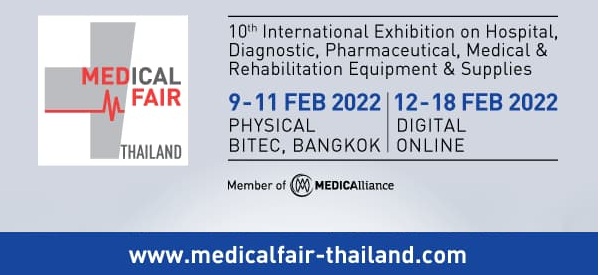
The upcoming edition of MEDICAL FAIR THAILAND will be rescheduled to February 2022, with the physical trade fair taking place from 9 – 11 February at BITEC, Bangkok, and the 7-day digital extension from 12- 18 February. Initially set to take place in September 2021, moving MEDICAL FAIR THAILAND to 2022 takes into consideration current developments in Thailand on the pandemic front, sustained travel restrictions and varying quarantine requirements from different countries. “We made the difficult decision to postpone the 2021 edition as the situation at this point in time presents too much uncertainty for holding a successful edition of MEDICAL FAIR THAILAND this year,” said Mr Gernot Ringling, Managing Director, Messe Düsseldorf Asia. “With more than 80 percent of exhibitors to the trade fair coming from abroad, while on the visitor front more than 40 percent, in order to deliver the benefits of a leading international trade fair and in consultation with exhibitors, industry partners, and local authorities, we found the best course of action is to move it to 2022.” The new dates for MEDICAL FAIR THAILAND will improve planning certainty for exhibitors and visitors, and “we are confident that we will be able to optimise conditions for a safe and successful event on the rescheduled dates in 2022. The top priority is to minimise both the health and economic risks for all participants,” Mr Ringling added.
Ms Daphne Yeo, Senior Project Manager, Messe Düsseldorf Asia, said: “We believe the rescheduling of MEDICAL FAIR THAILAND will make preparation works easier for all stakeholders involved and allow us to focus efforts on staging a successful trade fair for networking and sourcing next year. We will make optimal use of the extended preparation time and look forward to welcoming all participants to the first PHYGITAL edition of MEDICAL FAIR THAILAND.” With the new format for the 10th iteration of the trade fair, this will bring together the best of both worlds – the in-person experience of a live exhibition, with online capabilities that will extend engagement and networking opportunities between exhibitors and trade visitors anywhere in the world. Despite the ongoing pandemic, MEDICAL FAIR THAILAND has registered high demand for floor space from exhibitors both local and international. “This confidence in the brand and reputation as a leading trade fair for the medical and healthcare sector in Southeast Asia since 2003 is precisely why we need to ensure that we meet our customers’ expectations. We are optimistic that conditions will be much improved and more stable in 2022,” added Ms Yeo. Preparations and plans currently underway for MEDICAL FAIR THAILAND 2021 will now be seamlessly transferred to the new 2022 dates. The MEDICAL FAIR THAILAND team will reach out to all industry partners, confirmed exhibitors and participants regarding event logistics and planning. About MEDICAL FAIR THAILAND Established since 2003, MEDICAL FAIR THAILAND continues to grow from strength to strength as Southeast Asia’s leading trade fair for the medical and healthcare industry. With a focus on equipment and supplies for the hospital, diagnostic, pharmaceutical, medical and rehabilitation sectors, the exhibition is well recognised as an international medical and healthcare event for networking, sourcing, procurement, and knowledge-exchange. Organised by Messe Düsseldorf Asia, MEDICAL FAIR THAILAND is part of the globally recognised MEDICAlliance network of trade fairs under the Messe Düsseldorf group –with presence also in Bogotá, Moscow, Mumbai, New Delhi, São Paulo, Suzhou and Singapore. About Messe Düsseldorf Asia Messe Düsseldorf Asia is a subsidiary of Messe Düsseldorf in Germany, one of the world’s leading trade fair organisers, responsible for organising more than 20 global No. 1 exhibitions in various industries including medicine and health, specifically MEDICA, COMPAMED and REHACARE INTERNATIONAL held in Düsseldorf, Germany. With extensive expertise in organising trade fairs in Southeast Asia, Messe Düsseldorf Asia has developed a portfolio of numerous trade fairs in the region since 1995.
Translate »