











Close
Digital Health & Ai Innovation summit 2026
Medical Taiwan 2026

Quantum Leap Healthcare Collaborative Concludes Cenicriviroc Not Likely to Reduce Time to Recovery or Mortality in Critically Ill Patients in I-SPY COVID Trial

COVID-19 vaccine dry run held at 285 session sites across 125 districts in India

Quantum Leap Healthcare Collaborative (QLHC), the sponsor of the I-SPY COVID Trial, announced that cenicriviroc (CVC) has been dropped from the trial due to futility, based on the low likelihood of success. CVC was chosen for testing because it is a CCR2/5 inhibitor, which has been hypothesized to potentially prevent fibrosis linked to the inflammation that accompanies critical illness associated with COVID-19.

The I-SPY COVID Trial is a phase II, open label, adaptive platform trial being conducted in critically ill COVID-19 patients who are receiving high-flow oxygen or mechanical ventilation. The trial was designed to rapidly screen agents to find those with the best chance of reducing time to recovery (defined as reduction in oxygen demand) by approximately 50% and reducing risk of death. The I-SPY COVID Trial identified the initial agents for the study through a unique partnership with the COVID R&D Alliance, and CVC was the first oral agent identified and approved to go forward through this mechanism. The I-SPY COVID Trial included 18 sites at the time of evaluation, and there are now 26 participating sites.

QLHC discontinued testing of CVC in the I-SPY COVID Trial because, after 94 patients enrolled, the agent met the predefined futility criterion, defined as at least 90% probability that the hazard ratio for time to recovery is less than 1.5 compared to the control arm. The data from CVC patients were compared to those from 220 patients concurrently randomized to the control, which included backbone therapy (consisting of dexamethasone and remdesivir). Patients assigned to the CVC arm received backbone therapy in combination with 150 mg orally twice daily of CVC (load dose on Day 1 only of 450 mg) for a minimum of 14 days and up to 28 days. Based on a near final analysis of this interim data cut, there is a low probability that the addition of CVC to backbone therapy reduces time to recovery, as per pre-specified criteria for continuation. Other endpoints assessed, including mortality, did not show a statistically significant difference between CVC and placebo at this interim data cut. As a result, the Data Monitoring Committee recommended closing the arm. The study did not identify new safety signals for CVC in the setting of critically ill patients.

Dr. D. Clark Files, an I-SPY COVID Trial co-investigator and chaperone (PI) of the CVC arm, and an associate professor of medicine at Wake Forest University (Winston Salem, North Carolina), commented, “The I-SPY COVID Trial demonstrated that CVC did not substantially improve recovery in patients critically ill with COVID-19. It is possible that this drug may be promising for treating other types of acute lung injury, or other populations of less critically ill COVID-19 patients and future trials may be warranted.”

“While we were disappointed that CVC did not succeed in substantially altering the clinical course of patients with severe COVID-19 when added to dexamethasone and remdesivir, we were glad to know this quickly and continue to test other agents,” continued Dr. Sheetal Gandotra, an assistant professor of medicine at the University of Alabama at Birmingham and co-chaperone of the CVC arm of the I-SPY COVID Trial.

Kathleen Liu, a professor of medicine at UCSF and co-principal investigator for the I-SPY COVID Trial, added, “CVC did not meet the high bar we set for improving time to recovery. Finding effective agents for people who become critically ill from COVID-19 remains an urgent priority.”

“We were pleased to work with the I-SPY COVID Trial team and Quantum Leap Healthcare Collaborative to test an agent in our pipeline that had a chance to alter the course of this devastating condition,” said William Ferguson, PhD, Executive Director, Clinical Development, AbbVie. “We are hopeful that some of the drugs being tested by I-SPY will prove helpful and safe in critically ill COVID-19 patients. This is a worthwhile endeavor and we appreciate the opportunity to be a part of the I-SPY network.”

This study is a collaboration between members of Quantum Leap, the U.S. Food and Drug Administration and the COVID R&D Alliance, which AbbVie is a member of with more than 20 of the world’s leading biopharmaceutical and life science companies. In addition, the Biomedical Advanced Research and Development Authority (BARDA), part of HHS within the office of the Assistant Secretary for Preparedness and Response, and Joint Program Executive Office, a part of the Department of Defense, are also part of this collaboration under the Medical Chemical, Biological, Radiological, and Nuclear (CBRN) Defense Consortium (MCDC).

About Quantum Leap Healthcare Collaborative
Quantum Leap Healthcare Collaborative is a 501C(3) charitable organization established in 2005 as a collaboration between medical researchers at University of California, San Francisco and Silicon Valley entrepreneurs. Our mission is to integrate high-impact research with clinical processes and systems technology, resulting in improved data management and information systems, greater access to clinical trial matching and sponsorship, and greater benefit to providers, patients and researchers. Our goal is to improve and save lives. Quantum Leap provides operational, financial, and regulatory oversight to the I-SPY Trials.

About the I-SPY Trials
The I-SPY Trials were designed to rapidly screen promising experimental treatments and identify those most effective in specific patient subgroups based on molecular characteristics (biomarker signatures). The trial is a unique collaborative effort by a consortium that includes the Food and Drug Administration (FDA), industry, patient advocates, philanthropic sponsors, and clinicians from 20 major U.S. medical research centers. Under the terms of the collaboration agreement, Quantum Leap Healthcare Collaborative is the trial sponsor and manages all study operations.

DarioHealth Partners with MediOrbis on Virtual Care Offering for Diabetes

DarioHealth Partners with MediOrbis on Virtual Care Offering for Diabetes

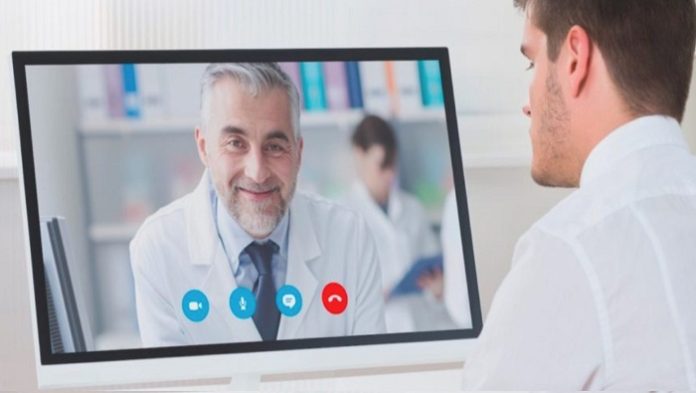
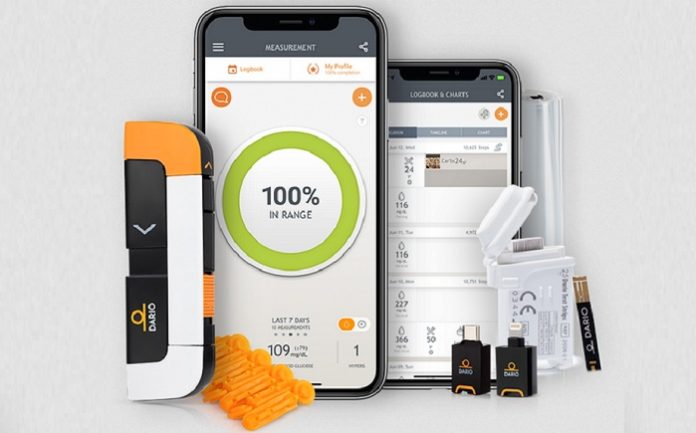
DarioHealth Corp., a pioneer in the global digital therapeutics market, announced the launch of a new virtual care initiative with MediOrbis, a telehealth provider specializing in chronic conditions. Eligible Medicare members who have diabetes can receive convenient virtual care for their diabetes, including telehealth delivered by MediOrbis and remote patient monitoring through DarioHealth’s AI-powered digital chronic care platform under their existing Medicare benefit.

As part of the launch the new virtual care program will be made available to Dario’s approximately 75,000 members with diabetes, of which 30% are over 65. This will enable current Dario members to access high quality, convenient care at a potentially lower out-of-pocket cost. In addition, the virtual care program will be marketed to qualified Medicare members who aren’t currently using Dario’s offering. This represents a significant expansion opportunity for Dario’s remote patient monitoring business, as CMS has estimated that 1 in 5 of its 62 million Medicare beneficiaries has diabetes. The commercial terms of the MediOrbis agreement are consistent with the terms of Dario’s other RPM contracts.

“We are excited to partner with MediOrbis to launch this virtual care service for qualified Medicare beneficiaries. Offering our existing users this program, provides users with enhanced services and support at a lower costIncreasing our offerings to existing customers across all of our market segments is part of our strategy to improve value to our users while increasing revenue per member and lowering our average member acquisition cost.” stated Rick Anderson, President and General Manager North America. “We are excited to partner with MediOrbis and support the expansion beyond Dario’s existing user base to the broader Medicare population, which we believe has the potential to be a multi-million dollar remote patient monitoring opportunity for Dario.”

“MediOrbis has a robust, longstanding focus on providing top tier specialty clinical telehealth services in chronic disease management, and our partnership with DarioHealth extends our reach to deliver innovative clinical programs that improve patient outcomes and lower costs,” says Dr. Jonathan Wiesen, co-founder, and chief medical officer of MediOrbis. “We are honored to offer one of the first programs that couples remote patient monitoring with 24×7 physician availability to provide early intervention when patients require physician management. This program sets the bar of excellence for virtual care, and a standard of care against which all other programs will be based.”

About DarioHealth Corp.

DarioHealth Corp. is a leading global digital therapeutics company revolutionizing how people with chronic conditions manage their health. Dario’s next-generation, AI-powered, digital therapeutic solutions support more than just an individual’s disease. Dario provides adaptive, personalized experiences that drive behavior change through evidence-based interventions, intuitive, clinically proven digital tools, high-quality software, and coaching to help individuals improve health and sustain meaningful outcomes. Dario offers one of the highest-rated diabetes and hypertension solutions on the market. The company’s cross-functional team operates at the intersection of life sciences, behavioral science, and software technology and is rapidly expanding into new chronic conditions and geographic markets, using a performance-based approach to improve its users’ health. Dario makes the right thing to do the easy thing to do.

About MediOrbis

MediOrbis is a multi-specialty telemedicine and telehealth company that is shattering the barriers of traditional medicine and extending the reach of specialized clinical care and chronic disease management to its global customer base. Recognized for efficiency and cost-effectiveness to meet the needs of providers, payers, and healthcare systems, MediOrbis combines AI-powered software with a network of the world’s most outstanding specialty physicians to deliver expert telemedicine services in virtually any field of medicine, clinical care, or diagnostics.

Amwell Further Advances Digital Connectivity with Next Generation Telehealth Platform

Amwell Further Advances Digital Connectivity with Next Generation Telehealth Platform

Amwellยฎ, a national telehealth leader, unveiled its next-generation Converge telehealth platform at its annual Client Forum. Born out of the profound shift in telehealth usage during the COVID 19 pandemic, from transactional to longitudinal care, this flexible and scalable platform is designed to provide deeper connectivity between healthcare players with unmatched simplicity, reliability, and scalability. With the Converge platform, Amwellโ€™s products, programs, modules and Carepointโ„ข devices, as well as applications from leading innovators, will be available in one place with a single code base, further enhancing Amwellโ€™s seamless and unified care experience and strengthening existing patient provider relationships across all types of care.

โ€œDigital distribution of care is here,โ€ said Dr. Roy Schoenberg, President and co-CEO, Amwell. โ€œTelehealth morphed, almost overnight, from a promising technology to an existential platform in the operation of healthcare โ€“ alongside EHRs, claim systems and e-prescribing. We are witnessing a new consensus that the future care of any one patient will inevitably involve a mix of physical, digital and asynchronous/AI-based care. We designed the Converge platform to support, simplify, and delight patients, clinicians, and the healthcare tenants around them, as they rapidly embrace this new balance of care. Its open architecture invites customers and innovators to extend their reach, and all of us to imagine a more graceful healthcare experience, with technology on our side.โ€

The platformโ€™s open architecture is designed to host and operate applications from innovators โ€“ further enabling rapid progress towards digitally enabled healthcare. By embracing a diverse group of developers as part of the platform, clients are able to pick and choose the capabilities that matter most to them. Examples include:

Google Cloud: Leveraging AI and natural language processing technologies powered by Google Cloud, real-time captioning and translation services will advance provider choices for patient education by surfacing related health education materials based on a patientโ€™s visit. AI-powered tools will engage patients and their care teams before, during and after visits to drive better health insights and outcomes.

TytoCare:
Livestream integration enables improved diagnosis and treatment for virtual visits using the award-winning TytoCare handheld exam kit featuring built-in visual guidance technology.

The Clinic
: Providers can request virtual second opinion services for patients, connecting them to one of 3,500 Cleveland Clinic physicians in over 550 advanced sub-specialties via the Amwell platform.

Biobeat:
Offering a wearable, wireless remote patient monitoring device in two forms: a wrist-monitor for long-term use and a disposable chest-monitor for short-term use, Biobeat provides a tool for the continuous monitoring of 15 vital signs including: blood pressure, heart rate, blood oxygenation and respiratory rate. Biobeat devices are used by healthcare organizations and pharma companies globally; a Biobeat app would enable providers to receive alerts on patient health status and potential deterioration via an AI-powered, automated real-time early warning score system.

In addition, Amwell offered a peek at its forthcoming Home TV solution. Developed in collaboration with Solaborate, the Home TV Carepoint device, powered by advanced AI, is designed to bring hospital care into the home environment via an easy-to-use TV-based experience.

โ€œWe realize that transformation is all about partnership and collaboration,โ€ said Dr. Ido Schoenberg, Chairman and co-CEO, Amwell. โ€œBy bringing together Amwellโ€™s best-in-class solutions with those from across the ecosystem, we are uniquely able to deliver a solution that both supports a long list of capabilities across the full care continuum, from episodic to longitudinal care, and enables native connectivity between all players. We also understand that these players have unique needs, and these needs will evolve, so we have built the Converge platform to be highly scalable, modular and future-ready, giving clients the ability to reimagine new ways of using telehealth over time.โ€

โ€œAt the start of the pandemic, we integrated telehealth as a way to meet demand but have quickly realized the need to make telehealth a permanent component of our care access model,โ€ said Susan Pleasants, MD, the Chief Medical Informatics Officer with M Health Fairview. โ€œCore to the success of our program and high satisfaction rates thus far has been having a virtual care platform that is fully integrated with our EHR and embedded in our patient portal. These components have allowed us to create a more simple, more cohesive user experience for both patients and providers, while helping us increase efficiency and expand the reach of our virtual services to other community locations.โ€

Central to the Converge platform is its enhanced reliability and simplicity, featuring fast and reliable video and audio connections and the ability to easily upgrade these core components over time โ€“ ensuring that clients have access to the best connectivity experience for the future. The platform can be integrated with existing workflows, EHRs, patient portals, and consumer experiences, to support the delivery of care no matter where the patient or provider originates and resulting in faster and easier deployment. The single platform approach means a unified identity system that enables a streamlined and regulatory compliant exchange of information and services across the ecosystem.

โ€œUPMC Health Plan expanded its telehealth capacity during the pandemic to meet increasing member demand, which quintupled in the 12 months after the start of the pandemic,โ€ said Natasha Khouri, Associate Vice President, Telehealth Strategy Solutions, UPMC Health Plan. โ€œThe past year has proven that telemedicine can be a convenient, clinically appropriate means by which to deliver accessible, high-quality health care to our members and we expect to continue to add even more virtual care options to further strengthen member-provider relationships and improve health outcomes.โ€

About Amwell

Amwell is a leading telehealth platform in the United States and globally, connecting and enabling providers, insurers, patients, and innovators to deliver greater access to more affordable, higher quality care. Amwell believes that digital care delivery will transform healthcare. The Company offers a single, comprehensive platform to support all telehealth needs from urgent to acute and post-acute care, as well as chronic care management and healthy living. With over a decade of experience, Amwell powers telehealth solutions for over 2,000 hospitals and over 55 health plan partners with over 36,000 employers, covering over 80 million lives.

T-Mobile, Zyter Partner to Deliver Virtual Healthcare for Underserved Communities

T-Mobile, Zyter Partner to Deliver Virtual Healthcare for Underserved Communities

T-Mobile and Zyter, Inc. announced a preferred partnership to deliver virtual healthcare solutions โ€” including telehealth and remote patient monitoring and care team collaboration โ€” to more healthcare organizations and their patients across the U.S. Together, the companies are making virtual care more accessible to more people, which serves to improve patient outcomes, reduce readmission rates and increase overall patient wellbeing.

Since COVID-19, there has been more demand than ever for virtual healthcare. According to IDC 1, 51% of U.S. consumers are concerned or very concerned about going to a healthcare facility. Additionally, the Federal Communications Commission has reported that more than 18 million Americans do not have access to high-speed broadband networks. By partnering with T-Mobile, Zyterโ€™s award-winning Digital Health platform โ€” Zyter Digital Health Platform and products including, Zyter Telehealth, Zyter Remote Patient Monitoring and ZyterHomeโ„ข โ€” will reach more people over the nation’s largest, fastest, and most reliable 5G network.

โ€œWe believe that every American has the right to quality healthcare that is safe and secure,โ€ said Mike Katz, EVP, T-Mobile. โ€œBy partnering with Zyter, we can outfit healthcare organizations of all sizes with solutions that reach more people and enable faster and more reliable virtual care through familiar devices like smartphones and tablets.โ€

Under the terms of this agreement, Zyter and T-Mobile will collaborate to deliver integrated healthcare solutions to existing and potential T-Mobile customers nationwide. Together, the companies will enable healthcare organizations to provide patients with remote and secure collaboration with care teams who can monitor, diagnose, and remotely treat patients anytime, virtually anywhere, using the T-Mobile 4G LTE/5G network.

โ€œThis is a significant agreement for Zyter as it enables us to leverage the vast resources and footprint of T-Mobile to make our digital health solutions more accessible to more patients,โ€ said Sanjay Govil, founder and CEO of Zyter, Inc. โ€œBy working together, we can help organizations improve patient satisfaction while maintaining care quality and lowering costs.โ€

These solutions are already available for integrated delivery networks, life science companies, hospitals, health systems and payer organizations around the country, and with T-Mobile, more healthcare providers will be able to quickly scale and deploy these virtual health solutions to ensure that more Americans have access to quality care, in the safety and convenience of their own home.

5G coverage not available in some areas; fastest based on analysis by Ooklaยฎ of Speedtest Intelligenceยฎ data 5G median download speeds for Q1 2021. Ookla trademarks used under license and reprinted with permission. Capable device req’d; some uses may require certain plan or feature; see T-Mobile.com. Most reliable according to an audit report conducted by independent third party umlaut containing crowdsourced data for user experience collected from September 2020 until February 2021.

About Zyter

Zyter delivers a wide range of cloud-based, software as a service (SaaS) digital health products for providers, payers and patients that span telehealth, home health and remote patient monitoring, as well as care, utilization and population health management. In 2021, Zyter acquired Casenetยฎ, LLC and together the two companyโ€™s products are used to manage healthcare for 11% of the U.S. population. Zyterโ€™s products improve clinical operations and patient outcomes while reducing healthcare costs by enhancing interoperability, communication and collaboration. The companyโ€™s 5G-ready platform also supports IoT/smart technology and thermal imaging solutions. In 2020, the company won more than 50 awards for its products including Best Health Care and Medical Innovation as well as Company Innovation of the Year. In 2021, the company won an award as The Most Innovative Digital Health Startup. Founded in 2017, the privately-held company is based in Rockville, Md.

About T-Mobile

T-Mobile U.S. Inc. is Americaโ€™s supercharged Un-carrier, delivering an advanced 4G LTE and transformative nationwide 5G network that will offer reliable connectivity for all. T-Mobileโ€™s customers benefit from its unmatched combination of value and quality, unwavering obsession with offering them the best possible service experience and undisputable drive for disruption that creates competition and innovation in wireless and beyond. Based in Bellevue, Wash., T-Mobile provides services through its subsidiaries and operates its flagship brands, T-Mobile, Metro by T-Mobile and Sprint.

TELUS Health launches next evolution of its national employer-focused Virtual Care service

Metabolic health focused telemedicine startup Calibrate launches

TELUS Health, Canadaโ€™s largest health IT company and the leading provider of virtual care services for business and consumers across Canada, announced the launch of TELUS Health Virtual Care – the next evolution of its national, employer-focused virtual care service. TELUS Health Virtual Care is built on more than 35 years of combined experience delivering healthcare services to Canadians by merging the best-in-class capabilities and features of Akira by TELUS Health — the companyโ€™s bilingual, on-demand virtual care service; and EQ Care — its recently acquired virtual care company that delivers specialized virtual care functionalities and advanced employee assistance features like LifeJourney. This robust virtual care service provides more than 2.8M Canadians, with confidential access to nearly 500 healthcare professionals from a variety of disciplines to support every step of their healthcare journey. Further, through a recent integration, TELUS Health Virtual Care is also the first service in Canada to be able to securely share patient information, with appropriate consent, with any one of the 30,000 clinicians using a TELUS Health EMR providing care to the patient ensuring improved continuity of care.

โ€œIn this time of rapid innovation and the accelerated adoption of digital healthcare services across the country, weโ€™re excited about this next phase in evolution of virtual care prioritizing interconnectivity and improving health outcomes,โ€ said Franรงois Gratton, executive vice president, TELUS and group president, TELUS Health. โ€œSupported by our extensive presence across Canadaโ€™s health industry and more than 35 years of combined leadership in health technology, our TELUS Health Virtual Care service is in a category of its own when it comes to offering Canadian employees compassionate, end-to-end, human interactions throughout every step of their care journey and access to healthcare professionals on demand.โ€

With the pandemic shifting the way many Canadians work and blurring the boundaries of work and home life, services like TELUS Health Virtual Care allow Canadian employers to:

Support their employeesโ€™ physical and mental health
Timely access to care with numerous provincially regulated restrictions continues to be a challenge for many, exacerbating mental health issues. The 2020 TELUS Health Virtual Healthcare Industry Report showed that 56 per cent of Canadians have reported negative impacts to their mental health since the outbreak of the global pandemic. TELUS Health Virtual Care offers not only non-emergent primary care support, but also mental health and allied health services so employees can get the care they need where and when they need it.

Increase productivity, reduce absenteeism, and minimize benefits costs
Seventy per cent of virtual care consults are initiated during the workday and 85 per cent of health concerns are resolved without an in-person visit. That means services that enable employees to remotely access care from anywhere reduces time spent away from work. Addressing health concerns immediately also helps avoid worsening conditions that could lead to higher benefits costs.

Provide seamless continuity of care
With consent, TELUS Health Virtual Care can be seamlessly integrated with medical charts managed by clinicians who use a TELUS Health EMR allowing patient information to be securely exchanged between the patientโ€™s care team. This helps in preventing gaps in patient care and allows for more timely interventions, which are crucial in treating chronic conditions; a recent Sanofi Canada Healthcare Survey has shown that poor chronic disease management has been linked to issues with workplace productivity, absenteeism, and disability leaves. For employees without a family doctor but needing in-person care for non-emergent issues, TELUS Health Virtual Care can refer them to a physician at one of its more than 15 TELUS Health Care Centres across the country.

Recruit and retain top talent
In a talent-driven market, competitive salaries are no longer enough. Increasingly, employees are looking for benefits that help them proactively maintain and manage their health. In fact, 67 per cent of millennials say they want virtual care access and 77 per cent of Canadian employees would consider changing jobs for an employer who provides better support for their mental health and wellbeing.

Benefit from a proven ecosystem of solutions and services
For more than a decade, TELUS Health has built an ecosystem unlike any other company in Canada working with health authorities, community partners, and stakeholders to ensure a more sustainable healthcare system. Leveraging its vast network infrastructure and through guidance from its team of medical experts on the TELUS Medical Advisory Council, the company continues to drive innovation not only through programs and digital services, but also through the delivery of high quality medical care for Canadians regardless of their socio-economic status. Such initiatives include — Home Health Monitoring which enables safe, at-home recovery from COVID-19 or other illnesses; and Health for Good that brings primary care to marginalized populations across the country. Each initiative is underpinned in a human-first, medically-credible approach and meets or exceeds the highest standards for security and privacy by design.

With virtual care as a key component to modern health benefits plans, TELUS Health Virtual Care serves as a valuable complementary service to TELUS Health Benefits Management offerings, enabling insurance providers, advisors, and employers to offer holistic health benefits plans that meet the evolving needs of Canadaโ€™s workforce.

With more than $3 billion invested in health to date, TELUS Health continues to expand its suite of virtual care services — from remote patient monitoring technology and EMR-integrated solutions to consumer virtual care services covered by provincial healthcare plans — furthering its mission of transforming the healthcare system through the power of technology and empowering every person to live their healthiest life.

About TELUS Health
TELUS Health is a leader in digital health technology, providing virtual care, home health monitoring, electronic medical and health records, benefits and pharmacy management, and personal emergency response services. By leveraging the power of technology to deliver connected solutions and services, TELUS Health is improving access to care and revolutionizing the flow of information while facilitating collaboration, efficiency, and productivity for physicians, pharmacists, health authorities, allied healthcare professionals, insurers, employers, and citizens, to progress its vision of transforming healthcare and empowering people to live healthier lives.

Through the TELUS Health Care Centres, teams of renowned and passionate healthcare professionals deliver best-in-class patient-centric care to thousands of Canadian employers, professionals, and families in more than 15 medical clinics located across the country.


Stanford Health Care selects Qualtrics to transform patient experience programme

Stanford Health Care selects Qualtrics to transform patient experience programme

With several facilities throughout the San Francisco Bay Area in the US, Stanford Health Care offers cancer care, neurosciences, cardiovascular medicine, surgery, organ transplant, medicine specialties, and primary care.

Qualtrics will provide operating system, feedback and analytics tools to help Stanford Health Care build a real time patient experience platform, and consolidate its current listening programmes such as Hospital Consumer Assessment of Healthcare Providers and Systems (HCAHPS) surveys, and assessments into single platform.

Stanford Health Care will be able to leverage live touchpoints and insights to re-imagine its conventional patient experience methods.

Stanford Health Care is claimed to have become the first academic medical centre to leverage Qualtrics XM/OS for its health systemโ€™s complete patient experience programme, including HCAHPS.

HCAHPS is a question survey instrument and data collection methodology that measures patient experience and determines reimbursement dollars.

Qualtrics Healthcare chief industry advisor Susan Haufe said: โ€œOrganisations like Stanford Health Care that prioritize getting to the heart of patient expectations and needs are the ones differentiating themselves in the marketplace.

โ€œQualtrics is the differentiator โ€” a single platform that allows organizations to manage their in-person and digital patient journeys, act on real-time insights, and continuously design and improve the patient experience.โ€

The firmโ€™s solutions, which are based on its XM Platform, are used by more than 400 hospitals and health systems. Besides being an approved vendor of HCAHPS, it is also HITRUST certified.

Canon Medical Expands AI-Based Image Reconstruction Technology to Body Applications on Galan 3T MR System

Canon Medicals 3T MR System Receives FDA Clearance for AI Based Image Reconstruction Technology

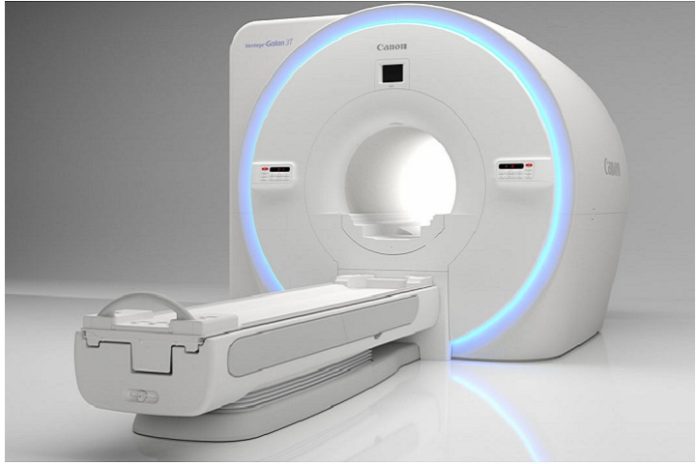
Canon Medical is bringing the power of accessible artificial intelligence (AI) for improved image quality to more patients with expanded clinical indications for 3T MR. Advanced intelligent Clear-IQ Engine (AiCE) Deep Learning Reconstruction (DLR) can now be used for 96 percent of all procedures using the Vantage Galan 3T MR system*, expanding from previously FDA-cleared brain and knee indications to a vastly larger number of clinical indications, from prostate to shoulders, including all joints, cardiac, pelvis, abdomen and spine.

AiCE was trained using vast amounts of high-quality image data, and features a deep learning neural network that can reduce noise and boost signal to quickly deliver sharp, clear and distinct images, allowing clinicians to boost image quality, performance, productivity and throughput on a whole new scale.

โ€œWith this expansion of AiCE, Canon Medical now offers advanced AI technology on its 1.5T and 3T MR systems,โ€ said Mark Totina, managing director, MR Business Unit, Canon Medical Systems USA, Inc. โ€œCanon Medical remains committed to making images easy to read and acquire, and this expansion further demonstrates our commitment to offering accessible AI that clinicians can use to make the greatest impact on patient care.โ€

With the expansion of indications, Canon Medicalโ€™s AiCE Challenge has also expanded. To see if you can tell the difference between 1.5T AiCE and traditional 3T image quality, take the AiCE Challenge today.

As part of the original AiCE Challenge, radiologists and technologists were asked if they could tell the difference between images taken on the Vantage Orian 1.5T system using AiCE with standard 3T MRI images with the same acquisition protocol for both scanners. Half of the time respondents had difficulty differentiating between 3T images without AiCE and Orian 1.5T images with AiCE applied**. This next phase of the challenge will focus on body imaging, where the previous challenge focused on brain and knee images.

About Canon Medical Systems USA, Inc.

Canon Medical Systems USA, Inc., headquartered in Tustin, Calif., markets, sells, distributes and services radiology and cardiovascular systems, including CT, MR, ultrasound, X-ray and interventional X-ray equipment.

About Canon Medical Systems Corporation

Canon Medical offers a full range of diagnostic medical imaging solutions including CT, X-Ray, Ultrasound, Vascular and MR, as well as a full suite of Healthcare IT solutions, across the globe. In line with our continued Made for Life philosophy, patients are at the heart of everything we do. Our mission is to provide medical professionals with solutions that support their efforts in contributing to the health and wellbeing of patients worldwide. Our goal is to deliver optimum health opportunities for patients through uncompromised performance, comfort and safety features.

Mayo Clinic invests in data privacy startup TripleBlind

Mayo Clinic invests in data privacy startup TripleBlind

Mayo Clinic, the renowned US healthcare company, has invested in TripleBlind, a startup developing a platform that companies can use to train models on encrypted data.

The Missouri-based startup raised $ 8.2 million in a round in which Mayo Clinic was represented together with Accenture Ventures, Okta Ventures and NextGen Venture Partners, among others. Mayoโ€™s investment extends the current collaboration that began in late 2020.

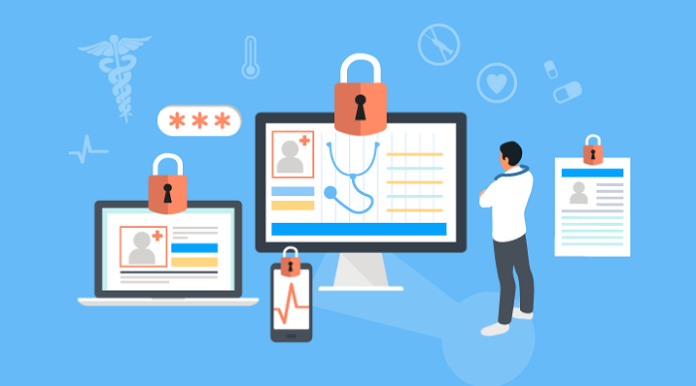
Mayo Clinic researchers use TripleBlindโ€™s tools to validate the interoperability of algorithms on encrypted data and to train new algorithms on private data. TripleBlindโ€™s API-driven virtual exchange solution is based on breakthroughs in advanced math that the Mayo Clinic team validates. The algorithmโ€™s data and intellectual property is kept safe and addresses the problem that healthcare systems must either transfer data or algorithms outside of their facility in order for experts to train or conduct research. The encryption channel evaluated by Mayo Clinic eliminates the need to transfer data externally or to share algorithms.

The collaboration is also intended to show that the TripleBlind toolset can be used to train and develop completely new algorithms from independent bodies around the world without the need to exchange raw data, while maintaining data protection and security while complying with legal standards be respected.

โ€œTripleBlindโ€™s API-driven virtual exchange solution accelerates enterprise development, testing and deployment of healthcare AI solutions and leveraging third-party data under highly regulated privacy concerns,โ€ said Riddhiman Das, co-founder and CEO of TripleBlind. โ€œWe believe Mayo Clinicโ€™s investment further supports our approach and we look forward to continuing our collaboration to deliver TripleBlindโ€™s encryption tools and work on real world applications.โ€


Adobe Powers Digital Healthcare Innovation

German hospitals to get โ‚ฌ3 billion funding boost for digitalisation

Adobe announced that the leading companies in the healthcare sector turn to Adobe Experience Cloud to transform their customer experience. With every business now a digital business, healthcare organizations rely on digital channels to reach customers with critical information and services in real time. Adobe is now powering digital experiences for seven of the top 10 healthcare providers, eight of the top 10 healthcare payers and nine of the top 10 pharmaceutical companiesโ€”delivering experiences with agility and at scale. Adobe Summit 2021 will feature Pfizer CEO Albert Bourla and Walgreens Group Vice President of Customer Marketing Platforms Alyssa Raine discussing how to lead in the digital economy.

โ€œThe pandemic has forever altered how healthcare is delivered, which now includes high consumer expectations for timely and personalized care,โ€ says Anil Chakravarthy, executive vice president and general manager, Digital Experience Business and Worldwide Field Operations, Adobe. โ€œLeveraging Adobe Experience Cloud, with privacy and security top of mind, healthcare can be delivered in real time at scale, with the individualized service that consumers expect today.โ€

โ€œBecause health is deeply personal to each consumer, the healthcare experience needs to be tailored to fit the needs of Walgreens Boots Allianceโ€™s 120 million customers and patients,โ€ said Alyssa Raine, group vice president of Customer Marketing Platforms at Walgreens. โ€œThe power of Adobeโ€™s technology allows us to understand our customers and deliver the unique experiences our customers need to live healthy lives.โ€

Adobeโ€™s enterprise applications, including HIPAA-ready Adobe Experience Cloud applications such as Adobe Experience Manager Managed Services, Marketo Engage and Adobe Sign, allow deeper end-user engagement across multiple touchpoints. Marketo Engage enables companies with complex customer journeys to target and engage with individuals and account-level audiences. Adobe Experience Manager Managed Services empowers companies to create and deliver personalized content, while Adobe Sign streamlines digital self-service options and reduces friction.

Healthcare brands innovating the customer experience with Adobe include:

Pfizer is using Adobe Experience Cloud to deepen engagement with physicians and connections with patients. Adobe Analytics helps Pfizer gain customer insights across digital interactions. Marketo Engage powers personalized digital experiences that support physicians, patients and caregivers on their treatment journey.

Walgreens Boots Alliance (WBA) is focused on delivering the most personalized, omnichannel experience to its 120 million global customers. With Adobe Analytics, Adobe Audience Manager, Adobe Target and Adobe Campaign, WBA can tailor every piece of the digital experience for non-pharmacy customers, including email, its website and mobile app for its retail business. By personalizing the customer experience for its Walgreens loyalty members, WBA boosted retail sales by 155 basis points in the past quarter.

As a leading manufacturer of life sciences equipment, Thermo Fisher Scientific needed to get essential information and products during the pandemic to each of its distinct audiences, including researchers, scientists and healthcare professionals, quickly. With Adobe Experience Manager, Thermo Fisher instantly launched COVID-19 webpages with essential updates on the pandemic, clinical diagnostic kits for scientists and information on the companyโ€™s research-based solutions.

Mercy Health partnered with Adobe to deliver a retail-like healthcare experience. Adobe Experience Manager delivers the latest web content to patients, making it easy to visit Mercyโ€™s website to access self-service information online. When the pandemic began, Mercy quickly pivoted to offering a symptom screener that new patients could go through anonymously for virtual diagnoses.

Change Healthcare, a technology company that specializes in data and analytics solutions for healthcare organizations, tapped Adobe to reinvent the way it sells software to its healthcare customers. The Change HealthcareยฎMarketplace uses Adobe Commerce for shopping cart capability and the Change Healthcare website uses Adobe Experience Manager for content management. Adobe Experience Platform, connected to Adobe Target and Adobe Analytics, will serve as the cornerstone of personalization for the shopping experience. Bringing the B2B commerce experience online has made it possible to simplify often complex purchasing workflows that required paper, faxes and phone calls; reducing the time to purchase from months to days.

Adobe also announced major milestones in its strategic partnership with Veeva, the leader in cloud-based solutions for the life sciences industry. New connections between Adobe Experience Manager and Veeva Vault PromoMats streamline the content lifecycle to accelerate customersโ€™ digital strategies.

About Adobe Experience Cloud

In the experience economy, every business must be a digital business and Adobe Experience Cloud is the global leader for powering digital businesses. With solutions for customer journey management, data insights and audiences, content personalization, commerce and marketing workflows, Adobe Experience Cloud is driving Customer Experience Management (CXM) across both B2B and B2C for companies of every size. Adobe Experience Platform โ€“ the foundation of Adobe Experience Cloud โ€“ is the industryโ€™s first purpose-built CXM platform, enabling personalized customer experiences in real-time at scale.

Procedure-Related Techniques and Care Pathways from the OPTIMIZE PRO Clinical Study Show Promising Early Outcomes for Patients Implanted with the Medtronic Evolut TAVR System

Procedure-Related Techniques and Care Pathways from the OPTIMIZE PRO Clinical Study Show Promising Early Outcomes for Patients Implanted with the Medtronic Evolut TAVR System

Medtronic plc, the global leader in medical technology, announced results from an interim analysis of the first 171 patients (including 71 roll-ins) treated in the OPTIMIZE PRO clinical study. The post-market, prospective, multi-center study is evaluating procedural outcomes (including pacemaker rate) associated with procedure-related techniques and post-procedure TAVR care pathways when using the self-expanding, supra-annular Evolutโ„ข PRO and PRO+ TAVR systems in patients with symptomatic severe aortic stenosis. The interim data was presented virtually at the Society for Cardiovascular Angiography and Interventions (SCAI) 2021 Scientific Sessions.

Study investigators utilized several procedural approaches with the Evolut TAVR system in the study, including the “cusp overlap technique,” which is designed to help implanters assess and achieve the target implant depth in an effort to reduce interaction with the conduction system.

At 30 days, excellent safety outcomes were observed with zero death or disabling stroke and a low pacemaker rate (8.8%). Additionally, the Evolut platform showed excellent hemodynamic (blood flow) performance with low mean gradients (8.1 mm Hg) and low rates of residual total aortic regurgitation with the majority of subjects having none/trace (80.4%), and the rest mild (19.6%) at discharge. Patients also experienced an expedited discharge with a median hospital length of stay of one day.

The OPTIMIZE PRO study utilizes a TAVR care pathway to evaluate common practices and shared experiences such as conscious sedation and early mobilization. A conduction disturbance pathway evaluates efficiencies and heart team considerations for monitoring and managing patients with conduction disturbance who might be considered for a pacemaker post TAVR.

“The evolution of TAVR requires that we refine aspects of the procedure and post-procedure care pathways to improve patient outcomes,” said Kendra Grubb, M.D., surgical director of the Structural Heart and Valve Center at Emory Healthcare in Atlanta, and co-principal investigator in the OPTIMIZE PRO study who presented the data at the meeting. “Interim results from this study demonstrate improvements, like low pacemaker rates and next-day discharge, and are supportive of the hypothesis that the cusp overlap technique can improve patient care.”

The OPTIMIZE PRO study is being conducted at 46 study sites in the U.S. and Canada and up to 15 sites in Europe. The primary endpoint includes the rate of all-cause mortality or all-stroke at 30 days with secondary endpoints of discharge time, percent of patients with more than moderate aortic regurgitation, and the rate of pacemaker implant for new-onset or worsening conduction disturbance at 30 days. The study will also evaluate rehospitalization rates and discharge time at 30 days and one year.

“As a leader in transcatheter valves therapies, we are committed to helping implanting centers standardize and further refine their TAVR care pathways to improve patient outcomes,” said Nina Goodheart, president of the Structural Heart & Aortic business, which is part of the Cardiovascular Portfolio at Medtronic. “In addition to helping us better understand the site-driven dynamics around conduction disturbance post-TAVR, the study also allows us to generate additional evidence around the Evolut PRO and PRO+ system’s advanced sealing skirt and its impact on paravalvular leak.”

The Evolut TAVR platform, including the Evolutโ„ข R, Evolutโ„ข PRO and Evolut PRO+ TAVR System, is indicated for symptomatic severe aortic stenosis patients across all risk categories (extreme, high, intermediate and low) in the U.S. The Evolut PRO and PRO+ valves feature an outer tissue wrap that adds surface area contact between the valve and the native aortic annulus to further advance valve sealing.

In collaboration with leading clinicians, researchers and scientists worldwide, Medtronic offers the broadest range of innovative medical technology for the interventional and surgical treatment of cardiovascular disease and cardiac arrhythmias. The company strives to offer products and services that deliver clinical and economic value to healthcare consumers and providers around the world.

Translate ยป