








Close
Digital Health & Ai Innovation summit 2026
Medical Taiwan 2026

Philips and NHS implement the first regional data integration hub for UK’s National COVID-19 Chest Imaging Database

Philips and NHS implement the first regional data integration hub for UK's National COVID-19 Chest Imaging Database

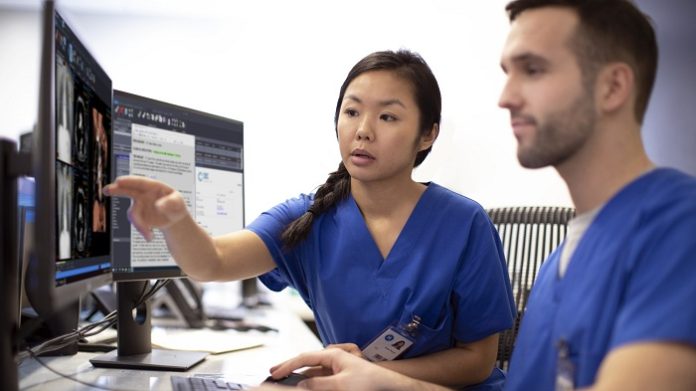
Royal Philips, today announced it has supported the NHS’ Cheshire and Merseyside consortium to become the first regional hub supplying the United Kingdom’s National COVID-19 Chest Imaging Database (NCCID). The NCCID is a centralized database containing X-Ray, CT and MRI images from hospital patients across the country. It aims to support a better understanding of the COVID-19 virus and develop AI-powered technology which will enable the best care for patients hospitalized with a severe infection [2]. This first regional hub is integrating data across 13 NHS trusts in the consortium. The deployment of a single centralized and secure server has provided access to 15 years of imaging data across 2.5 million people in the region, the largest single data source for NCCID.

The Cheshire and Merseyside consortium engaged with Philips to help with enabling access to the entire region’s imaging data through a single hub. Philips’ advanced data integration solution for radiology, Philips Global worklist, was used to enable easy integration with the NCIDD’s secure central SMART Box server that will be required to support mass data collection, management and de-identification and can facilitate multiple trials/research projects simultaneously.

“One of the findings coming out of the end of this project will definitely be to focus on regional hubs that will be able to coordinate and better centralize the data, a hub just like Cheshire and Merseyside,” said Prof Mark-Halling Brown, Head of Scientific Computing at Royal Surrey NHS Foundation Trust. “It can take many months or even years to set up SMART boxes at individual trusts, so doing it regionally is the only way to scale up nationally.”

“Most District General Hospitals average 250,000 to 350,000 imaging exams per year,” said Steve Sparks, Professional Services Manager Radiology Informatics at Philips UK&I. “With a single regional SMART box we have been able to gain access to the images from the 13 Trusts within the Cheshire and Merseyside consortium.”

Save Radiologists’ time, increase the safety and consistency of care

The NCCID database is developed in collaboration with NHSX, an organization driving the digital transformation of the NHS, The British Society of Thoracic Imaging (BSTI) and The Royal Surrey NHS Foundation Trust. The database is being used for the validation of AI products for use in the NHS, aiding the diagnosis and treatment of COVID-19 in the UK population. This data has the potential to enable quicker patient assessment when arriving at hospital’s emergency departments, save Radiologists’ time, increase the safety and consistency of care across the country, and ultimately save lives. It is being made available to researchers, clinicians, technology companies and all those wanting to investigate the disease and develop solutions that can support the COVID-19 patient care pathway.

The SMART box server technology will also enable Cheshire and Merseyside to participate in research into many areas requiring large volumes of clinical imaging data. The COVID-19 pandemic has highlighted the potential for medical imaging systems powered by AI. The NHS AI Lab, created last year within NHSX, is developing a National Medical Imaging Platform with the purpose of creating a pipeline for patient data to be used within AI technology across conditions other than COVID-19. The NCCID is one workstream taken forward by the NHS AI Lab at NHSX, which will accelerate the safe, ethical, and effective adoption of AI in the healthcare sector. The power of large-scale data collection has already been demonstrated in various studies, including breast cancer screening studies such as OPTIMAM. Setting up regional hubs, such as the SMART box deployment in Cheshire and Merseyside, will aid the creation of these large-scale National databases and AI technology to help combat a variety of conditions.

Comprehensive portfolio for COVID-19 high-quality care

Philips has a comprehensive portfolio of products, services and solutions to support the delivery of high-quality care to COVID-19 patients worldwide. Solutions include secure, connected and intelligent approaches to diagnosis, treatment and predictive monitoring in the hospital, plus screening, remote patient monitoring and care at home. Philips’ telehealth and AI-enabled data analytics can help support workflows, facilitate remote collaboration and optimize resources. Philips’ COVID-19-related solutions are designed for rapid deployment and scalability.

About Royal Philips

Royal Philips is a leading health technology company focused on improving people’s health and well-being, and enabling better outcomes across the health continuum – from healthy living and prevention, to diagnosis, treatment and home care. Philips leverages advanced technology and deep clinical and consumer insights to deliver integrated solutions. Headquartered in the Netherlands, the company is a leader in diagnostic imaging, image-guided therapy, patient monitoring and health informatics, as well as in consumer health and home care. Philips generated 2020 sales of EUR 19.5 billion and employs approximately 82,000 employees with sales and services in more than 100 countries.


3M Launches Analytics Platform that Integrates Social and Clinical Risk Data to Improve Population Health

3M Launches Analytics Platform that Integrates Social and Clinical Risk Data to Improve Population Health

3M Health Information Systems has introduced a new technology platform that allows health care providers and payers to prioritize care and allocate resources for high-risk individuals and patient populations. 3M™ Social Determinants of Health Analytics (3M SDoH) combines clinical, social and population health data to create a complete picture of patient health. The new platform builds on the power of 3M™ Clinical Risk Groups (3M CRGs), a population classification system, and includes social risk intelligence from Socially Determined, a social risk analytics company, to promote program design and management in collaboration with community-based organizations.

According to researchers, only 20 percent of an individual’s health outcomes is driven by medical care alone.i The other contributing factors are “social determinants of health” (SDoH) and include housing instability, unemployment, food insecurity, and lack of transportation, all of which can lead to poor health outcomes and higher costs.

3M SDoH Analytics uses 3M CRGs to describe the health status, severity and total disease burden in an identified population. 3M CRGs help identify medically complex individuals and can be used to understand health care utilization and cost. When integrated with Socially Determined’s social risk metrics, 3M SDoH Analytics quantifies social risk factors and analyzes the impact of these factors on population health.

After piloting 3M SDoH Analytics, Florida-based health plan Community Care Plan is developing proactive initiatives that address avoidable emergency department visits. “Identifying social risk improves our ability to address our members’ clinical risk and their care management needs,” said Miguel Venereo, MD, senior vice president and chief medical officer for Community Care Plan.” Through our pilot initiative, we learned the vital role that health literacy plays with our members, especially those with chronic conditions. We are now establishing programs to address health literacy, not only for our members, but in the community at large.”

Health care organizations continue to face unprecedented challenges from COVID-19, which has amplified health care disparities. “SDoH analytics are essential to improving outcomes and achieving health equity across communities,” said Elizabeth Guyton, vice president of 3M Health Information Systems. “We look forward to helping our customers use this vital information to improve the health and wellbeing of the people they serve.”

“We are dedicated to helping providers and payers understand and address social risk and are excited to partner with 3M,” said Trenor Williams, MD, CEO of Socially Determined.  “By combining our unique approach to quantifying community and individual social risk with the insights 3M CRGs provide, 3M customers will have unprecedented ability to impact the structural disparities and inequities we are both working to address.”

About 3M
At 3M, we apply science in collaborative ways to improve lives daily as our employees connect with customers all around the world.

InterSystems Joins Vulcan FHIR ACCELERATOR Program to Expand Interoperability in Life Sciences

InterSystems Joins Vulcan FHIR ACCELERATOR Program to Expand Interoperability in Life Sciences

InterSystems, a creative data technology provider dedicated to helping customers solve the most critical scalability, interoperability, and speed problems, announced its membership in the Vulcan FHIR® ACCELERATOR™ Program, a new multi-stakeholder initiative launched by Health Level Seven® International (HL7®) to empower clinical researchers with greater interoperability.

InterSystems joins leaders from government and regulatory agencies, standards development organisations, academic institutions, life sciences and technology companies, to extend the capabilities of HL7 FHIR® (Fast Healthcare Interoperability Resources) beyond clinical care to include clinical research. Their efforts will ultimately facilitate a ‘learning health system’ by combining research data with clinical care data to improve patient outcomes and drive efficiency in clinical and translational research.

While the digitisation of healthcare has resulted in the rapid expansion of electronic health record standards (EHRs), the drug discovery and approval process lags behind. According to a recent study published by the Tufts Centre for the Study of Drug Development, the development of prescription drugs through to market approval costs drug makers an estimated US$2.6 billion. Efficiently acquiring EHR data from the clinical setting remains a challenge for most clinical researchers, leading to prolonged and costly delays in the discovery of new treatments for disease. The Vulcan FHIR ACCELERATOR Program is designed to mitigate those delays by modernising the sharing and representation of clinical data and translational discovery for clinical researchers through FHIR standards.

As part of the program, InterSystems will apply its extensive experience powering the exchange and representation of a unified healthcare record among payers, patients, academic medical centres and other healthcare organisations to build tools for transitioning real world data from EHRs to clinical researchers working on the latest medical treatments. InterSystems will also pilot the new solutions for streamlining data exchange from the point of collection to the clinical research setting.

“Clean, aggregated, and normalised data is essential in clinical care and the backbone of efficient medical research,” said Don Woodlock, vice president of Healthcare Solutions at InterSystems. “Driven by data and committed to expanding interoperability to improve patient outcomes, we are proud to join the Vulcan FHIR ACCELERATOR Program and work hand-in-hand with other prominent stakeholders to provide data from the EHR appropriately to clinical researchers who can leverage this ‘unified research record’ to discover breakthrough treatments in healthcare.”

“As a trusted partner for some of the world’s largest healthcare organisations, InterSystems brings a deep expertise and understanding of the value of interoperability,” said HL7 International CEO Charles Jaffe, M.D., Ph.D. “We are excited to welcome InterSystems to the Vulcan FHIR ACCELERATOR Program and we look forward to leveraging their experience to help clinical researchers more effectively acquire and exchange critical healthcare data.”

In 2018, InterSystems joined the HL7® Da Vinci Project, another multi-stakeholder initiative devoted to improving payer and provider collaboration by using clinical data to transition to value-based care payment models. Over the past decade, InterSystems has actively engaged with industry leaders and health IT technical experts to accelerate the adoption of FHIR as the standard to support data exchange across communities.

About Health Level Seven International

Health Level Seven® International (HL7) is an ANSI-accredited, not-for-profit standards developing organisation with the mission of empowering global health interoperability. With affiliates in over 30 countries, HL7’s global membership envisions a world in which everyone can securely access and use the right data when and where they need it. Widely implemented by vendor and healthcare systems, and required by governing bodies around the world, HL7 standards deliver solutions for health information technology, including HL7® Fast Healthcare Interoperability Resources (FHIR®), Version 2 (V2) and Clinical Document Architecture (CDA®).

About InterSystems

Established in 1978, InterSystems is the leading provider of data technology for extremely critical data in the healthcare, finance, and logistics sectors. Its cloud-first data platforms solve interoperability, speed, and scalability problems for large organisations around the globe. InterSystems also develops and supports unique managed services for hospital EMRs, unified care records for communities and nations, and laboratory information management systems. InterSystems is committed to excellence through its award-winning, 24×7 support for customers and partners in more than 80 countries. Privately held and headquartered in Cambridge, Massachusetts, InterSystems has 25 offices worldwide.

BD Receives Emergency Use Authorization for Asymptomatic Screening for SARS-CoV-2 through Serial Rapid Antigen Testing

BD Receives Emergency Use Authorization for Asymptomatic Screening for SARS-CoV-2 through Serial Rapid Antigen Testing

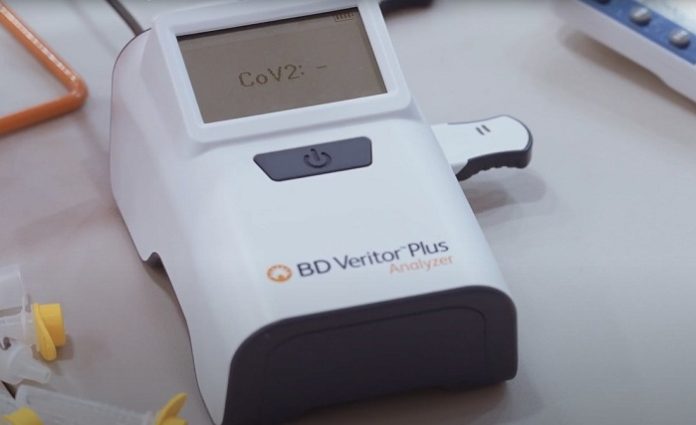
BD, a leading global medical technology company, announced the U.S. FDA has granted Emergency Use Authorization (EUA) for its rapid antigen test to be used for SARS-CoV-2 screening through serial testing of asymptomatic individuals.

Articles and studies in multiple peer-reviewed publications including the New England Journal of Medicine1 and the British Medical Journal2 have touted the benefits of serial, rapid antigen testing. In addition, a recent landmark RADx-funded study demonstrated that the serial use of diagnostic tests (at least twice per week), including rapid antigen tests, increased the ability to detect infection3. The BD Veritor™ Plus System supports this approach in everyday locations such as schools and businesses, along with serial testing in other situations, such as athletes and teams to ensure safe games and competitions.

The EUA for the BD Veritor™ Plus System includes SARS-CoV-2 screening through serial testing of asymptomatic individuals when tested twice over two or three days with at least 24 hours and no more than 48 hours between tests. Serial testing on the BD Veritor™ Plus System can be performed in any setting with a CLIA certificate of waiver.

“BD is supporting the global efforts to return to normalcy as soon as possible, and this additional authorization for the BD Veritor™ System to be used in screening through serial testing of asymptomatic individuals is a large step forward,” said Dave Hickey, president of Life Sciences for BD. “Frequent testing of individuals without symptoms will enable those with negative results to resume their normal school or work routines and will help to identify and isolate positive cases of COVID-19 as early as possible to prevent further spread. Screening through serial testing is an important part of any back-to-school or back-to-work program, along with additional measures such as mask wearing and social distancing.”

Serial COVID-19 testing in everyday settings presents challenges in managing test subject demographics and reporting results to public health authorities. To assist with this reporting in a mass testing program, BD recently announced a collaboration with ImageMover to provide a companion mobile app that enables organizations performing point-of-care testing to efficiently capture required demographic details of those being tested, upload COVID-19 test results, report results to appropriate stakeholders and automate reporting to public health agencies. This enables compliance with reporting requirements and significantly reduces manual documentation.

About BD Veritor™ Plus System for Rapid Detection of SARS-CoV-2
The BD Veritor™ Plus System for Rapid Detection of SARS-CoV-2 is intended for the qualitative detection of SARS-CoV-2 nucleocapsid antigens in direct anterior nasal swabs from individuals who are either suspected of COVID-19 by their health care provider within the first five days of the onset of symptoms, or from individuals without symptoms or other epidemiological reasons to suspect COVID-19 when tested twice over two or three days with at least 24 hours and no more than 48 hours between tests. This product has not been FDA cleared or approved; but has been authorized by FDA under an EUA for use by authorized laboratories. This product has been authorized only for the detection of proteins from SARS-CoV-2, not for any other viruses or pathogens. This product is only authorized for the duration of the declaration that circumstances exist justifying the authorization of emergency use of in vitro diagnostics for detection and/or diagnosis of COVID-19 under Section 564(b)(1) of the Federal Food, Drug and Cosmetic Act, 21 U.S.C. § 360bbb-3(b)(1), unless the declaration is terminated or authorization is revoked sooner.

About BD
BD is one of the largest global medical technology companies in the world and is advancing the world of health by improving medical discovery, diagnostics and the delivery of care. The company supports the heroes on the frontlines of health care by developing innovative technology, services and solutions that help advance both clinical therapy for patients and clinical process for health care providers. BD and its 70,000 employees have a passion and commitment to help enhance the safety and efficiency of clinicians’ care delivery process, enable laboratory scientists to accurately detect disease and advance researchers’ capabilities to develop the next generation of diagnostics and therapeutics. BD has a presence in virtually every country and partners with organizations around the world to address some of the most challenging global health issues. By working in close collaboration with customers, BD can help enhance outcomes, lower costs, increase efficiencies, improve safety and expand access to health care.

BD to Invest $65 Million for Key Supply Chain Infrastructure in Tucson, Arizona to Increase Resiliency of U.S. Medical Device Supply

BD Receives Order from Dutch Ministry of Health for More than Nine Million 15-minute COVID-19 Antigen Tests

BD, a leading global medical technology company, announced it will invest $65 million to construct a state-of-the-art facility in Tucson, Arizona that will be a hub for the company’s supply chain, serving as a final-stage manufacturing and sterilization center.

The new 120,000 square-foot facility will be built on approximately 32 acres at the northeast corner of Valencia and Kolb Road and is planned to be operational in mid-2022. BD plans to add approximately 40 new jobs, including engineers, scientists, quality control specialists and other skilled talent. Sun Corridor, Inc. projects that BD’s investment will have a $122 million economic impact over the next 10 years.

As part of the company’s response to COVID-19 and commitment to public health, BD is investing significantly in its in-house capacity for manufacturing and sterilization. This facility will advance BD’s goals of improved overall operational efficiency, customer service levels and supply chain resilience.

This transformational project will become an integral part of the U.S. medical device supply chain and expands the footprint BD already has in Arizona, which includes a $1 billion BD Peripheral Intervention business unit headquartered in Tempe.

“Tucson is the ideal location for critical infrastructure and was selected after a careful review of a number of alternative locations in the southwestern U.S. and Mexico,” said Alexandre Conroy, executive vice president, Integrated Supply Chain for BD. “Arizona’s favorable business climate, the strength of its workforce and Tucson’s centrality to other parts of BD’s supply chain were key factors in the decision.”

BD operates more than 90 medical device and health care technology manufacturing and sterilization facilities globally and has a track record of sustainable operations. This facility will be one of the first in the world with an original design that will meet or exceed the most stringent environmental guidelines and serve as a model for other sites worldwide.

Tucson is centrally located between eight of BD’s U.S. major manufacturing plants and three distribution centers. BD selected this specific site in Ward 4 because it sits within compatible existing and planned industrial areas.

Mayor Regina Romeo of the City of Tucson said, “We’re thrilled to welcome BD to Tucson. Tucson’s strategic location, coupled with our tech companies, university, workforce and proximity to Mexico, were key strengths that led to this successful outcome for our region.”

Sandra Watson, Arizona Commerce Authority President & CEO, said, “We’re excited to see global innovator BD select Tucson for this new operation. Arizona has earned a reputation as a hub for biotech and life sciences, thanks to our unique value proposition and the continued investments from industry leaders like BD. We thank the company for its continued commitment to our state.”

Joe Snell, president & CEO, Sun Corridor Inc., said, “We were tenacious in our efforts to win this project. BD joins Roche Tissue Diagnostics, Accelerate Diagnostics, HTG Molecular and other companies here doing cutting-edge work to help solve our country’s greatest challenges.”

Judy Rich, president & CEO, TMC HealthCare and chair of the board, Sun Corridor Inc., said, “BD has a long history of commitment to public health and is deeply involved in many aspects of the nation’s COVID response. For this global powerhouse to choose Tucson for its new state-of-the-art manufacturing and sterilization facility is big news. We thank BD for its significant investment in Southern Arizona.”

Project partners include the Arizona Commerce Authority, City of Tucson, Pima County, Pima Community College, Tucson Electric Power, Southwest Gas, Lumen, Primus Builders, Perry Engineering, Azbil Telstar, Lesni A/S, Advanced Air Technologies, Inc, Cushman & Wakefield/PICOR and JLL (Jones Lang LaSalle).

Conroy continued, “Tucson’s economic transformation is a national success story, and BD is excited to be part of it. We have worked closely with Mayor Romero and the city government to identify this site and ensure its compatibility with our planned work and with the city’s vision for the area. Tucson will become a crucial part of the manufacturing of medical devices and the resilience needed within our health care supply chain.”

About BD
BD is one of the largest global medical technology companies in the world and is advancing the world of health by improving medical discovery, diagnostics and the delivery of care. The company supports the heroes on the frontlines of health care by developing innovative technology, services and solutions that help advance both clinical therapy for patients and clinical process for health care providers. BD and its 70,000 employees have a passion and commitment to help enhance the safety and efficiency of clinicians’ care delivery process, enable laboratory scientists to accurately detect disease and advance researchers’ capabilities to develop the next generation of diagnostics and therapeutics. BD has a presence in virtually every country and partners with organizations around the world to address some of the most challenging global health issues. By working in close collaboration with customers, BD can help enhance outcomes, lower costs, increase efficiencies, improve safety and expand access to health care.

Oneview Healthcare Launches First Cloud-based Care Experience Platform

Oneview Healthcare Launches First Cloud-based Care Experience Platform

Oneview Healthcare, a global healthcare technology company, announced the launch of CXP Cloud Enterprise for enhancing the patient care experience within health systems. Deployed on Microsoft Azure with Samsung tablets, this cloud-based platform helps health systems quickly adopt technology for engaging patients, reducing non-clinical demands on care teams and optimizing clinical and operational effectiveness.

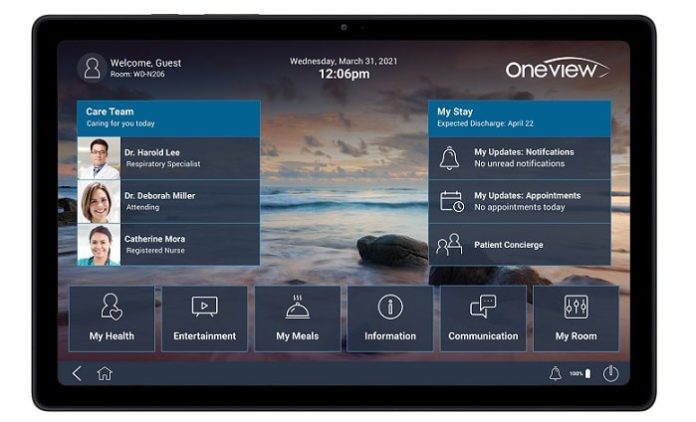
During the COVID-19 pandemic, care teams have been under intense pressure while staff and patients have restricted access to family and friends. CXP Cloud Enterprise gives patients and their families the ability to communicate virtually with healthcare teams, along with access to education and health information. Oneview enables care teams to provide patients with access to unified information and applications on secure bedside devices that can drive more meaningful engagement, improved satisfaction, and better-quality outcomes.

“NYU Langone Health is committed to delivering the best possible care experience for our patients, including through virtual care,” said Nader Mherabi, Executive Vice President and Chief Information Officer for NYU Langone Health. “COVID-19 strained resources and challenged most hospitals to examine how virtual pathways can enhance patient care. Oneview helped us build an in-patient virtual care platform, which has been instrumental during the pandemic and will continue to be key as we deliver a new level of patient engagement.”

NYU Langone Health initially implemented Oneview’s interactive patient engagement platform in 2017. Faced with the challenges of the COVID-19 pandemic in spring of 2020, NYU Langone challenged Oneview to help roll out the virtual engagement platform rapidly across their facilities. Together, the organizations collaborated on the initial cloud-based version that enabled NYU Langone to implement key capabilities across 400 beds in weeks. Today’s introduction of CXP Cloud Enterprise delivers the full functionality and integration capabilities of the care experience platform in a faster, easier, more affordable cloud model.

Oneview’s CXP Cloud Enterprise provides full functionality on a secure, reliable cloud deployment with patient education, meal ordering, patient service requests, apps and digital services, virtual rounding, visitation, and translation services. This comprehensive platform provides better control and quality of care for both patients and care providers.

“Connecting patients with their families and care teams is at the heart of our mission,” said James Fitter, Chief Executive Officer for Oneview. “NYU Langone recognized that core value early and worked to address it. Being the first and only cloud-based care experience solution means health systems can rapidly implement the capabilities that meet their needs today while providing the agility, scalability and investment protection to grow as their health system changes. We are excited to know that CXP Cloud Enterprise will transform the hospital experience for patients, families and care teams.”

Key features of CXP Cloud Enterprise include:

  • Bedside telehealth consultations from offsite care team members
  • Rounding questionnaires and a digital work list
  • Clinician screencasting to help patients understand their condition, treatment and goals
  • Automated service requests help nurses reduce call button distractions
  • Targeted patient educational resources
  • Meal ordering customized for their dietary needs
  • On-demand entertainment
  • Video chat to connect with friends and family
  • Simple integration with current systems for a single, secure platform hosting the latest apps

“The need for accelerated solution development and implementation in healthcare has never been more important,” said Niall McDonagh, health sector director, Microsoft. “Microsoft Azure helps healthcare organizations scale into a fully integrated patient experience that is dynamic, flexible, comprehensive, and diverse.”

About Oneview Healthcare

For healthcare systems who lead on exemplary care, Oneview Healthcare provides digital tools for patients, families, and caregivers to improve the care experience. Unifying a facility’s systems, content and services into one digital platform with dedicated devices at the point of care, Oneview helps deliver more control for patients and families, more time for care teams, and less complexity for executives and IT teams. Oneview is proud to partner with leading healthcare systems in the US, Australia, the Middle East and Asia.


Respiri to launch remote patient monitoring trial in Australia

C Spire partners with Delta Regional Medical Center on remote patient monitoring

Respiri is following up on its milestone medical device approval in the United States with a pilot telehealth trial in Australia that could serve as the basis for an American launch model.

Respiri is teaming with leading Sydney-based respiratory physician Dr Kevin Chan to provide a world-class telehealth service for patients with moderate to severe persistent asthma using the company’s wheezo wheeze-detecting device.

Patients will pay a premium monthly Product as a Service fee to access the programme and have Dr Chan and Resprii’s Connected Care Nurse team regularly review their data.

“I have many patients come and see me, describing their wheeze and other respiratory symptoms that happened weeks prior, which does not paint an accurate or complete picture of the patient’s respiratory condition,” Dr Chan says.

“Through remote digital monitoring and Connected Care consults, I expect to be in a much better position to understand the patient’s progress on a day-to-day basis. This is particularly important for patients with poor asthma control.”

Dr Chan says asthma is one of the most common conditions he treats at his practices. He’s based at Campbelltown Hospital and Sydney Adventist Hospital, Wahroonga.

The programme will also form the basis for the patient model Respiri intends to launch in the United States, taking advantage of Remote Patient Monitoring Current Procedural Terminology (CPT) billing codes under which Respiri or its partners can charge US doctors monthly Product as a Service fees of $US30 to $US40 per patient each month.

“This program represents a fantastic opportunity to trial wheezo with PaaS fee-paying patients in a clinical setting and will allow us to use real-world data to establish a scalable patient pathway that aims to improve the lives of asthma sufferers across Australia,” says Respiri chief executive Marjan Mikel.

“And very importantly, it will provide us with the basis of the patient model and programme for the US prescription/reimbursement market.”

The programme will be launched in April. Respiri plans to scale it to include other respiratory physicians and also create a potential corporate health respiratory offering for other employers and companies.


Better Health raises $3.5M seed round to reinvent medical supply shopping through e-commerce

Better Health raises $3.5M seed round to reinvent medical supply shopping through e-commerce

The home medical supply market in the U.S. is significant and growing, but the way that Americans go about getting much-needed medical supplies, particularly for those with chronic conditions, relies on outdated and clumsy sales mechanisms that often have very poor customer experiences. New startup Better Health aims to change that, with an e-commerce approach to serving customers in need of medical supplies for chronic conditions, and it has raised $3.5 million in a new seed round to pursue its goals.

Better Health estimates the total value of the home medical supplies market in the U.S., which covers all reimbursable devices and supplies needed for chronic conditions, including things like colostomy bags, catheters, mobility aids, insulin pumps and more, is around $60 billion annually. But the market is obviously a specialized one relative to other specialized goods businesses, in part because it requires working not only with customers who make the final decisions about what supplies to use, but also payers, who typically foot the bill through insurance reimbursements.

The other challenge is that individuals with chronic care needs often require a lot of guidance and support when making the decision about what equipment and supplies to select — and the choices they make can have a significant impact on quality of life. Better Health co-founder and CEO Naama Stauber Breckler explained how she came to identify the problems in the industry, and why she set out to address them.

“The first company I started was right out of school, it’s called CompactCath,” she explained in an interview. “We created a novel intermittent catheter, because we identified that there’s a gap in the existing options for people with chronic bladder issues that need to use a catheter on a day-to-day basis […] In the process of bringing it to market, I was exposed to the medical devices and supplies industry. I was just shocked when I realized how hard it is for people today to get life-saving medical supplies, and basically realized that it’s not just about inventing a better product, there’s kind of a bigger systematic problem that locks consumer choice, and also prevents innovation in the space.”

Stauber Breckler’s founding story isn’t too dissimilar from the founding story of another e-commerce pioneer: Shopify. The now-public heavyweight originally got started when founder Tobi Lütke, himself a software engineer like Stauber Breckler, found that the available options for running his online snowboard store were poorly designed and built. With Better Health, she’s created a marketplace, rather than a platform like Shopify, but the pain points and desire to address the problem at a more fundamental level are the same.

With CompactCath, she said they ended up having to build their own direct-to-consumer marketing and sales product, and through that process, they ended up talking to thousands of customers with chronic conditions about their experiences, and what they found exposed the extent of the problems in the existing market.

“We kept hearing the same stories again, and again — it’s hard to find the right supplier, often it’s a local store, the process is extremely manual and lengthy and prone to errors, they get the surprise bills they weren’t expecting,” Stauber Breckler said. “But mostly, it’s just that there is this really sharp drop in care, from the time that you have a surgery or you were diagnosed, to when you need to now start using this device, when you’re essentially left at home and are given a general prescription.”

Unlike in the prescription drug market, where your choices essentially amount to whether you pick the brand name or the generic, and the outcome is pretty much the same regardless, in medical supplies which solution you choose can have a dramatically different effect on your experience. Customers might not be aware, for example, that something like CompactCath exists, and would instead choose a different catheter option that limits their mobility because of how frequently it needs changing and how intensive the process is. Physicians and medical professionals also might not be the best to advise them on their choice, because while they’ve obviously seen patients with these conditions, they generally haven’t lived with them themselves.

“We have talked to people who tell us, ‘I’ve had an ostomy for 19 years, and this is the first time I don’t have constant leakages’ or someone who had been using a catheter for three years and hasn’t left her house for more than two hours, because they didn’t feel comfortable with the product that they had to use it in a public restroom,” Stauber Breckler said. “So they told us things like ‘I finally went to visit my parents, they live in a town three hours away.’ ”

Better Health can provide this kind of clarity to customers because it employs advisors who can talk patients through the equipment selection process with one-to-one coaching and product use education. The startup also helps with navigating the insurance side, managing paperwork, estimating costs and even arguing the case for a specific piece of equipment in case of difficulty getting the claim approved. The company leverages peers who have firsthand experience with the chronic conditions it serves to help better serve its customers.

Already, Better Health is a Medicare-licensed provider in 48 states, and it has partnerships in place with commercial providers like Humana and Oscar Health. This funding round was led by 8VC, a firm with plenty of expertise in the healthcare industry and an investor in Stauber Breckler’s prior ventures, and includes participation from Caffeinated Capital, Anorak Ventures and angels Robert Hurley and Scott Flanders of remote health pioneer eHealth.

/

Zimmer Biomet Introduces ZBEdge Connected Intelligence Suite of Integrated Robotics and Digital Health Technologies

Zimmer Biomet Introduces ZBEdge Connected Intelligence Suite of Integrated Robotics and Digital Health Technologies

Zimmer Biomet Holdings, Inc., a global leader in musculoskeletal healthcare, introduced ZBEdge™ Connected Intelligence Suite of currently available and soon to be launched digital and robotic technologies.  ZBEdge technologies are purposefully engineered to deliver transformative data-powered clinical insights, shared seamlessly across the patient journey, to improve patient outcomes.  Current ZBEdge technologies include:

  •     The ROSA® Robotics Platform designed to support surgeons by delivering data-driven assistance, enhanced accuracy and clinical insights throughout the episode of care
  •     Anatomical visualization and guidance solutions such as Signature™ ONE Surgical Planning, the Zimmer Biomet iAssist® Knee Alignment System, and Optical Navigation tools, designed to deliver crucial patient insights
  •     Remote care and patient engagement management systems like mymobility® with Apple Watch®
  •     Data services and analytics including the OrthoIntel Orthopedic Intelligence Platform and the Omni™ Surgical Suite integrated operating room

“ZBEdge Connected Intelligence Suite is grounded in Zimmer Biomet’s innovative robotics and digital health tools and heritage in clinically-proven implant technologies. The ZBEdge Connected Intelligence Suite enables healthcare professionals to connect the dots between procedural and patient data at every stage of the surgical journey.  ZBEdge technologies are designed with the dual goals of reducing variability of care and enhancing outcomes,” said Ivan Tornos, Chief Operating Officer at Zimmer Biomet.  “As we continue to pioneer breakthrough technologies and grow the ZBEdge Connected Intelligence Suite, we will be able to deliver greater value to healthcare professionals and advance our mission to alleviate pain and improve the quality of life for people around the world.”

The ZBEdge Connected Intelligence Suite offers hospitals and ambulatory surgery centers access to a robust set of pre-, intra- and post-operative technologies designed to create an integrated product experience that draws upon data from Zimmer Biomet devices, robotics and digital technologies used throughout each patient’s episode of care.  This data is then aggregated, analyzed and translated into actionable clinical insights that can inform and enhance a surgeon’s care decisions through the OrthoIntel Orthopedic Intelligence Platform.  Each of these tools has been purpose-built by Zimmer Biomet to unlock this critical information and deliver it through a user experience that integrates seamlessly into the workflow of today’s surgeons and care teams.

“By connecting Zimmer Biomet’s innovative technologies under the unified ZBEdge portfolio, we are solidifying our commitment to delivering solutions that optimize the patient experience by empowering healthcare professionals with actionable data-derived clinical insights,” Tornos added.  “In addition, the ZBEdge suite includes patient-facing digital technologies like mymobility® with Apple Watch® that give patients the opportunity to access their own healthcare data and take a more engaged and active role in their care and recovery.”

The unveiling of the ZBEdge Connected Intelligence Suite will be followed by a nationwide mobile experience to showcase Zimmer Biomet’s current and future technologies to orthopedic surgeons.


About the Company

Founded in 1927 and headquartered in Warsaw, Indiana, Zimmer Biomet is a global leader in musculoskeletal healthcare.  We design, manufacture and market orthopedic reconstructive products; sports medicine, biologics, extremities and trauma products; office-based technologies; spine, craniomaxillofacial and thoracic products; dental implants; and related surgical products.

We collaborate with healthcare professionals around the globe to advance the pace of innovation.  Our products and solutions help treat patients suffering from disorders of, or injuries to, bones, joints or supporting soft tissues.  Together with healthcare professionals, we help millions of people live better lives.

We have operations in more than 25 countries around the world and sell products in more than 100 countries.  For more information, visit www.zimmerbiomet.com or follow Zimmer Biomet on Twitter at www.twitter.com/zimmerbiomet.

Cautionary Statement Regarding Forward-Looking Statements

This news release contains forward-looking statements within the meaning of the safe harbor provisions of the Private Securities Litigation Reform Act of 1995.  Forward-looking statements include, but are not limited to, statements concerning Zimmer Biomet’s expectations, plans, prospects, and product and service offerings, including new product launches and potential clinical successes.  Such statements are based upon the current beliefs and expectations of management and are subject to significant risks, uncertainties and changes in circumstances that could cause actual outcomes and results to differ materially.  For a list and description of some of such risks and uncertainties, see Zimmer Biomet’s periodic reports filed with the U.S. Securities and Exchange Commission (SEC).  These factors should not be construed as exhaustive and should be read in conjunction with the other cautionary statements that are included in Zimmer Biomet’s filings with the SEC.  Forward-looking statements speak only as of the date they are made, and Zimmer Biomet disclaims any intention or obligation to update or revise any forward-looking statements, whether as a result of new information, future events or otherwise.  Readers of this news release are cautioned not to rely on these forward-looking statements, since there can be no assurance that these forward-looking statements will prove to be accurate.  This cautionary statement is applicable to all forward-looking statements contained in this news release

Adventist Health Opens Energy Resilient Medical Facility in California

Adventist HealthCare and Howard University Hospital Sign Management Services Agreement

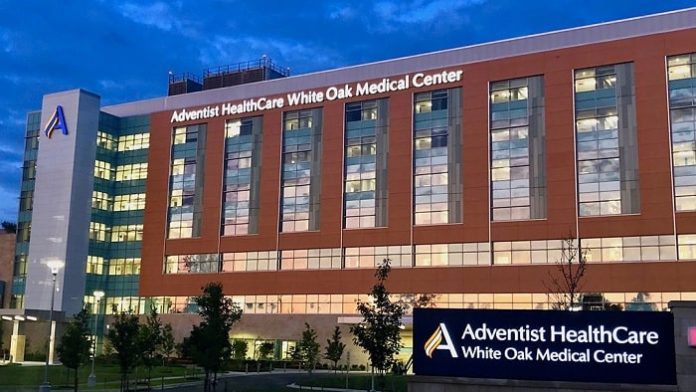
Adventist Health has completed a solar and microgrid project in Paradise, California at the Feather River Health Care facility. The project includes a one-megawatt hour energy storage system combined with 425 kilowatts of solar and new, permanent back-up generator. The new, integrated system is designed to deliver clean energy while ensuring energy resiliency to continue to serve the community during public safety power shutoff (PSPS) events. Adventist Health’s hospital was heavily damaged by one of the most destructive fires in California history, the 2018 Camp Fire, and the Feather River Health Center is now the main location for healthcare services available on the ridge.

Adventist Health partnered with ENGIE North America for the project. Following the Camp Fire, administrators at Adventist Health wanted to provide better reliability to the community with solutions that would allow facility to be fully operational during any future power outages.

In case of a power outage, the microgrid controller energy storage system will isolate the facility from the grid, allowing the facility to be powered by solar, the energy storage system and generator thereby creating a microgrid. The microgrid will use its own internal battery storage to stabilize the facility loads and it will also control the generation from both the solar system and the 250 kW permanent generator, allowing Adventist Health to maintain a stable energy source to the facility during the outage. The transfer of power from the utility to the microgrid happens in less than one second, creating a seamless transfer.

As Environment + Energy Leader reported yesterday, California is adding batteries to its electrical grid at a frantic pace: the state is said to be adding 1,700 megawatts of new battery capacity to the grid this year, in the hopes of avoiding a repeat of last summer’s rolling blackouts. To put it in perspective: that’s more battery capacity than all of China.


Translate »