








Close
Digital Health & Ai Innovation summit 2026
Medical Taiwan 2026

Medtronic Launches First-of-Its-Kind Adaptive Deep Brain Stimulation Trial in Parkinson’s Disease Patients

Medtronic Resolute Onyx DES Receives First and Only One-Month DAPT Indication for High Bleeding Risk Patients in Europe

Medtronic plc, the global leader in medical technology, announced the first enrollment in ADAPT-PD (Adaptive DBS Algorithm for Personalized Therapy in Parkinson’s Disease), its trial evaluating the safety and efficacy of adaptive deep brain stimulation (aDBS) in patients with Parkinson’s Disease (PD). Adaptive deep brain stimulation is an investigational feature of the Perceptโ„ข PC device that could be enabled if approved. The investigational feature used in this study allows for automated adjustment of brain stimulation to provide therapy to manage symptoms of Parkinson’s disease based on a patient’s clinical state.

The randomized study will take place across 12 study sites at leading Movement Disorders research centers in the United States, Europe, and Canada. An estimated 36 subjects will undergo a total evaluation period of 15 months. The primary endpoint of ADAPT-PD will compare standard continuous DBS (cDBS) to aDBS for hours of ‘On’ time without troublesome dyskinesias, a measure of treatment efficacy versus side effects, as reported by patient diary. Qualifying subjects in the study will receive cDBS at baseline followed by randomized evaluation of two different aDBS algorithms in a blinded manner.

Dr. Helen Bronte-Stewart, the John E. Cahill Family Professor in the Department of Neurology and Neurological Sciences at Stanford University and who is the North American principal investigator for the ADAPT-PD study, enrolled the first patient at the Stanford Movement Disorders Center. Dr. Bronte-Stewart and her collaborators previously laid the foundation for ADAPT-PD by performing the first closed loop deep brain stimulation studies in Parkinson’s disease using an investigational prototype research-only system (Activaโ„ข PC+S-Nexus D3). ADAPT-PD represents an evolutionary leap from these early studies in that sensing of brain signals and automated adjustment of stimulation are performed by using unlocked investigational features of the commercially available Percept PC DBS device, allowing patients in the study to be both treated and measured while outside the clinic.

According to the Parkinson’s Foundation, more than 10 million people worldwide are living with Parkinson’s disease and while similar, the progression of symptoms is often different from one patient to another due to the diversity of the disease. People with PD may experience tremor; slowness of movements (bradykinesia); limb rigidity; gait and balance challenges.

DBS is a well-established, safe and effective therapy for the treatment of motor symptoms in PD, including tremor (shaking); slowed movement (bradykinesia); and stiffness (rigidity) when medications aren’t as effective as they used to be. Opportunities exist to improve the efficacy of DBS therapy. Current commercially-approved DBS systems deliver stimulation continuously (cDBS) and are adjusted manually within physician-defined limits to optimize therapy for the patient. In contrast, aDBS therapy may individualize and optimize PD therapy for the same motor symptoms as with cDBS by automatically adjusting stimulation within physician-defined limits, based on brain signals detected by the DBS system. ADAPT-PD will be using the Percept PC DBS system with investigational aDBS feature. While the aDBS feature is investigational and has not been approved for commercial use, the Percept PC device (cDBS) was approved by the FDA in June 2020. The Percept PC device (cDBS) utilizes proprietary BrainSenseโ„ข technology making it the only DBS system with the ability to capture patient-specific brain signals. The sensing feature of the Percept PC system is intended for use in patients receiving DBS where chronically-recorded bioelectric data may provide useful, objective information regarding patient clinical status. Clinical benefits of brain sensing have not been established.

“Percept PC was developed with a significant amount of capabilities built into its system. We see this technology evolving to deliver even more value over time. The recently initiated ADAPT-PD is the first trial to gather clinical evidence to unlock those capabilities,” said Mike Daly, vice president and general manager of the Brain Modulation business, which is reported as part of the Restorative Therapies Group at Medtronic. “Additionally, stimulation adjusted based on patient need, aDBS, could reduce total power output and possibly extend the life of the device.”

Medtronic is a pioneer in DBS, developing a small, pacemaker-like device, placed under the skin of the chest or abdomen, to send electronic signals to an area in the brain that controls movement. DBS may help control movement symptoms associated with PD when medications are no longer as effective as they used to be. To date, more than 175,000 patients have been implanted with Medtronic DBS devices for management of Parkinson’s symptoms and other conditions such as Essential Tremor, Epilepsy, Dystonia and OCD.

“aDBS technology will allow DBS to be responsive in real-time, communicating with the patient’s brain, as needed – which could reduce the amount of programming burden on a clinician,” added Professor Andrea Kรผhn, head of Movement Disorders and Neuromodulation, Charitรฉ University Hospital, Berlin. Professor Kรผhn is one of the leading scientists on electrophysiological markers for PD and designers of the ADAPT study; her team at the Charitรฉ, Universitรคtsmedizin Berlin implanted the first Percept PC DBS patient in the world.


About Medtronic
Medtronic plc , headquartered in Dublin, Ireland, is among the world’s largest medical technology, services and solutions companies โ€“ alleviating pain, restoring health and extending life for millions of people around the world. Medtronic employs more than 90,000 people worldwide, serving physicians, hospitals and patients in more than 150 countries. The company is focused on collaborating with stakeholders around the world to take healthcare Further, Together.
Nuance Launches Omnichannel Patient Engagement Virtual Assistant Platform to Power Healthcare’s ‘Digital Front Door’

Nuance Launches Omnichannel Patient Engagement Virtual Assistant Platform to Power Healthcare's 'Digital Front Door'

Nuance Communications, Inc. launched an AI-powered patient engagement virtual assistant platform to transform voice and digital experiences across the patient journey. Combining decades of healthcare expertise with award-winning intelligent engagement technology trusted by 85 percent of the Fortune 100 companies worldwide, the advanced platform integrates and extends the capabilities of the electronic health record (EHR), customer relationship management (CRM), and Patient Access Center systems to enable healthcare provider organizations to modernize their ‘digital front door’ and improve clinical care.

Patients are demanding the same conveniences from healthcare organizations that they enjoy from major consumer brands. A recent survey reveals that consumers are ready for digital changes such as telemedicine options (44%), digital forms and communication (41%), and touchless check-in (37%). What’s more, 68% value a customized patient experience. In fact, a poor digital health experience caused more than a quarter of patients to change medical providers in 2020 โ€” up 40 percent from 2019.

Leveraging the same conversational AI technology that leading consumer brands such as Albertsons, Best Buy, Humana, H&M, and Rakuten trust to drive their consumer experience and healthcare information technology leaders such Epic and Cerner use to power their provider facing virtual assistant solutions, Nuance’s patient engagement platform now enables healthcare provider organizations to deliver world-class patient experiences.

“Nuance’s omnichannel patient engagement platform represents a new integrated philosophy for enabling healthcare’s digital front door and a well-thought-out, well-implemented, and highly-practical solution for delivering an enhanced level of digital services to patients,” said Stephanie Lahr, MD, chief information officer and chief medical information officer, Monument Health. “As Nuance has already demonstrated with its clinician-facing healthcare solutions, the company is now bringing its AI technology to bear to help solve the pressing challenges that healthcare organizations face with patient engagement โ€“ improving the overall patient experience and driving better clinical outcomes while at the same time enhancing the financial performance of the organization during these transformative times.”

Nuance’s new patient engagement platform provides an array of leading capabilities and business outcomes including:

  • Seamless, consistent and unified omnichannel experiences โ€“ Unlike competitive solutions, Nuance’s technology enables healthcare organizations to deploy a single unified virtual assistant/bot platform to manage patient engagement across voice, web, mobile, messenger and smart speaker/IoT interactions. No longer do healthcare organizations need to purchase, integrate, deploy and maintain separate siloed virtual assistant/bot systems for their voice (IVR), web, mobile/SMS and smart speaker/IoT devices to deliver natural, user-friendly and high-performing patient engagement applications that patients love.
  • Integrates and extends capabilities of core systems infrastructure โ€“ Nuance’s platform integrates into and extends the capabilities of the healthcare organization’s key clinical, financial, customer and telephony systems including the EHR, Patient Financial systems, CRM and patient access center (call center) telephony infrastructure. Enables more personalized and engaging experiences for patients and higher automation rates and lower costs for healthcare organizations.
  • Provides “out-of-the-box” solutions and an advanced Do-It-Yourself (DIY) development tool โ€“ With Nuance’s patient engagement platform, clients can utilize prepackaged applications that meet specific pain points around patient access, patient support, virtual care and messaging, work with Nuance to develop custom applications or use Nuance Mix to build their own DIY platform solution.
    Proven business outcomes โ€“ Based on more than 20 years of enterprise-class deployments with the largest brands in the world, Nuance’s leading omnichannel customer engagement platform has helped companies achieve results including a 42% reduction in agent handle time, 85% first contact resolution, and greater than 50% improvement in customer satisfaction.
  • Advanced and unified data analytics โ€“ Enables organizations to monitor, assess, and react to service performance metrics and identify improvement opportunities across channels.
    Runs on Microsoft Azure for high reliability, security and performance โ€“ Built on top of the Microsoft Azure HITRUST CSF-certified cloud platform.

“Our new omnichannel Patient Engagement Virtual Assistant Platform takes a holistic approach to powering healthcare’s new digital front door, overcoming the shortcomings and inconsistencies of partial point solutions,” said Peter Durlach, Senior Vice President, Strategy and New Business Development, Nuance. “By marrying the capabilities of our healthcare experience and the proven omnichannel customer engagement technology trusted by Fortune 100 companies worldwide, we can help address the urgent need of providers and patients alike to transform access to, and delivery of, care in the modern age of digital medicine.”

About Nuance Communications, Inc.
Nuance Communications is a technology pioneer with market leadership in conversational AI and ambient intelligence. A full-service partner trusted by 90 percent of U.S. hospitals and 85 percent of the Fortune 100 companies worldwide, Nuance creates intuitive solutions that amplify people’s ability to help others.

Trademark reference: Nuance and the Nuance logo are registered trademarks or trademarks of Nuance Communications, Inc. or its affiliates in the United States and/or other countries. All other trademarks referenced herein are the property of their respective owners.

Life-saving Technology Keeping Doctors and Patients Connected Amid COVID-19

Intel Corporation awards Electronic Caregiver grant to assist COVID-19 relief efforts

Meeting the growing need for Precision Remote Patient Monitoring (PRPM), Electronic Caregiverยฎ, a health technology company, has partnered with Renova Health, Inc. to provide health practices with the technology and services to monitor patients outside of the doctor’s four walls.

“When COVID-19 hit, and suddenly many people were not able to get to physicians’ offices, there became a much-increased need for remote patient monitoring,” said Renova Health Board Member Christopher St. Pierre.

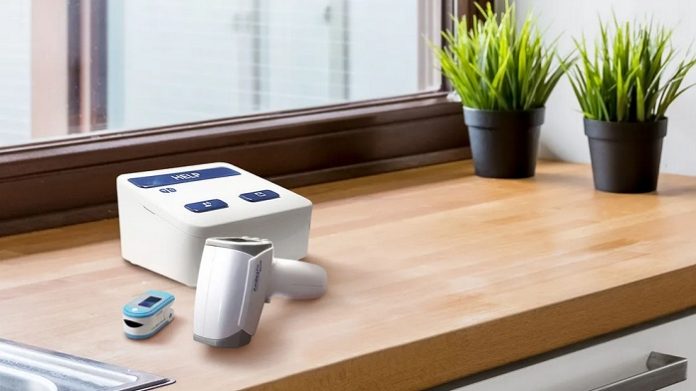
Renova Health will offer Electronic Caregiver’s Pro Health, a 24/7 chronic care and PRPM system through the partnership. The system includes a cellular-based smart health hub that can measure vitals via Bluetooth devices such as a glucometer, blood pressure cuff, pulse oximeter, spirometer, weight scale, and non-contact thermometer.

“Renova Health is a patient relationship company that establishes and solidifies relationships between patients and providers. We can provide support to the provider to get these devices utilized more comprehensively by the patients,” said Carter Ilgenfritz Fritz, Renova West Managing Director.

The Pro Health also provides emergency response, medication reminders, and direct connection by phone with a clinical support team.

“We are taking the state-of-the-art technology for patient engagement and monitoring and putting that together with a trusted patient relationship. Through the partnership with Electronic Caregiver, we will be able to deliver care that has the best outcomes and the best management of cost,” said Renova Health CEO Dave Jacobs.

Electronic Caregiver’s technology also gives physicians and patients an added sense of security during the coronavirus pandemic.

“COVID-19 has helped us see more clearly the ongoing benefits of remote patient monitoring, patient support, patient relationships, and management of chronic conditions. All of these things are very important, and now we can see that the patients understand that,” Jacobs added.

A patient’s health information can be routed to a designated medical provider in real time. The system’s PRPM dashboard alerts providers when a patient’s health falls above or below a certain threshold. Providers are also alerted when the system contacts emergency medical services or if the patient has not used the device within three days.

“I think it is a significant partnership. Renova Health has a unique model where they embed staff in the physician’s office who help manage the actual remote patient monitoring program,” said Tim Washburn, Electronic Caregiver Chief Clinical Officer. “With the company’s methodology in terms of physician engagement and potential customers in the physician’s office, the combination of our technology is powerful.”

About Electronic Caregiver
Electronic Caregiverยฎ is a leading and highly recognized brand for virtual care solutions and Remote Patient Monitoring services. Electronic Caregiverยฎ has invested more than $70 million and ten years into research, development and a staged rollout of virtual care and health management solutions for chronic care patients, child patients, and older adults.

Electronic Caregiverยฎ offers its solutions through a network of leading national home care providers and health institutions, and team members. Addison Careโ„ข is the company’s most advanced new technology, offering a Virtual Caregiverโ„ข that deploys technology using IoT, 3D animation, mixed reality, Bluetooth, natural language processing, machine learning, visual sensing, and a suite of integrated electronics.

Intel Corporation awards Electronic Caregiver grant to assist COVID-19 relief efforts

With the goal to accelerate progress in confronting global challenges, Intel Corporation has selected Electronic Caregiverยฎ, a worldwide health technology and services company, to receive grant funding for its evidence-based program called “COVID to Home.” The program is designed to reduce constraints on hospital capacity while providing care to recovering COVID-19 patients.

Electronic Caregiver’s COVID to Home program is designed to reduce constraints on hospital capacity while providing care to recovering COVID-19 patients.

The grant awarded by Intel is part of its commitment to expedite access to technology that can combat the current pandemic and enable scientific discovery that better prepares the world for future crises. In April 2020, in response to the unprecedented COVID-19 pandemic, Intel committed $50 million to fund a Pandemic Response Technology Initiative (PRTI) to support and accelerate point-of-patient-care solutions. Since it began, the program has supported hundreds of organizations around the world.

“We chose to support Electronic Caregiver’s project because of its scalable use of remote monitoring that leverages Intel technology to meet the needs of underserved communities in New Mexico,” said Chris Gough, General Manager of Intel Health & Life Sciences.

Electronic Caregiver launched its COVID to Home program in November 2020 in partnership with regional public health stakeholders. The program offers a solution to the recent surge of COVID-19 cases in Doรฑa Ana County, New Mexico, the company’s home base. With the region’s hospitals and ICUs at 100 percent capacity and staff stretched thin, COVID to Home helps alleviate capacity constraints and ensures COVID-19 patients receive proper care and oversight while preventing further spread of the virus.

COVID to Home is jointly funded by Doรฑa Ana County and the city of Las Cruces at no cost to patients. Since the program rolled out at MountainView Regional Medical Center and Memorial Medical Center in Doรฑa Ana County, it has had a positive impact on many lives. Just one month after launching, more than 100 patients had received services and support through the program. Moreover, COVID to Home has increased critical care capacity in the region by 30 percent.

“[COVID to Home] has allowed us to maintain capacity in our hospitals, while providing effective community-based care to people recovering from COVID,” said Jamie Michael, Director of Health and Human Services for Doรฑa Ana County. โ€ฆIt also allows providers to interact with patients safely and allows people to recover in their home.

Under the program, patients are safely discharged to their home or to a designated hotel with an Electronic Caregiver Pro Health smart health hub โ€“ a voice-driven, easy-to-use cellular-connected console. Through this Precision Remote Patient Monitoring device, patients receive a daily survey to assess COVID-19 symptoms, including vital signs input from a pulse oximeter, non-contact thermometer, and blood pressure cuff.

A combination of clinicians and clinical volunteers use a HIPAA-compliant secure web portal to assess patient results remotely and provide care as needed. Patients can also use the Pro Health for televisits with a doctor, medication reminders, and 24/7 emergency response. Electronic Caregiver’s solution utilizes Intel technology both in on-site workstations and cloud-based servers from Amazon Web Services.

“The major impact of this program is the number of hospital beds it has freed up for patients that are really sick,” said John Andazola, MD, Program Director of the Southern New Mexico Family Medicine Residency Program at Memorial Medical Center. “It truly represents the best in local collaboration, and we are pleased to play a role.”

Funding from Intel gives Electronic Caregiver the resources to extend support and impact additional lives in the fight against COVID-19. The funds will be used to purchase equipment for the COVID to Home program; create a version of the COVID-19 survey and vitals capture using Electronic Caregiver’s Virtual Caregiver, named Addison; create five portable demo “kits” to showcase the program at events/venues; create a video testimonial of the program; and publish a white paper on program structure, goals, and outcomes.

The option to implement Electronic Caregiver’s COVID to Home program exists throughout the state and the country.

“We’d be thrilled to partner with anybody, anywhere, to be able to replicate this program and be able to drive a similar type of outcome,” said Electronic Caregiver’s Chief Digital Health Integration Officer Mark Francis. “If folks want to come together and deal with this critical public health issue, we’re here with the proven solution that’s driving demonstrated outcomes, that is simple and easy to implement, and can save lives and benefit communities.”

About Electronic Caregiver

Electronic Caregiverยฎ has become a leading and highly recognized brand for virtual care solutions and Precision Remote Patient Monitoring services. The company staff size more than doubled in 2019 and is nearing 150 full-time employees. Electronic Caregiverยฎ has invested more than $55 million and 10 years into research, development, and a staged rollout of virtual care and health management solutions for chronic care patients, child patients, and older adults.

Electronic Caregiverยฎ offers its solutions through a network of leading national home care providers and health institutions and team members. Addison Careโ„ข is the company’s most advanced new technology, offering a Virtual Caregiverโ„ข that deploys technology using IoT, 3D animation, mixed reality, Bluetooth, natural language processing, machine learning, visual sensing, and a suite of integrated electronics. The company manages its business using an advanced proprietary enterprise management platform designed by the company, named Orion.

Electronic Caregiverยฎ and Addison Careโ„ข are now involved in numerous official clinical research initiatives in clinical settings to further validate utilization and efficacy in areas of improved outcomes, improved treatment adherence, and optimized continuum of care.

Modernizing Medicine Announces Acquisition of Orthopedic Healthcare Technology Company, Exscribe

Modernizing Medicine Announces Acquisition of Orthopedic Healthcare Technology Company, Exscribe

Modernizing Medicine announced it has acquired orthopedics electronic health records (EHR) vendor Exscribe. The acquisition brings together two of the healthcare industryโ€™s leading, all-in-one orthopedic EHR vendors with a shared mission of increasing practice efficiency by transforming how healthcare information is created, consumed and utilized.

With a commitment to streamlining practice operations through intuitive, customizable solutions that adapt to orthopedistโ€™s workflows, Modernizing Medicine and Exscribe will work together to accelerate innovation and bring to market advanced EHR, practice management, and technology solutions intended to improve physician efficiency, reduce burnout, and support value-based care.

โ€œExscribe and Modernizing Medicine have a shared commitment to customer success and improving patient outcomes and we are excited to work together to leverage our combined orthopedics expertise to move the industry forward,โ€ said Dan Cane, CEO of Modernizing Medicine. โ€œBoth companies were founded on the belief that the best EHRs are built specialty specific โ€˜by physicians, for physicians,โ€™ and that product excellence is a direct reflection of the strength of our team. With that, we are excited to welcome the talented individuals at Exscribe to the Modernizing Medicine family and are confident that we can leverage our combined expertise to enhance and grow our solutions to meet the needs of customers of virtually any size and orthopedic specialization.โ€

Exscribe was founded in 2000 by nationally-renowned orthopedic surgeon Ranjan Sachdev, MD, MBA, CHC, who was looking for a better way to manage his orthopedic practice. Working with a team of orthopedists and IT professionals, Dr. Sachdev developed the Exscribe Orthopaedic EHR, which today is among the leading specialty-specific healthcare technology solutions available. Leveraging machine learning and artificial intelligence, Exscribeโ€™s EHR is intuitive, enabling orthopedists to use one-click treatment plans for specific conditions, including orders for surgery and therapy, prescriptions, patient education, referral letters, and more. Exscribe Founder and CEO, Dr. Sachdev and other members of the Exscribe team will be joining Modernizing Medicine, and through the increased scale and combined expertise, both companies intend to continue providing world-class technology solutions and support to orthopedic customers.

โ€œModernizing Medicine is known for its state of the art web based offerings, growing presence in the orthopedics space and commitment to working with customers to build solutions that meet the needs of orthopedists and their office staff,โ€ said Dr. Sachdev. โ€œExisting Exscribe customers will experience very few immediate changes. In the long term, we look forward to leveraging the decades of expertise from both companies to build fully interoperable EHR technologies that solve administrative inefficiencies and promote orthopedic excellence.โ€

Modernizing Medicineโ€™s top-rated specialty-specific orthopedic electronic health records (EHR) system, EMAยฎ Orthopedics, has been named the number one EHR in orthopedics for three consecutive years by Black Bookโ„ข. The mobile-, touch- and cloud-based solution was designed to help orthopedic physicians move through exams and procedures efficiently. The modmedยฎ Orthopedics suite of products includes Practice Management, Business Operations Services, Analytics and patient engagement tools, as well as modmed Telehealth.

About Modernizing Medicine

Modernizing Medicine and its affiliated companies empower healthcare providers and medical practices with a suite of solutions designed to transform how healthcare information is created, consumed and utilized to increase practice efficiency and improve patient outcomes. The award-winning healthcare technology company works with providers nationwide in the specialties of dermatology, ophthalmology, orthopedics, otolaryngology, plastic surgery, gastroenterology, pain management and urology, as well as ambulatory surgery centers. Modernizing Medicine and its affiliated companies provide a suite of solutions including the electronic health records (EHR) system, EMAยฎ, and the GI-specific EHR, gGastroยฎ. The healthcare suite includes Practice Management, Business Operations Services, Analytics, payment processing services and patient engagement tools such as telehealth. Built with the help of on-staff practicing physicians, the all-in-one EHR systems help provide a more complete picture into the clinical, operational and financial aspects of specialty medical practices with the goal of helping practices focus even more of their time on patient care.


Teladoc Health and Dexcom Bring CGM Technology and Personalized Insights to People with Type 2 Diabetes at No Cost

Teladoc Health and Dexcom Bring CGM Technology and Personalized Insights to People with Type 2 Diabetes at No Cost

Teladoc Health, Inc., the first and only comprehensive virtual care system, and DexCom, Inc., the leader in real-time continuous glucose monitoring (CGM), announced that joint Livongo for Diabetes and Dexcom members will now receive CGM-powered insights, a new set of features and reports that help members more easily visualize their health information and understand how lifestyle decisions affect their blood glucose levels. By combining Dexcom CGM data with additional signals from Teladoc Health, including activity data and food intake, CGM-powered insights offer members a complete health profile and recommendations that support ongoing diabetes management. In January of 2020, Livongo, which merged with Teladoc Health in October, and Dexcom announced the first phase of their strategic relationship, a data sharing agreement for Livongo for Diabetes members using Dexcom CGM technology.

โ€œTeladoc Healthโ€™s partnership with Dexcom further empowers whole person health through an innovative combination of advanced technology and human expertise,โ€ said Amar Kendale, chief product officer of Teladoc Health. โ€œOur focus is to offer a consumer experience that makes it easy, safe and affordable for people to manage their health with confidence. We are excited about our continued work with Dexcom and new features that enable smarter care, leading to measurable consumer behavior change and better health outcomes.โ€

To that end, Teladoc Health and Dexcom will launch a pilot demonstrating the impact of CGM-powered insights for people with Type 2 diabetes. Eligible members will receive an integrated product experience, including the Livongo for Diabetes program, Dexcom CGM technology and CGM-powered insights at no cost. Through the pilot, members will access a new experience that contextualizes their health data and trends with the mutual goal of better health outcomes. Teladoc Health and Dexcom intend to launch the pilot more broadly throughout 2021.

โ€œWe are excited to announce the next phase of our relationship with Teladoc Health, along with launching a commercial pilot demonstrating how Dexcomโ€™s leading CGM combined with Teladoc Healthโ€™s data science capabilities enhance the diabetes management experience,โ€ said Matt Dolan, senior vice president and general manager of new markets for Dexcom. โ€œWe have received powerful feedback from people with Type 2 diabetes using our technology, and through additional innovative product features, we fully anticipate that we will deliver an even greater impact.โ€

It is estimated that 463 million adults around the world live with diabetes[1], a number expected to rise to 700 million by 2045. According to the Centers for Disease Control and Prevention, regular physical activity, weight management, and improved blood pressure management are important factors for preventing diabetes-related complications[2].

About Teladoc Health

Teladoc Health empowers all people everywhere to live their healthiest lives by transforming the healthcare experience. As the world leader in whole-person virtual care, Teladoc Health uses proprietary health signals and personalized interactions to drive better health outcomes across the full continuum of care, at every stage in a personโ€™s health journey. Ranked best in KLAS for Virtual Care Platforms in 2020, Teladoc Health leverages more than a decade of expertise and data-driven insights to meet the growing virtual care needs of consumers and healthcare professionals. For more information, please visit www.teladochealth.com or follow @TeladocHealth on Twitter.


MEDITECH Quick Vaccination solution streamlines COVID-19 vaccination process

MEDITECH Quick Vaccination solution streamlines COVID-19 vaccination process

To accelerate healthcare organizationsโ€™ administration of the COVID-19 vaccine, MEDITECH is extending its capabilities to include a complimentary, short-form Quick Vaccination solution. This web-based solution streamlines vaccine administration, enabling healthcare organizations to efficiently administer the vaccine to their patients from multiple care venues, including through tablet devices.

With Quick Vaccination, healthcare organizations have the speed and mobility to distribute the vaccine at high-volume locations, including pop-up inoculation sites. And, since the solution leverages integration within the MEDITECH Immunization Interface, it automatically transmits vital vaccine data to state immunization information systems.

“Time is essential in fighting COVID-19, and we recognize that immunizing as many people as possible is imperative,โ€ said MEDITECH Vice President of Client Services Leah Farina. โ€œWe developed the Quick Vaccination solution to streamline the process and enable care providers to efficiently administer the COVID-19 vaccine to their patients while meeting CDC guidelines.”

Quick Vaccination is a stand-alone solution that can also be added to any menu within the EHR. The solution allows for automatic defaults of key vaccine and administration data using flexible parameters. This significantly shortens the amount of time it takes to document vaccine administration, so sites can vaccinate more patients in less time.

Per CDC guidelines, Quick Vaccination automatically generates a certificate of COVID-19 vaccination, which is also accessible from the patient portal. The certificate includes administration details such as the vaccineโ€™s manufacturer, the date the patient received the vaccine, and the care setting in which it was administered.

Patients will bring the certificate with them to their appointment for the second dose to ensure the proper next dose is given. The next certificate will show validation of receipt of both doses within the appropriate time frame.

MEDITECH provides guidance and scenarios for vaccine administration across all integrated care areas, and the EHR has the flexibility for sites to easily add new vaccine codes. Additionally, MEDITECHโ€™s Scheduling solution enables customers to schedule vaccine administrations as part of an appointment set, which means the first and second doses can be scheduled at the same time with the appropriate eligibility interval between doses. Appointments are integrated with the patient portal, so the patient is reminded of the second dose appointment.

Furthermore, patient registries can identify eligible patients and vaccine distribution by phase ? such as residents of long-term-care facilities or those with specific preexisting conditions. Eligible employees can also be identified and registered as patients. In addition, registries keep track of patients who have not received a full course of the vaccine, and may also be used to alert staff of high-risk patients who may require follow-up after vaccination.

The Quick Vaccination solution is one of many initiatives being implemented by MEDITECH to support customers throughout the pandemic. A coronavirus task force, which was established at the start of the pandemic, supports customers with guidance documentation โ€” covering everything from drive-thru testing to HHS reporting. The company later extended its Virtual Visits functionality for urgent care appointments through Virtual On Demand Care.

Additional solutions employed by MEDITECH customers include MEDITECHโ€™s Business and Clinical Analytics for tracking COVID-19 data such as cases, tests, occupancy, and PPE usage; Surveillance for monitoring COVID-19 patients or suspected cases; patient registries to follow up with COVID patients or those at high risk; and contactless registration to support social distancing.

CVS Health launches Symphony to support senior safety at home and enhance caregiver peace of mind

CVS Health launches Symphony to support senior safety at home and enhance caregiver peace of mind

CVS Health recently introduced the Symphony medical alert system to help caregivers monitor the safety and well-being of loved ones, even from afar.

This collection of in-home and wearable devices offers a new at-home experience by connecting a suite of sensors that can monitor for falls, motion, and room temperature while also providing a 24/7 personal emergency response platform for use when needed. Symphony is designed to support the growing number of seniors choosing to maintain an independent lifestyle at home, as well as those involved in their care.

โ€œWeโ€™re committed to helping consumers on their path to better health and new consumer health innovations like Symphony can help give caregivers peace of mind as they monitor a loved oneโ€™s safety and well-being through a truly differentiated connected health approach,โ€ said Adam Pellegrini, SVP of Enterprise Virtual Care & Consumer Health at CVS Health.

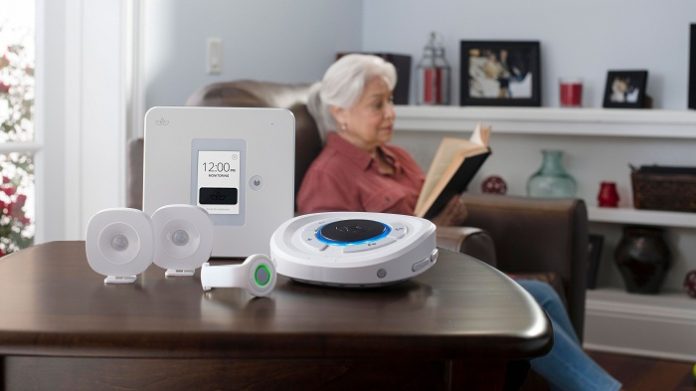
The center of the Symphony ecosystem is the voice-activated Smart Hub which enables hands-free calls with caregivers or emergency responders, while also monitoring motion, temperature, and air quality within the home.

Symphony features a free app for caregivers that provides alerts for falls or other emergencies and assists with facilitating care coordination. Additionally, smart algorithms within the app track and alert caregivers when normal conditions, such as average room temperature or air quality, are disrupted, suggesting when the caregiver may want to check in with their loved one.

Designed to fit a familyโ€™s specific needs and adapt to a variety of homes, two easy-to-use Symphony device options are available: the Basic Bundle and Essential Bundle. While both systems come equipped with the Smart Hub and a wearable care button, the Essential Bundle also includes motion sensors and a voice-activated Fall Sensor to automatically detect falls in the bathroom, where the majority of accidents occur. Complementary devices are available for both bundles if desired, including additional motion sensors to extend the range of coverage in larger homes, and entry sensors for use on doors, cabinets or windows.

Pricing starts at $149.99 for the Symphony Basic Bundle and $249.99 for the Essential Bundle. A monthly service fee is required, although no long-term contract is needed to activate. Once activated, each Symphony bundle can help support safety at home as well as in the event of an emergency. Customers can find Symphony available now at CVS HealthHUBยฎ locations or online at cvs.com/symphony.

About CVS Health

CVS Health is a different kind of health care company. We are a diversified health services company with nearly 300,000 employees united around a common purpose of helping people on their path to better health. In an increasingly connected and digital world, we are meeting people wherever they are and changing health care to meet their needs. Built on a foundation of unmatched community presence, our diversified model engages one in three Americans each year. From our innovative new services at HealthHUBยฎ locations, to transformative programs that help manage chronic conditions, we are making health care more accessible, more affordable and simply better.

CVS Health collaborates with Cancer Treatment Centers of America to provide in-home chemotherapy

CVS Health collaborates with Cancer Treatment Centers of America to provide in-home chemotherapy

CVS Health announced it is working with Cancer Treatment Centers of Americaยฎ (CTCA) to increase access to chemotherapy at home for eligible, fully insured patients. Together, the companies are focused on minimizing patient exposure to COVID-19 from inpatient or hospital outpatient settings during the ongoing pandemic while ensuring continuity of critical cancer care. The program leverages Coramโ€™s home infusion capabilities, coupled with training in chemotherapy administration based on Oncology Nursing Society guidelines, harnessing CTCAโ€™s expertise as a top oncology care provider to give patients who may have delayed their care due to COVID-19 the flexibility to receive treatment from the safety and comfort of home.

โ€œThe COVID-19 pandemic has created new challenges for immunocompromised patients with cancer looking for ways to safely continue their care, while minimizing their exposure to the virus,โ€ said Sree Chaguturu, M.D., Chief Medical Officer of CVS Caremark and CVS Specialty. โ€œThis collaborative arrangement with Cancer Treatment Centers of America allows us to combine our unique expertise in home infusion and clinical oncology to help more patients access treatment from the safety of their home.โ€

Clinically eligible and fully insured CTCA patients with a range of cancers, including breast cancer, lung cancer, prostate cancer, colorectal cancer, head and neck cancers, and some genitourinary cancers on particular chemotherapy/immunotherapy medications, will begin their first cycles of infused chemotherapy in the hospital or outpatient care center, and, if tolerated over a number of months, can be transitioned home for continued infusions. Once home, patients will receive in-home Coram nurse visits to administer the therapy, paired with regular telehealth visits and digital therapeutic check-ins with their CTCA clinician, care team, pharmacists and other clinical staff as needed. More information is available at www.cancercenter.com/oncology-clinic-at-home.

โ€œPutting patients first has been our philosophy for over 30 years, and working together with CVS is an extension upon in which we can better meet their needs, especially in light of a pandemic. For a variety of reasons, COVID-19 has caused far too many people to skip or delay treatments. Weโ€™re seeing a 50% reduction in infusions, and, while a slight delay in treatments may have been appropriate at the pandemicโ€™s onset, data is now pointing to increased mortality risk with every month of delayed care,โ€ said Dr. Chevon M. Rariy, M.D., CTCA telehealth program director. โ€œWeโ€™re proud to be working with Coram to provide home infusion of cancer treatment that prioritizes the safety of patients, their families and health care workers.โ€

In collaboration with CTCA and their approach to quality, safe care, coupled with more than 35 years of infusion expertise, Coram has the ability to reach 97 percent of the U.S. population. The program is being piloted in the Atlanta market and will expand to other geographies over the next few months to help increase access to important home-based cancer care during and beyond the pandemic. More information on the steps that CVS Health is taking to address the COVID-19 pandemic is available at the company’s frequently updated COVID-19 resource center.

About CVS Health

CVS Health is a different kind of health care company. We are a diversified health services company with nearly 300,000 employees united around a common purpose of helping people on their path to better health. In an increasingly connected and digital world, we are meeting people wherever they are and changing health care to meet their needs. Built on a foundation of unmatched community presence, our diversified model engages one in three Americans each year. From our innovative new services at HealthHUB locations, to transformative programs that help manage chronic conditions, we are making health care more accessible, more affordable and simply better. Learn more about how we’re transforming health at www.cvshealth.com.
About Cancer Treatment Centers of America

Cancer Treatment Centers of Americaยฎ (CTCA) is a national oncology network of hospitals and outpatient care centers offering an integrated approach that combines surgery, radiation, chemotherapy, immunotherapy and advancements in precision medicine with supportive therapies to manage side effects and enhance quality of life during treatment and into survivorship. CTCAยฎ publishes treatment results bi-annually including patient experience, length of life, quality of life, patient safety and quality of care. CTCA also offers qualified patients a range of clinical trials that may reveal new treatment options supported by scientific and investigational research. CTCA patient satisfaction scores consistently rank among the highest for all cancer care providers in the country.

Virginia Behavioral Health Agency Selects Cerner to Enhance Care Coordination Across 12 Facilities

Cerner Simplifies Patient Communication

Cerner Corporation announced it will provide its electronic health record (EHR) to 12 behavioral health facilities across the Commonwealth of Virginia. This approach eases sharing of patient health records across all facilities within the Virginia Department of Behavioral Health and Developmental Services (DBHDS), which provides behavioral health and developmental disability resources to the stateโ€™s residents.

โ€œAs a trusted industry leader in technology, data exchange and interoperability, Cerner can deliver the efficiency, reliability and security our clients, including DBHDS, need to improve health outcomes,โ€ said John Dreager, PhD, vice president of client relationships, Cerner. โ€œCerner’s technology is designed to help improve continuity of patient care and a seamless exchange of health data between doctors and patients. We are proud to help Virginia address the mental and behavioral health needs of their residents.โ€

A recent study published in the Journal of the American Medical Association finds a nearly 25% increase in depression symptoms in U.S. adults in 2020. This increased prevalence in depression symptoms could lead to a greater demand on behavioral health support organizations like DBHDS. With Cerner technology, 12 Virginia facilities will now be better equipped to provide more efficient and coordinated medical care for their communities. Access to data across facilities also helps health systems better understand opportunities for efficiencies and improvement in their organizations.

โ€œA single EHR across all locations is a key step towards standardizing care deliveryโ€ said Alison Land, DBHDS Commissioner. โ€œAs the demand for community mental health and substance abuse resources continues to rise in the wake of the pandemic, thereโ€™s no better time to upgrade technology systemwide. For us this marks a new era of automation, bringing increased care coordination across our network and using technology to help improve care, treatment and communication with our clients.โ€

Cerner technology is currently in use at eight DBHDS facilities: Western State Hospital (Staunton), Southwestern Virginia Mental Health Institute (Marion), Southern Virginia Mental Health Institute (Danville), Commonwealth Center for Children & Adolescents (Staunton), Southeastern Virginia Training Center (Chesapeake), Eastern State Hospital (Williamsburg), Northern Virginia Mental Health Institute (Falls Church) and Catawba Hospital (Catawba). Four additional DBHDS facilities are on-track to deploy in Spring 2021.

Translate ยป