Close
Digital Health & Ai Innovation summit 2026
Medical Taiwan 2026

Abbott to Launch the NeuroSphere myPath Digital Health App Designed to Track and Report Pain Relief in Chronic Pain Patients

Abbott to Launch the NeuroSphere myPath Digital Health App Designed to Track and Report Pain Relief in Chronic Pain Patients

Abbott announced the upcoming launch of NeuroSphere™ myPath™, a digital health app designed to track and report on patient perceived pain relief and general well-being associated with spinal cord stimulation (SCS) or dorsal root ganglion (DRG) therapy. During the device trial period required before the permanent implant, the app allows patients to record their outcomes on pain and well-being while trialing their neurostimulation therapy.

Abbott’s NeuroSphere myPath is a digital innovation that will provide relief to the millions of Americans currently living with chronic pain that are eligible for SCS or DRG therapy. This new digital health app will allow patients to use their Apple mobile device to connect with Abbott support, access educational resources and track the progress of their trial pain relief journey.

“The COVID-19 pandemic put a spotlight on the need for digital and remote health tools,” said Keith Boettiger, vice president, Neuromodulation, Abbott. “The launch of the NeuroSphere myPath is one more example of how Abbott has been leading the way in providing remote ways to connect doctors and patients. Patients will be able to see information on their phone that would typically only be accessible in a doctor’s office – helping patients to share their journey with their doctors.”

Prior to committing to full implantation of a neuromodulation device, patients undergo a trial period to test device capabilities and capacity for pain relief. During the trial, temporary leads are placed and connected to an external generator, allowing patients to experience firsthand the impact of neuromodulation on their chronic pain and related symptoms.

“The current digital healthcare landscape has revolutionized our ability to provide direct care for patients whenever they need,” said Shachi Patel, M.D., interventional pain management physician and owner of Delmarva Pain and Spine Center in Newark, Del. “By providing patients with a more seamless, easier way to record their progress during the trial period, Abbott’s NeuroSphere myPath app will enable an enhanced communication experience while providing patients with further insight on their overall outcomes and response to neuromodulation.”

NeuroSphere myPath is the latest innovation that fits within the company’s broader NeuroSphere Digital Care connected health management platform. NeuroSphere myPath will be compatible with Abbott’s Proclaim™ XR SCS System for patients living with chronic pain in the trunk and limbs, and Proclaim™ DRG Neurostimulation System for patients with chronic pain in the lower limbs caused by complex regional pain syndrome or causalgia.

“As clinicians, we are constantly in search of more intuitive tools and easy-to-use applications that enable us to provide better care for our patients living with chronic pain – particularly when trialing a new treatment,” said Pankaj Mehta, M.D., medical director, chief medical officer and director of research at Pain Specialists in Austin, Texas. “Assessing a patient’s response to a new stimulation therapy is essential to determining a therapeutic course-of-action. With Abbott’s NeuroSphere myPath app, I will have the ability to assess the information patients have been recording and provide a comprehensive assessment on how they are responding to the therapy.”

The NeuroSphere myPath will be available on the Apple App Store in the coming weeks and is expected to be available on Android devices in Q2 2021.


About Abbott’s Chronic Pain Portfolio
Chronic pain can negatively impact personal relationships, work productivity and a person’s daily routine. Abbott is a global leader in the development of chronic pain therapy solutions, offering radiofrequency therapy and spinal cord stimulation therapy solutions, including radiofrequency ablation generators and accessories, BurstDR™ stimulation, and dorsal root ganglion stimulation in the portfolio of chronic pain treatments.

About Abbott
Abbott is a global healthcare leader that helps people live more fully at all stages of life. Our portfolio of life-changing technologies spans the spectrum of healthcare, with leading businesses and products in diagnostics, medical devices, nutritionals and branded generic medicines. Our 107,000 colleagues serve people in more than 160 countries.

Tampa General Hospital And Kindred Healthcare Break Ground On New Inpatient Rehabilitation Hospital

Tampa General Hospital And Kindred Healthcare Break Ground On New Inpatient Rehabilitation Hospital

Tampa General Hospital and Kindred Healthcare, LLC broke ground on a freestanding 59-bed inpatient rehabilitation hospital in the medical district of downtown Tampa. Announced as a joint venture in May 2020, the new facility will help meet the growing needs of Tampa Bay, the region and the state for rehabilitation recovery and care.

“Rehabilitation care plays an important role in the recovery of patients who have experienced debilitating illnesses and injuries,” stated John Couris, president and CEO of Tampa General Hospital. “As part of our vision to be the safest and most innovative academic health system in America, we’re proud to partner with Kindred to employ the latest innovation and technology to enhance access to these crucial services.”

The new rehabilitation hospital is located on Kennedy Boulevard between Oregon Avenue and Willow Avenue and brings downtown Tampa one step further in the development of a fully realized medical district that will attract the best scientists and physicians to the region and transform the area into a center for healthcare innovation. The rehabilitation hospital is projected to be approximately 80,000 square feet and cost $35 million. Kindred will manage the day-to-day operations of the new hospital, which is projected to employ more than 140 caregivers and staff. Tampa General Hospital will provide medical support services, such as imaging, lab and surgical procedures. It is expected to officially open in February 2022.

Tampa General Hospital currently operates an inpatient rehab facility that is accredited by the Commission on Accreditation of Rehabilitation Facilities (CARF). Clinical teams will ultimately move to the new site, while Tampa General Hospital will continue to provide pediatric and outpatient rehabilitation at alternate sites.

A small, physically distant groundbreaking ceremony was held on January 18, 2021. In attendance were John Couris, president and CEO, Tampa General, Russ Bailey, president, Kindred Rehabilitation Services, and Cleve Haralson, vice president of capital development for Kindred Healthcare.

“Breaking ground on Kindred’s first freestanding inpatient rehabilitation hospital in Florida is a great way to start 2021,” said Russ Bailey, president, Kindred Rehabilitation Services. Working together with Tampa General, we can bring a dedicated intensive rehabilitative facility to the Tampa Bay region that will help patients achieve their best possible recovery.

The new inpatient rehabilitation hospital will care for adults recovering from conditions such as stroke, neurological disease, injury to the brain or spinal cord and other debilitating illnesses or injuries. The new facility will offer state-of-the-art technology and feature all private rooms. It will also have a secured brain injury unit with private dining and a therapy gym.

“The COVID-19 pandemic has underscored the need for inpatient rehabilitation services,” noted Couris. “Some patients need specialized help with ventilator recovery and rebuilding their strength and function. While we hope that the pandemic is not a major consideration at the time of opening the new rehabilitation hospital, it’s good for our region to know that we’re here to help when needed.”

Health Affairs Journal projects that 700,000 survivors of COVID-19-related hospitalization will require inpatient rehabilitative care. “We have the resources to help patients reduce disability and create the best opportunity for patients to achieve a full recovery,” said Bailey. “Tampa General’s long experience as a CARF-accredited rehabilitation hospital is an added benefit and will help establish our new facility as a strong resource for the community.”

Transitional living apartments designed to simulate a residential apartment will enable patients to heal in a personalized and private environment as they prepare to return to independent living. Patients will also experience specially planned rooms to treat dialysis patients and programs dedicated to neurological conditions, stroke, brain injury and amputation recovery.

ABOUT TAMPA GENERAL HOSPITAL
Tampa General Hospital, a 1006-bed non-profit academic medical center, is one of the largest hospitals in America and delivers world-class care as the region’s only center for Level l trauma and comprehensive burn care. Tampa General Hospital is the highest-ranked hospital in the market in U.S. News & World Report’s 2020-21 Best Hospitals, and one of the top four hospitals in Florida, with five specialties ranking among the best programs in the United States. It is one of the nation’s busiest adult solid organ transplant centers and is the primary teaching hospital for the USF Health Morsani College of Medicine. With five medical helicopters, Tampa General Hospital transports critically injured or ill patients from 23 surrounding counties to receive the advanced care they need. Tampa General houses a nationally accredited comprehensive stroke center and its 32-bed Neuroscience Intensive Care Unit is the largest on the West Coast of Florida. It also is home to the Jennifer Leigh Muma 82-bed Level IV neonatal intensive care unit, and a nationally accredited rehabilitation center. Tampa General Hospital’s footprint includes 17 Tampa General Medical Group Primary Care offices, TGH Family Care Center Kennedy, TGH Brandon Healthplex, TGH Virtual Health and 19 outpatient Radiology Centers. Tampa Bay residents also receive world-class care from the TGH Urgent Care powered by Fast Track network of clinics, and they can even receive home visits in select areas through TGH Urgent Care at Home, powered by Fast Track. As one of the largest hospitals in the country, Tampa General Hospital is first in Florida to partner with GE Healthcare and open a clinical command center that uses artificial intelligence and predictive analytics to improve and better coordinate patient care at a lower cost.

ABOUT KINDRED HEALTHCARE
Kindred Healthcare, LLC is a healthcare services company based in Louisville, Kentucky with annual revenues of approximately $2.7 billion(1). At September 30, 2020, Kindred through its subsidiaries had approximately 23,900 employees providing healthcare services in 327 locations in 35 states, including 64 long-term acute care (“LTAC”) hospitals, 22 inpatient rehabilitation hospitals, 10 sub-acute units, behavioral health services, and non-affiliated hospital-based rehabilitation services in 101 inpatient rehabilitation units and 130 LTAC hospitals, medical/surgical and outpatient therapy sites of service. Ranked as one of Fortune magazine’s Most Admired Healthcare Companies for nine years, Kindred’s mission is to help our patients reach their highest potential for health and healing with intensive medical and rehabilitative care through a compassionate patient experience.


Boston Children’s Hospital and Baystate Health Form Collaboration To Improve Access to Specialized Pediatric Care

Boston Children's Hospital and Baystate Health Form Collaboration To Improve Access to Specialized Pediatric Care

Boston Children’s Hospital and Baystate Health have formed a collaboration that will improve patient access to highly specialized pediatric care and strengthen the coordination of care between the hospitals.

The collaboration will provide patients throughout western Massachusetts with improved access to pediatric specialty care at Baystate Children’s Hospital, and it will streamline care planning among providers at Boston Children’s and Baystate Children’s. The collaboration anticipates the two hospitals will jointly develop pathways to ensure children and adolescents get the right care in the right setting. In some instances, Boston Children’s clinicians will be available to provide care at Baystate Children’s.

“As the leading children’s hospital in western Massachusetts, Baystate Children’s has long partnered with the community to advance the health and well-being of all children from prevention to critical care. Today we are delighted to build upon our exceptional care for families through a collaboration with the much-respected Boston Children’s Hospital, which will provide additional clinical expertise when needed for our young patients,” says Dr. Mark A. Keroack, president and CEO of Baystate Health.

Dr. Charlotte Boney, chair of the Department of Pediatrics at Baystate Children’s Hospital adds: “This collaboration acknowledges and strengthens the close working relationship with Boston Children’s Hospital that we have enjoyed for many years. This collaboration will facilitate our continued ability to keep specialty care local so that children and families have access to a broad range of high-quality, affordable services right here in western Massachusetts. We look forward to exploring other opportunities that will strengthen our collaboration to serve our mutual missions of patient care, medical education and community service.”

The collaboration builds on the strong working relationship that currently exists between the hospitals. The two hospitals already work collaboratively in cardiology, neurology and dermatology, and by enhancing medical education, remote consults, information technology and other initiatives, will be better able to coordinate care for their patients.


Bayer transforms pharma business through breakthrough innovation in healthcare

Innovaccer Launches Unified Patient Record to Deliver Complete View of the Patient

Bayer presented exciting progress in transforming its pharmaceutical business with breakthrough innovation in healthcare that will significantly help patients suffering from conditions that are currently still difficult to treat. The company has recently heavily invested in external innovation with an unprecedented number of more than 25 collaboration agreements and acquisitions.

“The biomedical and technological revolution that is transforming healthcare at an unprecedented pace is taking place now. Our company is at the forefront of the wave of innovation in cell and gene therapy as well as digital health,” said Stefan Oelrich, Member of the Board of Management, Bayer AG and President of Bayer’s Pharmaceuticals Division. “We are driving this transformation and growing our promising development portfolio together with our partners. Our joint goal is to bring breakthrough treatments to patients and make healthcare systems more sustainable in the mid- and long-term.”

At its virtual Pharma Media Day, speakers from Bayer, its partners and leading experts demonstrated under the theme “Transforming Healthcare. Transforming Bayer” how the company is committed to transforming patient health by fulfilling its strategic ambition in the areas of cell and gene therapy, digital health and by driving forward the company’s promising development portfolio.

Cell and Gene Therapy: Accelerating breakthrough innovation for patients

Cell and gene therapies offer for the first time the possibility to address the root cause of disease, providing options for conditions considered intractable or where the current standard of care only addresses symptoms to different degrees. Bayer’s increasing investments in the field are consolidating the company’s emerging leadership and confirm its strategic significance as a growth-driver for its pharmaceutical business.

Bayer has just established a new Cell and Gene Therapy Platform. This platform steers Bayer’s strategy in the area and orchestrates all activities along the value chain providing an innovation ecosystem for all partners, including BlueRock Therapeutics and Asklepios BioPharmaceutical (AskBio), two companies fully owned by Bayer but independently operated. Bayer’s development portfolio of cell and gene therapies already comprises seven advanced assets in different stages of clinical development. These are focused on multiple therapeutic areas with high unmet need, such as neurodegenerative, neuromuscular and cardiovascular indications, with leading programs in Pompe disease, Parkinson’s disease, hemophilia A, and congestive heart failure. With over fifteen preclinical assets in the cell and gene therapy field, the pipeline is expected to grow steadily year by year.

“Cell and gene therapies hold the promise to significantly impact patients’ lives by moving from treating symptoms to potentially curative approaches,” said Wolfram Carius, Executive VP and Head of Cell and Gene Therapy at Bayer. “Together with our partners, we want to accelerate innovation at its source and along the whole value chain to ensure a fast translation of science into therapies for patients who have no time to wait.”

BlueRock Therapeutics recently announced that the U.S. Food and Drug Administration (FDA) has cleared their Investigational New Drug application to proceed with a Phase I study in patients with advanced Parkinson’s disease. This will be the first trial in the United States to study pluripotent stem cell-derived dopaminergic neurons in patients with Parkinson’s disease and a big step forward for the stem cell field.

Digital Health: Empowering patients through Integrated Care

Digital healthcare offerings have become an important pillar of modern healthcare. The combination of conventional healthcare approaches with innovative digital technologies makes it possible to offer efficient solutions addressing the needs of a person in his/her specific environment. Bayer is developing Integrated Care concepts which offer individual support of patients. This personalized approach addresses complex and interconnected health challenges within the individual circumstances.

Integrated Care is a key element of Bayer’s digital business strategy in pharma. In collaboration, Bayer and the digital health company Informed Data Systems Inc. (IDS/One Drop) are expanding their business based on IDS’s existing diabetes management platform. This solution was downloaded more than 3 million times. Together, the companies are now creating new health offerings to address the needs of patients in the areas of cardiovascular diseases, women’s health and oncology. Experts from both companies are jointly working on the first two modules, which are to become available within a year.

“By focusing on the individual patient, not their disease, Integrated Care is the path to truly inclusive and personalized healthcare,” said Jeanne Kehren, Senior VP of Digital & Commercial Innovation and Member of the Pharmaceuticals Executive Committee of Bayer AG. “We are determined to make Integrated Care solutions a major pillar of our company’s pharmaceutical business. Building on our expertise in the pharmaceutical sector, we can bridge the gap between tech and healthcare. In the next ten years, we expect digital health offerings to significantly contribute to our revenues.”

Growing a robust pipeline: New approaches for unmet medical needs

Bayer is continuing to build a strong development pipeline advancing more than 50 projects through the clinic with a focus on cardiovascular diseases, oncology and women’s health. The company highlighted two promising pipeline programs in mid-stage development demonstrating medical innovation at Bayer.

As an innovation leader in cardiovascular diseases with deep disease understanding and a long history of successful drug development, Bayer is particularly strong in the field of anticoagulation. Heart attack and stroke still represent a major health burden and new, more effective treatment options in thrombosis prevention are needed. The company is advancing a promising mid-stage program of Factor XI (FXI)-targeting compounds, a new class of anticoagulants, comprising of three investigational assets. A small molecule oral FXIa-inhibitor has commenced a Phase IIb program (PACIFIC), planning to enroll more than 4,000 patients in total. In addition, an anti-FXIa antibody and a FXI-ligand-conjugated antisense oligonucleotide (FXI-LICA), which Bayer is developing under exclusive license from IONIS Pharmaceuticals, have recently started Phase II trials, in patients with end-stage kidney disease. FXI-pathway inhibition may offer protection from thromboembolic events without increased risk of bleeding. This may provide a treatment option to patients for whom currently no suitable therapeutic options are available.

With its P2X3 multi-indication program, Bayer highlighted another important candidate in mid-stage development. At Bayer, the promise of P2X3 antagonists was first identified for endometriosis within the company’s strategic research alliance with Evotec, a Germany-based drug discovery and development company. Endometriosis is a clinical condition affecting approximately 10 percent of women in reproductive age, many of whom experience severe chronic pain with debilitating effects on their professional, personal and social lives. P2X3 also has a prominent role in several other medical conditions associated with pain and neurogenic hypersensitivity such as chronic cough, overactive bladder and neuropathic pain. Although these diseases are not life-threatening, they severely impact the quality of life for a very large number of patients – and P2X3 antagonists could potentially offer a new treatment approach and relief to these patients. For its development strategy, Bayer decided to explore a novel path in research and development pursuing not one but multiple possible indications early on and in parallel in the clinic. As of today, Bayer has entered Phase IIb clinical trials for refractory and/or unexplained chronic cough, with a trial in endometriosis soon to follow. In addition, Phase IIa clinical studies have commenced for overactive bladder and diabetic neuropathic pain.

“Our research in the fields of Factor XI inhibitors and P2X3 antagonists are just two promising examples of mid-stage programs that demonstrate our ongoing commitment to building and advancing a strong development pipeline,” said Stefan Oelrich. “Positioning Bayer as a leader in the highly dynamic space of healthcare innovation, we will continue to lead the field in bringing new solutions to patients who need them.”

At the same time, the company is also successfully delivering on its late-stage pipeline in the areas of oncology and cardiovascular disease including also a number of potential blockbuster products. In the area of oncology, for example, darolutamide (jointly developed with Orion Corporation), a differentiated treatment option that extends survival for men with non-metastatic castration-resistant prostate cancer who are at high risk for developing metastatic disease (nmCRPC), and shows a favorable safety profile. The product has received regulatory approval in several markets, including the U.S., the European Union (EU), Brazil, Canada and Japan. The Phase III study ARASENS in the indication of metastatic hormone sensitive prostate cancer (mHSPC) is expecting data read-out in 2021. Larotrectinib is a first-in-class precision oncology treatment designed to treat patients with solid tumors harboring a Neurotrophic Tyrosine Receptor Kinase (NTRK) gene fusion (1). The product is approved in more than 40 countries, including the U.S. and countries of the EU. It was the first treatment in the EU to receive a tumor-agnostic indication.

Finerenone is an investigational first-in-class treatment for patients with chronic kidney disease (CKD) and type 2 diabetes (T2D), a condition of high unmet medical need and limited treatment options. Finerenone has been submitted for marketing approval in the US and in the EU based on Phase III data from the FIDELIO-DKD trial. The Phase III program with finerenone in CKD in T2D is the largest Phase III clinical trial program to date in CKD and T2D. It comprises two studies, evaluating the effect of finerenone versus placebo on top of standard of care on both renal and cardiovascular outcomes. The second Phase III trial in patients with CKD in T2D, FIGARO-DKD, is still ongoing. Vericiguat, which is being jointly developed with MSD (a tradename of Merck & Co., Inc., Kenilworth, NJ, USA), is currently under development for the treatment of patients with chronic heart failure and reduced ejection fraction (HFrEF). It could offer a specific mechanism of action to restore the functioning of a critical pathway, so far not addressed by current therapies. Vericiguat has been submitted for marketing authorization in the U.S., EU, Japan and China as well as multiple other countries. In July 2020, the FDA granted MSD’s application the status of priority review for the approval of vericiguat.

In the field of women’s healthcare, Bayer recently added a highly attractive asset to its development portfolio through the acquisition of KaNDy Therapeutics. BAY-342 (formerly NT-814) is a first in class, non-hormonal, once-daily, oral neurokinin-1,3 receptor antagonist for the treatment of vasomotor symptoms (hot flashes and night sweats) during menopause, planned to start Phase III development in 2021.

(1) Larotrectinib is the first precision oncology therapeutic of its kind to treat adult and pediatric patients with solid tumors that display an NTRK gene fusion, who have a disease that is locally advanced, metastatic or where surgical resection is likely to result in severe morbidity, and who have no satisfactory treatment options.

About Bayer
Bayer is a global enterprise with core competencies in the life science fields of health care and nutrition. Its products and services are designed to benefit people by supporting efforts to overcome the major challenges presented by a growing and aging global population. At the same time, the Group aims to increase its earning power and create value through innovation and growth. Bayer is committed to the principles of sustainable development, and the Bayer brand stands for trust, reliability and quality throughout the world. In fiscal 2019, the Group employed around 104,000 people and had sales of 43.5 billion euros. Capital expenditures amounted to 2.9 billion euros, R&D expenses to 5.3 billion euros.


Robocath successfully carries out Europe’s first remote robotic-assisted coronary angioplasty

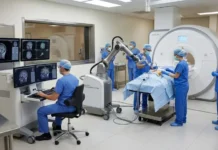
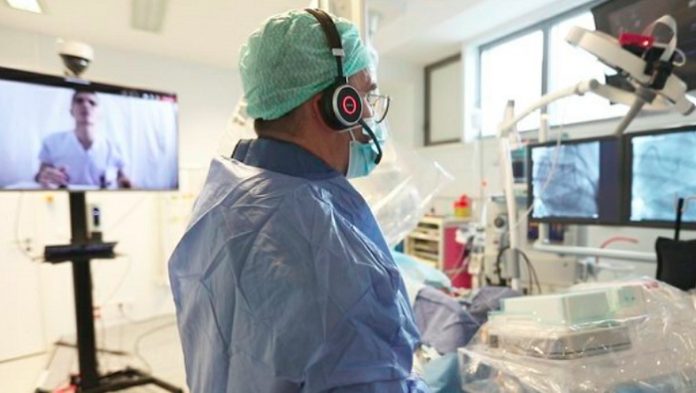
Robocath, a company that designs, develops and commercializes cardiovascular robotic systems for the treatment of vascular diseases, today announces the successful completion of the first remote robotic-assisted coronary angioplasty in Europe. The procedure was carried out by Prof. Eric Durand and Prof. Rémi Sabatier at the Rouen Medical Training Center and Caen University Hospital in France – spanning 75 miles (120 km) between the two locations. The procedure is the first of its kind in Europe; it was completed with R-One™, Robocath’s first commercial robotic-assisted platform. This unprecedented achievement opens the door to new options for patients who live in remote areas and require swift treatment to successfully treat cardiovascular diseases.

The procedure was carried out on an animal model on December 8, 2020. Consistent communication between Prof. Sabatier – operating in the Caen University Hospital, and Prof. Durand – based at the Medical Training Center in Rouen, was secured using a variety of tools.

Prof. Rémi Sabatier, Interventional Cardiologist at Caen University Hospital and Associate Professor in Remote Medicine said: “There are still significant disparities in the level of care for cardiovascular diseases depending on where a patient lives. For example, in Europe, 40% of heart attacks are not treated with a coronary angioplasty, even when this is clearly a better option for the patient than fibrinolytic therapy. This is essentially because it takes too long to get to an interventional cardiology center (1). This pioneering robotic procedure, the first in Europe carried out at a distance of over 70 miles, could eventually improve patient care in case of serious cardiac events such as heart attacks and strokes, and save lives. Aside from the technical achievement, it’s been a privilege for me personally to be involved in this first intervention. The equipment provided by Robocath meant that I was perfectly able to communicate with my colleagues in Rouen without a hitch. Operating my tools remotely felt exactly the same as a standard robotic procedure.”

Prof. Eric Durand, Interventional Cardiologist at Rouen University Hospital said: “I’m delighted to have participated in this landmark operation, which has proven that long-distance robotic procedures can be completed safely and securely by qualified caregivers. There are a number of challenges that still need to be overcome before this can become commonplace within this sector, particularly in relation to the required personnel training and legal liability. Nonetheless, I’m convinced that the future of interventional cardiology is robotic and that this remote connection module will speed up growth in this area.”

Bruno Fournier, CTO at Robocath said: “This successful operation is a great proof-of-concept in a number of technical aspects; it demonstrates that a coronary angioplasty can be completed safely between two distant sites. In the long run, our goal is to provide the user with the same level of performance as with an in-person robotic procedure.”

Lucien Goffart, CEO of Robocath said: “Cardiovascular diseases are currently the number one cause of death worldwide. In part, this is due to a number of circumstances which make it hard to improve treatment, such as geographic, structural and economic factors. Ensuring equality of treatment and access to care – regardless of where one lives, is fundamental. Robotic interventional medicine unquestionably represents a reliable response to these major social challenges. Firstly, robotic procedures make vascular intervention safer for the physician, by providing complete protection from X-rays; over the last 15 years, X-ray exposure has had a significant effect on the number of qualified people entering this field. People are less available, less willing to train, because of the health conditions caused by wearing lead equipment. This has resulted in a growing shortage of qualified medical staff. Secondly, remote robotic interventions will provide patients with rapid access to the best treatment by experts, who can operate from a specialist center on a patient located at a smaller ER.”

Philippe Bencteux, President and Founder of Robocath said: “When I founded this company, almost ten years ago, my ambition was to develop robotic solutions for remote treatment in order to improve care for patients suffering from serious heart conditions such as strokes, heart attacks and hemorrhagic shocks. This telerobotic intervention represents a major triumph for public health. It will clear the way for better treatment for a significant majority of the population – who have not had access to it before. Almost twenty years after the first surgery was carried out between two different locations: New York and Strasbourg, I am particularly proud that Robocath has achieved this ‘first’ in remote vascular intervention. It is a key step in developing the field and will soon lead to a new global era in interventional treatment.”

Prime Minister Launches pan India rollout of COVID-19 vaccination drive

Johnson & Johnson to test single-shot coronavirus vaccine on 60,000 people in phase-3 trials

The Prime Minister, Narendra Modi launched the pan India rollout of Covid-19 vaccination drive via video conferencing.  This is the world’s largest vaccination program covering the entire length and breadth of the country. A total of 3,006 session sites across all States and UTs were virtually connected during the launch.

The Prime Minister started his speech by paying compliments to the scientists who were associated with the development of the vaccines. He said, usually it takes years to prepare a vaccine but here, in such a short time, not one but two made-in-India vaccine were launched. The Prime Minister cautioned the people to be careful about not missing taking two doses.

He said that there will be a gap of one month between the doses. He asked people to keep their guards up even after taking the vaccine as only two weeks after taking the second dose, human body will develop necessary immunity against corona.

The Prime Minister put the unprecedented scale of the vaccination drive in perspective by informing that, in the first round itself, 3 crore people, which is more than population of at least 100 countries of the world, are being vaccinated.

He said that this needs to be taken up to 30 crores in the second round when elderly and people with serious co-morbidities will be vaccinated. He said that there are only three countries- India, USA and China, who have the population of more than 30 crore.

The Prime Minister asked people not to give heed to rumours and conspiracy theories as Indian vaccine scientists, medical system, Indian process and institutional mechanism in this regard is trusted globally and this trust is earned with a consistent track record.

PM Modi congratulated the country for a united and brave fight against corona. He termed the Indian response to corona as one of self-confidence and self-reliance. He noted a determination of not to let the confidence weaken in every Indian. He dwelled at length on the contribution of doctors, nurses, para medical staff, ambulance drivers, ASHA workers, sanitation workers, police and other frontline workers who endangered their lives to save other. Some of them didn’t even return to their homes as they lost their lives in the fight against the virus, noted a solemn Prime Minister.

Recalling the initial days of the crisis, the Prime Minister noted that India showed alertness and took right decisions at the right moments. Two weeks before the first case, which was detected on 30th January 2020, India had formed High-Level Committee. India had started proper surveillance exactly one year ago from today. On 17th January 2020, India issued its first advisory and India was among the first nations to start screening of passengers at the airports.

The Prime Minister congratulated the countrymen to pass the challenge of discipline and patience during the Janata Curfew. He pointed out that the exercise prepared the country psychologically for the lockdown. Morale of the country was kept high with the campaigns like taali-thali and lighting of diya, the Prime Minister added.

Modi also talked about evacuation of Indians stuck abroad. In a time when many countries of the world had left their citizens stranded in China, India evacuated not only the Indians bit citizens of other countries. He recalled sending of entire lab to a country that was finding it difficult to test evacuating Indians.

The Prime Minister said India’s response to the crisis has been acknowledged globally. It was an example of the integrated and unified response from centre, states, local governments, government offices, social bodies who performed efficiently in unison, The Prime Minister concluded.

Mayo Clinic Laboratories and American Hospital Dubai Announce Strategic Partnership

Mayo Clinic Laboratories and American Hospital Dubai announce a strategic partnership aimed at improving advanced laboratory diagnostics in the Dubai region. Under the agreement, the two organizations will begin delivering laboratory testing through a collaboration based out of American Hospital Dubai in early 2021.

Sherif Beshara, Group CEO of American Hospital Dubai, commented, “We are excited to build upon the knowledge of Mayo Clinic Laboratories to deliver practice-defining diagnostics in the region.”

“Our goal for this relationship is to offer advanced laboratory testing to better help clinicians answer complex medical questions for their patients,” says William Morice II, M.D., Ph.D., president of Mayo Clinic Laboratories. “Effective laboratory diagnostics is critical to improving patient care, and, by bringing this service straight to the region, we are dramatically reducing test turnaround times.”

Mayo Clinic Laboratories and American Hospital Dubai also will work together to improve access to complex laboratory diagnostics for the region’s providers. By improving access to laboratory testing, health care providers will have the necessary tools to advance patient care.

Dr Paul Aoun, Head of Endocrinology and Director of the Mayo Clinic Liaison at the American Hospital Dubai, said, “The essence of this partnership is in line with the ‘union of forces’ spirit for the betterment of patients. This milestone achievement will help integrate the best available advancements in clinical diagnostics for the ultimate goal of improving patient care.”

“Laboratory medicine is an essential foundation for patient care, and without it, providers are not able to provide their patients with accurate and timely answers. Both our organizations are dedicated to building this foundation for the patients in the region,” says Mohamed Salama, M.D., chief medical officer for Mayo Clinic Laboratories.

Under the agreement, testing will be performed either at American Hospital Dubai or a Mayo Clinic Laboratories facility.

InterSystems IRIS for Health Selected by Konica Minolta Japan for Rapid FHIR-Based Data Integration for Imaging Devices

InterSystems Named a Leader in 2019 Gartner Magic Quadrant for Operational Database Management Systems

InterSystems, a creative data technology provider dedicated to helping customers solve the most critical scalability, interoperability, and speed problems, announced that InterSystems IRIS for Health™ – the world’s first and only data platform developed specifically for extracting value from medical data – was selected by Konica Minolta Japan as the underlying technology for its new software systems that enable the Japanese tech giant’s devices to rapidly integrate patient data with other hospital systems.

Utilizing the HL7® FHIR® standard, the software supports the automated connection, visualization and use of medical data between Konica Minolta Japan’s devices and other hospital systems such as the electronic medical record (EMR). InterSystems IRIS for Health is the world’s first and only data platform specifically engineered to extract value from healthcare data. On this platform, developers can create and scale healthcare applications with tools that are uniquely designed to meet the current and future needs of modern healthcare.

Konica Minolta Japan is a mission-driven digital company offering a wide range of solutions spanning different markets. Within healthcare, the company provides diagnostic imaging and ultrasound systems, as well as solutions for centralized management and utilization of medical records for medical facilities, including filing, and document systems.

Under this agreement, InterSystems will provide IRIS for Health to Konica Minolta Japan to help their new system development that supports the automated connection, visualization and use of all medical data typically found scattered across various systems including electronic health records, diagnostic imaging, laboratory, document systems and more. Through this partnership, InterSystems supports Konica Minolta Japan’s aims to contribute to improved patient care quality and safety, in addition to efficiency gains.

“We are very pleased that InterSystems IRIS for Health’s HL7®FHIR® capability, the new standard for medical information exchange, and its ability to process medical data at high speed, have been highly regarded by Konica Minolta Japan and they’ve chosen InterSystems IRIS for Health as the core technology of their healthcare system development,” said Masane Hayashi, country manager for InterSystems in Japan. “Through the interoperability of FHIR and our support for the development of new systems that process and analyze vast amounts of medical information at high speed, we are pleased to help that the necessary information be delivered to the healthcare professionals who need it and to contribute in reducing alert fatigue among healthcare professionals, which is becoming an increasing social problem.”

About InterSystems
Established in 1978, InterSystems is the leading provider of technology for extremely critical data in the healthcare, finance, and manufacturing and supply chain sectors. Its cloud-first data platforms solve interoperability, speed, and scalability problems for large organizations around the globe. InterSystems also develops and supports unique managed services for hospital EMRs, unified care records for communities and nations, and laboratory information management systems. InterSystems is committed to excellence through its award-winning, 24×7 support for customers and partners in more than 80 countries. Privately held and headquartered in Cambridge, Massachusetts, InterSystems has 25 offices worldwide.

Five Productivity Best Practices Maximize Staffing Efficiency, Reduce Costs and Improve Patient Care

Five Productivity Best Practices Maximize Staffing Efficiency, Reduce Costs and Improve Patient Care

For every hospital, large or small, a skilled staff is perhaps the most valuable asset – even in more normal times. There is no question that hospitals face increasing costs and tighter margins every year, regardless of a global pandemic. This year is no exception, bringing with it a unique set of staffing challenges.

In the wake of the COVID-19 pandemic, high turnover rates and an increased number of hospital staff leaving in search of higher pay have plagued hospitals nationwide. In an effort to keep valuable employees, hospital executives have taken drastic measures, such as offering larger bonuses and hazard pay. To compensate for staffing shortages, more hospitals have turned to hiring contract workers or filled gaps with new graduates who are required to work with a preceptor during their first few months on the job.

With so many variables at play, it’s more important than ever for hospitals to proactively track and manage staffing levels to maximize productivity. The Community Hospital Corporation team has identified several best practices for implementing a new productivity program or enhancing productivity practices already in place at community hospitals.

Five Productivity Best Practices for Community Hospitals

Keep patient care front and center. With all productivity initiatives, it’s important to emphasize that patient care comes first. Many times, the most efficient care is also best for the patient. For example, including overlapping shift-change transition and communication time in the schedule helps staff transition care safely and efficiently without incurring overtime.

Gain consensus with communication. Because staffing more efficiently may result in fewer staff members per shift, it’s vital that department managers are committed to the initiative so they can properly educate and motivate staff. When managers understand that monitoring productivity allows the hospital to staff appropriately based on patient volumes. They can help staff members understand that the hospital must carefully manage resources to support the hospital’s mission, prevent future layoffs and remain sustainable for the future.

Track and review on a timely basis. Departments and hospitals with the most efficient staffing monitor data the most frequently. Some of the best success stories at CHC hospitals involve implementing data checking at shift change and making corrections in real time. These hospitals have made great improvements, and the process has also helped bolster team morale. That’s because the staff sees their individual contribution to improving the hospital. At a minimum, monitoring key statistics such as orientation and education time, overtime and contract labor percentage on a bi-weekly basis allows for relatively quick corrections to any emerging issues.

Double check data. Because productivity reports are only as good as the information they analyze, it’s vital to ensure data integrity. For example, managers must ensure employees clock into the correct department, especially if they float from one department to another. Another key data point to check is patient volume, which must be entered daily and monitored for accuracy by managers.

Take advantage of Web-based software. A unified, all-in-one electronic platform is the best way to handle the evolving staffing challenges community hospitals face today. Labor management software can help with enterprise-level planning, hiring and scheduling, as well as labor functionality—all on a single dashboard. With such a platform in place, care providers and administrators alike have access to a bird’s eye view of their operations, so they have a better idea of how their most valuable resource, their personnel, is being allocated.

Productivity tools also give workforce managers greater visibility into what’s going on throughout the facility and the flexibility to adjust staffing levels to meet changing needs in real-time. Features such as productivity snapshots help executives compare daily staffing to census levels and use different units of service throughout a hospital.

With this kind of data available, schedules and shift changes can be communicated to staff members well in advance. There are also more strategic impacts on workforce performance. By providing staff with more advance notice about schedules and shift changes, hospitals can build more trust and promote higher engagement, satisfaction, and retention.

Looking ahead to the future

Although a productivity tool cannot solve all staffing challenges overnight, it holds promise for making key improvements that will have a long-lasting effect. As we look ahead to what the future holds for community hospitals, one thing remains clear: Hospital staff and administrators will have to remain flexible and be open to new technologies as the healthcare landscape continues to shift and evolve. Amid these challenging times, it’s more important than ever to take advantage of helpful technology to increase staff productivity while never losing sight of the ultimate goal – providing excellent patient care.

To learn more, read about CHC Productivity Services https://communityhospitalcorp.com/services/financial-improvement/productivity-management/

What You Should Know About Your Dental Health And How It Can Change

The best outfit you can wear is your smile. Not only does good teeth make you look impressive when you speak or open your mouth, it reflects hygiene.

What is Dental Health?

Dental health is the overall well-being of your teeth, gums, and mouth. The upkeep of your teeth goes beyond fixing their alignment or brushing regularly. It includes preventing complications that arise from poor oral health. Pay attention to your oral condition so you could spot budding infections or diseases that may result in teeth loss and gum inflammation, and recession.

Factors That Can Influence Dental Health

Poor oral hygiene, illness, or accidents are the primary causes of teeth damage. Your age and habits also play a role.

Consistent oral care is needed to address any dental issues you may have and identify any potential problems before they occur. You will immediately detect common dental woes such as cavity build-up or teeth sensitivity and deal with them accordingly.

Nowadays, various procedures that restore the teeth’s natural appearance are available, such as restorative and cosmetic dentistry and orthodontics, such as implanting veneers, crowns, and dental implants to dentures.

Dental Solutions

People who have crooked or misaligned teeth will need braces or retainers to fix their upper or lower jaw alignment while young.

Meanwhile, some of those without dental problems in their youth may experience teeth and gums issues as they age, such as natural loss of bone mass, receding gums due to infectious diseases, or natural erosion of soft tissues around the mouth.

Teeth will also wear down and get shorter while nerve sensitivity will diminish, keeping you from being alerted of oral problems at an early stage.

Thankfully, some treatments help fix all kinds of damages and bring back your teeth’s original appearance. It can range from minor retouches to complete replacements. Here are dental solutions:

  • Implants- These are prosthetic teeth that replace the roots of a lost tooth and support neighboring teeth. It is the best solution for those with one or two damaged or missing teeth. It requires little to no changes in the overall oral routine since aftercare for implants is generally the same for teeth.
  • Complete Dentures- This is a full-coverage replacement for either the entire upper or lower set of teeth. Those who no longer have any healthy teeth on either mandible opt for complete dentures. A complete denture is sculpted based on the gum’s natural arch and remaining tissue to enable proper attachment when worn.
  • Partial Dentures- It is for replacing a few teeth.
  • Veneers- These are thin custom-made porcelain shells attached in front of an existing tooth to cover discoloration, chipped or worn-down teeth, as well as fill in any small gaps between the teeth.
  • Crowns- Made of porcelain, crowns cover the entire surface of teeth, usually after a root canal operation. Crowns are natural-looking teeth replacements that will eventually bond with the surface of the natural tooth over time.

Common Dental Problems

There are common dental problems that may result in partial or complete damage to the teeth and gums. These problems can develop anytime, especially without proper oral hygiene.

  • Cavities

These are teeth holes caused by plaque formation that leads to an erosion of the outer coating and the surrounding connective tissues. Cavities occur when food, acid, or bacteria forms a coat around your teeth, leading to plaque formation. When left untreated, the plaque will erode the teeth.

  • Gum Disease

Plaque build-up can lead to the bleeding and swelling of gums. If disregarded, the condition could worsen to periodontitis, which causes gum inflammation that may lead to teeth loss.

  • Broken Teeth

Putting too much pressure on the teeth, such as teeth grinding or biting dense objects can break or crack the teeth.

  • Teeth Sensitivity

Caused by broken or chipped teeth or thin enamels, teeth sensitivity is characterized by discomfort or pain when in contact with cold or heat.

Remedies for Dental Problems

Several treatments can help address existing dental problems or prevent possible ones from emerging in the future.

  • Cleaning

A regular visit to the dentist for oral cleaning will help eliminate plaque and tartar in hard-to-reach places.

  • Root Canal

This treatment is necessary when tooth decay has reached the nerves of the tooth. The nerve and pulp inside the affected area are removed and cleaned to prevent the spread of decay. If decay is left unattended, the tooth and gums can become infected and severely damaged.

  • Antibiotic Treatment

Antibiotics are supplementary treatment after a root canal procedure or gum infections to avoid infections.

How To Maintain Good Oral Hygiene?

Proper oral hygiene is essential to the upkeep of your teeth and gums. It starts with regularly the teeth.

  • Floss After Brushing

Flossing removes food particles stuck in between your teeth that remain after brushing. Food build-up on your teeth can lead to cavities, which is why thorough cleaning is necessary.

  • Avoid Smoking

Smoking can trigger bacterial formation in your mouth, which can result in damaged teeth and inflamed gums. Furthermore, the nicotine and tar in tobacco can cause teeth discoloration and gum deterioration.

  • Practice Healthy Eating Habits

Consumption of healthy foods is beneficial for overall health, including oral health. Vitamin-rich foods help prevent infections from forming while keeping your teeth and gums strong. Healthy eating habits include vigilance on the intake of sugar to limit plaque formation around the teeth.

  • Regular Dental Visits

Visiting a dentist for professional cleaning and check-up at least twice a year to get oral health advice is necessary. The visits enable you to address any dental issues that may be bothering you before it gets worse.

Conclusion

Your dental condition can significantly affect your overall health and quality of life. It plays a vital role in your everyday routine, such as eating, speaking, and how you perceive yourself.

The practice of proper oral hygiene will decrease the risk of dental complications and help preserve your teeth.

Translate »