










Close
Digital Health & Ai Innovation summit 2026
Medical Taiwan 2026

Cityblock Health raises $160m to address healthcare inequities

Cityblock Health raises $160m to address healthcare inequities

Cityblock Health, a tech-focused healthcare provider for low income communities in the US, has raised $160 million in its Series C funding round, to grow their footprint and continue to improve access to healthcare and outcomes for marginalised communities.

The investment round brings Cityblock’s total equity funding to $300 million. The new funding will be used to support Cityblockโ€™s national expansion, to launch new service lines, and to continue investing in its proprietary technology platform, Commons, among other areas. They also aim to build further integrated home-based and virtual care services, MSO capabilities, analytics and contracting software to enable a consistent care model.

Founded in 2017, Cityblock Health partners with community-based organisations to deliver care to Medicaid and lower-income Medicare beneficiaries. This includes medical care, behavioral health, and social services; delivered virtually, at home, and in community-based clinics.

Their model reflects their philosophy that improving health outcomes and minimising systemic healthcare inequities requires addressing fundamental issues such as poverty, having access to nutritious food, and the ability for someone to safely care for themselves and others.

Technology is at the core of Cityblock’s model, with custom-built tools supporting care team operations and patient interactions with clinicians. For instance, patients can speak to care providers via video consultations, and via a mobile app.

The company’s care teams include doctors, nurses, advanced practice clinicians, behavioral health specialists, licensed clinical social workers, and community health partners. They also work closely with existing healthcare providers and social services organisations.

Cityblock currently serves 70,000 members in New York, Connecticut, Massachusetts, and Washington, DC. The company says that over the past year, Cityblock members have seen reductions in hospital admission rates and improvements in quality outcomes, driving down costs across the board, while more than doubling membership and revenue, year-over-year.

Andy Slavitt, former Acting Administrator of the Centers for Medicare and Medicaid Services and Cityblock Health board member, has been vocal in the media about the impacts of the pandemic. Commenting on the new investment, he said: โ€œThe pandemic is making it abundantly clear that we need to address the deep health inequities in this country.

โ€œWe need a Cityblock in every community that we have ignored for too long and where the odds stack against people to live a healthy life. This investment takes us one step closer to making that a reality.โ€

New Cityblock investor General Catalyst led the funding round, with participation from Wellington Management and support from major existing investors, including Kinnevik AB, Maverick Ventures, Thrive Capital, and Redpoint Ventures among others.

Hemant Taneja, Managing Director at General Catalyst, said: โ€œIn just a few short years, the Cityblock team has shown that if new care delivery models align with the needs of the communities they serve, there is opportunity to measurably improve healthcare outcomes for the most vulnerable among us.

“By building their solutions on a modern technology stack with an orientation towards impact, weโ€™re confident this team has the potential to scale to serve millions of people across the country in new and better ways.โ€


NATHEALTH and Africa Healthcare Federation sign historic agreement at the first-ever India Africa Health Summit on World UHC Day

NHS Digital all set to streamline data sharing between organizations

NATHEALTH-Healthcare Federation of India and Africa Healthcare Federation (AHF) signed a path-breaking Memorandum of Understanding (MoU) to increase healthcare collaboration between the two federations with potential to result in increased investment and business in healthcare between India and Africa.

The agreement signed at the India Africa Health Summit today was witnessed by a galaxy of eminent dignitaries representing medical and healthcare sectors, Government, academia and development agencies. The MoU identifies specific areas of partnership such as sustainable and medical value travel, infrastructure development for hospitals and diagnostics, training and research, skill transfer and artificial intelligence and manufacturing. The main objective of this agreement is to find solutions to the barriers of access to quality healthcare, building essential infrastructure for patients, harness technology, address the shortage of skilled workforce and medical professionals and ways to improve patient outcomes.

The Summit theme, โ€œFostering South-South Collaboration between the Healthcare Federations of India and Africa to achieve Universal Health Coverageโ€ sends out an important message that collaboration is central to realizing the goal of UHC and it is important that key stakeholders work together to build bridges across sectors and drive new initiatives to fix infrastructural gaps, improve health access and outcomes. As one of the first steps following the signing of the agreement, both federations will establish task forces over the next year that will work closely to further this partnership. Both AHF and NATHEALTH will bring together industry support behind this to make national programs successful while opening the doors for universal healthcare and scale-up of health care accessibility.

Expressing her happiness, Dr. Preetha Reddy, President โ€“ NATHEALTH and Vice Chairperson, Apollo Hospitals, said, โ€œThe partnership between NATHEALTH โ€“ Healthcare Federation of India and Africa Health Federation is a significant step being taken, to create an all-new trajectory in building robust healthcare ecosystems of the future. Undoubtedly, the future of healthcare will be shaped by the actions and decisions that we take today and the path to it, will require us to rise above conventional silos and surge ahead with the power of collaboration, partnerships and innovation. Path breaking cross-country platforms such as this partnership, they will enable exchange of skills, technologies, research, medical education, bridge gaps in our health systems and take us closer to our shared goal of universal health coverage.โ€

Dr. Amit Thakker, President โ€“ AHF and Executive Chairman, Africa Health Business said, โ€œThese extraordinary times united healthcare professionals across the globe and have paved the way for federations across countries to come together and chart a way forward to address some of the long-standing structural gaps. It has also opened doors for collaborative efforts to create mechanisms through which public-private partnership models could be developed seamlessly on a sustainable basis. Effective partnerships are a necessary part of creating successful healthcare systems and allow each player to carry out what they do best while also benefiting from what others do best. It provides the opportunity for win-win situations that make an impact that is greater than the sum of their parts.โ€

Dr Harsh Mahajan, Senior Vice President, NATHEALTH and Founder & Chief Radiologist, Mahajan Imaging and Ms. Clare Omatseye, Vice President, AHF & President, West Africa Private Healthcare Federation who also spoke at the summit, emphasized that the key outcome of this three-year partnership will be setting up task forces to build upon four areas of priority resulting in increased partnerships, PPP projects, technology transfer and investments.

Among the key dignitaries who addressed the audience were – Dr. Harsh Vardhan ji, Honโ€™ble Union Minister for Health and Family Welfare, Science and Technology, Earth Sciences, Government of India & Chairman, WHO Executive Board, H.E. Amira Elfadil, Commissioner for Social Affairs, Africa Union Commission; Shri V. Muraleedharan, Hon Minister of State for External Affairs, Government of India; Hon Dr. Lia Tadesse, Minister of Health, Ethiopia; H.E. (His Excellency) AlemTsehayeWoldemariam, The Dean of African Missions in India, a host of senior Government healthcare officials from India and the African continent, healthcare industry leaders and heads of global multilateral agencies.

The future of healthcare is personalised and contactless

Hull University Teaching Hospitals deploys DXC Technologys Clinical Aide

Ancient civilisations believed that deadly diseases like the plague and cholera were caused by invisible noxious vapours in the air called โ€œmiasmaโ€. Some even suggested that people could become obese from inhaling vapours from food.

The miasma theory held all the way until the late 19th century, when the germ theory of disease was established โ€“ that specific germs, and not invisible vapours, caused diseases.

Today, medical practitioners have much more specific knowledge on illnesses. At DXC Technologyโ€™s Innovation Lab in Singapore, we have been working with health experts to create the next generation of healthcare tools. Hereโ€™s what they might look like.

Monitoring patient history

One of the major challenges doctors face today is to understand the specific ways in which diseases affect each patient. They need to understand the personโ€™s medical history and general patterns that exist for that disease.

This is why weโ€™re building better analytics tools to predict and prescribe medical advice. For instance, weโ€™ve done research to detect heart diseases. The right interventions given even five minutes before a heart attack can help save lives. We can detect heart issues based on historical data together with medical professional help.

For diabetes, continuous monitoring is crucial. We have created an IoT solution that monitors fluctuations and can help take timely action. Data from the devices can be integrated onto a central platform which can send out alerts to nurses and doctors.

Digital assistants

A second revolution is in augmented digital assistants. Often junior doctors are called upon by specialists to do repetitive work like summarising patientsโ€™ medical histories. This places additional pressure on professionals who are already stretched.

We are developing digital humans who can assist doctors and specialists. These software assistants that can scan historical data for patterns and could use recommendation engines to advice specialists on next steps. Meanwhile, doctors can dedicate more time to serve their patients.

Intelligent assistants can also help speed up processes in hospitals. For instance, we have developed a proof of concept for hospital visitors to pass through queues faster. The AI tool uses a patientโ€™s biometric authorisation like facial recognition or a thumbprint to draw up their medical history and direct them to the right place. If a patient has a regular dialysis session scheduled, perhaps they can skip the queue to see a doctor and go straight for their session.

Tackling antibiotic resistance

A third area of our work is in tackling antimicrobial resistance โ€“ a massive public health threat and a priority for hospitals worldwide. Up to 30 per cent of infections in Singaporeโ€™s hospitals are resistant to widely-used antibiotics. Tackling this requires hospitals to gather massive amounts of data to understand how doctors prescribe antibiotics and how patients respond.

We are working with the Singapore General Hospital (SGH) to apply artificial intelligence to the problem and reduce hospital stays, mortality and readmission rates. We built an algorithm from patient data on seven broad-spectrum intravenous antibiotics used to treat pneumonia. We analysed thousands of antibiotic prescriptions to identify potential cases of misuse.

The AI solution has helped teams in SGH become more efficient and will help doctors recommend the best type of treatments. The next phase of this partnership will gather deeper insights across all antibiotics used for pneumonia. Further still, our objective is to help improve prescriptions for all infectious diseases.

Contactless experiences

The need to reduce contact between people in hospitals and other healthcare institutions is quickly becoming obvious. The work in those is at an early stage but shows promising results.

DXC Technology is conducting research that will allow for more contactless interactions with devices. One area of work is in using gestures to interact with screens, rather than touching them or using a mouse.

A further experiment is to see whether we can control devices by just thinking. We are prototyping lights in our lab, for instance, that switch on and off in response to brain signals.

200 years ago, our best explanation for illness was a mysterious vapour. The future of healthcare today looks a lot less murky. Personalised care, digital assistants, contactless experiences and efficient prescriptions are all within reach.

Why Focus On Wearables and Home-based Hospitals

Accessible and affordable healthcare is one of the topics of Healthcare Automation and Digitalization Congress. It will take place on the 27thโ€“ 28th of September, 2021. At the Congress, top-management from healthcare providers and pharmaceutical companies, healthcare professionals, IT managers, and heads from technology companies will discuss the developing ways of the remote access to medical services.

Access to medical care is widely discussed in the healthcare industry. There is no need to place every person to a hospital because most of the patients are able to take care of themselves with the help of the distance consultation and wearable devices. People use mobile soft, watches, trackers, and other wearables to measure vitals, and these technologies help lots of people to analyze their lifestyle in order to prevent health problems. But these technologies are only the tip of the iceberg: there is always a high need in more qualitative devices that can track the vitals and supply the drugs if the patients are not able to visit a hospital at the moment.

The global healthcare market needs to evolve its mechanisms to provide end-users with better solutions. Remote medical technologies will increase the availability of instant help by connecting the outlying regions, facilitating access to the narrow specialists, and reducing the consultation and treatment price. Healthcare digitalization can also affect the mental health level, that is an important matter to every country’s public health policy.

The Congress session dedicated to accessible and affordable healthcare will raise the topics of Telehealth and mHealth, home-based care, micro-hospitals, and digital devices for personal usage. These and many other questions will gather worldwide experts of the health digitalization at the AUTOMA+ Healthcare Edition.

Request the full business program: https://bit.ly/3tNsrnM

Gaslighting: How to Spot It and Recover from Abuse

Gaslighting: How to Spot It and Recover from Abuse

Gaslighting is the act of denying another person’s reality. There are different forms of gaslighting. The main two are denying facts and denying feelings. When you are being gaslighted you often feel as if you are going crazy. You feel as though your perception of reality must be wrong because it doesn’t conform to what you are told about the world around you by someone who is supposed to be trustworthy.

Who Is Most Likely to Gaslight You?

Gaslighting is everywhere, especially these days. You most likely experience some degree of gaslighting in several different aspects of your life. From politicians denying the world we live in and disputing proven facts, to a boss who can’t admit their own mistake, so they try to convince you the error was yours, to a partner who denies or dismisses your emotions as nonsense.

While you can experience gaslighting from any relationship, the most prevalent and most painful gaslighting comes from a romantic partner. Gaslighting is abuse. Blaming the victim and minimizing the abuse is typical for abusers. Gaslighting can be incredibly harmful and can cause a victim severe emotional damage, especially when gaslighting continues over the course of several years.

Making a person feel like they are insane by making them doubt their perceptions of reality has the potential to actually drive that person over the edge. Which is quite often the point.

Signs That Someone Is Gaslighting You

Gaslighting is often used when a person wants to deflect attention from their own behavior or situation and make you feel like you are the one with the problem instead. While there are extreme examples where a person will go out of their way to make you feel like you are insane, going to great lengths to make you feel like your mind has broken from reality, gaslighting is more often reactionary.

When you ask questions about an area in which a gaslighter is sensitive, rather than face the question directly, they will try to convince you that you are imagining things. Another tactic they might use is to steer the narrative away from what you are asking about them, onto a perceived or projected fault of yours so that you won’t inquire further.

If you think that someone may be gaslighting you, here are a few warning signs to be on the lookout for:

  • Are you constantly apologizing?
  • Are you often confused and feel like you are going crazy in your relationship?
  • Do you feel like something is wrong, but you can’t put your finger on it?
  • Do you have trouble understanding why you aren’t happier?
  • Do you wonder about your self worth?
  • Do you frequently ask yourself if you are too sensitive?
  • Do you have trouble making even small decisions?

If you are dealing with many, or all, of these issues, it doesn’t necessarily mean that you are being gaslighted. These are all common symptoms of depression, anxiety, and low self-esteem. However, if you find that you experience these symptoms only in relation to a specific person, they are probably gaslighting you.

Gaslighting Isn’t Always Intentional

Those who gaslight aggressively rather than reflexively know fully what they are doing and are actively abusive. With those who gaslight reflexively, though, it is more of a mixed bag. While many are still aware of what they are doing but continue to do it anyway, others are less self-aware of their actions. For some, it is purely reactionary. They probably faced gaslighting themselves at some point and subconsciously stowed the hateful tool away.

When you are involved in a relationship with someone who is actively working to gaslight you, the best path for you to maintain your mental health is to break off the relationship, whether it is a love interest, a family member, or a work associate.

When the person is not fully cognizant of what they are doing, though, there may be hope to repair the relationship. When you believe that someone is gaslighting you, draw their attention to their behavior and the ways in which it is affecting you. If they acknowledge your feelings on the matter, then you can at least attempt to work through the issue together. Counseling is going to be the best bet to break this toxic behavior.

Mental Health Epidemic

There is a mental health epidemic in the United States that many politicians work to gaslight the public about. They claim that there is no problem when everyone can quite clearly see that a problem exists. When there is a mass shooting, many politicians try to pass it off as a single crazy person who slipped through the system. However, the fact is the system is a large sieve, and most people slip through.

Victims of gaslighting often face a double dose. Not only are they gaslit by someone in their life, but when they try to draw attention to it they are often gaslit by others in society who say that they are overreacting. Gaslighting is real, and it causes real damage.

The Process of Ending Your Dependence On Harmful Substances

The Process of Ending Your Dependence On Harmful Substances

The stigma surrounding substance abuse makes it very difficult to talk about recovery. Drug addiction is not a sign of weakness or poor decisions; itโ€™s simply an escape for individuals who suffer trauma. When a person suffers in silence, theyโ€™re likely to be drawn to substances that alter their state of mind and make it easier to cope with traumatic experiences.

No matter how badly a situation has spiraled, recovery is never out of reach. Sobriety is not a one-time decision; itโ€™s a commitment. Hereโ€™s how to end dependence on harmful substances.

Admit You Have a Problem

As long as youโ€™re in denial about your addiction to a substance, you will never be able to recover fully. The first step to treating addiction of any kind is becoming self-aware that your lifestyle and habits are making your life more difficult. If youโ€™re an alcoholic, look at how dependent youโ€™ve become on drinks to endure your day. The most significant sign of addiction is when one needs a substance just to function. If this is the case, you need to consider either reaching out to your loved ones or seeking professional help.

Go to Rehab

Walking into a rehab facility yourself can be a tough decision, but itโ€™s sometimes the only answer, especially when youโ€™re in too deep. Further, an addiction treatment center has plenty of plans for you to explore. Everything from drug detox, medicating, behavioral counseling, and follow-up is offered to help you succeed on your journey to recovery. Ideally, you should opt for residential treatment, seeing as youโ€™ll be surrounded by an entire community whoโ€™s going through the same thing you are. Although many people view rehab as a dark phase, itโ€™s quite the opposite, and itโ€™s where you can meet and make new friends.

Be Emotionally Prepared

Recovery from addiction is never easy; itโ€™s both emotionally and physically taxing, and it requires intense willpower. Depending on the substance youโ€™re addicted to, relapse can be tempting even after months of sobriety, so make sure you speak with your medical professional about how you can keep yourself motivated. No matter how determined you are now, you should make sure to seek emotional support even when everything is seemingly better for you.

Identify and Avoid Triggers

Addiction can pretty much change the way your brain responds to certain situations even years after recovery; these are known more simply as triggers, and they ease off with time. During and after treatment, those triggers should be avoided at all times. If youโ€™re an alcoholic and parties, tempt you to drink, avoid them at all costs.

Similarly, if you associate a person or a situation with a particular substance, make sure you avoid them. This is why you need to make new friends after your recovery. If your social circle frequently uses a substance that youโ€™ve become addicted to, it would be challenging to spend time with them without getting triggered into relapsing.

The process of ending substance abuse requires strong determination and plenty of emotional support. If you or a loved one have spiraled into addiction, make sure to reach out to your loved ones. The key to recovery is first admitting you have a problem. Itโ€™s almost always necessary to be admitted to a rehabilitation center, where you can be taken care of and provided with the medications, support, and counseling you need.

Microsoft rolls out COVID-19 vaccine management platform as nationwide distribution gets underway

Johnson & Johnson Pauses Covid Vaccine Trial As Participant Falls Ill

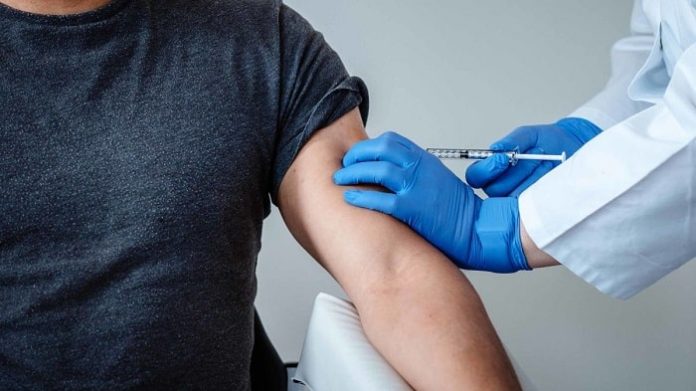
As the first U.S. healthcare workers begin to receive COVID-19 vaccines, Microsoft has launched a vaccine management platform for both government and healthcare customers.

The tech giant is working with business partners including Accenture, Avanade, EY, and Mazik Global to deploy vaccine management solutions that enable registration capabilities for patients and providers, phased scheduling for vaccinations, streamlined reporting, and management dashboarding with analytics and forecasting, Microsoft said.

“To achieve the goal of an efficient, equitable, and safe delivery of the COVID-19 vaccine, close collaboration across agencies and partners will be the key to success,” said David Rhew, chief medical officer and vice president healthcare, worldwide commercial business at Microsoft in a blog post. “It is imperative that implementations be delivered on time and customized to meet the needs of every government and healthcare customer. As much as possible, newly introduced technologies should integrate with existing systems of record to keep workflow changes and costs to a minimum.”

Rhew said the underlying technologies and approach for the vaccine management solutions have been tested and deployed with prior COVID-19 use cases, including contact tracing, COVID-19 testing, and return to work and return to school programs.

“As much as possible, newly introduced technologies should integrate with existing systems of record to keep workflow changes and costs to a minimum,” he said.

Microsoft Consulting Services (MCS) developed an offering, the Vaccination Registration and Administration Solution (VRAS), that enables the tracking and reporting of immunization progress through secure data exchange that utilizes industry standards, such as Health Level Seven (HL7), Fast Healthcare Interoperability Resources (FHIR) and open APIs, he said.

Health providers and pharmacies can monitor and report on the effectiveness of specific vaccine batches, and health administrators can easily summarize the achievement of vaccine deployment goals in large population groups.

Industry partners have leveraged Microsoft’s cloud capabilities and applied APIs, HL7 and FHIR to enable interoperability and integration with existing systems of record, artificial intelligence to generate accurate and geo-specific predictive analytics, and secure communications using Microsoft Teams, the tech giant said.

EY?collaborated with Microsoft to create a vaccine management solution built on multiple Microsoft technologies including Microsoft Azure, Dynamics 365, Power BI, and Power Platform to enable patient-provider engagement, supply chain visibility, and Internet of Things (IoT) real-time monitoring of the vaccines. The companies also developed an integrated COVID-19 data and analytics tool to help healthcare organizations understand the population and geography-specific vaccine uptake.

Another partner, Mazik Global built a solution that enables providers to be able to seek out specific populations based on at-risk criteria to prioritize distribution. Providers also can monitor inventory levels as well as the temperature of the vials to help get the vaccine to patients quickly.

Providence St. Joseph Health has leveraged its technology partnership with Microsoft to quickly roll out new digital health tools to aid in combatting the pandemic. Working with Nuance and Microsoft, Providence is using ambient sensing technology to document patient care. Nuance Dragon Ambient eXperience combines Nuance’s conversational AI technology with Microsoft Azure to securely capture and contextualize every word of the patient encounter โ€“ automatically documenting patient care without taking the physician’s attention off the patient, the health system said.

โ€œGiven the global scale of the pandemic, the role of technology is critical. Itโ€™s key in nearly every facet of addressing COVID-19, from screening and triage, virtual care, accelerated drug and vaccine discovery, data sharing, exposure tracking, return to work & school, and vaccine distribution,” Rhew said.

EKF introduces accurate quantitative COVID-19 antibody test kit

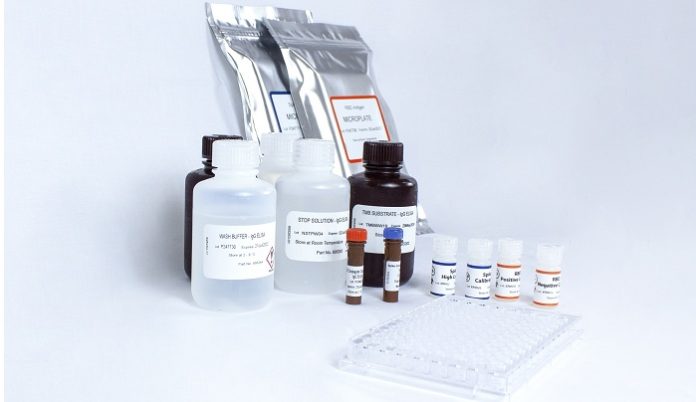
EKF Diagnostics, the global in vitro diagnostics company, announces that it has introduced one of the first tests to precisely measure levels of COVID-19 neutralizing antibodies in individuals. Unlike other antibody tests, the Kantaro COVID-SeroKlir SARS-CoV-2 IgG antibody test kit determines both the presence and specific quantities of human IgG antibodies to the SARS-CoV-2 virus. This enables a broad range of COVID-19 applications, such as delivering vital knowledge for advancing the understanding of protective immunity, assessing vaccine response and accelerating therapeutic treatments.

The high performance quantitative COVID-SeroKlir kit has received FDA Emergency Use Authorization (EUA) and is CE marked. It has demonstrated 98.8% sensitivity and 99.6% specificity for detecting SARS-CoV-2 specific IgG antibodies against two SARS-CoV-2 virus antigens, the full-length spike protein and its receptor-binding domain (RBD). This confirmed accuracy means false positives and false negatives are minimized.

Being a two-step enzyme-linked immunosorbent assay (ELISA), ensures COVID-SeroKlirโ€™s accuracy. The ELISAโ€™s initial plate screens for RBD positive or negative samples, whilst the second plate provides a quantitative result of the antibody titre/concentration for the full-length spike protein. As the kit uses standard methods and equipment, it is easily operated without need for scaled equipment or special environments and contains components to test 630 patient samples.

The best-in-class serologic COVID-19 assay is based on technology developed by clinicians at the Icahn School of Medicine at Mount Sinai Health System in New York in partnership with RenalytixAI, a spinout company from EKF Diagnostics. Here, COVID-SeroKlir has been validated on a highly diverse cohort of more than 75,000 patients, including over 30,000 who were diagnosed with COVID-19; this is more than any other COVID-19 test. In addition, the test has been independently verified by peer reviewed journals, including Nature and Science [1, 2], as well as the U.S. National Institutes of Health (NIH).

The Mount Sinai study also demonstrated that over 90% of infected individuals with mild-to-moderate COVID-19 experience robust IgG antibody responses against the viral spike protein [2]. In addition, these COVID-19 neutralizing antibody levels were confirmed to be relatively stable during the first five months after infection.

Explaining the value of knowing the precise levels of SARS-CoV-2 IgG antibodies, Julian Baines, CEO of EKF, said, โ€œQuantitative IgG antibody testing can provide important support for determining public health strategies, informing healthcare decision making, and verifying the effectiveness of vaccines as they become available. It is also an essential component of a general health check to determine past COVID-19 infections. This is because COVID-19 has been linked with an increased risk of potentially life-threatening complications, including lung, kidney, and cardiovascular disease.โ€

EKF holds exclusive rights to market and distribute the Kantaro COVID-SeroKlir kit in the UK and Germany, and non-exclusive rights in the rest of Europe. Julian Baines added, โ€œWith the capacity to manufacture up to 10 million tests per month, EKF is well placed to drive rapid availability of COVID-SeroKlir kits to a broad range of laboratories for immediate operation without needing specialized testing equipment.โ€

About EKF Diagnostics

EKF is a leading point-of-care diagnostics and central laboratory assay manufacturer with an estimated 80,000 hemoglobin, hematocrit, HbA1c, glucose and lactate analyzers in regular use across more than 100 countries. It specializes in developing tests for use in diabetes and anemia diagnosis and management, as well as providing a portfolio of reagents for use in clinical chemistry analyzers. EKF has also developed a portfolio of unique products that are helping clinicians with the fight against COVID-19.

Point-of-care diagnostics: EKF Diagnostics designs and manufactures world-class diagnostic devices, as well as distributing rapid test kits for infectious diseases and pregnancy. The EKF analyzer range is used widely in GP surgeries, pharmacies, blood banks, sports clinics, hospitals and laboratories for glucose, lactate, hemoglobin, hematocrit and HbA1c measurement.

Central laboratory: EKF, through its wholly owned subsidiary, Stanbio Laboratory (Boerne, Texas, USA), manufactures a comprehensive range of clinical chemistry reagents, as well as associated analyzers. In addition, EKF Life Sciences (Elkhart, Indiana, USA) manufactures enzymes used in reagent development and also provides contract fermentation facilities.

COVID-19 testing: EKF has a unique range of leading COVID-19 testing products. Kantaro COVID-SeroKlir is a leading ELISA-based antibody test that provides a precise measurement of COVID-19 IgG antibodies. PrimeStore MTM is used as a transport media that allows the safe sampling, transportation and testing of swabs.

About Kantaro Biosciences

Kantaro Biosciences is dedicated to ensuring that high-quality diagnostic tests for critical health challenges are accessible. The company provides rigorous, results-driven and reproducible diagnostics to advance the care and well-being of people, communities and society.

Kantaro specializes in the rapid scale-up of groundbreaking diagnostic innovations and the creation of partnerships to bring these crucial technologies to market. It is a joint venture between the Mount Sinai Health System, New York Cityโ€™s largest academic medical system, and RenalytixAI, a developer of in vitro diagnostic solutions for kidney disease and a spinout company from EKF Diagnostics.

Possible Eye Surgeries That Can Improve Your Sight

Possible Eye Surgeries That Can Improve Your Sight

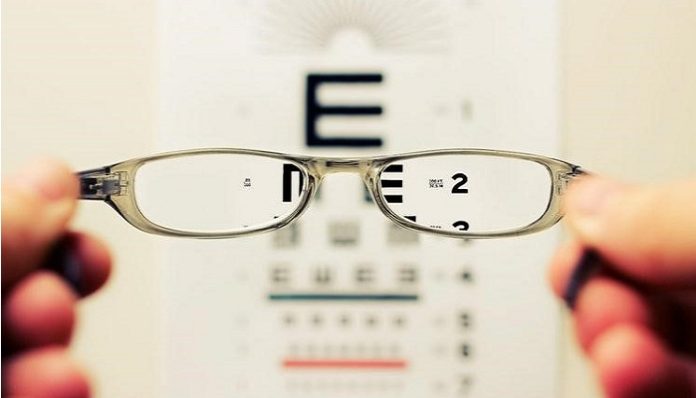
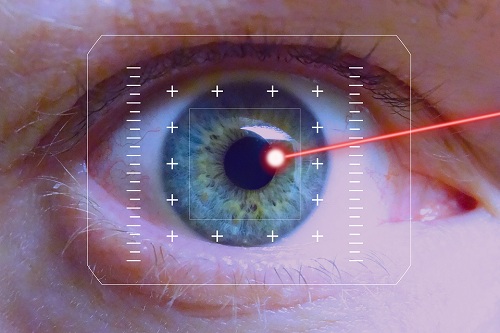
For certain individuals, wearing contacts and glasses can be inconvenient and can have a detrimental impact on their active lifestyles. In a more lasting way, many people want to take care of their vision. Eye surgery can also be a feasible choice if the eyes suffer refractive errors such as nearsightedness, farsightedness, and astigmatism. To boost your eyesight, most refractive surgical operations, usually done by an ophthalmologist, change the curvature of your cornea.

There are several types of operations for vision correction. Most operations work to reshape the cornea so that the retina can be concentrated on light passing through it. The lens of the eye is replaced by other surgery. Not everybody is a good surgery candidate, and your eye doctor will assess your eyes and wellbeing to recommend which of the procedures available could be right for you, as others may fit in laser eye surgery and others not. Here are the various forms of corrective surgery, what they are improving, and how they are performing.

LASIK

LASIK is short for laser-assisted in situ keratomileusis and is the most advanced and most widely performed refractive surgery. For people who want improved vision without having to wear contact lenses or glasses, it’s a process. That’s a surgery that addresses issues with the way your eyes concentrate. To extract tissue under the surface of your cornea, the treatment uses a laser. This makes the cornea reshape. Nearsightedness, farsightedness, or astigmatism can be corrected by LASIK. If you’re considering LASIK, consulting with experienced LASIK surgeons in Manhattan can help ensure the best possible results.

You must usually be in good health, not be pregnant, and have clear eyes with a sufficiently thick cornea to be a good candidate for LASIK. Other LASIK criteria include pupils who are not too large, a prescription for a corrective lens within a certain range, and at least a year of stable vision. LASIK is an outpatient procedure, meaning a hospital stay is not necessary. Both eyes require about 30 minutes to do so. Within a day of surgery, you’ll see progress in your vision, and maybe right away. A day or two of eye discomfort can be encountered.

Lens Replacement Surgery

Cataracts grow over your eye’s lens, leaving it cloudy. This makes it fuzzy and dull for your eyes. As humans age, cataracts are normal. Lens Replacement Surgery, also known as cataract surgery, is now considered as an operation for vision correction. In addition to correcting near sight and farsightedness, new lens implants designed for cataract surgery will partially restore the close vision of a person. These lenses, called multifocal IOLs or accommodating IOLs, are currently being used with positive results by several cataract surgeons. Toric IOLs that correct astigmatism can also be used to further minimize the need for eyeglasses after the removal of cataracts during cataract surgery.

This surgery is an outpatient procedure, as well. Usually, in less than an hour, surgery can correct your eye issue. Your vision will be fuzzy at first, but in a few days, it will improve. As they recover, your eyes can feel uncomfortable and itchy.

Photorefractive Keratectomy

PRK was the first effective laser vision correction technique used to modify the curvature of the cornea by extracting tissue directly from the surface of the eye. Nearsightedness, farsightedness, and astigmatism are all corrected, meaning you don’t need contact lenses or glasses. A laser is used by the doctor to remove cells on the surface of the cornea. Since PRK is a surface operation, surgical flap complications are also not at risk. As happens with LASIK, it does not require forming a small, hinged flap on the surface of the eye. In cases where a person’s cornea may be too thin for LASIK surgery, PRK often tends to be a safer treatment.

In your doctor’s office, you’ll probably have this treatment. The operation for both eyes takes about 10 minutes. Since your doctor works directly on the corneal surface, some of your eyes may get hurt after surgery. For a couple of weeks, you may not be able to drive. The vision of most people improves in four weeks by 80 percent and after 12 weeks by 95 percent.

Refractive Lens Exchange

This is another non-laser treatment for the inner eye. RLE is just like surgery for cataracts. But RLE involves removing a transparent natural lens and replacing it with an artificial lens of a different shape, typically to minimize or remove elevated degrees of farsightedness, instead of removing the natural lens of the eye that has become cloudy due to cataract formation. RLE may also be seen as an alternative to fix other kinds of issues with vision, such as nearsightedness. But, compared with other vision correction treatments, RLE has a greater chance of complications. Usually, RLE is used for these purposes only in cases with serious vision correction needs.

Glaucoma Surgery

Glaucoma results from damage to the optic nerve of the retina. The usual cause is an accumulation of pressure in the eye. Blindness may be caused by glaucoma. Glaucoma can be treated by two forms of surgery. Both help to reduce eye pressure. Glaucoma laser surgery is an outpatient operation, so once it’s over, you can go home. Afterward, you may feel some pain or experience fuzzy vision.

But the next day, you will go back to your normal activities. Conventional glaucoma surgery is the other option. If the laser procedure is not effective, you could need this. This is an outpatient treatment as well. But afterward, your eyes can water or look red. And it’s going to be about a week before you can go back to your normal activities.

Diabetic Retinopathy Surgery

If you have diabetes and your blood sugar isn’t under control, diabetic retinopathy can develop. Blood vessels, like the ones in your eyes, can be impaired by elevated blood sugar levels. This allows fluid and blood to spill through the retina via the blood vessels. One treatment is performed in the doctor’s office for this. A laser can be used by the eye surgeon to decrease swelling in your eye and stimulate new development of blood vessels. The surgery also helps stop leaks in potential blood vessels.

There are complications to all surgery, and those of refractive surgery include eye inflammation and pain, corneal scarring, dry eyes, distorted vision, glare issues, or seeing halos around lights and loss of vision. It’s also likely that your vision can be overcorrected or undercorrected by surgery or that changes do not last. If you are considering eye surgery to fix refractive mistakes, make sure you understand the risks and benefits.

CareStart COVID-19 Antigen test kit using NanoAct launched in the U.S.

CareStart COVID-19 Antigen test kit using NanoAct launched in the U.S.

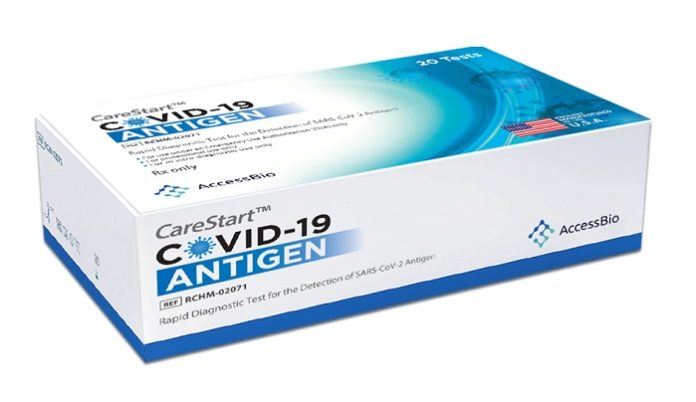
CareStart COVID-19 Antigen test kit developed by Access Bio, Inc., using Asahi Kaseiโ€™s NanoAct cellulose nanobeads, received Emergency Use Authorization (EUA) from the U.S. FDA, and its sale in the U.S. has begun.

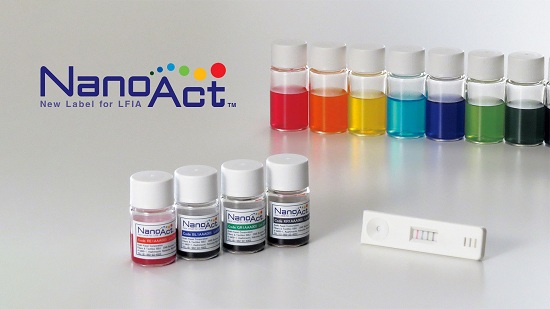
NanoActโ„ข colored cellulose nanobeads were developed by Asahi Kasei by utilizing its core technology of cellulose processing. They are currently used as labels for lateral flow immunochromatographic assays, mainly for influenza.

NanoActโ„ข was adopted by Access Bio, Inc. for use in CareStartโ„ข COVID-19 Ag as it is available in a wide range of colors and enables better visibility of test lines, which improves usability.

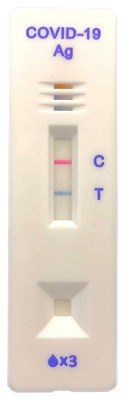
The continuing spread of COVID-19 has raised the importance of rapid screening. Demand for rapid test kits is rising because unlike polymerase chain reaction (PCR) tests, they require no special equipment. Access Bio, Inc., the worldโ€™s leading manufacturer of rapid test kits for malaria, developed CareStartโ„ข COVID-19 Ag to rapidly detect antigens of SARS-CoV-2, the virus which causes COVID-19. Clinical evaluations indicate that CareStartโ„ข COVID-19 Ag provides a sensitivity of 88.4% and specificity of 100%, which is comparable to reverse transcription (RT)-PCR testing. Furthermore, CareStartโ„ข COVID-19 Ag provides results in 10 minutes while PCR generally takes 1 or 2 days. In addition, the availability of NanoActโ„ข in multi-color variation enables different colors to be shown, such as blue for the test line (T) and red for the control line (C), which allows easier judgment as a user-friendly test kit.

CareStartโ„ข COVID-19 Ag has also obtained CE Mark certification, and it is scheduled to be launched in Europe, Southeast Asia, and Africa.

In addition to various diagnostic test kits for COVID-19 and influenza, NanoActโ„ข is also expected to be used in multi-testing kits that enable simultaneous testing for several infectious diseases. Such kits are increasingly being developed by many diagnostic kit manufacturers in the U.S., Europe, and Asia. Asahi Kasei will continue to leverage NanoActโ„ข technology to help prevent the spread of COVID-19 and other infectious diseases.

About the Asahi Kasei Corporation
The Asahi Kasei Corporation is a globally active diversified technology company with operations in the Material, Homes, and Health Care business. The Material division encompasses fibers & textiles, petrochemicals, performance polymers, performance materials, consumables, battery separators, and electronic devices. The Homes division provides housing and construction materials to the Japanese market. The Health Care division includes pharmaceuticals, medical devices, and acute critical care devices and systems. With more than 40,000 employees around the world, the Asahi Kasei Group serves customers in more than 100 countries and achieved sales of 17.6 billion euros (2,151.6 billion yen) in the fiscal year 2019 (April 1, 2019 โ€“ March 31, 2020). Asahi Kasei is Japanโ€™s largest polyamide supplier and is one of only four fully integrated polyamide manufacturers worldwide โ€“ able to produce PA 6.6 completely from monomer to compound.

Translate ยป