












Close
Digital Health & Ai Innovation summit 2026
Medical Taiwan 2026

Hospital Claim Denials Up for Most, Driven by Prior Authorizations

How People Can Benefit From A Community Hospital

Hospitals and health systems are facing a growing volume of claim denials, with private plan prior authorization issues driving the recent increase, according to a new report from the American Hospital Association (AHA).

For the report, AHA surveyed more than 200 hospitals and health systems in 2019 to understand the impacts utilization management practices employed by commercial health plans had on patients and providers. The group also interviewed several hundred hospital and health system executives.

The survey found that 89 percent of hospital and health system respondents have experienced an increase in claim denials over the past three years, and 51 percent of all respondents described the increase as โ€œsignificant.โ€Hospitals and health systems are facing a growing volume of claim denials, with private plan prior authorization issues driving the recent increase, according to a new report from the American Hospital Association (AHA).

For the report, AHA surveyed more than 200 hospitals and health systems in 2019 to understand the impacts utilization management practices employed by commercial health plans had on patients and providers. The group also interviewed several hundred hospital and health system executives.

The survey found that 89 percent of hospital and health system respondents have experienced an increase in claim denials over the past three years, and 51 percent of all respondents described the increase as โ€œsignificant.โ€

Commercial health plans denied claims several different ways, including post-payment audit denials, partial or line-item denials, and downcoding. However, survey respondents highlighted claim denials and reimbursement delays stemming from prior authorizations.

The report stated that failure to obtain a prior authorization was one of the most common reasons for a claim denial from a commercial health plan. In some instances, respondents even reported plans denying claims even though providers could not wait for a planโ€™s response to a prior authorization request because treatment had already begun or a patientโ€™s condition changed during the approved procedure.

Respondents also frequently cited instances of downcoding in which health plans reclassify inpatient claims to observation status, then deny the claims since providers did not request a prior authorization for the observation stay.

These claim denials are only adding to the burden hospitals and health systems face with prior authorizations, AHA stated.

Hospitals are expending significant resources to address prior authorizations, including different submission processes by health plan, changes in prior authorization policies midway through a contract period, and unreasonable or unrelated requests for additional documentation.

One 17-hospital system told the AHA that it spends $11 million annually on complying with health plan prior authorization requests, while a single 355-bed psychiatric facility reported needing 24 full-time staff to deal with the authorizations.

Overall, physicians reported that their offices spend an average of two business days a week managing prior authorization requests, and 89 percent rated the burden of prior authorizations as high or extremely high.

The findings underscore the need for greater oversight of private plan prior authorizations, including submission standardization, the AHA stated in the report.

The hospital group urged federal agencies including CMS and state insurance commissioners to standardize the format for communicating services subject to prior authorizations, the format of prior authorization requests and responses, the timelines for responses (i.e., 72 hours for scheduled, non-urgent care and 24 hours for urgent services), and the appeals process.

Additionally, the group called for health plans to respond to prior authorizations 27/7 and communicate denials fully and completely in writing, not just a verbal response.

But standardizing the prior authorization process and implementing other recommended reforms, like setting thresholds for appropriate levels of prior authorizations and penalizing plans for inappropriate denials, may require states and federal agencies to acquire additional authority, AHA stated.

The group advised policymakers to ensure federal law โ€œnot unduly restrict regulatorsโ€™ abilities to ensure access to care and coverage for patients and fair reimbursement for providers,โ€ the hospital group said.

The recommendations would also be key to helping hospitals and health systems fight the ongoing COVID-19 pandemic.


Tracking Health Information Exchange Gains with eHealth Exchange

NHS Digital all set to streamline data sharing between organizations

Although patient data security and privacy anxieties remain today, federal agencies and healthcare organizations faced a separate set of fears at the turn of the century, when health technology was first being integrated into care.

โ€œThere were definitely some fears,โ€ Jay Nakashima, executive director of eHealth Exchange, said in an interview with EHRIntelligence. โ€œFirst, there was the fear of healthcare data being broadly breached. Then there was the fear of some sort of an entity out of Washington, DC that maintained a central location housing all patient health information.โ€

It was out of those fears the Office of the National Coordinator for Health IT (ONC) and the Nationwide Health Information Network (NHIN) conceived of the eHealth Exchange in 2006 to securely exchange patient health data across the country.

โ€œA federal network means each healthcare organization needed to create and maintain a pipeline to other healthcare organizations within the eHealth Exchange that it wanted to establish a patient data exchange,โ€ he explained.

By 2009, eHealth Exchange first exchanged data between the Veterans Health Administration (VHA) and Kaiser Permanente. Within two more years, the network added 23 participants and by 2012, The Sequoia Project took the reins and fully supported the eHealth Exchange.

Now, the HIE connects to 75 percent of all US hospitals, over 60 regional or state HIEs, and four government agencies. It also connects 120 million patients across the country.

And most recently, eHealth Exchange can boast progress with its new gateway technology that simplifies connectivity for participants through a single streamlined connection.

โ€œFor example, Mayo Clinic has a patient that goes to Stanford in California because they are on vacation or working in the area,โ€ Nakashima explained. โ€œOur job is to create one to five or even 10 direct connections from Mayo Clinic to Stanford Health Care.โ€

READ MORE: eHealth Exchange Inks First Health Information Exchange Vendor

If a health organization creates less than 10 connections, it will not be burdensome or unmanageable for the HIE. However, if a health organization starts to generate hundreds of connections between two health systems, it can become onerous for the HIE and its participants.

โ€œThe eHealth Exchange implemented a centralized technology, called gateway technology,โ€ he continued. โ€œIt’s a single on-ramp or a single connection to the country. Our providers and other healthcare organizations can create one connection to the eHealth Exchange. Then we route their transactions to providers all across the country so they do not have to have a high number of connections.โ€

eHealth Exchange exchanged roughly 550 million clinical documents using this new structure, which is up almost 300 million transactions from the old format dating about a year and a half ago.

โ€œData is flowing much more frequently and our customers aren’t having to spend as much money on creating and maintaining all of those point-to-point connections,โ€ Nakashima said. โ€œThis means they are able to free up significant health IT resources to work on more valuable tasks.โ€

Furthermore, the new structure helps health organizations expand their national footprint and implement innovative capabilities, such as real-time content quality validation and a national record locator service.

The new approach also helps organizations prepare for regulatory changes, including the ONC interoperability rule and the Trust Exchange Framework and Common Agreement (TEFCA).

Looking forward to 2021, Nakashima said he expects to see more โ€œdata pushing,โ€ rather than โ€œdata pullingโ€ from health organizations. This is a more proactive approach to health information exchange, Nakashima explained.

When a patient arrives for her afternoon appointment, her data will already be available at that exact time and place, rather than having to pull the data when the patient arrives at the appointment.

Pulling patient data at the last moment could result in mismatched patient data and potential patient safety issues.

โ€œThe vast majority of our participants query every night,โ€ Nakashima said. โ€œAn organization will say they have over 100 surgeries and 400 appointments the next day and the system will automatically query the night before, or a couple of hours before an appointment or a surgery, to pull that information and have it available in the EHR system for the clinician.โ€

Furthermore, eHealth Exchange participants can also set up push notifications to public health agencies across their respective state and county, and even across the country.

โ€œMost participants have their EHR configured to automatically report when, for example, a patient tests positive for Hepatitis B, to automatically push a report to the county and state public health agencies, and then potentially the [Centers for Disease Control and Prevention] CDC.โ€ Nakashima expects patient data exchange to continue to develop and improve in 2021 and beyond.

Nursing home organizations call for long-term care residents, staff to be first in line for COVID-19 vaccine

Residents of long-term care facilitiesโ€”and the staff that care for themโ€”should be at the very front of the line when COVID-19 vaccine distribution begins, an organization that represents those facilities said.

That includes putting them ahead of others who’ve also been identified as a top priority for vaccinations by a Centers for Disease Control and Prevention panel, such as front-line healthcare workers in other healthcare settings, according to the American Health Care Association and National Center for Assisted Living (AHCA/NCAL).

“Here is just a grim reality: If you look at everybody thatโ€™s in that top tier, there will not be enough vaccine in their first go-around to vaccinate everyone in the top tier,” said Mark Parkinson, president and CEO of AHCA/NCAL, on a call with reporters.

“Everyone in the top tier certainly needs to be vaccinated, and weโ€™re not in any way suggesting that there are healthcare workers in that top tier that shouldnโ€™t be vaccinated. We totally get that,” Parkinson said. “What we are saying is: With the limited supply that is going to be available over the next few weeks, the absolute top of that top tier should be long-term care facility residents and the folks that take care of them.”

Last week, AHCA/NCAL, which represents more than 14,000 nursing homes and assisted living communities across the U.S. that provide care to approximately 5 million people, sent a letter to the National Governors Association with a similar message (PDF). A one-month delay in administering the vaccine at long-term care facilities, they said, could cost the lives of more than 10,000 long-term care residents, they said in the letter.

AHCA/NCAL said it has not heard from any states that do not plan to include long-term care residents among the first to receive access to the vaccine, but lauded New York as a state that has clearly stated long-term care facilities will be first.

“The reason is the realities of the data that just clearly demonstrate if we can do this, if we can get this done in the next 60 days, we can cut the overall COVID death rate by 40% just by getting those initial 4 or 5 million doses out to that very important population,” Parkinson said.

Employees at long-term care facilities have been “to hell and back” over the last eight months as they’ve seen the number of residents dying skyrocket, he said. More than 1,000 long-term care facility employees have died from COVID-19. He expects the early adoption rate of vaccines among employees to be high due to what they’ve witnessed.

“With COVID, weโ€™ve had 100,000โ€”probably more than thatโ€”people die unexpectedly, oftentimes alone, oftentimes without family or the kind of setting we normally create. It has been traumatic for our residents and it’s been traumatic for our staff,” Parkinson said. “They have all seen this, and there is real fear in these buildings among residents that theyโ€™re going to get COVID, among workers that they could get COVID and spread it to their families and theyโ€™ve seen the deaths in these buildings.”

When asked whether long-term care facilities and nursing homes would require employees to receive the vaccination, he said it was not yet clear.

“We donโ€™t right now because we are waiting to see what kind of acceptance rate will be among employees. There are some legal questions about whether there can be a mandated use of a vaccine thatโ€™s under emergency use authorization as opposed to under normal authorization,” Parkinson said. “Our hope is that we get widespread acceptance of the vaccine, but if we donโ€™t, I assure you, our organization as well as individual operators, will be analyzing whether or not they can mandate the vaccine. Weโ€™re just hoping we donโ€™t have to go there.”


PointClickCare Technologies snaps up Collective Medical to span acute and post-acute care market

Post-acute electronic health record (EHR) company PointClickCare Technologies plans to acquire Collective Medical to expand its reach into care coordination across the acute, ambulatory and post-acute markets.

PointClickCare is a cloud-based software provider for the long-term post-acute care and senior living provider markets, and its EHR is used in 70% of U.S. skilled nursing facilities, according to the company.Collective Medical provides a network-enabled platform for real-time cross-continuum care coordination.

With the acquisition of Collective Medical, PointClickCare will solidify its position as a high-growth, cloud-based healthcare software leader, serving a large, diversified customer base of 21,000 providers across the acute, ambulatory, post-acute and payer spectrum, the company said in a press release.

Through the acquisition, PointClickCare and Collective Medical will provide diverse care teams across the continuum of acute, ambulatory and post-acute care with point-of-care access to real-time patient insights at any stage of a patientโ€™s healthcare journey, enabling better decision-making and improved clinical outcomes at lower cost.

The acquisition is subject to receiving regulatory approvals and other customary closing conditions and is expected to be completed by the end of December.


“The healthcare ecosystem is a mix of disconnected providers, systems, plans, processes, and data. Healthcare costs and risk are on the rise, while patient care and provider-to-provider coordination are inconsistent. Our mission is to improve the lives of seniors, and we believe the best way to meaningfully advance this goal is by connecting disparate points of care,โ€ said Mike Wessinger, founder and CEO of PointClickCare Technologies, in a statement.

โ€œCollective Medical offers the right fit of people and technology and together we will initiate a new era of data-enriched collaboration across the continuum that radically transforms how data and people are empowered to liberate health,” he said.

PointClickCare also has expanded its reach into the long-term post-acute care market with the acquisition of QuickMAR, an electronic medication administration platform, in 2019.

PointClickCare supports a network of more than 21,000 skilled nursing facilities, senior living communities and home health agencies. In the U.S., 97% of all hospitals discharge patients to skilled nursing facilities using PointClickCare. Collective Medicalโ€™s platform connects more than 1,300 hospitals, thousands of ambulatory practices and long-term post-acute care providers, as well as accountable care organizations and every national health plan in the country, across a 39-state network.

RELATED: Virginia’s new data-sharing platform could be a peace offering in payer-provider battle to control ED utilization

These providers come together via the Collective platform to support patients suffering from a variety of complex conditions, including substance use disorder, mental and behavioral health issues, and other care needs requiring multiple interventions and transitions across disparate care settings. The combination of PointClickCare and Collective Medical will enable care to be more seamlessly delivered for the most complex (high-cost, high-needs) patients, including the rapidly growing aging population, the companies said.

โ€œThere is near-perfect alignment between Collective Medical and PointClickCare given our shared values and mission to support vulnerable populations,โ€ says Chris Klomp, CEO of Collective Medical.

As the shift to value-based care fuels growing market demand for intelligence and collaboration tools, PointClickCare will be better positioned to provide a fully integrated set of real-time care coordination tools across the entire continuum of care, powered by the largest network of its kind in the U.S.

The acquisition will follow a partnership, created between the companies in August 2019, which streamlined the integration of Collective Medicalโ€™s solution for care transitions with PointClickCareโ€™s leading cloud-based software platform.

CommonHealth App Connects to 230 Health Systems to Share Health Data – including COVID Test and Vaccine Status

CommonHealth App Connects to 230 Health Systems to Share Health Data - including COVID Test and Vaccine Status

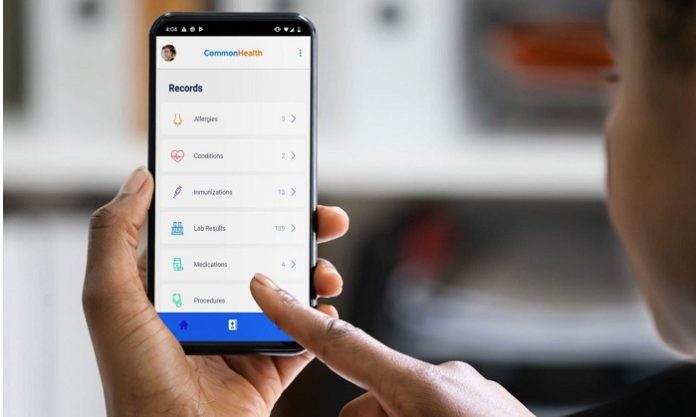
The Commons Project, a nonprofit public trust established to build digital platforms and services for the public good, announced that the CommonHealth app has now connected to 230 health systems in the United States, allowing patients using those health systems to gather, manage and share personal health information โ€“ including COVID test and vaccine status โ€“ on Android devices for free. CommonHealth enables broader and more equitable participation in remote consultations with doctors, telemedicine, innovative care models, next-generation health services, and research.

CommonHealth App Development Background

Developed in collaboration with UCSF, Cornell Tech, and Sage Bionetworks with a team of clinicians, public health experts, technologists, scientists and privacy advocates, CommonHealth is operated by The Commons Project. CommonHealth was first deployed at UCSF Health and underwent substantial testing and user experience research in multiple diverse populations in San Francisco. CommonHealth is the first and only platform designed to allow users of the Android operating system to collect and manage their health data on their mobile devices in a similar way that Apple Health Record operates on iOS.

Already integrated with LabCorp, which operates one of the largest clinical laboratory networks in the world, CommonHealth allows individuals to store their COVID test results and vaccination status, in addition to any health record. CommonHealth plans to integrate with an additional 110 health systems in December, connecting to more than 340 health systems before the year ends.

Earlier this year, the Center for Medicare and Medicaid (CMS) rolled out new patient health record sharing rules that will require hospitals and physician offices to send standardized medical information, such as lab test results, vaccination records, and imaging tests, directly to third-party apps, like CommonHealth, by July 2021.

Managing Telemedicine Risks During the COVID-19 Pandemic

Why Telemedicine is Needed Now, More Than Ever

As more US patients are diagnosed with COVID-19, a number of industry associations have recognized telemedicineโ€”the practice of using technology to deliver healthcare remotelyโ€”as a viable means to give patients access to care and minimize exposure to the disease.

Adoption of virtual care has increased as the pandemic has significantly imperiled the country and the world, becoming a compelling option for triaging, screening, and assessing symptomatic at-risk patients.

Joe Murphy, Chief Operating Officer at Coverys explains, โ€œThe movement toward virtual care has absolutely been driven by the pandemic. Weโ€™ve made more progress, in terms of the adoption of telemedicine in the last six months, than weโ€™ve made in the last six years. Itโ€™s important to know that telemedicine as a highly organized and structured model thatโ€™s been around for a number of years. It was safely designed for a physician to use with recommended protocols, and now with the pandemic the barriers to use telemedicine have been modified or relaxed.โ€

While telemedicine offers many benefits, this nontraditional mode of care delivery can expose the practitioner to liability. Healthcare practitioners and organizations must be careful to develop and implement a telemedicine program that not only provides quality care, but also mitigates risk to patient and practitioner.

โ€œWeโ€™re watching the delivery of care shift to new models in front of our very eyes,โ€ Murphy says. โ€œIt isnโ€™t just the pandemic that is doing this. The movement toward value?based care was already catalyzing new approaches to traditional medicine. As these changes occur, we need ways to look forward to predicting what will happen in the future, to predict risk, to understand these emerging vulnerabilities, and to help providers, practices, and hospitals proactively manage those risks.โ€

The proliferation of telemedicine since the pandemic began has already resulted in significant regulatory changes at the federal, state, facility, and individual provider levels. These changes have been necessary to protect both patients and providers but may result in a greater risk of liability.

Even as telemedicine can give providers a better window into their patientโ€™s health, it opens the door to new liabilities. According to Stephanie Sheps, Vice President of Claims at Coverys, it comes down to care delivery, documentation, and security.

โ€œThe most obvious potential liabilities are the same as those that exist in a traditional in-person treatment settingโ€”failure or delay in diagnosis, as well as the risks posed by failure to follow up, properly document a patient encounter, or refer for more specialized care. Basically, providers’ inability to use all senses to assess a patient creates a greater risk of a missed diagnosis in some medical disciplines,โ€ Sheps says. โ€œIn addition to these risks, providers and facilities face cyber security risks related to those interactions, as well as the failure to address issues regarding patients who may not have access to the proper equipment for telehealth.โ€

Start managing risk now

There are steps healthcare providers and facilities, as well as insurers and defense counsel, can take now to put themselves in a better position to defend these claims in the future. Consider the following key issues when planning, developing, and implementing a telemedicine program:

โ€ข State Laws and Licensure: In a traditional office visit, the patient and the practitioner are in the same state. In a virtual environment, this is not necessarily true. This means that the licensure requirements of multiple states may be relevant. The Interstate Medical Licensure Compact (IMLC) may provide an expedited pathway to licensure for qualified physicians who wish to practice in multiple states. Under this agreement, licensed physicians can qualify to practice medicine across state lines within the Compact if they meet the agreed-upon eligibility requirements. Practitioners should consult with an attorney, as licensing requirements vary add continue to evolve.

โ€ข Technology and equipment: The potential exists for problems with audio and video transmission and/or with computer screen resolution and system incompatibility. It is important to set up suitable resources to manage networks, hardware, and software. Additionally, an equipment malfunction or failure can distort an image or information and lead to inappropriate patient care, exposing a physician and facility to liability. Whenever possible, have a back-up plan that allows patient care in the event of an equipment malfunction.

โ€ข Privacy and security: Virtual telemedicine can make practitioners vulnerable to malware and hacks. Password-protected screensavers, encryption, and other safety measures can help keep information safe, while unsecured devices and systems, such as cellphones, laptops, and email, can result in security weaknesses. Practitioners should adhere to the HIPAA Security Rule as required.

โ€ข Documentation: Complete documentation is essential in healthcare, and this holds true when delivering virtual telemedicine services. Document all verbal, audiovisual, and written communication in the patientโ€™s medical record. Document a virtual encounter at least as thoroughly as any other encounter and observe all medical and legal standards of care.

โ€ข Informed consent: When providing remote care, obtain informed consent. This should include disclosure of information about the telemedicine system, the potential risks and benefits of telemedicine, and equipment and technology limitations. The physician who is ultimately responsible for care should obtain the patientโ€™s oral and written informed consent prior to the telemedicine encounter. Both the patient and the practitioner should agree that telemedicine is appropriate and understand that they have the ability to stop treatment at any time.

โ€ข Guidelines for remote patient monitoring: Currently, practitioners are remotely screening patients for COVID-19 using CDC guidelines, which include asking about a patient’s travel history and exposure to the virus as well as their symptoms. But telemedicine does have limitations. Clinicians may not be able to listen to a patient’s lungs without specialized equipment. Having a plan already in place regarding which conditions practitioners are comfortable treating remotely and which require in-person visits is key. Practitioners should implement a process and plan for when and how to escalate treatment to a face-to-face visit.

Although there is little debate about the value of virtual telemedicine visits to healthcare organizations, practitioners, and the patient community during this unprecedented crisis, taking time to consider key areas of potential exposure is essential to mitigate risk.

Siemens Healthineers and IBM are working together to digitally network the healthcare system in Germany

Siemens Healthineers and IBM Deutschland are introducing an open digital platform that will advance the networking of the German healthcare system and expand the infrastructure for the provision of digital services. Both partners are bringing their experience and expertise together for the project. โ€œThis platform is the enabler for the digital transformation of the healthcare industry and lays the foundation for networking the players,โ€ says Dr. Christian Kaiser, Head of Digital Services Central Western Europe, Siemens Healthineers. โ€œFor example, we can get the full benefit from existing and future digital patient records if the patient information is complete, up to date, and available to all relevant and appropriately authorized parties.โ€

The new platform, โ€œteamplay digital health platform connect,โ€ uses international standards like IHE (Integrating the Healthcare Enterprise) to simplify the secure sharing of patient data between service providers. The technology is already successfully used by Siemens Healthineers in Switzerland (EPD) and Austria (ELGA)1 and the company is now taking the gained experience to Germany.

โ€œThe teamplay digital health platform connect reflects IBMโ€™s strategy of using our technologies to make secure industry platforms possible,โ€ observes Christian Noll, General Manager, IBM Global Business Services (GBS) for the German-speaking countries. โ€œWorking with Siemens Healthineers gives us the foundation for mobile solutions. Patient security and privacy are our top priority. Our services at the Frankfurt data center, which have been internationally certified on numerous occasions (ISO 27001), ensure that only authorized persons have access to this information.โ€

The solution is also designed for third-party products and services. In the future, the platform will be available for third parties to add new, innovative apps and digital solutions and make them available to the healthcare industry. โ€œPatients arenโ€™t interested in the obstacles to healthcare. They need fast solutions. With its structural master plan, UKSH has implemented the architectural infrastructure and digitalization milestones and is now meeting the challenge of networking the treatment processes of all parties. This innovative โ€˜multi-outlet power strip, can contribute to the digital evolution of different providers and applications. The goal is to significantly enhance the effectiveness of the hospital for patients through highly personalized offerings and more time for humane care. The concept, which consists of networking, added value for patients, and an increase in information for physicians and healthcare, can help achieve this,โ€ said Prof. Dr. Jens Scholz, CEO of the University Hospital Schleswig-Holstein, Germany.

โ€œDigitalization is right at the top of the agenda for us at Charitรฉ,โ€ says Professor Heyo K. Kroemer, CEO of Charitรฉ โ€“ Universitรคtsmedizin Berlin. โ€œData-sharing plays a critical role at the regional and also national levels when it comes to research, for example. Weโ€™ve used or tested various platform technologies for this purpose, including the digital platform from Siemens Healthineers. For the digital transformation in the healthcare sector to succeed, such offers are needed, especially if they fit into the context of the Federal Government’s digitalization efforts.

For security reasons, Siemens Healthineers and IBM are splitting the operation of teamplay digital health platform connect between two German-based data centers. Siemens Healthineers maintains the patient register, while IBM holds the document index. The patient register manages patient identification data (demographic data like names and contact details) that participants have communicated to the platform. These registrations are always made with the agreement of the data subject. The principal task of the patient register is to bring together the various data elements associated with an individual from among all the participants and combine them correctly to generate an identity. The documentation index manages administrative details related to the documents that participants contribute to the platform. Here too, new documents can be prepared only with a valid declaration of consent from the data subject. In this case, the documents or data arenโ€™t stored centrally, theyโ€™re retained by the participant contributing the information: the hospital, for example. In other words, no additional digital record solution is created. Each data center is secured using recognized security standards. Splitting the data between two centers means that only part of the data would be compromised in the unlikely event of a hacker attack. Any data potentially harvested would be of no value to the hacker without the matching โ€œsecond half.โ€

The German government intends to drive the digitalization of healthcare during the current parliamentary term. Under the coalition agreement, from 2021 everyone with statutory health insurance must be able to have a digital patient record containing important documents like doctorโ€™s letters, medication plans, emergency data, and proof of vaccinations2. But until now there hasnโ€™t been a platform of this kind based on international standards that networks the various players in the healthcare system. The new platform, โ€œteamplay digital health platform connect,โ€ is intended to make a crucial contribution that will support the governmentโ€™s digitalization initiative in this area.

Siemens Healthineers AG is shaping the future of Healthcare. As a leading medical technology company headquartered in Erlangen, Germany, Siemens Healthineers enables healthcare providers worldwide through its regional companies to increase value by empowering them on their journey towards expanding precision medicine, transforming care delivery, improving the patient experience, and digitalizing healthcare. Siemens Healthineers is continuously developing its product and service portfolio, with AI-supported applications and digital offerings that play an increasingly important role in the next generation of medical technology. These new applications will enhance the companyโ€™s foundation in in-vitro diagnostics, image-guided therapy, and in-vivo diagnostics. Siemens Healthineers also provides a range of services and solutions to enhance healthcare providersโ€™ ability to provide high-quality, efficient care to patients. In fiscal 2020, which ended on September 30, 2020, Siemens Healthineers, which has approximately 54,000 employees worldwide, generated revenue of โ‚ฌ14.5 billion and adjusted EBIT of โ‚ฌ2.2 billion.

What To Do Next Once You’ve Been Diagnosed With Cancer

What To Do Next Once You've Been Diagnosed With Cancer

Cancer is a very serious situation, which is why many people want to know what they should do once theyโ€™ve been diagnosed with this deadly disease. Cancer can have life-changing effects on a personโ€™s life and can cause anxiety and depression. Roles at school, work, and in the family are also affected negatively because of cancer.

Fortunately, with the advent of technology, there are now many ways on how you can detect cancer early on, increasing your chances of survival. Cancer is a dreaded disease but there are machines that can help medical professionals examine your body and assess if cancer cells are growing and multiplying inside. These techs can even identify whether your cancer cells are aggressive and which parts of the body are they damaging.

Once youโ€™re diagnosed with cancer, itโ€™s best if you take on the steps listed below so you can easily manage symptoms and battle cancer:

Consult With A Doctor

As mentioned, cancer is a dreaded disease and you need a medical professional to explain what could happen to your body and what symptoms would you possibly experience after the diagnosis. Consulting with a medical professional is essential because it allows you to look at the bigger picture of cancer and prepare your mind and body for whatโ€™ll happen next. The more informed you are about your condition, the better your chances will be of getting a proper treatment plan.

Moreover, a medical professional can also provide possible treatment options for the kind of cancer you have. Early cancer diagnoses usually mean more treatment options for cancer patients. However, when choosing a cancer treatment, make sure to ask your doctor about the risks and benefits of each treatment option, and your chances of recovery based on each treatment. Each different type of treatment option works differently in terms of the side effects that may occur. ย This information will make it easier for you to choose a treatment option that fits your needs and budget.

You need to have realistic expectations with your doctor after a cancer diagnosis. Your doctor will want to make sure that you understand all your options and are aware of all of the possible side effects and complications associated with your treatments. Any concerns about your condition or treatment should be raised with your doctor right away. Never undergo a cancer treatment unless youโ€™ve fully understood whatโ€™ll happen before, during, and after the treatment.

Ask For Follow-Up Tests

Patients who follow-up regularly are less likely to experience any complications from cancer treatments. They also have more opportunities to avoid complications as theyโ€™re able to monitor their health. Thus, after a cancer diagnosis, itโ€™s important to follow-up on a regular basis for several months to make sure the treatment is working and that the cancer isnโ€™t growing or becoming too rampant.

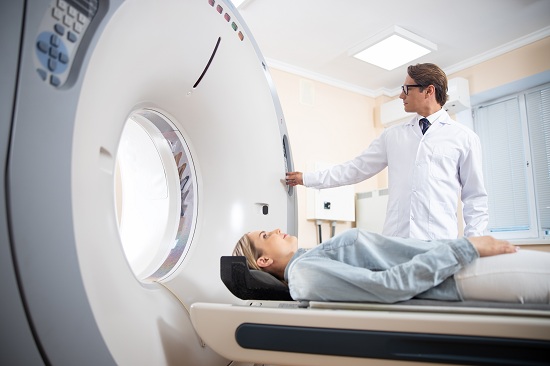
You can also ask your doctor if youโ€™re going to pay for a full body MRI cost or undergo other kinds of tests, such as biopsy and bloodwork, so they can learn more about your cancer and recommend the appropriate treatment option. You can also take the results of these tests to another doctor to get a second opinion before you decide on which treatment option to undergo.

Explore Treatment Options

Many people think that the only option that they have when theyโ€™re diagnosed with cancer is surgery, but this is not always the case as there are many different things that you can do to help improve your quality of life and make sure that you get better.

Here are some treatment options you can opt for after youโ€™ve been diagnosed with cancer:

  • Radiotherapy โ€“ Many people choose to undergo chemotherapy in conjunction with radiotherapy so that they can speed up the recovery time. Radiation therapy is another type of treatment thatโ€™s used to treat many different types of cancer. This treatment option uses high doses of radiation as an attempt to shrink tumors and kill the cancer cells present in the body.If you choose to undergo radiotherapy as your cancer treatment, expect that youโ€™ll be visiting your doctor for months because itโ€™ll take some time before the cancer cells react to this treatment. Once this happens, the cancer cells will be broken down and removed from the body.
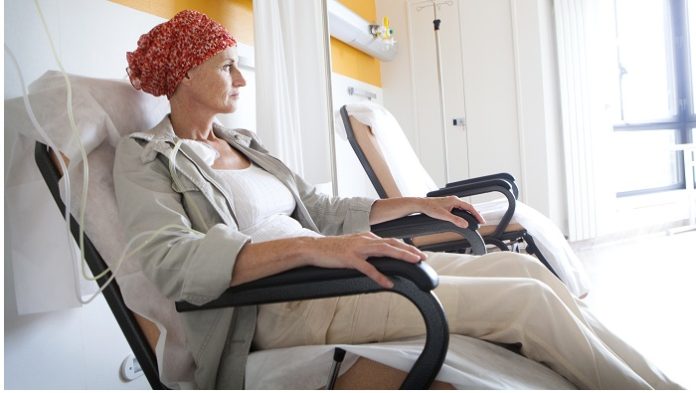
  • Chemotherapy โ€“ This is the main treatment that doctors use for treating cancer. Itโ€™s used to treat cancer cells and is usually taken in the form of a pill, which is known as โ€˜Oral Chemotherapy.โ€™ When the medication is taken, it helps kill off the cells that are causing the problem in the first place.Itโ€™s vital that you know how the medication is taken so that you donโ€™t suffer any side effects. Take note that the amount of time that itโ€™ll take for the drug to be effective will vary.The side effects of chemotherapy depend on the type of drugs that youโ€™ve taken. Usually, the symptoms are nausea, vomiting, loss of appetite, and depression.
  • Surgery โ€“ This is another option if your doctor has recommended it. Although surgery is a serious option, itโ€™s still one often recommended if your doctor feels that the cancer has spread too far.Some surgeries are often combined with other forms of treatment, such as chemotherapy and radiotherapy. The type of surgery you receive will depend on what type of cancer you have, as well as how advanced your cancer is.

Conclusion

Cancer can affect anyone at any time in their lives. Get as much information as possible before choosing the method thatโ€™ll suit your particular circumstances best. It’s important to talk to your doctor and get a proper diagnosis and treatment. This will help prolong your life and treat the cancer properly.

The earlier you get the diagnosis, the better chance you have of stopping the cancer from getting worse. Your doctor will give you the treatment options that you may want. Some people with cancer may choose surgery and radiation, but they may also want to undergo chemotherapy.

Do You Need Medication or Therapy to Treat MDD?

The Most Effective Ways to Treat MDD

Major Depressive Disorder (MDD) is a serious condition which requires an accurate diagnosis and treatment plan. Confirmation of MDD is possible by way of the Diagnostic and Statistical Manual of Mental Disorders (DSM-5), a complete psychiatric evaluation, a physical exam, or laboratory tests. Depression is a broad spectrum mental health condition which can present with multiple features, including peripartum or postpartum depression, seasonal depression, depression characterized by psychotic episodes, depression with related anxiety, depression with the extreme melancholy, and atypical depression, et al.

Major Depressive Disorder treatment options vary between types. For the most part, people with depression generally respond favorably to psychotherapy and medication. A general practitioner (primary care doctor) can prescribe medication to relieve the symptoms of depression. Common medications include selective serotonin reuptake inhibitors (SSRIs) and serotonin norepinephrine reuptake inhibitors (SNRIs). There are other medications available for treating depression including antipsychotics, mood stabilizers, monoamine oxidase inhibitors (MAOIs), and tricyclic antidepressants.

Medications are often associated with side effects, the severity of which will vary from one medication to the next and from patient to patient. SSRIs are generally well tolerated in patients, with minimal side effects. Examples of SSRIs include Prozac, Lexapro, Celexa, Paxil, and Zoloft. SNRIs such as Effexor, Fetzima, and Cymbalta have other side effects such as dizziness, blurred vision, nausea, agitation, constipation/diarrhea, and appetite-related issues. MAOIs such as Parnate, Marplan, and Nardil are usually prescribed when the other medications don’t work. Side effects can be more serious, including dizziness, insomnia, nausea, headaches, drowsiness, and irritation.

Different Types of Therapies for Treating Major Depressive Disorder (MDD)

Whatever medication is prescribed, it is imperative that patients discuss with doctors (primary care doctors or psychiatrists) any complications or difficulties that they experience. Under no circumstances should patients summarily discontinue antidepressant medication without first discussing this with a doctor. Medication is often touted as the best medical approach to treating depression, but it should be seen as one of many options that are now available for treating MDD.

Other treatments include therapy, such as transcranial magnetic stimulation (TMS) which is highly effective when antidepressant medications don’t work. TMS therapy is the latest FDA-approved treatment for MDD. It involves a magnetic coil which is placed near the patientโ€™s forehead, while magnets are strategically positioned to target the areas of the brain which are most likely to benefit from electromagnetic treatment. This is widely regarded as the most effective, non-invasive, non-surgical, non-intrusive, pain-free procedure that is available. A typical TMS treatment regimen requires a 1-hour-long initial visit, followed by 20-30 TMS sessions of 45 minutes, 5 days a week for 4-6 weeks.

Electroconvulsive therapy (ECT) uses electrical currents to pass through the depressed patientโ€™s brain to impact the functionality of the neurotransmitters. This is to alleviate the symptoms of depression, particularly for people who are not responding well to the medication treatments. If a patient is at high risk of suicide or self-harm, ECT is widely recommended. According to Psychiatry.Org, Electroconvulsive Therapy (ECT) is effective for treating patients with bipolar disorder and major depression. This electrical stimulation of the brain has to be performed while the patient is anaesthetized. In attendance are a physician assistant (PA), nurse, anesthesiologist, and a psychiatrist. Statistics show that up to 80% of people treated via ECT experience a marked improvement in depression. While effective as a treatment, ECT is not regarded as a cure for other mental health conditions.

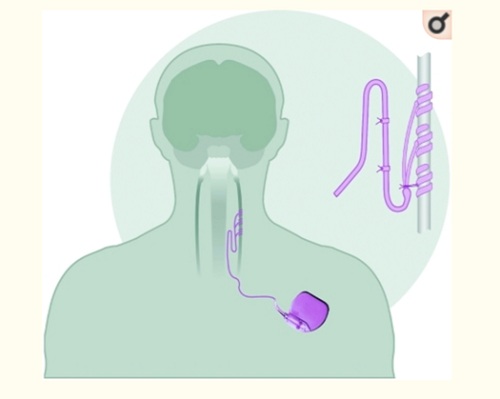
Another treatment option available to patients is โ€˜Vagus Nerve Stimulationโ€™ or ย (VNS). Initially designed for seizures, VNS is also highly effective at treating MDD and related disorders. This surgical procedure requires the implantation of an EPG (Electrical Pulse Generator) under the skin in the chest area. This treatment option provides pulsing electrical stimulation to the vagus nerve. According to NCBI, pulse generators in the chest wall and electrodes attached to the vagus nerve in the neck is an adjunctive treatment for โ€˜chronic and recurrent depressionโ€™. Neuromodulation is now coming into its own as a generally accepted therapeutic field for psychiatric treatment.

Solidarity HealthShare and Cancer Treatment Centers of America Announce Partnership to Offer Cost-Effective Cancer Care

   Increasing Education on Prone Positioning Could Increase Use Among Those Caring for COVID-19 Patients

Solidarity HealthShare (SHS), a non-profit, affordable, ethical healthcare sharing ministry alternative to traditional health insurance has partnered with Cancer Treatment Centers of Americaยฎ (CTCA) to provide its members access to world-class affordable cancer care.

“The addition of CTCA as a preferred Oncology Provider will give our members national access to unparalleled cancer care at a significantly reduced price. Both organizations share the passion and value of offering exceptional care that is effective and affordable,” said SHS President, Chris Faddis.

CTCA is a national oncology network of hospitals and outpatient care centers offering an integrated approach that combines surgery, radiation, chemotherapy, immunotherapy, and advancements in precision medicine with supportive therapies to manage side effects and enhance the quality of life during treatment and into survivorship.

“As a nationally accredited and recognized leader in quality and patient satisfaction, CTCA is proud to partner with forward-thinking organizations like Solidarity HealthShare as its preferred oncology provider to ensure its members have direct access to our world-renowned model of care delivered in a cost-effective manner,” said CTCA Chief Strategy Officer, Linde Finsrud Wilson.

With this partnership, our members have direct access to high-quality cancer care at fair and just rates across the nation. Their dedicated patient advocates stand ready to assist any of our members should they find themselves needing CTCA’s services,” said SHS’s Chief Medical Officer, Dr. John Oertle.

“CTCA will allow our members unprecedented access to world class cancer care at affordable costs. This relationship will provide our members with more healthcare options while decreasing medical expenses,” said SHS CEO, Bradley L. Hahn.

Solidarity HealthShare is a Christian healthcare sharing ministry that offers its members an affordable and ethical way to pay for healthcare. Based on the social and moral doctrine of the Catholic Church, we protect our members’ well-formed consciences by sharing in the costs of life-affirming healthcare, and by refusing to participate in unethical medical practices. Our mission is to restore and rebuild an authentic culture that promotes the sanctity of all human life, while facilitating the sharing of our members’ medical expenses.

Translate ยป