










Close
Digital Health & Ai Innovation summit 2026
Medical Taiwan 2026

Sciessent’s Agion Antimicrobial Achieves 99.99% Inactivation of SARS-CoV-2, the Virus that Causes COVID-19, in Lab Testing of Medical Textiles

Sciessent's Agion Antimicrobial Achieves 99.99% Inactivation of SARS-CoV-2

Sciessent announced that its Agion antimicrobial completely inactivated SARS-CoV-2, the virus that causes COVID-19, in a lab test conducted on Agion-treated medical textiles. Not only was Agion 99.99 percent effective (4-log reduction) in inactivating SARS-CoV-2 in five minutes on newly treated medical textiles, this efficacy was maintained even after 20 launderings of the textiles.

This research was conducted in accordance with ISO 18184 protocols, which require the controls to exhibit high levels of the pathogen tested (less than 1-log reduction) throughout the course of the study. In studies of other antimicrobial brands, the controls exhibited as much as 99.9 percent reduction of SARS-CoV-2, which according to ISO standards invalidates the results.

Conversely, the control medical textiles that were tested in Sciessentโ€™s study maintained high levels of the SARS-CoV-2 virus after five minutes, while no live virus could be detected on the textiles treated with Agion after the same time period.

The Agion๏ƒ’ antimicrobial can be applied to knit or woven medical textiles as a finish, as was tested in this study, or incorporated into the polymer itself for non-woven textiles (melt blown process). Paul C. Ford, CEO of Sciessent, says this latest research is a significant win for manufacturers of U.S. Food and Drug Administration (FDA) regulated medical textiles treated with Agion๏ƒ’.

โ€œWe have conducted numerous studies on the effectiveness of Agion๏ƒ’ against other coronaviruses but this is the first showing high efficacy against SARS-CoV-2 in washed fabrics,โ€ said Ford. โ€œDemonstrating rapid effectiveness and near complete deactivation of SARS-CoV-2, along with wash durability, opens the door for manufacturers of FDA-regulated medical textile products to use Agion๏ƒ’ in more applications, including N95 respirator masks, gowns and other personal protective equipment (PPE).โ€

The Agionยฎ Antimicrobial is presently registered by the United States Environmental Protection Agency as a preservative and bacteriostatic agent for use in treated articles under 40 CFR 152.25a. The information presented herein is not intended to support or endorse public health claims for treated articles. The Agion Antimicrobial is also used in medical devices under the Food and Drug Administration; those medical device claims are based on safety and efficacy testing and are limited to those approved by FDA. In the EU, the Agion Antimicrobial is used in medical devices under the Medical Device Directive: those medical device claims are based on
safety and efficacy testing and are limited to those approved by the designated Competent Authorities and/or Notified Bodies.

About Sciessent
Sciessent is a leading provider of customized antimicrobial solutions that enhance the value of customersโ€™ products. Agion antimicrobial solutions from Sciessent have been incorporated into a wide range of healthcare, industrial, and consumer applications, including medical devices such as central venous catheters and IV access ports, drinking water applications like water filters and ice making equipment, and textiles and apparel.


The healthcare technology revolution: AI-assisted doctors

The healthcare technology revolution: AI-assisted doctors

Anxiety about the introduction of automation in the workplace has been well documented. With some estimations stating that, by 2025, machines will be doing half of all work tasks, perhaps concerns are not entirely misplaced.

In healthcare, robotics and machine learning are already having an impact on patient care, providing basic assistance across many clinical facilities โ€“ no doubt a life-saving job. Some may feel that eventually technology โ€“ specifically Artificial Intelligence (AI) โ€“ will progress to a point where it can deliver advanced consultation, without the need for a physician. For others, interaction with a machine to determine a course of treatment will never be able to replicate the personalised consultation with a physician, the latter of which has an unparalleled level of expertise and training.

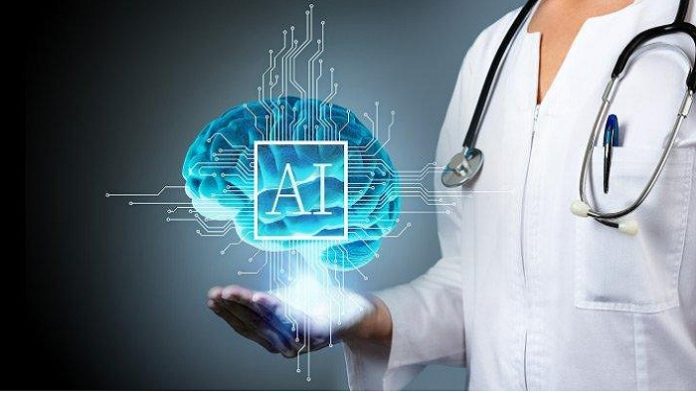
Really, however, AI shouldnโ€™t be viewed as an existential threat to doctors but instead a companion. The two can work harmoniously alongside one another, with AI enhancing knowledge, expertise, and time management. As healthcare organisations across the globe embrace digital technologies to tackle the pandemic, harnessing AI capabilities has the potential to greatly improve patient care.

Adoption of technology in healthcare

Itโ€™s no secret that technology already has a huge presence in healthcare. From wearable devices sharing information on vitals to secure messaging apps for medical professionals, tech is transforming almost every aspect of patient care. In Q3 of 2020, European start-ups raised โ‚ฌ1.6 billion alone, revealing the phenomenal growth of healthtech services.

In 2020, however, the pandemic has shined an unmissable spotlight on the relationship between technology and healthcare. Earlier this year, when healthcare organisations around the world had to cancel routine and non-urgent appointments in order to cope with the demands of the pandemic, the adoption of telemedicine services and e-consultations soared. Virtual appointment services are expected to fundamentally disrupt the healthcare market with telemedicine services expected to grow sevenfold by 2025.

Necessity prevented patients from physically seeing their doctor for minor health complaints, but it brought digitalisation to the forefront of healthcare services around the world. These have been typically slow to innovate, shackled by levels of bureaucracy and complicated procurement processes, which prevented fast innovation and built a barrier to adopting technologies that can improve patient care.

Irreversible trends

And itโ€™s not just telemedicine that has benefited: collaboration between health professionals and technology companies have introduced new solutions and devices in response to the virus at an unprecedented rate. For example, 3D printed valves and big data solutions that provide patient monitoring in real-time are just two introductions that reflect the huge transformation which has taken place.

The healthcare industry has witnessed how collaboration between innovative companies, healthcare systems and doctors can find new ways to improve patient care and respond to the challenges of the pandemic, and itโ€™s inconceivable to imagine that the change which has taken place will be reversed.

In a few months, weโ€™ve seen systems adopt technology rapidly โ€“ and physicians incorporating AI systems into their traditional practices is a next step.

Benefits of AI

Healthcare systems are commonly overstretched. Emergency departments and doctorsโ€™ offices typically deal with patients who have conditions that could be treated elsewhere. This means doctors and other healthcare workers have more patients to see, which, critically, takes away time that can be spent with patients harbouring more serious issues.

Misdiagnosis is also a problem. By nature, doctors are experts with extensive training, but incorrectly diagnosing patients or missing warning signs can happen occasionally. For example, on average in the UK, it takes around eight years for endometriosis to be correctly diagnosed, with patients commonly prescribed treatment for irritable bowel syndrome (IBS) instead.

AI-driven consultations can alleviate these problems by helping humans, not replacing them. For example, initial consultations conducted by AI solutions can triage patients to the most appropriate level of care, identifying instances where it might be more appropriate for people to seek advice from a pharmacist instead of a doctor. This direction prevents a backlog of patients using the healthcare system unnecessarily, fast-tracking those who need urgent treatment whilst freeing up doctors to spend more time with patients who have complex issues.

Furthermore, AI can provide doctors with enhanced information on a patientโ€™s condition. Systems that analyse health complaints whilst taking into consideration various risk factors, including age, gender and location โ€“ as well suggesting possible rarer conditions that share similar symptoms with more common issues, such as endometriosis โ€“ equip doctors with more actionable information. This can be shared ahead of an in-person consultation, providing the most up-to-date and accurate information on the patient, improving care and diagnosis.

Cutting time needed to cover basic questions makes in-person consultations more productive, efficient and can help to improve the rate of misdiagnosis. Indeed, a recent study of digital health services in Norway found that 72% of the respondents experienced a better follow-up by their GP as a consequence of using e-consultation, while 58% reported improved quality of their treatment. AI can take this further.

Of course, there may be some reluctance to move toward digital consultations. Bedside manner and patient interaction are a large part of visiting a physician. During a face-to-face meeting, a doctor can read non-verbal cues which may indicate how a patient is truly feeling.

AI can make a difference here too, though, with solutions trained to understand the most nuanced movements or expressions; the system then relays the information to the doctor.

The future of healthcare

Ultimately, a healthcare provider introducing an AI to assist patient care is like an accountant using a calculator. Doctorsโ€™ skills are supported by reliable, knowledgeable tool that helps them to do their jobs more effectively. Whatโ€™s more, AI solutions are constantly improving, drawing on data from real-life use cases to assist doctors in making correct and timely diagnoses.

Itโ€™s undeniable that the COVID crisis has pioneered the growth of healthcare solutions around the world, what we now encounter is healthcare systems embracing innovation to address the challenge of the pandemic and beyond. Moving forward, itโ€™s critical to continue embracing technology to improve patient care โ€“ and AI will have a huge part to play.

How Care Coordination Technology Addresses Social Isolation in Seniors

Five Tips for Seniors Returning Home After a Hospital Stay

Senior isolation is a health risk that affects at least a quarter of seniors over 65. It has become recognized over the past decade as a risk factor for poor aging outcomes including cognitive decline, depression, anxiety, Alzheimerโ€™s disease, obesity, hypertension, heart disease, impaired immune function, and even death.

Physical limitations, lack of transportation, and inadequate health literacy, among other social determinants of health (SDOH), further impair access to medical and mental health treatment and preventive care for older adults. These factors combine to increase the impact of chronic comorbidities and acute issues in our nationโ€™s senior population.

COVID-19 exacerbates the negative impacts of social isolation. The consequent need for social distancing and reduced use of the healthcare system due to the risk of potential SARS-CoV-2 exposure are both important factors for seniors. Without timely medical attention, a minor illness or injury quickly deteriorates into a life-threatening situation. And without case management, chronic medical conditions worsen.

Among Medicare beneficiaries alone, social isolation is the source of $6.7 billion in additional healthcare costs annually. Preventing and addressing loneliness and social isolation are critically important goals for healthcare systems, communities, and national policy.

Organizations across the healthcare spectrum are taking a more holistic view of patients and the approaches used to connect the most vulnerable populations to the healthcare and community resources they need. To support that effort, technology is now available to facilitate analysis of the socioeconomic and environmental circumstances that adversely affect patient health and mitigate the negative impacts of social isolation.

Addressing Chronic Health Issues and SDOH

When we think about addressing chronic health issues and SDOH in older adults, it is usually after the fact, not focused on prevention. By the time a person has reached 65 years of age, they may already be suffering from the long-term effects of chronic diseases such as diabetes, hypertension or heart disease. Access points to healthcare for older adults are often in the setting of post-acute care with limited attention to SDOH. The focus is almost wholly limited to the treatment and management of complications versus preventive measures.

Preventive outreach for older adults begins by focusing on health disparities and targeting patients at the highest risk. Attention must shift to care quality, utilization, and health outcomes through better care coordination and stronger data analytics. Population health management technology is the vehicle to drive this change.

Bimodal Outreach: Prevention and Follow-Up Interventions

Preventive care includes the identification of high-risk individuals. Once identified, essential steps of contact, outreach, assessment, determination, referral, and follow-up must occur. Actions are performed seamlessly within an organizationโ€™s workflows, with automated interventions and triggered alerts. And to establish a true community health record, available healthcare and community resources must be integrated to support these actions.

Social Support and Outreach through Technology

Though older adults are moving toward more digitally connected lives, many still face unique barriers to using and adopting new technologies. So how can we use technology to address the issues?

Provide education and training to improve health literacy and access, knowledge of care resources, and access points. Many hospitals and health systems offer day programs that teach seniors how to use a smartphone or tablet to access information and engage in preventive services. For example, connecting home monitoring devices such as digital blood pressure reading helps to keep people out of the ED.

Use population health and data analytics to identify high-risk patients. Determining which patients are at higher risk requires stratification at specific levels. According to the Centers for Disease Control and Prevention, COVID-19 hospitalizations rise with age, from approximately 12 per 100,000 people among those 65 to 74 years old, to 17 per 100,000 for those over 85. And those who recover often have difficulty returning to the same level of physical and mental ability. Predictive analytics tools can target various risk factors including:

โ€“ Recent ED visits or hospitalizations
โ€“ Presence of multiple chronic conditions
โ€“ Depression
โ€“ Food insecurity, housing instability, lack of transportation, and other SDOH
โ€“ Frailty indices such as fall risk

With the capability to identify the top 10% or the top 1% of patients at highest risk, care management becomes more efficient and effective using integrated care coordination platforms to assist staff in conducting outreach and assessments. Efforts to support care coordination workflows are essential, especially with staffing cutbacks, COVID restrictions, and related factors.

Optimal Use of Care Coordination Tools

Training and education of the healthcare workforce is necessary to maximize the utility of care coordination tools. Users must understand all the capabilities and how to make the most of them. Care coordination technology simplifies workflows, allowing care managers to:

โ€“ Risk-stratify patient populations, identify gaps in care, and develop customized care coordination strategies by taking a holistic view of patient care.

โ€“ Target high-cost, high-risk patients for intervention and ensure that each patient receives the right level of care, at the right time and in the right setting.

โ€“ Emphasize prevention, patient self-management, continuity of care and communication between primary care providers, specialists and patients.

This approach helps to identify the resources needed to create community connections that older adults require. Data alone is insufficient. The most effective solution requires a combination of data analytics to identify patients at highest risk, business intelligence to generate interventions and alerts, and care management workflows to support outreach and interventions.

Philips introduces next generation of Advanced Visualization Workspace IntelliSpace Portal with AI capabilities at RSNA 2020

Philips acquired Carestream Healths Healthcare Information Systems

Royal Philips , a global leader in health technology, announced the next generation of Philips Advanced Visualization Workspace โ€“ IntelliSpace Portal 12 for radiologists. Launched at this yearโ€™s virtual Radiological Society of North America Scientific Assembly and Annual Meeting (RSNA 2020), IntelliSpace Portal features a robust set of new AI-assisted quantitative assessment and automatic results generation features to support the diagnostic workflow, including follow-up and communication across cardiology, pulmonology, oncology and neurology. Its AI-assisted pulmonary capabilities include the assessment of complex lung conditions associated with COVID-19.

โ€œIn the COVID era, the automatic detection and characterization of pulmonary infiltrates, especially in viral pneumonia, is very important,โ€ said Hans-Ulrich Kauczor, professor and chairman of radiology at the University of Heidelberg in Germany. โ€œIntelliSpace Portalโ€™s AI-assisted quantitative assessment capabilities allow general radiologists and residents on call to get the necessary support to help identify COVID pneumonia, which is differentiated from other diagnoses. This also plays a significant role for longitudinal analysis and follow-up.โ€œ

โ€œThe immediate and complex long-term needs of COVID-19 patients, combined with the growth of elective care, has highlighted the continued need for advanced fully-integrated radiology solutions that support efficient diagnosis, follow-up and communication across multiple clinical domains,โ€ said Calum Cunningham, General Manager of Enterprise Diagnostic Informatics at Philips. โ€œThe new generation of IntelliSpace Portal adds numerous AI-enabled features that automatically generate quantitative measurements, simplify workflows, and make radiology data available anywhere itโ€™s clinically relevant in an organization.โ€

Expanding its ecosystem for radiology solutions, new clinical software packages [1] in cardiology, pulmonology, oncology and neurology being launched with IntelliSpace Portal 12, several of which have been integrated in collaboration with Pie Medical Imaging BV or Riverain Technologies, include:

Cardiology

MR Cardiac Analysis โ€“ Pre-processing images to deliver AI-based right ventricle and left ventricle segmentation to ensure accurate volumetric and functional measurements, enabling completion of a full cardiac MRI functional analysis in less than 5 minutes [2].

MR Caasโ„ข 4D Flow Analysis โ€“ To reduce analysis time and improve reliability of valvular flow quantification [3], Caas [4] MR 4D Flow visualizes and quantifies blood flow patterns in a patientโ€™s heart and main arteries.

Pulmonology

CT Pulmo Auto Results โ€“ Featuring AI algorithms trained on complex pulmonary CT scans, including those of COVID-19 patients, CT Pulmo Auto Results software performs automatic lung segmentation and lesion segmentation, together with classification of ground glass opacities/consolidation. Its automatically generated reports include volume summaries and lesion distribution data to help in the quantitative assessment of pulmonary infiltrates, enhancing diagnostic confidence without increasing reading time.

Oncology

CT ClearReadโ„ข CAD Lung Nodule Analysis โ€“ featuring AI-based detection and characterization for various nodule types including solid, part-solid and ground-glass lung nodules, enabling to perform nodule searches 26% faster and detect 29% of previously missed nodules.

Neurology

CT Brain Perfusion Analysis โ€“ IntelliSpace Portal 12 now supports automatic brain perfusion measurements instantly available on PACS with the option of automatically emailing perfusion results to a stroke patientโ€™s clinicians within two minutes to reduce door-to-needle time.

Additional Enhancements

The software also includes a new photorealistic volume rendering [8] technology using an interactive virtual light source to improve the visualization of volumes in terms of their depth and relationship to other key anatomies โ€“ enhancing its use as an educational and communication tool.

Other enhancements in IntelliSpace Portal include workflow innovations for vascular analysis to deliver faster results, new automatic lesion segmentation propagation between time-points for longitudinal tumor tracking, new CaasTM [4] myocardial strain quantification software, and enhanced automatic capabilities for CT coronaries analysis.

Philips Radiology Workflow Suite at RSNA 2020

At RSNA 2020, Philips will showcase an integrated suite of offerings for the first time, introducing key solutions that come together to enhance the entire radiology workflow to address the most pressing operational challenges across diagnostic and interventional radiology. Philips Advanced Visualization Workspace โ€“ IntelliSpace Portal โ€“ is a key component for Image and data interpretation within
Philips Radiology Workflow Suite, connecting patient data across departments to create interoperability for greater clinical intelligence and analysis, supported by AI-tools such as an algorithm for the detection of COVID-19 lesions. Visit Philips Live at RSNA 2020 for more information on Philips integrated workflow solutions to connect data, technology and people across the diagnostic enterprise, helping to redefine radiology workflow efficiencies.

Philipsโ€™ triple duty of care

The COVID-19 pandemic continues to highlight how interconnected the worldโ€™s social, economic and environmental challenges are. Philips remains fully focused on delivering against its triple duty of care: meeting critical customer needs, safeguarding the health and safety of its employees, and ensuring business continuity. As a purpose-driven health technology company, Philips is applying its innovation strength to improve the health and well-being of people. The company is deeply committed to doing business responsibly and sustainably, recently setting out a range of challenging new environmental, social and governance targets.

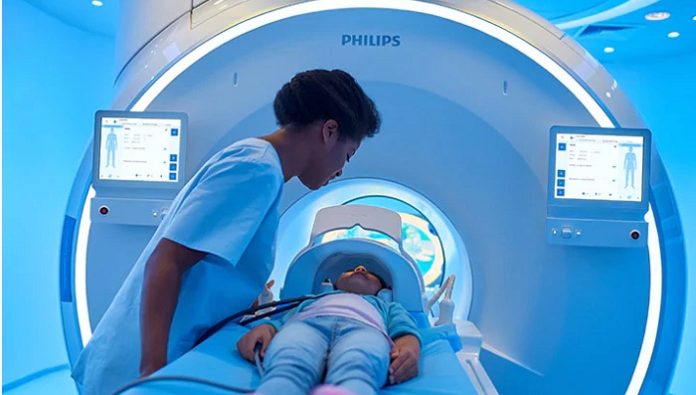
Philips Ambient Experience: better imaging, precise diagnoses and better patient care

Philips Ambient Experience: better imaging, precise diagnoses and better patient care

Royal Philips , a global leader in health technology, announced the introduction of the Philips Cybersecurity Services for seamlessly integrating and enhancing strategic security solutions for Philips customers. The Philips Cybersecurity Services comprise an end-to-end suite of technologies and services to safeguard customersโ€™ medical systems, devices and related software solutions regardless of their manufacturer, helping empower digital transformation in healthcare.

Created as a platform for partnership with healthcare customers, the Cybersecurity Services help define and implement strategic and tactical software and device protection. The Cybersecurity Services are designed to be customized and optimized for present and emerging individual customer needs for their healthcare environments. As requirements evolve, the Cybersecurity Services will provide guidance on how to adapt to provide optimum protection and support. The services will initially be deployed in the U.S., with expansion to other geographies planned for 2021.

Philipsโ€™ integrated Cybersecurity Services are supported by a new partnership with CyberMDX, a leading provider of healthcare cybersecurity capabilities for hospital digital environment mapping and evaluation, medical device risk assessment, security prioritization, threat detection and intelligence, intrusion prevention, and related support. Data and insights collected through CyberMDX form a core foundation for development and implementation of a full cybersecurity plan for individual customers.

โ€œSuccessfully preventing cyber-threats and future-proofing digital healthcare environments requires a systemic, disciplined approach in both design and implementation, as well as strong partnerships,โ€ said Conrad Smits, Head of Global Services and Solutions at Philips. โ€œWe are pleased to partner with CyberMDX, and through our complementary tools and expertise, we will be able to provide an integrated cybersecurity service offering for our customers.โ€

โ€œBoth CyberMDX and Philips strive to make healthcare a safer place by continuously building out more robust cybersecurity solutions,โ€ said Amir Magner, Co-founder and CEO of CyberMDX. โ€œOur industry leading multi-vendor Healthcare Security Suite works to protect all connected devices in hospital environments, whether managed or unmanaged, by leveraging a combination of risk assessment, detection, threat intelligence and prevention capabilities.โ€

โ€œThe digitization of healthcare presents both opportunities and threats,โ€ said Gal Gnainsky, Head of Security at Philips. โ€œConnectivity plays a transformational role in healthcare, but potentially exposes patients and organizations to safety and security risks. Assuring the integrity of these devices, systems, and associated data requires a cohesive cybersecurity program based on comprehensive risk assessment and robust implementation.โ€

The Philips Cybersecurity Services comprise:

Cybersecurity Consulting โ€“ Security experts provide risk and vulnerability assessments of medical systems, regulatory compliance support, and guidance for seamlessly integrating security response and recovery across suppliers.

Cybersecurity Protection and Upgrade Services โ€“ Technology and service offerings work to keep systems secure through software upgrades to the latest security standards, medically validated OS patching, and network segmentation. Philips navigates the balance between required security protections, minimizing downtime, as well as maximizing the lifetime usage of systems and devices.

Cybersecurity Detection and Recovery Services โ€“ Identifying and monitoring the security posture of medical assets and systems 24/7. When needed, these services trigger response and recovery workflows. The services identify incidents with a focus on a healthcare context to avoid data overload, and then initiates remediation actions enabling operations to resume as soon as possible.

Cybersecurity Access & Audit Services โ€“ Access and audit services help maintain control over employee and vendor system access, and allow for streamlined/compliant auditing of procedures and data. This provides essential insights into a hospitalโ€™s security profile โ€“ indicating strengths and potential vulnerabilities.

Philipsโ€™ cybersecurity approach is defined by its end-to-end โ€œSecurity by Designโ€ principles, infusing security from product design and development, through testing and deployment โ€“ followed up with robust policies and procedures for monitoring, effective updates, and incident response management. Philips has also contributed to the development of national and international cybersecurity standards for medical devices. The Philips Cybersecurity Services aligns with global cybersecurity best practices and internationally recognized standards.

Visit Philips Live at RSNA 2020 for more information on Philips integrated workflow solutions to connect data, technology and people across the diagnostic enterprise, helping to redefine radiology workflow efficiencies.

Philipsโ€™ triple duty of care

The COVID-19 pandemic continues to highlight how interconnected the worldโ€™s social, economic and environmental challenges are. Philips remains fully focused on delivering against its triple duty of care: meeting critical customer needs, safeguarding the health and safety of its employees, and ensuring business continuity. As a purpose-driven health technology company, Philips is applying its innovation strength to improve the health and well-being of people. The company is deeply committed to doing business responsibly and sustainably, recently setting out a range of challenging new environmental, social and governance targets.

About Royal Philips

Royal Philips is a leading health technology company focused on improving people’s health and well-being, and enabling better outcomes across the health continuum โ€“ from healthy living and prevention, to diagnosis, treatment and home care. Philips leverages advanced technology and deep clinical and consumer insights to deliver integrated solutions. Headquartered in the Netherlands, the company is a leader in diagnostic imaging, image-guided therapy, patient monitoring and health informatics, as well as in consumer health and home care. Philips generated 2019 sales of EUR 19.5 billion and employs approximately 81,000 employees with sales and services in more than 100 countries.

Telehealth could deepen health divide for disabled people

Porter expands telehealth services to ensure safety of patient and health care providers

The widespread use of telemedicine as a result of the Covid-19 pandemic could be deepening the problems people with disabilities face when accessing healthcare.

This is the conclusion of a new report funded by the US Agency for Healthcare Research and Quality and the National Institutes of Health. The research, published in the Journal of the American Medical Informatics Association (JAMIA), states that while for some members of the disabled community, the option to engage with telehealth has improved access to care, for others poor design, implementation and policy has made it worse.

Reasons for this include the design of many telehealth platforms, for example video calling which people with communication-related disabilities such as deafness, blindness and speech disabilities struggle to use. Online patient portals present similar problems.

There are also implementation concerns, as the authors found that the disability community “experiences less access to broadband services, and less ownership and use of hardware through which telehealth may be accessed.”

To combat this, software developers must redesign telehealth technologies, both web and app-based, to make sure they’re responsive and accessible to people with disabilities.

Assistance to learn how to use new forms of technology should be provided. There should also be qualified sign language interpreters, speech to speech translators, and readers to help improve access.

Closed-captioning, alt text, audio description, and large text options must also be provided. If these factors are taken into account people with disabilities will be able to fully engage with a broad range of telehealth services, the report says.

Additionally, telehealth can be beneficial compared to traditional clinical visits for people with disabilities, due to barriers such as inaccessible medical equipment, waiting rooms, and bathrooms.

New tool uses analytics to manage cost of diabetes care

Abbott and Omada Health Partner to Offer Integrated Digital Health  for People with Type 2 Diabetes

A new tool designed to proactively manage the cost of diabetes has been launched by Pharmaceutical Strategies Group (PSG), a US-based pharmacy consultancy firm.

Using data and analytics platform Artemetrx, the tool will allow employers and health plan providers to manage the total cost of diabetes care of the people they serve. They will be able to see the highest cost patients with diabetes in terms of drug and non-drug medical costs; identify at-risk patients such as those who are going to be hospitalised for diabetes; and provide independent analysis and validation of third-party diabetes management programs for people.

โ€œThis innovative functionality was the genesis for a complete modernisation of our Artemetrx platform,โ€ said Rebekah Gregg, Senior Vice President of Product Strategy.

โ€œPSG originally launched this Total Cost of Care feature to phenomenal success while focusing its functionality on specialty conditions. Our pharmacy analytics experts were quick to realise that there was incredible value in leveraging the richness of medical data for drug management of non-specialty conditions, especially diabetes.โ€

There are currently 34.2 million people with diabetes in America, and 88 million with pre-diabetes, according to the Centers for Disease Control and Prevention (CDC).

โ€œDiabetes is consistently the second most costly category for our clients,โ€ said Michael Lonergan, RPh, President of PSG. โ€œLast year, we identified $4.8 billion in actionable drug cost savings using Artemetrx because we leverage the value of integrated data and continue to enhance the platform.

“Seeing that diabetes is a pain point for clients inspired PSG to innovate in the diabetes space and build on our existing diabetes management capabilities with the release of this new tool.โ€

UK could transform cancer treatment with ยฃ20m boost for AI research

The Turing AI Acceleration Fellowships is allocating ยฃ20m in funding to 15 of the UKโ€™s top Artificial Intelligence (AI) innovators in a bid to push groundbreaking research that could help transform medical diagnosis.

Science Minister, Amanda Solloway said: โ€œThe UK is the birthplace of Artificial Intelligence and we have a duty to equip the next generation of Alan Turings with the tools that will keep the UK at the forefront of this remarkable technological innovation. The inspirational fellows we are backing today will use AI to tackle some of our greatest challenges head on, transforming how people live, work and communicate, cementing the UKโ€™s status as a world leader in AI and data.โ€

Innovating cancer diagnosis and treatment with AI

Some of the projects include University of Manchester research, which is looking to discover if people have cancer before it forms in the body, as well as the development of an โ€œAI clinical colleagueโ€ that could further support doctors by recommending the most effective drug prescriptions and doses for patients.

The University of Manchester research, led by Professor Christopher Yau, will be utilising s AI h to try and help clinicians to track cancer more accurately and help them decide much earlier what treatments patients require.

Digital Minister, Caroline Dinenage, said: โ€œThe UK is a nation of innovators and this government investment will help our talented academics use cutting-edge technology to improve peopleโ€™s daily lives โ€“ from delivering better disease diagnosis to managing our energy needs.

โ€œThe fellowships form part of a major government investment in AI skills and research, including 16 Centres for Doctoral Training in AI and conversion courses to train the next generation of AI experts, announced by the Prime Minister Boris Johnson in October 2019.โ€

EPSRC Executive Chair Professor Dame Lynn Gladden added: โ€œThe Turing AI Acceleration Fellowships will support some of our leading researchers to progress their careers and develop ground-breaking AI technologies with societal impact. By enhancing collaboration between academia and industry and accelerating these transformative technologies they will help to maintain and build on the UKโ€™s position as a world leader in AI.โ€

The ยฃ20m fellowship scheme will be delivered by Engineering and Physical Sciences Research Council (EPSRC), part of UK Research and Innovation (UKRI), in partnership with the Alan Turing Institute and Office for Artificial Intelligence.

The technology of COVID-19: unprecedented shifts in healthcare

Hull University Teaching Hospitals deploys DXC Technologys Clinical Aide

Since its emergence at the end of 2019, the SARS-CoV-2 virus has had an unprecedented impact on people and economies the world over โ€“ including the rapid adoption of medical technologies.

COVID-19 has had a direct or indirect impact on emerging technologies and industry trends. In this article, independent market researcher, IDTechEx, explores the impact that COVID-19 has had on these technologies and some of the key roles they have played throughout the pandemic.
Diagnostics

Cases of COVID-19 first emerged in China in the latter parts of 2019. China took significant early measures, locking down entire cities and regions to halt the spread of the virus. Thanks to scientists who rapidly sequenced and published the genetic code of the virus, efforts were made to develop diagnostic tests to detect the virus in order to correctly diagnose patients, enact measures such as isolation and quarantine, and manage their treatment accordingly. These early tests worked by recognising specific sequences in the viral DNA and amplifying them to a level sufficient for detection, as detailed in the recent IDTechEx reports.

With results needed at an unprecedented scale in a limited time, other diagnostic approaches were explored to quickly diagnose COVID-19 patients. The lungs of patients with COVID-19 have certain visual hallmarks such as ground glass opacities and areas of increased density, both of which can be detected using CT and x-ray imaging. To further speed up this process, companies developing Artificial Intelligence (AI) solutions for the detection of respiratory diseases quickly tailored their software to differentiate COVID-19 from other respiratory infections, decreasing image analysis time to the matter of seconds.
Preventing the spread of the virus

Despite efforts to slow the global spread of the virus, regional outbreaks outside of China began to appear. Soon, territories around the world were forced to also impose national and regional โ€œlockdownsโ€, with populations told to stay at home to mitigate the spread of the virus.

In order to prepare for the oncoming surge in COVID-19 patients and to prevent the spread of COVID-19 between patients in healthcare settings, healthcare systems around the world halted provision of โ€œnon-urgentโ€ doctor visits, which extends to everything from cardiac patients to cancer treatments. This, combined with the publicโ€™s concern and confusion around COVID-19 diagnosis, caused a huge increase in demand for digital health services. Doctors around the world quickly switched to delivering care through digital channels such as video links and apps. IDTechExโ€™s report โ€œDigital Health & Artificial Intelligence 2020: Trends, Opportunities, and Outlookโ€ explores the recent explosion in telehealth and telemedicine among others.
Remote monitoring

Digital health solutions were also in high demand on the COVID-19 frontline. Whilst huge new volumes of personal protective equipment were produced and distributed, digital solutions also had an increasing part to play here. Remote patient monitoring devices were deployed to monitor patient vital signs from a distance, allowing for a significant reduction in close contact between patients and healthcare workers. Solutions for this have been developed over the past five to 10 years and many were far from widespread use, but saw a level of uptake in just a few months that would require several years of work and tens of millions of dollars in investment.

The impact from these mitigation techniques has been significant both in terms of acute trends related to many of these product areas, but also in the longer-term mindset and outlook for many sectors. However, the attention of the world quickly turned to safe reopening of services post-lockdown.

Health sensors and wearables

For the public trying to live normal lives, health awareness has never been higher. Over the past decade of covering wearables, IDTechEx had been tracking an increasing adoption of healthcare-related sensors into traditionally โ€œconsumerโ€ smartwatches and other consumer electronic devices.

This trend has further accelerated in 2020, where emerging sensors such as those for SpO2 and temperature are being tested as a means of monitoring early symptoms of COVID-19. Wearables have also been explored by countries as a means of contact tracing and safe reopening. Of course, maintaining good cardiovascular health remains one of the best ways to mitigate the worst of COVID-19 symptoms, and whilst this is not an acute solution in the short term, there has been a clear movement towards general health and wellness, including the personal electronic devices which help to promote this.
Vaccine technology

As we look forward to 2021 and post-COVID-19, it is almost impossible to imagine a resolution without a vaccine. Over 2020, scientists have been working at breakneck speed to develop a safe and effective vaccine against SARS-CoV-2 and have made significant progress by the end of the year. Several of the leading candidates leverage a new vaccine technology, based on synthetically produced mRNA.

This has been a revolutionary technology that has accelerated vaccine development, and the ongoing clinical trials in COVID-19 suggest they will have a large role to play in the future beyond the current pandemic.

2020 has been a historic year for many reasons, but throughout the unprecedented disruption caused by the COVID-19 pandemic, technology solutions have time and again come to the fore as critical parts of the global response. Looking into the future, the progress of these technologies over time will be vital to moving on from the disruption, and in improving the ways in which our societies and systems deal with similar challenges in the future.


Building infrastructure for IoT services in Saudi Arabia’s health sector

Mobily has a major role in building the required infrastructure to enable internet of things services and devices in healthcare services, says Mohammad Alrehaili, executive general manager of government & key sales at Mobily.

Leading health experts from the Kingdom of Saudi Arabia convened for a fireside chat at the HIMSS & Health 2.0 Middle East Digital Event to discuss how the creation of the digital workplace is feeding into delivering the healthcare ambitions of the Saudi Vision 2030 in the session, ‘Creating the Digital Workplace โ€“ Breaking the Status Quo! Views from the Top.’

The speakers were Khalid Alodhaibi, medical service directorate, Saudi Arabia Ministry of Defence, Fahad AlHussein, group chief information technology officer MENA, Saudi German Hospitals Group and Dr Amr Jamal, National Health Informatics Scientific Committee, Saudi Commission for Health Specialities, chairman of Family and Community Medicine Department, King Saud University.

The digital transformation of Saudi Arabiaโ€™s health system and the implementation of digital health solutions has been a strategic priority for many years, leading to hospitals and healthcare centres operating as sophisticated digital workplaces. The session covered how the creation of digital workplaces is supporting the delivery of both the Saudi Vision 2030 and the National Transformation Programme, and updated viewers on the progress of the digital transformation of hospitals and primary care centres across the Kingdom.

ON THE RECORD

Alodhaibi began the session with a presentation on the centralised solution adopted by the Saudi Arabia Ministry of Defence: “Rabet is centralised unified EHR that we started about almost two years and a half ago. We have a fully-fledged solution suite from Cerner.

“We’re fortunate to partner up with one of their top tier technology and solutions. The spectrum of the implementation is huge. It’s not something that we could take lightly or expect it to be delivered shortly. There is a lot of complexity in it,” added Alodhaibi.
Elements for successful workplace change

The panel then highlighted that introducing change through new digital solutions has the potential to bring resistance from the workforce. On ways to remedy this, Alodhaibi presented five elements for successful change: “Awareness, desire, knowledge, ability and reinforce.

“For awareness, this is people asking, what is this change and why are we implementing it? In addition, why do we need to implement or change? What’s the risk if we do not make this change?

“For the desire, people will tend to ask, what’s in it for me? And for knowledge, do I have the right tools?

“Very important is basically how you’re going to maintain this change. We agreed on changing one of the workflows or clinical pathways, according to clinical best practices. People need to know the change that has happened, and how we’re going to maintain it, and keep this successful.”

On how to achieve this, Alodhaibi states: “Communication is very, very important. “We feel that whenever we make a statement or deliver a message, that people will understand this the way we think it’s been delivered throughout the lifespan of this project.”

Making COVID-19 an opportunity

Alodhaibi also revealed the impact the pandemic had on the workings of the Saudi Arabia Ministry of Defence: “We turned COVID into an opportunity. We thought that the clinical activities were so low, almost none in 2020, so we use this as a good time to go live with the solution.

On how the Ministry of Defence measured the success of the transformation and workforce engagement, Alodhaibi conceded: “I wouldn’t claim that we have reached the full potential. People are complaining about the system and have said that it adds more work to healthcare providers.

“We understand this and as much as we love them, we do also love patients. As we get more progress to this, they will realise and we would realise our full potential and benefit,” explains Alodhaibi.

The next big innovation

When asked about the next big innovation they foresee taking flight in 2021, Dr Jamal said: “There are many, especially now since we’ve learned a lot from the pandemic.

“To ease access to healthcare, we should especially be using digital solutions for research innovations, technologies and innovation dimensions to AI, and big data analytics. This is especially for innovations that will shorten the time of getting access to the service. For example, the AI-enabled chatbot that we now have.

“These innovations are evolving more and more and empowering consumers, patients and caregivers.”

Translate ยป