Close
Digital Health & Ai Innovation summit 2026
Medical Taiwan 2026

PAL Robotics completes testing of robots with Accerion positioning sensors in hospitals to fight Covid-19

PAL Robotics completes testing of robots with Accerion positioning sensors in hospitals to fight Covid-19

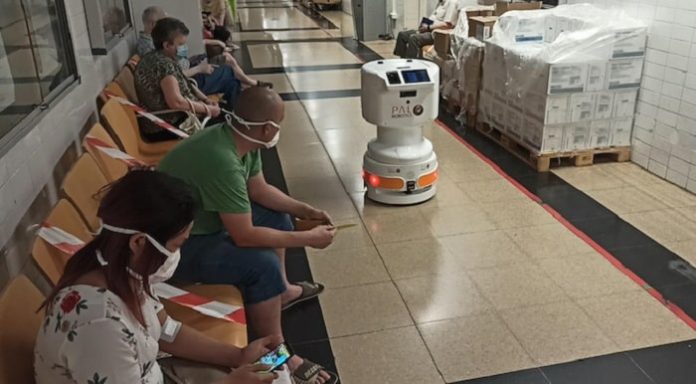
The TIAGo Delivery and TIAGo Conveyor robots were deployed in Hospital Municipal of Badalona and Hospital Clínic Barcelona following a winning proposal submitted to the European DIH-Hero project.

Accerion sensors were integrated onto the TIAGo Delivery Robot and TIAGo Conveyor Robot for use in this project.

The two use cases in this project were:

1. Transportation of a food tray to a patient’s room

Hospitals considered this use case interesting specially for those cases where the patient is confined and therefore personal contacts must be minimized as much as possible.

The robot used an actuated conveyor so that the food tray could be automatically transferred to a table or furniture in the room.

This solution is particularly useful for autonomous isolated patients who are able to be on their own, although must be isolated – the helpfulness of this solution goes beyond Covid-19, says PAL.

2. Transportation of sensible goods

In this case goods like medication, medical supplies, blood samples, etc. were transported by a robot equipped with a safe. Only authorized personnel with the appropriate access codes have access to the safe in order to load or unload it.

At one of the hospitals that used the robots, the Hospital Municipal of Badalona, Sergio García Redondo of the Innovation and Projects Department, says: “Based on the two use cases we have tested, we have been able to see a lot of potential, and they will certainly improve the hospital’s logistics.

“We would drastically be able to reduce the need to do repetitive tasks with no added value for the patient, therefore the healthcare staff could focus directly on the patient.”

He adds: “In the isolated patients scenario, there is a risk for the staff that carry out food deliveries, therefore improvement is crucial as it reduces the contact of health personnel with the isolated patient.

“This improvement is vital for the safety of the patient and the staff, but also to reduce the spread of infection in the hospital.”

Jordi Pagès, head of intralogisitcs at PAL Robotics said of the work that took place: “The main challenge for the project was that most of today’s automated mobile robots operate in warehouses and factories, whereas in a hospital, robots must navigate through narrow corridors, with lots of people.

“PAL Robotics and Accerion have been working together in this project to provide our robots with the most sophisticated navigation. The solution was developed in just two months.”

TIAGo Delivery and TIAGo Conveyor were installed following the acceptance of a joint proposal from the project partners to DIH Hero in response to their open Call, “Fighting Covid-19 2020 for healthcare robotics”.

TIAGo Delivery and TIAGo Conveyor are able to transport items around hospitals and have an even better accuracy in their positioning thanks to the added cutting edge sensors by Accerion.

PAL Robotics’ mission is to enhance people’s quality of life through service robotics and automation technologies. PAL Robotics designs and manufactures highly integrated and reliable solutions for service industries and research institutions worldwide.

Since 2004, PAL Robotics has developed state-of-the-art robots specially designed to solve customers’ needs. Today PAL Robotics is known for its humanoid robots REEM-C, TALOS, TIAGo and ARI, as well as its retail and manufacturing solutions, TIAGo Base and StockBot.

Accerion, a Dutch company founded in 2015, provides autonomous positioning technology for robots and other mobile platforms that allows sub-millimetre positioning accuracy and predictability in dynamic environments.

These solutions drive automation and efficiency in logistics, manufacturing, ecommerce and other industries around the world.

Accerion’s positioning solutions enable high-performance mobile robots and AGVs in intralogistics operations with virtual lines or grid mapping to allow for free navigation.

The system’s advanced technology uses sub-millimetre-level positioning without additional infrastructure.

Accerion’s portfolio includes Jupiter and Triton sensor systems, which can be quickly and easily integrated into robots and other mobile platforms.

Microsoft makes big play for healthcare cloud business in competition with Google, Amazon

Microsoft’s new cloud service designed specifically for healthcare will be generally available October 30, the tech giant anounced. The Microsoft Cloud for Healthcare service bring together existing services such as Teams, Azure IoT and chatbots to help healthcare organizations manage operations.

Microsoft, Google and Amazon Web Services (AWS) are all pushing deeper into healthcare in a battle to provide cloud computing and data storage technology to hospitals. Microsoft announced its first industry-specific cloud service back in May as part of a public preview.

The capabilities offered through the healthcare cloud service helps organizations scale up digital health technologies while also providing tools to improve data interoperability, workflow efficiency, and streamline interactions, the company said.

The cloud service will focus on what Microsoft has identified as important needs in healthcare, such as patient engagement, health team collaboration and improving operational efficiencies.

The healthcare industry faces the challenge of “disconnectedness” with health data sitting in different siloes and the cloud offering helps to address these hurdles, according to Tom McGuinness, corporate vice president, worldwide health at Microsoft.


“At the highest level, the Microsoft Cloud for Healthcare is helping to bring together the robust set of healthcare specific capabilities that Microsoft already has that are aimed at helping our customers and partners deliver better experiences and support new care models,” he said.

The pandemic has forced healthcare organizations to stress-test new ways of deploying care, such as telehealth and remote monitoring. Cloud computing can provide organizations with speed and agility to adjust to change and build resiliency, according to Microsoft.

Healthcare providers have been reluctant to move and migrate from on-premise infrastructure to the cloud, but they have seen real value in the ability to create new agility in their business models and resiliency as they flex between physical and virtual points-of-care,” McGuinness told Fierce Healthcare. “One of the main things we’re hearing is that they need to have a broader tool kit and they need to be more agile in this chapter in healthcare.”

Among the new capabilities, the cloud service will enable providers to schedule telehealth visits in Microsoft Teams through the Bookings app, Microsoft said. The new Microsoft Teams EHR connector, which is in private previews, enables clinicians and patients to launch Teams virtual visits right from Epic’s patient and provider portals. The company also developed application programing interfaces (APIs) to allow for Teams integration into other existing healthcare workflows.

“This capability helps to streamline what has historically been disconnected systems,” McGuinness said. Microsoft is focused in making intergrations with other platforms and technologies as seamless as possible for clinicians and patients, he said.

“Virtual care is a critical piece of healthcare and we are working with our partners and customers to say, what does it look like across the care continuum for both physical and virtual visits,” he said.

To improve interoperability, Cloud for Healthcare also supports Fast Healthcare Interoperability Resources (FHIR), which is a common data standard for healthcare. Last year, Microsoft was the first cloud to offer a generally available Azure FHIR service—which allows healthcare organizations to ingest and persist data in the FHIR format.

The platform also now enables data collection from medical devices, apps and remote monitoring tools through its Azure IoT Connector for FHIR.

A tool called Patient 360 based on HL7 FHIR enables health providers to get the full context into the patient’s history and their current encounters, conditions, procedures, and appointments, all fed from the EHR data repository with direct integration to the Azure FHIR service, the company said.

Microsoft also said its working with companies including Accenture, Adaptive Biotechnologies, Allscripts, DXC Technology, Innovaccer, KPMG and Nuance to co-develop custom solutions. For instance, it partnered with Nuance to integrate its Dragon Ambient Experience with Teams. The integration captures and contextualizes physician-patient conversations, automatically documenting the encounters from within Teams.

Among the early adopters of Cloud for Healthcare are Cleveland Clinic, Providence St. Joseph, St. Luke’s University Health Network, and Helsinki University and Uusimaa Hospital District.

“There are a couple areas where I believe cloud technology for healthcare like Microsoft’s can play a critical role in a future that’s based on digital technologies—both focused on interoperability,” said Matt Kull, Cleveland Clinic’s chief information officer in a statement. “The first is interoperability between systems, allowing us to take data from health records and other data sources, over FHIR interfaces, and combine it together into a single place where it can be used to inform and deliver patient-centric care. The second is to enable real-time complex deep learning—by normalizing data from different systems in a way that allows complex algorithmic analyses to occur via AI or ML—and integrate research-based insights back into a clinical workflow.”

United Airlines teams up with Color to make COVID-19 tests available to passengers

United Airlines teams up with Color to make COVID-19 tests available to passengers

United Airlines is working with health technology and genomics company Color to roll out the first COVID-19 testing program for air travelers.

The airline will offer COVID-19 tests—either rapid tests at the airport or mail-in at home tests prior to travel—to passengers flying from San Francisco International Airport to Hawaiian airports beginning Oct. 15.

The program, which is also supported by GoHealth Urgent Care, is designed to make it easier to manage quarantine and public health requirements at certain destinations. To start, United travelers flying from San Francisco to Hawaii will have the option of using Color’s physician-ordered mail-in test. The self-collected tests will provide results in one to two days.

The rapid Abbott ID NOW COVID-19 test—administered by GoHealth Urgent Care and its partner Dignity Health—provides results in approximately 15 minutes and will be available to United customers on the same day as their flight departing from San Francisco. Customers can schedule their visits online in advance for the on-site testing facility that is located at the international terminal and will receive their results in approximately 15 minutes, according to the airline.

The airline worked closely with Hawaii officials to ensure that any United customer—both visitors and Hawaiian residents returning home—who tests negative on either test would not be subjected to the state’s current 14-day quarantine requirement, according to the companies.

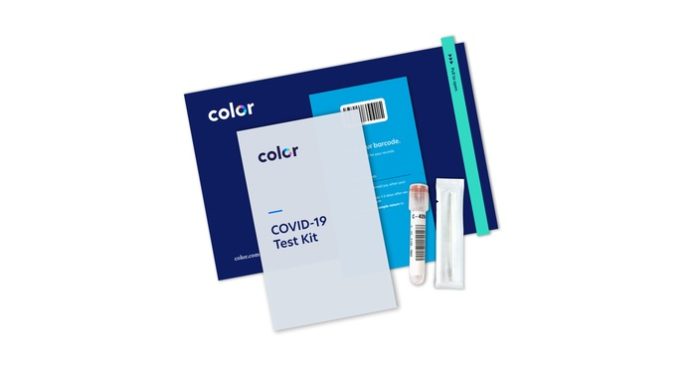
Color’s COVID-19 testing kit (Color)

United plans to quickly expand customer testing to other destinations and U.S. airports later this year to complement its state-of-the-art cleaning and safety measures that include a mandatory mask policy, antimicrobial and electrostatic spraying and hospital-grade HEPA air filtration systems, said Toby Enqvist, chief customer officer at United.

Color processes the self-collected, mail-in tests tests at local, CLIA-certified COVID-19 testing laboratories and returns results via text and/or email within 24 to 48 hours. Color’s self-collection kit includes a plastic collection tube, a noninvasive nasal swab and instructions on how to properly collect a specimen.

Convenient, widespread COVID-19 testing with fast and reliable results is critical to a return to normalcy and to accelerate the economic recovery,” said Caroline Savello, chief commercial officer at Color, in a statement.

Precision genomics firm Color has been scaling up its genetic testing capabilities.

The Burlingame, California-based company counts Apple, Verily, Northshore University HealthSystem, the Teamsters Health and Welfare Fund of Philadelphia and Vicinity, and now Sanford Health among its partners.


The National Institutes of Health’s All of Us Research Program awarded Color a $4.6 million grant to act as the initiative’s nationwide genetic counseling service.

In January, Color scored $75 million in a series D funding round led by T. Rowe Funds and Viking Global Investors.

During the COVID-19 pandemic, the company pivoted to virus testing and in May received an emergency use authorization from the U.S. Food and Drug Administration for COVID-19 testing technology. It has made COVID-19 tests available to all essential workers in San Francisco.

As of mid-May, Color’s CityTestSF testing sites have collected more than 14,000 samples and are among the highest capacity in the country.

Olympus Introduces the OEP-6 High-Definition Printer and WM-NP3 Workstation

Olympus Introduces the OEP-6 High-Definition Printer and WM-NP3 Workstation

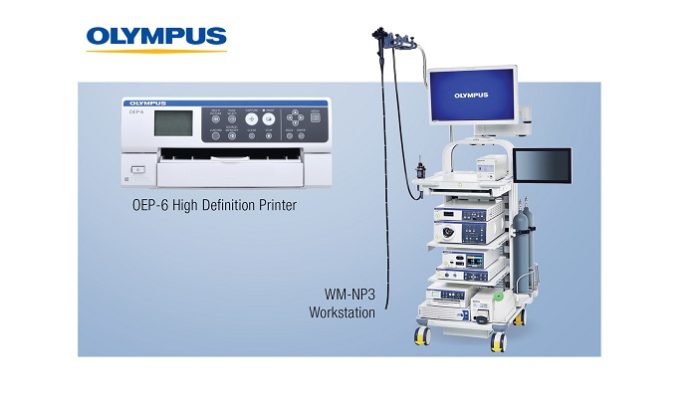
Olympus, a global technology leader in designing and delivering innovative solutions for medical and surgical procedures, announced the introduction of two new products designed to enhance patient care in endoscopy and surgical imaging by improving procedural workflow: the OEP-6 high-definition printer and the WM-NP3 workstation.

“Olympus has made its name in medical imaging, and as such it makes sense that we should bring our customers complementary solutions to easily organize and transport our powerful imaging equipment as well as print the highest-quality images for a range of important uses in delivering effective and efficient patient care,” said Randy Clark, President, Medical Systems Group, Olympus Corporation of the Americas. “We are pleased to make available important workflow solutions for our customers.”

The OEP-6 high-definition printer accurately reproduces HDTV images to produce superb, high-definition prints with excellent quality for endoscopist use during patient or colleague consults as well as detailed record-keeping. Its features and benefits include:

Fast Printing Output: Even at the highest image quality, the OEP-6 prints out a full-color image in just 29 seconds per sheet (A5 size), or 21 seconds in high-speed mode.
Digital Printing: The OEP-6 supports data input from PCs and other devices with a USB cable connection and is also compatible with wireless transmission in combination with the Sony UPA-WU10.
User-Friendly Interface Design: Front panel buttons and layout are designed to best support workflow. A large LCD with simple icons facilitates setup and supports troubleshooting.
Optimized Color Parameters: With new color parameters, the printer is capable of producing prints that match the color quality of images displayed on the Olympus OEV262H monitor.

The WM-NP3 mobile workstation is an important addition toward improved workflow for nursing staff. The WM-NP3 workstation has been designed to specially support and add value to current and future imaging systems. It features an increased loading capacity, while taking up less floor space and supporting an expanded range of accessories.

Features and benefits of the WM-NP3 workstation include:

Adjustable Monitor Arms: The WM-NP3 workstation offers two adjustable monitor arms to support a range of compatible monitors. Pan, tilt and swivel functionality provides a large range of motion on either arm, allowing the user to adjust the monitor for ideal viewing.
Electrical Safety: The workstation is supplied with a separation transformer, and a central on/off switch allows all equipment to be powered up simultaneously.
Customizability: Dedicated accessories optimize system and procedural efficiency. Sixteen available accessories include the following 11 of new design: Consumable storage holder, suction jar holder, scope pole kit, Irrigation tube holder, drawer unit, sterile water holder, nurses control arm, side shelf, side handles and LED monitor arms.
Mobile Design: Ergonomically designed handles and twin-wheeled castors allow the workstation to be moved into the ideal location with ease.
Optimized Cable Management: This workstation offers increased cable capacity and easier access to route and remove cables.

For more information about the WM-NP3 and the OEP-6, please contact 1-800-848-9024 or visit https://medical.olympusamerica.com/products/carts/WM-NP3 or https://medical.olympusamerica.com/products/printers/printer-oep-6.

About Olympus Medical Systems Group
Olympus is a global technology leader, crafting innovative optical and digital solutions in medical technologies; life sciences; industrial solutions; and cameras and audio products. Throughout our 100-year history, Olympus has focused on being true to society and making people’s lives healthier, safer and more fulfilling.

Our Medical Business works with health care professionals to combine our innovative capabilities in medical technology, therapeutic intervention, and precision manufacturing with their skills to deliver diagnostic, therapeutic and minimally invasive procedures to improve clinical outcomes, reduce overall costs and enhance quality of life for patients. For more information, visit medical.olympusamerica.com.

Abbott Receives CE Mark for World’s Smallest, Thinnest Sensor with Best-in-Class Performance at the Same Low Cost for People with Diabetes

 Abbott Receives CE Mark for World's Smallest, Thinnest Sensor with Best-in-Class Performance at the Same Low Cost for People with Diabetes

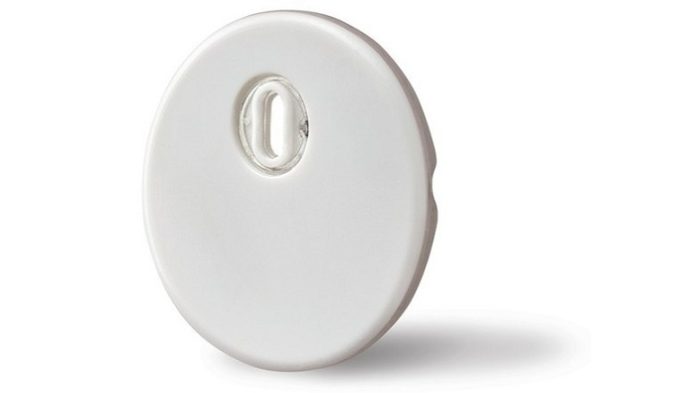
Abbott, the worldwide leader in continuous glucose monitoring (CGM) technology announced it has secured CE Mark for its next-generation FreeStyle Libre 3 system, which is now approved for use by people living with diabetes in Europe. The FreeStyle Libre 3 technology provides continuous, real-time glucose readings automatically delivered to smartphones2 every minute, offering unsurpassed 14-day accuracy1 in the smallest and thinnest3 sensor design at the same affordable price7 as previous versions of the device.

“Abbott won’t stop innovating when there’s room to raise the bar. We’ve done that again with FreeStyle Libre 3, the smallest sensor that delivers life-changing benefits and best-in-class accuracy,” said Jared Watkin, senior vice president, Diabetes Care, Abbott. “People living with diabetes are at the center of our design process, and we made our next-generation technology even more discreet for a better user experience to make managing diabetes as easy and seamless as possible.”

With a 14-day wear time, the FreeStyle Libre 3 system includes the longest-lasting,9 self-applied CGM sensor available. The sensor is easy to apply5 with a one-piece applicator and is worn on the back of the upper arm, eliminating the need for painful fingersticks10 to view glucose levels.

To allow as many people as possible living with diabetes to access and benefit from the significant advancements of the technology, Abbott’s FreeStyle Libre 3 system will be priced the same as previous generations of the device.7

“Since we launched the first disposable glucose sensor in 2014, we’ve always believed all people with diabetes should have access to high-quality, accurate and affordable diabetes technologies,” said Watkin. “That’s why Abbott disrupted the traditional notion that CGMs have to sacrifice quality or accuracy for affordability, and we built our FreeStyle Libre family of products to deliver unparalleled results at a lower cost than any other CGM available.”

The FreeStyle Libre 3 system fits seamlessly into the lives of people with diabetes. In addition to the sensor, the system includes the FreeStyle Libre 3 mobile app,2 which is designed to enable users to capture and view their real-time glucose levels, glucose history and trend arrows showing how their glucose is changing with just a glance at their smartphone.

Abbott designed its next-generation FreeStyle Libre 3 system to be more sustainable for the environment with a smaller and more discreet sensor, reducing the total volume by more than 70%.11 With a 41% reduction in plastic use and 43% reduction in carton paper,11 the new sensor design aligns with the company’s continued commitment to sustainability.

Abbott is launching the FreeStyle Libre 3 system in Europe in the coming months. The FreeStyle Libre portfolio has been clinically proven to improve glucose control,12 increase time in target glucose range,13 decrease time in hyperglycemia (high glucose levels) and hypoglycemia (low glucose levels),14 and lower HbA1c (average glucose levels over a three-month period)12 – all factors contributing to better health outcomes. Data also show use of the FreeStyle Libre system reduces diabetes-related hospital admissions and work absentee rates to help improve quality of life.15

As the #1 sensor-based glucose monitoring system used in the U.S. and worldwide,8 Abbott’s FreeStyle Libre portfolio has changed the lives of more than 2 million people across more than 50 countries5 by providing breakthrough technology that is accessible and affordable.7 Abbott has secured partial or full reimbursement for the FreeStyle Libre system in 37 countries, including Canada, France, Germany, Japan, the United Kingdom and the U.S.

About Abbott:
Abbott is a global healthcare leader that helps people live more fully at all stages of life. Our portfolio of life-changing technologies spans the spectrum of healthcare, with leading businesses and products in diagnostics, medical devices, nutritionals and branded generic medicines. Our 107,000 colleagues serve people in more than 160 countries.

Abbott’s FreeStyle® Libre 3 System Receives CE Mark – Features World’s Smallest, Thinnest Sensor with Best-in-Class Performance at the Same Low Cost for People with Diabetes

Boston Scientific Launches ACURATE neo2 Aortic Valve System in Europe

Boston Scientific Launches ACURATE neo2 Aortic Valve System in Europe

Boston Scientific Corporation announced it has initiated a controlled launch of the ACURATE neo2™ Aortic Valve System in Europe. This next-generation transcatheter aortic valve implantation (TAVI) technology is a new platform designed with a number of features to improve upon the clinical performance of the original ACURATE neo platform. Compared to the previous generation device, the ACURATE neo2 valve system also has an expanded indication for patients with aortic stenosis – with no specified age or risk level – who are considered appropriate candidates for the therapy by their heart team, including a cardiac surgeon.

Indicated to restore function and normal blood flow through a severely narrowed aortic valve, the ACURATE neo2 Valve System features a new annular sealing technology designed to conform to irregular, calcified anatomies and further minimize paravalvular regurgitation or leaking (PVL). In addition, the delivery system simplifies access to smaller and complex vessels at the entry site and allows for highly accurate valve positioning while the top-down deployment mechanism further supports stable placement and release to ensure the best patient outcomes.

“We believe having this differentiated valve with the enhanced sealing technology will further drive favorable market experience and growth,” said Joe Fitzgerald, president, Interventional Cardiology, Boston Scientific. “Combined with the LOTUS Edge™ Aortic Valve System and SENTINEL™ Cerebral Protection System to protect the brain against the risk of TAVI-related stroke, the ACURATE neo2 valve represents the natural evolution of our complementary dual-valve TAVI toolkit that covers the needs of a wide range of patient cases.”

Data from the ACURATE neo2 CE-Mark Study demonstrated PVL rates for the ACURATE neo2 Valve System to be lower than previously reported with the current generation ACURATE neo valve. At 30 days and 1 year after implantation, respectively, 97% and 97.5% of patients experienced ≤ no/trace or mild PVL, 3.0% and 2.5% of patients experienced moderate PVL and 0% of patients experienced severe PVL.1,2

“We are pleased to bring the latest iteration of ACURATE technology to market, offering design improvements that further support procedural performance and optimal outcomes for patients with severe symptomatic aortic stenosis, from those with simple to the most challenging anatomies,” said Dr. Ian Meredith, AM, executive vice president and global chief medical officer, Boston Scientific. “The straightforward implant procedure also enables physicians to reduce the length of time patients need to stay in the hospital, without compromising on safety and clinical results.”

The ACURATE neo2 Aortic Valve System received CE Mark in April 2020. In the U.S., the ACURATE neo2 Valve System is an investigational device being assessed in the ACURATE IDE clinical trial and is not available for sale.

About Aortic Valve Disease
Aortic valve disease results in dysfunction of the aortic valve, one of the four valves that control the flow of blood in and out of the heart. Aortic valve stenosis is the process of thickening and stiffening in the valve, which can result in an abnormal narrowing of the aortic valve opening and reduction in blood flow. Aortic stenosis is the most common valvular heart disease in the world, affecting approximately 7 percent of the population over age 65.3 From the onset of severe aortic stenosis symptoms, the average survival rate is 50 percent at two years and 20 percent at five years without aortic valve replacement.

About Boston Scientific
Boston Scientific transforms lives through innovative medical solutions that improve the health of patients around the world. As a global medical technology leader for 40 years, we advance science for life by providing a broad range of high performance solutions that address unmet patient needs and reduce the cost of healthcare.

Google Maps Gets New Layer to Show COVID-19 Hotspots

Google Maps Gets New Layer to Show COVID-19 Hotspots

Google is updating its free mapping service this week with colour-coding that maps out areas infected with COVID-19 cases, the search giant said in a blog post.

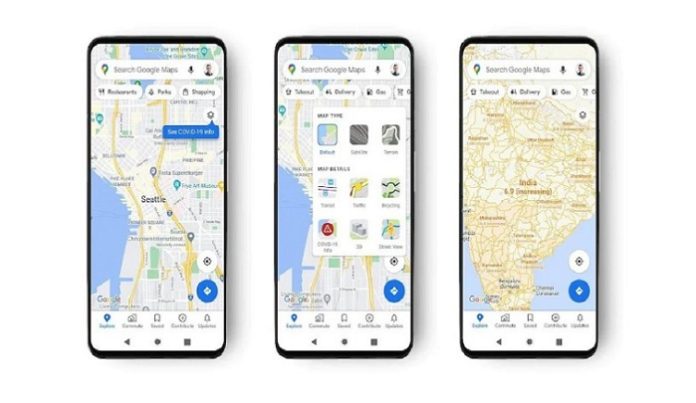
Tapping the new “COVID-19” option in a layers feature in a top corner of a screen will enhance maps using the latest 7-day average of cases per 100,000 people in areas being viewed, it said.

A label will also let users know whether the number of COVID-19 cases in a particular spot is trending up or down, according to Maps product manager Sujoy Banerjee.

The tool is meant to provide “critical information about COVID-19 cases in an area so you can make more informed decisions about where to go and what to do,” Banerjee said.

Data used in the COVID-19 layer comes from sources including Baltimore-based Johns Hopkins hospital, the New York Times, and Wikipedia, which get information from public health organisations such as the World Health Organization and government health ministries, according to Banerjee.

The COVID-19 layer is rolling out this week worldwide in versions of the map app tailored for mobile devices powered by Apple or Google-backed Android software, the California based company said.

Google Maps already featured pandemic-related tools such as letting users know when public transit was likely to be crowded.

“While getting around is more complicated these days, our hope is that these Google Maps features will help you get where you need to be as safely and efficiently as possible,” Banerjee said.

Robots on patrol, drones for inspections: NUHS makes use of technology in hospital management

Robots on patrol, drones for inspections: NUHS makes use of technology in hospital management

A new approach to hospital management will see the National University Health System (NUHS) make use of drones, robots and touch-free technology on its various campuses.

Speaking to reporters on Thursday (Sep 24), NUHS chief operating officer Ng Kian Swan said that these new types of technology would serve to further improve operations. “Hospitals are important assets, and there’s this continuing need to make it safer, smarter and of course, greener,” he said.

“By leveraging on technology and IoT (Internet of things) and AI (artificial intelligence) it helps us to drive efficiency, productivity, safety, and most importantly, it also provides a platform for us to upskill our fellow colleagues … it is actually preparing a future-ready workforce, to support the workforce in operations.”

NUHS comprises healthcare institutions such as Alexandra Hospital, Ng Teng Fong General Hospital, Jurong Community Hospital and National University Hospital (NUH).

One way in which NUHS plans to leverage technology to bolster operations is through the use of drones, said Mr Ng.

“For drones, it replaces the conventional way of putting up gondolas, scaffolding, to do building inspection(s). It is expensive, time consuming and to a certain extent, not so accurate,” he said.

“By using drones, you can reach out to any part of the building, take photos and (it) gets transmitted to the engineers. And If there are problems to fix immediately, we can do it.”

The use of drones to conduct building inspections has been rolled out since October last year, with Alexandra Hospital, Ng Teng Fong General Hospital and NUH having gone through two rounds of inspections. These checks will be done quarterly.

This will mean more frequent and regular inspections to ensure the upkeep of the hospitals’ facade and reduce the risk of issues such as cracks, stain marks and falling objects from roof gutters and louvres, added NUHS in a media release.

NUHS will also pilot the use of drones to conduct security surveillance and patrol various hospital premises, monitoring areas with “critical facilities” such as power plants and water tanks, said Mr Ng.

This has been rolled out at all three hospitals as well.

ACTING AS DETERRENCE

In addition to drones, NUHS is also rolling out the use of autonomous security robots to complement security teams in patrolling facilities.

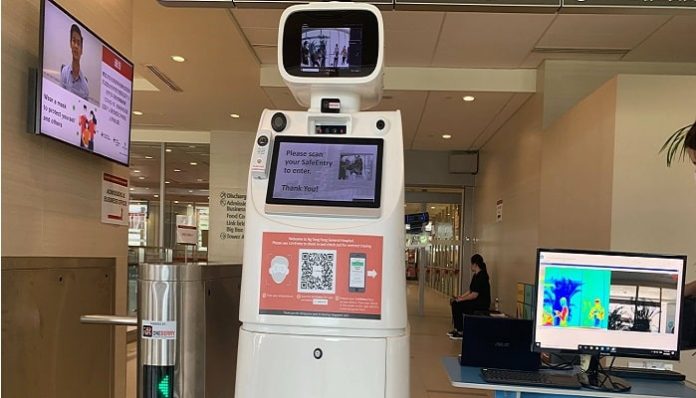
“This is to support the security operations and to act as a deterrence. We are working with the partners to incorporate some of the functional requirements, including allowing visitors to have their temperature taken,” said Mr Ng.

One of the robots which can help detect potential security incidents, and transmit data back, will be rolled out at Ng Teng Fong General Hospital next month.

Another robot which helps in temperature taking and scanning for safe entry will be rolled out between November and December at NUH.

Hospital employees will be sent for courses to learn how to operate some of these new technologies.

“At this stage, it is more of using robots, drones to support the way they work. At the same time, upskilling them. Upskilling to us is very, very important because technology is something that is moving very fast,”said Mr Ng.

And in terms of running a hospital operations for us … this is one point that I always discuss with my colleagues and we should continue to use technology to drive efficiency and operations.”

Mr Ng also noted how the current COVID-19 pandemic also has thrown up manpower-related issues, and such new technologies can help address these problems.

“COVID-19 actually surfaced a very challenging issue – the dependence on manpower. And by leveraging on these technologies … it improves efficiency. At the same time, it lessens the need for manpower and to us in NUHS, it’s something that’s pretty important and we will continue to use technology to support our hospital operations.“

Another feature which NUHS plans to unveil is touch-free technology in the form of non-contact buttons lifts. This will help improve infection control and reduce the transmission of bacteria or viruses, especially during the current pandemic, said NUHS.

This will be introduced in selected lifts at NUHS campuses by March next year.

US firms expand mobile telehealth solutions

Telehealth firm IDSolutions and Tryten, a manufacturer of mobile vehicles for the healthcare sector, are expanding their joint solution.

The two US-based companies are expanding their combined product range to support additional telemedicine uses, including virtual visits and video intercom. Incorporating Tryten’s mobile cart with IDS’ hardware and software, the organizations aim to meet increased demand for telehealth solutions as the Covid-19 pandemic continues to unfold.

Their new combined products include:

  • Hardware and software – Tryten carts are designed and pre-configured with the necessary equipment to run HIPAA-compliant video conferencing software or MedSitter, IDS’ cloud-based virtual patient observation solution.
  • Professional Services – a broad portfolio of value-added services is included such as consulting, workflow design, engineering, project management, clinical education, and staff training.
  • Contactless Implementation- the carts arrive fully-assembled and roll-out ready.
  • Support and managed services 23/7 – IDS’ Platinum Plus support plan provides technical assistance from the IDS Customer Care team including proactive network monitoring, advanced parts replacement, software maintenance and upgrades, and help desk services.

IDSolutions has been creating video communication solutions for 20 years. Over time this has evolved into developing solutions for user experiences like telehealth. Tryten provides mobile healthcare vehicle solutions for EHR access, Video Remote Interpreting (VRI), and telehealth with the aim of improving patient experience and reducing the cost of care.

IDS first teamed up with Tryten in 2018 during the creation of MedSitter, their second-generation remote patient observation solution. MedSitter’s hardware and patent-pending software applications are deployed on Tryten’s Nova Tall medical carts.

“Given all the stressors that have been placed on our healthcare system in the last 8 months, it is critical to make solutions available that are not only safe, flexible and affordable, but are easy to implement, support and use,” says Dr. Deb Jeffries, Global Director of Healthcare for Tryten.

“Tryten is proud to be working with IDSolutions so that together we can deliver solutions that truly meet the needs of healthcare systems and help them provide safe care when and where it is needed.”

Improving Diagnostic Devices Expand Patient Monitoring Capabilities

Sharecare acquires Visualize Health to drive better patient outcomes

The medical device market is seeing steady growth thanks to new technologies and an emerging medical infrastructure around the world. Developing economies, which are investing more in healthcare, are also driving the expansion of the medical device market. Thus, by 2022, more than 30% of the global healthcare spending is expected to be from emerging economies. In developing countries, medical device companies leverage low manufacturing and labor costs to generate larger profit margins for investors.

As a result, the medical device market is projected to grow by USD 134.2 Billion during the period of 2020-2024 and at a CAGR of over 5%, according to Technavio. Among the many technologies that help transform the medical device market are the Internet of Things (IoT), machine learning and advanced 3D printing. For instance, IoT is increasingly being used in healthcare to promote active patient engagement and patient-centric service delivery through advanced devices that are constantly connected with each other. Yet, despite the market’s global growth, the United States is still the largest medical device market, with a value of USD 156 Billion, which accounted for 40% of the global industry in 2017. Research provided by SelectUSA, a U.S. government-wide program led by the U.S. Department of Commerce, approximates that by 2023, the medical device market is projected to grow to USD 208 Billion. Nemaura Medical, Inc. (NASDAQ: NMRD), Medtronic plc (NYSE: MDT), Pfizer Inc. (NYSE: PFE), Livongo Health, Inc. (NASDAQ: LVGO), NovoCure Limited (NASDAQ: NVCR)

Some of the fastest growing segments in the medical device market by application include diagnostic devices like patient-monitoring systems, MRI machines, diagnostic imaging equipment (including X-ray devices and other diagnostic imaging), and ultrasonic scanning devices. Remote patient-monitoring devices have become more popular due to the pandemic and social distancing measures which were implemented to combat it. Most commonly, medical wearable devices designed to collect data and measure vital signs such as heart rate, blood pressure, blood oxygen saturation, blood glucose levels and more. Remote medical monitoring is a complex sector. Herman Bonner, communication specialist at Firstbeat, which powers stress tracking features in a host of wearables from the likes of Garmin, Huawei and Suunto, explained in an article by Wareable that “it takes a lot of specialized expertise in mathematics, signal processing, pattern recognition, and programming to get to the point where you are providing useful information to people.”

Nemaura Medical, Inc. (NASDAQ: NMRD) announced breaking news this week that, “it has licensed the rights to Healthimation, LLC’s mobile application based digital program, a well-validated and award-winning 12-week program to help patients manage their weight and pre-diabetes or early diabetes conditions. The program is intended to be combined with the company’s proBEAT™ non-invasive patch CGM (continuous glucose monitor) for an enhanced behavioral change experience.

Developed at a major diabetes center in the U.S. over more than 15 years, the digital program curriculum implements the most advanced approach to nutrition, exercise, and behavioral change and has been clinically tested and has demonstrated many benefits to a patient’s overall health, including weight reduction, significant improvements in A1C, lipid profile, and blood pressure, and a reduction in medications taken.

Healthimation, LLC has implemented this curriculum in an app that gamifies daily tasks and uses engaging high-quality animation and live coaching to encourage users to make healthy behavior changes, such as improvements in personal nutrition and exercise coaching, via the development and education of the app’s avatar Lena. Through machine-learning technology, the software makes Lena “smarter”, resulting in more personal recommendations for the patient over time.

Dr. Faz Chowdhury, Nemaura Medical’s Chief Executive Officer stated, “We are delighted and honored to be working with Healthimation to bring diabetic patients an easy-to-use solution that combines our proBEAT™ CGM product with a clinically validated diabetes management and reversal program. Our ultimate aim is to help patients with pre-diabetes from becoming diabetic while also providing support to those currently with Type 2 diabetes to potentially reverse their condition. Diabetes continues to be one of the largest growing medical problems in the U.S., and our aim is to provide an unparalleled product and suite of services that can compete favorably with existing products on the market that are less convenient and more invasive for patients.”

The Company believes that combination of the digital program with Nemaura’s proBEAT™ offering expected to launch this year, will allow for more beneficial outcomes in patients with Type 2 diabetes, help prevent high-risk pre-diabetic patients from becoming diabetic, and possibly even lead to diabetes remission in some patients. The integrated offering offers numerous advantages in breadth of application and depth of features over other competing digital platforms on the market attempting to address the weight control and/or diabetes markets, many of which are more expensive and more invasive than the Company’s anticipated solution.

SugarBEAT®, Nemaura’s patented, CE marked, needle-free CGM that is non-invasive, affordable, and painless, is easily applied to the skin via a small unobtrusive patch. The device transmits blood glucose data to users and/or healthcare professionals via a mobile app to allow for better monitoring or treatment. The Company’s BEAT™diabetes is a planned health subscription service driven by the personalized data provided by sugarBEAT® and processed through an artificial intelligence engine to provide personalized 1-on-1 lifestyle coaching and behavior change recommendations.

In the U.S., there are currently 88 million patients considered to be pre-diabetic and 25 million patients with Type 2 diabetes. Worldwide, there are 420 million patients with diabetes and over 1 billion people considered pre-diabetic.”

Medtronic plc announced this week first enrollments in the ALLEVIATE-HF clinical trial which will evaluate the ability of its Reveal LINQ™ Insertable Cardiac Monitor (ICM) in identifying patients at high-risk of worsening heart failure. The trial will determine if early information provided by the LINQ devices enable clinicians to take action before patients’ conditions worsen. The LINQ device will alert clinicians if a patient is at high risk for a heart failure event, allowing time for a physician to adjust medications to enhance patient health. The Reveal LINQ ICM allows physicians to continuously and wirelessly monitor a patient’s heart for arrhythmia disorders. With a proprietary algorithm added to the Reveal LINQ system for this study, clinicians will be alerted to signs of worsening heart failure. They will receive the information via nightly transmissions delivered to the Medtronic CareLink® Network from patients’ bedside monitors. Patient data will be stratified by risk level, providing physicians remote access to patient data and allowing them to intervene earlier than possible without this system.

Pfizer Inc. announced on August 7th, a multi-year agreement with Gilead Sciences, Inc. to manufacture and supply Gilead’s investigational antiviral remdesivir, as one of multiple external manufacturing organizations supporting efforts to scale up supply of the investigational treatment for COVID-19. Under the terms of the agreement, Pfizer will provide contract manufacturing services at Pfizer’s McPherson, Kansas facility to manufacture and supply remdesivir for Gilead.  In March, Pfizer launched a five-point plan, which called on all members of the innovation ecosystem – from large pharmaceutical companies to the smallest of biotech companies, from government agencies to academic institutions – to commit to work together in addressing the dire COVID-19 crisis.  “From the beginning it was clear that no one company or innovation would be able to bring an end to the COVID-19 crisis. Pfizer’s agreement with Gilead is an excellent example of members of the innovation ecosystem working together to deliver medical solutions,” said Albert Bourla, Chairman and Chief Executive Officer. “Together, we are more powerful than alone. As one of the largest manufacturers of vaccines, biologics and sterile injectables, it is a privilege to offer our expertise and infrastructure to help fight this pandemic. In that spirit, we are pleased that Gilead is using our manufacturing capacity to help facilitate supply of this medicine to patients as quickly as possible.”

Livongo Health, Inc. (NASDAQ: LVGO) announced earlier this year that its Applied Health Signals platform will be available to New Jersey State and School Employee Health Plan Members. Livongo, in partnership with Horizon Blue Cross Blue Shield of New Jersey (Horizon BCBSNJ), will make the Livongo for Diabetes solution available to over 460,000 public employees and their dependents. “As the prevalence and cost of chronic conditions continues to rise, we are excited to be able to offer these new tools and services to make it easier for our members to manage their health,” said Christin Deacon, Assistant Director for the State of New Jersey, Division of Pensions and Benefits. “Working within the partnership between Livongo and Horizon Blue Cross Blue Shield of New Jersey, we are now able to bring the industry leading Livongo benefit to the thousands of New Jersey State and School Health Plan Members living with diabetes.”

NovoCure Limited (NASDAQ: NVCR) reported back in June the launch of MyLink, a new tool that allows patients to download their Optune usage data from the comfort of home without the need for an in-person visit by a Novocure Device Support Specialist. Novocure initiated a phased launch with an initial wave of 30 U.S. patients to be followed by a broad rollout to all U.S. patients in the coming months. Novocure prioritized and accelerated the MyLink launch in response to recent U.S. FDA guidance supporting the expansion of remote patient monitoring. “Optune has a proven dose-response, and the establishment of usage goals coupled with regular review of Optune usage is key to maximizing treatment benefit,” said Pritesh Shah, Novocure’s Chief Commercial Officer. “MyLink is an important tool that provides a convenient way for patients to upload usage data. Early and ongoing monitoring of usage data coupled with effective patient counseling may drive increased average usage and improve patient outcomes.”


Translate »