Close
Digital Health & Ai Innovation summit 2026
Medical Taiwan 2026

InterSystems Triples its Office Space in Beijing Yintai Centre in Further Commitment to Chinese Market

InterSystems Triples its Office Space in Beijing Yintai Centre in Further Commitment to Chinese Market

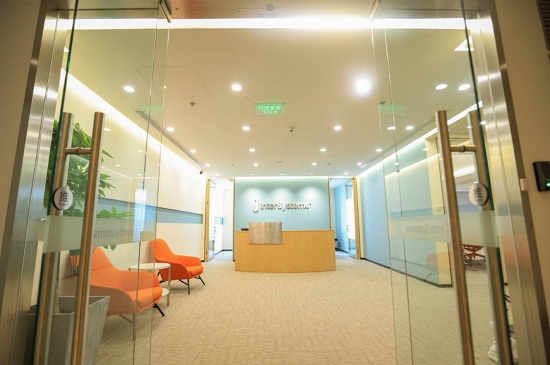
InterSystems, a creative data technology provider dedicated to helping customers solve the most critical scalability, interoperability, and speed problems, announced the October 1 opening of a new Chinese head officeย in the Beijing Yintai Center inย the core of the central CBD. The move marks a new round of expansion by InterSystems in China and demonstrates its commitment to empowering innovative solutions backed by the highest levels of support.

InterSystems has long recognized China as one of its most important strategic markets. Since going into business in China in 2000, the company’s business growth has averaged 19 percent per year. Working closely with local partners and healthcare providers, and leveraging its cutting-edge technologies, InterSystems empowers software applications that support high quality healthcare services at hundreds of Chinese hospitals and other organizations.ย Of these, tertiary hospitals account for over 70 percent, including 31 of the top 100 hospitals[1]. InterSystems also partners with leading IT companies to accelerate the digital transformation of the Chinese healthcare industry and, in its next stage of growth, will expand beyond the healthcare market to help companies quickly build data-rich applications.

The new office triples the space available to InterSystems in central Beijing. It features a Training Center for new product or technology training and the sharing of best practices to provide knowledge delivery and support for empowering partners and customers. InterSystems continues to research the requirements of the Chinese market and is committed to both supporting individual customers and creating solutions that are appropriate for the entire market.

In the current environment, and especially in the post-epidemic era, the demand to apply data to solve new problems has increased. In its new expansion phase, InterSystems is promoting the concept of “Healthy Data”. Organizations need clean, accurate data available anytime, anywhere. It needs to be able to flow seamlessly across all sources, be ready for action, and enable better decisions, whether that is in financial services, supply chain/logistics, or in healthcare.

The number of InterSystems employees in China, which has doubled in the past ten years, is growing along with its new office. To better serve the Chinese market, InterSystems is currently recruiting for positions in sales, technology and other areas. Working with people to realize their dreams and ambitions in healthcare and information technology, InterSystems hopes to accelerate the digital transformation of Chinese healthcare and other industries. For more employment information, please visit:ย https://www.intersystems.com/who-we-are/careers/.

InterSystems’ new Beijing office and expansion plans build on 20 years of investment in China and demonstrate an acceleration of international cooperation in the digital sector, as called for in a recent speech by President Xi Jinping,” saidย Luciano Brustia, Regional Managing Director, Asia Pacific, InterSystems Corporation. “In particular, the investment by InterSystems will accelerate the trend towards digital-driven, Internet-based and smart growth, both in healthcare and other industries.”

About InterSystems

Established in 1978, InterSystems is the leading provider of data technology for extremely critical data in the healthcare, finance, and manufacturing and supply chain sectors. Its cloud-first data platforms solve scalability, interoperability, and speed problems for large organizations around the globe. InterSystems also develops and supports unique managed services for hospital EMRs, unified care records for communities and nations, and laboratory information management systems. InterSystems is committed to excellence through its award-winning, 24ร—7 support for customers and partners in more than 80 countries. Privately held and headquartered in Cambridge, Massachusetts, InterSystems has 25 offices worldwide. For more information, please visit www.InterSystems.com/cn.

WHO: Global partnership to make available 120 million affordable, quality COVID-19 rapid tests for low- and middle-income countries

Mayo Clinic collaborates with Ultromics to rapidly assess patients diagnosed with COVID-19

A set of agreements to make available, for low and middle-income countries, affordable, high-quality COVID-19 antigen rapid tests were today announced by the Access to COVID-19 Tools (ACT) Accelerator. Organizations involved in the milestone agreement include the Africa Centres for Disease Control and Prevention (Africa CDC), the Bill & Melinda Gates Foundation, the Clinton Health Access Initiative (CHAI), the Foundation for Innovative New Diagnostics (FIND), the Global Fund, Unitaid, and the World Health Organization (WHO).

As part of this comprehensive, end-to-end effort, the Bill & Melinda Gates Foundation has executed separate volume guarantee agreements with rapid diagnostic test (RDT) producers Abbott and SD Biosensor. These two arrangements will make available to LMICs 120 million antigen rapid diagnostic tests (Ag RDTs) โ€“ priced at a maximum of US$5 per unit โ€“ over a period of six months. These tests provide results in 15โ€“30 minutes, rather than hours or days, and will enable expansion of testing, particularly in countries that do not have extensive laboratory facilities or trained health workers to implement molecular (polymerase-chain reaction or PCR) tests.

The tests developed by Abbott and SD Biosensor are highly portable, reliable, and easy to administer, making testing possible in near-person, decentralized healthcare settings. Both companiesโ€™ tests are faster and cheaper than laboratory-based tests, enabling countries to increase the pace of testing, tracing and treating people for COVID-19 at the point of care particularly in areas with under-resourced health systems. A number of other Ag RDTs are at various stages of development and assessment.

To scale up the Ag RDTs, the Global Fund today announced that it has made available an initial US$50 million from its COVID-19 Response Mechanism to enable countries to purchase at least 10 million of the new rapid tests for LMICs at the guaranteed price, with the first orders expected to be placed this week through the Global Fundโ€™s pooled procurement mechanism.

FIND and WHO are working together to accelerate appropriate use by supporting implementation research that will optimize Ag RDT use in multiple LMICs, in line with WHO guidance. This includes provision of catalytic volumes of tests to understand how Ag RDTs can best fit into health systems.

Unitaid and Africa CDC will combine resources to initiate the roll out of these tests in up to 20 countries in Africa starting in October 2020. This multi-million-dollar intervention, currently undergoing final sign-off by their Boards, is designed to engage multiple partners active in the COVID-19 response in these countries, such as CHAI, African Society for Laboratory Medicine (ASLM) and local organizations. This will bolster efforts by the African Unionโ€™s Partnership to Accelerate COVID-19 Testing (PACT) initiative, launched in August 2020 to mobilize experts, community workers, supplies and other resources to minimize the impact of the pandemic on the African continent by testing, tracing, and treating COVID-19 cases in a timely manner.

Testing is a critical cornerstone of the COVID-19 response, enabling countries to trace and contain the virus now, and to prepare for the roll-out of vaccines once available. Effective testing strategies rely on a portfolio of test types that can be used in different settings and situations. While molecular tests started to be rolled out within a month of the virus being sequenced, these tests are mainly laboratory based, relying on infrastructure and trained personnel to conduct them. Rapid tests to detect the presence of the virus at the point of care, which are faster and cheaper, are a vital addition to the testing arsenal needed to contain and fight COVID-19.

WHO guidance published on 11 September 2020 highlights the value of these tests in areas where community transmission is widespread and where nucleic acid amplification-based diagnostic (NAAT) testing is either unavailable or where test results are significantly delayed. As well as supporting test-trace-isolate strategies, the tests can help identify or confirm new outbreaks, support outbreak investigations through screening; monitor disease trends; and potentially test asymptomatic contacts.

The ACT-Accelerator Diagnostics Pillar is co-convened by FIND and the Global Fund, working closely with WHO and over 30 global health expert partners to accelerate innovation and overcome the technical, financial, and political obstacles to achieving equitable access to effective and timely testing. Such unprecedented global collaboration has enabled development and deployment of the first WHO EUL-approved Ag RDT within eight months of the first identification of the virus. In comparison, it took nearly five years to develop the first RDT for HIV. Several more antigen RDTs for COVID-19 are currently under WHO EUL review. Overall, the ACT-Accelerator Diagnostic Pillar aims to facilitate the supply of 500 million tests to LMICs within 12 months.

These agreements are critical to fulfil the key objective of the ACT-Accelerator: to ensure all countries, regardless of income, have fair access to new tests and tools to fight COVID-19. The exceptional speed with which the Ag RDT access package has been created demonstrates the breadth of the impact of the ACT-Accelerator initiative, and this and future achievements in testing will complement similar milestones anticipated to emerge from the Vaccines and Therapeutics Pillars.

Dr Tedros Adhanom Ghebreyesus, Director General of WHO, said: โ€œHigh-quality rapid tests show us where the virus is hiding, which is key to quickly tracing and isolating contacts and breaking the chains of transmission. The tests are a critical tool for governments as they look to reopen economies and ultimately save both lives and livelihoods.โ€

Mark Suzman, Chief Executive Officer of the Gates Foundation, said: โ€œTesting is an essential tool in the fight against COVID-19. We are delighted to join a partnership that will help ensure that the latest, high-quality diagnostics do not just go to the highest bidder but will be available at an affordable price to the worldโ€™s lower income countries. In addition, all of the actions announced today point to the growing success of the ACT-Accelerator in catalyzing global cooperation for a fair and effective response to this global crisis.โ€

Dr Iain Barton, Chief Executive Officer of CHAI, said: โ€œThese agreements will help ensure that millions of people in low- and middle-income countries have access to high-quality rapid testing in villages and towns as well as cities. This has the potential to revolutionize governmentโ€™s ability to respond to the pandemic, enabling quick diagnosis and response to contain localized virus outbreaks before they spread.โ€

Andrea F. Wainer, Executive Vice President of Abbottโ€™s rapid and molecular diagnostics businesses, said: โ€œAbbott is pleased to bring our Panbio COVID-19 rapid antigen test and Sympheos digital solution to people and health authorities in low- and middle-income countries through this innovative partnership. We have long been committed to making sure our life-changing technologies are affordable and accessible, and for decades have been supporting many of these countries with our rapid tests for malaria, HIV, hepatitis, and other deadly infectious diseases.โ€

Hyo-Keun Lee, Chief Executive Officer of SD Biosensor, said: โ€œWe, SD Biosensor, are pleased to supply our STANDARD Q COVID-19 rapid antigen tests for people who really need fast and accurate COVID-19 diagnosis. Through this partnership, we will keep striving do our best to provide the best quality of COVID-19 antigen rapid kits for fighting COVID-19.โ€

Dr John Nkengasong, Director of the Africa CDC, said: โ€œAntigen tests are an important complement to PCR testing, and are crucial to expand testing capacity throughout Africa. The beauty of antigen testing is that it is fast and gives quick results. It will allow healthcare workers to quickly isolate cases and treat them while tracing their contacts to cut the transmission chain.โ€

Dr Philippe Duneton, Unitaidโ€™s Executive Director a.i., said: โ€œAccess to these point-of-care rapid tests with be a game changer in the fight against COVID-19. We are working to support countries to rapidly deploy and use these new tests in the best possible way. Todayโ€™s news shows what the ACT-A partners working together can deliver in our efforts against the COVID-19 pandemic.โ€

Dr Carolyn Gomes, Special Advisor for the Board, ProActividad, Jamaica, and Alternate Board Member (Developing Country NGOs), The Global Fund โ€œEnsuring equitable access to rapid diagnostic tests is essential for controlling COVID-19 in all countries and to opening up economies across the world. Ensuring an affordable price is a major step forward. Tests that can be used at the point of care by front-line workers will greatly facilitate community access to testing. To ensure equity in access for those who need it most, there will need to be much greater support of the ACT-Accelerator and the Diagnostics Pillar in particular. Much more money is needed to meet the needs of the most vulnerable.โ€

Peter Sands, Executive Director of the Global Fund, said: โ€œThis is the ACT-Accelerator in action. It is proof that by working together at a massive global scale, we can develop and deploy a vital new tool to help contain and fight the pandemic. This is not just a new test โ€“ itโ€™s the money and the deployment plan to get it to where itโ€™s needed, fast. This is the power of global collaboration.โ€

Dr Catharina Boehme, Chief Executive Officer of FIND, said: โ€œWith this Ag RDT package, the ACT-Accelerator partners have secured much-needed tools for LMICs to dramatically increase COVID-19 testing. With the financial support of several countries, we have made great progress, but to ensure we reach all those who need testing and bring the prices down, we urgently need substantial funding from public, philanthropic, and multilateral sources.โ€

IIT Delhi researchers find Teicoplanin effective in treating COVID -19 virus

Oxford University's Covid-19 vaccine shows promise in animal study

Research by the Indian Institute of Technology (IIT), Delhi has found that Teicoplanin is a potential therapeutic option against COVID-19 and can be ten times more effective than several drugs being currently used.

The research by the instituteโ€™s Kusuma School of Biological Science screened an assemblage of 23 approved drugs, which have shown leads towards being therapeutic options for coronavirus.

โ€œWhile the effect of Teicoplanin was compared with other important drugs in use, Teicoplanin was found to be 10-20 fold more effective than the chief drugs being used against SARS-CoV-2, such as Lopinavir and Hydroxychloroquine in our laboratory conditions,โ€ said Ashok Patel, Professor at IIT Delhi.

Patel, who led the research was also assisted by Dr Pradeep Sharma from AIIMS. The research has also been published in the International Journal of Biological Macromolecules.

Teicoplanin is an FDA-approved glycopeptide antibiotic, which is regularly used for treating gram-positive bacterial infections with low toxicity profile in humans.

โ€œRecently, there has been a clinical study carried out with Teicoplanin at Sapienza University in Rome. However, a more detailed clinical investigation is required on a large cohort, in different stages mild, moderate and critically ill patients to conclude the definite role of Teicoplanin against COVID-19,โ€ informed Patel.

PrimeStore MTM novel viral transport media successfully evaluated by Public Health England for SARS-CoV-2 inactivation

PrimeStore MTM novel viral transport media successfully evaluated by Public Health England for SARS-CoV-2 inactivation

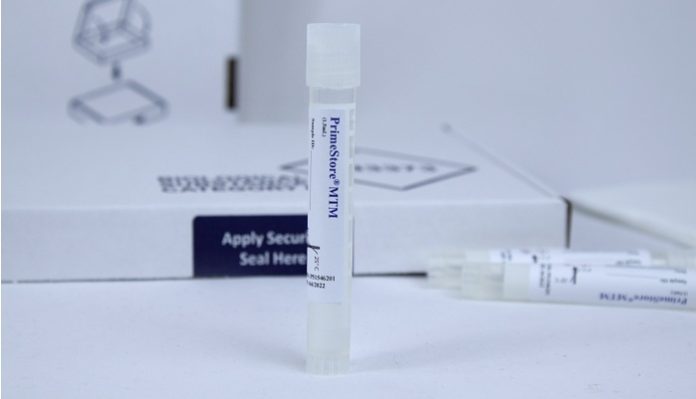
EKF Diagnostics, the global in vitro diagnostics company, announces that the novel viral transport media PrimeStoreยฎ MTM (Molecular Transport Medium) has been successfully evaluated for effective SARS-CoV-2 inactivation in a new study published by Public Health England (PHE). To work safely with live SARS-CoV-2 samples requires the use of high-containment laboratories. However, after inactivation SARS-CoV-2 material can be handled at a lower containment level, allowing more laboratories to undertake testing and thereby increasing COVID-19 testing capacity.

The PHE study evaluated numerous commercially available reagents and laboratory formulations commonly used for viral inactivation protocols by public health agencies and research laboratories globally. All the reagents tested have been used during the current COVID-19 pandemic for sample transportation and subsequent molecular processing. A total of 23 commercial reagents designed for virus inactivation, clinical sample transportation and nucleic acid extraction were assessed by PHE for their ability to inactivate SARS-CoV-2.

The study used TCID50 and blind passage techniques to test for any infectious virus still recoverable from all samples treated with the inactivation reagents. Notably, the study showed that PrimeStore MTM was the only commercially available transport reagent from the many tested from which no residual virus was detectable by either TCID50 or by the passaging of treated purified sample. This demonstrates the efficacy and safety of PrimeStore MTM in inactivating live SARS-CoV-2 samples whilst maintaining the ability to detect the target viral RNA.

In addition to this successful PHE evaluation of its effectiveness at deactivating SARS-CoV-2, PrimeStore MTM is also an FDA cleared and CE-IVD marked sample collection device. It is already well proven, with millions of tubes sold globally for the inactivation and transportation of many high consequence pathogens. Therefore, this patented transport media, manufactured by EKF and confirmed by PHE to enable safe sample handling of clinical samples, can help to increase COVID-19 testing capacity.

Due to PrimeStore MTMโ€™s advantages over generic VTM and UTM (viral and universal transport media) products, EKF has recently won a number of significant tenders with commercial partners involved in healthcare, education and industry to supply safe sample collection kits for COVID-19 testing programmes.

Amongst these commercial partners, EKF is now working with the University of Leicester for its student COVID-19 screening programme, and international molecular diagnostics group, Yourgene Health, to supply kits to their customer base which includes public schools, universities and corporations. Another partner is Source BioScience which provides ISO:15189 laboratory testing services for the NHS and private healthcare.

Dr Sean Sales, Director of Genomic Services, Yourgene Health, explained how PrimeStore MTM has helped them to streamline their workflow and reduce the turnaround time for getting COVID-19 test results out to patients. โ€œOur primary reason for choosing the PrimeStore MTM was for safety. The MTM inactivates the SARS-CoV-2 virus whilst stabilising the RNA. This means that we can safely handle samples we receive that could potentially contain a hazard group 3 pathogen in a Class II MSC. This in turn helps our workflow as it removes the need to inactivate the samples prior to moving to the next step.โ€

Sales added, โ€œThe fact that thereโ€™s no need for cold chain in the delivery process also makes delivery of samples easier and helps keep shipping costs down. We are investing in our laboratory testing facilities to enable us to run tens of thousands of samples a month, and sample stability and supply is key.โ€

PrimeStore MTM removes the need for all cold chain logistics including sample storage; RNA and DNA are perfectly preserved for downstream molecular processing for up to four weeks at room temperature. Furthermore, because samples are rapidly inactivated, the risk of infection is eliminated, meaning samples are ready for safe testing immediately on arrival at a laboratory and without need for containment. In the case of COVID-19, this opens up options for more testing laboratories, making PrimeStore MTM a key part of the testing supply chain which can underpin the safe and rapid increase of testing capacity.

Commenting on the results of the PHE evaluation study, Rebekah Stibbs, Product Manager for PrimeStore MTM at EKF Diagnostics said, โ€œWe were very pleased to note that the PHE study concluded that not all inactivation media are equal. The PHE study showed that infectious SARS-CoV-2 virus remained recoverable in treated samples after inactivation with most reagents tested. PrimeStore MTM was the only commercially available CE-marked and FDA cleared media that had no residual virus detected.โ€

Stibbs added, โ€œThe PHE study, and the fact that PrimeStore MTM is proven technology used since 2006 for the inactivation and transportation of many high consequence pathogens, have given our commercial partners the confidence to now employ it in their COVID-19 testing programmes. As we enter the start of a second phase of the COVID-19 pandemic, the need for safe, low cost, low maintenance sample transportation is needed more than ever before. This is so that the four UK governments can reach their testing targets and the UK as a whole can start to transition back to a normal way of life as soon as possible.โ€

About EKF Diagnostics
EKF Diagnostics Holdings plc, which includes the EKF Diagnostics, Stanbio Laboratory and DiaSpect brands, specializes in the development, production and worldwide distribution of point-of-care analyzers for use in the detection and management of diabetes and anemia, and also in sports and maternal medicine. EKF products are sold in more than 100 countries around the globe, through a network of specialist distributors.

Point-of-care diagnostics: EKF Diagnostics designs and manufactures world-class diagnostic devices, as well as distributing rapid test kits for infectious diseases and pregnancy. The EKF analyzer range is used widely in GP surgeries, pharmacies, blood banks, sports clinics, hospitals and laboratories for glucose, lactate, hemoglobin, hematocrit and HbA1c measurement.

Central laboratory: EKF, through its wholly owned subsidiary, Stanbio Laboratory (Boerne, Texas, USA), manufactures a comprehensive range of clinical chemistry reagents, as well as associated analyzers. In addition, EKF Life Sciences (Elkhart, Indiana, USA) manufactures enzymes used in reagent development and also provides contract fermentation facilities.

Children’s Hospital Los Angeles launches accelerator for pediatric digital health

Children's Hospital Los Angeles launches accelerator for pediatric digital health

The hospital is leading a digital health accelerator that will link more than 30 hospitals across the U.S., U.K. and Australia with technology companies focused on increasing digital innovations for pediatric patients.

Payers including Anthem, UnitedHealthcare and Blue Shield of California also are participating in the KidsX Accelerator program to work alongside hospitals and digital health companies to launch demonstration projects.

“Pediatrics has just as many needs and problems to be solved as their counterparts and colleagues at health systems focused on adults. The amount of digital health solutions catered to solving the needs of pediatric populations are much smaller. There just aren’t very many,” Omkar Kulkarni, chief innovation officer at Childrenโ€™s Hospital Los Angeles and managing director of the KidsX Accelerator, told Fierce Healthcare.

“We thought the best way to spur innovation was to build a program that specifically focuses on pairing hospitals with promising technologies companies,” Kulkarni said.

The goal is to help digital health startups successfully pilot and deploy digital health solutions for pediatric patients and then grow and scale those products across pediatric healthcare, he said.

Pulling together a consortium of hospitals provides size and scale to launch demonstration projects and is a more appealing opportunity to a digital health startup, Kulkarni said.

The startups aren’t just working with one hospital, but they will have the attention of multiple hospitals,” he said. “We felt there needed to be a platform that made it easier for those innovations to take place and to grow.”

The program will use a reverse pitch model, which allows the participating hospitals to pitch their problems or challenges to the startup community and then work with the companies that have tech solutions to meet their needs.

The participating hospitals developed a wish list of eight focus areas including improved remote monitoring, developing virtual rehab for kids using gamification, better pediatric mental wellness using mobile apps and creating predictive analytics for health outcomes.

During this 13-week program, entrepreneurs will work closely and collaboratively with digital health leaders at childrenโ€™s hospitals to determine how their product best delivers value in the pediatric market. The program will begin in early 2021 and be completely virtual.

Applications for the program will be accepted through Oct. 7.

The companies selected for the program will be mentored by the hospitals on how to prepare for the pediatric market and will be given a place to test the innovation.


There are a few pediatric startups making inroads in the market. Hazel Health operates virtual care clinics inside the school nurse’s office to connect students to a physician via telehealth and recently landed a $33 million funding round. Sprout, a tech-enabled autism care and treatment program, launched in July on the back of $10 million in seed funding.

Emilio Health developed a technology-enabled behavioral health home for children and their families and raised $5 million in seed funding from Oak HC/FT in late 2019.

But pediatric care is a challenging space for digital health startups and investors as it has a smaller market size. Developers also have to design products and devices on the unique needs of pediatric patients and their families.

“In the pediatric market, the population is not uniform. You have newborns, neonatals, and young children, children, adolescents and young adults. Designing a digital solution for a 5-year is different than one for a 15-year-old. From a technology development perspective, it takes additional thought, research and consideration,” he said.

The surge in virtual care during the COVID-19 pandemic has boosted interest in digital health tools for children, especially using remote monitoring devices and virtual specialty care to help track children’s chronic conditions at home.

But historically, there hasn’t been a focus on children. “There are not a lot of remote monitoring kits designed around the physiology of children. For example, kids have small wrists and you need various sizes. Remote monitoring tools work for a 45-year-old, but it is not plug-and-play into the world of a kid,” Kulkarni said.

Pediatric hospitals hope to capitalize on the growing interest in digital health to spark innovation for children’s healthcare. “Weโ€™re starting to ask questions: How do we take care of families where they are at home using resources like artificial intelligence, algorithms, automation and digital assistant bots to make the experience convenient to families and efficient for health systems and pediatric providers?” Kulkarni said.

Ventripoint Diagnostics Installs Whole Heart Analysis Device At Leading European Hospital

Ventripoint Diagnostics Installs Whole Heart Analysis Device At Leading European Hospital

Ventripoint Diagnostics this morning announced that its latest version of its whole heart analysis system, referred to as VMS+3.0, has made its debut in Europe. The first device has been installed in Rotterdam, Netherlands, at the Erasmus-Sophia University Medical Center, a leading cardiac center across the continent.

While significant given that it marks the first VMS+3.0 unit to be sold into the European market, even more significant is that it is the first device in the firms history to become operational without an installation team being on site. The latest version of the heart analysis system has been designed to be an out-of-the-box system, enabling the device to be integrated into hospital infrastructure remotely.

This change in installation procedure is a function of the redesign that the system saw, where it no longer requires internet connectivity to function, improving security while simplifying installation of the devices. Further benefits of this modification is that IT departments are much faster to approve the purchase of such devices by hospitals given the reduced cybersecurity risks, while installation can now be conducted remotely with little assistance from local hospital staff. Furthermore, it removed a barrier to adoption of the device, making it easier for hospitals to utilize the cutting-edge technology.

Ventripointโ€™s VMS+3.0 is technology that has been developed to create a 3D model of a persons heart from an echocardiogram โ€“ which is effectively an ultrasound of the heart. The tech enables the 3D model to be created in minutes, whereas the dominant technology to create such modelling, an MRI, takes much longer while also requiring the patient to lay perfectly still for clear images. By comparison, the VMS+3.0 does not require perfect images to create its model, while presenting results that are within ยฑ10% for with a 95% confidence among certain tests.

Such time efficient test can be significant in the context of the current environment, wherein the impacts of COVID-19 are believed to be significant on the heart. The company has estimated that 40,000 VMS+3.0 units are required to diagnose and monitor patients with a number of heart diseases across North American and Europe, such as congenital heart disease, pulmonary hypertension, and cancer. This figure does not take into account the number of devices needed for other patient populations, such as those of whom who contracted COVID, providing further opportunity for the firm.

Medical Solutions and Alliance Health Group launch 24/7 virtual GP service

Medical Solutions and Alliance Health Group launch 24/7 virtual GP service

Private provider of remote GP services in the UK and Republic of Ireland, Medical Solutions, has enhanced its partnership with Alliance Health Group (AHG) with the roll-out of ‘GP24’, a 24/7 virtual GP service.

Medical Solutions has worked with AHG, since 2014, providing its GP service to employees within its client base who are part of a private healthcare plan managed by AHG.

WHY IT MATTERS

GP24 is now available to 48,000 UK-based employees of Mitie, a UK-based facilities management and professional services company.

This comes after the launch of GP24 to 4,800 staff at Anglian Water Group, which supplies water and water recycling services to customers in the east of England and Hartlepool.

This service will provide employees with access to a GP by phone for diagnosis, advice, private prescriptions and referral letters via an app, 24/7, seven days a week. Online video-consultations with a GP are available between 8am and 10pm, seven days a week.

THE LARGER TREND

Earlier this month, Medical Solutions partnered with Cirencester Friendly to launch GP24 for the societyโ€™s income protection members. Amongst the many competitors launching virtual GP services during the pandemic is London-based virtual care provider, Medefer, which landed ยฃ10m in a funding round to develop its tech platform for doctors to conduct virtual visits.

ON THE RECORD

Paul Nattrass, commercial director at Medical Solutions, said: โ€œDuring these challenging times, this will give those employees the reassurance that they can access expert medical advice and support anytime, anywhere. For employers, enabling staff to have prompt access to expert medical advice helps to keep them healthy, engaged and productive at work.โ€

Neil Howlett, CEO at Alliance Health Group, added: โ€œAt AHG we aim to provide our clients with flexible and bespoke private healthcare solutions that focus on employee needs and client value. We believe that fast and efficient access to the right medical support is key to attaining the best clinical outcomes for our patients. Our partnership with Medical Solutions provides us with an even broader portfolio of services targeted at helping patients access care in their time of need.โ€


Masimo Rad-G pulse oximeter gets FDA clearance

Masimo Rad-G pulse oximeter gets FDA clearance

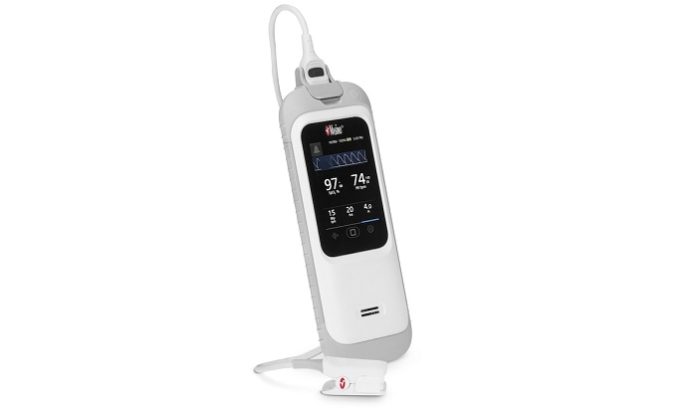
Medical device creator Masimo announced its latest 510(k) clearance from the U.S. Food and Drug Administration for the Rad-G pulse oximeter. The Rad-G is a handheld device that combines Masimoโ€™s signal extraction technology (SET) pulse oximetry and respiration rate from the pleth (RRp) that can be used to spot-check or continually monitor.

Itโ€™s lightweight, handheld, and has a 24-hour battery life between charges and a rubber exterior. Masimo markets the Rad-G for a variety of clinical settings, including physiciansโ€™ offices, long-term care facilities, wellness clinics, first-response scenarios and limited-resource environments.

Alongside the launch of the Rad-G device is the Rad-G sensor, which is intended to be used for both adult and pediatric patients. The new device is also compatible with the rest of Masimoโ€™s product portfolio.

WHY THIS MATTERS

Studies show that expanding the vital measurements that hospital staff take can lead to early identification of a deteriorating patient. It can in turn reduce the need for higher-acuity care, hospital lengths of stay, and admission costs and can even at times improve survival rates.

Oftentimes, hospitals only use measurements like blood pressure and temperature to monitor a patientโ€™s condition. Monitoring respiratory function and pulse oximetry can lead to early detection of patient deterioration, according to a report in the European Journal of Anaesthesiology.

The Rad-G measures a range of vitals, including oxygen saturation, pulse rate, perfusion index, pleth variability index and RRp. Measuring respiratory function is particularly important when treating patients with respiratory-related illnesses like pneumonia and COVID-19.

THE LARGER TREND

Masimo has had a busy summer in terms of product launches. Back in June, it released the Bridge, a wearable, single-patient-use percutaneous neurostimulator designed to be worn behind the ear to help with opioid withdrawal symptoms. Then in August, Masimo landed FDA clearance for its O3 Regional Oximeter, which monitors somatic tissue oxygenation saturation and can detect changes in a patientโ€™s hemoglobin, oxyhemoglobin and deoxyhemoglobin.

The company also entered into a partnership with the NBA this summer to supply players, coaches and staff with the MightySat fingertip pulse oximeter. The partnership is part of the leagueโ€™s health and safety protocols that require all league members to measure their oxygen saturation, pulse and respiration rate on a daily basis.

Also in the connected medical device space is Capsule Technologies, which received FDA 510(k) clearance for its Vitals Plus capnography-monitoring technology.

ON THE RECORD

โ€œWith the Rad-G Pulse Oximeter, we set out to create an accessible, high-quality care solution that clinicians can rely on in a multitude of care settings,โ€ said Joe Kiani, the founder and CEO of Masimo, in a statement.

โ€œWe are bringing our expertise in pulse oximetry to a smaller, more lightweight, rugged, and versatile handheld device โ€“ without sacrificing any of the advantages that help provide clinicians with critical insights into patient status. As the COVID-19 pandemic continues, itโ€™s more imperative than ever that caregivers have access to the most accurate and reliable pulse oximetry-monitoring technologies. We are proud to offer Rad-G among our suite of solutions powered by the breakthrough technology, SET pulse oximetry.โ€

NYU Langone New Robotic Systems Have Potential to Improve Outcomes & Reduce Complications for Transgender Women

NYU Langone New Robotic Systems Have Potential to Improve Outcomes & Reduce Complications for Transgender Women

NYU Langoneโ€™s multidisciplinary transgender program takes a personalized approach to care of patients with gender dysphoria, centered on the individual patientโ€™s objectives, life circumstances, and comorbidities. Highly trained faculty tailor gender-affirming procedures to meet the individual goals and expectations of each person.

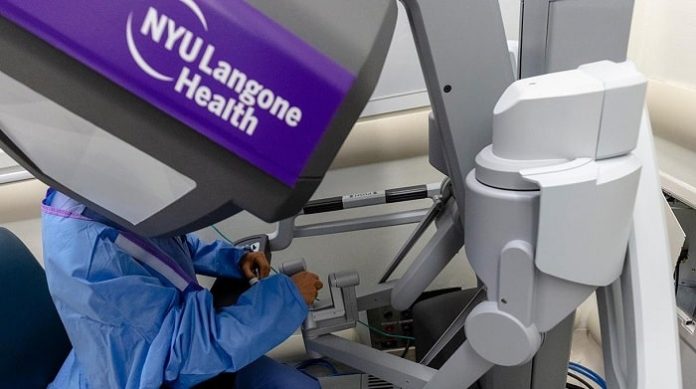
Robotic surgery eases some of the technical challenges of gender-affirming surgery, allowing surgeons greater visibility and reach within the confines of the pelvic cavity. NYU Langone is one of few surgery programs in the country that uses a robotic platform for complex procedures such as vaginoplasty, or reconstruction of the vagina, in eligible transgender women.

Many transgender women are interested in vaginoplasty, and demand has risen in recent years, according to an article led by Rachel Bluebond-Langner, MD, the Laura and Isaac Perlmutter Associate Professor of Reconstructive Plastic Surgery in the Hansjรถrg Wyss Department of Plastic Surgery, and Lee C. Zhao, MD, assistant professor in the Department of Urology, published online July 2, 2020, in European Urology. Currently, the most commonly used procedure is penile inversion vaginoplasty, which encompasses neovaginal cavity creation, clitoroplasty, labiaplasty, corpora cavernosa reduction, orchiectomy, and urethroplasty.

However, advanced robotic platforms offer the potential to create full vaginal depth in shorter operating times while minimizing complications. Since 2017, NYU Langone surgeons have performed hundreds of robotic-assisted peritoneal flap gender-affirming vaginoplasties and recently adapted their technique for a state-of-the-art single-port system introduced in 2018.
Single-Port Platform Shortens Operating Time

Robotic surgery is a viable alternative to penile inversion in most vaginoplasty candidates, according to the study, and is especially advantageous for patients with limited genital skin. The robotic platform allows surgeons to create a well-vascularized neovaginal apex or vault.

Compared with the original multi-arm robot system, single port offers several other potential advantages, including shorter operating time, the authors say. In addition, surgeons report having better visualization using the newer platform and more room to operate as a team in a narrow space compared with using a multi-arm system, where the lateral arms tend to clash with the walls of the canal as dissection progresses.

Dr. Zhao and colleagues describe the single-port technique in detail and compare patient outcomes for single versus multi-arm procedures. Surgery time was shorter with single port (3.7 versus 4.2 hours) while both systems produced comparable vaginal depth (14.1 cm single port; 13.6 cm multi-arm) and width (3.7 cm), based on a retrospective review of 145 patients.

Surgeons reported that the single-port platform offered more freedom of movement during deep dissection and intracorporeal suturing, the authors say. In addition, an articulating camera provided better visualization for canal dissection.

โ€œDespite the surgical learning curve one might expect with using a new system, we saw significantly shorter operating times with the single port,โ€ says Dr. Zhao. โ€œThatโ€™s important because we know that longer operating time is a risk factor for positioning-related complications, such as neuropathy, which did not occur in the cohort we studied.โ€
More Long-Term Data Needed

The current study is the longest published follow-up of patients who have received robotic-assisted peritoneal flap gender-affirming vaginoplasty, the authors note. They stress that more research is needed on this relatively new procedure to assess longer-term outcomes, such as stabilization of vaginal depth over time.

โ€œUltimately, more data are needed to establish the complication rates and durability of this procedure,โ€ says Dr. Zhao. โ€œHowever, this study establishes the single-port robotic system as a safe alternative to traditional penile inversion that allows for shorter operative time and excellent outcomes even in patients with limited genital tissue.โ€

Nuffield Health Cambridge Hospital welcomes the da Vinci robot

Nuffield Health Cambridge Hospital welcomes the da Vinci robot

Nuffield Health Cambridge Hospital was delighted to welcome the da Vinci robot from Cambridge University Hospitals NHS Foundation Trust to support the treatment of NHS urology patients in Cambridgeshire and beyond.

“Being able to undertake robotic prostate surgery at the Nuffield on a temporary basis allows us to ensure rapid treatment of patients with prostate cancer, including any patients who had delayed surgery due to the impact of Covid,โ€ said Claire Holmes, Macmillan Operations Manager for Cancer, Cambridge University Hospitals NHS Foundation Trust. โ€œEstablishing this new service quickly has been an exciting project to work on and shows how two organisations can work quickly to benefit patient care.โ€

The da Vinci surgical system enables surgeons to perform delicate and complex operations through a few small incisions with robotic assisted surgery, allowing greater precision and minimal discomfort. CUH has been providing this service at Addenbrookeโ€™s Hospital for more than 15 years.

CUH Consultant Urologist, Mr Nimish Shah, commented: โ€œIt is wonderful to have the additional da Vinci robotic system installed so quickly at Nuffield Hospital Cambridge. It enables us to undertake prostatectomy surgery for men whose treatment was delayed due to Covid-19.โ€ The Nuffield Health Cambridge Hospital team has been very professional and efficient, enabling us to deliver surgery very safely.

Translate ยป