Close
Digital Health & Ai Innovation summit 2026
Medical Taiwan 2026

Capsa Healthcare Introduces the Trio Mobile Computing Workstation to Advance Nursing Performance in Any Healthcare Environment

Capsa Healthcare Introduces the Trio Mobile Computing Workstation to Advance Nursing Performance in Any Healthcare Environment

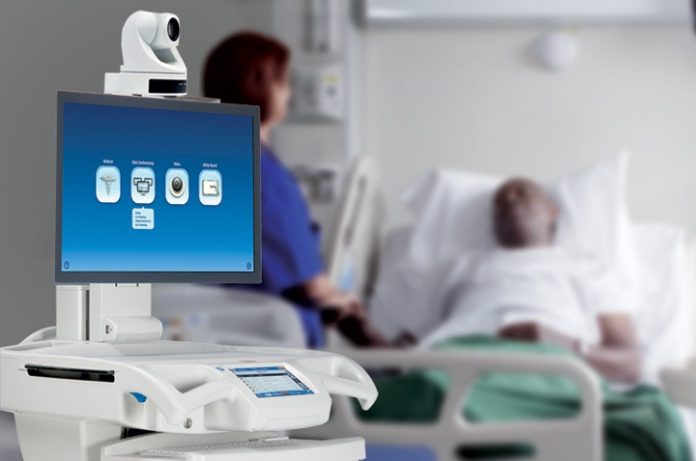
Capsa Healthcare announced the launch of the new Trio mobile computing workstation. Trio is Capsa’s latest generation point-of-care platform to mobilize e-health records and support efficient and accurate medication management.

Trio incorporates the latest technology in a blended design of the most intelligent and most reliable computing carts ever offered. Trio provides a refined ergonomic style coupled with advances in ease of use, maneuverability, and power system runtime. Along with traditional needs for clinical documentation and medication administration, Trio can be configured to support a variety of applications including telehealth, registration, and phlebotomy.

“Capsa is pleased to deliver a solution that combines the reliability of our proven platforms with enhanced intelligent features that customers expect in today’s mobile computing workstations,” says Avi Zisman, Capsa’s President and CEO. “With the addition of Trio, our product portfolio now offers customers an unmatched scope of solutions that support healthcare delivery at the point-of-care.”

Trio is Capsa Healthcare’s most advanced workstation with enhancements that support a clinician’s essential role:

Intuitive control center with touch screen navigation to helpful information, communication tools, and memory presets for each user
N-Stride steer assist and a lightweight, small footprint for ease-of-mobility
New scalable GoLife™ power platform for extended runtime, exceeding 24 hours
New MaxBin flexible storage system for any medication admin workflow, with high-capacity bins and soft-close drawers
Enhanced N-SightTM cloud-based fleet management software to assist I.T. in managing cart assets in a facility or across a health system
Easy-to-clean smooth surfaces and an embedded antimicrobial additive on high touch points

“Providing clinicians with an intuitive and optimized user experience to support their patient care routine is at the heart of the Trio design. With a focus on user specific ergonomics and superior performance, wrapped into a lightweight, small form factor workstation, we have developed a solution that will serve as a caregiver’s most reliable partner at the point-of-care”, says Craig Rydingsward, VP of Sales, Acute Care at Capsa Healthcare. “Trio’s innovative advances in power system runtime combined with robust fleet management and communication capabilities now offered in N-Sight, enable I.T. and administration to realize true value in their POC fleet.”

About Capsa Healthcare

Capsa Healthcare is a worldwide leader in developing and delivering innovative healthcare solutions for a wide spectrum of care providers. With 50+ years of experience, Capsa Healthcare offers a unique ability to meet the demands of diverse healthcare environments and offers a broad range of products including medication carts, medical carts, point-of-care carts, and pharmacy automation solutions. Headquartered in Portland, OR, Capsa Healthcare has over 400 employees with management, sales, and production offices throughout the world.

Baxter Announces U.S. FDA De Novo Authorization for Theranova Dialyzers Enabling HDx Therapy

Baxter Announces U.S. FDA De Novo Authorization for Theranova Dialyzers Enabling HDx Therapy

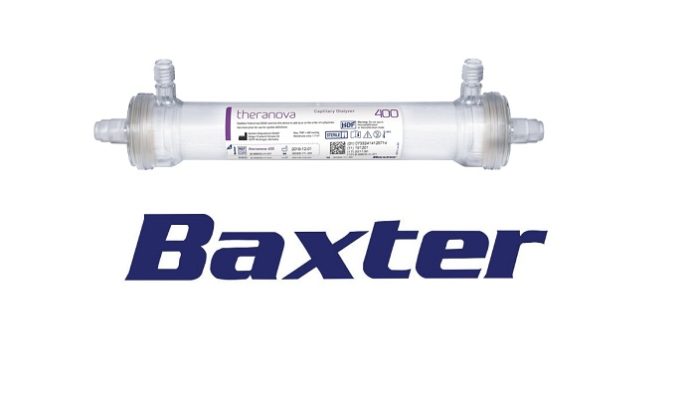
Baxter International Inc., a global innovator in renal care, today announced the U.S. FDA has granted the De Novo application for Theranova, the company’s novel dialysis membrane. Theranova was designed to deliver expanded hemodialysis (HDx) therapy, which filters a wider range of molecules from the blood than traditional hemodialysis (HD) filters, like high-flux membranes, by targeting effective removal of conventional (500 Da to 25 kDa) and large middle molecules (25 kDa to 45 kDa) 3,4,5. These middle molecules may be associated with inflammation and cardiovascular disease in patients with kidney failure3,4,5.

By granting a De Novo application, the FDA is establishing a new class of dialyzer technology with unique performance standards. The FDA utilizes the De Novo pathway for low and moderate risk medical devices that have no existing predicate in the United States; such designations are rare in the dialysis space. In fact, less than 1% of devices granted marketing authorization under De Novo have been for the care of patients with kidney failure since the pathway’s inception in 1997.

HDx is performed the same way as conventional HD, with only a change of the dialyzer membrane required. Once in the machine, the Theranova dialyzer’s innovative Medium Cut-Off® membrane combines high permeability and selectivity for uremic toxins (up to 45 kDa), while retaining essential proteins and maintaining albumin levels during treatment2,3. This unique cut-off and high retention onset profile expands clearance, allowing for filtration closer to that of the natural kidney2,6.

“U.S. patients on HD deserve more options than are currently available to them, and we are taking extraordinary steps to support their access to Theranova,” said Gavin Campbell, general manager of Baxter’s U.S. Renal Care business. “Patients are currently treated with HDx enabled by Theranova in more than 40 countries worldwide, and we are doing everything we can in the U.S. to ensure healthcare providers can also realize the full value of this therapy for their patients on HD.”

To date, over 90 independent and Baxter-led or sponsored studies have been conducted on HDx therapy enabled by Theranova. The studies evaluated a range of clinical and quality-of-life measures, including the ability to clear conventional and large middle molecules, albumin retention, chronic inflammation and other side effects of standard HD therapy.

“Individually, the side effects from standard HD, which patients typically undertake three days a week, four hours per day, may seem manageable. However, the chronic effects of treatment accumulate and over time, cause some patients to give up on therapy,” explained Mary Gellens, M.D., nephrologist and senior medical director at Baxter. “HDx therapy enabled by Theranova is a promising alternative to what is currently available because it delivers a filtration profile that is closer to the natural kidney.”

Due to the novel nature of Theranova, Baxter conducted a randomized controlled clinical study in the United States that evaluated the safety and efficacy of HDx therapy enabled by Theranova. During the study, as reported during the 2019 American Society of Nephrology Kidney Week, 172 hemodialysis patients received therapy with either a medium cut-off dialyzer (Theranova 400) or a high-flux dialyzer (ELISIO-17H) over 24 weeks of treatment, with a primary efficacy endpoint measuring the reduction ratio of lambda (λ) free light chains at 24 weeks of treatment, while maintaining pre-dialysis serum albumin levels. Data from the study, which was just published in the Clinical Journal of the American Society of Nephrology (CJASN), found that expanded hemodialysis therapy with the Theranova 400 dialyzer provides superior removal of large middle molecules, as exemplified by λ free light chains, as compared to a similarly sized high flux dialyzer while maintaining serum albumin levels7. Large middle molecules are a diverse group of uremic toxins that are believed to contribute to the high cardiovascular disease burden in end stage kidney disease8. Dialysis technologies available to date offer limited clearance of these molecules8. The ability to efficiently remove these large middle molecules provides dialysis patients with a new alternative therapy.

About Theranova

Launched outside of the U.S. in 2016, Theranova is currently available in 44 countries across Europe, Latin America, Asia, and in Canada, and used in more than 850 clinics globally.

About Baxter

Every day, millions of patients and caregivers rely on Baxter’s leading portfolio of critical care, nutrition, renal, hospital and surgical products. For more than 85 years, we’ve been operating at the critical intersection where innovations that save and sustain lives meet the healthcare providers that make it happen. With products, technologies and therapies available in more than 100 countries, Baxter’s employees worldwide are now building upon the company’s rich heritage of medical breakthroughs to advance the next generation of transformative healthcare innovations.

Topcon Healthcare Announces the U.S. Launch of Aladdin-M

Topcon Healthcare Announces the U.S. Launch of Aladdin-M

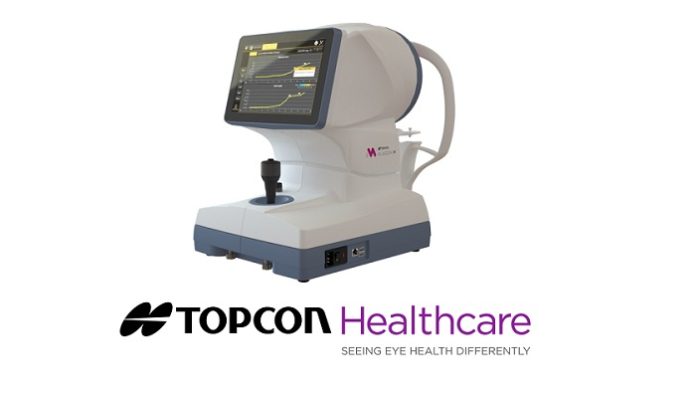
Topcon Healthcare, a leading provider of medical devices and software solutions for the global eye care community, announced that it has launched its new Aladdin-M instrument to the US market. Aladdin-M combines corneal topography, pupillometry, and optical biometry to enable objective measurement of corneal curvature, pupil dynamics, and axial length metrics.

The versatile, all-in-one Aladdin-M provides the critical tools needed to support myopia management while also incorporating features for keratoconus screening and contact lens fitting. Aladdin-M’s exclusive software enables documentation of axial length measurements to identify risk factors and track changes in Rx and axial length measurements over time to show progression and response to treatment. The instrument is compact, easy to operate, and offers rapid capture to ensure patient satisfaction.

It is estimated that 50% of the world’s population may be myopic by 20501. With the launch of Aladdin-M, Topcon achieves a milestone in supporting the battle against this global myopia epidemic.

“Aladdin-M is ideally suited to help eye care professionals combat the growing crisis of myopia. Its versatility and ease of use allow eye care professionals to easily build a myopia service within their practice, educate patients on the implications of myopia, manage their patients’ conditions, and grow their service offerings,” stated John Trefethen, Global VP of Marketing & Product Design for Topcon Healthcare.

Topcon will debut the Aladdin-M device at the Vision Source Exchange On-Demand meeting, August 27th – 29th.

About Topcon Healthcare

Topcon Healthcare sees eye health differently. Our vision is to empower providers with smart and efficient technologies for enhanced patient care. Keeping pace with the ever-changing landscape of the healthcare industry, we offer the latest integrated solutions, including advanced multimodal imaging, vendor-neutral data management, and ground-breaking remote diagnostic technology.

A globally-oriented business, Topcon is focused on developing solutions towards solving societal challenges in the mega-domains of healthcare, agriculture, and infrastructure. In healthcare, these challenges include increasing eye disease, rising medical costs, access to healthcare, and physician shortages. By investing in value-driven innovations, Topcon works to enable people to enjoy good health and high quality of life.

InVita Healthcare Technologies Helps Blood Collectors Recruit, Schedule and Collect Convalescent Plasma Donations

InVita Healthcare Technologies Helps Blood Collectors Recruit, Schedule and Collect Convalescent Plasma Donations

InVita Healthcare Technologies, a leading software technology provider for complex medical environments, is offering expedited startup and deferred payment for its HemaConnect donor recruitment CRM. HemaConnect is the only industry CRM that can give hospitals and blood centers the ability to recruit for and collect convalescent plasma.

The FDA’s August 23rd emergency use authorization for convalescent plasma makes it even more important for blood collectors to leverage HemaConnect’s telerecruitment, donor and coordinator portals, and integrated mobile app to get the products they need and adjust nimbly to the volatility of COVID-19.

HemaConnect has led the blood and plasma collector market for years and remains the most powerful recruitment and engagement solution available with marketing automation and native mobile app integration making recruitment and appointment scheduling processes smarter. Within minutes, emails, text messages and cloud calls can request donors—especially those with the COVID-19 antibodies—to schedule a donation appointment. HemaConnect’s Donor Portal provides convenient access to donors for appointment scheduling, donation locations, testing and antibody results, and other helpful tools right on their handheld device.

More and more, we see hospital blood banks in need of the robust tools used by blood centers,” said Todd Collins, President and CEO of InVita Healthcare Technologies. “Especially today, with the heightened need for convalescent plasma, hospital blood banks need a CRM that enables them to collect the right product from the right donor at the right time for their patients.”

About InVita Healthcare Technologies 
InVita Healthcare Technologies (formerly HemaTerra Technologies and Champion Healthcare Technologies) provides software technologies for complex medical environments. Its solutions optimize supply chain performance and visibility for blood, plasma, tissue and implants. All for increased compliance, greater cost control, and improved patient safety. InVita Healthcare has offices in Baltimore, MD, Jacksonville, FL and Lake Zurich, IL.

Missouri Hospital Association improving information sharing to bolster health care

Missouri Hospital Association improving information sharing to bolster health care

The Missouri Hospital Association announced its data company, the Hospital Industry Data Institute, had selected Collective Medical to provide “add-ons” to its platform. HIDI provides timely access to data and information services for participating hospitals, which supports their strategic planning, advocacy and health policy initiatives.

For example, Capital Region Medical Center uses HIDI to look at hospitalizations within the region, said Lindsay Huhman, the Jefferson City hospital’s director of marketing.

“We look at what specialization we need. We look at what specialization might be leaving our service area,” Huhman said. “We use it for a lot of planning purposes. It’s a pretty neat tool they put together.”

It’s a tool that helps people get the right care at the right place at the right time, she said.

SSM Health — a Catholic nonprofit and the St. Louis-based owner of St. Mary’s Hospital in Jefferson City — uses HIDI on a limited basis because it has its own in-house analytics group, said Jessica Royston, SSM Health regional marketing and communications manager. However, the health care provider will review the add-ons to see if they are something it may use in the future, she said.

Changes that came about from the American Recovery and Reinvestment Act and health care reform have encouraged hospitals and physicians to use more information technology to improve care, according to hidionline.com/hidi.

Decades of hospital data program experience and analytic capacity, combined with Collective Medical’s “outcomes-based” tools help health care teams gather near real-time data about patients.

The Collective Medical upgrades being installed this summer will also allow HIDI participants the ability to identify, track and coordinate care for patients, including COVID-19 patients, according to an MHA news release.

“The system will allow notifications to be pushed directly into existing workflows, in near real time and at the point of care,” according to the news release. “This clinically relevant information will help care teams determine which of their patients may require additional resources, such as intensive care or isolation.”

The program will allow hospitals to share information about patients immediately with caregivers, MHA spokesman Dave Dillon said.

“One of the biggest challenges to quality for the health care system,” Dillon said, “is that providers throughout the continuum of a patient’s health care are not always connected (or) they are not connected all the time.”

Primary caregivers may not know that a patient is being admitted to a hospital during an emergency. That may challenge the caregiver’s ability to manage the patient’s health after release from the hospital.

For example, Dillon said, a person who is receiving treatment for heart disease from a primary care physician may have an emergency procedure, then be released from the hospital. The primary physician needs information about what the patient underwent, but the patient also needs to see the physician for follow-up services, Dillon said.

The add-ons can help coordinate the moving parts, he said.

The idea of the add-ons was initially considered to allow hospitals to use the information for the state’s Medicaid program — MO HealthNet. “We’re going to see significant value across the Medicaid population,” Dillon said.

The state is helping fund the add-on through part of the provider tax that hospitals pay, he said.

Missouri hospitals pay in about 5.95 percent of net patient hospital revenue (what hospitals are paid for patient care services), just under the federally allowable maximum of 6 percent. These “provider taxes,” called Federal Reimbursement Allowance, are used to attract federal matching funds.

Matches vary from state to state, depending on how well-off the state is. Mississippi, for example, has a match rate of 77 percent, which means that for every $23 the state contributes, the federal government matches it with $77. In Missouri, the rate is 65/35.

Provider taxes help pay the state’s share of Medicaid. In fiscal year 2018, MO HealthNet cost $10.3 billion. Of that, $2.2 billion came from the state’s general revenue fund, $5.5 billion from federal funds and $2.6 billion from other funds (primarily the provider taxes).

Medicaid serves a lot of people with chronic health conditions, Dillon said. Many, but not all, have primary care physicians.

And many are using emergency rooms for care when they don’t have a health crisis, he said. “If you specifically have people with chronic conditions — that’s mostly best-managed through primary care,” Dillon said. “If the primary care provider can see in real time, within minutes of admission or discharge, they can see what their responsibility will be around that patient.”

Sharing information also helps support a push in Medicaid programs to improve quality of care.

“Hospitals are investing in this system to improve the value of our state’s health care system, with an emphasis on the Medicaid program,” MHA President and CEO Herb B. Kuhn said in the news release. “Under the leadership of Gov. Mike Parson and MO HealthNet Director Todd Richardson, the state is embarking on a major reform effort within the Medicaid program. The HIDI-Collective partnership will create critical infrastructure to help accelerate this reform — bringing value and cost reduction in the near and long-term for Medicaid and, as the program expands, for all stakeholders.”

The state program is moving from a “paid-for-service” program, to one based on outcomes.

As it is, the program can cost hospitals millions of dollars. For example, if a person goes to a hospital for an emergency service and is discharged then returns again before 30 days are up, Medicaid does not pay for the second visit. Getting primary care physicians involved immediately can prevent returns, Dillon said.

The communication helps improve the “health bubble” around patients, he said.

The changes are challenging, Dillon said. Some systems still depend on providers sending faxes to and from each other.

“That is pretty much buggy-whip technology,” he continued. “You discharge a patient with a prescription, and they don’t fill the prescription. They don’t follow up with their physician. They boomerang.”

This technology helps overcome the boomerang, he said.

Another thing HIDI is good at is determining which patients are at highest risk for readmission or repeated use of the system.

“We can build the system around the idea of the risk analysis,” Dillon said. “A very-low-risk individual will get the same treatment, but (for a high-risk person) we can say to a hospital, ‘This is somebody who has had a history of non-compliance with their medical plan.’ So a proactive outreach to their physician may be worth it.”


Mary Washington Healthcare partners with Care Logistics to improve patient coordination

Innovaccer Launches Unified Patient Record to Deliver Complete View of the Patient

Mary Washington Healthcare (MWHC) has partnered with Care Logistics, the leader in patient progression and throughput, to further their mission to improve the health of those in the communities they serve.

Through this partnership, MWHC and Care Logistics will develop a command center operating model with proven processes and technology to empower front-line caregivers on nursing units and diagnostic areas. The model is a proven method to reduce patient holding times in the emergency department, promote timely discharges for patients, and improve overall patient flow in the hospital.

Care Logistics has been implementing the hub-and-spoke care coordination model and purpose-built supporting technology for over a decade,” says Karl Straub, Care Logistics president. “It is an honor to work with Mary Washington Healthcare to bring a proven model of efficient, quality care to the Fredericksburg region.”

By implementing the operational command center and the Care Logistics hospital operating system, Mary Washington Healthcare expects to:

Resolve and eliminate barriers enabling patients to progress to their appropriate discharge target;
Improve coordination and communication between all patient care areas;

Create capacity and ability to take additional admissions for those needing care in their community; and
Promote high quality patient and staff experience with smoother, more predictable operations.

“Mary Washington Healthcare has been recognized regionally and nationally for the quality of care we give our patients,” says Christopher Newman, MD, Mary Washington Healthcare chief medical officer and chief operating officer. “Our partnership with Care Logistics will allow us to become more efficient and proficient with operations, giving us the opportunity to provide care to those who need us in our community

eNose technology helps to diagnose interstitial lung disease

Analysing exhaled breath using an artificial sensory system, the electronic nose (eNose), has enabled researchers to accurately differentiate between those interstitial lung disease (ILD) and healthy controls.

The eNose compares exhaled breath to previously obtained specific breath ‘signature’ for a particular condition held in a database.

Researchers from the Erasmus Medical Centre, The Netherlands, undertook a cross-sectional study in 322 patients with a diagnosis of ILD patients and 48 healthy controls with a mean age of 61.6 years (59.9% male), of whom, 5.3% were current smokers.

The eNose is first ‘trained’ to recognise ILD breath signatures of those with the condition the ILD subgroups, for example, idiopathic pulmonary fibrosis (IPF), sarcoidosis, connective-tissue related ILD etc. Researchers then compared the area under the curves (AUCs) results obtained from the training phase to the breath samples obtained from the study patients. The results showed a high level of comparability between the study patients and the breath signatures obtained through training the eNose. For example, in the training phase, the AUC for patients with IPF was 0.91 compared to other subtypes and 0.87 (95% CI 0.77–0.96) in the testing phase.

The authors concluded that using the eNose represents a potentially novel biomarker in ILD, which enables diagnosis of the condition and the different ILD subgroups.


MSCM partners with eMedAsia to digitalise primary healthcare

MSCM Holdings Bhd announced that its subsidiary, HS Bio Supplies Sdn Bhd (HSBS) has entered into a strategic partnership with and investment into eMedAsia Sdn Bhd to provide third-party logistics (3PL) and fourth-party logistics (4PL) for the purpose of medical marketplace platform, e-health, e-medicine and mobile testing for communicable diseases and viruses.

MSCM is a company that is currently involved in the business of investment holding, search & advertising, information technology, supply chain management and moneylending business.

On Aug 5, 2020, MSCM had issued a Letter of Intent to eMedAsia, which was accepted by eMedAsia, indicating the group’s interest to invest a total of RM2.0 million for a 20 per cent stake in eMedAsia and to be an exclusive logistic services provider.

Meanwhile, eMedAsia is a private limited company with a majority stake held by Koperasi Persatuan Perubatan Malaysia (KOOP MMA). KOOP MMA is the investment vehicle for members of the Malaysian Medical Association (MMA), which is the main representative body for all registered medical practitioners in Malaysia. MMA has 14,000 registered doctors in its association, and 35,000 doctors on its continuing professional development (CPD) platform.

A digital project initiative started by KOOP MMA, eMedAsia aims to empower private clinics to leverage their digital platform technology to procure medicine, provide telemedicine services, and access other healthcare-related services. As of May 2020, eMedAsia has onboarded almost 2,000 registered private clinics across West and East Malaysia out of the total 6,000 private clinics in the nation, and this number of member clinics is constantly growing.

MSCM executive director Jeff Chong said: “Today, MSCM will partner KOOP MMA in eMedAsia Sdn Bhd to take Malaysian healthcare into a new era.

“Millions of Malaysian will have the option to consult physicians via their computers and mobile phones instead of physical appointments, and have prescription medicine delivered to their doorstep in the near future. Member clinics of eMedAsia will also benefit from 3PL and 4PL services which will lower the cost of inventory investment, and enjoy better rates for bulk purchase arrangement and friendly credit payment terms from suppliers. We are hopeful that, with the integration of technology, e-commerce and last-mile logistics, healthcare will become more accessible and more affordable to all Malaysians.”

During the event, eMedAsia had also signed a separate partnership with GeneFlux Bioscience Sdn Bhd. This will allow member clinics to access GeneFlux’s RT-PCR Covid-19 lab testing services (as well as other lab testing services) via eMedAsia’s digital platform.

Honorary general secretary of MMA & chairmain of KOOP MMA Dr Thirunavukarasu Rajoo commented: “We designed and developed these digital services for the purpose of optimising clinical operations, and by incorporating components such as e-commerce and e-health technology through a shared services concept, as well as business process automation, more health-related providers can participate in the ecosystem to complement and complete the current services offered by individual clinics. For example, permitted member clinics can now conduct disease and virus testing, then proceed to instruct HSBS on the eMedAsia digital platform to handle and deliver test samples to designated medical labs. Clinic appointment bookings and e-medicine are also some of the other services that can be entirely done on the eMedAsia digital platform.”

Malaysian Medical Association president Dr Ganabaskaran Nadason also shared his opinion on the occasion: “Although the Covid-19 situation has been managed superbly by the Government on the advice of the Ministry of Health, we need to continue to stay vigilant by reducing our interactions in public.

Stentrode brain-computer interface receives breakthrough device designation from FDA

 Stentrode brain-computer interface receives breakthrough device designation from FDA

The US FDA has granted breakthrough device designation to the Stentrode brain-computer interface for its fully-implantable medical device that can translate brain activity or stimulate the nervous system from the inside of a blood vessel, without the need for open brain surgery.

The device, manufactured by Synchronhas already been implanted in patients with upper-limb paralysis and is currently being evaluated for its ability to enable patients with paralysis to regain functional independence by control of digital devices through thought alone.

The breakthrough devices programme is a voluntary programme for certain medical devices and certain device-led products, that provide for more effective treatment or diagnosis of life-threatening or irreversibly debilitating diseases or conditions, with the aim to provide timely access to these devices and lower the burden required for Medicare reimbursement.

“As this is a first-of-its-kind device, we look forward to working closely with the FDA to prioritise development of the Stentrode and ensure access for patients with paralysis, as well as lay the groundwork for future indications for brain-computer interfaces,” said interventional neurologist Thomas Oxley (Mount Sinai Health System, New York, USA), who is also CEO of Synchron.

The Stentrode is the only investigational, implantable device that does not require open brain surgery and is designed so that patients can train their brains to wirelessly control external systems without the need for using their hands or voice.

Other neural interface devices, such as those being developed by other companies, including one backed by Elon Musk, currently require drilling into the skull, and direct puncture into the brain, to achieve device implantation.

Safety and efficacy data from a currently-active first-in-human clinical trial will be used to finalise the protocol for a pivotal FDA-enabling study that will guide evaluation for US marketing approval. Future research will evaluate the use of the device in patients with paralysis due to spinal cord injury, amyotrophic lateral sclerosis (ALS), stroke, and muscular dystrophy.

Similar to the procedure utilised for implantation of cardiac pacemakers, implantation of the Stentrode is a minimally-invasive procedure during which the device is delivered to the brain through blood vessels, instead of open brain surgery.

The technology relies on a brain-controlled handsfree app platform called brainOS to translate the brain activity into a standardised digital language, directly through thought, to control apps that restore communication and limb function. In addition, brainPort, a fully internalised, wireless solution implanted in the chest provides high-resolution neural data transmission.

Pre-clinical studies have demonstrated the Stentrode’s long-term safety as well as its ability to pick up specific electrical frequencies emitted by the brain. The company, in collaboration with the University of Melbourne, has published their scientific results in top ranking journals including Nature Biotechnology, Nature Biomedical Engineering, and the Journal of Neurosurgery.

SeaSpine Announces Full Commercial Launch of the Shoreline RT Cervical Interbody Implant System

SeaSpine Announces Full Commercial Launch of the Shoreline RT Cervical Interbody Implant System

SeaSpine Holdings Corporation, a global medical technology company focused on surgical solutions for the treatment of spinal disorders, announced the full commercial launch of the Shoreline RT Cervical Interbody Implant System. Shoreline RT describes a series of products that enhance NanoMetalene® technology with the Company’s proprietary Reef Topography™.

Reef Topography describes the machined macrostructures and undercut features of the implant that are designed to promote bony interlocking by increasing the surface area for new bone to grow onto and into the implant. Shoreline RT provides 40% more NanoMetalene endplate surface area and 50% more NanoMetalene aperture surface area versus Shoreline without Reef Topography.

“The clinical confidence I have in the NanoMetalene technology, coupled with the increased surface area of the Reef Topography, serves to increase my trust that the implant is working as hard as I am to achieve a fusion,” stated Dr. John Faryna, Spine Institute of Arizona.

The Shoreline RT system is designed to be used in ACDF (anterior cervical discectomy fusion) procedures as part of the Company’s Shoreline® ACS TruProfile® Plating System or in combination with its Cabo™ anterior cervical plate.

The Shoreline RT system includes multiple footprints, as well as 10- and 15-degree lordotic implant options, both of which allow surgeons the ability to intraoperatively address a wide range of anatomy and surgical situations. Shoreline RT has been deliberately designed to achieve fusion by working together with the Company’s best-in-class allograft demineralized bone matrix offerings OsteoStrand® and OsteoStrand Plus® and adds to the strength of the Shoreline Interbody Portfolio and SeaSpine’s Cervical offerings.

“Combined with proprietary NanoMetalene technology and the deliberate design of Reef Topography surface technology, Shoreline RT is a perfect illustration of our Fusion Engineered™ philosophy,” stated Dennis Cirino, Senior Vice President, Global Spinal Systems. “This is another example of how SeaSpine continues to focus on delivering improved procedural solutions – we are advancing every facet of our portfolio from access to Implants to Orthobiologics and in this case, a proprietary and advanced interbody surface technology.”

About SeaSpine
SeaSpine is a global medical technology company focused on the design, development and commercialization of surgical solutions for the treatment of patients suffering from spinal disorders. SeaSpine has a comprehensive portfolio of orthobiologics and spinal implants solutions to meet the varying combinations of products that neurosurgeons and orthopedic spine surgeons need to perform fusion procedures on the lumbar, thoracic and cervical spine. SeaSpine’s orthobiologics products consist of a broad range of advanced and traditional bone graft substitutes that are designed to improve bone fusion rates following a wide range of orthopedic surgeries, including spine, hip, and extremities procedures. SeaSpine’s spinal implants portfolio consists of an extensive line of products to facilitate spinal fusion in degenerative, minimally invasive surgery (MIS), and complex spinal deformity procedures. Expertise in both orthobiologic sciences and spinal implants product development allows SeaSpine to offer its surgeon customers a differentiated portfolio and a complete solution to meet their fusion requirements. SeaSpine currently markets its products in the United States and in approximately 30 countries worldwide through a committed network of increasingly exclusive distribution partners.

Translate »