










Close
Digital Health & Ai Innovation summit 2026
Medical Taiwan 2026

The Aspira Advantage, Transforming Home Drainage into Compassionate Care

 The Aspira Advantage, Transforming Home Drainage into Compassionate Care

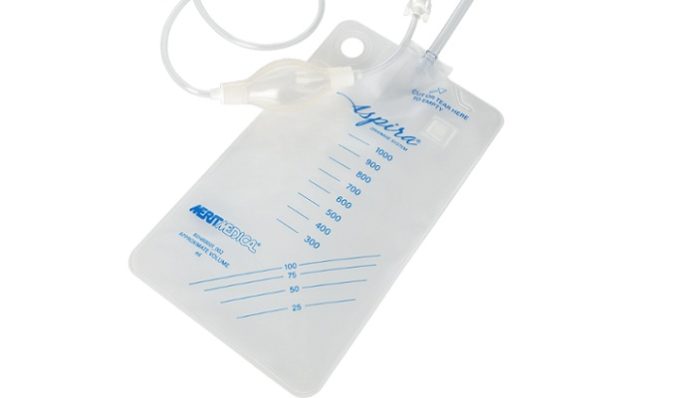
Merit Medical® products and services ensure that patient care is compassionate care. The Aspira® Home Drainage System—a palliative care product designed to help patients with malignant pleural effusions and ascites drain fluid in the comfort of their own home—is a prime example. With the help of Aspira, patients can manage symptoms without repeated and often difficult trips to the hospital. Combined with 24/7 ongoing support from an expert customer service team, the Aspira system gives patients a gentler and more efficient approach to home drainage. All this and more is what Merit likes to call the Aspira Advantage.

It starts with a superior product, the Aspira Home Drainage System, which features a 15.5F indwelling catheter with attachable valve made to drain accumulated fluid into lightweight, 1-liter bags. To begin draining, the Aspira system requires no complex set up; the drainage line connects easily to the drainage bag, and with one gentle squeeze of the pump, drainage begins.

Built to enhance the patient experience, the Aspira system minimizes discomfort and challenges that can often be associated with drainage. Its gravity-based design produces a low, consistent vacuum pressure flow, which can reduce pain seen with high-vacuum suction methods of other systems.

Simulated testing1 shows that with 67% more fenestrations and a 72% larger valve, the Aspira system can comfortably complete drainage in less than 15 minutes—68% faster than other systems—and all within the comfort of home.

Choosing Aspira means benefits to the physician as well, including product options that increase flexibility of patient care. The Aspira system is designed with three different placement options (antegrade, retrograde, and over-the-wire) and various kit configurations to accommodate patient and customer needs.

Switching from hospital drainage to home drainage with the Aspira system is also cost effective in many ways. Aspira bags are less bulky, and they are easier to transport and store in homes, hospitals, and post-care facilities. Comparative data1 show that one box of four bottles and dressings require approximately the same space as 20 Aspira bags and dressings, or 68% less storage space.

Another advantage to choosing the Aspira system is the ongoing customer service that Merit offers patients and providers. The Compassionate Care Program supports patients with Aspira supplies, delivered right to their homes, even for those without health insurance.

In-servicing and home health training is available as well as opportunities for written feedback on the Aspira system, flexibility in shipping, and assistance with reimbursement. Print and online educational materials are available at MyAspira.com, a site tailored to both patients and providers. If patients or customers want one-on-one help, a highly trained customer service team is ready to assist 24/7 through the dedicated Aspira Hotline (1-800-356-3748).

Let Merit help you transform home drainage into compassionate care with the Aspira Advantage. Explore everything it can offer by visiting MyAspira.com, or reach out to the customer service team today to receive a patient demo kit and hear more about the training opportunities it provides.

Foundation Medicine Acquires Lexent Bio, Inc., to Accelerate Liquid Biopsy Research and Development, and Advance Cancer Care

Foundation Medicine Acquires Lexent Bio, Inc., to Accelerate Liquid Biopsy Research and Development, and Advance Cancer Care

Foundation Medicine, Inc., announced that it has completed the acquisition of Lexent Bio, Inc., a precision oncology company located in California, developing novel multiomics liquid biopsy platforms to advance cancer care. This acquisition will accelerate Foundation Medicine’s research and development strategy and expand its existing liquid biopsy platforms to advance cancer care for patients. The technology developed by Lexent Bio complements Foundation Medicine’s existing efforts and partnerships aimed at developing advanced diagnostics for physicians, as well as genomically evaluating disease progression and informing treatment decisions at earlier stages of disease.

“Lexent Bio’s platforms align well with our liquid biopsy research and development strategy, which ultimately aims to bring the latest research innovations into routine clinical use in metastatic disease and at potentially earlier stages of patient care,” said Cindy Perettie, chief executive officer at Foundation Medicine. “They bring with them an accomplished group of clinicians, scientists and engineers who share our patient-centric, science-first mission to transform cancer care. We’re thrilled to welcome them to our team and look forward to their contributions to our research and development efforts to deliver new breakthroughs that advance precision medicine and patient care.”

Lexent Bio’s novel monitoring platform is currently in development and is based on low-pass whole genome sequencing (WGS) and DNA methylation analysis. Foundation Medicine plans to further incorporate WGS and methylation into new assay platforms to support treatment decision-making across all stages of disease. Methylation analysis has been shown to reveal important aspects of underlying cancer biology and allows oncologists to identify patients at high risk of disease progression, potentially intervene sooner and improve patient outcomes in earlier stages of disease.1,2 These collective capabilities will enable the expansion of Foundation Medicine’s current tumor-informed personalized cancer monitoring initiatives into universal tumor-agnostic approaches in the future.

This technology adds to Foundation Medicine’s portfolio of tissue and liquid biopsy platforms and will aim to support new approaches for developing targeted therapies, from discovery research through clinical development. With this acquisition and the integration of Lexent Bio’s monitoring platform, Foundation Medicine will expand its capabilities to support adaptive clinical trial designs and accelerate therapeutic development in both early and late stage disease, ultimately bringing new options to oncologists and patients.

“Our team is passionate about changing the way we understand and treat cancer. We’ve spent years building a platform that, once developed and available, will help guide oncologists to identify patients at higher risk for disease progression, and to make better treatment decisions earlier in patient care,” said Ken Nesmith, co-founder of and chief executive officer at Lexent Bio. “The team is pleased to join Foundation Medicine and work collaboratively to bring these capabilities to physicians and their patients.”

About Foundation Medicine
Foundation Medicine is a molecular information company dedicated to a transformation in cancer care in which treatment is informed by a deep understanding of the genomic changes that contribute to each patient’s unique cancer. The company offers a full suite of comprehensive genomic profiling assays to identify the molecular alterations in a patient’s cancer and match them with relevant targeted therapies, immunotherapies and clinical trials. Foundation Medicine’s molecular information platform aims to improve day-to-day care for patients by serving the needs of clinicians, academic researchers and drug developers to help advance the science of molecular medicine in cancer.

Philips launches obstetrics monitoring solution to support clinicians and expectant mothers during COVID-19 pandemic

Philips launches obstetrics monitoring solution to support clinicians and expectant mothers during COVID-19 pandemic

Royal Philips, a global leader in health technology, announced an addition to its remote patient monitoring suite supporting at-risk populations during the COVID-19 emergency. The new wireless Avalon CL Fetal and Maternal Pod and Patch aim to reduce unnecessary physical interactions between clinicians and patients, which is of particular importance during the COVID-19 pandemic. The patch is part of a broader innovative high-risk pregnancy solution which includes Philips perinatal analytics, and visualization software as well as an ultra-portable battery-operated fetal monitor.

Up to half a million women may deliver their babies while infected with COVID-19 in 2020. Additionally, pregnant women who have not been diagnosed with COVID-19 are interested in ways they can minimize their time in a hospital to limit their exposure to the disease. While clinicians are treating COVID-19 patients in isolation rooms, and accommodating home visits and births when possible, properly managing patient care while reducing the risk of exposure for care providers requires tools that enable remote monitoring of vitals.

The Fetal and Maternal Pod and Patch allow for continuous, non-invasive monitoring of maternal heart rate, fetal heart rate, and uterine activity with a single-use, 48-hour, disposable electrode patch placed on the mother’s abdomen. The patch is designed to be placed on the patient by a clinician only once, unlike traditional elastic belts and sensors that require frequent repositioning.

“Remote monitoring during labor has always provided multiple benefits to expectant mothers, including comfort, mobility, and flexibility. But during the COVID-19 pandemic, the need for mobile solutions during pregnancy is greater than ever,” said Peter Ziese, General Manager, Monitoring & Analytics at Philips. “Philips has been dedicated to providing the best quality care for expectant mothers for more than fifty years. This new solution builds on our commitment to provide integrated continuous monitoring capabilities for high risk pregnancies. With this new patch, clinicians now have access to an innovative tool to help monitor pregnant women during COVID-19, helping to deliver comfort to these mothers during a particularly stressful time.”

“The fact that the new sensors are disposable and don’t require constant repositioning has been particularly useful for us in the peak of the COVID-19 wave in March and April in Lisbon,” said Prof. Dr. Diogo Ayres-de-Campos, University of Lisbon, and President-Elect of the European Association of Perinatal Medicine (EAPM).

The Philips OB solution consists of the Avalon Fetal monitoring portfolio, featuring Philips proprietary Smart Pulse technology, and an obstetrical information management system for continuous data flow to the EMR, which includes:

The Avalon Fetal and Maternal Pod and Patch: single-use disposable patch and reusable pod placed on the expectant mother’s abdomen to capture fetal and maternal heart rate, and uterine activity through ECG and EMG signals, without the need for constant repositioning;
Avalon CL Transducer System: provides cableless monitoring with the Avalon Fetal Monitors to give expectant mothers freedom to move during labor, while measuring up to three fetuses. The Avalon CL Wide Range Pod leverages the hospital’s wireless LAN installation to allow mothers to expand the area of ambulation, by extending monitoring of all cableless measurements to the full reach of the WLAN.;
IntelliSpace Perinatal: obstetrical surveillance and information management system designed for use from antepartum visit through labor, delivery, and postpartum care. Patient data automatically displays and streams to the electronic medical record (EMR). ISP Revision K in combination with IntelliVue XDS Remote Display functionality offers the ability to control the Fetal Monitor remotely.

The Avalon Fetal and Maternal Pod and Patch received CE Mark clearance in 2019 and is available in many EU countries [2], as well as Australia, New Zealand and Singapore.

Philips has a comprehensive portfolio of services and solutions which can help to support the delivery of high-quality care to COVID-19 patients. It includes secure, connected and intelligent approaches to diagnosis, treatment and predictive monitoring in the hospital, plus screening, remote patient monitoring and care at home. With healthcare under more pressure than ever before, Philips’ telehealth and AI-enabled data analytics can help support workflows, facilitate remote collaboration and optimize resources. Philips’ COVID-19-related solutions are designed for rapid deployment and scalability. For more information on how Philips is addressing COVID-19 globally, please visit the Philips centralized COVID-19 hub.

Cue Health Receives FDA Emergency Use Authorization for Its Rapid, Portable, Molecular Point-of-Care COVID-19 Test

  Molecular Point-of-Care COVID-19 Test

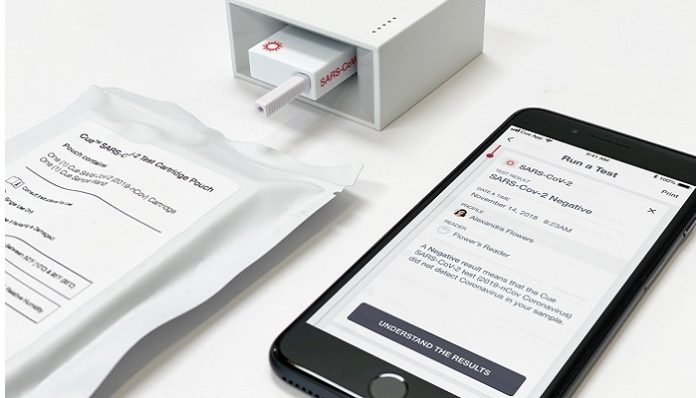
Cue Health Inc., a healthcare technology company, announced that it has received EUA from the U.S. FDA for the company’s rapid, portable, point-of-care COVID-19 test. The Cue COVID-19 Test is a molecular test that detects the RNA of SARS-CoV-2, the virus that causes COVID-19, in 25 minutes using a nasal swab sample taken from the lower part of the nose.

Cue’s COVID-19 test runs on the compact and portable Cue Health Monitoring System. A single-use COVID-19 test kit includes a Sample Wand and COVID-19 Test Cartridge. The system performs rapid molecular analysis at the point-of-care and transmits test results to the Cue Health App on a connected mobile device. The current FDA EUA allows the Cue COVID-19 test to be used anywhere under the supervision of qualified medical personnel. The company is intending to seek additional FDA authorizations for use of the COVID-19 test in settings such as the workplace, schools, and at home.

“We are very pleased to have received FDA EUA for our Cue Health COVID-19 Test. We believe our product can help provide greater access to rapid, distributed COVID-19 testing necessary for clinical decision making and to get our country back to work,” said Ayub Khattak, CEO of Cue.

Development and validation of the Cue Health COVID-19 test was supported by funding awarded by the Biomedical Advanced Research and Development Authority (“BARDA”), part of the Office of the Assistant Secretary for Preparedness and Response (“ASPR”) at the U.S. Department of Health and Human Services. BARDA announced its collaboration with Cue to accelerate the development, validation and manufacturing of Cue’s COVID-19 test on March 31, 2020.

Cue plans to initially launch its COVID-19 test with select leading healthcare institutions and their satellite centers, followed by nationwide deployment across a variety of healthcare settings.

In addition to its COVID-19 test, Cue is developing additional test cartridges for use with the Cue Health Monitoring System, including tests for Influenza A/B. Cue envisions that in the coming years it will be able to leverage its advanced diagnostic testing platform to enable testing for a variety of infectious diseases in settings such as homes, schools, and businesses, in addition to clinical settings.
About Emergency Use Authorization Status

The Cue COVID-19 Test has not been FDA cleared or approved. The test has been authorized by the FDA under an EUA for use by clinics and laboratories certified under the Clinical Laboratory Improvement Amendments of 1988 (“CLIA”), 42 U.S.C. § 263a, to perform diagnostic tests. The test has been authorized only for the detection of RNA from SARS-CoV-2 virus and diagnosis of SARS-CoV-2 virus (COVID-19) infection, not for any other viruses or pathogens. The test is only authorized for the duration of the declaration that circumstances exist justifying the authorization of the emergency use of in vitro diagnostics for detection of SARS-CoV-2 virus under section 564(b)(1) of the Federal Food, Drug and Cosmetic Act, 21 U.S.C. § 360bbb-3(b)(1), unless the authorization is extended, terminated or revoked sooner.

About Cue Health

Cue Health Inc. is an ISO 13485 certified company founded by Ayub Khattak and Clint Sever focused on developing and manufacturing professional and consumer medical diagnostic products that can be used in clinical or at-home settings. Cue’s mission is to create tools that empower physicians and consumers by increasing their access to actionable health data. Cue’s first product, the Cue Health Monitoring System with the Cue COVID-19 Test Cartridge, is a platform that provides rapid diagnostic information to clinicians and patients seeking to benefit from a connected healthcare delivery ecosystem. The company is based in San Diego, CA.

UPS Healthcare Continues Global Facility Expansion To Meet Growing Demands In Key Markets

UPS Healthcare Continues Global Facility Expansion To Meet Growing Demands In Key Markets

UPS announced a series of facility expansions to its healthcare-dedicated warehouse and distribution network in key global markets. This includes new GDP-compliant space opening in Central and Eastern Europe and additional cold chain space coming online near its UPS Worldport® facility in Louisville. The company is planning up to 1.5 million sq. ft. of cGMP distribution space for Coronavirus-related shipments, and a new facility in Shanghai.

“UPS Healthcare continues to build out a global distribution infrastructure that demonstrates our commitment to the healthcare industry,” said Wes Wheeler, UPS Healthcare president. “We will continue to innovate and expand our quality systems throughout our expanded network to further support more complex pharmaceutical and lab testing requirements.”

As part of these ongoing facility enhancements, the company has committed to building additional cooler space (2-8 degrees Celsius), and freezer space (minus-20 degrees to minus-80 degrees Celsius) in its new GMP facility in Louisville. UPS Healthcare is also expanding its GDP facility space in Hungary, and GMP space in the United Kingdom through its Polar Speed subsidiary where it operates a dispensing pharmacy that serves more than 20,000 patients daily. The new GMP warehouse and transportation hub will be located in the Midlands, UK, to further facilitate its clients’ growth needs.

These global enhancements come soon after UPS Healthcare’s recent announcement of more than 1M sq. ft. of facility space added in strategic markets across U.S. operations.

“More of our customers are turning to UPS Healthcare to meet their complex demands for critical products,” said Wheeler. “Our network and logistics expertise make us second to no one, and we will continue to be market leaders as we deliver on our commitment to ‘Quality Focused. Patient Driven.’ service.”

UPS Healthcare continues to provide extensive services addressing the full range of logistics needs from healthcare-licensed distribution space, to supply chain management, kitting, packaging and fulfillment of medical devices, labs and clinical trial specimens. UPS Healthcare’s global infrastructure, monitoring and tracking capabilities, and private data protection make UPS Healthcare a best-in-class supply chain expert that remains flexible, agile and responsive to myriad logistics demands.

About UPS Healthcare

UPS Healthcare provides global supply chain solutions and expertise to pharmaceutical, biopharma and medical device companies. UPS Healthcare has approximately 8 million square feet of cGMP- or cGDP-compliant healthcare distribution space globally. UPS Healthcare also maintains one of the world’s largest networks of field stocking locations with approximately 900 sites. For parcels requiring strict temperature environments, from CRT to cryogenic, and those requiring around-the-clock monitoring, UPS Healthcare has solutions such as UPS Temperature True® and UPS Premier services. UPS Healthcare is committed to expanding its capabilities including acquisitions of Marken, CEMELOG and Poltraf, to meet the complex and evolving supply chain needs of the healthcare and life science sectors.

Medtronic Announces a $337 Million Product Investment from Blackstone Life Sciences to Expand Development of Future Diabetes Technologies

research_insight - 10899-diabetics-dysfunction.jpg

Medtronic plc and Blackstone announced that Medtronic intends to significantly increase research and development (R&D) funding in its Diabetes Group through an agreement to receive $337 million of funding from funds managed by Blackstone Life Sciences including co-investors, aimed at advancing new, innovative products especially designed to reduce the burden of diabetes management. The announcement was made in conjunction with the start of the virtual 80th Scientific Sessions of the American Diabetes Association (ADA). Medtronic’s diabetes device portfolio is designed to improve patient outcomes and provide greater lifestyle flexibility to Type 1 diabetes patients, which includes approximately 22 million individuals worldwide and 1.5 million individuals in the United States.

“This investment is important for people living with diabetes, as we expect it will expand our offering of future insulin delivery and sensor innovations that have the potential to improve patients’ management of their diabetes,” said Sean Salmon, Medtronic executive vice president and president, Diabetes Group. “Over the past 12 months, Medtronic has significantly increased its investment in Diabetes R&D, including investments in a series of near-term programs such as the MiniMed™ 780G insulin pump system, our Personalized Closed Loop (PCL) system, our extended wear infusion set, and our Zeus and Synergy sensors. The added investment from Blackstone empowers us to pull forward specific programs in our pump and CGM pipeline that aim to address unmet patient needs, beyond PCL and Synergy.”

Blackstone Life Sciences has significant experience in executing development funding agreements in the pharmaceutical and biotech industry, to help expand and accelerate meaningful innovation for patients. The investment leverages this proven model.

“This collaboration, our first investment in the medical devices space, demonstrates how Blackstone Life Sciences is using its capital and expertise to help bring vital technologies, with the potential to save lives, to patients who need them,” said Nicholas Galakatos, Ph.D., global head of Blackstone Life Sciences. “We look forward to partnering with Medtronic, the leader in this space, to advance their next generation of innovative medical devices for diabetes patients.”

Under the terms of the agreement, Medtronic will receive up to $337 million in funding over the next several years to fund four identified Diabetes R&D programs. For competitive reasons, Medtronic is not disclosing the specific development programs. Medtronic’s engineering, clinical, and regulatory teams will perform the development work to activate these programs. The funding received will be equal to the R&D expenses incurred. If successfully commercialized, Medtronic will pay royalties which are expected to be in the low- to mid-single digit range as a percentage of sales. Additional terms of the arrangement were not disclosed.

The ADA Annual Scientific Sessions is the largest diabetes meeting in the United States where endocrinologists from around the world gather to discuss the latest advancements in diabetes research, prevention and care. Medtronic will be hosting a management briefing from ADA for investors & analysts at 6 p.m. EDT today. Click here for more details.

About Blackstone Life Sciences
Blackstone Life Sciences is a private, global investment platform with capabilities to invest across the life-cycle of companies and products within the key life science sectors. By combining scale investments and hands-on operational leadership, Blackstone Life Sciences helps bring to market promising new medicines and medical products that improve patients’ lives.

About the Diabetes Group at Medtronic
Medtronic is working together with the global community to change the way people manage diabetes. The company aims to transform diabetes care by expanding access, integrating care and improving outcomes, so people living with diabetes can enjoy greater freedom and better health.

About Medtronic
Medtronic, headquartered in Dublin, Ireland, is among the world’s largest medical technology, services and solutions companies – alleviating pain, restoring health and extending life for millions of people around the world. Medtronic employs more than 90,000 people worldwide, serving physicians, hospitals and patients in more than 150 countries. The company is focused on collaborating with stakeholders around the world to take healthcare Further, Together.

Tata Group ties up with SCTIMST for commercial production of COVID-19 testing kits

$2M Grant Will Galvanize COVID-19 Response at Zuckerberg San Francisco General Hospital

The Tata Group has entered into a partnership agreement with the Sree Chitra Tirunal Institute for Medical Sciences and Technology (SCTIMST), an institute of national importance, for commercial production of COVID-19 testing kits.

The kits will be based on the futuristic RT-LAMP(Reverse Transcriptase of India Loop-Mediated Amplification) technology, whichcan produce results in significantly less time, thereby increasing the throughput of labs in India, a Tata Sons press release said.

The tests are expected to get approval shortly and production will commence soon after.

The tie with city-based SCTIMST follows Tata Sons partnership with CSIR-Institute of Genomics andIntegrative Biology to produce CRISPR based COVID test kits.

The ”ChitraGene LAMP-N” test uses an isothermal setup to create copies of viral DNA for detection, whichsignificantly reduces the complexity of overall process compared to the prevalent Real Time PCRtechnology.

Besides, the test also uses proprietary magnetic nanoparticle-based RNAextraction, which gives highly purified and concentrated level of RNA from the swab sample,the release said.

Commenting on the tie-up, Banmali Agrawala, President – Infrastructure and Defence & Aerospace, Tata Sons, said testing was a crucial part in the fight against COVID-19 as early detection and treatmentarrests the spread of the infection.

“With more and more tests being conducted, the demand for testing kits is growing.

Our association with Sree Chitra Tirunal Institute is a significant step in ourefforts to encourage indigenous production of second generation testing kits which enhances speed of testing and ease of handling,” he said.

The mass production of RT-Lamp- based COVID-19 testing kits with the active support of theTata Group will be a significant milestone for the Institute,said Dr V K Saraswat, Member Niti Aayog and President, Sree Chitra Institute.

“Development of a novel, inexpensive, faster, confirmatory test for the diagnosis of COVID-19 by Sree Chitra in a record time is a compelling example of how a creative team of scientists,clinicians and industry working together seamlessly can leverage knowledge and infrastructure to make relevant breakthroughs,” said Prof Ashutosh Sharma, Secretary, DST.

The SCTIMST, under the Department of Science and Technology,has a mission to become a global leader in Research and Development of affordablemedical technologies and advanced super speciality medical services, the release added.

Medtronic Secures CE Mark for MiniMed 780G Advanced Hybrid Closed Loop System Designed to Further Simplify Type 1 Diabetes

Medtronic Secures CE Mark for MiniMed 780G Advanced Hybrid Closed Loop System Designed to Further Simplify Type 1 Diabetes

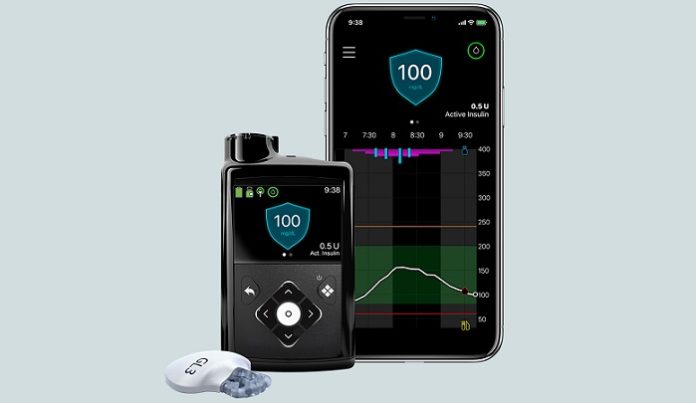
Medtronic plc, the global leader in medical technology announced CE Marking of its MiniMed™ 780G system, a next generation closed loop insulin pump system for the treatment of type 1 diabetes in people age 7 to 80 years. Leveraging the company’s most advanced SmartGuard™ algorithm, the system automates the delivery of both basal insulin and correction boluses every five minutes to help people with diabetes avoid highs and lows with greater ease. The MiniMed 780G system enables the personalization of glucose goals with an adjustable target setting as low as 100 mg/dL (5.5 mmol/L) — lower than any other advanced hybrid closed loop system — and is designed to help stabilize blood sugar levels and further improve glucose control.

“We wanted to design a system that further simplifies diabetes management and adapts to people’s life with the goal of enhancing their experience in a seamless way,” said Sean Salmon, Executive Vice President and President of the Diabetes Group at Medtronic. “We know it can be challenging to have to calculate carbohydrate intake before every snack or meal on a daily basis to ensure the right amount of insulin is dosed. With this system, users will have an extra layer of coverage for those times they miscalculate their carbs or forget to pre-bolus with analgorithm that automatically corrects for high glucose when needed. We want to help people spend more time living their life and less time worrying about their diabetes management — we’re confident this system delivers on that important goal.”

Patients who participated in the clinical study provided feedback that the MiniMed 780G system “made life with diabetes and control so much easier” and that it made “life significantly easier.”

In addition to the automated algorithm which includes technology from DreaMed Diabetes, the MiniMed 780G system was designed to be easy to use by requiring less input from the user1. With the addition of Bluetooth® connectivity, the MiniMed 780G system will enable users and their care partners to see real-time glucose data and trends on compatible iOS and Android smartphones via apps. Additionally, healthcare providers will find that managing patients on the system is simple as there are only a few settings that need adjustment to enable optimal use of the technology.

“I am incredibly proud of the strong collaboration that resulted in this meaningful step forward with the MiniMed 780G system, which the clinical trial has demonstrated to be a beneficial tool for a wide range of patients and particularly adolescents,” said Professor Moshe Phillip, director of the Institute for Endocrinology and Diabetes, National Center of Childhood Diabetes, Schneider Children’s Medical Center of Israel, co-founder and chief science officer, DreaMed Diabetes. “By continuing to increase the automation of insulin pump systems, we can further reduce burden for people living with diabetes while simultaneously driving positive clinical outcomes.”

The system is expected to begin shipping this Fall in select countries in Europe. In the United States, the MiniMed 780G system is investigational use only and not approved for sale.

The data from three trials using the next generation advanced hybrid closed loop system from Medtronic will be presented in a symposium at the virtual 80th Scientific Sessions of the American Diabetes Association.

The MiniMed 780G system is part of the new Medtronic portfolio of insulin pumps with smartphone connectivityvia Bluetooth. Additional systems with CE Mark include the MiniMed™ 770G2 system which uses the same hybrid closed loop technology as the current MiniMed™ 670G system that is available in many parts of the world. There is also a MiniMed™ 720G3 system with CE Mark that provides readings from a Medtronic glucose sensor without automating any insulin delivery based off those readings. These MiniMed™ 700 series pumps will be made available in countries around the world based on local market approvals and regulations.

About Medtronic
Medtronic plc, headquartered in Dublin, Ireland, is among the world’s largest medical technology, services and solutions companies – alleviating pain, restoring health and extending life for millions of people around the world. Medtronic employs more than 90,000 people worldwide, serving physicians, hospitals and patients in more than 150 countries. The company is focused on collaborating with stakeholders around the world to take healthcare Further, Together.

Samsung Introduces RS85 Prestige, its Latest Ultrasound System for Advanced Diagnostics

Samsung Introduces RS85 Prestige, its Latest Ultrasound System for Advanced Diagnostics

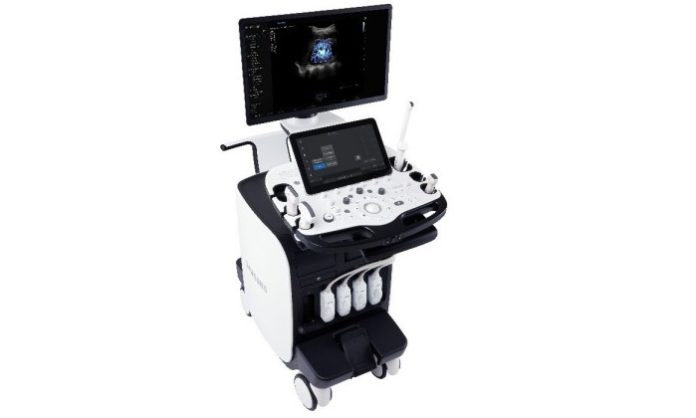
Samsung announced the immediate availability of the RS85 Prestige, the latest addition to the company’s portfolio of ultrasound systems. The RS85 Prestige was designed for scanning performance and delivers consistent image clarity, depth of penetration and sensitivity to perfusion of blood flow.

“Health systems are under increasing pressure to deliver high-quality care, and the RS85 Prestige is a perfect example of a technology that can help meet the high expectations of patients, providers and administrators,” said Dan Monaghan, Senior Director, Ultrasound at NeuroLogica. “The combination of processing speed, leading software and Advanced Intelligence features and performance makes the RS85 Prestige a beneficial addition to a hospital’s radiology suite.”

At the core of the image quality of the RS85 Prestige is Crystal Architecture™, which combines advanced beamforming (CrystalBeam™), sophisticated image processing (CrystalPure™) and advanced S-Vue Transducers™ to produce clear, uniform, high-resolution images. Additional features include:

ShadowHDR™ – Designed to suppress shadows and enhance the clarity of detailed grayscale images.

TAI™, TSI™ – Provides quantitative tissue attenuation measurement and tissue scatter distribution measurement to assess steatotic liver changes.

LumiFlow™ – Displays a “3D-like” appearance to 2D color Doppler, enhancing spatial comprehension of blood vessels and aiding in the understanding of vessel boundaries.

MV-Flow™ – An advanced Doppler technology providing detailed documentation of microvascular perfusion into tissues and organs.

S-Shearwave Imaging™ – Allows for non-invasive assessment of the stiffness for tissue/lesions in various applications such as breast, liver, MSK and prostate.

“I have been incredibly impressed with the RS85 Prestige’s processing power, gray scale and color quality images, and its features like ShadowHDR™ that allow higher quality scanning in more difficult-to-image windows,” said Dr. Ronald Hidalgo, MD, Abdominal Radiologist. “It will bring benefits to imaging departments, especially those focused on body imaging, vascular imaging, and other advanced imaging using the built in Advanced Intelligence.”


About NeuroLogica

NeuroLogica, the healthcare subsidiary of Samsung Electronics Co., Ltd., develops, manufactures, and markets innovative imaging technologies and is committed to delivering fast, easy and accurate diagnostic solutions to healthcare providers. NeuroLogica, the global corporate headquarters and manufacturer of mobile computed tomography, is also the US headquarters for sales, marketing and distribution of all Samsung digital radiography and ultrasound systems. NeuroLogica’s growing portfolio of advanced medical technologies is used worldwide in leading healthcare institutions helping providers enhance patient care, improve patient satisfaction, and increase workflow efficiency.

DOD to Fund a Multi-Center Randomized Clinical Trial of COVID-19 Treatment with ExThera’s Seraph 100 Blood Filter

Mayo Clinic collaborates with Ultromics to rapidly assess patients diagnosed with COVID-19

After encouraging preliminary results in the treatment of critically-ill COVID-19 patients at a military hospital in the United States and fourteen other hospitals in Europe, the Department of Defense has selected the Seraph®100 Microbind® Affinity Blood Filter (Seraph 100) as one of its main interventions in a pivotal, US-based randomized controlled trial. Financial support for the multi-center trial will be provided by the Department of Defense and run by investigators at the Uniformed Services University in Bethesda.

COVID-19 patients, including those with pre-existing medical conditions, have been treated with Seraph 100 after showing serious symptoms of the virus. Initial reports indicate Seraph 100 stabilizes blood pressure and inflammatory biomarkers that correlate with poor patient outcome: IL-6, Ferritin, D-dimers, LDH, and Nt-proBNP, all decreased during Seraph 100 treatments of COVID-19 patients. It appears that Seraph 100 helps improve patient outcomes by providing additional time for supportive care while reducing the sources of inflammation and possibly preventing further damage by reducing SARS-CoV-2 virus/RNA in the bloodstream.

Seraph 100 earned its CE Mark in Q3 2019 and is widely available in Europe where it is the subject of a large clinical trial for treatment of a variety of bloodstream infections (BSI). Prior to the COVID-19 pandemic, Seraph 100 was being used successfully to treat individual cases of sepsis and drug-resistant BSIs in the prevention of septic shock. However, over the past few months, most clinical cases have involved COVID-19.

The USFDA granted Seraph 100 Emergency Use Authorization (EUA) during the current pandemic. Under the EUA Seraph 100 is broadly available in the USA, for COVID-19 treatments. At this time there is no other blood purification therapy known to bind and remove SARS-CoV-2 virus/RNA and bacteria while also improving vital signs and laboratory parameters associated with inflammation and tissue damage.

In the treatment of bacterial infections Seraph 100 has quickly reduced drug-resistant bloodstream pathogens and consistently improved patients’ oxygen saturation. The binding of the SARS-CoV-2 virus together with the ability to treat secondary bacterial infections makes Seraph 100 therapy unique in the treatment of COVID-19. “We are excited to have this opportunity and confident that this large DOD clinical trial will firmly establish the safety and efficacy of Seraph 100 as a treatment for COVID-19 treatment. A successful trial will also support the use of Seraph 100 as a broad-spectrum countermeasure against future pandemics, especially during the critical period before vaccines are available” according to Bob Ward, NAE, President and CEO of ExThera Medical Corporation.

In contrast to other blood purification technologies which only remove molecules, Seraph 100 also quickly lowers the concentration of viruses, bacteria, and fungi in whole blood. In pre-clinical testing and in clinical use, Seraph 100 has been shown to significantly reduce the bloodstream concentration of both drug-susceptible and drug-resistant pathogens, providing a long-awaited therapy that addresses the severe problem of drug-resistance, and new and future microbial threats like the COVID-19 virus.

About the Seraph® 100 Microbind® Affinity Blood Filter

Seraph 100 is the first device ever approved for the reduction of pathogens in blood. As a patient’s blood flows through the Seraph filter, it passes over tiny beads with receptors that mimic the receptors on human cells that pathogens target when they invade the body. Harmful substances are quickly captured and adsorbed onto the surface of the beads and are thereby removed from the bloodstream. Seraph does not add anything to the blood, which is returned to the patient with blood cells and proteins intact. Seraph targets the pathogens that cause the infection, while it also binds and removes harmful substances generated by the pathogen and by the body’s response to the infection.

Seraph’s adsorption media (the beads) constitute a flexible platform that uses immobilized (chemically bonded) heparin for its well-established blood compatibility and its unique ability to bind bacteria, viruses, fungi, and important sepsis mediators reported to contribute to organ failure during sepsis. The ‘anti-thrombogenic’ heparin media can be combined with other ExThera-proprietary media to tailor the capability of future Seraph products for the treatment of specific diseases, or to further broaden Seraph’s capability.

About ExThera Medical

Based in Martinez, California, near San Francisco, and in Vaals, The Netherlands, ExThera Medical Corporation is a privately held medical device company developing innovative blood filters capable of removing a broad range of harmful substances from the blood. The company develops therapeutic products to treat patients in the hospital or clinic, during epidemics, or on the battlefield. Led by an accomplished management team with decades-long experience in the development and manufacture of blood-contacting implants, devices, and enabling biomaterials technology, the company has strong patent protection and a growing body of data from independent laboratory studies, from its participation in DARPA’s Dialysis-Like Therapeutics program, and from successful clinical use in the EU.

Translate »