Close
Digital Health & Ai Innovation summit 2026
Medical Taiwan 2026

ResMed Debuts MaskSelector, a Digital Tool for Remote CPAP Mask Fittings

ResMed Debuts MaskSelector, a Digital Tool for Remote CPAP Mask Fittings

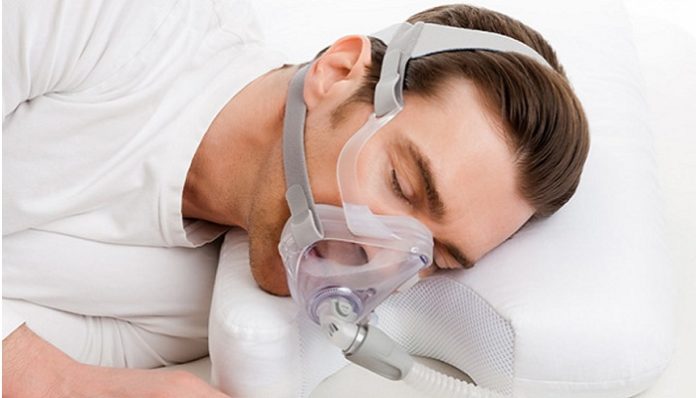
ResMed has launched ResMed MaskSelector, a digital tool to make remote patient mask selection and sizing easier and more effective, helping patients receive the care they need from home.

ResMed MaskSelector creates personalized ResMed mask recommendations based on a patientโ€™s sleep attributes and facial measurements. An HME can provide a HIPAA-compliant single-use link via text or email to a patient, who then answers a brief questionnaire and enters three facial measurements into the ResMed MaskSelector portal. Based on the patientโ€™s responses, the tool will recommend one of ResMedโ€™s industry-leading masks, along with options for alternate ResMed mask models and sizes.

HMEs say they need better remote capabilities to fit and select masks for patients during the COVID-19 pandemic, according to a recent survey of roughly 300 clinicians. Fifty-five percent of respondents stated mask selection was the area in which they either experienced or expected the most challenges with remote setup patients. Additionally, 54 percent said they were likely to continue offering remote CPAP setups to their new patients in the future.

โ€œResMed MaskSelector is the digital health technology solution to HMEsโ€™ challenge of finding the right mask for each patient when they canโ€™t physically see them due to physical distancing,โ€ said Jim Hollingshead, ResMed Sleep president. โ€œMask fit and comfort is key to a new CPAP userโ€™s therapy success, and this online tool helps clinicians find the best option for their patients โ€“ today and long after this pandemic ends.โ€

MaskSelector is available starting today to most HMEs in the U.S. It is being offered at no charge now through December 31 to help HMEs serve their patients during the COVID-19 public health emergency. Interested HMEs should contact their ResMed Solutions Consultant or Sales representative.

About ResMed

At ResMed we pioneer innovative solutions that treat and keep people out of the hospital, empowering them to live healthier, higher-quality lives. Our digital health technologies and cloud-connected medical devices transform care for people with sleep apnea, COPD, and other chronic diseases. Our comprehensive out-of-hospital software platforms support the professionals and caregivers who help people stay healthy in the home or care setting of their choice. By enabling better care, we improve quality of life, reduce the impact of chronic disease, and lower costs for consumers and healthcare systems in more than 140 countries.

Emory, Georgia Tech Create COVID-19 Barrier Protection Devices

Emory, Georgia Tech Create COVID-19 Barrier Protection Devices

Medical staff treating patients on the front lines of the COVID-19 pandemic come face to face daily with the risk of exposure to the virus. Among the riskiest moments are inserting and removing breathing tubes, procedures that create a spray of respiratory droplets.

Now, two Atlanta universities have created barrier protection devices designed to contain that droplet spray and aerosol with a goal of reducing the risk of disease transmission.

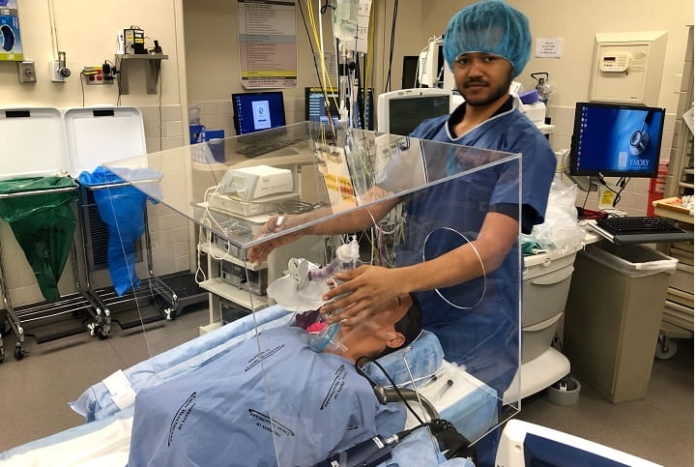
Made of clear polycarbonate material, the four-sided box is placed on a bed over the patientโ€™s head and shoulders. Protected hand openings allow physicians or other health care personnel to reach into the box to perform procedures such as intubating a patient who needs to be placed on a ventilator.

โ€œIntubation and extubation require a physician to work in extremely close proximity to a patient while simultaneously performing procedures known to generate a large amount of potentially infectious droplets,โ€ says Cinnamon Sullivan, MD, assistant professor of anesthesiology, Emory University School of Medicine and the director of Global Health Anesthesiology at Emory University Hospital. โ€œThe goal of this box is to block, to a large extent, the amount of droplets being aerosolized and serves as one more layer of protection in addition to our personal protective equipment (PPE).โ€

In recent weeks, a cross-disciplinary team that included anesthesiologists and other physician specialists from Emory University and engineers from the Georgia Institute of Technology (Georgia Tech) has worked quickly prototyping several devices, which were adapted from a basic design distributed widely throughout the medical community as the COVID-19 outbreak grew.

Two primary designs emerged from the effort. One of these devices is a fold-flat box, and the other device is a c-shaped frame. Both provide similar functionalities and are designed for dynamic hospital environments, such as in the emergency department.

The box that can be folded flat when not in use also has a handle to enable easier transportation and includes more safety measures designed to protect clinicians from aerosols escaping through the access holes. These new features were critical to achieving a box that could be used without taking up as much space.

โ€œThe medical team that performs intubations moves from unit to unit where weโ€™re needed, so the portability of this design is essential to making it work in actual patient care situations,โ€ says Jeremy Collins, MBChB, FRCA, associate professor of anesthesiology and executive vice chair of anesthesia at Emory. โ€œAs well as protecting the anesthesia team, containment of aerosol and droplets generated can minimize contamination to the whole operating room and surrounding corridors.โ€

The overall goal of the project is to improve protection for medical staff as they work closely with COVID-19 patients, explained Christopher Saldana, PhD, associate professor in Georgia Techโ€™s George W. Woodruff School of Mechanical Engineering. โ€œThe goal is to shroud the patient and allow the clinicians to do the necessary procedures while adding an additional barrier from potential exposure,โ€ he says.

The box also helps shield personal protective equipment (PPE) from contamination, potentially helping to maintain supplies. โ€œA need for such a box was identified during daily meetings with leaders of Emory departments responding to the COVID-19 emergency,โ€ says Susan Margulies, PhD, chair of the Wallace H. Coulter Department of Biomedical Engineering that is shared by Georgia Tech and Emory. From the meeting, Margulies identified problems that might be addressed by Georgia Tech researchers.

โ€œMy role is to think about how the expertise at Georgia Tech can be brought to bear on the needs of the medical community,โ€ she says. โ€œAs a department truly embedded on both campuses, this collaboration gives us the opportunity to create a direct relationship between the problems and the solutions.โ€

Margulies brought the aerosol containment issue to Sam Graham, PhD, chair of the Woodruff School of Mechanical Engineering, and Saldana, whose research focuses on manufacturing and materials. Saldana listened to the problem and worked with Margulies to quickly develop a concept that could be evaluated, based on a design used in Asia.

Based on the initial concept, Saldana and graduate student Kentez Craig quickly built two prototypes and sent them to Emory for Sullivan, Collins and others to inspect and check whether the size of the box would work in an operating room environment. โ€œEmory told us they really needed them,โ€ Saldana says. โ€œThey showed us how this design would be used in practice and we talked about iterations.โ€

Sullivan and Collins immediately identified the need to make the devices more portable, as well as address how the access holes could be better closed off to prevent aerosols from escaping during use.

Since these developments, a team of graduate students, including Jaime Berez and Maxwell Praniewicz, quickly designed the final prototypes of the fold-flat box and the c-shaped frame. Review and testing of the c-shaped frame was completed with Russell Gore, MD, an adjunct associate professor in the Wallace H. Coulter Department of Biomedical Engineering, Adam Klein, MD, a professor in the Department of Otolaryngology at Emory University and David Wright, MD, a professor and chair of the Department of Emergency Medicine at Emory University. To produce these designs, Siemens Corporation joined the team to lead the production of prototypes; Barry Powell and James Washburn at Siemens implemented an industrial manual assembly process with additional support from Georgia Techโ€™s Montgomery Machining Mall and the Georgia Tech Research Instituteโ€™s Machine Services.

The boxes and frames are made from polycarbonate, a clear rigid material. The material was cut in Georgia Techโ€™s Flowers Invention Studio with a water-jet machine. A laser device was used to cut the hand holes. โ€œYou might need some specialized equipment, but most people could use general shop equipment to produce these,โ€ Saldana says.

People whoโ€™ve worked in a research laboratory will recognize the concept behind the devices. โ€œThis is a lot like a glovebox that is used in many laboratories to separate laboratory technician from hazardous materials or environments inside the box or frame,โ€ Saldana says. โ€œThe technician places their hands and arms into the gloves, allowing them to work separate from whatโ€™s inside.โ€

Unlike the face shields and respirators that are in such high demand, the barrier protection devices will be needed only in small quantities to shield clinicians during the specific procedure. Saldana says hospitals potentially could find it useful in emergency departments, intensive care units and operating rooms.

โ€œWe hope these barrier protection devices have utility beyond this outbreak,โ€ Sullivan says. โ€œThey may be able to be used for any aerosolized disease, and with the modifications we are making, it could be taken to areas with fewer PPE resources both here in the U.S. and overseas.โ€

Prospect Medical Group to Acquire Three Independent Physician Associations

Prospect Medical Group, a Southern California-based independent physician association (IPA), will acquire certain assets of CalCare IPA and Los Angeles Medical Center IPA, both of which serve Los Angeles County, and Vantage Medical Group in Riverside, San Bernardino, and San Diego. The transaction, which was entered into on April 22, is expected to close this summer subject to approvals from contracted health plans and other customary closing conditions.

Following the closing of the transaction, the three additional IPAs, representing more than 10,000 providers, will join Prospectโ€™s existing networks, becoming one of the largest IPAs in the country with more than 20,000 providers in its network. The three additional IPAs currently hold health plan agreements with six payers responsible for approximately 130,000 members, most of whom are managed Medicaid/Medi-Cal members. The acquisition complements Prospectโ€™s focus on providing care through the lifespan continuum for all members, across all products.

โ€œThis acquisition advances our goals of supporting independent physicians and helping them succeed in managed care environments,โ€ said Dr. Mitchell Lew, President, Prospect Medical Holdings. โ€œNow, more than ever, our community practitioners must ensure the highest quality of care and access to healthcare services for all.โ€

Prospect will ensure continuity of care for all patients and collaborate with health plans to ensure a seamless transition. Prospect Medical Group is managed by its affiliate, Prospect Medical Systems โ€“ a management services organization that currently uses its 25 years of experience to manage health plan-delegated downside risk for doctors and hospitals. Prospect currently owns or manages 25 IPAs across six states, with 500,000 members accessing a variety of insurance products. Leveraging its existing infrastructure, Prospect will ensure the highest quality operations and compliance for these acquired assets. Prospect anticipates hiring approximately 100 new staff members in Southern California to support these efforts.

โ€œThis is a great opportunity to expand Prospectโ€™s system of coordinated care to a much larger market,โ€ said Jim Brown, CEO, Prospect Medical Systems. โ€œOur vision is that everyone has access to quality health care when they need it, and we look forward to partnering with a new network of physicians to make that a reality. Especially in a COVID-19 setting, collaboration between physicians and coordination of care is critically important. Financial models that we are able to employ, such as capitation and shared savings, can also provide security and opportunity to an unstable healthcare environment such as we have now.โ€

About Prospect Medical Group

The Prospect Medical Group IPAs are managed by Prospect Medical Systems, which develops, implements and manages a full range of support services. Prospect Medical Holdings, Inc. is the parent company of Prospect Medical Systems.

New HealthPartners solution helps businesses return to work safely during COVID-19

MIT Begins Mass Manufacture of Disposable Face Shields

HealthPartners announced it is offering an innovative solution to provide consultation and direct support for businesses as they work to reopen, safely return workers and welcome back customers during the COVID-19 pandemic.

The new โ€œBack to Businessโ€ COVID-19 employer preparedness solution is based on medical expertise and the latest scientific evidence and offers personalized support to businesses, including:

  • COVID-19 preparedness planning. An employer assessment with personalized recommendations and best practices that support COVID-19 preparedness plan requirements
  • Medical consultation on business preparedness. Medical expertise on how to safely resume business operations
  • Absence policies consultation. Recommendations and best practices for employer absence policies regarding Family and Medical Leave Act expansion and Emergency Paid Sick Leave legislation related to COVID-19
  • Employee communications consultation. Support for communicating employer preparedness plans to employees and customers
  • Employee screening. Recommendations and implementation of COVID-19 screening best practices such as temperature, questionnaire or attestationscreening as appropriate
  • Employee testing. Recommendations and implementation of COVID-19 testing best practices for both symptomatic and asymptomatic employees
  • Follow-up care support. Support for employees who screen at-risk of COVID-19 or test positive, connecting them to available resources
  • Absence management. Case management for various leave types to keep employers compliant with regulations, minimize risk and reduce costsassociated to employee leaves

โ€œAs businesses start to reopen, itโ€™s critical to keep workers healthy and safe in their work environment,โ€ said Patrick Courneya, MD, HealthPartners chief health plan medical officer. โ€œBusinesses are essentially being asked to become virus experts overnight, when they should be focusing on keeping their workforce safe. As an integrated care delivery and health plan system, we have unique insight into rapidly-changing COVID-19 news and safety recommendations and can share our expertise with other employers to help them return to work as safely as possible.โ€

HealthPartners is the first health plan to offer a solution of this kind to employers. The Back to Business solution is available for businesses of all sizes, regardless if they have HealthPartners health insurance. Services can be packaged together or provided individually based on a companyโ€™s needs.

About HealthPartners

HealthPartners is the largest consumer-governed, non-profit health care organization in the nation with a mission to improve health and well-being in partnership with members, patients and the community.

CorVel Announces Improved Payment Process for Payers Using Provider Portal and Accurate Payment for Front-Line Healthcare Providers

 Accurate Payment for Front-Line Healthcare Providers

CorVel Corporation, a national provider of risk management solutions, announced expansion of its provider portal interface, increasing payment options to ensure timely and accurate payment for healthcare providers.

“The healthcare environment has been particularly challenging for physicians and nurses on the front lines of the pandemic, and we are deeply indebted to them for their service,” said Michael Combs, CorVel’s CEO. “Dealing with the loss of income or delayed payment should not be a concern for medical professionals. To help alleviate that burden, CorVel is offering additional payment options to facilitate prompt payment to providers. Due to our financial stability allowing ongoing investment in technological innovation, we are in a position to support our customers and providers during this crisis.”

To ensure healthcare providers receive prompt payment for their services, CorVel offers a portal through which providers can submit bills, medical records, and be paid, overcoming barriers to slow payment or lack of electronic remittance options. The provider portal, in combination with the Company’s AI-augmented claim workflow, compresses the time that it takes to process and pay medical bills. The program is gaining momentum as the use of the portal increases.

COVID-19 has proven to be a powerful test of all organizations, and their services and systems, forcing enterprises to adapt to the rapidly evolving communication applications available today.

“This crisis has proven that CorVel’s decision to create a single platform that brings together all of the programs necessary for managing episodes of care does significantly ease claims management and improve outcomes for the injured worker. We remain committed to investing in our innovative technology despite this disruption,” said Combs.

About CorVel
CorVel Corporation is a national provider of industry-leading workers’ compensation solutions for employers, third-party administrators, insurance companies, and government agencies seeking to control costs and promote positive outcomes. We apply technology, intelligence, and a human touch to the risk management process so our clients can intervene early and are connected to the critical intelligence they need to manage risk proactively. With a robust technology platform at its core, our connected solution is delivered by a national team of associates who are committed to helping clients design and manage programs that meet their organization’s performance goals.

Activ Surgical launches robotic surgery AI software

Activ Surgical launches robotic surgery AI software

Activ SurgicalActiv Surgical said it is launching ActivEdge, an artificial-intelligence and machine-learning platform designed to improve surgical procedures and outcomes. The Boston-based company said it will be available initially in the U.S. and next year worldwide.

Activ Surgical said it will initially focus on promoting the new software for the most common laparoscopic procedures, including cholecystectomy, colectomy, hysterectomy and gastrectomy, where blood flow and critical structure identification are crucial to optimal outcomes.

The companyโ€™s product portfolio is built on the ActiveEdge platform and includes hardware-agnostic imaging software and computer-driven guidance systems, both for scopes and robots, to improve situational awareness and real-time imaging during surgical procedures and enable safe tissue access.

โ€œThe future of surgery is collaborative, with human judgment and wisdom augmented by robotics precision,โ€ said Activ Surgical CEO Todd Usen in a news release. โ€œWith nearly 400,000 deaths in the U.S. every year due to avoidable medical errors, our surgical intelligence platform is designed to dramatically improve outcomes, safety and accessibility by arming surgeons with real-time information to make better informed decisions.โ€

The most commonly employed surgical imaging process, ICG, uses fluorescent dye invented more than 70 years ago and does not offer real-time, objective physiologic information to surgeons when they need it during procedures, according to Dr. Peter Kim, the companyโ€™s co-founder and chief science officer.

โ€œThe next frontier in surgery is advanced imaging, led by innovation from companies like Activ Surgical, to enable intraoperative imaging and image overlays, guided by machine learning,โ€ added Dr. Vipul Patel, medical director of both the Global Robotics Institute at Advent Health Celebration and of the Advent Health Cancer Institute urologic oncology program (Orlando, Fla.) . โ€œThe potential for Activ Surgical to use AI and machine learning to inform robotics-assisted surgery, bringing together the best of human judgment and wisdom augmented by robotics precision, is a game-changer in helping the surgical community achieve better outcomes.โ€

Researchers develop 3D VR blood flow to improve cardiovascular care

Researchers develop 3D VR blood flow to improve cardiovascular care

Duke University engineers are developing a fluid dynamics simulator that models blood flow in the full human arterial system at a subcellular resolution.

The biomedical engineers hope the simulator will give doctors guidance in treatment plans by simulating specific vasculatures of patients to predict how stent placements, conduit insertions and other geometric alterations to blood flow can affect surgical outcomes.

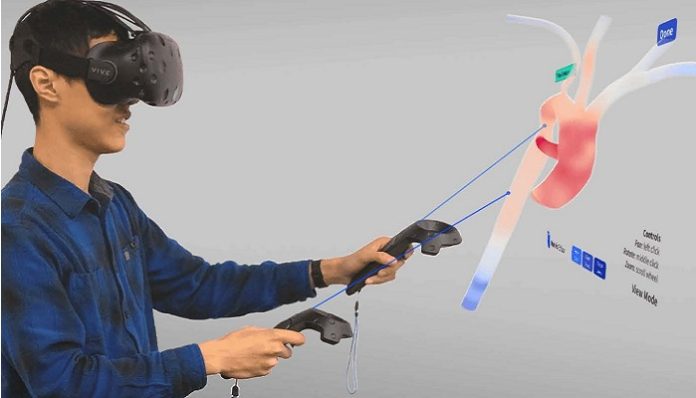
Duke University researchers developed the tool, called Harvey, by exploring various interfaces ranging from standard desktop displays to immersive virtual reality experiences. They found that futuristic interfaces could be the key to widespread adoption of the technology.

โ€œHarvey currently requires knowledge of C coding and command-line interfaces, which really limits who can use the program,โ€ Amanda Randles, assistant professor of biomedical sciences at Duke, said in a news release. โ€œThis paper introduces a graphical user interface weโ€™ve developed called Harvey, so that anybody can use Harvey, whether theyโ€™re surgeons trying to figure out the best placement for a stent or biomedical researchers trying to design a new type of stent altogether.โ€

Randles said she has been developing the Harvey code for nearly 10 years and has demonstrated that the technology can accurately model blood flow through patient-specific aortas and other vascular geometries on longer scales. The program has also modeled 3D blood flows on the scale of the full human body.

Through the research, the simulation is bringing a better understanding of stent treatment of cerebral aneurysms and the growth of aneurysms. Randles also created a quick noninvasive way to check for peripheral arterial disease to understand how circulating cancer cells stick to different tissues.

โ€œAs cardiovascular disease continues to be the number one cause of death in the US, the ability to improve treatment planning and outcome remains a significant challenge,โ€ said Randles. โ€œWith the maturity and availability of VR/AR devices, we need to understand the role these technologies can play in the interaction with such data. This research is a much-needed step for developing future software to combat cardiovascular disease.โ€

In a new study, Randles and her team of biomedical engineers are simulating three different scenarios to test the system: placing a conduit between two blood vessels, expanding or shrinking the size of a blood vessel and placing a stent within a blood vessel. The researchers attempted each simulation using a standard mouse and computer screen, a โ€œZ-spaceโ€ semi-immersive virtual reality device and a fully immersive virtual reality experience with an HTC Vive display device.

According to the researchers, the study didnโ€™t find any major differences between the most and least immersive interfaces in terms of quality and efficiency.

โ€œPeople enjoyed the 3D interface more,โ€ said Randles. โ€œAnd if they enjoyed it more, theyโ€™re more likely to actually use it. It could also be a fun and exciting way to get students engaged in classes about the vasculature system and hemodynamics.โ€ The researchers plan to run experiments to see if the 3D blood flow interface can help medical students retain important knowledge better than current standards.

Edwards PASCAL Transcatheter Valve Repair System Receives European Approval For Tricuspid Repair

World first in AI helps scan heart disease patients to predict heart attacks and stroke

Edwards Lifesciences Corporation, the global leader in patient-focused innovations for structural heart disease and critical care monitoring, announced that it has received CE Mark for the Edwards PASCAL transcatheter valve repair system for the treatment of European patients with tricuspid regurgitation (TR).

“Although the prevalence of tricuspid valve disease and the associated mortality are high, there are limited effective treatment options for these very symptomatic patients, who often cannot have surgery due to the prohibitive risk,” said Prof. Jรถrg Hausleiter, MD, Medizinische Klinik der Ludwig-Maximilians-Universitรคt Mรผnchen in Munich, Germany. “Transcatheter tricuspid therapy can be challenging due to the fragile leaflets and the large defects during valve closure. In our experience, the PASCAL system’s independent grasping ability as well as the flexible and less traumatic clasp design are important features for our patients.”

The PASCAL system is indicated in Europe for the percutaneous reconstruction of the tricuspid valve through leaflet repair by tissue approximation. The clasps and paddles gently grasp the leaflets to facilitate coaptation, while the spacer is designed to fill the regurgitant orifice area and prevent backflow.

The clasps can be operated independently to facilitate optimized leaflet capture and the implant can be elongated to a narrow profile, allowing for safe maneuvering in dense chordal anatomy.

“Patients with tricuspid valve disease are in great need of solutions,” said Bernard J. Zovighian, Edwards’ corporate vice president, transcatheter mitral and tricuspid therapies. “Edwards is the first company to introduce multiple transfemoral tricuspid repair therapies in Europe, providing physicians with both leaflet repair and annular reduction therapies to help meet their patients’ needs.”

In early clinical experience, the PASCAL repair system demonstrated high procedural success and significant clinical improvements in patients with challenging tricuspid anatomy and severe TR. Sustained TR reduction was observed at 30 days, with 85 percent of patients seeing a reduction to TR =2+ on a five-grade scale.

Edwards continues to build a body of clinical evidence for transfemoral tricuspid therapies, including with the CLASP II TR pivotal study investigating the PASCAL system in patients with symptomatic functional or degenerative TR, the TRISCEND study investigating the EVOQUE system for tricuspid valve replacement, as well as real-world experience. The launch of the PASCAL system for the treatment of TR patients in Europe is focused on procedural success and differentiated patient outcomes, with a high-touch clinical support model.

The PASCAL repair system is not approved in the United States. Prof. Jรถrg Hausleiter is a consultant for Edwards and a member of its Advisory Board, receiving compensation for services including proctoring, educational presentations, expert advice and R&D insights, as well as associated travel.

About Edwards Lifesciences
Edwards Lifesciences, based in Irvine, Calif., is the global leader of patient-focused medical innovations for structural heart disease and critical care monitoring. We are driven by a passion for patients, dedicated to improving and enhancing lives through partnerships with clinicians and stakeholders across the global healthcare landscape.

Philips receives FDA clearance for the use of its ultrasound portfolio to manage COVID-19-related lung and cardiac complications

Philips receives FDA clearance for the use of its ultrasound portfolio to manage COVID-19-related lung and cardiac complications

Royal Philips, a global leader in health technology, announced that it has received 510(k) clearance from the U.S. FDA to market a wide range of its ultrasound solutions for the management of COVID-19-related lung and cardiac complications. Handheld and portable ultrasound solutions in particular have become valuable tools for clinicians treating COVID-19 patients due to their imaging capabilities, portability and ease of disinfection.

As a result of this regulatory clearance, which is an industry first, Philips can provide detailed, practical guidance to support clinicians using its systems and software for patients affected by COVID-19. The clearance applies to Philips ultrasound systems including the EPIQ series, Affiniti series, Lumify, CX50 and Sparq diagnostic ultrasound systems, and to off-cart solutions like QLAB Advanced Quantification Software.

Ultrasound has shown value in imaging peripheral lung tissue affected by pneumonia, which is closely tied to COVID-19 lung complications. As respiratory strain can also lead to cardiac dysfunction, COVID-19 patients are at increased risk for cardiac complications. A cardiac ultrasound exam can help in evaluating the effects that disease progression may have on heart function. By imaging COVID-19 patients at the point of care, such as in the Emergency Department (ED) or Intensive Care Unit (ICU), clinicians can diagnose and monitor patients without the need to move them around the hospital, helping to reduce the risk of virus transmission to other patients or to healthcare professionals.

โ€œMany healthcare providers have told us that our handheld and portable ultrasound solutions are playing a valuable role in their efforts to combat COVID-19,โ€ said Bich Le, Senior Vice President and General Manager Ultrasound at Philips. โ€œWith this regulatory clearance we can offer clear guidance to ensure safe and effective use of ultrasound to manage COVID-19-related lung and cardiac complications. At the same time, we are investing significantly to ramp up production globally, including at our ultrasound manufacturing plants in the US.โ€

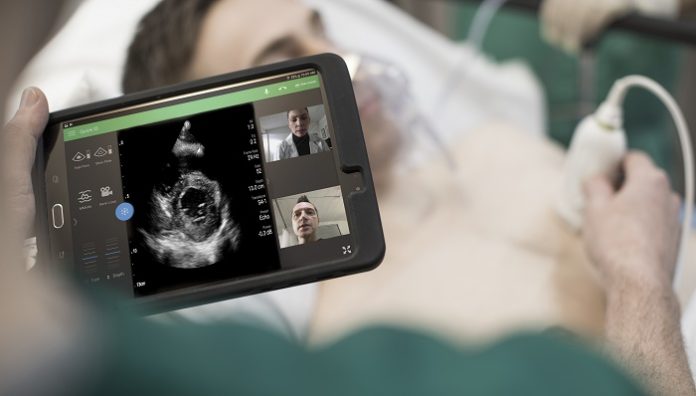
With its broad portfolio, leadership in areas including cardiac ultrasound and the unique capabilities of the Lumify with Reacts handheld tele- ultrasound solution, Philips is well positioned to support healthcare providers with ultrasound solutions as they combat the pandemic. The Lumify with Reacts point-of-care ultrasound solution, which works in conjunction with a compatible smartphone or tablet, is the worldโ€™s first ultra-portable ultrasound device with advanced telehealth capabilities. The Reacts communications platform enables two-way audio-visual calls with live ultrasound streaming, so both parties can simultaneously view the live ultrasound image and probe positioning, while discussing and interacting at the same time.

In the context of COVID-19, this solution can help minimize the risk of virus transmission for the medical team. The new guidance highlights the specific presets, transducers, quantification tools and other capabilities available on Philipsโ€™ ultrasound systems that are relevant in assessing and managing COVID-19-related lung and cardiac complications. For example, the EPIQ CVx premium cardiology ultrasound system includes automated applications for 2D assessment of the heart, as well as robust 3D right ventricle volume and ejection fraction measurements.

The regulatory clearance includes the following Philips ultrasound systems: EPIQ series, Affiniti series, Lumify, CX50, and Sparq diagnostic ultrasound systems and off-cart solutions like QLAB Advanced Quantification Software. More information on how Philips is responding to COVID-19 can be found on the companyโ€™s global newscenter.

About Royal Philips
Royal Philips is a leading health technology company focused on improving people’s health and enabling better outcomes across the health continuum from healthy living and prevention, to diagnosis, treatment and home care. Philips leverages advanced technology and deep clinical and consumer insights to deliver integrated solutions. Headquartered in the Netherlands, the company is a leader in diagnostic imaging, image-guided therapy, patient monitoring and health informatics, as well as in consumer health and home care. Philips generated 2019 sales of EUR 19.5 billion and employs approximately 81,000 employees with sales and services in more than 100 countries.

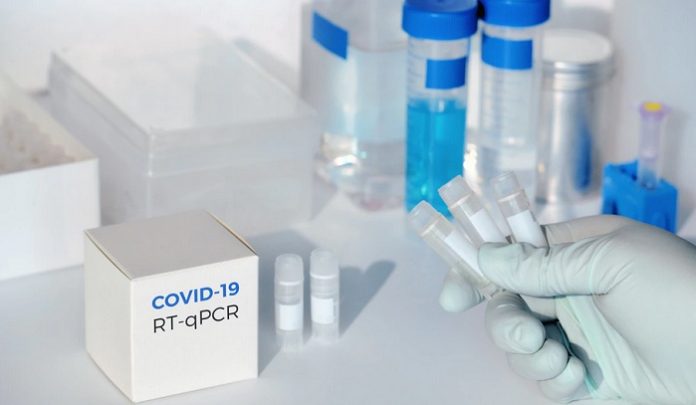
Todos Medical Enters distribution agreement with Gnomegen and announces US FDA EUA for its COVID-19 qPCR Test Kits

COVID-19 qPCR Test Kits

Todos Medical Ltd., a commercial in vitro diagnostics company focused on the development of blood tests for the early detection of cancer and neurodegenerative disorders, as well as antibody and PCR tests for COVID-19, announced that it has entered into an exclusive distribution agreement with Gnomegen LLC for the distribution of its digital and quantitative polymerase chain reaction (Digital PCR and qPCR) COVID-19 testing kits in North America, Europe, Southeast Asia and Latin America.

In addition, the Company announced that Gnomegenโ€™s qPCR test received Emergency Use Authorization (โ€œEUAโ€) from the US Food & Drug Administration (FDA) diagnostic test for COVID-19 on May 8th, 2020. Further, the Company announced that it has completed validation testing for the Gnomegen qPCR reagents and is now entering preparations to commercially launch the test in the United States through its partner CLIA lab.

On April 15, 2020, CMS increased its payment rates for High-Throughput SARS-CoV-2 diagnostic tests that use high-throughput technologies allowing for increased capacity and faster results to $100 per test. A High-Throughput testing lab can process at least 200 specimens per day using โ€œhighly- sophisticated equipment that requires specially trained technicians and more more-intensive processes to assure quality,โ€ according to CMS. Todos expects that its CLIA lab partner will be able to process up to 2,000 tests per day with existing equipment, and can ramp up to 7,000 tests per day over the summer of 2020.

โ€œTodos Medical has been positioning itself as a distribution partner to testing labs throughout the world, including high-complexity CLIA labs here in the United States, by securing stable access to large quantities of high quality Digital PCR and qPCR reagents, RNA extraction reagents, RNA sample collection kits, automated RNA extraction machines and validated point-of-care fingerprick antibody tests that are currently authorized to be run in a high-complexity CLIA lab environments,โ€ said Gerald Commissiong, President & CEO of Todos. โ€œWe believe that in order to achieve the testing capacity required to address COVID-19, it is important for labs transitioning into COVID testing to have access to quality materials and supplies, and to be able to do both antibody testing and PCR testing. We will have access to potentially over 2 million extraction kits per week based on existing contracts with our existing suppliers, and now that we have an EUA-approved qPCR product we can begin to market a full solution to labs in the US and abroad so that they can meet the demands of the market as it matures heading into the summer of 2020.โ€

About the SARS-CoV-2 Coronavirus (COVID-19)

Coronaviruses are a family of viruses that can lead to respiratory illness, including Middle East Respiratory Syndrome (MERS-CoV) and Severe Acute Respiratory Syndrome (SARS-CoV). Coronaviruses can be transmitted between animals and people and evolve into strains not previously identified in humans. On January 7, 2020, a novel coronavirus (SARS-CoV-2) was identified as the cause of pneumonia cases in Wuhan, Hubei Province of China, and additional cases have been found in a growing number of countries worldwide. COVID-19 is the disease caused by SARS-CoV-2.

About Todos Medical Ltd.

Headquartered in Rehovot, Israel, Todos Medical Ltd. engineers life-saving diagnostic solutions for the early detection of a variety of cancers. The Company’s state-of-the-art and patented Todos Biochemical Infrared Analyses (TBIA) is a proprietary cancer-screening technology using peripheral blood analysis that deploys deep examination into cancer’s influence on the immune system, looking for biochemical changes in blood mononuclear cells and plasma. Todos’ two internally-developed cancer-screening tests, TMB-1 and TMB-2, have received a CE mark in Europe and are currently in a pre-commercial study with its distribution partner Orot+ (a division of Luces-Orot). Todos recently entered into an exclusive option agreement to acquire U.S.-based medical diagnostics company Provista Diagnostics, Inc. to gain rights to its Alpharetta, Georgia-based CLIA/CAP certified lab and Provista’s proprietary commercial-stage Videssaยฎ breast cancer blood test. The transaction is expected to close in the second quarter of 2020.

Translate ยป