







Close
Digital Health & Ai Innovation summit 2026
Medical Taiwan 2026

Todos Medical Announces First Commercial Sale of COVID-19 Antibody Tests

Todos Medical Announces First Commercial Sale of COVID-19 Antibody Tests

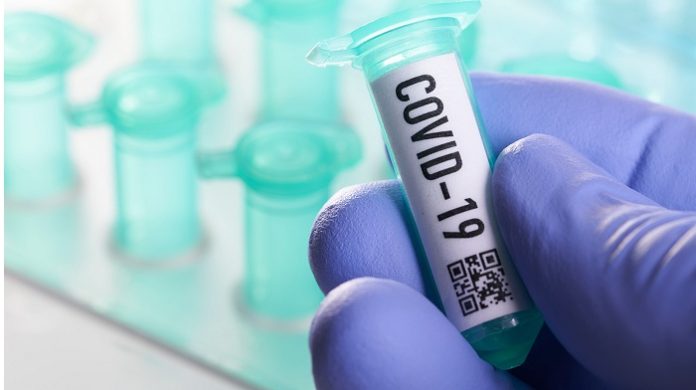
Todos Medical Ltd., an in vitro diagnostics company focused on the distribution of a comprehensive suite of solutions for the screening and diagnosis of COVID- 19 and the development of blood tests for the early detection of cancer and Alzheimer’s disease, today announced its first commercial sale of COVID-19 tests.

The sale was made via a sub-distribution agreement with a U.S.-based medical distribution company with clients in state and local governments throughout the Southeastern United States who are seeking comprehensive testing solutions for Return-to-Work programs. Todos’ sub- distributor’s first sale was for rapid IgM/IgG fingerprick antibody test kits that will be deployed over Memorial Day weekend for the first of several Return to Church programs being planned. Todos’ sub-distributor’s church network covers over 84,000 Christian church congregations reaching over 28 million Americans.

“This sub-distribution agreement gives Todos’ U.S. distribution division access to a network of state and local governments, as well as Christian churches, and other communities of faith, that are for the first time pursuing COVID-19 testing services as they seek to responsibly reopen their congregations,” said Gerald E. Commissiong, President & CEO of Todos Medical. “We provide organizations and their lab partners with access to a comprehensive, steady supply of bundled, high-quality, FDA-compliant PCR and antibody testing solutions that address their needs as they implement COVID-19 testing programs. As private organizations begin to take control of their COVID-19 testing, Todos plans to be a solutions provider for both organizations and labs seeking to more efficiently administer COVID testing in the United States.”

About the SARS-CoV-2 Coronavirus (COVID-19)

Coronaviruses are a family of viruses that can lead to respiratory illness, including Middle East Respiratory Syndrome (MERS-CoV) and Severe Acute Respiratory Syndrome (SARS-CoV). Coronaviruses can be transmitted between animals and people and evolve into strains not previously identified in humans. On January 7, 2020, a novel coronavirus (SARS-CoV-2) was identified as the cause of pneumonia cases in Wuhan, Hubei Province of China, and additional cases have been found in a growing number of countries worldwide. COVID-19 is the disease caused by SARS-CoV-2.

About Todos Medical Ltd.

Headquartered in Rehovot, Israel, Todos Medical Ltd. engineers life-saving diagnostic solutions for the early detection of a variety of cancers. The Company’s state-of-the-art and patented Todos Biochemical Infrared Analyses (TBIA) is a proprietary cancer-screening technology using peripheral blood analysis that deploys deep examination into cancer’s influence on the immune system, looking for biochemical changes in blood mononuclear cells and plasma. Todos’ two internally-developed cancer-screening tests, TMB-1 and TMB-2, have received a CE mark in Europe and are currently in a pre-commercial study with its distribution partner Orot+ (a division of Luces-Orot). Todos recently entered into an exclusive option agreement to acquire U.S.-based medical diagnostics company Provista Diagnostics, Inc. to gain rights to its Alpharetta, Georgia-based CLIA/CAP certified lab and Provista’s proprietary commercial-stage Videssa® breast cancer blood test. The transaction is expected to close in the second quarter of 2020.

Through Breakthrough Diagnostics, Inc., its joint venture with Amarantus Bioscience Holdings, Inc., Todos is also actively involved with the development of blood tests for the early detection of neurodegenerative disorders, such as Alzheimer’s disease. Todos expected to complete the remaining unowned interest in Breakthrough in the second quarter of 2020.

Todos recently entered into distribution agreements with China-based companies to distribute certain novel coronavirus (COVID-19) test kits. The Company has entered into distribution agreements covering the U.S. and Israel with Gibraltar Brothers & Associates, LLC, a U.S.-based subsidiary of Shanghai Liangrun Biomedicine Technology Co. (Shanghai), for its proprietary colloidal gold immunochromatography (Colloidal Gold) point-of-care IgM/IgM-based antibody test kits, and with 3DMedicine Science & Technology Co (3DMed), a China-based cancer precision medicine company, for distribution in the U.S. and Israel of its ANDiS® SARS-CoV-2 Detection Kit (COVID), ANDiS® SARS-CoV-2 & Influenza A/B Detection Kit (COVID/Flu) and its proprietary ANDiS®350 3DMed Automated Solution countertop real-time PCR machine (3D Machine).
US to include SyntheticMR’s solution in product catalogue

US to include SyntheticMR's solution in product catalogue

SyntheticMR announced that they have signed an agreement with Philips Healthcare US that involves integrating SyntheticMR’s imaging software solution SyMRI into the Philips product catalogue. The Philips Healthcare US sales team will now be able to offer SyntheticMR’s full solution to their customers.

“Healthcare providers in North America through this collaboration will now have quicker access to a solution that can help shorten scan times, improve patient throughput and provide quantitative data, which will be critical in post COVID-19 times,” says Kyle Frye, President SyntheticMR Inc. “I am excited to accelerate our growth on the US market together with Philips Healthcare and for their sales team to begin selling our product by mid-June.”

Philips Healthcare currently offers the quantitative sequence SyntAc as an option to their customers, and adding SyntheticMR’s software solution enables the customer to generate multiple contrast-weighted images and volumetric data in a single 5-6 minute scan. SyntheticMR’s product is compatible with most MRI scanners from Philips Healthcare.

“Philips Healthcare is an important partner in our ambitions to provide customers with workflow improvements and objective decision support,” says Ulrik Harrysson, CEO, SyntheticMR AB. “This agreement is an important step for a closer collaboration with Philips Healthcare on a global level.”

AMSURG Develops Toolkit to Guide Ambulatory Surgery Centers in Providing Safe, Quality Patient Care

AMSURG Develops Toolkit to Guide Ambulatory Surgery Centers in Providing Safe, Quality Patient Care

AMSURG, a division of Envision Healthcare and national leader in the management of ambulatory surgery centers (ASC), has developed guidelines to support the delivery of safe, quality outpatient care as communities begin resuming elective procedures during the COVID-19 pandemic.

“Quality patient care is always our top priority, and following clinical best practices, along with federal and local guidance, will help ensure the safety of our patients and clinicians as we resume elective procedures during this public health crisis,” said Dr. Chan Chuang, Chief Medical Officer of Envision and Co-President of AMSURG. “Ambulatory surgery centers are an integral part of the healthcare delivery system, providing quality care at a significantly lower cost and in a more convenient setting than many alternative care sites. The services we provide are essential in helping patients maintain their health and quality of life, and these procedures can be resumed safely in some communities.”

The guidelines developed by AMSURG clinical and quality leaders provide the organization’s network of more than 3,700 physicians and more than 250 ASCs with recommended processes to ensure clinician and patient safety.

The best practices include:

  • Screening patients diligently. In addition to conducting a thorough patient screening for the appropriate elective procedure, ASCs are screening patients for COVID-19. All clinical staff members are also screened daily.
  • Educating patients. In addition to traditional pre-procedure education, AMSURG ASCs are educating patients on precautions the center is taking to protect patients and staff. Education also includes information about patients’ role in their health and well-being.
  • Implementing social distancing precautions. ASCs are scheduling more time between procedures to enable appropriate social distancing during patients’ care journeys and thoroughly clean treatment rooms and equipment.
  • Continuing to adhere to high clinical quality and safety measures. Clinicians and clinical staff are following strict clinical guidelines, including screening for COVID-19, using appropriate personal protective equipment and following stringent cleaning protocols.

Since the outbreak of COVID-19 in the U.S., AMSURG ASCs have complied with all local and federal guidelines and been a part of efforts to mitigate the spread of the virus and support patient care. Some centers have aligned with hospitals and state agencies to distribute critical resources like personal protective equipment and ventilators to areas of greatest need. Other centers have continued to provide essential care to patients – when it was medically necessary not to delay a procedure – including a colonoscopy to detect and remove cancerous polyps and urgent orthopaedic and retina procedures to improve patients’ quality of life.

Envision, along with AMSURG, has taken a leading position in responding to America’s call for COVID-19 care. The medical group’s actions to support clinicians, healthcare partners and patients include:

Mobilizing to meet the need for more physicians and advanced practice providers across the nation. Envision is providing support to 55 medical sites by deploying more than 500 clinicians to care for COVID-19 patients. Anesthesiologists and certified registered nurse anesthetists from the anesthesiology provider team are already on the ground to meet unprecedented demand for care. Clinicians will continue to be deployed to address surging hot spots across the country.

Securing more than 5 million items of PPE, including masks, face shields, gowns, and goggles to support Envision’s clinicians and hospital partners. This PPE is being delivered to areas of greatest need. Treating every patient regardless of their ability to pay. Envision has committed to working with all parties to ensure no COVID-19 patient is burdened with unexpected costs. We will not send patients surprise medical bills and will work to ensure patients are only responsible for in-network cost-sharing.

About AMSURG

AMSURG acquires, develops and operates ambulatory surgery centers (ASC) in partnership with physicians throughout the United States. As of January 1, 2020, AMSURG owned and operated 257 ASCs and one surgical hospital in 34 states and the District of Columbia with medical specialties ranging from gastroenterology to ophthalmology and orthopaedics.

About Envision Healthcare Corporation

Envision Healthcare Corporation is a leading provider of physician-led services and post-acute care, and ambulatory surgery services. The Company delivers physician services, primarily in the areas of emergency department and hospitalist services, anesthesiology services, radiology/tele-radiology services, and children’s services to more than 1,800 clinical departments in healthcare facilities in 45 states and the District of Columbia. Post-acute care is delivered through an array of clinical professionals and integrated technologies which, when combined, contribute to efficient and effective population health management strategies. As a market leader in ambulatory surgical care, the Company owns and operates 257 surgery centers and one surgical hospital in 35 states and the District of Columbia, with medical specialties ranging from gastroenterology to ophthalmology and orthopedics. In total, the Company offers a differentiated suite of clinical solutions on a national scale, creating value for health systems, payers, providers and patients.

Aesculap Inc. Announces U.S. Launch of M.blue Hydrocephalus Valve

Aesculap Inc. Announces U.S. Launch of M.blue Hydrocephalus Valve

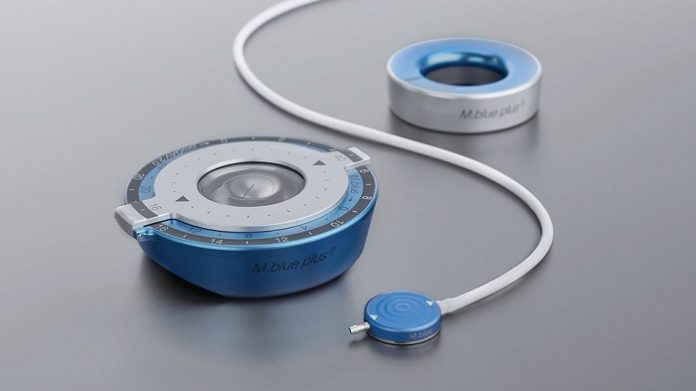
Aesculap Inc., in partnership with The Christoph Miethke GmbH & Co. KG, is pleased to announce the launch of the M.blue valve, the latest generation of Hydrocephalus valve technology. Its unique gravitational technology is integrated with a fixed differential pressure unit in one valve, allowing for a simple, position-dependent solution.

The M.blue valve is the only adjustable gravitational valve in the market with an integrated fixed pressure differential valve. It provides customization of the opening pressure during the most active time of the day, i.e., the upright body position. The integration of the fixed pressure differential valve addresses the posture changes.

“We are very pleased to be able to continue to provide healthcare teams with new and innovative solutions,” said Chuck DiNardo, President of Aesculap Inc. “With our strong partnership with MIETHKE comes an impactful collaborative effort to bring better Hydrocephalus solutions to patients, such as the new M.blue valve.”

“The patient is our priority and we will continue to invest in research and development to create better solutions. Our focus on Hydrocephalus valves creates an expertise and openness to future developments that allows us to serve in a way that will improve the lives that we touch,” said Christoph Miethke, CEO and Founder of MIETHKE, the manufacturer of Hydrocephalus valves for Aesculap Inc. is located in Potsdam, Germany.

According to the Hydrocephalus Association, it is estimated that over 1,000,000 people in the United States currently live with Hydrocephalus.1 Shunt therapy is the most common way to treat Hydrocephalus, which is caused by excessive cerebrospinal fluid in the brain, causing build up and pressure that can lead to symptoms such as chronic headaches, vomiting, abnormal head enlargement and could lead to death. However, despite the shunts’ life-saving purpose, implantation has been riddled with high failure rates, causing multiple revisions and surgeries for an individual with the condition.

Using gravitational systems have demonstrated good clinical outcomes in patients and reduced revisions compared to other valves. “This newest addition to the valve portfolio continues our tradition of offering uncompromised pressure adaptation through our gravitational systems,” said Odra Anderson, Product Manager for Aesculap, Inc. The M.blue valve is the smallest adjustable gravitational valve in the U.S. market. Its soft touch mechanism allows for comfortable adjustment. The design features an “active-lock mechanism” that protects from unintentional reprogramming7, not only after an MRI but also from everyday magnets such as smartphones8, toys9,10, tablets11, headphones12, nurse badges and hearing devices. Its design is robust and durable, made with highly bio-compatible titanium,16,17 oxidized to display a shade of blue.

Microsoft and UnitedHealth Launch App that Screens for COVID-19 Symptoms

Microsoft and UnitedHealth Launch App that Screens for COVID-19 Symptoms

UnitedHealth Group and Microsoft Corp. have joined forces to launch ProtectWell, a return-to-workplace protocol and app that provides employers a tool to bring employees back to work in a safer environment. ProtectWell™ helps employees determine they are safe to go to work, informs co-workers that their colleagues have been screened, and notifies employers that their workplace is ready to do business.

ProtectWell™ incorporates Centers for Disease Control and Prevention guidelines and the latest clinical research to limit the spread of COVID-19 by screening employees for symptoms and establishing guidelines to support the health and safety of the workforce and workplace.

How the ProtectWell™ Protocol Works

ProtectWell™ combines UnitedHealth Group’s clinical and data analytics capabilities with Microsoft’s technology leadership to help in the next phases of COVID-19 recovery efforts. The ProtectWell™ app is powered by Microsoft Azure, AI and analytics solutions, and also takes advantage of the Microsoft Healthcare Bot service, which is being used around the world for AI-assisted COVID-19 symptom triaging.

In addition, ProtectWell™ includes guidelines and resources to support a safe work environment including physical distancing, personal hygiene, sanitation and more. Employers can also choose additional custom content specific to their workforce for a personalized experience.

“As we plan for a safe and careful return to the workplace, employers need clear guidelines to ensure a safe environment and a robust process for employees to screen themselves for COVID-19 symptoms,” said Ken Ehlert, chief scientific officer, UnitedHealth Group. “We are pleased to collaborate with Microsoft to launch ProtectWell™, a simple and effective tool to ensure employers and employees have the information and resources they need to keep themselves, their colleagues and the public safe and healthy.”

How the ProtectWell™ App Works

The ProtectWell™ protocol is supported by a smartphone app that allows employers to offer workers a simple screening tool designed for everyday use. The ProtectWell™ app includes an AI-powered health care bot that asks users a series of questions to screen for COVID-19 symptoms or exposure. If risk of infection is indicated, employers can direct their employees to a streamlined COVID-19 testing process that enables closed-loop ordering and reporting of test results directly back to employers. Health care information is managed by UnitedHealth Group and employers in accordance with occupational health laws.

The ProtectWell™ smartphone app is powered by Microsoft Azure, together with its industry-leading security and compliance offerings, and allows employers to better plan, manage resources, care for their employees and reallocate resources to help safeguard their workforce, workplace and business continuity “As businesses begin to reopen, employers will need to monitor and manage their workforce for COVID-19 symptoms to help ensure those at risk of spreading the virus stay home until cleared by medical providers,” said Microsoft Executive Vice President, Worldwide Commercial Business, Judson Althoff. “Microsoft is pleased to join with UnitedHealth Group to launch ProtectWell™, which helps organizations manage the complexity of this undertaking.”

UnitedHealth Group Controls the Data

UnitedHealth Group will maintain control over protected health care data and will manage opt-in and consent requirements needed from app users. Microsoft will not have access to identifiable information shared via the ProtectWell™ app. De-identified workforce health trends and analytics information will help employers and policymakers make informed occupational and public health decisions.

No Charge for Employers

UnitedHealth Group has implemented ProtectWell™ with its own frontline health care workers, is in the process of implementing the tool across its business to enable safe return of team members to the workplace, and is making the platform available to all employers in the United States at no charge. Microsoft intends to adopt ProtectWell™ for its U.S.-based employees.

Zebra Medical Vision Secures its 5th FDA Clearance, Making Its Vertebral Compression Fractures AI Solution Available in the U.S.

Zebra Medical Vision Secures its 5th FDA Clearance, Making Its Vertebral Compression Fractures AI Solution Available in the U.S.

Zebra-Med is the first AI startup securing FDA clearance for a population-health product helping health providers close the COVID-19-induced care gaps by identifying more patients at risk of osteoporosis, which costs $52B in the U.S. alone. Zebra-Med has also received its fourth U.S. patent in its bone health series, measuring potential risk for vertebral fractures

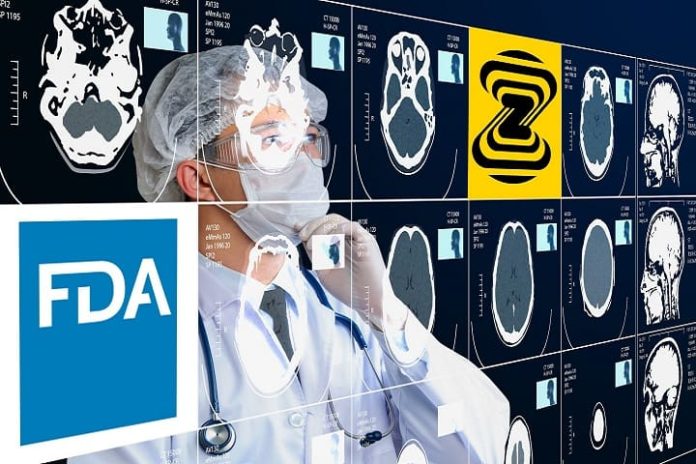
Zebra Medical Vision, the deep-learning medical imaging analytics company, announces today its fifth FDA 510(k) clearance for its Vertebral Compression Fractures (VCF) product. The company’s latest AI solution automatically identifies findings suggestive of compression fractures, enabling clinicians to place patients that are at risk of osteoporosis in treatment pathways to prevent potentially life-changing fractures.

The VCF product expands the company’s growing AI1™ (all-in-one) bundle of FDA cleared AI solutions, which has now received a fourth US patent in its bone health series. Nearly half of all women and a quarter of men over the age of 50 will suffer an osteoporotic fracture in their lifetime. According to the National Osteoporosis Foundation (NOF), the cost of osteoporosis-related fragility fractures to the U.S. is estimated to be $52 billion annually. Osteoporosis, also referred to as “The Silent Killer,” is the most common preventable cause of fractures, causing more than 2 million cases of broken bones in the U.S. alone every year.

Zebra-Med is the first AI start-up in medical imaging to receive FDA clearance for a population health solution, which leverages AI to stratify risk, improve patient’s quality of life, and reduce cost of care. The software substantially increases detection rates, raising the number of patients eligible for treatment, without the need for additional staff, imaging or radiation. Sites that run fracture-prevention programs or population-management programs use Zebra Medical Vision to systematically onboard people to these programs and initiate further examinations and treatment.

“Identifying patients at risk for osteoporosis has a significant impact on patients’ well-being, as 70 percent of vertebral compression fractures are underdetected globally” says Ohad Arazi, CEO of Zebra Medical Vision. “These missed care opportunities are especially vital during this era of COVID-19, when many patient procedures have been postponed, and providers are dealing with substantial backlogs. The VCF product—our fifth FDA-cleared solution on the market—will allow us to expand our reach in the U.S. and help more clinicians and caregivers identify a large number of these fractures.

“Zebra-Med’s latest AI solution will be advantageous to value-based healthcare systems. With appropriate intervention, it has potential to reduce secondary fractures in high risk patients and reduce additional related costs, while enabling providers to benefit from higher Medicare star ratings and increased revenue from RAF score adjustments, ” says Dr. Keith White, Medical Director of Imaging Services, Intermountain Health.

The company’s vertebral compression fractures solution has been deployed globally in luminary sites such as Oxford University Hospital (UK) and St. Vincent’s hospital (Australia). The solution can be applied to abdominal or chest CT scan performed for any clinical indication.

ResMed launches remote ventilator monitoring in Europe

ResMed launches remote ventilator monitoring in Europe

ResMed announced an accelerated launch of cloud-based remote monitoring software for ventilators and Lumis bilevel devices across Europe. The San Diego–based maker of respiratory support devices has been among a host of ventilator makers rushing to meet demand amid the COVID-19 pandemic. But the company noted that there are also many other people who rely on ResMed ventilators for daily breathing support — people who require regular checkups and support from health and homecare providers. Teleheath and telemonitoring could provide an alternative means on checking up on home ventilator users, according to ResMed.

“As a result of the current crisis, we accelerated the development and release of these new features by several months,” said Odile Bigaignon, ResMed’s European VP of respiratory care marketing.

“Through remote telemonitoring, we want to help clinicians and care providers maintain their quality of care for patients that they cannot physically see during this crisis, as well as to provide an additional layer of safety for both provider and patient by helping them to maintain social distancing,” Bigaignon said in a news release.

The remote monitoring runs through ResMed’s AirView platform. Through AirView, clinicians and care providers can remotely monitor respiratory rate and SpO21, or blood oxygen saturation. The digital health platform is able to work via a connectivity module with any Stellar or Astral ventilator in Europe, and Lumis bilevel devices have a built-in cellular connection to AirView.

ResMed launched the same AirView capabilities for Astral and Stellar in the U.S. last year. The AirCurve 10 Series — the bilevel devices primarily used in the U.S. — have built-in cellular connectivity to support remote monitoring and reporting to AirView.

Is CBD Ready To Start Getting Prescribed By Doctors?

It seems that CBD is on the verge of becoming adopted by the masses and is more mainstream by the week. It is being used in skin and hair products, anxiety treatments and as a sleep aid.

Yet, it is not being prescribed by doctors. For now, it is firmly in the realm of being a supplement and doctors haven’t been prescribing, nor suggesting it as a viable treatment for many problems.

Is this going to change soon, or will it be regarded by medical professionals as a snake oil? Owing to its status as being an illegal substance by the US government has meant that there is a serious lack of science and studies to back up the benefits of CBD.

This isn’t to say that there is no merit for some of the claims about what CBD oil can do. It just means that many claims need to be verified. Of course, there is plenty of anecdotal evidence that CBD does help many people with a variety of issues, which you can read more about.

Let’s take a look at where CBD oil is currently and where it may find itself in the near future.

Epidiolex

Right now one of the few FDA approved drugs available by prescription with CBD as its main active ingredient is Epidiolex. It is prescribed to children with epilepsy to prevent seizures.

The FDA considers Epidiolex as a Schedule V drug which is the lowest level of regulation for a controlled substance. Oddly, CBD oil on the market is not considered a controlled substance so there is a strange dichotomy at play here.

The anti seizure drug is not at all psychoactive and doesn’t produce a high like THC, which is the compound in marijuana.

The dosage is between 10 and 20 milligrams, which is the usual dosage for an adult using it over the counter for various issues like anxiety and depression. Of course, this is on the high side for a child using CBD though there are not many studies showing potential serious side effects from CBD at that dosage.

Psychiatric disorders

 As an over the counter supplement, CBD is being used for some psychiatric disorders by consumers. It is being used to treat things like anxiety, depression, and insomnia by many people.

Luckily, there are some studies being done that seem to indicate that there is some basis in science that it does help these disorders. In fact, there is a pharmaceutical in clinical trials that shows promise in treating schizophrenia.

Could this mean that it will see some science behind its use as an antidepressant that doesn’t have some of the adverse effects that many have? Hopefully, there will be studies done soon to verify that the anecdotal evidence has some basis in reality and can be prescribed to treat these issues.

There have been some preliminary studies already conducted that show that there was a reduction in anxiety in some subjects compared to a placebo.

Things To Consider If You Are Interested In Being A Therapist

Being a therapist can be hard. Your main job is to listen to people talk and the topics will vary. You could have clients complaining and bemoaning their life. Or, you could have clients confiding their deepest secrets and fears in you. For some, this can be a heavy burden to carry. However, for many therapists, this is not a deterrent. After all, being a therapist is more than that. Being a therapist is being able to help their clients with all the challenges that they face. And for them, this is very rewarding.

If you’re reading this, you’re probably considering the idea of being a therapist. You might have a vague or detailed idea of what being a therapist is like. Or, you might simply be wondering, “Do I even have it in me to be a therapist?” Well, if these are things you’re wondering about, we will be covering it all in this article! If you’ve already made up your mind, counselling courses singapore are available at MDIS.

What Qualities Should A Therapist Have?

1.   Enjoy Being Around People

Being a therapist requires you to be constantly around people. That’s basically your job – an entire day spent listening and talking to various people. Therefore, you should be someone that enjoys human company. You enjoy talking and listening to people. You revel in the intimacy of human connection. This is very important because it helps you actively love your job of talking and understanding people. If you’re an introvert, you may feel tired out at the end of a day. But, that’s completely okay! All that matters is that you still do enjoy spending time with others as well. It’s okay to need to rest. However, you should ultimately be someone who loves and wants to spend time with people too.

2.   Good Listening Skills

This is another crucial quality for therapists to have. Not every therapist has good listening skills and this can greatly affect the quality of help that your client will receive. This is the basic foundation in therapy – people want to be listened to. And as a therapist, you will have to listen and understand. That’s what good listening skills are. Without understanding, you would not be able to adequately help your client.

If you have good listening skills, you will find that your friends often confide in you and ask for advice. This shows that your friends all trust that you will empathetically listen to them. They also trust in your advice and feel that you are someone that they can turn too. This is an exceedingly good sign for you if you are interested in being a therapist as it suggests that your demeanor is trustable and comforting. You would then be able to build great rapport and trust with clients. A great therapeutic alliance between the therapist and client is needed for the client to have a positive and beneficial experience.

3.   Analytical Skills

Another part of therapy is psychology and understanding people. As such, it would be a great benefit if you enjoy being analytical and have great analytical skills. This could manifest in you being interested in human behavior and why your friends may act in certain ways. You enjoy learning and understanding such things. This is great because it means that you will enjoy the analytical part of therapy work. Part of being a therapist is also to help clients uncover unconscious feelings or thought that they might have. With analytical skills, you would be great at doing so as you could analyze their behavior and sharings for better insight.

4.   Enjoy Helping Others

Lastly, you should be someone that enjoys and thrives on being able to help people. Whenever you help someone, you feel happy, even if there is no gratitude or appreciation given to you. You feel boosted after helping someone and you desire to help others in the future too. The goal of being a therapist is often to be able to help their clients. Often, clients are seeking to live a better quality of life, without their struggles. And as their therapist, that is your goal. Therefore, you should enjoy and love helping others. This would mean that you have an altruistic heart and that is most important because therapy work can be frustrating at times. If you aren’t coming at it with pure intentions, work would end up becoming a burden and tiring you out. Or, you might not give your all and this would be unfair to clients.

Types of Therapists

There are many different types of therapists. Mental health understanding is increasing as time goes by and hence, there is more understanding of how mental health issues can be treated. As such, there is a great variety of therapy options available, such as art therapy, dance therapy, or play therapy.

It’s great to know what kind of therapists you want to be as there could be different education paths for specific therapist types. However, as a beginner, you should simply ask yourself who you desire to work with? Would you prefer to work with children? Or do you prefer adults?

But as a simple guideline, here are the more common and general types of therapists:

1.   Clinical Social Workers

Clinical Social Workers usually work directly with their country’s government to help families or people in need. They usually have degrees in social work and are usually trained to use empowerment or advocacy within therapy. In other words, they seek to empower their clients and also advocate for better situations for them. Social workers are usually involved in situation-specific cases, such as domestic abuse, divorce, or poverty. Apart from providing or finding better resources for people, they also provide therapy such as talk therapy, individual counseling, and group counseling.

2.   Clinical Psychologists

Clinical Psychologists are educated in Psychology and usually have a Master’s degree in Clinical Psychology. Clinical Psychologists usually have two main functions – they can provide therapy for their clients or they can provide evaluations for mental health conditions. For example, they could help evaluate children suspected of having learning disabilities, such as Attention Deficit Disorder. They can also evaluate and diagnose clients with mental health conditions, such as Depression. In such cases, they would also go on to treat the condition. They can use a variety of therapies, such as Cognitive-Behavioral Therapy.

3.   Psychiatrists

A Psychiatrist is someone with both a Psychological and Medical education. They are certified as doctors and hence, are able to prescribe medication for conditions too. They are, however, less involved with actual therapeutic solutions.

Aside from these few, there are other, more specific types of therapists. However, at the end of the day, they all have the same motive – that is, to treat and help people. If what you’ve just read appeals to you, then being a therapist might be a great option for you. It could be something that you could excel and greatly enjoy. If so, you should definitely do some deeper reading before making a decision.

Harvard and MIT researchers are developing a face mask that lights up when it detects the coronavirus

face mask that lights up when it detects the coronavirus

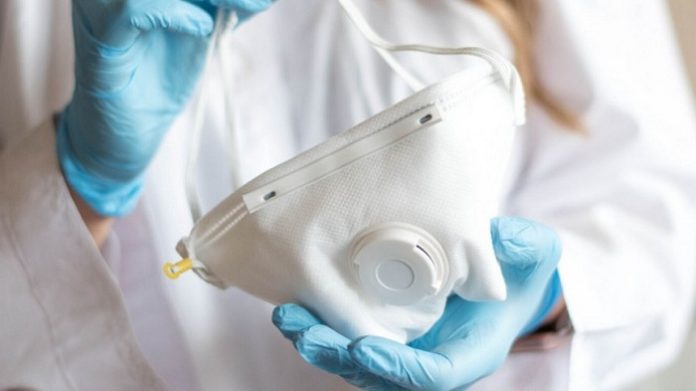
Scientists from US colleges MIT and Harvard are attempting to develop a face mask capable of producing a fluorescent signal when a person with the coronavirus breathes, coughs, or sneezes.

Led by Jim Collins, a bioengineer at MIT, the team hope to adjust earlier technology designed to detect the Ebola and Zika viruses for use during the current pandemic.

If their efforts prove successful, the technology could offer a speedy alternative to formal testing for the coronavirus, with doctors potentially able to diagnose patients on the spot.

Speaking to Business Insider about the team’s work, MIT’s Mr Collins said the technology was still in the “very early stages” of development, but added the results to date have been promising.

For the past few weeks, his team has been testing the sensors’ ability to detect the novel coronavirus in a small saliva sample.

The scientists are also experimenting with design, as they consider whether to embed sensors on the inside of a mask or develop a module that can be attached to any over-the-counter mask.

Looking ahead, Mr Collins said the team hopes to demonstrate that the concept works within the next few weeks. “Once we’re in that stage, then it would be a matter setting up trials with individuals expected to be infected to see if it would work in a real-world setting,” he added.

The virus-identifying technology is already proven to be effective more generally, however. By 2018, the lab had developed sensors capable of detecting viruses that cause SARS, measles, influenza and hepatitis C, among other diseases.

The sensors work by using a genetic material — made up of DNA and RNA — that binds to a virus and is then freeze-dried onto fabric.

The process is undertaken using a machine called a lyophilizer, which sucks moisture out of the genetic material but, crucially, does not kill it.

The material can remain stable at room temperature for several months, giving the masks a relatively long shelf life. In order for the sensors to be activated, moisture, such as the respiratory particles like mucus or saliva which our bodies give off, and a virus’ genetic sequence must be present.

A Shanghai laboratory sequenced the coronavirus genome in January. Mr Collins said his sensors needed to identify only a small segment of that sequence to spot the virus and that once they do, they are designed to produce a fluorescent signal within one to three hours.

Translate »