Close
Digital Health & Ai Innovation summit 2026
Medical Taiwan 2026

Abbott Receives FDA Emergency Use Authorization for COVID-19 Antibody Blood Test on Alinity i System

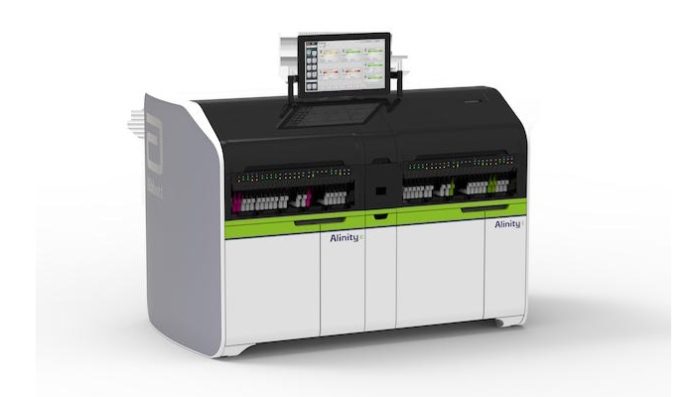
Abbott announced that the U.S. FDA issued Emergency Use Authorization (EUA) for the company’s SARS-CoV-2 IgG lab-based serology blood test on the Alinityโ„ข i system. Abbott plans to ship nearly 30 million antibody tests globally in May across its ARCHITECTยฎ and Alinity iโ„ข platforms and will have capacity for 60 million tests in June.

Antibody testing will help provide a greater understanding of the virus, including how long antibodies stay in the body and how much of the population has been infected. Last month, Abbott received FDA EUA and CE Mark for its SARS-CoV-2 IgG antibody blood test on the ARCHITECT system.* Abbott has already begun shipping antibody tests for use on the ARCHITECT systems globally including in the U.S., UK, Italy, Spain and India.

“Having more options of highly reliable tests across our platforms will help healthcare workers and health officials as they conduct broad scale testing for COVID-19,” said Robert B. Ford, president and chief executive officer, Abbott. “Abbott is a leader in providing antibody testing at large scale on multiple systems, which is helping meet the needs of laboratories as they look to build testing capacity.”

The Alinity i system is Abbott’s next-generation immunoassay instrument, which was designed to offer greater efficiencies to lab clinicians running tests. Alinity i systems are in use around the world in hospital and academic centers as well as reference laboratories. Abbott also expects to submit this week for CE Mark to the IVD Directive (98/79/EC) in the European Union for the Alinity i SARS-CoV-2 IgG test.

Our contributions to bring broad scale access to reliable testing
As a leader in infectious disease testing, Abbott’s goal is to bring highly reliable tests for customers and patients around the world. A study to determine the clinical performance of Abbott’s SARS-CoV-2 IgG assay found it had greater than 99.6% specificity (ability to exclude false positives) and 100% sensitivity (ability to exclude false negatives) in patients tested 14 days after symptoms began.

Abbott is collaborating with leading virology labs to validate test results and is working to quickly install additional instruments to help contribute to large scale testing.

This is Abbott’s fourth COVID-19 test to receive FDA EUA, helping to provide hospitals and labs across the U.S. with broad, reliable molecular and antibody testing during this pandemic.

About Alinityโ„ข
Abbott’s Alinity family of harmonized solutions is unprecedented in the diagnostics industry, working together to address the challenges of using multiple diagnostic platforms and simplifying diagnostic testing. Alinity systems are designed to be more efficient โ€“ running more tests in less space and minimizing human errors โ€“ while continuing to provide quality results. The availability of the Alinity systems and tests varies by geography.

About Abbott
Abbott is a global healthcare leader that helps people live more fully at all stages of life. Our portfolio of life-changing technologies spans the spectrum of healthcare, with leading businesses and products in diagnostics, medical devices, nutritionals and branded generic medicines. Our 107,000 colleagues serve people in more than 160 countries.

Benefits of Purchasing Used Lab Equipment

Benefits of Purchasing Used Lab Equipment

Used lab equipment is a surefire way of saving valuable sums on advanced laboratory paraphernalia. Although according to The Scientist Magazine, you can save up to 70% if you play your cards right, itโ€™s understandable why scientists are wary of taking this route.

Concerns about outdated equipment or pieces in poor conditions are common. However, the benefits of choosing used lab equipment are many. For instance, to clarify the terms used, refurbished, and remanufactured are umbrella terms for equipment that do not fall under standard retail.

  • Reconditioned lab equipment is simply equipment that was either rejected or deemed damaged by the original buyer. In reconditioning, the faulty part is replaced instead of repaired.
  • Refurbished equipment has passed the experienced eyes and skillful hands of a handy technician. Theyโ€™ve either repaired or rechecked it.
  • Remanufactured equipment includes equipment that has undergone a lengthy testing procedure and in many instances, has all integral components replaced.
  • As-is equipment is pretty much a hit and miss. Neither the vendor nor the mediator knows the truth behind its condition.

The Benefits

If you are unsure about how purchasing used laboratory equipment can benefit you, no worries. This article summarizes five (5) key benefits that you may want to consider.

  1. Saves Money

Many people choose to buy used lab equipment for cost-effectiveness. In real terms, according to labnews, you can save at least 50% if you buy refurbished equipment. This could make a huge difference in your budget. For clinics, health care businesses, and hospitals, this saving could help deal with other important healthcare challenges such as patient accommodation. When searching for refurbished equipment, some things to consider include:

  • Company Reputation: Select a company known for producing or providing quality products.
  • Vendor Trustworthiness: Choose a product provider that is established in the market.
  • Equipment Warranty: Whenever possible, choose a product that still has time left on the warranty.
  • Equipment Condition: Make sure the vendor properly reprocesses the equipment. All worn out parts must be replaced, up-to-date software installed, and new paint applied.
  • Equipment Life: Donโ€™t choose any equipment that is more than three years old. Due to the rapid nature of technological changes, it might not serve your purpose.
  • Equipment Obsolescence: Some equipment, such as ultrasound machines, become obsolete in a matter of years. Buying them refurbished might not align with your long-term goals.

2.ย  Shorter wait time

Some companies have extensive waiting times before they can deliver the equipment that you order. For example, some leading bio-safety equipment providers have models of clean benches that you canโ€™t get your hands on for six (6) to eight (8) months. This is a serious deal-breaker for some scientists who have to meet deadlines.

On the other hand, companies dealing in used lab equipment waste no time in shipping. From refurbished centrifuges to ovens, freeze dryers, and even microscopes, you can get your hands on anything in a short time.

3.ย  Comes with minimal risk

Refurbished products come with low buy-risk, provide the same durability as new equipment, and can be easily integrated with existing laboratory equipment.

After resellers purchase surplus or unusable equipment from laboratories, these are sent to skilled technicians who, with great care, test and recalibrate each piece to make sure itโ€™s almost brand new. These refurbished laboratory equipment are tested at certified manufacturing facilities. This often involves removing and inspecting all integral parts to ensure the quality of the equipment.

To help lower your risk when buying used lab equipment, here are some things to remember:

  • Check Google Reviews: Google Reviews are a great way to check whether the equipment is functional and in good condition or not. These reviews canโ€™t be edited or removed by the manufacturer and can thus be a reliable source of information.
  • Go through customer testimonials: Customer testimonials show that customers are happy with the used equipment sold by a company and are willing to endorse more of its products. You can find them on the company website, or you can call the company and ask where to find them.

4.ย  Eco-friendly

Many people are now familiar with how the three Rs (Reduce, Reuse, and Recycle) have positive effects on the environment. By using pre-owned lab equipment, youโ€™re essentially applying the same principles, minimizing the use of raw materials for manufacturing new equipment, and recycling equipment that serves your purpose. It’s a win-win for both the environment and you.

5.ย  Minimal depreciation

The moment you purchase a piece of new laboratory equipment, its value substantially depreciates. When the equipmentโ€™s price tag is high, this deprecation can hurt your bottom line. On the other hand, when you purchase used equipment, your resale value stays steady for at least a year to give you the option of replacing it with a new model with little to no loss.

Takeaways

Buying used lab equipment can provide several benefits including lower cost and benefits to the environment. The summarized pointers in this article can help you get started so that you can compare options and take the initiative as soon as you can.

Walker County Hospital District and Community Hospital Corporation Sign Agreement

Walker County Hospital District and Community Hospital Corporation Sign Agreement

The Walker County Hospital District (WCHD) Board of Managers and Community Hospital Corporation (CHC) have created a new company that will own and operate Huntsville Memorial Hospital (HMH), Huntsville, Texas. The agreement was effective February 28, 2020.

โ€œWe will continue as Huntsville Memorial Hospital and weโ€™re excited for our future,โ€ said Walker County Hospital District Board Chair Anne Woodard. โ€œAligning with CHC is the best option for HMH. This move puts us on a path of renewal that allows us to advance on many levelsโ€“from operational and financial performance to quality of patient care. We are wholeheartedly committed to serving the healthcare needs of Walker County and neighboring communities.โ€

CHC President and CEO Jim Kendrick shared, โ€œWe are excited to bring CHCโ€™s expertise in hospital management and talent in critical areas such as the revenue cycle and supply chain to strengthen HMH. CHCโ€™s mission to guide, support and enhance the mission of community hospitals and healthcare providers aligns with HMH and its mission to serve residents of Walker County with quality healthcare for years to come.โ€

CHC specializes in the management and operation of community-based hospitals across the country.

Steven Smith, HMH Chief Executive Officer, shared, โ€œWe have been dedicated to Walker County since 1927 and our mission is steadfast: We are devoted to the health and well-being of our regional communities by providing exceptional care to every patient every day with a spirit of warmth, compassion and personal pride. We achieve this through advanced and efficient medical care with strong self-governance.โ€

Huntsville Memorial Hospital, Huntsville, Texas, is a 123-bed, Joint Commission?accredited, not?for?profit acute care community hospital. HMH delivers quality healthcare services to the residents of Walker County and its surrounding communities, a population of more than 72,000. HMH and its dedicated staff offer compassionate care and the latest technologies and treatment solutions. HMH holds Joint Commission Primary Stroke Center designation. HMH keeps community health and wellness at the forefront of its mission.

About Community Hospital Corporation โ€“ HELP WHERE HOSPITALS NEED ITยฎ

Community Hospital Corporation owns, manages and consults with hospitals through three distinct organizations โ€“ CHC Hospitals, CHC Consulting and CHC ContinueCARE, which share a common purpose to guide, support and enhance the mission of community hospitals and healthcare providers.

Coronavirus Pandemic Transforming the Future of Rural Healthcare

Coronavirus Pandemic Transforming the Future of Rural Healthcare

The need to quarantine has been an important catalyst for telehealth and is reshaping how community hospitals deliver care. Once sparingly used in rural areas, telehealth is a primary means to maintain healthcare services at a time when itโ€™s critical to reduce the spread of COVID-19.

In recent weeks, the spreading virus has spurred a growing number of rural and community hospitals to launch or expand telehealth services.

The numbers tell the story. In March, telehealth visits in the U.S. surged 50 percent as the outbreak spread out across the country, according to research from consultancy Frost and Sullivan. Another analyst firm predicts virtual care interactions are expected to surpass one billion by year-end.

Coronavirus-fueled demand for telehealth services in rural America represents a significant departure in how healthcare services are accessed in these areas. While telehealth technology has been around for years, it has been infrequently used in rural hospitals and clinics. Thatโ€™s partially due to a lack of patientsโ€™ interest or ability to swap face-to-face office visits with an online chat or telephone call.

Rural telehealth usage also has been hindered by some providers who were previously reluctant to adopt the technology for various reasons, opting instead to perform routine patient medical exams or follow-up visits for chronic conditions at their offices.

Additionally, telehealthโ€™s growth in rural areas has been stunted by concerns that the expense of equipping smaller healthcare facilities with this technology would further strain already-stretched budgets, among other factors. Meanwhile, telehealth in small rural communities has been traditionally limited to a small number of patients under the care of neurologists, cardiologists, and other healthcare specialists, who are often located in distant and more urban cities and towns.

New developments driving telehealthโ€™s growth

But the countryโ€™s response to control the highly transmissible virus has resulted in greater acceptance of rural telehealth with each passing day. Telehealth was given a big boost with the Centers for Disease Control and Prevention recently prompting telehealth for people experiencing mild symptoms of the disease, in order to reduce spreading the virus to healthcare workers and others.

Telehealth also has shifted into high gear due to loosening requirements for this technology. Some examples include the U.S. Department of Health and Human Services waiving licensing regulations to permit out-of-state physicians to use telehealth to treat patients, along with relaxing HIPPA-compliance penalties allowing providers to conduct patient exams on virtual chat platforms such as Google Meet and FaceTime. Government-subsidized and private health insurance plans also have increased reimbursements and expanded coverage for additional healthcare services via telemedicine. It remains to be seen whether these changes will endure long term.

The idea that the time has come for telemedicine to play a greater role in healthcare has received wide support from healthcare, business and government leaders. In a recent issue of Time magazine, Former U.S. Senator and ex-heart surgeon Bill Frist said the country needs โ€œmore reasonable financial reimbursement for telehealth regardless of modality or location, and permanent cross-state physician licensingโ€ to truly expand telehealth services.

Another key development was technology giants Google and Apple recently announcing plans to roll out virtual care search. This would enable patients to use the companiesโ€™ location technology to find nearby healthcare facilities offering telemedicine and other services.

CHC hospitals making telehealth more accessible, convenient and efficient

Community Hospital Corporation, which owns, manages and consults with rural and community hospitals, is among those healthcare organizations driving telehealth usage to help transform the rural healthcare landscape. The Plano-Texas-based company has been working diligently with its network hospital administrators, medical staff and others to make telehealth more accessible, convenient and efficient for the communities they serve.

For instance, Geary Community Hospital in Junction City, KS; Great Plains Health in North Platte, Neb.; and Yoakum Community Hospital in Yoakum, Texas, are just a few examples of hospitals CHC works with that are using telemedicine in response to the outbreak and improving healthcare access overall for rural patients.

At Geary Community Hospital, the hospital has a physician assigned as a critical-care intensivist โ€“ a newly established position. The doctor will be on-site six to 12 days per month and on-call via telemedicine on non-site days. The hospital is also working on launching E-visits for emergency department and urgent care and telehealth programs for neurology and cardiology support.

Great Plains Health, a health system serving a 24-county region in North Dakota, southern South Dakota, and northern Kansas, made improvements to its telehealth program designed for remote monitoring of older patients with chronic health conditions. The program improvements have effectively reduced hospital readmissions and earned high patient satisfaction scores.

At Yoakum Community Hospital, the hospital has found that telehealth services have become a valuable tool in reducing the incidence of coronavirus-related infection among the facilityโ€™s staff and patients, as well as a helpful way to treat patients with other health concerns.
In April, the critical access hospitalโ€™s family practice clinic treated more than 120 patients via online and telephone exams.

The Yoakum facility had initially rolled out its telemedicine service for psychiatry and primary-care services two years ago, but due to lack of demand, the primary care service was discontinued last year. In 2020, the hospital revived telehealth to ensure the safety of its primary-care patients and staff and to avoid any possible disruptions in healthcare services for the community.

The fact that the hospital had a headstart on its telehealth services gave the IT staff thorough knowledge of how to use the technology and to assist with the patient on-boarding process. This allowed the staff to work more efficiently with booking and conducting telehealth appointments.

Rural telehealth still faces challenges

While the benefits of rural telehealth are many, some challenges still lie ahead in successfully allowing this 21st-century technology to reach its full potential.

Those challenges include the lack of Internet, low-bandwidth Internet and reduced land line and cell phone access in many areas. These services are needed to connect clinicians with their patients. According to one report, nearly 45 million Americans are unable to virtually connect with healthcare providers because they do not have Internet access. That may change with a proposed congressional bill that seeks $2 billion to expand online connectivity at public and nonprofit healthcare facilities.

Another challenge is persuading older patients to use telehealth for routine exams and to manage chronic health issues. Telehealth providers have found that some elderly patients are unable to communicate with doctors via telehealth, or they are uncomfortable with the idea of replacing in-person visits with video chats and phone calls. But, hopefully, these concerns will become less of a problem as more healthcare providers inform and educate their patients on the benefits of telemedicine.

The growing popularity of telehealth is ushering in a new era in rural healthcare. It has not only emerged as a critical tool to use during the current pandemic, but it is also a transformative technology that is destined to dramatically improve the quality of and access to rural healthcare in the years ahead.


Bioclinica announces comprehensive COVID-19 clinical endpoint adjudication solution

World Health Organization and Tencent Deepened Collaboration to Fight Against COVID-19

Bioclinica, a leading provider of clinical science and technology expertise to assist the life science industry, announced a specialized program for the adjudication of adverse events that could result from COVID-19 infection. Bioclinicaโ€™s new program provides an out-of-the-box Clinical Endpoint Committee solution. This solution combines world-class medical expertise, an experienced adjudication management team, and a cutting-edge endpoint adjudication platform to help pharmaceutical and medical device researchers discern COVID-related adverse events from those not associated with COVID-19.

โ€œFor ongoing clinical trials that might be impacted by COVID-19, we recognize that time is of the essence. COVID-related maladies can significantly confound the safety analysis of ongoing clinical trials,โ€ said Dan Gebow, Ph.D., Senior Vice President of Research and Development at Bioclinica. โ€œAs a company founded and led by scientists, we understand the importance of having the best research tools at our fingertips โ€“ especially when adapting to a rapidly changing landscape as we are experiencing during this pandemic.โ€

Bioclinicaโ€™s COVID-19 Clinical Adjudication Solution is designed to quickly evaluate a clinical trial protocol and charter to determine if novel COVID endpoint adjudication pathways should be added. Researchers can elect to utilize Bioclinicaโ€™s pre-programmed COVID Source Document collection system, COVID Adjudication Pathways, and expert adjudicators, or they can customize each component to best suit their trial.

Bioclinicaโ€™s expert physician adjudication network was formed in partnership with C. Michael Gibson, M.S., M.D. of Boston Clinical Research Institute (BCRI) and Harvard Medical School. The network consists of experienced adjudicators from Cardiology, Pulmonology, Neurology, Hepatology, Gastroenterology, and other specialties impacted by the deadly virus.

โ€œThe COVID-19 pandemic has given rise to a new specialist, the โ€˜Covidoligistsโ€™ who are adept at diagnosing and caring for a new constellation of inflammatory, infectious, and thrombotic complications affecting many organ systems,โ€ said Dr. Gibson.

โ€œWe felt we were in a unique position to assist our fellow researchers, as our team can offer adjudication services and cloud-based software under-one- roof,โ€ said Dr. Gebow. โ€œCOVID-19 adds significant risk for pharmaceutical and medical device clinical trials by confounding important safety endpoints.

Our solution minimizes that risk by eliminating the need to patch together various endpoint adjudication services, expertise, and software from multiple disparate sources.โ€

Bioclinicaโ€™s COVID-19 Adjudication Solution can be used as a standalone solution for new research studies or as an add-on to ongoing studies.

Moreover, as new trials launch that specifically focus on COVID-19 detection, treatment, and surveillance, Bioclinicaโ€™s COVID-19 Adjudication Solution efficiently facilitates adjudication of resulting adverse events.

Eurofins Technologies launches multiplex real-time PCR assay for SARS-CoV-2 pathogen detection

FDA approves PGDx elio tissue complete genomic profiling diagnostic kit

Eurofins Technologies announces the launch of its CE-IVD marked multiplex Real-Time RT-PCR (reverse-transcriptase polymerase chain reaction) assay for the direct qualitative pathogen detection of the novel coronavirus (SARS-CoV-2).

Particularly in the early phase of COVID-19 infection, the direct and precise diagnostic of the pathogen is key. PCR is the method of choice to detect acute coronavirus infections.

The development of the assay has been spearheaded by affiliate companies Gold Standard Diagnostics Inc., VIROTECH Diagnostics GmbH and NovaTec Immundiagnostica GmbH. These specialized diagnostic technologies companies are well-established providers of testing solutions with a strong focus on scientific excellence in infectious diseases testing. They have been collaborating closely with Eurofins scientists around the world in the design and validation of the new product.

The GSD NovaPrimeยฎ SARS-CoV-2 (COVID-19) is a Multiplex Real-Time PCR for the direct qualitative pathogen detection of SARS-CoV-2. The assay simultaneously detects two target sequences inside the N gene. The multiplex PCR allows a streamlined workflow in one reaction and provides results in approximately two hours. An extraction/inhibition control and a positive control are included in the reagents.

The PCR assay demonstrates excellent performance with a 100% Negative and Positive Percent Agreement (NPA, PPA) for all tested samples and no cross-reactivity with other common widely spread coronaviruses. The analytic sensitivity shows a limit of detection of 3.75 copies/reaction.

The launch of the GSD NovaPrimeยฎ SARS-CoV-2 (COVID-19) Real-Time PCR follows the commercialization of CE-IVD marked serology-based antibodyย  detection ELISA kits that were successfully launched in April 2020.

Vuzix announces world’s first orthopaedic navigation system using augmented reality smart glasses developed by Pixee Medical

Vuzix announces world's first orthopaedic navigation system using augmented reality smart glasses developed by Pixee Medical

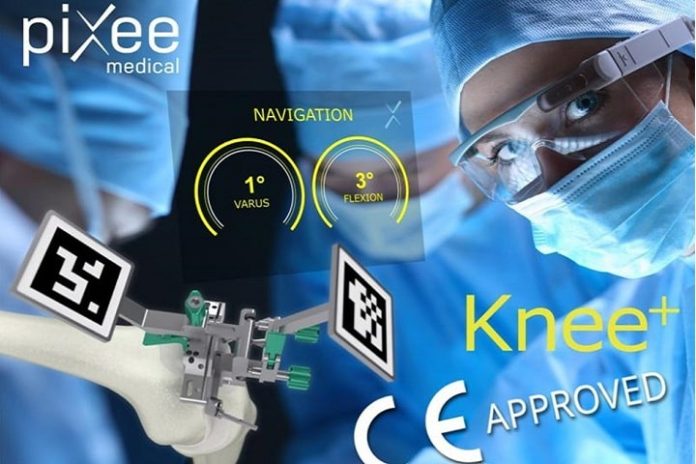
Vuzix, a leading supplier of Smart Glasses and Augmented Reality (AR) technology and products, announces that Pixee Medical, a France-based medical company, has received CE marking certification for Knee+, the first orthopedic navigation system using augmented reality smart glasses for total knee arthroplasty.

The unique patented technology, combining proprietary computer vision and deep learning algorithms, uses Vuzixโ€™ M400 Smart Glasses to precisely track instruments and implants during surgeries. Compared to bulky and expensive robotic solutions, Knee+ is simple to use, cost effective and does not require preoperative DICOM or disposables.

The CE marking certification for Knee+ is a major milestone for Pixee Medical as it allows the commercialization of its innovative product across the European Union and other CE Mark geographies by using implant manufacturers as distributors. Pixee Medical was also granted ISO 13485:2016 certification and is pursuing and expecting FDA approval (510k) for Knee+ before the end of 2020.

โ€œPixee Medical has developed a device which aims to apply AR to knee and then shoulder surgery, guiding the practitioner through connected glasses, like a GPS. The solution is simple, accurate and much less expensive than surgical assistance robots. Weโ€™re excited to work directly with Vuzix AR Smart Glasses to offer this solution to European Union and other CE mark geographies through implant manufacturers and distributors,โ€ commented Sรฉbastien Henry, Founding President of Pixee Medical.

โ€œThe introduction of the Vuzix M400 Smart Glasses has opened up a new vertical in the medical space for Vuzix. The team at Pixee Medical has created an innovative path to bring the Vuzix M400 Smart Glasses into the operating room to perform knee replacement surgeries,โ€ said Paul Travers, President and Chief Executive Officer at Vuzix.

Pixee Medical raised over 2.5 million โ‚ฌ and won the last French I-Nov contest with a grant of 1.2 million โ‚ฌ in order to support technological breakthroughs in computer assisted orthopedic solutions. The next development for Pixee Medical is a shoulder implant navigation system, which will display a hologram in the surgeonโ€™s glasses to precisely guide him, through the skin, during an operation.

Accure receives CE Mark Approval for 1726nm laser platform to treat acne

Accure receives CE Mark Approval for 1726nm laser platform to treat acne

Accure Acne, Inc., a pioneer in innovative energy-based solutions for the acne market, announced it has been granted the European CE mark for its groundbreaking Accure Laserโ„ข system to treat patients with moderate acne vulgaris. The Accure Laser is the first commercially-developed light-based platform in the world to selectively target and injure sebaceous glands, the fundamental source of sebum production and the key to a durable solution for acne.

Founded in 2015, Accure is wholly focused on the elimination of acne through innovative and disruptive non-systemic solutions. Acne represents one of the most common skin conditions in the world, estimated to affect 9.4% of the global population.2 Recent studies have also shown a significant link between acne and depression, as well as anxiety.

โ€œThis achievement represents the culmination from two decades of clinical research led by The Wellman Center for Photomedicine at Massachusetts General Hospital,โ€ noted Christopher Carlton, Chairman, Chief Executive Officer and co-Founder of Accure. โ€œThis milestone brings an impactful solution to millions of acne sufferers in Europe.โ€

Accureโ€™s clinical and technical development teams represent an unmatched collaboration of engineering acumen and clinical expertise, led by Prof. Rox Anderson, M.D., co-Founder of Accure. Dr. Anderson is an influential medical scientist and inventor dedicated to the field of light and energy-based devices used in dermatology, medical aesthetics, and various specialties.

Preliminary clinical data from Accureโ€™s on-going IRB-approved Face Trial demonstrates an over 80% inflammatory lesion reduction at three months after treatment.4 Accure has compiled hundreds of in vivo human skin histology samples depicting a significant effect on sebaceous glands. Dr. Emil Tanghetti, a principal investigator of the Accure Laser, stated, โ€œI am impressed with Accureโ€™s safety-first, data-driven approach. The clinical results thus far are exciting, and the uniqueness of the proprietary temperature and operator feedback control systems makes this much more than just a new laser wavelength. I look forward to on-going advances with this platform.โ€

Accure is proud to partner with Quanta System, S.p.A (El.En. Group), based in Milan, Italy. Quanta has contributed substantial resources and expertise to the development of the Accure Laser and will be the exclusive manufacturing partner of Accure as commercial activities accelerate. The laser platform has been designed with highly unique and innovative technology, resulting in over fourteen granted, pending, and provisional patents issued to Accure through exclusive global licenses. โ€œQuanta is proud to support such an innovative and important device for the field of dermatologyโ€, added Paolo Salvadeo, General Manager of El.En. โ€œWe look forward to the impact of this technology in Europe and around the world.โ€

Opti Medical Systems gets FDA EUA status for Covid-19 PCR test kit

Synergy Laboratories Adds Medical Testing Expertise to Fight the Coronavirus and COVID-19

IDEXX Laboratories subsidiary Opti Medical Systems has secured emergency use authorisation (EUA) from the US FDA for its SARS-CoV-2 RT-PCR laboratory test kit. The Opti SARS-CoV-2 RT-PCR laboratory test kit has been designed to detect SARS-CoV-2, the virus responsible for Covid-19 disease.

The Institutย  Pasteur of France has already validated the Corona virus test. IDEXX Laboratories president and CEO Jay Mazelsky said: โ€œThis advancement is a true reflection of our talented global team coming together and leveraging innovation across our organization to bring a diagnostic solution to support COVID-19 testing during this unprecedented pandemic.โ€

The Opti SARS-CoV-2 RT-PCR test kit is said to be based on real-time reverse transcription polymerase chain reaction (RT-PCR), which helps to detect viral RNA in the sample.

It will help detect SARS-CoV-2 RNA extracted from nasopharyngeal swabs, oropharyngeal swabs, bronchoalveolar lavage and sputum samples. The commonly available qPCR instruments are suitable to run the Opti SARS-CoV-2 RT-PCR test

The test can identify human RNase P as an internal sample control and endogenous nucleic acid to control for sample addition, extraction, and amplification.

The Opti test, which can be run on commonly available qPCR instruments, delivers results between two and 3.5 hours. Opti Medical Systems general manager and corporate vice president Olivier te Boekhorst said: โ€œOPTI Medical Systems, IDEXXโ€™s medical diagnostics

business, can now support critical medical COVID-19 testing efforts, enabled by IDEXXโ€™s extensive expertise in PCR test development and manufacturing.

โ€œWe have validated the OPTI SARS-CoV-2 RT-PCR test kit with existing laboratory customers and are advancing our initial distribution to select certified laboratories using common PCR platforms.โ€

Recently, Roche secured EUA status from the US FDA for its new Elecsys Anti-SARS-CoV-2 antibody test. It is an immunoassay for the in-vitro qualitative detection of antibodies to severe acute SARS-CoV-2 in human serum and plasma.

University’s Paper Device Could Provide Portable Coronavirus Detection

University's Paper Device Could Provide Portable Coronavirus Detection

Only a select number of state and local laboratories have permission from U.S. health officials to use diagnostic tests for COVID-19. With the virus continuing to spread nationwide, most communities do not have access to the necessary tests.

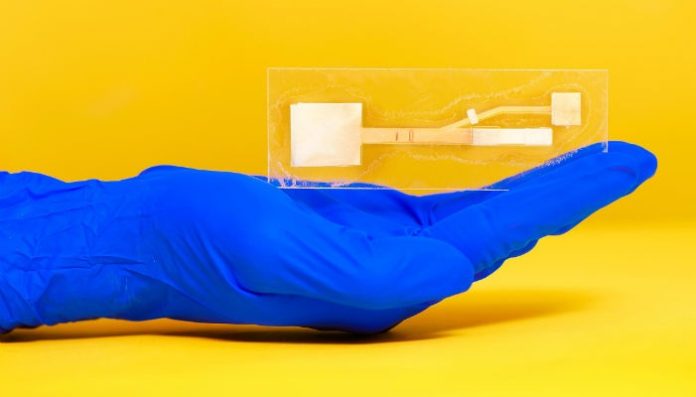
Purdue University biomedical engineers have developed a handheld paper device that quickly and accurately detects a different strain of coronavirus, MERS-CoV, even in very small quantities. A clear test result can be read directly from the device itself, making it portable. Because the device isnโ€™t specific to any virus, the same platform could be used to detect the COVID-19 strain. But developing a process to manufacture it would cost at least a couple of million dollars.

A research paper on the device recently published in the journal ACS Omega. โ€œPaper-based devices are already manufacturedโ€”pregnancy tests are paper-based. Because this device has a more complex shape, a process hasnโ€™t been developed to make it available on a commercial scale. However, many processes in electronics and paper manufacturing could be translated to scaling up this device,โ€ said Jacqueline Linnes, Purdueโ€™s Marta E. Gross assistant professor of Biomedical Engineering.

Linnes specializes in building portable diagnostic tools that can rapidly detect a range of infectious diseases. Her labโ€™s devices are made out of cheap but robust paper-like materials, such as glass fiber and cellulose, that have been demonstrated to detect HIV and cholera. To know if a sample is positive, a user just looks for a second line to appear next to a control line on the deviceโ€™s paper stripโ€”similar to reading a pregnancy test.

But so far, Linnesโ€™ team has just been able to produce these devices on a lab scale, which calls for cutting out the paper components by hand. โ€œThe most difficult aspect of producing this device is definitely the assembly,โ€ said K Byers, a Ph.D. candidate in biomedical engineering at Purdue.

These challenges may easily be overcome with existing manufacturing techniques, the researchers said. The paper device could be produced using the same roll-to-roll manufacturing tools that make pregnancy tests and a โ€œpick-n-placeโ€ process, which is already used to build electronics.

The device format wouldnโ€™t need to change in order to detect other diseases. As the device scales up, however, it would also need to be more sensitive to detect a lower concentration of a virus for clinical relevance.

โ€œThis paper device isnโ€™t dependent on a particular virus or sequence. To detect COVID-19, we would just need an assay design specific to that sequence, which could come from a nasal or throat swap sample. Just like with MERS-CoV, a user could load the assay with liquid into the paper platform, fold the device and let it run,โ€ Linnes said.

Folding the device automatically completes a multistep process needed for detecting a virus. When the device folds over, a liquid wash and chemical substances called reagents push the assay up a paper strip to make an easily visible detection line. A user can check the strip within 40 minutes to see if the sample tested positive.

Because the reagents are already dried onto the device, a hospital worker who might need to test someone outside of a facility wouldnโ€™t have to carry around reagent vials. The worker would simply need a couple of test tubes to prepare the assay.

A patent application has been filed for this technology, 2017-LINN-67688, through the Purdue Research Foundation Office of Technology Commercialization. The technology is available for license. Linnesโ€™ team collaborated with CrossLife Technologies to design the assay for MERS-CoV.

Translate ยป