











Close
Digital Health & Ai Innovation summit 2026
Medical Taiwan 2026

Vystar Resumes Production of FDA-Certified UV Light Air Purifiers

Vystar Resumes Production of FDA-Certified UV Light Air Purifiers

Vystar Corp. has shifted to Massachusetts its production of Rx3000, a hybrid ultraviolet (UV) light air purification system designed specifically for hospitals. Rx3000 is cleared by the U.S. FDA as a Class II Medical Device and was designed by biomedical engineers for use in hospitals and healthcare facilities. Rx3000 utilizes ultraviolet-C (UV-C) germicidal irradiation (UVGI) to inactivate 99.97 percent of airborne viruses, bacteria and other pathogens on first pass.

โ€œWe are proud to say that weโ€™ve resumed production of the RX3000 and it is now made in Worcester, Mass., enabling more control over quality and distribution,โ€ stated Steve Rotman, CEO of Vystar. โ€œWe are now producing 50 units per week. Once we finish testing these units, we plan to ramp up to 1,500 units.โ€

The Rx3000 combines patented ViraTech germicidal UV-C light with a five-stage HEPA filtration proven in independent Environmental Protection Agency- and FDA-certified laboratory testing to inactivate on first pass more than 99.97 percent of airborne viruses, bacteria and other contaminants.

Rx3000 has been proven effective at inactivating airborne pathogens that cause pneumonia, influenza, MRSA (staph), streptococcus (whooping cough), tuberculosis (TB), measles and a myriad of other antibiotic-resistant and viral infections.

The Centers for Disease Control and Prevention has long stated that UVGI is effective in reducing the transmission of airborne bacterial and viral infections in hospitals, military housing, and classrooms. Last month, the CDC stated that UVGI is one of the most promising methods for decontamination of filtering facepiece respirators (FFR) for coronavirus (SARS CoV-2), the virus that causes COVID-19. The report notes SARS CoV-2

may be inactivated by high doses of UV-C light, similar to the 99.9 percent to 99.999 percent inactivation rate of UVGI on other viruses such as Influenza A (H1N1), Avian influenza A virus (H5N1), Influenza A (H7N9) A/Anhui/1/2013, Influenza A (H7N9) A/Shanghai/1/2013, MERS-CoV, and SARS-CoV. Rx3000 has not been tested directly for effectiveness against airborne coronavirus but it uses the UVGI technology detailed in the CDC reports.

UVGI is harmful to the skin and eyes. Rx3000 is designed to prevent direct exposure of UV light to skin or eyes during normal operation. The CDC reports that many COVID-19 patients develop pneumonia and other respiratory infections. These are often spread by airborne pathogens,โ€ said Bryan Stone, M.D., Internal Medicine and Nephrology, chief of Medicine for Desert Regional Medical Center, and expert consultant for medical application and technology development. โ€œRx3000โ€™s one-two punch of pathogen trapping HEPA filtration and UV light pathogen inactivation can play a critical role in reducing exposure to dangerous airborne viruses and bacteria. No matter how much you sanitize a roomโ€™s surfaces, it is all undone by the simple act of an infected person exhaling, sneezing or coughing harmful viruses or bacteria in the vicinity of that surface or near another person.

While the CDC addresses methods for personal and surface disinfection, the Rx3000 is an effective tool to reduce airborne pathogens, further protecting those people and key surfaces.โ€

Rx3000 is used in hundreds of hospitals and healthcare facilities. With an MSRP of $8,000 per unit to service a 1,500-square-foot to 3,000-square-foot area, Rx3000 is cost effective. Vystar acquired 100 percent of the assets and patented intellectual property related to the Rx3000, RxAir for residential and small business use, custom filtration and other UV light air purification technologies from UV Flu Technologies in 2018. Vystar also acquired all of the equipment necessary to make the custom filters used in the Rx3000.
How Long Does Caput Succedaneum Last?

How Long Does Caput Succedaneum Last?

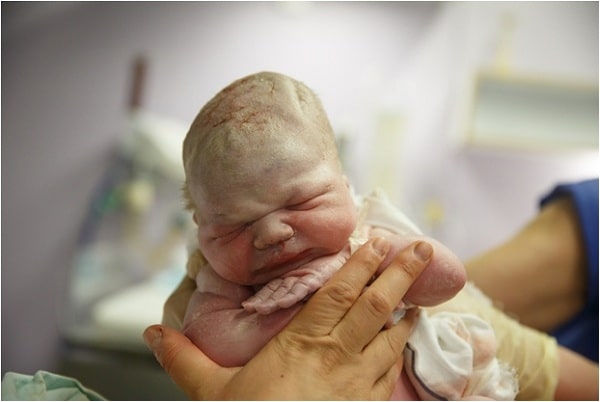
As a new parent, seeing your newborn child for the first time and realizing they have suffered from a birth injury can be alarming. When you imagined what your baby was going to look like, letโ€™s face it, you werenโ€™t picturing an infant with a large, swollen area on their head. Itโ€™s natural that youโ€™d be concerned, and that you would want to know how long it would last.

The good news is, in most cases, this swollen area, which is known as caput succedaneum, will go away on its own in a couple of days without any treatment. This form of edema may be mildly uncomfortable for your baby, but keep calm because itโ€™s not going to cause permanent damage.

Symptoms of Caput Succedaneum

Your newborn may have caput succedaneum if they are born with a swollen scalp. They may also have scalp and facial bruising. This condition is not dangerous on its own and most likely wonโ€™t require any special treatment. However, babies with the condition may also have other damage related to the birth injury that caused it. Some related conditions your baby may also have include:

  • Jaundice
  • Oxygen deprivation
  • Brain injury
  • Cerebral palsy

Jaundice is the most common condition that is diagnosed in babies with caput succedaneum. If itโ€™s not monitored closely and treated, it could lead to your baby developing a much more dangerous condition called kernicterus.

The Difference Between Caput and Cephalohematoma

A cephalohematoma is the result of a birth injury that results in internal bleeding on a newbornโ€™s skull, as opposed to the collection of fluid that is responsible for caput succedaneum. The two conditions share the fact that they are caused by birth trauma, and they can co-occur with other birth injuries.
Another thing the two conditions share in common is the fact that in most cases will resolve on their own, though a cephalohematoma may take longer. It could take weeks or even months for it to go away. The two conditions also sometimes occur together in cases when a baby has lumps on their head that are caused by collections of blood and fluid.

Both caput succedaneum and cephalohematomas can be caused by pressure from passing through the birth canal. They can also be caused by a doctorโ€™s mistake, such as using too much force during a forceps delivery. In 25% of cases of cephalohematoma, the injury will also be associated with a skull fracture.

What Caput Succedaneum Looks Like

Caput succedaneum typically presents as a spot on the top of the head that is swollen and puffy. It may also appear on the side of the head, depending on which part of your newbornโ€™s head went through the birth canal first. If you press your finger into the swollen area, it may leave a temporary dimple or impression on your babyโ€™s head.
Babies with the condition may also experience newborn head molding, which is also known as cranial molding. This happens when the soft, flexible parts of a newbornโ€™s skull change shape to allow passage through the birth canal. You may also notice bony ridges on your babyโ€™s head. These will also go away over time.

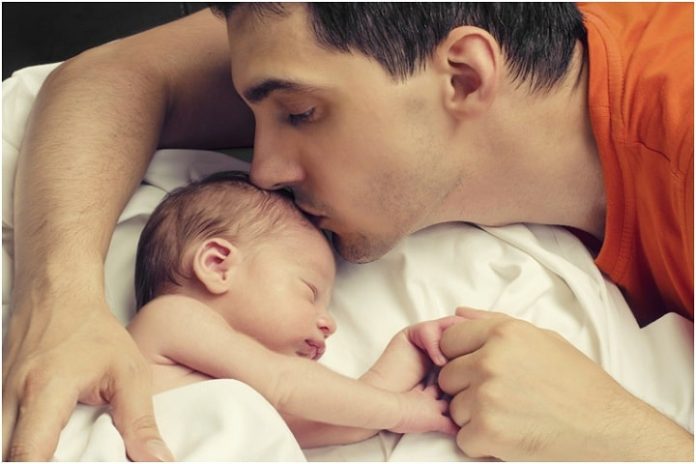
Caput succedaneum is a common birth injury. Your baby is definitely not the only one who left the hospital with a lump or a funny shaped head. Donโ€™t worry, dad, all of this will be a memory in a few weeks and your babyโ€™s head will go back to normal. Once it does, youโ€™ll have 18 years to spend worrying about everything else. Trust me on that one.

GS Yuasa supplies vital batteries to NHS Nightingale hospitals

GS Yuasa supplies vital batteries to NHS Nightingale hospitals

Battery manufacturer GS Yuasa is playing its part in the fight against Coronavirus by supplying power to the NHS Nightingale hospitals and other key medical projects.

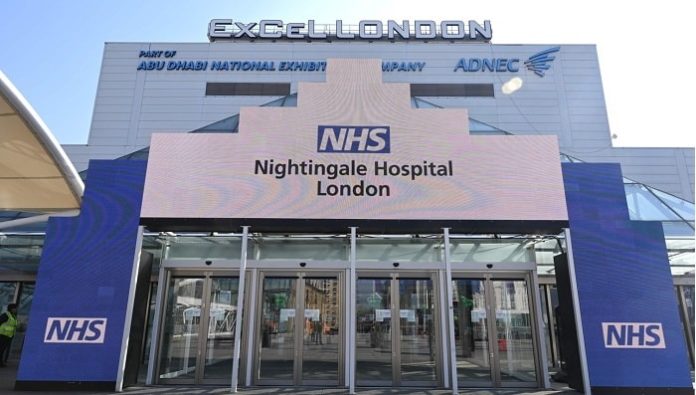
Since the beginning of the outbreak, GS Yuasa has supplied Yuasa-branded Uninterruptible Power Supply (UPS) system batteries to the new NHS Nightingale hospitals, including London, Birmingham Manchester, Bristol, Glasgow and Newcastle, which will treat Covid-19 patients. The largest hospital at The ExCel Centre received its first patients recently and has the capacity to expand to up to 4,000 beds.

Yuasa VRLA (valve regulated lead acid) batteries are used as standby backup power in UPS systems which ensure the power remains on in the event of a mains electricity failure. The batteries are supplied directly to customers who are installing the UPS systems on site.

GS Yuasa has focused all its resources on supporting critical infrastructure and medical projects during the outbreak. Orders associated with the fight against the virus are being prioritised over all others, with stock and production ringfenced to ensure good availability and fast delivery is maintained at all times.

James Hylton, managing director of GS Yuasa Battery Sales UK said: โ€œThe enormous impact of Coronavirus has been felt by individuals and businesses around the world. We are proud that our batteries have been chosen to back up these key NHS Nightingale hospitals and humbled that because of the quality of our batteries we are able to make a small contribution to the national effort.โ€

GS Yuasa has also supplied thousands of Yuasa-branded VRLA batteries for use in critical infrastructure nationwide, including other medical facilities.

Most Yuasa batteries supplied for these projects have been produced at GS Yuasaโ€™s UK manufacturing facility in Ebbw Vale, South Wales. The UPS systems installed in hospitals, and many other applications, rely on VRLA batteries to supply electricity in the event of a mains power outage.

This power bridges the gap between a mains failure and the moment an emergency generator kicks in. The UPS system ensures that critical systems remain active despite the failure. Each UPS system typically contains hundreds of batteries assembled on specialist racking.

Mr Hylton continued: โ€œWe are prioritising our stock at this time to support these crucial projects and our team have been working hard to ensure we maintain high levels of availability and service in order to provide our partners with coordinated on time delivery.

โ€œOur batteries are a key component for a wide range of emergency back-up infrastructure as well as a critical part for vehicles that are required for essential commuting and the distribution of goods.โ€

Breakthrough Virus Control Technology From Livinguard Can Destroy Human Coronavirus 229e

Control Technology From Livinguard

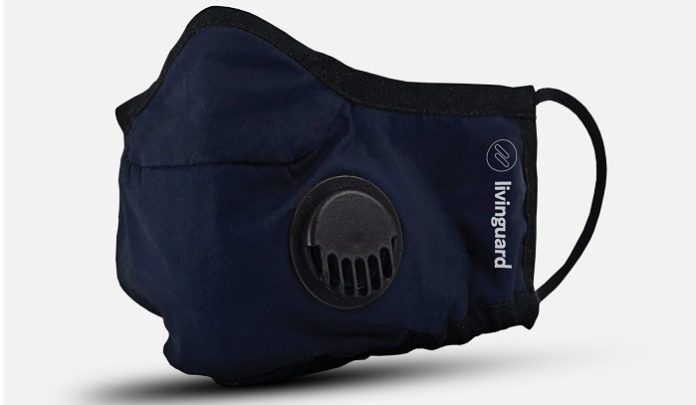
The Swiss hygiene company, Livinguard, announced that its technology for disinfecting textiles has been shown, through scientific testing, to destroy Human coronavirus 229e. The new research revealed that textiles treated with Livinguardโ€™s breakthrough technology can destroy pathogens of all kinds upon contact, including Human coronavirus 229e. This protection is sustained through multiple uses and washes. Livinguard permanent hygiene technology is currently being used on face masks and can be applied to any textile, enabling the highest level of hygiene and protection to be embedded into a broad variety of consumer products across numerous industries.

Tests recently completed at the University of Arizona, Tucson, Department of Environmental Studies, under the supervision of Charles Gerba, PhD have shown that over 99% of Human coronavirus 229e that comes into contact with Livinguard treated textiles are destroyed. The Livinguard mask is a multi-barrier mask composed of three separate filtration layers. When used in combination, the Livinguard multi-barrier mask provides protection of over 99.99%.

Livinguard is working with the U.S. Food and Drug Administration (FDA) on the results of the testing. Although Livinguard face masks are not yet available for sale in the US or cleared by the FDA, Livinguard is confident they will find the results reliable and agree that the technologyโ€™s application to masks and textiles will be beneficial, especially during this global pandemic.

Masks treated with the Livinguard technology are available throughout the world with current manufacturing in Portugal, Israel, Sri Lanka, Jordan, UAE, India, and China. In the U.S., Livinguard treated masks are expected to be available in the next few weeks. ReadyOne, a manufacturer of battle dress for the U.S. Military out of El Paso Texas, will manufacture Livinguard certified masks.

Dr. Gerba, Professor of Microbiology, Virology, and Immunology, known as โ€œDr. Germโ€ for his abundant testing of germs on nearly every surface humankind might touch, said: โ€œLivinguard textile technology holds promise in the fight against COVID 19.โ€

Sanjeev Swamy, Founder and CTO of Livinguard, said: โ€œWe are enthused and grateful to be able to offer a powerful tool in the fight against coronavirus. The unique characteristics of Livinguard will provide users with an unprecedented level of safety. This is particularly important as shelter- in -place orders are eased.โ€

The principle underlying the technology is its ability to destroy microorganisms upon contact, including bacteria and viruses, and to do so continuously and permanently. Unlike alternative metal-based solutions, Livinguardโ€™s technology has been found to be nontoxic to both skin and lungs. This has countless applications and endless possibilities for permanent hygiene across a broad variety of consumer products and numerous industries such as: medical, personal hygiene and care, air filtration and others.

Reusable & washable

Face masks using the Livinguard technology are washable and reusable. Each mask can be used up to 210 times, with no compromise on efficacy.

Since the Livinguard face mask is free of metals and does not leach, it is kind to skin as well as the environment. Face masks using the Livinguard technology are currently being produced and sold by several companies in Asia, the Middle East and Europe, including

by Fine Hygienic Holding (FHH). Numerous countries in these regions have already approved the face mask as a reusable N95 anti-viral, anti-bacterial face mask. Procter & Gamble was among the first companies to buy FHHโ€™s Fine Guard brand of masks to equip its employees in China.

โ€œWe are so proud to partner with Livinguard and bring this breakthrough technology to protect the worldโ€™s consumers. We are working hard to maximize the availability of Fine Guard masks treated with Livinguard technology and are already looking into new product developments with Livinguard such as gloves and disposable wipes,โ€ said James Michael Lafferty, CEO FHH.

Bloom Energy builds fuel-cell microgrids for hospitals in California

Bloom Energy builds fuel-cell microgrids for hospitals in California

Bloom Energy has announced two new fuel-cell projects, which will support patients affected by the coronavirus in hospitals in California.

The company says the equipment will provide clean electricity, reducing pollution and particulate matter by more than 99% compared with existing combustion-based power generation sources.

The systems replace diesel generators, which produce particulates and more than โ€™40 toxic air contaminantsโ€™.

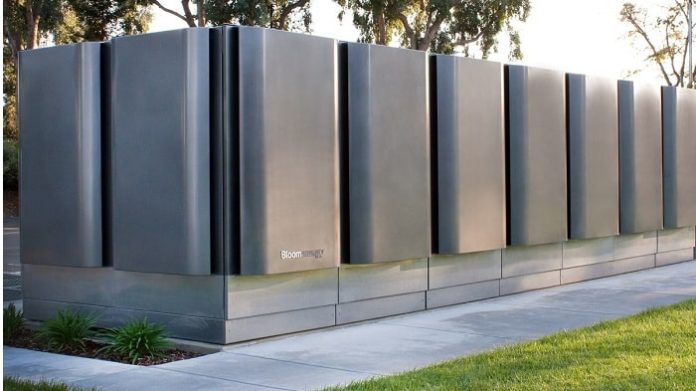
In the first project at the Vallejo site, Bloom has deployed a fuel-cell microgrid capable of powering a field hospital in its car park โ€“ the firm already has 1,200kW of energy equipment powering the main hospital.

The clean energy company has also installed a 400kW fuel-cell-based microgrid at Sleep Train Arena, the former home of the Sacramento Kings basketball team, to power a training facility on-site that will hold approximately 100 hospital beds.

KR Sridhar, Bloom Energy Founder, Chairman, and CEO, said: โ€œSolving complex technical problems is in our DNA and it is gratifying to the Bloom team that the energy solutions we have spent years developing can be especially useful in this time of national crisis. โ€œIn the future, we will be able to use this solution for other rapid deploy scenarios for emergency management.โ€

Kent Hospital prepares backup generators in case of power outage

Kent Hospital prepares backup generators in case of power outage

Officials at local hospitals are monitoring the storm making its way through Southern New England. With wind gusts of more than 50 miles per hour, hospital staff are breaking out backup generators in case the power gets knocked out.

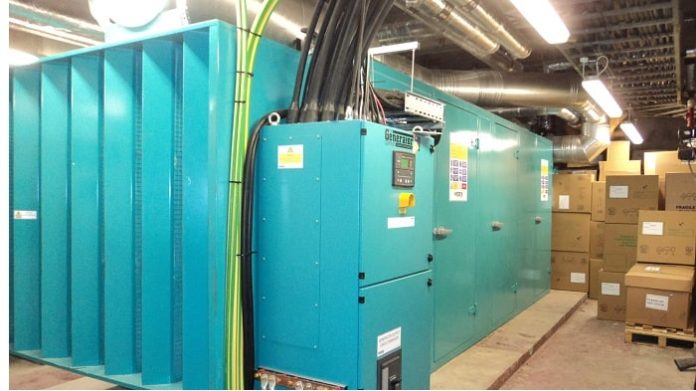
At Kent Hospital, there are eight backup generators on standby. If needed, the generators can emit enough power to keep the hospital going as normal.

If Kent Hospital were to lose power, the generators would come on automaticallyโ€“ that way patient care would not be interrupted, even if the patient is on a ventilator.

โ€œThe generators would keep ventilators going and would keep all the monitors going,โ€ said Bob Haffey, President and CEO of Kent Hospital. โ€œThose generators are checked monthly and tested weekly.โ€

There are 15 beds in Kent Hospitalโ€™s ICU. The majority of the patients in the ICU are currently using ventilators, according to Haffey.

Caterpillar Supporting causes far and wide during COVID-19 pandemic

The Caterpillar team, including our employees both past and present, have a long history of giving back in the communities where we live and work. Committed, passionate and ready to make a difference in the world, Caterpillar people are doers. Whether itโ€™s contributing financially or volunteering your time and talents to worthy causes, you help build a better world and improve lives everywhere. And, youโ€™ve risen to the occasion once again.

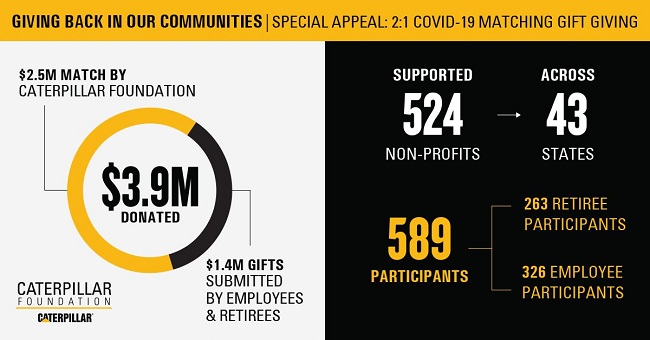
At the end of March, the Caterpillar Foundation announced it was committing $8.5 million to global COVID-19 response efforts. The Foundationโ€™s support also included a limited time 2:1 match on U.S. employee and retiree donations to eligible nonprofits through its existing U.S. Matching Gifts Program.

Thanks to the incredible outpouring of support from employees and retirees, in a matter of days, we surpassed the original $1 million match cap. In recognition of Team Caterpillarโ€™s giving spirit, the Foundation increased the match cap to $2.5 million, resulting in a total of $3.9 million in donations, including the Foundation match โ€“ directly supporting COVID-19 response activities and helping organizations that have been impacted. And even better, this brings the Foundationโ€™s total commitment to $10 million.

While the 2:1 match has closed, the good news is the 1:1 match offered through the U.S. Matching Gifts Program continues to be available.

From foodbanks to hospitals, to educational and international development organizations, our support is making an impact in our own backyards, keeping our communities safe and strong during this difficult time.

For instance, our support for Doctors Without Borders will enable them to continue to respond to the pandemic on multiple fronts, including caring for patients, offering health education and mental health support, and providing training for vital infection control measures in health facilities around the world. They are also continuing to keep their regular medical programs running for tens of thousands of patients and extremely vulnerable communities.

In San Diego, donations to the Rady Childrenโ€™s Hospital Foundation will help them continue to provide critical care for their patients during these unprecedented times.

In Central Illinois, with the help of our donations, the Dream Center is continuing to provide shelter, food and personal hygiene items to individuals and families hit hardest during these challenging times.

Our donations are also helping food banks in numerous Caterpillar communities across the United States as they provide millions of meals to the food insecure. The Midwest Food Bank in Central Illinois, the Second Harvest Food Bank in Tennessee, the Houston Food Bank and Feeding San Diego are just a few examples of the food banks weโ€™re impacting at a time when 37 million Americans are facing hunger. Plus, from school closures to job loss, this public health crisis has put millions more of Americans at risk for food insecurity, resulting in an increased demand for services provided by local food banks.

HIMOINSA Generator sets provide power to combat the Covid-19 pandemic

HIMOINSA Generator sets provide power to combat the Covid-19 pandemic

During the current state of alarm due to the Covid-19 crisis, there are a number of indispensable services whose activity simply cannot be interrupted; hospitals, laboratories, research centres, etc. These critical services have had to make sure that their power supply is secure in order to avoid any possible incidents or lack of supply.

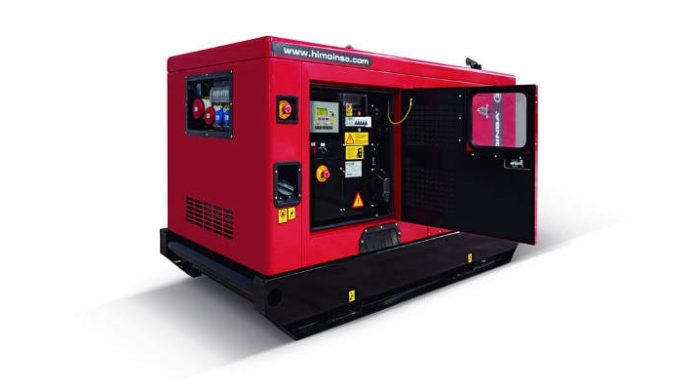
Ever since the onset of this global health crisis, HIMOINSA has maintained its industrial activity in order to ensure uninterrupted service to the international market. Numerous HIMOINSA generator sets have powered different activities and missions aimed at combating the Coronavirus pandemic.

Recently, through its distributor Sorilux and in collaboration with the engineering company Cobra, several generator sets have been installed at the R&D building of the University of Zaragoza (Spain) in order to provide uninterrupted service, in the event of a grid outage, to the precision equipment that is housed in this centre.

The University Research Institute of the University of Zaragoza (IA3) has realigned its work in recent weeks to address the epidemic. Researchers and technicians, who have been allowed to use the University’s infrastructure, equipment and laboratories, have begun studies and tests designed to combat Covid-19.

In this context, HIMOINSA generator sets work in emergency mode to cover any grid outage and thus avoid any interruption in the supply of electricity that could put at risk the continuity of the activity of these research centres.

Safety Protocols

Due to the health crisis brought on by the coronavirus, HIMOINSA has implemented new work protocols in its factories that guarantee the safety of its employees. Similarly, Sorilux, our distributor, is insisting on the importance of applying prevention protocols and rigorous safety measures. โ€œAll our machines have been thoroughly cleaned and sanitised, using special disinfection products and paying special attention to the areas that people’s hands come most into contact withโ€, adds Raรบl Segura.

SimpliPhi Power Teams Up with Footprint Project to Deliver Clean Energy Microgrid

SimpliPhi Power Teams Up with Footprint Project to Deliver Clean Energy Microgrid to Field Hospital for Matamoros Migrant Camp Fighting   COVID-19

SimpliPhi Power, a leading U.S. manufacturer of safe, cobalt-free lithium ion energy storage systems, has partnered with non-profit Footprint Project to supply and deliver a clean energy microgrid field hospital for the Matamoros migrant camp in Mexico on the U.S. border to power the camp’s first mobile medical ICU to treat COVID-19 patients. The camp is comprised of approximately 3,000 asylum seekers living in overcrowded tents with little infrastructure and no access to basic medical care or hygiene, enhancing the threat of COVID-19 contagion.

SimpliPhi’s 3.8kWh PHI batteries are part of a containerized mobile solar and energy storage trailer that serves as a primary power source for the ICU.

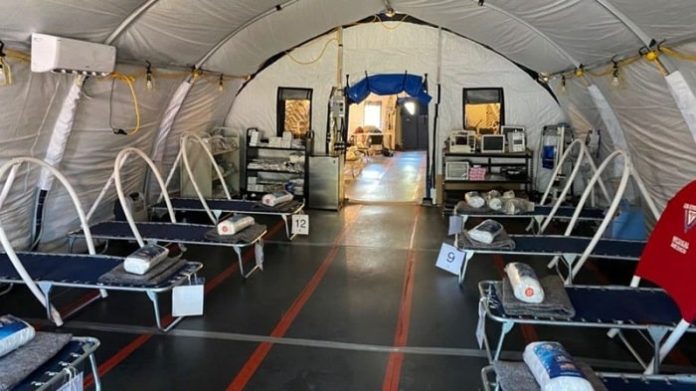
The ‘pop-up’ ICU provides 20 beds with both diagnostic and treatment-ready medical equipment with an HVAC system to deliver temperature control for the two-tent clinic.

The renewable energy microgrid is critical given the remote location of the mobile ICU clinic within the migrant camp. Additionally, the microgrid provides critical power with clean air, instead of the toxic fumes from the exhaust generated by diesel or gas generators, which would serve to further exacerbate the respiratory condition of patients already struggling to fight off COVID-19 infections.

The mobile clean energy microgrid also supports significant savings for the Global Response Management (GRM) team, the NGO that is operating the facility and providing free medical care to the migrants. As first responders coordinating care, the solar + PHI storage allows GRM to dedicate its resources to providing critical and quality medical care instead of deferring precious funding to monthly fuel costs averaging $2,000 that would have been necessary if the ICU was powered by a diesel generator.

Footprint Project is also building capacity at the camp by training staff and volunteers on how to operate and maintain the microgrid independently.

“COVID-19 knows no border, affecting all nationalities regardless of whether people live in a permanent dwelling or a tent,” said SimpliPhi Power CEO Catherine Von Burg. “Renewable energy microgrids for humanitarian needs like the Matamoros migrant camp can play a critical role during this global pandemic, ensuring reliable, uninterrupted access to clean power, allowing medical teams to focus on treatment and medicine, not purchasing fuel over medical supplies.”

“Thank you to the Mexican government for helping us to provide this critical clean-air microgrid and associated medical equipment to the Matamoros migrant camp. We appreciate their support and efforts to ensure asylum seekers have access to medical care to help stop the spread of COVID-19,” shared Will Heegaard, founder and director of Footprint Project.

Beyond Matamoros, SimpliPhi Power and its partners are deploying portable and containerized microgrids in the United States and around the world as part of the COVID-19 emergency response to provide clean energy security to hospitals and clinics on the frontlines battling the pandemic.

About SimpliPhi Power

With a mission to create universal access to reliable, safe and affordable energy, SimpliPhi Power designs and manufactures efficient, non-toxic and enduring energy storage and management systems that utilize environmentally benign lithium ferro phosphate (LFP) battery chemistry. Based in Oxnard, California, SimpliPhi combines the non-hazardous LFP energy storage chemistry with its proprietary cell and battery architecture, power electronics, Battery Management System (BMS) and manufacturing processes to create safe, reliable, durable and highly scalable on-demand power solutions for the residential, commercial, military, emergency response and film industries.

About Footprint Project

Footprint Project’s mission is to help communities build back greener after environmental disasters. Footprint Project (FP) mobilizes pools of distributed clean energy assets to support disaster first responders and meet emergency power needs. We help relief groups integrate sustainable technologies into their missions through hands-on training, design, and deployment support. In 2019, FP deployed mobile solar stations to 5 environmental disasters, distributed over 1,200 solar panels, donated 2 solar trailers to first responders, and launched our Solar Energy Rapid Response Team (SERRT). Since Jan 2020, we’ve dispatched ten mobile solar stations to environmental disasters in Puerto Rico and Tennessee, providing direct access to emergency solar recharging for over 12,500 people during grid outages.

Patriot delivered six converted PODS storage containers to United Medical Center in Washington DC

Patriot delivered six converted PODS storage containers to United Medical Center in Washington DC

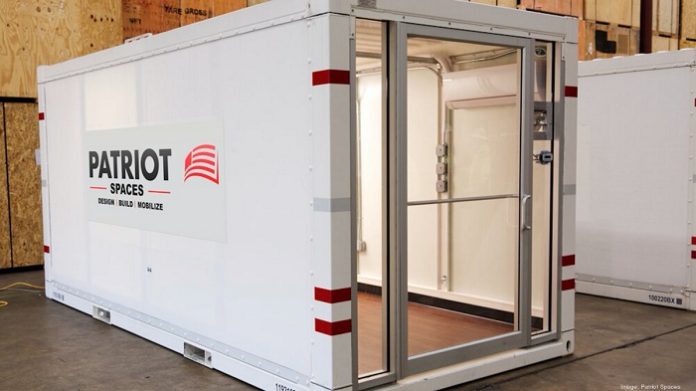
The first of potentially hundreds of steel-frame PODSยฎ containers to be converted into individual medical stations for COVID-19 patients were delivered this morning to the United Medical Center in Washington, DC. The hospital will staff, operate and maintain the units.

This is a pilot development program for other potential locations in the United States to help address the growing demand for โ€” but limited supply of โ€” hospital facilities for people diagnosed with the coronavirus.

The units โ€” standard 8’x16′ PODS containers made with a steel frame and fiberglass panels โ€” include essential critical care necessities for COVID-19 patients such as negative air pressure controls; self-contained air conditioning; standard medical electrical service and lighting; a nurse’s call button, and easily sanitized finishes. When delivered to their final destinations the units will be outfitted with alternate power generation, flooring, and other infrastructure items.

PODS currently has some 40,000 lightweight and stackable containers that can be quickly customized for COVID-19 patients. The units, which are easy to store and transport, are located at 12 PODS warehouses across the United States.

The units will retail for $18,000 to $33,000 each depending on how they are used. They are more cost-effective when compared to the alternatives now on the market, including tents, which do not hold up as well, and expensive high-end models that take longer to build and cost about $50,000 each.

These PODS units are being converted by Patriot Spaces located in Dunkirk, Md. which was awarded a contract by the U.S. Army Corps of Engineers (USACE), Baltimore District. The units were converted at a warehouse in Upper Marlboro, Md. by a team of a dozen tradesmen in less than five days, well ahead of the contract delivery date.

The contract calls for the construction of Containerized Medical Stations (CMS) as alternative care sites for COVID-19 patients in response to the presidential national emergency declaration addressing concerning the novel coronavirus pandemic.

The contract requires Patriot to design, build, test, deliver, set up, operate, maintain, and repair the containerized medical rooms for COVID-19 patients.

The company will construct an outside alternate care site in a parking lot at the United Medical Center in southeast Washington, DC and provide fuel for the generators.

The initial project called for a rapid conversion and delivery of the first six units. Patriot collaborated with USACE to complete the units; the work included producing mock-ups of the container, design, build-out, and testing.

Director of Patriot Spaces Rick Wincek said, “It was an honor to be selected by USACE for this urgent and important project. This program is a testament as to what can be accomplished when industry and government collaborate to achieve one common goalโ€ฆsaving lives.”

About Patriot Spaces
Patriot Spaces, a division of Patriot in Dunkirk, MD, is the turnkey provider of cost-effective, customizable, individual containment units and the support services required to deploy, set-up and operate them. Patriot’s unique product offering is ideal for quarantine applications meeting client needs, ranging from emergency response to overflow shelter for medical facilities; detention centers; border control containment; deployed military personnel, and numerous other scenarios meeting the needs of federal, state, and municipal governments and private industry.

Translate ยป