Close
Digital Health & Ai Innovation summit 2026
Medical Taiwan 2026

Lungpacer Medical gets FDA EUA status for novel DPTS to help address COVID-19 crisis

Lungpacer Medical gets FDA EUA status for novel DPTS to help address COVID-19 crisis

Lungpacer Medical has secured EUA from the US FDA for its novel Diaphragmatic Pacing Therapy System (DPTS) to immediately treat in patients on invasive mechanical ventilators at high risk of weaning failure, including COVID-19 patients.

Lungpacer DPTS is claimed to be the first minimally invasive, temporary and transvenous phrenic-stimulation system approved under FDA EUA status.

The non-surgical, non-implanted and diaphragm stimulation therapy is provided through a central venous catheter (CVC), similar to central lines currently placed in mechanically ventilated ICU patients.

The unique central line is applied to deliver both fluids and medications, as well as help to integrate the capability to activate the diaphragm muscle through transvenous phrenic-nerve stimulation.

The simulation will help strengthen a weakened diaphragm or ventilator induced diaphragm disfunction (VIDD), already atrophied by mechanical ventilation. It is expected to help patients wean off the ventilator more quickly.

Lungpacer Medical CEO Doug Evans said: โ€œThe COVID-19 pandemic, also known as SARS-COVID-2, has stimulated tremendous innovation to improve outcomes for these patients.

โ€œI am very proud of the Lungpacer team who have worked diligently to make this therapy available in a very short period of time, and I want to thank the FDA for their timely review and support.

โ€œWe are excited for the opportunity to provide healthcare professionals with access to the Lungpacer therapy to help their critically ill patients.โ€

Headquartered in Vancouver, Canada, Lungpacer Medical is engaged in offering temporary, non-surgical, minimally invasive technologies to make mechanical ventilation more effective and safer. In 2016, the companyโ€™s Lungpacer DPTS secured a Breakthrough Designation from the FDA.

Abbotts FreeStyle Libre authorized for hospitalized COVID-19 patients in Canada

Abbotts FreeStyle Libre authorized for hospitalized COVID-19 patients in Canada

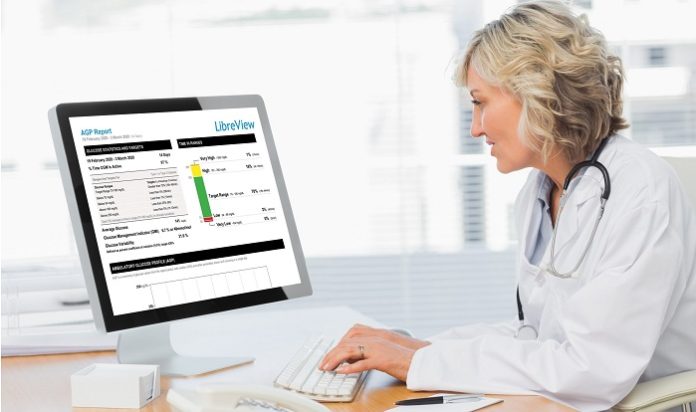
Abbott announced that Health Canada authorized use of FreeStyle Libre system, the world’s leading1 sensor-based glucose monitoring technology, in hospital setting during the COVID-19 pandemic. This will permit frontline healthcare workers to remotely monitor patients’ glucose status2 and glucose history. In addition, Abbott will donate 3,000 FreeStyle Libre sensors to ensure hospitals in need have immediate access to the technology.

“The in-hospital challenges presented by the COVID-19 pandemic have forced frontline workers to think creatively about how to safeguard against unnecessary exposure between themselves and patients, especially people with diabetes,” said Bruce Perkins, M.D., Director, Leadership Sinai Centre for Diabetes and Clinician-Scientist, University of Toronto. “Having access to sensor-based glucose monitoring technology in hospitals is one such creative solution to significantly help healthcare workers closely monitor glucose status while limiting direct contact and preserving valuable personal protective equipment.”

With a one-second scan using a reader or smartphone3 over the FreeStyle Libre sensor worn on the back of the upper arm, glucose readings are measured every minute and the user can get current glucose measurements, historical trends and patterns, and arrows showing where glucose levels are going without having to fingerstick4. At the same time, physicians will receive glucose data and actionable information remotely to help make important treatment decisions through LibreView5, a secure, cloud-based diabetes management system available at no cost to healthcare providers and users. Recent studies showed that users of the FreeStyle Libre system have improved glucose control6, decreased time in hyperglycemia7 and hypoglycemia8 as well as reduced hospitalizations9 and HbA1C10 levels.

Providing frontline healthcare workers with technology and equipment is critical in the fight against COVID-19,” said Marie-Flore Nabor, general manager of Abbott’s diabetes care business in Canada. “Health Canada’s quick action to make FreeStyle Libre sensors available in hospitals will help frontline healthcare workers better monitor and manage the glucose levels of patients and, at the same time, help limit COVID-19 exposure.”

More than 15% of Canadians diagnosed with COVID-19 are hospitalized, according to Health Canada11. The use of the FreeStyle Libre system in Canadian hospitals received support from the country’s leading diabetes organizations, including Diabetes Canada and Diabรจte Quebec.

About FreeStyle Libre Portfolio
As the #1 sensor-based glucose monitoring system used worldwide1, Abbott’s FreeStyle Libre portfolio has changed the lives of more than 2 million people across 46 countries12 by providing breakthrough technology that is accessible13. Abbott has also secured partial or full reimbursement for the FreeStyle Libre system in 36 countries, including Canada, Japan, the United Kingdom, and the U.S.

About Abbott
Abbott is a global healthcare leader that helps people live more fully at all stages of life. Our portfolio of life-changing technologies spans the spectrum of healthcare, with leading businesses and products in diagnostics, medical devices, nutritionals and branded generic medicines. Our 107,000 colleagues serve people in more than 160 countries.

FDA approves PGDx elio tissue complete genomic profiling diagnostic kit

FDA approves PGDx elio tissue complete genomic profiling diagnostic kit

Personal Genome Diagnostics (PGDx) has secured approval from the US FDA for its PGDx elio tissue complete, which is claimed to be the first comprehensive genomic profiling diagnostic kit for oncology.

The new diagnostic kit has been developed for molecular laboratories to conduct genomic profiling of cancer in an efficient and precise manner.

PGDx elio tissue complete holds the capacity to detect single nucleotide variants (SNVs) and small insertions and deletions (indels) in more than 500 genes, select amplifications and translocations, as well as genomic signatures including microsatellite instability (MSI) and tumor mutation burden (TMB).

The diagnostic kit and accompanying software will enable molecular labs to generate comprehensive genomic profiles of all solid tumours.

The information provided by the diagnostic kit is expected to allow healthcare professionals to tailor efficient clinical management for patients based on their tumorโ€™s unique genomic profile and as per professional guidelines.
The broad genomic profiling assay will allow oncologists to identify patients for clinical trial participation

The broad genomic profiling assay is comprised of a biomarker that can notify the use targeted cancer therapies and immunotherapies. It will help oncologists to identify patients for clinical trial participation.

The elio testing and automated bioinformatics, which is designed to use locally at the lab of choice, allows to maintain consistency and quality of testing irrespective of location.

PGDx CEO Megan Bailey said: โ€œPGDx elio tissue complete responds to this unmet need by bringing genomic cancer testing of the highest quality directly to healthcare providers.

โ€œSince the founding of our company we have been united in our mission to empower the fight against cancer, and an integral part of that is establishing standardized testing as a core element of patient care.

โ€œToday is an incredible milestone for us, but more importantly for the millions of people living with cancer.โ€

In January 2018, PGDx secured $75m funding to bring regulated in vitro diagnostic (IVD) genomic tests to cancer patients globally.

Based in Baltimore, the company develops a portfolio of regulated tissue-based and liquid biopsy genomic products for laboratories globally.

SeaStar Medical wins FDA IDE approval to begin pilot study of immunomodulating device in COVID-19 patients

SeaStar Medical wins FDA IDE approval to begin pilot study of immunomodulating device in COVID-19 patients

SeaStar Medical has secured an investigational device exemption (IDE) approval from the US FDA to start a pilot study of Selective Cytopheretic Device (SCD) in COVID-19 patients with acute respiratory distress syndrome (ARDS) or acute kidney injury (AKI).

The company has designed the pilot study to assess the use of immunomodulating device for the reduction and repair of kidney injury.

According to the company, the new evidence demonstrated that multiple COVID-19 patients with ARDS are also developing AKI and require renal replacement therapy and an estimated 40% to 60% of COVID-19 patients in intensive care units (ICU) are witnessing and may need dialysis.

The companyโ€™s SCD next-generation immunomodulating device will preferentially target proinflammatory neutrophils and monocytes during continuous renal replacement therapy (CRRT) to alleviate and remove the cytokine storm that results in inflammation, organ failure and possible death in critically ill patients.

SeaStarโ€™s device will work with hemofiltration systems to facilitate accurate and solute balance control to selectively target and transition proinflammatory monocytes to reparative and minimise activated neutrophils.

The immunomodulation approach is expected to reverse injury and avoid the requirement for CRRT in the future.
The SCD pilot study will assess 35 adult subjects in around 10 institutions in the US

The SCD pilot study will evaluate the clinical activity, safety, and tolerability of SCD among patients who have ARDS prior to CRRT and/or AKI with CRRT. It will assess 35 adult subjects in up to 10 US institutions.

SeaStarโ€™s trialโ€™s crucial objectives comprise of reducing mortality rates and dialysis dependency and increasing ventilation free survival. Accomplishment of these endpoints may result in the reduction of ICU and hospitalisation days.

SeaStarwill has collaborated with contract research and clinical trial management organisation EmpiriStat to conduct the clinical trial.

The ongoing phase II clinical study is evaluating the safety and efficacy of the SCD in pediatric patients with AKI and multi-organ failure. The FDA has funded the trial, which may generate the results later this year.

SeaStar Medical CEO Eric Schlorff said: โ€œWe believe the SCD is the first immunomodulating device in renal care that can quell the storm and normalize the immune system to help repair kidney injury and prevent organ failure. We have observed preliminary evidence of what the SCD can do for patients.

โ€œWe are working closely with leading medical centers and regulators to expedite this study to help COVID-19 patients and expect to share the results later this year.โ€

How Healthcare Workers Can Manage Their Mental Health Amidst COVID-19

How Healthcare Workers Can Manage Their Mental Health Amidst COVID-19

When we talk about populations who are vulnerable to getting COVID-19, the healthcare community always tops out the list. Doctors, nurses, and other healthcare workers put themselves at risk daily to help people overcome this silent threat that is taking so many lives.

But itโ€™s important to remember that healthcare workers are exposed to more than just the virus itself. Those on the front lines have a front-row seat to the worst of what this virus has to offer.

Now more than ever is a time to take care of our mental health, so we can continue showing up for those in need.

Remember Maslowโ€™s Hierarchy of Needs

So many healthcare workers are dedicated to putting the job before their own wellbeing, but we need to remember to cover the basics before we can truly be of service to others.
If youโ€™re forgetting to eat and not sleeping well, burnout is almost inevitable. These may be the furthest things from your mind, but they are most crucial to your physical and mental health.

Thereโ€™s a strong link between nutrition and mental health, and if you arenโ€™t getting the right nutrients, you may be at greater risk for developing symptoms of depression and anxiety. According to a 2008 Indian Psychiatry review, the most common nutrient deficiencies found in patients with mental disorders are omega-3 fatty acids, B vitamins, and minerals and amino acids that are precursors to neurotransmitters (e.g., Phenylalanine and tyrosin).

Research is also showing a strong link between gut health and depression, so taking a daily probiotic may also be helpful during such an intense time and beyond. Taking a probiotic has many benefits, including improved gut function, improved cardiovascular function, and reduced symptoms of certain allergies. Overall, this can be a helpful addition to your stress-busting and healthy-living arsenal.

We also cannot underestimate the importance of a good nightโ€™s rest. If you are currently having trouble sleeping, consider natural sleep remedies like chamomile tea or valerian root. Or talk to your own doctor about potential solutions.

Practice Mindful Breathing

You may not have control over your schedule or how many patients you see, but you can take hold over those few moments in-between patients. Use that time to practice mindful breathing. Even if itโ€™s only for 10 seconds, this can impact your anxiety levels. A 2016 PLoS One study found that mindful breathing not only had a positive impact on anxiety, but it also improved automatic positive thoughts. It’s not a magic bullet, but if it helps you feel slightly less overwhelmed, it’s a win.

Stick to a Routine

The COVID-19 pandemic has thrown a giant blazing wrench into so many of our daily routines, but that doesnโ€™t mean all is lost. Instead of going to the gym, you may do a workout at home. Instead of a girlโ€™s night out, you may do a Zoom get-together. Try to keep as close to your regular routine as possible and avoid falling into any unhealthy coping mechanisms like drinking alcohol. And if youโ€™ve already fallen into that trap, be on the lookout for the warning signs of substance abuse. Drugs and alcohol will only exacerbate feelings of anxiety and depression. Instead, try to foster healthy habits whenever you can. Meditation and yoga are great natural stress relievers.

Mental health should always be a priority, but itโ€™s especially important today as healthcare workers have been swept up in the demand of the current pandemic without warning. We must also remember that if we donโ€™t take care of ourselves, we wonโ€™t be capable of caring for others.

IBM Helping to Battle COVID-19 Medical Supply Chain Shortages with the Launch of IBM Rapid Supplier Connect

IBM Helping to Battle COVID-19 Medical Supply Chain Shortages with the Launch of IBM Rapid Supplier Connect

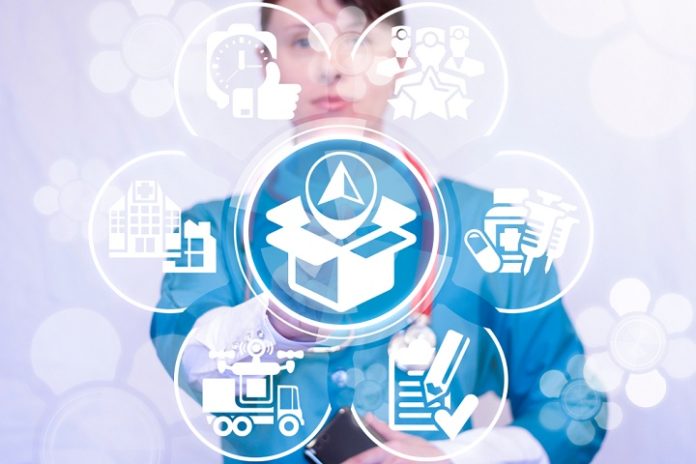
As part of IBM’s approach to combating COVID-19 with technology solutions that enable more trustworthy information, accelerated discovery, resiliency and adaptation, the company announced IBM Rapid Supplier Connect, a blockchain-based network designed to help government agencies and healthcare organizations identify new, non-traditional suppliers who have pivoted to address the shortage of equipment, devices and supplies needed for COVID-19 relief efforts.

Rapid Supplier Connect is available at no cost until August 31, 2020 to qualified buyers and suppliers in the United States and Canada.

Suppliers and buyers currently joining the network include hospitals and other organizations such as Northwell Health, New York’s largest healthcare provider, and The Worldwide Supply Chain Federation, which is onboarding more than 200 American suppliers from its 3,000 global community members.

“Northwell Health has had adequate supplies to protect patients and our staff during the increase in New York COVID-19 patient cases,” said Phyllis McCready, vice president and chief procurement officer at Northwell Health. “It is through creating our own GPOs and supply chain, and joining forces with non-traditional suppliers that we have maintained an adequate stockpile of PPE and other equipment and supplies, so we are pleased to join IBM Rapid Supplier Connect.”

With healthcare workers and other first responders feeling the impact of supply chains disrupted by unprecedented challenges, many large and small businesses from outside the traditional healthcare procurement system are reconfiguring to mass produce masks, gowns and other essential supplies. In order to begin purchasing from them at scale, buyers โ€” including hospitals, state procurement divisions, pharmacies and others โ€” need help identifying these new suppliers, efficiently vetting and on-boarding them, and understanding their real-time inventory availability. The network also helps identify existing supplies and excess inventory going unused, allowing hospitals to make it available to others and redirect supplies where they are needed most.

Buyers who access the network can benefit from a broader range of suppliers outside of their traditional supply chain, a streamlined supplier onboarding process, validation checks and inventory information in near-real time. Suppliers benefit from a portable online identity, access to user feedback and the ability to post and manage inventory availability. Real-time insight into a volatile and uncertain supply chain is never simple, and with the challenges of the current global situation, IBM harnessed the Trust Your Supplier blockchain-based identity platform built by Chainyard for qualification and identification, in conjunction with its existing Sterling Supply Chain Suite and highly scalable Inventory Visibility microservice to deliver this increased visibility.

Rapid Supplier Connect complements existing supply chain networks and their payment systems, however buyers also have the option to use the services of a third-party paymaster for a fee, CDAX, which will secure funds on behalf of buyers in a custody and settlement account, holding goods ordered contractually from the supplier under a consignment arrangement until the buyer verifies acceptance of the order and releases funds to the seller. Project N95, which is serving as a clearinghouse for information on COVID-related suppliers will also help with supplier vetting. Dun & Bradstreet is contributing its identity resolution, firmographic data, and supplier risk and viability scores, RapidRatings provides financial health data on suppliers, and KYC SiteScan will provide “Know Your Business” due diligence report access. Thomson Reuters will provide access to its CLEAR customer due diligence tool, to provide buyers with access to real-time and comprehensive data to vet suppliers and identify potential fraud risks.

Joining the network is expected to take buyers and suppliers approximately 30 minutes, with industry and technical support provided by IBM’s operational support center to assist with onboarding and getting value from the network.

LeanTaaS Releases COVID-19 Backlog Recovery Calculator to Help Hospitals Prepare for Post-Surge Elective Surgeries

LeanTaaS Releases COVID-19 Backlog Recovery Calculator

LeanTaaS, Inc., an analytics software company whose products increase patient access to medical care, introduced the first elective surgery recovery calculator for COVID-19. The Elective Surgery Backlog Recovery Calculator allows any hospital to create a model to determine how long it will require to complete the backlog of procedures postponed during the crisis. LeanTaaS developed the tool, and a set of step-by-step supporting strategies, based on in-depth discussions with operating room professionals around the country, including its customer network of 100+ health systems.

“We polled over 450 health systems, and more than 80% of hospitals have actively canceled or postponed 70% of elective surgeries,” said Sanjeev Agrawal, president of LeanTaaS. “Restoring caseloads will require careful planning and execution in the coming weeks and months to identify the backlog, manage block versus open time, and accommodate the pent-up volume given each hospital’s available resources, such as rooms, staffing, locations and so on. We built the Elective Surgery Backlog Recovery Calculator as an open tool to aid in that process. Surgery volume is the economic backbone of any hospital, and getting back up and running with elective cases post-pandemic is a top priority.”

Organizations like Penn Medicine have developed open-source surge prediction calculators, such as CHIME, which are currently being used by thousands of hospital professionals to estimate the number of beds required during the peaks of the epidemic. However, as the life cycle of the crisis evolves, healthcare professionals are starting to turn toward the future and are seeking similar approaches to prepare their return to a pre-COVID level of care.

The Elective Surgery Backlog Recovery Calculator can be accessed on a web browser. Users complete 12 fields within four categories, including OR metrics pre-COVID-19, expected dates when OR capacity will return, levers to accommodate surge volume, and lost volume considerations. Based on the inputs, the tool estimates how many months it will take for each institution to recover its surgery case backlog and predicts the number of additional cases per month, on top of each hospital’s baseline volume. The calculator lets users provide rough estimates and ranges for various entries, like expected dates for returning to normal capacity, in order to test out a number of possibilities and the related impact on recovery.

Free Webinars: Restoring Your Elective Surgery Caseload Post COVID-19

LeanTaaS recently introduced the calculator and supporting strategies at a webinar, “Restoring Your Elective Surgery Caseload Post COVID-19.” Hosted by Ashley Walsh, formerly perioperative business manager for UC Health for 11 years, the webinar was attended by 500 different health systems, representing over 20,000 ORs in the U.S. The webinar goes into depth on the seven-step process to recover the backlog in elective surgery volume.

“Because each hospital has unique staffing, cases, and volume demands, the strategies they’ll need to adopt will vary, from increasing prime time utilization to extending operating hours or even working weekends,” said Walsh, now LeanTaaS senior director of client services. “However, we believe some principles are universal to recovery, such as making block release easier, and executing as one team with a cohesive plan. We’re pleased to introduce these principles in a simple seven-step approach for use by any hospital team, including free tools like the Elective Surgery Backlog Recovery Calculator.”

About LeanTaaS

LeanTaaS provides software solutions that combine lean principles, predictive analytics, and machine learning to transform hospital and infusion center operations. Approximately 100 health systems across the nation rely on the company’s iQueue cloud-based solutions to increase patient access, decrease wait times, reduce healthcare delivery costs, and improve revenue. LeanTaaS is based in Santa Clara, California, and Charlotte, North Carolina.

RADLogics Expands Deployment of its AI-Powered Solution to Support Chest Imaging for COVID-19 Patients

RADLogics announced new worldwide deployments and installations of the companyโ€™s AI-Powered solution to support chest CT imaging for COVID-19 (Coronavirus) patients. To respond to the growing pandemic, the company has now deployed its solution at hospitals and healthcare providers in China, Russia, Italy, Serbia, and Brazil, and has engaged additional hospital systems and providers around the globe.

โ€œSince we completed our initial research and shifted the companyโ€™s resources and AI expertise to focus on COVID-19 solutions, weโ€™ve seen incredibly strong demand from healthcare systems and providers around the world. Our system has enabled these hospitals to enhance their ability to manage symptomatic patients โ€“ especially those with severe or worsening respiratory status,โ€ said Moshe Becker, CEO and Co-Founder of RADLogics. โ€œAs weโ€™ve seen in the surge of patients across the world, ERs and ICUs can become overwhelmed.

Our solution improves patient care by providing doctors with a โ€˜Corona Scoreโ€™ that provides clinicians automatic measurements of disease extent of COVID-19 patients, thus allowing doctors to better manage a patientโ€™s treatment.โ€

Designed for easy integration and installation both on-premise and via the cloud โ€“ RADLogicsโ€™ algorithms are supported by the companyโ€™s patented workflow software platform that enables rapid deployment of the solution at multiple hospitals using commercial cloud-computing resources through Amazon Web Services (AWS), that can process up to 1 million CT studies per day. RADLogics has distribution partners in several key markets including China (ChainZ), and Russia. Notable RADLogicsโ€™ deployments to date include the following installations:

Russia โ€“ Deployed by BinomixRay, after a pilot, Moscow Department of Healthcareโ€™s Diagnostics and Telemedicine Center is considering to scale the solution system wide in Moscow.

China โ€“ RADLogicsโ€™ solution was studied through deployments in several hospitals, and the system was critical in the countryโ€™s efforts to manage the COVID-19 surge.

Italy โ€“ RADLogicsโ€™ system was initially deployed in the San Raffaele Hospital in Milan, Italy for investigational use as part of a pilot. Based on the effectiveness of the solution, it is in the process of being deployed widely throughout the hospital.

โ€œCurrent epidemics are calling for new healthcare management approaches, and effective clinical management depends more on disease severity than on the virus identification,โ€ said Dr. Sergey Morozov, MD, PhD, MPH, who serves as CEO of Moscow Diagnostics and Telemedicine Center. โ€œWe are looking forward to integrating RADLogicsโ€™ AI-powered solution across our hospital network throughout Moscow where imaging plays a crucial role in patient management โ€“ specifically chest CT. It allows defining symptomatic patients and stratifying them into mild, moderate, and severe disease burden groups. This clinical risk assessment is greatly supporting decisions on treatment at home, at the hospital, or at the ICU โ€“ especially when PCR results are pending or repeatedly false-negative.โ€

โ€œIn Russia, we are leveraging CT to help determine which patients can be discharged from the hospital for home quarantine even when PCR is still positive,โ€ added Dr. Morozov, who served as Past-President of European Society of Medical Imaging Informatics. โ€œThese massive imaging data sets should be read by physicians reliably and promptly. Radiology automation or intelligence augmentation on top of teleradiology systems empowers clinical decision making, which in turn saves lives of the patients, preserves scarce hospital resources, and prevents physiciansโ€™ burnout and morbidity.โ€

Since announcing the findings of the initial study that RADLogicsโ€™ CT image analysis algorithm achieved a high level of accuracy for detecting COVID-19 on CT, the company has processed thousands of additional patient cases in China, Russia, and Italy. Additional research and results on a dataset comprised with 110 confirmed COVID-19 patients from Zhejiang province, China is now available in preprint on arXiv.org.

About RADLogics
A healthcare software company developing artificial intelligence (AI)-powered solutions, RADLogics provides machine learning image analysis solutions to improve radiologists’ productivity while enhancing patient outcomes. Based in Boston, MA, US, and Tel Aviv, Israel, RADLogics is one of the pioneers in using AI & machine learning image analysis and advanced big data analytics to search and analyze imaging data from CTs, MRIs, PET scans, and X-rays to help reduce diagnostics turnaround time from hours to minutes by automating detection and report generation functions. The companyโ€™s patented AI medical image analysis platform enables rapid development of AI algorithms, and provides seamless integration into existing radiology workflow.


Carestream Increasing Production of Mobile Imaging Systems During Pandemic

Carestream Increasing Production of Mobile Imaging Systems During Pandemic

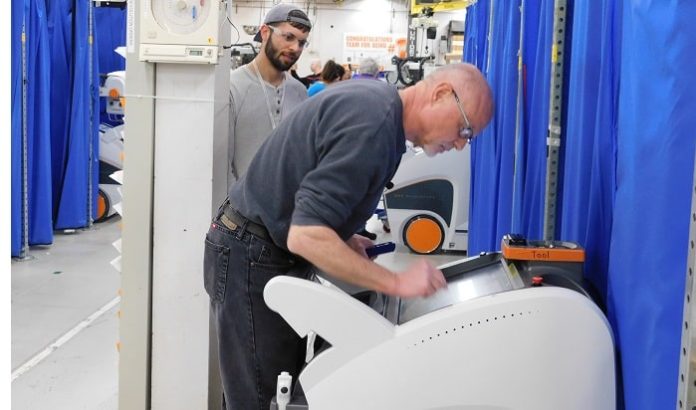
In response to the need for critical care during the COVID-19 crisis, Carestream Health has increased production of its portable diagnostic imaging systems.

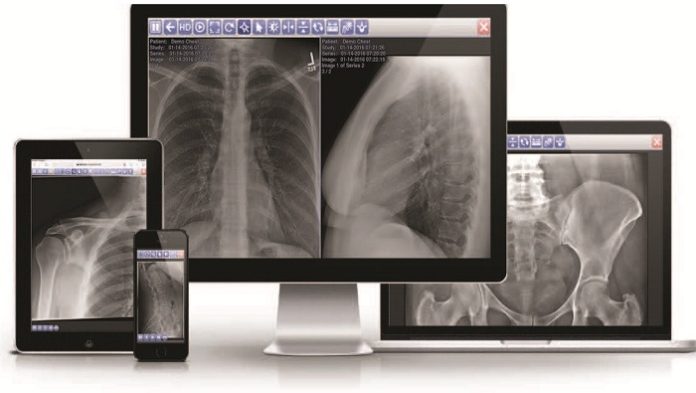
As unlikely facilities begin to function as urgent care units, Carestreamโ€™s DRX-Revolution Mobile X-ray System and DRX-Revolution Nano Mobile X-ray System bring the X-ray exam to the patientโ€™s bedside, delivering high-quality digital radiography images to healthcare providers in real time to aid in patient diagnosisโ€”whenever and wherever needed.

โ€œOur manufacturing plants and warehouses are operating at full capacity with employees putting in long hours and extra days to support the healthcare professionals who are on the front line of this exhausting fight,โ€ said Charlie Hicks, Carestreamโ€™s General Manager for Premium Tier Solutions. โ€œLikewise, Carestream suppliers and partners are ramping up production to help support this humanitarian crisis.โ€

With the current physical distancing measures in place, Carestreamโ€™s mobile solutions play an instrumental role in limiting the spread of infection by providing bedside chest imaging, which is vital for patients afflicted with the coronavirus, a disease that often results in a respiratory tract infection.

The DRX-Revolution system (see video link) has added features to help reduce contamination. Shelves located in each of the detector slots, within the bin, allow users to safely place protective bags on detectors. Flush-mounted displays limit fluid ingress and provide a smooth surface for easier disinfecting. Bar code scanners automatically input patient information when wristbands are scanned, allowing users to quickly start an exam with limited interaction between the patient and the equipment.

Carestreamโ€™s nonmotorized DRX-Revolution Nano Mobile X-ray System also provides chest and intensive care imaging, with a compact, lower-cost mobile unit and an ultra-lightweight design for easy maneuverability and arm positioning.

TELUS Health enables remote monitoring of recovering Covid-19 patients

TELUS Health enables remote monitoring of recovering Covid-19 patients

TELUS Health has expanded its Home Health Monitoring (HHM) solution to enable virtual support in British Columbia (B.C.), Canada amid the ongoing Covid-19 pandemic.

The solution has been deployed in alliance with the B.C. Ministry of Health and local health authorities. HHM will allow healthcare providers to digitally and remotely monitor patients who are recovering from Covid-19 infection in their own homes.

Healthcare providers can use the digital dashboard to monitor the symptoms and offer medical help for more patients. TELUS Health president and CEO Darren Entwistle said: โ€œAs we face the immense challenge of Covid-19, TELUS Health is committed to working alongside BCโ€™s healthcare leaders to expand the use of technology solutions like Home Health Monitoring to support more British Columbians while recovering at home.

โ€œBy enabling clinicians to remotely observe the vitals of patients with Covid-19, as well as those who are vulnerable to the virus, and provide necessary interventions early, we can reduce exposure and also help to alleviate the pressure in hospital emergency rooms and clinics.โ€

The solution, which is accessible via mobile, sends daily reminders to the patient to report their temperature, physical symptoms and health condition, among other biometrics. This information can be used to determine the patientโ€™s health status. Sorry, there are no polls available at the moment.

In addition, healthcare providers using TELUS Healthโ€™s solution can view information for several patients simultaneously, facilitating quick detection of those who require urgent care.

B.C. Ministry of Health Assistant Deputy Minister of Health Sector Information Management/Information Technology Corrie Barclay said: โ€œThe BC Ministry of Health has partnered with TELUS since 2013 to implement and evolve a provincial remote patient monitoring service for patients with chronic conditions.

โ€œOur investment has enabled us to act quickly to monitor our patients in isolation while also providing them with peace of mind, knowing that they are being monitored daily by their healthcare teams. TELUS Health is in discussions with health ministries in other provinces to expand the use of HHM technology across the country.

Translate ยป