Close
Digital Health & Ai Innovation summit 2026
Medical Taiwan 2026

Zydus Hospitals deploy healow Telehealth solution amid Covid-19

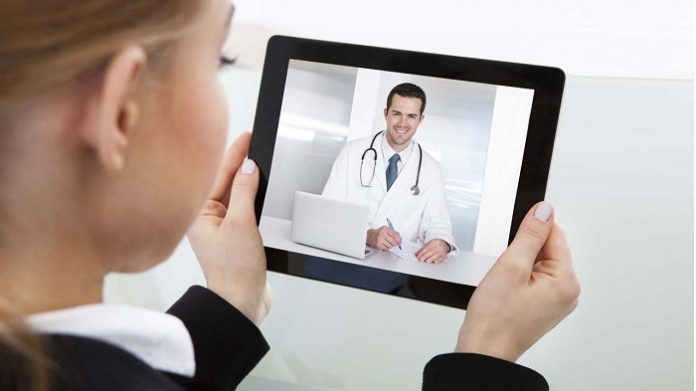
Zydus Hospitals in India has deployed health IT and online wellness solutions provider healow’s Telehealth solution amid the ongoing Covid-19 pandemic.

Hospitals and medical institutions can use healow Telehealth to conduct televisits and facilitate online care for patients. More than 30 hospitals in India have activated the telehealth solution within the first week of launch in the country, said healow. The solution is also being used in the US.

Commenting on the new solution, Zydus Hospitals chairman Pankaj Patel said: “We are connecting with patients and offering consultations from the safety of their homes.

“Even specialised consultations such as endocrinologists, pulmonologists, gastroenterologists or pediatric neurology can be conducted remotely, eliminating the risk of travel and contact with those infected with Covid-19.

“Moreover, we are eliminating the risk to our doctors, nurses and other caregivers as well.” healow Telehealth comes with no upfront cost and 24 hour deployments. It can be joined using a smartphone, laptop or desktop by following a link sent via SMS or email. Sorry, there are no polls available at the moment.

Patients can fill out questionnaires before the telehealth visit to enable a more productive visit, noted healow. In addition, the assessment can be optimised by patients providing their vitals on the healow platform prior to the appointment.

Patients will be able to review treatment and visit summary via a healow Telehealth portal. healow CEO and co-founder Girish Navani said: “With the national lockdown in India announced on 24 March, eClinicalWorks is proud to offer healow Telehealth services to physicians, expanding access to care for those who need it at any time, on any device and from anywhere.”

HCA Healthcare hospitals join plasma therapy study for Covid-19

HCA Healthcare hospitals join plasma therapy study for Covid-19

US-based HCA Healthcare has announced the participation of 172 of its affiliated hospitals in a national study of convalescent plasma as a potential treatment for Covid-19 patients.

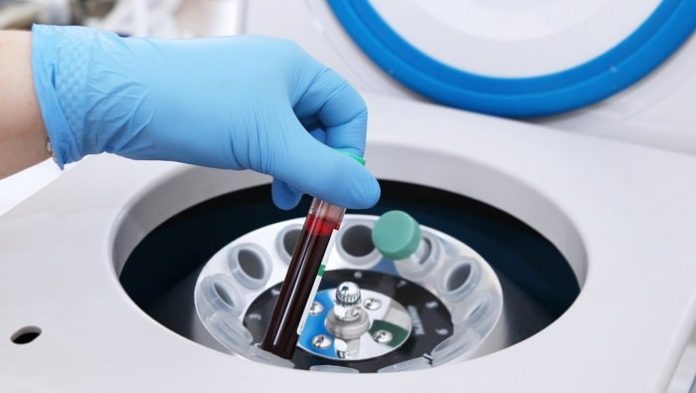
Convalescent plasma therapy approach involves collection of plasma from people who recovered from the viral infection. HCA Healthcare will contribute to the study using its clinical research expertise and national hospital network for quick collection and testing of plasma.

As part of the project, HCA Healthcare hospitals are seeking plasma donors in 20 states. The study is supported by the US Food and Drug Administration (FDA) and led by the Mayo Clinic, noted HCA Healthcare.

HCA Healthcare chief medical officer Dr Jonathan Perlin said: “As a learning healthcare system that serves communities across the country, we are proud to play a part in broader global public health initiatives, including this and other research, to identify effective Covid-19 treatments.

“We’re encouraging the communities HCA Healthcare serves to join us in this important effort to help identify donors.” Sorry, there are no polls available at the moment.

Sarah Cannon Research Institute, a clinical research organisation that performs community-based trials, is supporting HCA Healthcare’s participation in the Covid-19 study.

Sarah Cannon Research Institute clinical operations president and chief medical officer Howard Burris said: “We are aggressively working with our research partners to assess a variety of clinical studies for the diagnosis and treatment of Covid-19.

“The convalescent plasma study is focused on treating patients currently facing severe cases of Covid-19, by arming their immune systems with plasma that is rich in virus-fighting antibodies from individuals who have recently recovered.”

Previously, convalescent plasma was used to help prevent and treat infection during outbreaks of other coronaviruses, including such as SARS-1 and Middle East Respiratory Syndrome (MERS).

FDA Issues Final Guidance on Enforcement Policy for Imaging Systems during COVID-19

FDA Issues Final Guidance on Enforcement Policy for Imaging Systems during COVID-19

The FDA plays a critical role in protecting the United States from threats such as emerging infectious diseases, including the Coronavirus Disease 2019 (COVID-19) pandemic. FDA is committed to providing timely guidance to support response efforts to this pandemic.

FDA is issuing this guidance to provide a policy to help expand the availability and capability of medical x-ray, ultrasound, and magnetic resonance imaging systems, and image analysis software that are used to diagnose and monitor medical conditions while mitigating circumstances that could lead to patient, healthcare provider, and healthcare technology management (HTM) exposure to COVID-19 for the duration of the public health emergency declared by the Secretary of Health and Human Services (HHS) on January 31, 2020, effective January 27, 2020, and renewed for 90 days on April 21, 2020, effective April 26, 2020.

This policy is intended to remain in effect only for the duration of the public health emergency related to COVID-19 declared by the HHS, including any renewals made by the HHS Secretary in accordance with section 319(a)(2) of the Public Health Services Act (42 U.S.C. 247d(a)(2)).

Given this public health emergency, and as discussed in the Notice in the Federal Register of March 25, 2020, titled “Process for Making Available Guidance Documents Related to Coronavirus Disease 2019,” this guidance is being implemented without prior public comment because FDA has determined that prior public participation for this guidance is not feasible or appropriate (see section 701(h)(1)(C) of the Federal Food, Drug, and Cosmetic Act (FD&C Act) and 21 CFR 10.115(g)(2)). This guidance document is being implemented immediately, but it remains subject to comment in accordance with the Agency’s good guidance practices.

Cleveland Clinic and SAS share COVID-19 predictive models to help hospitals plan for current and future needs

Cleveland Clinic and SAS share COVID-19 predictive models to help hospitals plan for current and future needs

Cleveland Clinic is establishing the Center for Global and Emerging Pathogens Research to broaden understanding of emerging pathogens – ranging from Zika virus to SARS-CoV-2 (which causes COVID-19) – and to expedite critically needed treatments and vaccines.

The new center has been in the planning stages for 18 months and will span Cleveland Clinic’s Lerner Research Institute and the soon-to-open Cleveland Clinic Florida Research and Innovation Center (FRIC) in Port St. Lucie, Florida. A team of renowned experts will lead the center to advance research toward diseases such as COVID-19, highly pathogenic influenza, Dengue fever, AIDS and Zika virus-related conditions.

Cleveland Clinic Florida Research and Innovation Center (FRIC)

“Novel pathogens to which we have little or no immunity are a tremendous risk to global health,” said Serpil Erzurum, M.D., chair of the Lerner Research Institute. “We have some of the world’s top research experts in virology, immunology, genomics, population health and drug discovery coming together to form a team approach on infectious disease research.”

Leveraging Cleveland Clinic’s robust research infrastructure, the center’s researchers will uncover the scientific mechanisms of how SARS-Cov-2 and other pathogens cause disease. In addition, the researchers will closely collaborate with the newly established Cleveland Clinic BioRepository to have access to patient tissues and electronic medical record data through a large-scale secure database. The new center will be supported in large part by philanthropy.

The research team will collaborate with the drug developers at Lerner Research Institute’s Center for Therapeutics Discovery to rapidly translate research findings into life-saving therapies and experts in the Populations Health Research Center to understand socioeconomic factors that affect risk of infection and poor outcomes.

In light of the global pandemic and in anticipation of the new center’s opening, Cleveland Clinic is ramping up research related to COVID-19. A research registry of nearly 10,000 patients is collecting data from patients tested for COVID-19 at Cleveland Clinic and there are plans to integrate the data with the electronic medical record. The researchers will mine the data to inform other studies, such as the development of tools to predict risk and outcomes in patients.

Cleveland Clinic researchers published findings last month on a network-based prediction model using artificial intelligence to identify targets for drug repurposing in coronaviruses and COVID-19 specifically. Based on their findings, they prioritized 16 drugs and three drug combinations as potential treatments.

Other projects are uncovering how SARS-Cov-2 enters human cells, replicates and causes disease. A clinical trials committee has been formed to identify and prioritize the most promising therapies for mild to severe disease.

In partnership with Cleveland Clinic Florida, the new center will also conduct research at the Florida Research and Innovation Center building, a state-of-the-art research facility, complete with a biosafety level 3 laboratory anticipated to open in summer 2020. The facility features 107,000-square feet of high-tech laboratory and office space situated on eight acres of land.

“The new Florida Research and Innovation Center will complement and expand clinical research underway throughout Cleveland Clinic,” said Joseph Iannotti, M.D., Ph.D., Cleveland Clinic Florida’s Chief of Staff and Chief Academic and Innovation Officer. “Our vision is to create a research institute dedicated to taking bench discoveries and creating leading-edge diagnostics, preventatives and treatments for infectious disease, oncology and other pressing healthcare problems.”

“This new center will span our global healthcare system,” said James Young, M.D., Chief Academic Officer at Cleveland Clinic. “It will provide critical technologies and resources, empowering our clinicians and scientists to understand biological pathways and develop new treatments against the novel coronavirus and other dangerous pathogens.”

University of Glasgow leads COVID-19 research response in Scotland

University of Glasgow leads COVID-19 research response in Scotland

The MRC-University of Glasgow Centre for Virus Research (CVR) is at the heart of COVID-19 research response in Scotland and the UK.

Covid-19 is a new disease in humans, caused by a member of the coronavirus family of viruses. Thought to have originated in bats, it was first recorded in humans in China in late 2019, and can cause a fever, cough and breathing problems. Experts currently think around 80% of cases are mild, however a small portion of infected people go on to have complications such as pneumonia, and require a period of hospitalisation.

So far, it has spread to most countries around the world, and has already affected more than 300,000 people, several thousands in the UK. The WHO currently estimate the death rate at 3.4%, however scientists believe the real mortality rate may be lower as there is evidence that not everyone with mild forms of the disease have been tested.

Scientists at the CVR are working in partnership with colleagues across the UK on a range of research areas related to the new coronavirus, including working closely with colleagues in Public Health England to understand linkages across the UK in an effort to shut down ongoing transmission in real-time. Research areas include fundamental studies to understand the nature of SARS-CoV-2, the coronavirus which causes COVID-19, genomic sequencing and bioinformatics analyses of the virus from patient samples, and the identification of potential therapies.

The University of Glasgow is also hosting a major COVID-19 testing centre at our Clinical Innovation Zone at the Queen Elizabeth University Hospital campus. THe Lighthouse Lab in Glasgow, officially opened on 22 April and is made possible by collaboration and support from Scottish and UK Governments, NHS, industry partners and with the help of over 500 staff volunteers.

Professor Massimo Palmarini, Director of the CVR, said: “The CVR and its scientists are at the centre of Scotland’s – and the UK’s – response to the current coronavirus outbreak. As the largest group of virologists in the UK with the facilities to handle samples from infected patients, we are well placed to conduct pivotal research into emerging diseases such as COVID-19.

“In the coming weeks and months, our scientists will continue to work in collaboration with NHS Scotland, sequencing the virus, as well as conducting further research into SARS-CoV-2, its mechanisms of action and potential therapies.”

In early March 2020, CVR scientists working in partnership with the NHS Greater Glasgow & Clyde West of Scotland Specialist Virology Centre, rapidly sequenced the virus from the first COVID-19 patient confirmed in Scotland.

Professor Emma Thomson, Dr Ana Da Silva Filipe and a team of scientists at the Centre, will continue to rapidly sequence SARS-CoV-2 virus from COVID-19 samples obtained from patients, from across Scotland, as long as the outbreak lasts. This genomic information will be made publically available immediately following sequencing and genomic analysis.

The rapid sequencing of COVID-19 samples is essential to further research into the virus. Scientists from around the world are able to extract information from the genetic code – or blueprint – of this new coronavirus, that will ultimately help the creation of vaccines.

Dr Ana Filipe, Head of the CVR’s Viral Genomics facility who led the efforts to rapidly sequence this virus said: “The rapid turnaround of the sample and interpretation of the data was only possible due to excellent coordination between clinicians, diagnostic labs, and research partners. These collaborations are critically important to ensuring an effective response to outbreaks like this. Equally important is the trend of open sharing of reagents and protocols amongst researchers and the public sharing of sequencing data, which has been a defining feature of the response to recent viral epidemics”.

Speaking in the media recently, Professor Emma Thomson said: “We know that we need to respond rapidly to this outbreak, which is why this laboratory has taken the decision to prioritise efforts to sequence and understand this virus.”

The CVR is also a partner in the International Severe Acute Respiratory and Emerging Infection Consortium (ISARIC), while Dr Antonia Ho – a Clinical Senior Lecturer at the CVR and Honorary Consultant in Infectious Diseases – is currently coordinating the recruitment of Scottish patients to the ISARIC UK Clinical Characterisation Protocol., The study aims to answer urgent questions on how to treat patients and control the outbreak in the UK. CVR will act as the repository for samples from patients recruited to this protocol in Scotland, and will undertake full genome sequencing of SARS-CoV-2 from these samples.

Dr Ho said: “This coronavirus is a new virus, to which none of us have prior immunity to. Therefore, most of the UK population are susceptible. It appears to be very infectious – much more so than flu – as evident by the high number of healthcare workers that have been infected.

“We should be worried but there is no need to panic. For the UK public, frequent handwashing, good cough and sneezing etiquette, avoid touching your face and close contact with anyone who appear unwell remains the key measures to avoid infection. Furthermore, keep up-to-date with evolving FCO travel advice and Government advice, look after vulnerable family members and friends, and ensure you are up-to-date with vaccinations.”

The CVR is also working to develop a toolbox of reagents that will help current and future studies of this virus. This includes a partnership with the MRC Phosphorylation Unit at the University of Dundee to generate antibodies against SARS-CoV-2. All of these reagents will be made available to the research community.

The MRC-University of Glasgow Centre for Virus Research (CVR) was established in 2010 and represents the UK’s largest grouping of human and veterinary virologists. The CVR is embedded within the Institute of Infection, Immunity and Inflammation at the University of Glasgow which provides excellent research opportunities to investigate virus-host interactions and immune response to virus infection. The Centre is funded by the Medical Research Council, the UK’s leading publicly funded biomedical research organisation, and by a variety of other funding bodies including the Wellcome Trust, the BBSRC, EU and others.


Oxford University Spin-out Begins Search for 10,000 X-rays to Help Predict Outcome for COVID-19

Oxford University Spin-out Begins Search for 10,000 X-rays to Help Predict Outcome for COVID-19

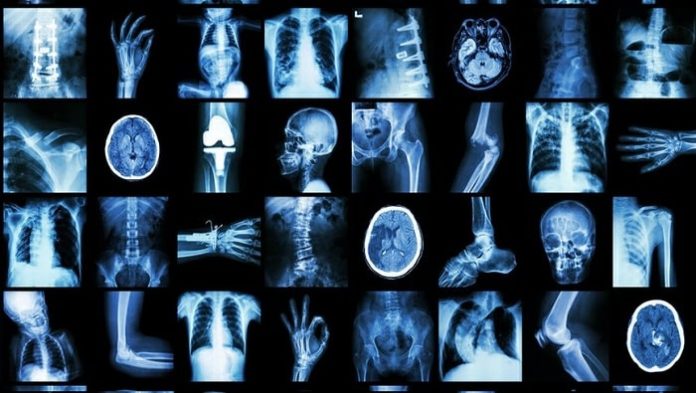
Zegami, the Oxford University data visualization spin-out, has announced it has written to the health ministers of ten countries asking them to provide X-rays of COVID-19 infected lungs. A diverse set of example images are needed in order to build a more robust machine learning model, a form of artificial intelligence, to assist health professionals identify cases of COVID-19. The use of artificial intelligence like this has the potential to provide better outcomes for patients and even lead to more effective treatments, if it can become fully operational.

To date, Zegami has access to 226 X-rays of COVID-19 infected lungs but needs around 10,000. Zegami, which is offering its services for free in the fight against coronavirus, says its new model could not only help identify and differentiate COVID-19 cases more easily from other lung conditions such as bacterial pneumonia and viral pneumonia, it could also help predict potential outcomes for patients by comparing their COVID-19 lung X-rays with other previous patients who had similar conditions, and what eventually happened to them based on different treatment options.

In developing its new platform, Zegami has initially used images of COVID-19 X-rays from the GitHub data initiative, which was launched by Joseph Paul Cohen, a Postdoctoral Fellow from Mila, University of Montreal. He is looking to develop the world’s largest collection of X-ray and CT images of COVID-19 infected lungs, to enable automated diagnosis faster and more accurately.

Roger Noble, CEO and founder of Zegami said: “The fight against COVID-19 is a global one so we have written to the health ministers of a number of countries asking if they can help us with the development of our new platform. As soon as we have enough x-rays it will be fully up and running and we hope ready to play a key role in supporting medical and technical professionals in their battle with this disease.”

Zegami launched out of Oxford University in 2016. It is currently exploring new ideas and making new discoveries for 35 clients and counting, across an ever-growing variety of sectors.

Canada’s IUHSSC completes mobile hospital for Covid-19 patients

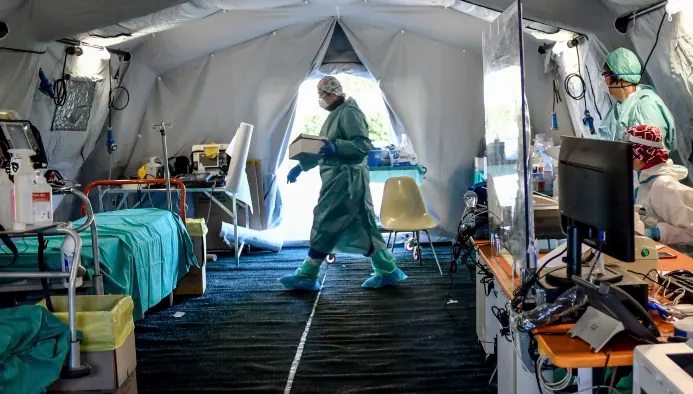
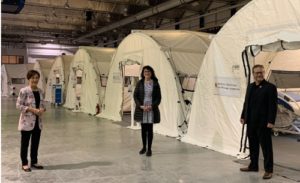
Montreal West Island IUHSSC in Canada has completed a mobile hospital to offer increased treatment capacity for patients with Covid-19. Teams at CIUSSS partnered with Canadian Red Cross and the borough of LaSalle to work on the mobile hospital since 15 April.

The temporary hospital is situated within the Aréna Jacques-Lemaire near the Hôpital de LaSalle. It can accept up to 40 Covid-19 patients from long-term care centres (CHSLDs).

It is expected that the new facility will help support the public and private long-term care centres, along with the private seniors’ residences on the IUHSSC territory needing transfer of Covid-19 patients who require hospitalisation.

Currently, IUHSSC teams are working to build spaces for the staff who will care for patients and to configure medical equipment. The teams will also disinfect the site completely in order to be prepared to accept initial patients within a few days.

In a statement, CIUSSS said: “This complex project has come together thanks to the exceptional work of our IUHSSC’s teams, who have essentially created a complete village. Sorry, there are no polls available at the moment.

“The expertise and efforts of all those who contributed to the creation of this mobile hospital allow us to anticipate the needs on the territory of our IUHSSC while also limiting the spread.

“The priority remains unchanged: ensuring the health and safety of patients, users, clients, and residents, civilians and veterans, as well as staff.” Currently, patients needing to be transferred are sent to Covid-19 care units at the Hôpital de LaSalle. The mobile hospital will help cater to patients when the institution exceeds its capacity.

Baxter Obtains U.S. FDA Emergency Use Authorization for Oxiris Blood Purification Filter for COVID-19 Treatment

Baxter Obtains U.S. FDA Emergency Use Authorization for Oxiris Blood Purification Filter for COVID-19 Treatment

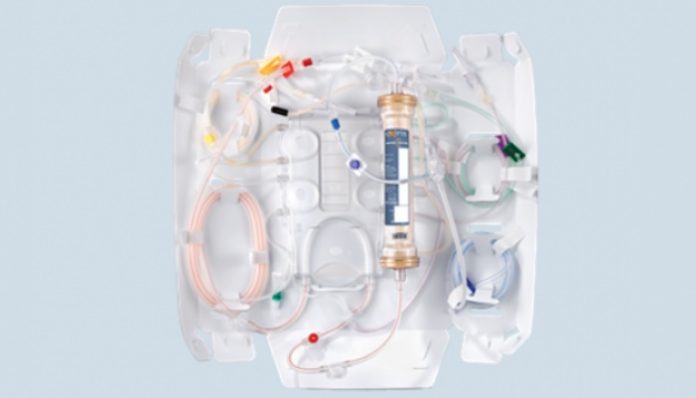
Baxter International Inc. , a global leader in acute care, announced it has received EUA from the U.S. FDA for the company’s Oxiris filter set to treat patients who have confirmed COVID-19 and have been admitted to the intensive care unit (ICU) with confirmed or imminent respiratory failure in need of blood purification therapy to reduce pro-inflammatory cytokine levels, including use in continuous renal replacement therapy (CRRT).

“We are doing whatever it takes to support healthcare providers as they care for patients during extraordinary circumstances. Oxiris offers a new tool in the COVID-19 fight while supplementing our overall supply of filters for blood purification therapies,” said José (Joe) E. Almeida, chairman and chief executive officer. “We are grateful for the FDA’s collaboration and support to make Oxiris available as quickly as possible to the influx of patients who are critically ill from COVID-19.”

In severe cases of COVID-19, patients may develop acute kidney injury (AKI), a condition where the kidneys suddenly stop working, and/or cytokine storms, which occur when high levels of the inflammatory mediators circulate in the blood as an intense immune reaction to the virus. Both conditions can be life-threatening and require intervention. Early studies suggest that 15 to 30% of patients with severe forms of COVID-19 are developing AKI,1 while 67% of severely ill patients with COVID-19 infection may present with additional organ dysfunction syndromes that could be induced by a high level of circulating cytokines.2

During blood purification therapy, the patient’s blood passes through the Oxiris filter set, where it then removes cytokines, endotoxin, fluid and uremic toxins simultaneously, before returning the patient’s blood to the body. Oxiris is the only filter set available in the U.S. that can be used to perform multiple blood purification therapies simultaneously, including CRRT and cytokine removal. When Oxiris is used, there is no change to traditional CRRT set up and delivery and no additional equipment is required for removal of inflammatory mediators. Unlike other products, Oxiris does not require the use of a second CRRT filter or adsorber, which can help conserve resources.

Oxiris is currently in use across countries in Europe and Asia and has been used for more than 10 years to treat thousands of patients. Oxiris has been validated for use with Baxter’s leading PrisMax and Prismaflex systems. PrisMax, which was launched in the U.S. in 2019, is the company’s next-generation blood purification platform that helps simplify therapy delivery, while providing hospitals the flexibility to meet the unique demands of the ICU.

A small initial shipment of Oxiris will be available in the U.S. immediately, with more significant production ramping up throughout the coming weeks and months.

Increasing Product Supply & Distribution to Respond to COVID-19

Baxter is maximizing production of its CRRT machines, fluids and sets to help address unprecedented surges in demand for its acute dialysis products in Europe and the U.S. The company has added multiple work shifts, with all facilities manufacturing products used in COVID-19 patient care running 24 hours a day, seven days a week. The company is partnering with vendors on a component-by-component basis to procure additional raw materials and parts to support increased production. In addition, Baxter has partnered with its logistics providers to fly critically needed medical devices and medicines back and forth between the U.S. and Europe. Flights started this past weekend, and the company expects the equivalent of one cargo plane per day will be transporting products for the next three weeks. This will accelerate the availability of products for patient care over the second quarter. Read more about our response here.

About Baxter
Every day, millions of patients and caregivers rely on Baxter’s leading portfolio of critical care, nutrition, renal, hospital and surgical products. For more than 85 years, we’ve been operating at the critical intersection where innovations that save and sustain lives meet the healthcare providers that make it happen. With products, technologies and therapies available in more than 100 countries, Baxter’s employees worldwide are now building upon the company’s rich heritage of medical breakthroughs to advance the next generation of transformative healthcare innovations.

InterSystems Partner WellSky International Provides Digital Support Services to the NHS During the COVID-19 outbreak

InterSystems Partner WellSky International Provides Digital Support Services to the NHS During the COVID-19 outbreak

WellSky International Ltd, providers of medicine management solutions (Pharmacy, EPMA and Chemotherapy) to the United Kingdom’s National Health Service (NHS), has sought to take a proactive role in supporting the NHS during the COVID-19 pandemic.

In the spirit of the greater good, WellSky has contacted its customers who are actively involved in the creation of field hospitals across the UK. WellSky realized pharmacy services would be required at these facilities and offered additional services and support. This includes software license extensions from WellSky and its partners, at no additional cost, to facilitate the rapid service provision needed.

In setting up the pharmacy services at NHS Nightingale, WellSky assisted the team at Barts Health NHS Trust including interfaces with existing robotic units whilst the creation of the required drug file consisting of 4,000 drugs was created in a single day. What was once the Boulevard in the Excel Exhibition Centre is now a fully functioning pharmacy. The team at Bart’s Hospital are delivering the daily pharmacy services in conjunction with additional staff recruited for the field hospital.

Naheed Phul, Deputy Chief Pharmacist Barts said, “The Nightingale Hospital Pharmacy team are grateful for the support that Wellsky provided to set up WellSky Pharmacy on the Barts Health NHS Trust system. Within a week we implemented WellSky Pharmacy on site, a project that usually takes weeks, if not months! We are now able to order stock to The Nightingale Hospital directly. This is vital given that we are expecting almost 4,000 patients.”

Whilst the NHS Nightingale at the Excel Exhibition Centre in London is the first field hospital to open its doors, further NHS Nightingale facilities are in active development across the UK. These include an up to 5,000 bed facility at the NEC in Birmingham, in conjunction with University Hospital Birmingham. Bristol will have a 1,000-bed field hospital, whilst Glasgow, Manchester, Cardiff and Harrogate field hospitals are also in development.

WellSky has approached its existing customers where they are involved in these facilities offering technical assistance to facilitate the deployment of medicines management services to the NHS at this time of exceptional demand.

Many other Trusts and Health Boards are also expanding their capacity, several of which currently utilize the WellSky Pharmacy and EPMA solutions and we are working closely with them to assist and facilitate the provision of medicine management services.

The InterSystems IRIS for Health data platform is an integral part of the overall WellSky Pharmacy solution. InterSystems are actively supporting the extension of our services, by waiving their additional license fees, as a gesture of solidarity and support for the NHS. “InterSystems is working with our long term partner WellSky to support the urgent needs of the Nightingale London Hospital, at a critical time for the service” says Chris Norton, InterSystems UK&I Managing Director, “this is a time when well established, trusted partnerships can make a difference.”

Similar support has been offered by First Databank (FDB), providers of the clinical decision support functionality of the WellSky EPMA system, to enable free license extension at hospitals that wish to implement EPMA at these new facilities.

In an address to the nation earlier this month Prime Minister Boris Johnson singled out Pharmacy staff, both hospital and community based, for their efforts in ensuring the efficient and safe supply of medicines in extremely unusual and difficult circumstances.

Robert Tysall-Blay, CEO, WellSky International stated: “We wish the Prime Minister a speedy recovery. WellSky, and our partners InterSystems and FDB are pleased to support NHS Pharmacists and all healthcare staff working at the front line of the NHS in delivering essential medicines management services safely and efficiently during these unprecedented time.”

About InterSystems

InterSystems is the engine behind the world’s most important applications. In healthcare, finance, government, and other sectors where lives and livelihoods are at stake, InterSystems is the power behind what mattersTM. Founded in 1978, InterSystems is a privately held company headquartered in Cambridge, Massachusetts (USA), with offices worldwide, and its software products are used daily by millions of people in more than 80 countries.

Vela Diagnostics Receives CE mark for COVID-19 Detection Test

Vela Diagnostics Receives CE mark for COVID-19 Detection Test

Vela Diagnostics announced that the manual version of the ViroKey SARS-CoV-2 RT-PCR Test has received the CE mark for in vitro diagnostic use. The test detects SARS-CoV-2 in patients suspected of COVID-19 by their healthcare providers.

The ViroKey™ SARS-CoV-2 RT-PCR Test is a probe-based reverse transcription PCR Test that detects SARS-CoV-2 by targeting conserved regions of the SARS-CoV-2 genome. The manual version of the assay enables quick adoption of the test by laboratories with existing Applied Biosystems 7500 Fast Dx (ABI 7500 Fast Dx) instruments.

“The CE mark enables Vela Diagnostics to expand COVID-19 testing capacity in Europe, where there is an urgent need to identify individuals infected with SARS-CoV-2,” said Sam Dajani, acting CEO and Chairman of the Board.

Vela Diagnostics has also developed an automated version of the test which is slated for CE-IVD registration in April 2020. The automated ViroKey™ SARS-CoV-2 RT-PCR Test is optimized for a workflow consisting of the Sentosa™SX101 instrument, in conjunction with the Sentosa™ SA201 instrument or the ABI 7500 Fast Dx.

About Vela Diagnostics

Vela Diagnostics is a leading provider of an automated IVD Next–Generation Sequencing (NGS) workflow in the global diagnostics market. VELA’s real-time PCR and NGS applications are available on an integrated Sentosa™ platform; this provides a unique ability to leverage one system for two workflows, while carrying out tests for various targets in order to answer current clinical and research questions, as well as to drive laboratory operational efficiency.

All Sentosa™ products listed above are by Vela Diagnostics. For more information, visit www.veladx.com.

Translate »