Close
Digital Health & Ai Innovation summit 2026
Medical Taiwan 2026

FDA Grants ALung EUA to the Hemolung Respiratory Assist System (RAS) for the Treatment of COVID-19

 FDA Grants ALung EUA to the Hemolung Respiratory Assist System (RAS) for the Treatment of COVID-19

ALung Technologies, Inc., the leading provider of low-flow extracorporeal carbon dioxide removal (ECCO2R) technologies for treating patients with acute respiratory failure, announced that the FDA has granted the Company Emergency Use Authorization (EUA) designation to the Hemolungยฎ Respiratory Assist System (RAS) for the treatment of Coronavirus Disease 2019 (COVID-19) patients. ALung has treated numerous COVID-19 patients in the U.S. under existing FDA Emergency Use Provisions, and in the European Union, where the Company is approved having been granted their CE Mark in 2013.

The Hemolungยฎ RAS is currently being used in the FDA approved VENT-AVOID trial for the study of ECCO2R in the treatment of Acute Exacerbation of Chronic Obstructive Pulmonary Disease (AE-COPD). In addition, the Hemolung RAS and ECCO2R have been studied for the treatment of moderate to severe Acute Respiratory Distress Syndrome (ARDS) in the just concluded UK REST trial, which enrolled 412 patients.

A public health emergency related to COVID-19 was declared by the Secretary of Health and Human Services (HHS) on February 4, 2020. The FDA has issued an EUA for the Hemolung RAS to treat lung failure caused by COVID-19. As indicated in the FDAโ€™s EUA letter to ALung, the Hemolung RAS is not FDA-cleared or approved, and there are no FDA-approved or cleared device treatments for lung failure caused by COVID-19. ALung submitted and the FDA reviewed in vitro and in vivo information in support of ALungโ€™s ongoing U.S. VENT-AVOID clinical trial for the Hemolung RAS as well as additional information about clinical use of the Hemolung RAS outside the U.S., and additional biocompatibility, cytotoxicity, and performance testing.

Based on the information submitted, the FDA stated that it believes the Hemolung RAS has the potential to treat lung failure as an adjunct to noninvasive or invasive mechanical ventilation, to reduce hypercapnia and hypercapnic acidosis due to COVID-19, and/or to maintain normalized levels of partial pressure of carbon dioxide(PCO2) and pH in patients suffering from acute, reversible respiratory failure due to COVID-19 for whom ventilation of CO2 cannot be adequately, safely, or tolerably achieved and, in turn, may provide clinical benefit, and that there is no adequate, approved and available alternative to the emergency use of the Hemolung RAS to treat lung failure caused by COVID-19.

โ€œWe are pleased with the FDAโ€™s recognition that the Hemolung may be beneficial in the treatment of COVID-19 by removal of CO2 directly from the blood during extracorporeal therapy,โ€ said Mr. Peter M. DeComo, Chairman and CEO of ALung Technologies.

Mr. DeComo further stated, โ€œWith published mortality rates as high as 90% for patients receiving invasive mechanical ventilation (IMV), we believe that the Hemolung can be a valuable tool for physicians to be used in conjunction with IMV, by reducing or eliminating the potential of further lung damage caused by high ventilator driving pressures, often referred to as Ventilator Induced Lung Injury (VILI). Many of the academic medical centers involved with our clinical trial have already requested the use of the Hemolung RAS for treatment of their COVID-19 patients.โ€

About ALung Technologies

ALung Technologies, Inc. is a privately held Pittsburgh-based developer and manufacturer of innovative lung assist devices. Founded in 1997 as a spin-out of the University of Pittsburgh, ALung has developed the Hemolung RAS as a dialysis-like alternative or supplement to mechanical ventilation. ALung is backed by Philips, UPMC Enterprises, Abiomed, The Accelerator Fund, Allos Ventures, Birchmere Ventures, Blue Tree Ventures, Eagle Ventures, Riverfront Ventures, West Capital Advisors, and other individual investors.

Dispensing Cleanliness During an Outbreak or Pandemic

Dispensing Cleanliness During an Outbreak or Pandemic

Due to the global pandemic caused by coronavirus disease 2019 (COVID-19), Hydro Systems, a world leader in chemical dispensing equipment, software and services, has published an educational white paper, โ€œDispensing Cleanliness During an Outbreak or Pandemic.โ€ The white paper discusses the current state of the pandemic, cleaning best practices and the benefits of using chemical dispensing systems to combat an outbreak.

The white paper is available for download at https://hydrosystemsco.com/wp-content/uploads/2020/03/Coronavirus-White-Paper_U.S._FINAL.pdf

โ€œFrom schools to hotels to office buildings, every facility in the U.S. has been impacted by COVID-19 in some shape or form and now requires frequent cleaning to mitigate the spread of infection,โ€ said Matt Hayas, Global Product Manager, Hydro Systems. โ€œOur free white paper provides insight on promoting health and wellness through cleaning, disinfecting and sanitising, while also outlining the effective role chemical dispensers can play before, during and after an outbreak.โ€

Ideal for facility managers and cleaning professionals, Hydroโ€™s white paper outlines strategies for dealing with the current pandemic, as well as preparing for future outbreaks. It emphasises the importance of using the right cleaning chemicals and tools and also discusses dispensing system best practices, including how to select, install and maintain the system for years to come.

To download the free white paper, visitย https://hydrosystemsco.com/wp-content/uploads/2020/03/Coronavirus-White-Paper_U.S._FINAL.pdf

For more information about Hydro Systems, visit https://hydrosystemseurope.com/

Siemens Healthineers to expand SARS-CoV-2 testing to include a total antibody test to aid in the COVID-19 pandemic

Siemens Healthineers to expand SARS-CoV-2 testing to include a total antibody test to aid in the COVID-19 pandemic

Siemens Healthineers announced it is significantly expanding its infectious disease testing capabilities to aid in the COVID-19 pandemic. Recognizing the critical need for accurate diagnostic testing to manage COVID-19, the company has developed a laboratory-based total antibody test1 to detect the presence of SARS-CoV-2 antibodies in blood. This total antibody test will provide a clear view of patientsโ€™ disease progression by identifying Individuals infected with the virus who have developed an immune response to the virus, even if they were asymptomatic or never diagnosed with the disease. The test, which detects both IgM and IgG antibodies, has demonstrated specificity and sensitivity of greater than 99 percent.

Siemens Healthineers anticipates availability of the total antibody test by late May 2020. Planned expanded production in the companyโ€™s Walpole, Massachusetts manufacturing facility will accommodate more than 25 million tests per month in June and beyond. The company is pursuing Emergency Use Authorization (EUA) from the U.S. Food and Drug Administration (FDA) as well as the CE Mark.

The test will be available on the Atellica Solution immunoassay analyzer, which can run up to 440 tests per hour2 and will enable a result in just 14 minutes. In addition, the serology test also is expected to be available on the companyโ€™s expansive installed base of ADVIA Centaur XP and XPT analyzers, which deliver up to 240 tests per hour, with a result in 18 minutes. Availability of this test on these industry leading platforms ensures more patients are tested in a shorter time.

โ€œSiemens Healthineers is working diligently to address the need for high-quality tests in the fight against COVID-19. This test is being designed with the precision and controls, sensitivity and specificity that laboratories have come to expect from our immunoassay tests,โ€ said Deepak Nath, PhD, President, Laboratory Diagnostics, Siemens Healthineers. โ€œI am especially proud of the dedication of our colleagues involved in development of this testโ€”many of whom are based at the U.S. epicenter of the pandemic.โ€

The test will join a robust diagnostics portfolio from Siemens Healthineers currently aiding in the prognosis, treatment and follow up of COVID-19 patients. For example, the molecular Fast Track Diagnostics (FTD) SARS-CoV-2 test kit is used to aid in the diagnosis of infection by the SARS-CoV-2 virus that causes the COVID-19 disease.3 Additionally, the companyโ€™s imaging, blood gas, and broad and differentiated menu of tests, including D-Dimer, provide actionable results that aid in the care of acute infected patients.

Comparable tests for Siemens Healthineers Dimension Vista and Dimension EXL systems are being pursued in the coming weeks with a view to further expand clinical reach. In addition, the company intends to develop an IgG test to provide flexibility for testing needs as the pandemic evolves.

We Need to Increase Access to Neonatal Innovations

We Need to Increase Access to Neonatal Innovations

These days, innovations in reproductive medicine have made the miracle of life just a shade more miraculous. With the advanced fertility treatments like IVF and egg banking, parents can choose to defer parenthood until later in life and, if they struggle with age-related infertility, boost their chances of conceiving when they do. However, these advancements arenโ€™t without their concerns; in many cases, fertility treatments can have significant care and cost implications for families, payers, and providers alike. These have been largely unaddressed thus far — but will soon need to be, given the increasing accessibility and popularity of advanced fertility care.

The trend towards later parenthood — and the corresponding uptick in fertility care utilization — is well-document According to research recently published in the New York Times, the average age of first-time mothers today is 26, up from 21 in 1972. For women with college degrees, the average age climbs even higher, to just above 30. Millennial women seem primed to continue the pattern — one study conducted by the Pew Research Center in 2010 reported that 52% of Millennials โ€œsaid [parenting] was one of the most important goals in their lives.โ€

Parents today want children — but they want them after they finish college and establish their careers. However, the choice to defer parenthood can come with significant fertility implications. While the female โ€œfertility cliffโ€ has been somewhat hyperbolized in popular discourse, research published by the American College of Obstetricians and Gynecologists does indicate that: โ€œThe fecundity of women decreases gradually but significantly beginning approximately at age 32 years and decreases more rapidly after age 37 years.โ€ To restate: women who delay parenthood can have children, but their likelihood of conceiving sharply tapers off once they approach their mid-thirties, and continues to drop in the years that follow.

Given both the trend towards later parenthood and the fertility concerns that tend to occur with older parents, it makes sense that those who wait to start families are likely to have an increased need for fertility treatments such as egg banking and IVF cost coverage. Interestingly, some tech companies have attuned to this need and begun offering reproductive care coverage as a benefit. Pinterest, for example, covers up to four rounds of IVF for their employees. Similarly, Google pays for three rounds and genetic testing, while Microsoft offers to pay for up to three treatment cycles, egg freezing, and genetic testing. Given that the cost of such fertility treatments is often high to the point of inaccessibility — the reproductive education platform Fertility IQ estimates the total cost of IVF comes to $51,000 on average — these benefits stand to significantly boost access to advanced fertility care, especially if other employers follow techโ€™s example.

Increased accessibility will allow more families to have children later — and the care and cost concerns that so often accompany medically-assisted conception will become more prevalent as they do. Parents who use IVF to conceive tend to have more multiple births and higher risk for premature delivery. Currently, over 40% of all IVF deliveries in the U.S. are twins or higher; this results because fertility doctors often transfer multiple embryos during treatment. For older parents, carrying two or more fetuses to term can present a greater strain on mothers and babies alike.

Babies of older parents are also often born early; one 2018 Canadian study found that even after adjusting for known factors, mothers over 40 years of age faced a significant risk of preterm births. Early births can, in turn, create costly complications for babies and parents alike. According to a study recently published in the American Academy of Pediatriciansโ€™ Pediatrics, preterm births cost plans an average of $600 million during the first year of birth. Researchers also estimated that โ€œ7.7% of insured infants born preterm accounted for 37% of $2.0 billion spent by participating plans on the care of infants born during 2013.โ€

Given that the trend towards later parenthood seems likely to continue, that access to fertility treatments will improve as a result of increased employer coverage, and that fertility interventions will continue to have cost and care repercussions, reproductive care providers will need to implement measures that will ensure that parents who defer pregnancy can still experience healthy and affordable pregnancies.

Encourage Egg Banking

Egg banking allows parents who know that they want to defer parenthood to take proactive measures to preserve their eggs and potentially facilitate a healthier pregnancy when they ultimately decide to have children. Egg banking can also maintain a parentโ€™s ability to have biological children if they need fertility-threatening treatments such as chemotherapy. Employers and payers should encourage and incentivize egg banking to help facilitate healthier fetal development and lower costs during pregnancy.

Prioritize Selectivity During Embryo Transfers

As mentioned earlier, fertility doctors tend to transfer multiple embryos in the hopes of achieving a successful pregnancy; however, research indicates that the additional transfers may not be necessary — or worth the risks that so often accompany multiple births. One study published in the 2016 issue of Fertility and Sterility found that โ€œtransferring a single embryo in women younger than 38 resulted in a marked reduction in multiple birthrates but no decline in live birthrates.โ€ This finding underscores how unnecessary the risks that transferring multiple embryos can pose; mothers who have premature deliveries are more likely to develop complications such as gestational diabetes, high blood pressure, pre-eclampsia, and prolonged hospitalization.

With all this in mind, it seems imperative that fertility doctors should be more selective about the embryos they choose and only transfer single embryos during IVF rounds to avoid the risks and costs that multiple births pose.

Create Initiatives for Patient Education

Currently, most providersโ€™ approach to fertility is care is reactive; fertility doctors recommend care only after a patient steps forward to request their assistance. However, if providers were to have a more proactive responsibility in the process by educating women about their reproductive options and actions they can take to more safely defer parenthood — egg banking, single embryo transfers, etc. — their patients will enjoy a higher chance of having successful and affordable pregnancies.

The advances in reproductive care that we enjoy today are invaluable, and will almost certainly grow in utilization as they become more accessible and necessary for the increasing number of patients who defer parenthood. However, merely providing fertility treatments isnโ€™t enough; payers and providers alike need to take steps to check the side effects these innovations pose and ensure parents who delay starting a family have a fair shot at experiencing healthy and affordable pregnancies.

About Lawrence Leisure

Lawrence Leisure is a founding partner at Chicago Pacific Founders, a private equity firm which invests exclusively within the healthcare sector. He has over 30 years of experience in the health and managed care industry. He serves as the Chairman of ADVI, one of the nationโ€™s premier health services consulting firms, and previously served as an operating partner of, and currently serves as a senior advisor to, the leading venture capital firm Kleiner, Perkins, Caulfield & Byers.


India’s initiative to set Digital Health Standards

Digital Health

National Accreditation Board for Hospitals and Healthcare Providers (NABH) has initiated the work on standards for digital health by setting a committee on digital health standards . This is the first initiative of its kind in the world to accredit digital health providers, and NABH has roped in the top global expert Prof. Rajendra Pratap Gupta to lead this exercise of defining the digital health standards.

Prof. Rajendra has been at the forefront for driving the adoption of digital technologies globally, and played a key role at the World Health Organization (WHO) in drafting the first-ever guidelines for Digital Health released last year. He is also on the core team, which developed the Global Digital Health Index (GDHI) besides being a co-author of the Global eObservatory Report of the WHO. His tenure as the advisor to the Union Health Minister led to path breaking policy initiatives, and his imprint is visible in the major initiatives of the Modi Government as the policy points-man for the Government, who has driven paradigm policy shifts across sectors since 2014. He was also on the nine-member committee entrusted to draft the national education policy.

Prof. Rajendra has global exposure and is known for his innovative and futuristic thinking, and I am sure this committee will set a truly global standard under his leadership, commented one committee member requesting anonymity.

Dr. Atul Mohan Kochhar is the CEO, NABH will serve as a member secretary to the committee, which shows that the committee is a serious focus area for the Government.

The NABH Digital Health Standards aim to consider all relevant aspects of the application of patient interfacing technologies across the continuum of care (for Health & Wellness) applicable for outpatient, inpatient, and remote patient monitoring. It will encompass SOPs and guidelines for standardizing/defining the processes with the overarching goal of ensuring patient safety and quality of care.

Digital Health Standards may also consider; a) standards with regards to legal obligations, interoperability and communication standards, privacy, and data security, remote monitoring, mobile apps, and other associated activities and fields.

The committee comprises experts from across the continuum of care in the field of digital health.

NABH has been leading Indiaโ€™s program for health quality improvement and was established in 2006, and is committed to supporting the improvement of quality of healthcare service in the country for all strata of the population through various methodologies and tools to supplement the efforts of the providers of healthcare service.

RxMx Builds Chameleon Technology Platform on InterSystems IRIS for Health to Accelerate the Safe Use of Medicines Globally

RxMx Builds Chameleon Technology Platform on InterSystems IRIS for Health

InterSystems, a creative data technology provider dedicated to helping customers solve the most critical scalability, interoperability, and speed problems, announced that fast-growing global healthtech company RxMx has built its new Chameleon platform onย InterSystems IRIS for Healthโ„ข,ย enabling pharmaceutical companies to more efficiently support the safe use of medicines around the world and powering a new COVID-19 testing and monitoring solution,ย Certify Covid Clear, for U.S. employers.

The RxMx Chameleon platform delivers automated risk management to keep patients safe, integrating with clinical laboratories and other data sources to analyse information in real time. Portals and apps tailored to the needs of doctors, care teams and patients call attention to critical action-requiring items and provide a community of support for patient monitoring.

RxMx leveraged Chameleon โ€“ built on IRIS for Health โ€“ to rapidly develop Certify Covid Clear in partnership with physicians, public health experts and leading clinical laboratories. It provides access to diagnostic testing, providing U.S. employers with a secure digital platform to track and manage clinical data to verify which employees are safe to return to work and when.

RxMx also offers configurable platforms for pharmaceutical companies to support specialty medicine regimes requiring regular testing and monitoring of patients. These systems typically detect at-risk patients and provide reminders and notifications to doctors, nurses and patients via emails, texts and mobile apps.

InterSystems IRIS for Health is the worldโ€™s first and only data platform engineered specifically for the rapid development of healthcare applications to manage the worldโ€™s most critical data. It empowers healthcare organisations with a unified data platform that combines analytical and transaction processing with native interoperability for all data types. With the ability to rapidly scale and manage both heterogeneous data and fast data, InterSystems IRIS for Health accelerates development cycles to meet the data demands of the modern organisation.

With Chameleon, RxMx has placed greater focus on being a product-based company with a single agile platform that can be condivd to meet each clientโ€™s requirements without software development. Underpinning this is InterSystems IRIS for Health and its ability to readily integrate with a comprehensive range of healthcare data sources.

The combination of Chameleon and InterSystems IRIS for Health allows RxMx to more quickly deliver solutions for clients, reduce deployment cost for smaller markets, easily scale its secure cloud infrastructure for large numbers of data sources and volumes, and innovate more rapidly.

The company is growing rapidly and saw a year-over-year revenue growth of 366% in 2019. RxMx CEO George Hunnewell said โ€œOur partnership with InterSystems is very important to RxMx. IRIS for Health is the foundation of our Chameleon product and we rely on it for the majority of our pharmaceutical clients around the world.โ€

โ€œThere has definitely been a paradigm shift,โ€ said Matt Smallcomb, Product Director for RxMx. Turnaround time from client engagement to deployment, which previously included three months of software development, has been significantly reduced. โ€œBeing able to deploy more quickly, depending on the complexity of the treatment, is really opening up the market.โ€

โ€œWhen we talk to new customers, we are the most scalable and flexible provider,โ€ said Smallcomb. โ€œWith InterSystems IRIS for Health, we can work with HL7, CDA, FHIR and other healthcare data and integrate it for real-time analysis with no limitations on the number of connections or the volume of data. We can also scale down to meet the needs of smaller markets and cost-effectively support patient treatments in more countries.โ€

InterSystems IRIS for Health also supports RxMxโ€™s product innovation with the ability to easily integrate medical and wearable devices, for example, or behavioural science and machine learning platforms.

Areas of product development include medication adherence tracking, with InterSystems IRIS for Health integrating with smart pill bottles or devices that clip onto blister packs. Algorithmic analysis based on machine learning using RxMx historical data and third-party datasets could also warn of potential unexpected outcomes and suggest appropriate clinical workflows, said RxMx CTO Ben Rhodes. โ€œThe machine learning will help clinicians pick up on something they may have missed before.โ€

โ€œRxMx has grown and developed enormously since InterSystems first partnered with them,โ€ said Luciano Brustia, Regional Managing Director, Asia Pacific at InterSystems. โ€œThe company has gone from introducing clinically proven technology to support the safe use of medicines in one country to a global healthcare technology leader and innovator working with some of the worldโ€™s largest pharmaceutical companies.โ€

About RxMx
Weโ€™ve built our business on the idea that by automating certain tasks, we empower healthcare professionals to safely administer treatments without increasing their burden, so they can focus on patient care. Our technology solutions deliver cost savings and better outcomes to our partners and benefit patients by ensuring they can access the best treatments science offers while simplifying their care journey.

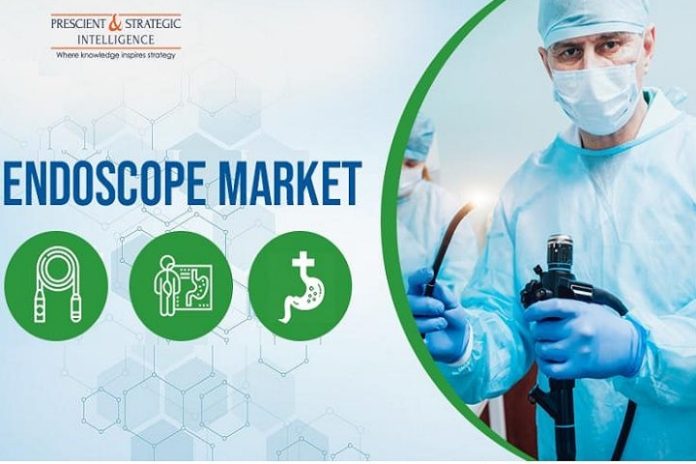
Endoscope Market to Grow due to Surging Chronic Disease Prevalence

Endoscope Market to Grow due to Surging Chronic Disease Prevalence

From valuing $18.9 billion in 2018, the global endoscope market is predicted to reach $28.4 billion by 2024, advancing at a 7.2% CAGR during the forecast period (2019โ€“2024). The major driving factors of the market are the technological advancements, rising geriatric population, and growing burden of chronic diseases. Endoscopy is the process of examination of the internal body parts for the diagnosis and treatment of diseases. The instrument used is known as an endoscope, which is made of a flexible, thin tube with a camera and a light source mounted at the top.

Based on type, the endoscope market is categorized into colposcope, laparoscope, laryngoscope, cystoscope, bronchoscope, colonoscope, arthroscope, and esophagoscope. Among all, during the historical period (2014โ€“2018), the highest revenue in the market was generated by the esophagoscope category. This was attributed to the rising prevalence of chronic diseases, particularly in the throat,and the increasing emphasis on the diagnosis of diseases for early treatment, if possible, preventing the spread of the disease altogether. The fastest growth in the forecast period is expected to be witnessed by the colonoscope category.

The application areas in the endoscope market are gynecology, urology, pulmonology, orthopedic, gastroenterology, and others. The gastroenterology application held the largest revenue share in the market in 2018, and it is expected to register the highest CAGR in the forecast period. This remarkable growth of the category can be ascribed to the growing prevalence of chronic diseases, such as peptic ulcer disease, pancreatitis, colitis, and colon polyps. Further, the demand for endoscopes (colonoscopes) is rising due to the increasing prevalence of colorectal cancer.

The endoscope market is observing the trend of the increasing number of product launches with innovative technologies. These advanced products are helping in effectively diagnosing numerous diseases and conditions, such as colon cancer, chronic gastrointestinal bleeding, ulcerative colitis, and muscle spasms. They are able to provide enhanced visualization of body parts with minimal scope for errors. Olympus Corporation, in March 2019, launched a small intestine endoscopy system โ€”PowerSpiral containing a motorized rotation system that helps in visualizing the deeper parts of the small intestine.

One of the drivers of the endoscope market are the rising prevalence of chronic diseases, including bronchitis, stroke, and cancer. The estimates provided by the Canadian Cancer Society 2017 established cancer to be one of the leading causes of deaths in Canada. Further, more than 836,000 deaths due to cardiovascular diseases were reported by the American Heart Associationโ€™s Heart Disease and Stroke Statistics 2018. This has contributed to the high demand for endoscopic procedures worldwide, which, in turn, is fueling the requirement for endoscopes.

The manufacturers in the endoscope market are trying to increase their revenue by cutting down on the manufacturing cost of the instrument. They are doing that by relocating their manufacturing facilities to emerging economies, such as China and India, where the material and labor are available at significantly lower prices than developed countries. Further, to boost the economy of their countries, governments here offer incentives and subsidies to these companies for setting up their manufacturing plants. This is expected to drive the demand for advanced endoscopes, by motivating manufacturers to invest in technology R&D.

Therefore, the market for endoscopes is set to witness a significant growth in the forecast period due to the rising number of chronic diseases, such as cancer and cardiovascular diseases.

Heal Partners with Health Gorilla to Retrieve Electronic Medical Records for COVID-19 Care Management

Heal Partners with Health Gorilla to Retrieve Electronic Medical Records for COVID-19 Care Management

Heal, the market-leader in doctor house calls, and Health Gorilla, a leader in clinical data APIs, announce a collaboration to retrieve medical records for patients being managed by Heal physicians. Through this partnership, Heal can now leverage Health Gorilla’s Patient360 API to access comprehensive clinical records from Health Gorilla’s vast network of over 60,000 care sites, including Carequality and CommonWell Health Alliance.

Heal provides telemedicine and physician house call services to tens of thousands of patients across seven states and in Washington D.C. Since the outbreak of COVID-19, Heal has primarily focused on telemedicine, providing care to patients from the comfort and convenience of their home without risk of COVID-19 exposure. To accelerate data-driven care delivery services, Heal has adopted Health Gorilla’s FHIR-based APIs; Health Gorilla’s Patient360 API provides seamless connectivity to a large network of electronic medical record systems and care sites, allowing physicians to review a patient’s medical records from wherever they are administering care.

“At Health Gorilla, we’re moving quickly to put data into the hands of providers, so they can make data-informed decisions for their COVID-19 patients,” said Steve Yaskin, chief executive officer and co-founder of Health Gorilla. “Heal’s approach provides a critical service as patients across the country try to avoid visits to hospitals and emergency rooms, either for manageable cases of COVID-19 or for non-COVID issues. Together, we can bring comprehensive health data to Heal’s network of providers to advance home-based care.”

“Health Gorilla has been instrumental in accessing patient records in real time, helping us to provide high quality, data-based care,” said Dr. Justin Zaghi, Medical Director at Heal. I recently saw an elderly patient with cognitive impairment who was discharged from the hospital after sustaining severe burns. The patient lived alone and could not recall her complete medical history. In a matter of a few seconds, I was able to use Health Gorilla to pull her complete hospital history, including ED notes, labs, and imaging studies. Having quick, easy access to this kind of clinical data is a game-changer for our Heal physicians.”

By embedding into existing clinical workflows with a physician-friendly querying interface, Health Gorilla helps Heal operationalize COVID-19 care management by providing physician access to patient data.

Heal’s app is free and available for download on iOS and Android.

About Health Gorilla
Founded in 2014, Health Gorilla is a secure interoperability solution that enables the entire health care ecosystem โ€“ patients, payers, providers, digital health solutions, and labs โ€“ to seamlessly share health data and aggregate each patient’s entire clinical history in one place. With enterprise-grade clinical data APIs, HIPAA-compliant user authentication, and an unparalleled master patient index, the Health Gorilla network makes it easy for providers to pull their patient’s information from any clinical records system. Headquartered in Silicon Valley, Health Gorilla works with health care organizations around the world, helping them gather the clinical data they need to deliver the best and most appropriate care for their patients.

About Heal
Heal is the market leader in doctor house calls, using technology to re-humanize the practice of medicine and deliver better outcomes for patients. Offered throughout California, New York, New Jersey, Georgia, Virginia, Washington State, Maryland and Washington D.C., Heal believes in making healthcare a more personal and convenient experience by delivering care in the safety and comfort of a patient’s home. Through an easy-to-use app and website, patients can organize a telemedicine or in-home visit with a highly-vetted, board-certified and licensed doctor twelve hours a day, 365 days a year. Note that Heal does not treat emergencies. Heal is in-network with all major PPO insurance companies, as well as Medicare. Heal investors include Fidelity ContraFund, Jim Breyer, the Ellison Family, Lionel Richie, and others.

Ricardo helps Isansys scale up production of its life saving innovation in healthcare

Ricardo helps Isansys scale up production of its life saving innovation in healthcare

With a surge of UK and international orders for its advanced patient monitoring systems in the face of the Covid-19 pandemic, Isansys Lifecare is collaborating with Ricardo to scale up production as quickly as possible while also building longer-term capacity

Isansys has developed the Patient Status Engine (PSE), an innovative patient monitoring system which uses digital and wireless sensor technologies to enable near-ICU grade monitoring and advanced analytics of patient data. The PSE is the world’s most complete, real-time, wireless patient monitoring system that creates and utilizes data to provide more time for nurses to care for their patients and save patientsโ€™ lives by providing early warnings of life-threatening events.

The PSE uses wireless, wearable sensors including the Lifetouch โ€œsmart patchโ€ cardiac sensor and the Lifetemp continuous temperature sensor to automatically collect and analyse the patientsโ€™ heart rate, respiration rate, temperature, oxygen saturation levels and blood pressure in real-time. In addition to this, nurses can add essential measures such as coma or pain scores at the bedside to produce a complete set of vital signs. This information is then used to automatically calculate an early warning score. If a patientโ€™s health starts to deteriorate, the system will provide a warning to nursing staff so they can act on it immediately. This enables healthcare providers to offer a high standard of safe care based on continuous data and analysis, avoiding the need for intermittent manual โ€˜obsโ€™. The PSE platform is extremely flexible, enabling care to be provided outside the hospital walls with real-time, continuous data and predictive alerts from patients at home or in community care facilities.

The PSE is a fully certified CE Class IIa and FDA Class II medical device which has been deployed in multiple major hospitals globally since 2014. With the advent of the Covid-19 pandemic, the demand for this advanced patient monitoring system has increased at an unprecedented level.

To help scale up to meet the immediate demand for the PSE, as well as planning for future expansion, Isansys is now collaborating with Ricardo to explore the optimization of its manufacturing processes, including considerations of design for manufacture and assembly and supply chain development and management. Ricardoโ€™s manufacturing and strategic consultants are ideally placed to assist with this work, as the company has extensive experience in processes from design for manufacture and assembly through to supply chain development. In addition to producing a diverse range of complex products including engines, driveline systems and transmissions for motorsport and high-performance road cars, Ricardo also manufactures precision parts for a range of other industries, including aerospace and defence.

The first stage of the collaboration Isansys and Ricardo has focused on a full review of the existing production process for the PSE. Ricardoโ€™s manufacturing specialists have reviewed the details of current operations, identifying how bottlenecks can be addressed and the processes of assembly and end of line testing can be made more efficient. The next stage โ€“ now underway โ€“ is to focus on the implementation of measures identified, with the aim of improving efficiency and reducing assembly time. This work includes an examination of the supply chain, investigating for example the alternative or additional external sourcing of pre-assembled components.

Beyond the current collaboration, Isansys and Ricardo are also planning to explore possible longer-term improvements, including an evaluation of the design for assembly of the current product, as well as wider issues of supply chain development and management.

โ€œWe are seeing a surge in orders for our Patient Status Engine (PSE) product as a result of the Covid-19 pandemic,โ€ said Keith Errey, CEO of Isansys Lifecare. โ€œHospitals are seeking to deploy the PSE to rapidly increase capacity and numbers of higher dependency beds and isolation wards in order to monitor ventilated patients and to use it to provide high-grade monitoring of patients at home or other locations outside the hospital itself. Our collaboration with partners Ricardo will help us to scale up quickly, making us confident that we can meet the current demand, and also form plans to further increase our own production capacity.โ€

โ€œRicardo is pleased to be working with Isansys on scaling up the PSE which could have a transformative positive impact upon patient monitoring both during the Covid-19 pandemic and beyond,โ€ added Simon Arbuthnot, regional director, Ricardo Strategic Consulting. โ€œHelping to optimize manufacturing operations and supply chains across many different domains is a core area of expertise for Ricardo. It is gratifying to bring these skills to the assistance of Isansys, whose products have the potential to benefit the healthcare of patients worldwide.โ€

Sanobiotec improvise Progressive Illness Treatment by Minor Cannabinoids Research of Cannabis Plant’s Phytochemicals

Minor cannabinoids have a wide variety of health-beneficial properties, however, thereโ€™s little research on the topic due to their scarcity in the hemp biomass and difficult extraction processes. Sanobiotec aims to improve the technological processes for production of these compounds and leverage their therapeutic benefits for pharmaceuticals, wellness industry and treatment of progressive illnesses, such as cancer or Alzheimerโ€™s.

Lithuanian-based cannabinoid research company Sanobiotec is developing proprietary technological processes for production of minor cannabinoids – naturally occurring chemical compounds found in the cannabis plant. Preliminary research shows that due to their structural components the extracted botanical compounds can be used for treating patients diagnosed with terminal illnesses, such as cancer and Alzheimerโ€™s disease, as well as anxiety, pain management and reducing inflammation.

The major cannabinoids – tetrahydrocannabinol (THC) and cannabidiol (CBD) – are the most prominent compounds in the cannabis industry, well-known for their health benefits. However, the range of cannabinoids expands far beyond these two substances. In comparison with THC and CBD, minor cannabinoids have a more targeted effect, thus can be utilized for specific purposes, ranging from analgesic to anti-inflammatory and even antiproliferative (able to prevent the spread of malignant cells) effect.

Due to their medicinal and therapeutic properties, minor cannabinoids, such as cannabinol (CBN) and cannabichromene (CBC), can provide many health benefits and thus could be applicable in a variety of industries – such as pharmaceutical or wellness. However, the minuscule concentrations of these compounds in the cannabis plant make the extraction process immensely difficult.

Sanobiotec has been working to improve the technological processes behind the production of CBN and CBC and the achieved results look promising.

โ€œThe purity of CBN and CBC isolates we have obtained is 99+ %,โ€ said Rytis V. Urbonas, Director of Technology Development at Sanobiotec. โ€œThese are highly positive results, given the peculiarities of each process. Our aim was to produce compounds that could be easily incorporated in custom formulations, which is exactly what we managed to achieve,โ€ said Mr. Urbonas.

According to Rytis V. Urbonas, the interest in THC and CBDโ€™s structural โ€œsiblingsโ€ and their potential in cannabinoid-based drug development was a natural outcome of the companyโ€™s research and development activities.

โ€œWe are well into the second year of our project, implemented in partnership with the National Cancer Institute in Lithuania. Currently, we are examining the potential of natural and novel synthetic cannabinoids for targeted cancer treatment based on their molecular mechanisms,โ€ stated Mr. Urbonas. โ€œFurther research will enable us to delve deeper into understanding the effects and properties of these compounds.

Sanobiotec aims to research and implement new techniques to produce minor cannabinoids, such as cannabidivarin (CBDV), tetrahydrocannabivarin (THCV) and other compounds, e.g. Cannflavin A, with more efficiency. This will enable the company to produce cannabis compounds that had only been identified or were tricky to isolate due to their scarcity in the hemp biomass. According to Mr. Urbonas, there are already more than 100 cannabinoids identified, thus the potential for new phytochemicals is limitless.

โ€œOnce the most promising compounds are identified, we move rapidly. Our goal is to become a hub for cannabinoid research, development and production, so our team is determined to maintain the fast-paced development,โ€ added Mr. Urbonas.

The upcoming research is a joint project with the Life Sciences Centre of Vilnius University and will explore the promising potential of cannabinoids in the treatment of Alzheimerโ€™s disease and other neurodegenerative disorders.

ABOUT SANOBIOTEC

Sanobiotec is a cannabinoid research company committed to identification, development and formulation of innovative active compounds via natural hemp extraction, synthesis and biosynthesis. Headquartered in Vilnius, Lithuania, the company operates a state-of-the-art laboratory and develops proprietary technological solutions designed for production of natural and custom compounds. Sanobiotec is also engaged in scientific research projects investigating the potential of cannabinoid-based medications used for treatment of specific diseases.

Translate ยป