











Close
Digital Health & Ai Innovation summit 2026
LiGHT26

Regulatory Innovation Driving Hospital Tech Pilots

Regulatory Innovation Driving Hospital Tech Pilots

In the fast-changing world of healthcare technology, Asia happens to be emerging as a worldwide leader not just in terms of adoption, but also when it comes to innovation in regulatory frameworks. Epicentre of this transformation happens to be the rise of digital health sandboxes in Asia โ€“ which is a pivotal development in speeding up refinement, testing, and rollout of cutting-edge healthcare technologies within the clinical environments. Apparently, the sandboxes go on to offer a very controlled yet flexible environment for regulators, innovators, and also healthcare providers to explore collaboratively the new digital health solutions and at the same time ensure efficacy, safety, and also compliance.

Digital health sandboxes โ€“ the concept and importance

It is well to be noted that the digital health sandbox happens to be a regulatory innovation that enables startups as well as established companies to shift new healthcare technologies within real-world settings with, of course, scrutiny by regulatory bodies. This sort of concept, which happens to be borrowed from fintech, has rapidly gained traction within healthcare because of the sector’s requirement for innovation, which is balanced with data privacy and patient safety. With sandboxes, regulators can look forward to an environment where there is real-time feedback and also fast policy alterations, which help overcome the traditional barriers in terms of innovation within healthcare.

It is worth noting that the healthcare landscape in Asia is characterized by distinct populations, healthcare infrastructure that is variable, as well as rising chronic disease burdens and also presents very unique opportunities as well as challenges for digital health innovation.

The fact is that digital health sandboxes in Asia offer hospitals a very safe space in order topilot technologies, right from AI-powered diagnostic tools as well as variable health monitors to patient records that are blockchain enabled, without having any kind of regulatory burden that goes on to delay the rollout.

The catalyst when it comes to hospital tech pilots – Regulatory innovation

The proliferation when it comes to digital health sandboxes in Asia crops up from a wider wave of regulatory innovation, which is aimed at creating responsive governance frameworks. Countries such as South Korea, Singapore, and Japan have already taken proactive steps by way of establishing regulatory sandboxes especially designed to fast-pace the digital health development.

The Health Sciences Authorityโ€”HSC of Singapore, for instance, has launched a regulatory sandbox program that allows controlled testing when it comes to digital therapeutics as well as AI health applications. This kind of approach enables start-ups to bring in novel solutions within clinical settings, and that too with a decreased time to market while at the same time upholding the stringent safety standards. The regulatory approach of a sandbox, which is structured yet flexible, helps in experimentation along with iterative enhancement, which is based on real-world data.

The Ministry of Food and Drug Safety in South Korea has similarly gone on to enact regulatory reforms that happen to accommodate digital health innovations by way of pilot programs as well as approvals that are very fast. These kinds of efforts make sure that hospital technology pilots can go ahead without being hindered by certain legacy regulations, which have been designed for traditional medical devices, thereby catalyzing innovation throughout the healthcare ecosystem.

The real-world application as well as the effects of hospital tech pilots

It is well to be noted that digital health sandboxes in Asia are not just a theoretical concept; they are actually driving a host of hospital technology pilots and offering results that are tangible. Apparently, these pilots happen to test a wide range of innovations, which include AI-enabled diagnostic platforms, telemedicine solutions, remote patient tracking systems, and also health data interoperabilityย tools.

For example, in Japan, there are several hospitals that are piloting AI-driven imaging diagnostics within the sandbox programs, which, by the way, are drastically reducing the time that is actually required for precision cancer detection and, at the same time, maintaining patient safety along with regulatory compliance. In the same way, hospitals in Singapore have already tested telehealth platforms that are integrated with AI systems by helping with rapid patient evaluation and also decreasing the not-so-required hospital visits during the COVID-19 pandemic.

Remote patient monitoring happens to be yet another major area where sandboxes have gone on to facilitate innovation. Pilot programs in South Korea have involved variable sensors along with mobile health applications in order to track chronic disease metrics, thereby delivering real-time data to teams and hospitals. This kind of continuous tracking enhances the patient outcomes by way of catching early warning signsย and also helping timely interventions. This is an approach that is only feasible by way of sandbox-enabled partnership, which can take place between innovators and regulators.

The considerations along with challenges that are involved in sandbox execution

Although the digital health sandboxes in Asia are proving to be very powerful tools when it comes to speeding up hospital pilots, their execution is not without any kind of barriers. Partnership among diverse stakeholders such as regulatory authorities, healthcare providers, patients, and technology developers is intricate, needs much more transparent communication, and also needs roles that are clearly defined.

Data privacy along with security concerns are also paramount, specifically given the very sensitive nature when it comes to health information and the rising use of cloud-based as well as AI-driven technologies. Making sure of compliance along with data protection laws like the one in Singapore, which is PDPA, and PIPA in South Korea is necessary to maintain public trust and also regulatory approval within the sandbox environment.

Besides this, the scalability when it comes to solutions tested in a sandbox presents yet another hurdle. Innovations that are proved in the limited pilot settings have to transition into broad clinical usage without losing any kind of safety or efficacy and thereby demand robust post-market surveillanceย along with adaptive regulatory oversight.

The future when it comes to digital health sandboxes in Asia

The fact is that the momentum when it comes to digital health sandboxes in Asia shows no signs of slowing at all. As the healthcare systems go ahead and modernize, the regulatory spectrum is anticipated to evolve further by way of embracing adaptive along with risk-based approaches that go on to prioritize patient outcomes as well as innovation.

The future course of action includes broadening theย sandbox partnerships across the borders, thereby enabling regional interoperability as well as data sharing, which can speed up the learning as well as scaling of successful technologies. With the integration when it comes to patient as well as clinical feedback within sandbox governance models, there will be an elevation in the acceptance and relevance of hospital tech pilots.

Artificial intelligence along with machine learning is going to play a very vital role in sandbox projects because they offer predictive insights along with dynamic risk evaluations, which would help regulators as well as providers to make informed and proactive decisions. This kind of balance between technology and regulations goes on to mark a new era that is completely based on evidence for policymaking in healthcare.

Conclusion

Digital health sandboxes in Asia happen to represent a very transformative pivot in healthcare innovation. By way of creating supportive environments as well as ones that are flexible for testing along with new technologies, the sandboxes are actually dismantling the old barriers and hence speeding up theย adoption andย ultimately enhancing the patient care.

The leadership of Asia in regulatory innovation not only has an advantage for its own populations, but it also sets a global example when it comes to innovation, harmonizing safety, and accessibility within the digital health spectrum. As hospitals continue to make utmost use of sandbox frameworks, the future looks indeed very promising in terms of a healthcare ecosystem that is patient-centered, swift, and also technologically forward.
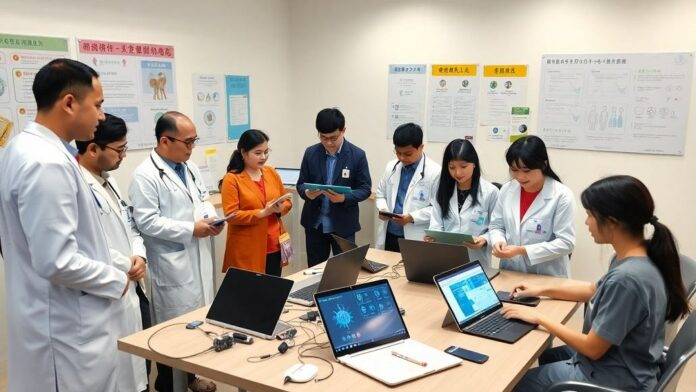
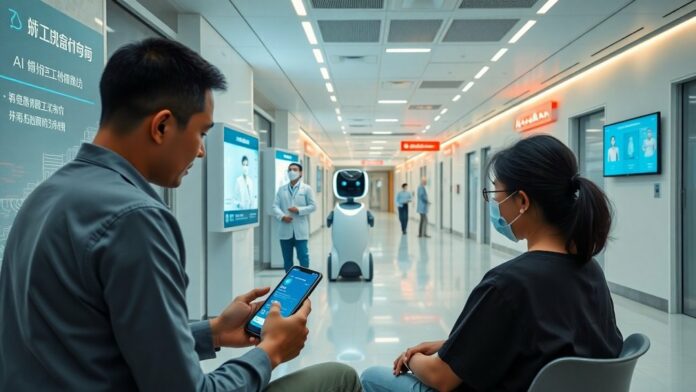
Localizing HealthTech Co-Development for Better Delivery

Localizing HealthTech Co Development for Better Delivery

In the dynamic landscape of healthcare innovation, Asia happens to be emerging as a vibrant hub in which digital transformation happens to intersect with cultural as well as regional specificity. At the epicenter of this evolution is the rising trend when it comes to localizing HealthTech. This kind of partnership approach is redefining the delivery of healthcare by way of blending insights of frontline medical practitioners with the ingenuity of local technology, thereby resulting in customized health solutions that resonate with the distinct requirements of Asian populations.

Unlike the traditional models in which hospitals would just adopt off-the-shelf technologies that were designed for Western markets, this paradigm embraces the co-development โ€“ a partnership-driven and iterative process, fostering innovation that is both relevant and scalable. Let us explore how strategic localization happens to be shaping healthcare throughout Asia – the kind of advantages it delivers and the barriers that come along with it in terms of crafting bespoke health tech solutions.

The urgency for localizing HealthTech across Asia

The healthcare ecosystem of Asia happens to be as diverse as its population โ€“ right from denselyย populated megacities to rural communities that have limited infrastructure. As per the WHO, Asia comprises more than 60% of the world’s population, having massively varying health challenges that range from infectious diseases to growing chronic conditions such as cardiovascular diseases as well as diabetes. In this intricate context, there happens to be a pressing need for healthcare technologies that are adaptable to local languages, health system structures, andย cultural rules.

The trend when it comes to localizing health tech happens to address this imperative by way of fostering partnerships that go much beyond simple technology transfer. Hospitals go on to contribute to clinical expertise along with direct patient insights, while the domestic technology firms offer swiftnessย within development, a much more nuanced understanding of local regulatory environments, and also cost-effective innovations. This results in certain health tech products that are much better at meeting patient anticipations as well as regulatory demands, ultimately elevating adoption as well as impact.

Innovation that are collaborative โ€“ case studies Throughout Asia

There happen to be many Asian countries that demonstrate how the development model is indeed translating into unmatched solutions. In Singapore, the leading hospitals of the country have collaborated with vibrant local start-ups that specialize in AI-driven diagnostics as well as patient management platforms. For instance, Tan Tock Seng Hospital has partnered with a Singaporean AI firm in order to create a warning system in terms of sepsis that integrates very seamlessly with local hospital workflows by enhancing the detection speed by almost 30% and decreasing mortality rates.

In India, a country that is a prime example of overburdened public health systems, hospitals in places like Bangalore and Hyderabad are co-developing telemedicine applications that are customized for rural populations by way of intermittent internet access as well as multilingual support. These applications, which are made in collaboration with local tech start-ups, are knowledgeable of regional languages as well as user behaviors, therefore making sure that technology goes on to bridge rather than widen the healthcare disparities.

Japan, on the other hand, presents yet another compelling example with co-developed projects that are focused in terms of elderly care robotics. Hospitals in Japan work closely with domestic robotic firms in order to design devices that are assistive and accommodate cultural expectations around elder respect as well as privacy, thereby resulting in elevated patient acceptance along with enhanced care delivery.

Advantages of co-development โ€“ factors that help it go beyond technology

The benefits of localizing HealthTech co-development go far beyond customized technology products. First, this model speeds up the innovation life cycle. Proximity as well as the ongoing partnership between hospitals and developers helps with rapid prototyping, iterative refinement, and also real-time clinical feedback, all leading to circumventing the slow process, which is common in traditional vendor-customer collaboration. Second, the approach of co-development happens to foster greater regulatory alignment along with compliance. Domestic technology firms often have an intimate understanding when it comes to their national healthcare regulations, certification needs, as well as data protection laws. In addition to this, their partnership with hospitals makes sure that solutions donโ€™t just meet their clinical requirements but also adhere to the evolving regulatory framework by easing the road to rollout as well as approvals.

Third, the local partnerships help in stimulating economic growth and also nurturing regional innovation ecosystems. By investing in domestic health start-ups, healthcare institutions go on to build sustainable industries that promote research and development, generate loads of jobs, and also shift quickly in order to address emerging healthcare crises, a lesson that was highlighted during the COVID-19 pandemic.

Barriers when it comes to localizing HealthTech co-development

In spite of the promise that it offers, the process of co-developing the health technologies happens to present enormous challenges. Alignment of objectives as well as anticipations between healthcare providers along with technology firms can be challenging given that varied operational cultures and priorities are always there. Hospitals go on to prioritize patient safety along with clinical efficacy, whereas start-ups, on the other hand, might as well focus on speed to market and even innovative novelty.

In addition to this, data interoperability and integration with legacy hospital systems also are technical hurdles. There are many hospitals that happen to operate on fragmented IT infrastructures that make the seamless incorporation of new health solutions more intricate. In order to overcome these barriers, one needs not just to have the technological expertise but must also possess robust change management processes that are supported by unmatched hospital leadership.

Besides this, funding along with intellectual property rights can also pose certain challenges, specifically in terms of smaller domestic technology firms. The fact is that one has to have clear agreements in place along with collaborative government models, which are essential to make sure that there is equitable sharing of risks as well as rewards.

Localized innovation ought toย be skilled โ€“ the future outlook

The speed behind localizing HealthTech co-development is anticipated to rise exponentially since digitalization deepens throughout the region. Governments are increasingly supporting such kinds of partnerships by way of regulatory sandboxes, public-private partnerships, and even innovation grants.

Emerging tech like edge computing, 5G, and artificial intelligence are going to further empower these development endeavors by way of helping real-time data analytics, patient tracking that is customized to Asian demographics, as well as infrastructure, realities, along with elevated telehealth services.

Besides this, it is a known fact that the lessons that are learned in Asia have a global relevance. The co-development model happens to offer a blueprint when it comes to other regions for looking to democratize their healthcare renovation and also make sure that the technology solutions are absolutely patient-centric.

Conclusion

Localizing HealthTech goes on to encapsulate a very transformative approach within healthcare innovation. By way of bridging clinical expertise along with technological flexibility as well as local market insight, this model goes on to drive the creation of health solutions that are efficient, appropriate in a cultural way, and even scalable.

As the healthcare demands in Asia continue to evolve, these partnerships are going to be very critical when it comes to delivering accessible, sustainable, and very high-quality care. The future when it comes to HealthTech lies not just in a one-size-fits-all kind of approach but in a created, innovative environment that reflects diversity thatโ€™s rich and caters to specific requirements of the region.

5 Transformative Healthcare Trends in Asia Defining Success

5 Transformative Healthcare Trends in Asia Defining Success

Asia has gone on to emerge as a worldwide leader when it comes to the healthcare industry, which is driven by innovative approaches, incredible advancements when it comes to technology, and a very deep understanding as far as cultural and demographic nuances are concerned. Due to its massive and diverse population, the region has gone on to develop healthcare solutions that address its distinct challenges while at the same time setting an example for the rest of the world. Let us explore 5 transformative healthcare trends in Asia that are shaping its leadership on the global healthcare platform.

  1. Wide adoption of digital technologies that are revolutionizing healthcare

It is well to be noted that Asia happens to be at the forefront when it comes to healthcare digitization and has leveraged the technology in order to enhance efficiency, access, and even quality of care. Governments, along with private entities, are making utmost use of digital solutions, which range from telemedicine and mobile health applications to artificial intelligence and blockchain. The digital revolution is redefining how healthcare services are imagined, delivered, and consumed across the region.

It is worth noting that China has taken a proactive approach due to its internet hospitals by helping patients to consult healthcare providers remotely and also access treatment, diagnostics, and medication without even having to leave their homes. This kind of initiative has gained a lot of speed in the areas where healthcare access happens to be limited. Similarly, the Ayushmann Bharat Digital Mission (ABDM) in India is also transforming the way the healthcare ecosystem is shaping up by way of creating a unified digital infrastructure for electronic health records as well as tele-consultations. The robust 5G network of South Korea has amplified real-time patient tracking and even telemedicine adoption, especially benefiting the underserved and remote regions.

The role of data analytics and AI

AI, along with data analytics, is playing a major role when it comes to elevating efficiency along with enhancing patient outcomes. Predictive analytics, which is powered by machine learning, enables healthcare providers to anticipate any sort of disease outbreak and also allocate resources in a more effective way. Digital technologies are also helping customize the treatments by way of analyzing environmental, genetic, and even lifestyle data.

  1. Prioritizing patient-centered care along with refining healthcare priorities

The healthcare systems in Asia are experiencing a major shift and focusing more on patient-centered care, which stresses customized attention as well as overall well-being. This approach goes on to prioritize the preferences, requirements, and even value of patients by making them active participants in their own healthcare journeys.

Singapore, due to its world-class healthcare system, has also been a trailblazer when it comes to the adoption of a patient-centric model. Its hospitals as well as clinics are designed in order to offer seamless experiences by way of coordinated care, community outreach programs, and even digital innovations. In Japan, elder care initiatives go on to reflect a very deep commitment to patient-centered principles, thereby addressing the actual needs of its aged population with technologies such as smart home tracking systems along with robotic caregivers.

Elevating the patient experience

Hospitals across Asia happen to be integrating digital kiosks, variable devices, and even mobile applications in order to provide real-time updates when it comes to patient health and also reduce wait times by offering personalized health plans. Through focusing on patient satisfaction as well as outcomes, healthcare providers within the region are setting new benchmarks when it comes to quality care.

  1. Asia as a global health destination – making advancements in medical tourism

It is well to be noted that medical tourism in Asia is experiencing exponential growth, with countries such as India, Thailand, Malaysia, and Singapore emerging as preferred destinations when it comes to international patients. Theseย nations go on to offer very high-quality healthcare services at a cost that is much less as compared to Western countries. The Asian medical infrastructureโ€™s excellence, along with short waiting times for procedures, has made it a hotspot for medical travelers who are looking out for everything from electiveย surgeries to intricateย treatments.

For example, Thailand, which is renowned for its expertise when it comes to cosmetic as well as constructive surgeries, is attracting thousands of international patients every year. India, which specializes in cardiac care along with organ transplants, happens to be offering world-class procedures that are supported by globally accredited settings. Singapore, along with Malaysia, is also recognized for its advanced cancer treatment and also fertility clinics.

Competitive advantage when it comes to medical tourism

It is worth noting that the healthcare systems in Asia stand out because of numerous reasons.

Competitive pricing without compromising quality is one such case. There are many hospitals in Asia that hold international accreditation by ensuring global standards when it comes to care. There is also an element of cultural appeal to hospitals in Asia, wherein holistic health tourism like Ayurveda in India and spa therapy in Thailand elevates the appeal of the region.

  1. Rise when it comes to integrated healthcare services and creating holistic Ecosystems

Integrated healthcare services are indeed becoming very vital in Asiaโ€™s healthcare evolution. This kind of an approach looks forward to offering continuity of care throughout various levels, right from primary consultations to specialized treatments and even postoperative care. It eradicates any kind of fragmentation by making sure that patients receive overall and coordinated care under one umbrella.

The national healthcare group โ€“ NHG of Singaporeโ€”goes on to exemplify this model by fostering partnerships between hospitals, community health programs, and clinics in order to deliver end-to-end care for patients. Integrated healthcare also happens toย address the rising burden of chronic diseases, such as hypertension and diabetes, by way of combining medical services along with lifestyle interventions.

Bridging the gaps when it comes to rural healthcare

It is well to be noted that integrated services are especially very impactful when it comes to rural as well as remote areas. Countries such as the Philippines and also Indonesia are rolling out mobile healthcare units along with telemedicine platforms in order to connect certain isolated communities with specialists that reside in urban centers. By way of leveraging technology, along with community-based models, these initiatives are indeed revolutionizing the accessibility of healthcare for the populations that are underserved.

  1. Precision medicine – healthcareโ€™s future

Customized treatments, which are often referred to as precision medicine, are making their way into the new era of Asiaโ€™s healthcare. By way of customizing medical treatments to individual traits like genetics, lifestyle, and environment, precision medicine makes sure of higher efficacy along with fewer side effects.

Japan, along with South Korea, is leading the advancements when it comes to genomics by way of offering genetic testing services that help in identifying any predispositions when it comes to hereditary diseases. These kinds of insights help healthcare providers to design certain preventive strategies along with targeted therapies. For example, cancer treatments across Asia are increasingly being customized based on the genetic markers, thereby leading to enhanced survival rates and even quality of life.

Biotechnology’s role

Biotechnology happens to be playing a very critical role when it comes to advancing customized treatment. Singapore and China research centers are even pioneering studies when it comes to immunotherapies as well as gene-editing technologies, thereby pushing the boundaries of what may be possible when it comes to modern medicine. These kinds of breakthroughsย are not just elevating the treatment outcomes, but at the same time positioning Asia as a hub for cutting-edge medical research.

Conclusion

The journey of Asia to become a global leader when it comes to the healthcare industry happens to reflect its innovation, adaptability, and even commitment to offering inclusive as well as high-quality care. By way of widespread adoption of patient-centred approaches, digital technologies, and advancements in medical tourism along with customized treatments, the region is indeed addressing its distinct healthcare challenges while at the same time setting unmatched global standards.

As these new approaches continue to evolve, 5 transformative healthcare trends in Asia are all set to not just meet the demands of its population, which is, by the way, very diverse, but at the same time prominently influence the healthcare narrative across the world. With its mix of technology, tradition, and even talent, Asia is undoubtedly changing the shape of healthcareโ€™s future.

How Virtual First Healthcare is Reshaping Employee Benefits Strategy

How Virtual First Healthcare

Benefits professionals are facing an impossible equation: healthcare costs rising 8% annually while employees demand better access and experience. The answer isn’t cutting benefits but reimagining how care is delivered. Among the most promising solutions gaining traction is virtual first healthcare, a model that prioritizes digital access to care without sacrificing quality. This approach is rapidly becoming a key part of modern employee benefits strategies.

Virtual first healthcare does not simply offer a digital substitute for in-person care. It transforms the traditional healthcare experience by making it more immediate, accessible, and cost effective. Employers across industries are discovering that virtual care can solve longstanding issues such as delays in access, uneven quality, and high costs while aligning with the needs of a distributed, digitally fluent workforce.

The Virtual First Advantage

Traditional healthcare can be inefficient and difficult to navigate. Employees often face long wait times, limited appointment availability, and geographical barriers that prevent timely access to care. For businesses, these inefficiencies translate into higher costs, more absenteeism, and lower employee satisfaction.

Virtual first healthcare solves these problems by delivering primary care, mental health services, and care coordination through mobile friendly, tech enabled platforms. Instead of navigating a fragmented system, employees can access care when and where they need it, often within minutes.

For employers, the financial impact is substantial. Studies show that virtual first healthcare can reduce overall healthcare spending by 15 to 30 percent. This is driven by a reduction in emergency room visits, fewer specialist referrals, better chronic condition management, and more effective care coordination. When small issues are addressed early, they are less likely to escalate into costly health emergencies.

5 Critical Evaluation Criteria for Benefits Brokers

When exploring virtual first healthcare options, benefits leaders must evaluate more than just the cost. A comprehensive solution should support employee health goals,

integrate with existing systems, and align with broader business objectives. Here are key considerations:

Integration capabilities: Look for virtual first solutions that integrate smoothly with your current benefits stack, HRIS systems, and wellness platforms. Integration helps reduce administrative burden and encourages higher employee participation.

Comprehensive care offerings: The most effective platforms go beyond basic telehealth. They deliver primary care, behavioral health services, urgent care, chronic condition management, and follow up support, all in one ecosystem. This improves continuity of care and avoids fragmentation.

Data and analytics: Strong reporting capabilities enable HR teams to track utilization, cost savings, and health outcomes. Access to real time data helps justify the ROI of the program and supports ongoing optimization.

User experience: If the platform is not intuitive and user friendly, employees are unlikely to use it. High utilization depends on a seamless experience that includes 24/7 availability, mobile access, and minimal wait times.

ACA adherence: Selecting a solution that complies with ACA regulations, like a virtual-first model with Mec wellness and preventive benefits, guarantees that your offerings are both economically viable and compliant with the law.

ACA Compliance Advantage

Virtual-first platforms that offer MEC-compliant wellness and preventative benefits simplify regulatory compliance while providing real health value. This dual benefit reduces administrative burden for benefits professionals while improving employee satisfaction with benefits offerings, which is a win-win for brokers managing multiple employer clients.

ROI Beyond Cost Savings: Strategic Benefits

When combined with more comprehensive corporate health policies, virtual-first healthcare has the most impact. Consider how these platforms help achieve company goals that go beyond cost reduction.

Productivity Enhancement: Employees using virtual-first healthcare miss significantly

fewer work days for medical appointments. Quick access to care prevents minor health issues from escalating into major productivity disruptions.

Recruitment and Retention: Contemporary workers expect digital healthcare solutions. Businesses that provide comprehensive virtual-first benefits have an advantage when hiring new employees, especially among younger workers who value accessibility and convenience.

Simplification of Compliance: Virtual-first platforms that offer MEC wellness and preventative benefits simplify regulatory compliance while providing real health benefits. This streamlined approach reduces administrative complexity while meeting federal requirements.

Measuring Success

To ensure your virtual first healthcare program is meeting its objectives, it is essential to track the right metrics: reduction in overall healthcare spend, cost per episode of care, employee satisfaction and utilization rates, and engagement in preventive care, which often increases 60 to 80 percent with virtual first platforms.

These metrics help ensure the platform aligns with workforce needs and identifies areas for optimization.

The Bottom Line

Virtual first healthcare represents a fundamental shift in how organizations can support the health of their workforce. It is not just about telemedicine or cutting costs, it is about delivering smarter, faster, and more inclusive care that meets the demands of the modern workplace.

By incorporating MEC compliant preventive care and delivering a streamlined experience, virtual first solutions empower employers to offer compliant, high value health benefits at a fraction of traditional costs. As workforce dynamics evolve and employees expect more flexibility and convenience, companies that adopt virtual first care will be better equipped to compete for talent and maintain a healthy, productive organization.

Companies like Vitable Health are pioneering this integrated approach, combining virtual-first primary care, mental health support, and MEC-compliant preventive benefits into a single platform designed specifically for employers seeking both cost savings and compliance simplification.

For professionals interested in exploring virtual-first solutions for their clients, evaluating platforms that combine care delivery with compliance benefits can provide a competitive advantage in today’s market.

Transforming Prior Authorization: How Healthcare Organizations Can Reduce Administrative Burden While Improving Patient Care

Transforming Prior Authorization How Healthcare Organizations

The healthcare industry faces mounting pressure to deliver quality care efficiently while managing escalating costs. Among the most challenging administrative processes healthcare organizations grapple with is prior authorization. It is a utilization management tool that, while intended to control costs and ensure appropriate care, has become a significant source of frustration for providers, patients, and healthcare administrators alike.

The Growing Prior Authorization Challenge

Prior authorization requirements have expanded dramatically over the past decade. According to recent American Medical Association surveys, 94% of physicians report that prior authorization delays patient access to necessary care, while 84% say the burden has increased over the past five years. For healthcare management teams, this translates into substantial operational challenges.

Administrative Costs: Healthcare organizations spend an average of 16 hours per physician per week on prior authorization processes.

Patient Experience Impact: Delays in prior authorization approvals lead to postponed treatments, increased patient anxiety, and potential deterioration of medical conditions. All of these factors negatively impact patient satisfaction scores and clinical outcomes.

Staff Burnout: The repetitive, time-consuming nature of prior authorization tasks contributes to administrative staff burnout and turnover. This further strains healthcare organizations’ operational efficiency.

Understanding the Complexity

Prior authorization involves multiple stakeholders including healthcare providers, insurance companies, pharmacy benefit managers, and patients. Each group has different priorities and systems. The process typically requires:

  • Clinical documentation gathering and review
  • Insurance coverage verification
  • Treatment justification based on medical necessity criteria
  • Multi-step approval workflows
  • Appeals management for denied requests
  • Ongoing monitoring and reauthorization

This complexity is compounded by variations in requirements across different insurance plans, frequent policy changes, and the need to navigate multiple payer portals and communication channels.

Strategic Approaches to Prior Authorization Optimization

Healthcare organizations seeking to improve their prior authorization processes should consider a comprehensive approach that addresses both immediate operational needs and long-term strategic goals.

1.ย  Process Standardization and Workflow Optimization

Successful prior authorization management begins with standardizing internal processes. Healthcare organizations should map current workflows, identify bottlenecks, and implement consistent procedures across departments. This includes establishing clear roles and responsibilities, creating standardized documentation templates, and developing escalation protocols for complex cases.

Key elements of effective workflow optimization include:

  • Implementing dedicated prior authorization teams with specialized training
  • Creating patient-specific prior authorization tracking systems
  • Establishing proactive communication protocols with patients about potential delays
  • Developing decision trees for common authorization scenarios

2.ย  Technology Integration and Automation

Modern healthcare management requires leveraging technology to streamline administrative processes. Prior authorization technology solutions can significantly reduce manual work while improving accuracy and speed. Effective technology integration should focus on:

  • Electronic Prior Authorization (ePA): Implementing systems that electronically submit and track authorization requests. This reduces paperwork and improves processing
  • Clinical Decision Support: Integrating tools that help providers determine when prior authorization is required and what documentation will be needed.
  • Real-time Eligibility Verification: Ensuring patient coverage and benefit information is accurate before initiating prior authorization requests.
  • Analytics and Reporting: Providing insights into approval rates, processing times, and denial patterns to inform continuous improvement efforts.

3.ย  Payer Relationship Management

Building strong relationships with insurance companies and understanding their specific requirements can significantly improve prior authorization success rates. Healthcare organizations should:

  • Assign dedicated staff to maintain regular communication with key payers
  • Participate in payer education sessions and policy update meetings
  • Develop payer-specific documentation templates and submission guidelines
  • Establish preferred communication channels for complex cases

4.ย  Staff Training and Development

Investing in comprehensive training programs ensures staff members have the knowledge and skills necessary to navigate complex prior authorization requirements effectively. Training should cover:

  • Understanding insurance plan variations and coverage criteria
  • Proper documentation techniques and medical necessity justification
  • Effective communication strategies with payers and patients
  • Technology system utilization and troubleshooting
  • Appeals and grievance procedures

The Role of Specialized Solutions

Many healthcare organizations are discovering that partnering with specialized prior authorization service providers can offer significant advantages. These partnerships allow healthcare teams to focus on clinical care while ensuring administrative processes are handled efficiently by experts who understand the nuances of different payer requirements.

Specialized solutions typically offer:

  • Dedicated teams with extensive prior authorization expertise
  • Advanced technology platforms designed specifically for authorization management
  • Established relationships with major insurance companies
  • Comprehensive reporting and analytics capabilities
  • Scalable services that adapt to organizational growth and changing needs

Conclusion

Prior authorization remains a critical component of healthcare cost management. However, its implementation does not have to be a barrier to quality patient care. Healthcare organizations that take a strategic approach to prior authorization optimization by combining process improvements, technology adoption, staff development, and strategic partnerships can significantly reduce administrative burden while maintaining or improving patient satisfaction and clinical outcomes.

The key is recognizing that prior authorization is not just an administrative function. It is a strategic operational component that impacts the entire healthcare delivery system. By investing in comprehensive solutions and maintaining a focus on continuous improvement, healthcare organizations can transform prior authorization from a necessary burden into a competitive advantage.

Healthcare leaders seeking to transform their prior authorization operations can benefit from specialized expertise and proven methodologies. Contact Agadia to discuss how tailored solutions can reduce administrative burden while improving patient outcomes. Visit www.agadia.com for more information

Why Metabolic Health Is Becoming Central to Preventive Healthcare

Why Metabolic Health

Metabolic health refers to how well your body processes and utilizes energy from food. It includes factors like blood sugar levels, blood pressure, cholesterol, and waist circumference. Maintaining good metabolic health is important because it influences your risk of developing chronic conditions such as type 2 diabetes, heart disease, and certain cancers.

The shift towards preventative care

Preventive healthcare focuses on reducing the risk of diseases before they occur. Medical care has traditionally been reactive, dealing with health issues as they arise. But thereโ€™s a growing emphasis on prevention, especially concerning metabolic health. By identifying and managing metabolic risk factors early, people can significantly lower their chances of developing serious health conditions.

Metabolic health in disease prevention

Poor metabolic health can lead to a group of conditions, collectively known as metabolic syndrome. This syndrome increases the risk of heart disease, stroke, and type 2 diabetes. Metabolic syndrome includes high blood pressure, elevated blood sugar, excess abdominal fat, and abnormal cholesterol levels. Addressing these factors through lifestyle changes can prevent the progression to more severe health issues.

Lifestyle factors

Several lifestyle choices play a significant role in maintaining and improving metabolic health:

Diet

Consuming a balanced diet rich in whole foods, such as fruits, vegetables, and lean proteins supports metabolic function. Reducing intake of processed foods and sugars can help maintain healthy blood sugar and cholesterol levels.

Physical activity

Regular exercise improves insulin sensitivity and helps regulate blood pressure and cholesterol levels. Walking, cycling, sports, and strength training are all helpful.

Physical activity directly enhances glucose metabolism by increasing muscle cellsโ€™ absorption and utilization of glucose. This process occurs both during exercise and in the following hours. Even short bursts of movement throughout the day can counteract the negative metabolic effects of prolonged sitting.

High-intensity interval training (HIIT), while not suitable for everyone, has shown to be effective in improving metabolic markers in less time than traditional cardio.

Resistance training builds muscle mass, which increases basal metabolic rate and improves glucose regulation. For optimal metabolic health, many experts advise combining aerobic exercise with 3-4 strength sessions per week, while also reducing sedentary time through frequent movement breaks.

Regular physical activity has been shown to reduce the risk of type 2 diabetes, heart disease, cancers (including breast, lung, liver, and other types), high LDL cholesterol, and hypertension.

Sleep

Adequate sleep is essential for metabolic health. Poor sleep patterns can disrupt hormonal balance, leading to weight gain and increased risk of metabolic disorders. Quality sleep has many other benefits, including supporting brain health, stabilizing emotions, improving athletic performance, and improving heart health.

Stress management

Chronic stress can affect metabolic health by increasing blood sugar levels and promoting fat storage. Practices like mindfulness, meditation, and yoga can help manage stress effectively.

Monitoring metabolic health

Health screenings are helpful for assessing metabolic health. Tests that measure blood pressure, blood sugar, cholesterol levels, and waist circumference provide valuable information about your metabolic status. Early detection of abnormalities allows for timely intervention and management.

Economic impact

Investing in preventive measures to maintain metabolic health can reduce healthcare costs associated with treating chronic diseases. By focusing on prevention, people can avoid expensive medical treatments and improve their quality of life.

Summing up

By understanding and managing their metabolism, people can take proactive steps to maintain their health and prevent chronic diseases. Embracing lifestyle changes such as a healthy diet, regular exercise, quality sleep, and stress management can lead to improved metabolic health and overall well-being.

Top Benefits of Physical Therapy for Chronic Pain Relief

Top Benefits of Physical

Chronic pain is a challenging condition that affects millions of people worldwide, often interfering with daily activities and diminishing quality of life. For those living with persistent discomfort, finding effective and lasting relief can feel overwhelming. This is where a Physical Therapy Clinic can make a significant difference. Physical therapy offers a holistic, non-invasive approach to managing chronic pain, focusing not only on symptom relief but also on addressing the root causes of pain to improve overall function and wellbeing.

Exploring Chronic Pain and What It Means

If pain lasts for three months or more and is unrelated to a short-lasting cause, it is called chronic pain and may result from arthritis, fibromyalgia, nerve damage, or injuries that did not fully heal. Although acute pain ends with time after injury, chronic pain is a possible condition that persists. Usually, the constant discomfort causes muscles to become weak, affects movement, leads to tiredness, and in some cases, causes anxiety and depression. Since chronic pain affects many areas of life, its treatment should focus on addressing the reasons behind it, not just hiding its symptoms.

Physical therapy aims to treat the causes of chronic pain, unlike other methods that only cover up the pain. This approach improves patients’ strength, flexibility, and abilities, allowing them to depend less on pain medications. Specially designed therapy helps patients move better, feel less pain, and enjoy a greater sense of well-being.

Explaining the Methods of Physical Therapy to Manage Chronic Pain

Physical therapy is valuable because it offers a treatment plan tailored to each patient. Therapists use various techniques to find out exactly what is causing the pain and issues. Considering this, they create personal exercise programs aimed at building muscles that need strength, increasing joint flexibility, and fixing movements that may cause pain.

Therapeutic exercise is key to improving function. It helps move blood throughout the body, improve flexibility, and reeducate the nervous system to react properly to pain. Physical therapists often apply manual therapy, including massage and joint mobilization, to lower muscle stiffness and improve the condition of tissues.

Education plays a significant role in physical therapy. Those with pain learn to adjust their movements, work habits, and daily routines to avoid making their pain worse. As a result, patients can be involved in their recovery and preserve their progress during therapy in the long run.

Advantages Other than Relieving Pain

The main advantage of physical therapy is easing chronic pain; however, there are many other benefits as well. After recovery, people can start doing activities they skipped because of pain. Physical therapy helps us enjoy grandchildren, tend our gardens, and walk comfortably by improving our agility.

In addition, physical therapy allows individuals to use less opioid medicine, which may be dangerous due to its risks and side effects. Proper movement and rehabilitation can enable patients to deal with pain without facing these risks. This aspect is crucial now, as the opioid crisis is still a big problem in healthcare.

It helps people with chronic pain deal with the effects it has on their mental health. Chronic pain can make a person feel depressed or helpless. The encouraging bond between a therapist and patient, and evidence of improvement, can lift someoneโ€™s confidence and make emotions less challenging. It is common for patients to feel encouraged and more hopeful as their physical function returns.

Using Physical Therapy as a Part of Holistic Health

Chronic pain is not simple, and it must often be treated by a team of specialists. Physical therapy works hand in hand with other healthcare providers, such as physicians, psychologists, and nutritionists. As a result of this teamwork, every area of the patientโ€™s medical needs is managed.

At times, physical therapy is combined with other methods, such as medicine or injections. Still, efforts are made to use less invasive treatments whenever possible. Regular physical therapy helps people build strength and ensures they are less likely to suffer injuries in the future.

At the Physical Therapy Clinic, patients receive support and make changes to their treatment plans when necessary. As patients improve and their needs change, treatment can be adapted for better results and a lasting solution to reducing pain.

Conclusion

Chronic pain should not stop you from enjoying life. Physical therapy helps by addressing the reason for pain and improving strength, movement, and confidence. A Physical Therapy Clinic assists patients by creating a plan based on their needs, offering tips from professionals and providing instructions to help them overcome their pain and continue with regular activities. If you or someone you know has chronic pain, engaging in physical therapy could make a big difference in their future and daily life.

5 Trends Redefining Hospital Management Through AI

Redefining Hospital Management

The healthcare sector is witnessing a seismic shift, with artificial intelligence (AI) acting as the bedrock of innovation. Healthcare institutions and hospitals are increasingly looking to AI to streamline operational efficiency, enhance patient outcomes, and curtail expenditure. Hospital management through AI is no longer a vision for the future; it is fast becoming the new benchmark for global healthcare operations. From predictive analysis to individualized patient care, AI is crafting a new future of hospital management, one that is more efficient, data-driven, and patient-centric.

As hospitals battle to keep pace with the increasing needs of contemporary medicine and technology, five trends in hospital management through AI is emerging. These trends are clearing the way for intelligent hospitals, establishing standards of operational excellence and innovation.

AI-Driven Predictive Analytics for Operational Efficiency

One of the most revolutionary uses of AI in hospital administration is predictive analytics, which is an instrument that enables hospitals to take informed, data-driven decisions. Conventional hospital administration tends to be a problem-reaction approach, but AI turns this into a concept of anticipating issues before they arise.

For example, predictive analytics can predict patient admission rates based on past experience and outside events like seasonal illnesses or outbreaks in the local area. This enables hospitals to better manage resources like staff, beds, and medical equipment. McKinsey & Company research states that predictive analytics fueled by AI has the potential to lower operational costs by as much as 25%, while greatly improving resource utilization.Furthermore, predictive models are being used to foresee equipment breakdowns, where essential medical equipment will continue to function without risking downtime. Hospitals that incorporate predictive analytics in their management systems not only optimize operational effectiveness but also enhance patient safety through minimizing cases of resource deficiency or equipment failure.

Revolutionizing Patient Care Through Personalized Medicine

Another revolutionary trend is the use of AI in personalized medicine, which is revolutionizing hospital management by making treatment plans specific to patients. AI systems can suggest customized treatment protocols that are optimal in terms of efficacy and low in side effects by studying a patient’s genetic profile, past history, and lifestyle parameters.

Take oncology as a case point, where AI-based systems are transforming cancer treatment. AI platforms can scan genomomic data to find out which treatments will be most successful for a given form of tumor, greatly improving treatment success rates. Hospitals that take up this technology are redefining standards for precision medicine, providing care that is not just life-saving but also deeply patient-centered.

The application of AI in personalized medicine also pervades chronic disease management. For diabetes or hypertension, for example, AI systems produce custom health advice and track patient records in real time. This amount of personalization reaffirms the key position of AI in rearranging hospital management according to individual patient needs rather than standard solutions.

Enhancing Administrative Efficiency Through AI-Powered Automation

Administrative inefficiencies have a long history of frustrating hospital management, taking resources away from patient care. AI-driven automation is tackling these inefficiencies by automating mundane administrative processes. From appointment scheduling to billing and coding, AI systems are making complex workflows simple and free from human error.

For instance, natural language processing (NLP) software is being utilized to automatically transcribe physician’s notes and refresh electronic health records (EHRs) to lighten the administrative load on healthcare practitioners. Accenture estimates in a report that AI-fueled automation can save the U.S. healthcare sector around $150 billion each year by 2026.

Furthermore, chatbots and virtual assistants are being used to manage patient queries, giving hospital staff time to concentrate on more pressing duties. These AI solutions not only enhance operational productivity but also the patient experience by enabling timely and accurate delivery of response to queries.

The use of AI in diagnostics highlights how it is revolutionising hospital administration by enabling previously unheard-of levels of precision and effectiveness in medical assessments.

AI-Powered Diagnostics and Imaging

Advanced workforce management is the last trend influencing hospital administration with AI. This is a crucial area where AI is having a discernible impact. Hospitals run smoothly even during times of high demand because to effective labour management.

AI-based diagnostic software is most potent in medical imaging. As an example, AI algorithms such as those engineered by Google Health can identify breast cancer in mammography images with accuracy matched by, if not surpassing, that of skilled radiologists. AI is also being utilized to analyze CT scans, MRIs, and X-rays, detecting abnormalities in minutes, not hours or days.

Hospitals that incorporate AI-based diagnostics within their management can cut diagnostic errors significantly, speed up treatment decisions, and improve patient outcomes. In addition, the technologies lighten the load on medical professionals, enabling them to concentrate on more intricate and complex cases.

The implementation of AI in diagnostics highlights its revolutionary role in hospital management, leading to unparalleled accuracy and efficiency in medical assessments.

Advanced Workforce Management Through AI

The last hospital management through AI is smart workforce management, a performance area where AI makes its impact measurable. Effective workforce management assures smooth performance of hospitals even during peak demand seasons.

Workforce management systems that are powered by artificial intelligence study past data, patient admissions, and employee availability to create optimized work schedules. Staffing needs for peak periods or emergencies can be forecasted by these systems, so that hospitals never experience understaffing or overstaffing.

For example, during the pandemic of COVID-19, AI algorithms were used to distribute healthcare personnel among departments following real-time data to ensure that critical areas such as ICUs and emergency rooms received proper staffing. This not only enhanced patient care but also minimized burnout among healthcare workers.

In addition, AI is being more used for employee training and upscaling. AI-powered virtual reality (VR) simulations give healthcare professionals realistic simulation training, which empowers them with the competencies required to manage challenging medical situations.

Hospitals can guarantee ideal staffing levels, cut down on operational inefficiencies, and raise employee happiness by utilising AI for workforce management. These benefits all help to improve patient care.

Conclusion

Perhaps the most obvious example of AI’s revolutionary involvement in healthcare is how it has affected hospital administration. Hospital operations are being drastically changed by these five AI-driven trends: workforce management, automation, diagnostics, personalised medication, and predictive analytics.

By adopting AI, hospitals are able to achieve unprecedented efficiency, precision, and patient satisfaction. From anticipating patient admission volumes to customizing treatment strategies and automating administrative tasks, AI is transforming every aspect of hospital operations.

With the healthcare sector evolving every day, AI integration will not only be a competitive edge but an imperative for hospitals that wish to provide world-class care. The future of hospital management using AI is one of innovation, accuracy, and excellence, and its possibilities are yet to unfold.

Why Hospitals Need a Plan for Legal Coordination in Lung Cancer Cases

Why Hospitals Need a Plan

The hospital is where patients are tested, diagnosed, and treated for lung cancer, but physical care is just one part of the overall picture. Patients’ cancer is often linked to occupational exposure to toxins like asbestos or silica. In these cases, many choose to pursue legal action. This means hospital teams are having to deal with an additional workload of legal requests and documentation queries.

If the right processes and procedures arenโ€™t in place, things can quickly become disorganized. This results in stressed staff and frustrated patients. Letโ€™s take a closer look at why hospitals need a proper plan for medical-legal coordination and explore the tactics some healthcare centers are already using.

Why Legal Requests Are Growing

Some forms of lung cancer, such as mesothelioma, are linked to long-term occupational exposure to harmful toxins. For instance, working with asbestos was common in the construction, roofing, mining, textiles, and shipbuilding industries. Those who served in the military may also be at risk, as well as first responders like firefighters and paramedics. Those involved in recovery and cleanup efforts are especially affected.

It can take decades for symptoms to appear, which is why weโ€™re seeing more of these diagnoses recently. If your facility diagnosed one of these cases, youโ€™re likely to receive document requests, release forms, and sometimes even direct outreach from legal firms. These teams are helping patients seek compensation and hold their workplace accountable.

Sometimes, the patient passes away before any claims have been made. Surviving family members may still contact a lung cancer law firm to pursue justice for their loved one. You should also be prepared to receive requests for older medical records.

The Importance of Establishing Protocols

If your hospital doesnโ€™t have a process for handling legal requests, it can cause operational issues, potential legal problems, and even lead to reputation damage. Despite that, legal coordination still isnโ€™t a standard part of most discharge protocols, but itโ€™s becoming a common scenario, and even more so in regions with high rates of exposure like California, Florida, and New York. If your hospital doesnโ€™t have a clear process, you risk that:

  • Requests get passed from team to team without a resolution
  • Families feel unsupported during an already stressful time
  • Consent or privacy rules are misinterpreted
  • Medical staff may be asked questions theyโ€™re not trained to answer
  • Legal timelines get missed, with life-changing implications for patients and their families

None of this is good for the hospital, its staff, or patients, and can lead to frustration on all sides.

Creating Clear Legal Coordination Processes

While systems and processes may vary between medical facilities, here are some examples of what clear legal coordination might look like:

  • A designated person or small team to handle all legal information requests
  • Clear internal guidelines on what can be shared and with whom
  • Transparent, publicly available information on the hospital website detailing the request procedure for patients, families, and legal representatives
  • EMR tags for patients with occupational exposure, helping records teams know what to prepare
  • Standardized, legally reviewed consent forms that are easy for patients to understand
  • A designated channel for legal inquiries, so no fragmented email chains or cross-platform data loss

Some hospitals have taken things a step further and built formal relationships with external advocacy or legal groups. This allows referrals and record sharing to happen more smoothly.

Improving Patient Care and Experience

Youโ€™re used to thinking in terms of quality of care, but patients remember more than tests and treatments. Theyโ€™re looking for a helpful, supportive, and optimized service that considers more than the immediate clinical aspects of their care.

When someone is already reeling from a lung cancer diagnosis and trying to understand their legal options, delays or roadblocks from their care provider can leave a lasting impression. On the other hand, if you can connect them with a team that can help them, it shows you understand what theyโ€™re going through and care enough to have a system in place.

Endnote

Substances like asbestos have been causing irreparable lung damage for decades. However, the delayed onset of symptoms and recent formation of compensation schemes mean many victims and their families are only seeking legal help now. Having a process in place at your hospital means less stress for your team, reduced compliance risks, and smoother day-to-day operations. Ultimately, coordination between the medical and legal communities is critical to get the best outcomes for those affected.

How Semantic Search Will Impact the Real Estate Market

How Semantic Search

Like every industry, the real estate market is undergoing a technological revolution. How people search for and buy or rent new properties has radically changed as more real estate companies incorporate technology into their operations. This is especially true in real estate marketing. For example, organicย real estate marketing, such as email marketing, content marketing, social media marketing, and SEO, focuses on step-by-step tactics to build a basis for the brand. This has allowed real estate businesses to connect with broader target markets and improve customer trust, increasing the chance of a sale.ย 3D interior visualizations have transformed real estate marketing by โ€œdrawing the attention of buyers, speeding up sales, and making real estate more attractiveโ€. These trends are making a big impression on the real estate market, and as technology evolves, a new trend is also making a massive impact: semantic searches.

What is a Semantic Search?

A semantic search is different from the more conventional keyword search in that, rather than looking for exact matches, the search looks for results based on similarities. This semantic understanding means that even if two pieces of data aren’t identical but are contextually or semantically similar, they can be matched to provide a result. While different types of databases can perform a semantic search, the vector database is the one most closely associated with this application.ย Vector databases store data on vectors, which are sequences of numbers that naturally cluster in the database, allowing for the quick retrieval of information using a semantic search. By looking beyond keywords and instead considering the relationships between words and phrases, semantic searches provide more accurate and relevant results. As a result, more real estate companies are investing in data management systems that can perform this function.

How Semantic Searches Will Impact Real Estate?ย 

AI Personalized Searches

AI applications are having a huge impact on the real estate market, and one key area it is improving is personalized searching, taking personalized searching to the next level. In 2023, Zillow launched itsย latest upgrade to its AI-powered search capabilities by using natural language technology. As per the press release: โ€œusers can search by factors such as commute time, affordability, schools, and nearby points of interest, bypassing traditional filters to achieve a more tailored search experienceโ€. The semantic search function will use the information from these inputs to find the relevant results for the user, allowing them to find exact matches to their situation. This will allow them to find results that are suited to their needs and budget much faster.

Semantic Online Marketingย 

As we mentioned in the introduction, organic marketing has become a huge driver in the real estate industry, and semantic SEO is set to have an even bigger impact. A post onย semantic SEO in real estate marketing details how โ€œreal estate businesses can significantly improve their search rankings, enhance user experience, and capture more qualified leadsโ€ as Semantic SEO helps align content with these multi-dimensional search queries, such as market trends, neighborhood features, and mortgage options. The article notes how content with comprehensive answers ensures visitors stay longer on the page, while also reducing bounce rates. Real estate companies that embrace semantic SEO will improve their presence on search engine result pages, which will have a positive impact on the amount of traffic on their site.

Sentiment Analysis and Consumer Trends

A key feature of semantic searches is the ability to perform sentiment analysis to discover impactful trends. Because semantic searches can find the contextual meaning behind queries, real estate companies can use them to find emerging patterns such as consumer buying and selling habits, popular real estate locations, emerging markets, and potential investments. They can also use it as an effective method to detect risks and market downturns ahead of their competitors. Sentiment analysis can also have an impact on the ability of real estate companies to connect with buyers, such as identifying the best keywords and phrases to elicit positive emotions and actions. This will allow real estate companies to adapt their marketing and pricing approach in line with consumer trends.

As technology becomes increasingly integrated into the real estate market, semantic searches will have a massive impact. Through personalized AI searches, online marketing, and taking advantage of sentiment analysis and trends, real estate companies that use semantic searches will become leaders in the real estate market.

Translate ยป