Close
Digital Health & Ai Innovation summit 2026
LiGHT26

Behaviour Modification Therapy: How To Reinforce Positive Behaviour Sustainably

Behaviour Modification Therapy

Most children learn to act accordingly by imitating others, especially their parents. Yet some pick up bad habits along the way and don’t learn that these behaviours aren’t good. When left unchecked, this demeanour remains until adolescence and adulthood. Changing those bad habits is one thing, but making them stick is another story.

Here’s where behaviour modification therapy steps in. It involves therapists and parents reinforcing the right behaviours in small, consistent ways. But how do you sustainably reinforce positive behaviour in children? This piece breaks it down.

Set Clear and Achievable Behavioural Goals

Every plan begins with specific goals; kids act best when they know what’s expected of them. Start with clear instructions and behavioural expectations. They shouldn’t be too vague, like ‘behave’ or ‘be good.’ Defined goals include, ‘Raise your hand before speaking in class’ or ‘Put all the toys back in the box after playtime.’

Make sure the goals match the child’s age and developmental stage. What works for a ten-year-old might be difficult for a four-year-old to achieve. When the child meets that goal, offer them positive reinforcement by giving them praise or a reward to build their confidence. They start to see themselves as more capable individuals.

Continuous support for positive behaviour also ensures their good actions carry over as they grow up. Over time, their attitude becomes a part of their identity, not just a trick they do for treats.

Choose the Right Reinforcement Strategies

Different people have varying motivations. So, if one child responds best to verbal praise, another one lights up at tangible rewards like stickers or a small token. A pleasant stimulus falls under extrinsic motivators that encourage a child to repeat desirable behaviours.

Simultaneously, you must nurture intrinsic motivation or the natural satisfaction of doing something right. An example of this is a child feeling proud after tidying their space.

Reinforce positive behaviour by combining both methods for a more effective strategy in behaviour modification therapy. Pairing tangible reinforcers like a reward chart with genuine encouragement can be truly motivating. The child should understand why they’re being rewarded so that they can connect their actions with the positive outcome.

Time Your Reinforcements Appropriately

Timing matters when you want to reinforce positive behaviour. The closer the reward or praise is to the behaviour, the stronger the connection in the child’s mind. For example, if a child cleans up without being told to and you give immediate positive feedback, they’re more likely to repeat that behaviour.

When starting behaviour modification therapy, you’ll want to provide positive reinforcement frequently. Doing this helps curb undesirable behaviours before they worsen. It also helps the child learn what’s expected of them and feel successful in doing something good.

But as time passes, it’s best to give reinforcement intermittently. Offer praises occasionally rather than every single instance. The child’s behaviour becomes more durable and less dependent on external rewards.

Avoid Common Pitfalls in Behaviour Reinforcement

Positive reinforcement may be a powerful tool, but it could work against you and the child when overused. A common mistake many parents make when trying to reinforce positive behaviour is over-relying on rewards. If a child receives a prize or token every time they follow directions, they may stop the behaviour when the rewards pause.

Another pitfall is accidentally reinforcing negative behaviour.ย Many kids whine and cry to get attention, even if it’s a scolding. What matters is that they get a reaction. So, you must be careful about what behaviour you’re reinforcing and remain consistent in rewarding the good ones.

Speaking of being consistent, inconsistency is another issue. If you offer positive reinforcement one day but don’t do the same the next, you’ll confuse the child. Consistency builds trust and helps them understand expectations.

Promote Internal Motivation Over Time

The goal of behaviour modification therapy is to instil in a person the desire to do the right thing because they want to. To do this, you must build internal motivation in a child by encouraging self-reflection. Ask them, ‘What are you proud of today?’ or ‘How did it feel helping your friend out?’ Kids will notice their own good behaviour through these questions, taking pride in the right thing.

Giving children choices also fosters independence. Offer options, such as ‘Would you like to feed the dog tonight or set the table?’ Kids who have a say in howย they contribute to the family or society take ownership of their actions. This, in turn, builds stronger internal motivation and improves personal growth.

Sustain Positive Behaviour Long-Term

To reinforce positive behaviour and sustain it, gradually reduce offering external rewards. Focus more on social reinforcement, like feedback, and maintain effective routines and structure. Children thrive best in predictable environments. Clear expectations and consistent schedules encourage good habits and positive actions without praise or prizes.

As a parent or guardian, continue supporting your child. They need to feel safe and seen. When they know that you notice and appreciate their efforts, the more they’ll keep doing their best. A supportive environment also protects your child’s mental health.

Celebrate every progress, too. Perfection isn’t the answer, but rather, a gradual positive change. For instance, if your child used to throw tantrums daily and now does it weekly, that’s an improvement worth recognising.

To Conclude

The core of reinforcing positive behaviour in kids isn’t bribing or spoiling them to behave. It teaches them to make good choices and feel great about it. When done correctly, it encourages better behaviour, social skills, and self-esteem.

Partnering with a licensed child behavioural therapist can help you develop an ideal positive reinforcement strategy for your kid. Do your own research, too. The more you understand behaviours and therapies, the more you can help your little one improve.

Global Infection Control Market- $415 Billion on the Cards

Global Infection Control Market

As per the SNS insider, the global infection control market was valued at almost $235 billion in 2023. It is anticipated to reach around $415 billion by 2032, thereby expanding at a CAGR of almost 7% during the focus period of 2024 to 2032.

A growth in healthcare-associated infections (HAIs), fast expansion of medical infrastructure, and rising surgical volumes with a strong focus on public health as well as hygiene specifically followed after COVID-19 are indeed the forces behind this kind of progress. Moreover, driving the growth of the market is the growing knowledge when it comes to disinfection along with sterilization’s importance, in addition to the stringent regulations for these purposes across different areas.

The infection control market trends in the US

In the United States, the infection control market is showing very robust growth, with the market value increasing from $59 billion in 2023. To almostย $103 billion by 2032, thereby registering a CAGR of almost 6.32%.

Because of the advanced healthcare system, great funding within hospital infrastructure, as well as stringent infection control needs by organizations such as the CDC and OSHA, the US has gone on to hold a significant share of the global market in 2023. Bolstering further the US industry is the consistent study on antibiotic resistance as well as more financing when it comes to initiatives that are aimed at preventing infections.

Growing surgical procedures, new pathogens, and antibiotic-resistant strains are altering the scene of infection management across the world. According to the WHO estimates, 10 in developing countries will get a minimum of one healthcare-associated infection, or at least seven out of a hundred hospitalized patients. Funding in terms of systems of infection surveillance along with prevention is indeed being raised by the government as well as international health organizations. Moreover, driving the market growth when it comes to efficient infection control technologies and practices are the growing healthcare access within developing countries as well as the fast urbanization.

Although the aging population across the world is increasing, the susceptibility to infections thereby driving the demand, the growth of minimally invasive operations, cosmetic treatments, and dental procedures has gone on to result in a dramatic growth when it comes to sterilizing requirements.

Segment analysis

By way of category

By having almost 63% of the infection control market share, the consumables segment went on to dominate the market in 2023. This segment has in it the sterilizing wraps, masks, gloves, surgical drapes, disinfectants, and also ambulatory clinics. The major factors that drive the leading share of these items include the high turnover rate as well as repeated use when it comes to hospitals along with ambulatory clinics.

It is well to be noted that consumables have become very critical tools for avoiding cross-contamination due to the fact that there has been a growing worldwide focus on hygiene, specifically due to the COVID-19 pandemic.

Besides this, the changing rules from healthcare organizations now happen to suggest more regular alterations of protective gear as well as disinfectants, which would drive the demand as they reflect more modern ideas. Apart from this, manufacturers are also developing environmentally friendly as well as more powerful consumables, hence promoting the market expansion.

It is well to be noted that consumables are also very essential in outpatient care, emergency response environments, and long-term facilities when there are quick and throwaway infection control measures that are required. Public along with commercial healthcare providers often give this category a great amount of attention because demand in this sector makes sure of a consistent income generation.

By way of end user

Having almost 52% of the global infection control market share, the hospital segment has gone on to dominate the market in 2023.

Due to the complicated patient situations that they treat, which obviously include invasive surgeries, high-risk exposures, and ICU treatments, hospitals go on to demand the best degree of infection control. Rising hospital admissions, specifically in the case of intensive care units along with surgical cases, demand an in-depth sanitation along with infection procedures. Stringent infection control policies They are now very necessary for hospital-acquired infections (HAIs), such as ventilator-associated pneumonia or bloodstream infections.

Infection control compliance now happens to be a primary focus when it comes to government obligations like centers for Medicare and Medicaid Services (CMS) reimbursement standards within the United States, along with equivalent rules across Europe as well as Asia. These specifications have gone on to drive the hospitals in order to make investments in antimicrobial surfaces, modern sterilizing technology, and UV disinfection robots. The growing acceptance when it comes to artificial intelligence as well as digital surveillance systems for infection tracking within the hospitals is most likely to further increase the growth of this particular segment all through the forecast period.

By way of region

It is worth noting that the North American region is leading the global infection control market by having 39% of the total revenue share in 2023. The well-developed healthcare system of the region, great degreeย of knowledge among patients as well as healthcare professionals, and sophisticated surgical techniques help to explain this kind of dominance. Under the regulatory agencies like the CDC, Health Canada, and the FDA, the United States and Canada have in-depth infection control procedures that are enforced.

One of the major worries is the rising frequency of antibiotic-resistant infections within the United States, which is driving the hospitals to make large investments in infection control. The rising demand for dependable infection prevention products along with services has pushed the growth in outpatient care and long-term facilities across North America.

Driven by rising healthcare investments across India, China, and Southeast Asia, Asia Pacific is anticipated to grow at the fastest CAGR in the focus period. Factors such as fastย urbanization, a rise in surgical operations, and a rising population are likely to have a prominent influence on regional market expansion.

Snapshot: Energy-Efficient Systems in Healthcare Facilities

Snapshot Energy Efficient

The healthcare industry stands at a very important junctureย where the need for operational excellence goes on toย intersect with the rising need for environmental sustainability. One of the most pressing concerns in this spectrum is the energy optimization demand within the healthcare facilities. Hospitals, along with medical centers, are among the highest consumers, which utilize massive amounts of electricity, cooling, and heating in order to run life-saving equipment as well as lighting along with HVAC systems.

In order to address this, executing energy-efficient systems in healthcare facilities has gone on to emerge as a very crucial strategy that offers not just environmental advantages but also financial savings along with enhanced operational dependence. But while the benefits are pretty evident, the road to achieving energy efficiency is very complex, and the sector is fraught with challenges that need solutions that are very innovative.

Let us understand the energy footprint when it comes to healthcare facilities

Healthcare facilities are very distinct in their energy demands. Unlike residential and commercial buildings, hospitals must function 24 x 7, maintain stringent temperature and air quality controls, and power numerous specialized medical equipment. As per the US Energy Information Administration (EIA), healthcare buildings go on to consume almost 5% of overall commercial energy within the United States, thereby making them one of the most energy-intensive sectors.

It is well to be noted that a single hospital that functions withinย the US can go on to consume 234 kBtu per square foot on average annually, which is three times more than a regular commercial building.

Most of this energy is used for HVAC systems, lighting, medical devices, and water heating. Outside of the US, especially in developing regions, hospitals face more inefficiencies because of outdated systems as well as inadequateย infrastructure, thereby further increasing their energy footprint.

The fact is that this kind of extensive energy consumption comes along with environmental consequences. Carbon emissions, which come out of healthcare facilities, go on to contribute quite significantly to the carbon footprint across the world. A study that was published by Health Care Without Harm went on to pinpoint that the healthcare sector is responsible for almost 4.4% of overall global greenhouse gas emissions. Such statistics highlight the immediate need for executing energy-efficient systems in healthcare facilities as a means to both lessen the environmental effect and enhance the operational resilience.

The barriers to implementing energy efficiency within healthcare

Although the concept of energy efficiency happens to be universally appealing, the implementation within healthcare facilities goes on to present a very distinct set of challenges. One of the foremost issues is the functional complexity when it comes to hospitals. Medical environments demand a very uninterrupted kind of scenario, which is pretty evident in both power supply and precise climate control cases, especially in spaces such as intensive care units, operating rooms, and laboratories. Any disruption when it comes to the transition to energy-efficient systems could directly go on to compromise patient care as well as safety.

It is well to be noted that infrastructure barriers also pose a prominent challenge. There are many healthcare facilities, specifically the old buildings, that depend on the legacy systems that are not compatible with the modern energy-efficient tech. Retrofitting such kinds of facilities can need a substantial amount of investment, both when it comes to technology as well as skilled manpower. For instance, transitioning to energy-efficient HVAC systems might go on toย involve extensive structural alterations, thereby creating logical difficulties for facilities that cannot afford any kind of downtime.

Apparently, financial constraints happen to be another notable challenge. While the long-term savings when it comes to energy-efficient systems in healthcare facilities are well documented, the initial capital that is required for execution can go on to deter many healthcare administrators. Budget allocations within the healthcare sector are often very heavily skewed towards immediate patient care, leaving very little room when it comes to investments in upgrades related to infrastructure.

In addition to this, the lack of awareness as well as expertise within energy management in healthcare settings slows the progress as well. There are many facility administrators who are not aware of the latest tech or the best practices that are leading to decision-making that is suboptimal and also miss opportunities when it comes to energy savings.

What are the innovative solutions when it comes to energy efficiency within the healthcare setting?

In spite of the challenges, the sustainability drive has spurred the development of innovative solutions that are aimed at going past the execution of energy-efficient systems within healthcare facilities. A combination of regulatory incentives, tech advances, and partnership efforts is indeed paving the way for a healthcare environment that is sustainable.

The most promising solution happens to lie in the smart technologies. Building automation systems (BAS), which are equipped with IOT sensors along with AI-powered analytics, are indeed transforming how energy gets managed within healthcare settings. These systems track real-time energy use, detect any kind of inefficiency, and also alter operations in a dynamic way in order to minimize any sort of waste. For instance, smart HVAC systems can go on to optimize the airflow along with temperature based on occupancy levels, thereby decreasing the cost of energy without compromising on any kind of patient comfort.

Apart from this, renewable energy integration is another impactful avenue. There are many hospitals that happen to be now investing in on-site solar panels, wind turbines, and geothermal systems in order to offset their increasing dependence on conventional sources of energy. As per the Global Green and Healthy Hospitals Network, facilities that go on to incorporate renewable energy can decrease their carbon footprint by almost 20 to 30% every year.

Energy-efficient lighting is yet another area of focus. The replacement of traditional fluorescent lights with LED systems can indeed lead to a very prominent energy saving. LEDs consume almost 75% less energy as compared to the standard lighting solutions and also have a longer lifespan, thereby reducing both maintenance as well as operational needs.

Then there areย financial tools as well as incentives, which are also playing a very critical role when it comes to addressing budgetary issues. Governments as well as organizations across the world are offering subsidies, grants, and tax breaks in order to embraceย the adoption of technologies in healthcare that are very energy efficient. For example, the US Department of Energy initiative known as the Better Buildings Initiative offers technical assistance as well as financial incentives to those hospitals that are aiming to enhance their energy performance.

And finally, staff education as well as stakeholder engagement is very crucial in order to make sure of sure-shot success when it comes to energy-efficient initiatives. Training the healthcare professionals in terms of the significance of energy conservation, teamed with institutional policies that enrich practices that are sustainable, can go on to lead to improvements that are measurable with time.

The wider effect on patient care as well as environmental sustainability

Advantages of executing energy-efficient systems in healthcare facilities Goes far beyond cost savings. At the center, energy efficiency elevates the complete quality of care that is delivered to patients. Hospitals having optimized energy systems go on to experience few disruptions and hence make sure critical equipment and services remain operational at all times.

Enhanced quality along with lighting helps energy-efficient technologies to contribute towards healthier environments for both staff as well as patients.

From an environmental point of view, the shift to energy efficiency goes on to represent a very prominent step towards achieving sustainability goals across the world. As the healthcare sector is a very prominent contributor when it comes to greenhouse gas emissions, the widespread adoption of energy-efficient practices can help lessen climate change and also promote environmental stewardship.

In addition to this, the financial savings that are generated due to energy efficiency can get reinvested for medical innovation as well as patient care. A study done by Practice Greenhealth went on to reveal that US hospitals can save almost $15 billion every year by way of energy-efficient upgrades; these funds could very well be redirected to enhancing healthcare facilities and infrastructure.

Conclusion

The journey when it comes to sustainability within healthcare is a responsibility as well as an opportunity. Executing energy-efficient systems in healthcare facilities is not just an operational adjustment, but it is also a kind of strategic imperative that syncs with the environmental objectives and financial prudence.

Although there are challenges like infrastructure limitations, financial constraints, and functional intricacies that cannot be overlooked, they are completely outweighed by the benefits, which are long-term. By way of smart technologies, financial incentives, and renewable energy adoption, the healthcare sector can pass through such barriers and also pave the way for a future that is very sustainable.

As the world goes on to face the double pressure of growing healthcare demands along with environmental challenges, energy efficiency within healthcare facilities indeed stands out as a solution that is transformative. It embodies the potential to not just decrease the operational cost along with environmental impact, but it also elevates the quality of care, thereby making sure that the healthcare system’s resilience is maintained for generations.

Investment Potential of Healthcare in Emerging Markets

Investment Potential of Healthcare in Emerging Markets

It is worth noting that investment in emerging technologies is increasingly being recognized as a very powerful catalyst when it comes to sustainable development and also driving economic growth while at the same time addressing the critical issues of social and environmental challenges.
Healthcare, which has been seen as a sector that goes on to demand prominent effort because of systemic constraints within these markets, presents a distinct opportunity for growth as well as effect when approached by strategies that are innovative.

By way of supporting healthcare businesses’ endeavors in order to harness the technology so as to create digitally enabled health ecosystems, utilizing innovative financing solutions in order to expand accessibility, and also leveraging platform strategies when it comes to efficiency and skill, investors can go ahead and unlock significant societal benefits and economic returns within the emerging economies.

The fact is that there is an ample requirement for new sources of healthcare funding within these markets. It is worth noting that the US goes on to allocate 19% of its GDP to healthcare, whereas Europe spends almost 12%. In a very stark contrast, India and Southeast Asia give out only 3 to 5% of their GDP to health. Africa, in spite of representing over 18% of the world’s population and more than 20% of the global disease burden, spends only 5% of its overall GDP on healthcare, thereby accounting for almost 2% of global health expenditure.

Let us be clear, the COVID-19 pandemic exposed the vulnerabilities when it came to worldwide healthcare infrastructure and also the consequences as far as chronic underfunding in these regions was concerned. This kind of an ongoing disparity highlights the need for investors to go ahead and prioritize healthcare investments, not just in order to drive sustainable development, but also to address crucial gaps that are existing within essential healthcare services. There is a lot to be taken care of but with the help of a system which is consistent and syncs with the demands of a healthcare services spectrum which is evolving, the potential is indeed immense.

Making use of technology in order to create digitally enabled health spectrum

Unleashing the potential when it comes to healthcare investments needs governments, providers, insurers, and consumers to go ahead and reimagine healthcare delivery as well as management. It is worth noting that technology serves as a foundation for making such prominent progress within the healthcare sector throughout the emerging markets. For example, as per McKinsey, health systems in major African markets such as South Africa, Nigeria, and Kenya could realize only 15% efficiency gains by 2030 by way of adopting digital tools. But in order to tap into these gains, healthcare systems will have to transition from a dependence on traditional infrastructure-focused strategies to a more holistic kind of approach, one that places the patient at the center point and makes use of technology in order to reduce the care costs and also bring services closer to each other.

It is not going to be an exaggeration when we say that Africa has much to learn and gain from the lessons of Asia, where digital health has affected more than 1 billion lives and is anticipated to create almost $100 billion in value by 2025, which is a significant rise from $37 billion in 2020.

In contrast, the digitalย health market in Africa is anticipated to reach just $5.58 billion in 2025. Although replicating the outcomes in Asia is not going to be completely feasible because of economic differences, Africa can still embrace elements that Asia happens to approach, like making use of low-cost innovation, designing mobile-first delivery models, and cultivating public-private collaboration.

In order to bridge this gap, the health ecosystem in Africa must integrate physical services along with digital and also coordinate with numerous partners such as traditional healthcare providers along with health technology companies. Such kind of an integration can make sure of a complete care continuum, widen patient access to primary care, and help providers to better manage as well as track diseases, thereby improving health and business and facilitating fast access to acute care.

We are indeed witnessing this kind of an integration when it comes to the digitization of traditional care models in numerous emerging markets. Traditional private hospital providers are executing digital interfaces in order to offer telemedicine as well as home homecare solutions while at the same time enhancing the engagement of patients all across the care journey.

Helium Health, which happens to be a technology company, has gone on to develop an electronic health record platform that is designed in order to simplify the patient record keeping and hospital management process. Halodoc, which is based out of Indonesia, has gone on to scale its health technology platform by seamlessly streamlining medication delivery, telemedicine, and diagnostics by way of connecting users with pharmacies, labs, insurers, and, of course, doctors by way of a single interface.

Apart from this, the scope of AI in Akido Labs goes on to demonstrate the capability of AI in order to revolutionize healthcare delivery by acting as a real-time clinical assistant by way of guiding caregivers all through the patient visits, generating preliminary diagnostics as well as treatment plans, and also capturing data that is structured. This kind of an approach can elevate efficiency along with investment potential of healthcare in emerging markets where the clinical capacity happens to be limited and access when it comes to physicians is kind of constrained.

What should be the platform strategies when it comes to efficiency and growth?

One of the major challenges that is plaguing the healthcare industry in numerous emerging markets happens to be the fragmentation as well as the inefficiency of subscale care offers.

Traditionally regarded as the responsibility when it comes to governments or non-profit organizations, the healthcare sector in the region is witnessing a prominent rise when it comes to involvement from small- to medium-sized private sector providers. Right from Nigeria to Indonesia, many of these small players are going ahead and consolidating to become large private groups in healthcare. One such example is the Evercare Groupโ€”a platform of hospitals, diagnostic centers, and clinics throughout South Asia and Africa, and also India, Pakistan, Bangladesh, Kenya, and Nigeria.

It is worth noting that platform hospital models exhibit the scaling strategies’ value as larger provider networks are going ahead and driving efficiencies through the centralization of major functions like inventory management, procurement, technology systems, and talent acquisition. All these models have also created skill corridors, which help in the exchange of resources as well as human capital throughout the regions. This kind of an approach helps in addressing crucial shortages in one market while at the same time they also leverage the strength in another. This is necessary for developing an advanced skills pipeline, which can, in a partial way, lessen the talent exodus that has sort of weakened emerging market health ecosystems.

Moreover,ย these platforms can also speed up the progress in terms of creating regional as well as national medical hubs and alsoย tap into pharmaceutical markets to distribute genericย drugs, which will go ahead and reduce dependence when it comes to overseas countries for medical treatment.

As the healthcare ecosystem goes ahead and matures. One can expect a rising migration of care from high-cost regions that have long waitlists to the emerging markets, thereby effectively reversing the narrative of medical tourism. India, for example, has become one of the worldโ€˜s most affordable healthcare destinations, with medical tourism contributing almost 7% to its tourism industry. The cost of procedures such as hip or knee replacement in India is almost between $3500-$9000. This is just one-seventh of the cost, which is, at present, levied in Europe as well as other high-cost regions.

In a similar way, hospitals in Nairobi and Lagos are actively attracting patients coming from Europe, who look forward to avoiding long wait times when it comes to dental treatments and surgeries. This kind of trend reflects the investment potential of healthcare in emerging markets across Southeast Asia, where countries such as Singapore, Thailand, and Malaysia have become major players when it comes to medical tourism.

Healthcare financing solutions that are innovative and expand accessibility as well as drive impact

It is well to be noted that investment potential of healthcare in emerging markets often depends heavily on out-of-pocket payments, thereby presenting a major challenge for investors as well as governments.

As per the data from WHO, the out-of-pocket payments comprise 76% of all healthcare expenses in Nigeria, compared to 58% in Pakistan, almost 46% in India, and just 11% in the US. In order to address these disparities, nations are executing high-stakes programsย in order to drive broad insurance coverage.

For instance, the Jaminan Kesehatan National Insurance program in Indonesia has attained coverage of 93% of the population in less than 10 years since its launch in 2014. Similarly, the Ayushman Bharat program in India looks forward to covering the bottom 40% of its overall population.

In spite of the targets for comprehensive, universal healthcare, governments also have to grapple with the burden of containing the costs, which requires effective engagement within the private sector.

For example, in Indonesia, the combination when itย comes to private and public insurance choices makes sure of broad coverage by creating a very robust and diverse healthcare spectrum. The healthcare insurance penetration needs collaborative efforts between private and public stakeholders, thereby focusing on the development of policy, raising funding, public advocacy when it comes to raising awareness, and also stakeholder engagement.

On the other hand, private sector hospital chains are also enhancing their services by way of offering greater affordability and driving innovation when it comes to health insurance as well as financing productsย customized to meet the requirements of targeted segments. For example, Nigeriaโ€˜s Reliance Health secured $40 million in funding in 2022, which was led by General Atlantic, which is one of the largest series B investment rounds that took place in the African health technology sector.

It is well to be noted that artificial intelligence is also playing a major role in expanding the coverage. One of the most significant benefits of the AI spectrum, especially in the health insurance sector, is its capacity to create customized insurance plans. Traditionally, when we talk of insurance policies, they have grouped customers into broad categories that are based on gender, age, and any existing medical condition.

In contrast to this, artificial intelligence helps providers to design their health insurance policies, which are customized specifically to every individual, and charge them in a way that is accessible to everyone.

There is a growing opportunity for businesses from healthcare

Healthcare expenditures within the emerging economies are anticipated to grow quite massively, therebyย eventually catching up with those of the developed countries. As the income levels rise, these markets are indeed experiencing a growing demand when it comes to enhanced healthcare services as well as financing products, which go ahead and make care more accessible. This indeed presents a prominent opportunity for healthcare as well as the insurance business, as the sector still remains underpenetrated.

Attaining this kind of health-related sustainable development objective hinges on the development of adaptable healthcare as well as innovative delivery models that can cater to the growing population within these regions. By way of prioritizing long-term scalable investments and embracing tech-driven solutions, stakeholders can unleash the overall potential when it comes to the healthcare sector, thereby responding in an effective way to the dynamics that are changing pretty fast. The expansion of the middle class, which is throttled by the economic growth, is further going to drive demand when it comes to higher-quality healthcare services by creating a very fertile ground as far as innovation and investment in healthcare are concerned.


AI-Driven Medication Management: Safety and Efficiency

AI Driven Medication Management Safety and Efficiency

Integrating artificial intelligence (AI) is fundamental to the digital transformation happening in the healthcare business around the world.ย  The use of artificial intelligence that is, AI-driven medication management is one of its many promising new uses, with the potential to dramatically improve patient safety and the way pharmacies operate.ย  This technology is revolutionising the prescription, dispensing, and monitoring of pharmaceuticals by integrating complex algorithms with real-time data analysis and automation.ย  AI-driven medication management provides a robust, scalable answer to the growing complexity faced by healthcare institutions and pharmacies around the globe. This solution can optimise patient outcomes while simultaneously streamlining operational operations.

Transforming Pharmacy Operations with AI

Pharmacy operations tend to be riddled with inefficiencies in the form of time-consuming workflows, inventory management issues, and human mistakes โ€” all of which can compromise patient care. Conventional systems that depend on manual interventions are found lacking in responding to the needs of contemporary healthcare. These include increasing patient volumes, varied medication requirements, and strict regulatory needs. Here comes AI-based medication management, a revolutionary strategy that automates and improves crucial elements of pharmacy operations and ensures greater accuracy, efficiency, and scalability.

Perhaps the most significant contribution of AI is its capacity to automate the processing of prescriptions. By considering patient history, drug interactions, and clinical guidelines, AI-based systems help pharmacists check prescriptions in real-time, slashing errors by a large margin. While a study in the Journal of the American Medical Association suggests that medical errors in the United States impact about 7 million patients each year and generate more than a million emergency room visits, the use of AI can decrease such errors by up to 50%, guaranteeing more secure dispensation.

Moreover, AI streamlines inventory management by forecasting drug demand in accordance with prescription patterns, seasonal trends, and patient demographics. This not only reduces drug shortages but also avoids overstocking, conserving waste and maximizing costs. For example, a pilot project at a major hospital pharmacy in Boston reduced medication stockouts by 23% when it incorporated AI-facilitated inventory systems.

AI’s role extends to increasing workflow efficiency.ย  By automating routine operations like prescription verification, dosage calculations, and labelling, AI allows chemists to devote more time to patient-centric activities like counselling and medication review.ย  This move not only improves operational productivity, but it also deepens the pharmacist-patient relationship, which is a critical component of excellent care.

Enhancing Patient Safety Through Predictive Insights

Although optimizing pharmacy operations is essential, the final target of medication management using AI is to improve patient safety. Adverse drug events are still one of the biggest causes of avoidable harm in healthcare systems globally. The World Health Organization (WHO) estimates that unsafe medical procedures and medication errors account for approximately $42 billion spent every year globally. Using data to build prediction insights is a strong weapon against these challenges offered by AI.

Drug interaction monitoring is one of the most important safety uses of AI.ย  The likelihood of dangerous drug interactions rises dramatically when patients are often prescribed many drugs.ย  With the use of extensive pharmacological databases, artificial intelligence (AI) algorithms are able to cross-reference drug combinations in a matter of seconds, identifying possible interactions before they are seen by the patient.ย  In addition to preventing negative reactions, this proactive strategy increases public confidence in the healthcare system.

AI also finds itself at the forefront of personalized medicine, individualizing drug therapy based on patient-specific requirements. Through genetic data analysis, lifestyle, and medical history, AI solutions can suggest treatments that are most potent with least side effects. One such striking example comes from oncology, where pharmacogenomic data is used to personalize chemotherapy regimens to significantly enhance patient outcomes.

In addition, AI-driven medication management systems lead in the monitoring of adherence, which is essential in the management of chronic diseases. Non-adherence to prescribed medication costs an estimated $300 billion in unnecessary healthcare expenses every year in the U.S., according to a New England Healthcare Institute report. AI-based devices like smart pill dispensers and mobile apps send reminders, monitor consumption, and notify healthcare providers in real time when there is a decline in adherence. This is made possible to prevent patients, particularly those with intricate medication regimens, from going off their regime and developing complications.


The Role of AI in Hospital Pharmacies

Hospital pharmacies, an integral part of the healthcare system, would greatly benefit from AI-based medication management. In high-stress environments where speed and accuracy are crucial, AI not only reduces human workload but also achieves clinic protocol compliance.

For instance, AI-powered robotic systems are able to dispense drugs with almost flawless precision. These automated systems, incorporated into the pharmacy of hospitals, remove human errors in dosage and labeling and guarantee patients the correct drug at the correct time. Those hospitals where such systems have been implemented saw the rate of errors plummet to below 0.01%, setting a standard for reliability and security.

AI also enables smooth communication across hospital departments so that medication information is properly exchanged among physicians, pharmacists, and nurses. By combining electronic health records (EHRs) and AI algorithms, hospital pharmacies may speed processes like medication reconciliation and reduce the chance of miscommunication.

Additionally, AI’s predictive analytics enable hospital pharmacists to plan for emergencies. AI can foresee surges in pharmaceutical demand caused by pandemics, seasonal illnesses, or patient influxes by analysing real-time data, helping hospitals to remain well-prepared even in crisis situations.

Challenges and Ethical Considerations

Although it has the potential to revolutionize medication management, the implementation of AI-based medication management is not challenge-free. Among the chief concerns is patient data privacy. AI systems operate based on access to patient data, so stringent cybersecurity practices are needed to protect them from unauthorized access. Compliance with policies like HIPAA and GDPR is a must to ensure public confidence in AI implementation.

Another obstacle is the upfront investment and infrastructure construction needed to install AI systems. For smaller chains and financially strapped healthcare centers, the financial burden of integrating AI can be too high. But as technology gets better and economies of scale improve, these walls are likely to come down in the future.

Ethics also come into the picture, especially in decision-making. AI can make suggestions, but human healthcare professionals must ultimately have the last say so that all patient subtleties are considered. The correct equilibrium between automation and human intervention is critical to the deployment of AI ethically in healthcare.

The Way Forward

The future is bright for AI-driven medication management, with continuous development opening the door to even more integration and influence. As AI code continues to evolve, it will increasingly be able to process unstructured data โ€” including handwritten prescriptions and voice memos โ€” in ways that further streamline operations.

A collaborative effort from technology suppliers, healthcare organizations, and regulatory authorities will be vital in determining the landscape of adoption. Resolution of issues like cost, data protection, and ethics will ensure that stakeholders make AI advantages in medication management universally available.

Investment in training and education is another significant area of priority. The healthcare professionals need to be trained with the right knowledge and skills to coexist with AI systems to achieve an optimum merge of manpower and technology.

Conclusion

In the ever-changing environment of healthcare, AI-powered drug management stands out as a revolutionary force, altering pharmacy operations and increasing patient safety. By automating workflows, identifying hazards, and personalising treatments, AI is raising the bar for efficiency and care quality. While obstacles exist, AI’s promise to transform pharmaceutical management is obvious.

As healthcare infrastructures embark on this digital evolution, embedding AI in medication management not only will solve operational inefficiencies but save lives, lower costs, and establish trust in the healthcare environment. For pharmacy operations and patient safety, AI is not merely an innovation in technology โ€” it’s a revolution that ushers in a new era of precision, dependability, and advancement.

Gamification in Healthcare Training Enhances Care Outcomes

Gamification in Healthcare Training Enhances Care Outcomes

Medical knowledge, healthcare IT, and patient care systems are all undergoing constant development in the dynamic healthcare industry.ย  The success of healthcare personnel relies heavily on their continuous professional growth, as they are constantly faced with new knowledge and advances.ย  However, conventional approaches to healthcare training frequently fail to captivate practitioners, resulting in unequal assimilation of training materials.ย  The revolutionary concept of gamification has just emerged in healthcare training; it uses game principles to boost learning, encourage engagement, and, eventually, improve patient care.ย  Organisations are seeing remarkable skill advancement and patient outcome improvements when they combine the power of gamified tactics with the important demands of healthcare training.

Understanding Gamification in Healthcare Training

Gamification is defined as incorporating game design features like points, leaderboards, challenges, interactive scenarios, and rewards into non-game environments. In health education, these features are merged with educational content, making it an interactive and interesting learning process for professionals across various specialties. The process converts what could otherwise be the routine, and sometimes dull, procedure into a challenging, interactive process that allows for improved understanding and skill mastery.

As opposed to the traditional process of learning, gamification calls for active participation by putting learners in realistic scenarios that they will most likely encounter in their profession. For instance, gamified simulation can teach nurses how to manage emergency room scenarios or help surgeons learn more skill in complex procedures. Learning by doing is particularly useful in the health care sector, where minor errors can have a patient’s life-altering effect.

Research and Markets expects the gamification market worldwide to reach $30.7 billion by 2025, with the healthcare sector accounting for a significant percentage. The expansion is a testament to the effectiveness and acceptance of gamification as a means of professional learning, particularly in risky professions like medicine.

Enhancing Professional Development Through Gamification

Healthcare professionals have twin challenges of developing technical skills and soft skills such as communication, team work, and decision-making. Gamification for healthcare education is aimed at both by offering students a deep learning environment that extends beyond theoretical knowledge.

For instance, gamified learning platforms like Osmosis or Kahoot! Medical allow medical professionals to quiz themselves and be rewarded for achieving high scores. The platforms also have built-in tracking of progress, and this involves learners in attaining measurable milestones. The competitive but collaborative environment of such platforms invokes a feeling of accomplishment and motivates learners to keep going and going.

Besides, gamification provides for scenario learningโ€”a process that facilitates professionals to learn decision-making via simulated healthcare environments. An illustration is a simulated intensive care unit (ICU) in which healthcare practitioners must prioritize the treatment of multiple critical patients. Such gamified simulations not only train professionals in technical procedures, but also stress management, multitasking, and addressing unforeseen issuesโ€”skills that are critical in real healthcare environments.

Above all, gamification promotes peer learning, in which players can compete against or interact with their peers. For instance, gamified training modules that feature leaderboards promote friendly competition, compelling healthcare professionals to perform better than their peers while sharing the same objective of enhancing patient care.

Impact on Patient Outcomes

The ultimate aim of gamification in healthcare training is not just professional growth but the application of that education into improved patient outcomes. It’s simple and straightforward: more capable healthcare professionals equate to improved care.

Among the most impressive uses of gamification is in surgical procedure training.ย  Healthcare workers can practise surgical methods in a low-risk virtual environment by using platforms such as Touch Surgery, which provide incredibly realistic, step-by-step surgical simulations.ย  According to a research in the Journal of the American College of Surgeons, medical residents’ surgical performance increased by 38% as a result of gamified simulation training.ย  During actual surgeries, this improvement directly translates into fewer errors and improved patient safety.

Additionally, gamification is essential in fields like preventive care and the management of chronic diseases.ย  For instance, diabetes educators can instruct patients on how to properly check their blood sugar levels using gamified platforms.ย  Patients are better able to manage their diseases when medical personnel improve their patient education skills through gamified training, which raises compliance rates and improves health outcomes.

Gamification improves patient communication, which is essential to the provision of care.ย  Healthcare professionals can improve their interpersonal skills by using training modules that mimic challenging patient discussions, like breaking bad news or dealing with non-compliance.ย  In addition to fostering trust between the patient and the practitioner, this makes guarantee that patients are understood and supported throughout their course of therapy.

Real-Life Case Studies and Success Stories

ย 
The ability of gamification to be used in healthcare training has been widely backed by numerous case studies. One of these includes the Cleveland Clinic, where a gamified system was implemented with the aim of training its nurses in medication administration. The system utilized virtual simulations in which the learners needed to detect errors, compute the correct doses, and dispense medication safely. The results were phenomenal: error rates dropped by 37%, and participant engagement rates were significantly higher than in traditional training sessions.

In a different instance, Johnson & Johnson developed a gamified training module for orthopedic surgeons to perform knee replacement surgery. The technology employed augmented reality (AR) and gamification elements including real-time scoring and feedback. Surgeons who applied the module performed better in the operating room with improved accuracy and efficiency.

These are only a few examples of the numerous ways gamified training solutions not only address the issues of career development but pay dividends in actual patient care.

Addressing Challenges and Ethical Considerations

Though the advantages of gamification in clinical education are unquestionable, its implementation is not free of issues. Among its greatest issues is making sure that gamified material aligns with clinical protocols and ethical standards. In contrast to the traditional learning setting, in which an instructor bears the responsibility of following protocols, gamified settings bear the pressure of using precise algorithms and content validation to uphold clinical integrity.

A second is balancing entertainment with learning. While entertainment aspects of a game may be used to increase participation, they should never be at the cost of learning. Excessive focus on competition, for instance, may lead to fatigue or decreased cooperation between health professionals.

Lastly, healthcare organisations with limited budgets may not be able to afford to implement gamified training solutions, which raises the issue of accessibility. Providers of technology, healthcare organisations, and lawmakers must work together to close this access gap and guarantee that all people have equal opportunity to use these revolutionary technologies.

The Future of Gamification in Healthcare Training

The integration of gamification into healthcare instruction is a continuous process, with technology and innovation driving its ongoing evolution. Gamified platforms are anticipated to be further improved by emerging technologies such as artificial intelligence (AI), augmented reality (AR), and virtual reality (VR), which will provide even more personalised and immersive learning experiences.

To better prepare for high-pressure circumstances, paramedics could benefit from gamified training that is based on virtual reality. This would allow them to practise emergency response scenarios in environments that are hyper-realistic. The same holds true for healthcare professionals; AI-powered platforms might instantly modify training materials to address specific deficiencies.

As these advancements continue to unfold, the scope of gamification in healthcare training will expand, making it an indispensable tool for professional development and patient care enhancement.

Conclusion

In a world where healthcare systems are under constant demand, incorporating innovative training methods such as gamification into healthcare training provides a road ahead. Gamification improves healthcare professionals’ skills and knowledge by combining engaging game elements with critical learning objectives, which leads to better patient outcomes.

With its capacity to engage, educate, and empower, gamification is transforming the space of professional development within healthcare. As its applications become increasingly more advanced and widespread, it has the potential to yield an educated, able healthcare workforce capable of addressing the challenges of contemporary medicine with assurance and skill. To healthcare organizations and educators, themselves, gamified training solutions are not so much a choice as a requirement in the quest for excellence in the delivery of care. The gamified age of healthcare training has finally come.

AI in Healthcare Market to Reach $187.7 Billion by 2030

Healthcare Market

AI in Healthcare Market Revenue worth $187.7 Billion by 2030

Advancements in artificial intelligence (AI) are causing a revolutionary change in the healthcare industry around the world.ย  The Research Insights did a study that shows the AI in healthcare market is going to expand a lot and make a huge $187.7 billion in sales by 2030.ย  This news shows how important AI technologies are in changing healthcare systems around the world. They open up new ways to innovate, work more efficiently, and enhance patient outcomes.

As the globe deals with changing healthcare requirements and problems, AI-powered solutions have become the foundation of modern medicine.ย  The progress of AI in healthcare is nothing short of amazing, from predictive diagnostics to personalised treatment to process automation.ย  The huge size of its market potential suggests that healthcare services will be supplied, used, and managed in a very different way around the world.

Factors Driving the Growth of AI in Healthcare

The expected expansion of the AI in healthcare market is due to a number of reasons that are changing the sector.ย  The most important of these is the growing need for better diagnostic tools.ย  Healthcare professionals want to make diagnoses more accurate and cut down on mistakes, thus AI-powered imaging and data analysis technologies are quickly becoming a part of clinical processes.

For example, AI algorithms used in radiology can analyse imaging scans with the same or even better accuracy than human radiologists.ย  This speeds up the process of making a diagnosis and lets doctors focus on more complicated situations, which makes everything work better overall.

The emergence of personalised medicine, in which AI systems look at genetic, proteomic, and lifestyle data to make medicines fit each patient, is another important factor.ย  This method not only improves the effectiveness of treatments, but it also lowers the chance of negative side effects, which is a big step forward in patient care.

The use of AI has also sped up since more people are using virtual health tools like telemedicine and remote monitoring.ย  Healthcare practitioners may keep an eye on patients in real time and predict and stop health problems before they happen by using machine learning models.ย  This change is especially important for controlling chronic diseases, which cost a lot of money in healthcare around the world.

AI’s Role in Revolutionizing Healthcare Processes

AI’s use in healthcare goes far beyond just making diagnoses and tailoring therapies to each patient.ย  It is also changing the way things are done in the office, which cuts down on inefficiencies and lowers the cost of healthcare.ย  AI-powered chatbots, for example, are being used to handle routine patient contacts like setting up appointments and sending reminders for follow-ups.ย  These tools not only make patients more involved, but they also save medical professionals a lot of time.

AI is also incredibly helpful in finding and developing new drugs.ย  It can take more than ten years and a lot of money to bring a new medicine to market using traditional pharmaceutical research and development methods.ย  Researchers may use AI to look at huge databases to find possible drug candidates, run simulations of clinical trials, and guess what will happen, which saves time and money.

Another area where AI is growing quickly is in supply chain management.ย  AI-powered predictive analytics is helping to keep the right amount of stock on hand, make sure medical supplies are delivered on time, and cut down on waste.ย  This is especially important during times of crisis, like the COVID-19 epidemic, when making sure that important resources are available can mean the difference between life and death.

Regional Insights: The Global Adoption of AI in Healthcare

The $187.7 billion market prediction shows that AI in healthcare will be used widely across geographies, each of which will help it grow in its own way.ย  North America is currently the market leader because of large investments in healthcare infrastructure, strong research and development (R&D) efforts, and rules that are good for business.ย  The US is leading the way, with big IT businesses and startups coming up with new ways to use AI.

Europe is also a big player, with Germany, the UK, and France all putting a lot of money into AI-driven healthcare solutions.ย  The European Union’s focus on changing digital health has made it easier for AI to be used in public healthcare systems, making care more accessible and affordable.

At the same time, the Asia-Pacific area is becoming a crucial growth market because of rising healthcare needs, rapid technological progress, and a growing population.ย  China, Japan, and India are all putting a lot of money into AI technology, from health wearables to big data analytics for health.

Challenges and Considerations

Even though AI has a lot of potential, it won’t be easy to use it in healthcare.ย  One big worry is the safety and privacy of data.ย  Because AI systems need a lot of private patient information, it is very important to make sure that they follow privacy laws like GDPR and HIPAA.

Another problem is that there aren’t any common frameworks for using AI.ย  AI technology and their uses can be different in different parts of the world, which can make it hard for them to work together and grow.ย  To fill in these gaps, everyone involved, including governments, technology companies, and healthcare organisations, will need to work together.

There are also moral issues to think about.ย  As AI makes more decisions in healthcare, we need to talk about bias, accountability, and transparency to make sure that people believe the results and that they are fair.

The Road Ahead: A Transformative Decade

As we get closer to 2030, AI will play an even bigger role in healthcare, becoming more deeply embedded in medical procedures and systems.ย  Improvements in machine learning models, natural language processing, and robots will probably lead to the change.ย  These new technologies will let AI do more and more complicated things, like robotic surgery and monitoring health in real time with IoT-enabled gadgets.

AI and new technologies like blockchain and 5G will also change healthcare in ways that haven’t been seen before.ย  For example, blockchain can make data more secure and trustworthy, while 5G will make it possible to send health data faster and more reliably.ย  These synergies will make AI even more powerful, making the healthcare system as a whole more connected.

Conclusion

The Research Insights’ exclusive study shows how AI could change healthcare, a business that is expected to bring in $187.7 billion in revenue by 2030.ย  This incredible rise shows how important AI will be in solving the problems of modern medicine, from making diagnoses more accurate and efficient to tailoring therapies to each patient and making operations more effective.

There are still problems to solve, but the continual improvements in AI technologies, along with more money and teamwork, give us hope for the future.ย  In the next ten years, AI will become a key part of healthcare infrastructure, changing how care is delivered and experienced all around the world.

As the healthcare business accepts this digital revolution, AI will have effects that go beyond money, making lives better, saving resources, and creating a future where medication is more accurate, available, and sustainable than ever before.

China’s AI Doctors Revolutionize Healthcare with First AI Hospital

China's AI Doctors Revolutionize Healthcare with First AI Hospital

China recently announced a ground-breaking development: the world’s first AI hospital with 42 AI doctors on staff. Artificial intelligence is still making impressive advances in healthcare.ย  This ground-breaking facility, known as the Agent Hospital, was created by Tsinghua University’s Institute for AI Industry Research (AIR). It unifies state-of-the-art technology across 21 medical departments, representing a significant advancement in AI-driven healthcare.

A Completely Self-Sustained Medical System

The Agent Hospital’sย  AI doctors and nurses are run by intelligent agents with large language models (LLMs) that can communicate on their own, according to Global Times.ย  Pre-hospital procedures, triage, registration, consultation, examination, diagnosis, prescription, rehabilitation, and follow-up are all covered by this system’s simulation of a comprehensive, closed-loop process.ย  These AI physicians hone their diagnostic and therapeutic abilities on their own by reviewing a massive amount of medical material and constantly learning from experience.

In a matter of days, the AI hospital treated more than 10,000 virtual patients.ย  Assuming an average of 100 patients treated each week, researchers estimate that this burden would normally take human doctors two years.ย  The AI doctors demonstrated their remarkable diagnostic precision with an accuracy rating of 94.06% on a MedQA dataset centred on major respiratory disorders.

Artificial Intelligence to Revolutionise Medical Practice

Tsinghua University’s Agent Hospital chief researcher, Liu Yan, called the initiative a revolutionary breakthrough in healthcare.ย  The AI hospital “is set to transform the way doctors diagnose and treat patients, bringing immense benefits to both medical professionals and the general public,” claims Yan.ย  Workloads might be reduced, diagnostic mistakes could be decreased, and treatment uniformity could be improved with this innovation.

The development team does stress the significance of adhering to stringent national medical requirements, though.ย  While making sure the AI technology reaches full maturity before being used widely in clinical settings, they are closely examining how AI and human medical staff can work together efficiently.ย  There are continuous efforts to enhance and broaden the range of illnesses that AI physicians can correctly identify and cure.

AI’s Potential in Healthcare

As the AI hospital approaches readiness for deployment in real-world contexts, the research team continues to refine the system’s capabilities.ย  This milestone illustrates the potential for artificial intelligence to soon play a central role in the healthcare infrastructure, augmenting human knowledge to address the challenges of modern medicine. This invention generates important questions about how to balance automation with human judgment and is part of a broader tide of AI health innovations.ย  The Agent Hospital’s positive results provide a glimpse of an era when AI-based healthcare might be a major and trustworthy factor in the patient experience.

Low-Carbon Inhalers Approved for COPD Treatment in the UK

COPD Treatment in the UK

According to AstraZeneca, the Medicines and Healthcare Products Regulatory Agency(MHRA) has approved a low-carbon version of a triple combination pressurised metred dose (pMDI) inhaler designed for adults with moderate-to-severe chronic obstructive pulmonary disease (COPD).

The propellant hydrofluoroalkane-134a (HFA-134a), which has a high Global Warming Potential (GWP), is currently used in the budesonide/glycopyrronium/formoterol fumarate inhaler (marketed under the Trixeo Aerosphere brand).

With a GWP 99.9% lower than the original propellant, the authorised next-generation propellant hydrofluoroolefin-1234ze (HFO-1234ze(E)) is a fluorinated gas.

By making this modification, the triple combination inhaler’s carbon footprint is on par with that of propellant-free dry powder low-Carbon inhalers.

No changes have been made to the active ingredients, recommended dose or clinical use, the MHRA said.

Commenting on the approval, Dr Omar Usmani, consultant chest physician and clinician scientist at Royal Brompton Hospital in London and professor of respiratory medicine at Imperial College London, said: โ€˜The transition of Trixeo to the propellant with near-zero Global Warming Potential means that healthcare professionals can focus on optimising outcomes for their COPD patients based on clinical need, while also supporting climate goals.

Bioequivalence, safety and tolerability

The outcomes of the next-generation propellant clinical development program, which comprised two trials focussing on the systemic exposure bioequivalence and lung exposure bioequivalence of the original and low-carbon propellants, were the basis for the MHRA approval.

There were no unexpected or novel safety findings in either trial, and exposure to each of the triple treatment components satisfied bioequivalence requirements for the nearly zero GWP HFO-1234ze propellant in comparison to HFA-134a.

In neither trial were there any reports of severe adverse events or adverse events that resulted in termination.

The data, according to the researchers, showed that HFO-1234ze is a good substitute for HFA-134a.

Low-carbon inhaler transition

Julian Beach, MHRA interim executive director, healthcare quality and access, said: โ€˜Inhalers are a cornerstone of COPD treatment, helping manage symptoms and prevent exacerbations. However, some inhalers can also contribute to greenhouse gas emissions through their propellants.

โ€˜This approval supports the continued availability of a widely used COPD treatment while enabling a transition to inhalers with a lower carbon footprint โ€“ without compromising on safety, quality or clinical benefit.โ€™

According to the organisation Asthma + Lung UK, pMDIs account for 70% of all inhaled medication use in the UK, and inhaler emissions account for 3% of the NHS’s overall carbon footprint.

GSK stated in 2023 that phase 3 trials of their low-carbon salbutamol metered-dose inhaler were scheduled to begin in 2024 and that it might cut greenhouse gas emissions from inhaler use by about 90%.

Asthma patients with poorly managed asthma create eight times more excess greenhouse gas emissions than those with well-managed asthma, according to research released last year.

The use of dry powder low-carbon inhalers with a reduced carbon footprint and less environmental impact was recommended by the recent UK joint guidelines for chronic asthma, which emphasised the extremely large carbon footprints of metred dose inhalers. Additionally, it promotes patient education through the pharmacy regarding proper inhaler disposal and environmental sustainability.

Foxconn Taps NVIDIA to Accelerate Physical and Digital Robotics for Global Healthcare Industry

Foxconn-Healthcare-Robot

The worldโ€™s largest electronics manufacturer is building smart hospital solutions using NVIDIA technologies from the data center to the edge.

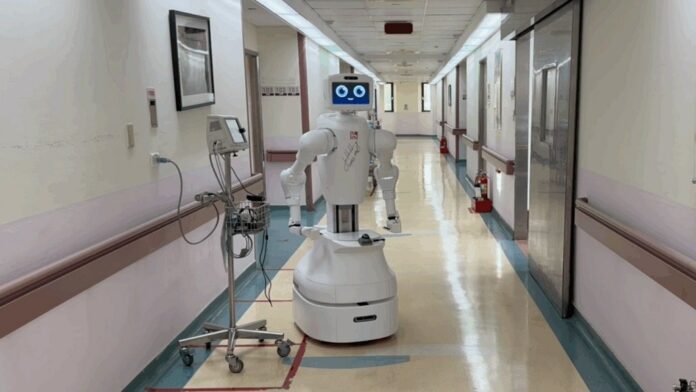
The global healthcare system is expected to face a shortage of 4.5 million nurses by 2030 โ€” and one of the main causes is high burnout. Manufacturing giant Foxconn is helping ease the burden with NVIDIA-accelerated solutions like Nurabot, a collaborative nursing robot that offloads time-consuming, fatiguing tasks such as transporting medication and samples across the hospital.

Nurabot is just one of Foxconnโ€™s smart hospital applications developed using NVIDIA technologies and deployed by Taiwanโ€™s leading medical centers. Its other tools include AI models to support patient health monitoring and digital twins of hospital facilities to help management teams with design and planning.

Together, these applications can transform medical centers into smart hospitals powered by NVIDIA physical AI and its three-computer solution. First, massive AI models are trained and fine-tuned on supercomputers. Next, in simulation, digital twins are used for planning, testing and robotics training โ€” and third, edge computing systems enable rapid AI inference on robots and sensors.

Taichung Veterans General Hospital (TCVGH), Baishatun Tung Hospital โ€“ Mazu Hospital, and Cardinal Tien Hospital are among the Taiwan-based healthcare institutions adopting Foxconnโ€™s smart hospital solutions to support clinicians and advance patient care.

โ€œTaiwan has a highly developed healthcare infrastructure with a strong push toward digital health transformation, creating the ideal environment for robotic integration,โ€ said Shu-Fang Liu, deputy director of the nursing department at TCVGH, which is currently conducting a field trial with Nurabot. โ€œRobots are augmenting our capabilities so we can provide more focused, meaningful care.โ€

Recognized as one of the worldโ€™s top 100 smart hospitals, TCVGH is developing multiple solutions to address the severe shortage of nursing personnel in Taiwan. In addition to implementing welfare policies to retain talent, the hospital is harnessing AI technology to ease the burden on frontline staff, noted Dr. Yun-Ching Fu, the hospitalโ€™s superintendent.

The hospital began working with Foxconn last year to codevelop the Nurabot collaborative nursing robots as part of its smart healthcare initiative led by Dr. Shih-An Chen, honorary superintendent at TCVGH.

Supporting Smart Hospitals From the Data Center to the Edge

Foxconnโ€™s smart hospital solution begins in the data center, where high-performance compute is applied to develop large AI foundation models โ€” like FoxBrain, a large language model (LLM) developed using the NVIDIA NeMo framework. Trained on NVIDIA Hopper GPUs, FoxBrain is capable of text-to-speech, automatic speech recognition and natural language processing.

The company is also using its Honhai Super AI Computing Center 1, which features NVIDIA DGX systems, to develop healthcare-specific AI models. Offered through Foxconnโ€™s CoDoctor AI platform, powered by NVIDIA AI, these models improve diagnostic accuracy and optimize clinical workflows for tasks including retinal imaging, vital sign monitoring, arrhythmia screening and cancer screening.

Clinicians in the radiology department at Tungsโ€™ Taichung MetroHarbor Hospital use Foxconn’s CoDoctor AI platform for medical imaging workflows. Credit: Foxconn

Foxconn is also working with medical centers to integrate the NVIDIA AI Blueprint for video search and summarization, which can analyze real-time video data to alert healthcare workers of medical events and generate visual summaries for hospital management teams.

It will contribute CoroSegmentater, its AI model for coronary artery segmentation, to the MONAI open-source medical imaging platform pioneered by NVIDIA and leading academic medical centers. The model, powered by MONAIโ€™s Auto3DSeg framework for 3D medical image segmentation, can be used to support diagnostics, preoperative planning and patient education.

Clinical teams can use FoxConn’s CoroSegmentater model with NVIDIA Omniverse platform to visualize the heart in 3D. Credit: Foxconn

Clinical teams can visualize these segmentations on 3D visualizations of the heart and vascular system running on NVIDIA OVX servers with NVIDIA Isaac for Healthcare, built on the NVIDIA Omniverse platform. Foxconn has also used Omniverse to develop a tool that can simulate the effects of drug treatments on the tumors of breast cancer patients.

Beyond simulating biology, Foxconn is working with TCVGH, Baishatun Tung Hospital โ€“ Mazu Hospital, and Cardinal Tien Hospital to simulate healthcare facilities using NVIDIA Omniverse. With these physically accurate simulations, the hospitals are planning out the design of new facilities, making data-driven decisions to optimize operations and building simulations to train robots.

Digital twins of TCVGH, Baishatun Tung Hospital โ€“ Mazu Hospital, and Cardinal Tien Hospital facilities. Credit: Foxconn

TCVGH, for instance, built a digital twin of one of its nursing stations and wards as a training ground for Nurabot โ€” enabling the robotic system to practice navigating through virtual hallways before testing in the real world.

Taichung Veterans General Hospital Pilots Collaborative Nursing Robot

Nurabot โ€” built by Foxconn and Japanese multinational company Kawasaki Heavy Industries โ€” uses the FoxBrain LLM, virtual training with Isaac for Healthcare and onboard compute powered by the NVIDIA Holoscan sensor processing platform running on an NVIDIA Jetson Orin device.

Foxconn estimates that when deployed in clinical applications for delivering medication, transporting specimens and patrolling wards, Nurabot can reduce the workload of nurses by up to 30%.

โ€œIn one of our wards, we are using Nurabot to deliver wound care kits and health education materials to patient bedsides,โ€ said Liu. โ€œFor nurses, having a robot assistant reduces physical fatigue, saving them multiple trips to supply rooms and allowing them to focus more on patients.โ€

TCVGH is conducting a field trial with Nurabot. Credit: TCVGH, Foxconn, Kawasaki Heavy Industries

During visiting hours, Nurabot helps guide patients and visitors through the ward, reducing the administrative workload for frontline staff. And during night shifts, where hospitals operate with fewer staff, it can help pick up the slack.

Liu hopes the nursing robots will also be able to soon converse with patients in multiple languages, recognize individuals to enable personalized interactions, and help nurses move patients.

Someone with a lung condition, for example, may need the help of two nurses to get up from their hospital bed and move to a chair to perform breathing exercises. With the help of an assistant like Nurabot, the task might be accomplished with a single nurse, allowing the other to focus on caring for the rest of the ward.

TCVGHโ€™s field trial with Nurabot is drawing positive reactions from nurses and patients โ€” and the hospital expects to deploy dozens of robot units to support its nursing team by the end of this year.

NVIDIA founder and CEO Jensen Huang highlighted Foxconnโ€™s solutions for healthcare during his keynote address today at the COMPUTEX trade show in Taipei. These initiatives will also be detailed at GTC Taipei, taking place May 21-22.


Translate ยป